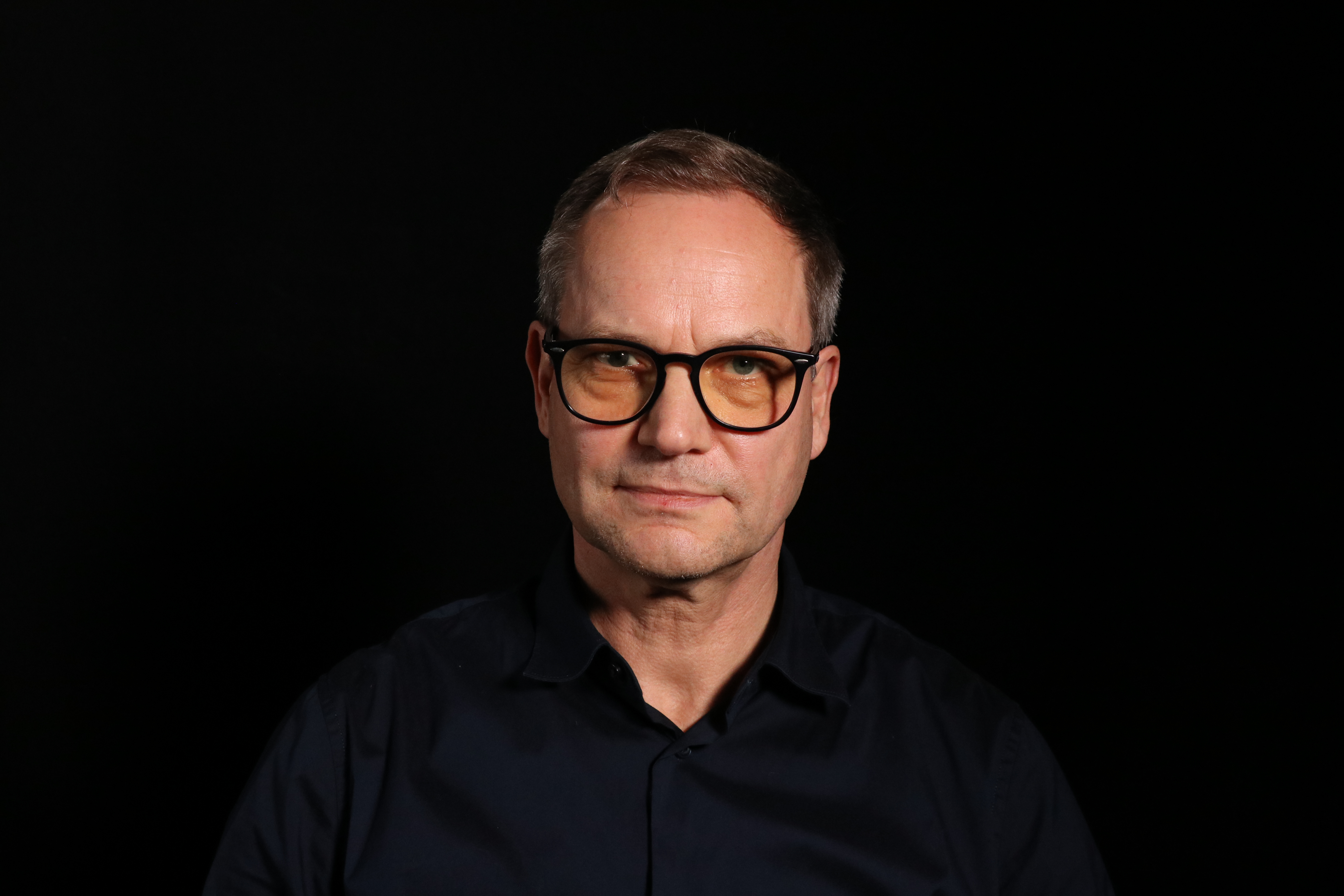
André Weiß

* 1965

  • "We should all remain vigilant. We should have learned from history. And not just from history, but also from the history that came before. Because I have the impression that parts of history that predate our history are being forgotten. Or simply overlooked out of ignorance. That's why political education and documentation by contemporary witnesses is so important. People should understand that the repetition of history can cause a great deal of suffering. Even if you could do different things, or perhaps present it in a slightly more optimised way, in the end there can always be more losers than winners in an unbalanced social order. And that is what we must preserve at all costs. This means that a balanced middle ground, i.e. democracy, is the better way forward nationwide and for most people in the population. Even if democracy is the most difficult political form there is, because it always consists of compromises. Because no one will get 100% of their rights, but only a part of them. Extremists will find less justice in democracy, while non-extremists will find more of their thinking reflected in democracy. And democracy causes the least suffering. Even though we know that democracy is not all gold and glamour, but rather consists of many issues that need to be addressed. But democracy is the best way to repeatedly address these issues and find solutions."

  • "Then Genscher came out, and everyone cheered, “Genscher, Genscher!” He said, “I welcome you all, I welcome the people of Halle.” He then said a few words to bring everyone together. 'I welcome all the people of Halle, I welcome all the refugees. I hope you are well and that you are being well looked after,“ and so on and so forth. And then he said: 'I have come to you... to tell you that today your departure...” And that was it. More shouting and cheering, people falling into each other's arms, euphoria raging. “...has become possible.” I understood that much. You could hear it better on the television. And after the shouting had subsided after a few minutes, he said: “We will ensure that you can leave safely, but I must inform you that we have agreed with the GDR that your departure must take place via the GDR.”"

  • "We had the bed, and we were so relieved: thank God we had a roof over our heads, now we had a bed, now we were safe for the time being. We were busy all day long. We realized we needed to use the restroom, but where was it? There it was. What's that? A line! Why is there a ten-meter line in front of the toilet when I really need to use it? Well, that's just how it was. Everything was available in limited quantities. There were sanitary containers with hot water inside, so you could take a warm shower at some point if the thing had been left alone for an hour, but no chance. There was no chance of taking a hot shower. If you wanted to wash or take a shower, you could always calculate it like this: a quarter of an hour to half an hour for the toilet, about two hours to queue for a shower, and then there was the food – tables were set up where the food was served, and so on and so forth – that took another hour, so you were busy queuing all day long. You had to get clothes somewhere, you had no change of clothes, nothing, it was all provided by the German Red Cross in a hurry, so, as I said, great gratitude again in that direction. We were busy all day queuing up for things: toilet, food, clothes, etc. And if we didn't do that, then we just went for a walk around the embassy grounds and saw this muddy desert everywhere, this trampled garden. We slipped through the mud in places and avoided the grassy paths because you slipped right away there. I still have the shoes I wore that day, I haven't cleaned them since, and I still have them at home, in all seriousness. I packed the shoes, unpolished, in a bag because it was a significant time. Maybe I didn't realize it at the time, but I always liked keeping them, and the more time passed, the more I thought to myself: I absolutely have to keep these shoes. That's why I still have them today. I still have those original refugee shoes from the embassy."

  • "I knew from the television that there was no way to get into the embassy building from the front because the gate was closed, that you had to go in the back. I remembered that there was a possibility to climb over the fence at the back, so we had to find a way to get there. So we walked past the embassy building and on my left I noticed a small alley that led towards the city park. I immediately thought that if we walked down this alley, we could get behind the embassy on the left. And so it was. As soon as we rounded the corner and peeked to the left into that alleyway leading past the embassy grounds, people immediately started waving at us quite wildly from behind the fence. No sooner had I seen the fence than I grabbed my wife and we started running. We ran so fast that our umbrella turned around in the strong headwind. We were afraid that maybe a policeman patrolling the area would start to catch up with us from behind. Thankfully, we quickly ran to the fence and the people from behind the fence immediately included instructions on what to do. They shouted, 'Throw the bag over the fence! Get on your knee!' So we stood on the knees of our fellow hikers, who put their bent knees through the fence so we could use them for support as we climbed over the fence we were holding onto at the top. By the way, the fence looked different then than it does now, the bars were straight. There was also a cable reel next to the fence that could be used as a tool for climbing the fence. This couldn't have been an accident, the public was showing that they approved of the escape. Something along the lines of, 'If you want to, you can go wherever you like.'"

  • Full recordings
  • 1

    Praha, 29.09.2024

    (audio)
    duration: 01:24:19
Full recordings are available only for logged users.

I still have the authentic refugee shoes from the embassy
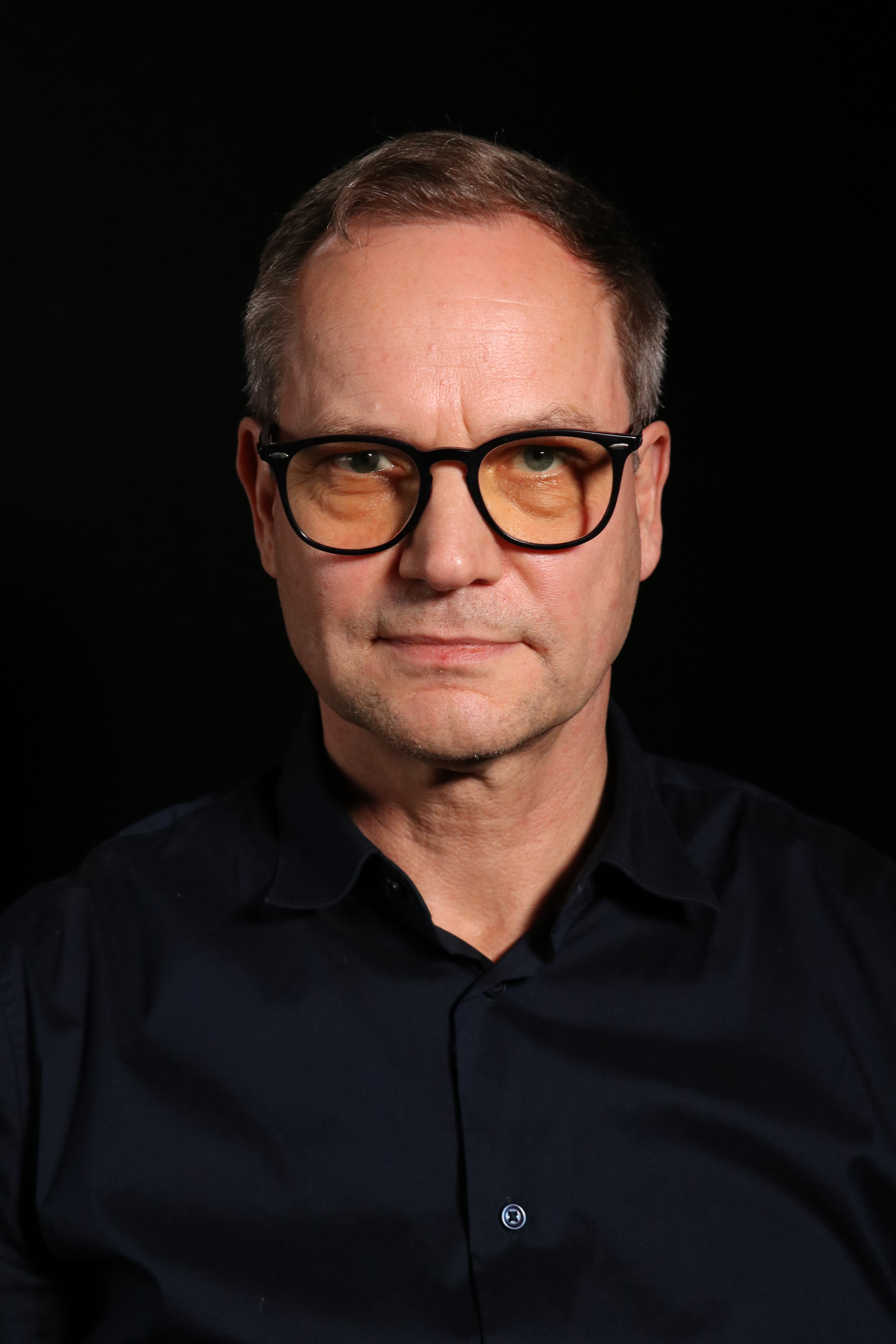
André Weiss in 2024
André Weiss in 2024
photo: Post Bellum

André Weiss was born on 28 April 1965 into a family of car mechanics in Dresden. Gradually he became aware of the disadvantages of living under the socialist system in the GDR, and after his wedding he considered fleeing to the GDR. He and his wife had already discussed this when they went on holiday to Hungary in the spring of 1989, but a firm decision was made on 22 September, when their application for emigration was refused without any justification. Spontaneously, they jumped into a Trabant and drove towards the Czechoslovak border. However, they preferred to return and did not escape until 26 September. Very early in the morning they were at the German Embassy in Prague and with the help of other refugees they successfully crossed the fence. However, the feeling of security was still accompanied by fear and uncertainty. These were dispelled four days later after a speech by Hans-Dietrich Genscher, who brought them the news of the safe departure of all the refugees to the GDR. After an overnight train journey they reached Schwandorf, where they soon found work and accommodation. In addition to working as a plumber, André Weiss also studied long-distance in the West, but eventually decided to return with his wife. Since 1994 he has lived near Dresden again, and he remembers the help of the people in West Germany with gratitude. He is equally grateful for the opportunity to live in a democracy.