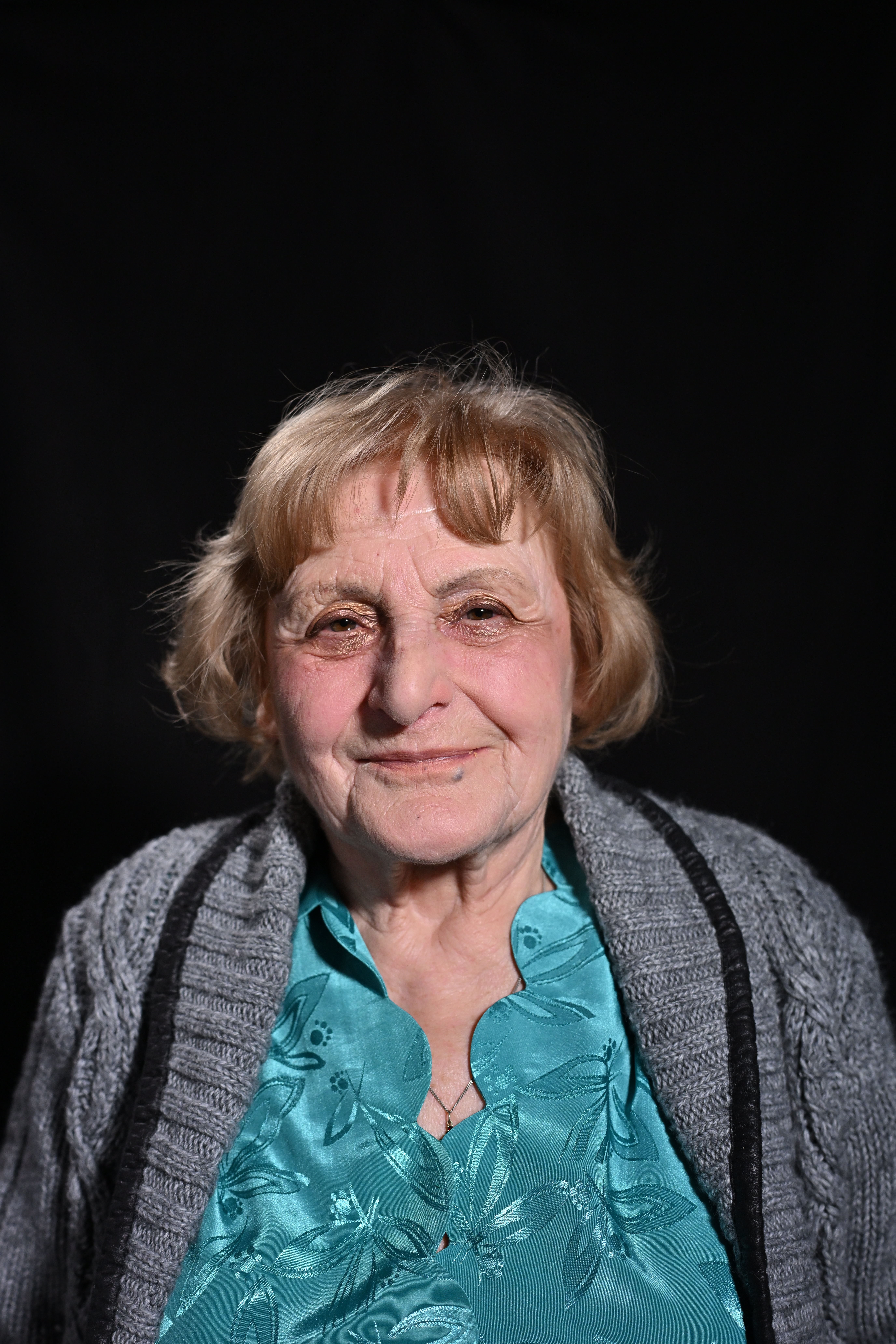
Marie Mikešová

* 1938

  • “The expulsion — that was terrible. Let me put it this way: people came who had no idea what it meant to run a farm or take care of livestock. They thought the Germans would stay, work for them, and they would just play the masters. But the reality was completely different. Those who were to be expelled gathered on the village square. I don’t remember if the looting guards — as they were called — were there. They were in charge, and they invited my father to be present as the Czech representative. So he was there for half a day. He ran away from it and said, ‘Those weren’t people — they were animals, the way they treated the Germans.’ And the kind of people who came in — don’t think they were decent folks. It was all scum. They just came, looted whatever they could. They arrived with two suitcases and left with a fully loaded army truck. So no, it wasn’t good at all.”

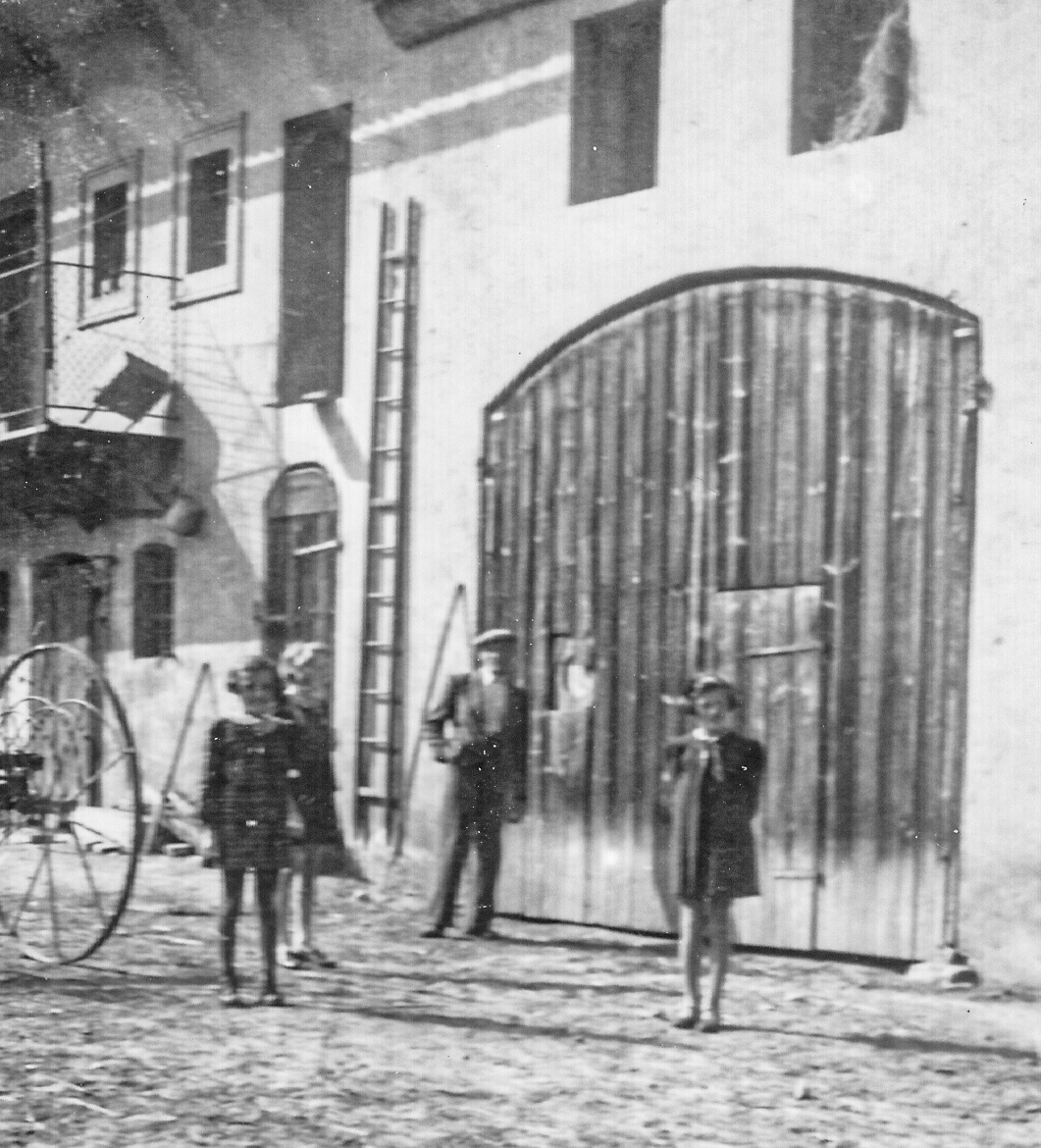
  • "The farm was completely destroyed, because during the war all Germans capable of holding weapons were at war. So the village was left with women and old people. They needed someone to work in the fields, so they recruited French prisoners. And they, at length, it wasn't theirs, so they demolished the buildings. When we went back there, we couldn't live in it at all. We had to find alternative accommodation in the school. It had to be repaired. The roofs, everything was broken. There was no inventory at all. Can you imagine? You can't! The cattle must have been murdered, there was nothing, bare walls. So my father had to fix it up. At the expense of the family, of course. Everyone thought we had millions. We had shit because he had to invest to make a living."

  • "When Hitler began to occupy the Sudetenland, life there changed for the worse. My father was imprisoned, he was lucky that he was imprisoned only in Štětí. He got out of there thanks to a decent German who lived in Radouň. He was a dance master in Litoměřice. As a dance master, he had many friends, because the children of German officers came to him. So thanks to him, dad managed to get out of prison. And that was very lucky, because in three days all the people who were locked up there were taken to Dachau." - "And for what was dad imprisoned?" - "For nothing, just for being Czech. He was the biggest peasant in the village, he bothered them."

  • Full recordings
  • 1

    Ústí nad Labem, 11.02.2025

    (audio)
    duration: 01:06:24
    media recorded in project Příběhy regionu - Ústecký kraj
Full recordings are available only for logged users.

First the Germans took the farm, later the Communists
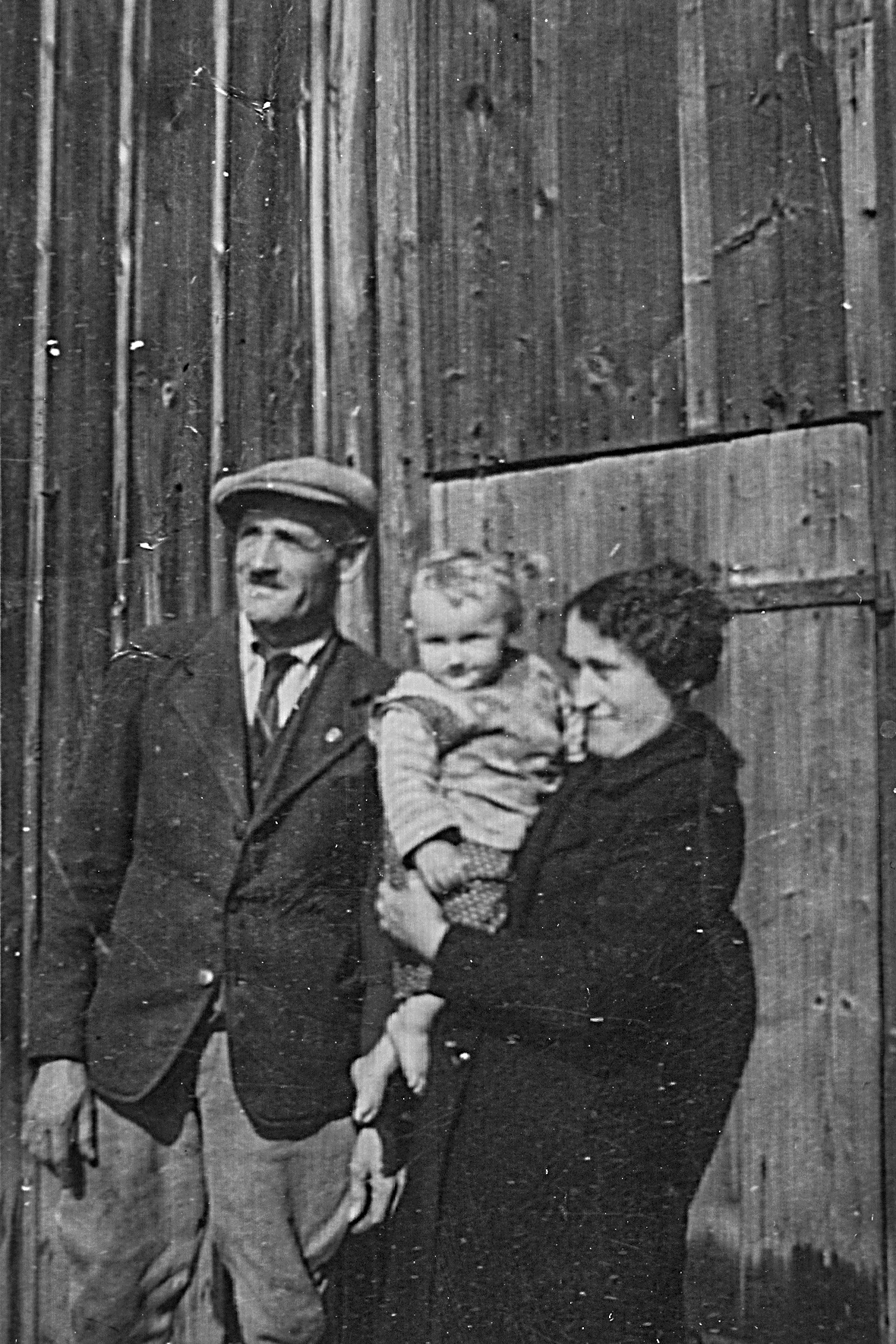
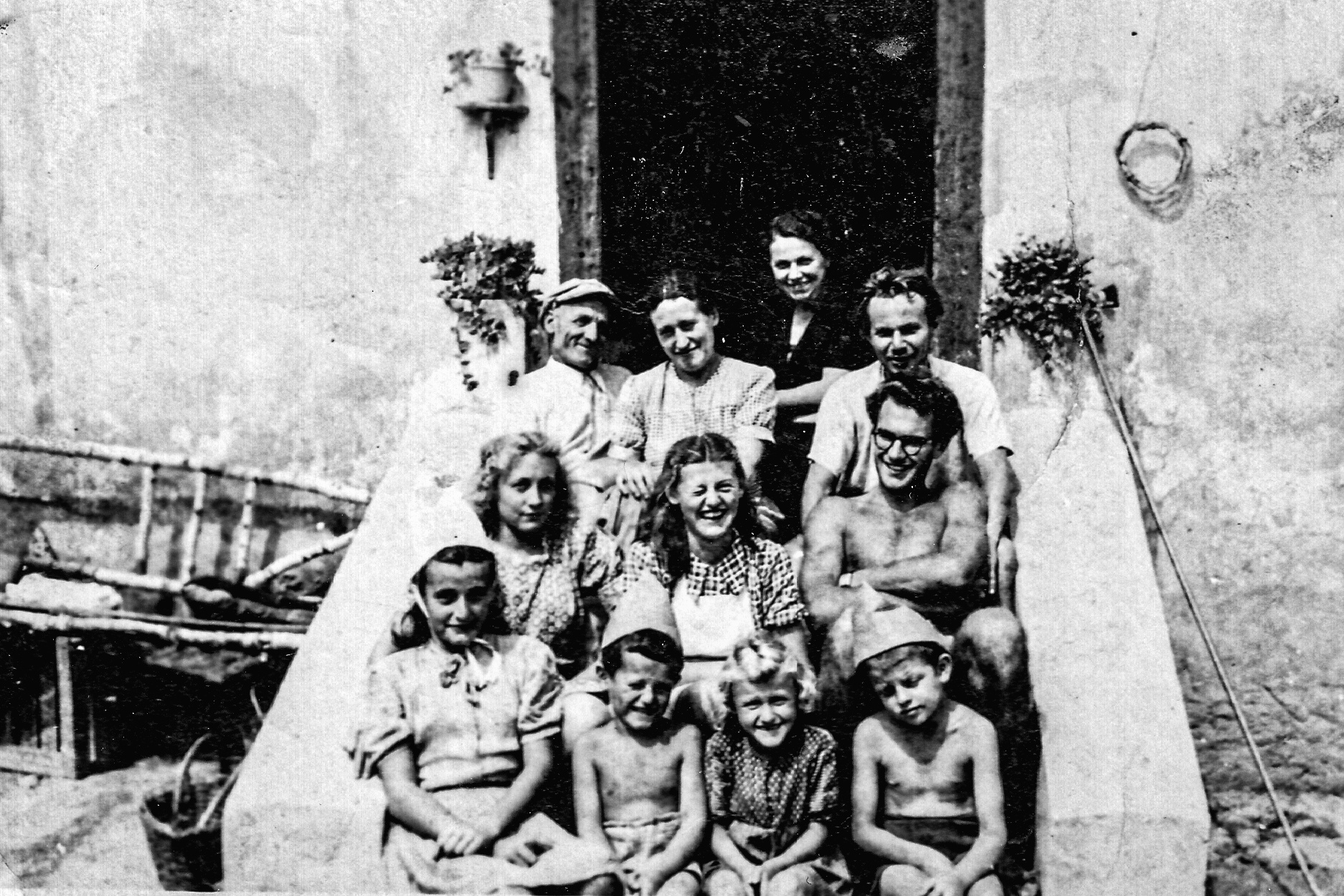
Witness with her parents in 1940
photo: witness

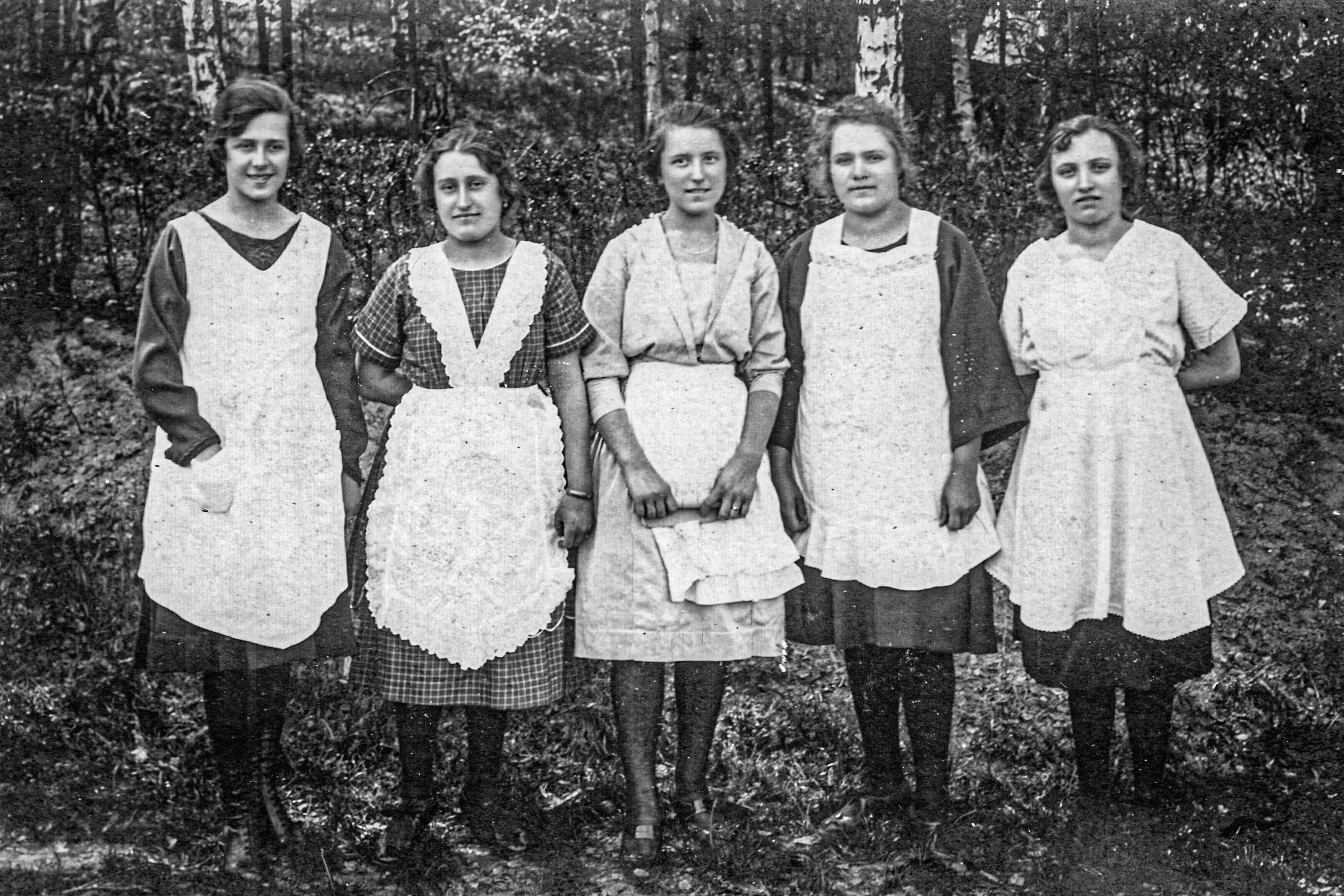
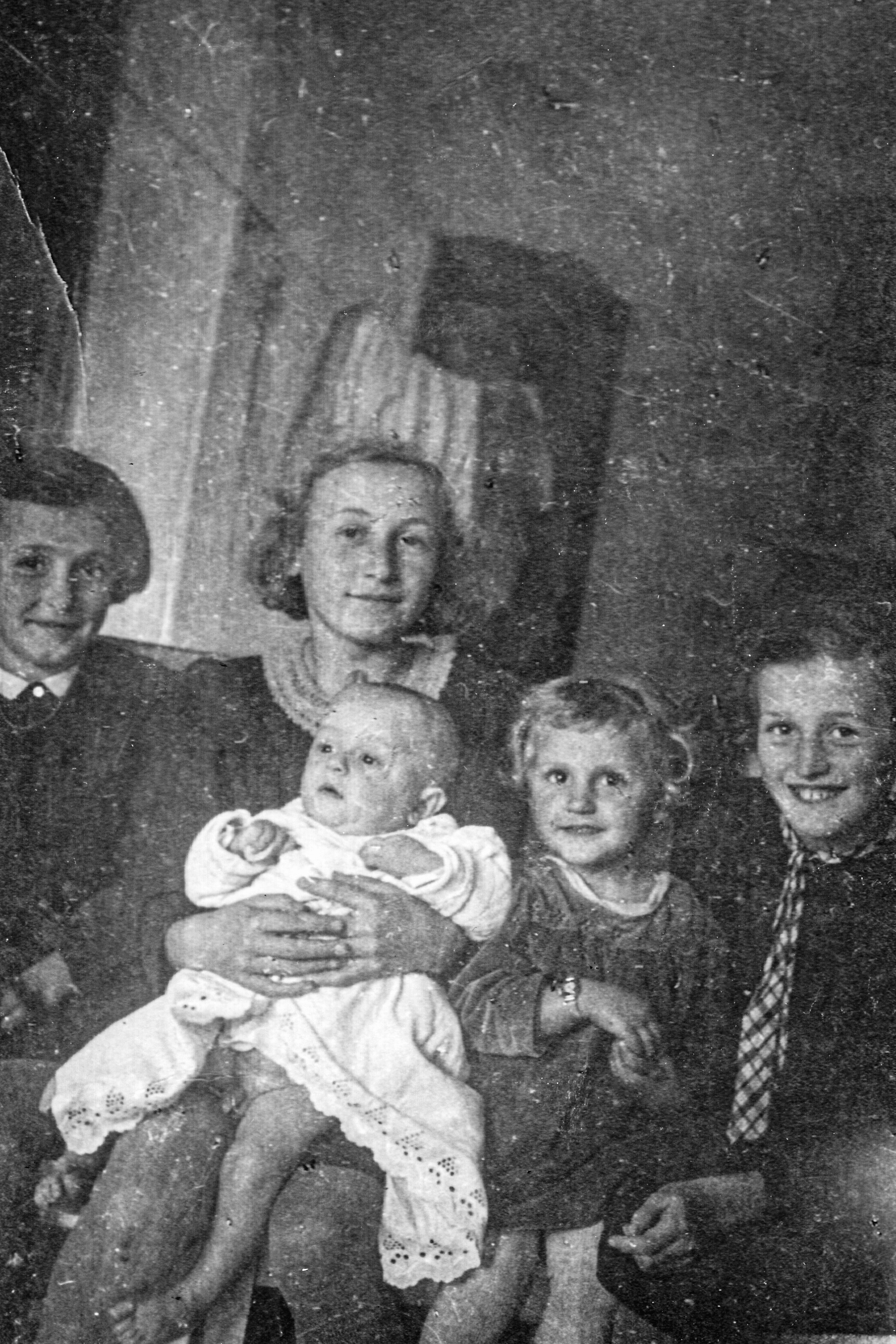
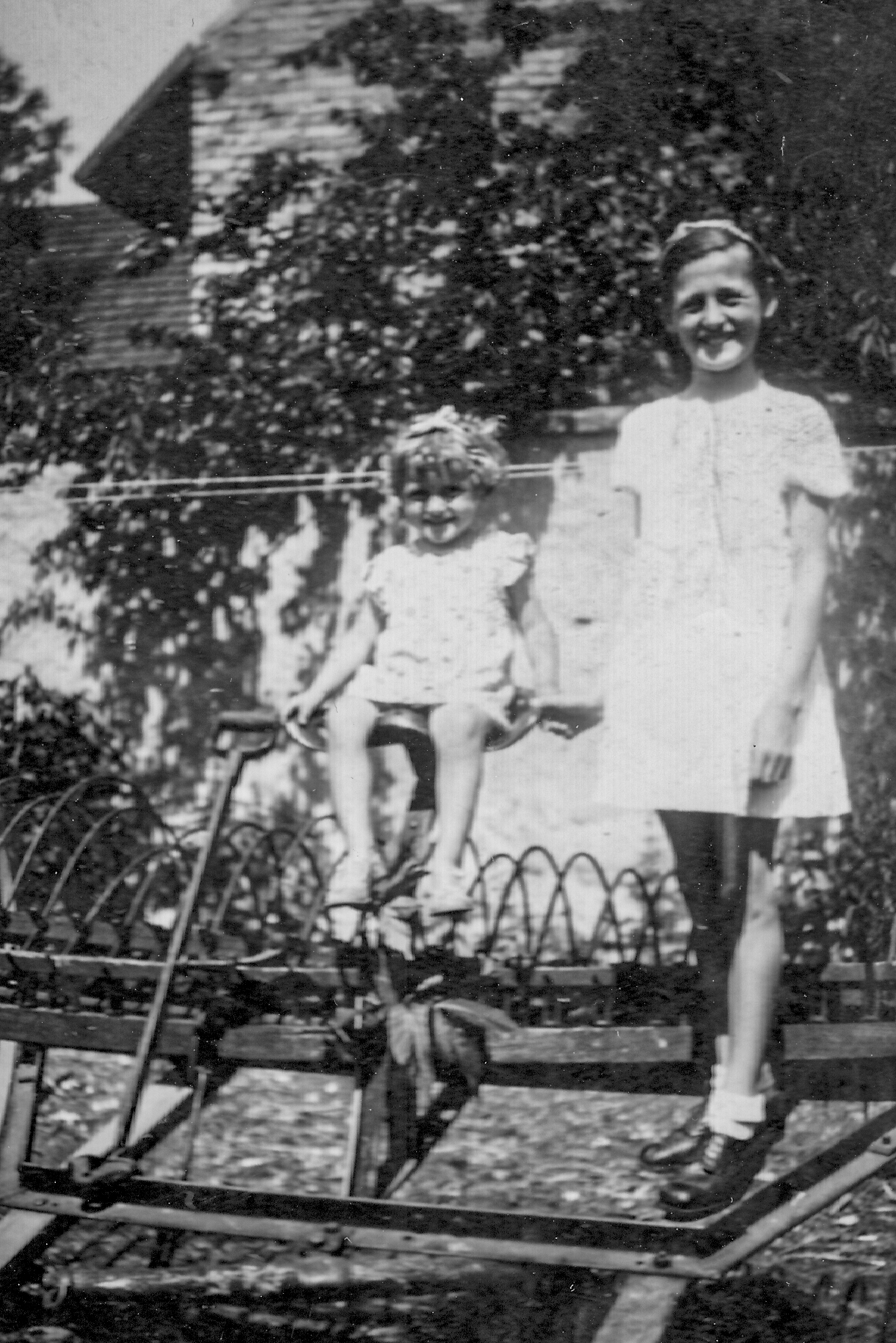
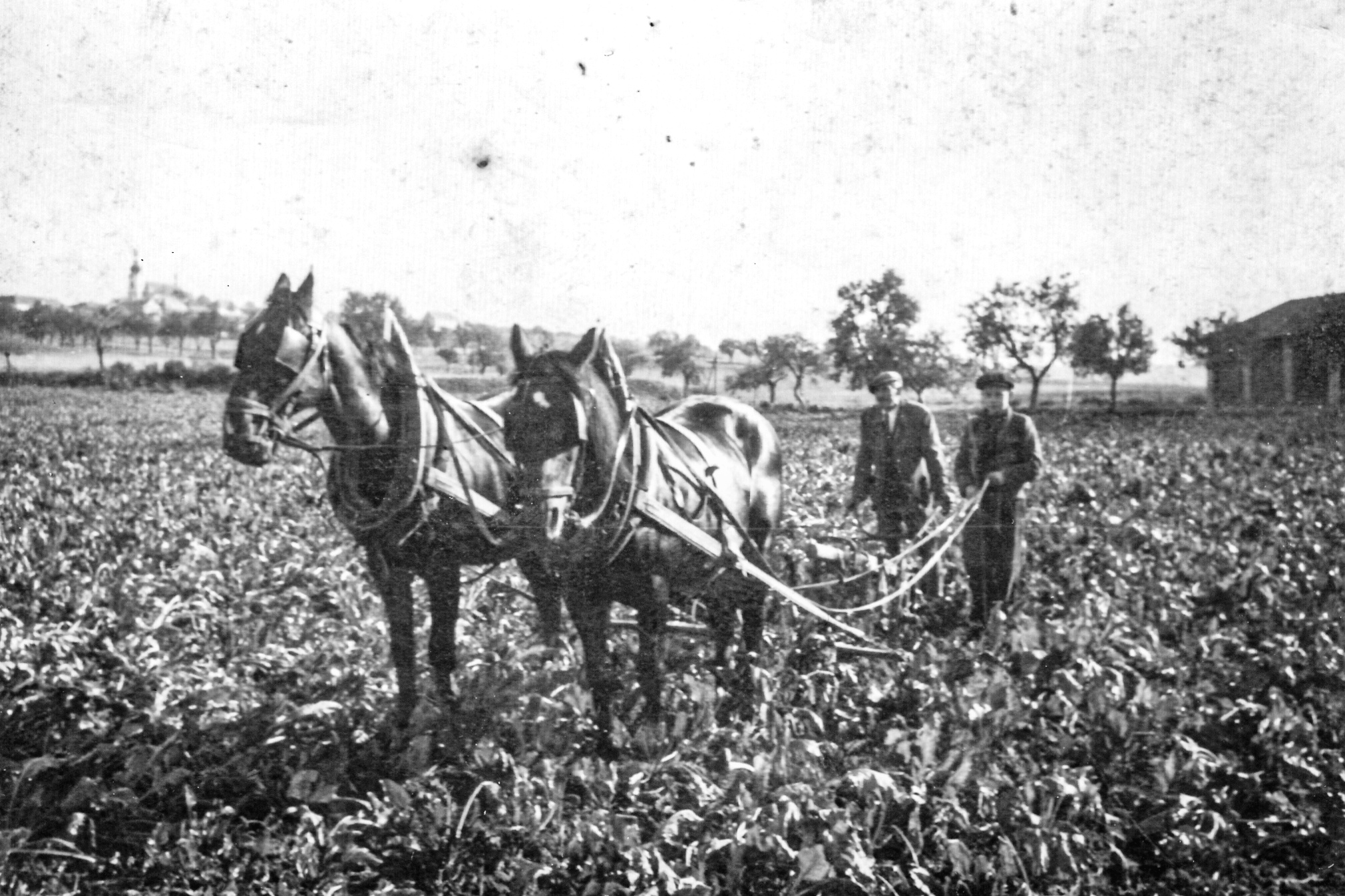
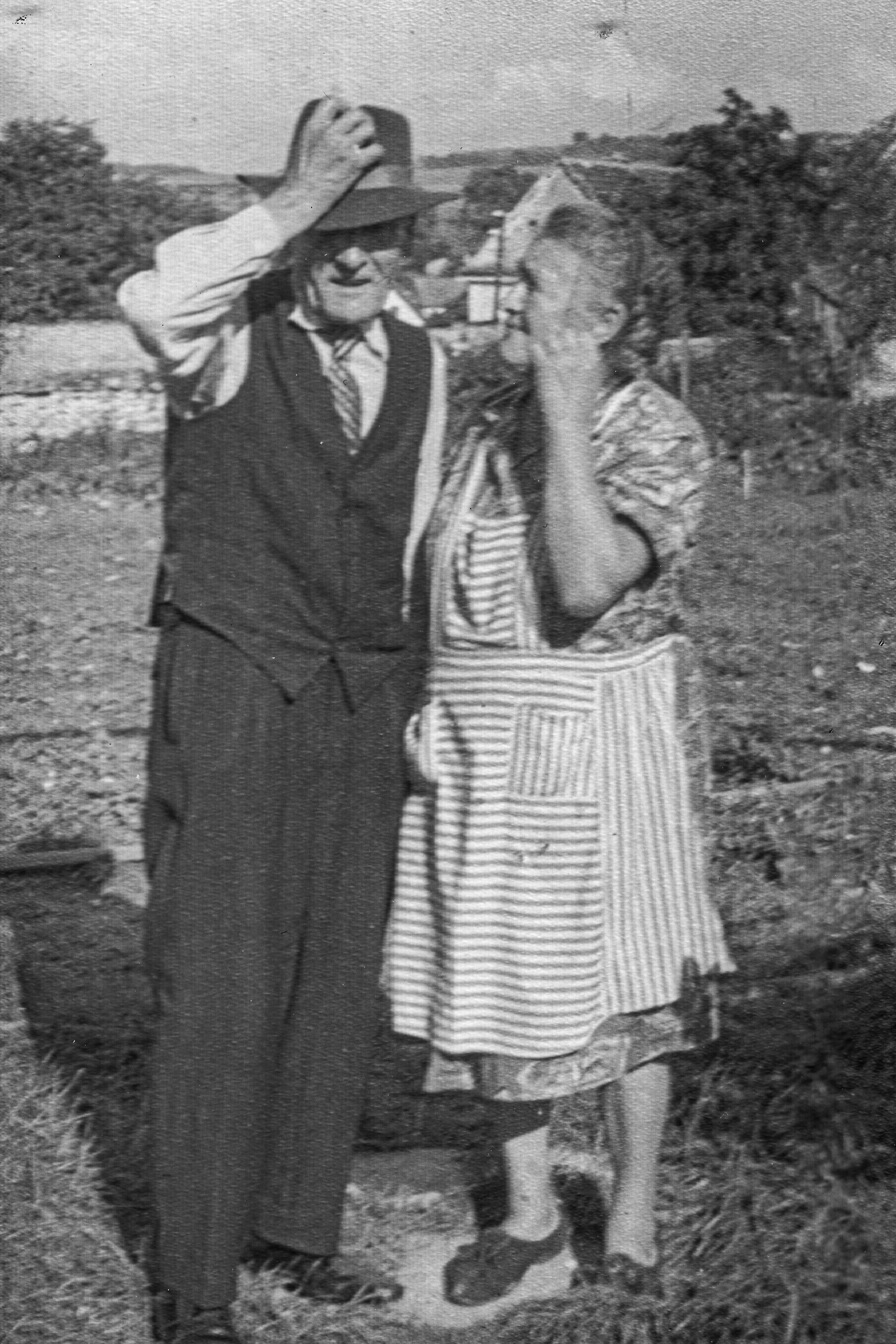
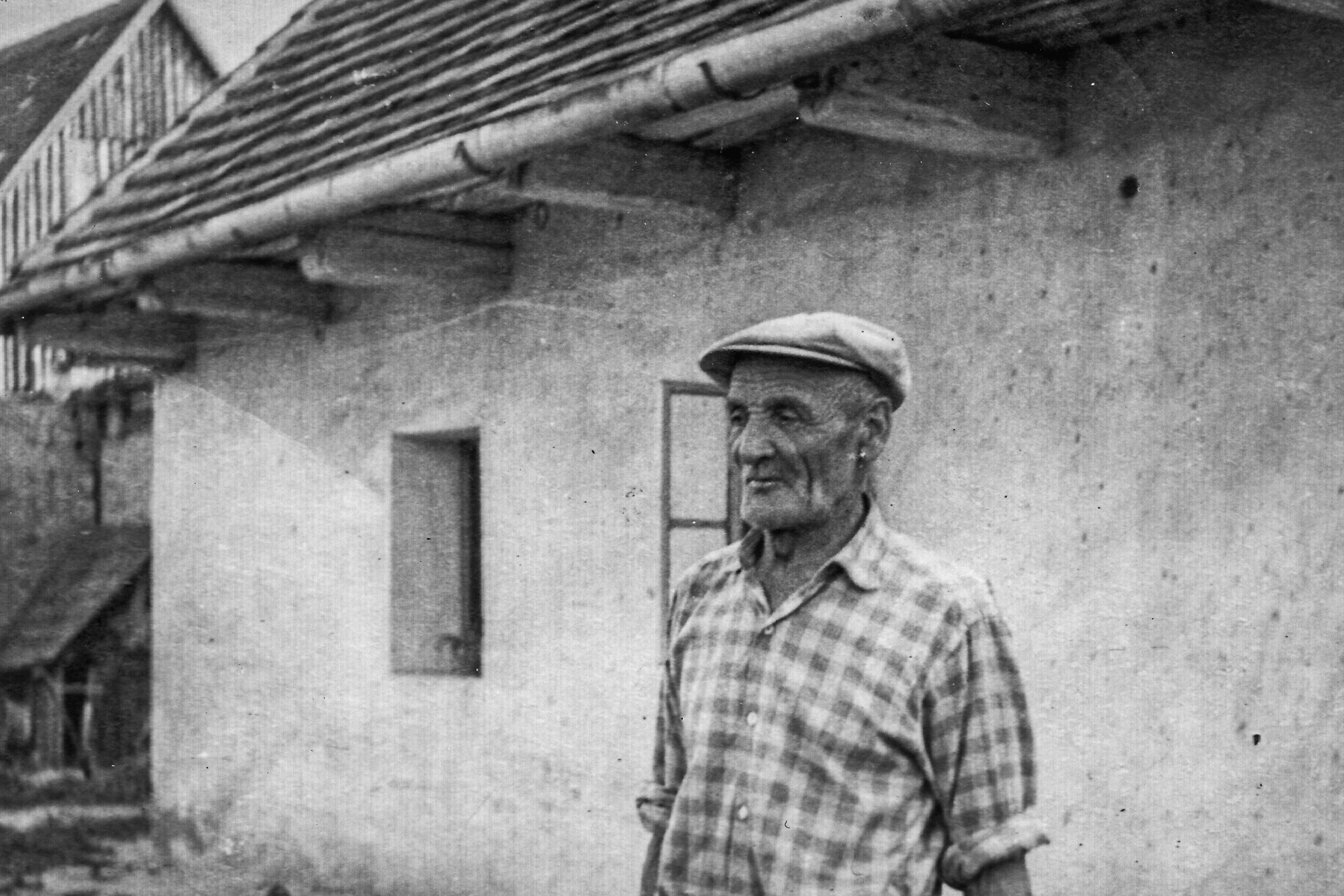
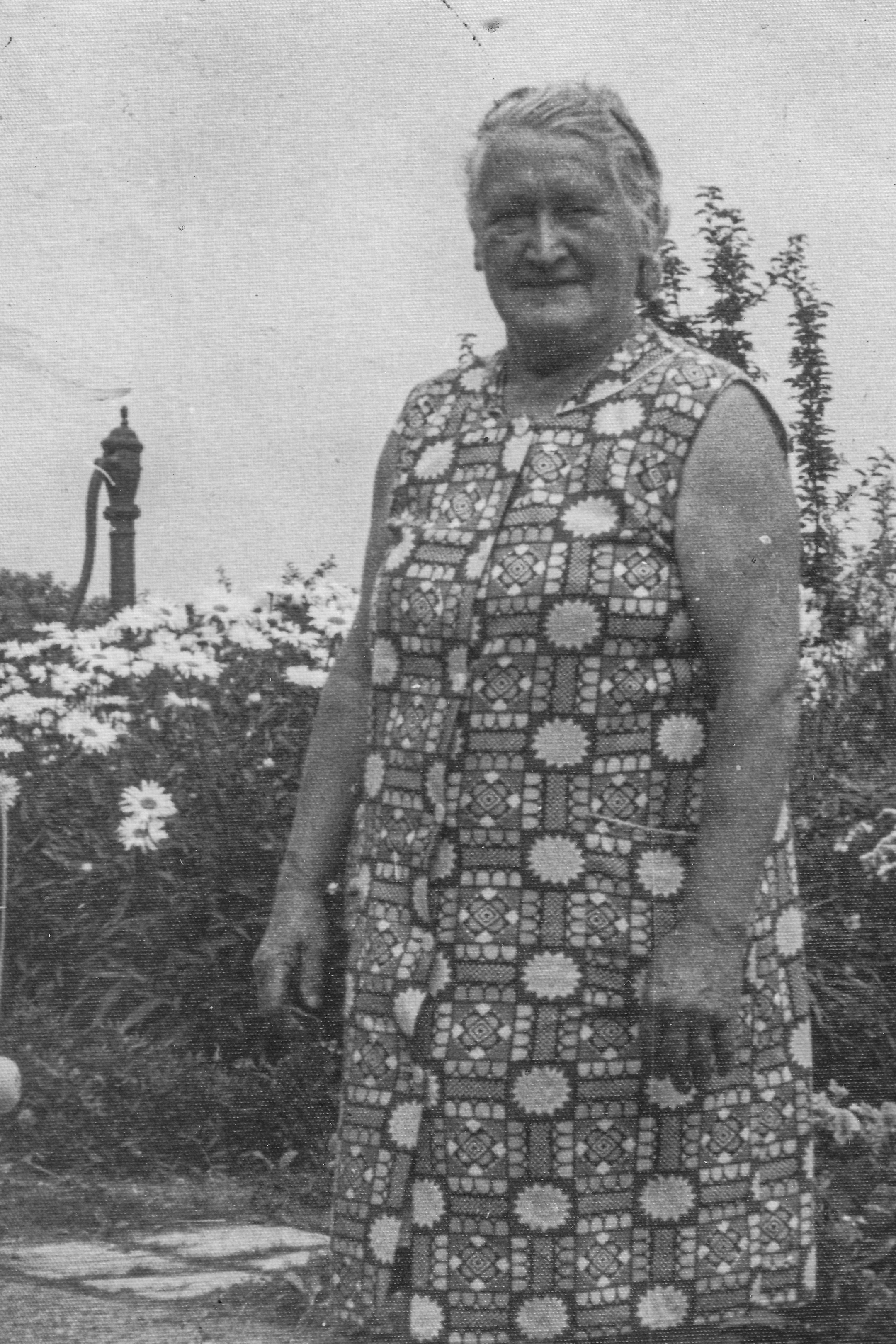
Marie Mikešová, née Stachová, was born on December 1, 1938. She grew up in Radouň near Štětí in the Roudnice region in the family of a landowner. Most of the German-speaking inhabitants lived in the village. In 1938 they lost their farm during the occupation of the Sudetenland. The family had to move first to nearby Bechlin and later to Libušín near Kladno. Father Antonín Stach was a legionnaire, during the war he helped the families of his imprisoned friends. After the war, the Stachs returned to their farm. It was almost a ruin. Father Antonín Stach started farming again, but after 1948 he lived under increasing pressure from the communists, who demanded that he join an agricultural cooperative. This he resisted steadfastly. Later, during his hospitalization due to illness, his mother, Alena Stachová, handed over the farm to the communists. According to the witness, her father could not forgive his wife for long. The whole family then moved to a sheepfold above the farm, which they were allowed to keep. Marie Mikešová graduated from the industrial school in Mělník and married Jiří Mikeš in 1963. Marie Mikešová also lived in Radouň in 2025.