Marie Vlčková

* 1940

  • "There was some noise in the evening and [soldiers] drove by us to the area. I was wondering in my sleep what kind of strange army this was. Those tanks never rattled like that. My goodness, Russians were entering the military area likely somewhere from Klášterec. Mostly they just drove through and didn't stay. My youngest daughter was due in November, and the radio was talking about the invasion and the situation. After two children, my diapers were already falling apart, so I quickly went to Klášterec and bought two packs. In those days, you washed and ironed diapers again and again. There were no disposables. Other than that, there was no big panic, like people stockpiling goods. Somehow it just passed on [in Klášterec nad Ohří]."

  • "As children grow up, towels and stuff will fall apart. Mum and grandma always put the clothes coupons together and figured out what we could buy. Clothes were mended, sleeves and skirts extended, and somehow we made it. My mum was so angry about the currency reform and the end of coupons. I would have turned 14 a year later, be an adolescent and as such be entitled to bigger food rations. Children received smaller rations, a pint of milk a day or a pack of butter a month. Adolescents got bigger rations, and the goods that were subject to coupons cost less. Goods sold without coupons cost more money."

  • "At first the police had training grounds there and then the handlers trained dogs for the Border Guard. That was fun. They put a purse around the dog's neck and ordered: 'Fetch report!' When the dog smelled another dog somewhere, it ran away and would not report. To correct it, they installed wires later on and the dogs were tied to them and couldn't run away."

  • Full recordings
  • 1

    Karlovy Vary, 01.10.2025

    (audio)
    duration: 01:13:46
    media recorded in project Příběhy regionu - Karlovarský kraj
Full recordings are available only for logged users.

I cried every time my friends moved
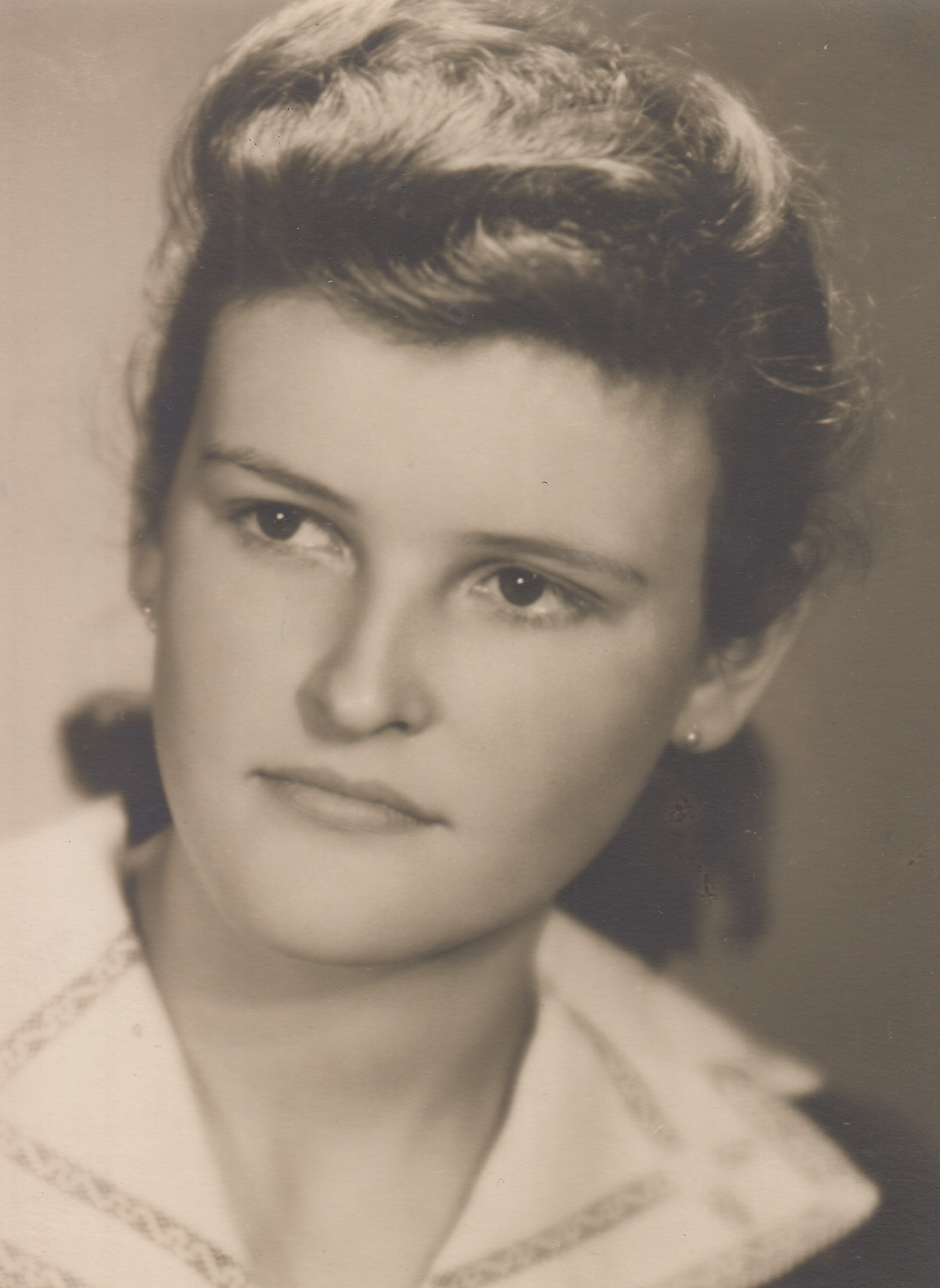
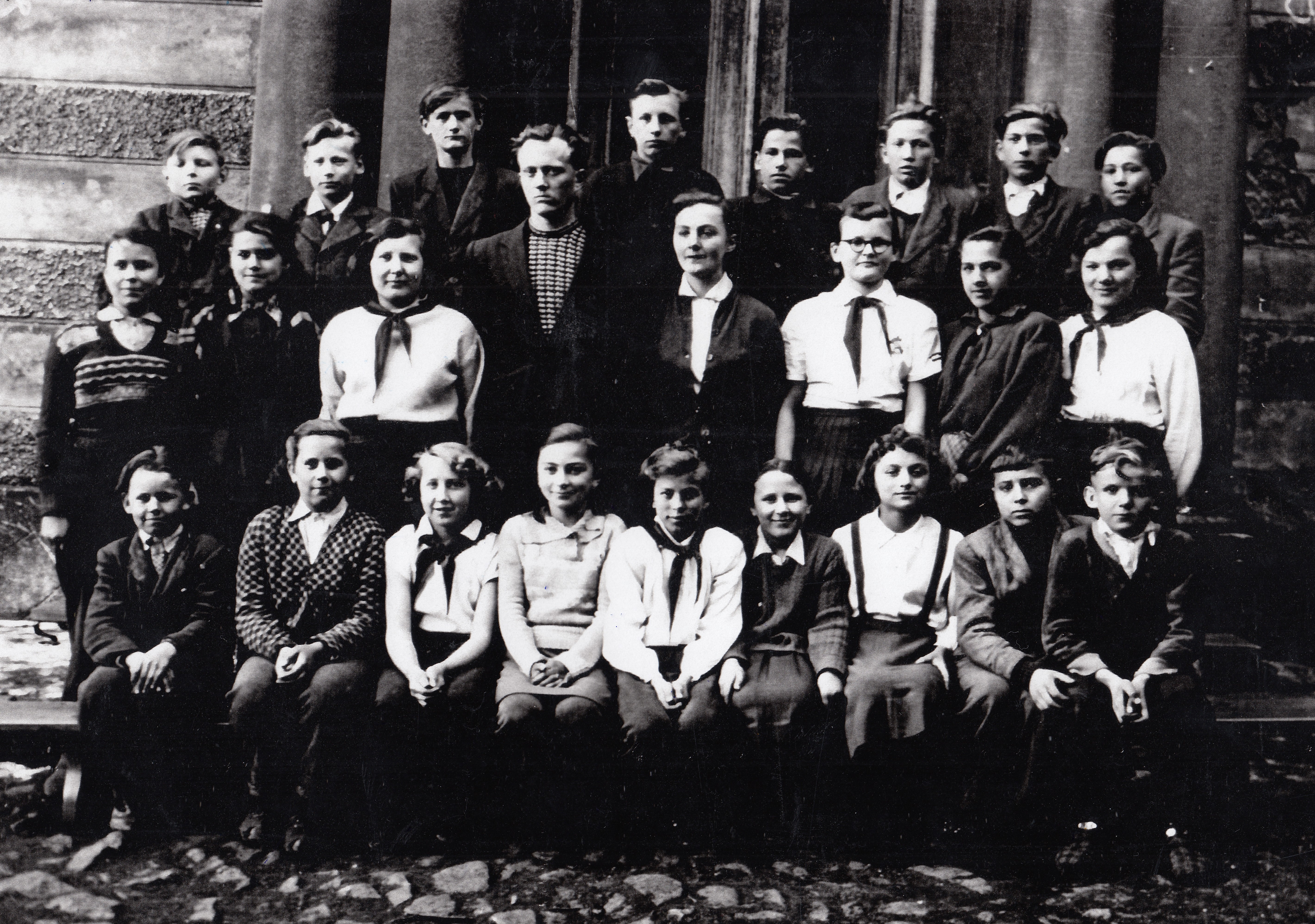
Marie Vlčková's graduation photo, Dolní Lomnice, 1957
photo: Witness's archive

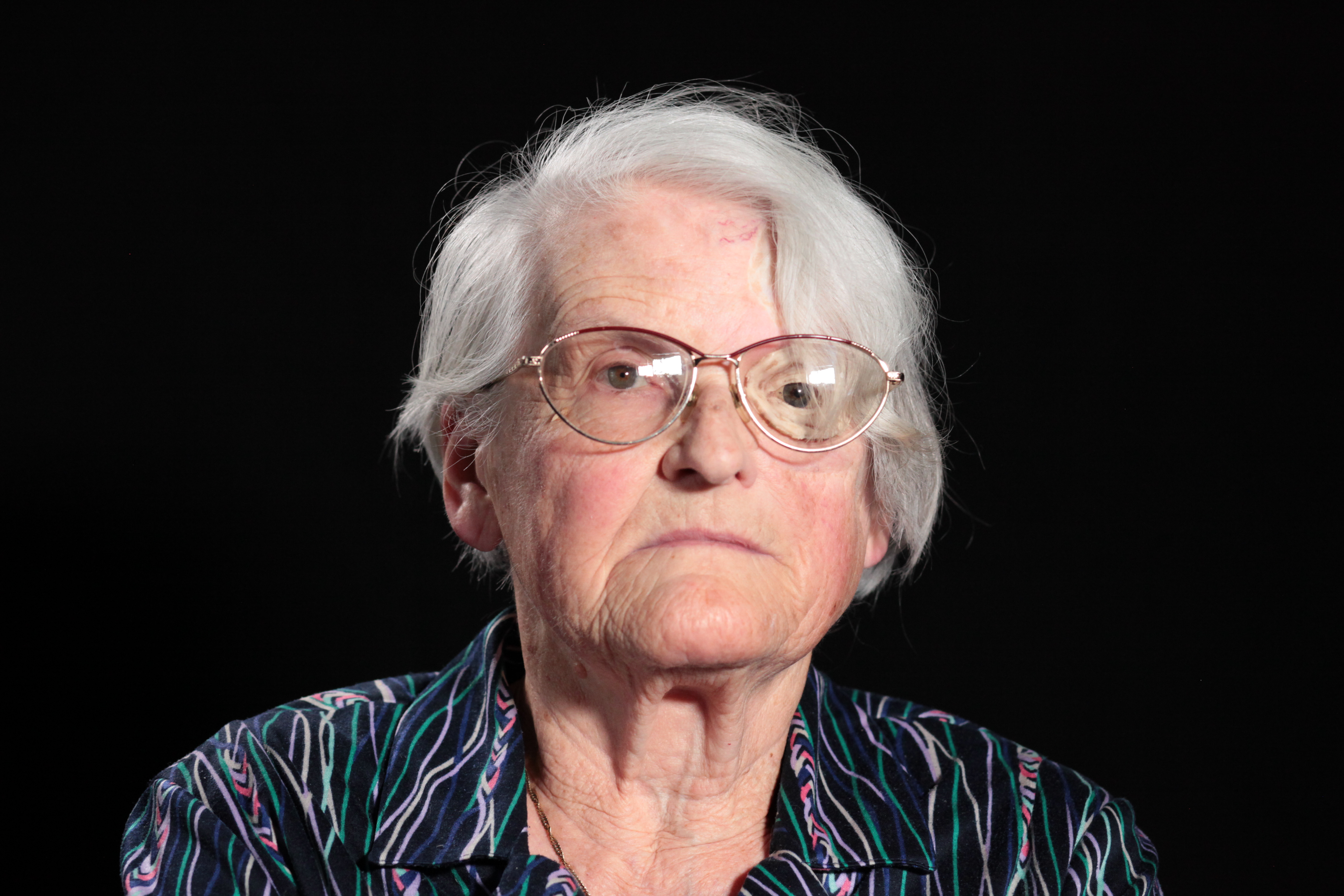
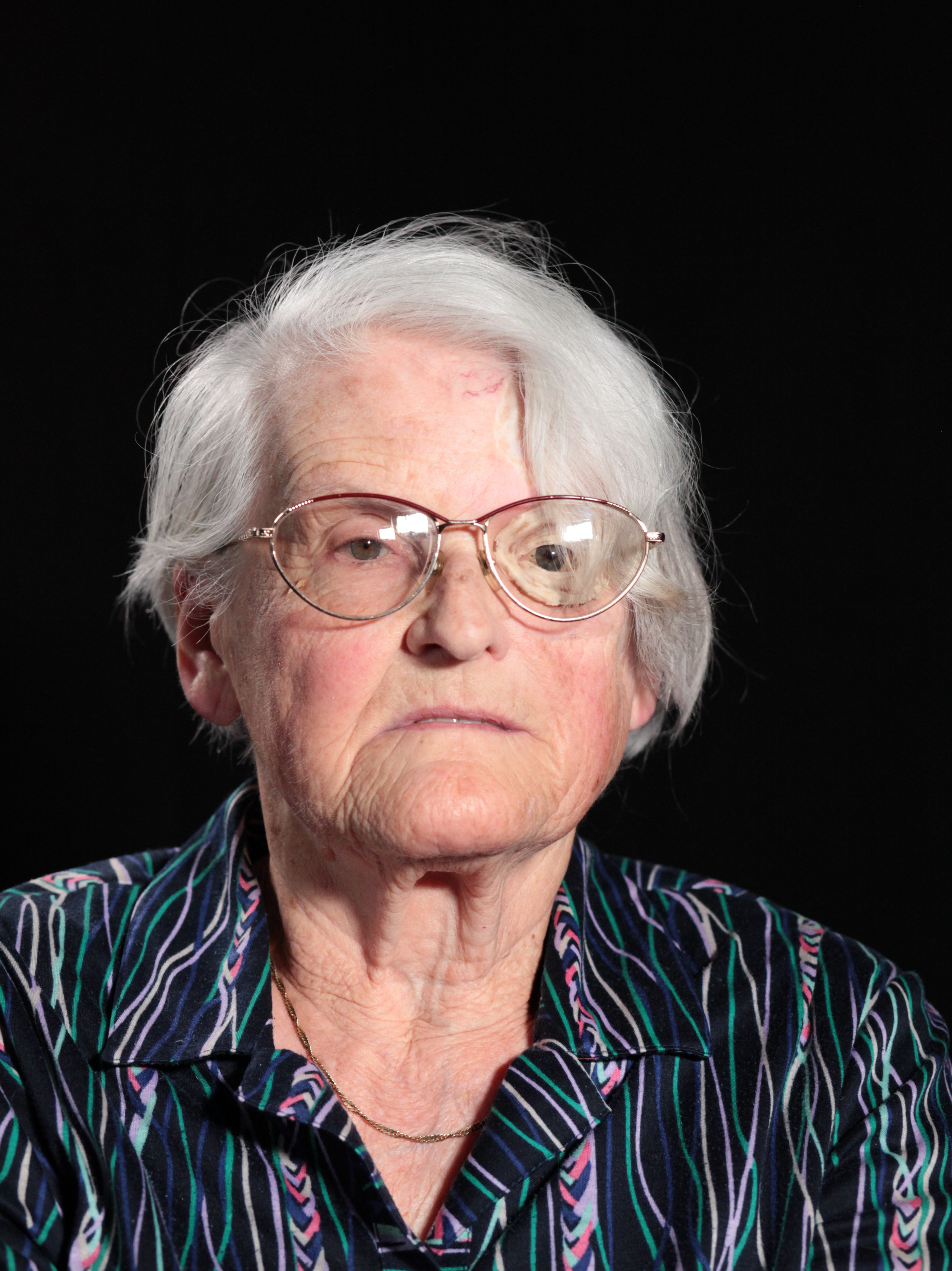
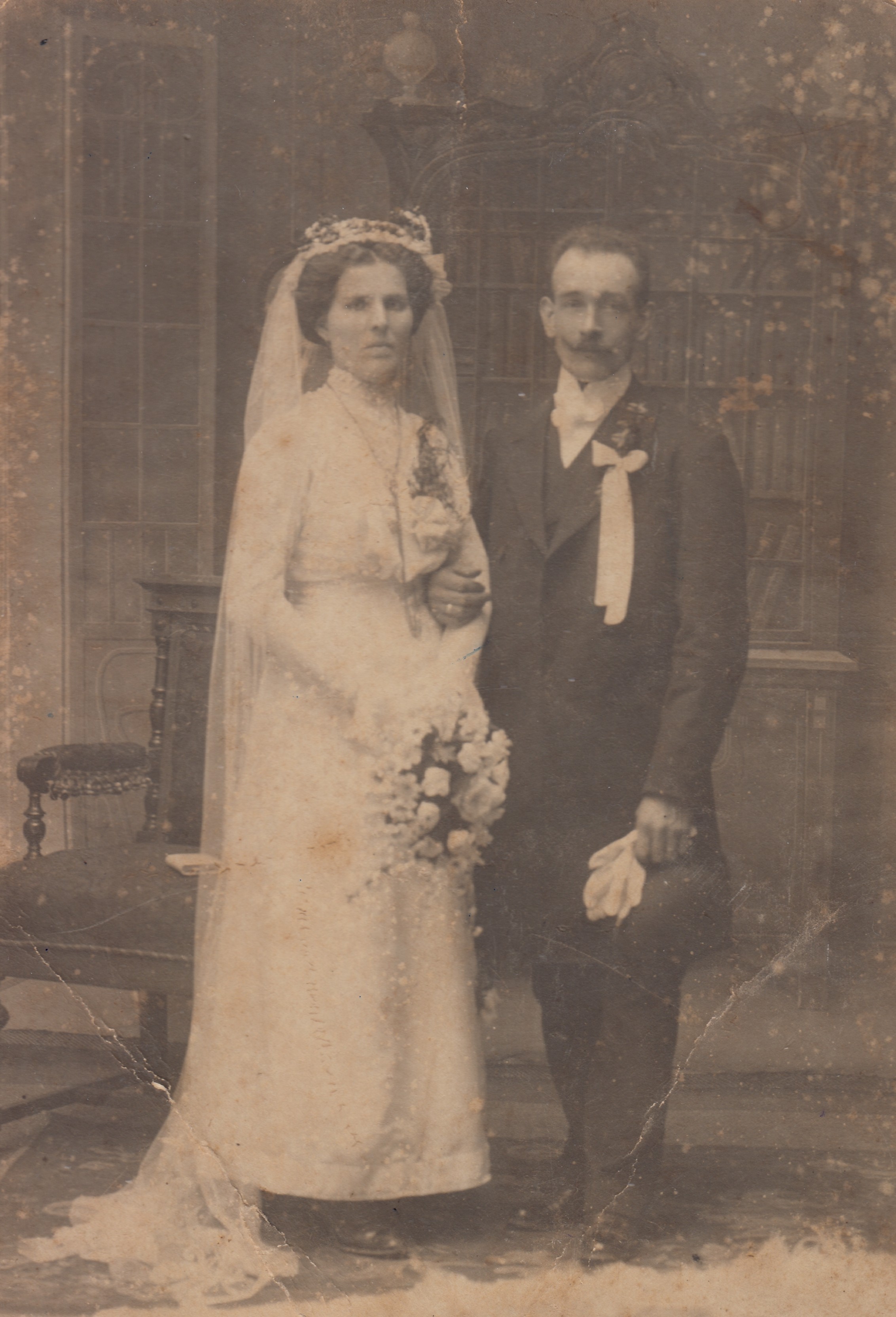
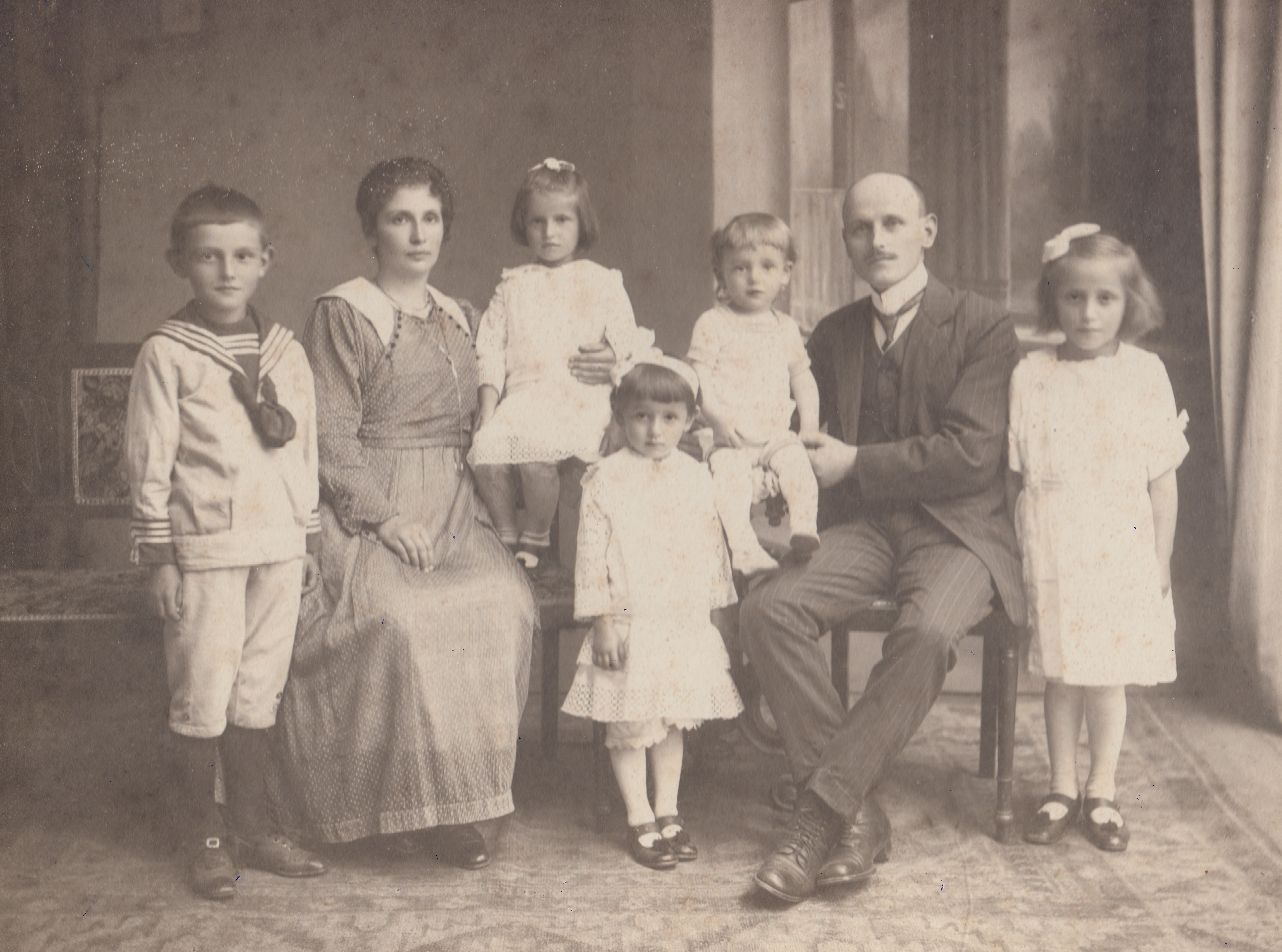
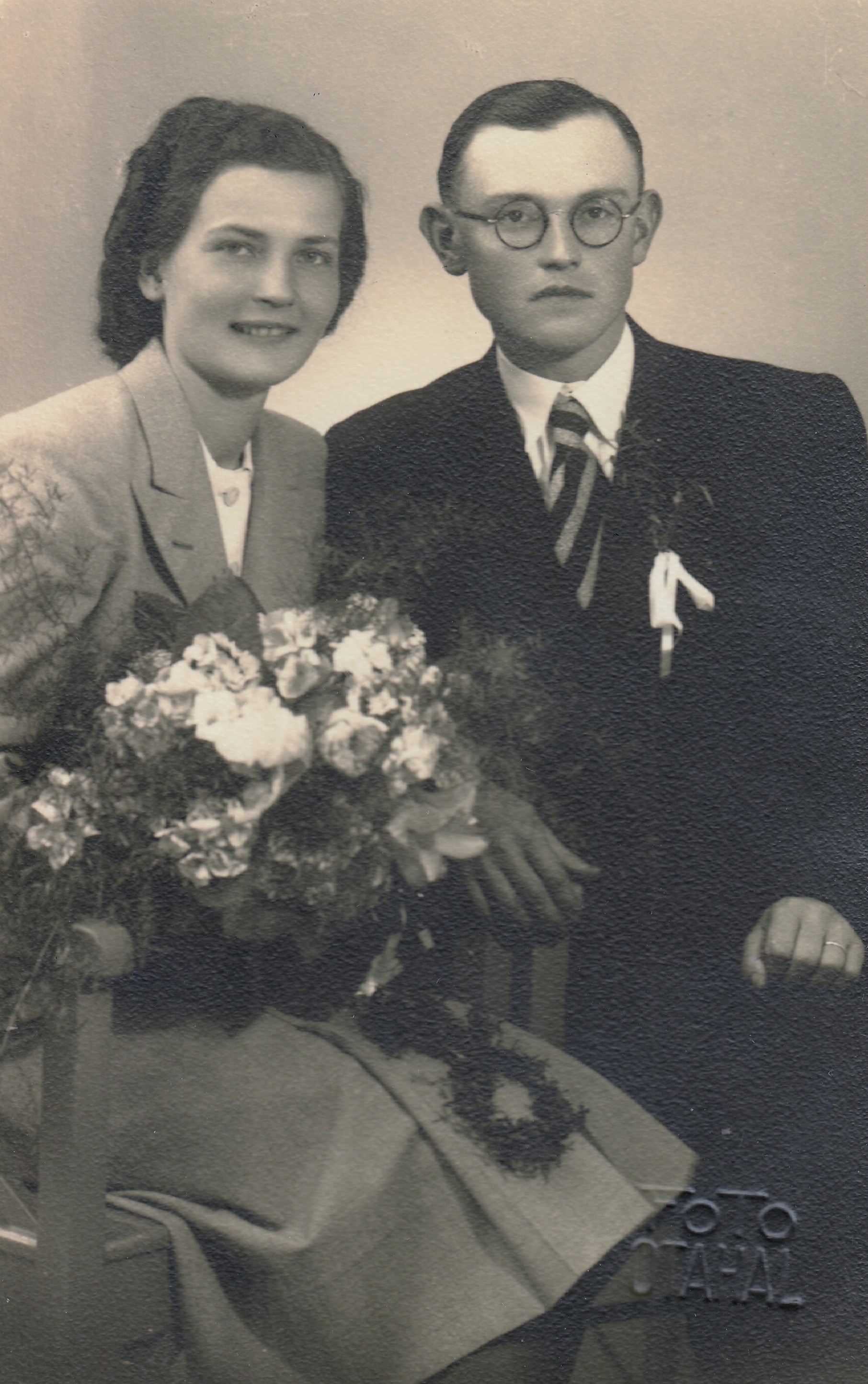
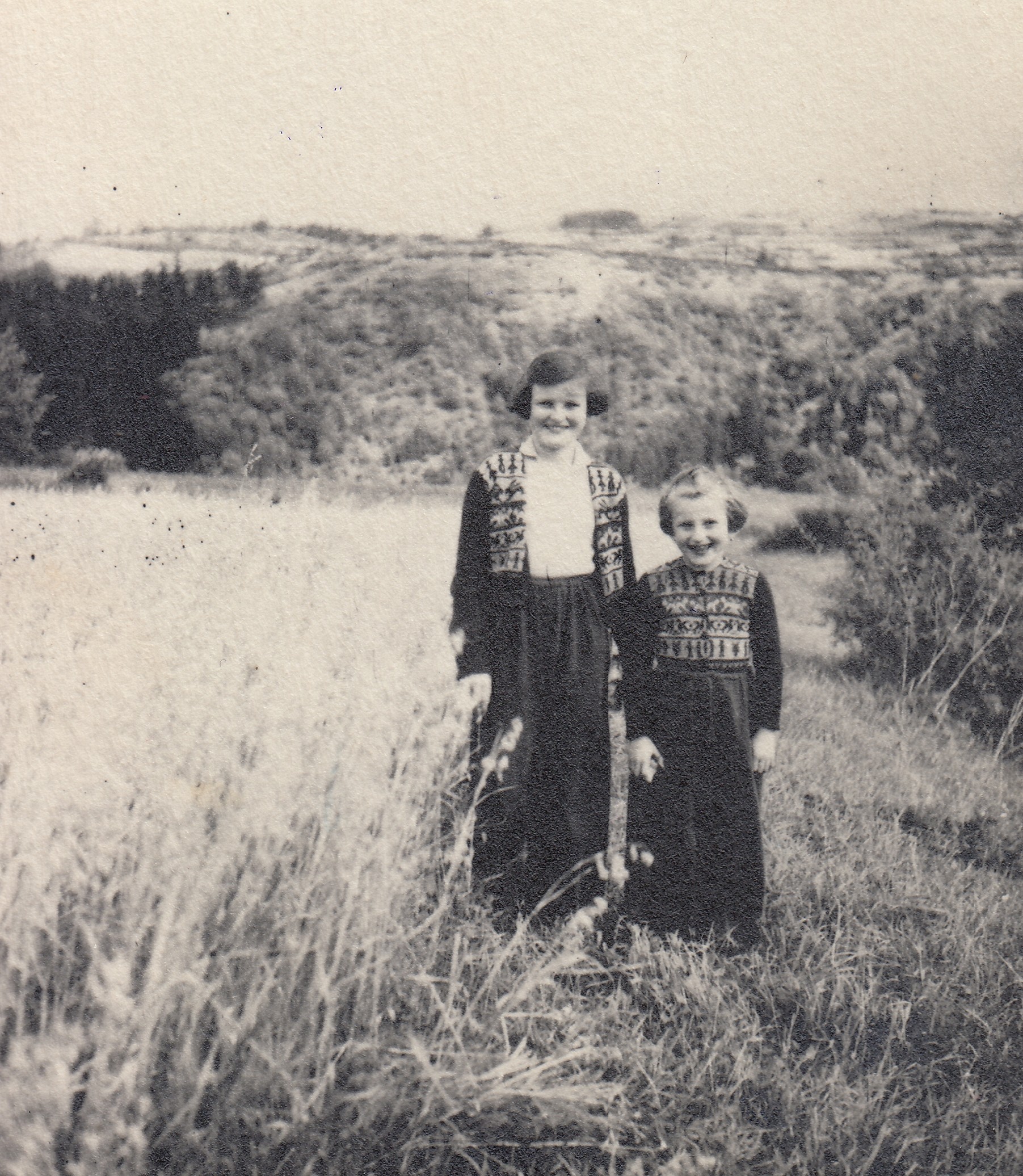
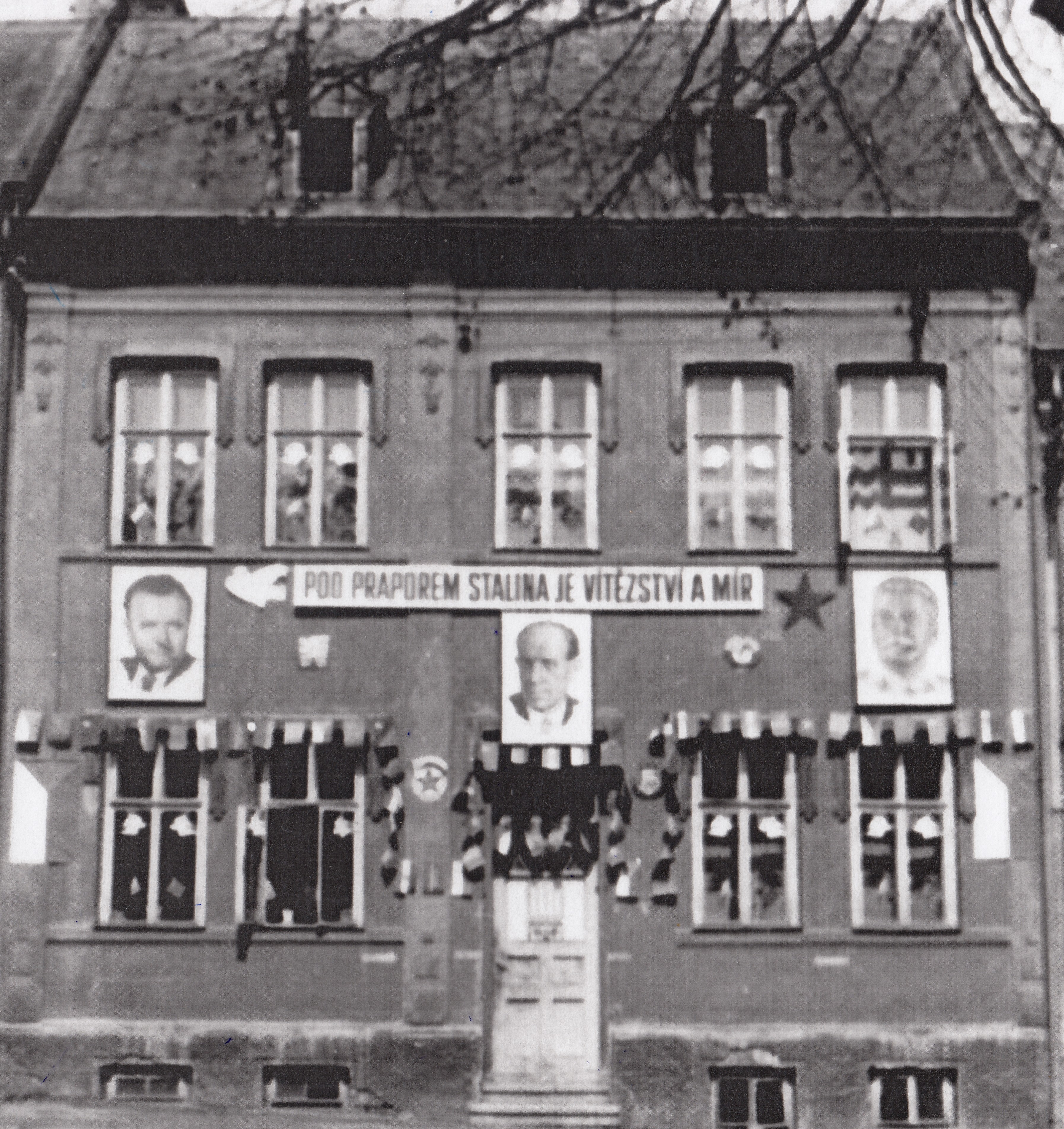
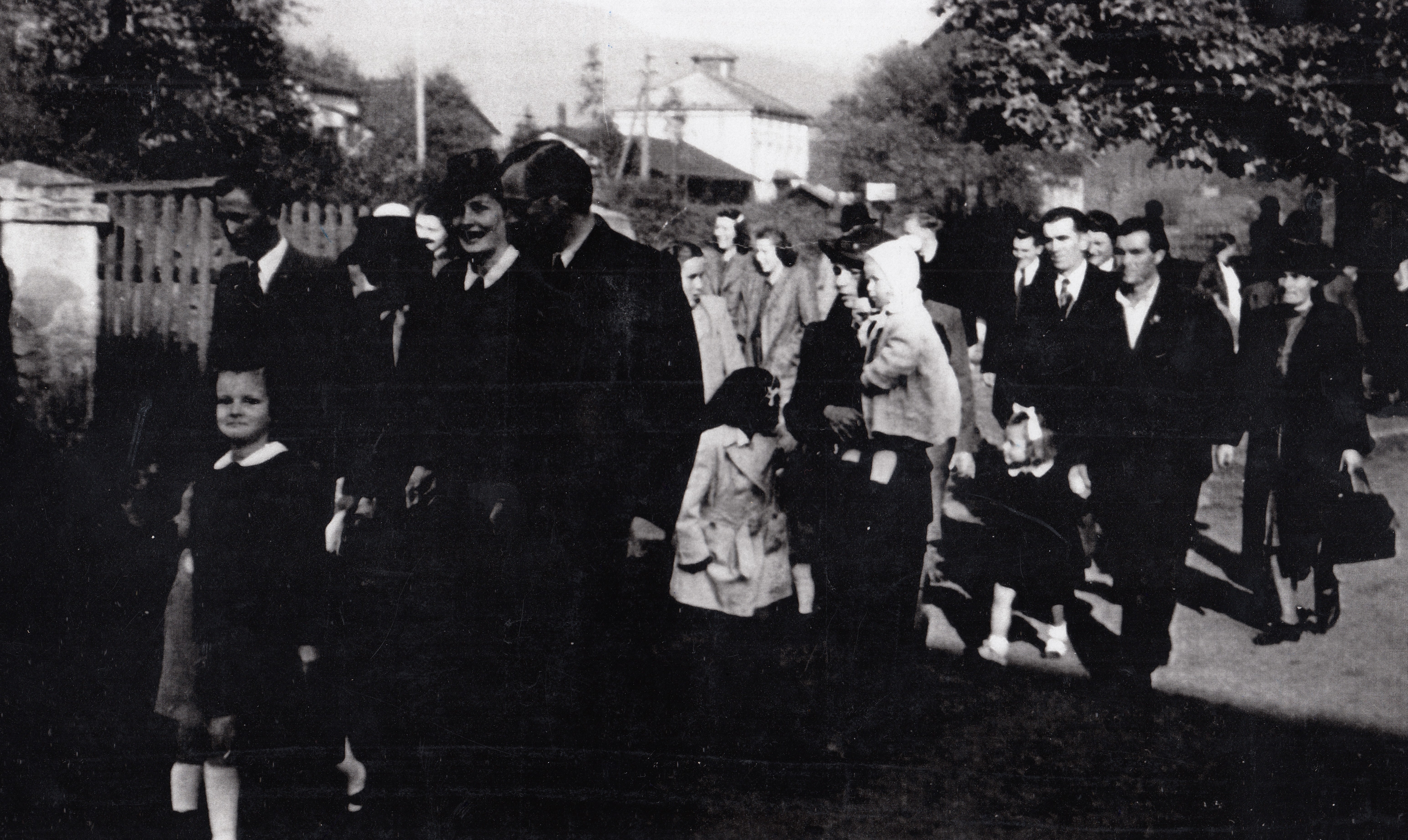
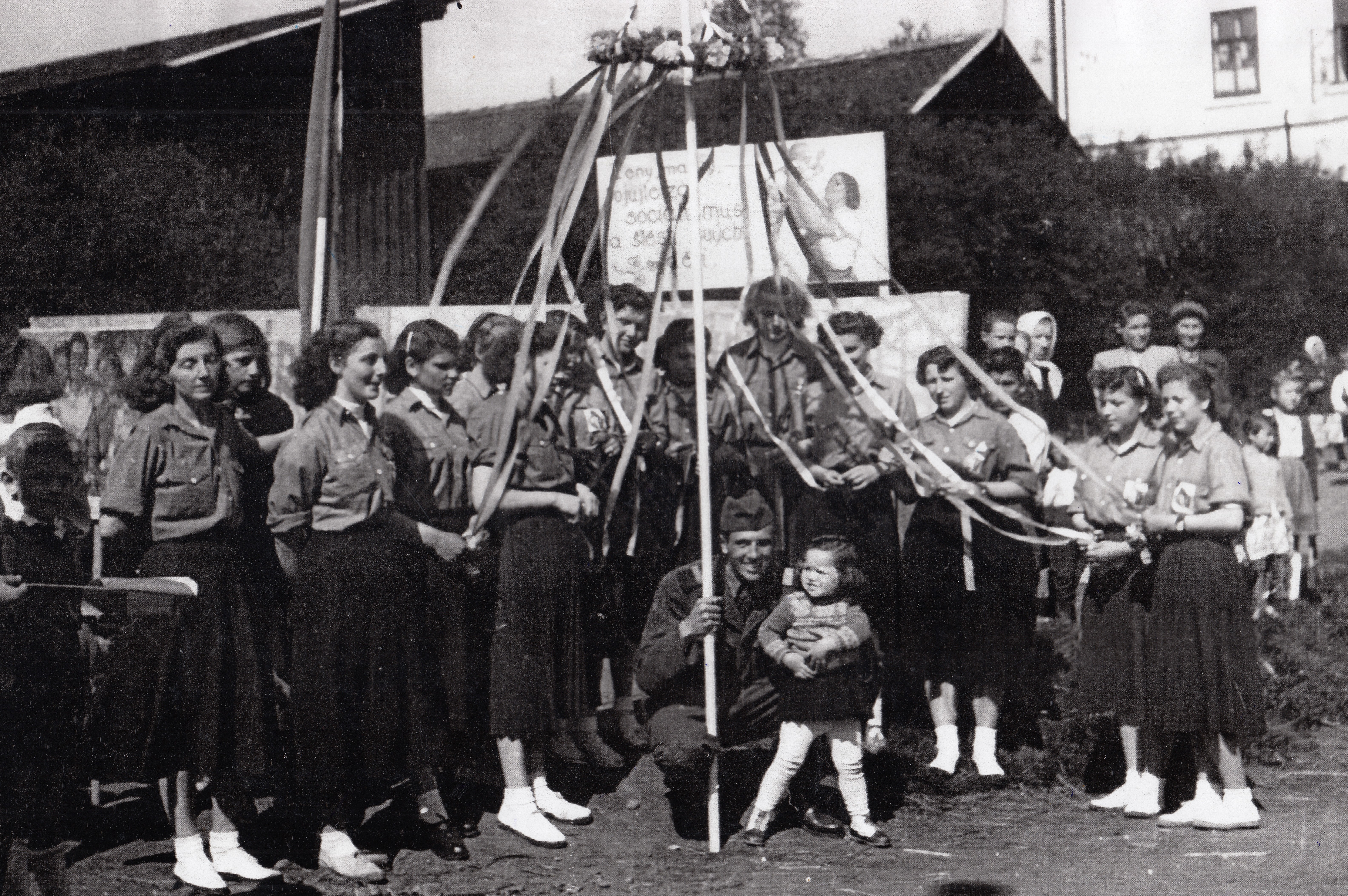
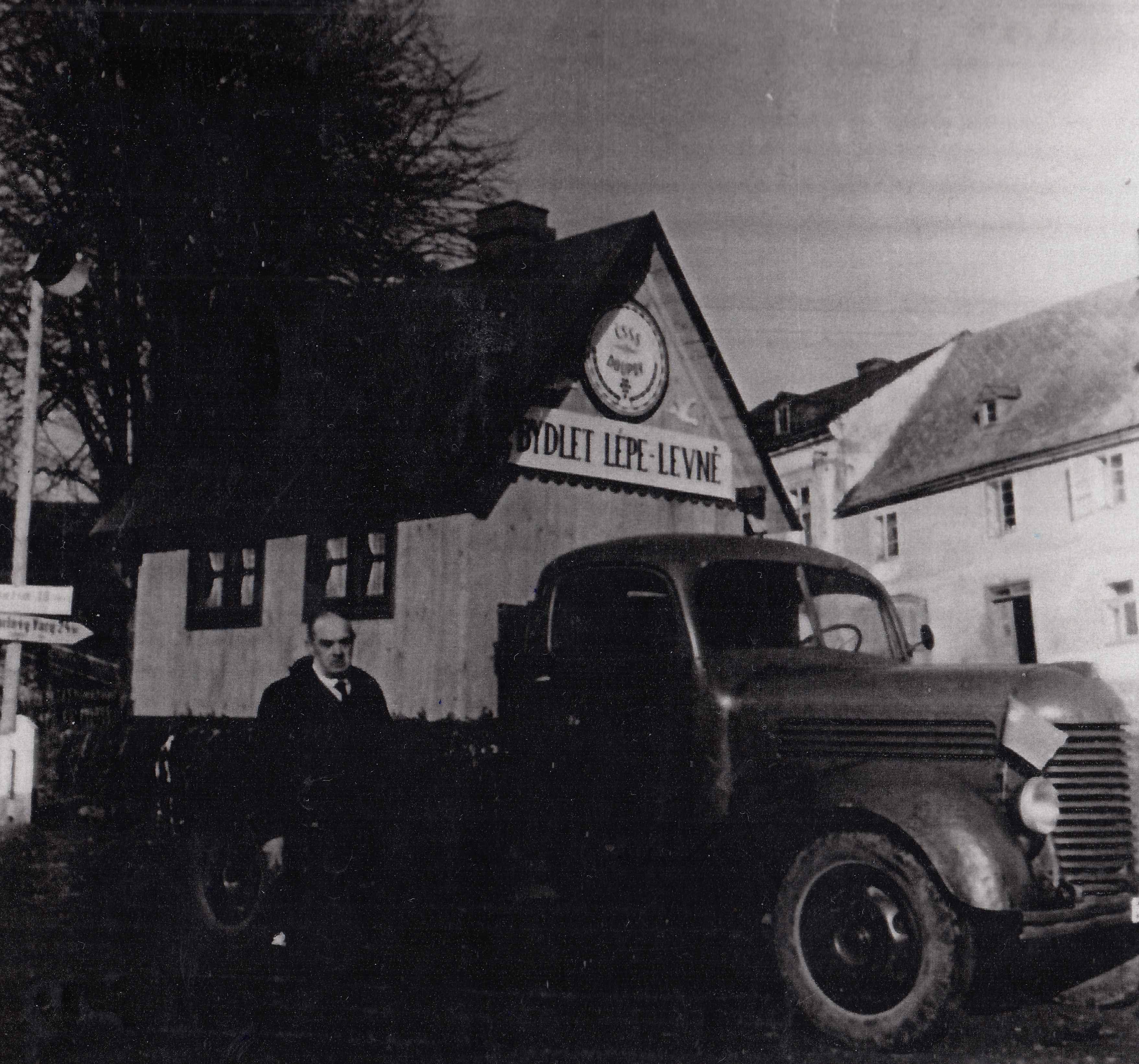
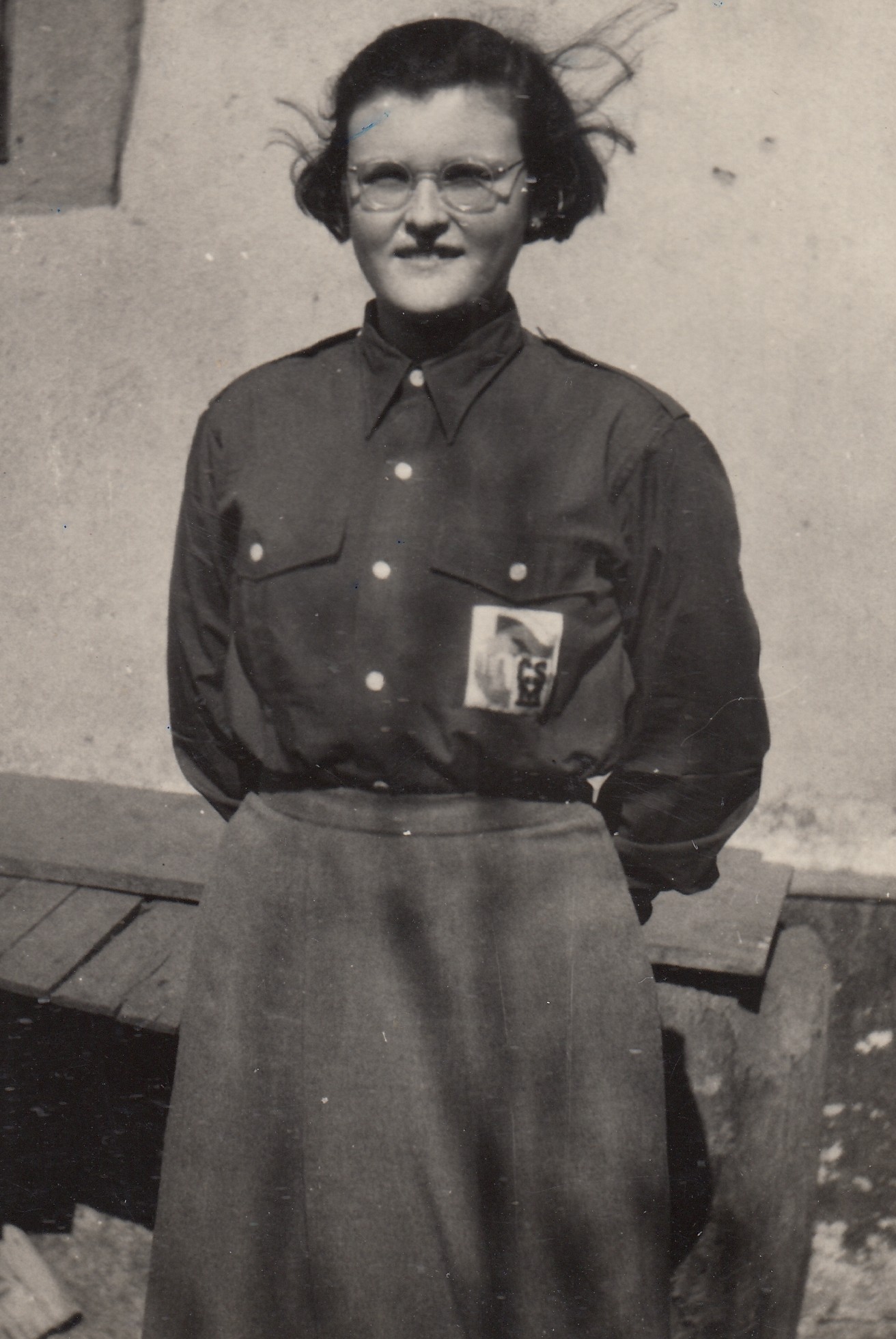
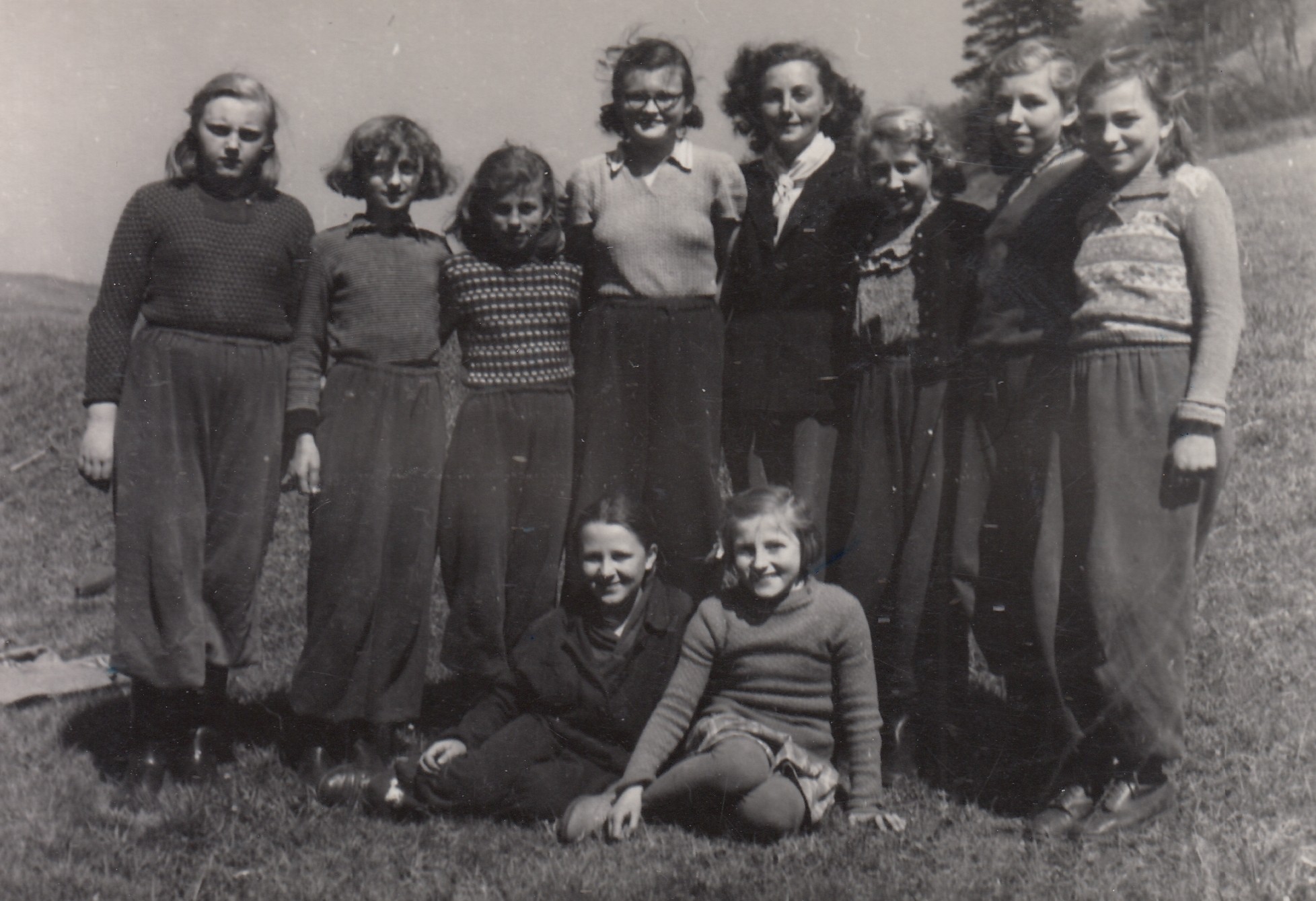
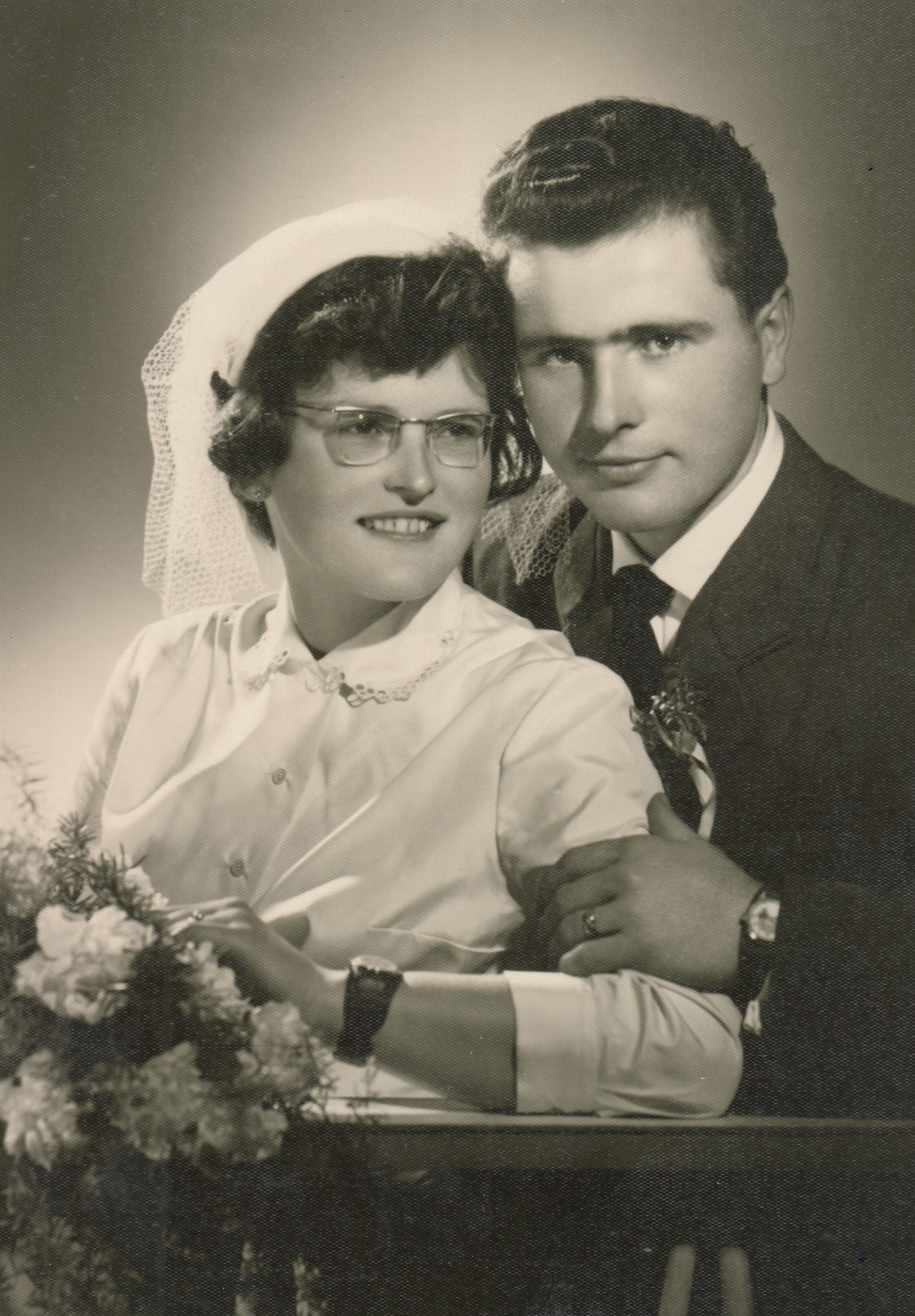
Marie Vlčková was born in Hlinsko on 21 April 1940 to Marie Holubová and Otakar Holub. She spent her childhood in her paternal grandmother’s house where she lived with her parents until the end of the war. At a tender age, she witnessed a Gestapo raid near her home in June 1942 in connection to the discovery of a radio in nearby Ležáky. She weathered the end of the war and the toughest liberation combat in Držkov, the birthplace of her mother. In early 1946, they moved to Doupov where the parents ran the largest local shop. Marie entered first grade of primary school that same year. In 1951, soldiers and dog handlers began to move to Doupov, training in the abandoned houses. In early 1953, the Hradiště military training area was officially set up by a ministerial ruling and all the local inhabitants had to move to the adjacent villages. The Holub family continued to sell food in the village to soldiers and farm workers. They left their home on 17 May 1955 and moved to Lomnice. In 1961, the witness married and lived in Leskov in a forester’s lodge, taking care of her three daughters. She later moved to Klášterec nad Ohří and took up a job in the local porcelain factory. She was not politically involved in any way in her lifetime. At the time of filming, in 2025, Marie Vlčková lived in Klášterec nad Ohří.