Cecílie Urbancová

* 1931

  • "When they called us, I stood up and my husband stood up with me. 'Urbanec should not be here.' He said, 'Well, let's go home.' 'Not Urbanec, your wife.' He said, 'We are one soul and one body. And you are speaking against the state because according to the paragraph...' My husband could speak very well. 'And how is it possible that the Communist Party does not respect the laws that are in this state?' So he let us in and they started protesting that there were two of us. The husband continued, 'Do you know that you are speaking against the law of this republic?' And the halas! I was so exhausted that for the first time in my life it was dark and I didn't know anything about myself. I found myself in a hospital here in Opava. When I woke up, the nurse sat with me and said: 'Finally.' I asked what was wrong. I've been sitting here for three quarters of an hour watching whether you are breathing or not.'

  • "I was called there four times. I was called again. They made me sign some paper - I don't even know what it was. I said I wouldn't sign it. They said I had to sign it, I said I didn't have to. And I left. So they called me in a third time. And they said, 'You have to sign it!' I was so mentally exhausted that I took a pencil and wrote: "By order. And the signature. The noise after that! I left. I was called for the fourth time. I said to my husband: 'Jirka, I can't take it anymore. The constant check-ups, the book corrections, the housework. You have to imagine that I had 38 students in my class. 38 notebooks - do you know what that is? And Jirka said, 'Cilinka, we're fighters. I fight for the university and you fight for the students. I'm going with you.'"

  • "I remember that they were chasing Jews down the road because they had a shop. They were herded into trucks and taken to concentration camps. When my mother saw me watching, she chased me away. She told me not to look at it. I asked her, 'Mommy, what did they do? They were so nice.' We used to go shopping with them. And Mummy said, 'Cilla, you don't understand, but they have different beliefs and that makes them uncomfortable.' And now I'm looking into the lost, and I see wooden boards and posters with names on them. On one side in German, on the other half in Czech, and the names everywhere. And there was also the name of the Sokol club where I used to train."

  • Full recordings
  • 1

    Opava, 26.06.2025

    (audio)
    duration: 02:29:56
  • 2

    Opava, 07.07.2025

    (audio)
    duration: 02:11:32
Full recordings are available only for logged users.

She collapsed for the fourth time at the District Committee of the Communist Party
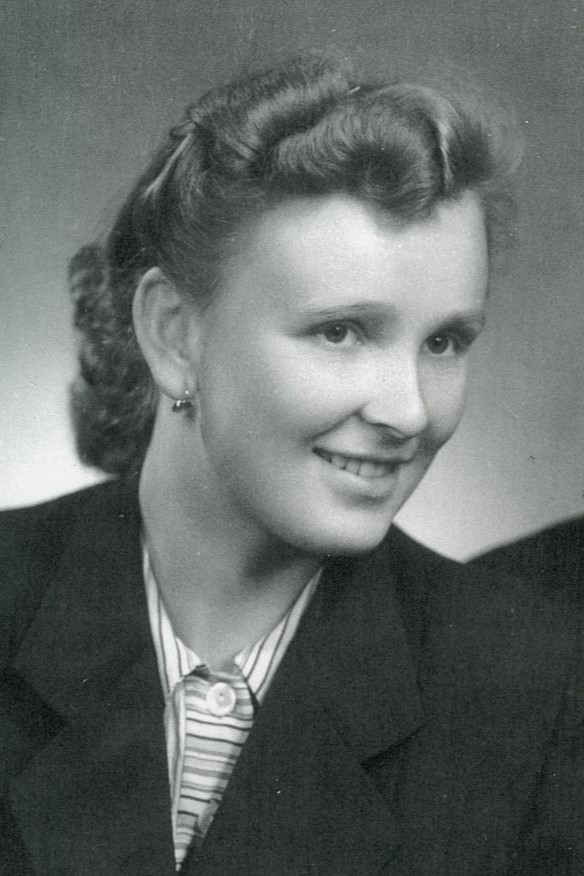
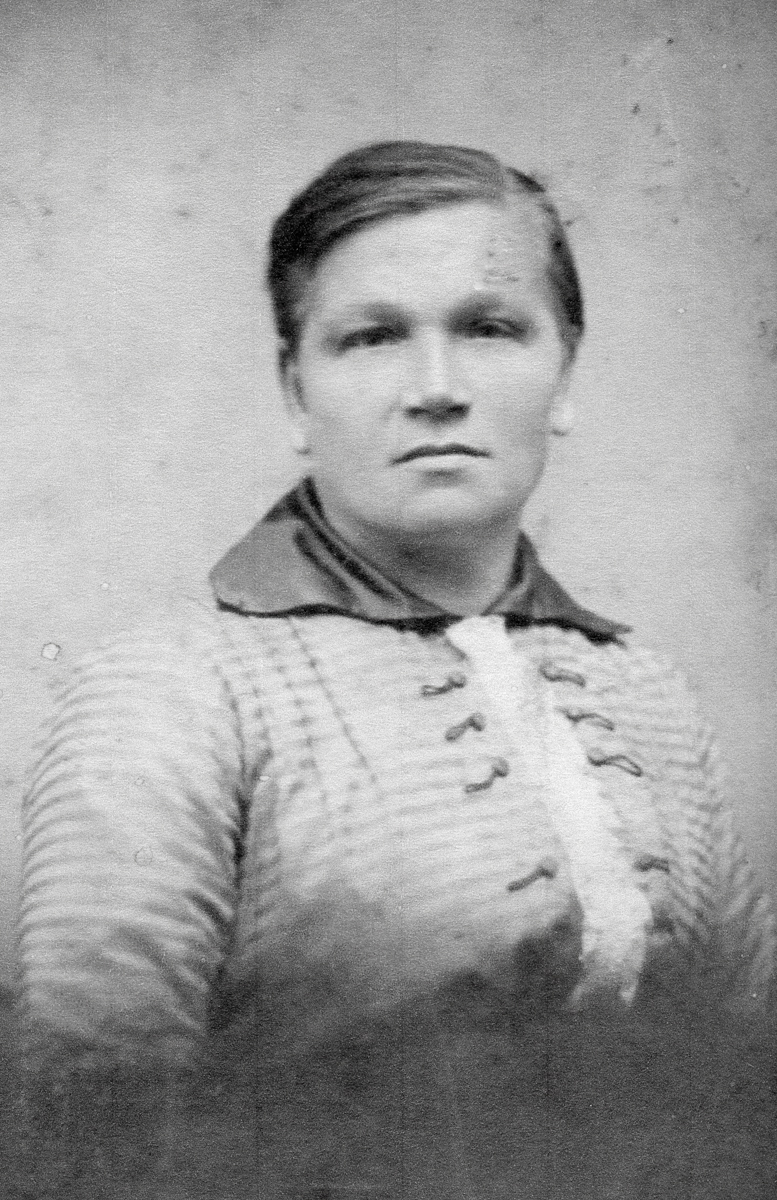
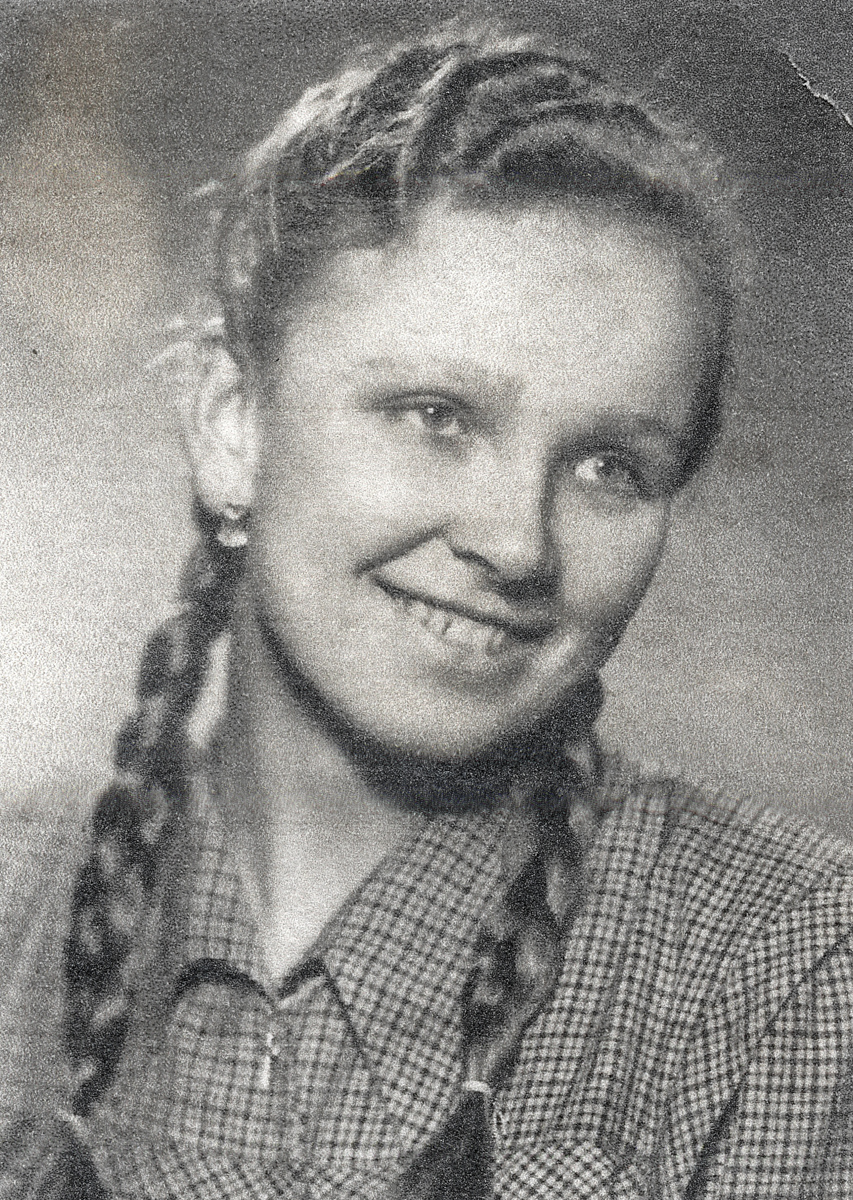
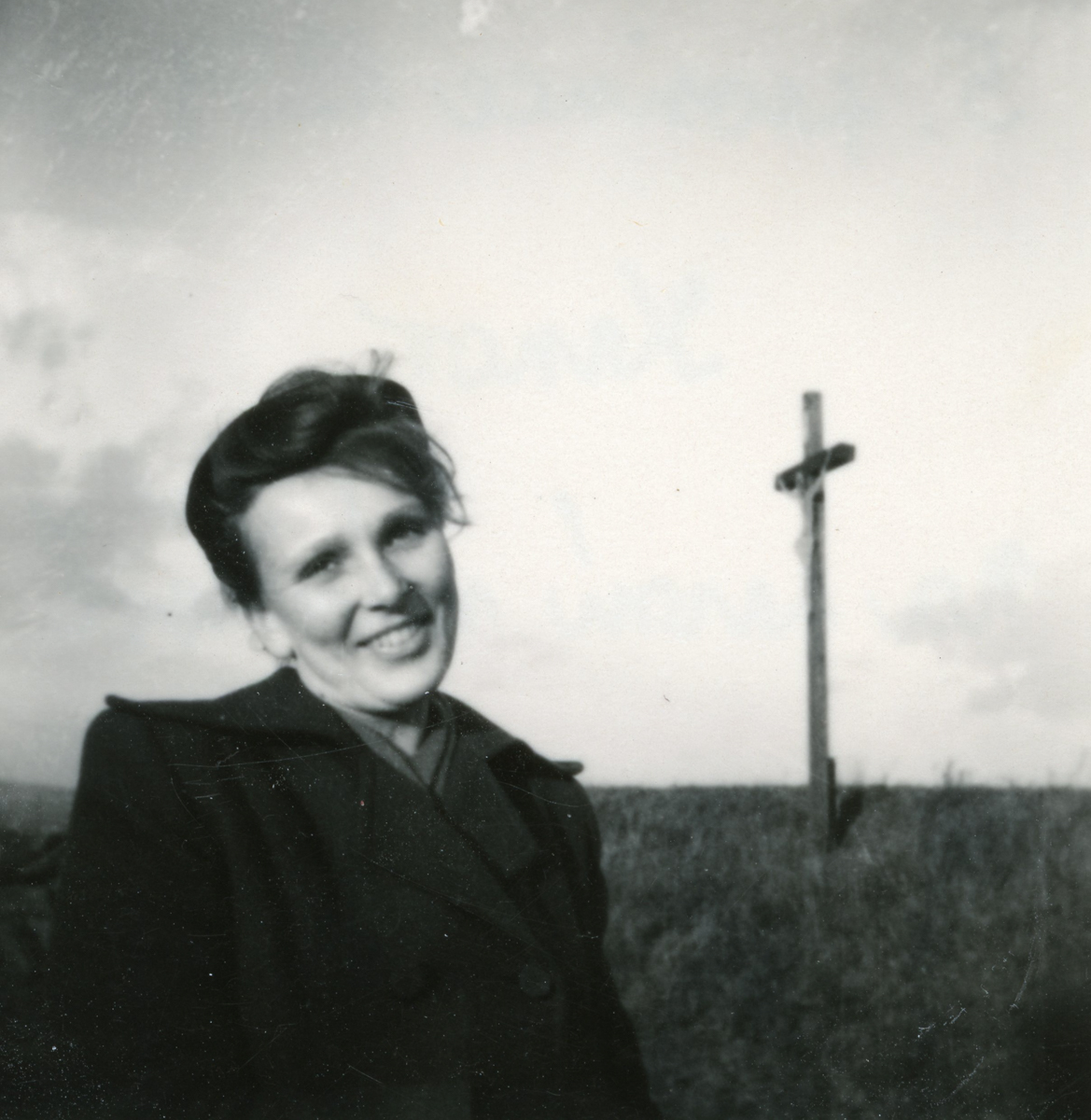
Cecílie Urbancová as a university student, Brno, 1954
photo: Archive of the witness

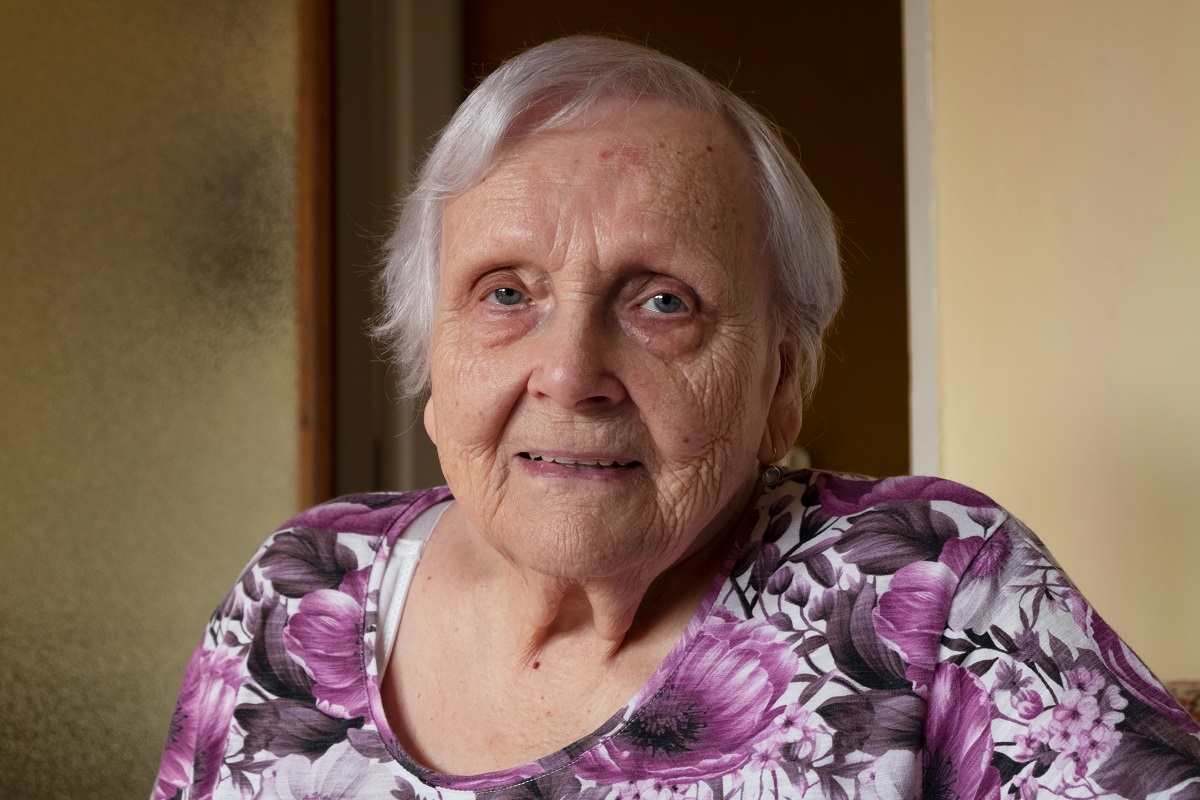
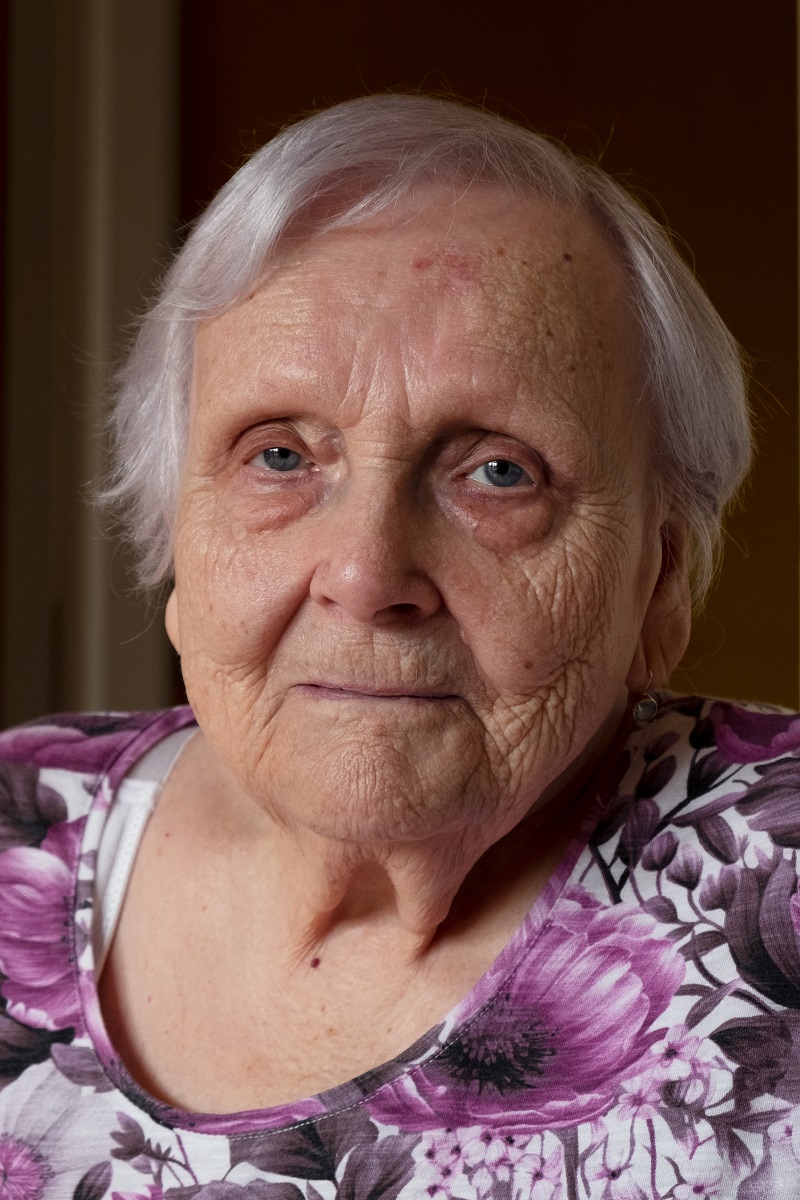
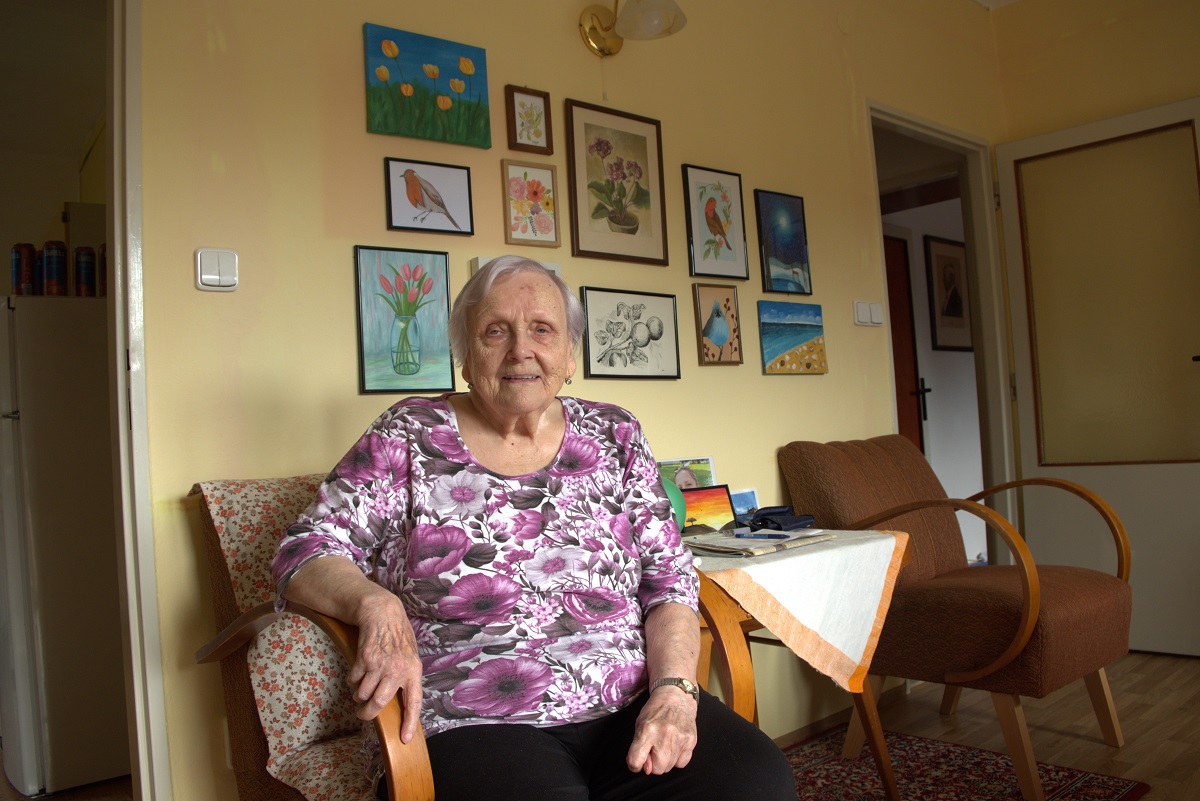
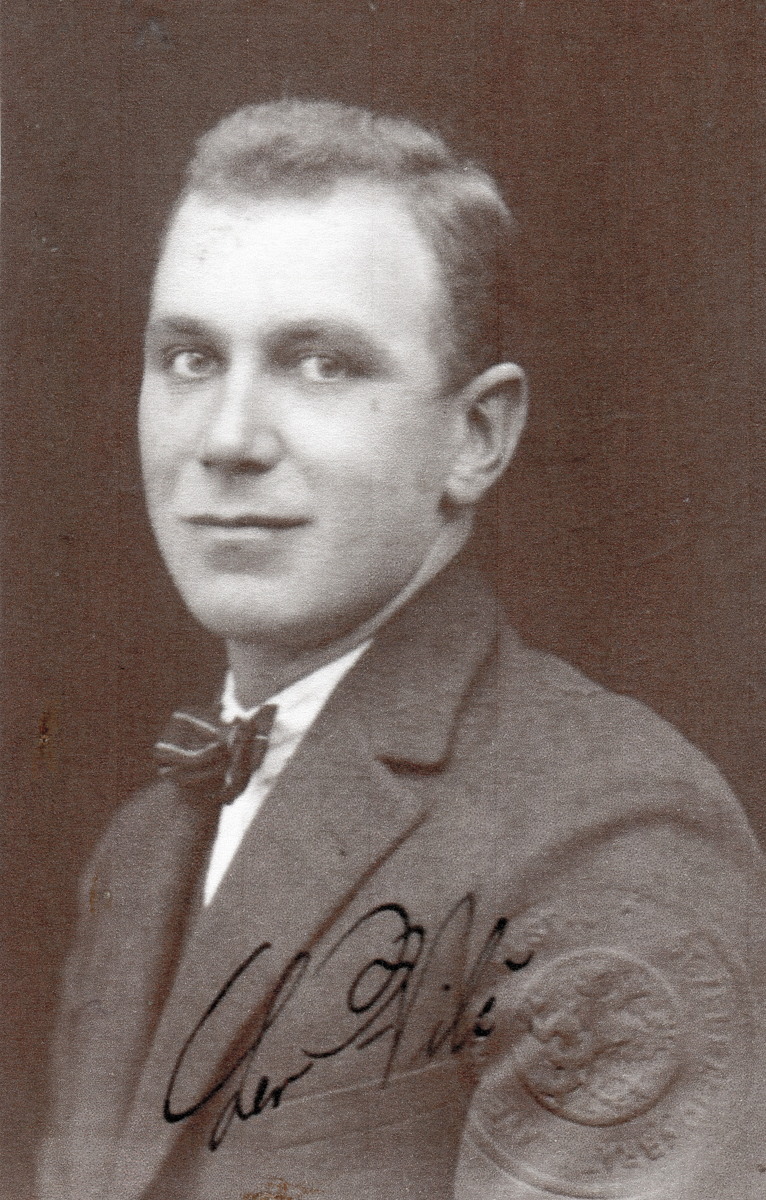
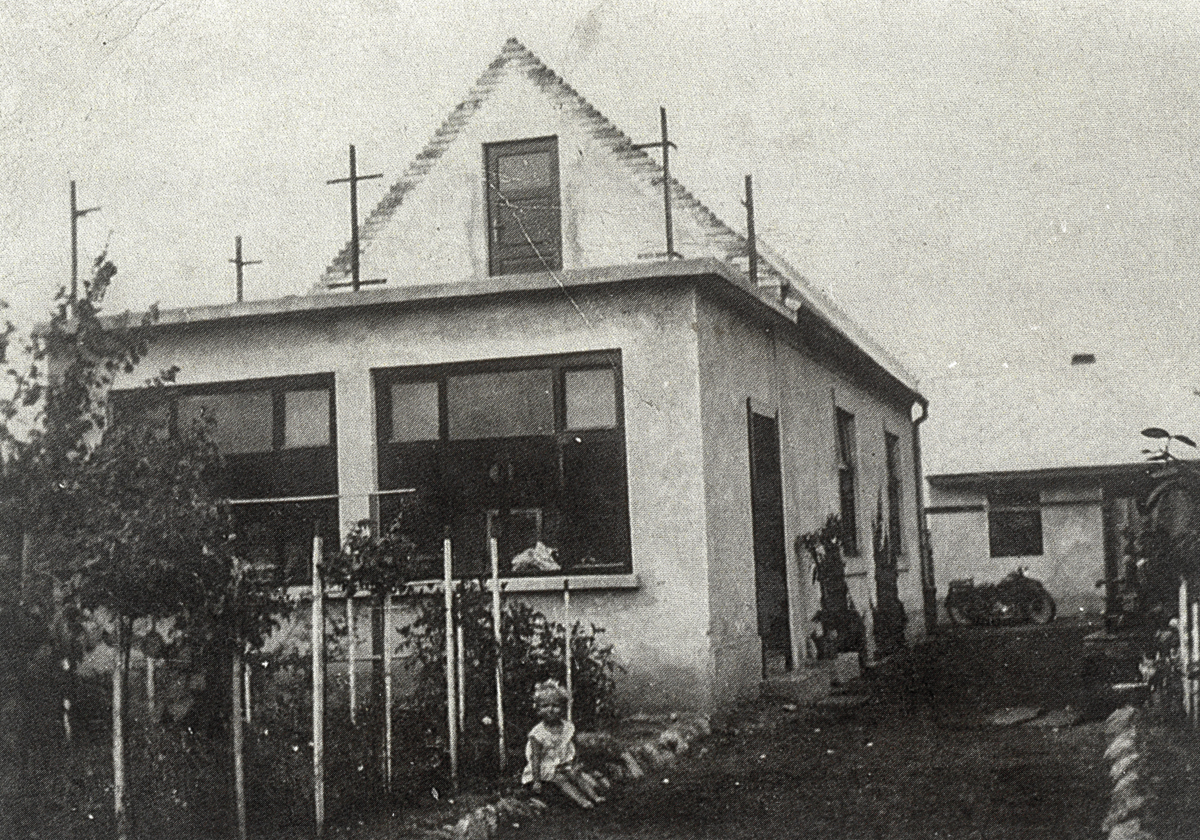
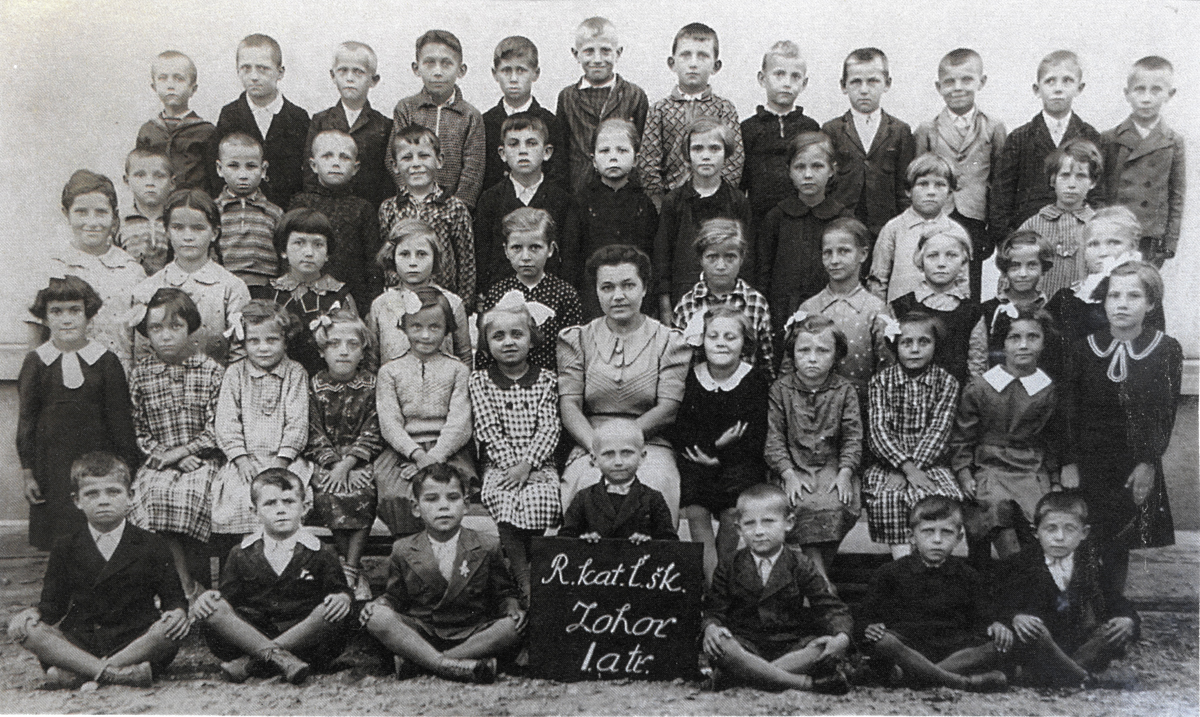
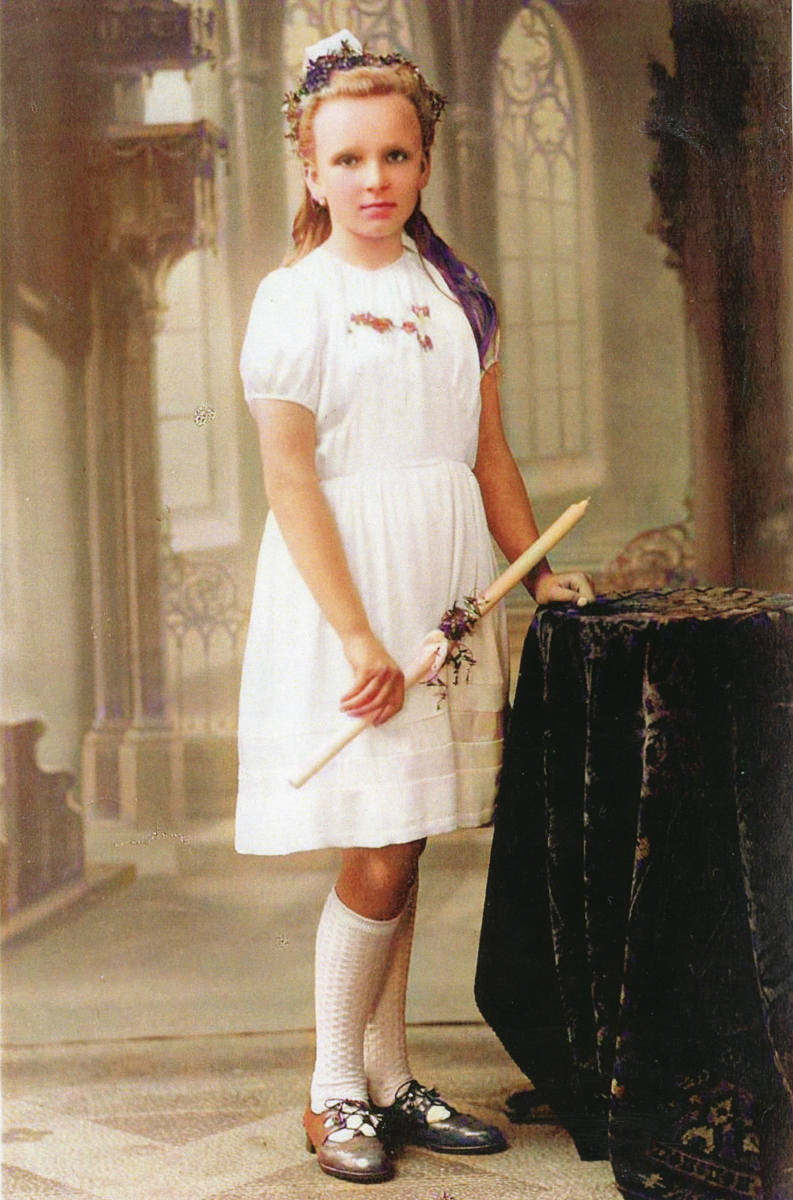
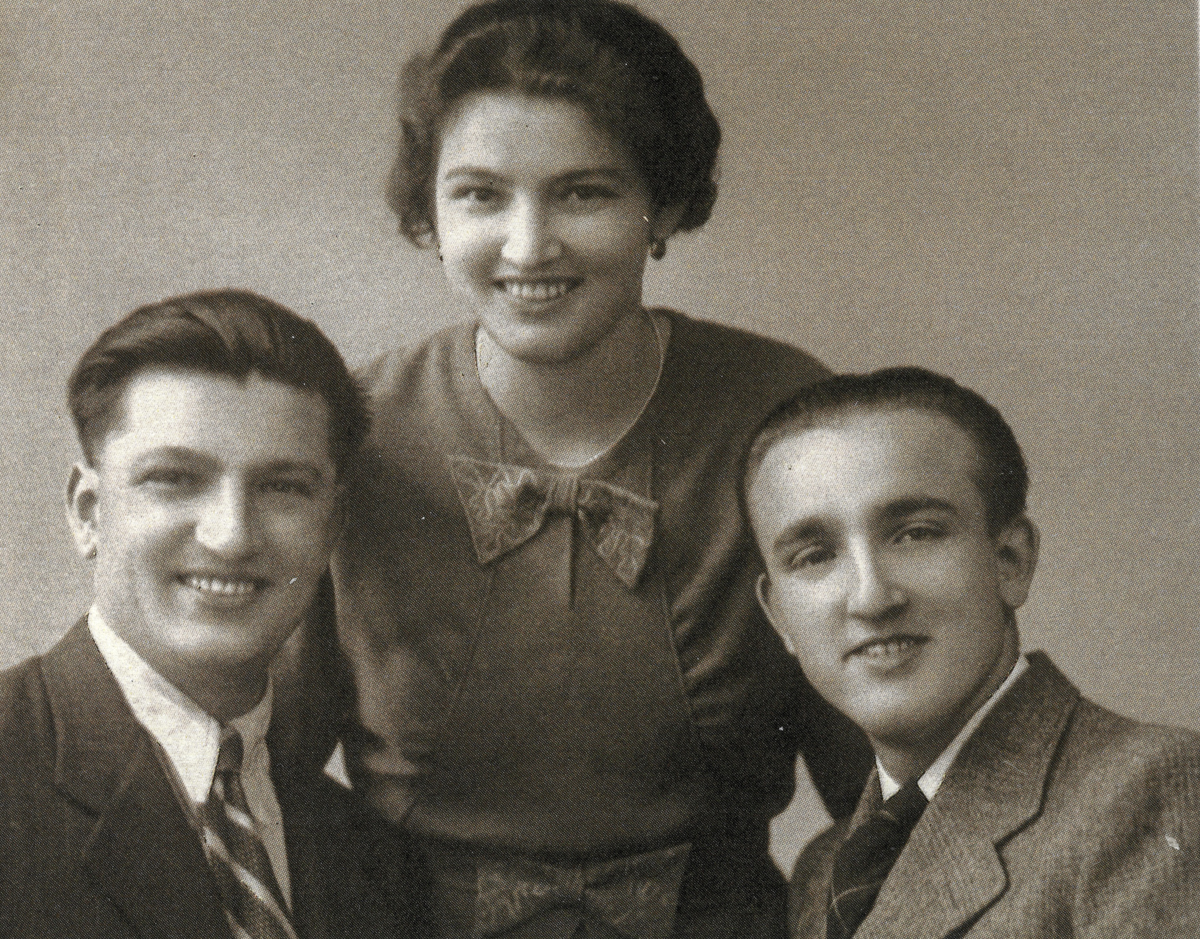
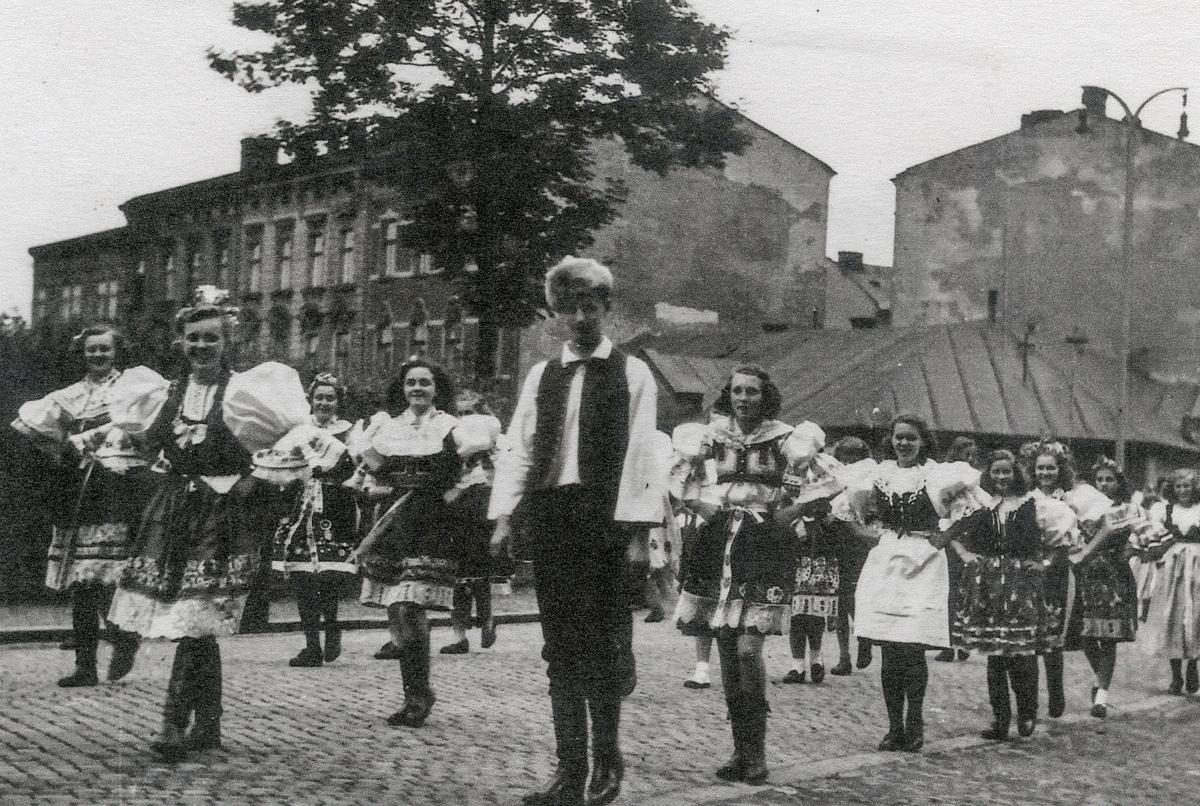
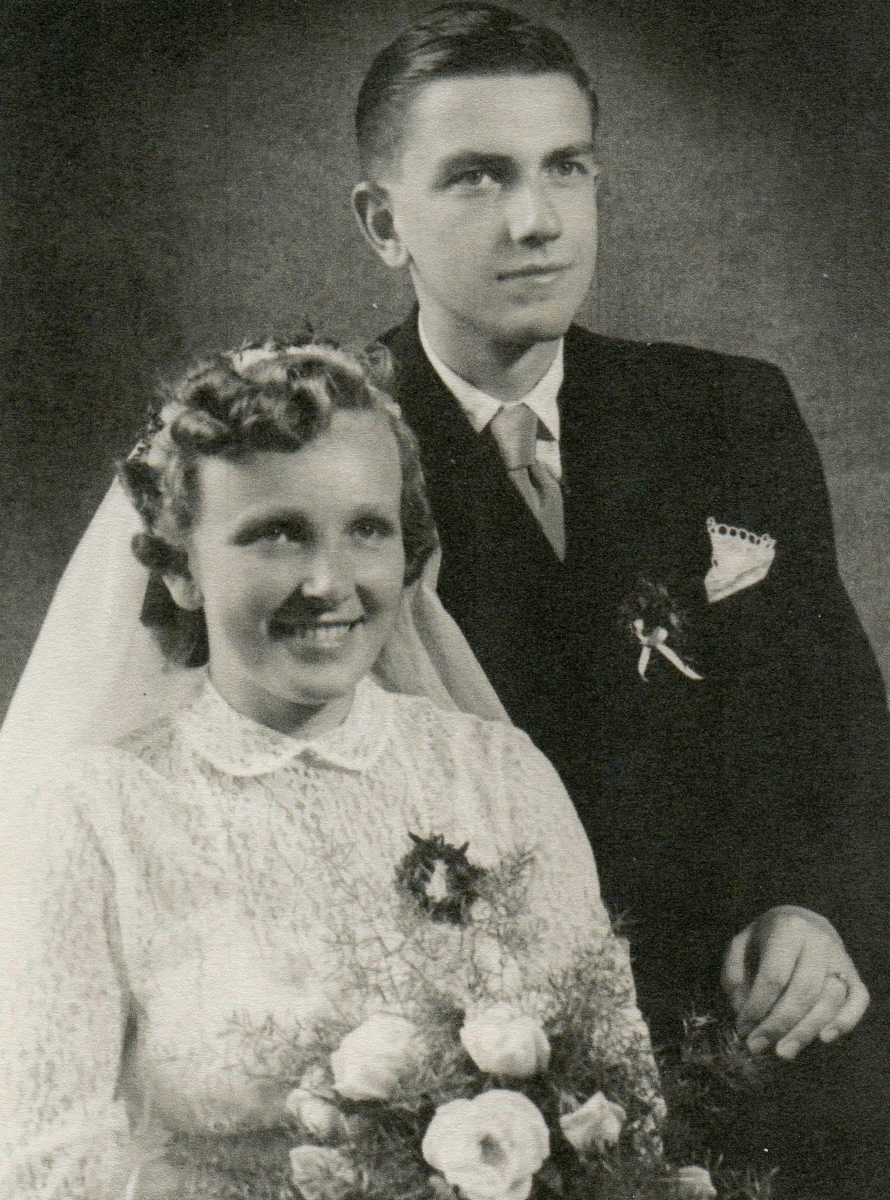
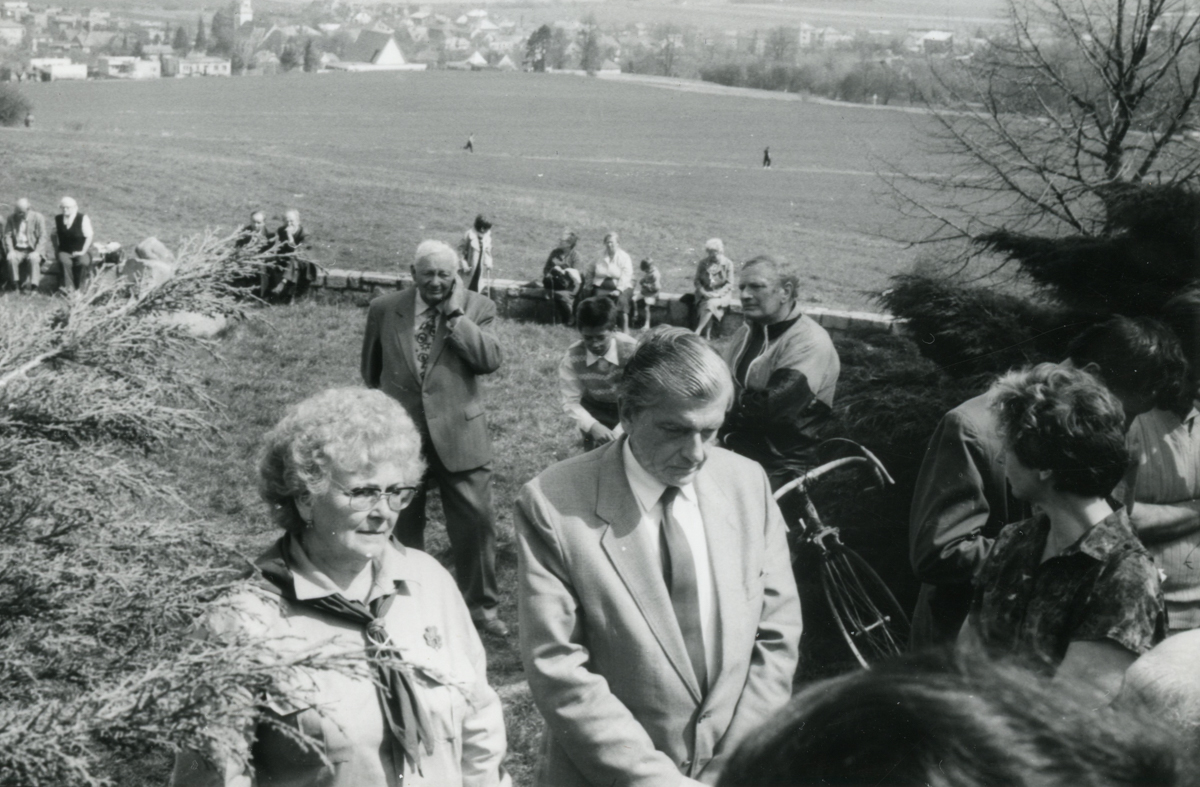
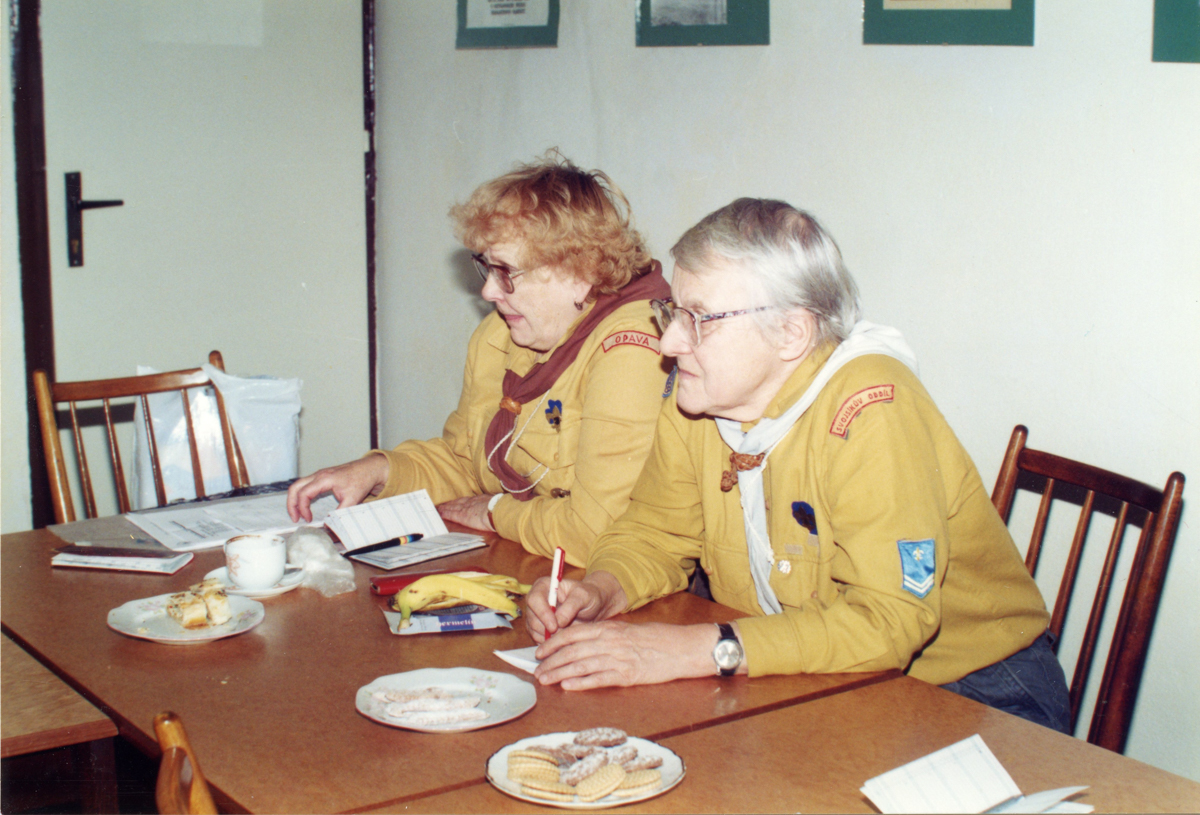
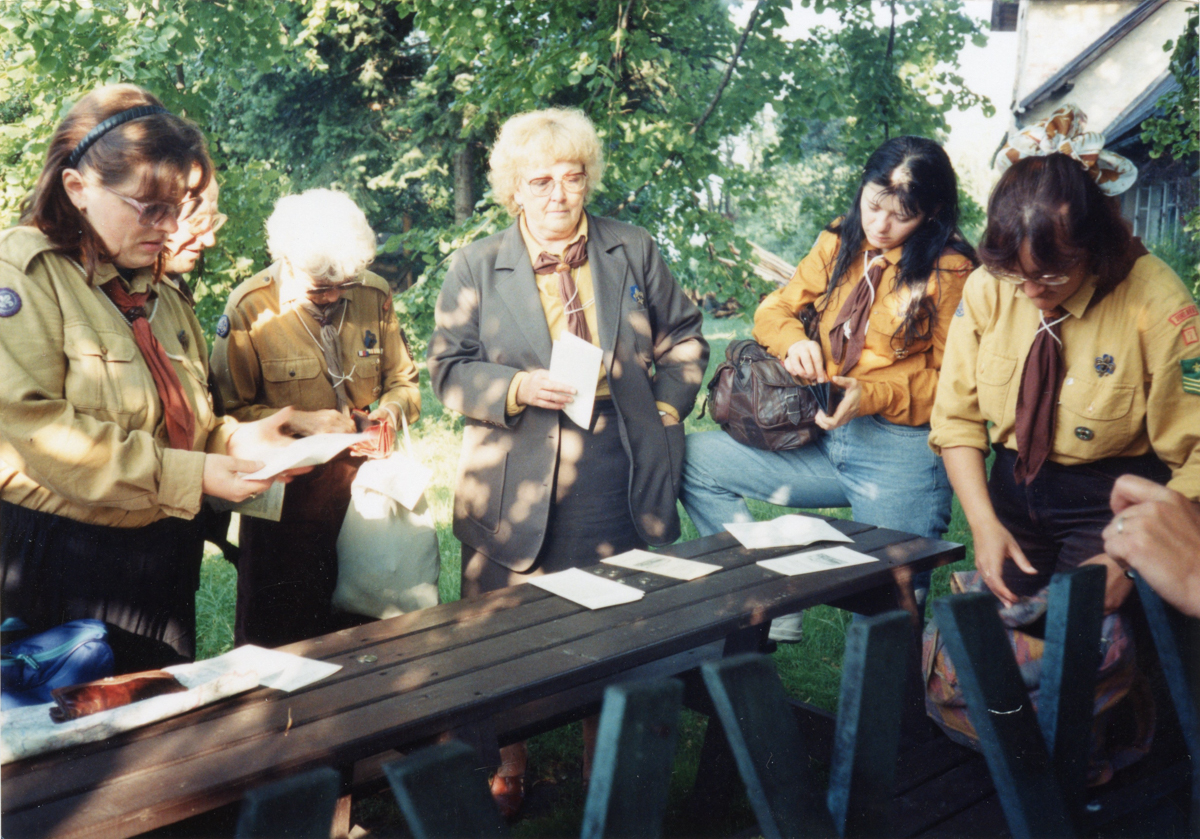
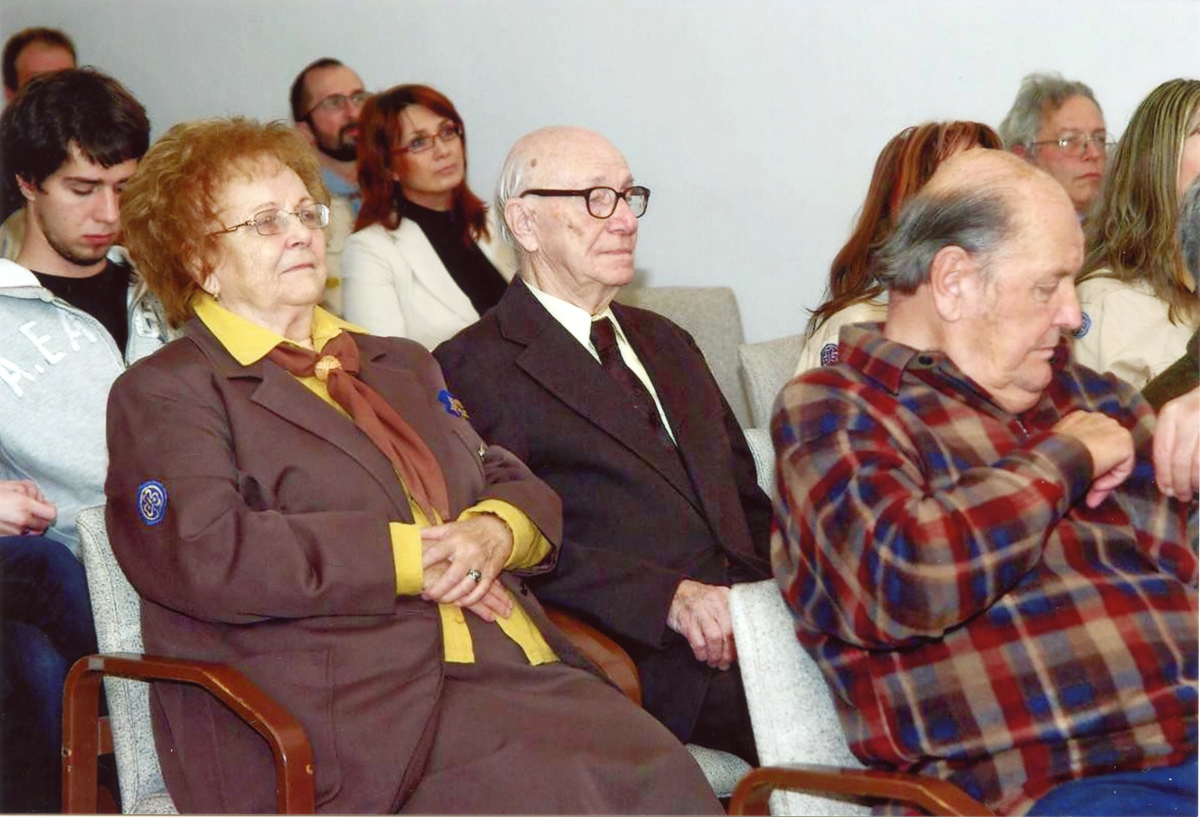
Cecílie Urbancová was born on September 1, 1931 in Zohor to Czech parents who moved to Slovakia to work. Due to the deteriorated relations between Czechs and Slovaks after the establishment of the Slovak state, the family decided to move to Místek in 1939. The father, Lev Vilč, secretly helped the partisans during the Second World War. After the war, the witness joined the Junák and began studying at the gymnasium, as she dreamed of becoming a teacher. She graduated from Masaryk University in Brno and after her studies worked as a teacher in Krnov and other villages near Opava. In 1968, she worked with pupils to analyse a sentence against the occupation of Czechoslovakia by Warsaw Pact troops, which led to her persecution by the communist regime. She was repeatedly summoned to party committees, labelled an anti-state element and ended up in hospital as a result of psychological pressure. Despite the persecutions, she maintained her Christian faith, which she never denied. After the Velvet Revolution in 1989, she continued her teaching work freely and her husband Jiří Urbanec participated in the founding of the Silesian University in Opava. In her work, she always emphasized a true understanding of the history and language of the Czech nation. In 2025 she lived in Opava.