František Uhlíř

* 1938

  • "I got to the flat track by riding my bike along Dlouhá Louka and I heard the sound of engines - unusual. So I was puzzled and rode after the sound of the engines. I arrived at the stadium where there was a line of young people waiting. Eventually I found out that there was recruitment for the flat track. So I joined up. The journalist Alex Černý wrote about it that there were 120 applicants and they chose me and my cousin, Standa Kubíček - his name was also Stanislav. So they chose the two of us. So that's how I got into flat track."

  • "The others who came were different maniacs. They were fishing in the Nežárka with grenades. You can even imagine that we, as boys, of course, assisted in this. The one who threw the grenades (the other one was in the boat - he collected the fish afterwards) and so I don't know - he was probably drunk. I didn't realize it at the time. The grenade fell out of his hand and fortunately, as he was standing on the bank, the bank was quite high, so he stretched out his arms and put us down. We fell and a piece of the bank broke off and covered us with mud and stones. It was lucky that it fell into the river under that bank. Otherwise we could have gotten injured too."

  • "What happened. The so-called partisans, who stopped a car, a German car, a van, pulled out a German soldier. They took his pistol and put him in a prison. The car was full of cigarettes, so they started throwing it around the square. I also brought home a pack of cigarettes, and my father sent me back immediately to return it. And I guess it was like he knew, or as a businessman he couldn't afford to fight over cigarettes. It didn't take, I can't tell how long, for the German armoured personnel carriers to appear - three of them - and they began to bring men down to the square. These so-called partisans thought the war was over, only it wasn't. These Germans, when they found out that this had happened, they started to round up all the men. My father wanted to avoid that, so there was a yard in the house where we lived. Behind the yard was a barn, behind the barn was a garden, and then fields - he wanted to escape that way to the woods or somewhere. But the Germans were so clever that they occupied whole Stráž from the back as well. So they caught him and brought him in front of the town hall too. That was the first time I ever saw a German soldier come through our apartment with a machine gun, but he didn't say anything and he survived without any harm."

  • Full recordings
  • 1

    České Budějovice, 21.05.2025

    (audio)
    duration: 01:26:54
    media recorded in project Living Memory of the Borderlands
  • 2

    České Budějovice, 03.06.2025

    (audio)
    duration: 40:44
    media recorded in project Living Memory of the Borderlands
Full recordings are available only for logged users.

I never believed the communists would leave

František Uhlíř - flat track, early 1960s
photo: Archive of František Uhlíř

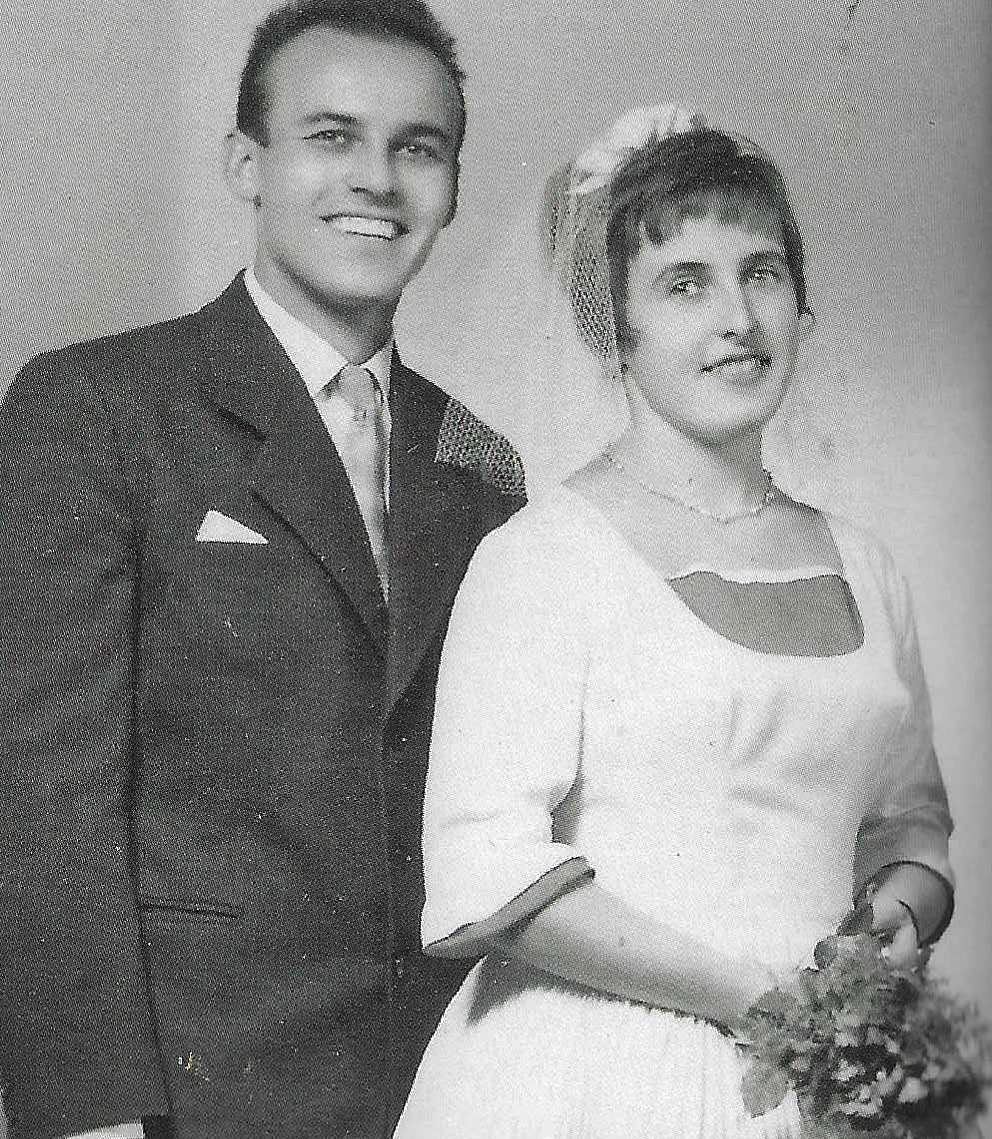
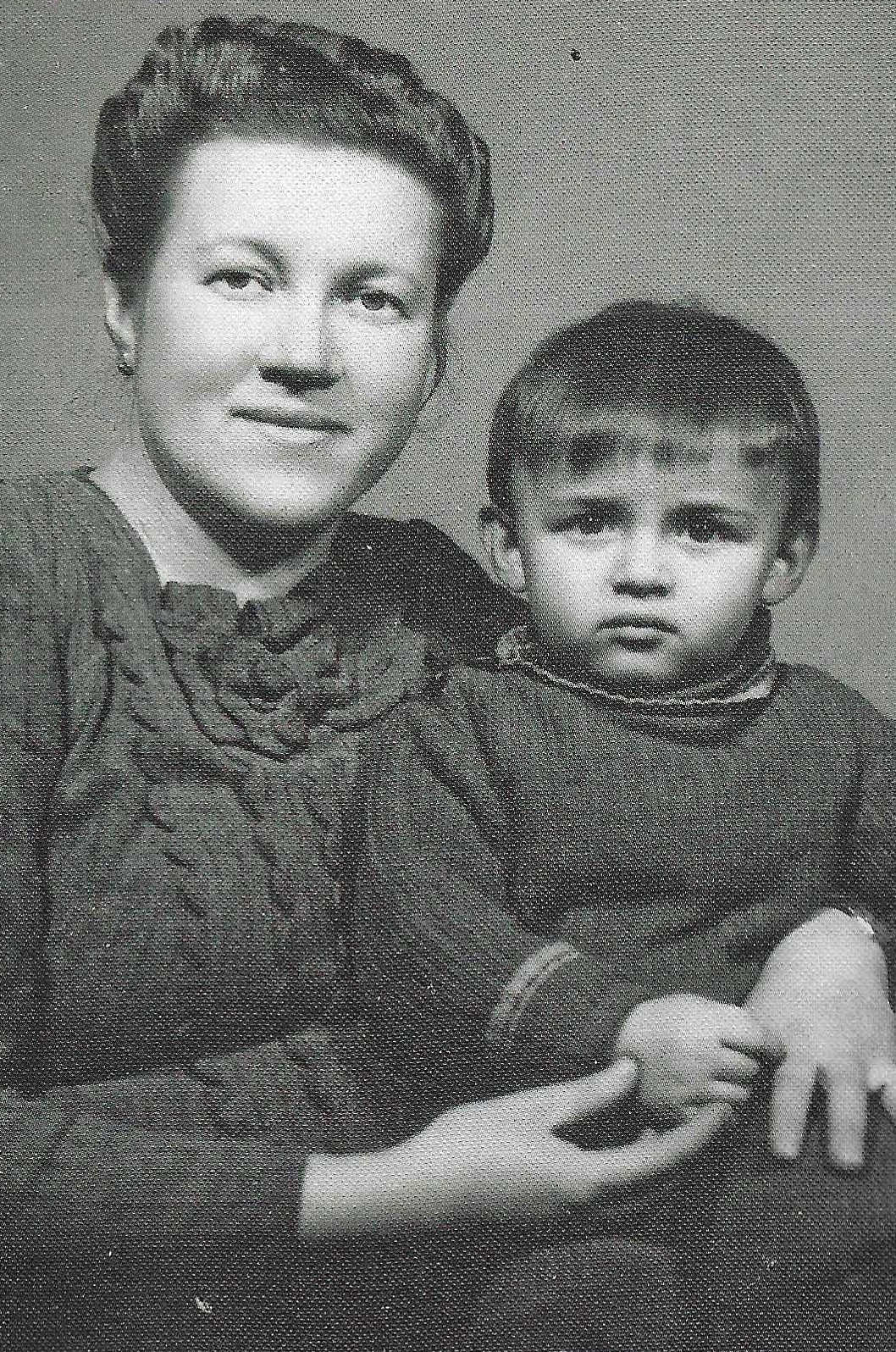
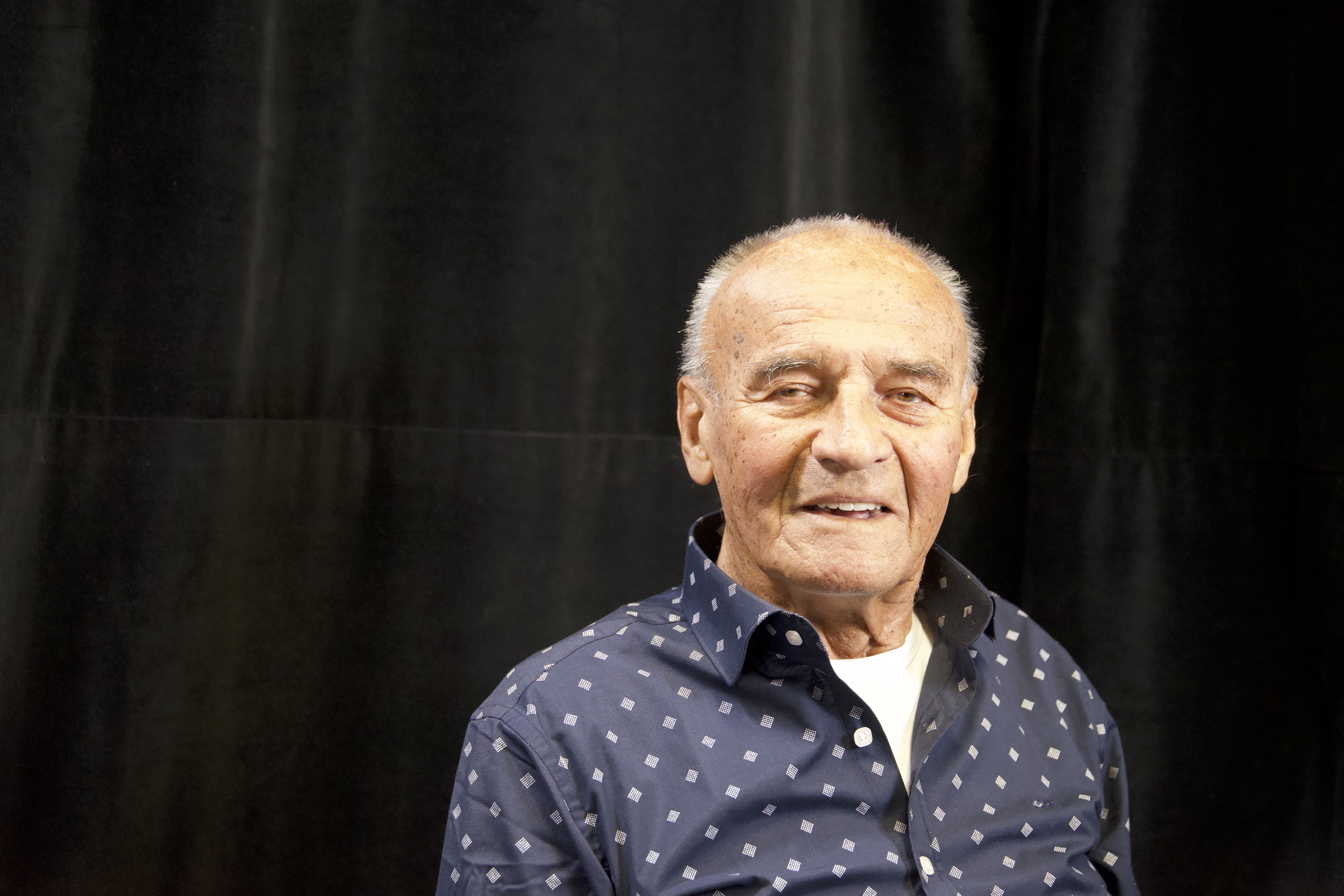
František Uhlíř was born on 8th January 1938 in České Budějovice into a family of tradesmen. He spent his childhood in Stráž nad Nežárkou, where he witnessed the dramatic events of the end of the Second World War. After the end of the war, the family moved to a house with a drugstore in the border town of Nový Bor. After the communist takeover in 1948, the family property was nationalized and the father’s drugstore closed down, and the family subsequently moved to relatives in České Budějovice. Although he was refused to study at secondary school because of his origins, he trained as a refrigeration mechanic. He stayed in the field all his life and later completed his education with a high school diploma. As an athlete, he first took up hockey, which he had the opportunity to play during his second year of military service. First, however, he served in the Border Guard in the village of Načetín in the Ore Mountains. Later, he excelled as a flat track racer. Although he was selected among the top riders, he had to end his sporting career due to lack of support. He worked all his life as a technician, for the longest time in a hospital in České Budějovice and later in an engineering company, from where he retired. He and his wife Jaroslava brought up their daughter Vanda, but lost their son Tomáš shortly after his birth. He experienced the political upheavals of the 20th century critically - he never joined the Communist Party and did not believe in its downfall. František Uhlíř remained active in his retirement, with a strong sense of justice and civic responsibility.