"As far as Buzuluk was concerned, the way it was run here, the way it was run here was that people didn't know anything at all. And then in the morning, they went to work and found out at the gatehouse that we were occupied. People were horrified, and really, at that time, those people were rooting for this Dubček guy to the hilt, and nobody wanted the Russian troops here. But what happened here locally was a speciality, because those troops, when they came here, were first-rate troops, and the first-rate troops, they're always kind of B-grade troops, that is, troops with lesser qualifications. And here these soldiers were then instructed to withdraw to military areas. And the military areas here were in the surroundings, so gradually, these troops were withdrawing behind Vísky, behind Kvaň and around here. So at the beginning those people hated it here, they protested, but the further it went on, then those surrounding villages, especially those parties, those communist village parties, established freundschaft, that is friendship, with them, and gradually it seemed that in Buzuluk it started to prevail, partly out of fear, partly out of calculation, that those people started to sympathize with those soldiers."
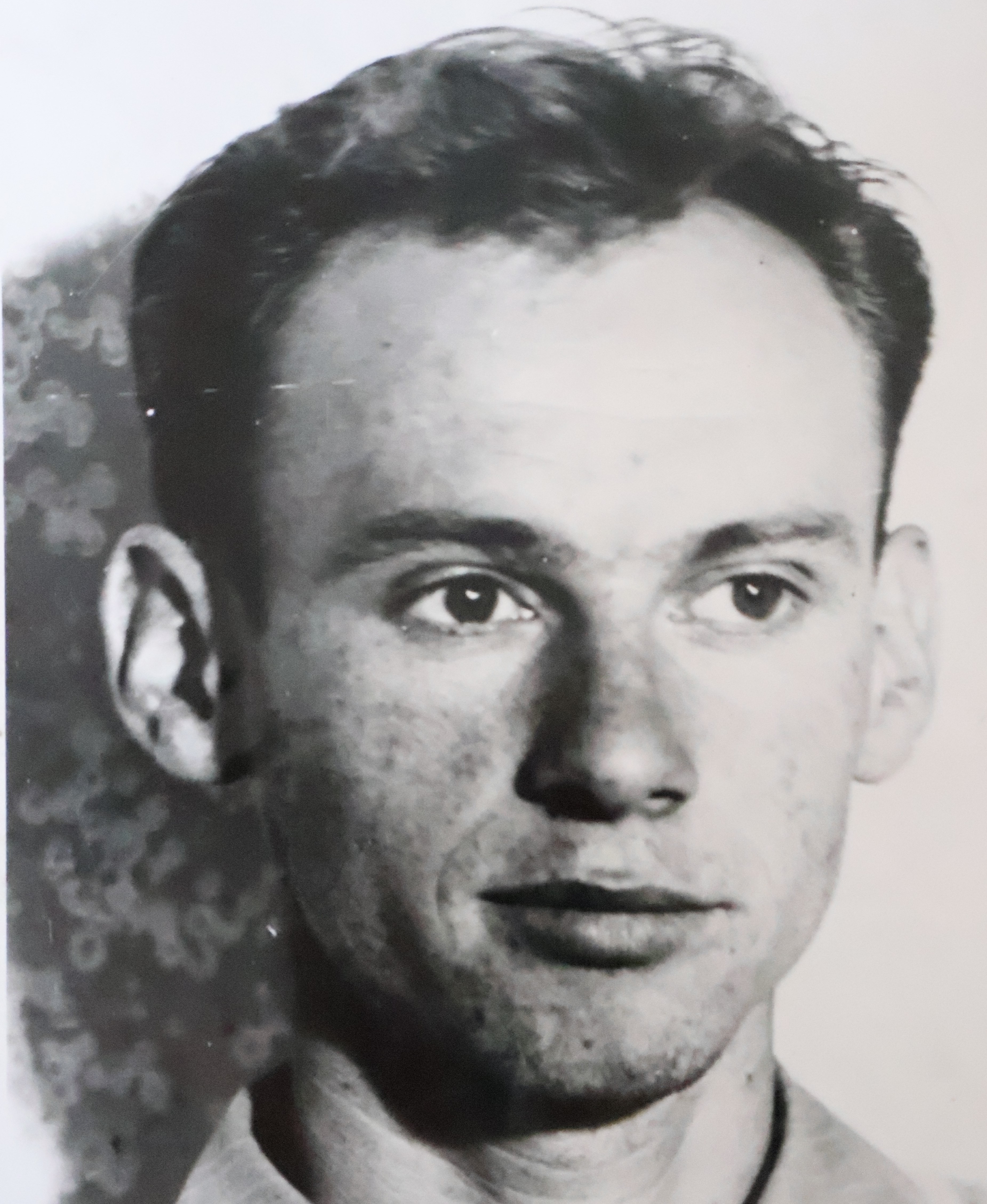
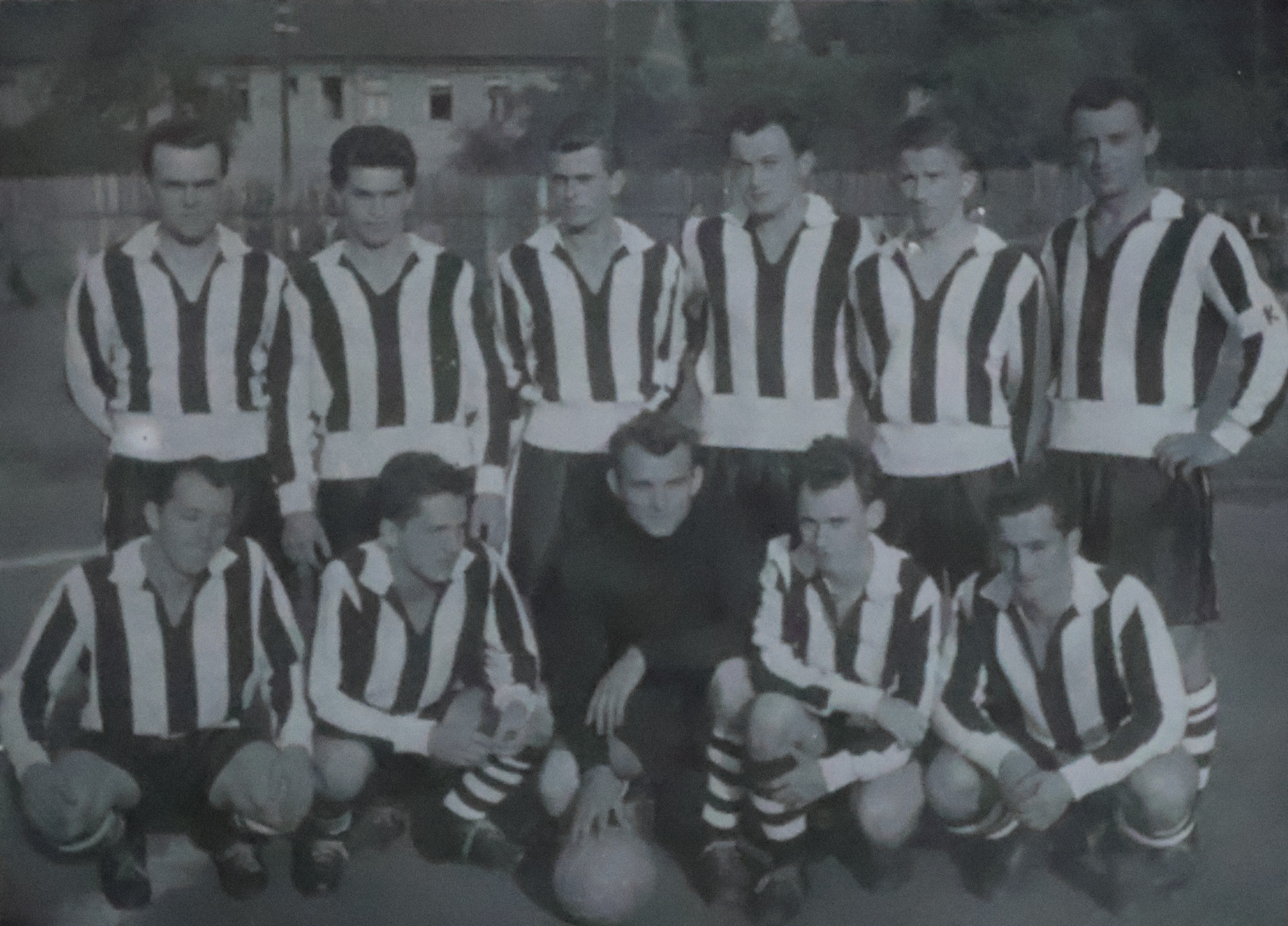
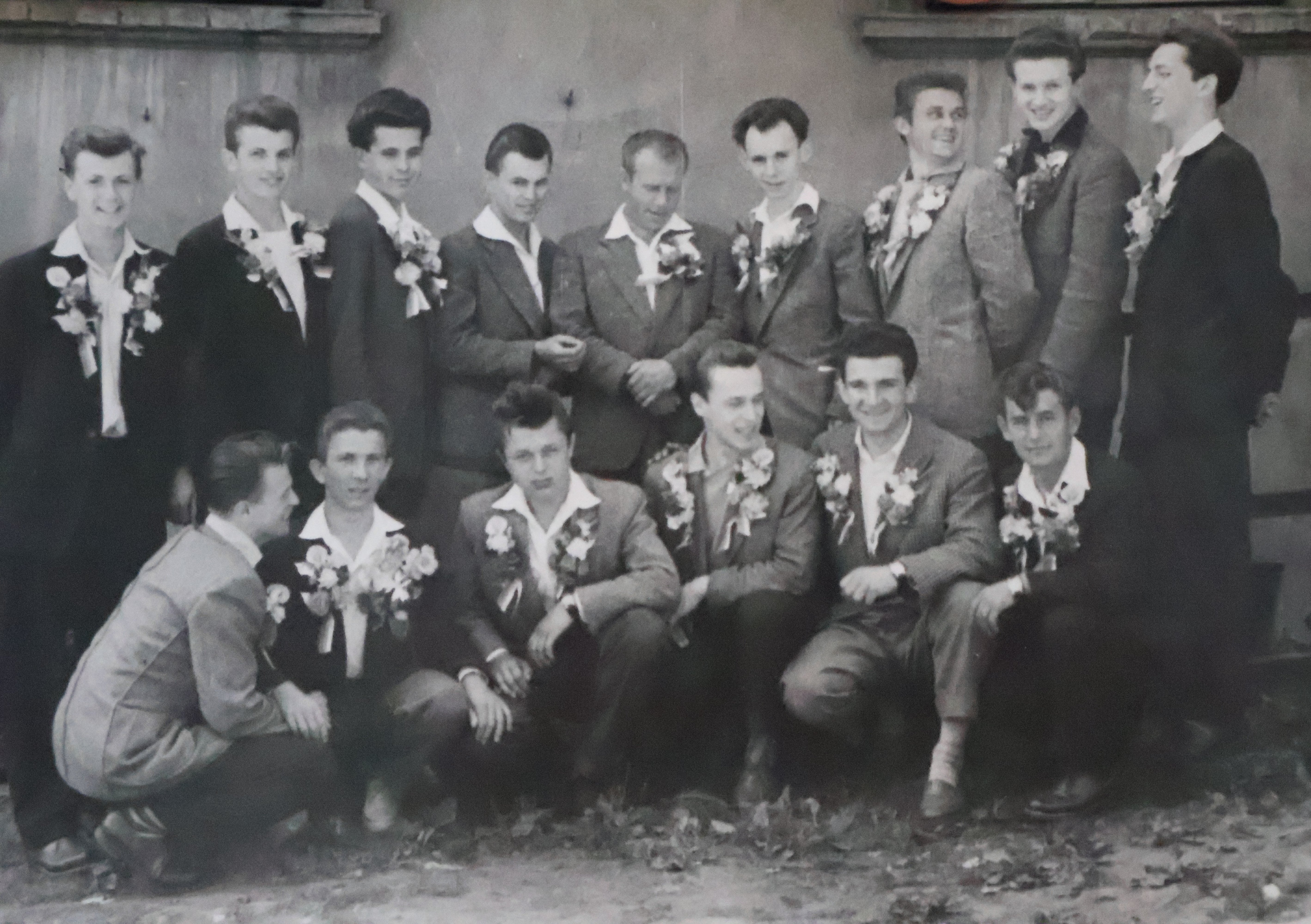
Oldřich Šplýchal was born on 23 March 1940 in Komárov. He had two siblings. After primary school, he graduated from the secondary industrial school in Hořovice and during his studies, he played football and hockey. In 1959, he joined the military service, where he hoped to make a professional living playing football in Dukla. However, due to his small stature, he did not pass the selection process. So he spent his military service in Hranice na Moravě, where he graduated from the artillery academy, and spent the second year in Strašice. Due to the outbreak of the Caribbean crisis, he had to stay in the army for half a year longer. He graduated from the Faculty of Mechanical Engineering of the Czech Technical University in Pilsen and spent his entire professional life in the Buzuluk Ironworks in Komárov as a metallurgist. Here, he experienced the invasion of Czechoslovakia by Warsaw Pact troops in August 1968, which he disagreed with two years later during his vetting. Therefore, he could not get a better job. He could, however, study robotisation and automation of production processes at the Brno University of Technology. In 1978, he was appointed head of the Iron Museum in Buzuluk, which he managed until the 1990s. After the Velvet Revolution, the ironworks were privatised and Oldřich Šplýchal retired after 2000. In 2024, he lived in Komárov.