Mons. Michael Slavík , Th.D.

* 1955

  • "I was the general prefect at that time, which was a kind of the highest ranking superior among theologians, but at the same time a representative of the theologians. And I said, 'The Cardinal must give his order, otherwise we are not going.' And ge didn't want to do it, the Cardinal, under obedience, but I made him do it, even though I thought he had no right to do it, but just - well, under obedience, that was my condition, he gave it to us... We went, and without all of us agreeing, there were about twenty of us, those Prague theologians at that time, or fifteen... without agreeing, including those who never went dressed like that, we went there in dresses and ties, nobody had priestly clothes - a clerical collar, which was something that probably bothered people, because the impression of the convention was that there were young people there, the future. But somehow those ties didn't fit in... We arrived at this hotel International, and nobody was interested in us, so we went to a restaurant and had a beer, in the morning. And we waited to see what was going to happen, and we were in a very good mood, to tell you the truth. And then the rector came and said, 'Well, they reported to me that the theologians were sitting in the pub drinking beer.' I said, 'Well, nobody was interested in us, so we had a beer.' And then the chapter vicar of Litoměřice, Hendrych, came, he paid for us, he was very generous, I must say, and we were supposed to go to the service, but no one asked us for any particular service. Then the then Provincial Secretary of Pacem in Terris Adler came at me and started yelling at me that I had caused a conflict with the state administration by my attitude yesterday and that I should have thought it through, and that made me laugh: And now that we are obstructing the convention proceedings with our ties."

  • "I reproach myself... or do I reproach myself? Maybe that's not the right word, but I regret that I was not able to talk straight about these things with my primary preacher, Lojza Kánský. Because - I'm jumping back in time now - he told the State Security things about me that we said in private. Of the ten or so people who - according to the file that the State Security kept on me - there were about seven priests, or how many, and the others sort of said innocuous things or didn't fulfil the assignment that they had towards me either, but Lojza Kánský then, unfortunately, told about my personal opinions and evaluations. So I wanted to discuss that with him sometime. But I can't say that I don't forgive him or anything like that. We met afterwards in practice, here in Prague, on a regular basis, and I had no problem talking to him. But somehow I didn't get the strength to open this chapter, and maybe it wasn't even necessary."

  • "He arrived just as our unit was in the field on a military exercise. So there was only a back detachment in the barracks, and we were always on duty, duty - rest... And he arrived just on the day I was on guard duty at the gate, so it was not even possible for me to leave the barracks, duty and so on. And he told me that he was not from the Ministry of Defence, but from the Ministry of the Interior, I think he expected me to be impressed, which I pretended to be, but in fact I wasn't. And he sort of started to tell me some of these things, so when he finally went straight with me, he just wanted me to somehow make this deeper contact with him and so on. I kind of took advantage of that, I was like, 'So you are being honest with me, but you actually lied to me last time, so I don't have the confidence to continue with you because people who don't speak the truth to me, I...' Well, so it ended up pretty much upsetting him. This was all taking place on the gate outside the barracks. And I somehow still got a promise out of him that he'd never come back."

  • "He was our civics teacher.. civics, and so he always had me read some ideological texts for the whole class that were anti-church or anti-religion or somehow promoted this materialistic worldview, and so I would read that. That was the role at that point - he asked me to read it, he didn't ask me to agree. And one day what happened was he said to me, 'Well, what do you think about that? You're on the other side, so tell me, what do you think about that?' In front of the class... And I don't know what came over me, I was like, 'How come I'm on the other side? Professor, you're baptised too.' And he says, 'Well, as a child.' And I had the information that he wasn't baptised as a child, that he was baptised at eighteen. So I said, 'No, that's not true - as a child, you were baptised as an adult, at eighteen.' Well, by then the class was getting into a frenzy, it was like a football game. And he said, 'How do you know that?' And I said, 'I was told that by the old vicar' who lived in the rectory and who baptised him. And he said, 'Tell Comrade Vicar that he's confusing me with my brother. I mean, comrade... to the vicar!' And I said, 'Oh, he's not confused, he baptised you both.' And at that moment he started to sigh, or whatever you want to call it, and staggered out of the classroom. Well, the class was quite happy... Well, I was quite cheeky, today, I have to admit that, but on the other hand, he's made a run for it, he's asked for it. And he's been the hard core, the solid one, the one who never got out of the line, and now this could hurt his political profile. And after the break, this professor came up to me, and she goes straight to me, and she says, 'What did you do to him?' I say, 'Nothing, he started it.' And she says, 'He's sitting there in the staffroom, his head in his hands, and he's just screaming, 'I'm not going to survive this...'!"

  • Full recordings
  • 1

    Praha, 30.09.2025

    (audio)
    duration: 01:58:29
    media recorded in project Stories of the 20th Century TV
Full recordings are available only for logged users.

I’ve always tried to do everything I found possible
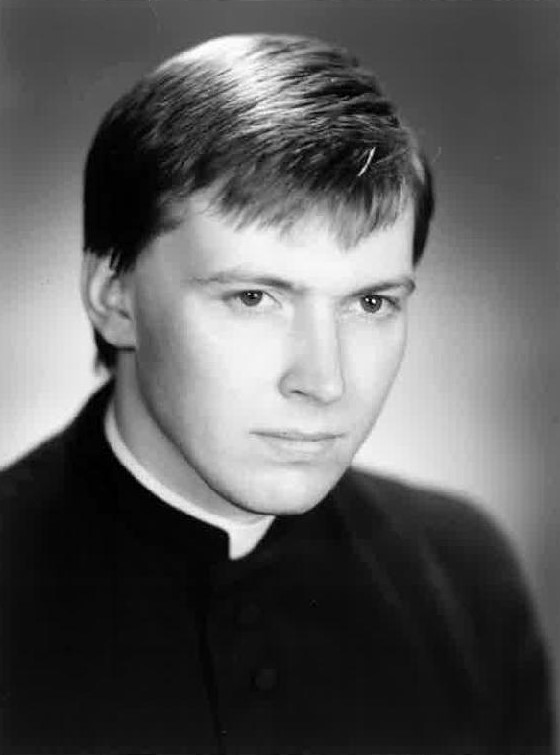
Michael Slavik (b. 1981)
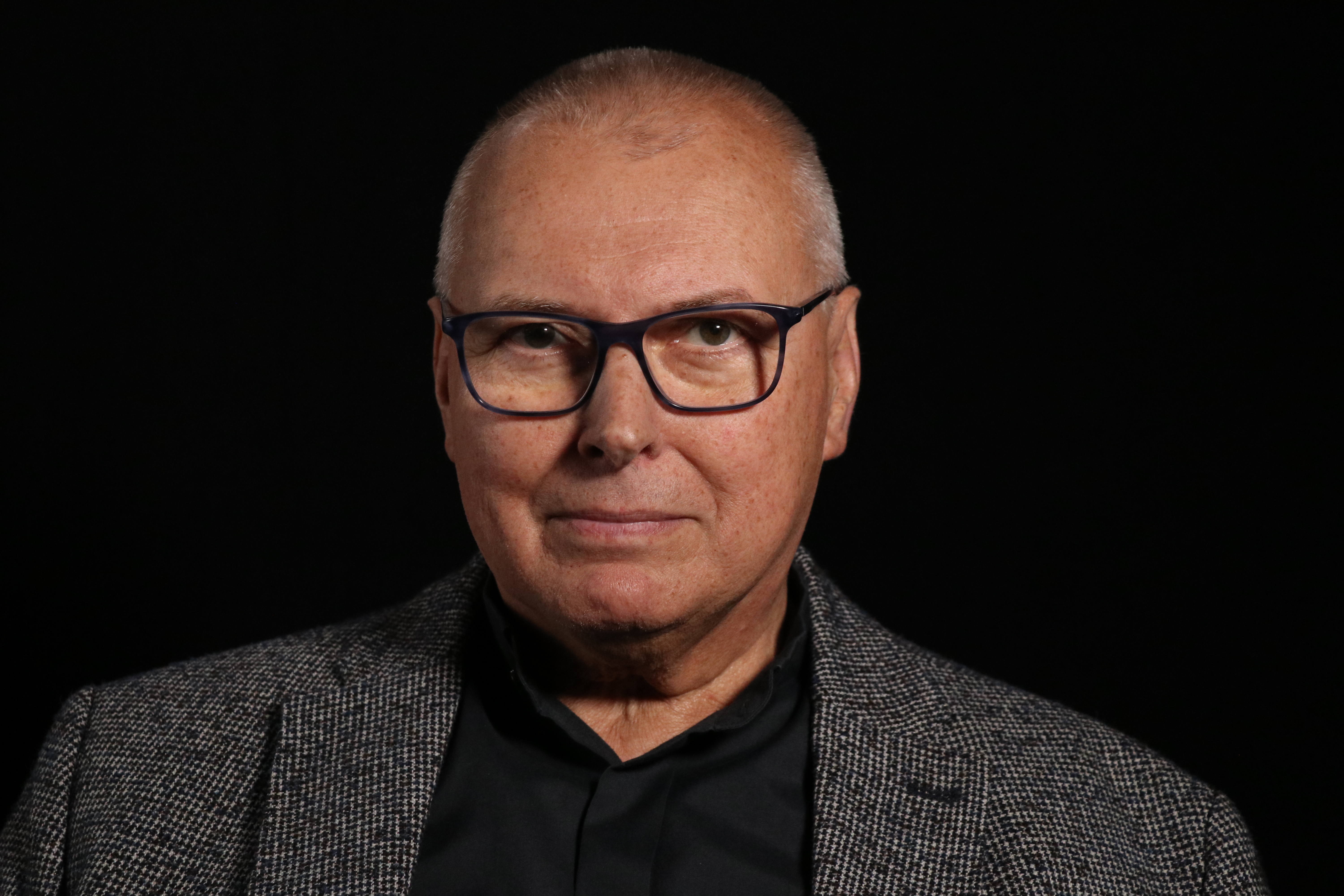
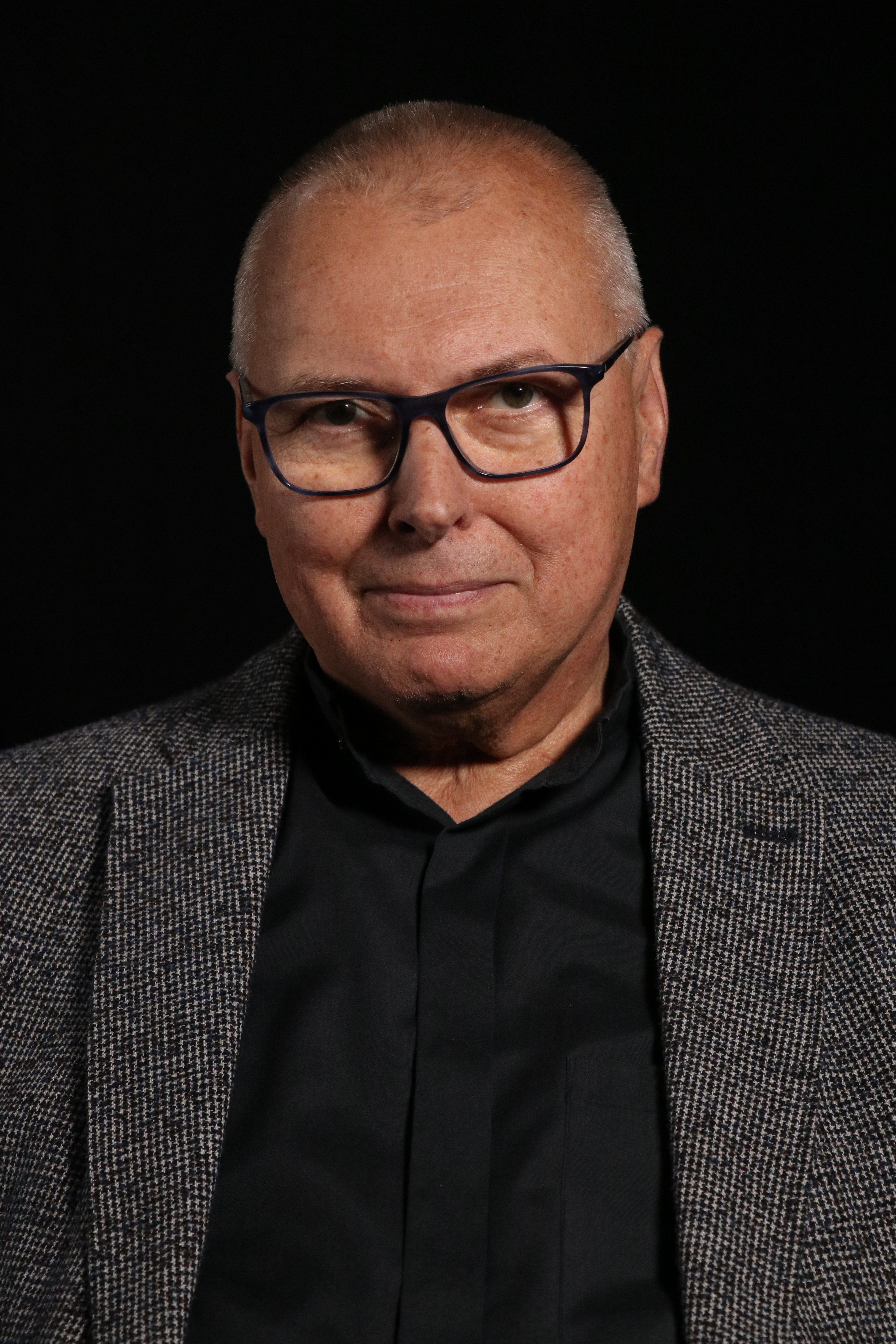
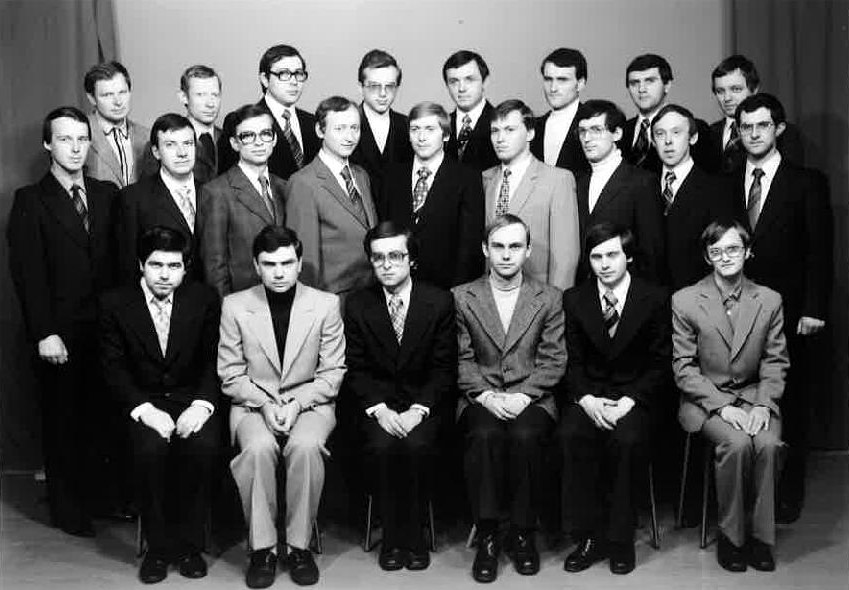
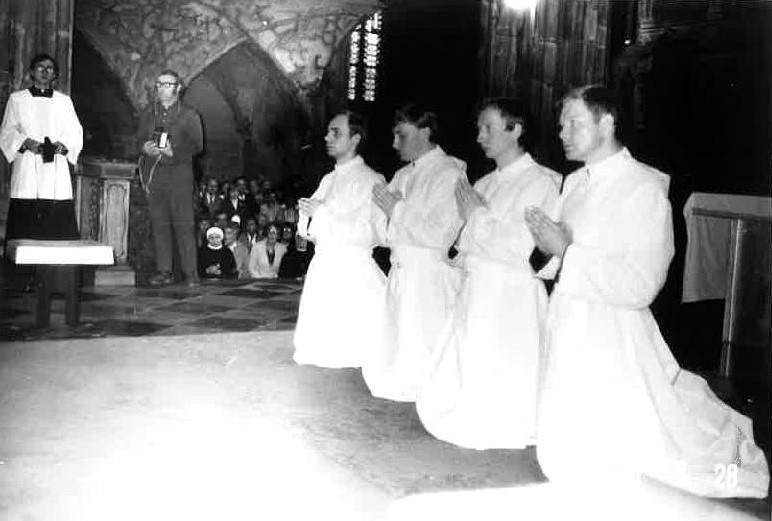
photo: Archive of a witness

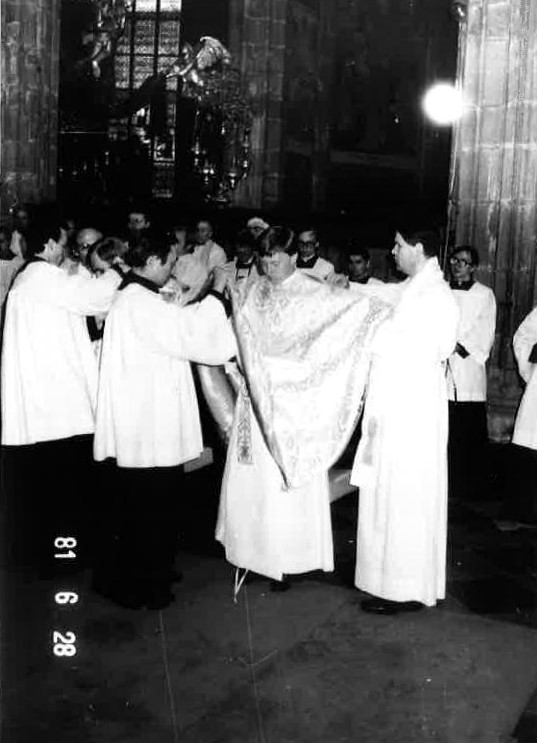
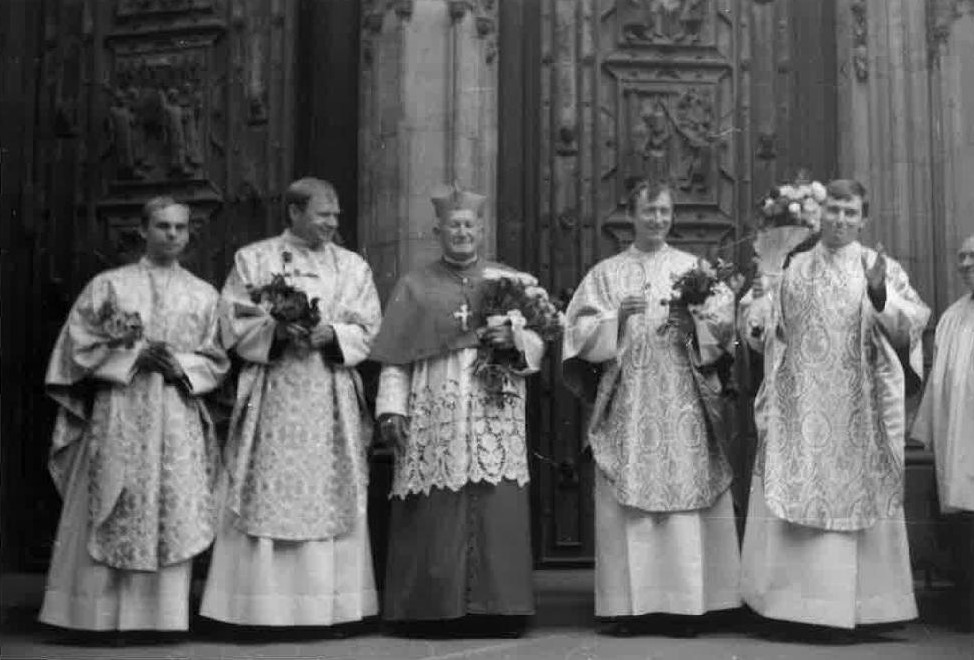
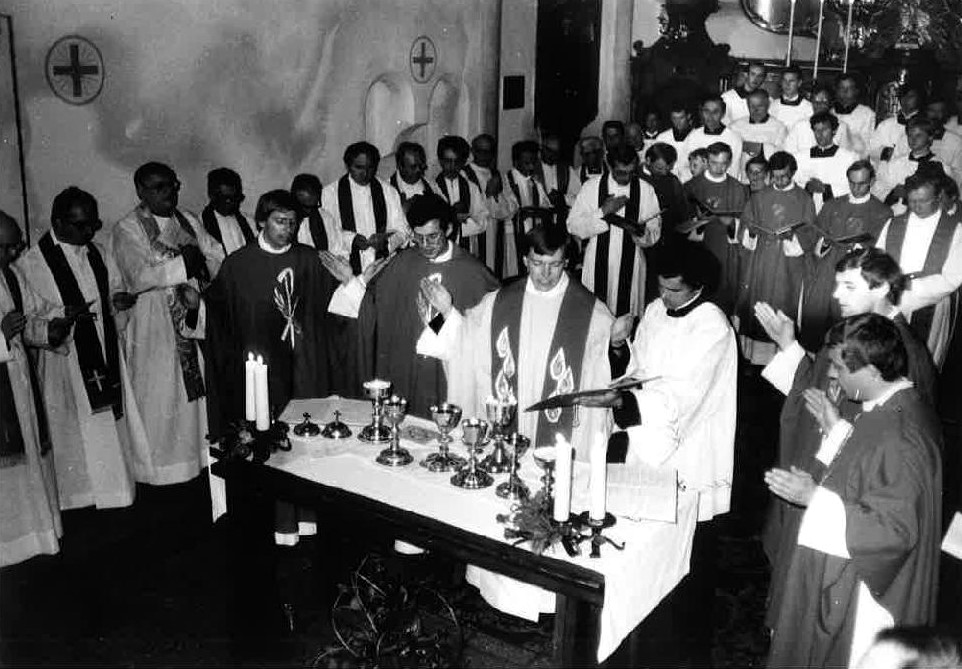
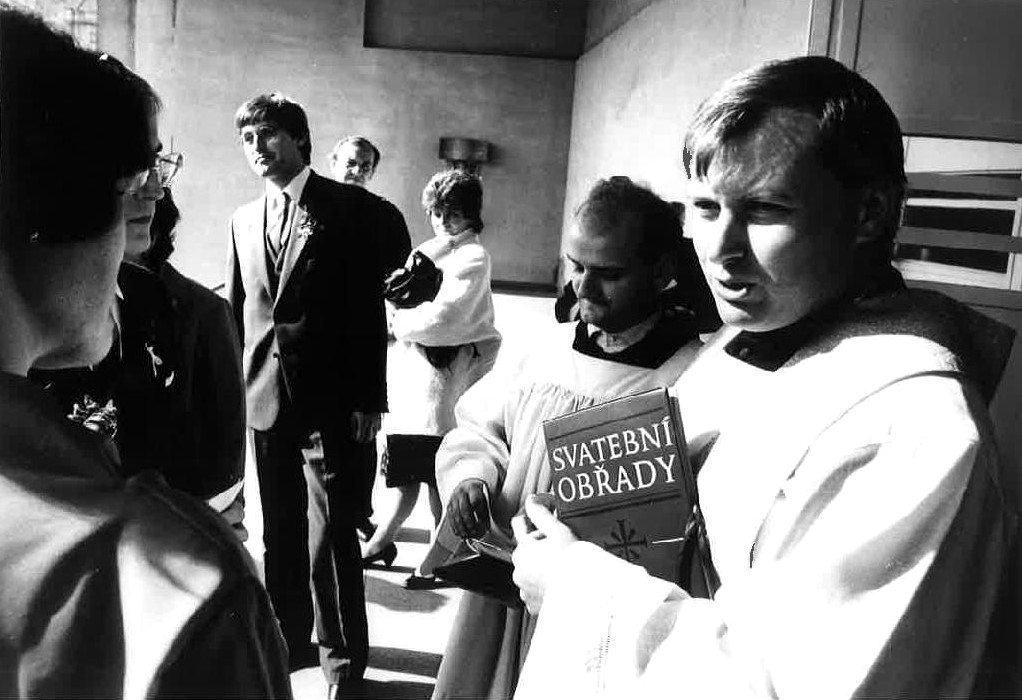
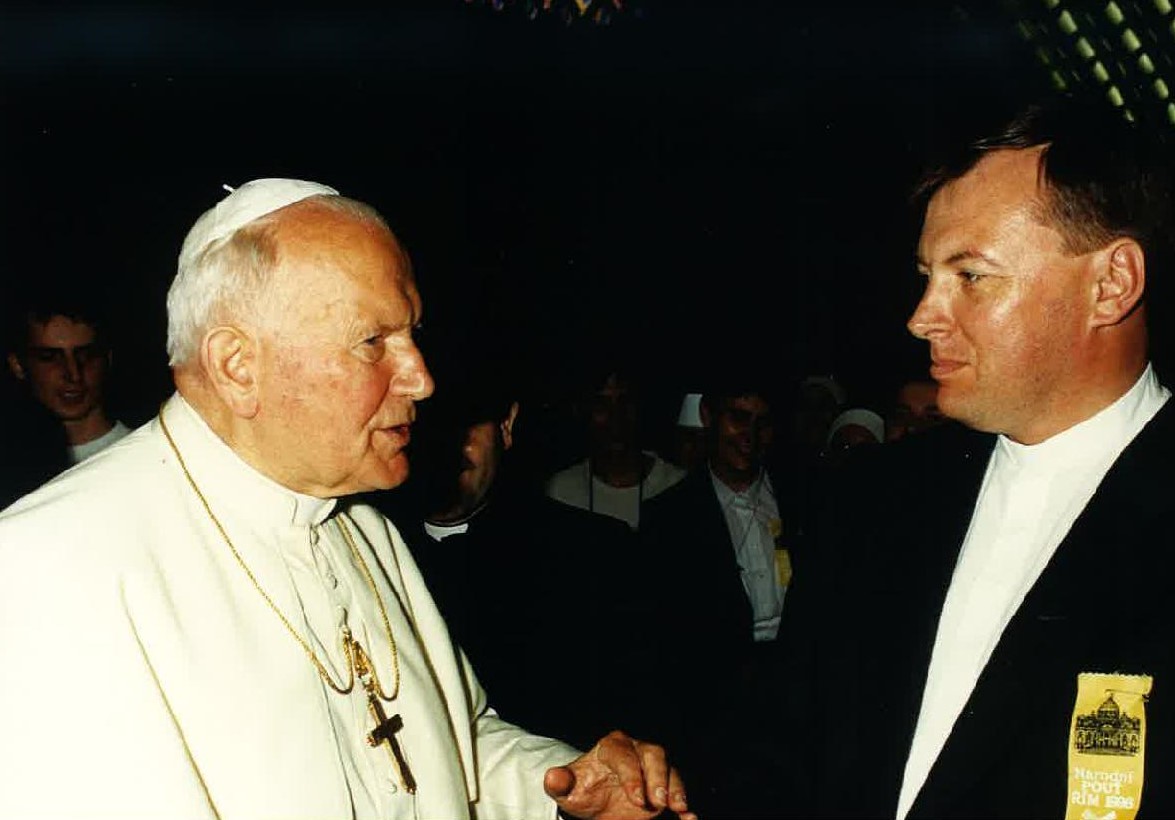
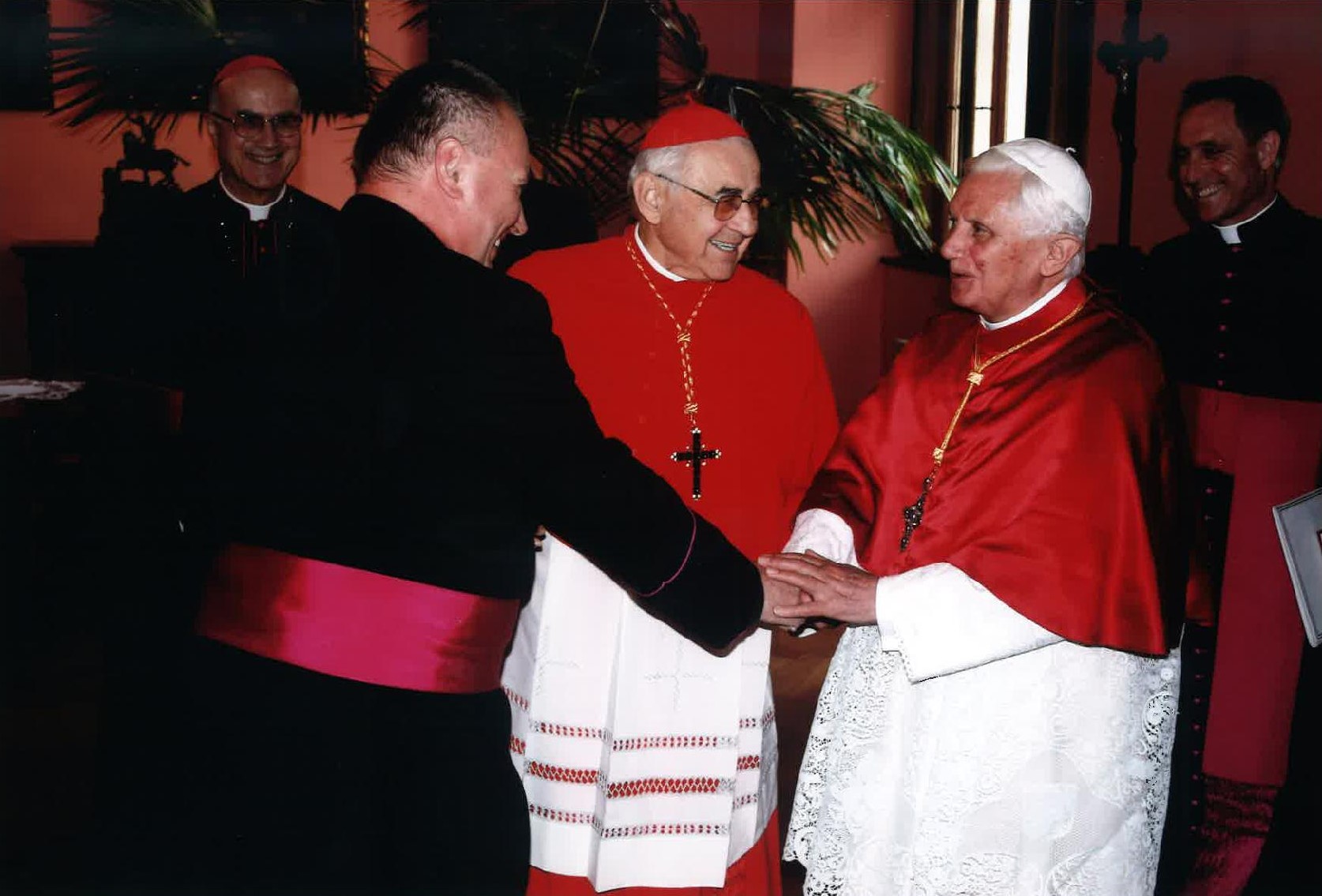
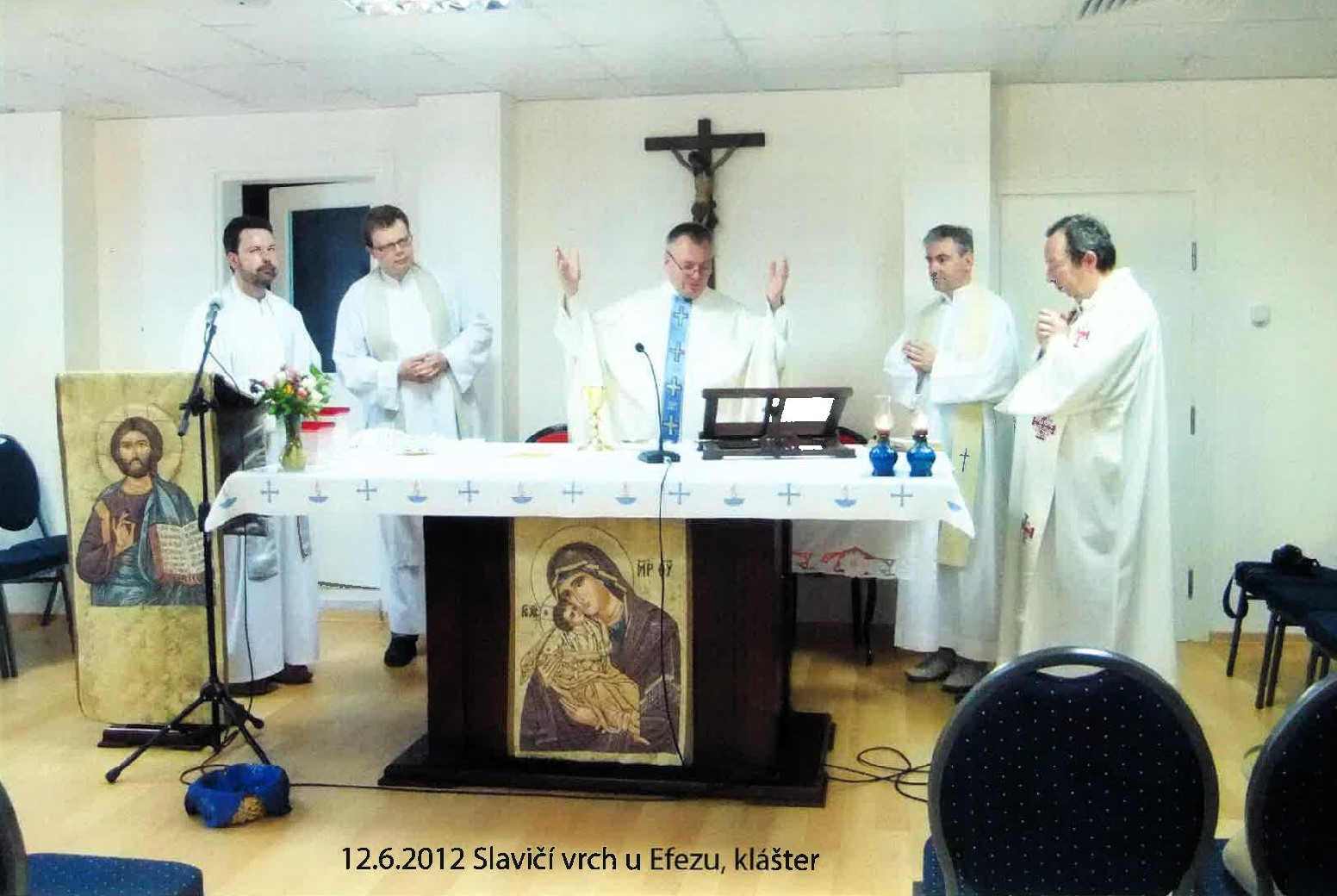
Michael Slavík was born on 30 July 1955 in Český Brod, where he also spent his childhood and student years. After he was not allowed to study theology after graduating from the local grammar school, he entered the compulsory military service, during which the State Security tried to recruit him as an informer. His second attempt to gain admission to the theological faculty in Litoměřice was already successful. After graduating in 1981, he received priestly ordination from Cardinal Tomášek’s hands. He spent the first years of his ministry in the West Bohemian parishes of Karlovy Vary and Ostrov nad Ohří, from where after four years he was called to the spiritual administration department in Prague-Vršovice. Here, under his leadership - towards the end of totalitarian regime - he managed to develop a comprehensive system of religious education and to establish a parish charity. At the end of the 1980s, he took part in private theological courses organised by the Salesian brothers. After the Velvet Revolution, he continued his pastoral work as administrator of the parish in Prague’s Chodov district, from where he was called to the Archbishop’s Seminary in 1995, where he first worked as a spiritual minister and from 1997 as rector. In 2000 he was appointed to the office of Vicar General of the Archbishopric of Prague, which he held for sixteen years. In 2025, Michael Slavík served at the Metropolitan Chapter of St. Vitus in Prague.