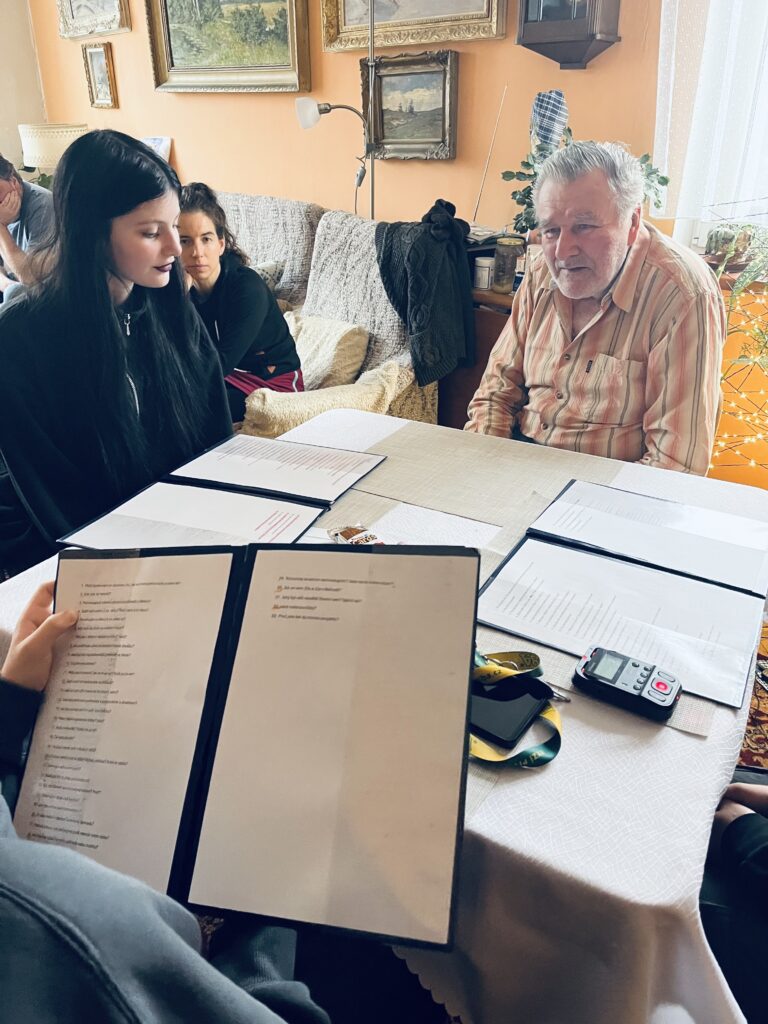
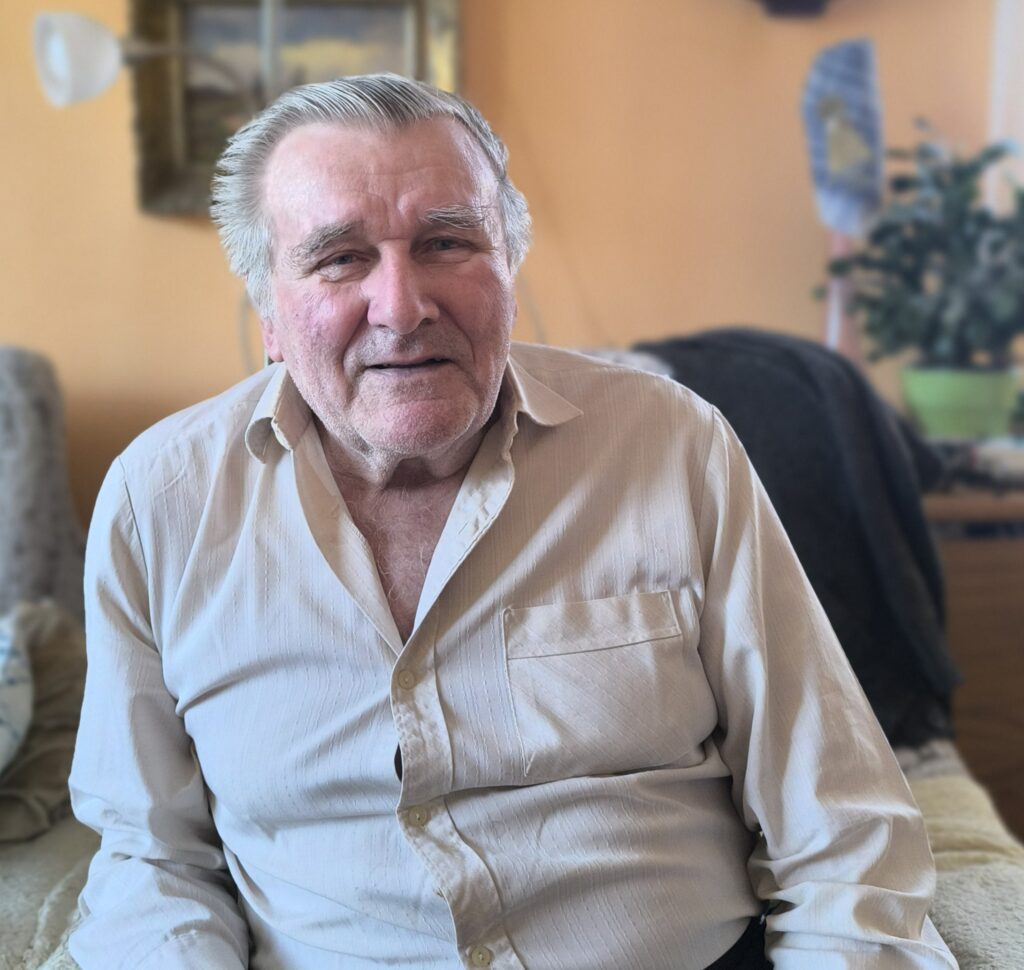
"They always told me that all the managers in Elektro Bečov were in the Communist Party, only the production manager was not. So I used to make excuses... that I was in the Youth Union for some years, that I didn't have time to fill in [and so on]. One day it happened that we came back from holiday. I was given then... a senior party official presented me with a paper, a completed application form, and said, 'Sign it.' Because I had three children, so I just... And I had... I had experienced what I had experienced, so I signed. The middle son, he wanted to be a hunter or a gamekeeper, so... There was a forestry school in Písek then, there still is, which is renowned. So I went there with him for the entrance exam. Well, when I saw the results, he was quite acceptable. Still, they didn't admit him."
"We moved to Klatovy before my secondary school graduation because my parents bought a house there, so we moved into a house and the so-called street [committee], I don't know what it was called... a secretary... wrote an assessment. He didn't know me at all, well, and he wrote such an assessment that... There was a quarry opposite the house. We used to go there as youngsters to play the accordion, and I played the mandolin, and we sang and so on. Well, so he summed it all up, that I didn't show myself in any way, and so on, and so on. Politically [that I don't express myself]. That was one of the reasons why I wasn't admitted. I took the entrance exam three times for that [college] before I was admitted once."
"In 1945, when the Americans came to liberate us, there was a demarcation line in Horní Bříza. The Americans were on half of it and the Soviets on half of it. I remember that we didn't know chocolate until after the war. When the Americans arrived, they were throwing biscuits out of the jeep, chocolate, so that was the first time we tasted it. Our house was in the Soviet part, but right below us was the demarcation line. And in the school, the Americans had set up, I don't know if it was the administration or the staff, they were just there... and we as little kids would go there and the soldiers would give us all kinds of treats - from chocolate to all kinds of little canned food, which was peanuts - the peanut butter - and other treats."
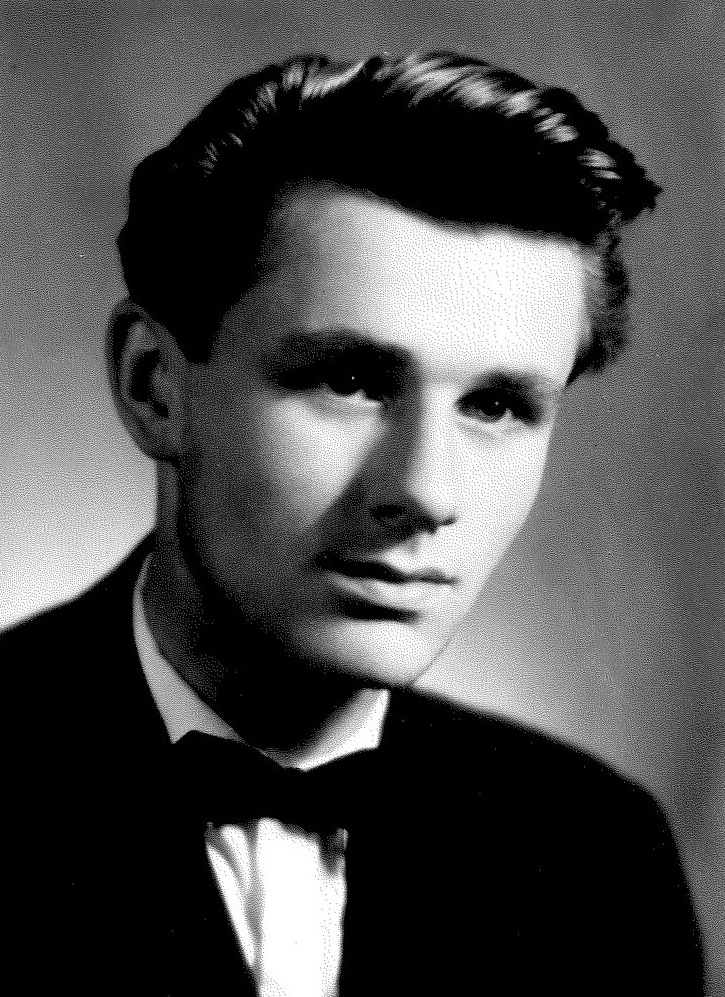
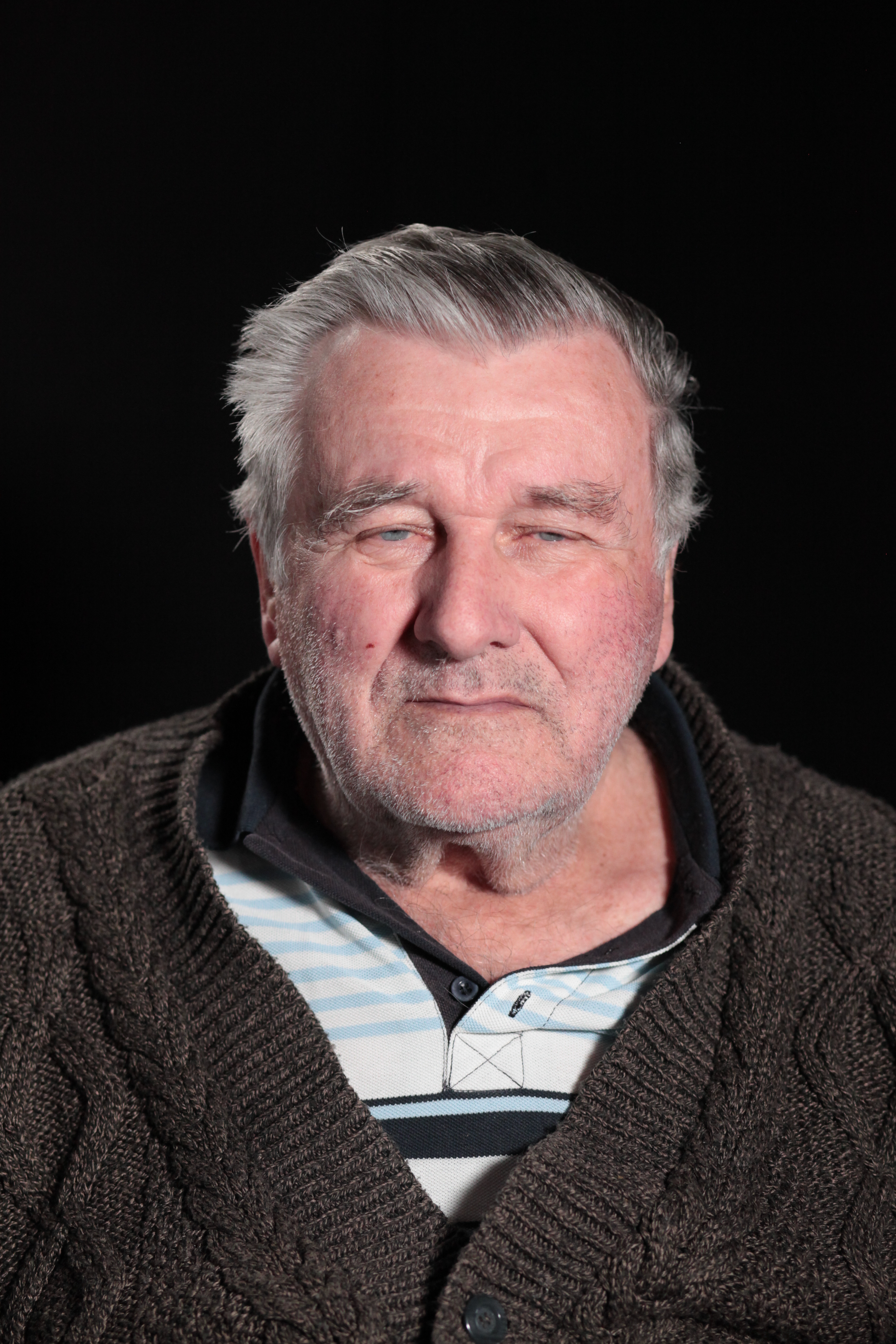
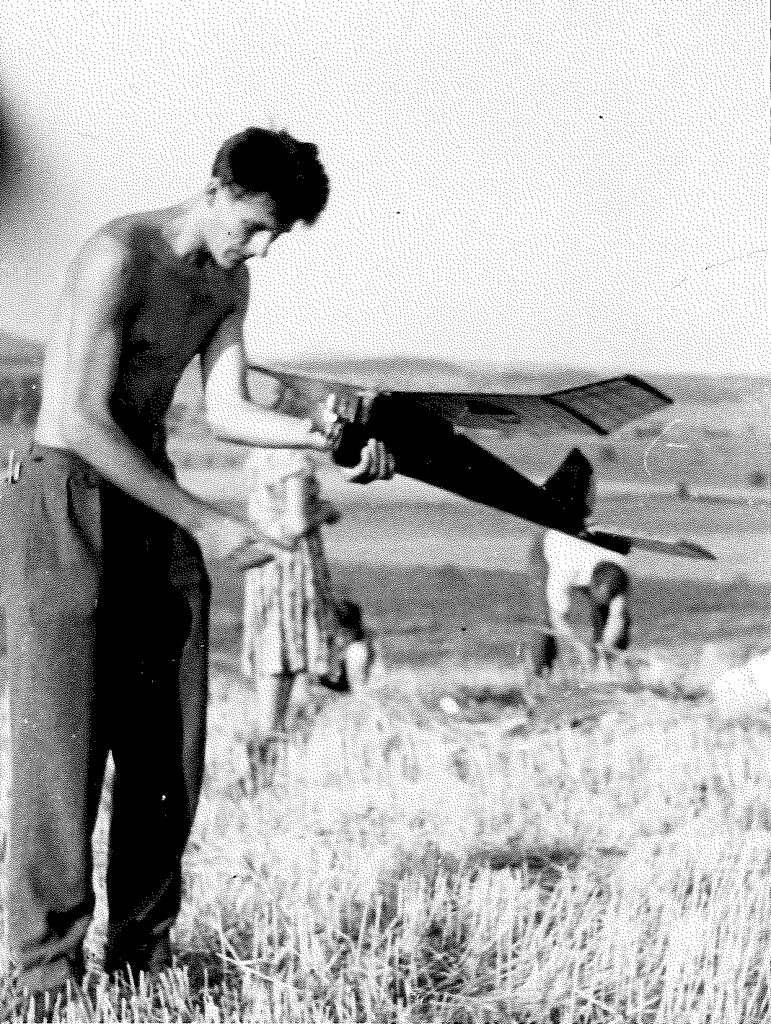
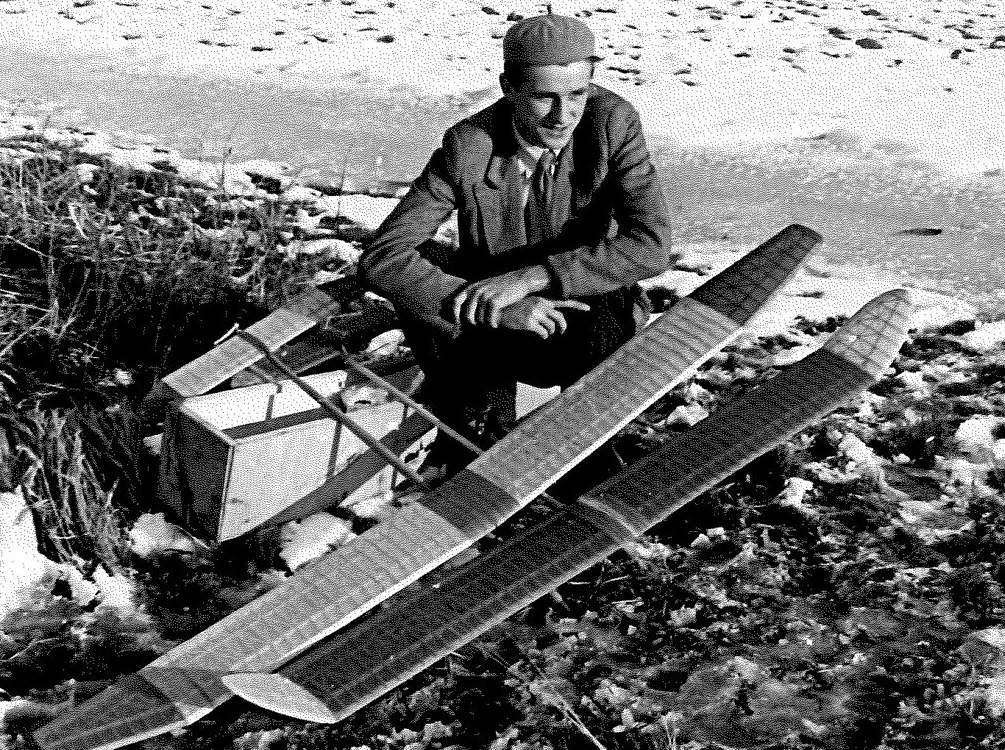
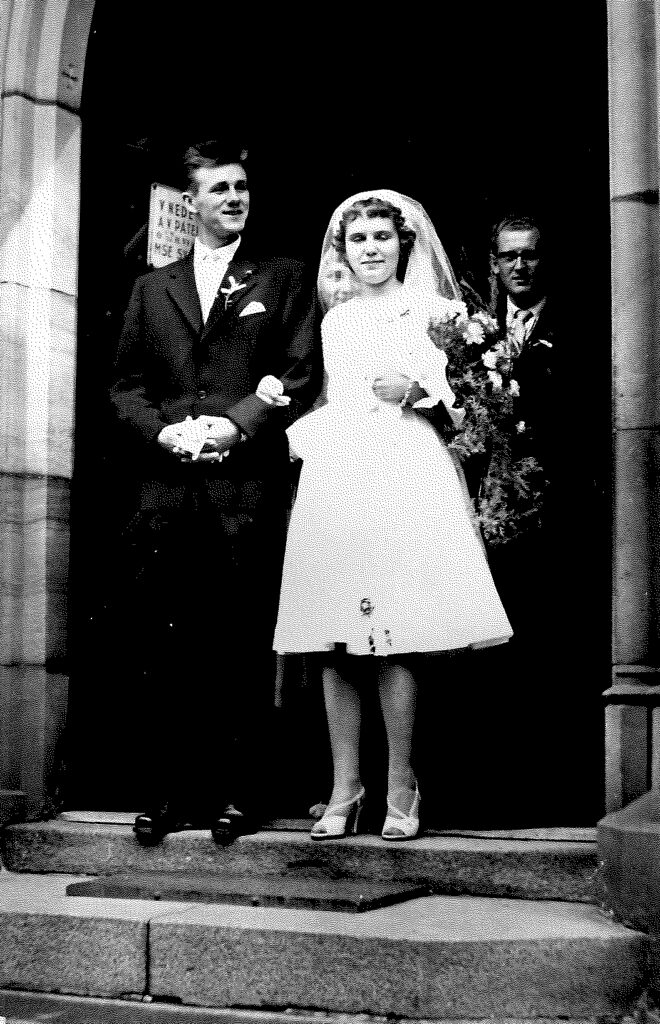
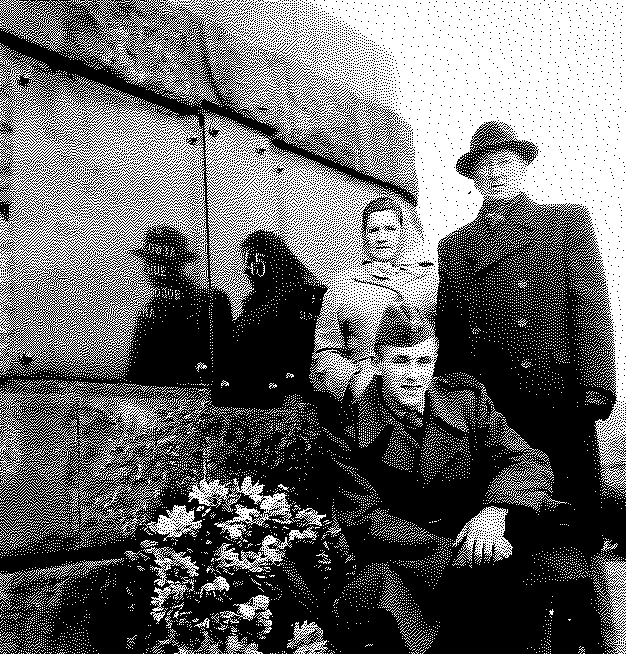
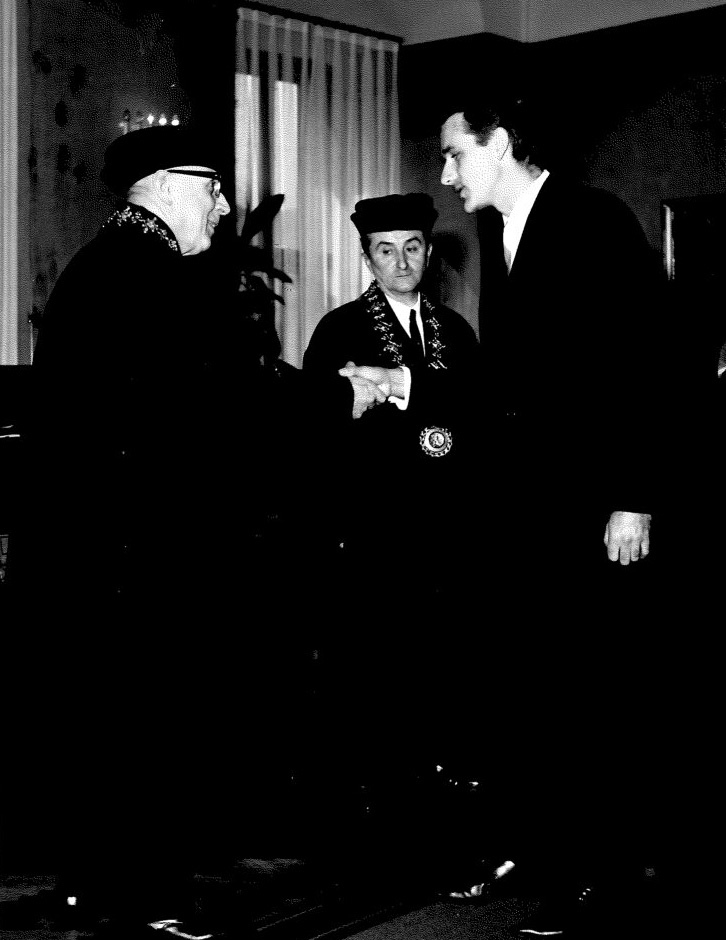
Vlastimil Šindelář was born on 11 December 1938 in Horní Bříza near Pilsen. His father Antonín Šindelář was a driver and later an electrical engineer, his mother Magdalena Šindelářová was initially a housewife. He had a brother Antonín, three years older. He spent his childhood during the Second World War, he remembers the air raids on Pilsen and the bombing of the Škoda factories in April 1945. In 1945, the demarcation line between the American and Soviet armies ran through the Hiorní Bříza . After the war the family moved to Klatovy. He was a member of Junák until it was banned in 1950, then he joined the Pioneer organization. Since childhood he was engaged in aeromodelling, reached the first performance class and was a member of the regional representative team. After graduating from secondary school in 1956, he was not admitted to university twice, probably because of a negative assessment written by the street committee in his place of residence. He completed a two-year extension course at the Mechanical Technical School in Pilsen and became a machinist. He succeeded in his third attempt to enter the university and completed his studies in 1967. He worked in the “Škoda factory” in Klatovy and later in Kovofiniš in Ledeč nad Sázavou. From 1969 he worked at Elektro Bečov as production manager and later as chairman of the cooperative. Under pressure from his employer, he joined the Communist Party of Czechoslovakia, mainly out of concern for the future of his children. In addition to his employment, he was intensively involved in hiking activities within the Tourism Association. In 1993, he became the director of the wood-tool company in Mlýnské Struhadlo, from where he retired in 1999. After 2005 he was involved in the running of the Bečov Botanical Garden, which was being restored by his son. At the time of recording (2025) Vlastimil Šindelář lived in Bečov nad Teplou.