RNDr. Hana Seyčková

* 1934

  • "Sure, because who from our enclosure has made it out into the world? We, when we were coming back from somewhere, always before we crossed the border, the dogs were already registering us at the border and barking and I don't know what all. And I realize that I was always thinking, 'So we're going back to prison again.' When we were on duty somewhere, then we were in Baghdad, also for a year, so when we came from somewhere in the world where I felt so, I don't know how to say it, so free. Nobody was testing me, checking me all the time, watching me, what we did, we did, what we screwed up, we screwed up, so we went to fix it too, and so on. But we didn't have any guardian angels behind us all the time. Here I always felt like... and I was always checking what I was going to say, and I had that ingrained in me from the Protectorate, of course, that's what's left in you, when your parents warned you about this and protected you from that, so that's what I took back to the communist camp."

  • "They came into that cellar and they had German uniforms, of course, and now they were facing us with rifles. Well, so we watched to see what would happen. And there, there were some Slovaks living with us in that villa. He was even some kind of a constable or something at that time, and the young boys, he had grown sons by that time, so they were Slovaks, the whole family, of course, not the young ones only. And they assessed the situation, or if they had any information, I don't know. And they started talking at the soldiers in Slovak: 'We are not Germans, we are Czechoslovaks', and then the Russians heard, because it was a language that was close to them, right? It's like when he said, 'We're not Germans.' Well, they were Vlasov army soldiers. Yeah, but they were careful, so we were the first ones to open the flat and let them in. My mother said, 'Well, I was saving the flat from the borderlands, from the Sudetenland, and now they're going to destroy my place.' Well, they behaved decently, I have to say, but they occupied the flat and in the bathroom, I showed Ivan where we had a little window from the bathroom, it was like a perfect shooting hole, really. The bathroom window, they made a machine gun nest there, and when we came home, we had so many cartridges in the bath like that... Because it was a window above the bath, so they were shooting at the Germans. And that was something for the Henlein guys, who had on the roof of the barracks over there, they had their machine gun nest there too, they just had buildings on that roof, just like that, on that 'coercive', we called it, coercive office, today it's a prison. Well, on that, that was like a waterworks, they had a machine gun nest there too. And the Vlasov guys were shooting, well, and of course the Germans immediately knew which house, so then the Revolutionary Guards came for us and told us that we had to get out of that house, that they had it in their sights and that it might not turn out well."

  • "My mother kept dragging us down to the Vltava River, but we never got there, they drove us to the shelter, to that alley called Trojská... never mind. And there, of course, we were already, it was the eighth of February, so people were already used to it, weren't they, to the air raids. Nothing was happening, so they didn't even go to the shelter, the trams stopped there, and people stayed in the tram to be the first ones when it starts again, when it's finished. Well, but my mother, a curious woman... we were herded into the middle of the street too... but we were between the doors in the corridor to watch... And all I can hear is Mummy or somebody saying, 'Oh, look how low they're flying.' And at that moment, it banged somewhere. Look, at that moment the people were off the street, well, and we were in the basement. And I'll tell you, I'll never forget this, when we were in that basement, I mean, in that air raid shelter, we heard the house next door get hit and everything was falling. Now we were waiting to see when it was going to be on our head, too. But luckily, I mean, we got away with it. Well, then when it was blown away, they took us out, and there were always all these - the Revolutionary Guard, or whatever they were called, the RG were always marked. So they had flags stuck everywhere where there were unexploded mines or something, and they just chased us away."

  • "Well, there at the provincial school board... after some Allied bombing, the Dresden, various other... well, they figured that the cantors still had their holidays, so they would go to the Reich to clear the rubble and pick up the corpses and so on. So they made lists of the teachers. So of course, our daddy, it wouldn't be him, so of course he copied it and sent it out to these teachers to warn them, and so that they wouldn't be at home, so that they couldn't deliver it, and things like that. I remember that, because he always, at night, it disturbed us, he'd be at the typewriter - today it wouldn't be a problem to find out what typewriter it was, would it, but back then he just got away with it - well, and he'd send it to the people concerned according to that list. And then, of course, one such clever guy - we wouldn't be Czechs if it wasn't - went to the office to ask them not to send him there, and it started... ,How does he know? He got a summons!' Well, it came to Dad, didn´t it. And this Werner or Schuster guy was yelling at him that he was like this... and that he was going to call the Gestapo, and that the family was going to a concentration camp, and all this. Well, Daddy's just took the risk? So also in German, the Viennese kind, he said it had an extra accent, Austrian German, so he started yelling at the guy, because it was already high stakes, in German. And that then, how dare he, he said to him that it's all unsecured here, every craftsman and every cleaning woman can access everything and why he turns to him, and I don't know what all... Yeah, and my dad said one sentence. Yeah, to invite the Gestapo, that he'll tell them what a mess it was there. And that worked, and so no Gestapo was called..."

  • Full recordings
  • 1

    Praha, 06.05.2025

    (audio)
    duration: 01:58:06
    media recorded in project Stories of 20th Century
  • 2

    Praha, 01.06.2025

    (audio)
    duration: 02:27:35
    media recorded in project Stories of 20th Century
Full recordings are available only for logged users.

Nowhere is it written that history cannot repeat itself.
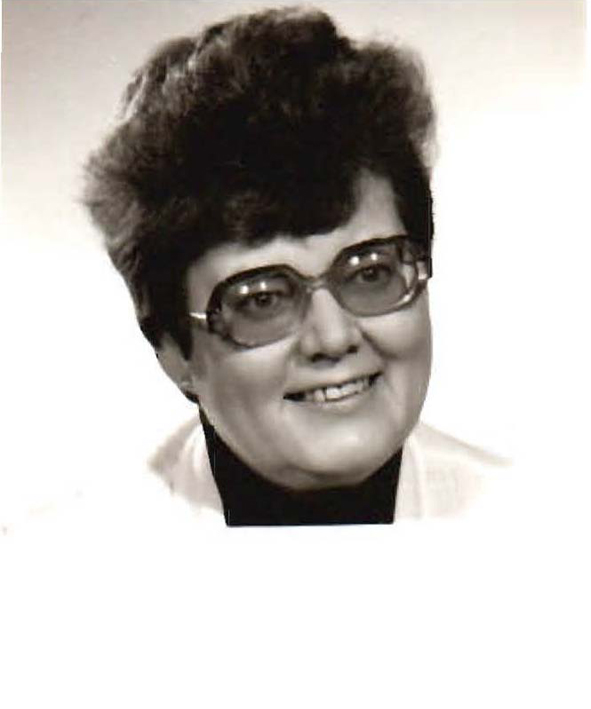
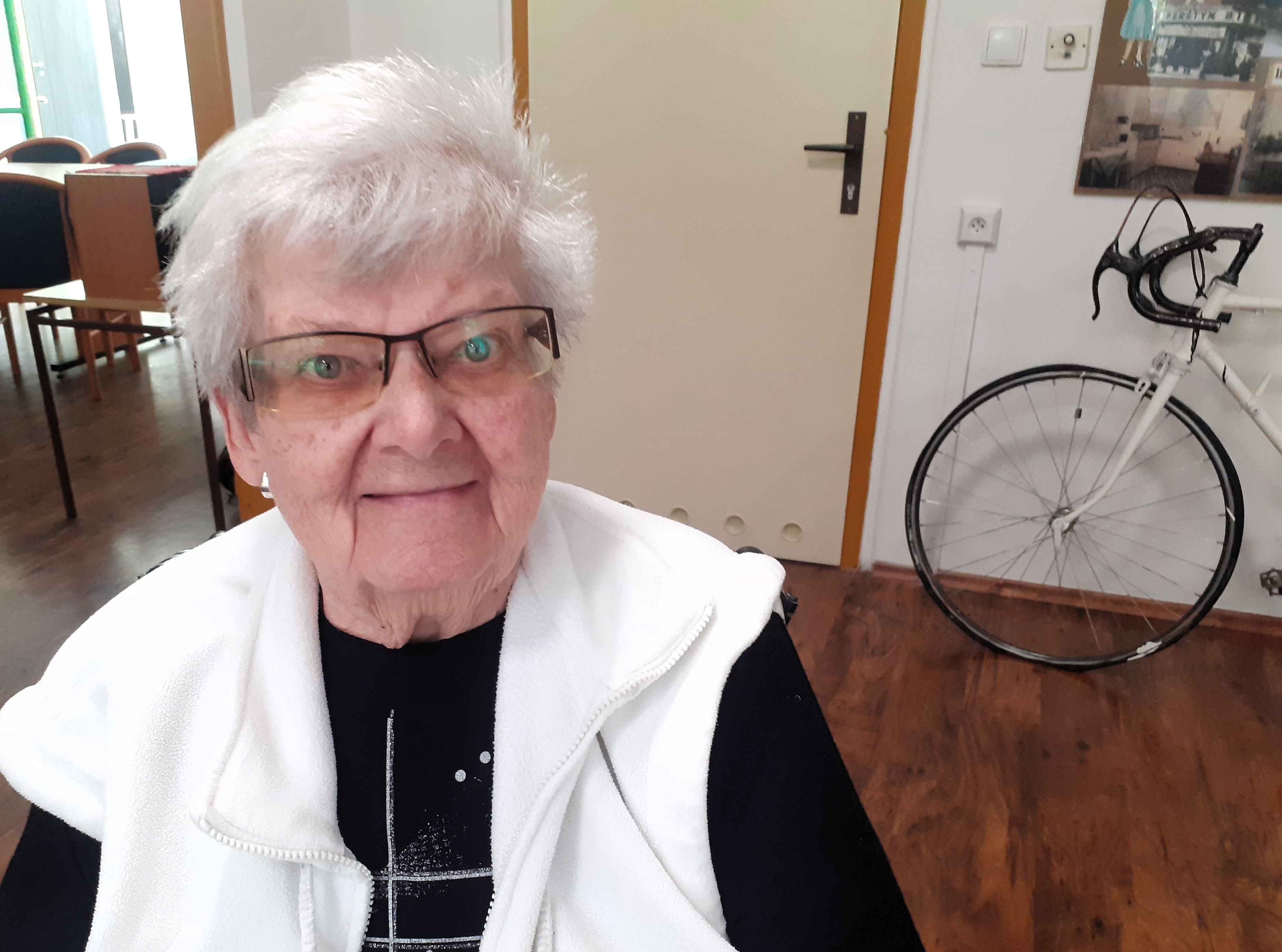
Hana Seyčková, née Petrášová
photo: Witness´s archive

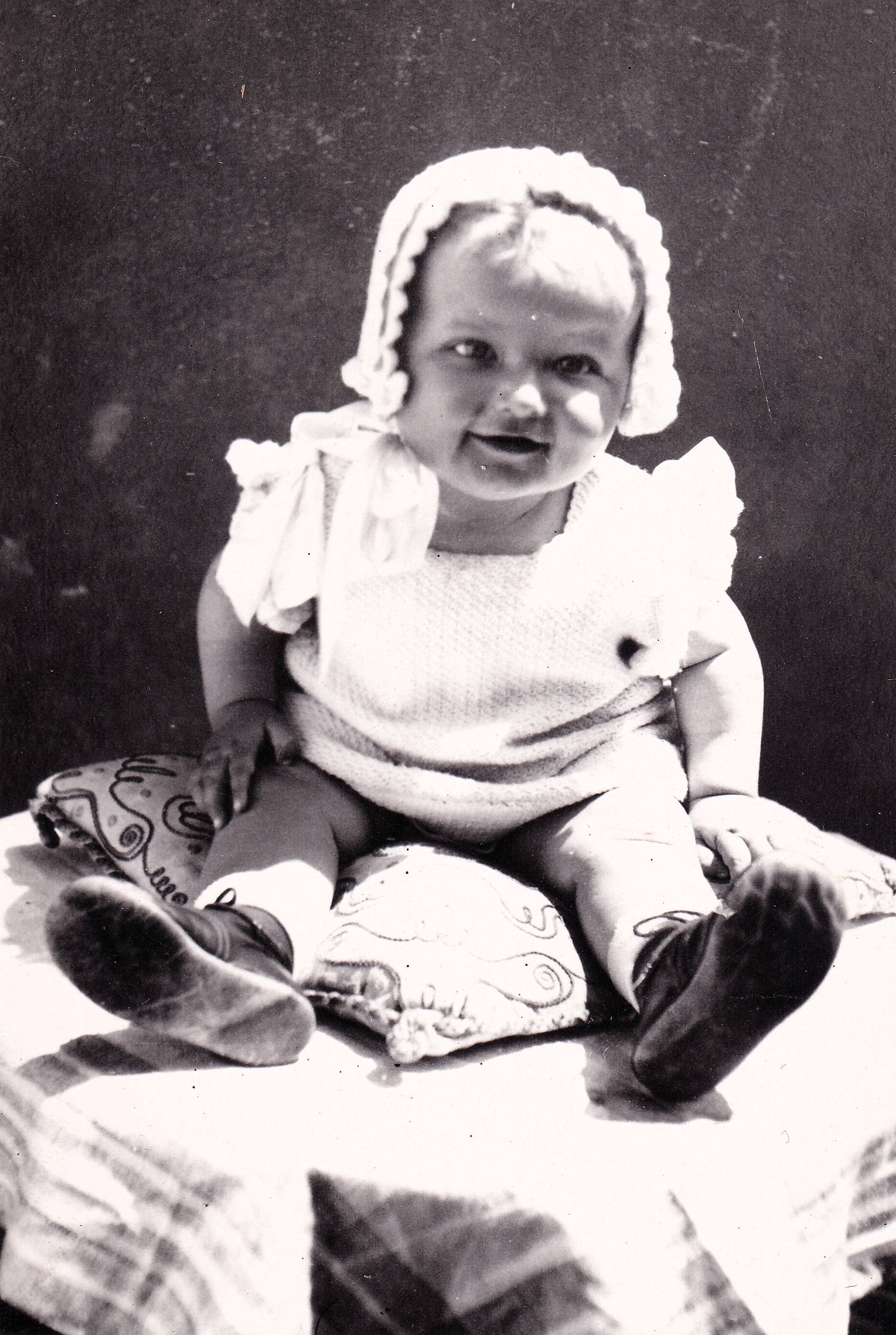
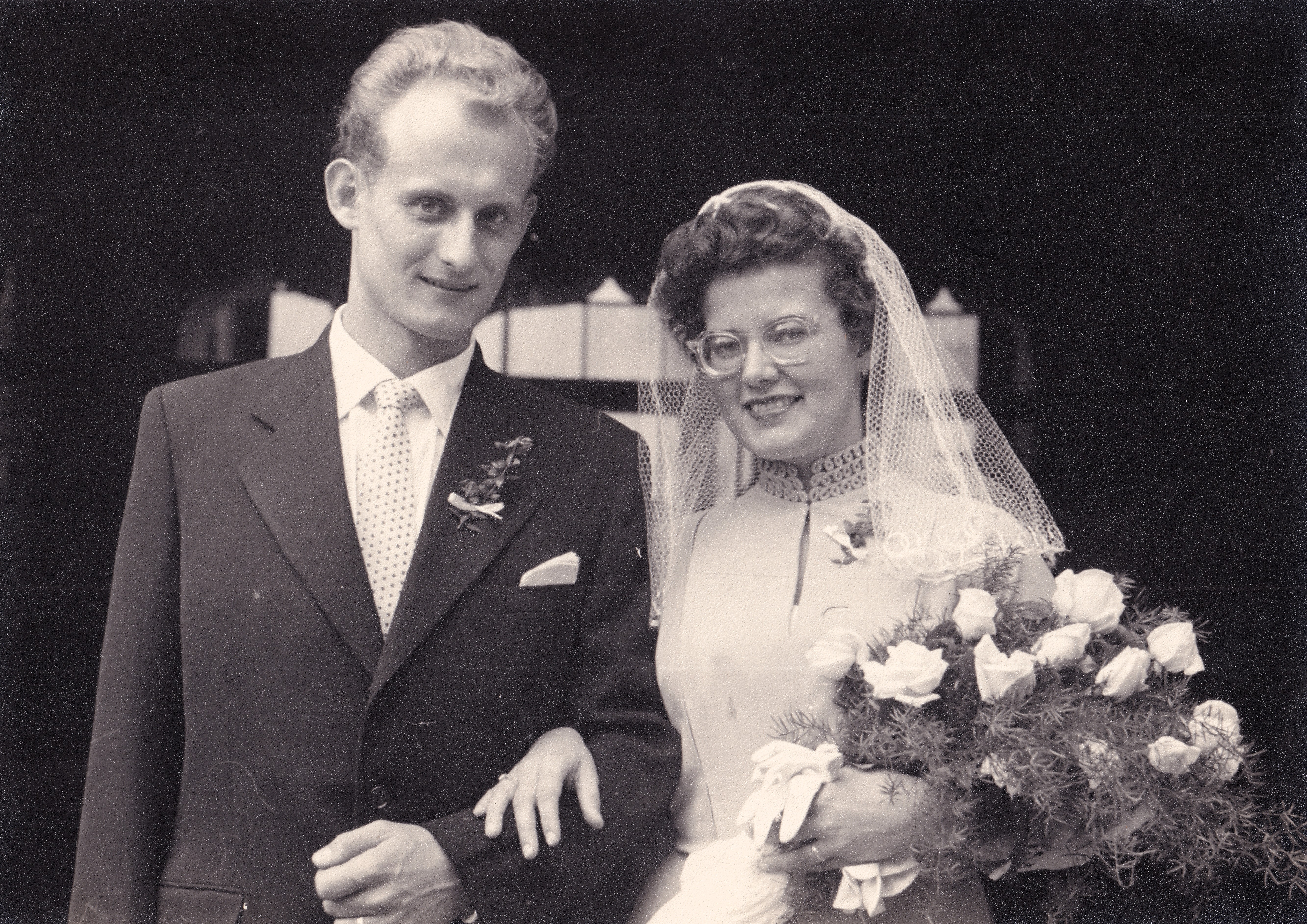
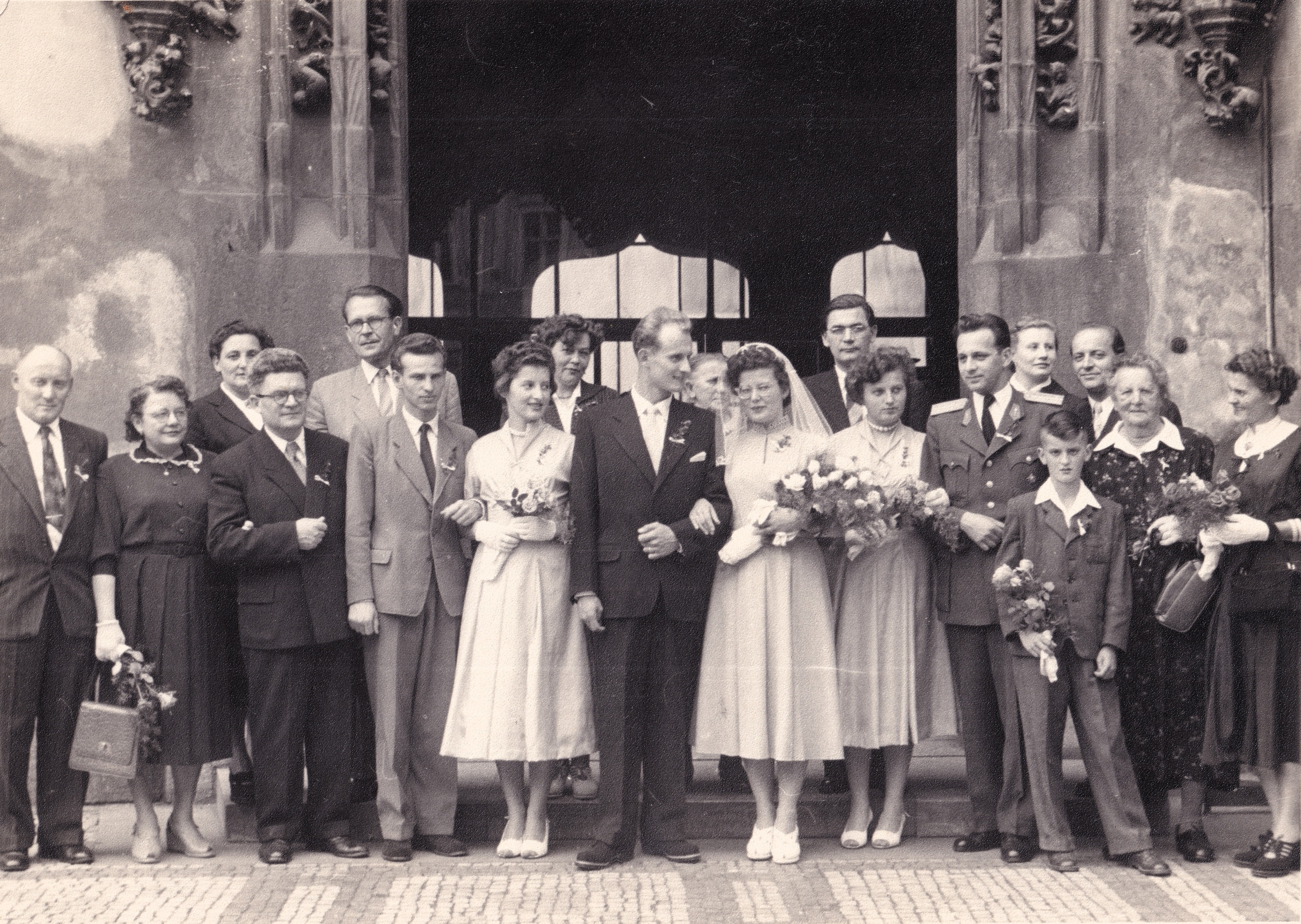
Hana Seyčková, née Petrášová, was born on 31 August 1934 in Louny as the first-born daughter of Josef Petráš and Růžena Petrášová. Her childhood was marked by the events of the late 1930s. After the Munich Agreement, the family was forced to leave their home in Ervěnice in the Sudetenland and later found a new home in Ruzyně near Prague. During the World War II, she experienced the bombing of Prague and the dramatic days of its end, when she witnessed the arrival of General Vlasov’s troops. After the war, she embarked on a career as a teacher - she graduated from the Faculty of Education and began working as a teacher. Later she moved professionally into the field of computer technology when she joined the computer centre of the State Research Institute of Thermal Technology. She further expanded her professional profile by studying mathematical informatics at the Faculty of Mathematics and Physics of Charles University (MFF UK). In 1956 she married Jiří Seyček and together they started a family. In the mid-1960s they spent several years in Ghana, where her husband worked as a civil engineer on the construction of a dam. After returning to Czechoslovakia, the witness became involved in the Ministry of Education, where she was involved in introducing computer technology into schools. Her critical views came into conflict with the new party line during the normalisation period, which led to her expulsion from the Communist Party. In the early 1980s she travelled abroad again - this time to Baghdad, where her husband was again sent on a professional mission. She welcomed the Velvet Revolution in 1989 with joy and hope for a better future. In 2025, Hana Seyčková lived in Prague-Chodov.