"The inspector lived in Hroznětín, he was a Karlovy Vary [school] inspector, but in Hroznětín he got a villa... from the Germans. He was given a villa to occupy. I don't know if it was for ownership, probably not, probably just for rent. So he moved in. He came to me and said: 'You, comrade,' of course, I was called a comrade, 'have made a mess of it! I put you here as a model teacher, so that people would leave me alone and there would be no complaints about teaching, and now you suddenly want to leave.' But I said that I didn´t want to leave. He showed me a letter that the communists from Proseč had written, saying that they needed to release me from the education department - I was still Bártová then - to work in agriculture, that there was a shortage of workers. That came to me, that was in 1953. He says to me, 'You don´t want to go there?' I started telling him all about how they had declared my father a kulak and that they were envious people, that they were jealous that I was teaching. He sent me a copy of a letter he wrote to them saying, 'As you need in agriculture, the borderland needs teachers.' He had such praise for me, that I had been honored several times and that I was a model teacher, and he wrote such things about me."
"It was terrible. Imagine when Pepa [my brother Josef] was at the agricultural school in Čáslav and now, from one day to the next, it came that he had to leave the school." - "And that was when, in 1948, aunt?" - "Yes, that was the forty-eighth year. That he had to leave school and go to Proseč. The class professor cried, he had tears flowing when he handed that Pepa over to Daddy. He was a good student... Vláďa was in college in Brno, at the agricultural college. He had to go immediately to the mines in Ostrava. You can imagine what it was like for my mother. Pepa collapsed, had a seizure, fainted as he was working at home, how it affected him. When he was going to school and suddenly he had to go and feed the cows. Not that he wasn't used to it. We had to do everything during the holidays. But not being able to finish school just gave him a nervous breakdown."
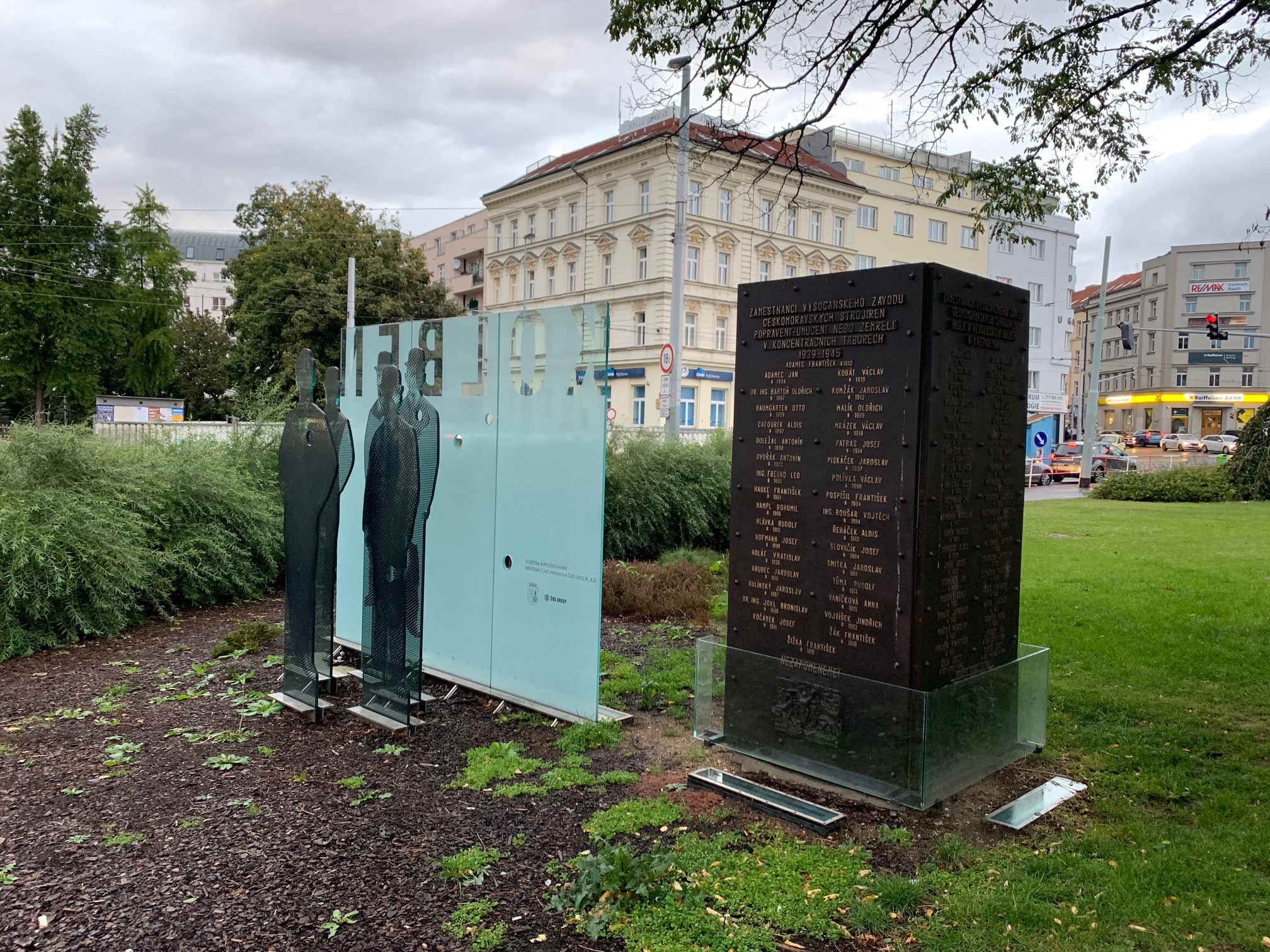
"Imagine they had a radio in the factory during the war, on the factory, in that swastika. As there was a swastika and they had a secret radio in there. And there were eight directors in Kolbenka. Each department had its own director. My uncle was the director of the foundry. Suddenly the Gestapo sniffed them out, found the radio and executed all eight directors." - "And they were involved in the resistance?" - "I don't know, you know they were involved, but we don't know such details." - "Even aunt didn't know?" - "No." - "So he didn't tell her about the radio?" - "No, of course not, you know he didn't... he didn't. But after the war, if you'd seen how many manipulators came to see her, heard that they'd seen uncle running away from somewhere, that he was alive... She lived so many years hoping that he would turn up again..."
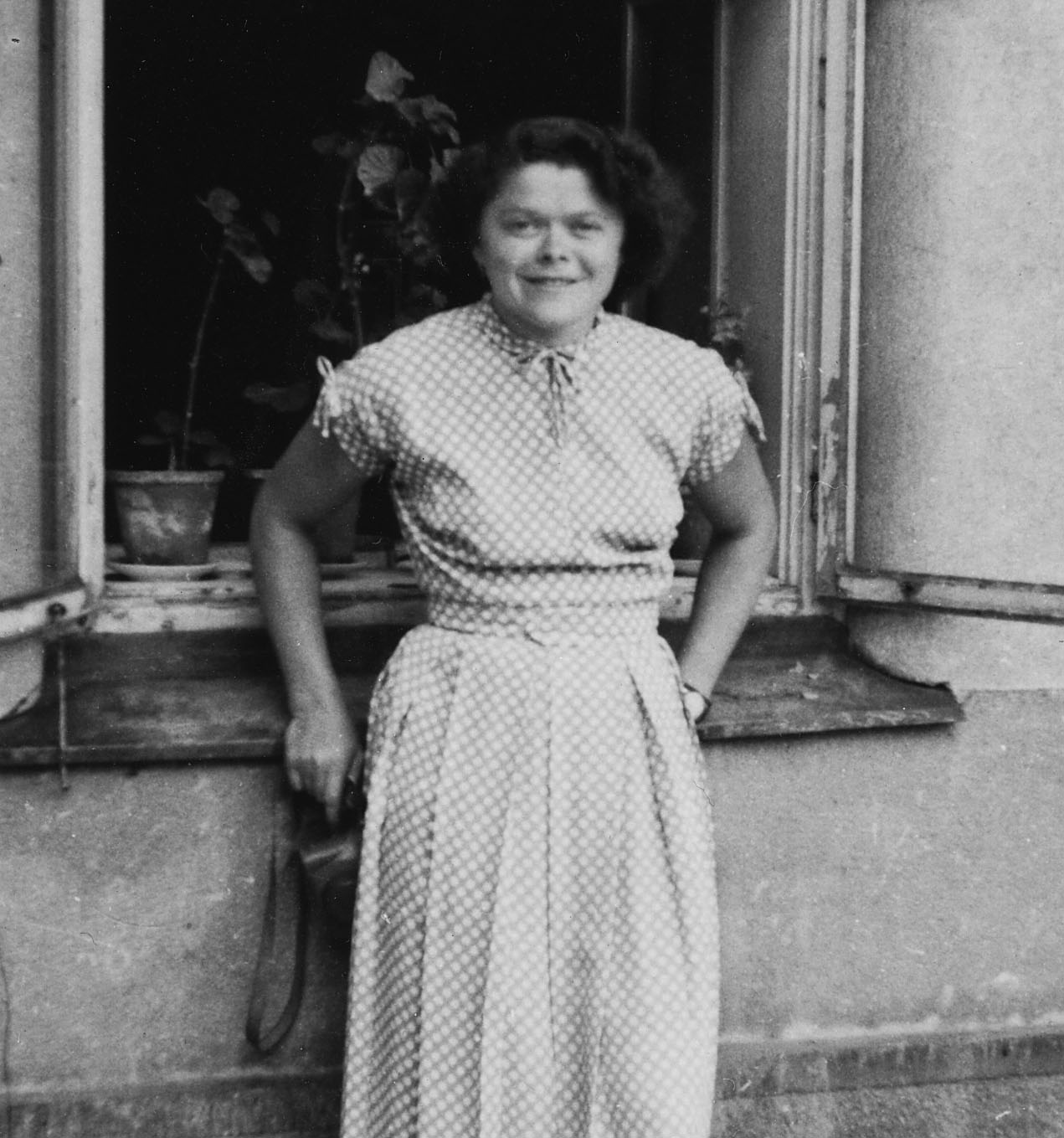
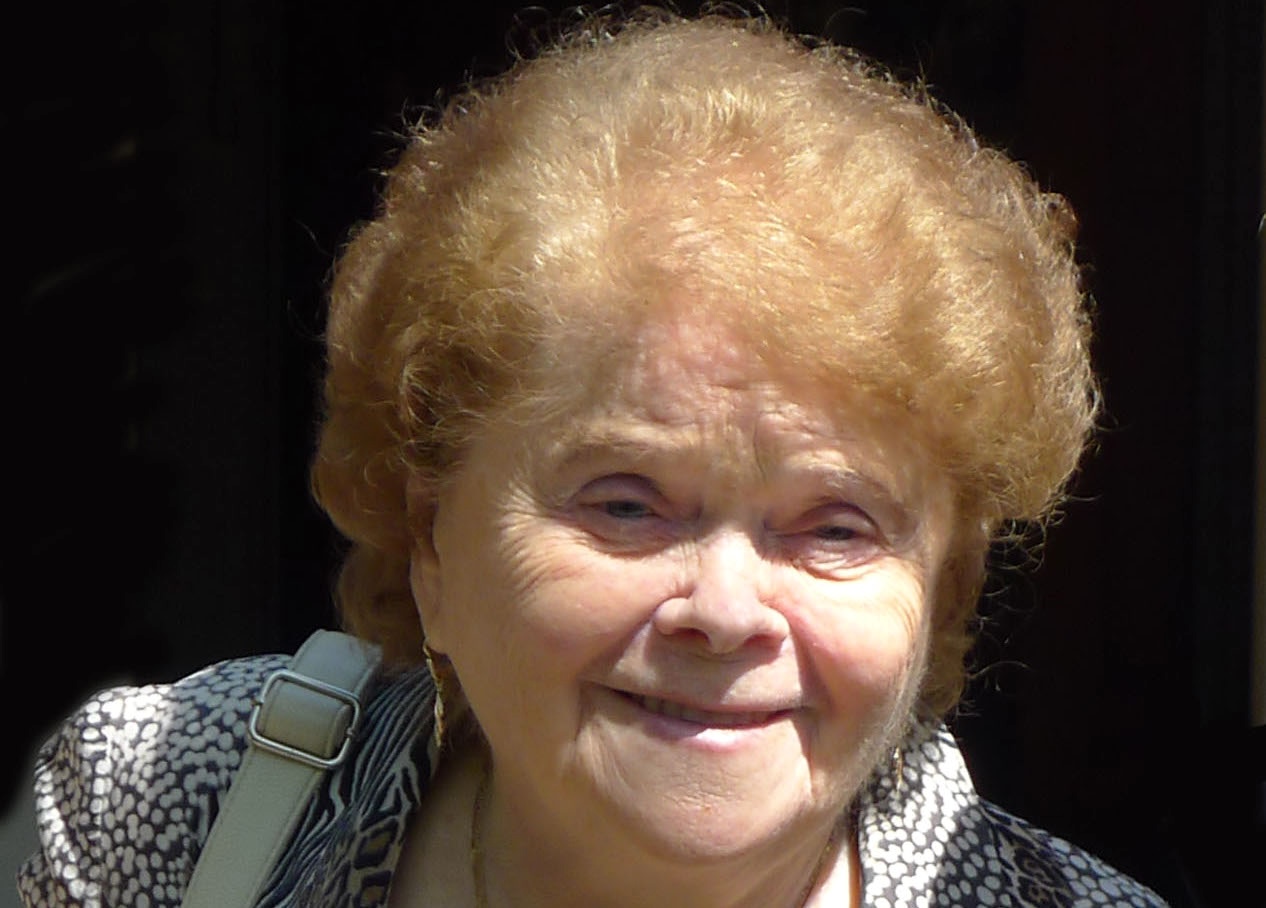
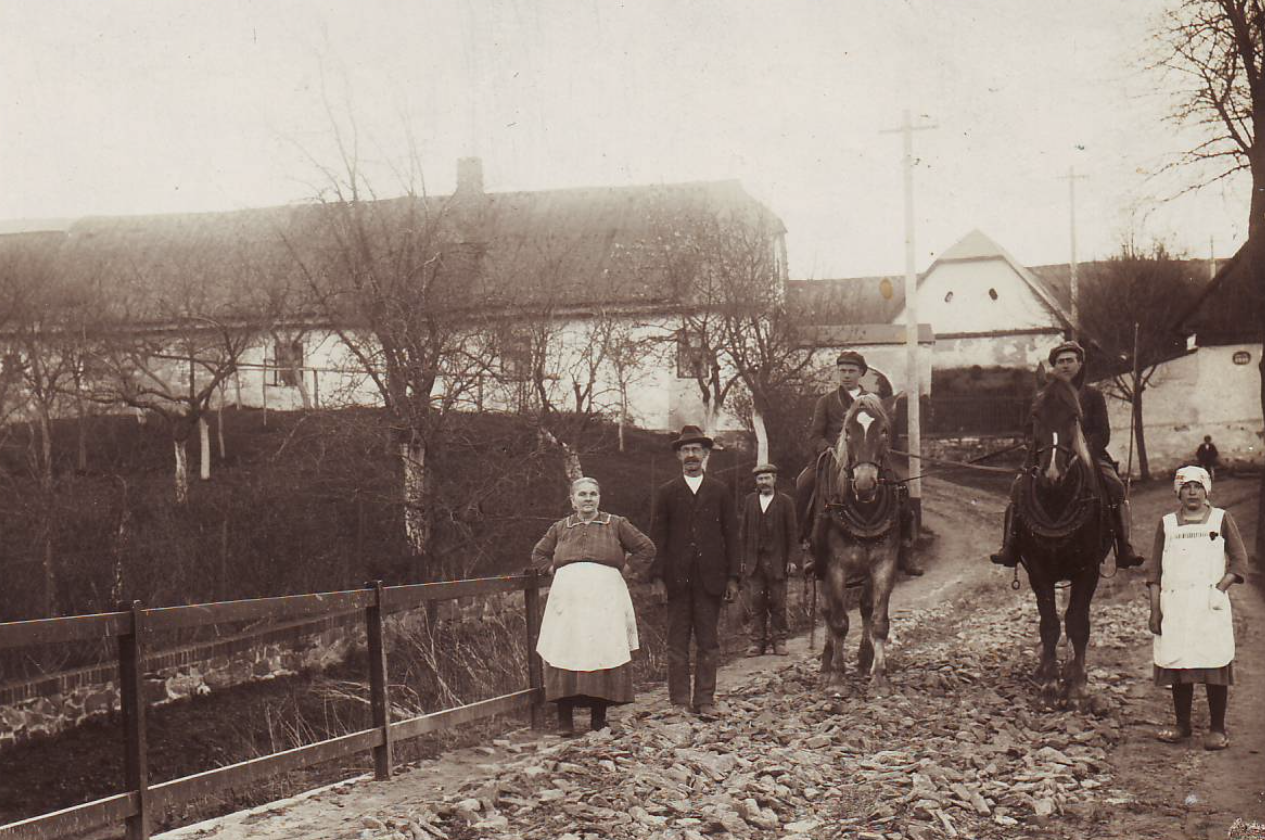
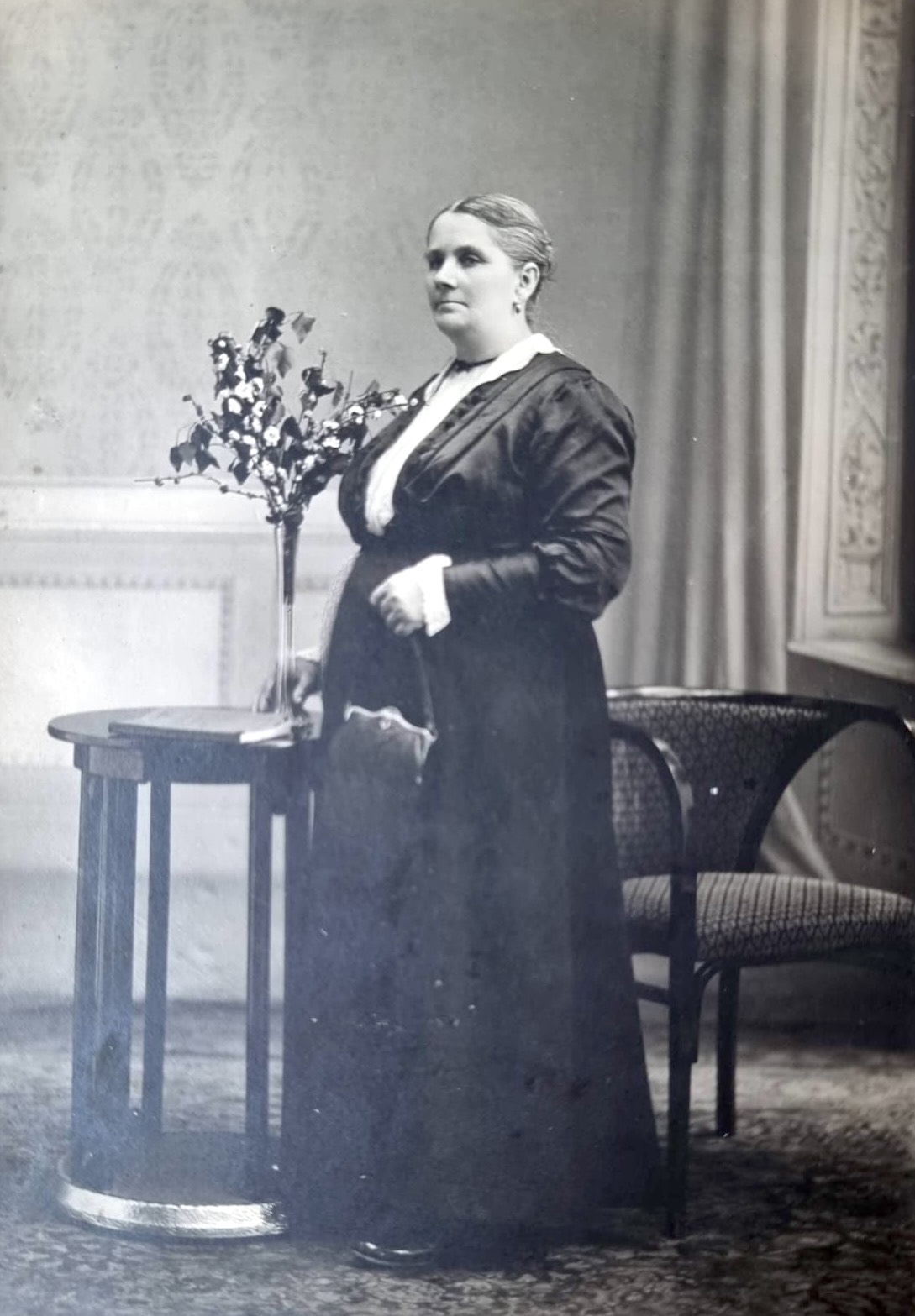
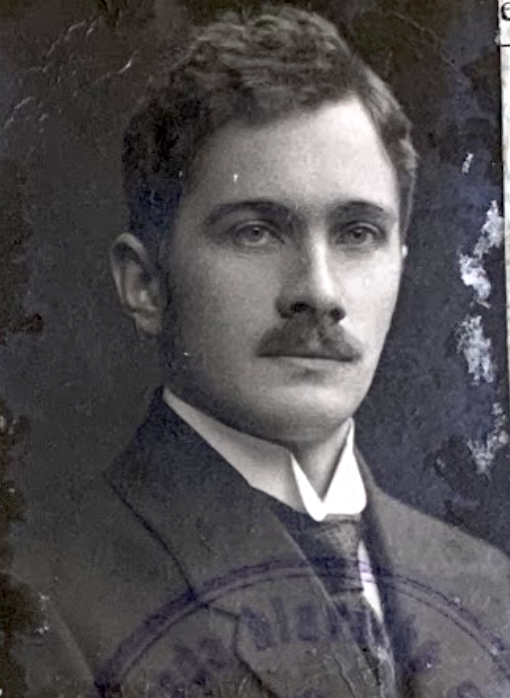
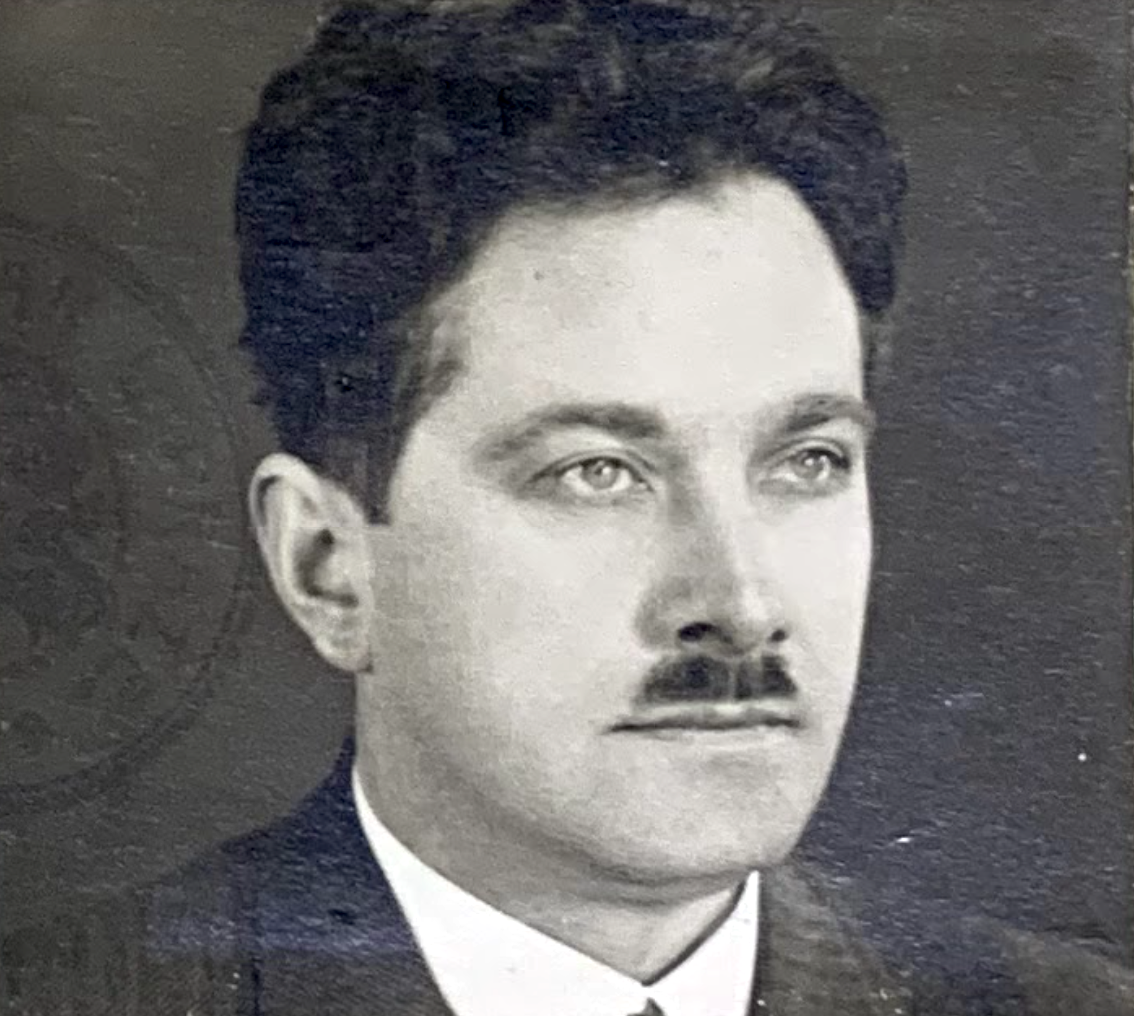
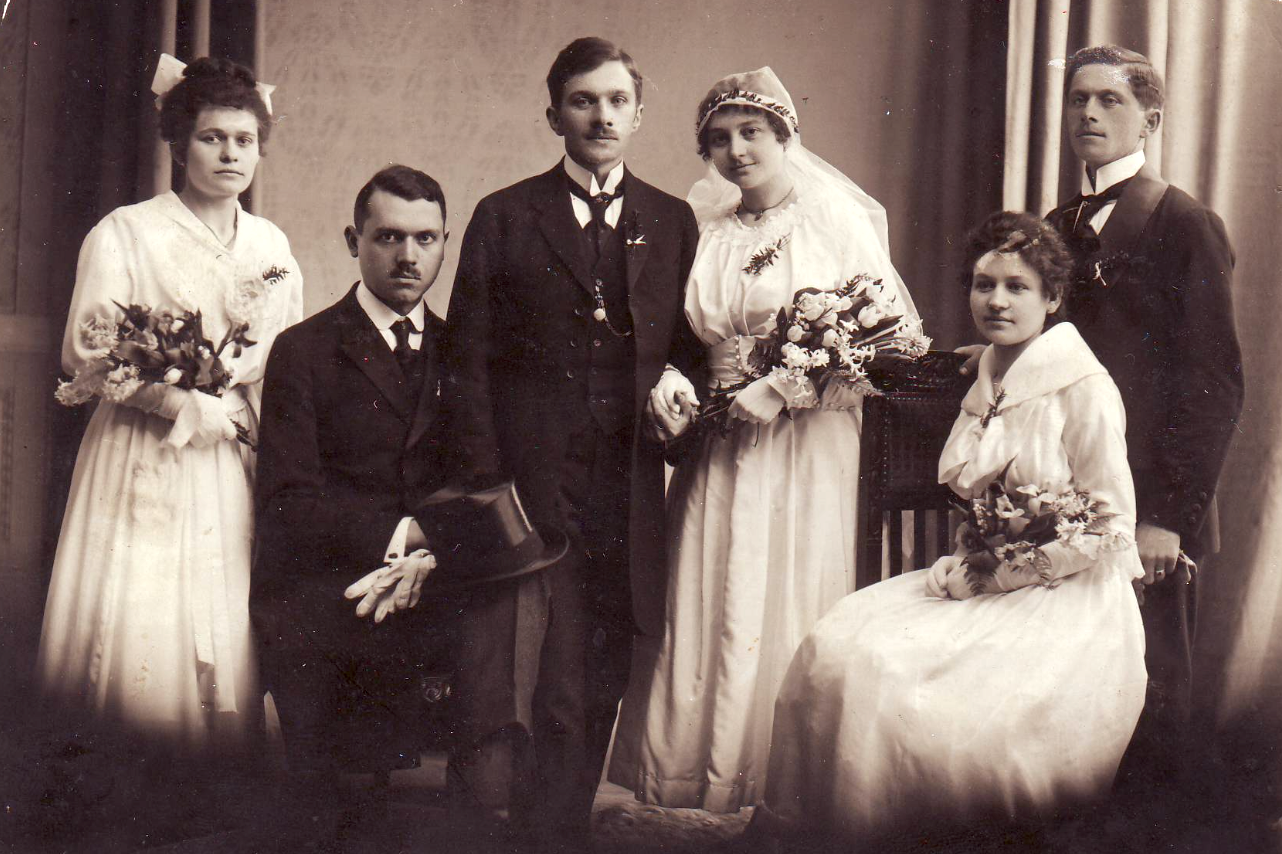
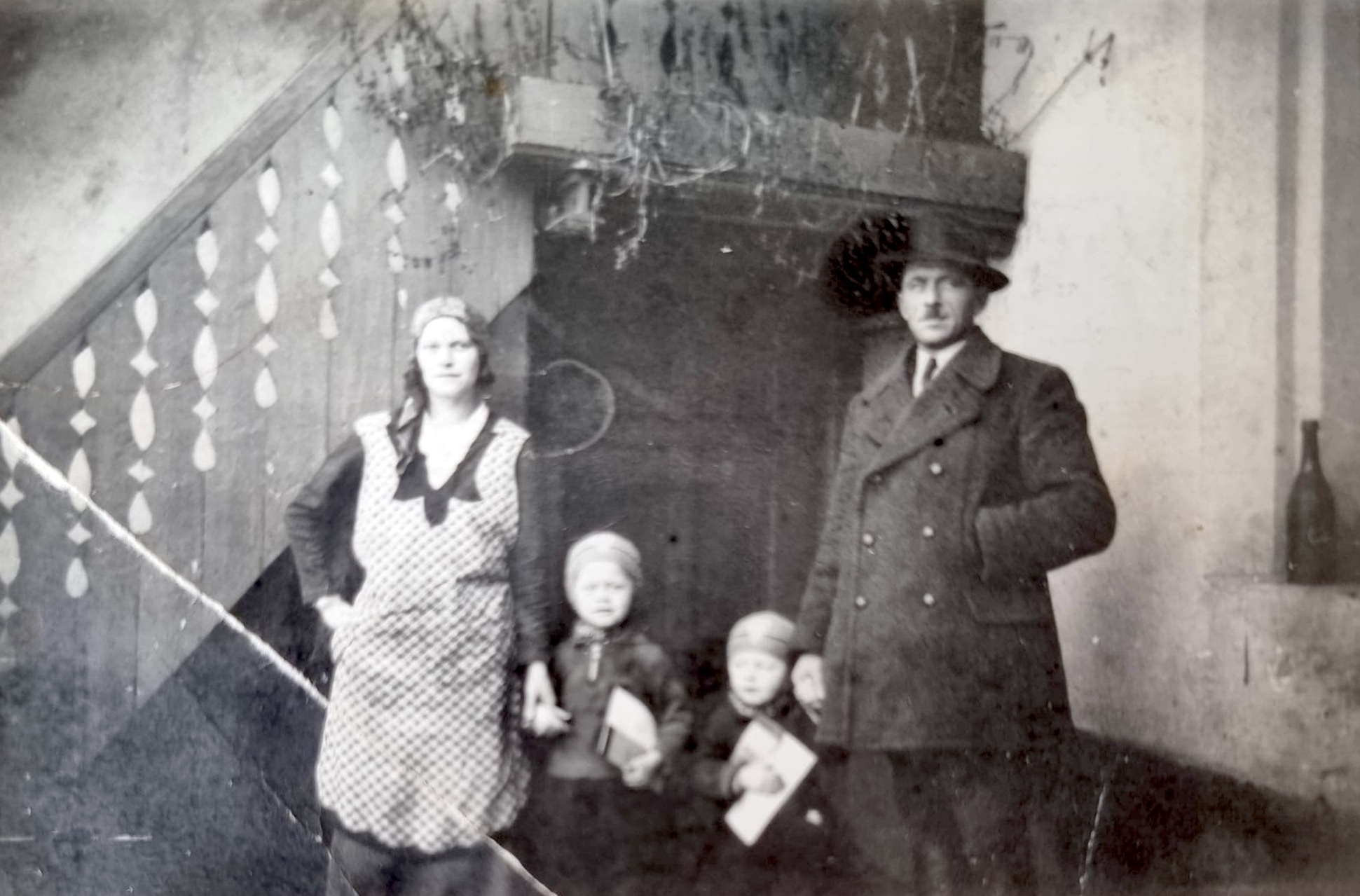
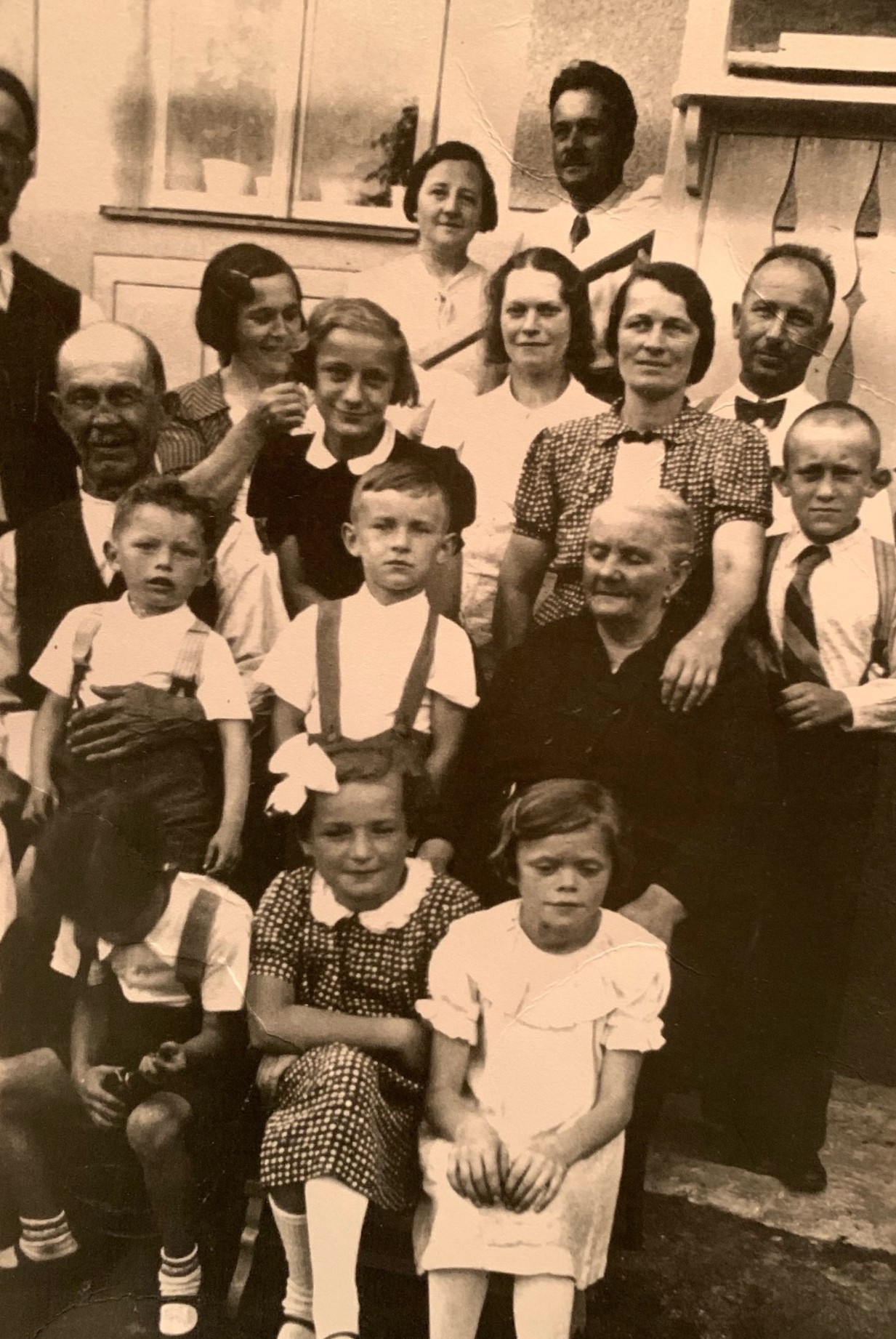
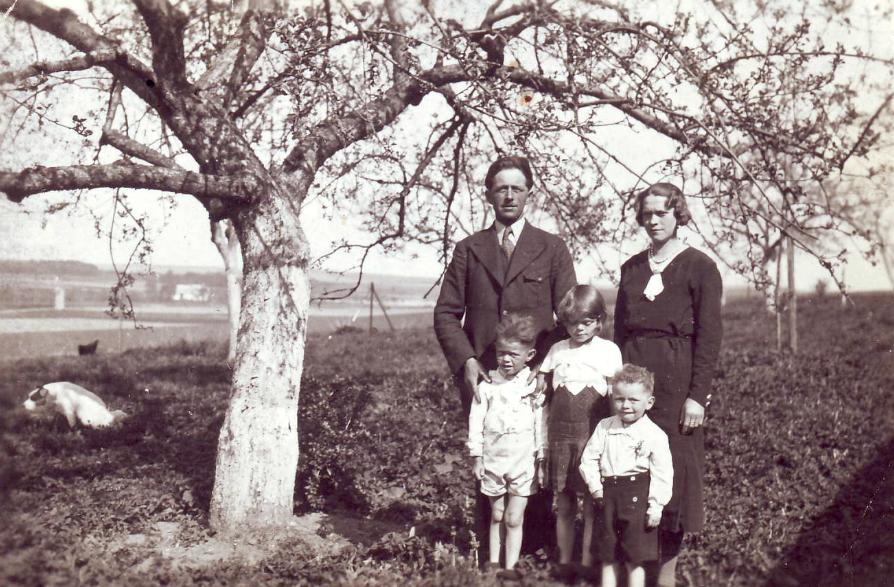
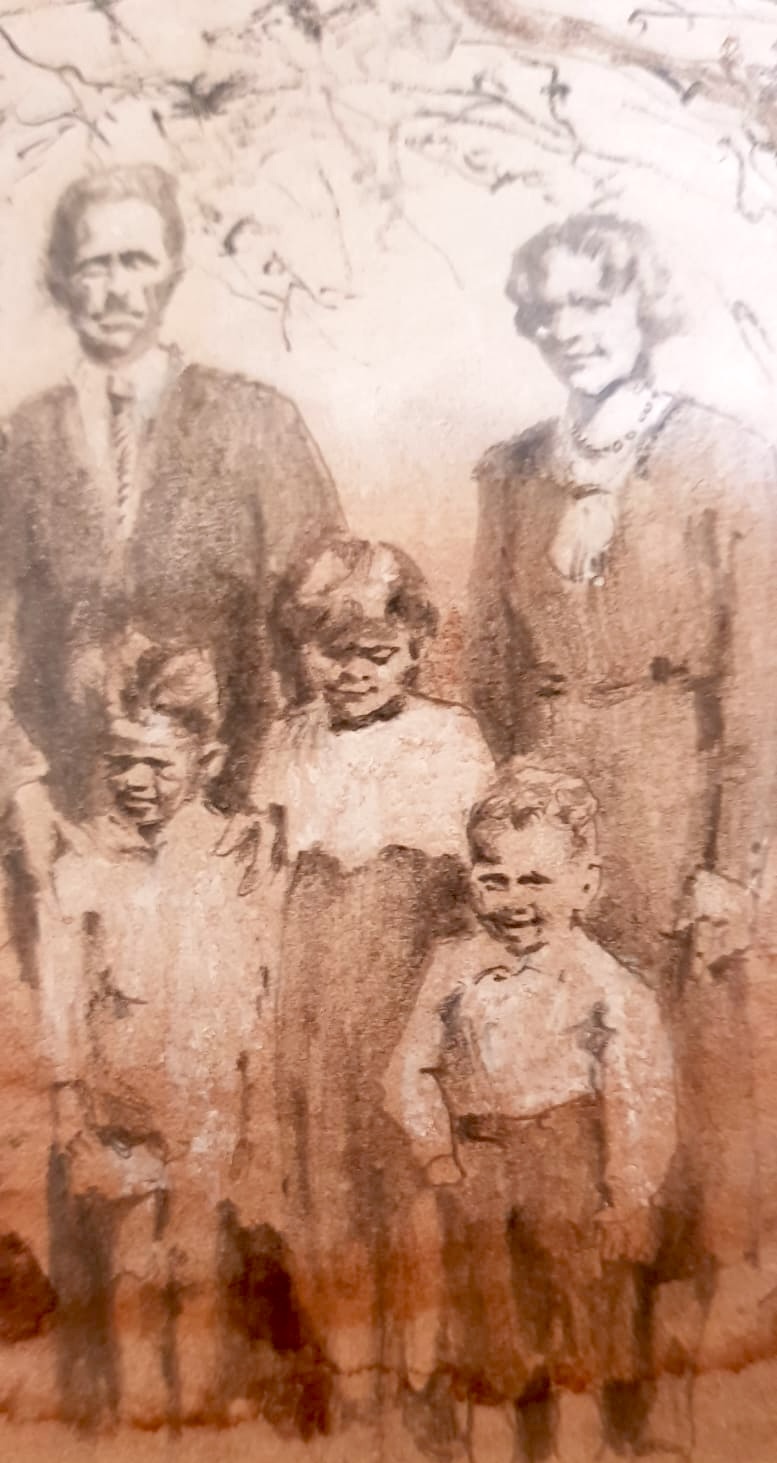
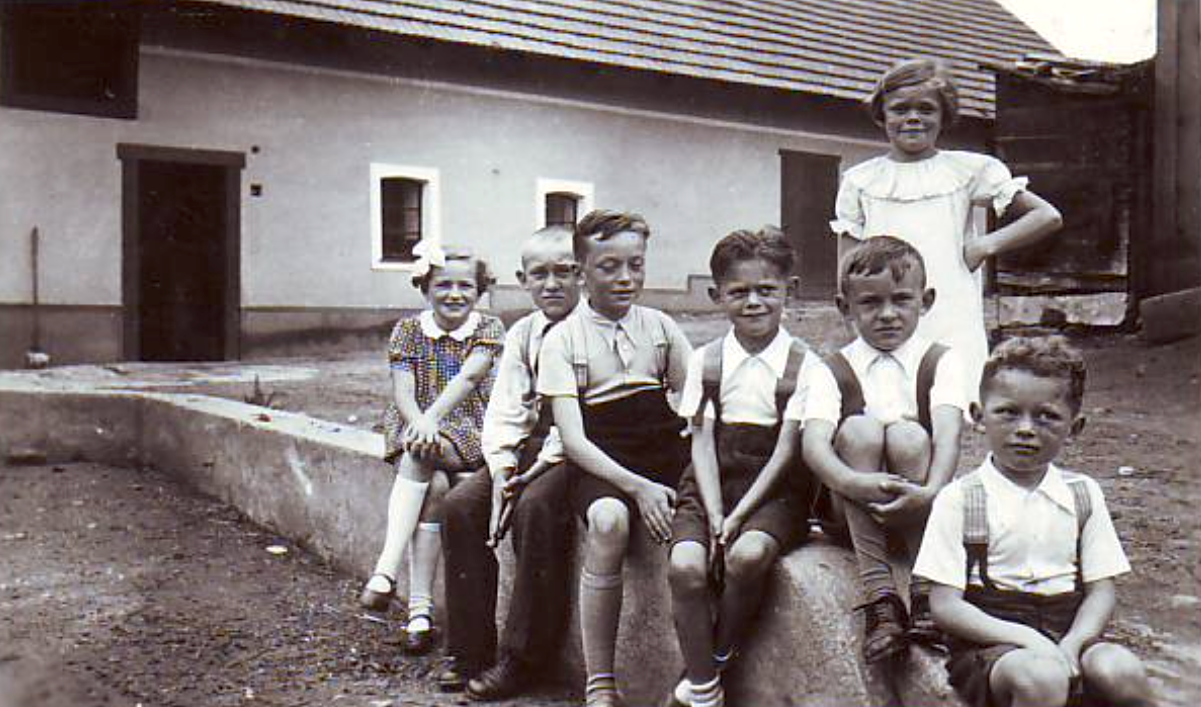
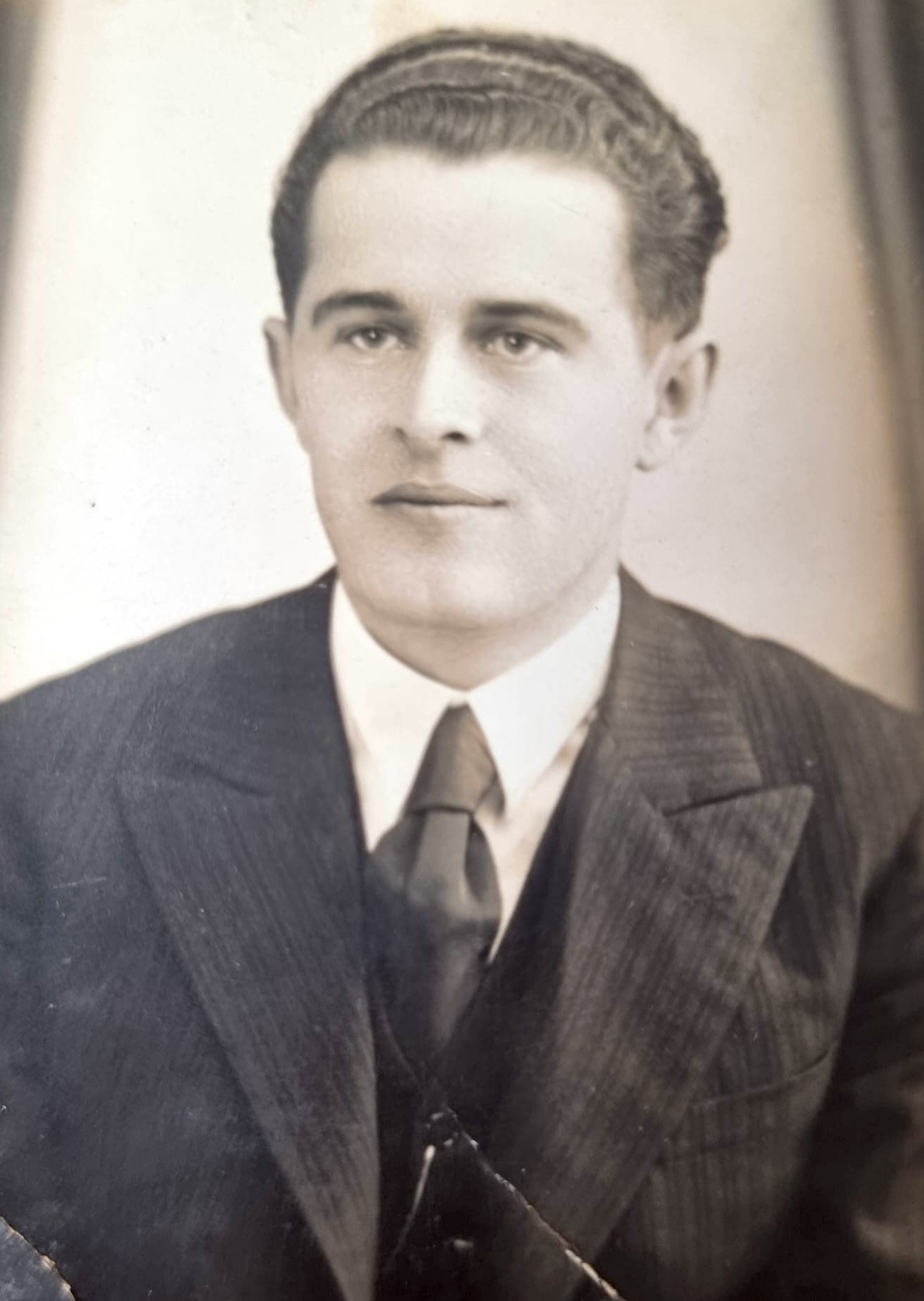
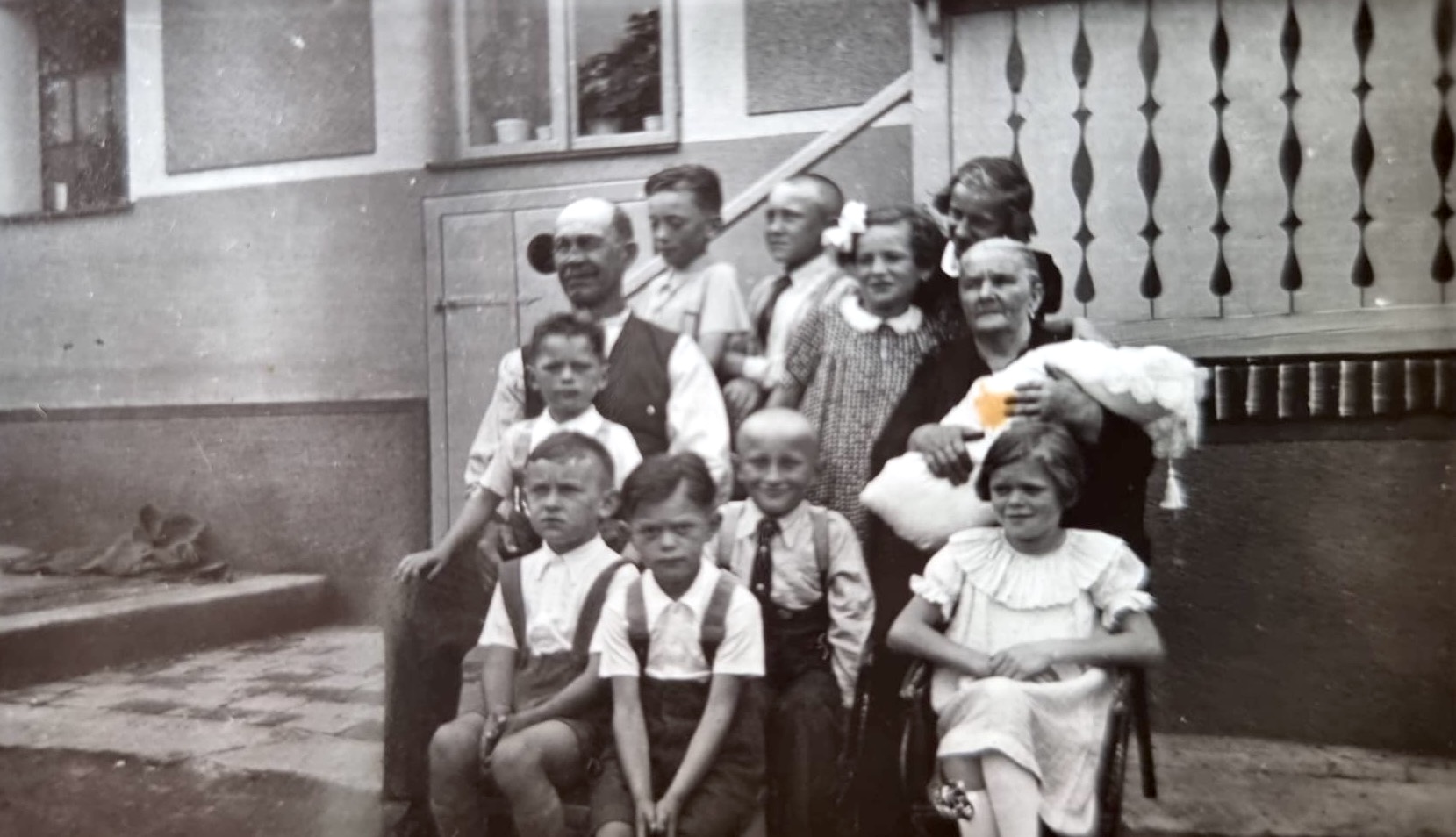
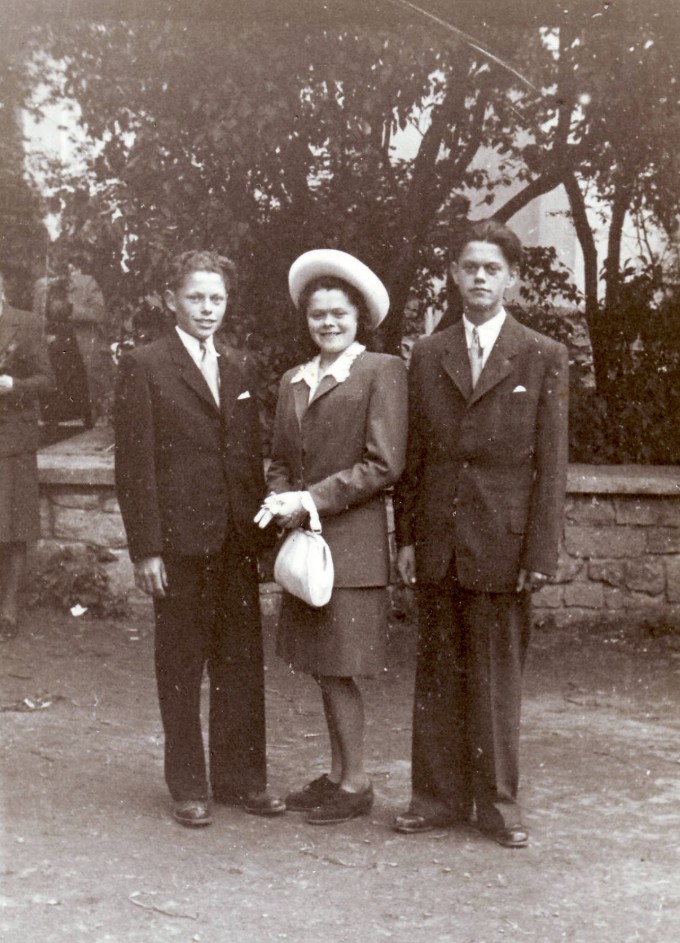
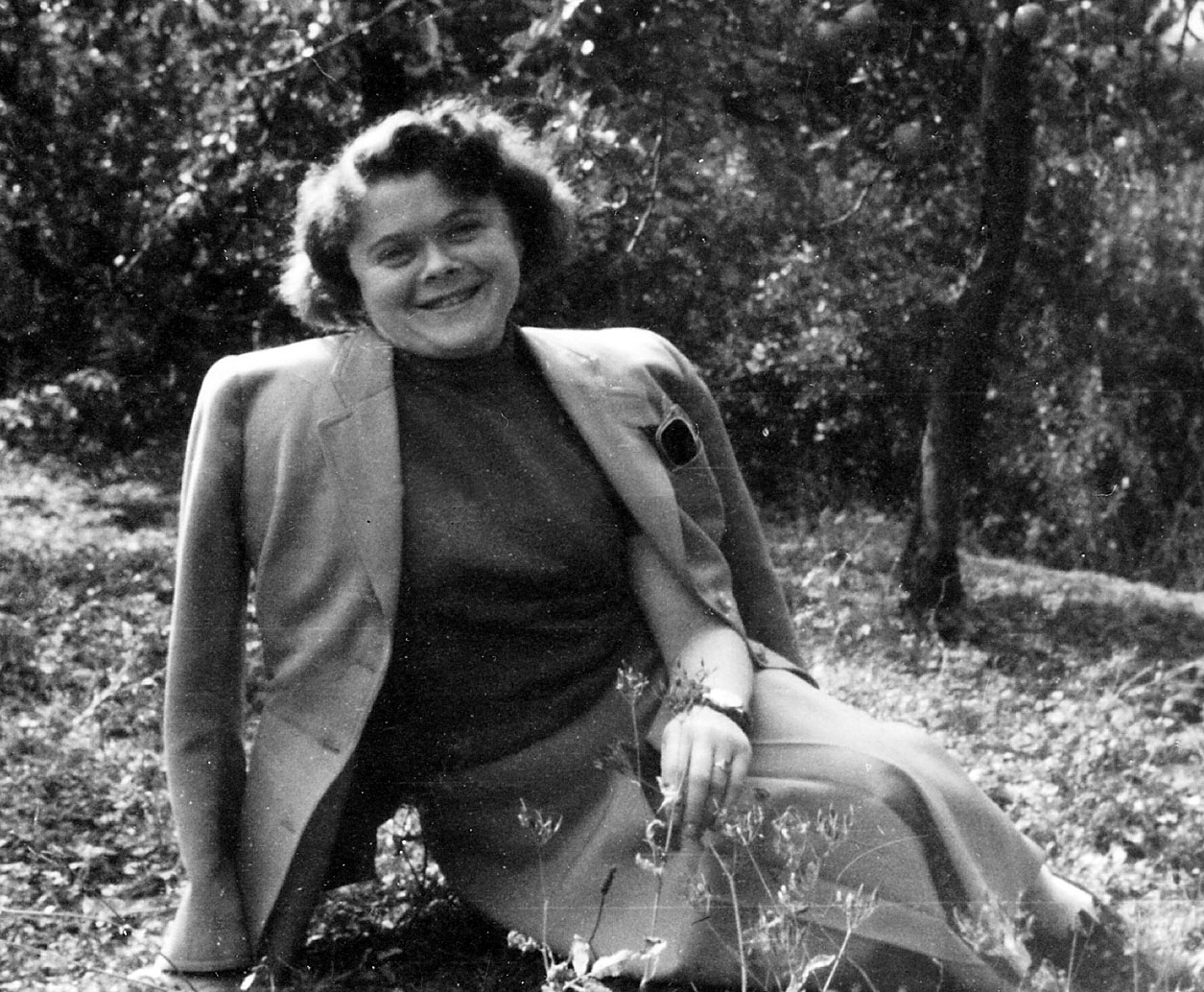
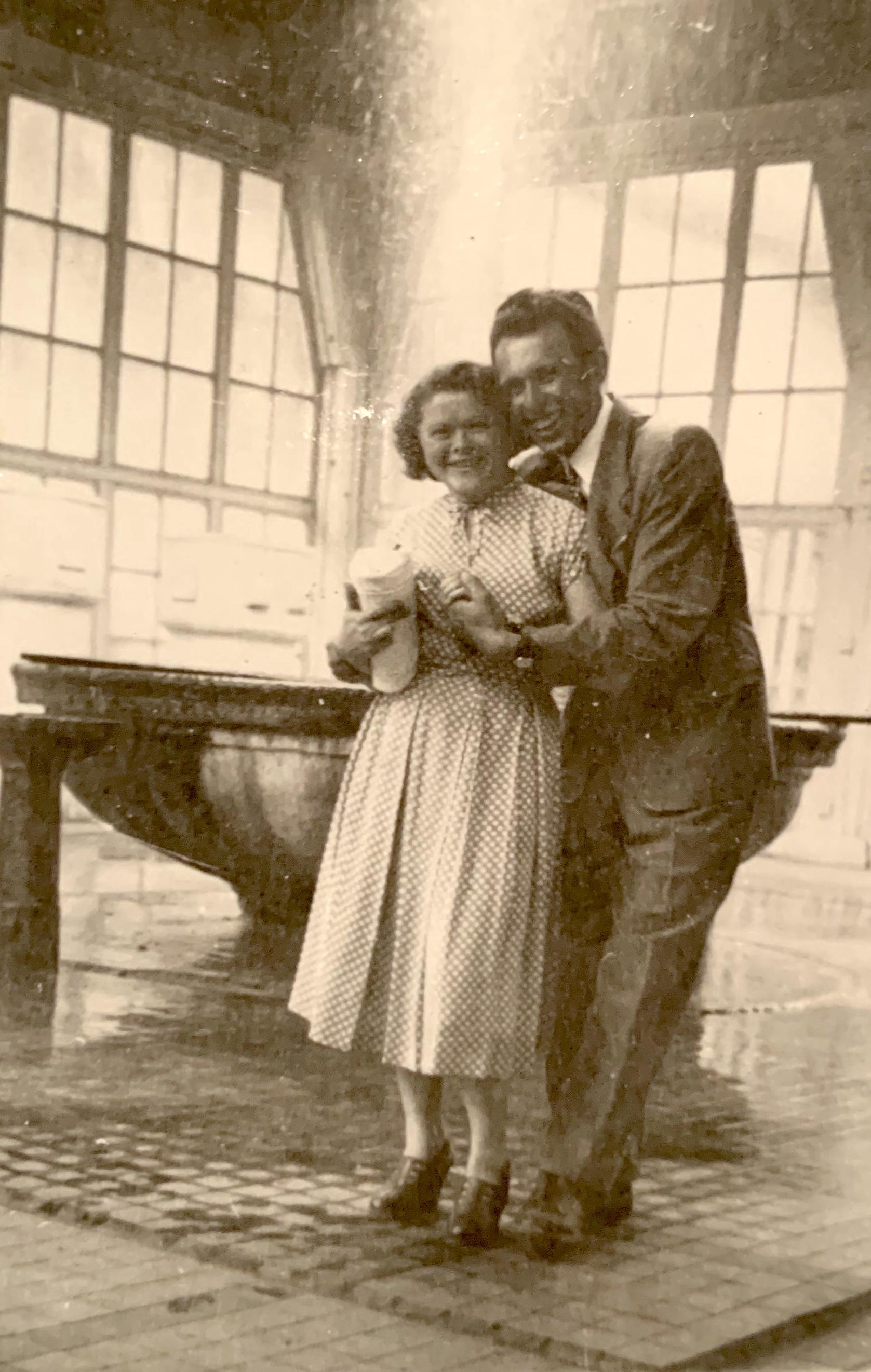
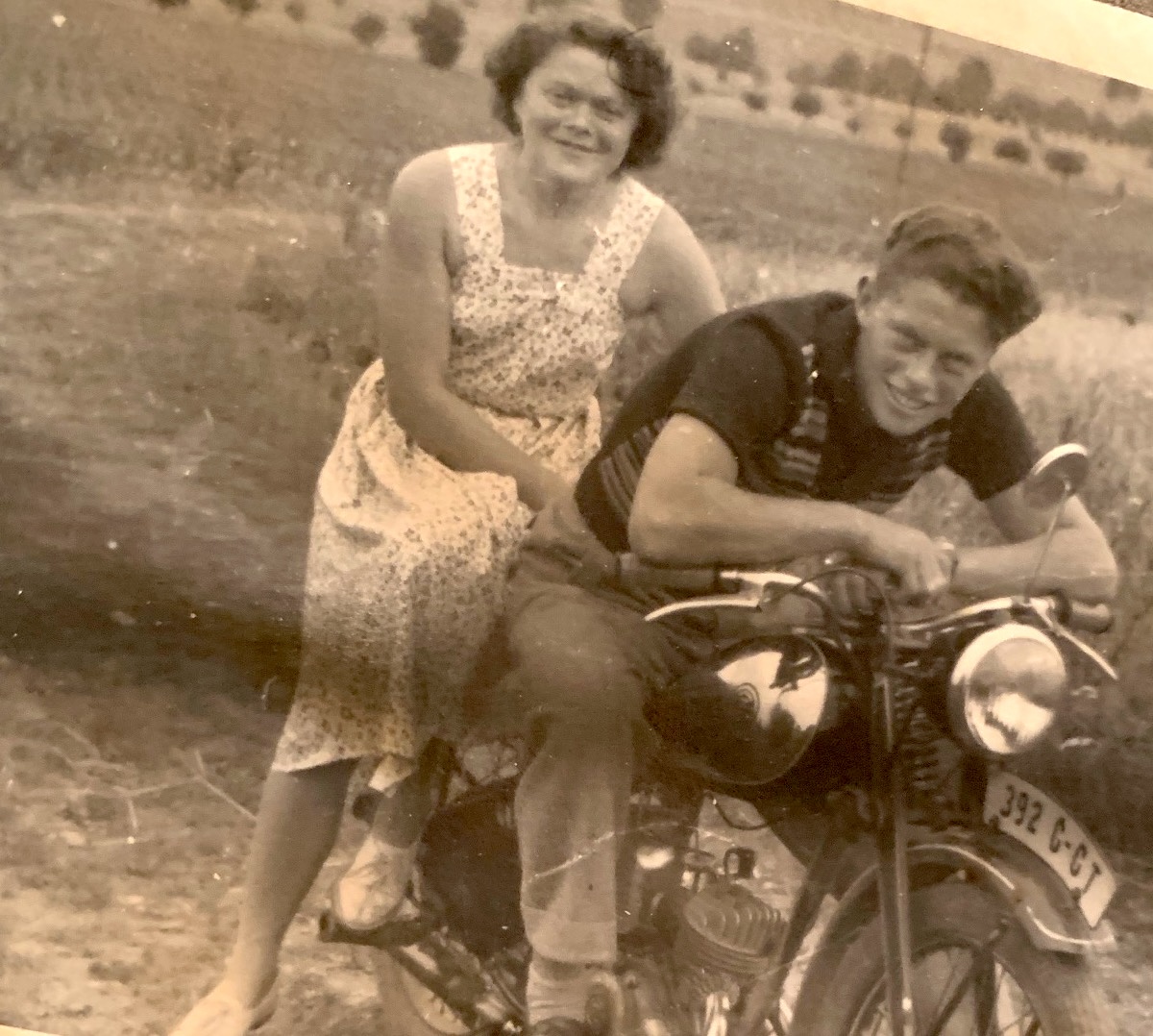
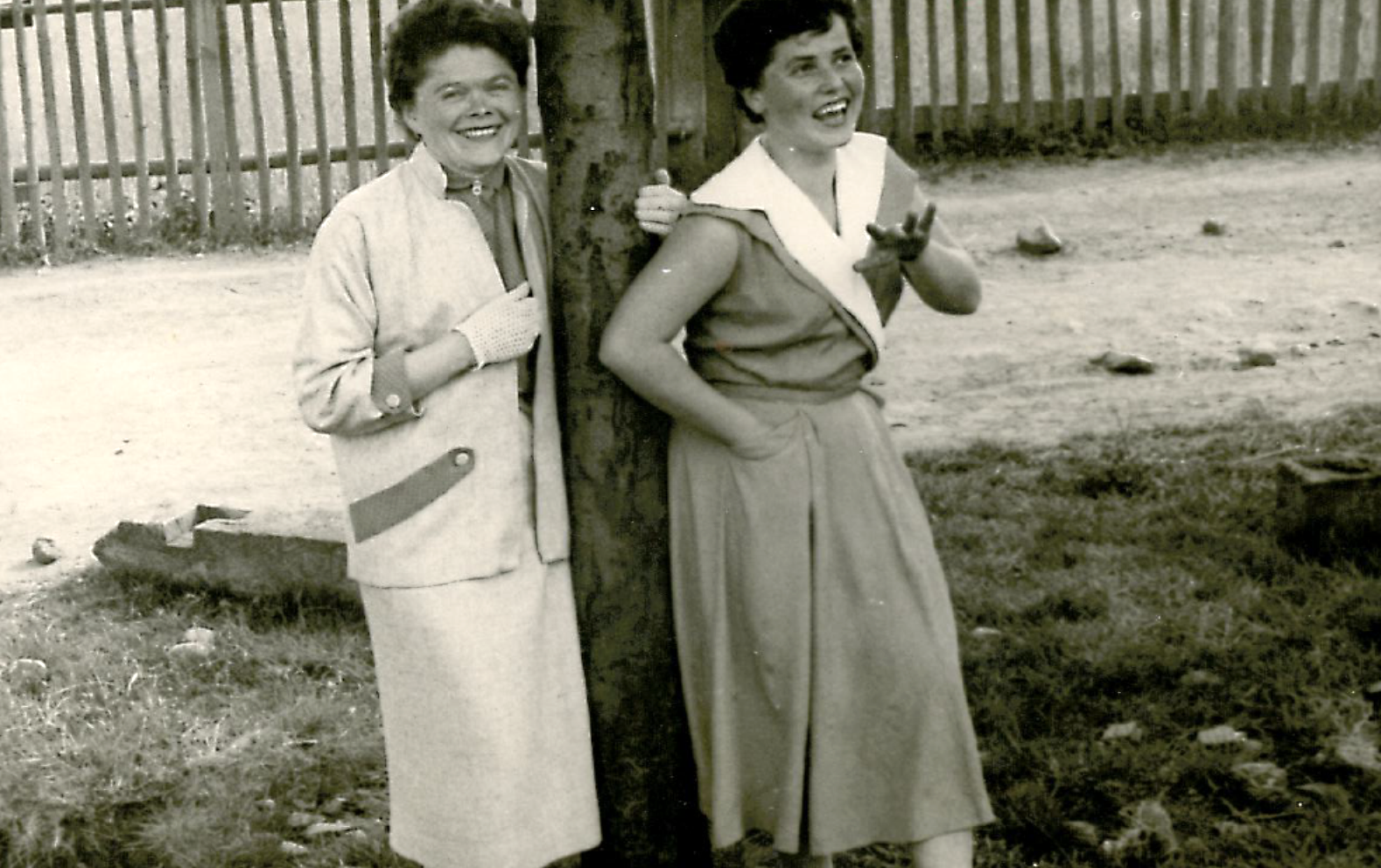
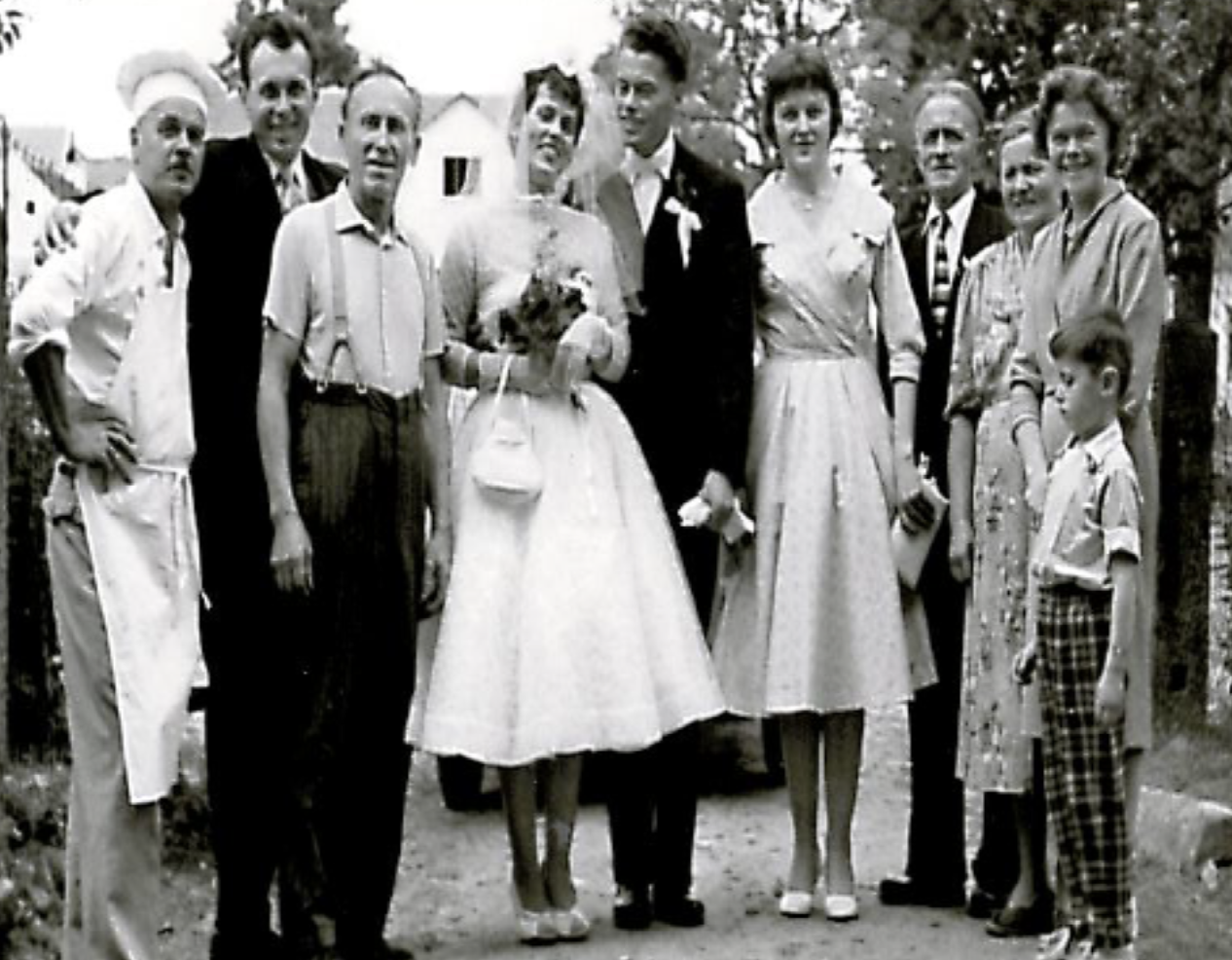
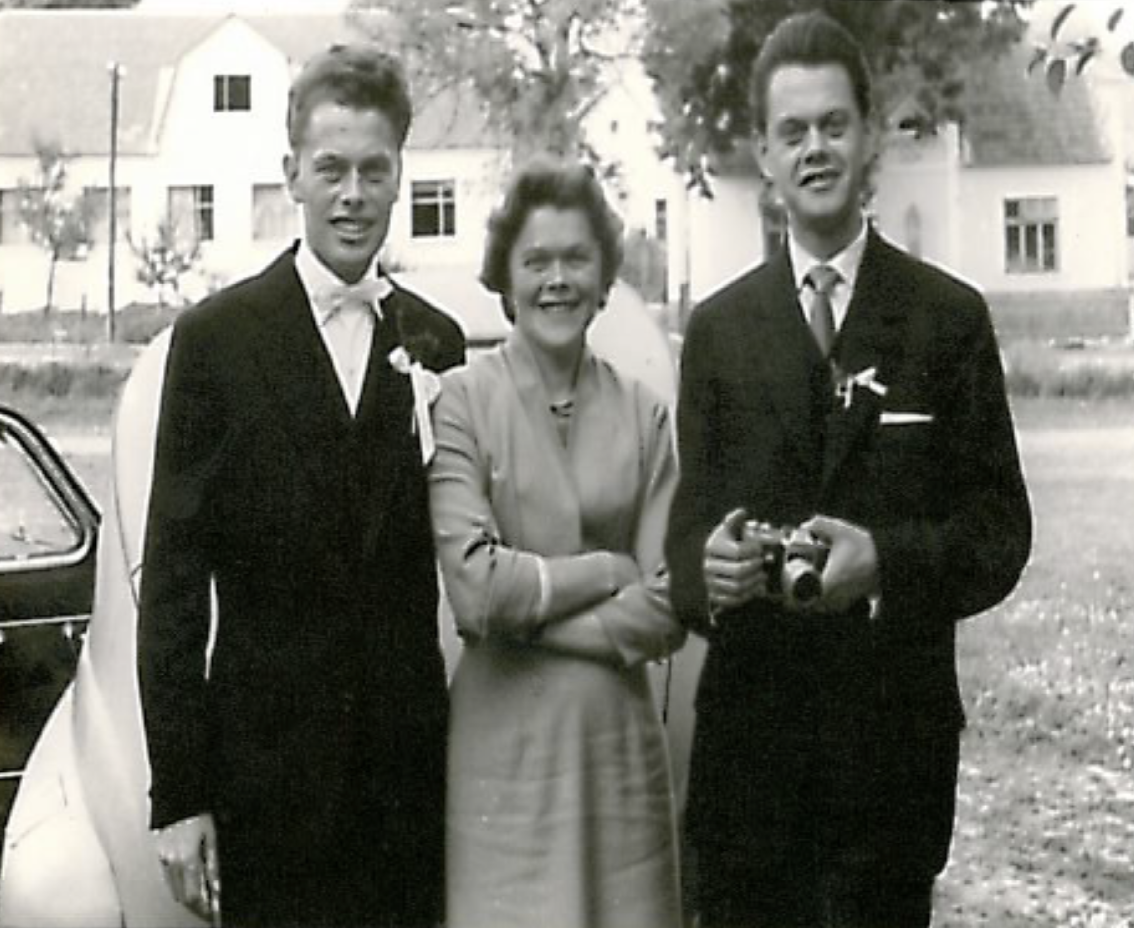
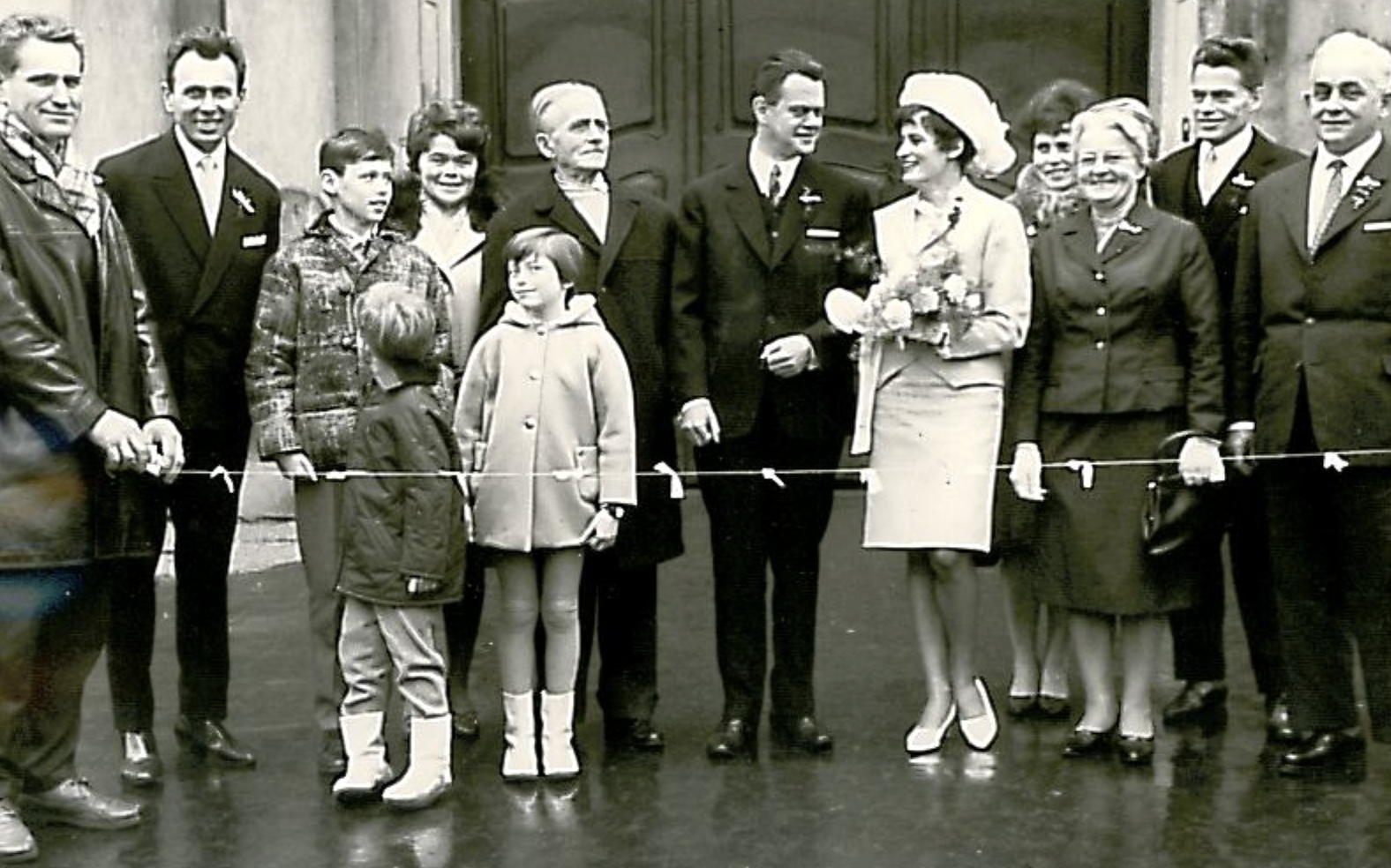
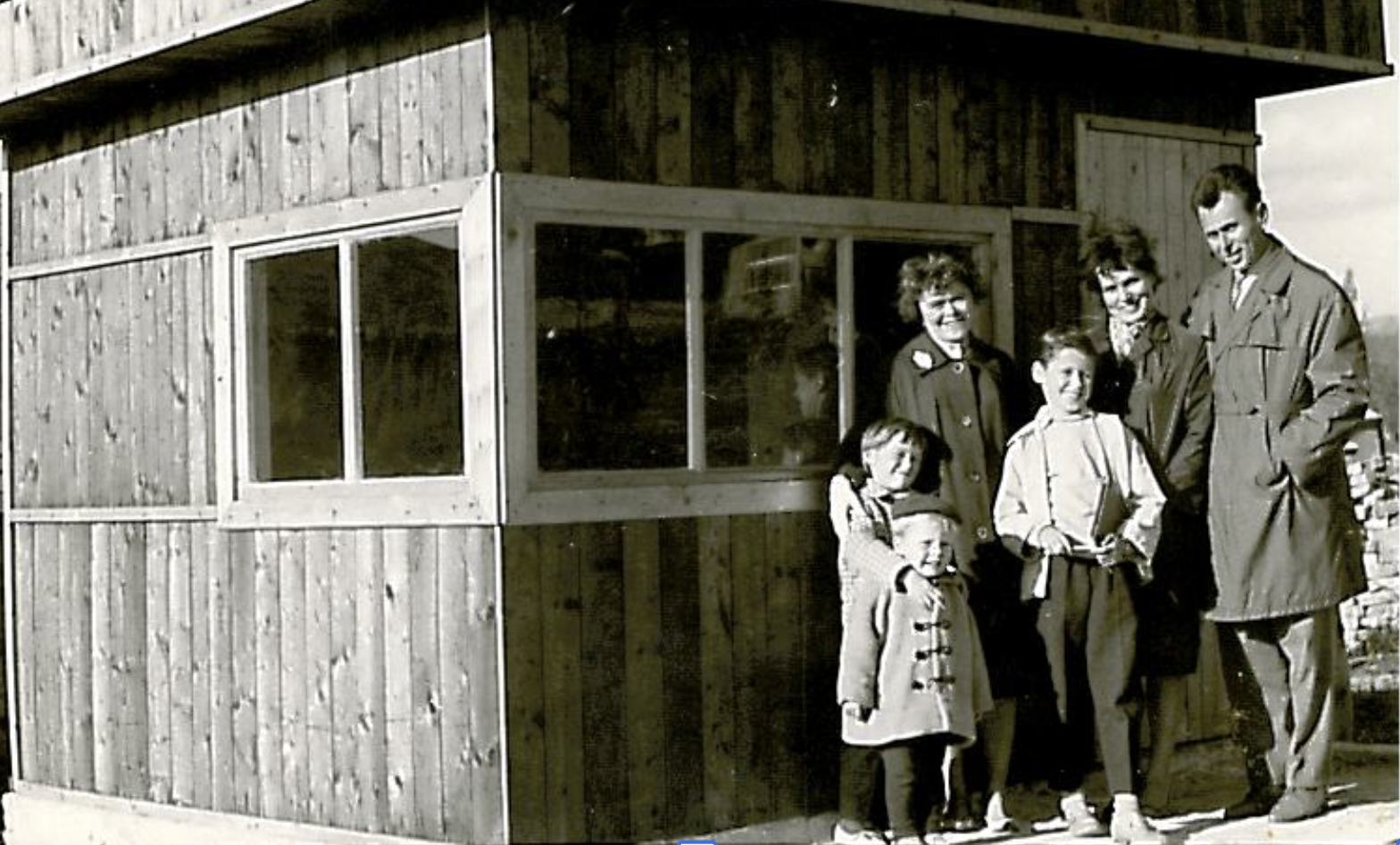
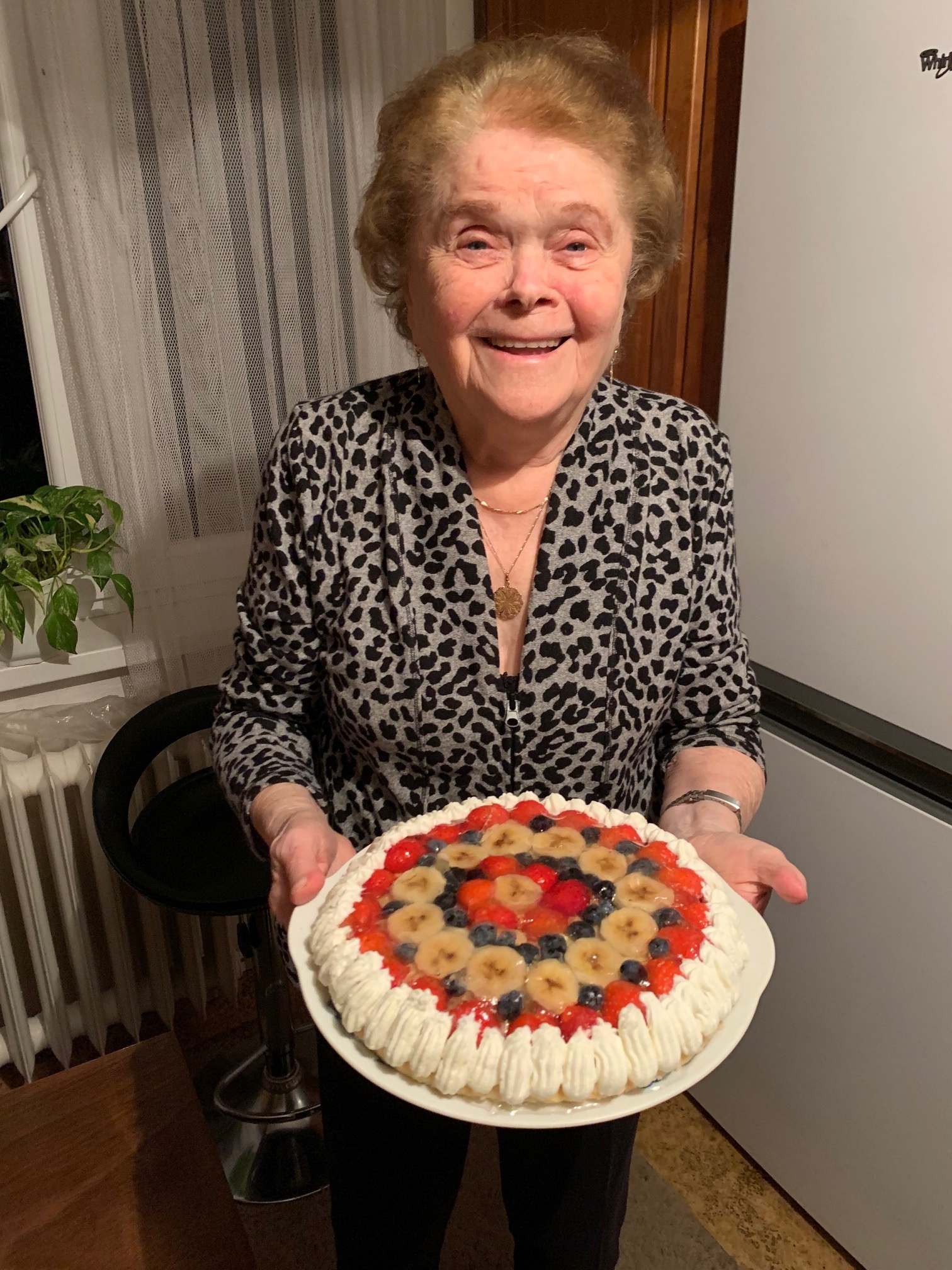
Věra Šedivá, née Bártová, was born on 21 March 1927 in Proseč in Vysočina into the farming family of František Bárta and Marie Bártová (they owned twenty-six hectares of land). She studied at the family schools in Pelhřimov and Čáslav and then at the teachers’ institute in Prague. During the World War II, tragedy struck the family. Uncle Josef Bárta, the director of the ČKD foundry, was executed by the Nazis at the shooting range in Kobylisy on 3 July 1942. After her studies, the witness took up a position as a teacher at the border school in Horní Blatná. In the 1950s, the family suffered communist persecution associated with the collectivization of agriculture. Brothers Josef and Vladimír Bárta had to leave their studies and joined the Technical Engineering Corps. Moreover, the family was evicted from Proseč in 1956. Věra Šedivá lived in Hroznětín at that time and later moved to Nová Role, where she taught at the local school. Around 1971 she was transferred to another workplace for political reasons, then she taught in Chodov and then in Stará Role. She continued her teaching work even in her retirement and ended it in 1993, when she and her husband moved to Černošice. After 1989, the farm in Proseč was repossessed by the Bártas in restitution proceedings and later offered for sale. At the time of recording (2019), the witness lived in Černošice. Věra Šedivá died on 26 December 2024.