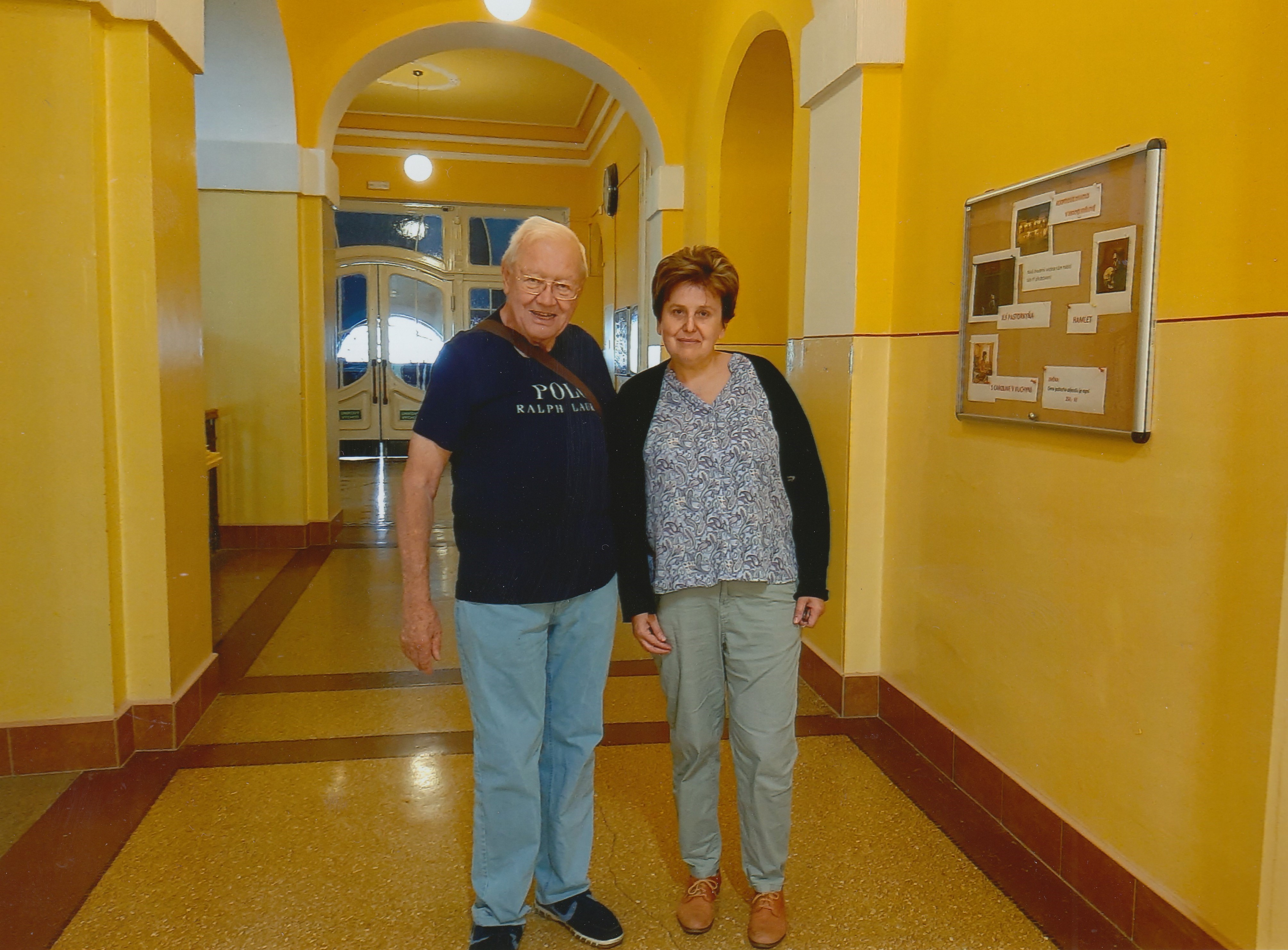
Leo Schön

* 1937

  • "I knew roughly how to get across the border. But at ten at night, when it was dark, the forest looked different. There was already a ten-metre wide strip. All I had was a small backpack with underwear, a pair of boots, and I took my flute. I thought if I really had nothing, I'd play the flute and get a mark or two. I had a shirt and a sweater. That was all I came to the West with. And so at ten o'clock at night I set out across the ten.metre border strip that was already there. Border guards with dogs were still there. The dogs always picked up the scent and started barking to show which way people were going. I quickly crossed to the West and came to the first village of Rottenbach. There was still a light on in the first or second farmhouse, I don't know. I knocked on the window pane and the old lady came out. – ‘What do you want?’ – I asked if I could sleep on the hay, I wanted to go to Rohr. But I had no idea where Rohr was. Then she said, 'Yes, come in.' I was able to sit on a leather couch and early the next morning I took a milk car to Coburg. In Coburg I went to the station. I had twenty Western marks, that was all I had."

  • "We didn't have a calendar or a watch, they took it from us. We were in a cattle carriage, with luggage in the front and back and people sitting in the middle. Often they sat on the floor. I was allowed to climb up on top of the luggage where there was a small barred window. I would sit in front of it and call down, `Now we're going past the potato field, now we're going past the field, now comes the forest.' I don't know how long that went on. Then we arrived in Demmin in Mecklenburg-Vorpommern. Everything was unloaded and we came to the equestrian barracks where they had a big stable. There were four hundred people in the stable. Downstairs a row of beds, upstairs a row of beds for a hundred people each, twice, on both sides, so four hundred people. We were given two pieces of bread and watery soup."

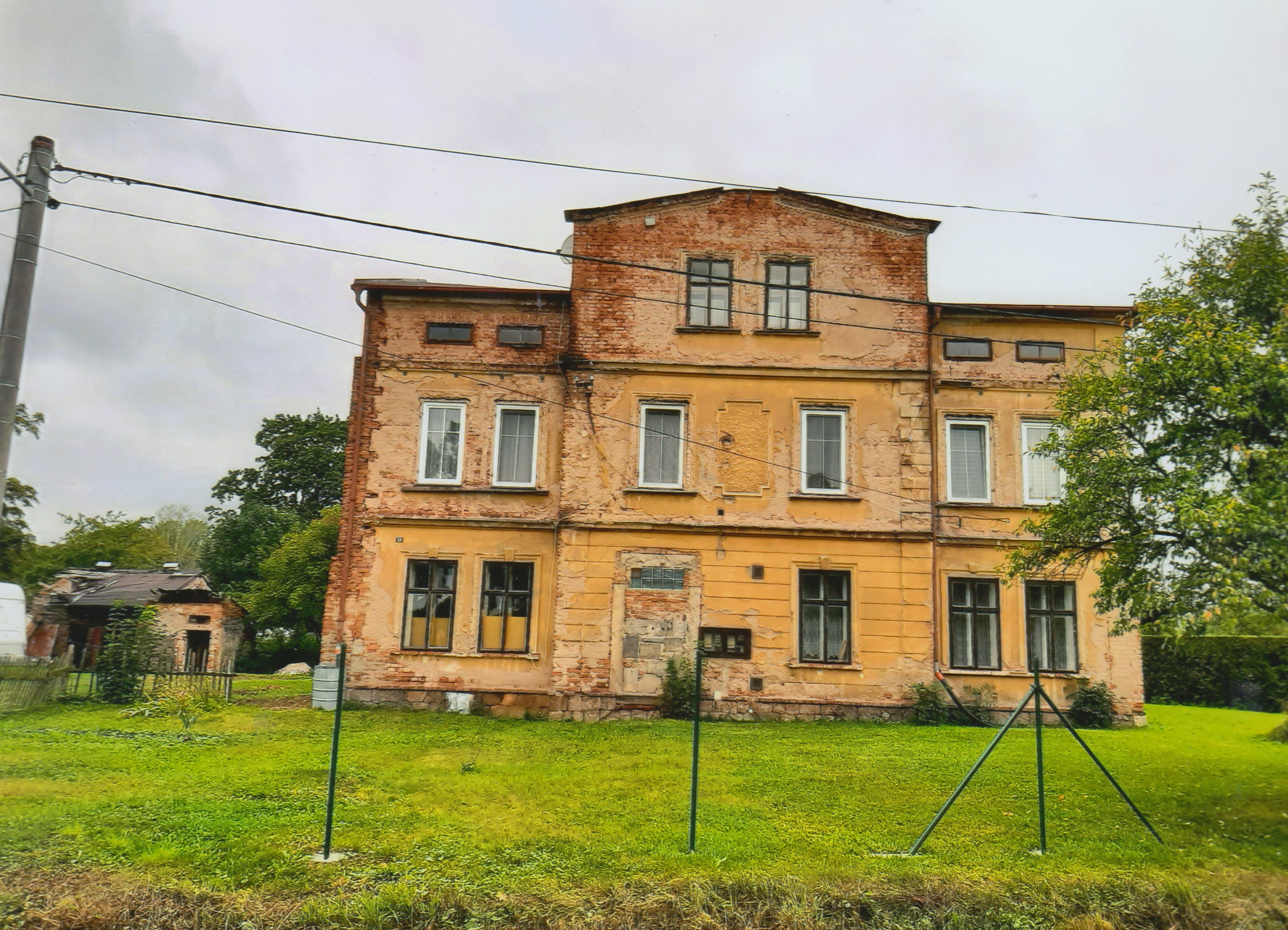
  • "When I was in the garden, at about 1:30 a.m., a truck arrived with six or seven partisans sitting on it. They wanted to enter the gate, which was locked. They started firing machine guns in the air. I climbed over the fence in the back. As a child I was good at climbing fences because my mother used to lock me in the garden and I always escaped. I ran straight to the brickyard. Mum was already there with the caretaker who told her we had to get out of the house. We ran with Mum for three and a half kilometers to Olivětín. The partisans were standing in front of the gate. Mum unlocked the door, they pushed us in and said, 'Thirty minutes, twenty-five kilos.' But we didn't know anything, we weren't prepared, we didn't know we were going to be driven out of the house. My mother ran up to the attic where my baby carriage was. The two of us carried it down and put it in front of the wardrobe. Mummy was loading the pram with bedding and some of the more expensive things we had. One of the guerrillas always came and picked up the pram. When he shook his head, it wasn't 25 kilos yet. Of course, he didn't weigh it, he took it intuitively. When he picked up the pram and nodded his head, we had to stop loading. Mummy dressed me in two or three shirts, two sweaters, a winter coat. It was August and hot. She put on my boots and two pants, because that didn't count for the 25 kilos. And so within half an hour they drove us out of the house and we were standing in the street."

  • Full recordings
  • 1

    Bad Kissingen, 12.07.2025

    (audio)
    duration: 01:17:19
    media recorded in project Příběhy regionu - HRK REG ED
Full recordings are available only for logged users.

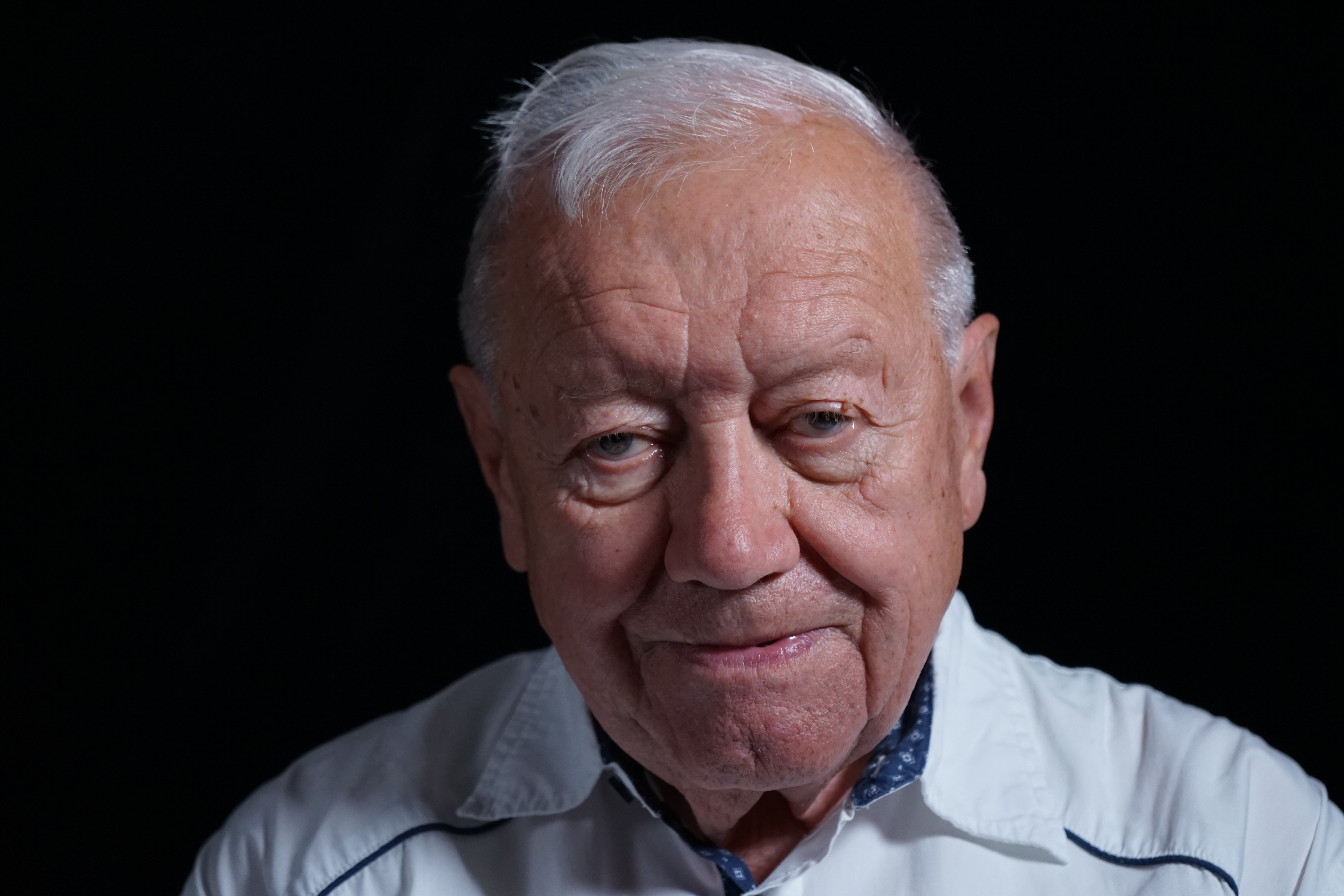
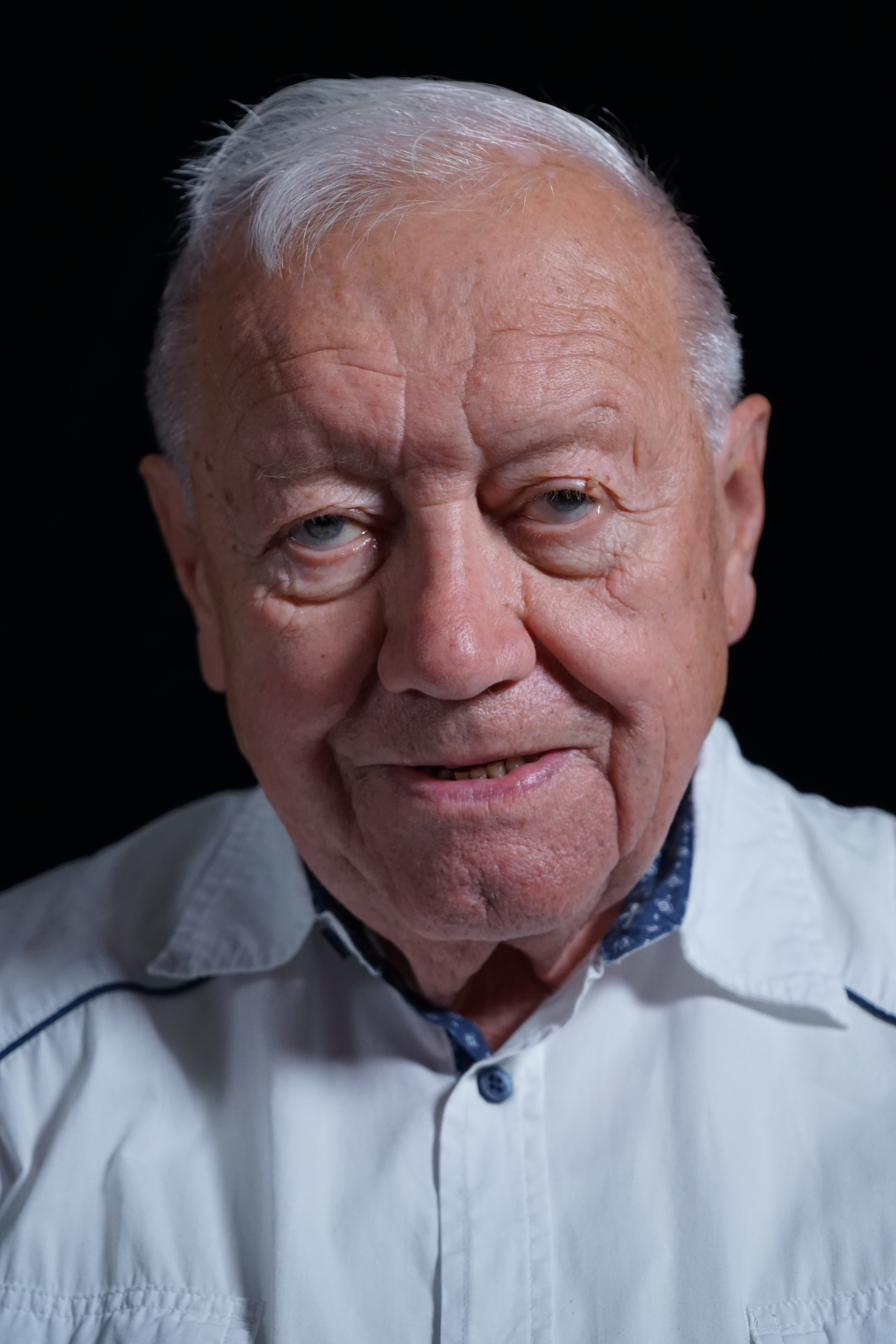
At fourteen, he packed a flute in his backpack and crossed the border to the West at night
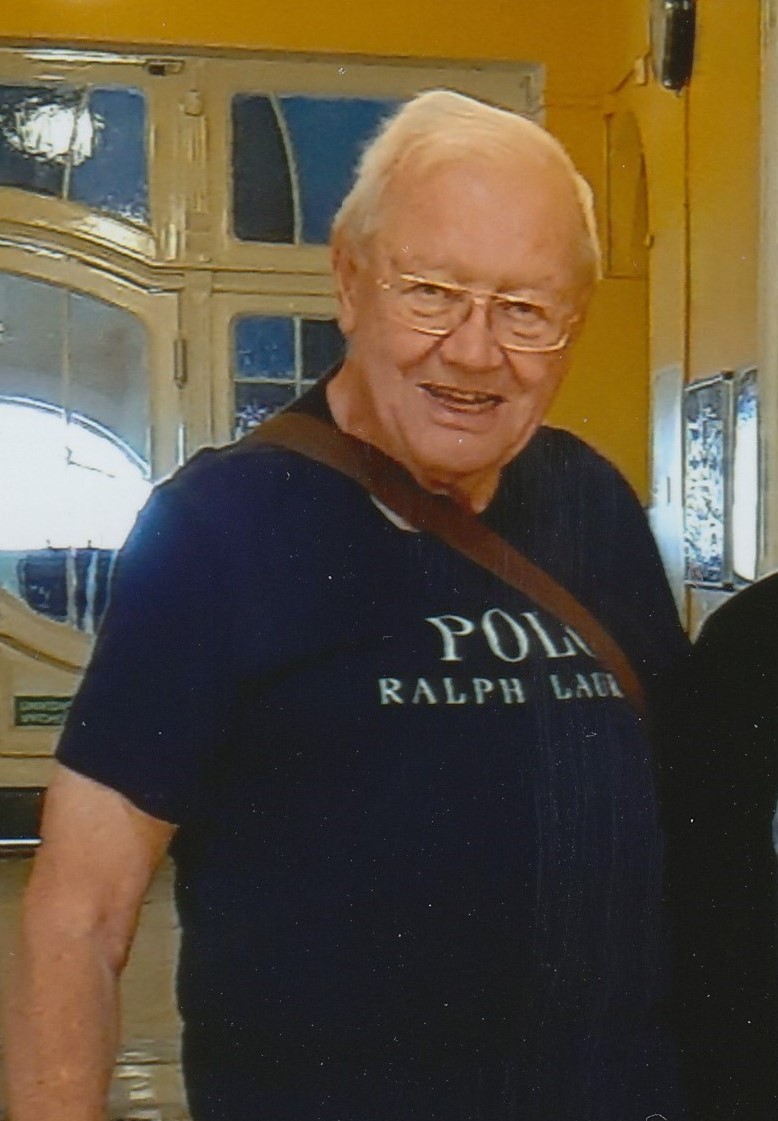
Leo Schön in 2023
Leo Schön in 2023
photo: Witness´s archive

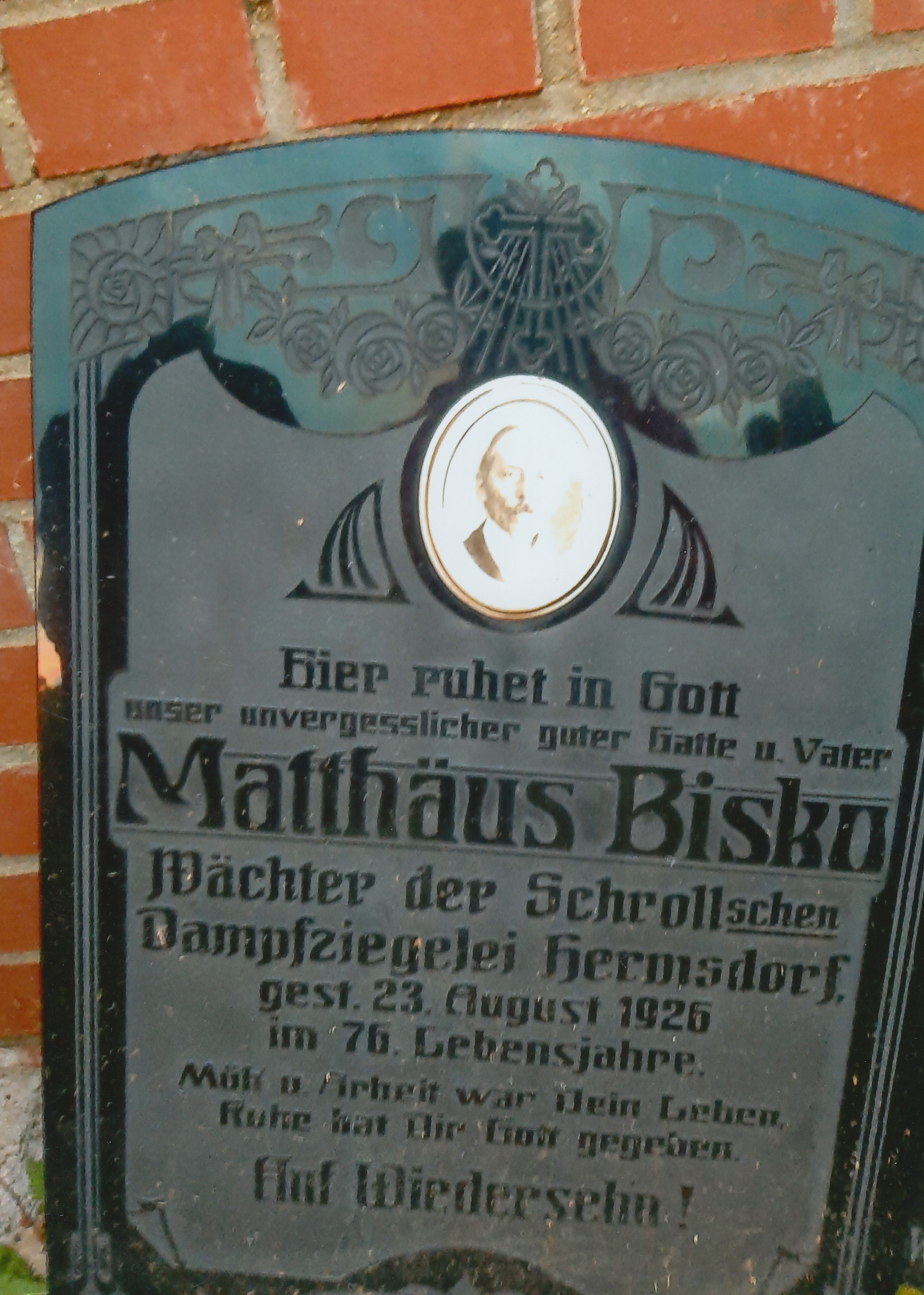
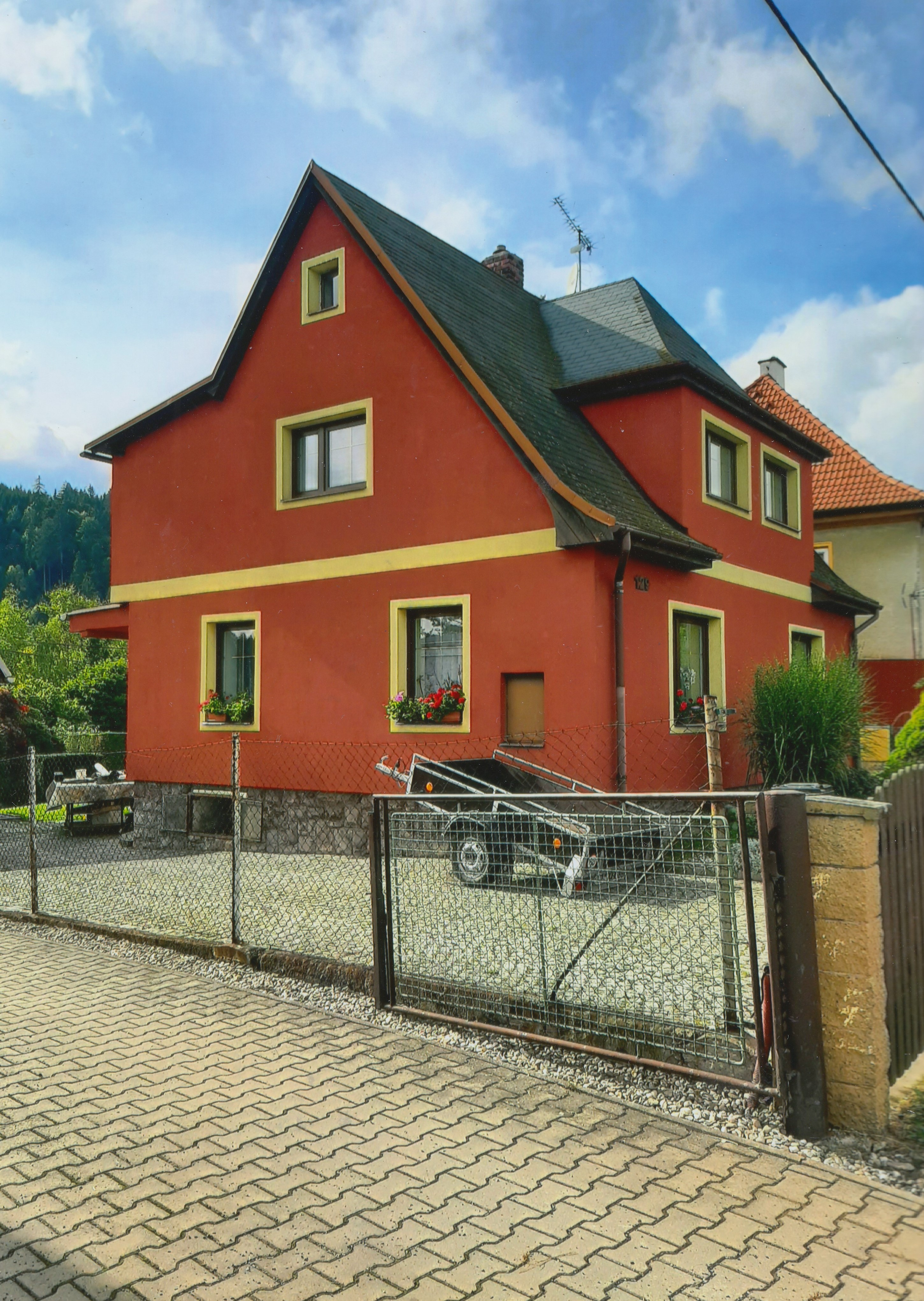
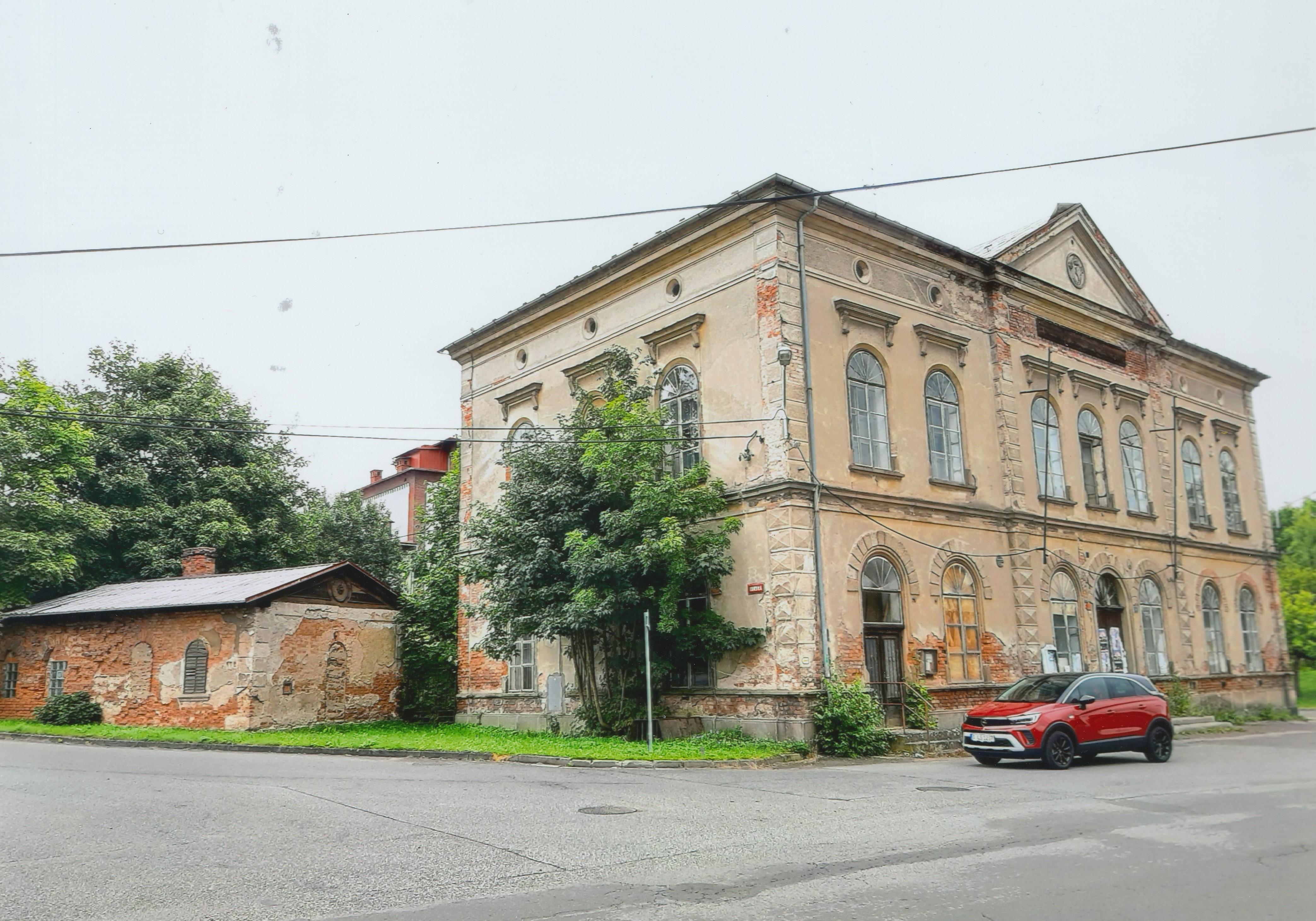
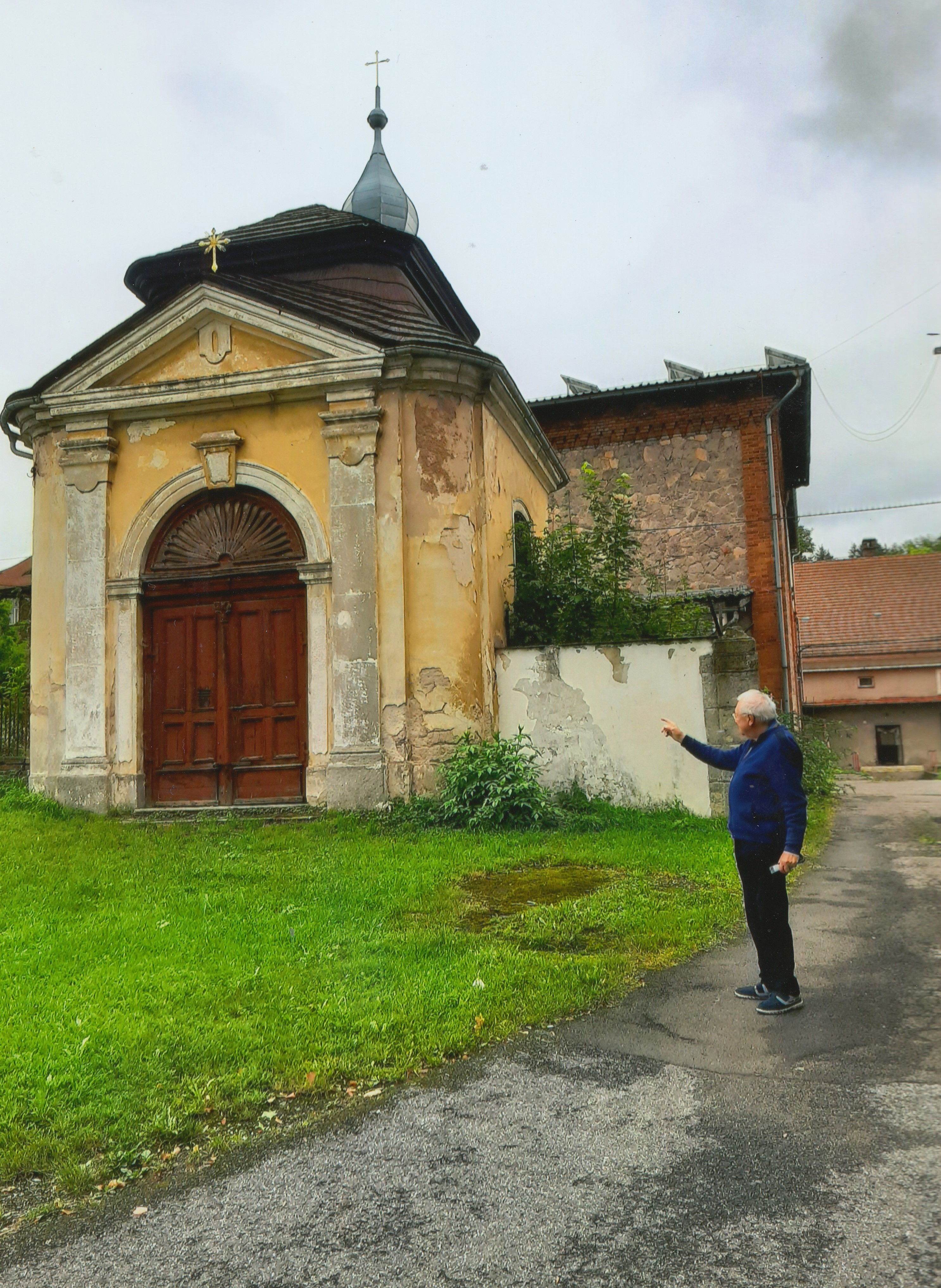
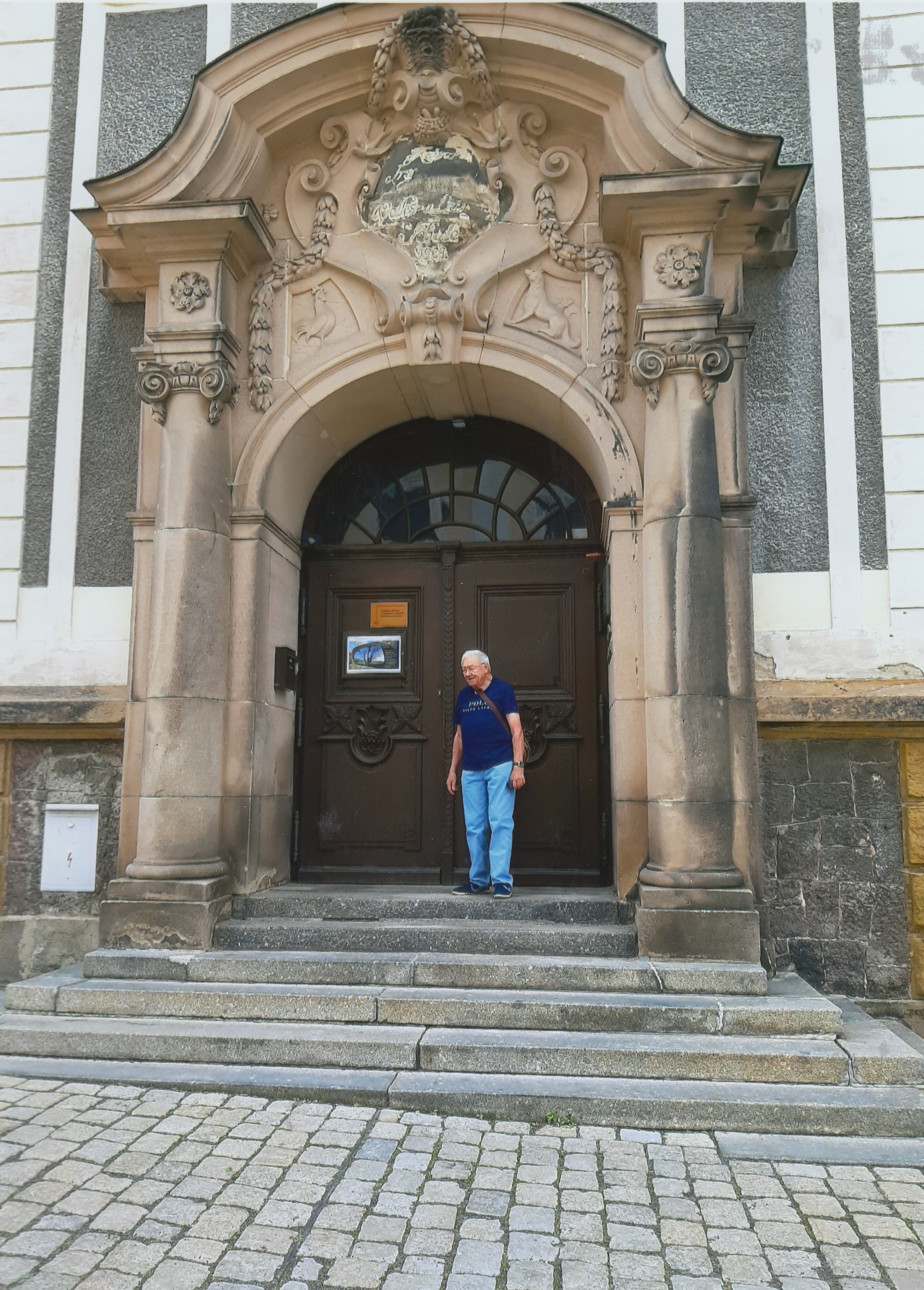
Leo Schön was born on 7 June 1937 in Olivětín near Broumov as an only child. His mother, Eleonora Schön, née Bisko, was a weaver and his father, Josef Schön, worked as a coppersmith and truck mechanic. His maternal grandfather, a gunner, came from northern Italy. In 1939 my father was conscripted into the German army. In 1944 he was killed in what is now Belarus. In 1943, Leo Schön started attending a German school in Broumov, and experienced air-raid alerts. In May 1945, he and his mother hid in the attic from Soviet soldiers. In August 1945, they were driven out of their home as part of a wild removal and they took refuge in their grandparents’ house in Benešov near Broumov. In August 1946, they had to go to the assembly camp in Meziměsti and then by transport to a camp in Demmin, Germany, and by boat to the camp in Anklam. They lived in Eisfeld in Thuringia in the border zone. In 1951 he fled at night to West Germany to a monastery in Rohr, where the Benedictines of Broumov settled. He graduated from the grammar school there. In 1966 he met his future wife. He worked for the chemical company Höchst for thirty years, and also travelled to Czechoslovakia on business. In 2025 he was living in Gersthofen near Augsburg.