"There was a tournament on Children's Island, which is next to Střelecký Island. I'm really wondering because it was surrounded by cops. One team was made by České děti, Petr Placák. There was one team called Revolver and there was another team, but I don't know which one. We played a tournament between us, like a little football tournament. Mejla played with me, but I don't know how it turned out. They were filming it all the time, so I told Čuňas to try to find it somewhere because it must be somewhere. I'd like to see those goals. Then one day there was a match at Strahov, and Jirous took part in that too - in that big Spartakiad stadium with huge gates, even training gates, and actually several pitches. That was still open to the public, and there we also did such a [match] - Revolver against somebody, but it was a big match. There were twenty-two players, eleven on each team. It was little soccer at Střelecký or on Children's Island."
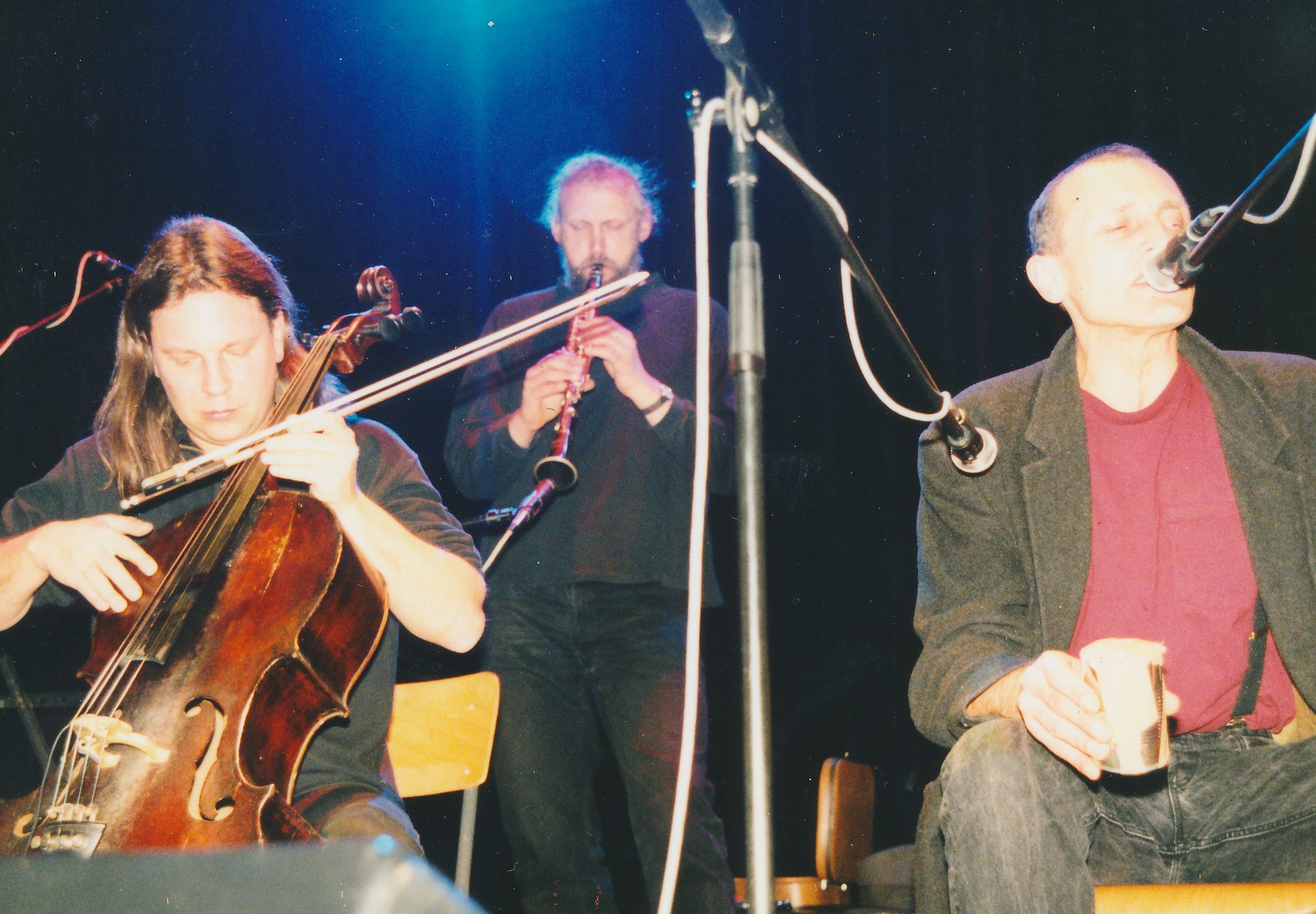
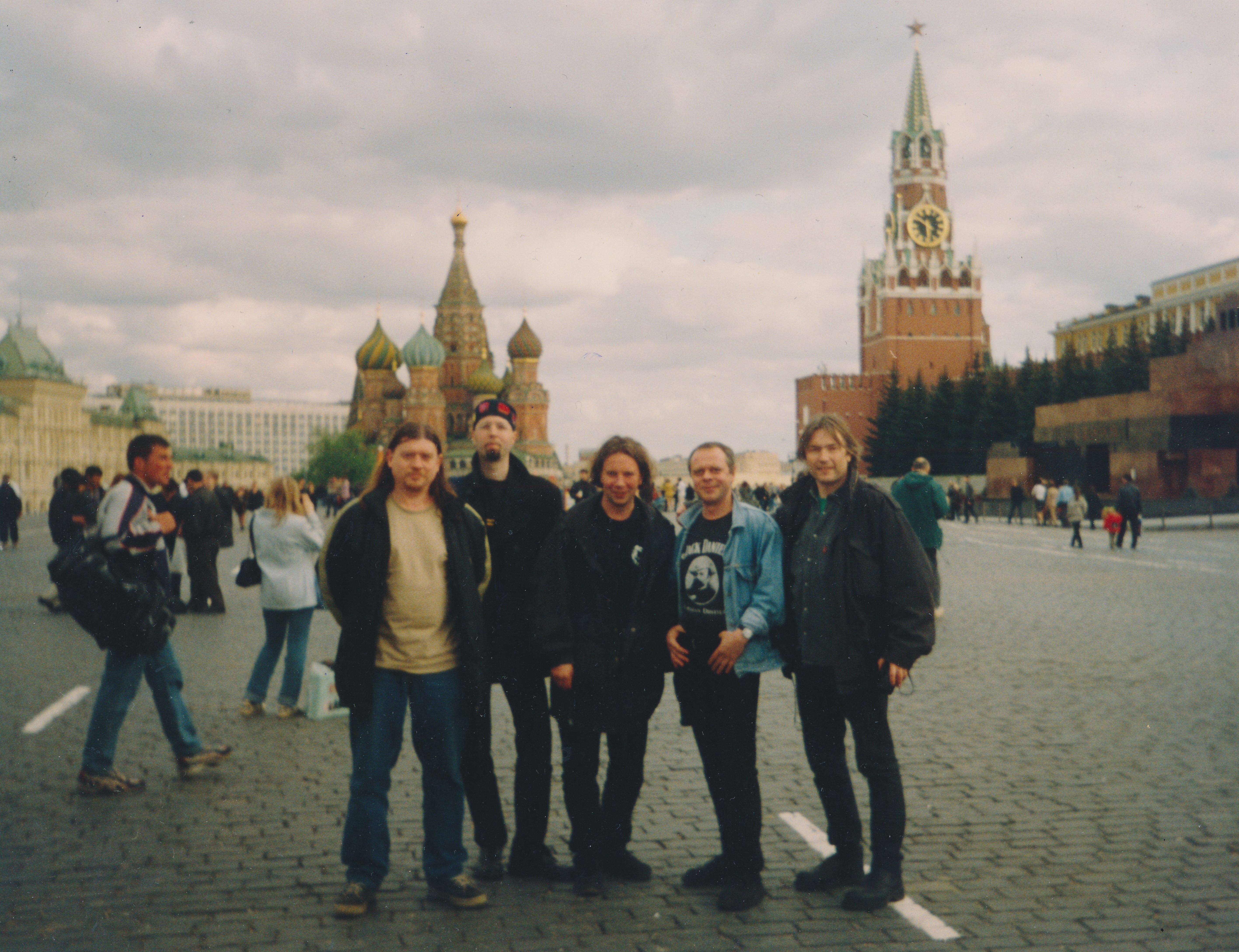
"We went to Russia once more. Tomáš Glanc was at the Czech Centre in Moscow then and he invited Ivan Martin Jirous, who had a book of his poems published in Russian translation. It was a book fair and we played there with DG 307. That was a big experience for us, wich started at the airport in Ruzyně already. We got together in the morning amd flew to Moscow. Ivan Martin 'Magor' Jirous arrived already in a bit of a good mood and he had just a plastic bag, and we went to check in for the 'economy' class. There was a terrible queue and he saw that the business class counter was completely empty, so he says, 'Why are we standing here? We're going there.' And we're like, 'We've got...' And he said, 'Let's go in there, we'll try it.' The ground stewardess said, 'Do you have business class?' Without missing a beat, Magor said, We have showbiz class.' She just burst into laughter and said, 'Come on in.' We checked in and people were standing there looking at us. She gave us normal class, normal seats, of course, but it was very funny. We arrived in Moscow, stayed at the Czech House which I think is closed now, and Magor said he would cook because he always loved cooking very much. He was going shopping. He didn't come back for two or three hours, and we were wondering if he had lost his way or what was wrong. We went looking for him. Turns out, he found a homeless man playing an accordion just around the corner under a bridge, like two blocks away. He bought him bottled beers, they cracked them all open and drank, and Magor was telling him what to play. They were both singing in Russian, just beautiful. So that was a great experience."
"Václav Havel's fiftieth birthday was in October 1986. We were rehearsing in Podskalská Street with the Plastic People at Pepa Janíček's when Olga Havlová came - sometime in late spring or early summer or spring - and said: 'He's having his 50th birthday; do you have any presents?' We said, 'Not at all.' She said: 'I got an idea. He sings while he cooks, and I put a tape recorder in the kitchen and recorded him, and I have this tape. How about we played it while you made music to it, and do this at the party?' We said, 'Play it.' The tape recorder went 'Hop hey, the onion men are coming...' [a folk song] and one more song, but I don't recall which one, and Václav Havel singing out of tune. Anyway, we thought it [was] an excellent idea and told Olga in no uncertain terms that we were going to do it, and we did. But in doing so asked for big trouble. It was this huge party on the waterfront back when they [still] lived there. There was Dominik Tatarka, Zdeněk Urbánek, Ludvík Vaculík and a sort of elite and many other people. They brought some presents and asked if we had anything. We said we did, and before the song it said in his voice like from the Voice of America: 'This is Havel speaking, Havel here.' That was our cue. We started to play Hop Hey Onion Men Are Coming, and Václav was singing and rattling his 'r' from the loudspeaker. It caused quite a stir at the party. Everybody was so excited. When more shots were [passed], two hours later they came back asking us to play it a second time and then a third time. So that worked out nice; it was pretty funny."
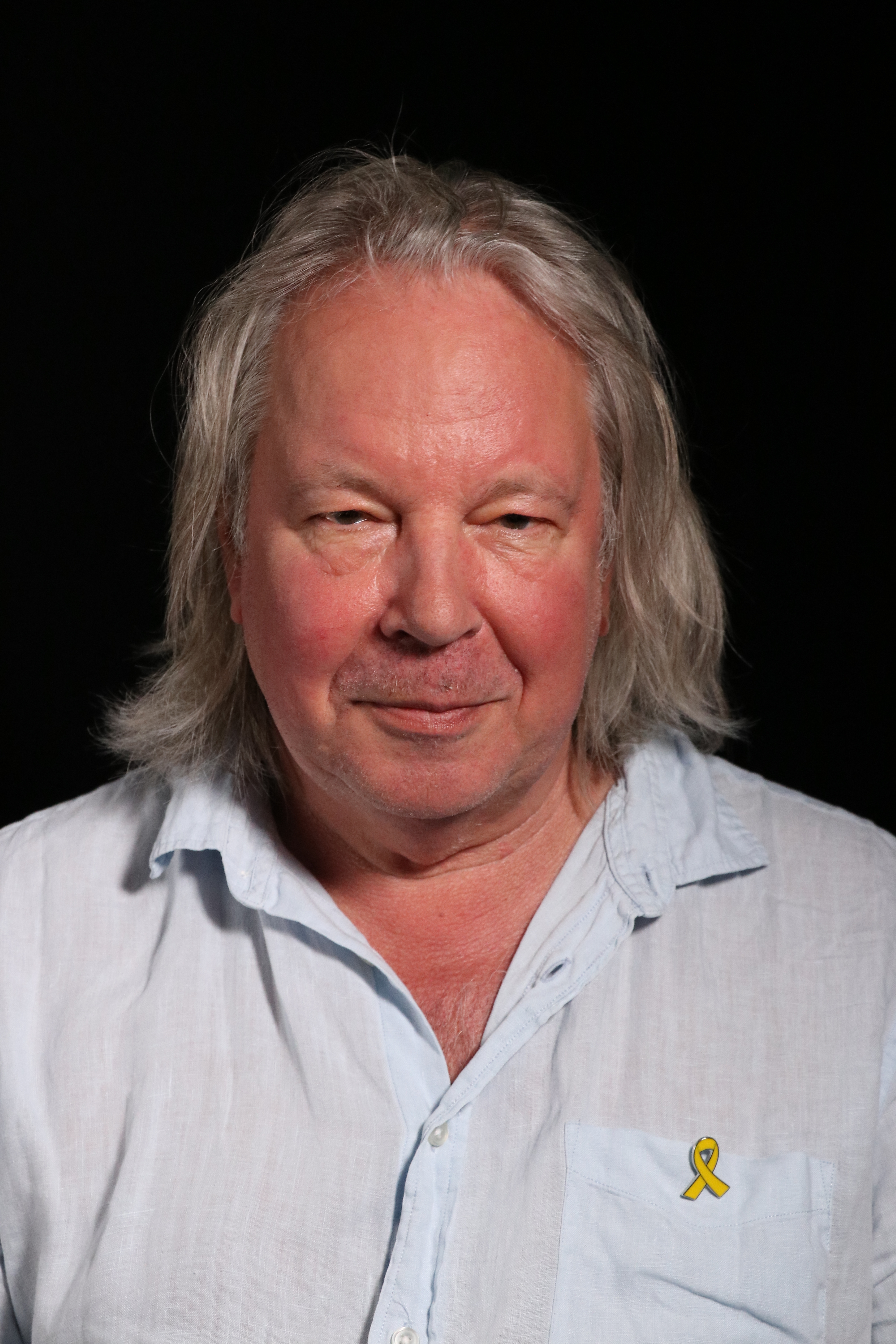
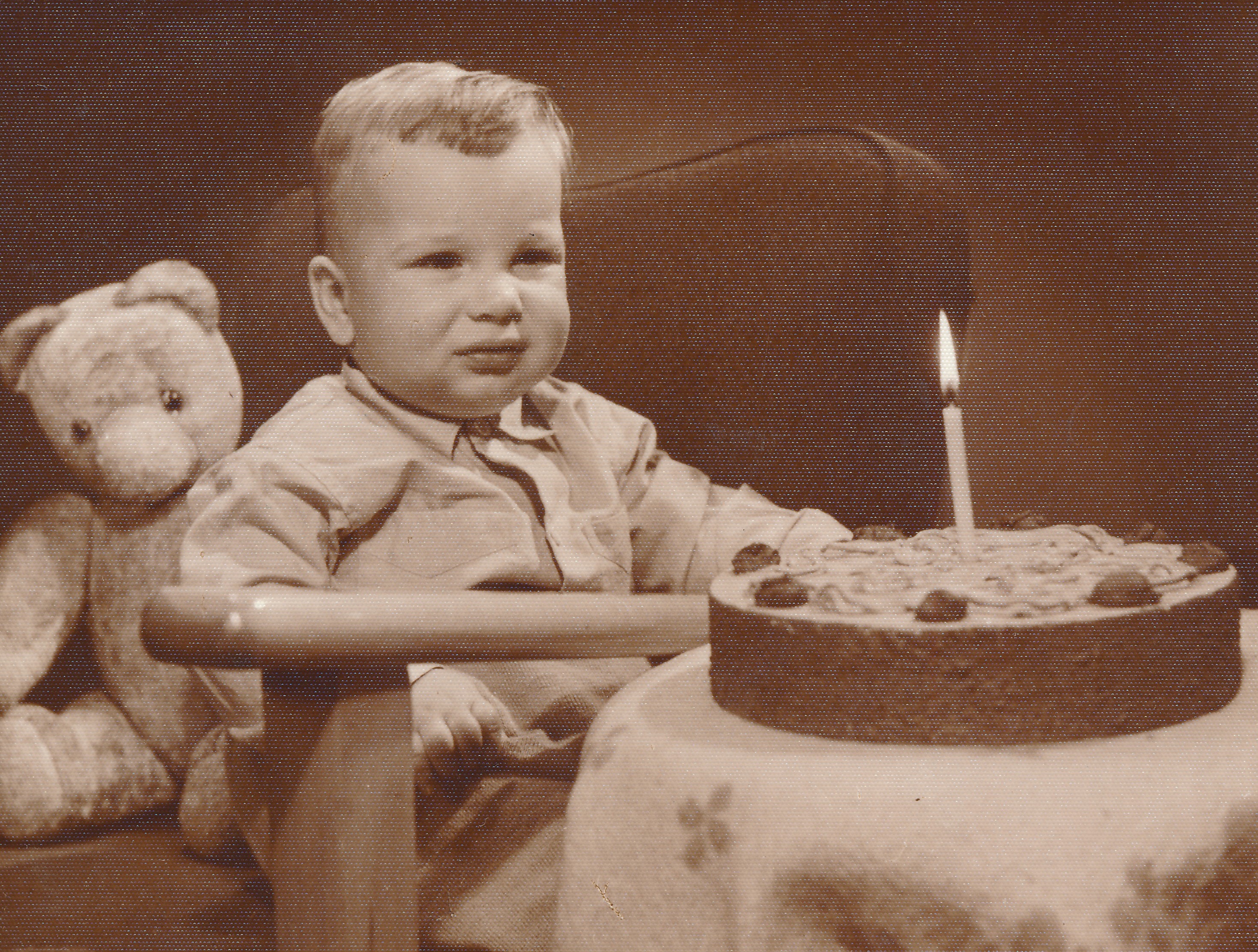
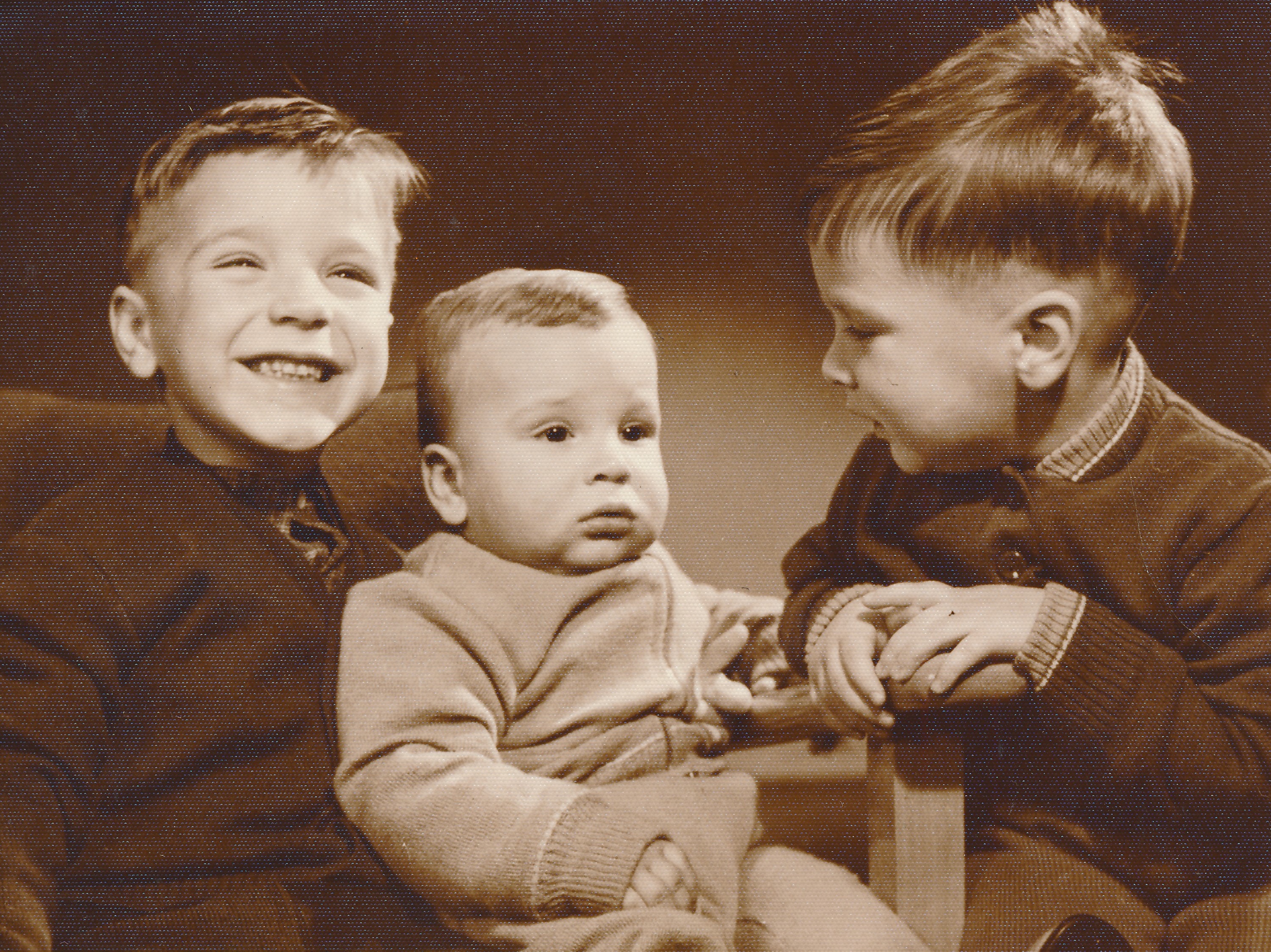
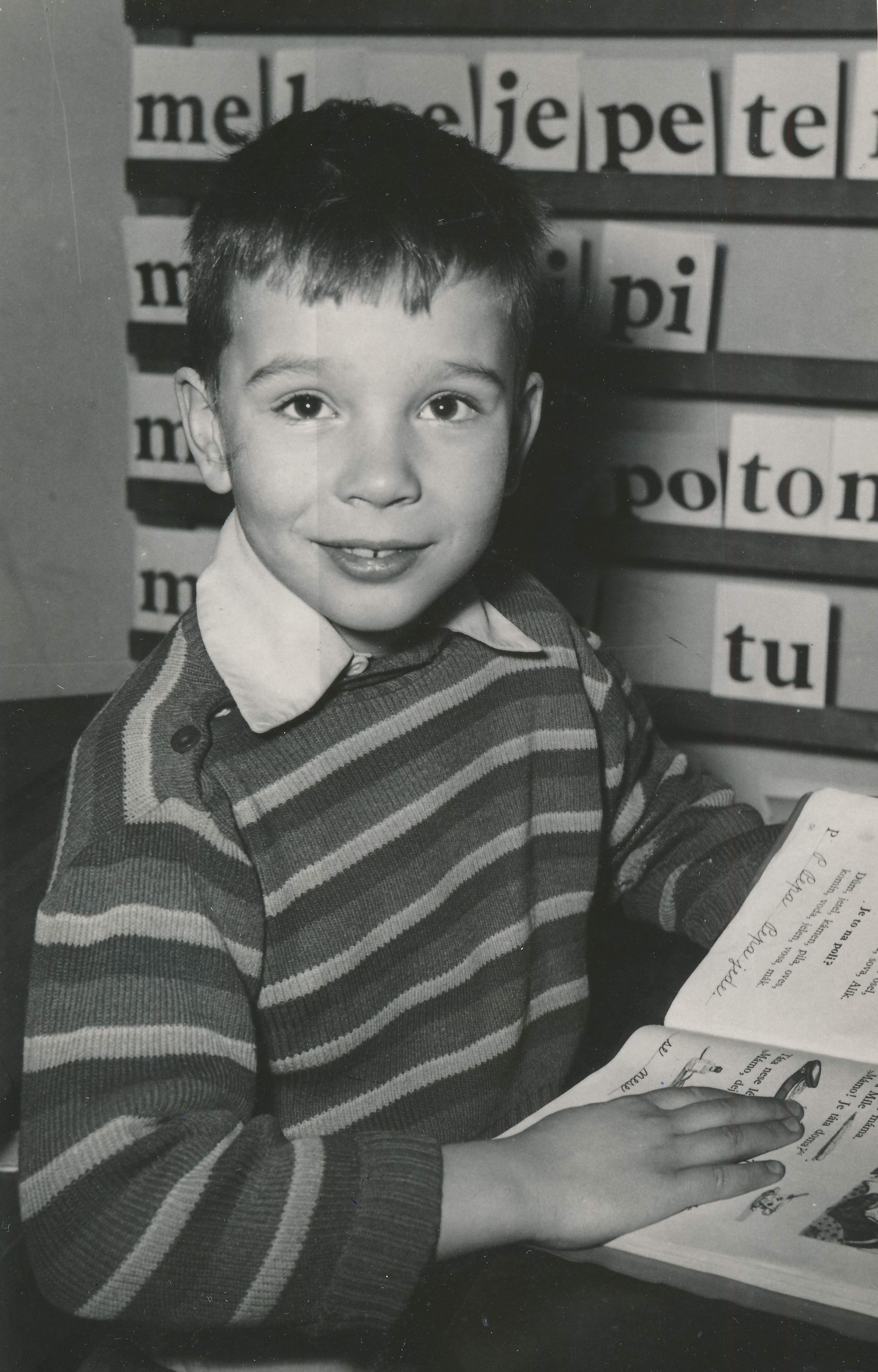
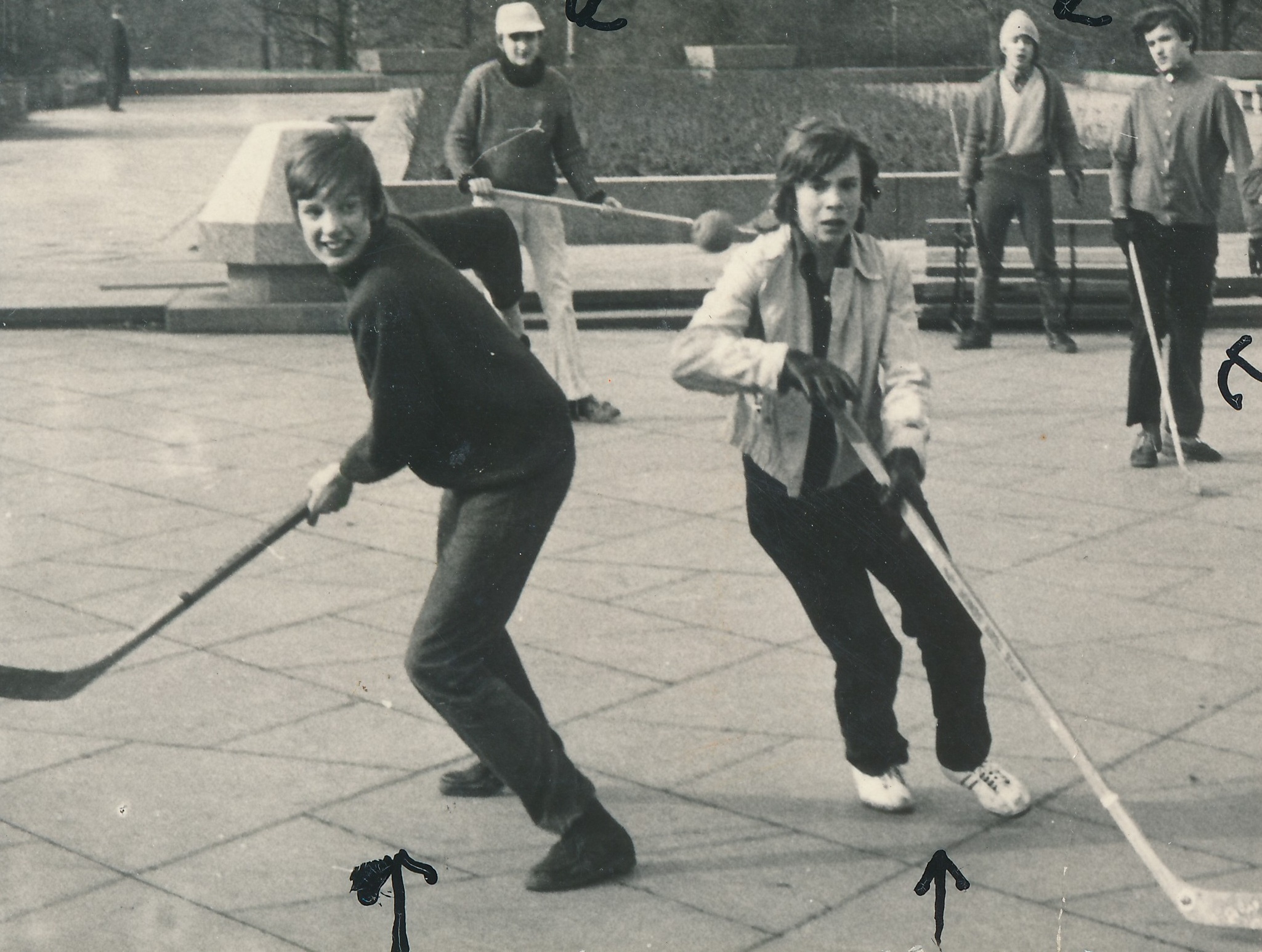
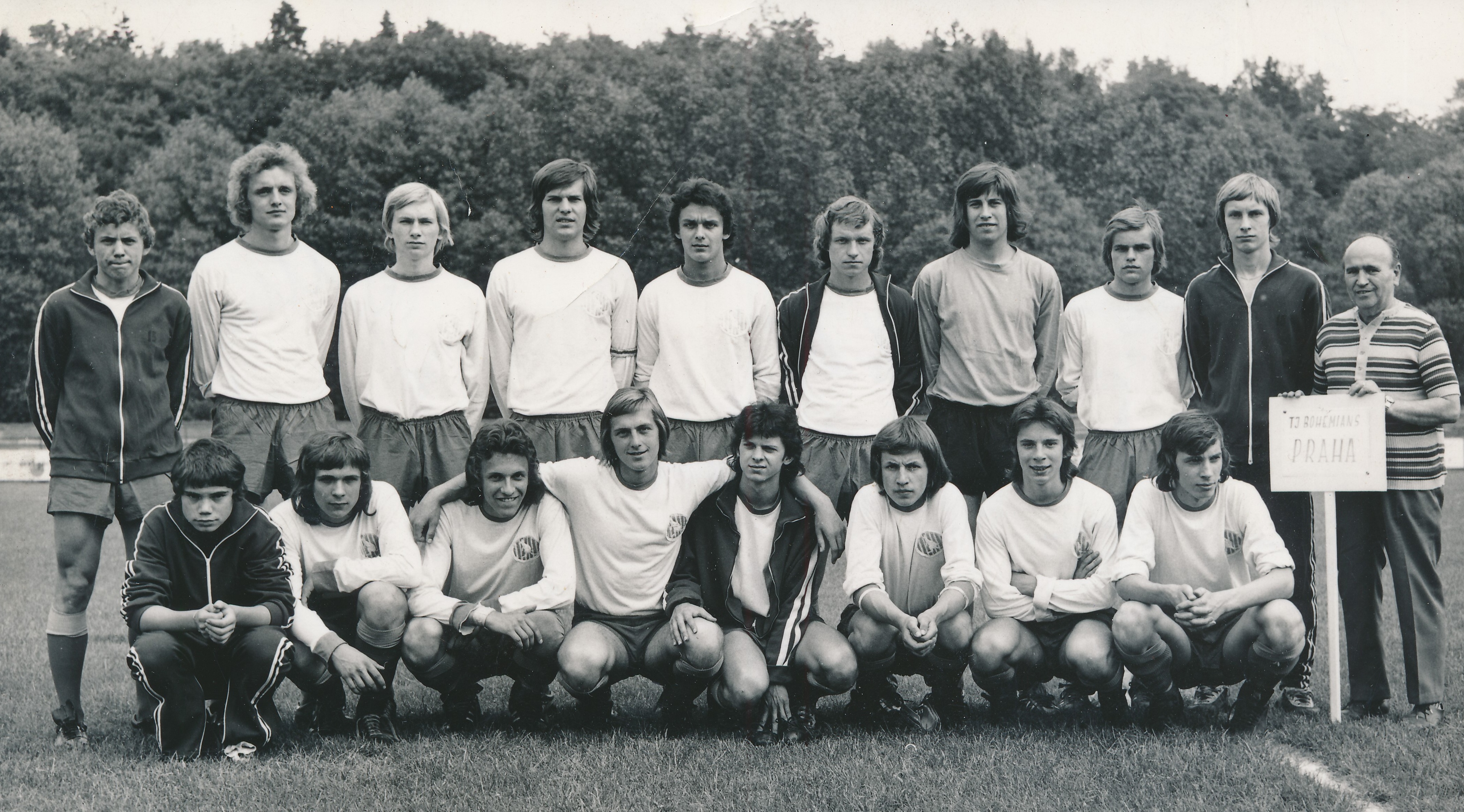
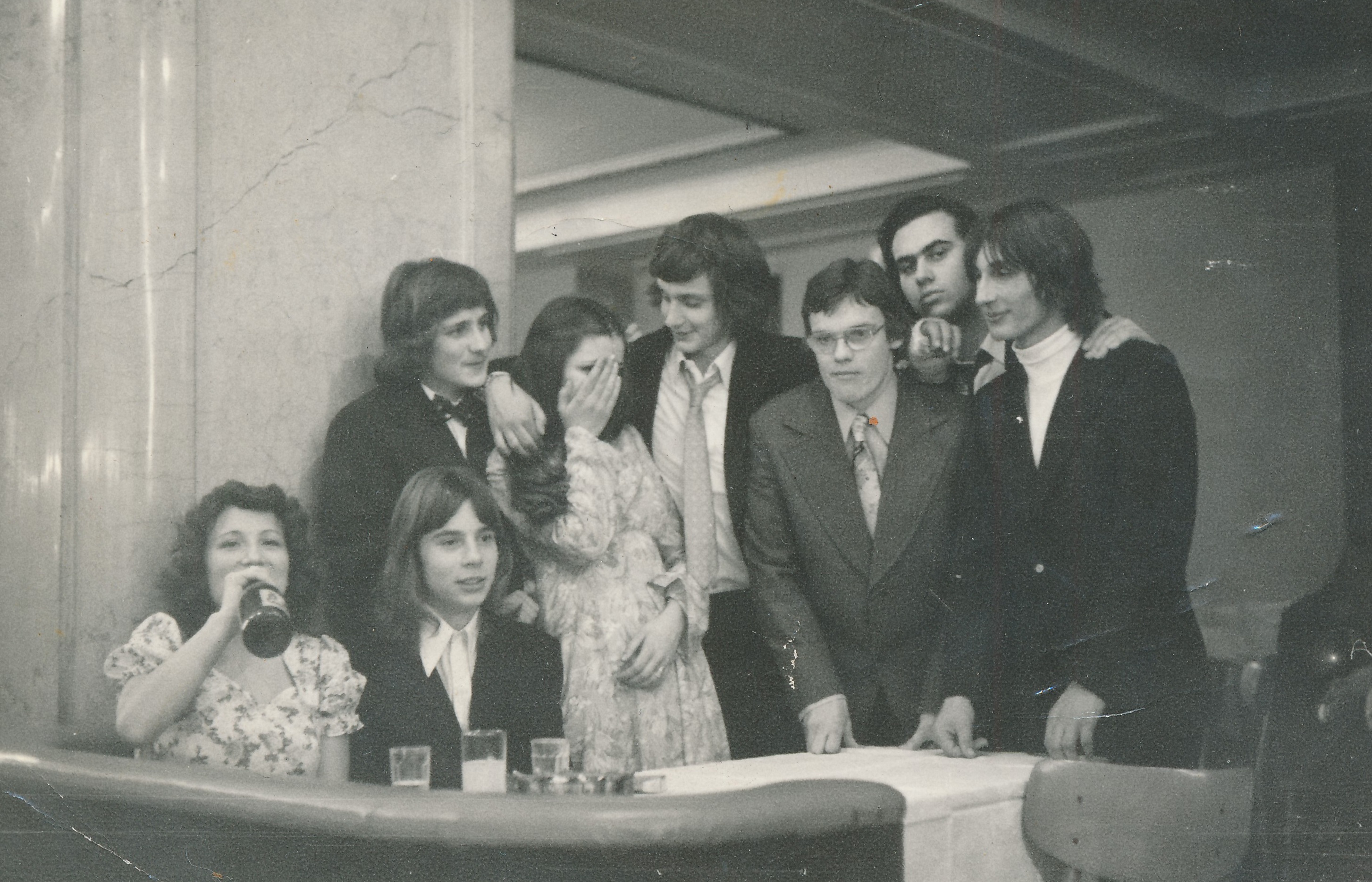
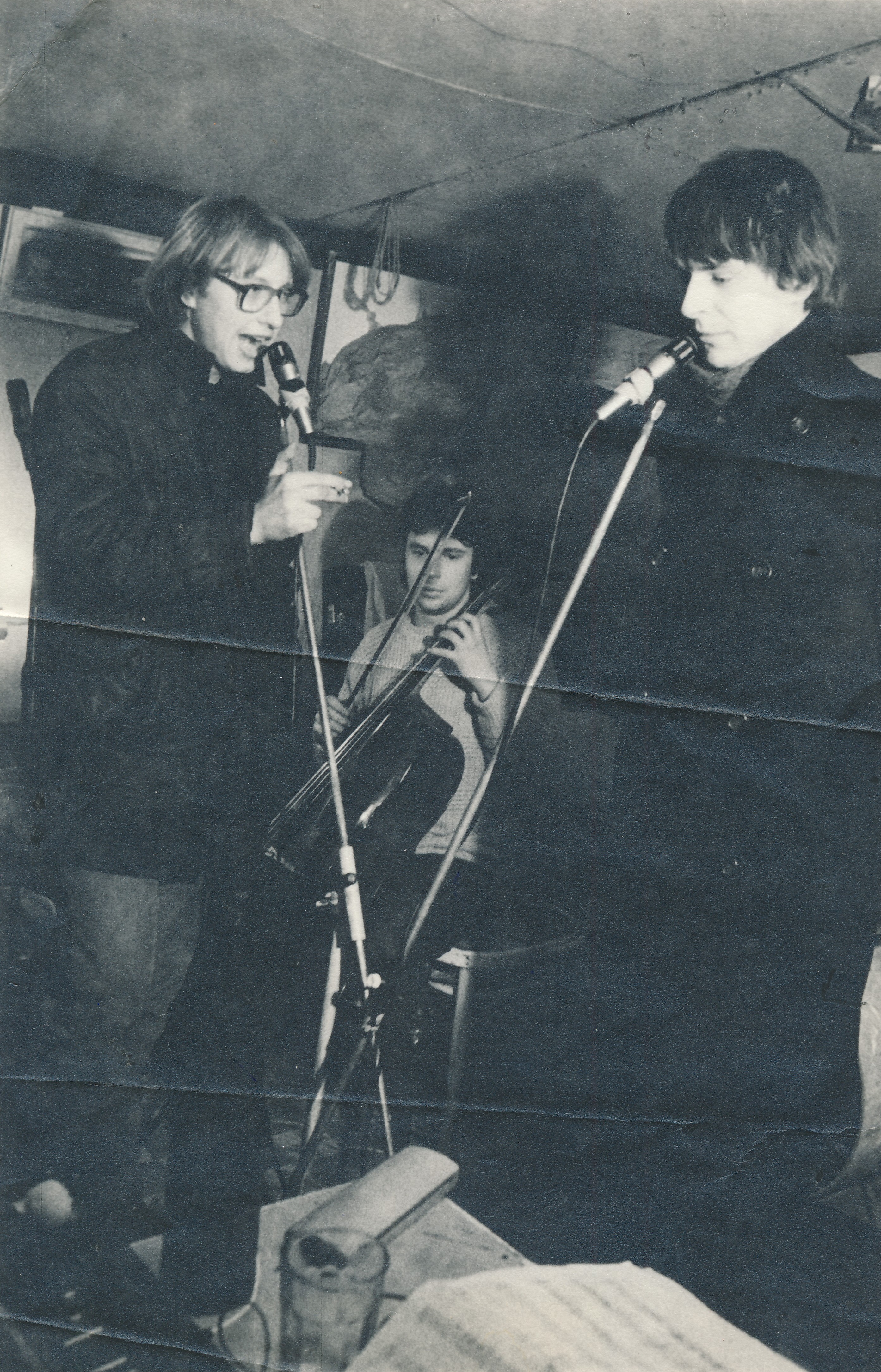
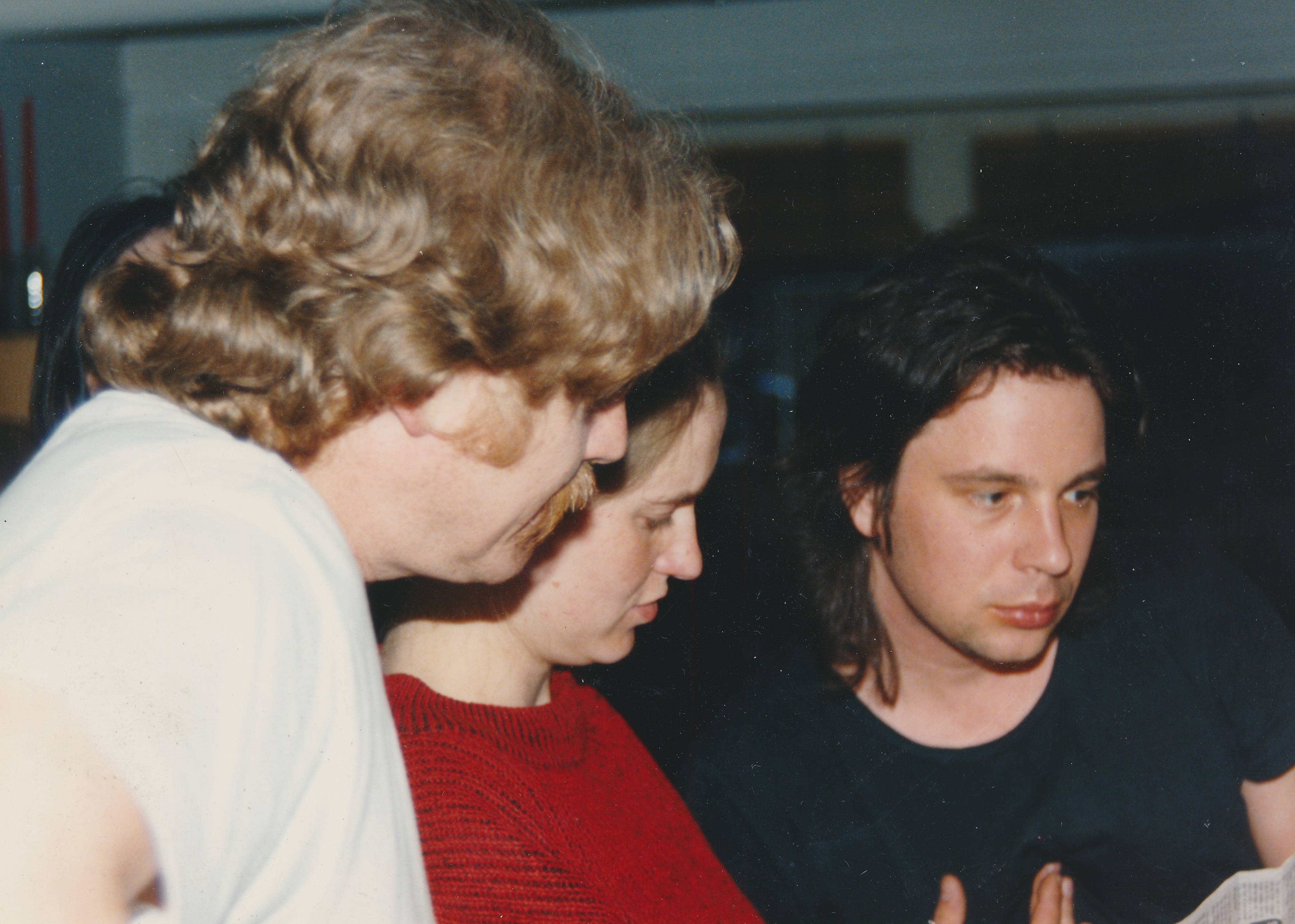
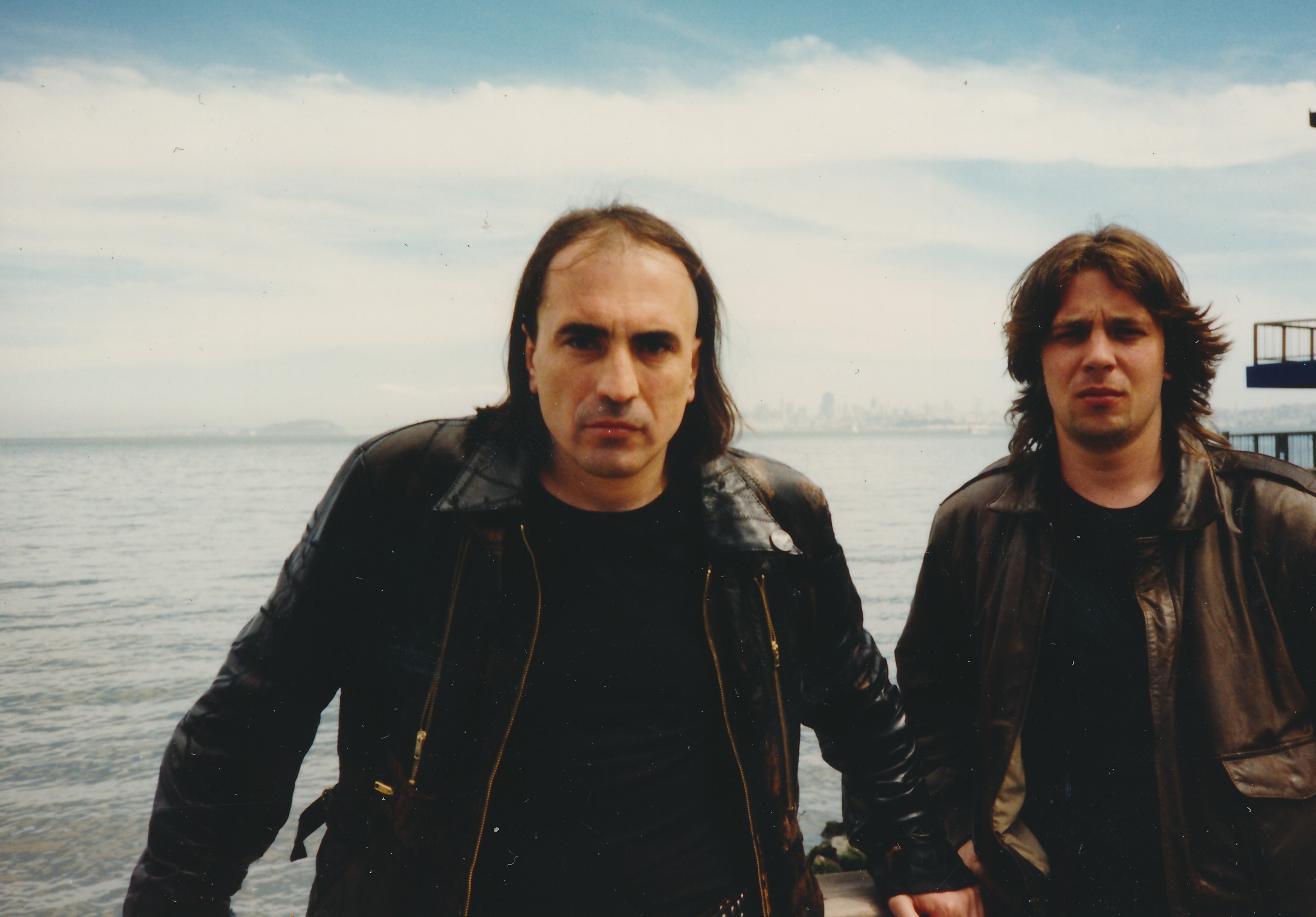
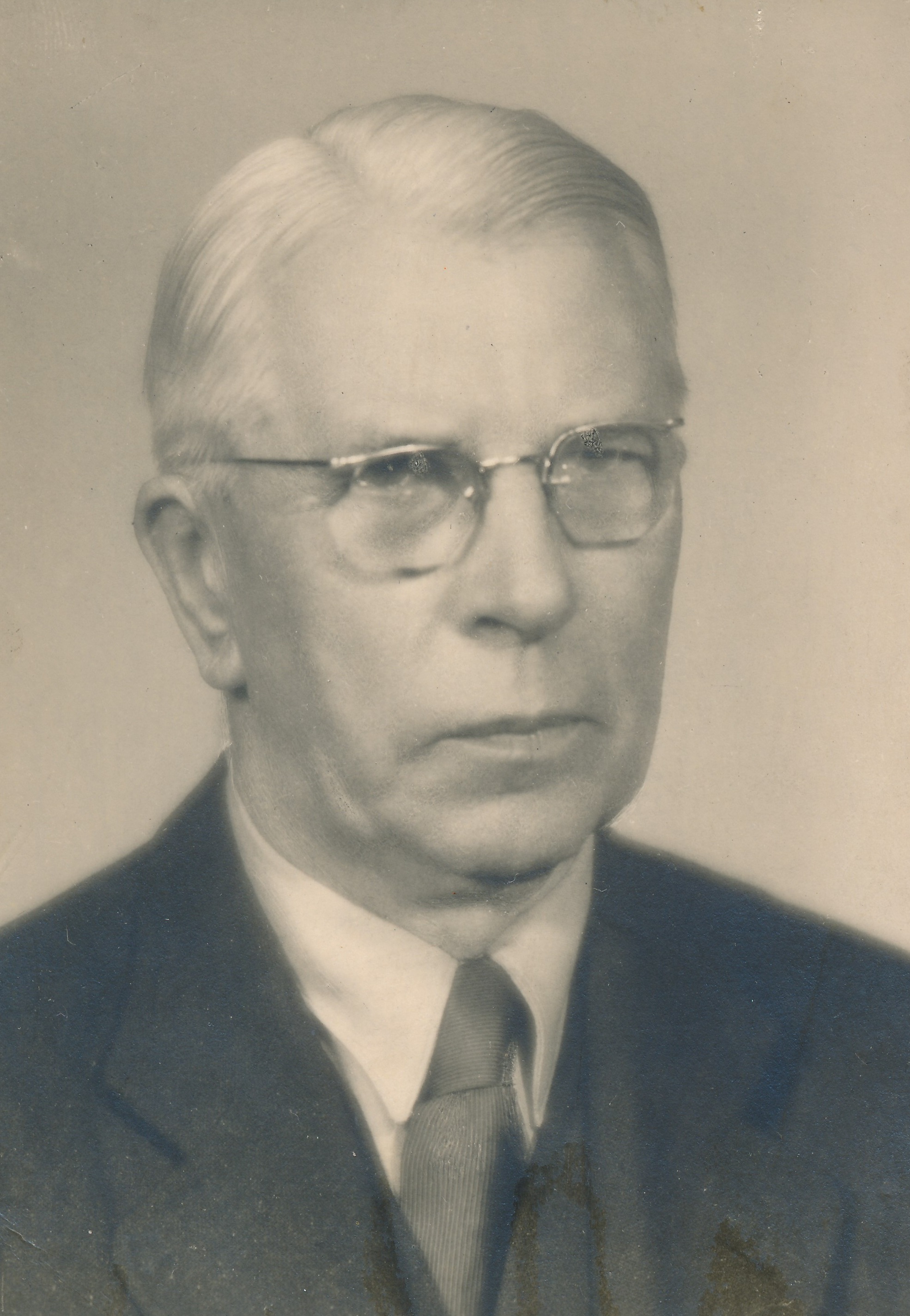
Tomáš Schilla was born in Prague on 29 December 1958 into the family of doctor Ernest Schilla and translator Zora Schillová. He loved sports and music ever since childhood. He played with Prague’s Bohemians in the youth football league and in lower-rank leagues when adult. He started playing the cello during his schooling and improved his skills. He witnessed the August 1968 invasion of Czechoslovakia with his family in Bulgaria where he saw footage of Prague in May 1945 on state television. This is also when he joined a renewed scout troop. He first met people from dissident circles in the latter 1970s. He regularly went to the Němec family’s apartment in Ječná Street and brought samizdat literature from abroad. He also followed the underground music scene, which appealed to him very much. He got a job as a radiology assistant and went to university. He was expelled from school over his dissenting activities. He avoided military service feigning mental issues. His cello playing helped him break into underground groups. At first he played with Národní třída, then Mejla Hlavsa offered him to join The Plastic People of the Universe. After the Velvet Revolution, he began to perform in the revived DG 307. He also played with poet J. H. Krchovský’s outfit Krch-Off Band and Echt! which toured Eastern Europe and Russia at the beginning of the millennium. At the time of filming (2025), Tomáš Schilla lived in Prague and worked as the head of the radiology ward at the Motol Hospital. He holds a Third Resistance certificate.
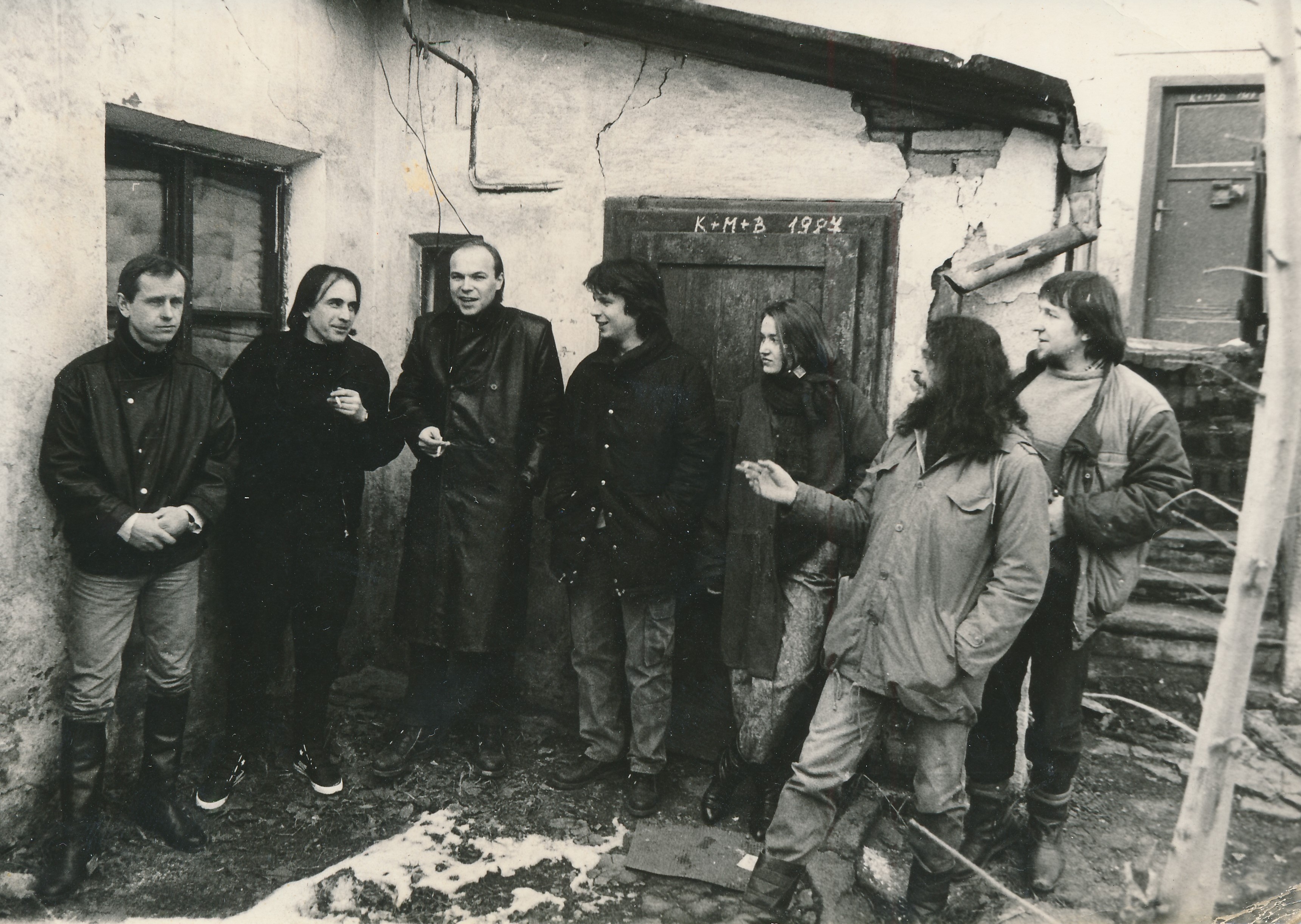
The final line-up of The Plastic People of the Universe (from left: Milan Schelinger, Mejla Hlavsa, Jan Brabec, Tomáš Schilla, Michaela Antalíková, Jiří Kabeš, Josef Janíček), 1988
The final line-up of The Plastic People of the Universe (from left: Milan Schelinger, Mejla Hlavsa, Jan Brabec, Tomáš Schilla, Michaela Antalíková, Jiří Kabeš, Josef Janíček), 1988