"Christmas came on December 24th... no tree, nothing to eat, we just sat there crying a little. My mother just cried, cried, cried. And we sat there and we didn't say anything. I remember that. And at one point: banging on the door. 'Jesus Christ, who's standing there?' My mother was very scared, shaking and avoiding the door. There was a big man standing there, he had a big Russian hat. He didn't say anything. My mother started, I remember, 'Please, sir, if you want to take someone away, please take me with you. Let the children live. I'm going instead of my children.' And at that point - I remember this too - he said, 'No, I have something for you in my bag here. A butcher named Lhotský from Ostrava remembers you, how well you treated them as a German, to Czechs, throughout the Reich. So he made up an idea that you should have a little joy on Christmas Eve.' So [he] threw a bag to [us] and disappeared. And in the bag was meat and sausage and bread and butter and everything. And so at the beginning we even cried that such a good man was still thinking of us."
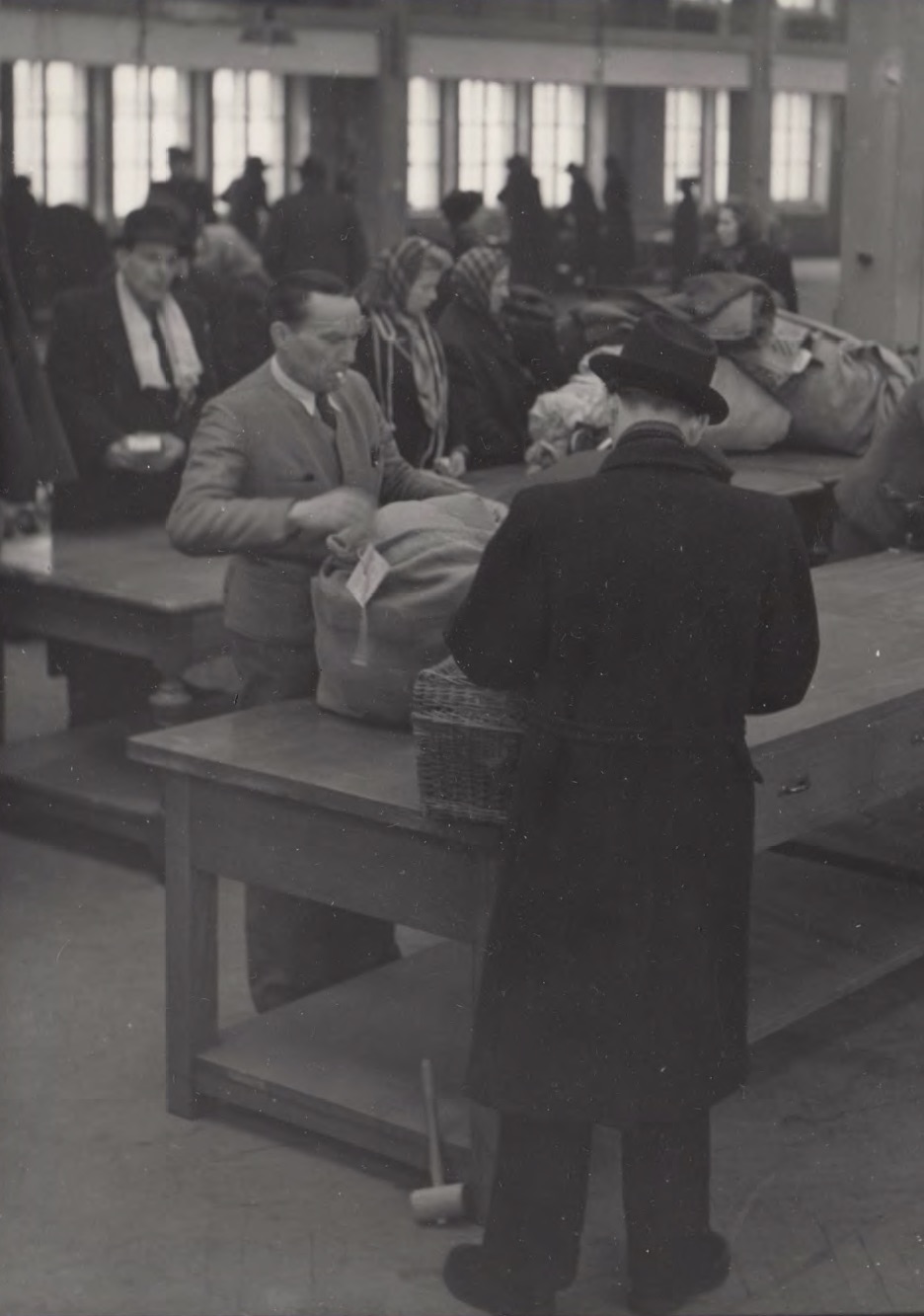
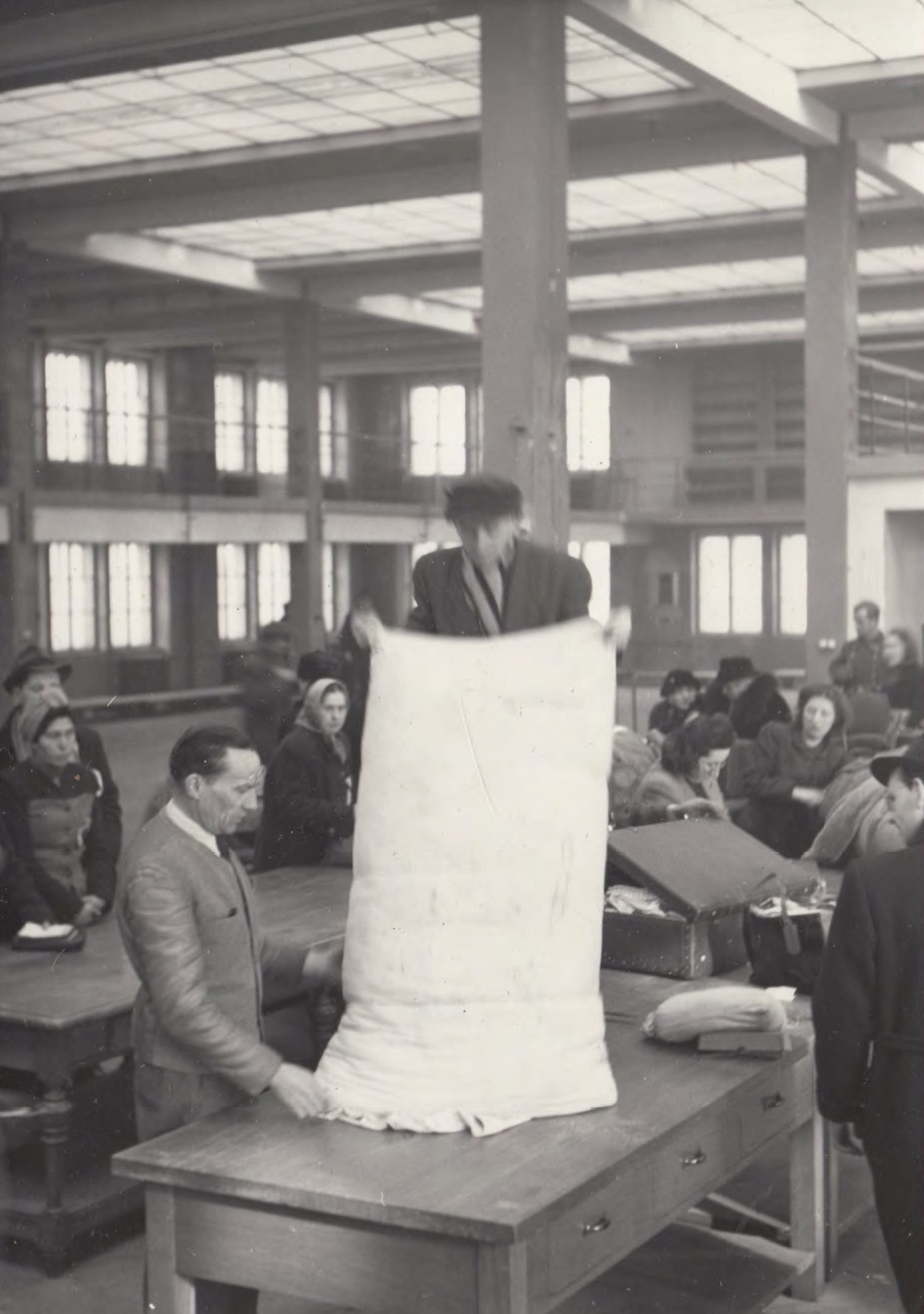
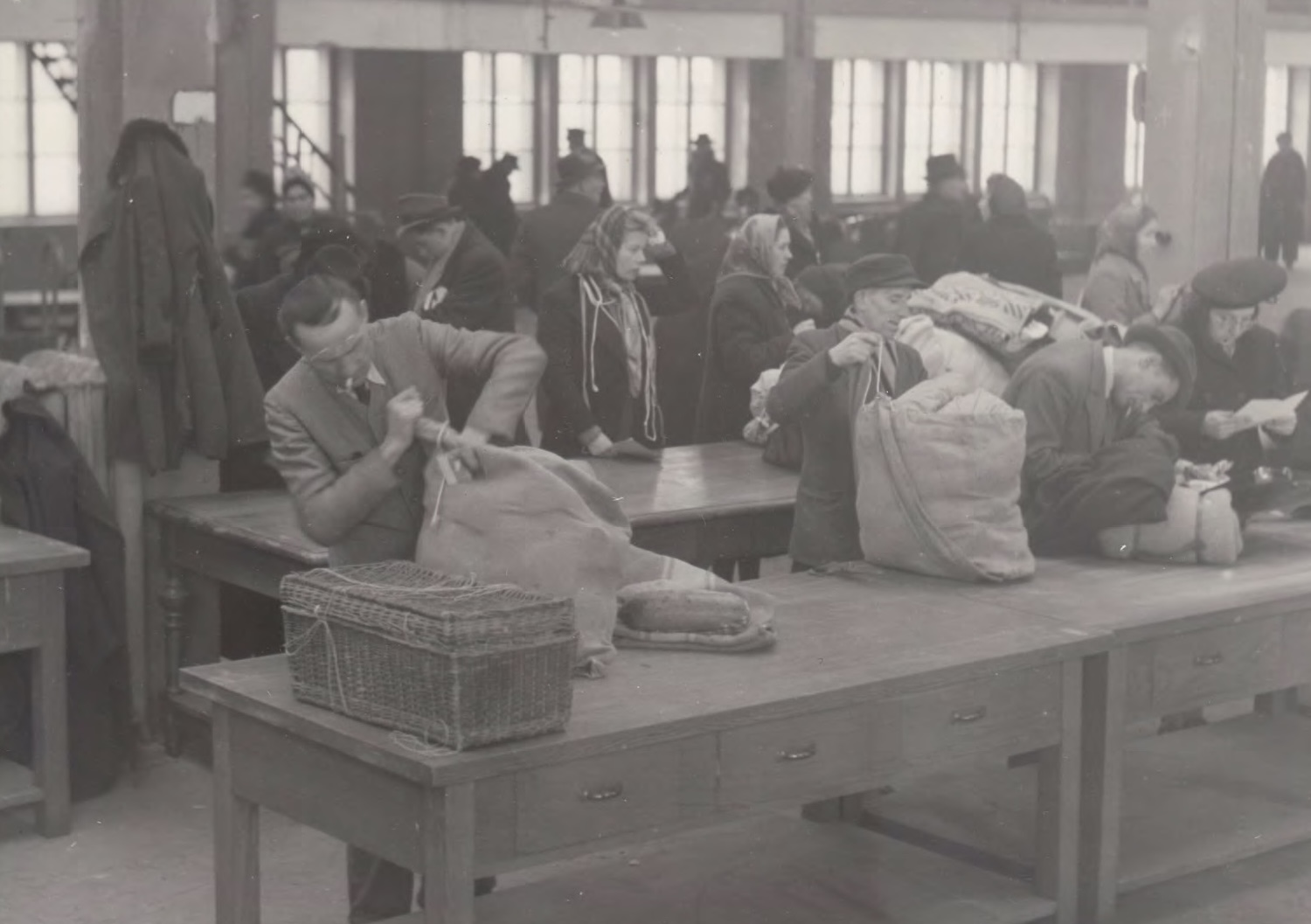
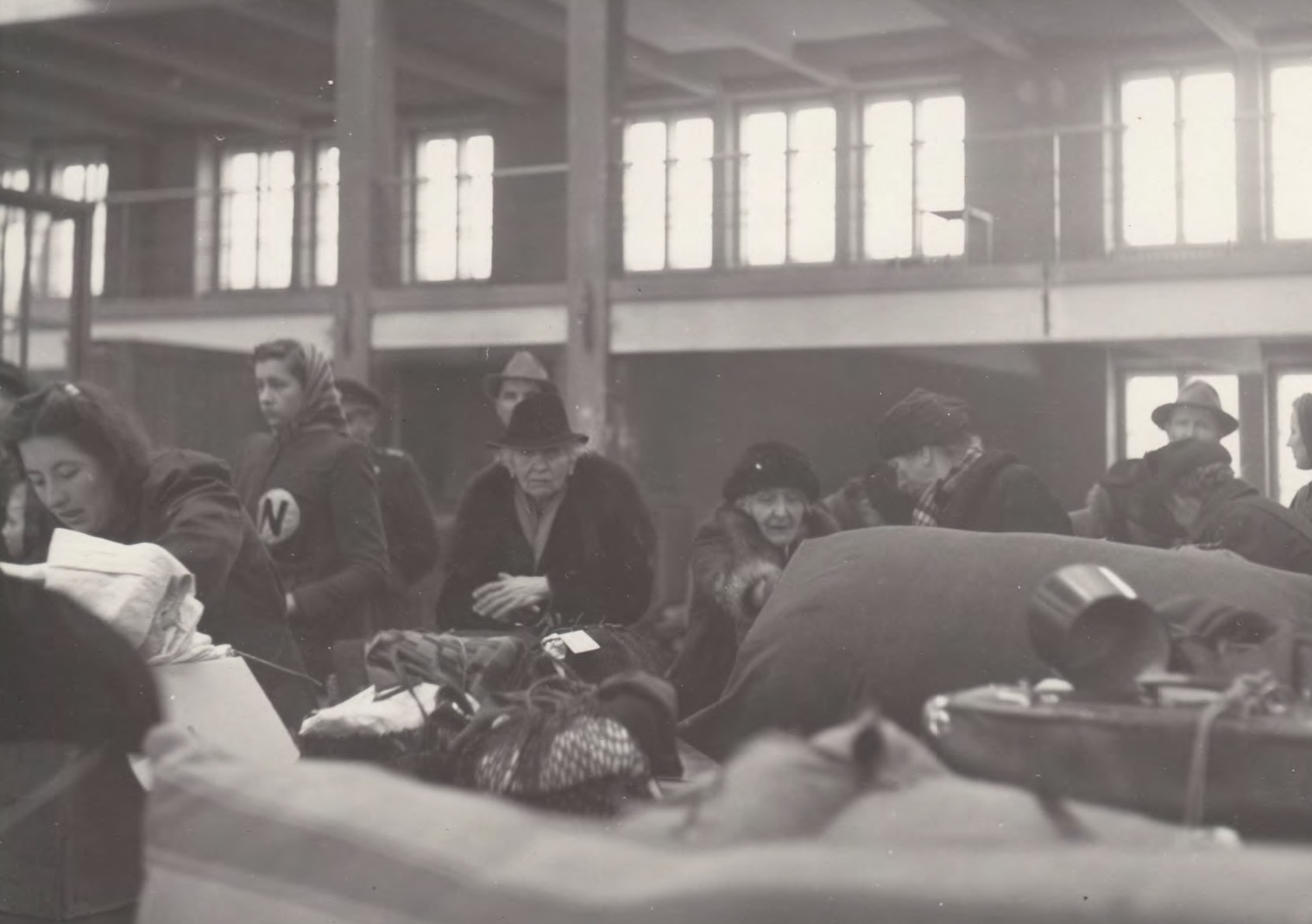
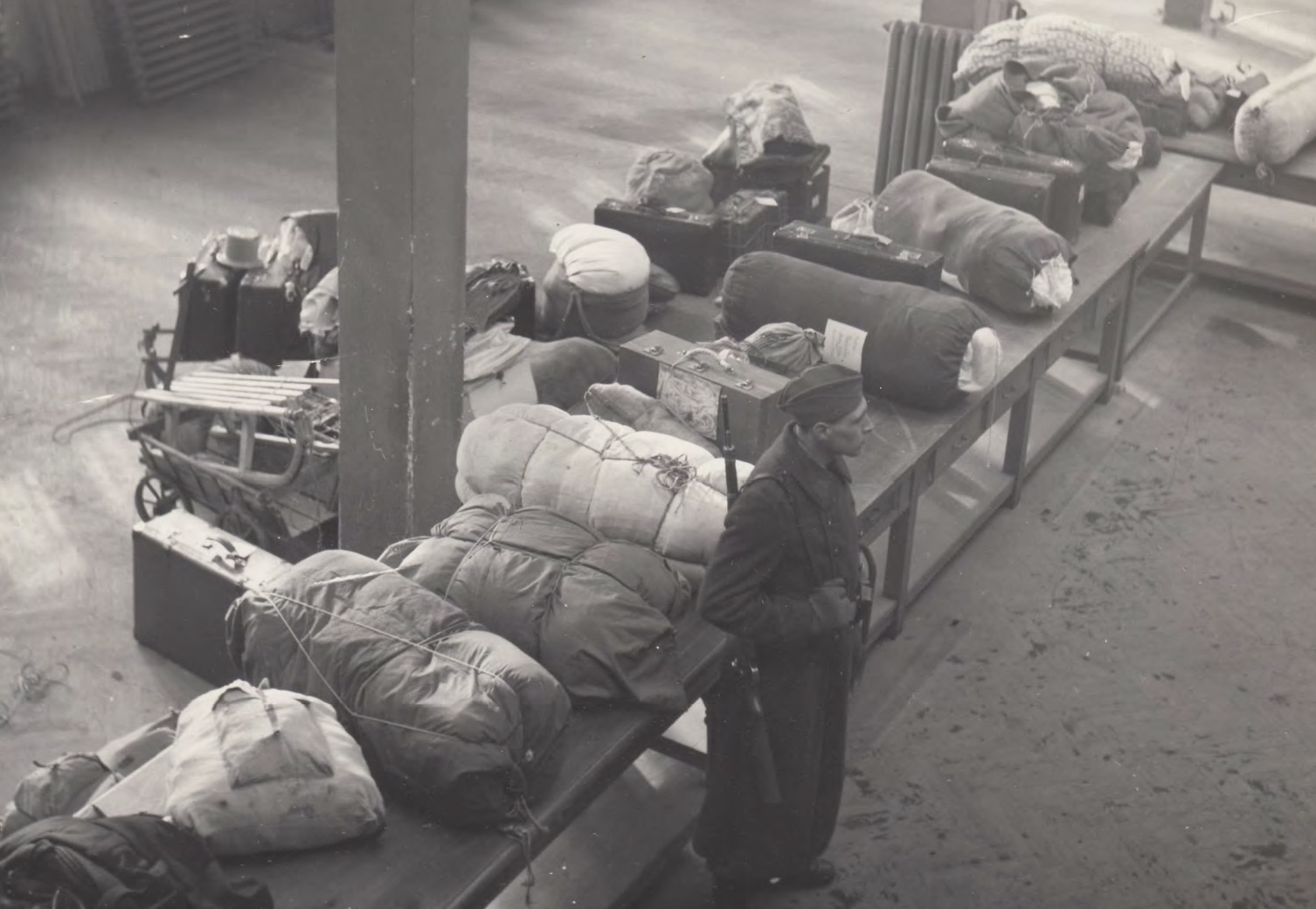
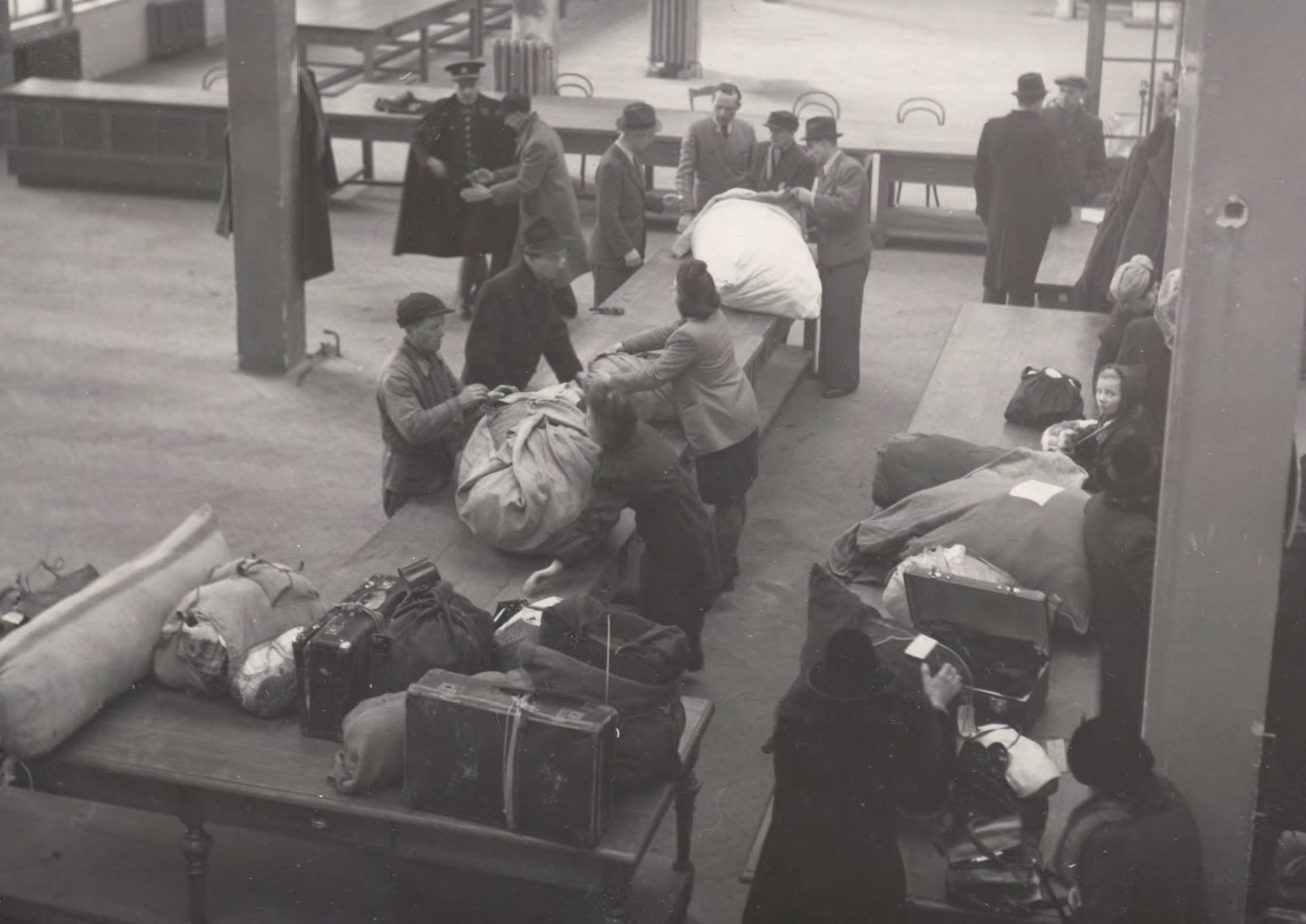
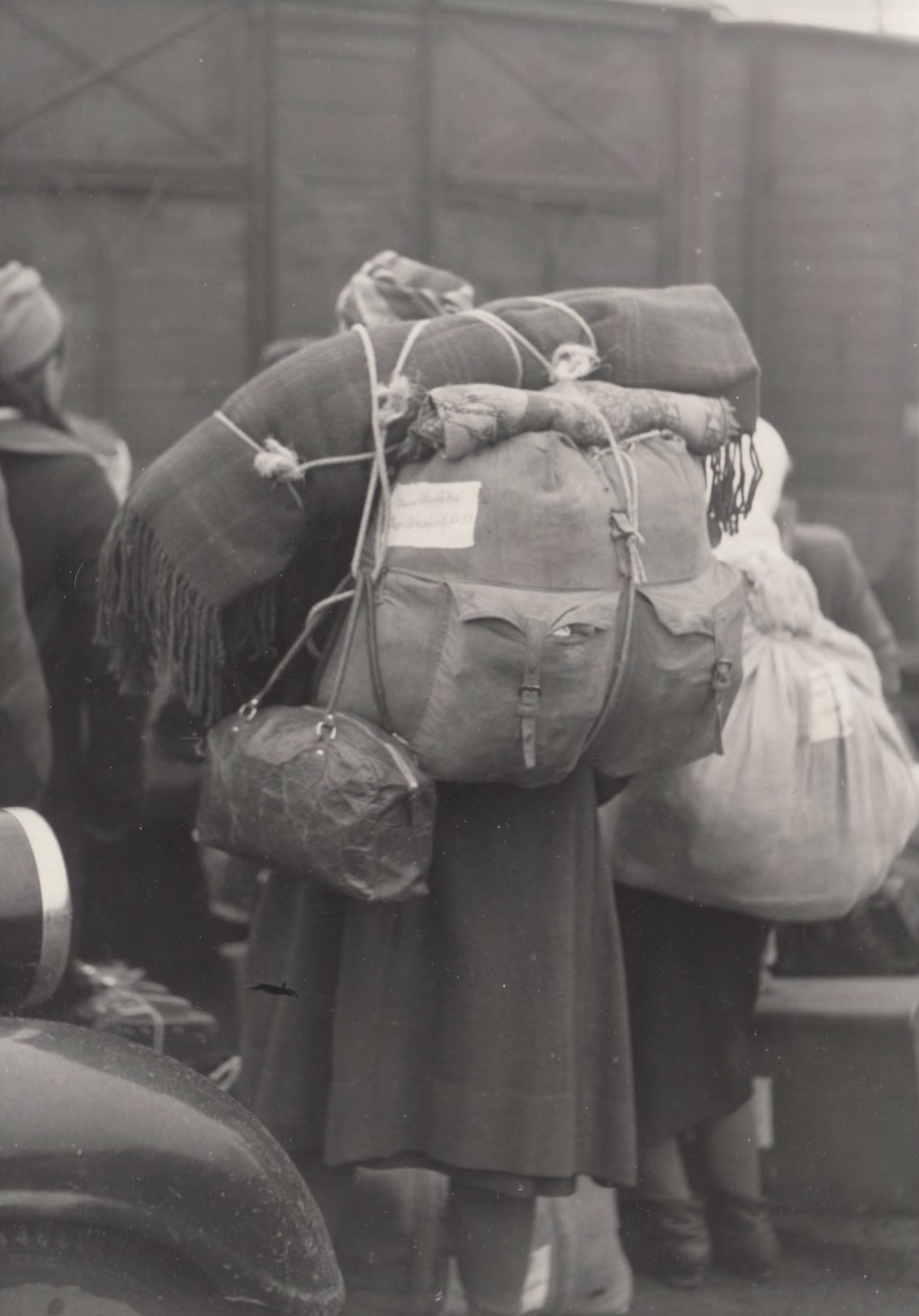
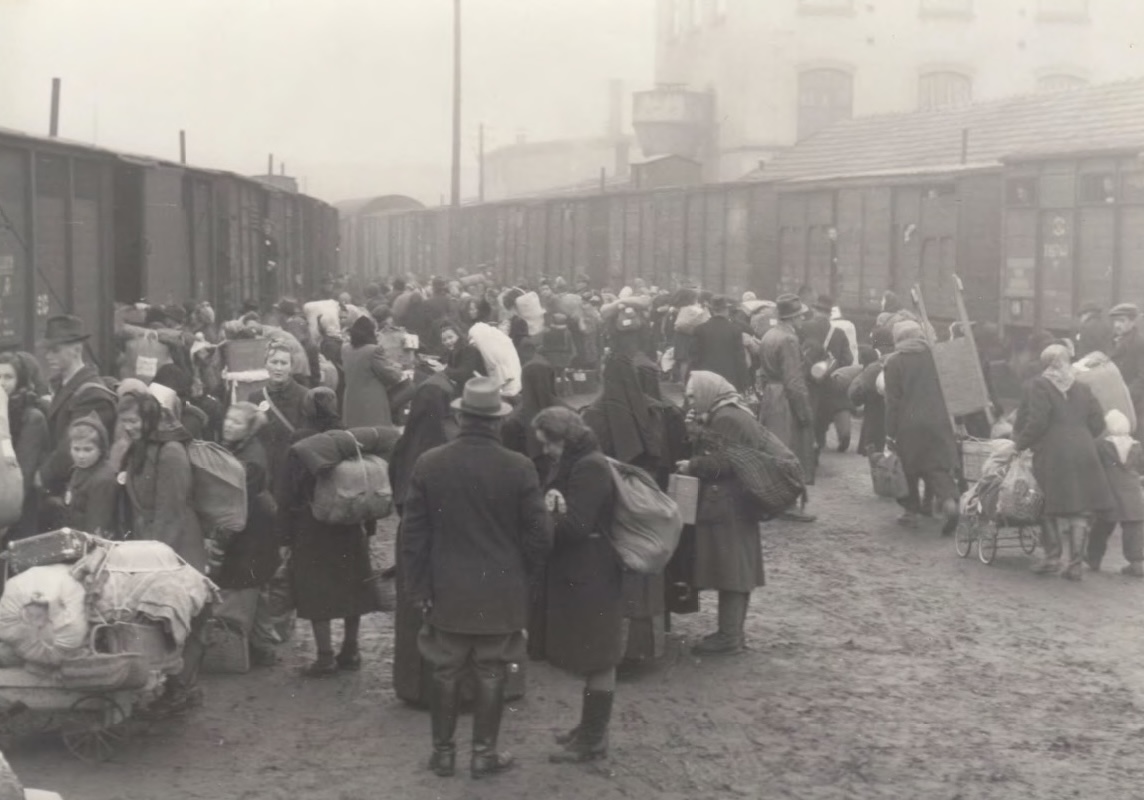
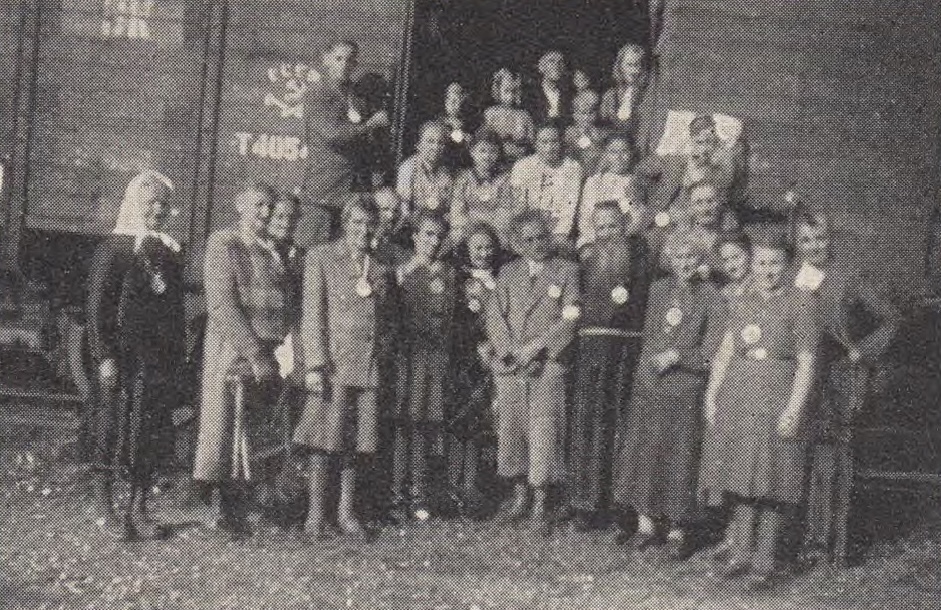
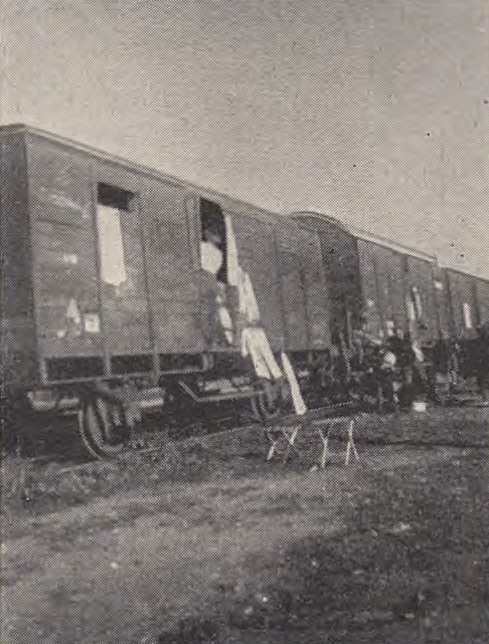
"All the German women and their children have to go to the main station in Ostrava in one hour. So my mother packed everything she needed. Before that she prepared us good shoes, clothes and so on. In a quarter of an hour we were ready and then we heard... the tram was no longer running. I don't know how we got to the main station. There were several hundred women and children waiting. I don't know for how long, but my impression was that probably more than midnight or all night. Then the order was, 'There's a train waiting for you, so please, here's the track' and so on, so there were old passenger train carriages waiting without heating. The temperature, as I recall, was about 20 degrees below zero. We boarded there and a few hours later the train was starting to leave Ostrava. Then a few hours later it stopped again, so we went... I'm not sure if it was two or three days. We stopped somewhere in a small town and my mother said, 'Well, we can't stand it here. Kids, get your suitcases off, get off the train.' So we jumped off the train. I don't know how long it was there, and we went underground. There was an auxiliary infirmary. My sisters laid down next to a wounded German-Slovak, everything full of blood. I remember it well. And I laid down on the suitcases."
"I always [notice in people] what kind of personality [they have]. [If they have] an ethical, good character, they respect my personality, and they expect me to respect their personality too. And that's my belief to this day. And throughout my working life, I've worked with that, and I've never fought for the truth in my life. I don't want to fight for the truth. The fight, the fight is, it's a war. I've always worked... worked for the truth, even though the truth is, shall we say, relative."
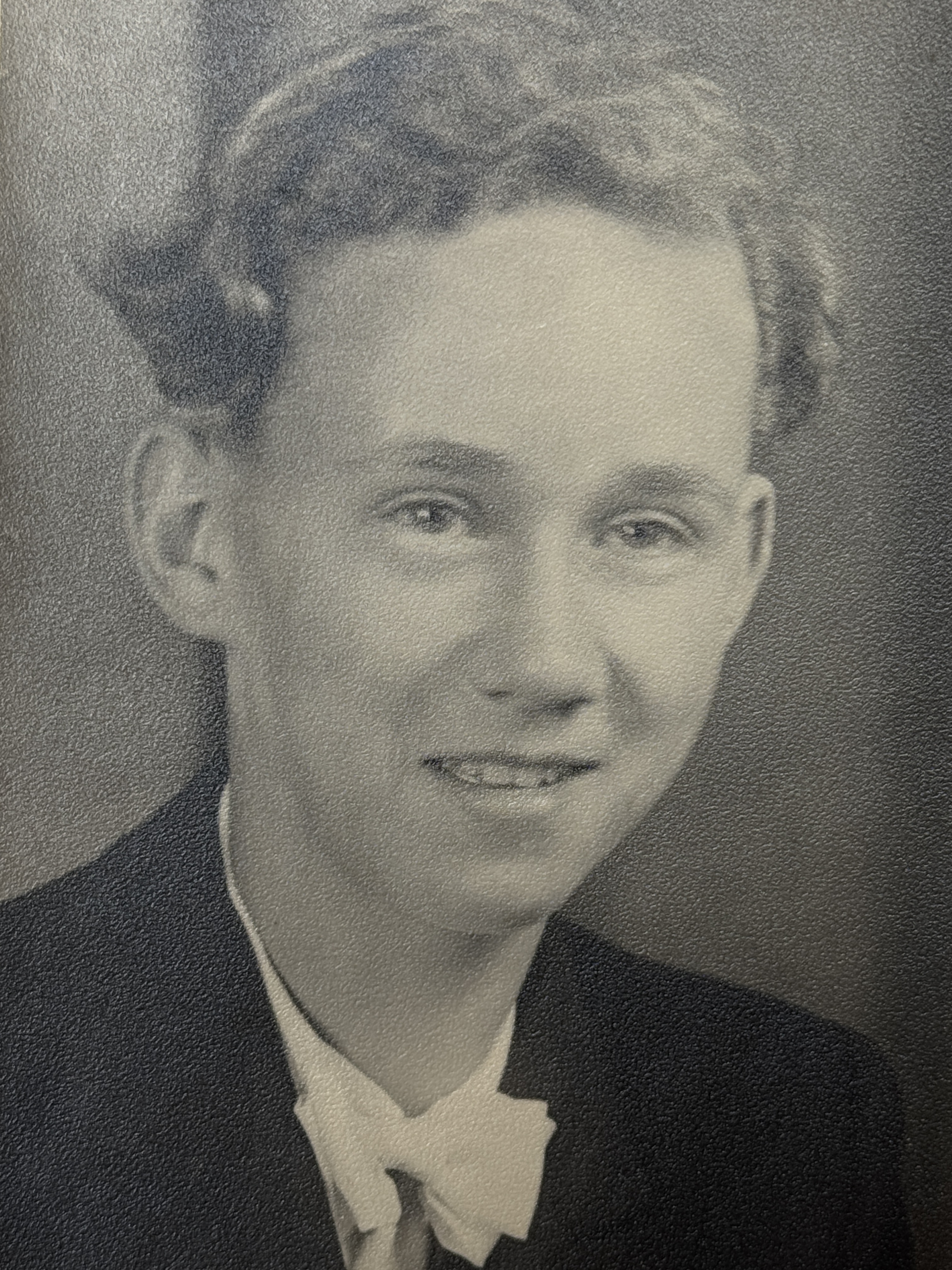
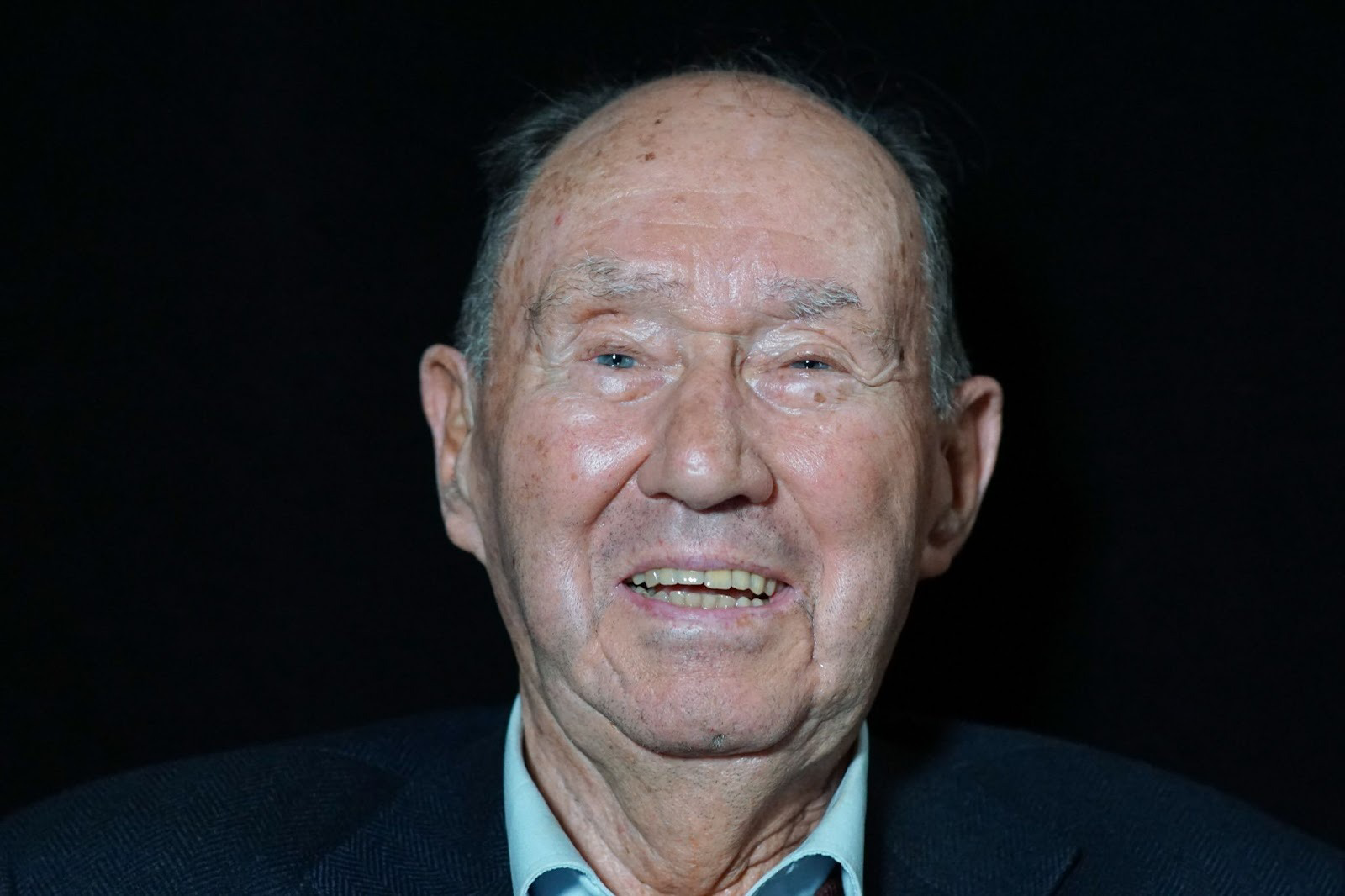
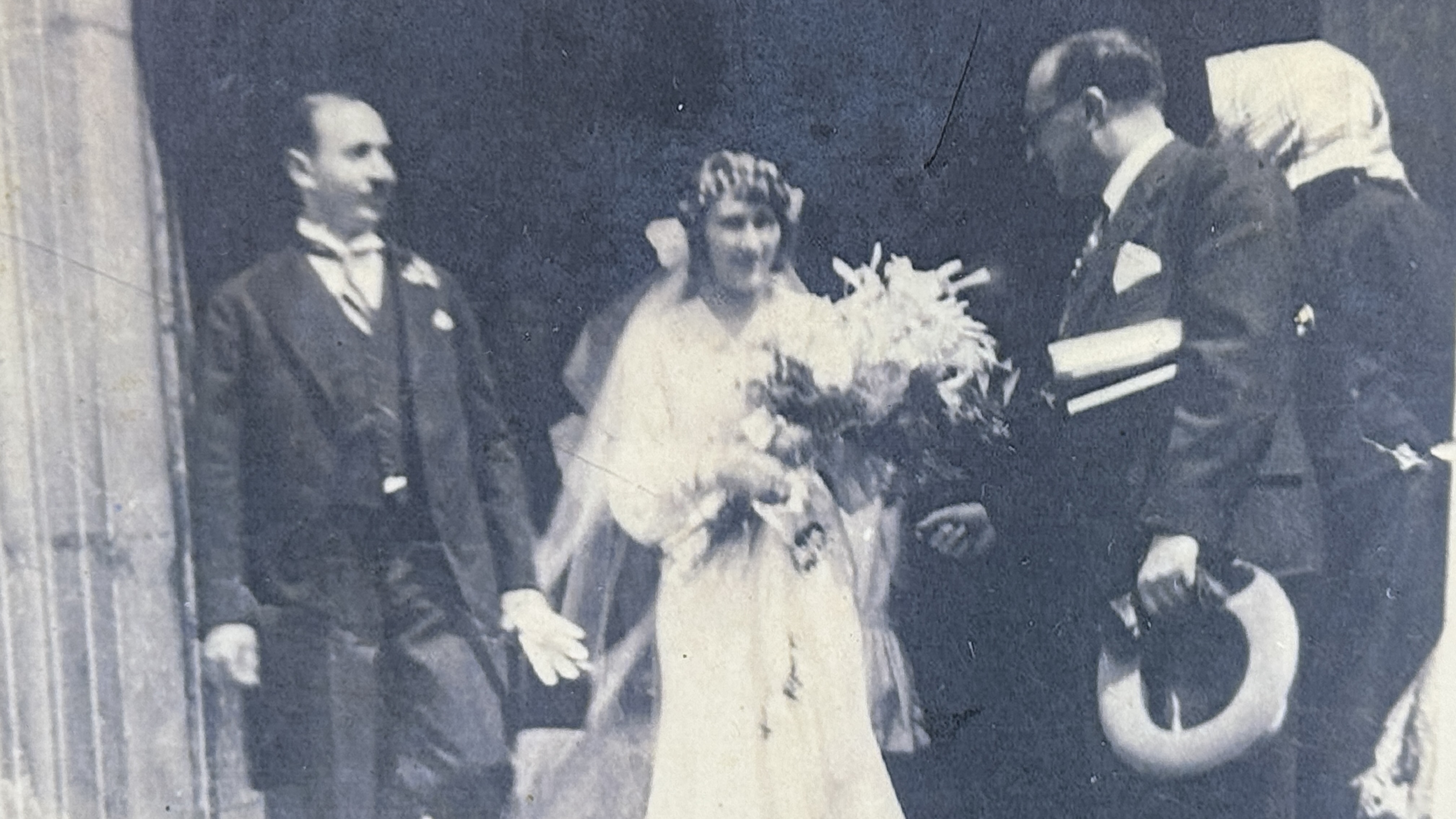
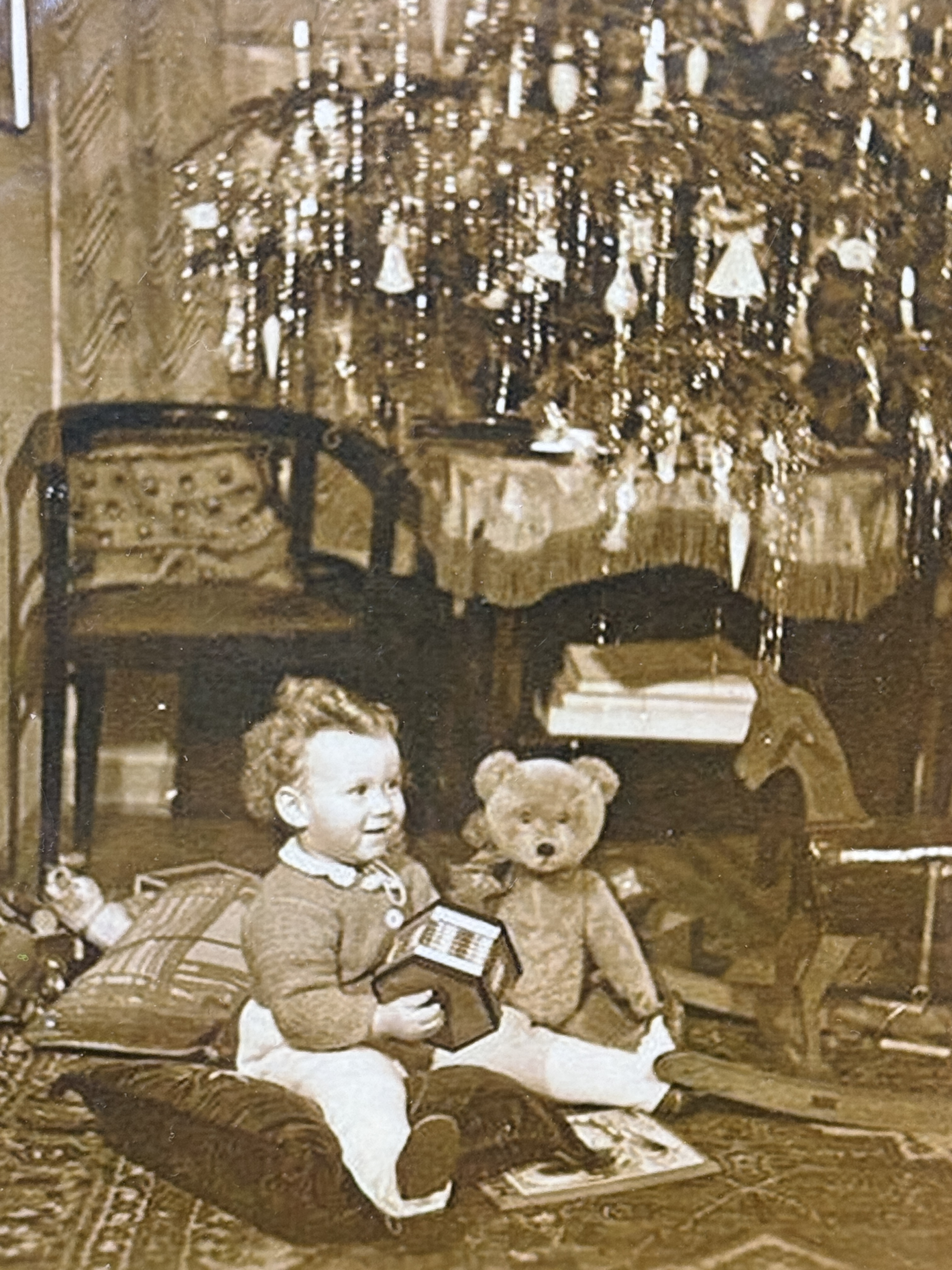
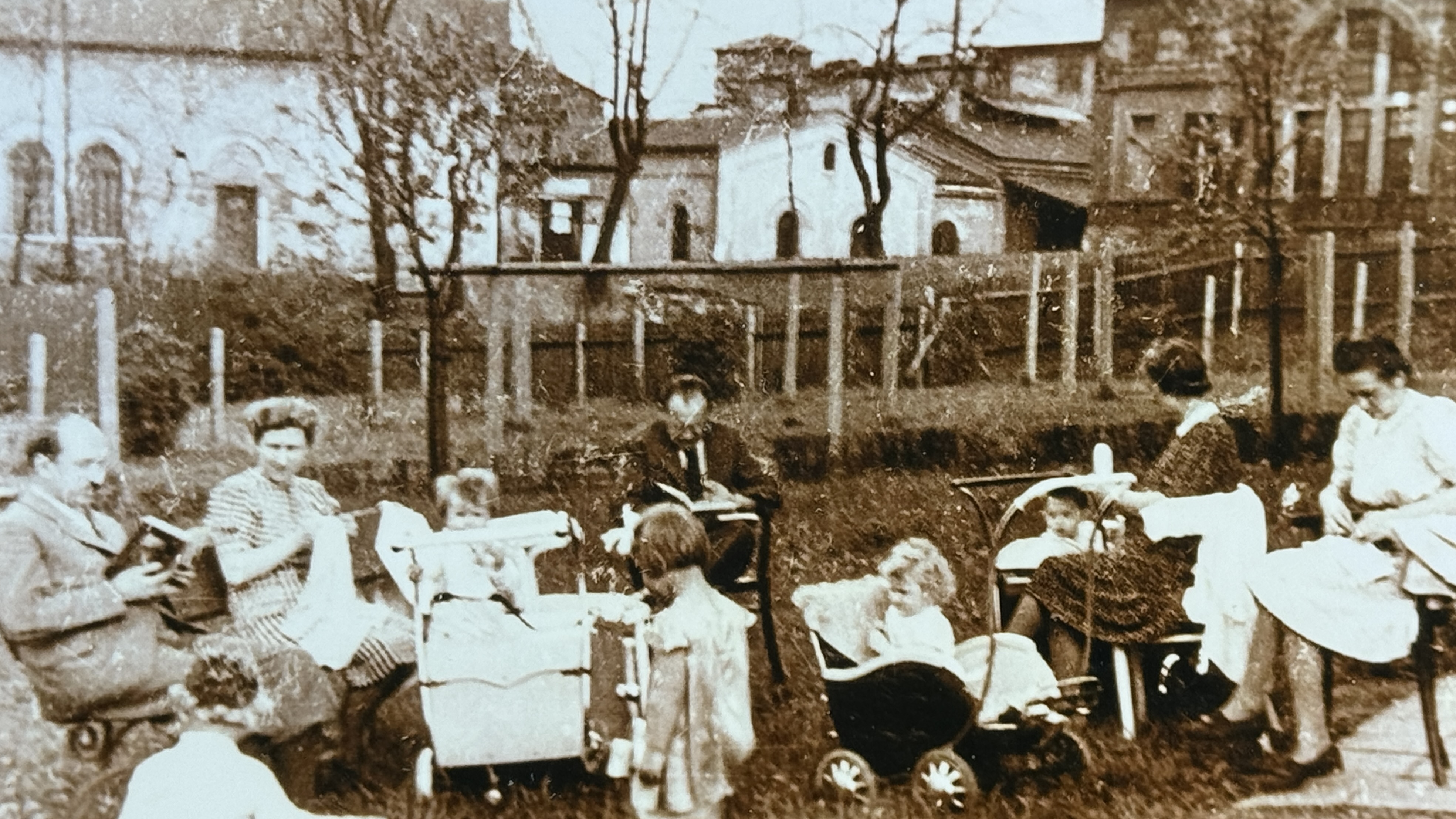
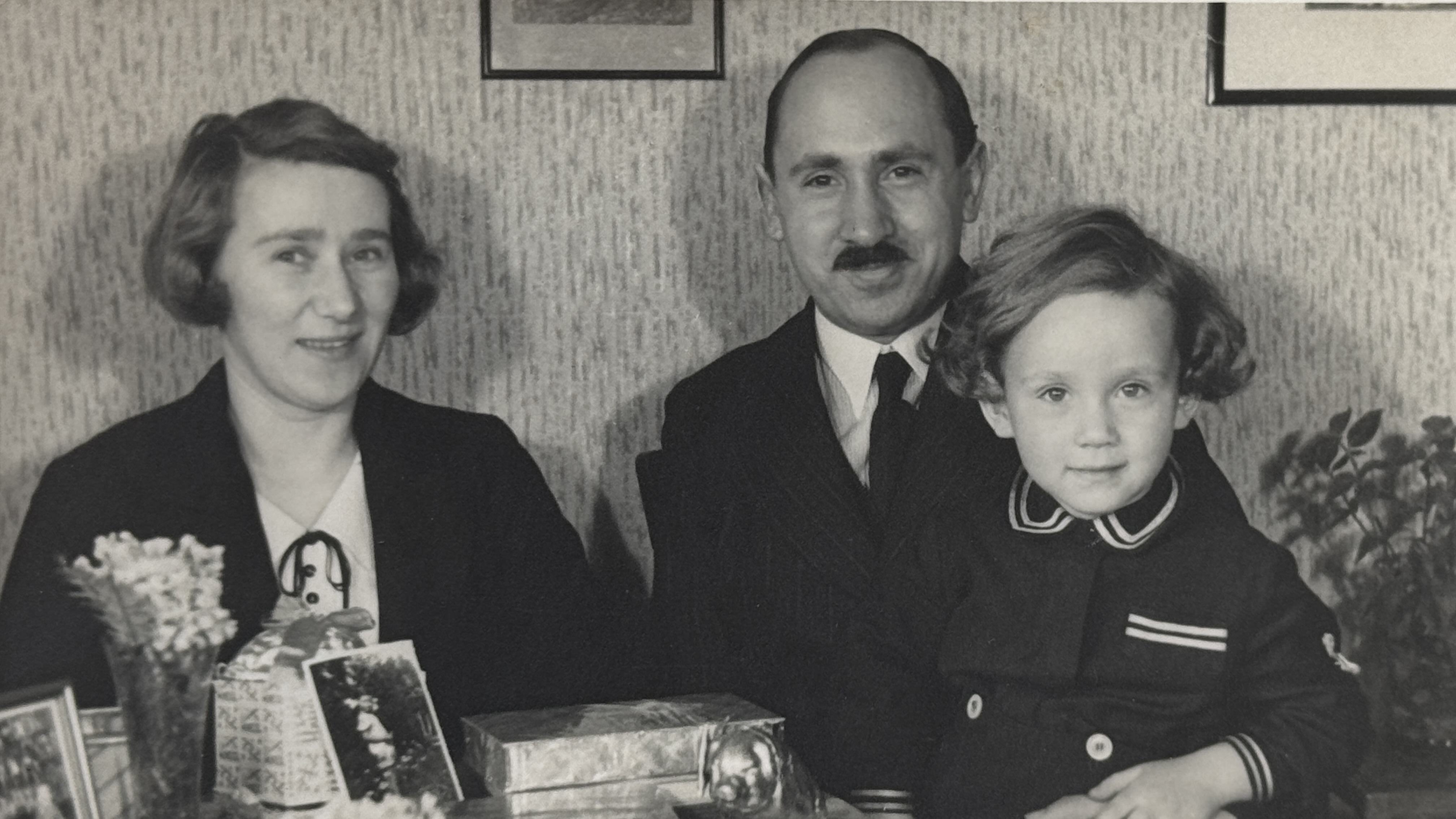
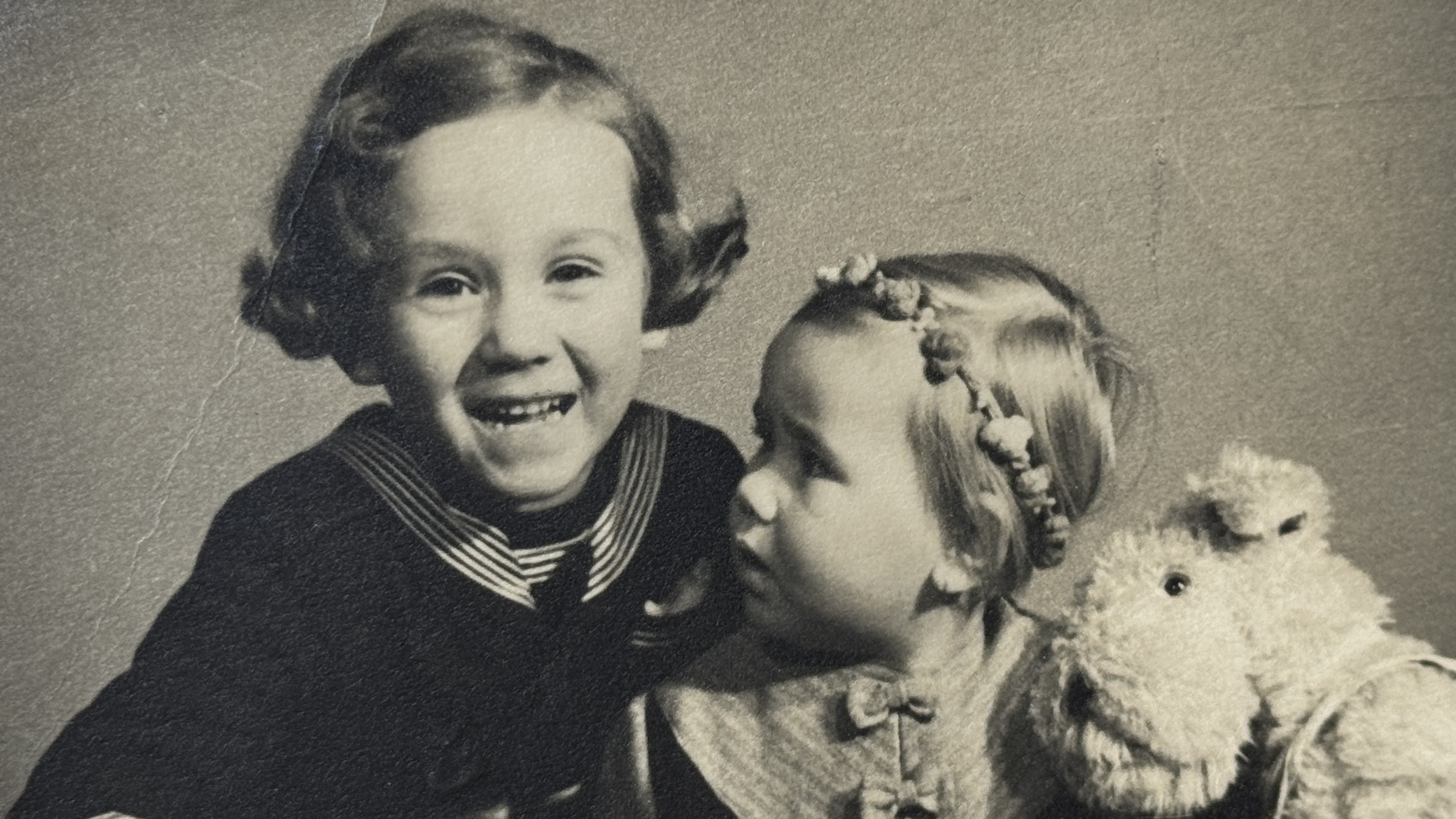
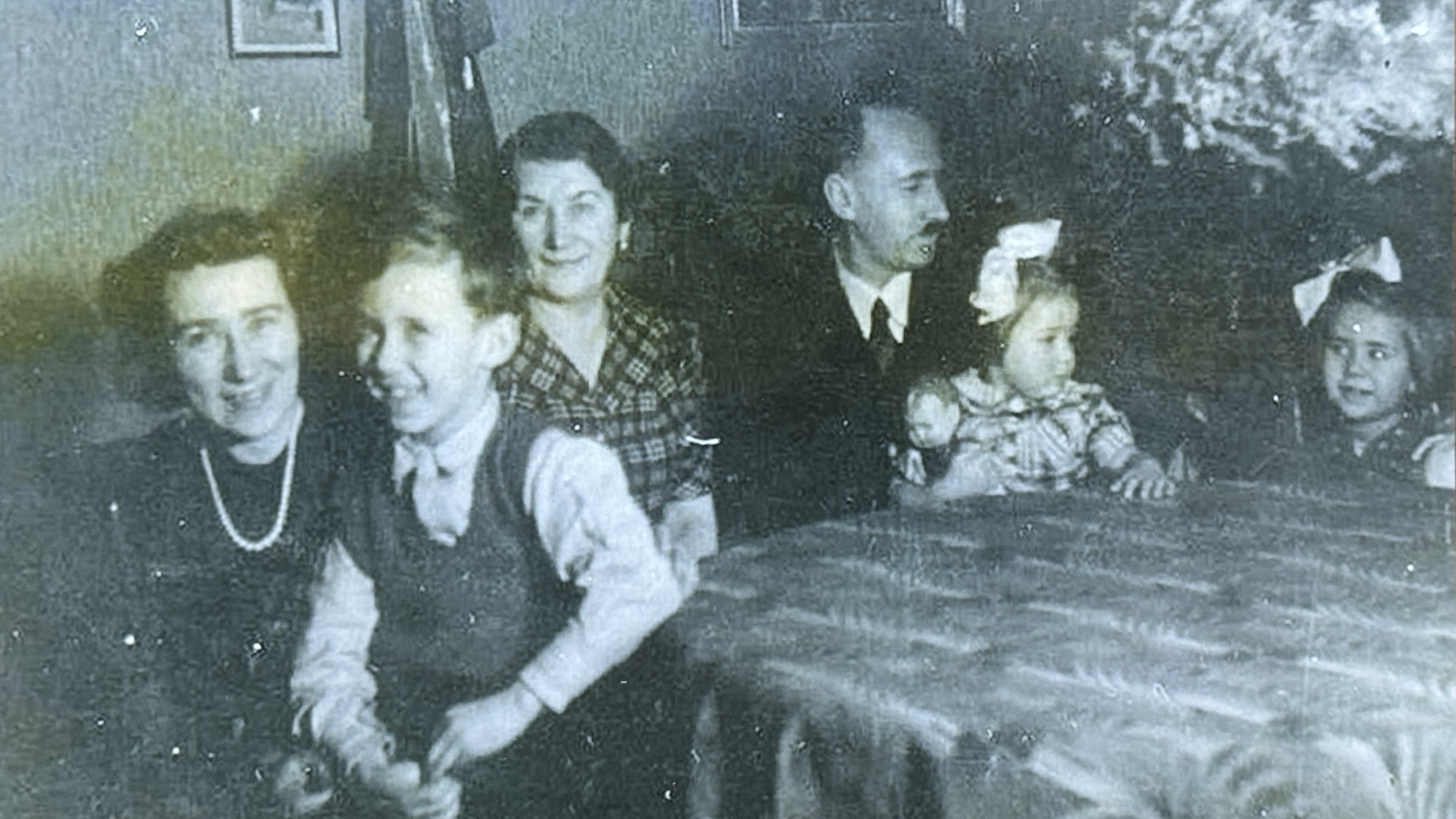
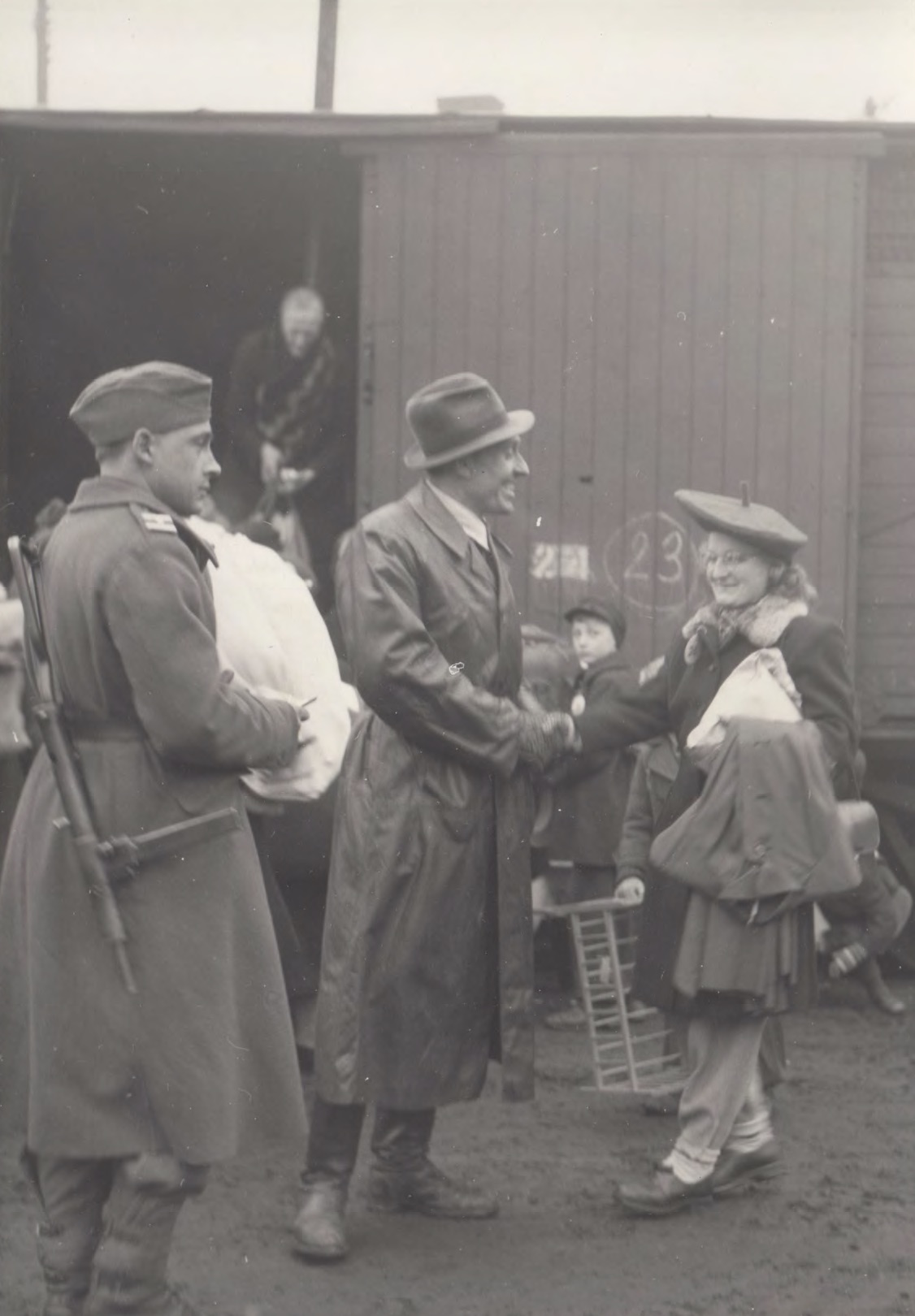
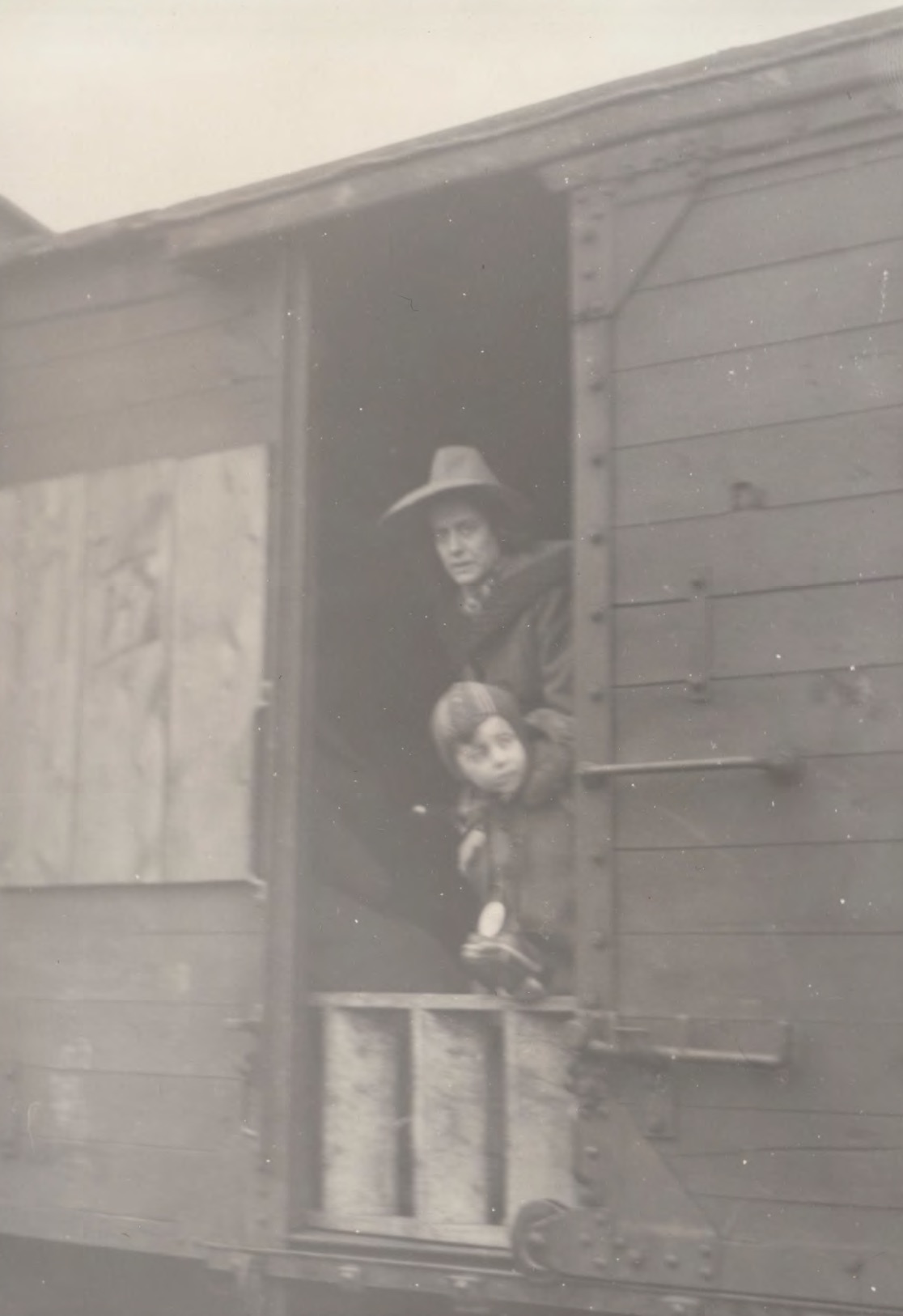
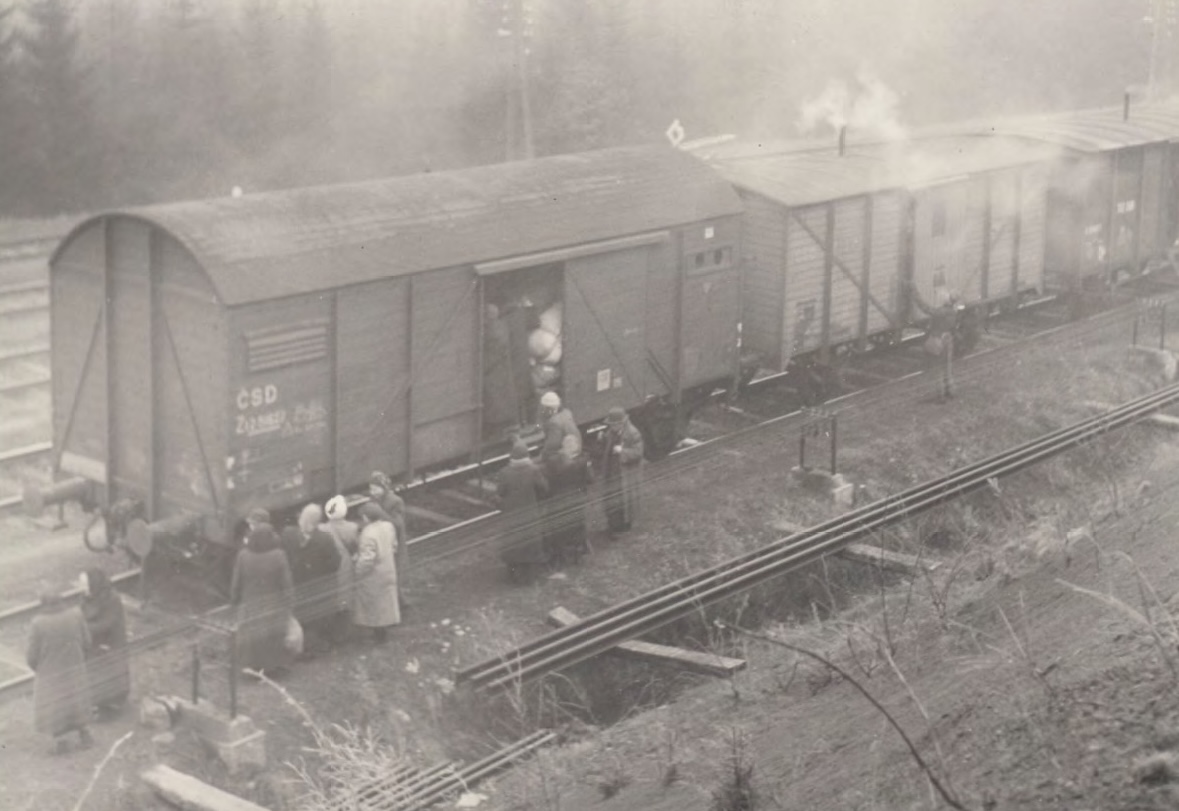
Otfrid Valentin Pustejovsky was born on 22 March 1934 in Moravská Ostrava into the family of Ernst Pustejovsky and his wife Maria, née Nevoralová. He also had relatives in Hukvaldy and Fulnek. He grew up in the ethnically diverse environment of Ostrava, where the differences between Czechs, Germans, Poles and Jews were not blurred in the everyday world of childhood. With the outbreak of the Second World War, however, the atmosphere in the town quickly changed and the manifestations of Nazi ideology began to disturb the lives of the inhabitants. The repression did not avoid the inhabitants of German nationality. On the basis of a denunciation, Marie Pustejovská was investigated by the German Special Court for alleged “un-German” behaviour. His father Ernst was conscripted into the Wehrmacht and was killed in Slovakia in the spring of 1945. During the liberation of Ostrava by the Red Army, he and his siblings hid their mother to protect her from rape. In September 1945, the family moved to Fulnek, where they spent a year in the environment of the badly damaged town. In 1946, they were included in one of the last transports bound for the American zone in Germany. After an arduous journey, the family made their way from Nový Jičín to Bavaria, where they had to start a new life in an unfamiliar environment, with no background and no social ties. After the events he had lived through, he refused to speak Czech. Only years later was he able to cope with this experience. Gradually he studied at university in Munich, Vienna and Chicago. He began to devote himself professionally to Czechoslovak history, including the subject of German anti-fascism. In 2025, he decided to visit Ostrava again and came from Waakirchen. The recording took place in cooperation with Czech Television and the Museum of the Nový Jičín Region.