Dr. Michael Piatti-Fünfkirchen

* 1955

  • "Let me tell you another related story. In 1990, I started to take back and manage the Moravian land that had previously belonged to our family, working with the authorities, private individuals and the land fund. Back in Austria in 1983, when the ballon story happened and Moritz was born, we started to convert the farm to an organic mode, which was almost nowhere to be seen at that time. Like hippies - they thought we were crazy. We had no idea if it was going to work. It worked out very well, the business has prospered and is still prospering today, doing well, investing and expanding into the Czech Republic, where we have managed to get the old Fünfkirchen land back through restitution documents, buyouts, leases and swaps. The 1990s were a wild time. The laws changed every six months and you could never be sure if something really belonged to you, even if you paid for it. It was not certain. It always worked out well though. The Czech authorities have always been very fair, correct and to-the-point, and also Czech private people who already owned property have actually always been fair and I have never been cheated, well I was once, but that's okay. It was really good, especially the authorities in terms of administrative organisation. The Czechs reset the land registry in the shortest possible time. I mean, there were four different cadastre systems on the same plot of land: the Maria Theresa, the 1920s new cadastre, then Hitler's new cadastre, and then the communist cadastres. Some municipalities did it, others didn't, it was chaos, total chaos. Nobody knew who owned what. In a very short time, in two years, the Czechs cleaned it up, created a cadastre, created a land register, made it available on the internet for free: who works there, how big it is, who owns it, great. That was a great achievement that people don't know about. Yes, it usually takes decades, and centuries in Austria."

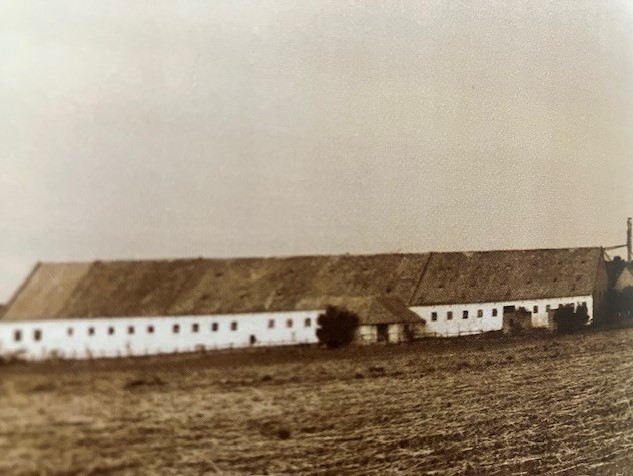
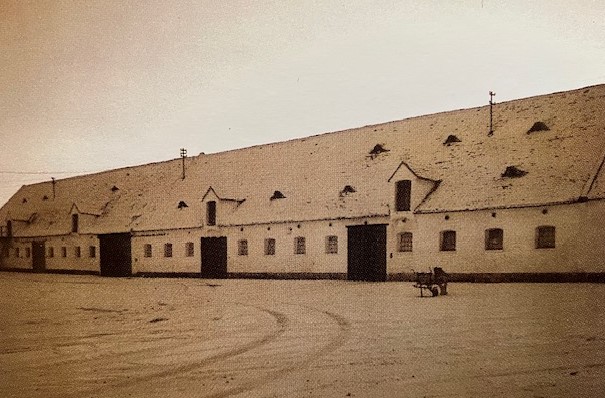
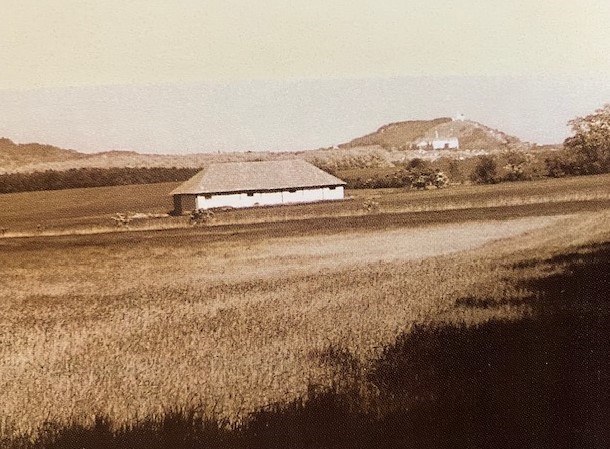
  • "I got married in 1983 and moved with my wife to Stutenhof and we lived there. Before that I lived in Loosdorf or Vienna. Stutenhof was a beautiful big farmhouse in a beautiful location. An absolutely beautiful place, no other buildings in sight for miles around. You could turn 360 degrees without seeing another building. You don't get much of that nowadays in central Europe on flat land. My wife and I moved in, then Moritz was born in 1983, the first of four children. Before the birth, we were "hippies" and didn't go to the hospital because my wife said she wasn't sick and didn't need the hospital. We had a very good midwife, old Mrs. Sojka who arranged and prepared everything for the birth, which she also attended at Stutenhof. The nearest village was five kilometres away, the nearest hospital was almost 45 minutes away. We were young and Mrs. Sojka handled it well; the doctor did not come. We phoned her, of course by landline as there were no mobile phones or the internet then. The doctor didn't come because she couldn't hear it at night, but Mrs. Sojka was there and she handled it perfectly. I had no idea about giving birth; I was completely lost. It was really an existential shock, if you can call it that, but everything turned out fine. Little Moritz was born and then Mrs. Sojka put a plastic bag in my hand and told me it was the placenta and asked me to get rid of it. So I went out, happy and sleepy, already asleep. It was very early, four o'clock AM on 8 September 1983. I buried the bag as deep as I could so the foxes couldn't get it, and then I had a fit of tears of sheer happiness. Suddenly I looked up at the sky and saw a balloon flying over the border, over Mikulov, in the first rays of the sun. I noticed it flew towards Austria. Fast forward many years into the future. We started growing potatoes in Stutenhof. I needed large wooden crates for storign one thousand kilograms of potatoes, and one Mr. Magušin from Slovakia, near Bratislava, was recommended to me. I called him, he spoke German, not very well but still, and I sent him a fax with drawings of what it should look like, and we agreed on a price and it was done. After a month he called me and said that the boxes were ready and that he would come with two trucks and assemble them on the spot and bolt them together. Then he asked where exactly he was going. I said, 'Stutenhof, but you won't know; I'll explain where it is.' He knew exactly where it was. I thought, 'He knows where the Stutenhof is? Nobody else does!' Then Mr. Magušin appeared and I asked him how come he knew where he was supposed to go. He replied that he had served in the military in Březí for two years. I asked him stupidly what it was like. He replied: 'What do you think? It was horrible, of course. The food was awful and in short supply. It was gross; two years of doing nothing. Drab, disgusting. Except once... but it wasn't that simple. I was on guard duty with a mate and a supervisor, walking the 'signal gas' - the roads in front of the razor wire as seen from the Czech Republic, towards Austria, and the three of us were walking at about four in the morning or so. There was a balloon flying and yes, we were ordered to shoot and we were supposed to shoot at the balloon but we refused.' He said, 'Those Russian rifles aren't working again, fucking rifles! We didn't shoot and we went to military jail for a week.' Then he said it didn't matter if you were in jail or not, it was pretty much the same in the army. I looked at him and I said, 'Oh yeah, that was on 8 September at four o'clock in the morning.' I can still see his jaw hitting the floor. He thought I was a KGB agent. So, both of us saw the balloon from our respective sides."
  • "I went to a Jesuit school in Vienna. Eight years of boarding school, very fun, and they drove us to Vienna on outings every fortnight or three weeks. My father used to count the Czech cars he met on the "Brno street" or "Vienna street". There were more and more of them; it was very open and liberal by then thanks to Dubček. My father also had contacts with Czech farms, the Mikulov State Farm and the State Farm in Drnholec. He kept in touch with the local directors and they even swapped beer across the border. It was actually quite civilised. Then came the invasion and it was all over. There was great excitement in Austria because it was not yet clear which system would win. It wasn't clear because communism was strong both economically and militarily, and the whole thing could have turned out very differently. There was always a car with a full tank at home in Loosdorf. It was not clear which system would survive the Cold War. Then it was cut short and closed up again. The end."

  • Full recordings
  • 1

    Mikulov, 29.08.2025

    (audio)
    duration: 01:14:50
    media recorded in project Living Memory of the Borderlands
Full recordings are available only for logged users.

Strangers suddenly became neighbours

Michael Piatti-Fünfkirchen
photo: Witness's archive

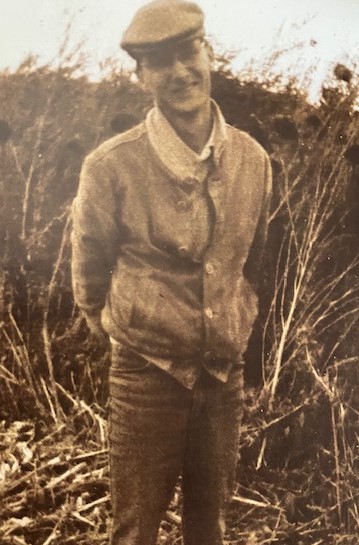
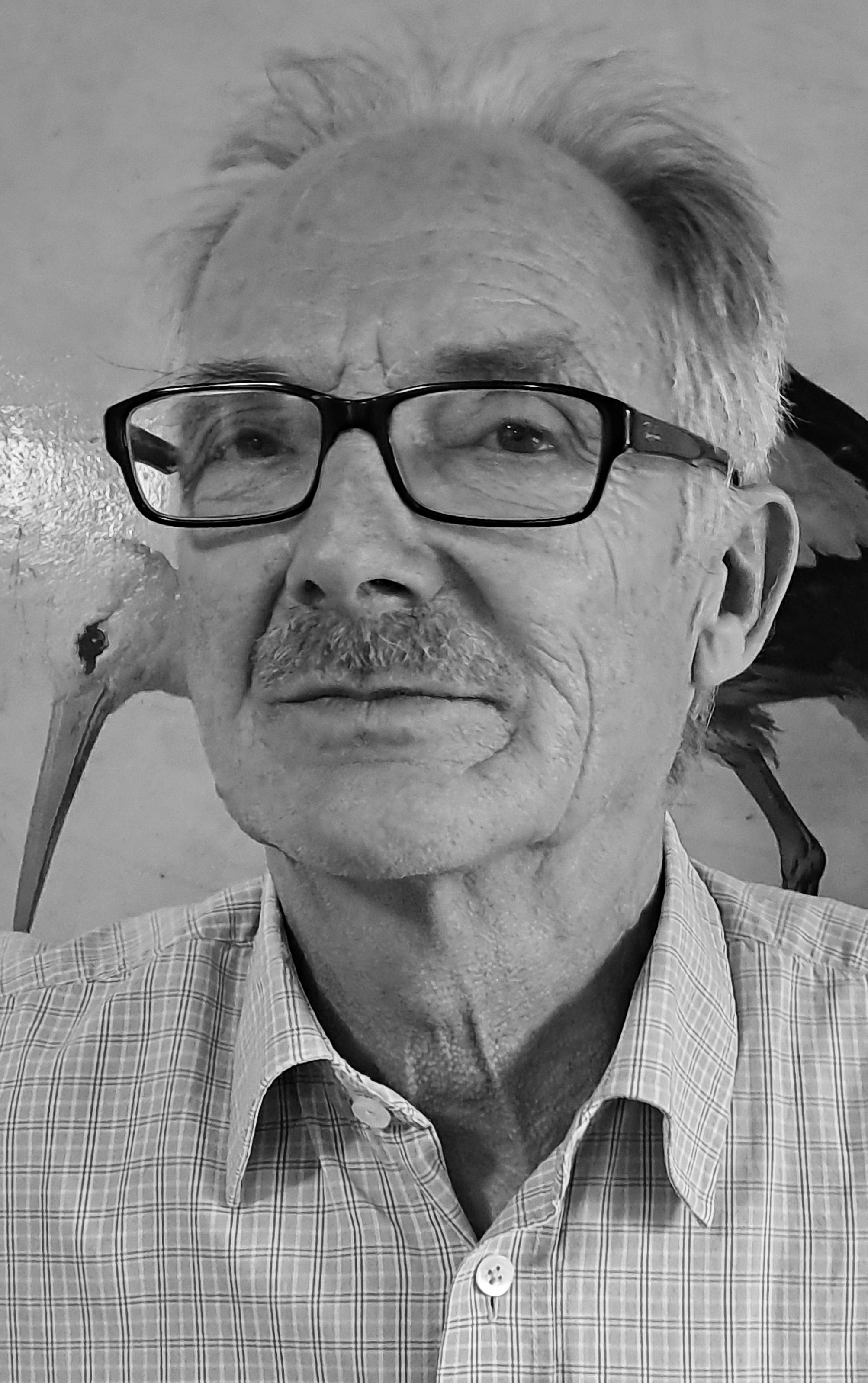
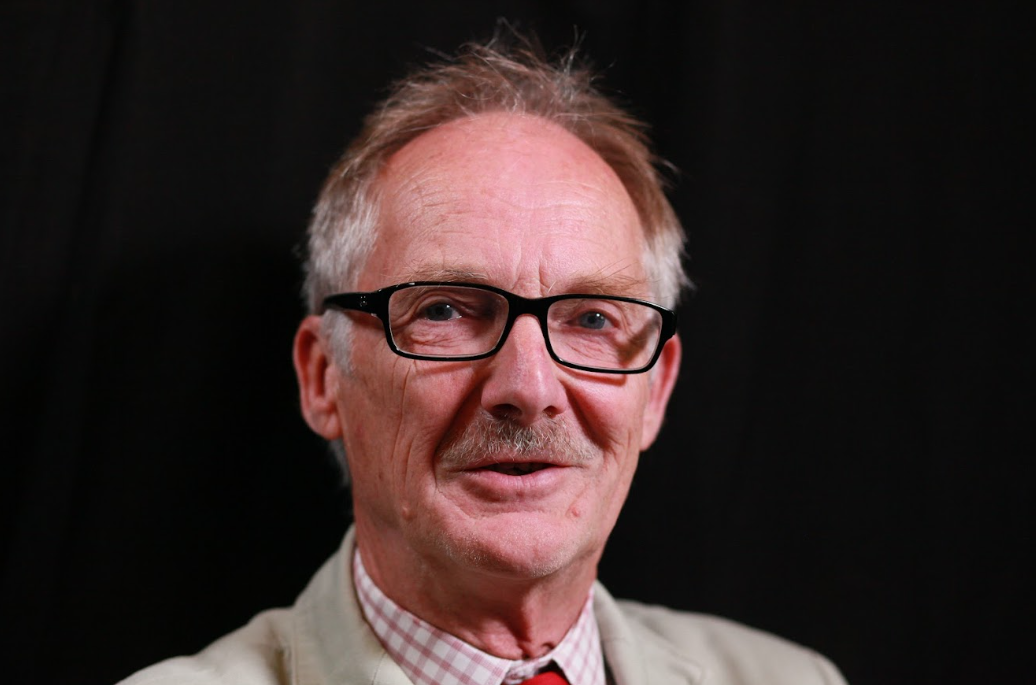
Michael Piatti-Fünfkirchen was born on 23 January 1955 in Vienna into the noble Piatti family and spent his childhood in Loosdorf. At age two, he was adopted into the prominent noble Fünfkirchen family, effectively becoming the owner of the Stutenhof estate of the Neuruppersdorf forestry. Stutenhof later became his residence where he lived essentially on the verge of the system. He visited Czechoslovakia under the communist regime. In the border region, he witnessed first-hand a dramatic escape across the state border using a hot air balloon. In 1983 he decided to focus on organic agriculture. In the 1990s, he also started a business on the Czechoslovak side of the border and became one of those who helped introduce the principles of organic farming to the Czech Republic. He also used his experience in working with the European Commission, taking part in the development of European agricultural policy. He was living in Wildendürnbach close to the border in 2025.