Marie Petrová

* 1954

  • "There was mainly nowhere to go to complain, it wasn't. We just took care of people - what we had to do everything, if I told you. Like we'd come in on a night shift, like this after New Year's, and there'd be like thirty receipts at once in one day. We had to get them ready at night, I mean, in the morning. That was back in Brichta's time, he used to make up shit like that. To take blood from all thirty, to give blood to all thirty, to give some of them catheters, to take everyone's temperature, to take everyone's blood pressure - the fifty or however many people there were. And we had to get it all done at midnight, and we weren't supposed to wake up in the morning, so we started at one o'clock to get it done. Terrible. Or on a Saturday, we'd go to the surgery. Today you go to the surgery and then you go home at night. So it was coming in on Monday, doing all these procedures on Tuesday, then going to the internship, then going in for the procedure, the next day they didn't get to eat at all, the next day they got to eat, but they stayed in and didn't go home until Saturday. The whole week with the same procedure."

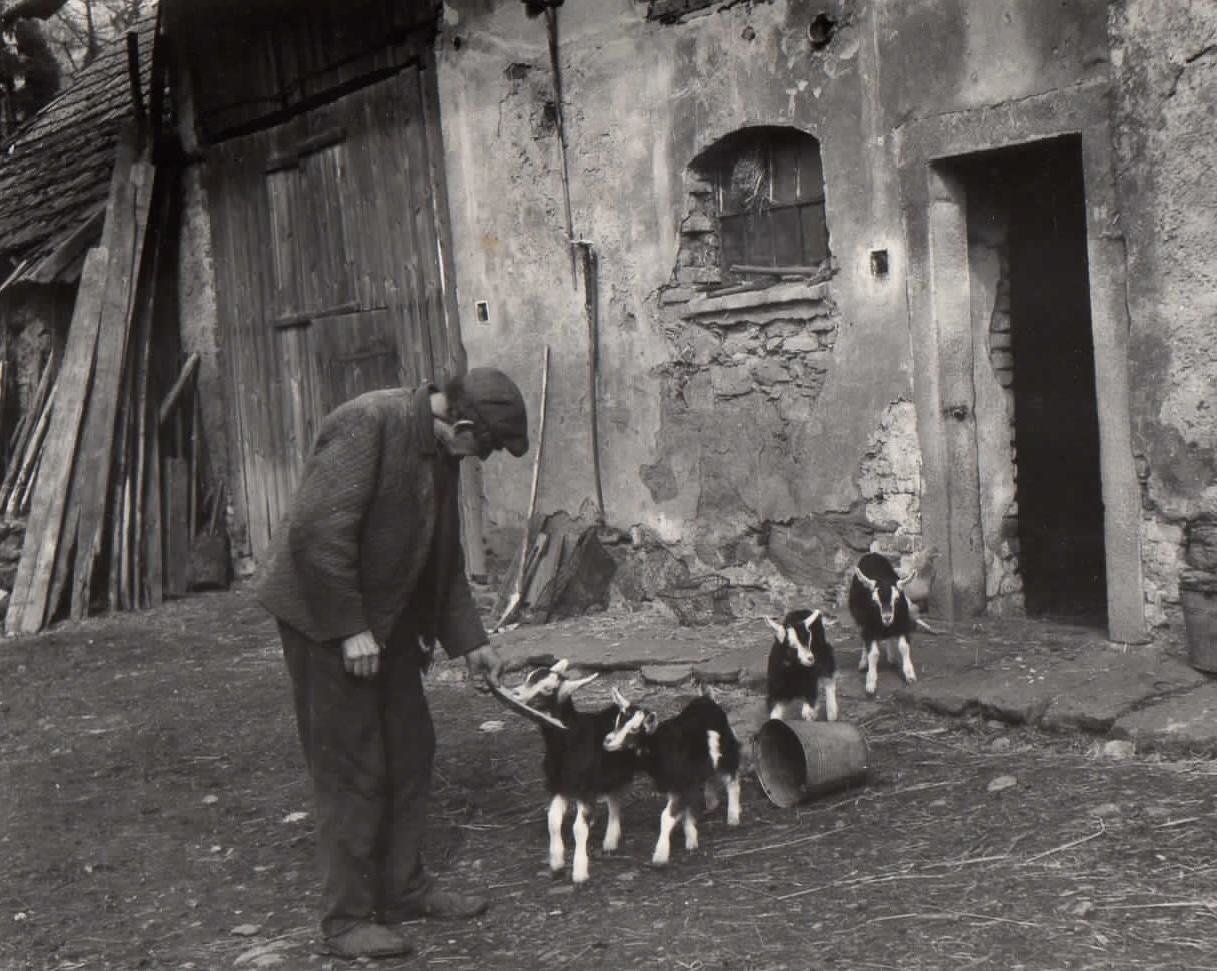
  • "For a very long time, for how many years, at least ten or fifteen years, I had dreams about Kralovice, how it fills with water, how I somehow make my way there. Or how the water receded and the Kralovice was restored, I dreamt about it very often. And the memory is not the only one, but it's like a whole that I always have inside me and it never leaves me."

  • "Right after the war, they actually found out in Prague that they had a shortage of water for Prague, that they would have to look for a water source, so they looked around, they chose several rivers, but they liked the Želivka the most, of course, because it had the cleanest water, it was actually a valley, so it was suitable. Originally they thought that they would make three such reservoirs in a row, smaller ones, and that would save Kralovice, but in the end they decided for a big reservoir. So from the 1950s onwards, you weren't allowed to build there, you weren't allowed to repair it, and people were actually slowly... the town was slowly dying out because the young people were leaving, they couldn't build and live there. And after the war, there wasn't much work there, because they nationalized everything and those people had no place to work. There were no factories, so they went to different towns."

  • Full recordings
  • 1

    Vlachovice , 01.12.2024

    (audio)
    duration: 01:04:57
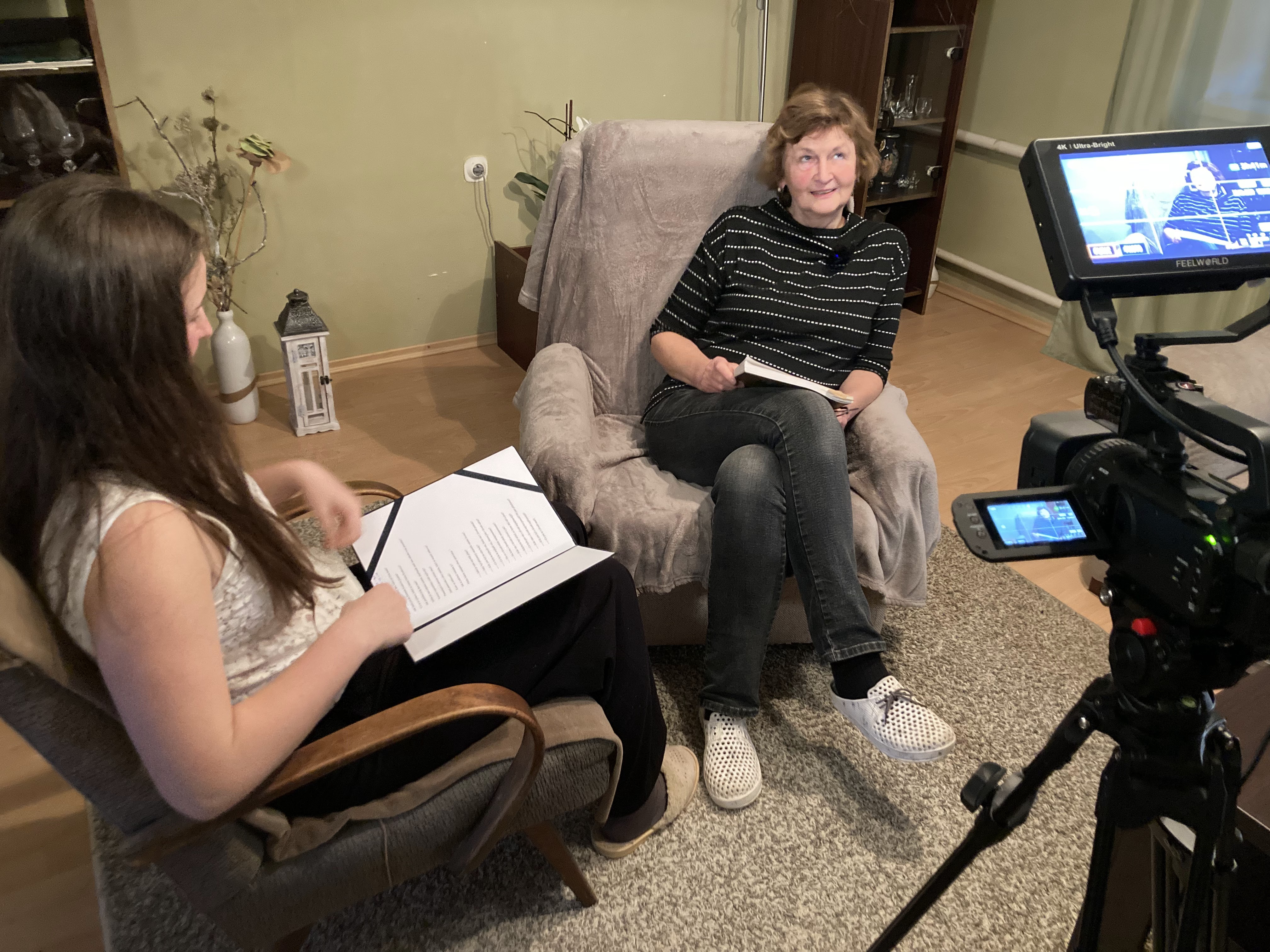
    media recorded in project The Stories of Our Neigbours
Full recordings are available only for logged users.

I dreamt that Lower Kralovice was filling up with water and I was pushing my way through it.
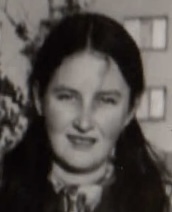
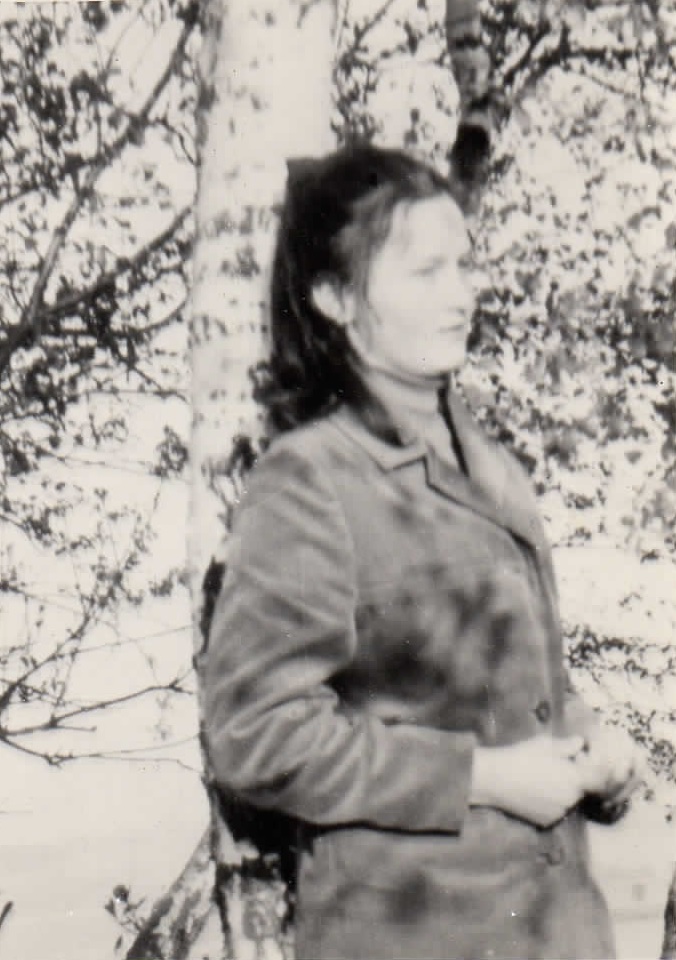
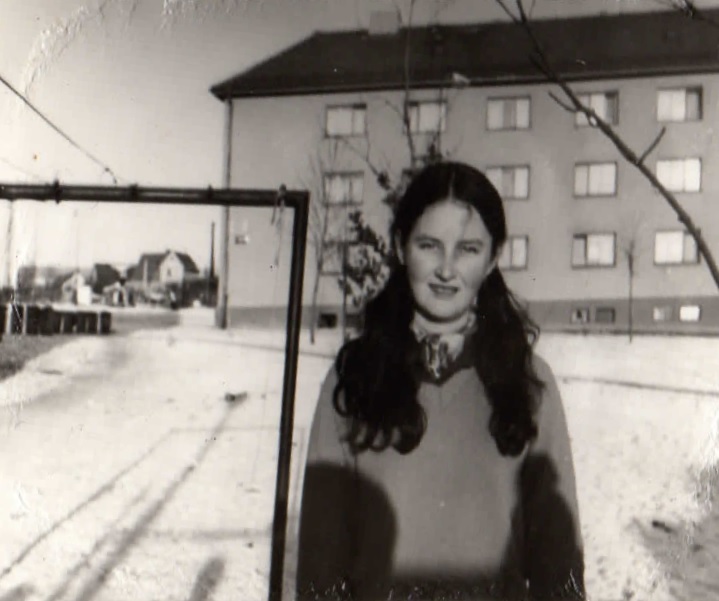
Marie Petrová 16 years old
photo: Archive of the witness

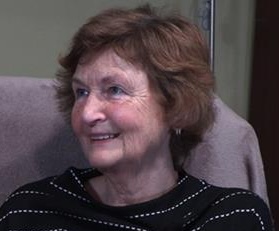
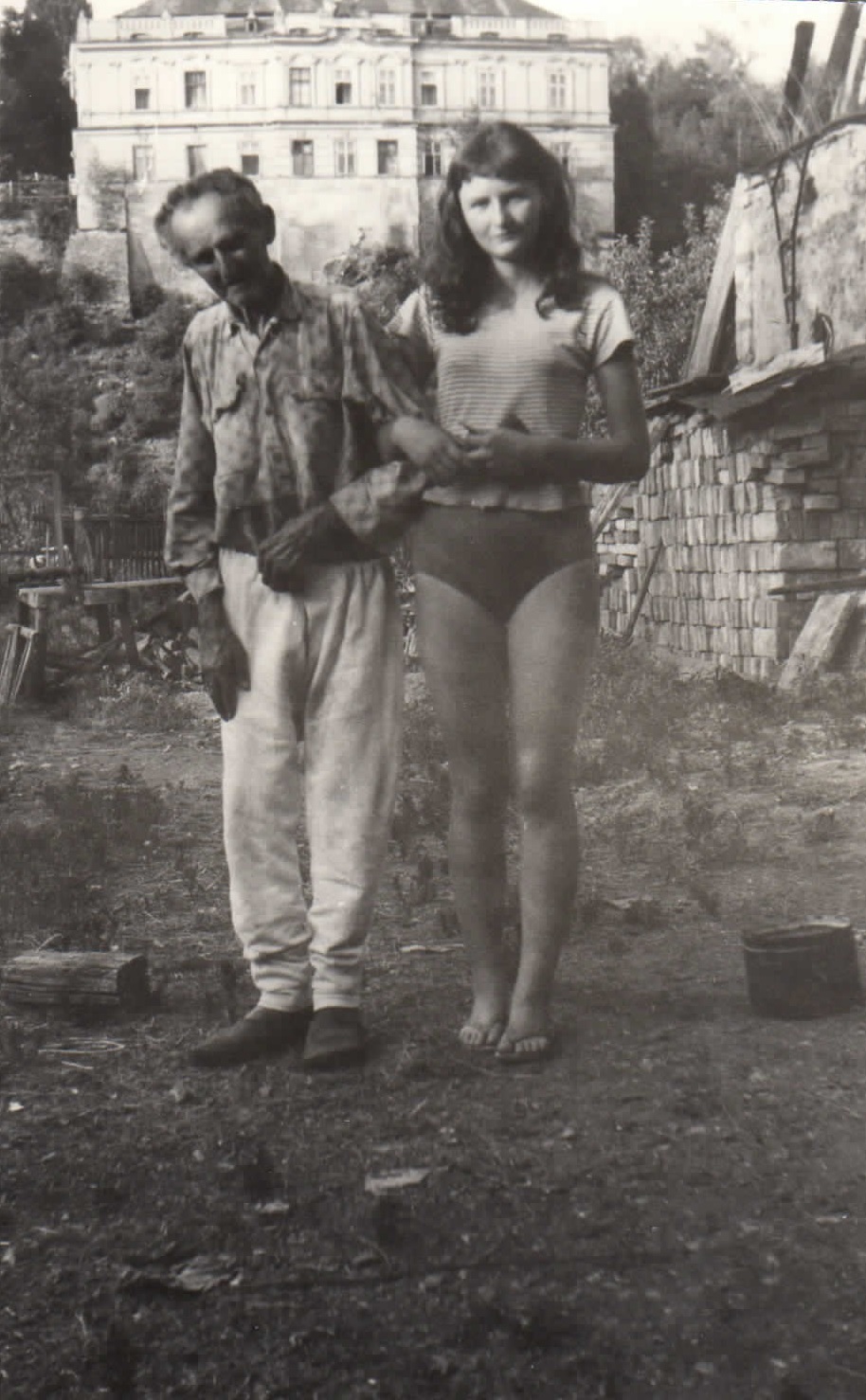
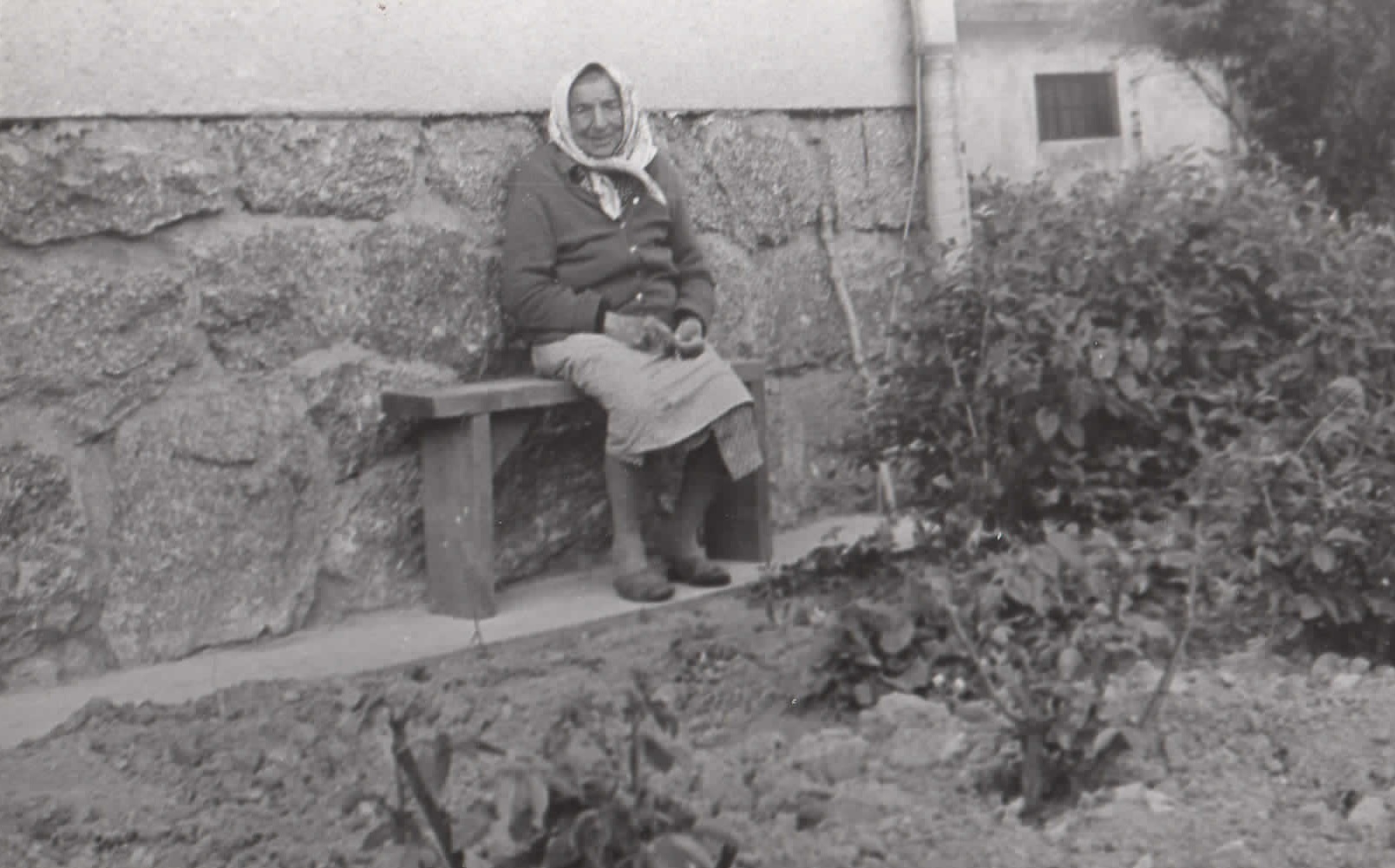
Marie Petrová, née Olišarová, was born on October 4, 1954 in Nové Město na Moravě. Her father came from the village of Dolní Kralovice near the Želivka River. She spent her whole childhood there on holidays and helped her grandparents in the fields. In the 1960s it was decided to create a water reservoir on the Želivka River and gradually it became clear that Dolní Kralovice would end up at the bottom of the reservoir. Nothing new could be built or repaired in the village and gradually people left. My grandmother moved to her sons and grandchildren in Nové Město na Moravě and the others helped to dismantle the house before it was flooded. She graduated from nursing school and worked all her life as a nurse in the hospital in Nové Město na Moravě. In 2024, she was living in Vlachovice.