We believed it would get better
Download image
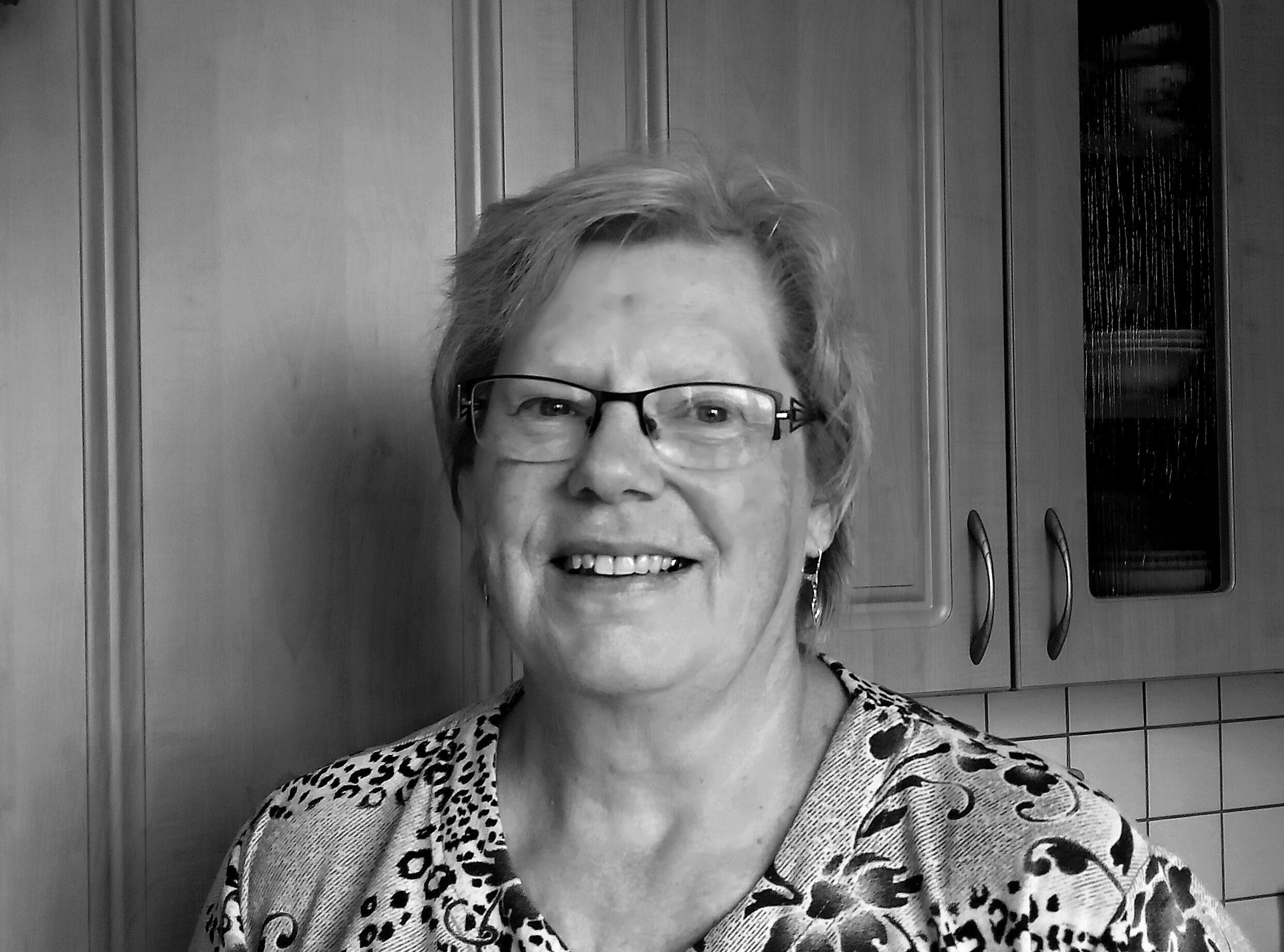
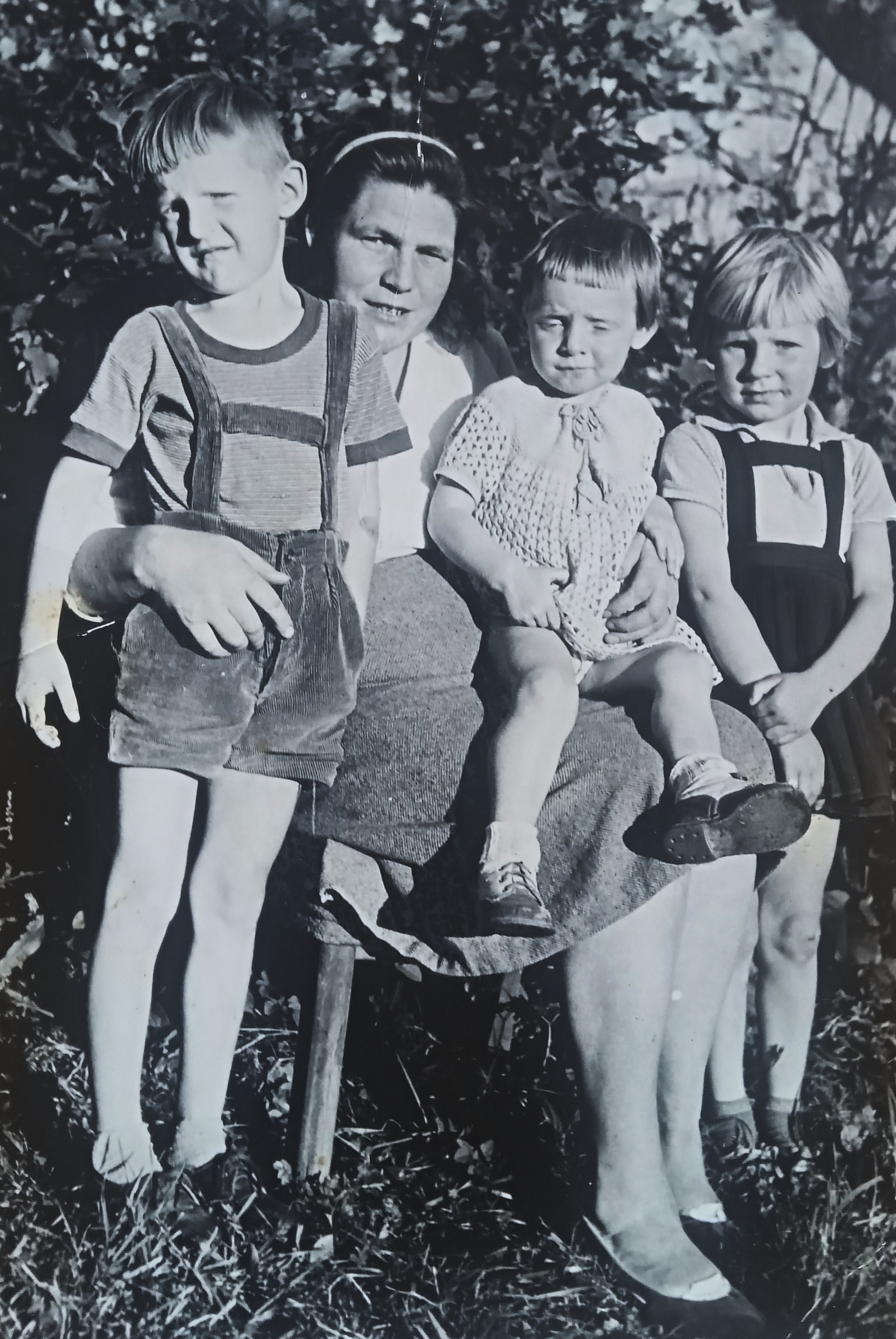
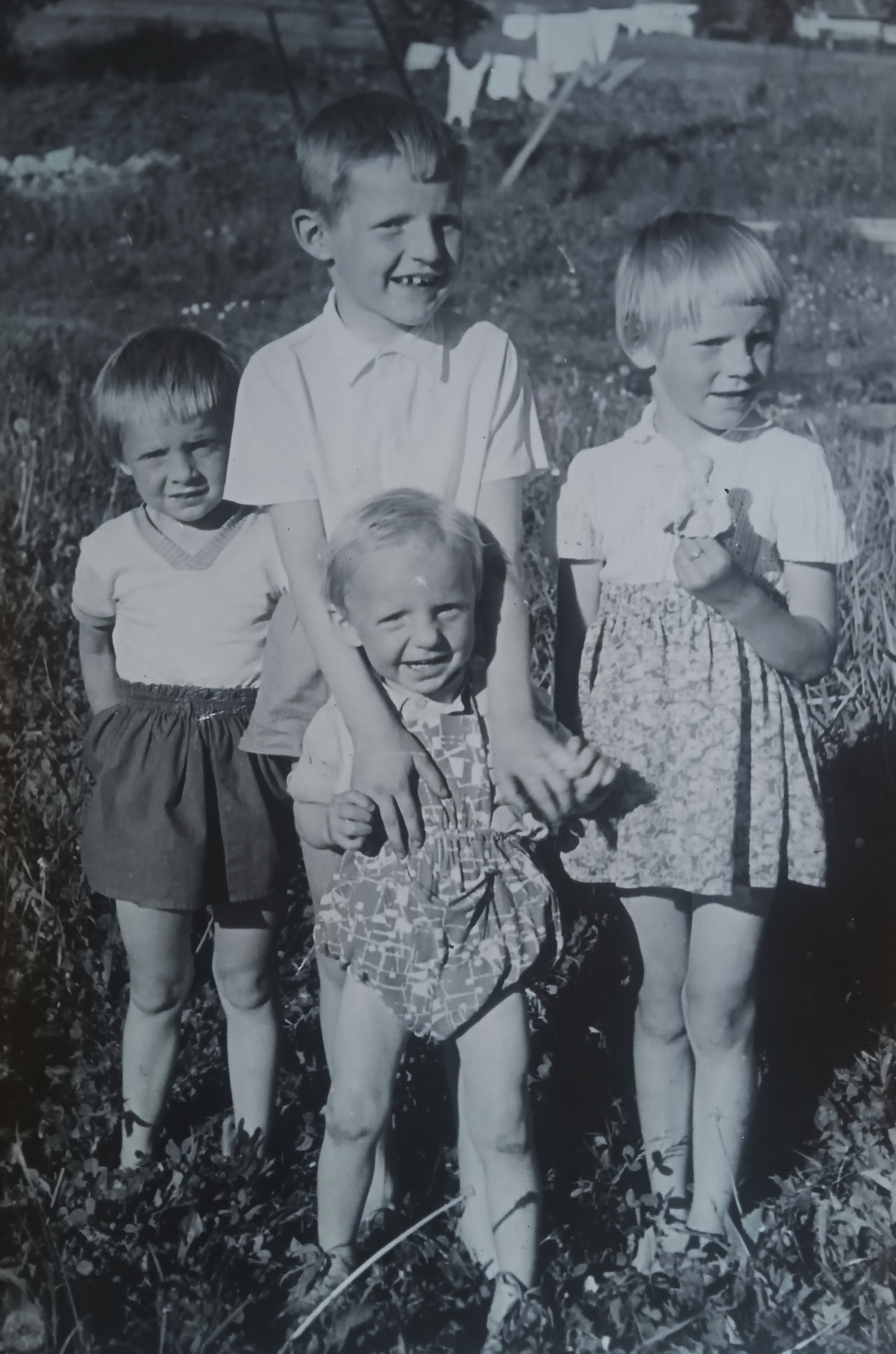
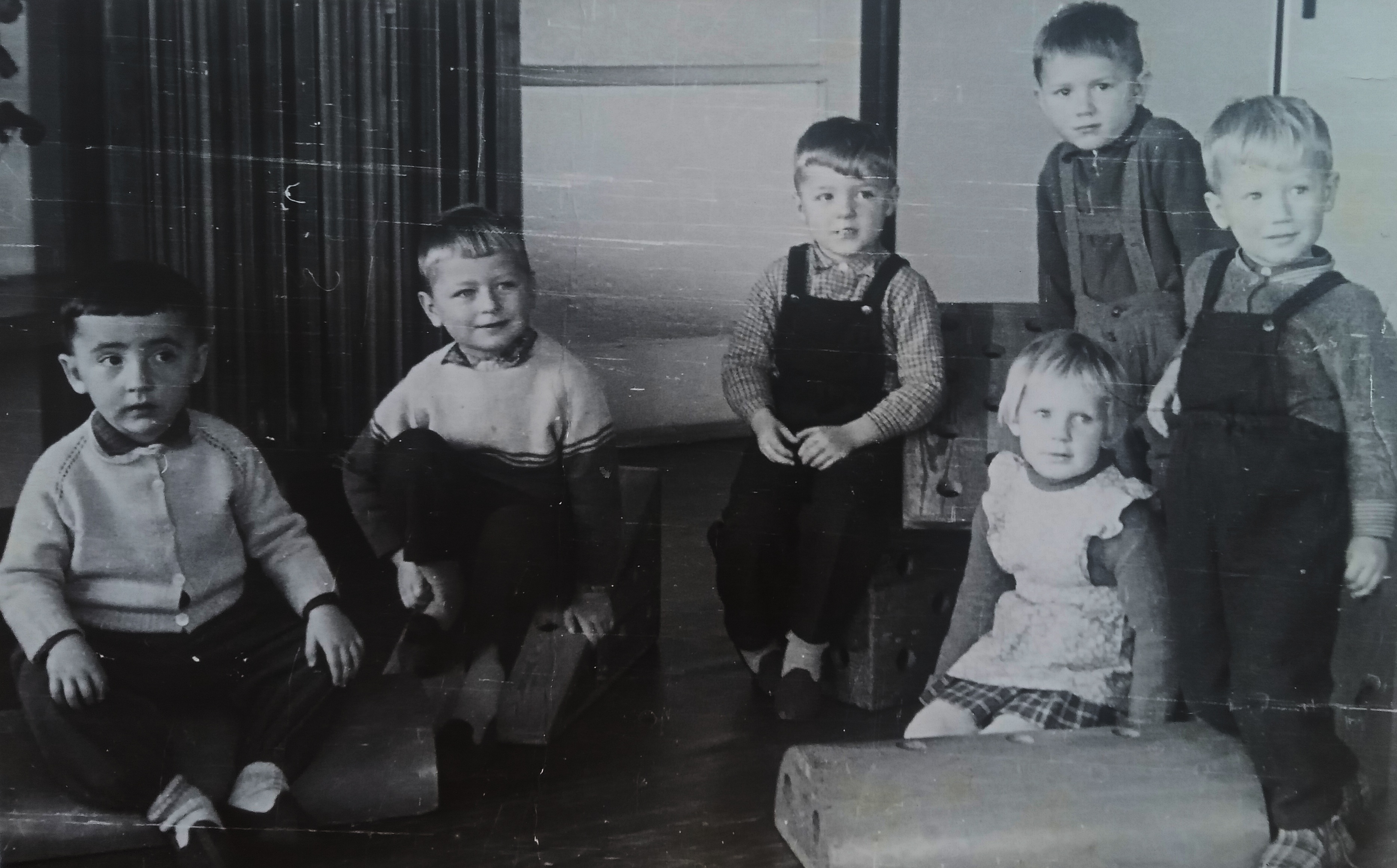
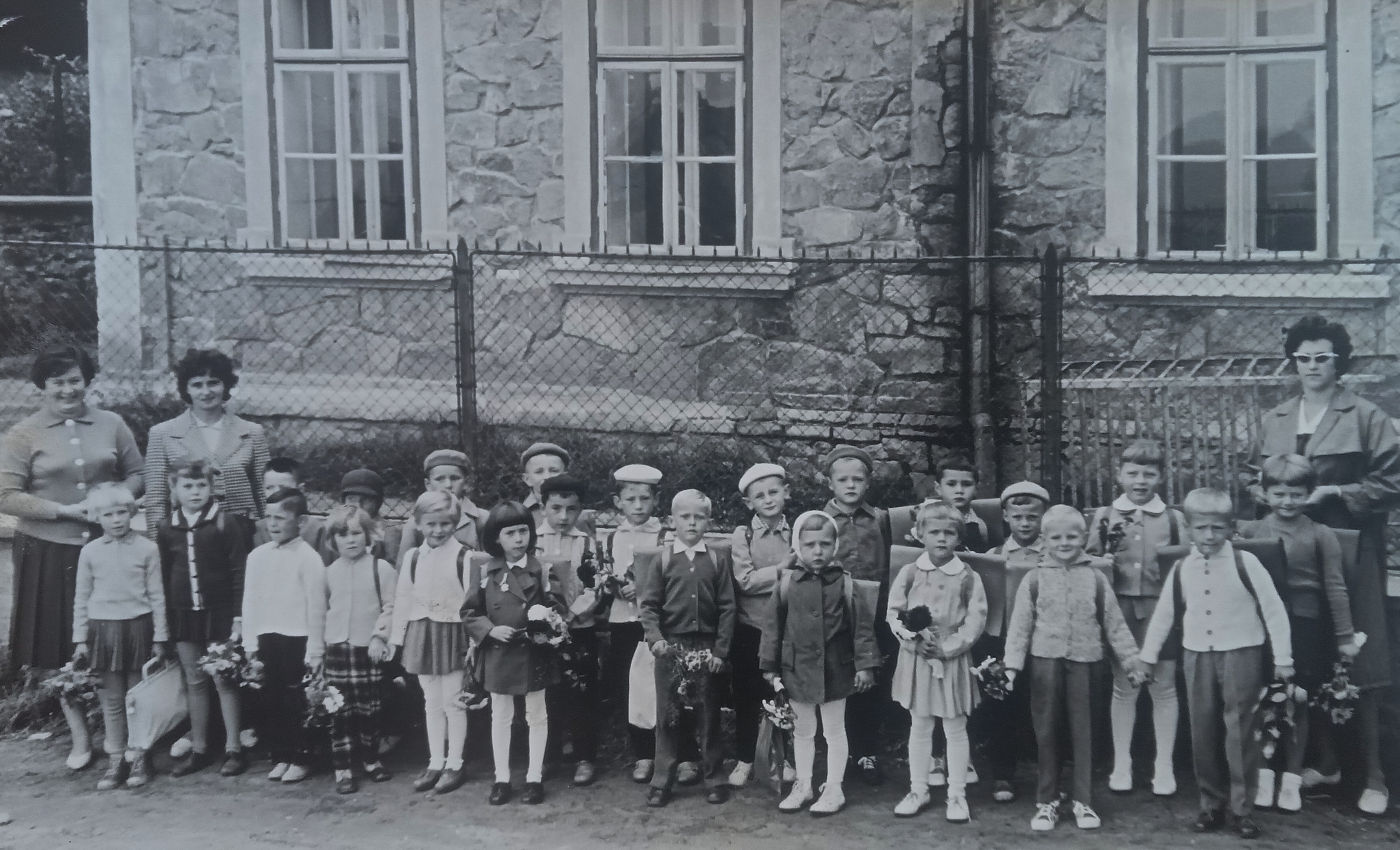
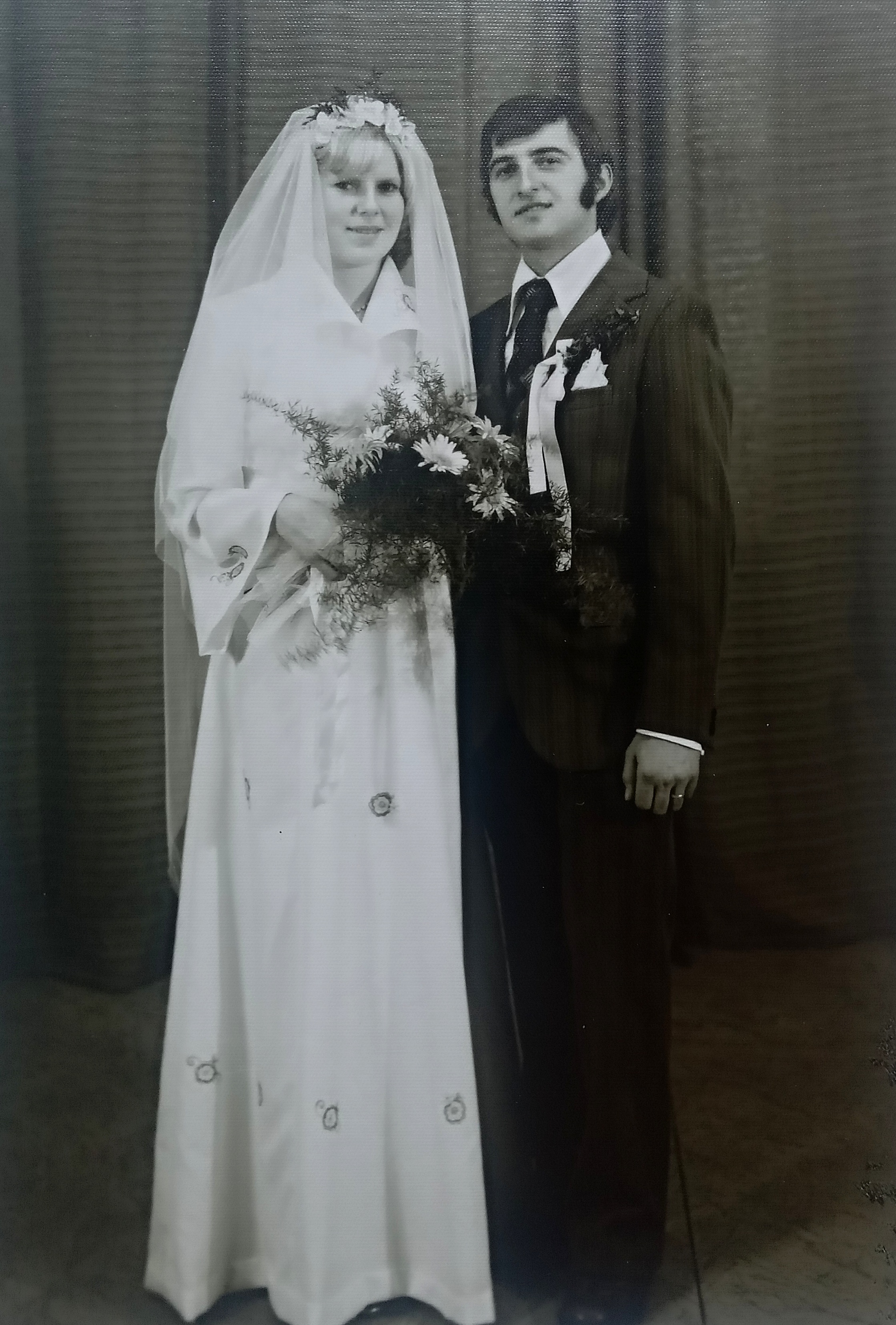
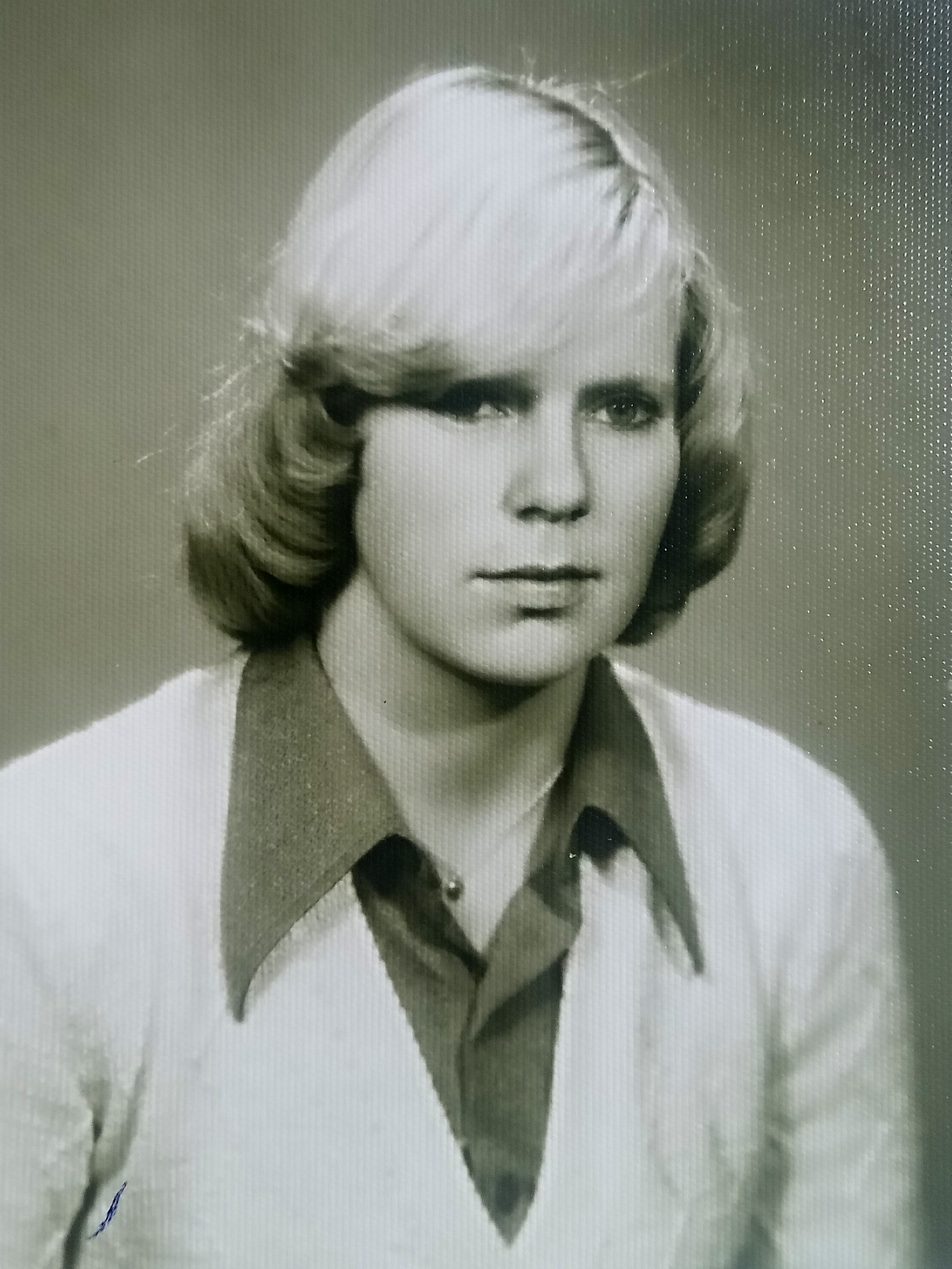
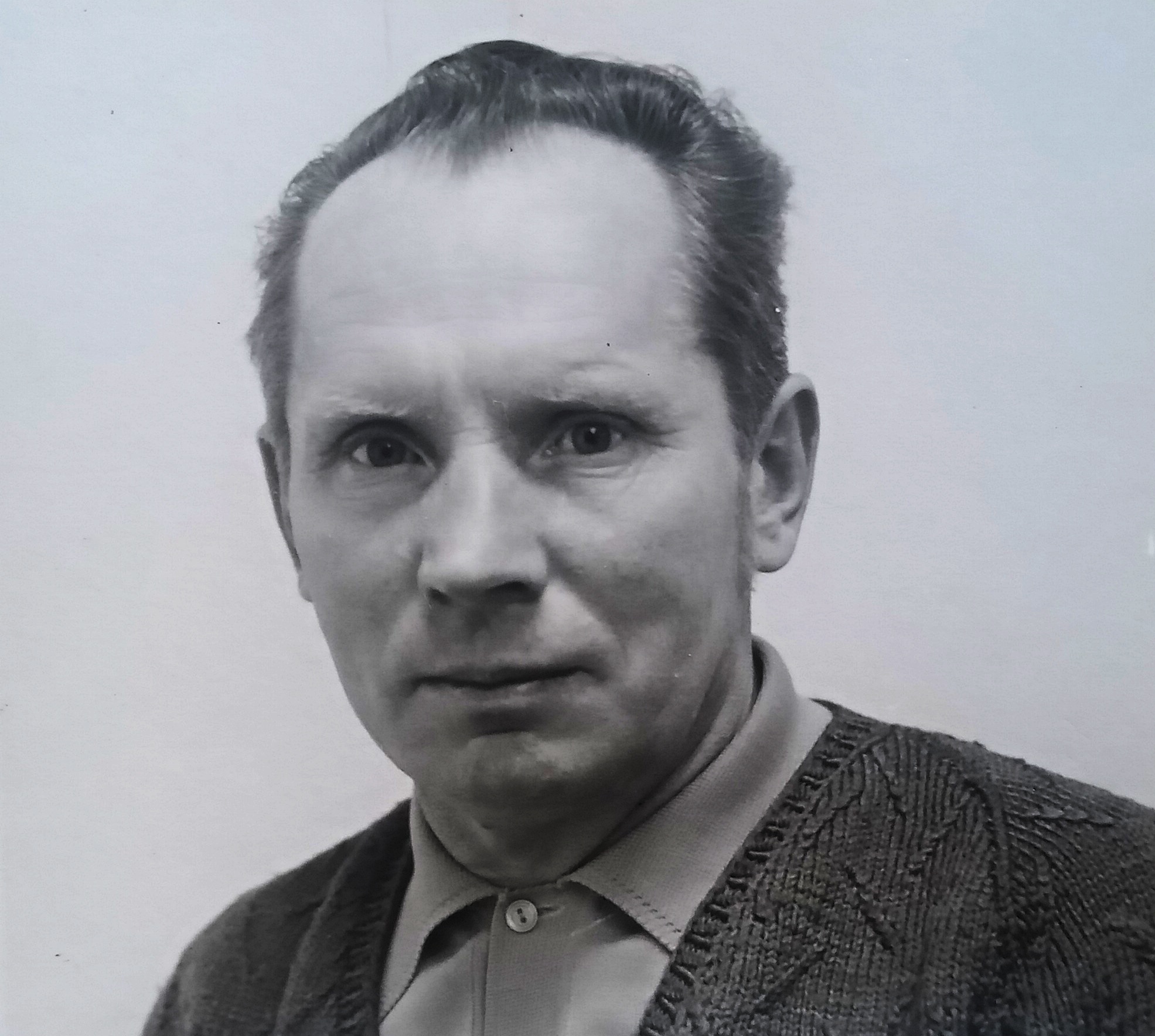
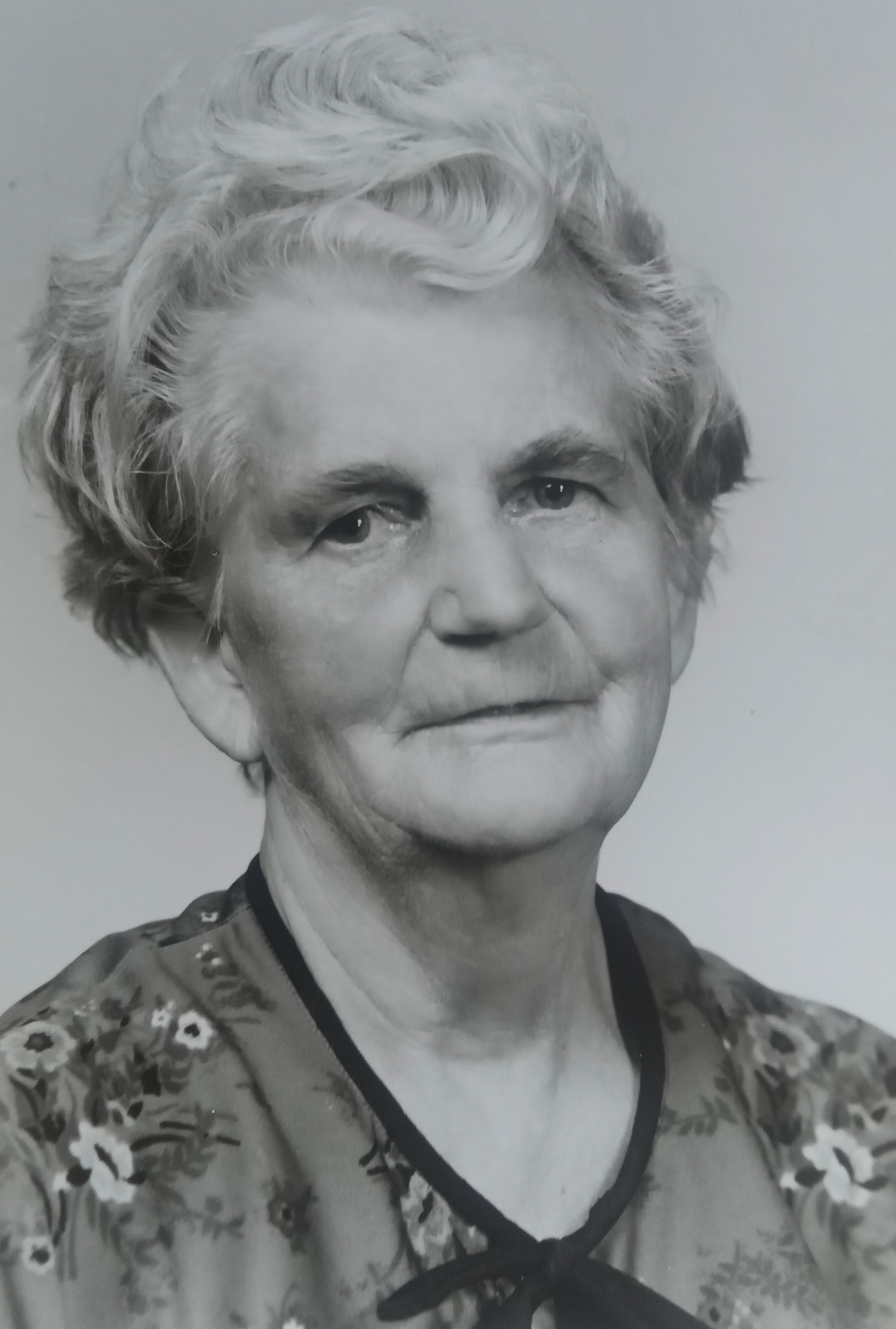
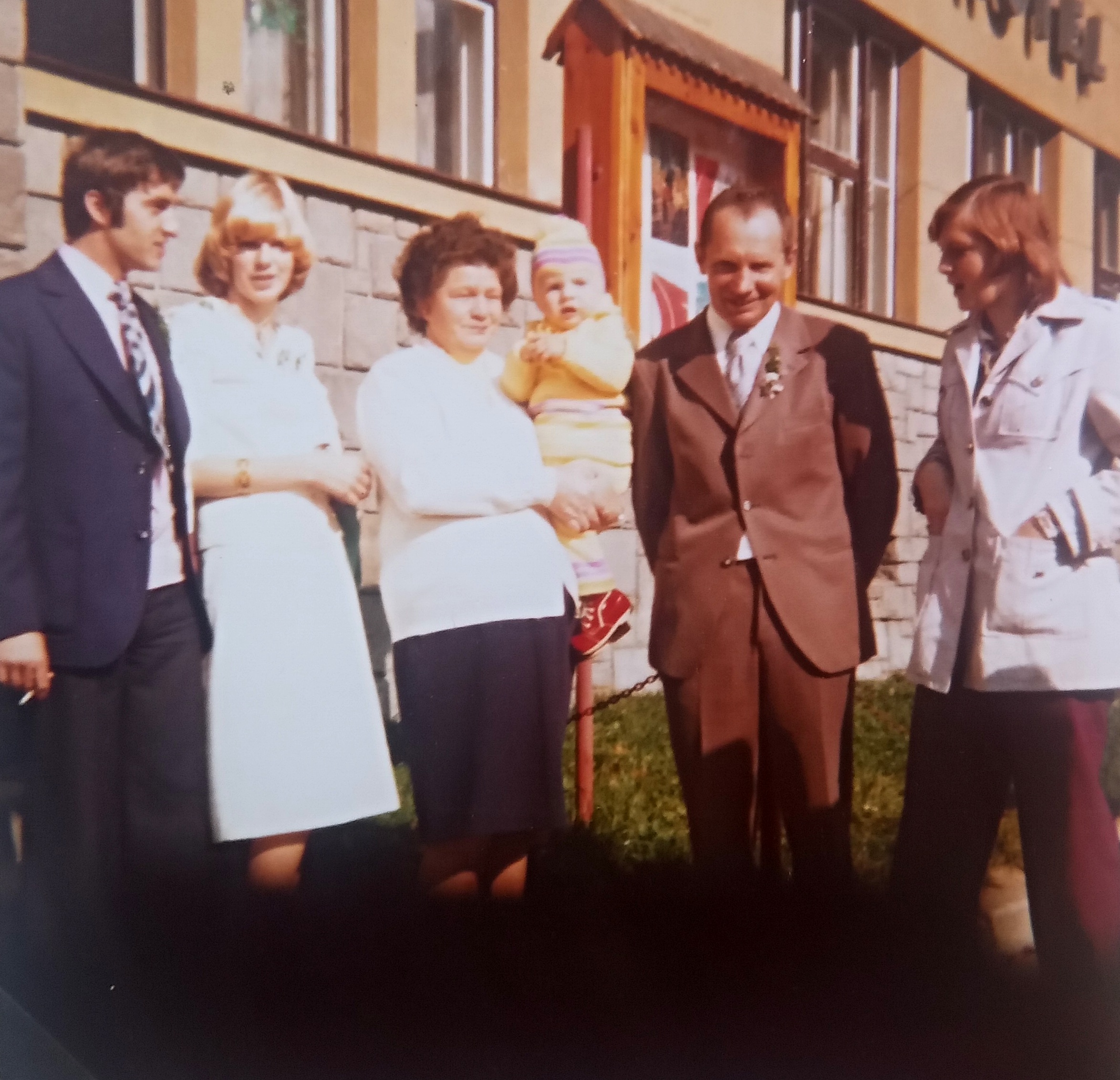
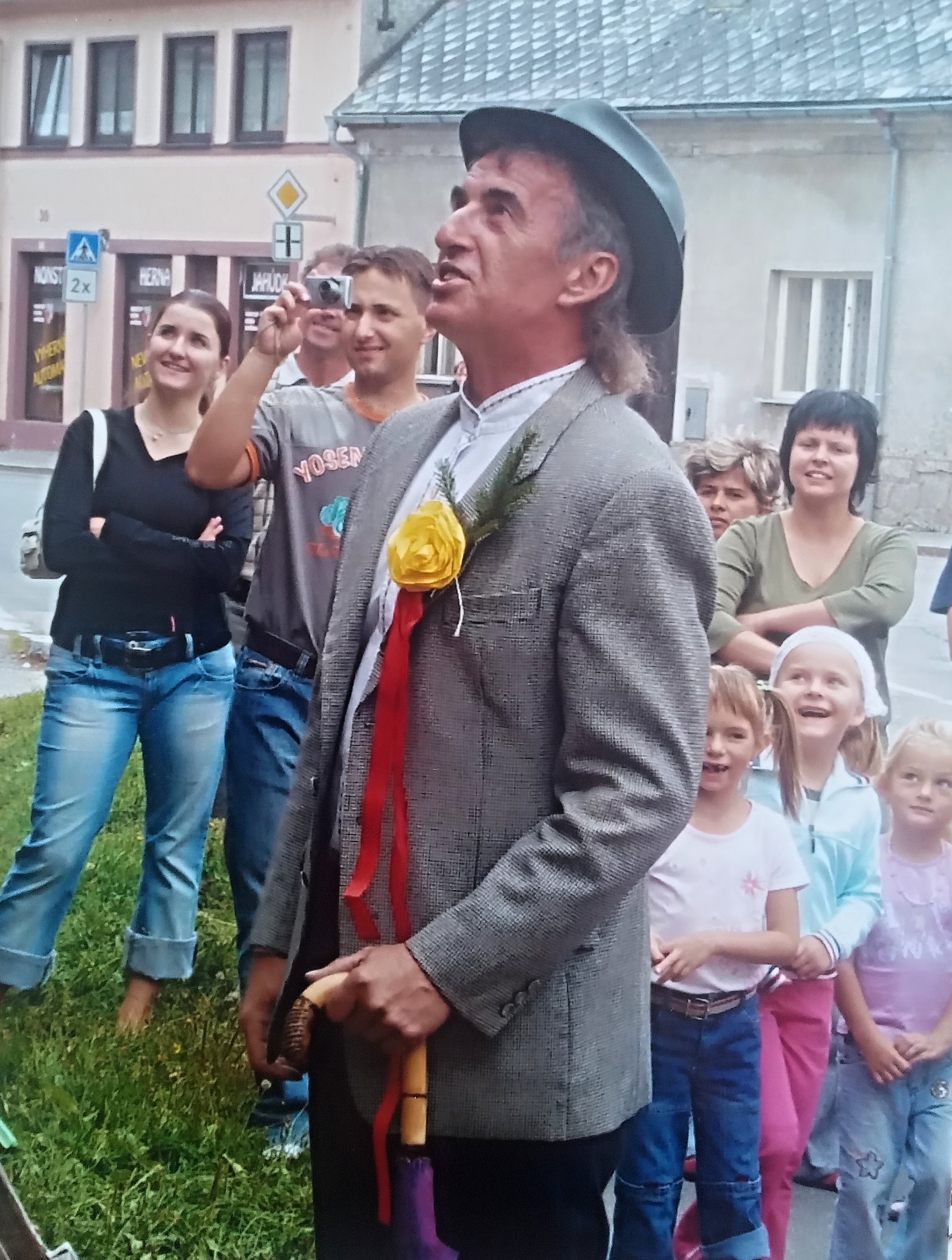
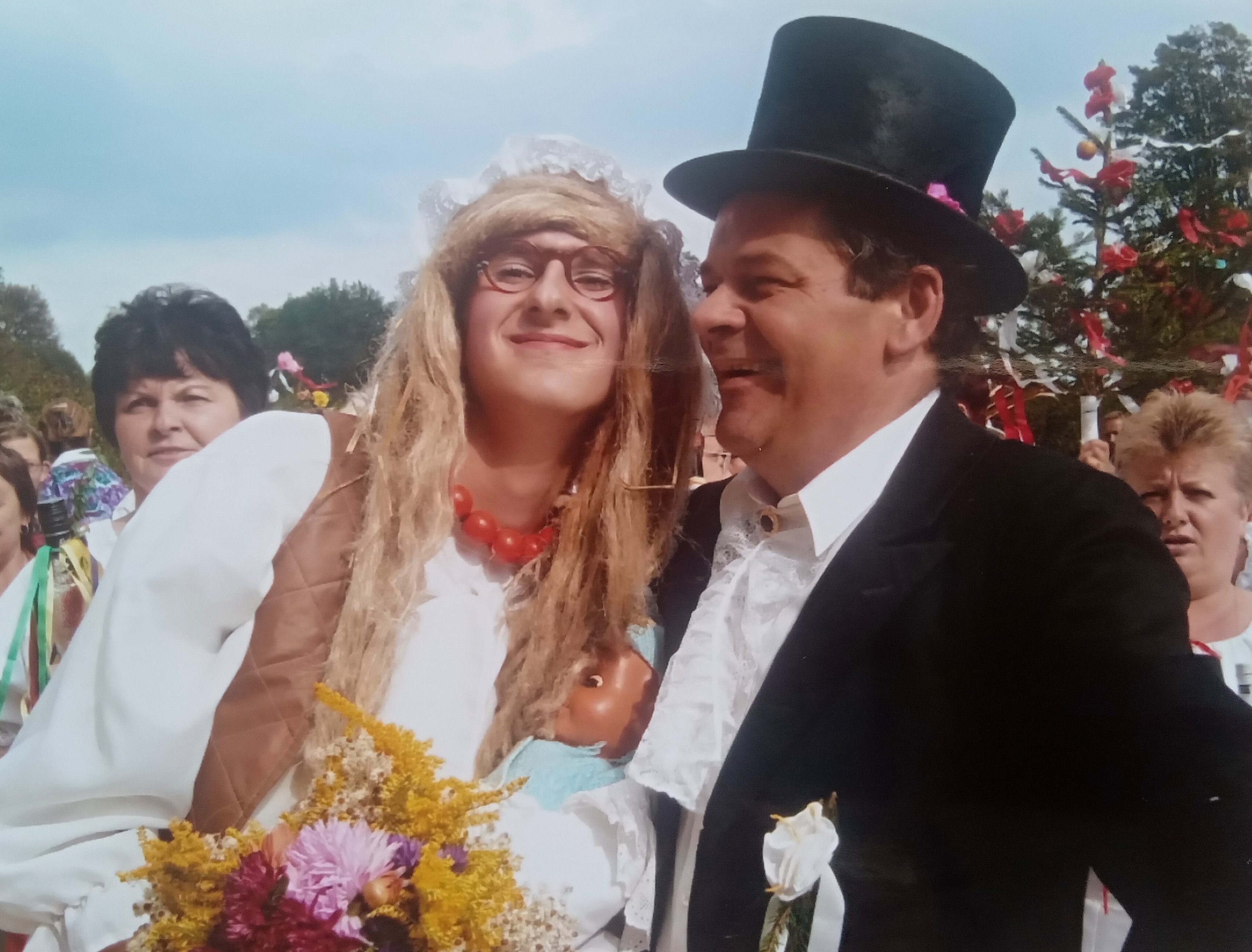
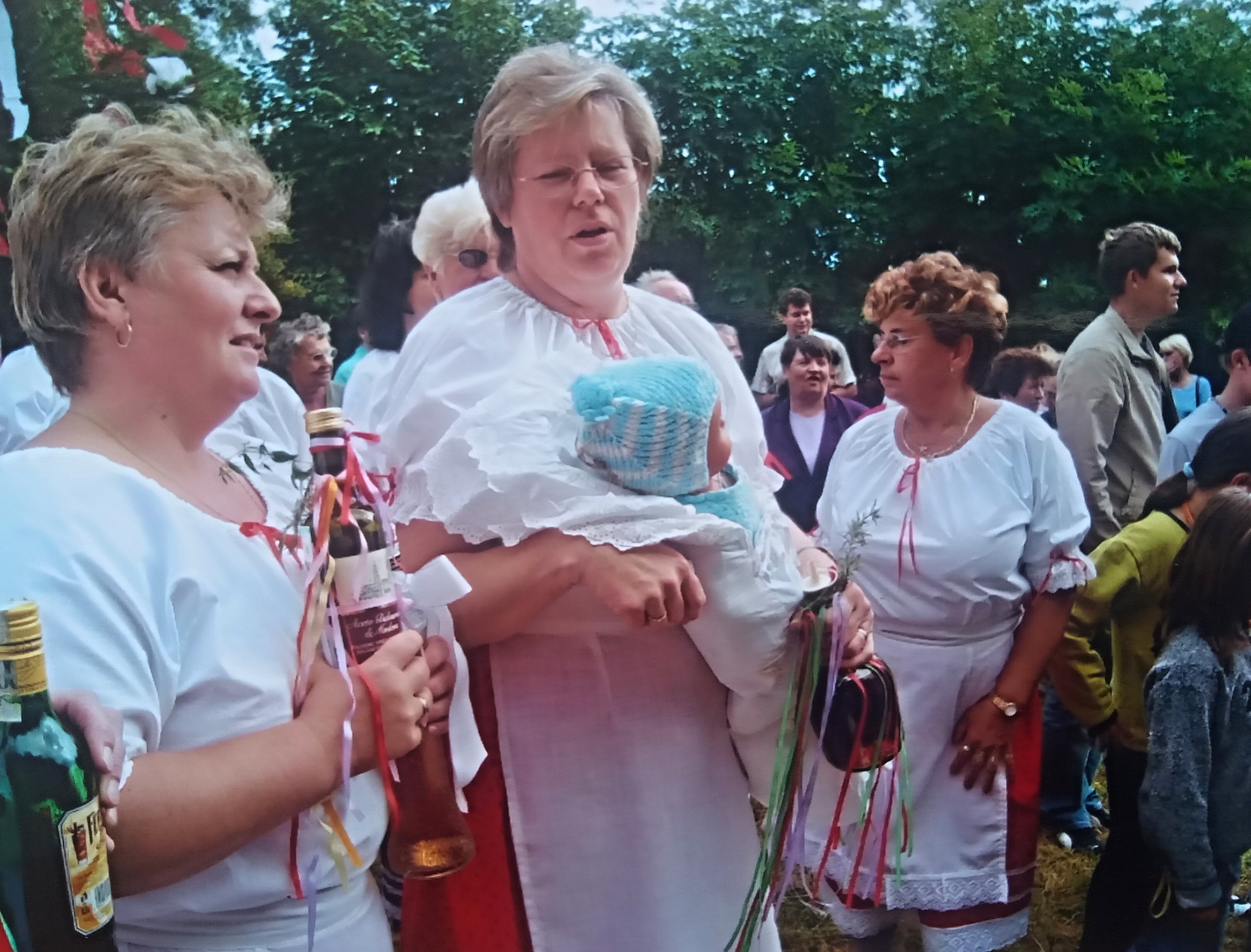
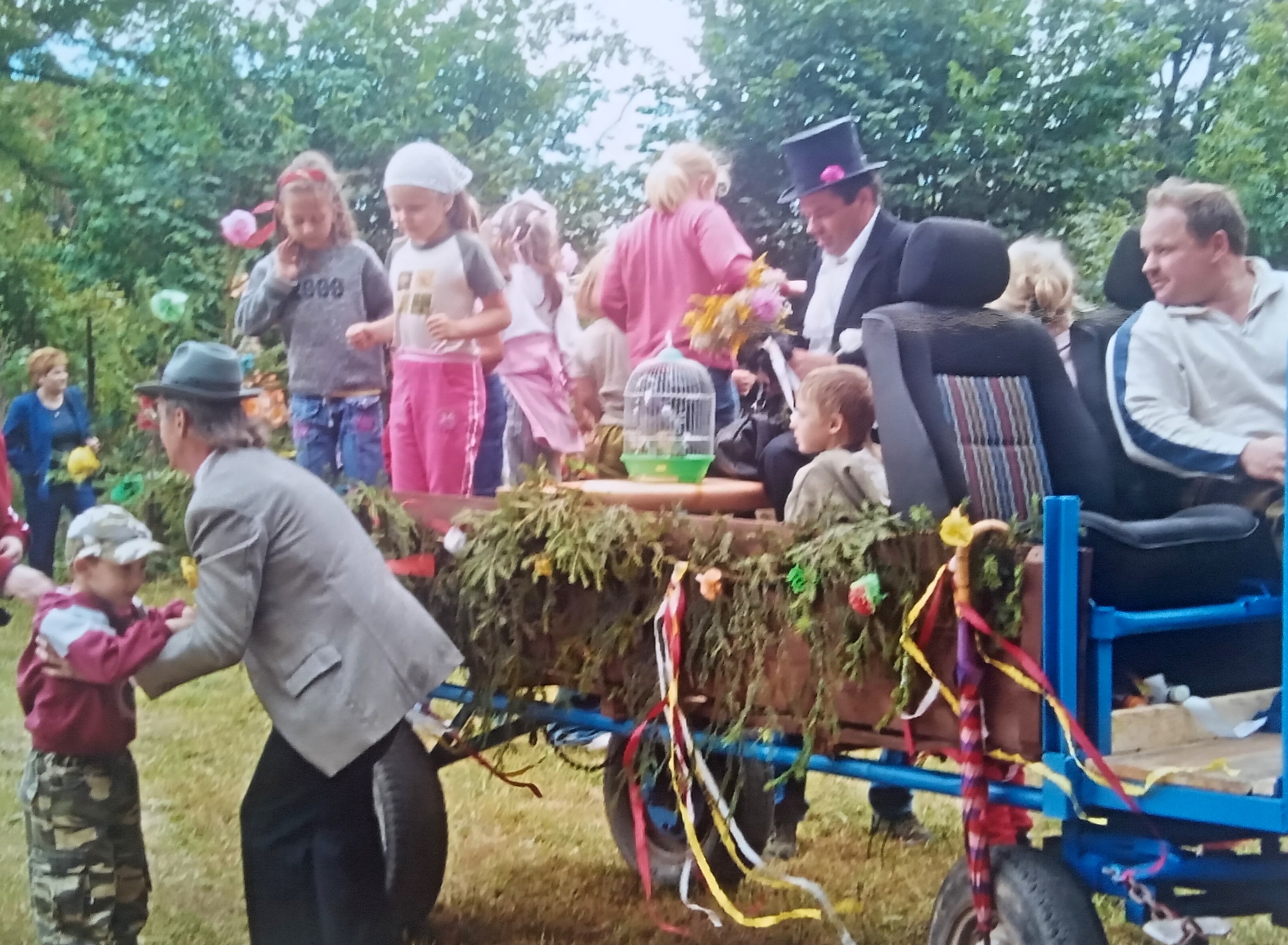
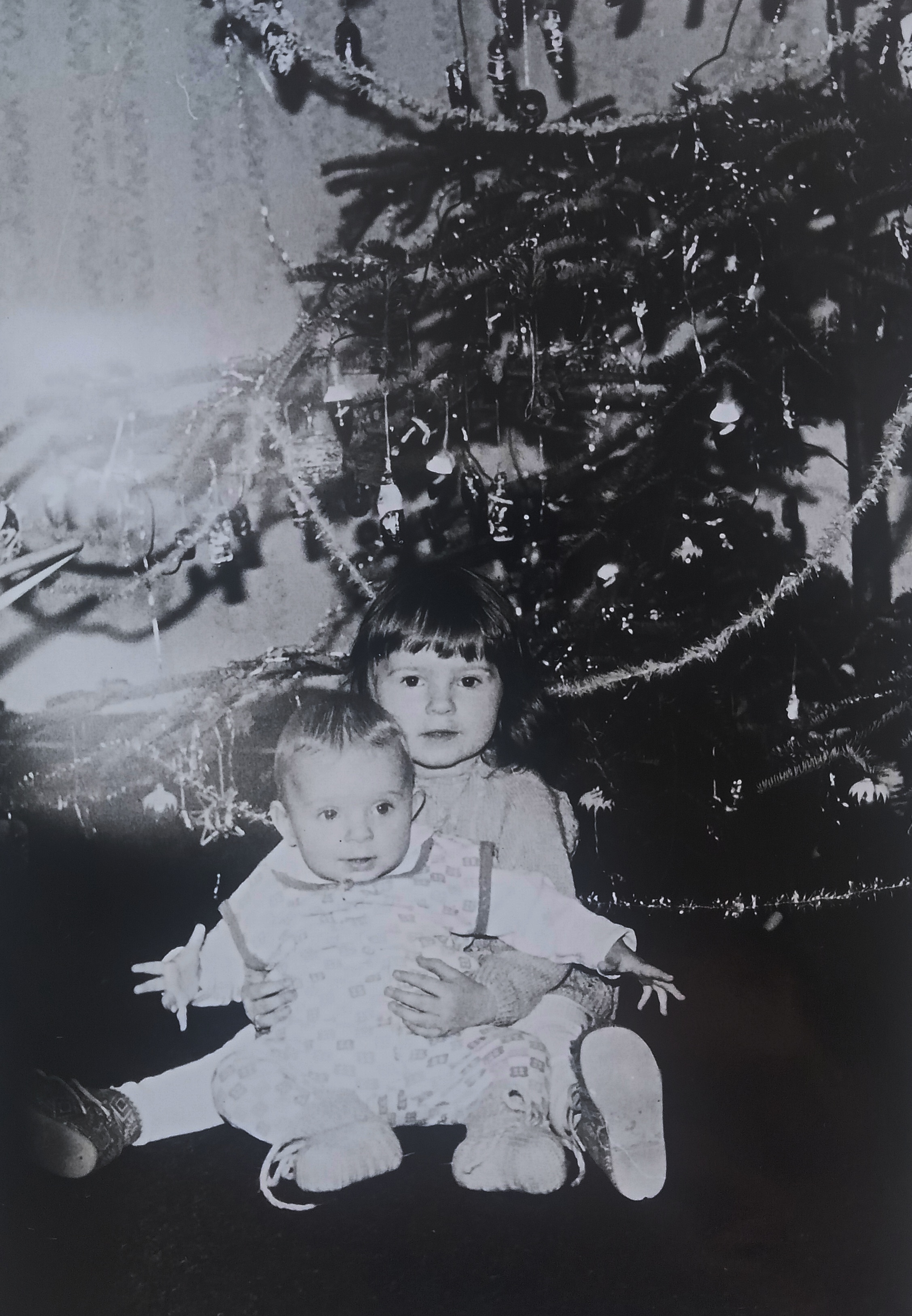
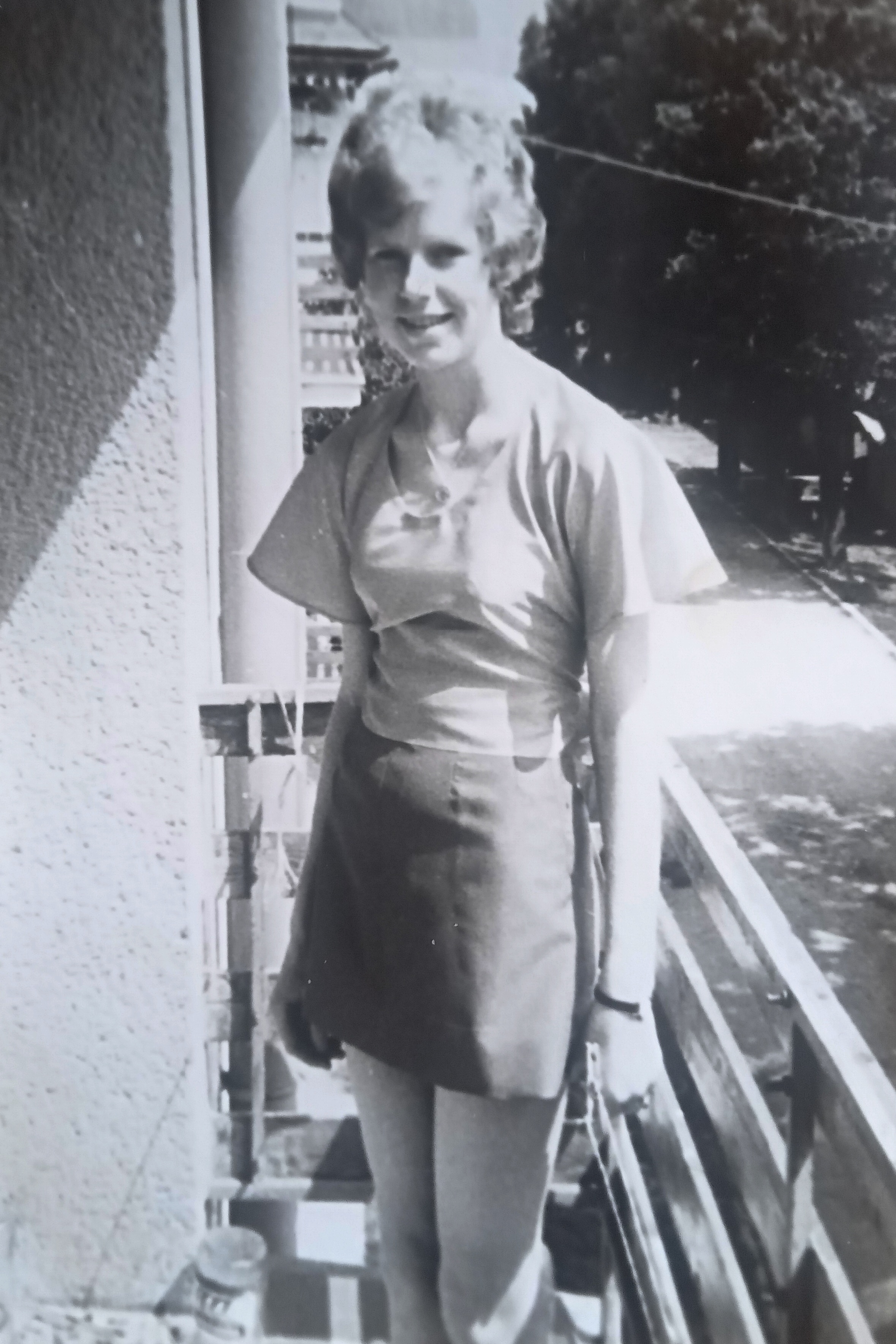
Marie Pešková, née Fleischmannová, was born in Český Krumlov on 12 May 1958. Her family owned a farm in Horní Planá. Her grandparents came there after the war in 1945 and bought the confiscated farm and adjacent fields and meadows. They had a few cows, two horses and small domestic animals. The grandfather died soon and his son František took over. After the communist coup, he joined a coop farm (JZD) under pressure. Marie was the second of four siblings born to František and his wife shortly after each other. The farm childhood was not easy; the parents were busy around the farm and did not have much time left for their children. In the late 1950s, soldiers who were building a nearby kindergarten lived on the farm. They played with the children and gave them some attention. In 1963 the family moved into an apartment building and the municipality demolished the dilapidated farmhouse. Marie went to first grade, and being the child of ordinary farmers, the teacher harassed her. The little girl who read fluently and wrote well was unhappy about the hardships at school. She ran away, skipping school, until one day she climbed a tall fireman’s pole to dry hoses, saying she would never go to school again. Things only got better three years later when another teacher came to town. Things weren’t much better at home, with her mother letting her know she was stupid and only fit for the cows. She got stubborn and applied for an apprenticeship as a seamstress at Šumavan in Prachatice. By then, her beloved grandmother had moved from Hory pod Pernekem to Volary, and so she went to live with her. In Volary, Marie Pešková fell in love, got married, and lived her whole adult life. She became an active member of the local Women’s Union. In a faceless border town, drained by post-war deportations, full of soldiers and settlers from Romania, she rekindled the Konopická and carnival folk festival tradition. She and her husband started their own business after 1989. Despite bad health, she still works and is a sought-after seamstress. Marie Pešková lived in Volary in 2025.