Josef Olšanský

* 1951

  • "A week later I was brought in for questioning, or simply two State Security guys came to work for me. They took me to the police station and that was the worst thing for me. Not that they were persuading me to revoke the Charter, but here was the worst - the signing events here, because someone always came... Because he said, 'You signed a letter and you complained to the President.' I said, 'Well, maybe... I guess so, if my signatuire is ther, all right.' And he said, 'Well, yeah, but how come?' I said, 'Well, can't I complain to the President?' And he said, 'You can, but not that often.' That's the way it was. And now came the hard part, and that was... He said, 'And did you get this letter by post? Or how? Or how did you get the letter?' I said, 'Well, it was on the ground.' And he said, 'Were you walking on the pavement...?' We both knew we were lying. And then it was still like that, they were beating then, but it was still like that, I dared, they dared, but I was afraid and they weren't. So that's how it was. I said, 'Well, I saw the envelope, so I picked it up, didn't I?' And he said, 'Well, did you pick it up and read it?' I said, 'Well, well, exactly. You were there, didn't you know that?' And he: 'No, no, but I'm asking how it is. Did you read it, the letter?' And I say, 'Well, I did.' And he says, 'What did it say?' And I says, 'It just said this and that, this and that.' And he says, 'Did you read that and sign it?' And I says, 'Well, I liked it because they're not supposed to fire anybody.' Or I don't know what. And he says, 'So what?' And I says, 'I signed it, didn't I?' And he says, 'What did you do with it?' I says, 'I threw it on the pavement again, the letter.' Well, we lied to each other. They knew exactly what was going on, and so did we. And what was I supposed to say? That someone from Vratislavice came to me and took it to Miloš Rejchrt, or I don't know...? I didn't even want to know."

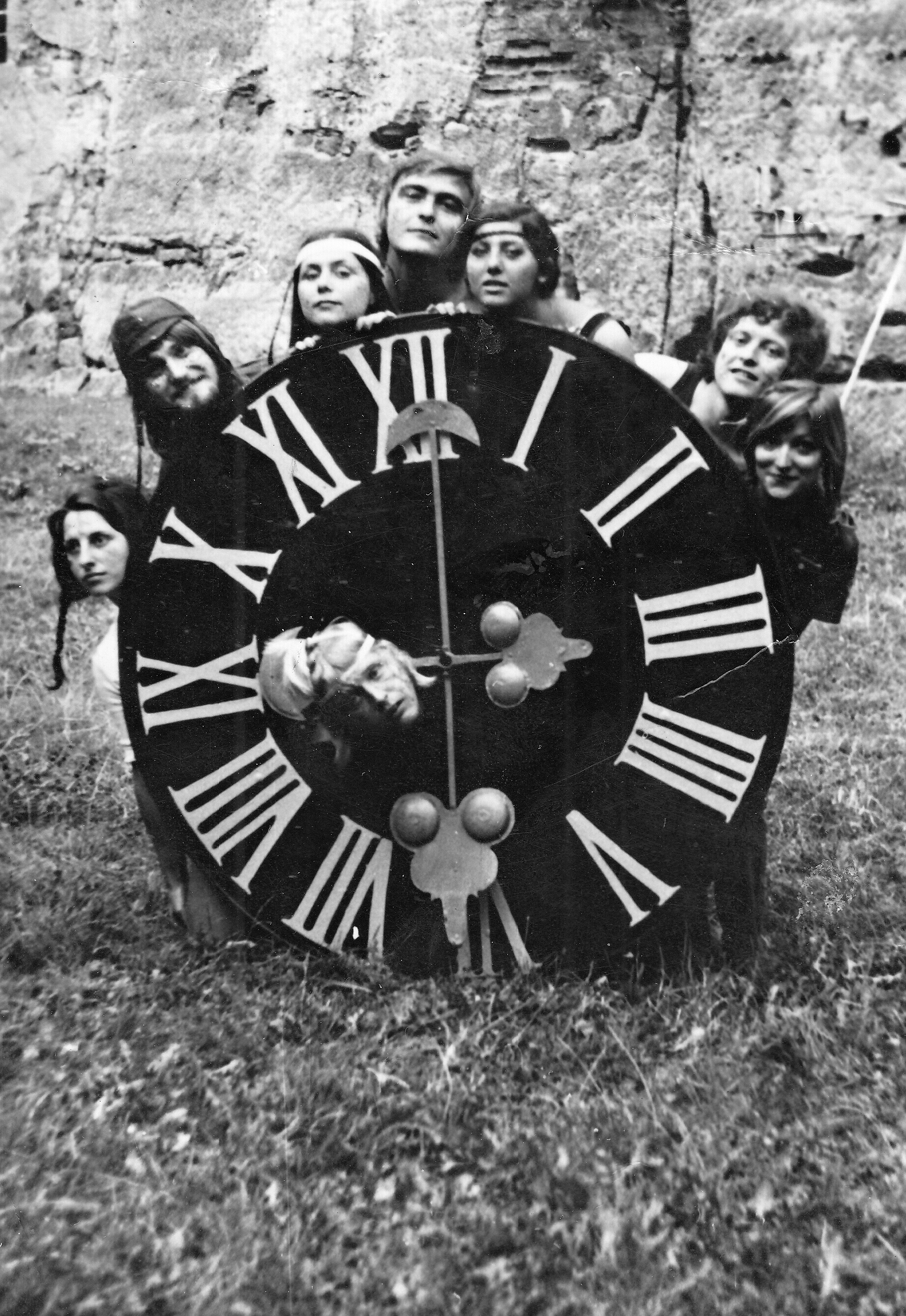
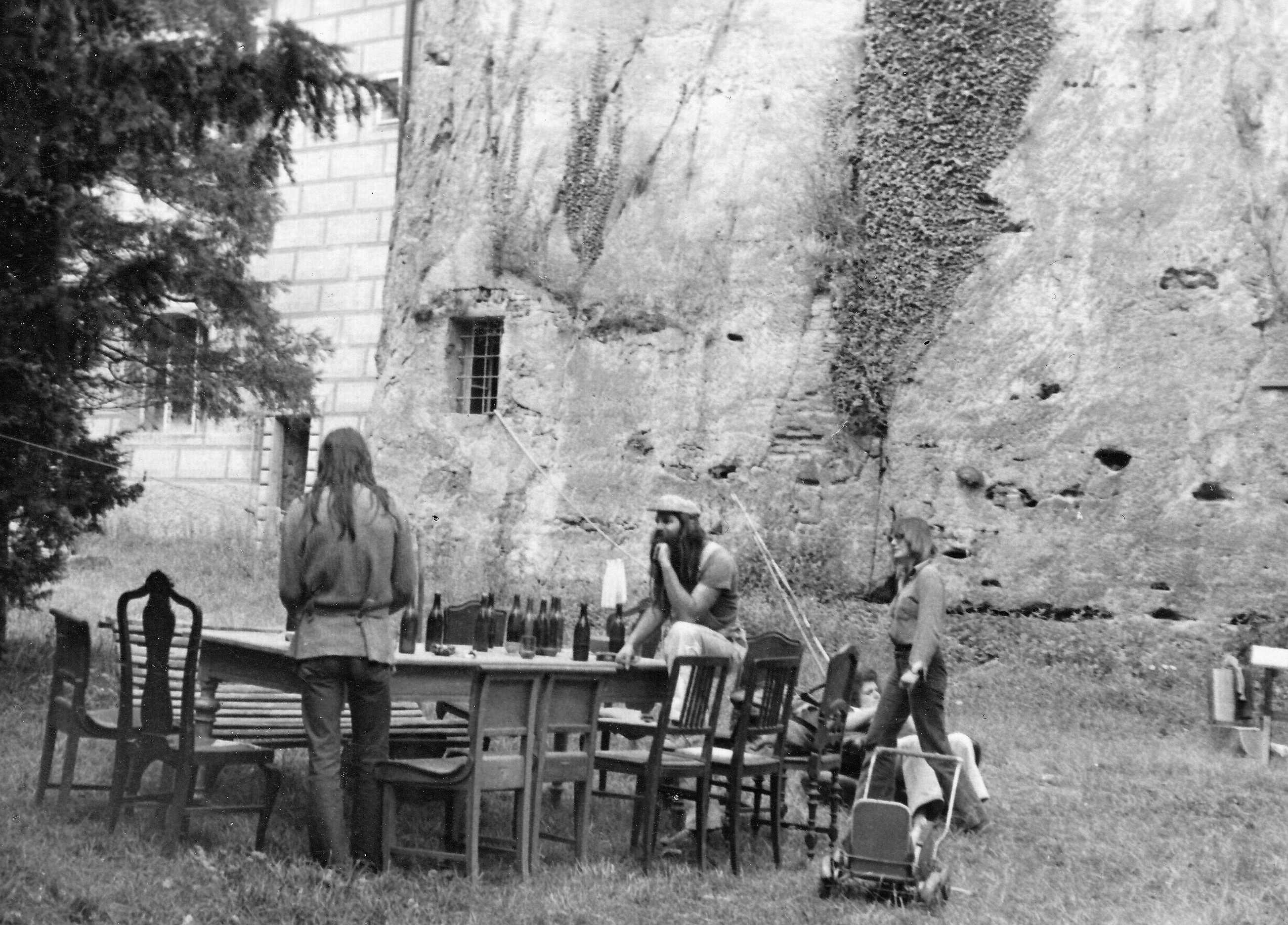
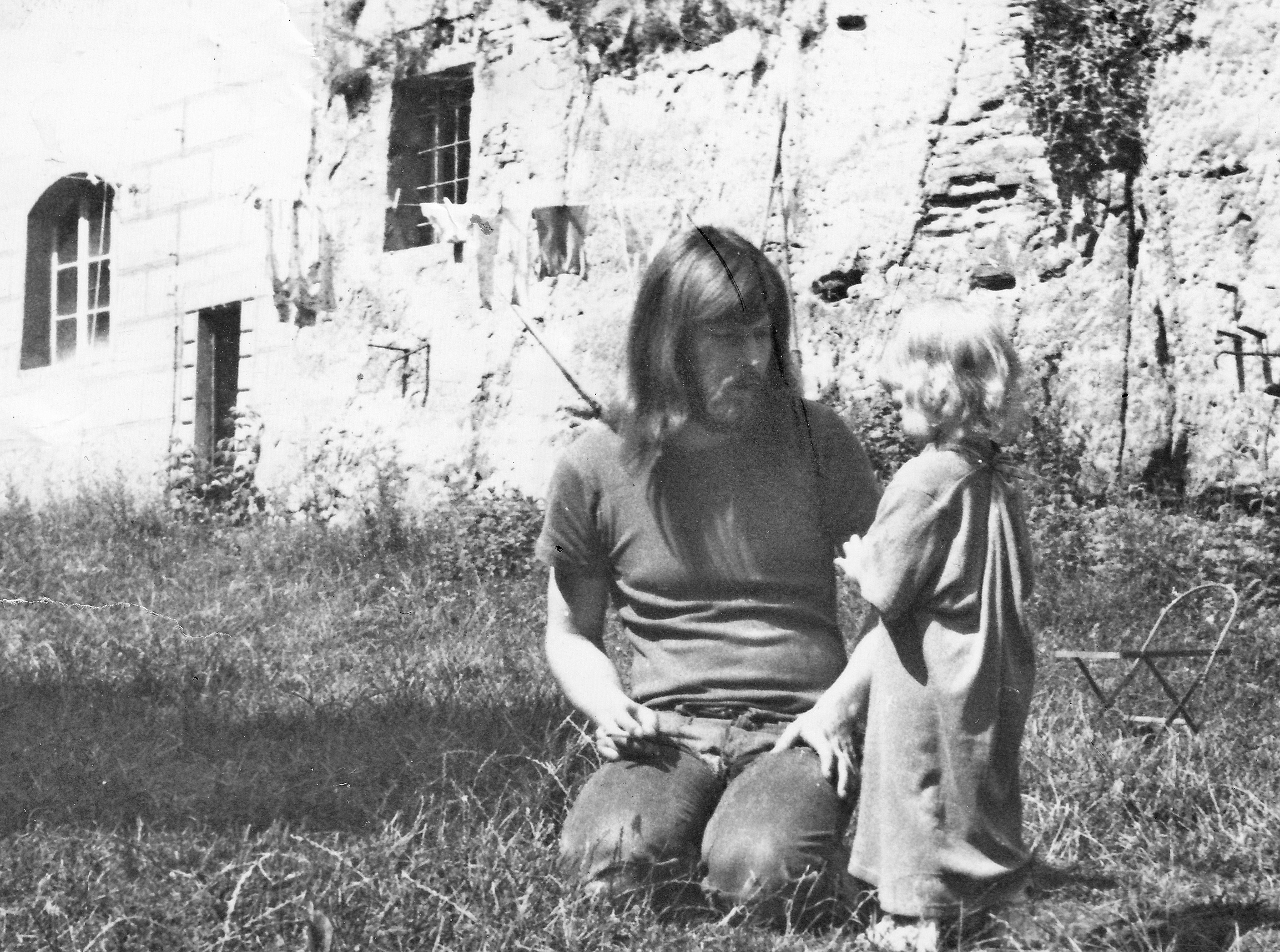
  • "I started fixing up that house, and I know I was... and I'll never forget that in my life - that's the most beautiful thing I've ever experienced in my life, really, apart from the kids that were born, but that's on the same level too, because it affected my life for 50 years. I'm doing something in the bathroom and I was making a kind of a house... It wasn't at all like that Okal or that Šumperak model house. Big rooms, studio reaching up the ceiling and fireplaces. And all of a sudden, I had a light bulb in that bathroom and I was doing something in there and all of a sudden the door opened, it was in the evening. And suddenly I heard: 'Good evening, I'm Svatopluk Karásek, the new evangelical pastor. Does Pepa Olšanský live here? Can I come in?' And I said, 'Yes!' That's how I met Sváťa Karásek, and that love lasted fifty years. We changed each other's lives. At first, he used to say to me: 'Pop, the Rolling Stones, they're pop, they're idiots.' And then he called Mick Jagger the big-mouthed one, and I said, 'Love, fuck love.' He said, 'Love, it's not a grey-haired grandpa, dude, it's the heart, dude.' We complemented each other so well that we couldn't bear to be apart for those fifty years.

  • "At that time - 1969, October - October 27, I remember that. By that time Husák was already in power and it was going on. I was walking with a friend from the pub and we were living on the square in an block of flats - our parents, but my grandmother and grandfather had a house, which I then inherited from them. My grandmother died, then my grandfather lived. I worried him to death and I lived there alone. But we were walking from the pub with this one classmate who also listened to this stuff, and it was about 11 o'clock at night. By then they were hanging over the whole New Town, there's about a hectare square... Russian, Czech, Russian, Czech flag. They were all over the square. I jumped up, and as the tip of the Russian flag was hanging, I grabbed it - because Jarda was short and I was taller, so I jumped - I grabbed it and it snapped, the pole. So we jumped all over the square, and when we saw it the next day... how the Russian flags... how they were all broken and lying there... But somebody turned us in, so I got expelled from school. I wasn't of age yet, because it was October 27, and I was born on November 7, so otherwise I would have got three years. By that time I went to the punishment committee and the people's court, and there they were already shouting at me that "What dare I do this to the Soviet Union..."

  • Full recordings
  • 1

    Liberec, 13.08.2025

    (audio)
    duration: 02:30:22
Full recordings are available only for logged users.

Meeting Sváťa Karásek influenced my life for fifty years
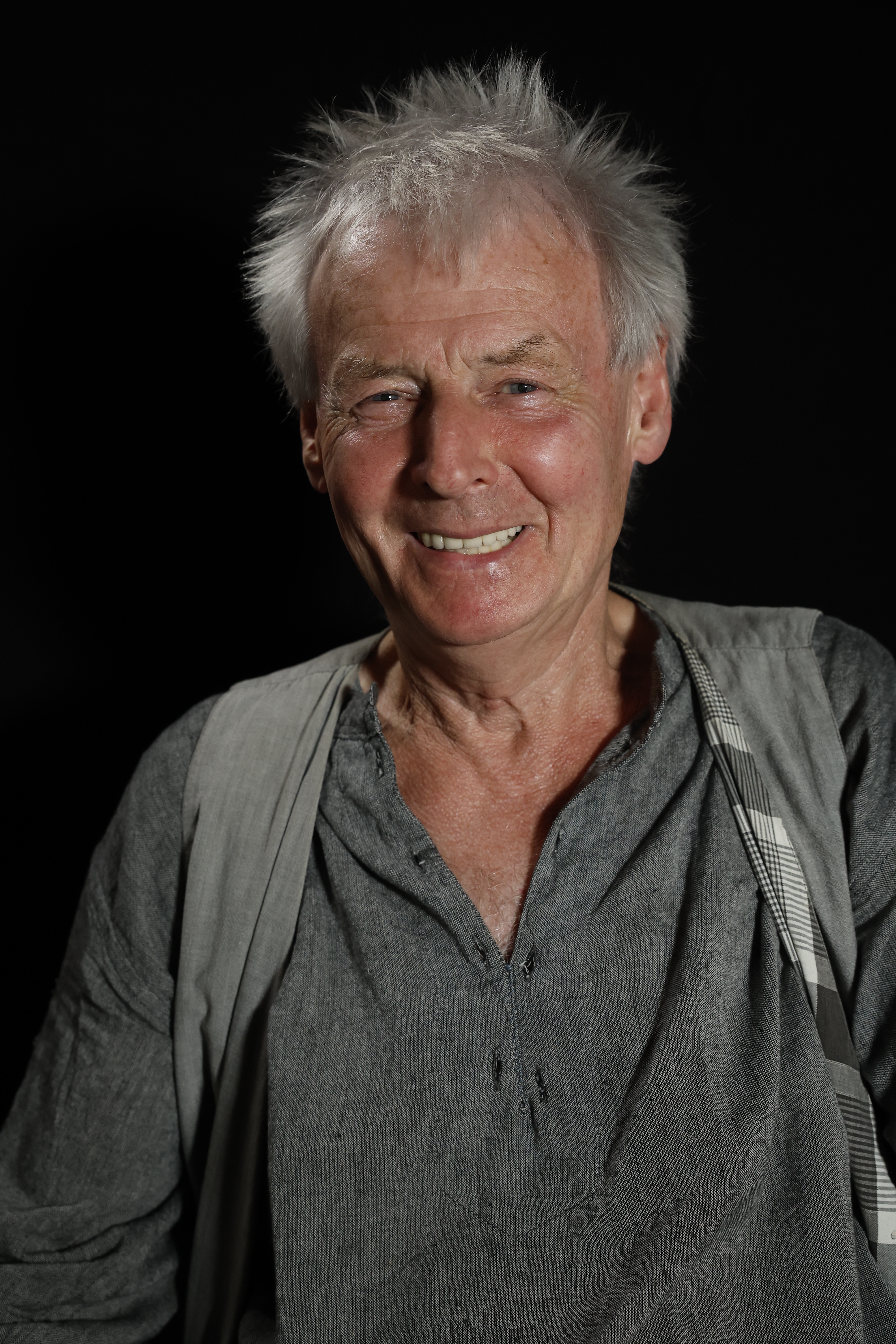
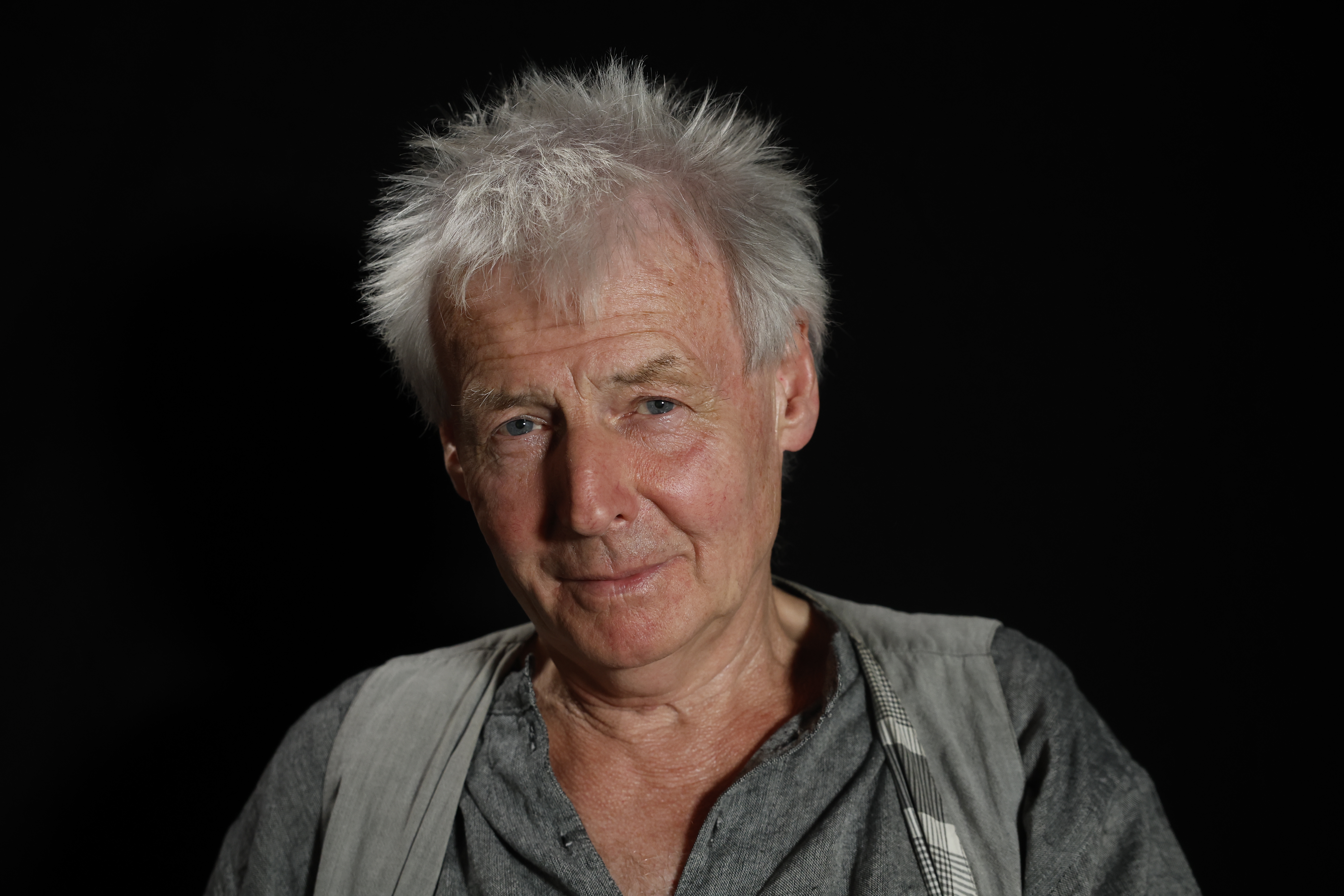
Josef Olšanský during recording, 2025
photo: Post Bellum

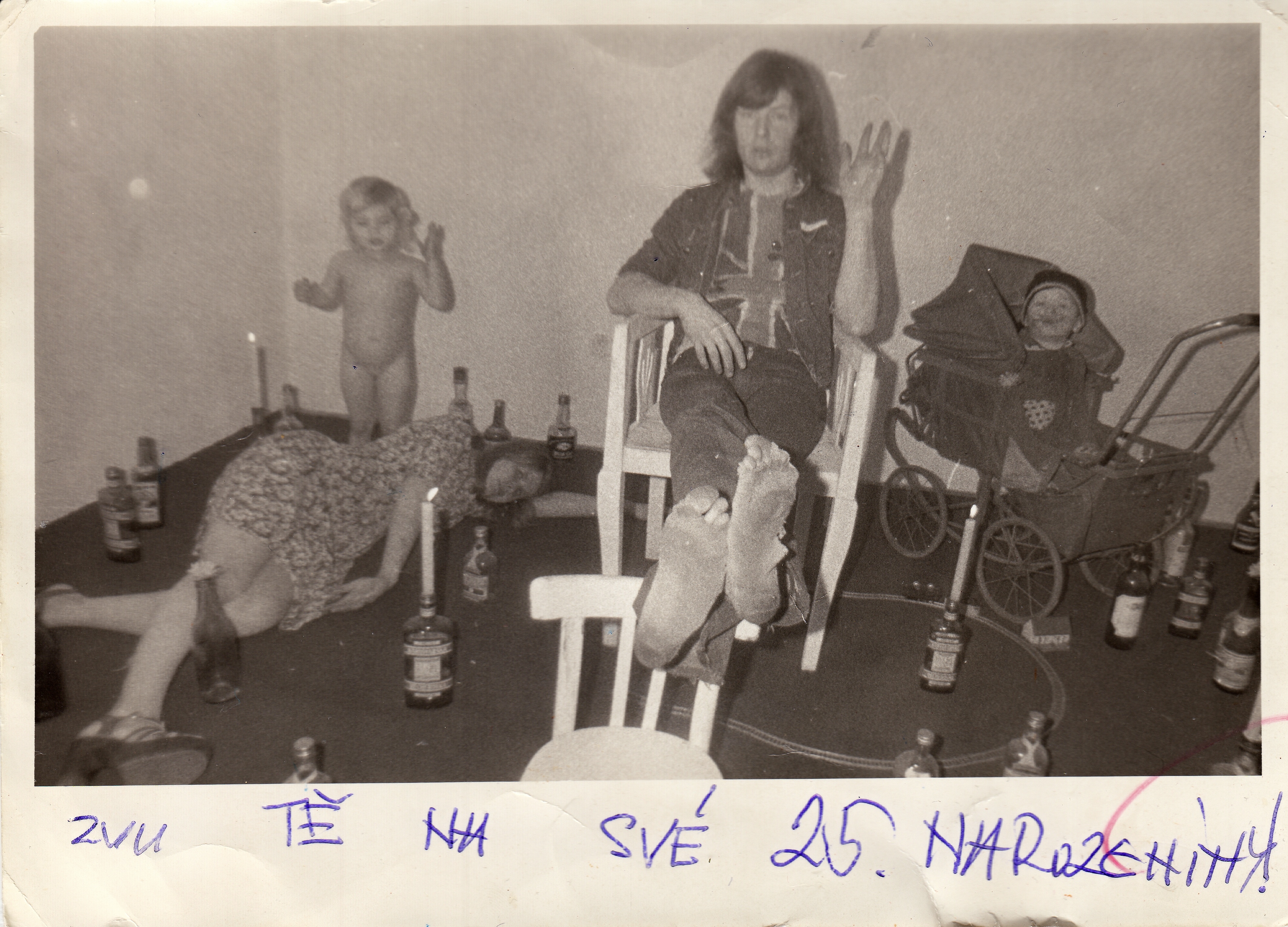
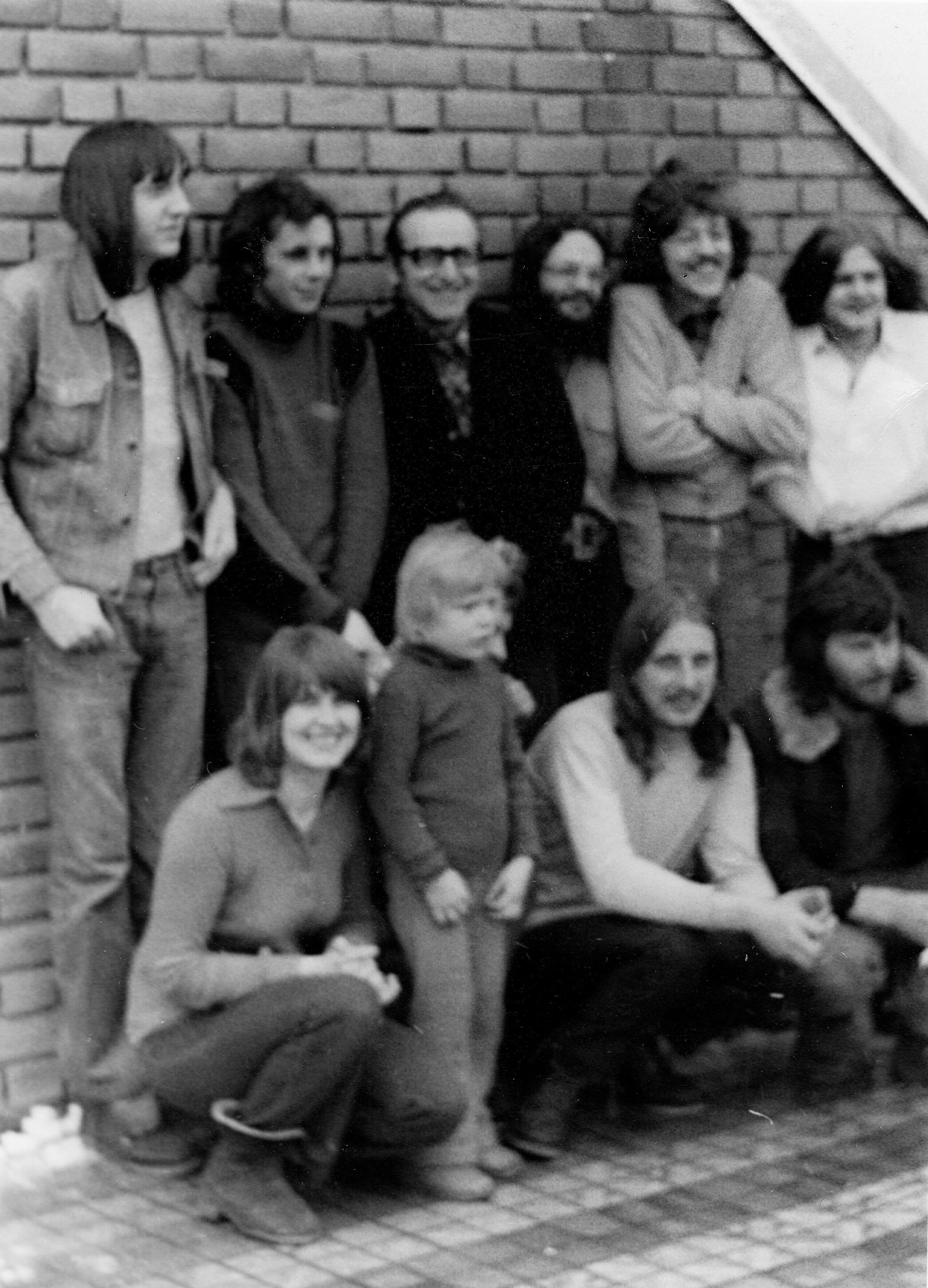
Josef Olšanský was born on 7 November 1951 in Ústí nad Labem. During his childhood, the family moved to Nové Město pod Smrkem, where he grew up. From his youth he refused to submit to the ruling regime. He listened to foreign music, grew his hair long and began to socialize with like-minded people. A major offence against the communist government occurred in the autumn of 1969, when he and a friend tore down Soviet flags in Nové Město pod Smrkem. After being expelled from secondary school, he joined the Textil Nové Město pod Smrkem company. In 1971 he met Svatopluk Karásek and they became best friends. Josef Olšanský met other dissidents and signed Charter 77 in 1977. From that moment on, he fully embarked on dissent-related activities. He regularly signed declarations for human rights, participated in unauthorized concerts and became the most active dissident in the area of Nové Město pod Smrkem. In 1980 he was forced to move from Czechoslovakia as part of the Asanace action and settled in Switzerland. There he began working as a window dresser and later took a position as a decorator at the Zurich Opera House. After retirement he decided to return to the Czech Republic. He received an award for the Third Resistance. At the time of recording (2025), Josef Olšanský lived with his wife in Nové Město pod Smrkem.