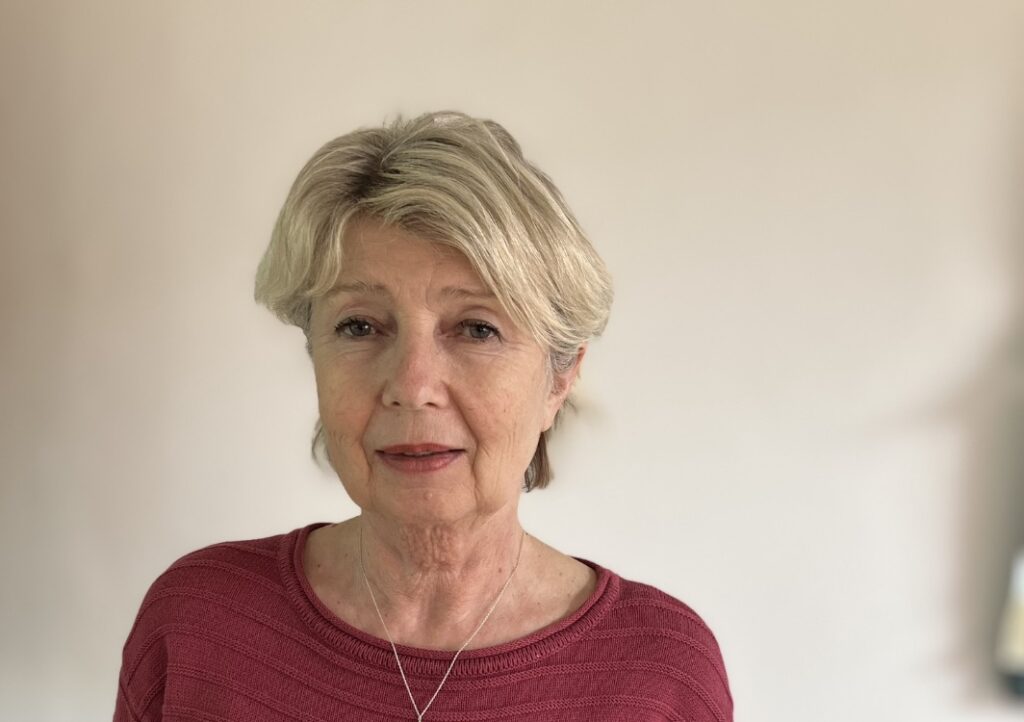
Helena Melichová

* 1952

  • "At that time [after the Velvet Revolution] we of course idealised that everything would be good, but of course life goes on as it goes. When we first went to visit some of our friends who were in Vienna as emigrants in early 1990, the feeling of going across the border where there were no wires was something absolutely incredible to me. That was so fixed in us, that when we go somewhere - anywhere - we have to have an ID card all the time, some documents, because if we were checked and we didn't have an ID card, they would search you at the border... So suddenly you could cross the border without wires, so it felt amazing. What was worse was when we found out in Austria what our money could buy and how different things were there, I didn't believe that things could change enough here to match that economy. It's different that we can travel, it's different that we can basically say whatever comes to mind, sometimes it's maybe for worse. It's just like my mother used to say to me when we were discussing, 'Yes, in the West you can say whatever you want, but again, nobody cares.' So it seems to me that it´s that way. But again, it's great that you don't have to be afraid to write something somewhere, your opinion. Then, of course, the big difference is that there were a lot of entrepreneurial people who could suddenly officially go into business, which before, if someone was in business, it was illegal. Because of that, in fact, some people were leaving here because they wanted to make a living somewhere other than just being dependent on our economy and being employed somewhere. It's changed in the culture, not always for the better, you have to think more and choose more because there's so much here that you have to be much more observant to notice what's quality and what's not. It was quite clear at the time, when suddenly something of the culture from the West came here, people were very happy to read it. In the sixties, at the end of the sixties, when it loosened up, there was excellent cinema here, there were a lot of films, there were a lot of books by writers who were not allowed to publish here again afterwards, many emigrated. When you compare it, the culture at the end of the sixties was excellent."

  • Full recordings
  • 1

    Praha, 19.03.2024

    (audio)
    duration: 01:06:00
    media recorded in project The Stories of Our Neigbours
Full recordings are available only for logged users.

Educate yourself, sort out your values straight and live a decent life
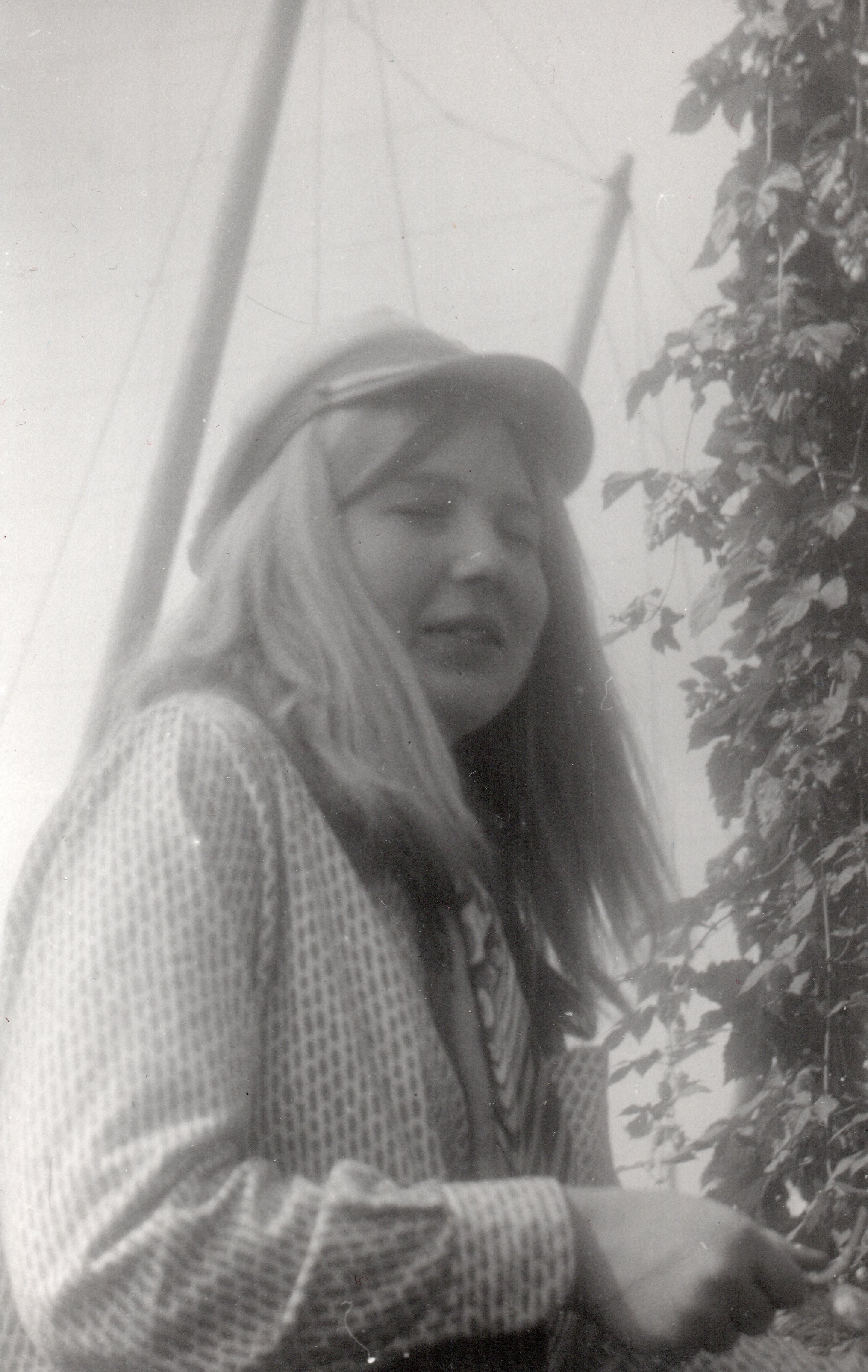
At the hop-picking
At the hop-picking
photo: witness´s archive

Helena Melichová, née Chroustová, was born on 10 September 1952 in Jaroměř, where she lived with her grandmother until she was four years old. At that time, her parents were studying at university and living in a hall of residence. She moved to Prague to live with her parents in 1956, when they were given an flat. Her sister was born at that time. After completing her primary school in 1968, she was admitted to the Grammar School Arabská. On 21 August 1968, instead of joining the hop picking summer job, she and her parents were watching the tanks of the Warsaw Pact troops from the window of their flat. The onset of normalisation also affected the family of the witness. After her mother, a university lecturer, was expelled from the Communist Party of Czechoslovakia (KSČ) and thrown out of her job as part of a background check process, she was unable to find a job for a long time, but eventually got a job in administration. After graduating from secondary school in 1972, the witness was admitted to the Faculty of Agriculture in České Budějovice and completed her studies in Prague. After the Velvet Revolution she worked at the Information Centre of the Civic Forum in Prague 1. Since 1991 she worked in education. She taught mainly science and chemistry at various primary schools. She completed her pedagogical minimum. In 2024, she was living in Prague and has been teaching for ten years at the Primary School of General František Peřina.