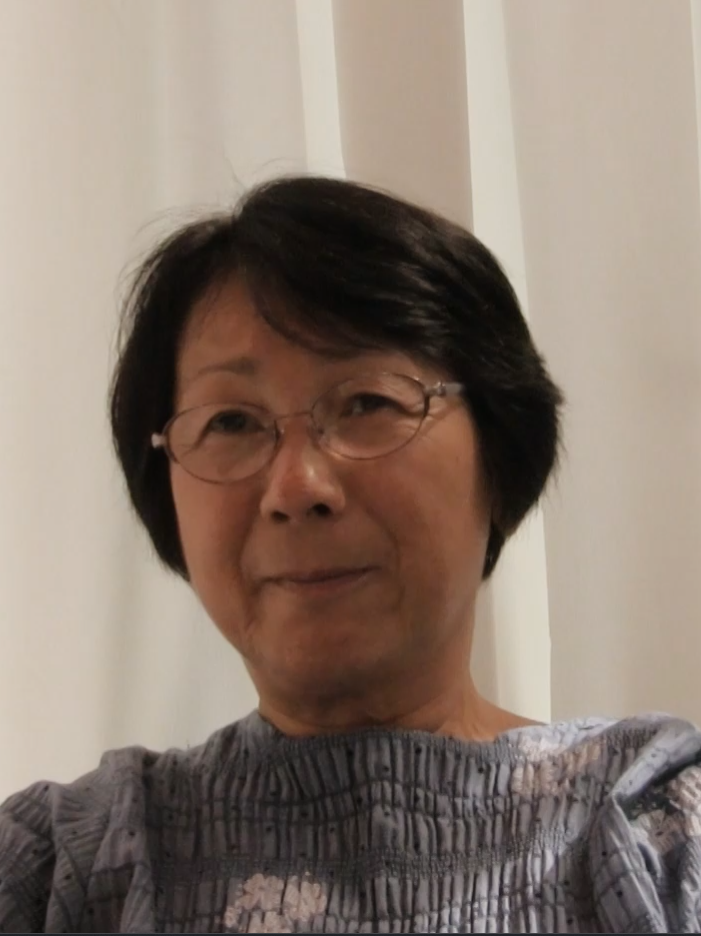
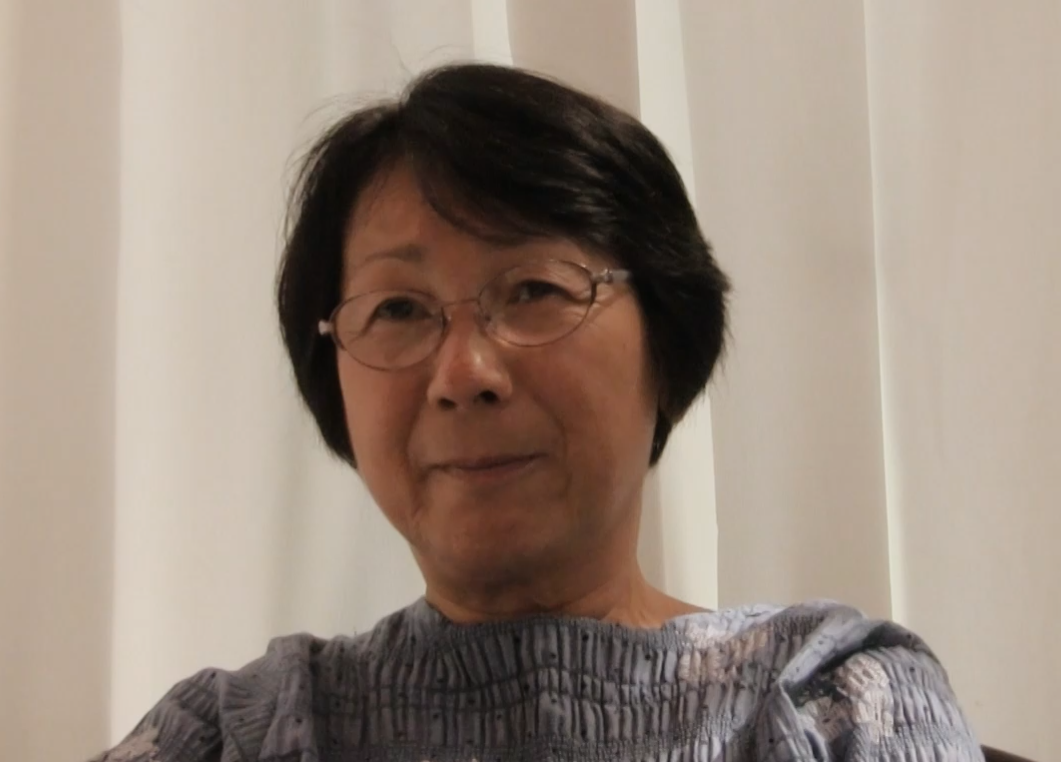
"Before anything, children are supposed to be free to go to school, live with ease and without the burden of money, and parents should not scramble to pay for their education.
[...]
Children should live with ease. Why should a child have to worry about money, about food and daily expenses. Going to school in the morning and selling lottery tickets in the afternoon? It makes no sense. Children must be free and unburdened, and able to go to school without worrying about what they will eat tomorrow or how their school fees will be paid. That is how childhood should be. I also don’t believe children should study with the pressure of someday serving society or the nation. That can come later. First, they need to learn so they can broaden their minds. […]
Children are meant to spend a beautiful childhood. I had one, and I can’t understand why children today don’t."
"At first it was just teaching. Once a year, the town hall would lend me a large room where I could organize a music night or a small party. That was the way I raised a little extra money annually.
[...]
Later on, I started bringing goods from Vietnam to sell here in France, and I also opened a Vietnamese cooking class. French people or Vietnamese who had lived here a long time enjoyed Vietnamese food, so when they came to learn, it brought in additional funds. During holidays, like Christmas, there were stalls at the Christmas market, I would bring products from Vietnam to sell, earning a profit to support the children back in Vietnam. Gradually, people got to know me and started placing orders, 100 meals, 50 meals, that sort of thing. That brought in more funds.
[...]
Every two years, I would take a group back to Vietnam. They (the ""godparents"") would be very glad to be able to meet the children they were supporting."
"Avenir means ‘the future.’ It’s also called Măng Non, or ‘young buds,’ because the idea is to help give them a bright future, to assist them going to school. At first, the focus of the organization was limited, it was to help children go to school and to support teachers with very low incomes, those earning maybe 100 or 200 a month, barely enough to get by, raising four or five children while trying to send them to school, so I helped provide them with the necessary means. That was why at that stage, we didn’t help the elderly because it wasn’t part of the organization’s purpose. Later, the organization expanded its mission to help all underprivileged people in Vietnam."
When I returned, I saw how poor and miserable people were. There were beggars everywhere wandering the streets, it was heartbreaking. It was one of the the starting points for me, and after returning, I decided to establish a charitable organization.
[...]
By then, society had completely changed. The city felt far worse compared to Saigon of my youth. People were not living comfortably. They were afraid to speak their minds; even my old friends couldn’t talk freely, probably out of fear. But I could understand them, after all, they were living there, in that situation."
"All the bosses were replaced. The department heads, the directors—they were no longer there. Instead, people from the North were brought in. I felt they didn’t have the ability, yet they ordered us around.
[…]
At that time, everyone was confused and anxious. We didn’t know what would happen to us or what we might face. So we just carried on quietly, as usual, going to work in the morning and waiting to see what would happen. When new people arrived, we simply did whatever they told us to do. They didn’t really know the work either. We knew we were the losers of the war, we accepted our fates.
[…]
It wasn’t just my family. Everyone wanted to leave. The only question was whether you had the money or the means. Otherwise, everyone wanted to go. As people used to say, even the flagpole would leave if it could, it wouldn't want to stay.
[…]
Everyone wanted to leave because we were forced to work under people who lacked ability but held power over us. They were backward in their thinking, yet they were the bosses, so we had to listen. It all felt deeply unreasonable. I knew I couldn’t live like that anymore."
"At first, they said it would only be about a week, so they packed food and supplies, thinking it would really just be a week. We never imagined they (the other family members) would be gone for several years without returning. Later, after the first week passed and nothing happened, we started to get worried. When they first told us, they said to bring enough clothes for just a week of study. But what was supposed to be one week turned into three or four years before we came back, something like that."
It was just an ordinary day for me. I didn’t see tanks rolling in, but I heard on the radio that Duong Van Minh had surrendered, so I knew it was over, everyone was laying down their arms. Streets outside were chaotic. When I went out, I saw clothes scattered everywhere, military uniforms, people were afraid to be seen wearing them. I also noticed that some people were looting, though I’m not sure if it was on TV or something. They would run into abandoned houses to take whatever they could. They head to the U.S. Embassy to try to leave. People who had connections with the Americans knew the channels; I didn’t, so I just stayed there. I saw some families running in and taking things like refrigerators and TVs. Much later I was told by some people who had left that they just wnt to the pier, climbed on a boat, and left."
"At that time, from school and the news, I knew there was fighting. But it was only at the frontlines, far from Saigon itself. Saigon was peaceful, nothing was happening. I had an older brother and some cousins who were soldiers, and from their stories, I understood briefly that there was war, but I didn’t face it directly. Life in Saigon was calm, and I sometimes felt it was unfair to the soldiers who had to fight far away. Here in well-off Saigon, I didn’t see any sign of war.
[...]
I was in the South, and and they want to come and call it ‘liberation.’ Personally. I felt happy, there was nothing to liberate. It seemed more like they came to seize the land of the South. They made things difficult, they wanted to leave an impression. Sometimes, when we took the interprovincial bus, the Northern forces would pile up mounds on the road to stop traffic. When that happened, we had to wait for our soldiers to come and check for mines, because sometimes those mounds had hidden explosives that could blow up if we moved them. And that caused delays. I just thought these actions were absurd, cruel even. Sometimes they would even kill a local official. That was all I knew. It wasn’t until the New year of the Monkey in 1968 that the war actually reached Saigon. But even then, it only lasted about fifteen to twenty days before things returned to calm."
"Saigon used to be called the “Pearl of the Far East,” and it was a very comfortable place to live. Back then, going to school was all I knew. I never had to worry about money. If you pass the entrance exams, you would go to public schools and it wouldn’t cost anything, it was a comfortable life. From morning to evening, I just went to school and came home, I didn’t have to worry about what to eat, how to earn. A childhood without worries. All we did was go to school and hang out together."
Lương Thị Hồ Quỳ was born in 1952 in Saigon, “the pearl of the far east”. She had a happy and carefree childhood. Three years after the fall of Saigon in 1975, she left Vietnam by boat and eventually settled in France. There, she pursued her studies and built a career in computer technology. In 1994, she returned to Vietnam for the first time to visit her family. The trip inspired her to start the charitable organization Avenir in France which is dedicated to help children in Vietnam who otherwise would not have the chance to go to school. Now 73 years old and retired, she continues to devote herself to maintaining the organization and giving more Vietnamese children the opportunity for a brighter future.