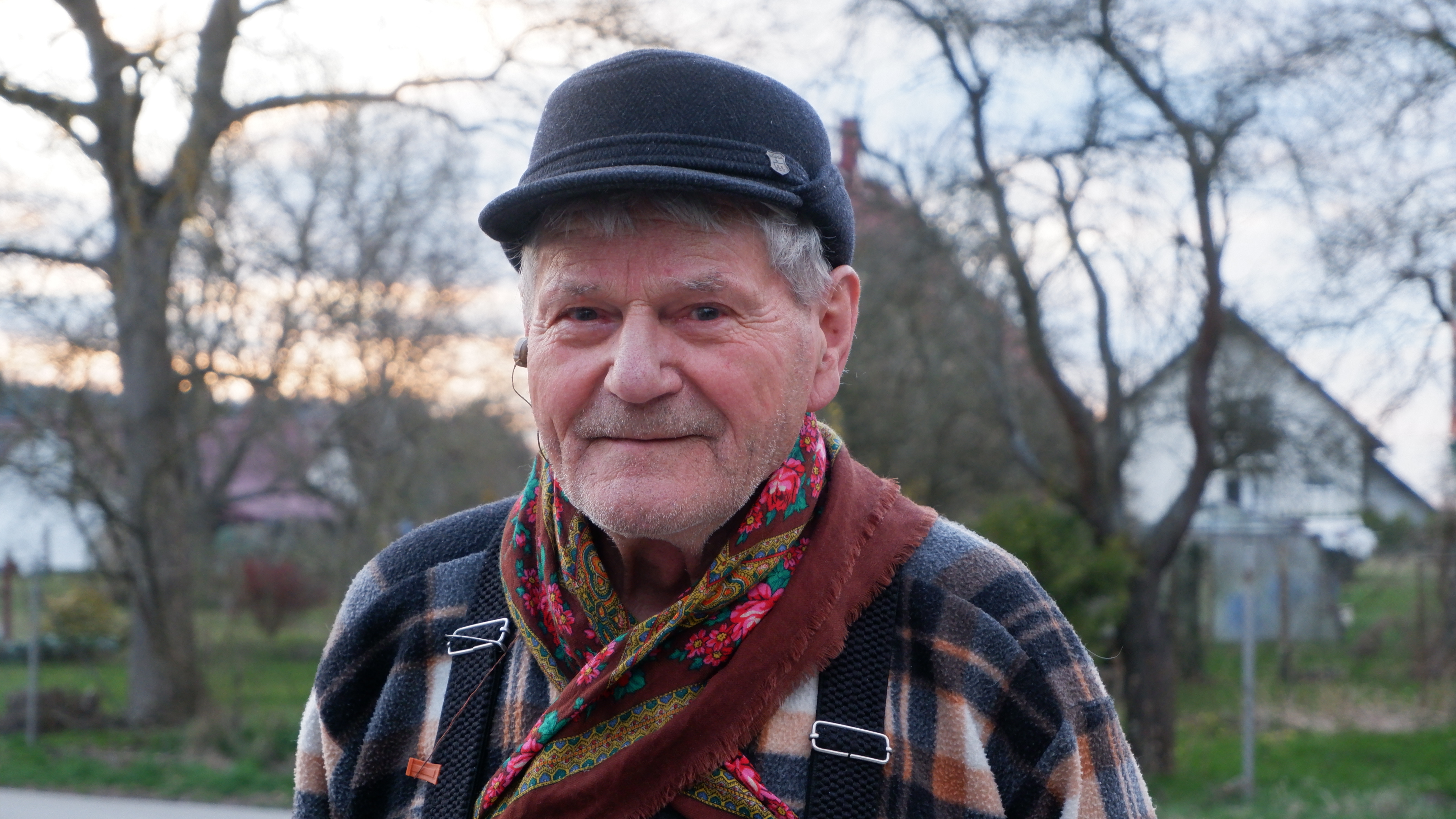
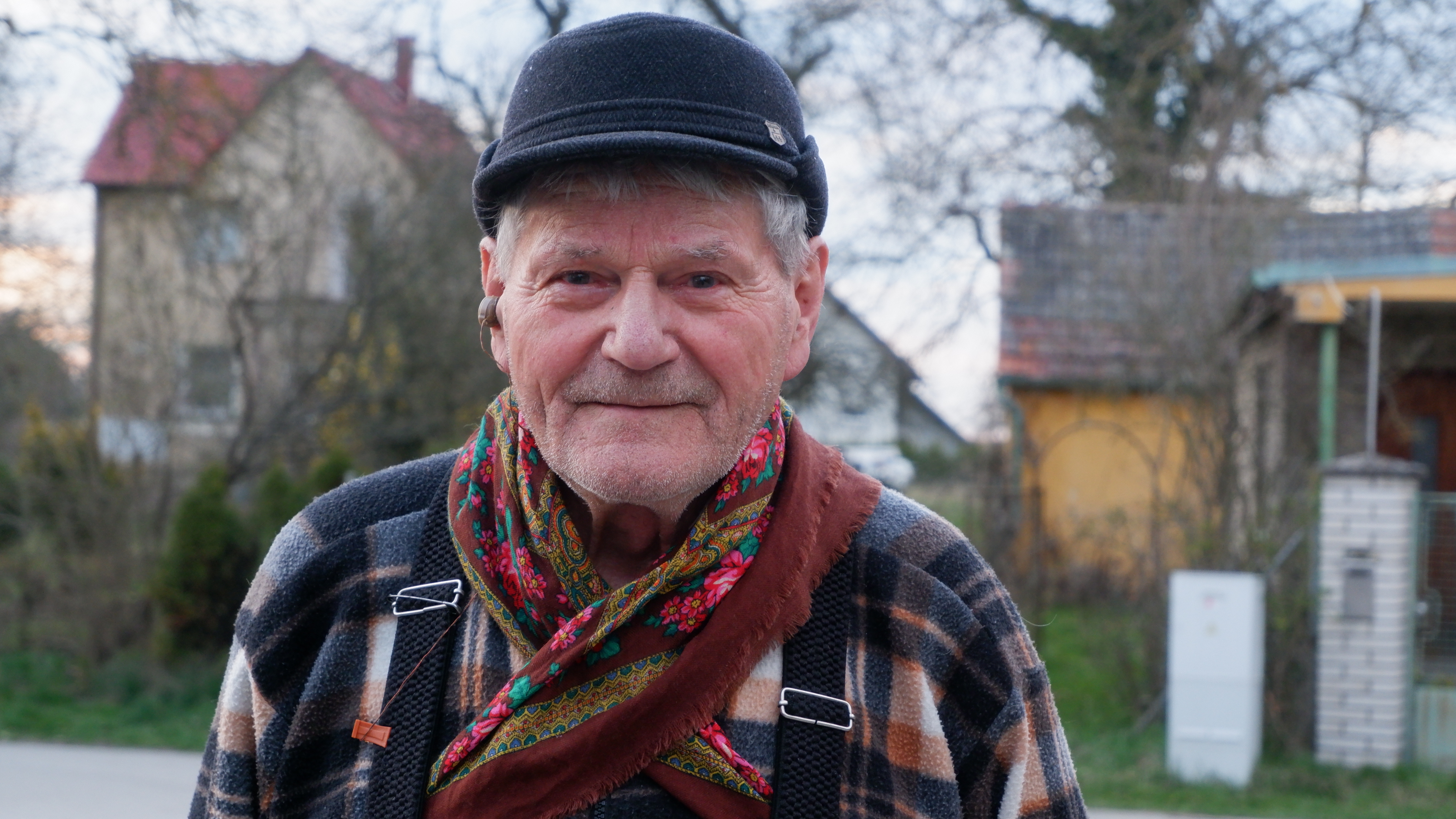
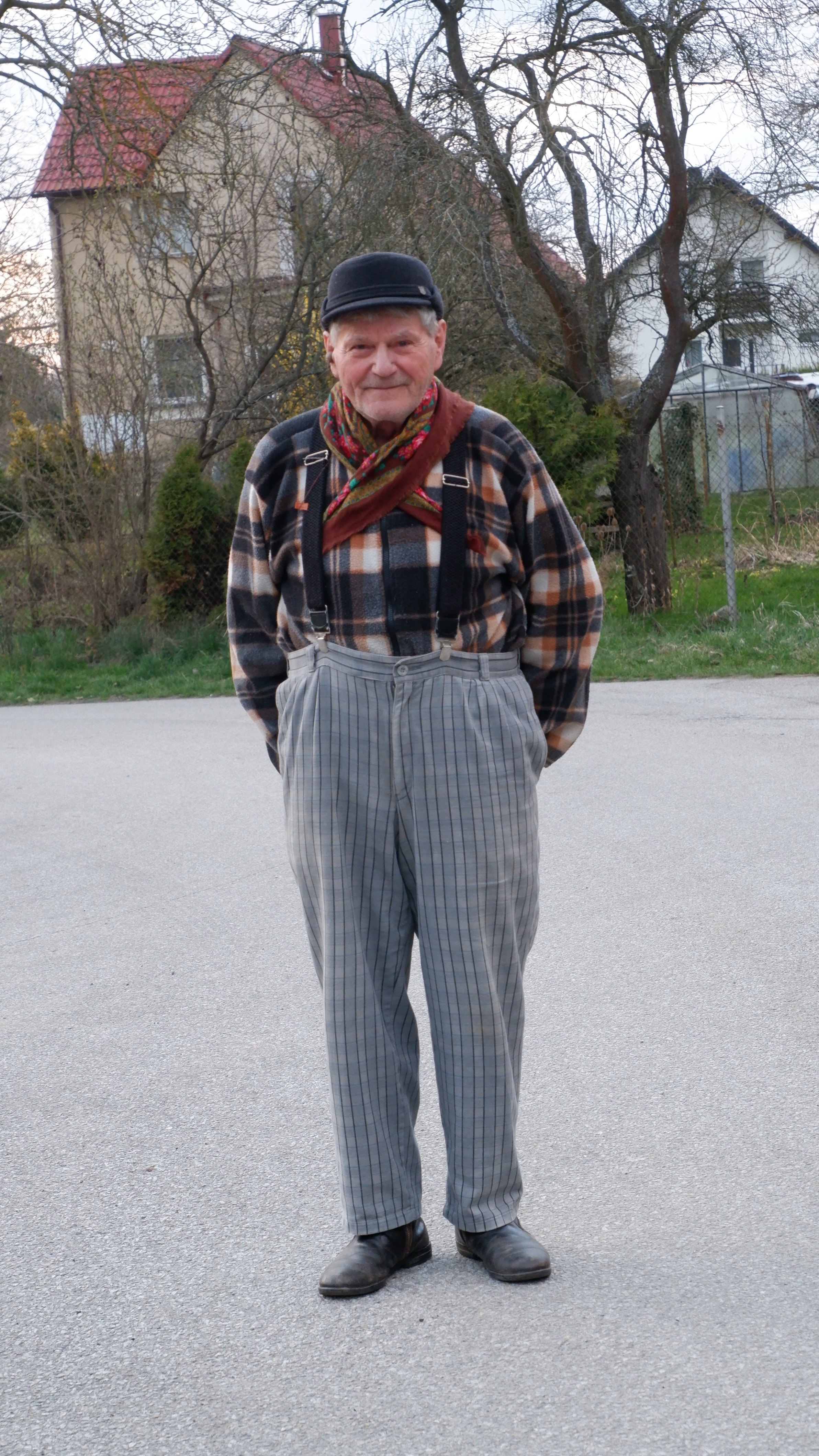
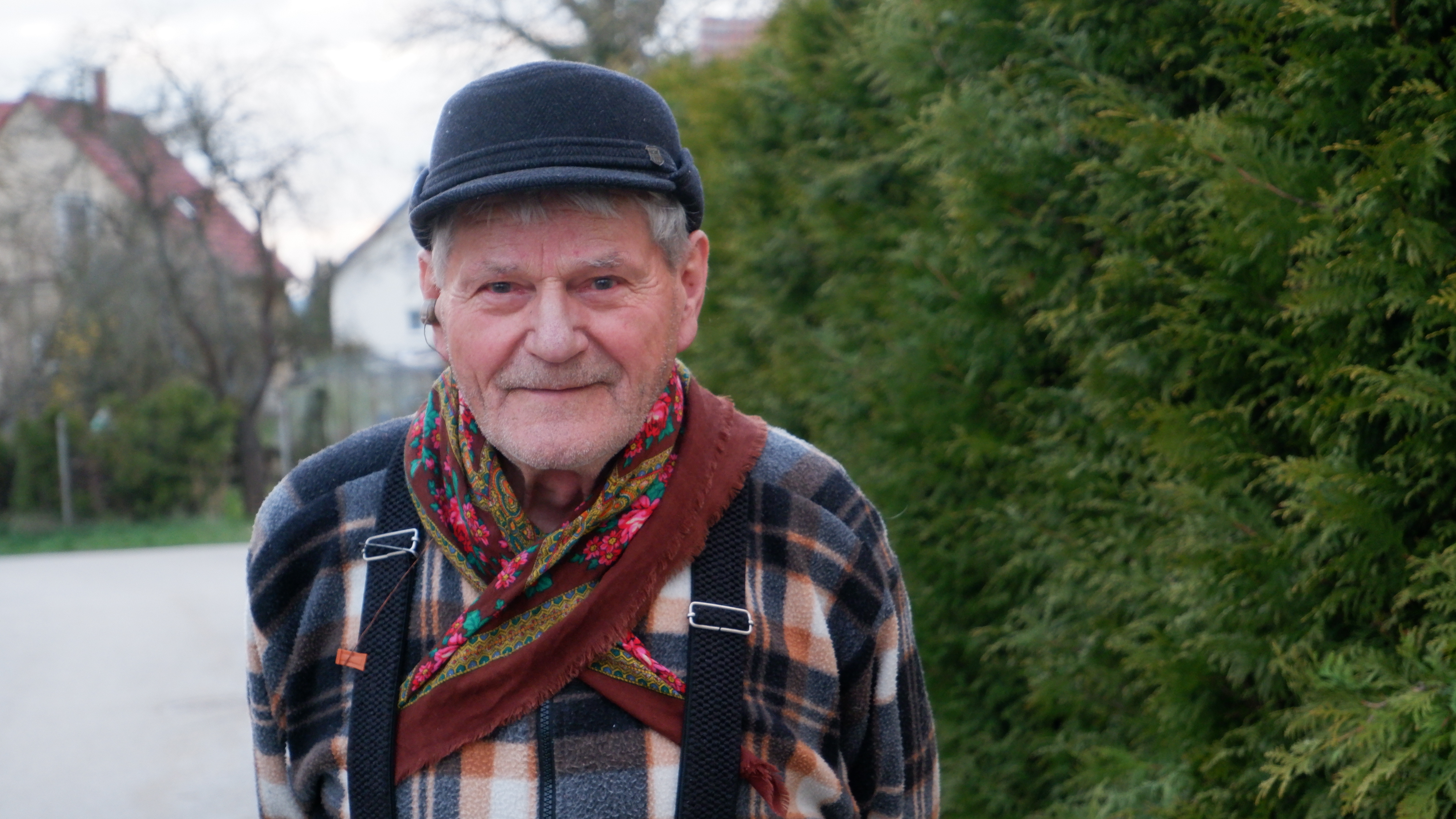
Oldřich Loveček

* 1934

  • "My dad said, 'Never worry about politics.' I wasn't interested in politics. I was recruited everywhere because I spoke German well. They wanted me to spy in Austria. [But I] never did anything. I would like to visit [Austria], but do nothing." - "They wanted you to spy in Austria?" - "Well, they recruited everybody who could speak German." - "And who wanted you to do that?" - "I don't know their names. They were all State Security or something, I don't know." - "And did they interrogate you, the State Security?" - They didn't interrogate me, nothing, they just talked to me. If I wanted to go to Austria, and I already knew what they wanted. I said, "Look, yes, but otherwise nothing. I didn't agree to do anything there. They would have arrested me in Austria, or here."

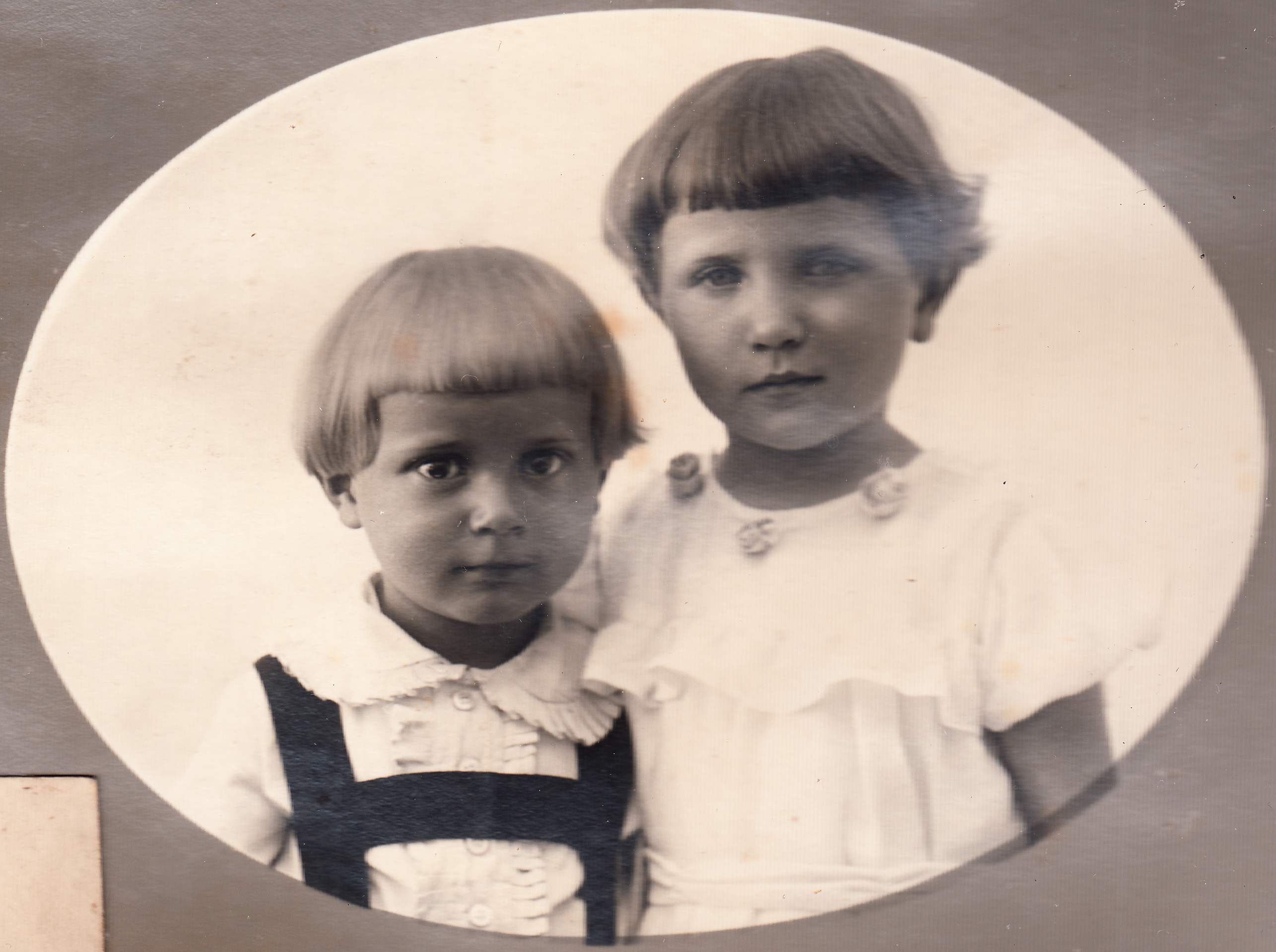
  • "Did you have to help out as a child in agriculture?" - "Too much. My sister and I worked most of the time in Dvorište, in the fields. When I was 14, I couldn't straighten my fingers from the rakes and the pitchforks; everything was done by hand. We had 10 hectares and everything by hand, absolutely everything by hand. We had cows for pulling but nothing else." - "And when did you start working in the fields as a child?" - "As a kid. We were in the basket by the baulk; do you know what baulks are? Well, we sat there in the basket, and that's where we slowly grew up. As soon as we could, we had to do, like hinges for example... When my daddy was cutting the grains with the scythe, my mommy would assemble them into these handfuls, and those had to be tied up. We kids, we'd twist them, and mum would tie it. We had to work right away. We worked so hard, we cried a few times with my sister. We had to work a lot, a lot. The kids were playing and we had to work all the time, all the time." - "And that was before you went to school. You already had to work?" - "Well, right away... When I went to school, I had to feed five head of cattle, and then I went to eat and go to school in Horní Dvořiště. After the war."

  • "And my mother and I... there were camps, my father had to be a soldier there. He had to lie on the border there, and Mummy and I used to bring him snacks." - "And where was he, directly - behind Dvořiště, at the border?" - "At the border, at customs. There was a customs house, and there was a barracks, a hastily made barracks of some sort. That's where Dad used to lie down, and Mum and I used to go and bring him his snacks. He waited there, not knowing if there was going to be a war or not. But then it smelled very bad, and when the Germans and Austrians joined forces, the Germans were too strong, and the Czechs were afraid to stand up against them. So there was a commander there, he was so sensible, and he said, 'Hey, you can go, throw away the rifles and go home, because we wouldn't survive this.' So Dad threw away the rifle and went home. And then when the Germans came, they locked my dad up. But as they didn't shoot, they let him go again, kicked him in the ass and said 'go home.' Well, we stayed there throughout the whole war."

  • Full recordings
  • 1

    Dolní Třebonín, 08.04.2025

    (audio)
    duration: 02:08:27
    media recorded in project Living Memory of the Borderlands
Full recordings are available only for logged users.

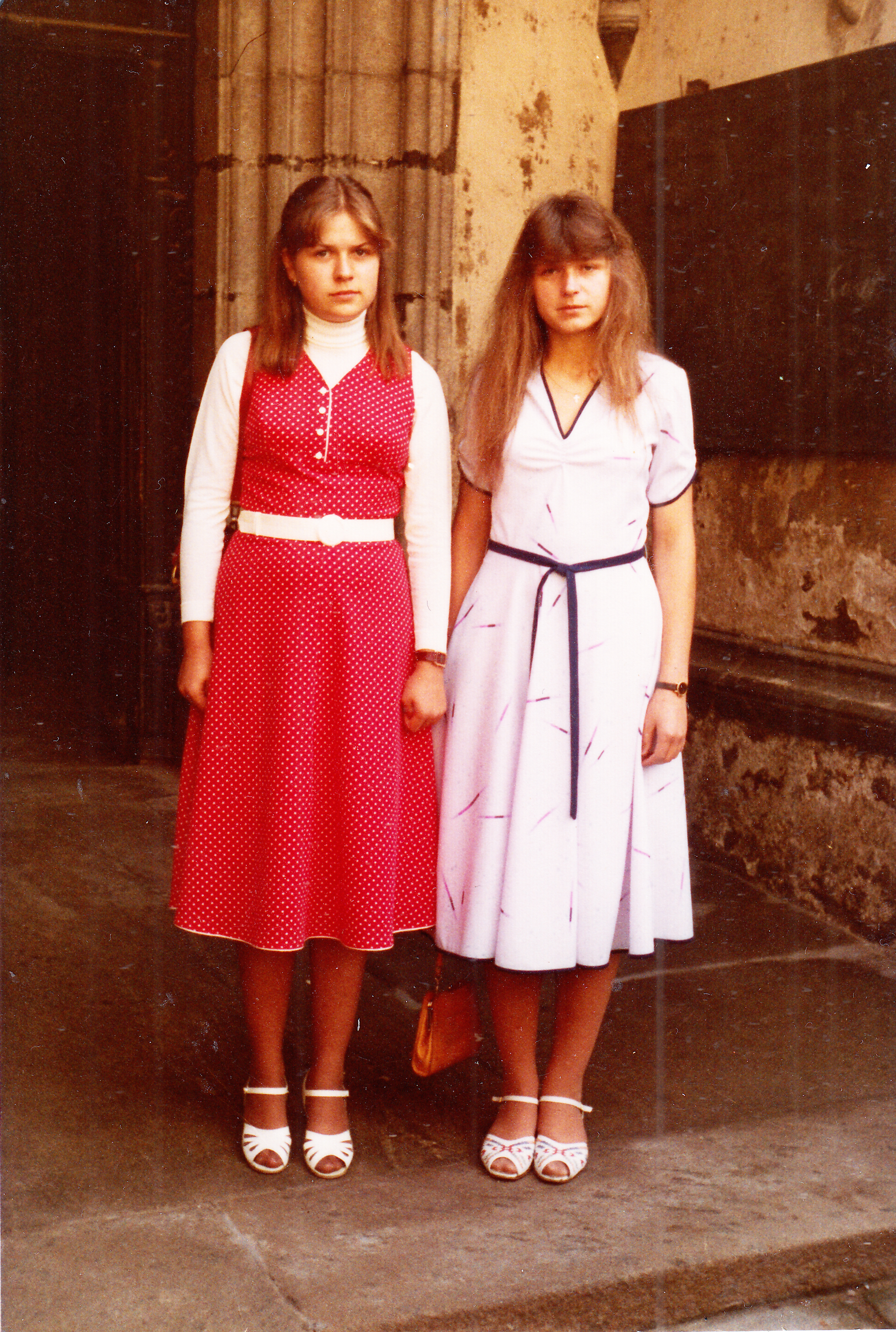
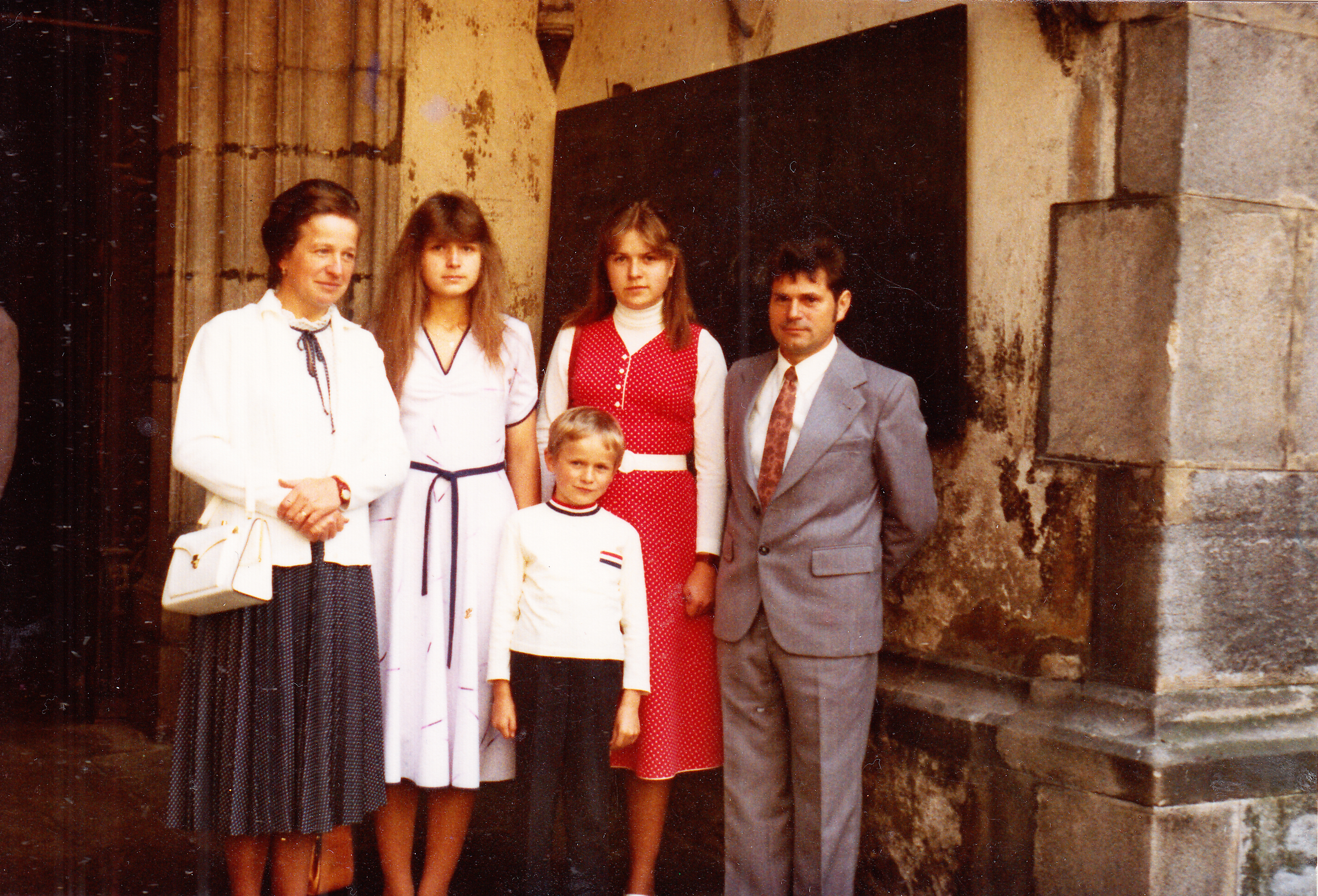
I’d go to Austria to look, but not to spy
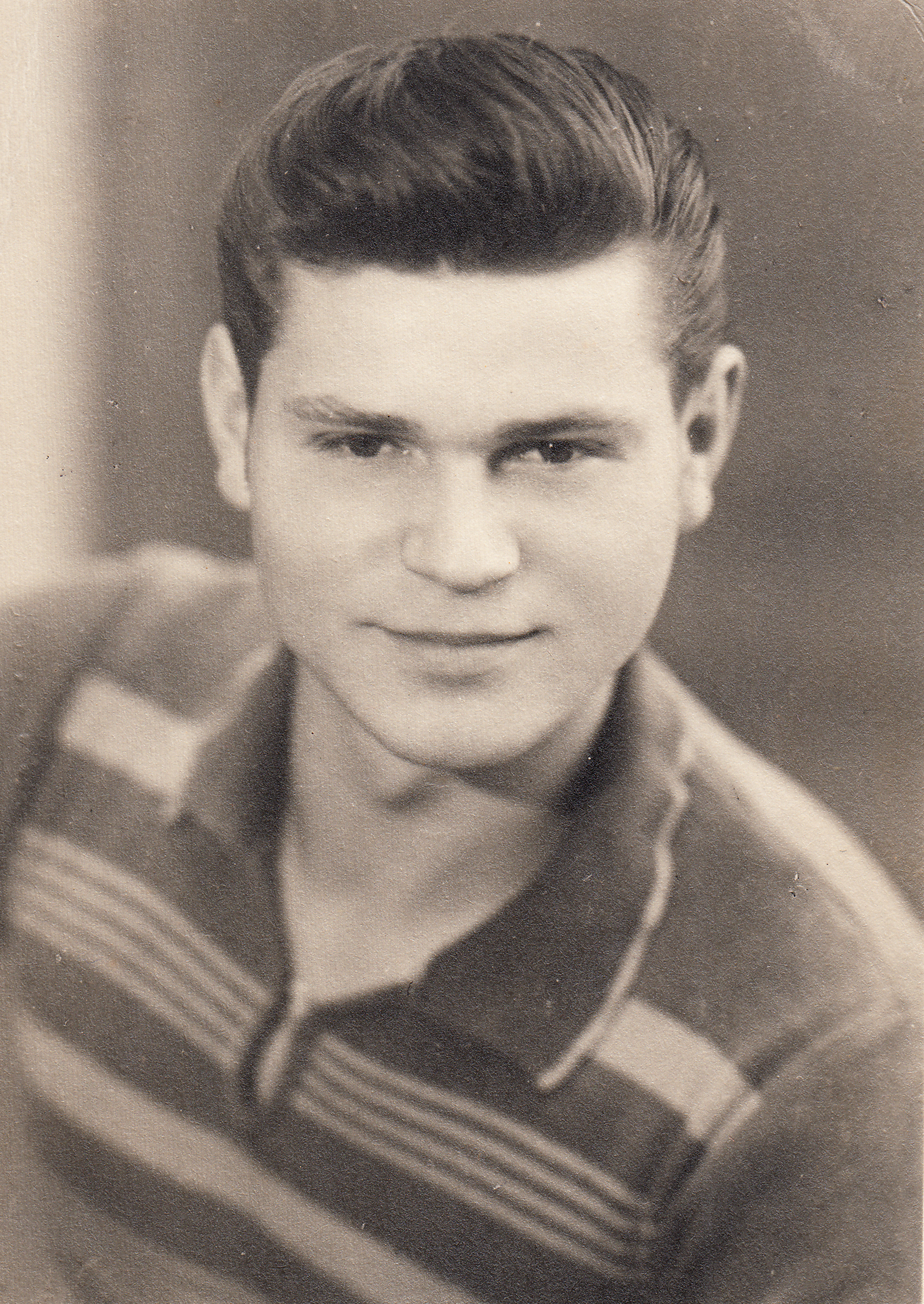
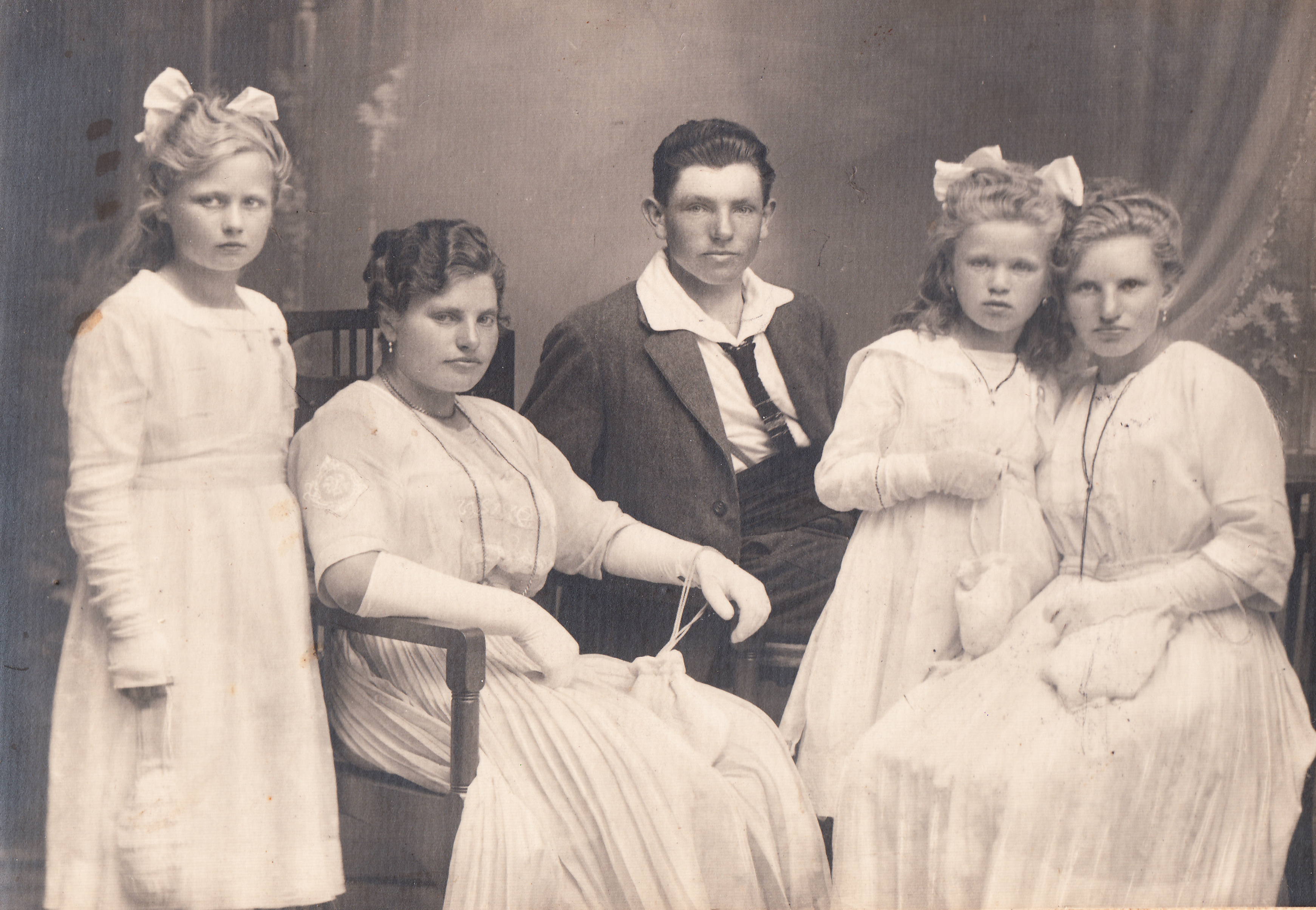
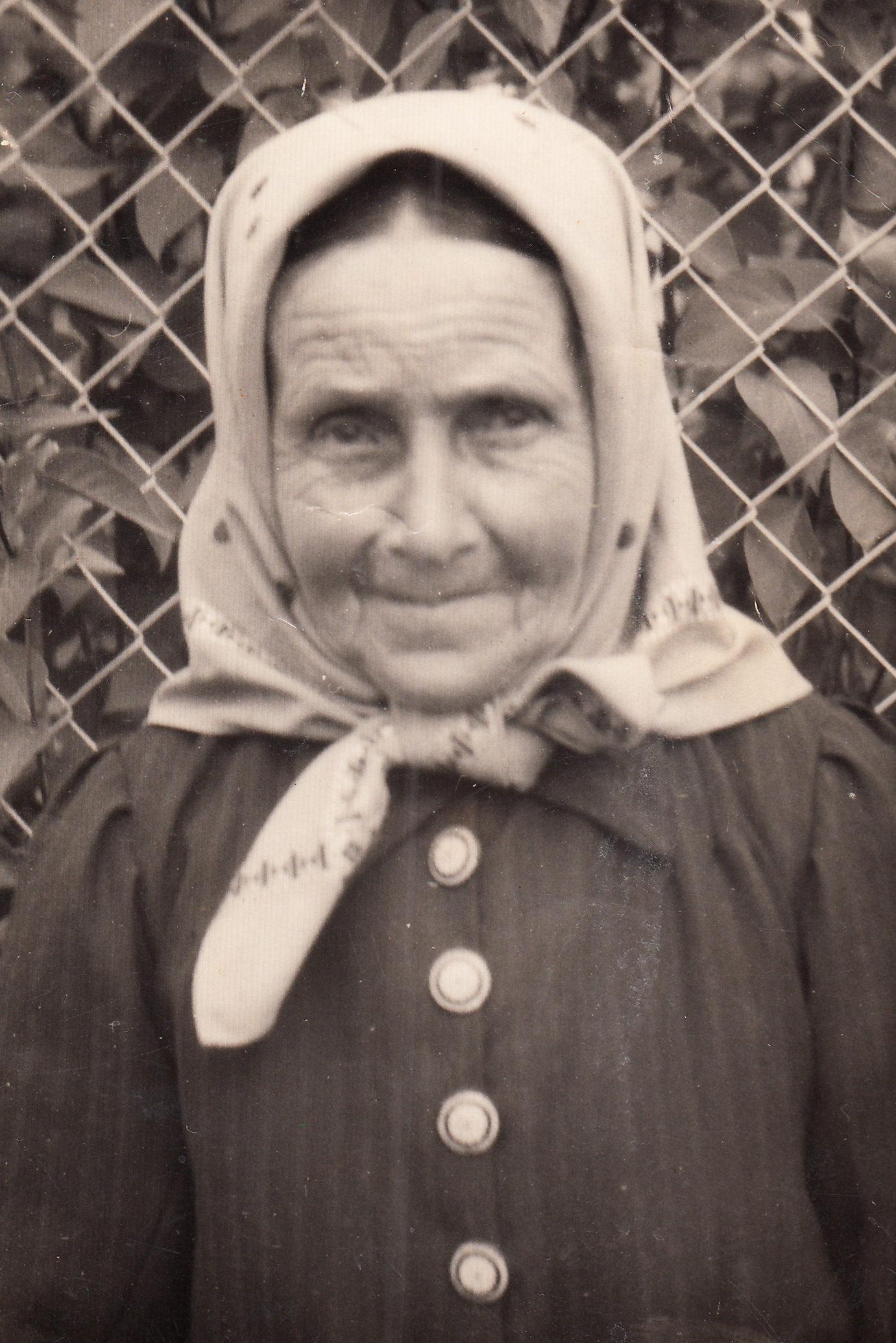
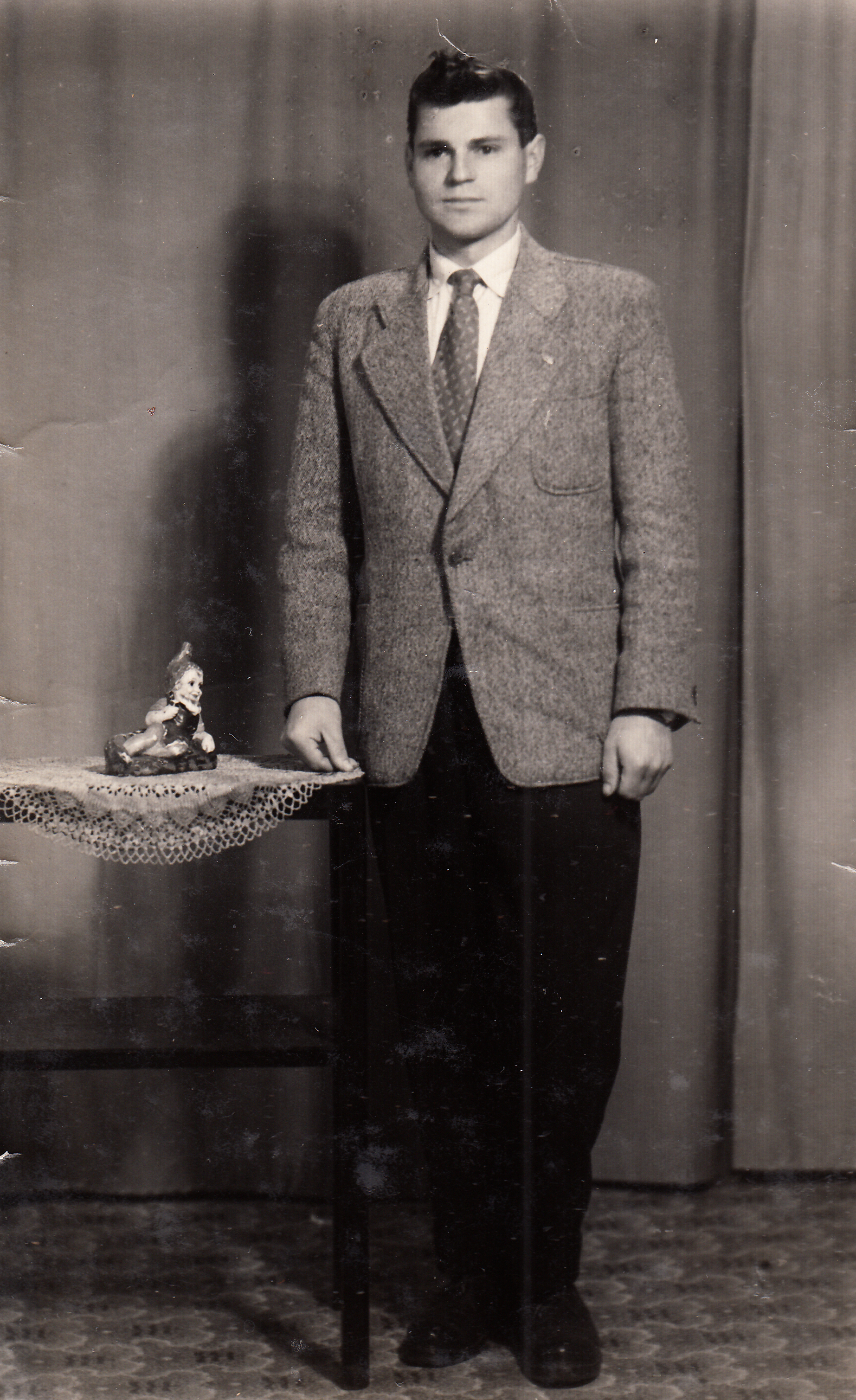
Oldřich Loveček, 1953
photo: Witness archive

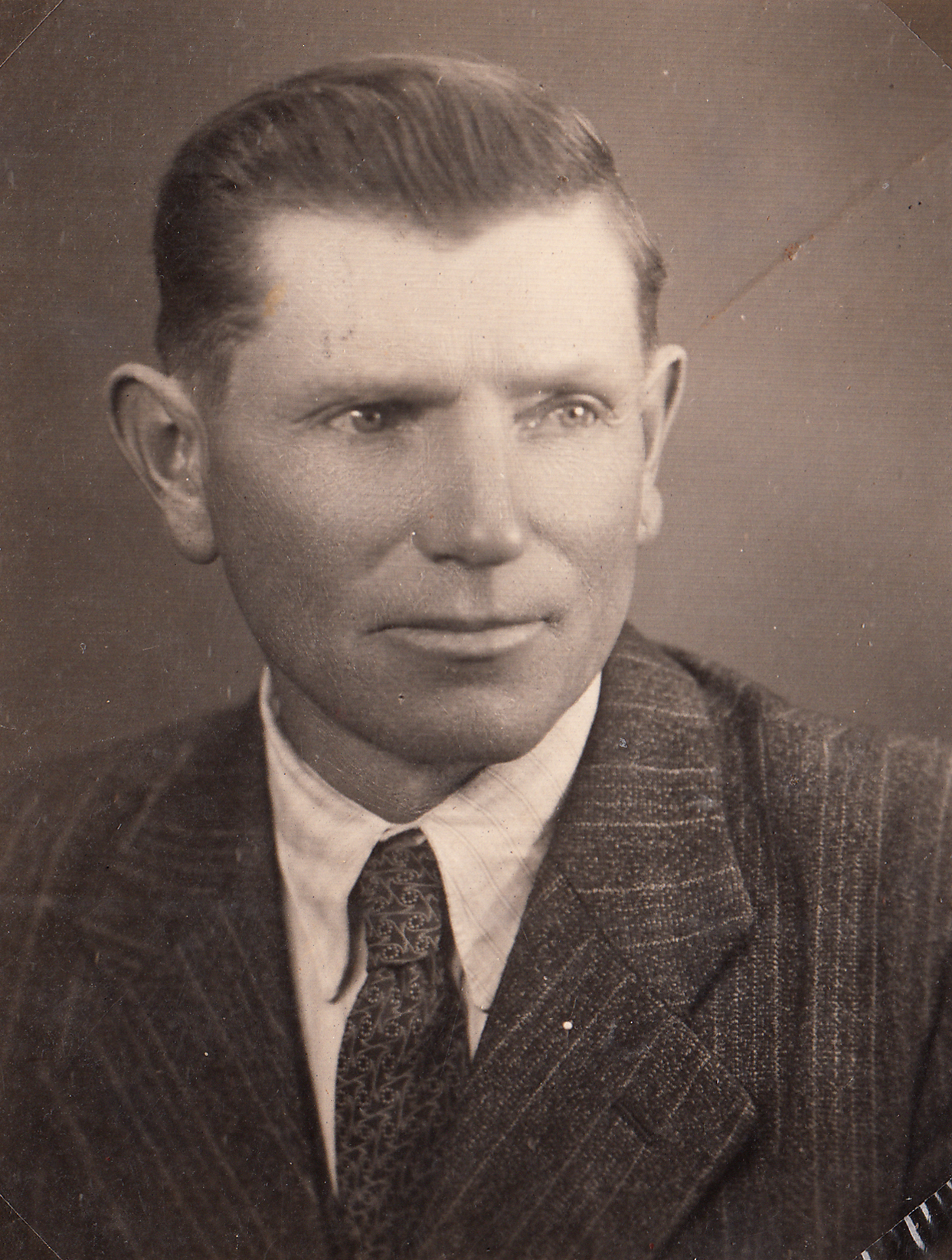
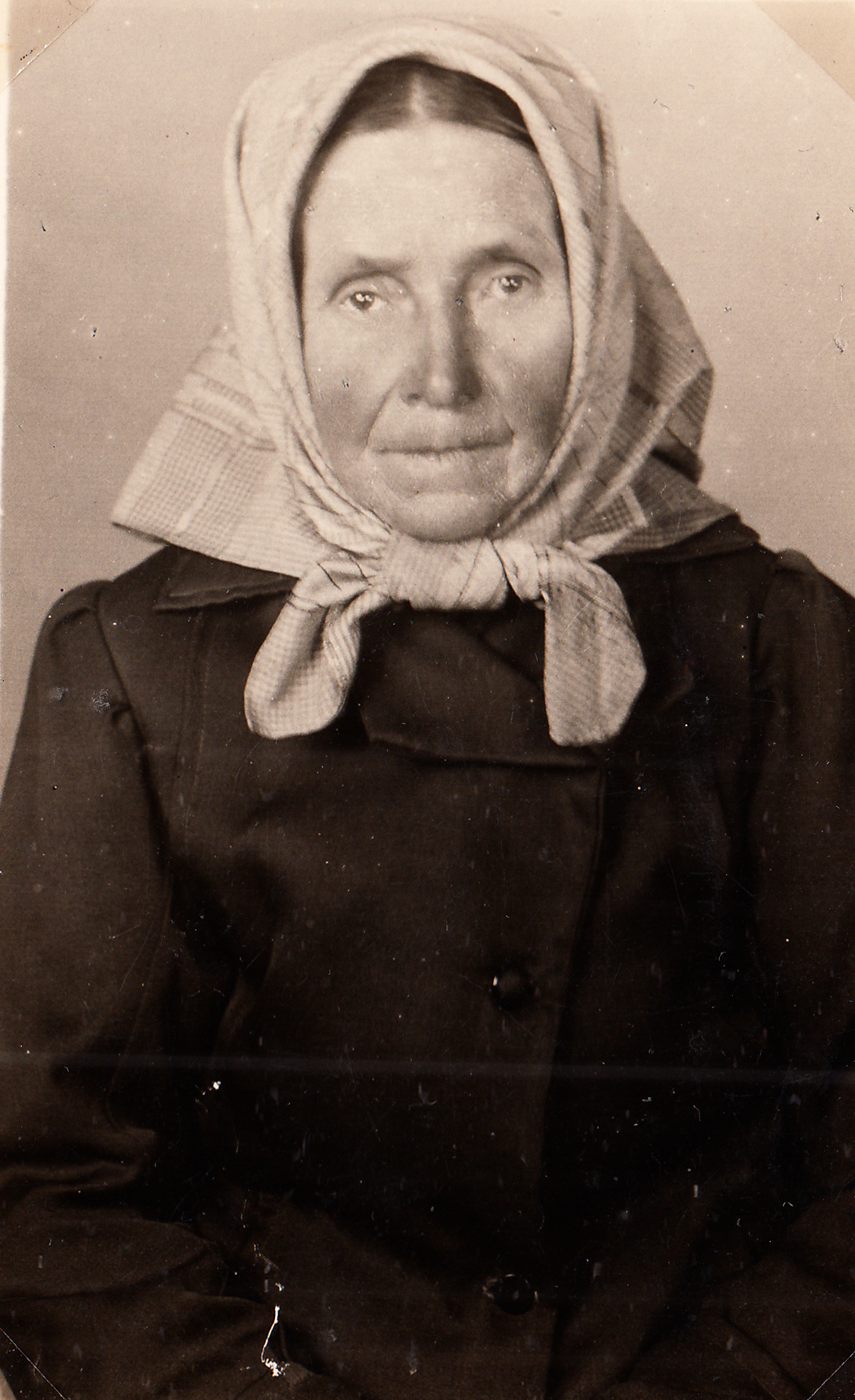
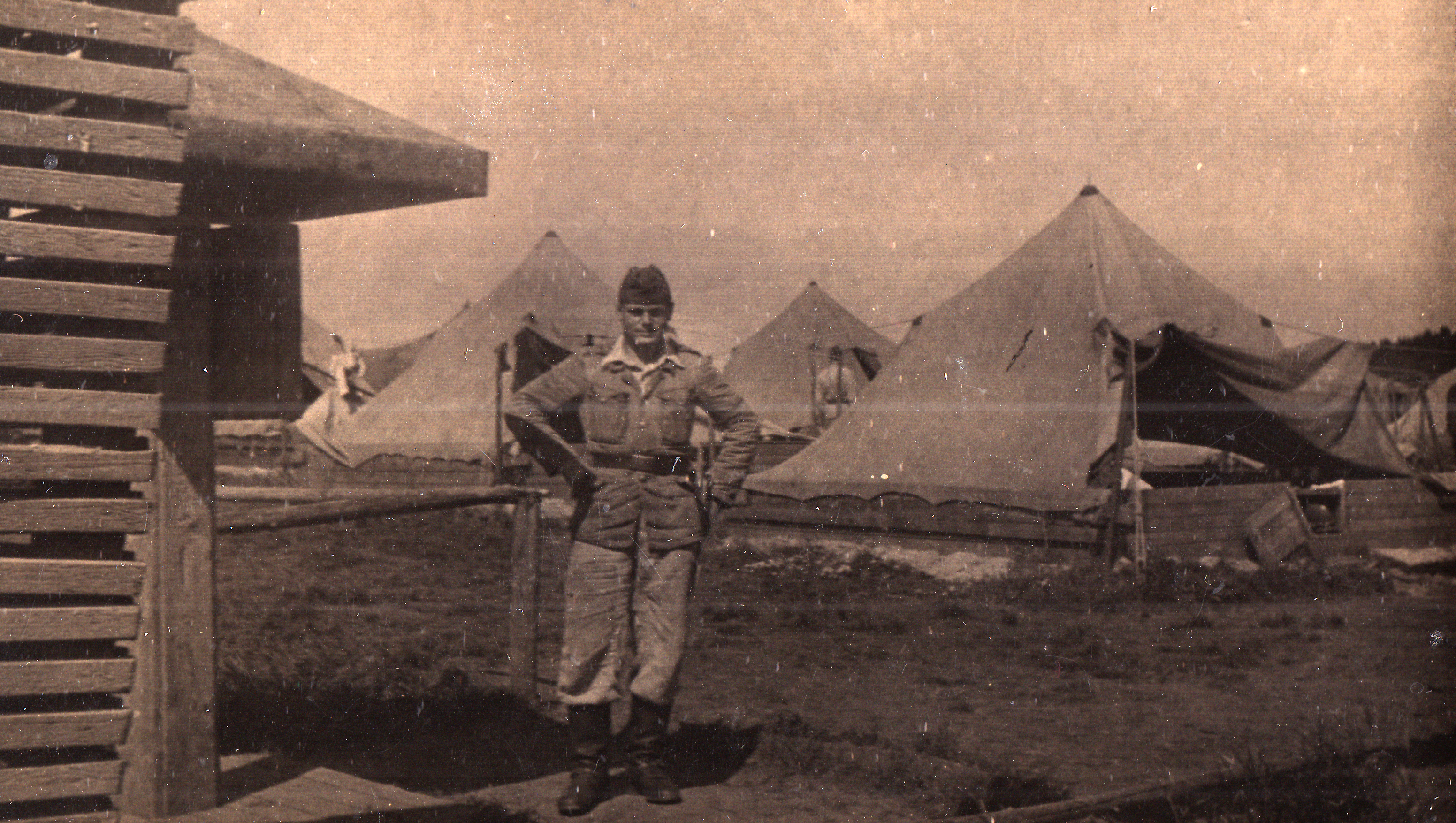
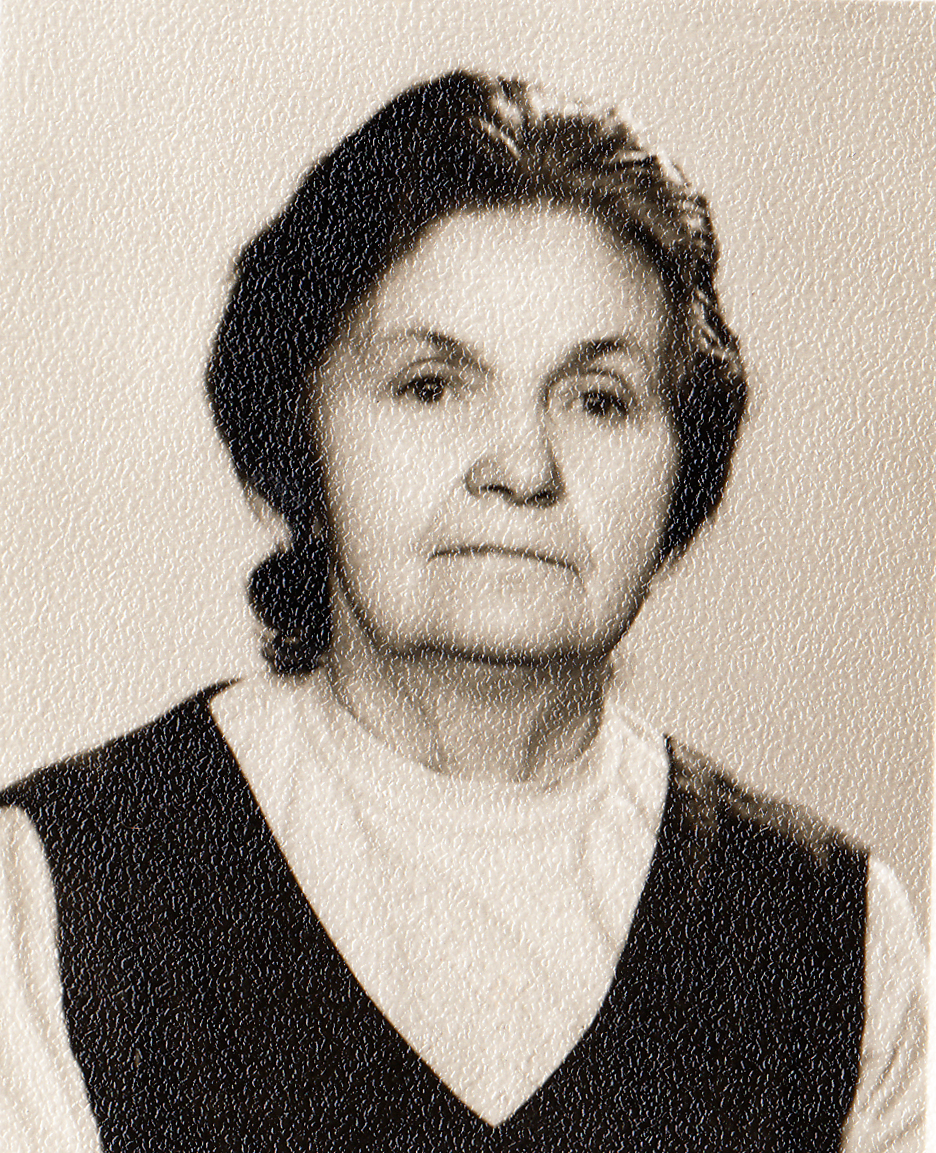
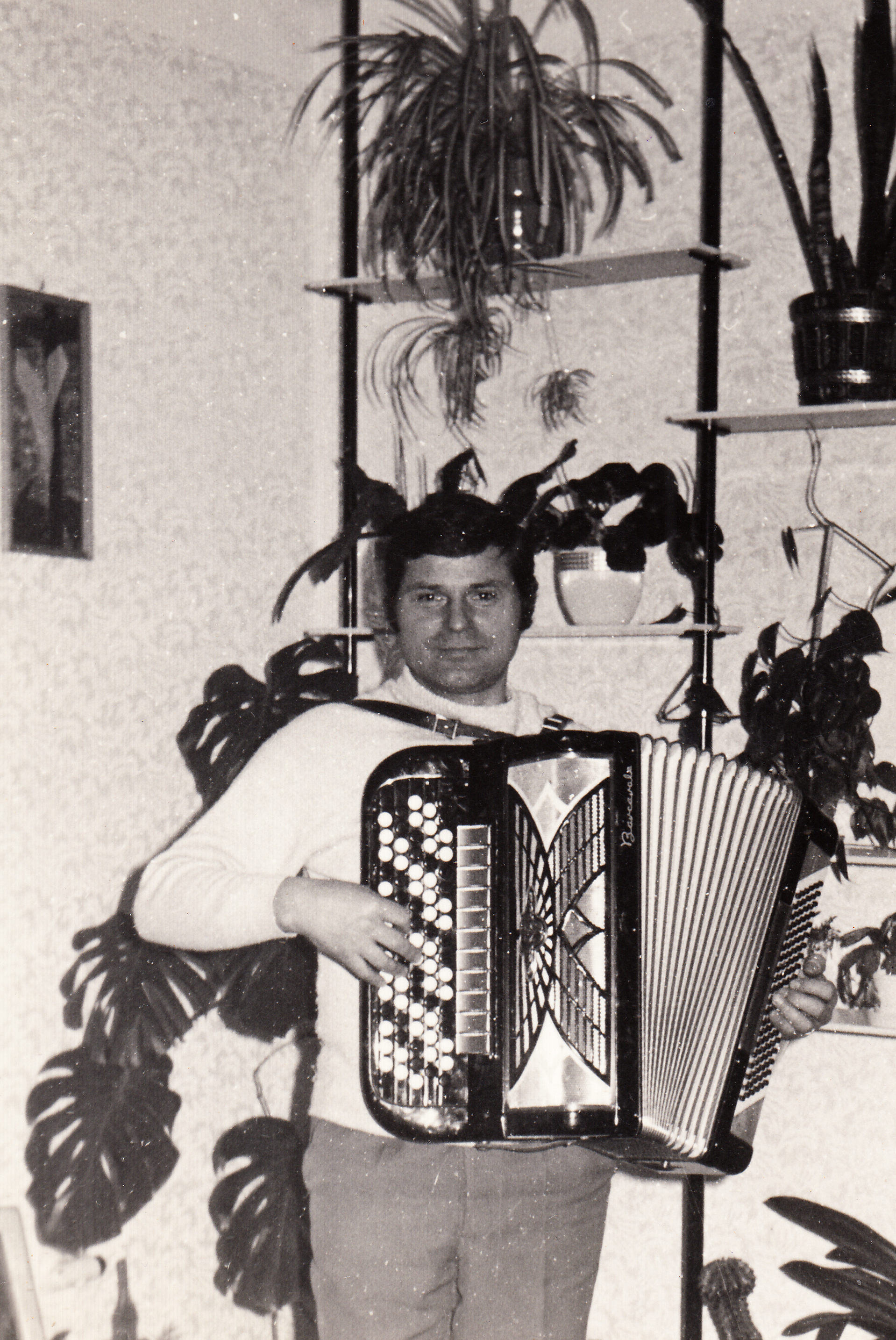
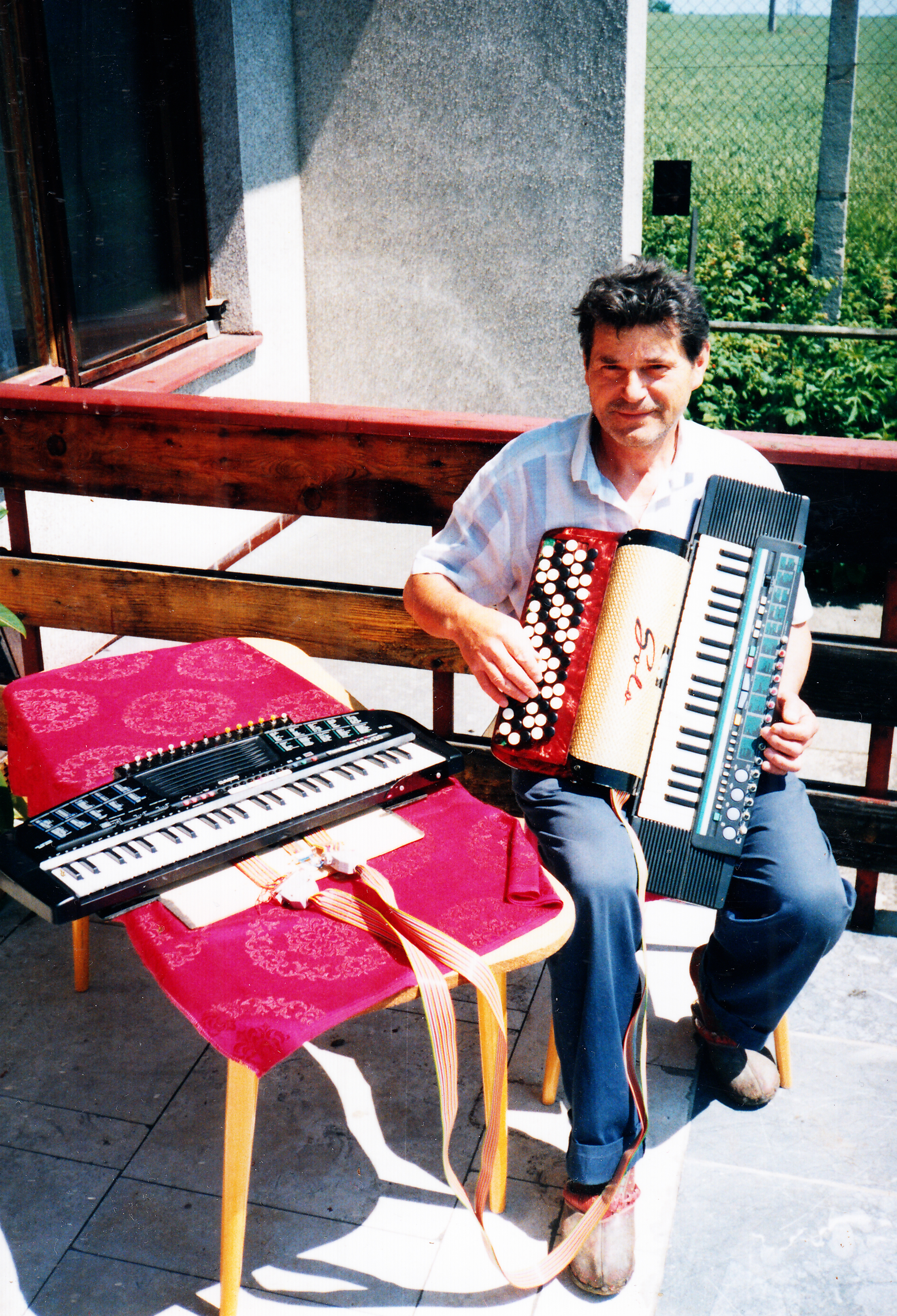
Oldřich Loveček was born on 3 July 1934 in Dolní Dvořiště near Český Krumlov into the peasant family of Antonín Loveček and Marie, née Jandová. He grew up with his sister Růžena, two years older; during the war, two more siblings were born. He spent his childhood in the Czech-Austrian border area. In 1938, he experienced the mobilisation and subsequent German seizure of Dolní Dvořiště. His family was one of the few Czech families to remain in Dolní Dvořiště after the German occupation. Oldřich Loveček attended a German school and, after 1945, a Czech town school in Horní Dvořiště. He finished his primary education in 1948 and, at his father’s request, continued to work on the family farm, where he had worked hard since early childhood. In 1953, the family farm was taken over by a unified agricultural cooperative. His father served as its chairman for some time. Oldřich Loveček worked as an electrician from 1950, but he did not receive his apprenticeship certificate until 1952-1954 at the South Bohemian Power Plants. In 1954-1956, as “politically unreliable”, he served military basic service in the Technical Battalions. He then worked and lived in Kaplice, where he married Marie Perousová in 1960. They raised four children together. In the mid-1960s, the family moved to Český Krumlov, and Oldřich Loveček served as a shift worker - electrician at the substation in Větřní. Here he experienced the occupation of 1968, but he was not interested in political events. He valued his job, which he did not want to lose. During the communist regime, he received proposals to collaborate with the VKR (Military Counterintelligence Service) and, according to him, was also contacted by the StB (State Security Service), but he refused. From the late 1970s onwards, he was able to occasionally travel to Germany or Austria to visit relatives. He is a practising Catholic; his wife copied religious texts during the period of normalisation, and they regularly attended church. His passion since his youth has been playing the accordion. He retired in 1994, working three years overtime. In 2025, he lived in Dolní Třebonín.