"[My father] says: 'You know, the Czech passport - it says here that it is valid for all countries of the world.' He actually went to Switzerland, stopped at my mother's, his ex-wife's, stayed there and went to Genoa. He went on the Achille Laura, on the boat. Because we had an international business, we had a forwarding company that took over the forwarding of glass to all the countries of the world, and we had a representative office, the Hamburg-Süd shipyard, and one other. So my father knew the shipping business. So he went to the..., he's the one that does all the accounts and things like that, and always the captain and the one, I don't know his name, that does the accounting, they always have two or three cabins for themselves that they can sell on their own account. And my father went over there and he says, 'Look, I'd like to make the trip with you, but you've got to make me a price,' so the trip cost twenty-one thousand marks, and he made it for eleven thousand. Of course, it was a little side deal for them, since it was untaxed. So my father went on a three- or four-month trip around the world. I would always just get postcards from him — from Tahiti or who knows where, some far-off place like Cape Town — and I kept thinking to myself: ‘Christ, how is this going to end?’”
"My father went with me to Vienna in 1938, in March, at the end of February, for a fortnight. My grandfather's brother was in Vienna - he was an officer in the Austrian army. He had been an officer in the Austrian army since 1913 or so. He graduated from Theresian in Vienna and then became an officer on the general staff of General Hötzendorf's Austrian Army. And he stayed on after the formation of the First Austrian Republic, so he stayed in the military service where he was a major on the general staff and we went to visit him. And just about the time we arrived there, he was shortly after..." - "Anschluss." - "Anschluss. So I saw Hitler there for the first time." - "In Vienna." - "In Vienna. My uncle, my great-uncle, had a service apartment on Mariahilfer Strasse. A big, sunny apartment with two balconies, and there we could see right through to the arrival of this Adolf. I can tell you that in those days there was a hakenkreuz on every handkerchief in Vienna. People were screaming..." - "They were welcoming him." - "They welcomed him, Adolf. And I was just amazed that neither my father nor my uncle, who was in full uniform, and they walked... They had this long living room in that apartment, it was maybe twelve feet long. And they'd go back and forth and they'd scold the kid. I only listened to them swearing at a boy, and they were swearing at Hitler."
"I went to Mirko Křešnička, a friend who had a Serbian wife from Belgrade. And I told him what was going on, and we looked for letters, she always hid letters. Letters that had a stamp stuck and stamped on the edge. We peeled off the stamps and stuck them on a clean envelope, and on that envelope she wrote my address in Serbian, in Cyrillic, and in Czech. An invitation in Serbian to come and visit her and so on, that the last time she was here it was nice and to come to Belgrade and that we would make a party and that we would have a drink and just that kind of crap."
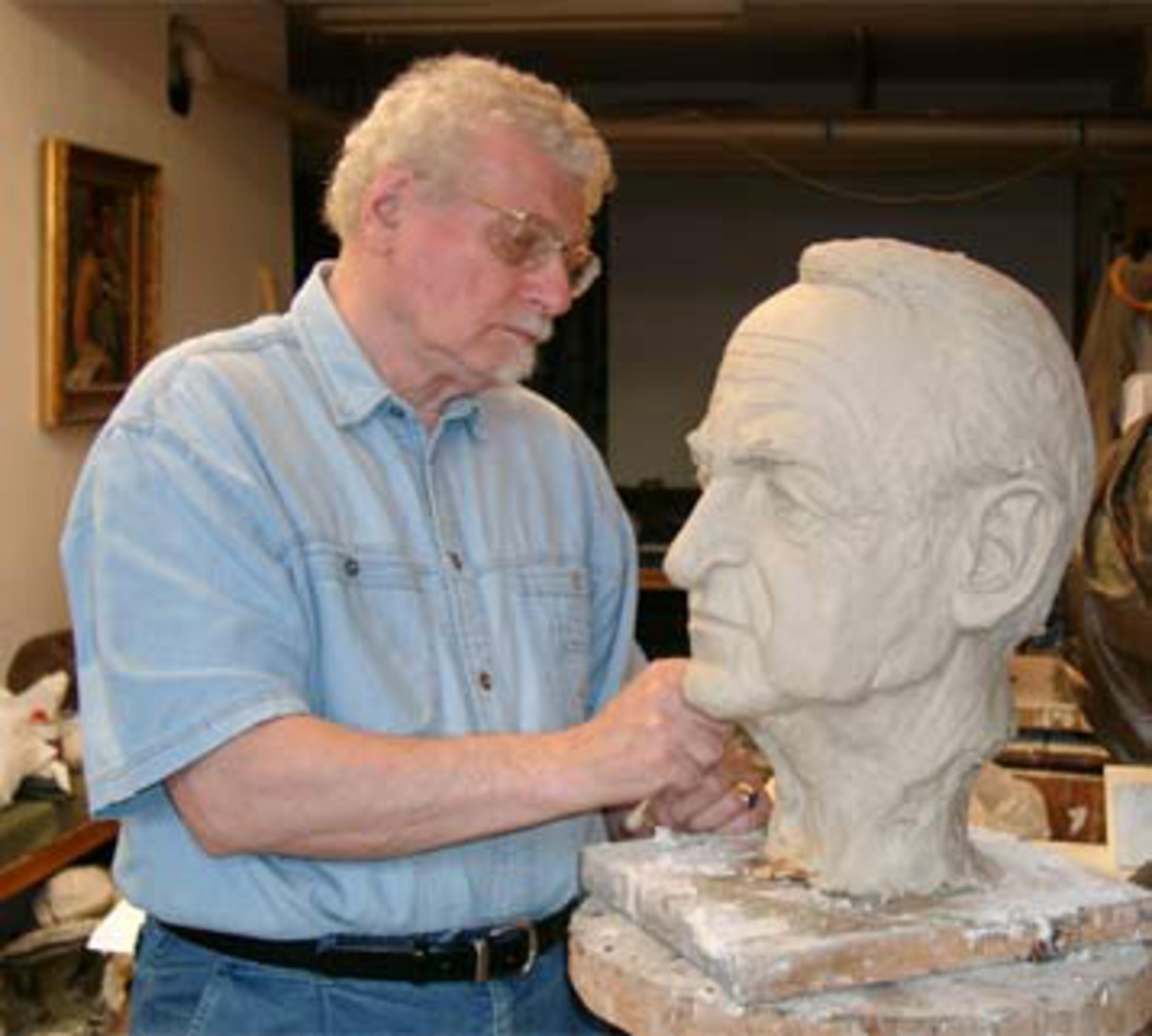
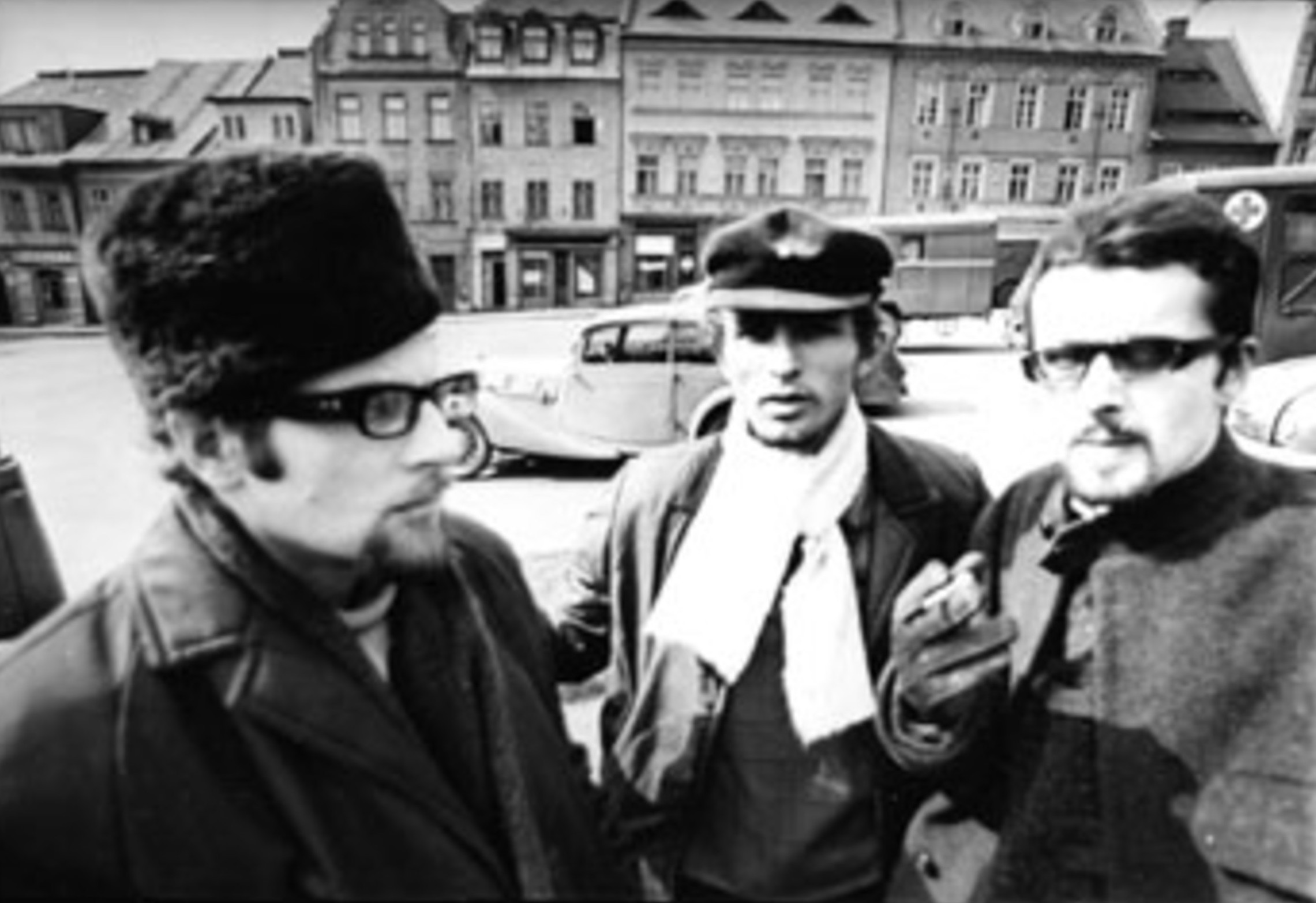
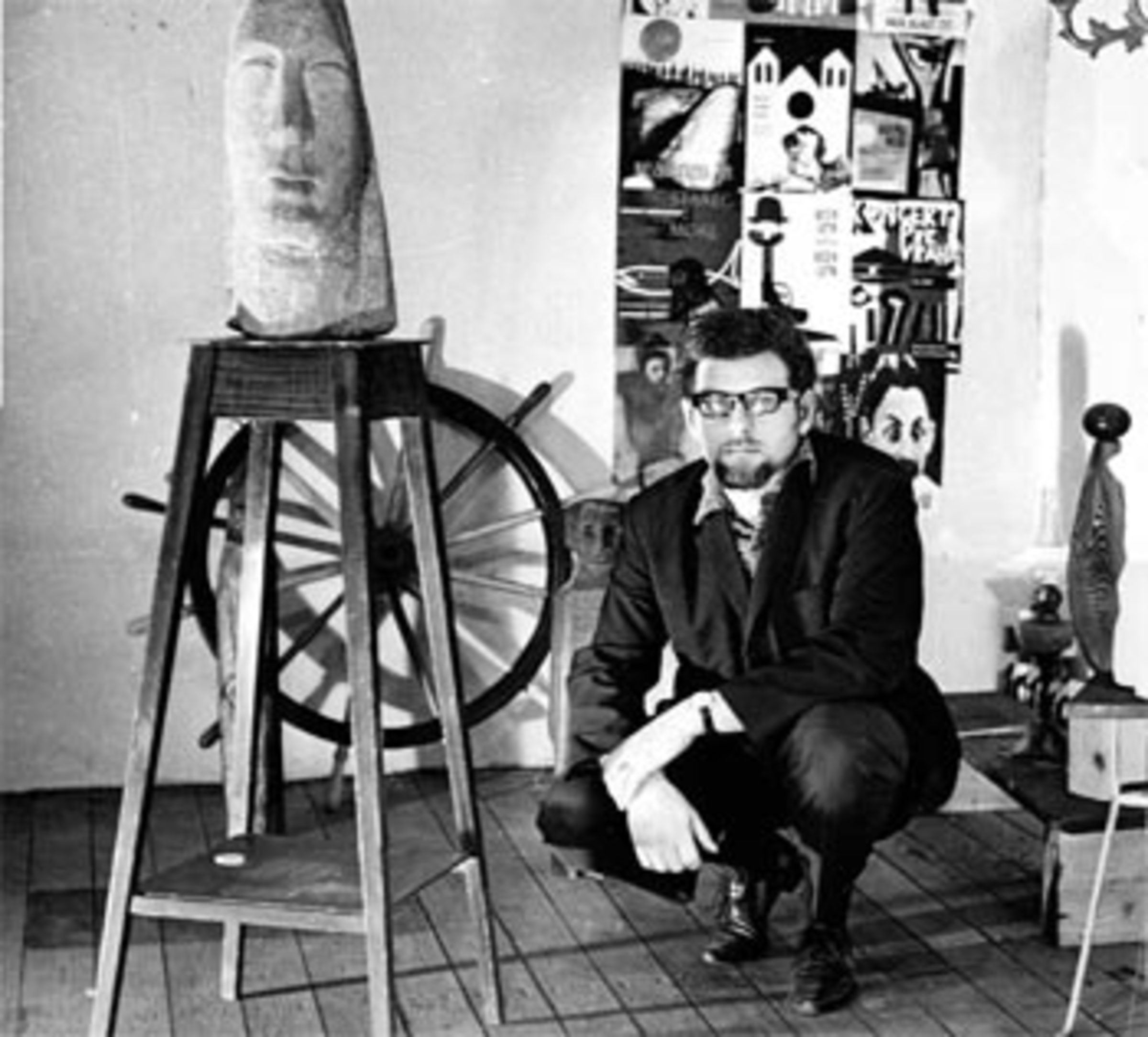
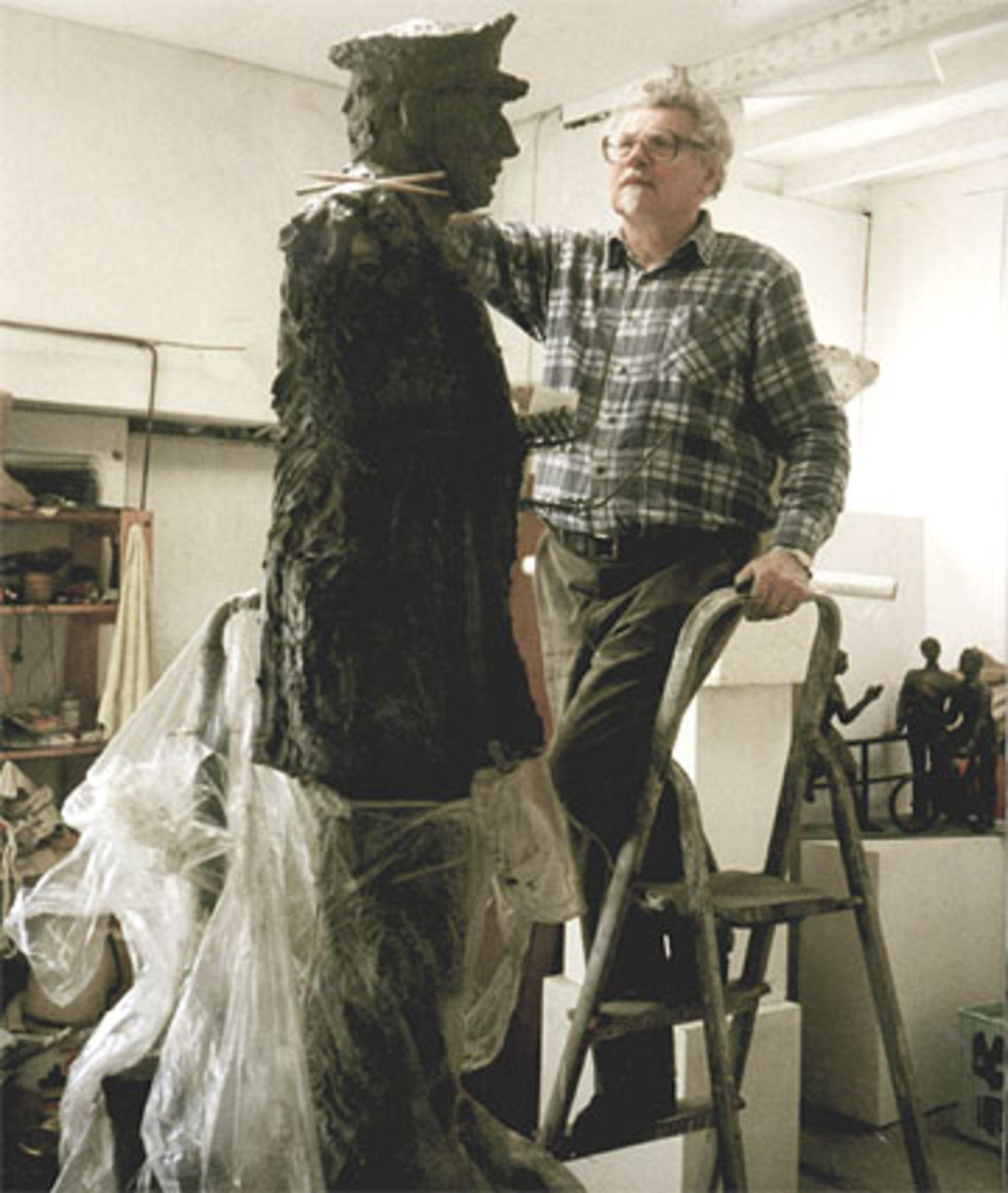
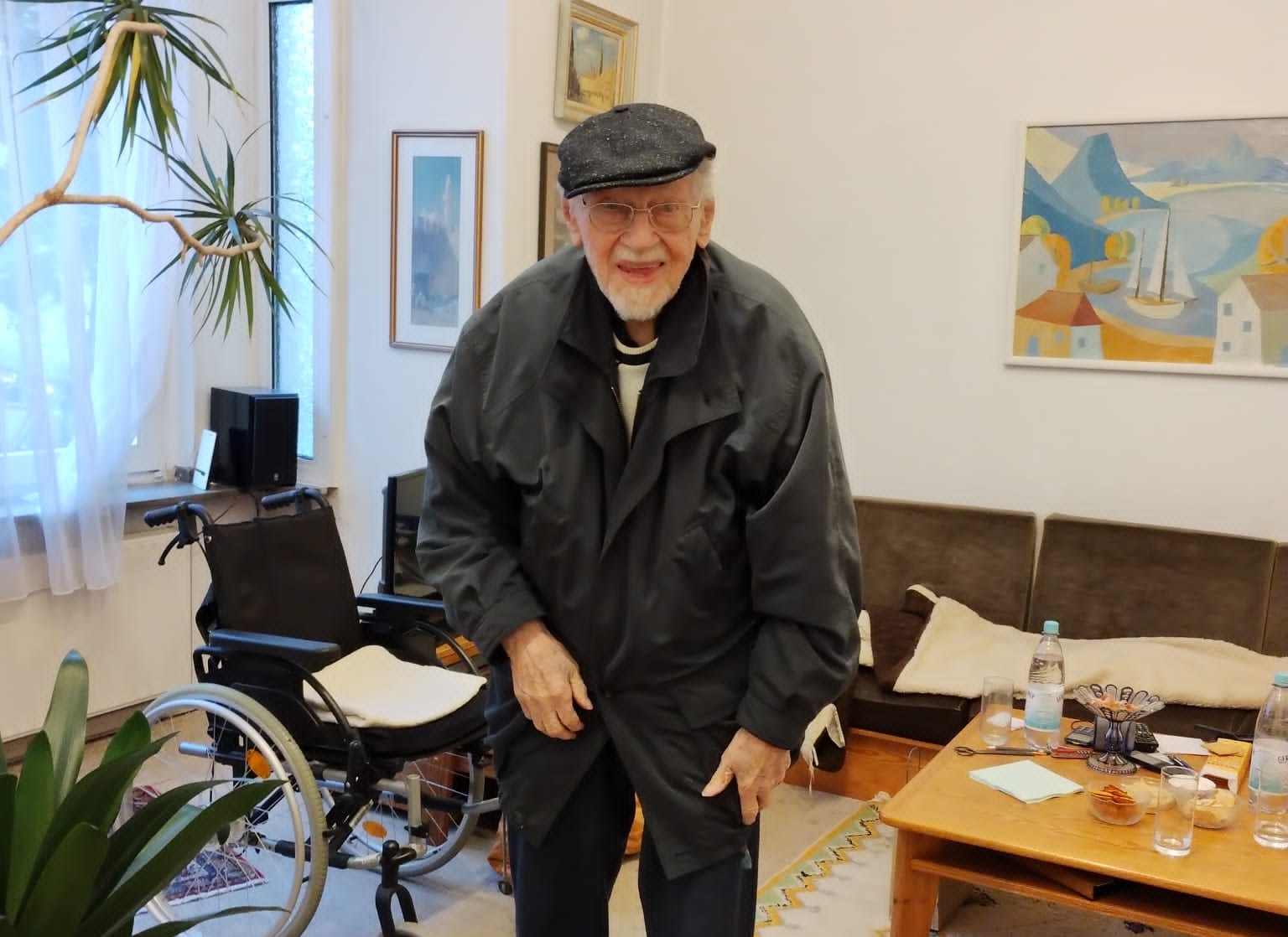
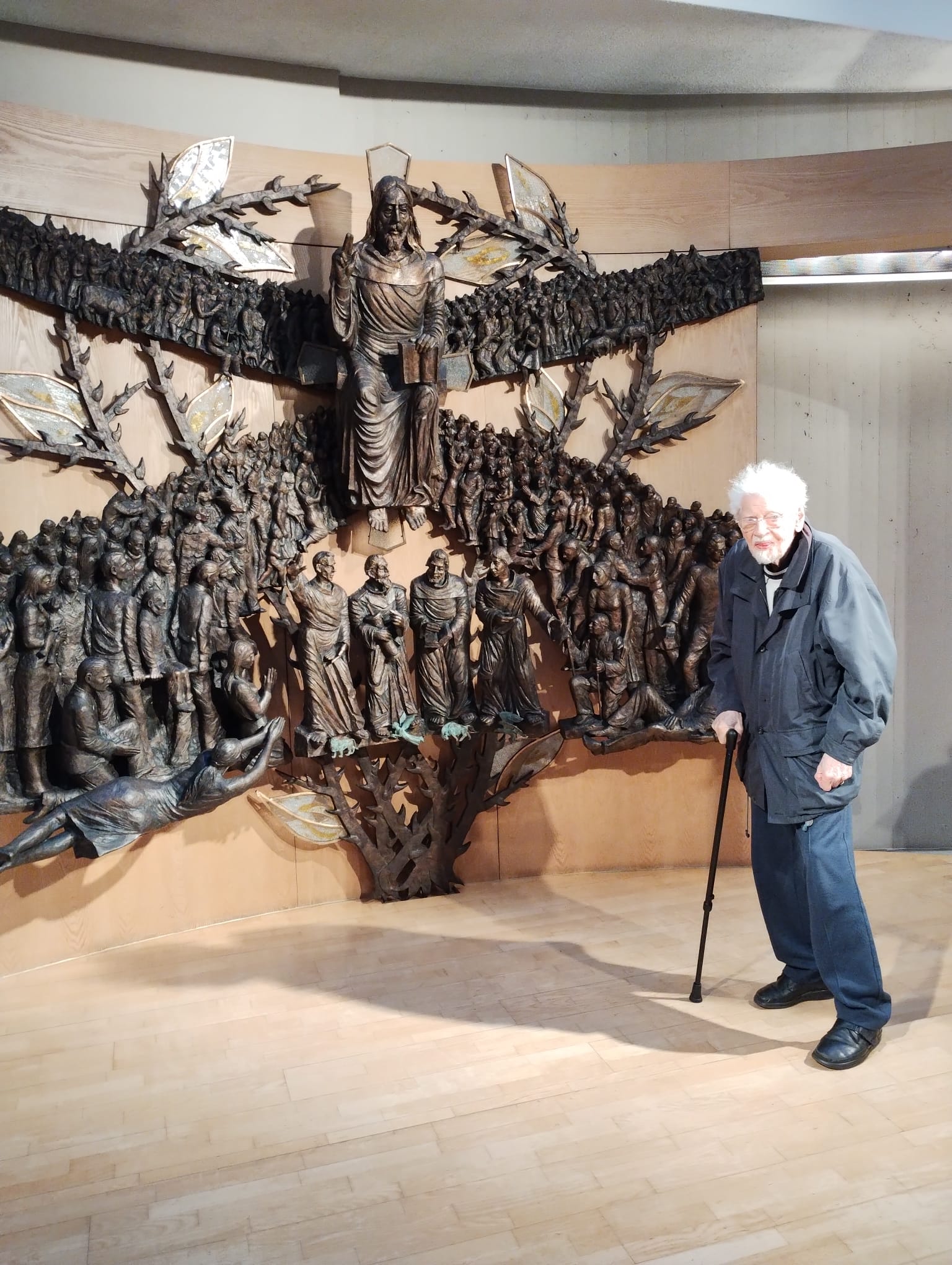
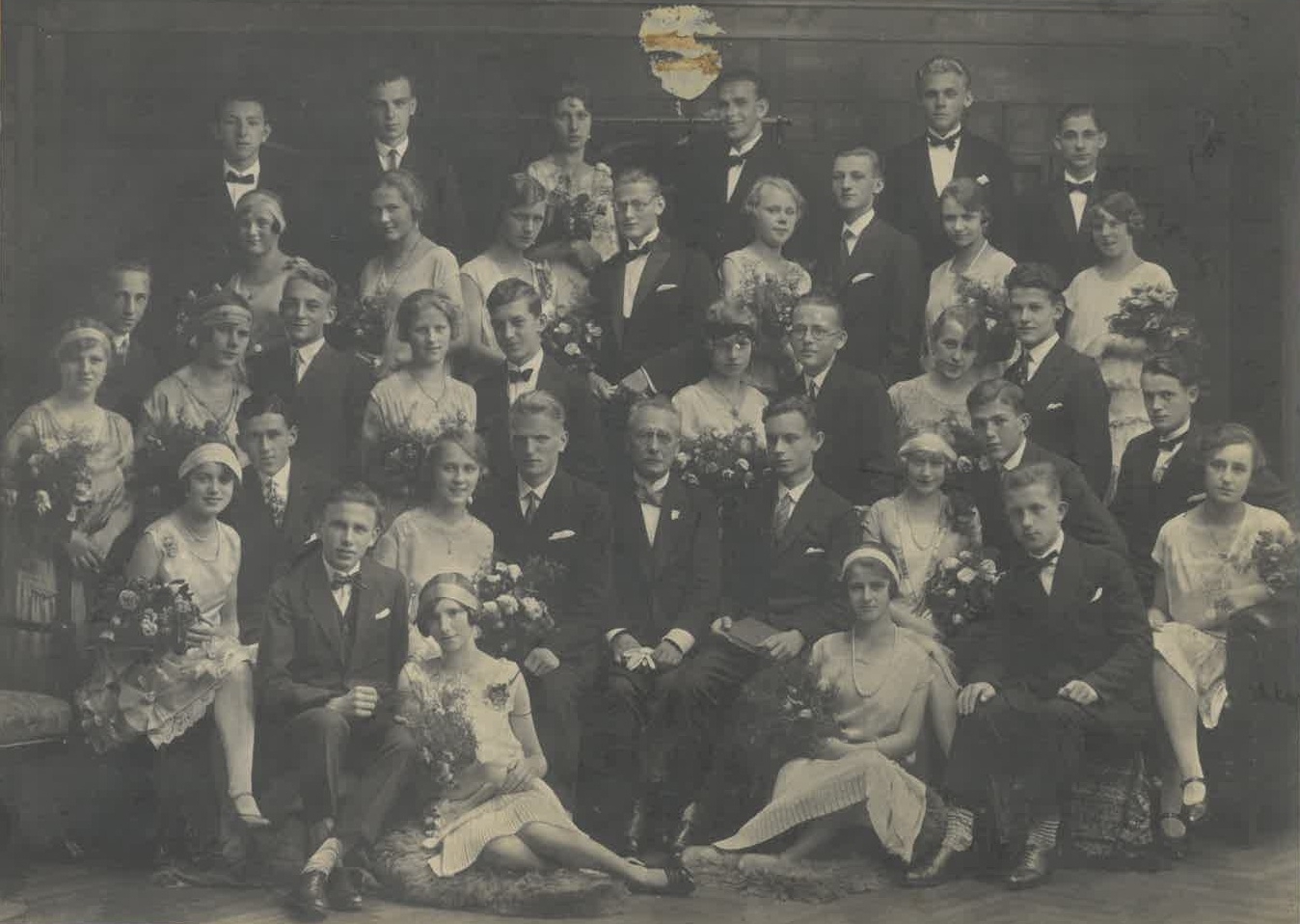
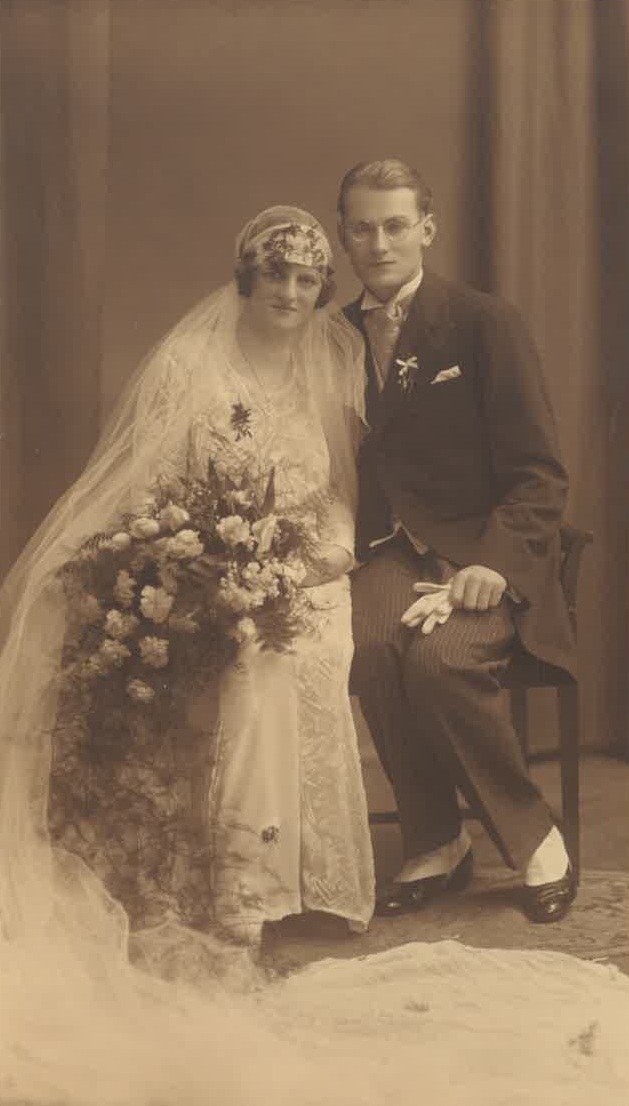
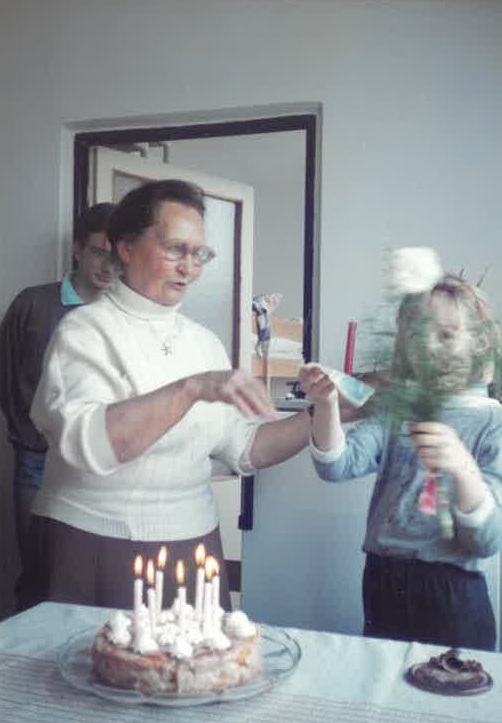
František Lipenský was born on February 1, 1932 in Česká Lípa into a well-to-do Austro-Hungarian merchant family that sold textiles and liqueurs. Thanks to their good financial security, the Lipenskýs were among the local elite of Česká Lípa. He spent the Second World War in Česká Lípa, where he waited for his father, who had enlisted in the Wehrmacht. After the end of the war, he and his mother left for Slovakia at his father’s decision to avoid the removal of Germans from the Czechoslovak border area. In 1949, he began to study at the glass school in Nový Bor. Three years later he transferred to the Academy of Performing Arts (AMU) in Prague, but was soon expelled for political reasons. He studied painting, and especially sculpture, privately and gradually improved his skills. Thanks to his artistic orientation, he changed various jobs, including a teacher at the Mimoň grammar school, from which he was dismissed in 1964. With the arrival of the Prague Spring and the relaxed political situation in Czechoslovakia, he finally began to devote himself fully to his artistic career, which was halted by the invasion of Warsaw Pact troops in August 1968. In March 1969, after the victorious matches against the USSR team during the World Hockey Championship, a statue of a Red Army man was toppled and damaged by a crowd of fans in Česká Lípa. Under political and time pressure, František Lipenský had to repair it. At that time he had already secured a fake invitation to Belgrade, where he went after the holidays in 1969. He stayed with relatives in Osijek and from there he went to Vienna, Switzerland and finally to Rheinbach in West Germany. Later he moved to Kolín, where he taught art at the Gymnasium and also freelanced restoring and creating works of art. During the so-called normalisation, a presidential amnesty revoked his conviction for illegally leaving the republic and he was able to return to the Czechoslovakia after paying all his expenses. He watched the fall of the communist regime in the Eastern Bloc from Germany, where he remained. František Lipenský died on November 6, 2023 in Kolín.