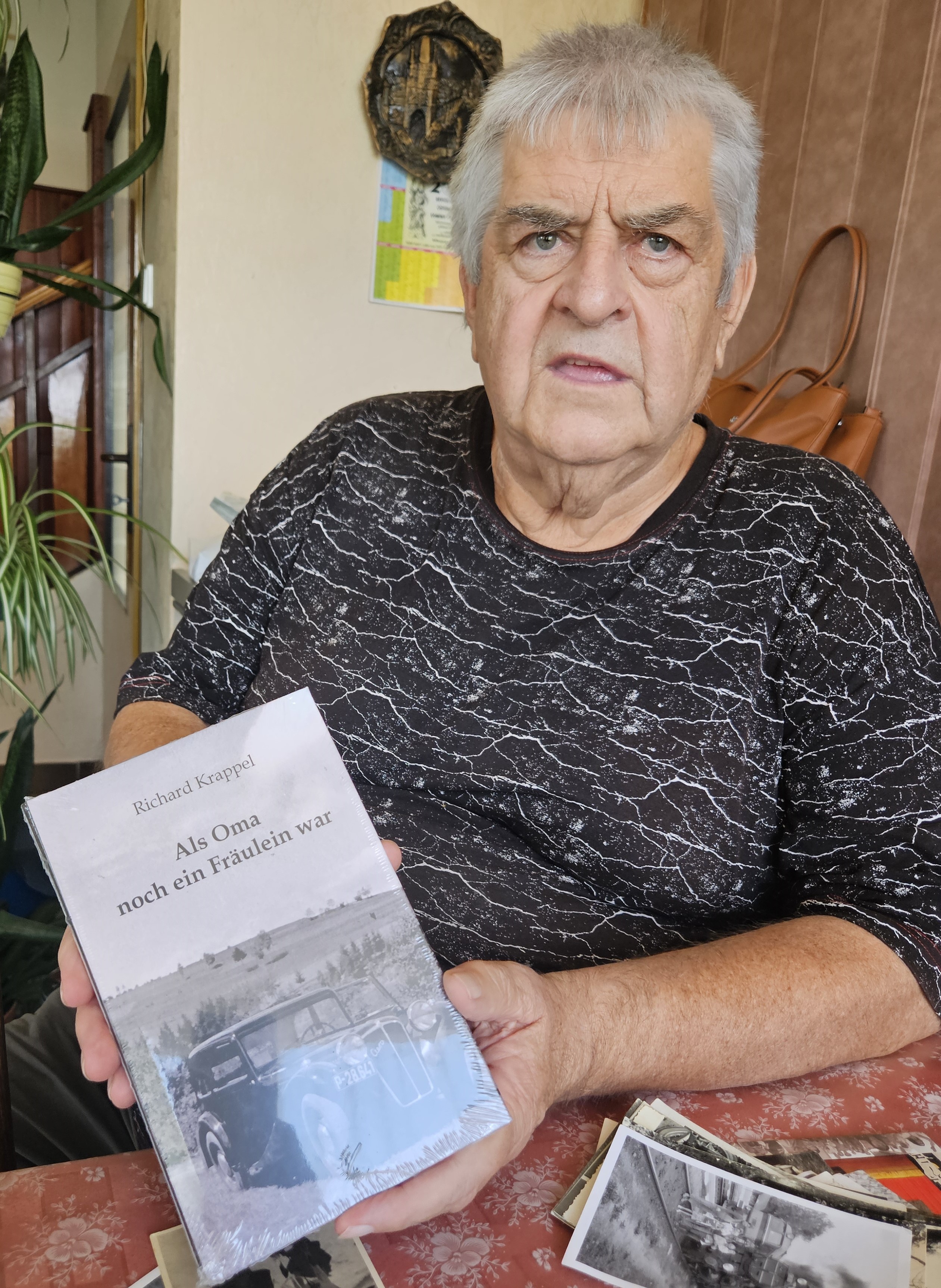
Marián Kvarda

* 1948

  • "When you crossed over to Austria under the communists, practically an ordinary mortal couldn't even get to the wires. Because in those border villages, the population was inoculated, the school children too, and as soon as those people saw a stranger who didn't look like them, there were these announcers on various telephone poles - everybody knew - so everybody knew where to report it. So ninety percent of the time people reported you. Then there were the hidden patrols and the so-called searchers. These were normally border guards, but they went around in plain clothes. They usually had a bicycle and they had overalls. Only you could tell, the overalls were new and they were clean-shaven. Sometimes they pretended to be farmers or something like that. So when I was riding in the field with a bulldozer, he would hide. I knew what kind of a flounder he was, so I always used that bulldozer plow to turn around by that bush and he would run out of that bush just like a rabbit. Or if I was high up in the cabin, I'd yell at them, 'I see you!' And I kept going. So then they just gave up on me."

  • "I remember that a distant relative from Vienna used to come to our house, he was some kind of adventurer. Vienna was bombed, there was a terrible famine in Vienna, and so he came to us. And my mother always gave him something, not exactly the meat from a pig slaughter or anything, he was happy when he got rabbit and goat's milk. And my brother-in-law was just starting to be in the Border Guard at that time, taking over from the Financial Guard. And we were afraid that he was going to turn us in, that it was going to be a problem. My brother-in-law was in the same house with him, but they never met. He just warned us that all the fun was over, that they were shooting without warning. Well, of course he didn't listen, so he came once more afterwards - I can still see it to this day - as they were already chasing him somehow. Then here he was for four or five days. Then he said he was going, so my mother said she would give him something again - no, he didn't want anything, he even left us a milk jug! Then a letter came that the goat had two nice white kids. That meant that everything had gone well."

  • Full recordings
  • 1

    Božice, 24.05.2025

    (audio)
    duration: 02:02:48
    media recorded in project Stories of 20th Century
Full recordings are available only for logged users.

Bulldozerist-historian at the border
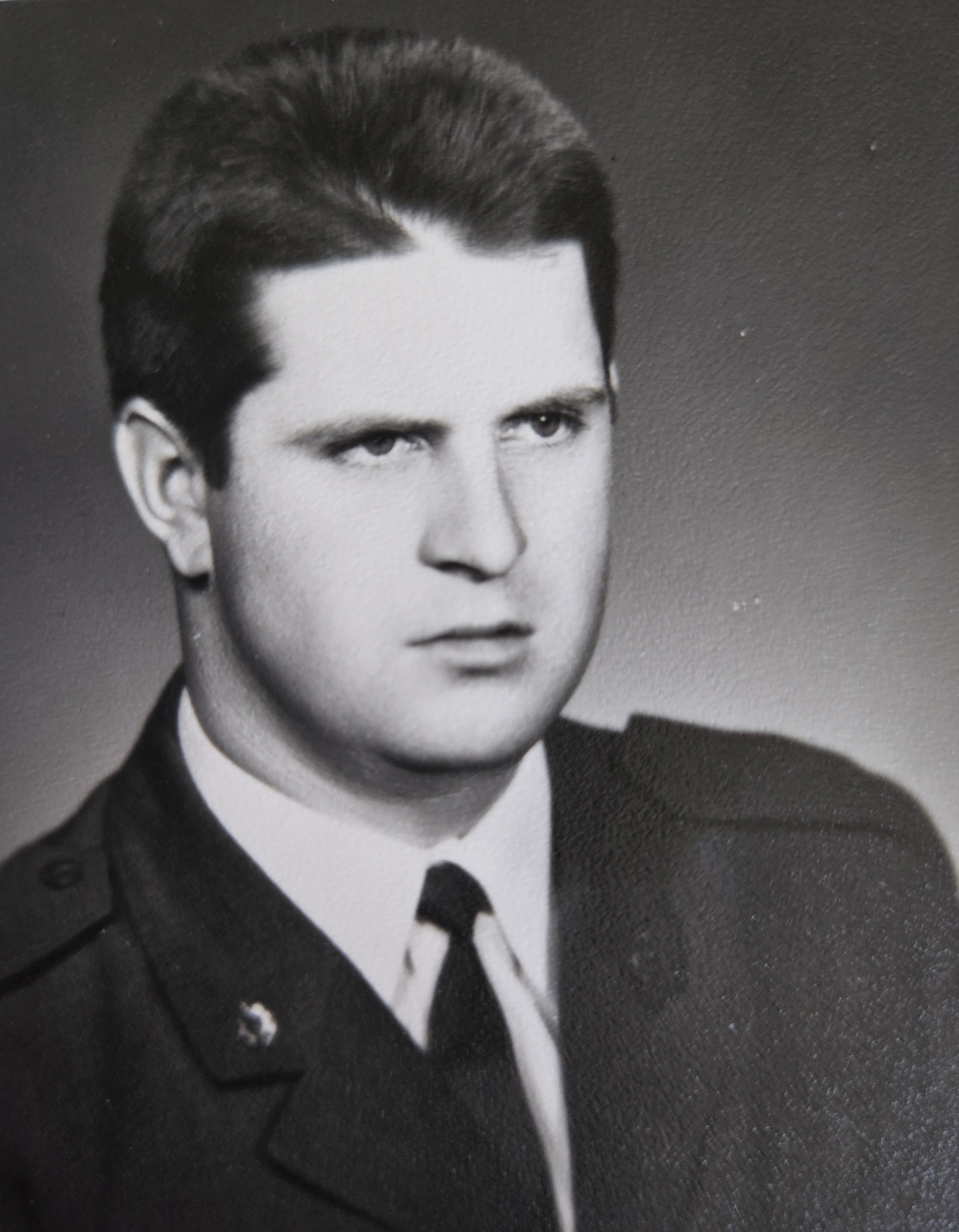
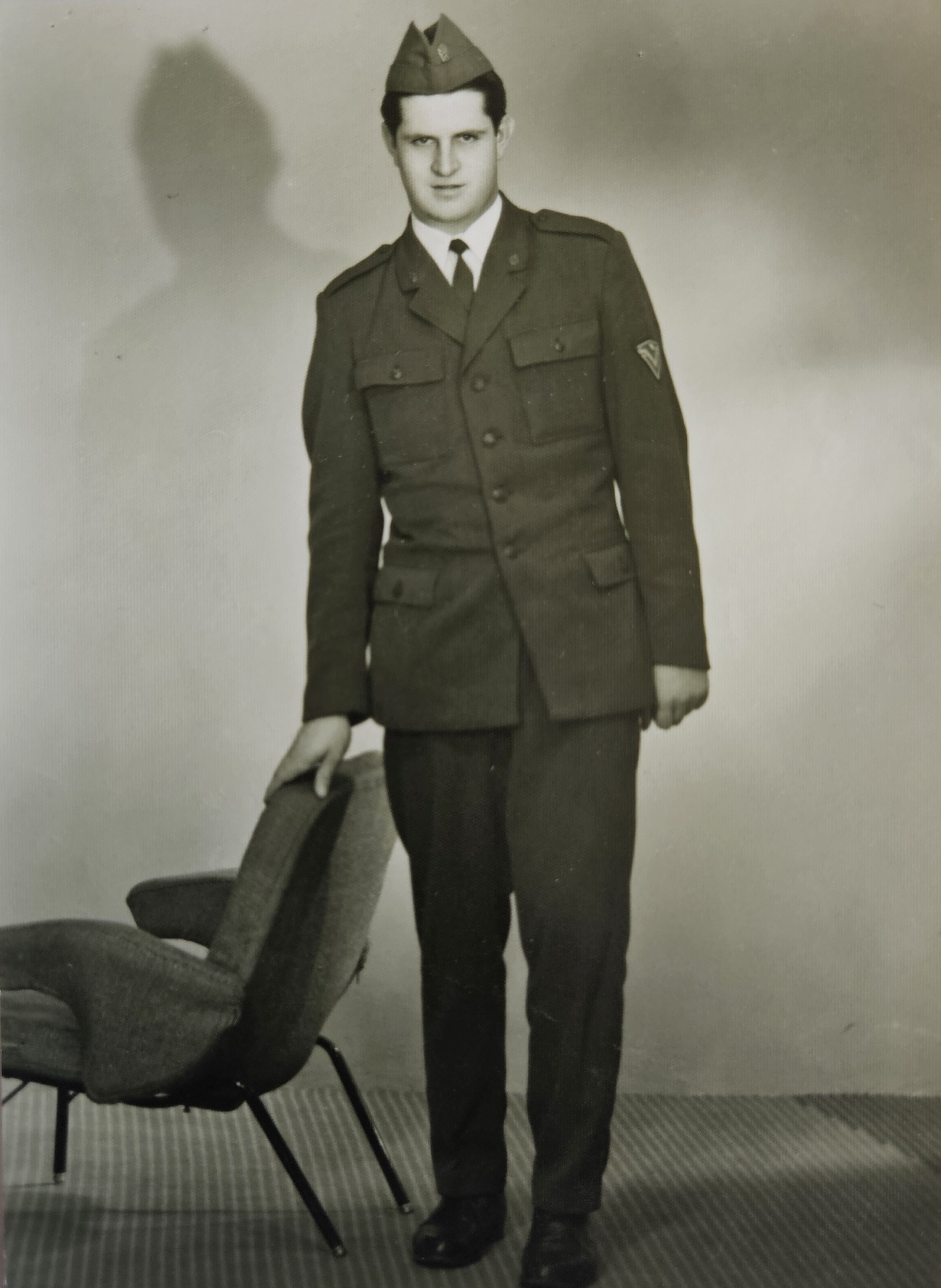
Marián Kvarda during his military service (late 60s)
photo: archive of the witness

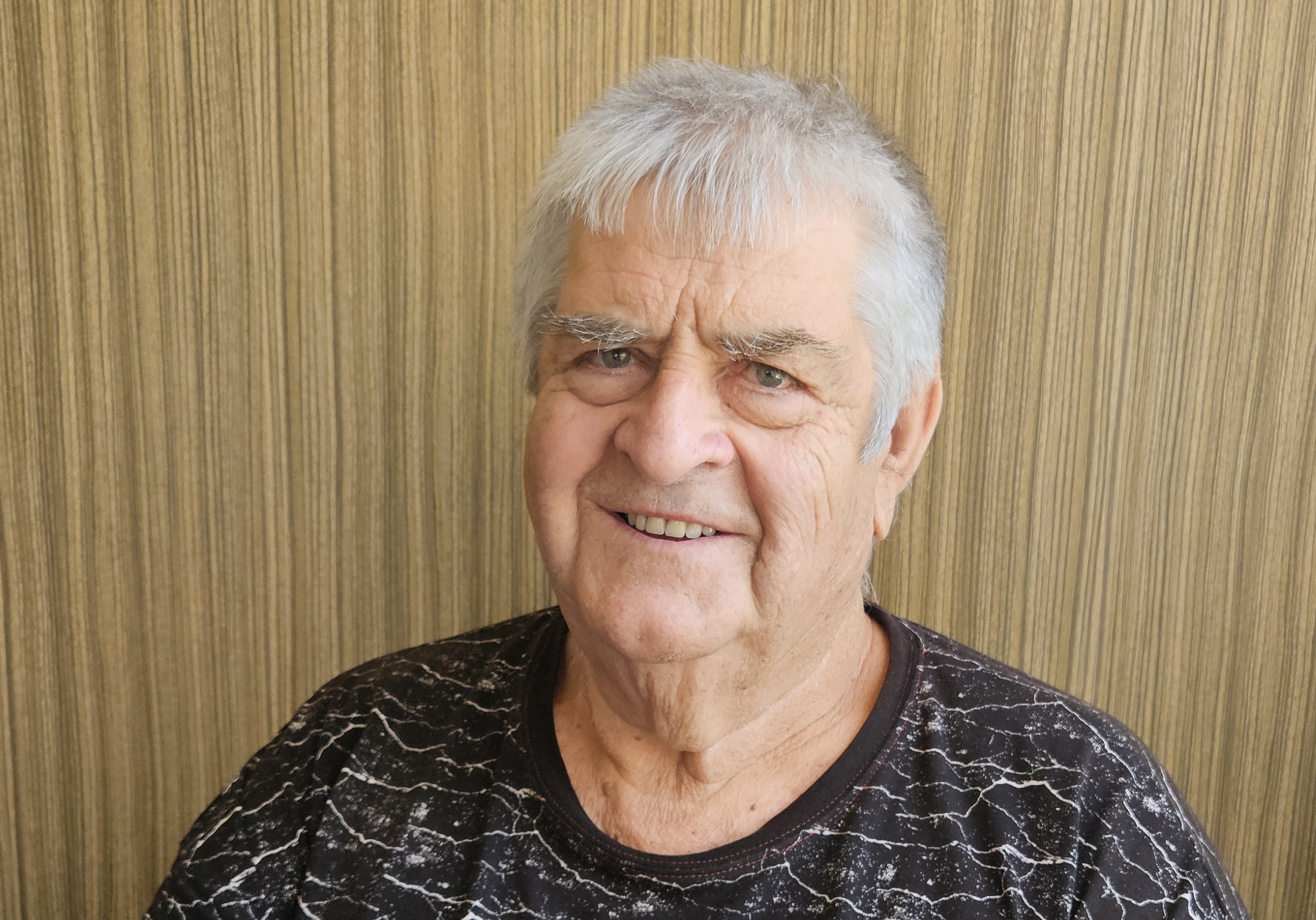
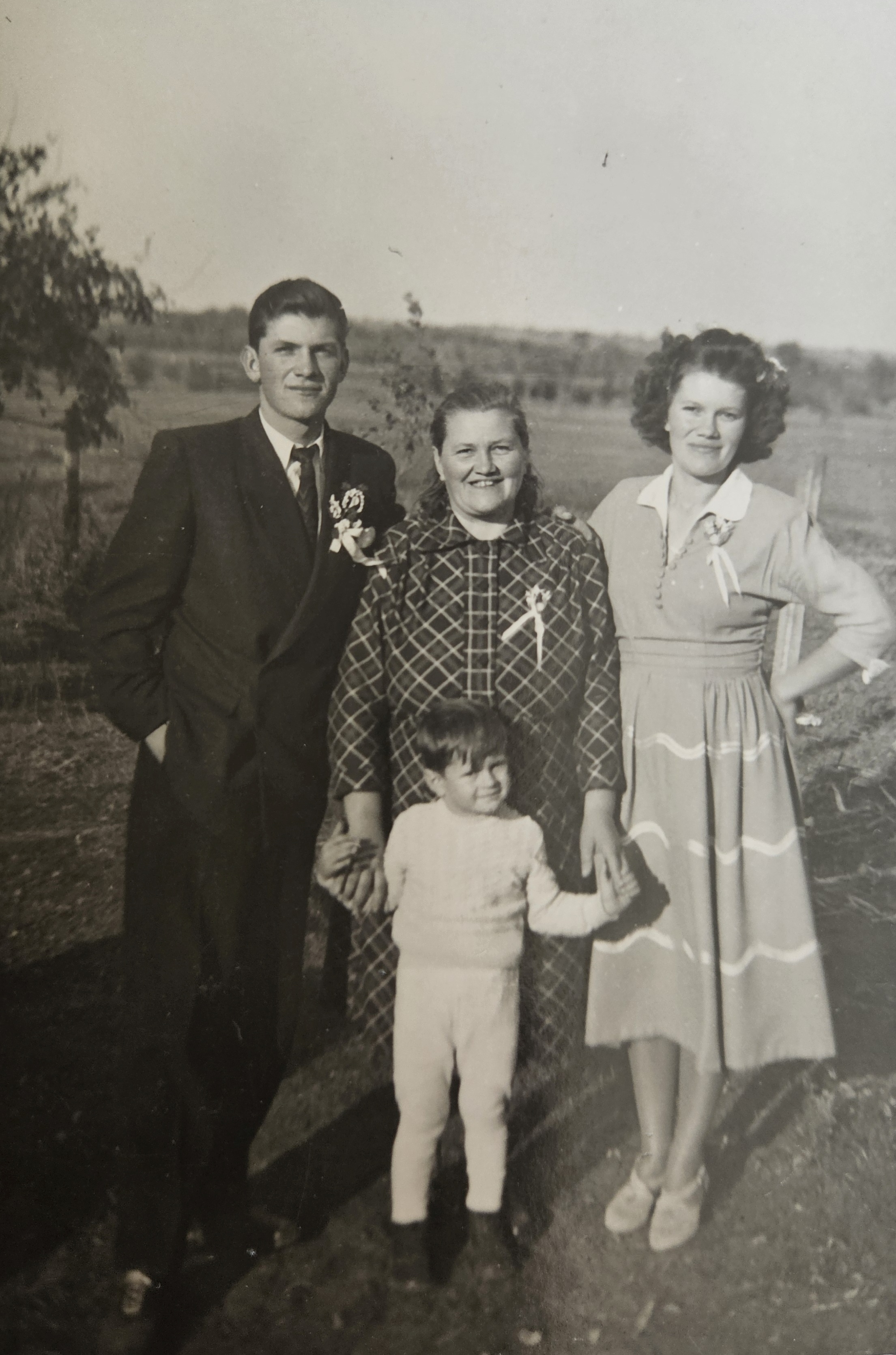
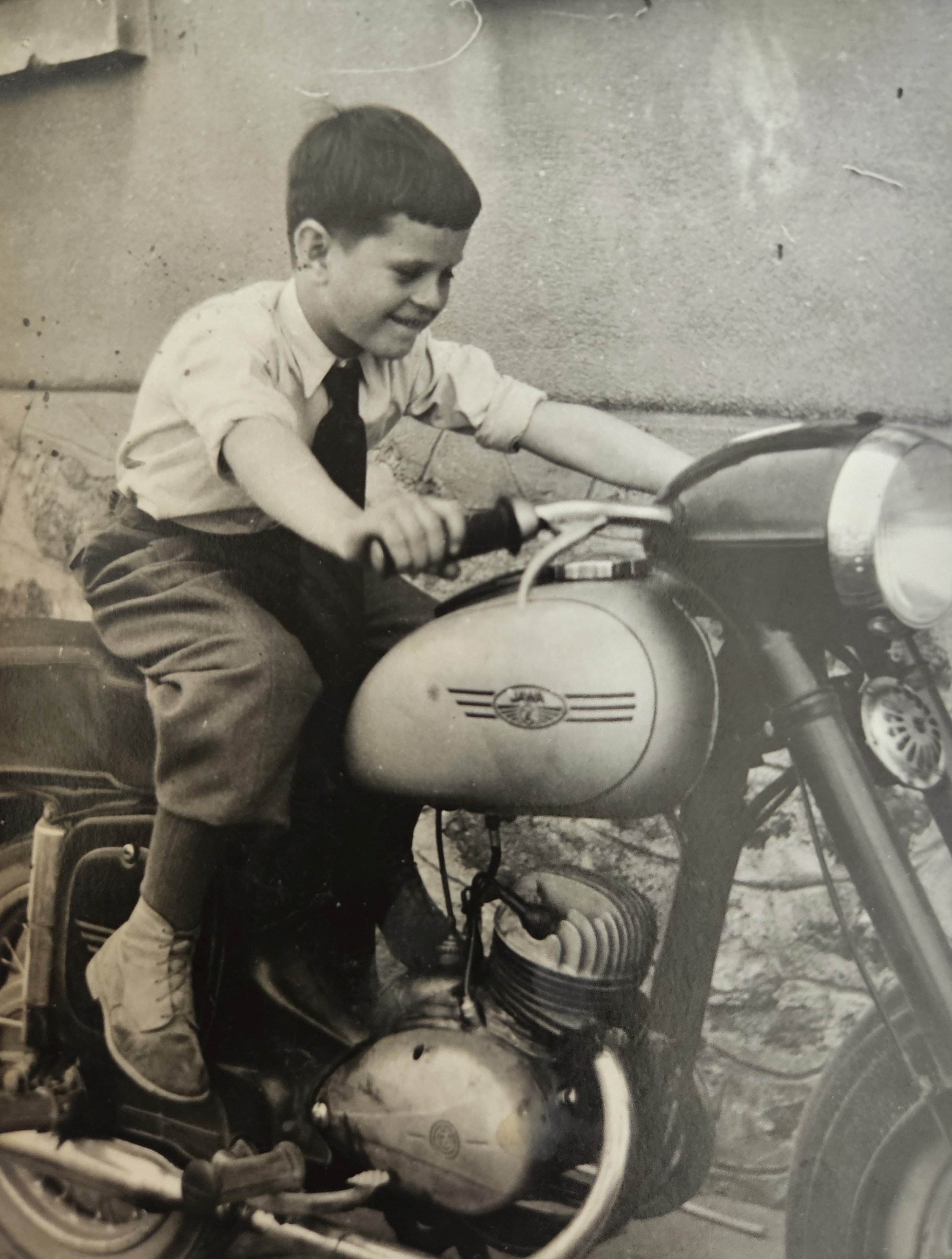
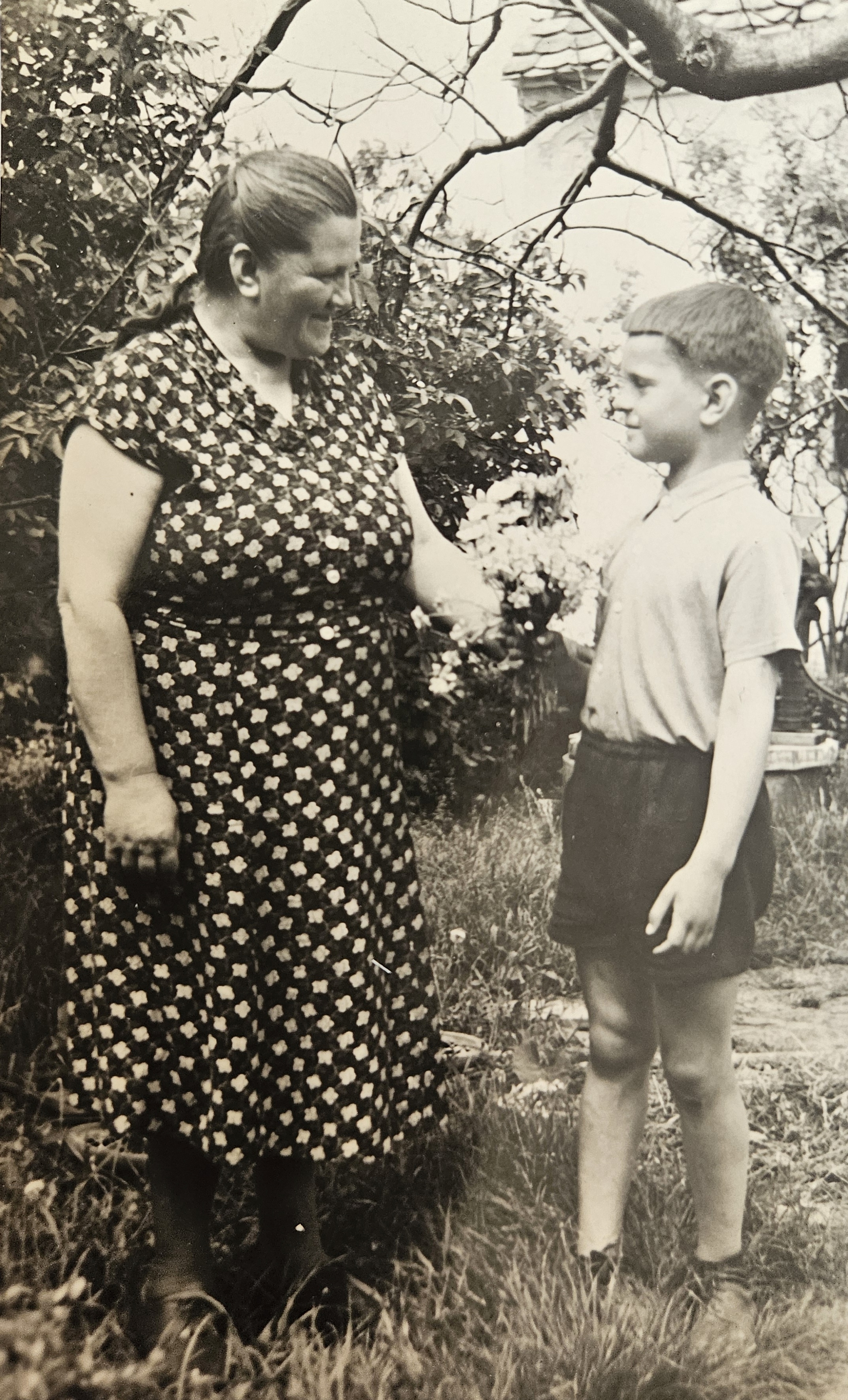
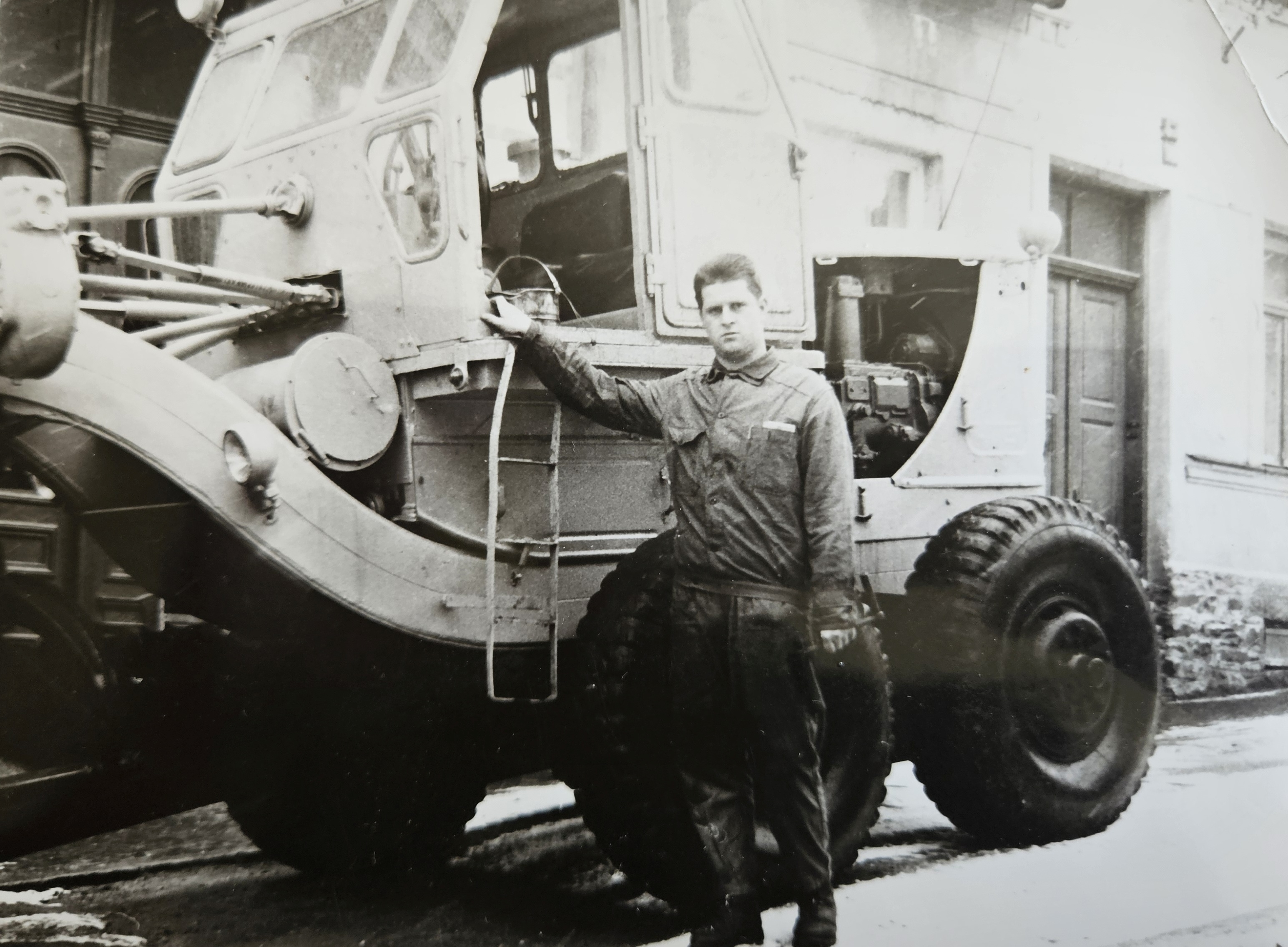
Marián Kvarda was born as a son of Anděla Kvardová on 24 March 1948 in the village of Božice, near the border zone with Austria. His surname comes from the Czechoslovak legionnaire Stanislav Kvarda, who was Anděla Kvarda’s husband before she conceived him with his real father (whom he never knew). After finishing primary school, he went to work as a bulldozer driver for the state-owned Ingstav Brno. In the borderlands he witnessed the electrification of the Iron Curtain, the expansion of the border zone and the practices of border guards - from checking passengers on buses to hiding in bunkers. He even crossed the border with permission on a daily basis as a bulldozer driver during the Dyje river improvement project. Later, he participated in the construction of other large structures, such as the Nové Mlýny and Dalešice water reservoirs. In 1968 he became friends with several Soviet soldiers. After decades of operating heavy machinery after the Velvet Revolution, he was self-employed and bought three construction machines which he operated himself. In his spare time, he was interested in the history of the region, searching for the graves of Soviet soldiers and going on sightseeing trips abroad, including to the DPRK - where he was featured in the later documentary “Welcome to the DPRK”. In 2020, during a visit to Russia, he contracted Lyme disease, as a result of which he finally stopped working. At the time of the interview, Marián Kvarda was living in Bozice.