Ludmila Janků

* 1933

  • "That is where the Germans shot the Jews. We hid a young 16-year-old Jewish girl. We hid her in our hay, buried her. And the Germans came and searched everything. They went into the hay. They were poking her and they didn't find her. If they found her, they'd kill us all. So we saved a 16-year-old Jewish girl."

  • "It was getting so normalized there, it wasn't bad anymore. Then just whoever was from a Czech family, who was not a mixed marriage, could return to Bohemia. My dad said, 'We're going to Bohemia right away.' My mom didn't want to, because all the relatives stayed there. So we left. They put us in a truck, in these wagons. They took us away. In Pilsen they dropped us off in this camp. We had an aunt in Mladá Boleslav, she had always lived there. She got an apartment for us in Mlada Boleslav, so we lived there for about two years. Then my dad bought a house in Jablonec from the Germans who were selling here. So we lived in a small house in Mšeno."

  • "There were a lot of Jews. When the Germans came there, we had a barrack in the village of Olšance, and we had one barrack in Berdyčiva. There was a big park in front of us, and when the Germans were there, they shot the Jews. They dug a hole, and we watched it from the window. They put a plank on which they walked, and they shot them. They were falling into the pit. It was terrible."

  • Full recordings
  • 1

    Kopanina, Půlečný - Rychnov u Jablonce nad Nisou, 18.03.2025

    (audio)
    duration: 39:37
    media recorded in project Příběhy regionu - Liberecký kraj
Full recordings are available only for logged users.

The massacre in Berdychiv, the ‘Jerusalem of Volhynia’, is still before my eyes
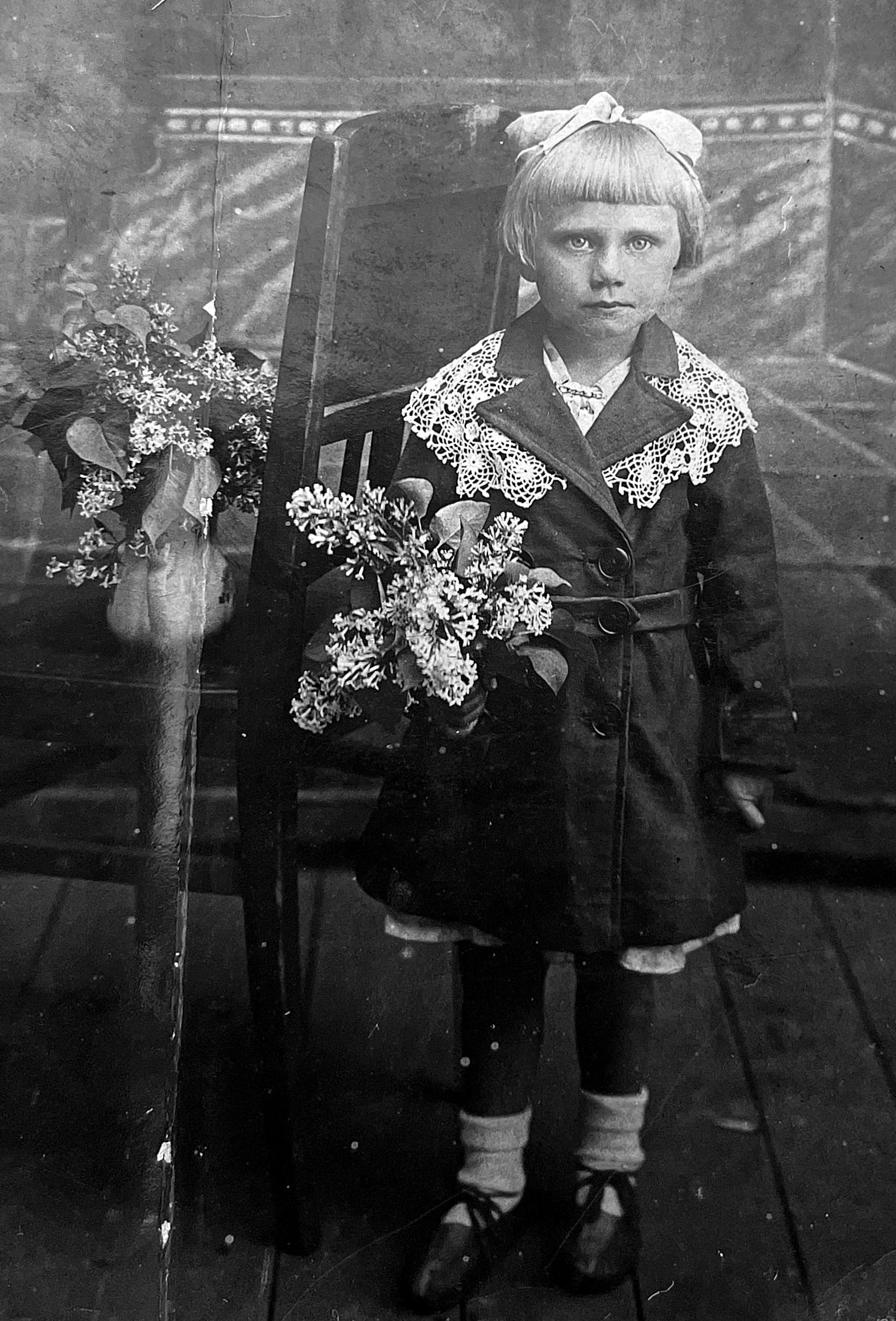
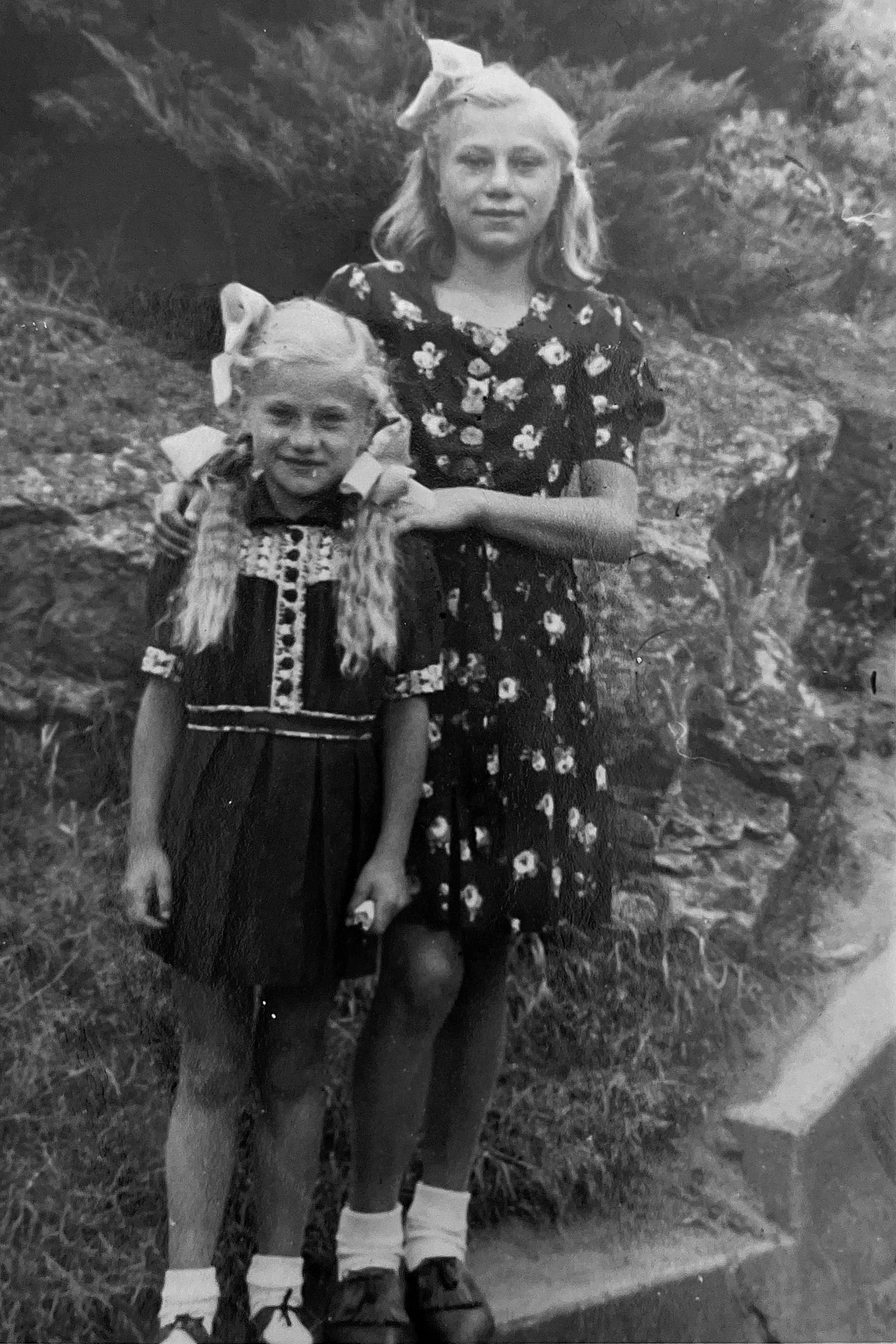
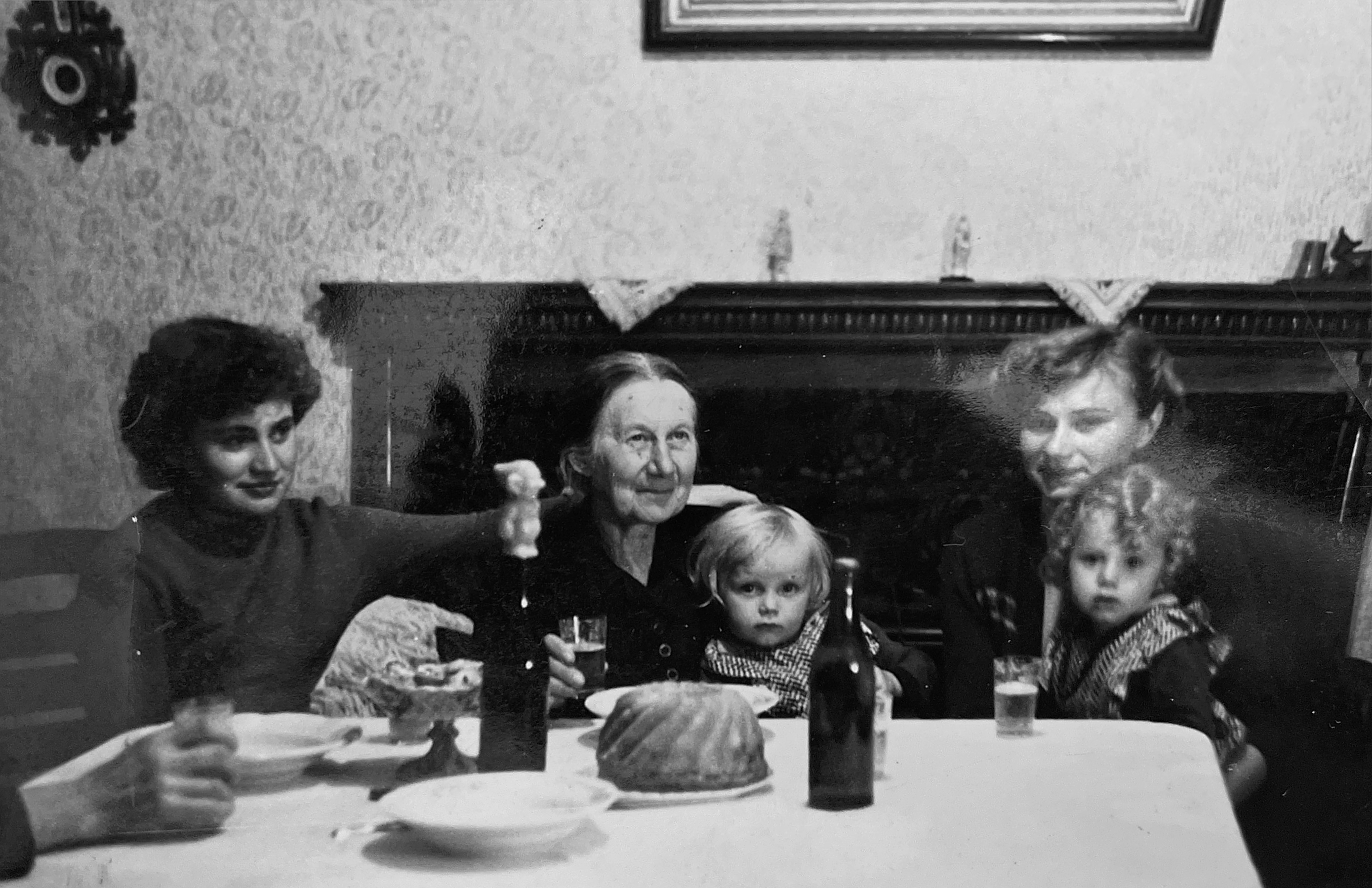
Ludmila Janků in 1936 in Volyn, Ukraine
photo: archive of the witness

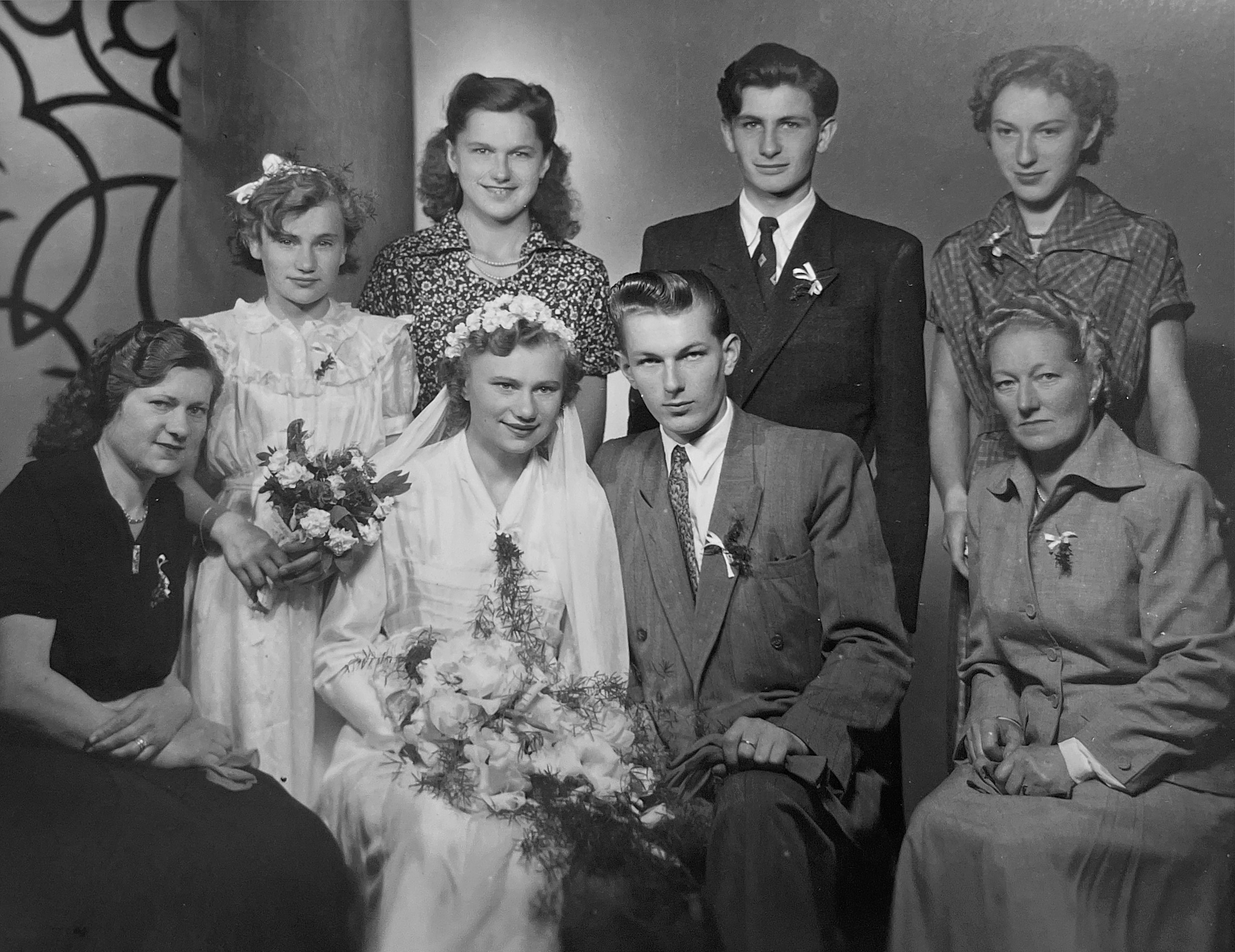
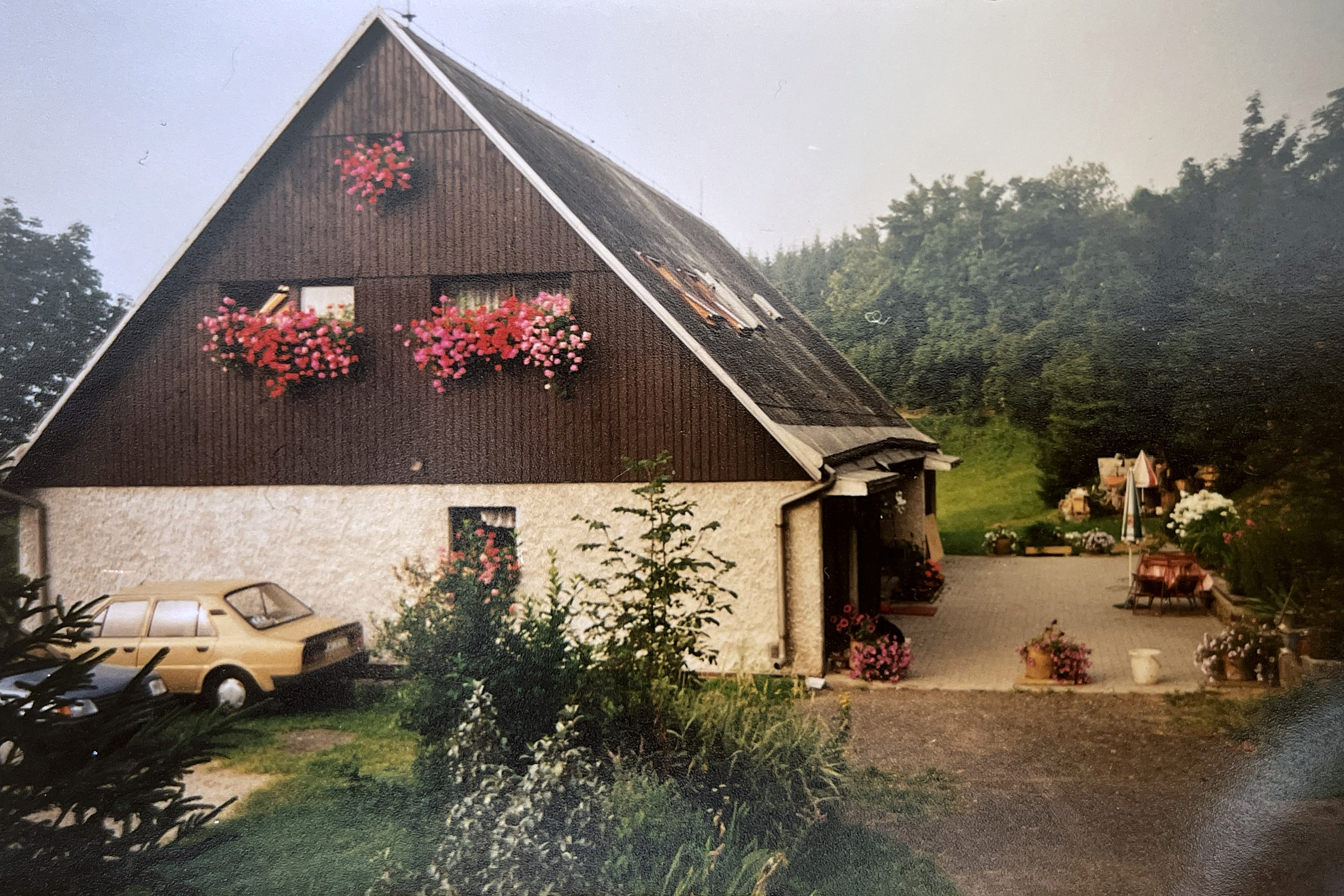
Ludmila Janků was born on March 29, 1933 in Olšanka in the Zhytomyr region of present-day Ukraine into a family of Volhynian Czechs. Her father Josef was a mill owner and her mother Evženie a seamstress. The family owned a house in nearby Berdychiv, nicknamed “Volyn’s Jerusalem”, where she witnessed a massacre on 28 July 1941, when SS and Wehrmacht troops executed 70 Jewish residents in a local park. The Čapek family hid a young Jewish girl in their barn in Olšanka for a week. The father, Josef, faced persecution by the Soviet authorities as a “kulak” and was saved from deportation to Siberia by a bribe. Later he was conscripted into the war, where he was severely shot. His life was saved by an unknown Ukrainian woman who claimed to be his husband. Due to a serious lung injury, he remained an invalid for life. After the end of the war, the family took the opportunity to repatriate to Czechoslovakia. They traveled by freight car and reached Mlada Boleslav via the collection camp in Pilsen. Later they settled in a house in Mšeno near Jablonec nad Nisou. The peaceful period ended in the 1980s when Mšeno was razed to the ground for the construction of a housing estate. Ludmila worked in the family newsagent and later in the Naveta textile factory. In 1951 she married Ladislav Janků, with whom she had three children. The desire for their own home led them to Kopanina, where they built a house with their own help, and moved into it in 1980. Ludmila worked there as a cook in a local restaurant until she was 75. At the time of the interview in 2025, she was still living on Kopanina.