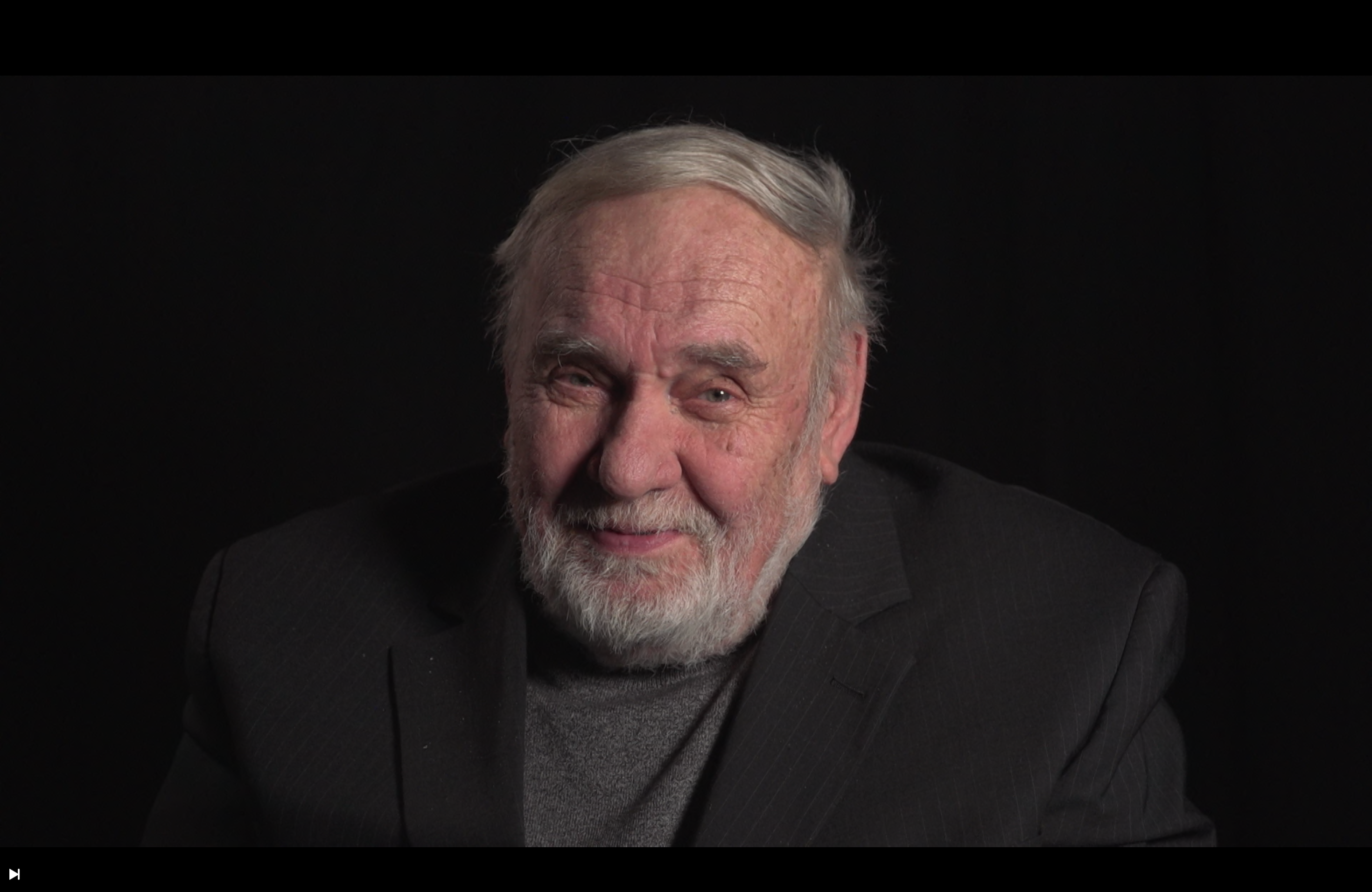
Vladimír Hrdina

* 1943

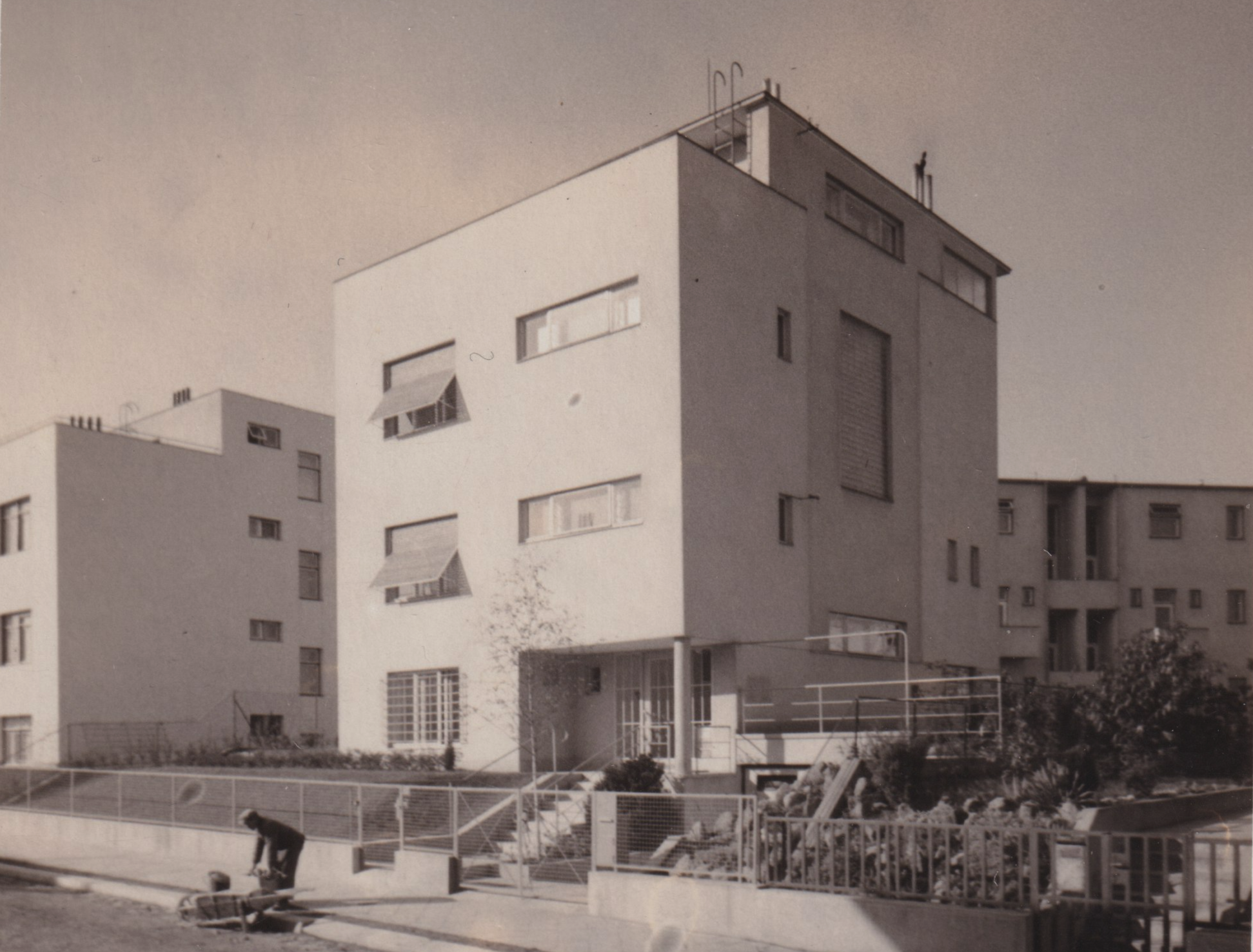
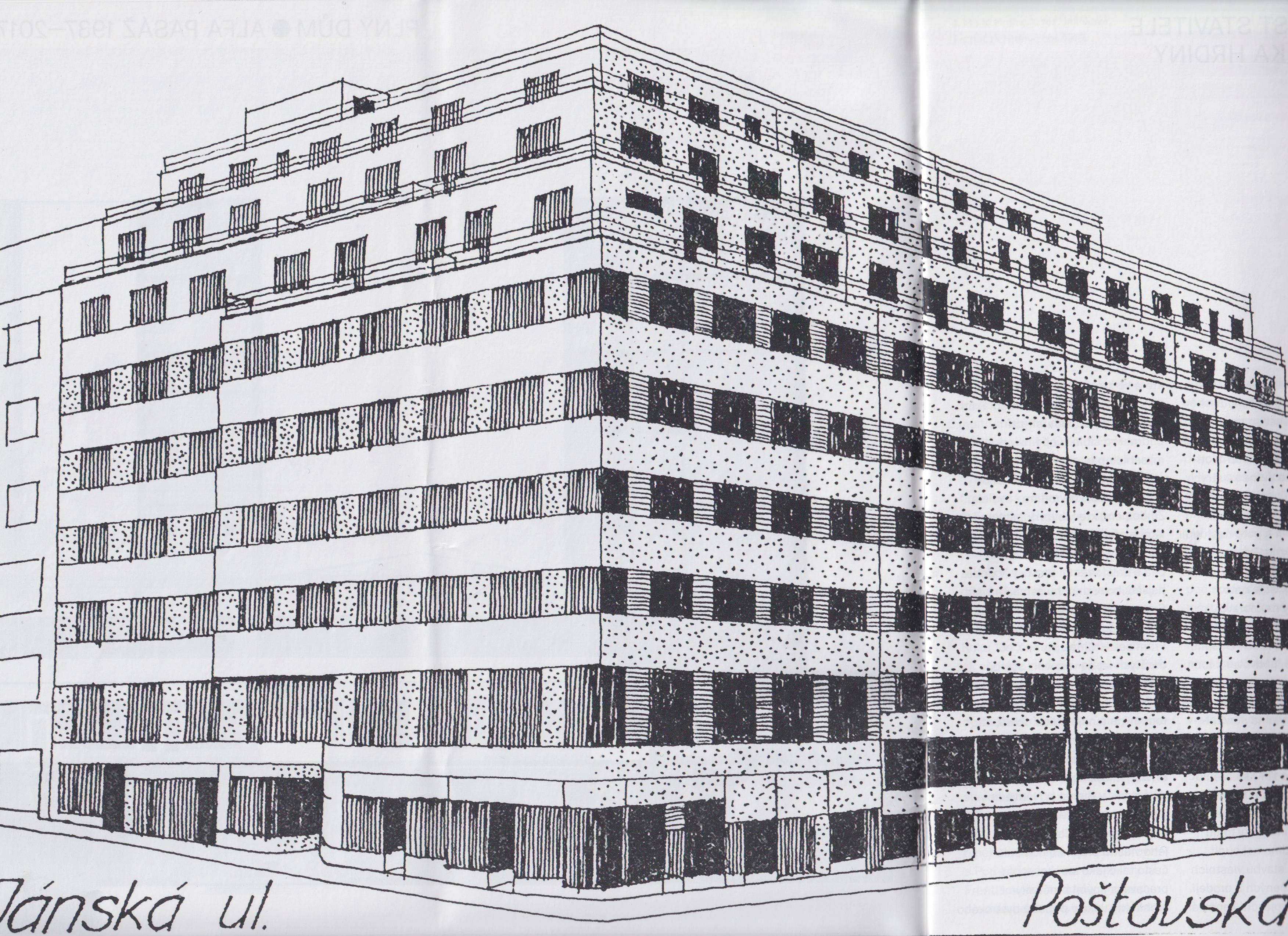
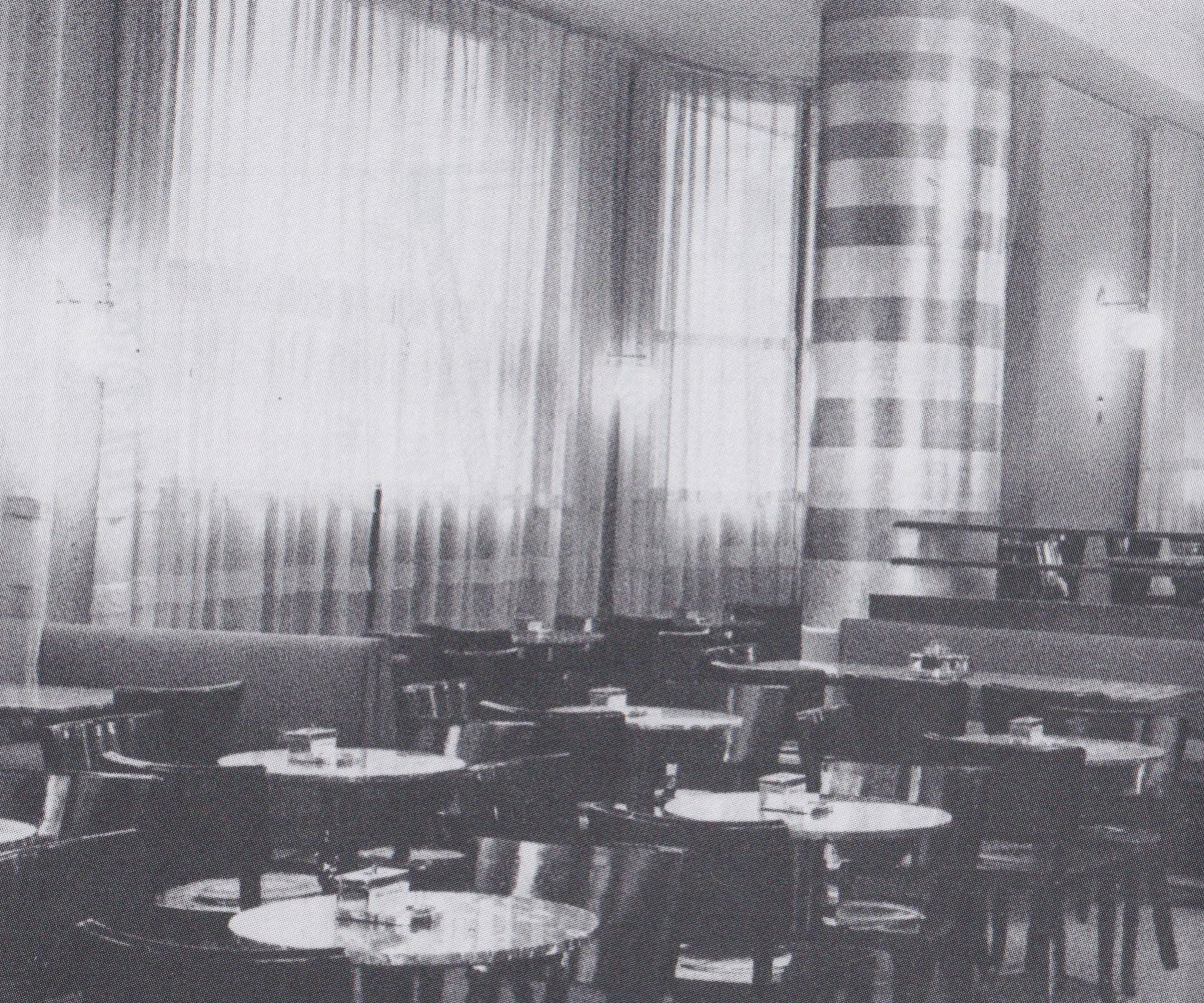
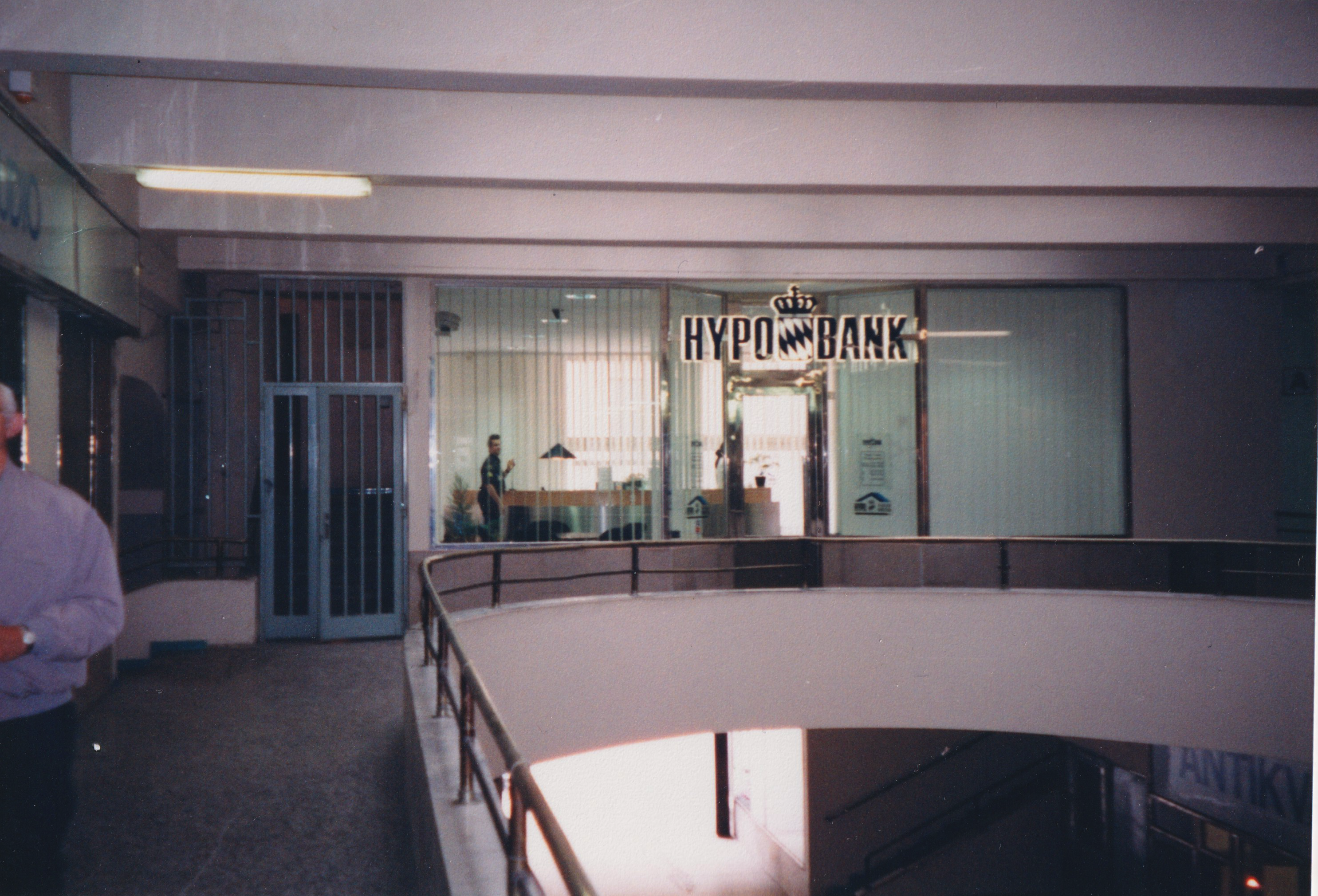
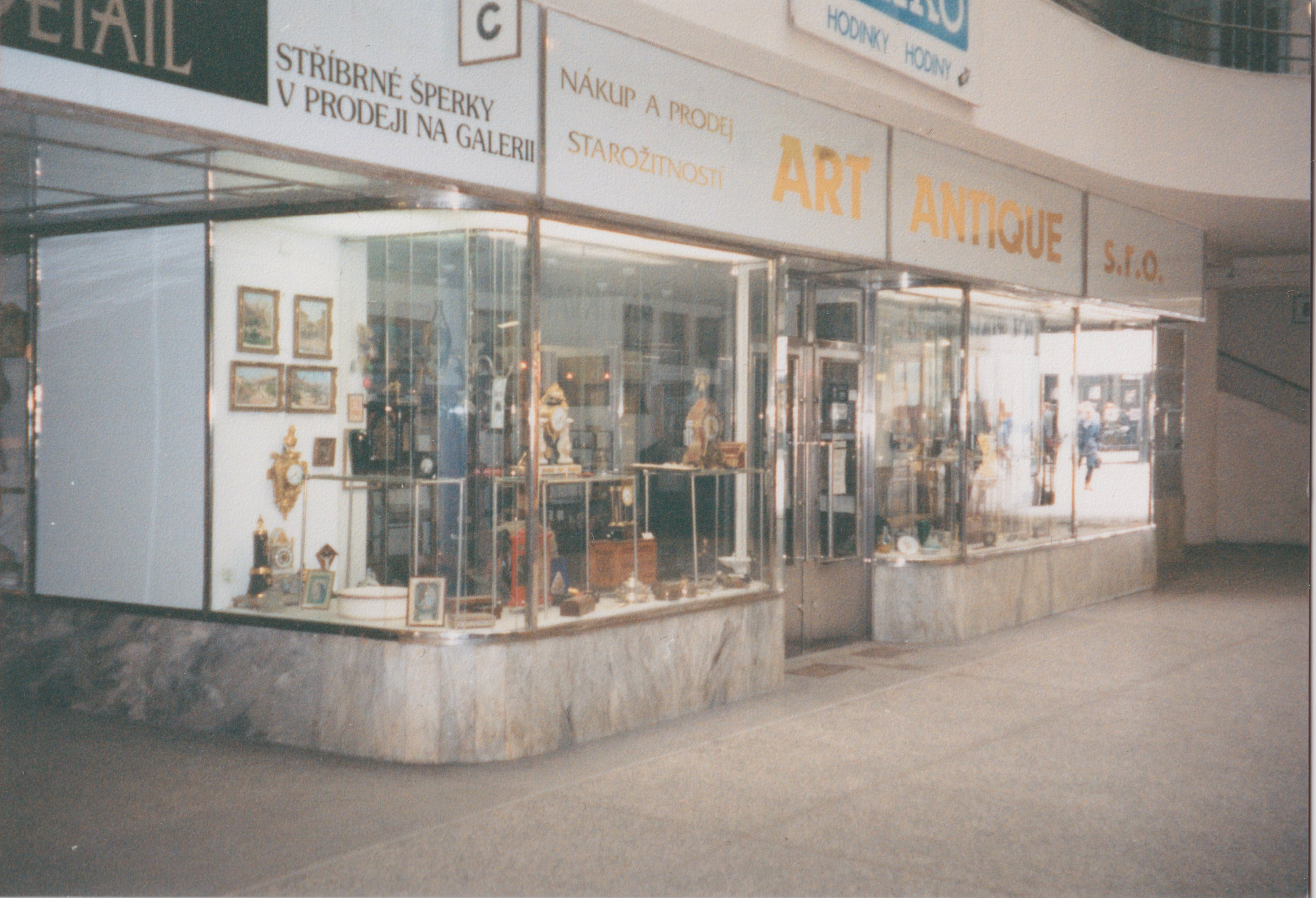
  • "My grandfather based his ideas on Fuchs' thinking that everything should be in the house. There should be culture downstairs, a cinema then, then there should be shops. There should be restaurants, cafes and housing. So that people didn't have to go all over the city, it was provided that way. So they had catering there, they had shops there, they had culture there, they had everything there. It was quite a modern building for those days, every staircase had its own lift, there was central heating. Everything was there."

  • "I consider myself to be the person who has been affected the least. The worst off was my grandfather, who was discriminated against so much for all his work that he didn't have the house he had built, didn't have the business he had built, didn't have the money he had earned, didn't have a pension. So my grandfather was really bad off. My dad was a little bit better off, at least he could work and he had some money, but he had to work physically too in the beginning. He didn't have to, sorry, he could be a clerk, but that wouldn't have been enough to support a family, including a wife and children, and it wouldn't have been enough to support my grandparents, my grandfather and grandmother. My mother also joined in later, because she worked as a proxy for my grandfather in the company and then she worked as a clerk for a while and then she worked as a crane operator at a construction site, so she climbed on a crane and worked at the Brno exhibition centre, for example."

  • "My memories are mostly vague, because my grandfather was evicted after February 1948, and I remember little of that period. Then, of course, I remember my grandfather when I was on holiday in Tasov, that too I only remember that we were talking together and my grandfather was trying to explain to me, at that time, what capitalism was. I didn't understand what it was at all, but it was explained to me that it was a relationship to one's own property and to the property of others, and that it required a lot of work and a lot of knowledge. That was kind of my first impulse that my grandfather gave me, that I needed to study."

  • Full recordings
  • 1

    Brno, 16.01.2023

    (audio)
    duration: 01:49:03
    media recorded in project Příběhy regionu - JMK REG ED
  • 2

    Brno, 17.02.2023

    (video)
    duration: 01:13:31
    media recorded in project Příběhy regionu - JMK REG ED
Full recordings are available only for logged users.

As a boy, he used to tell his grandfather he was a capitalist
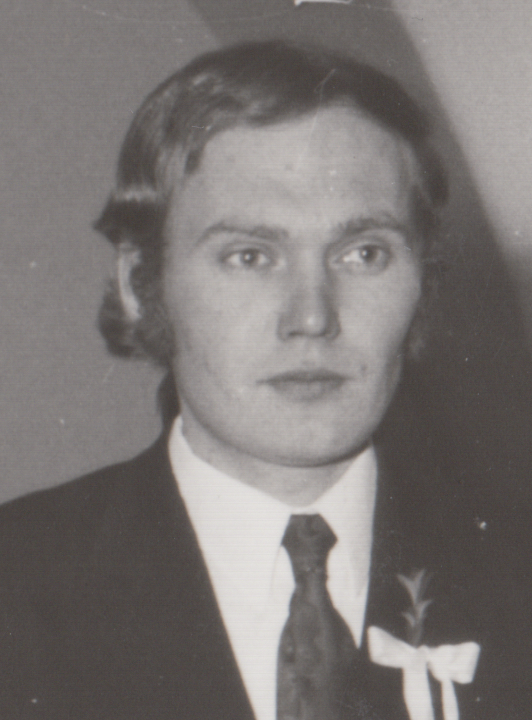
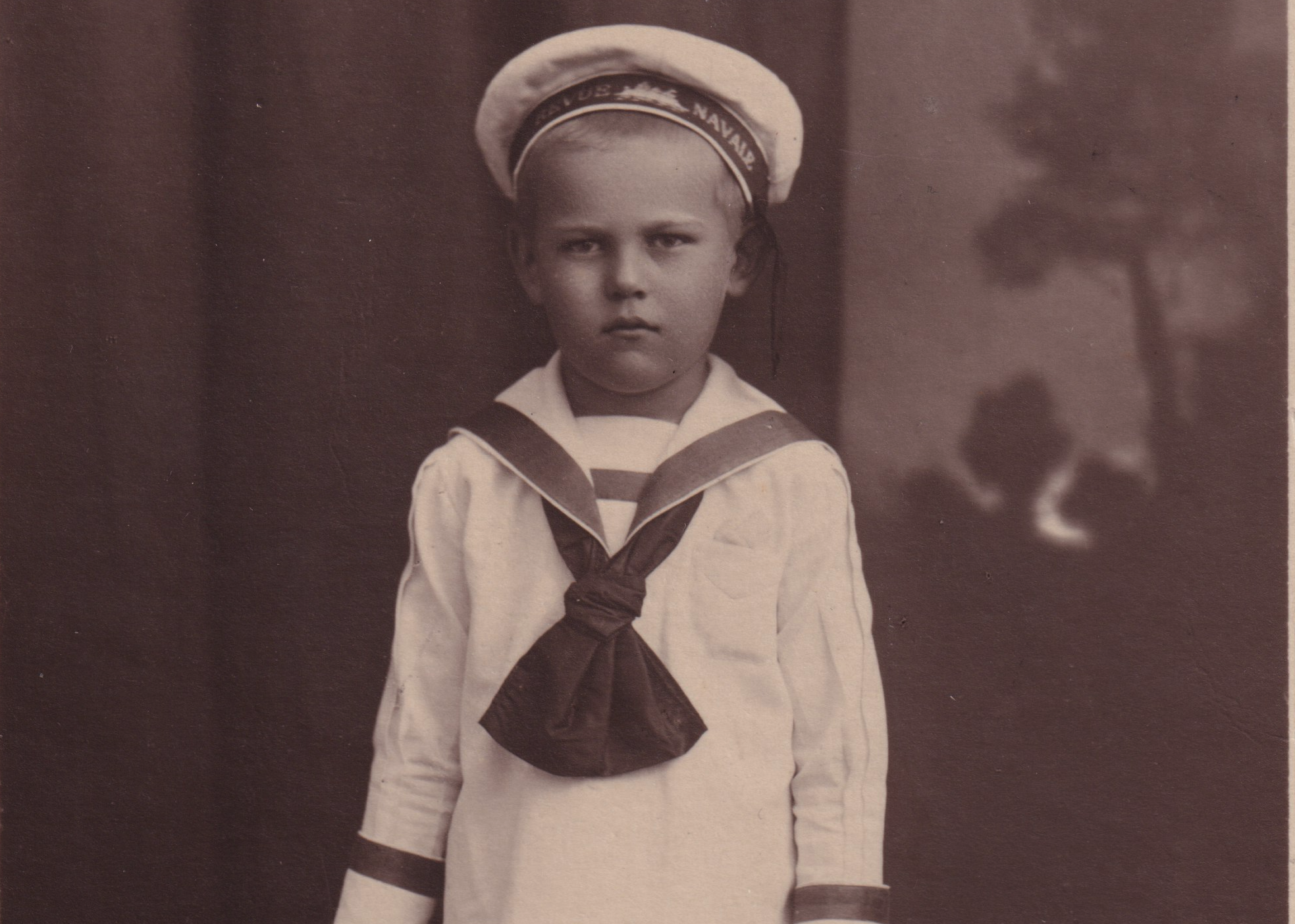
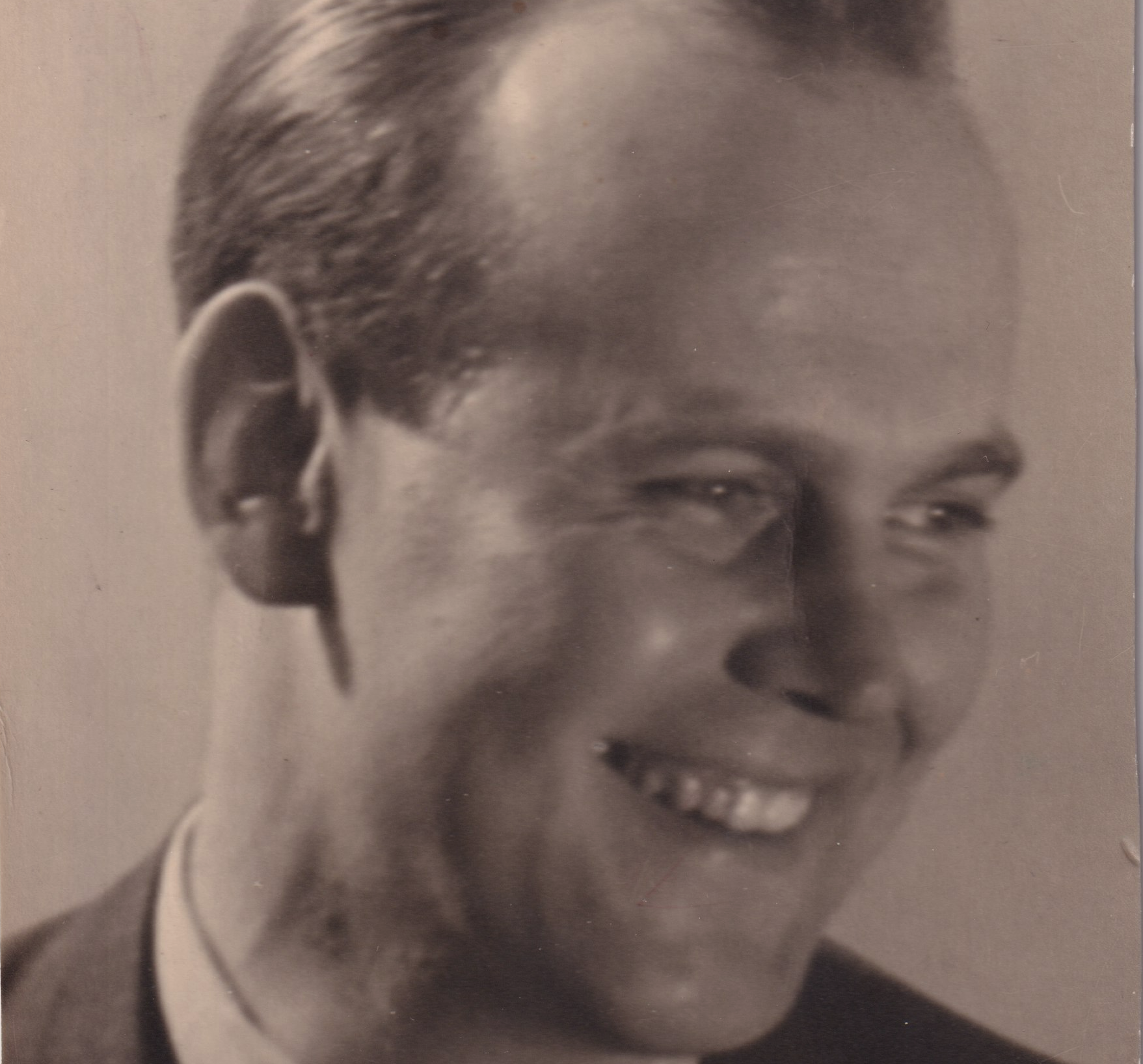
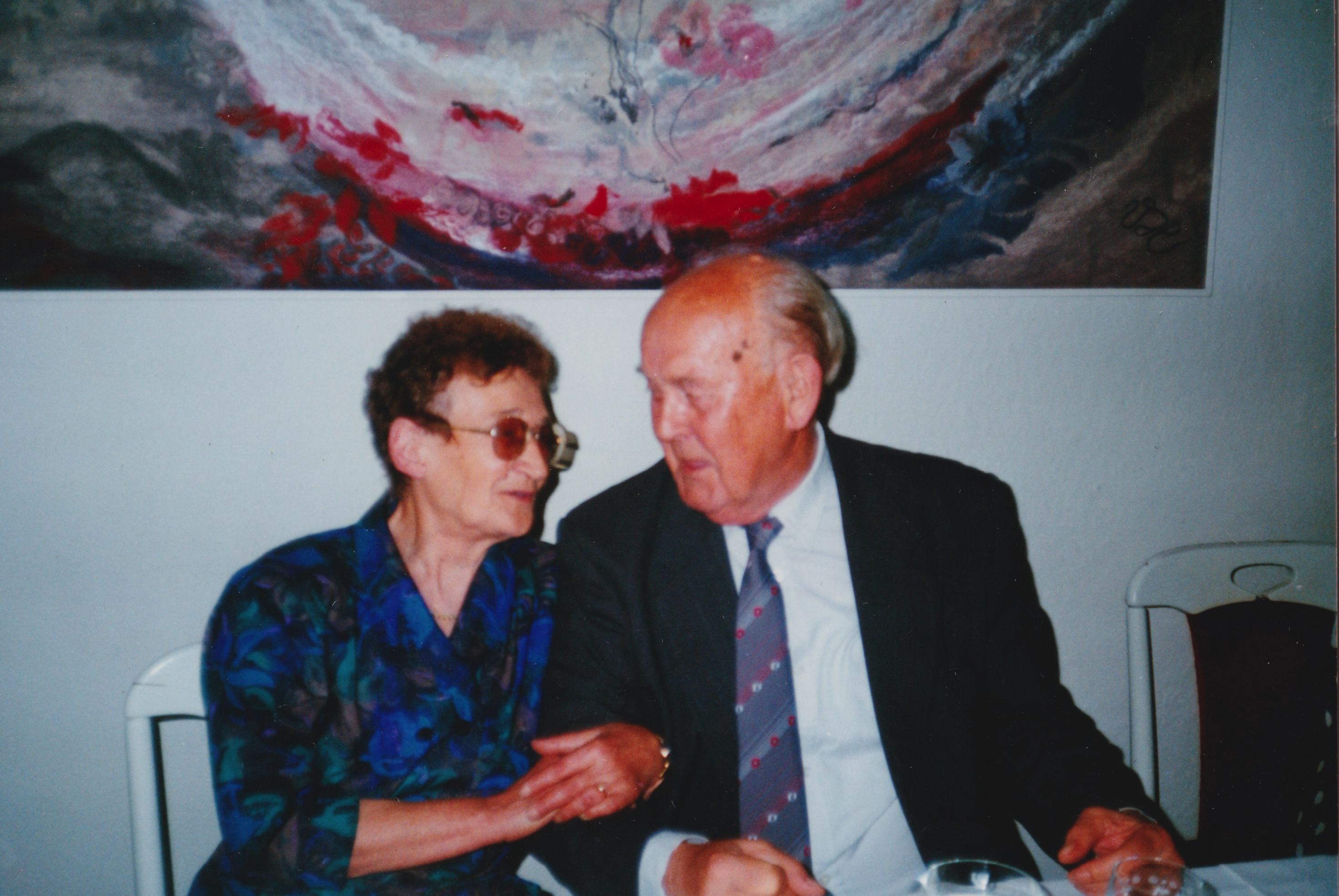
Vladimír Hrdina, 1971
photo: Witness´s archive

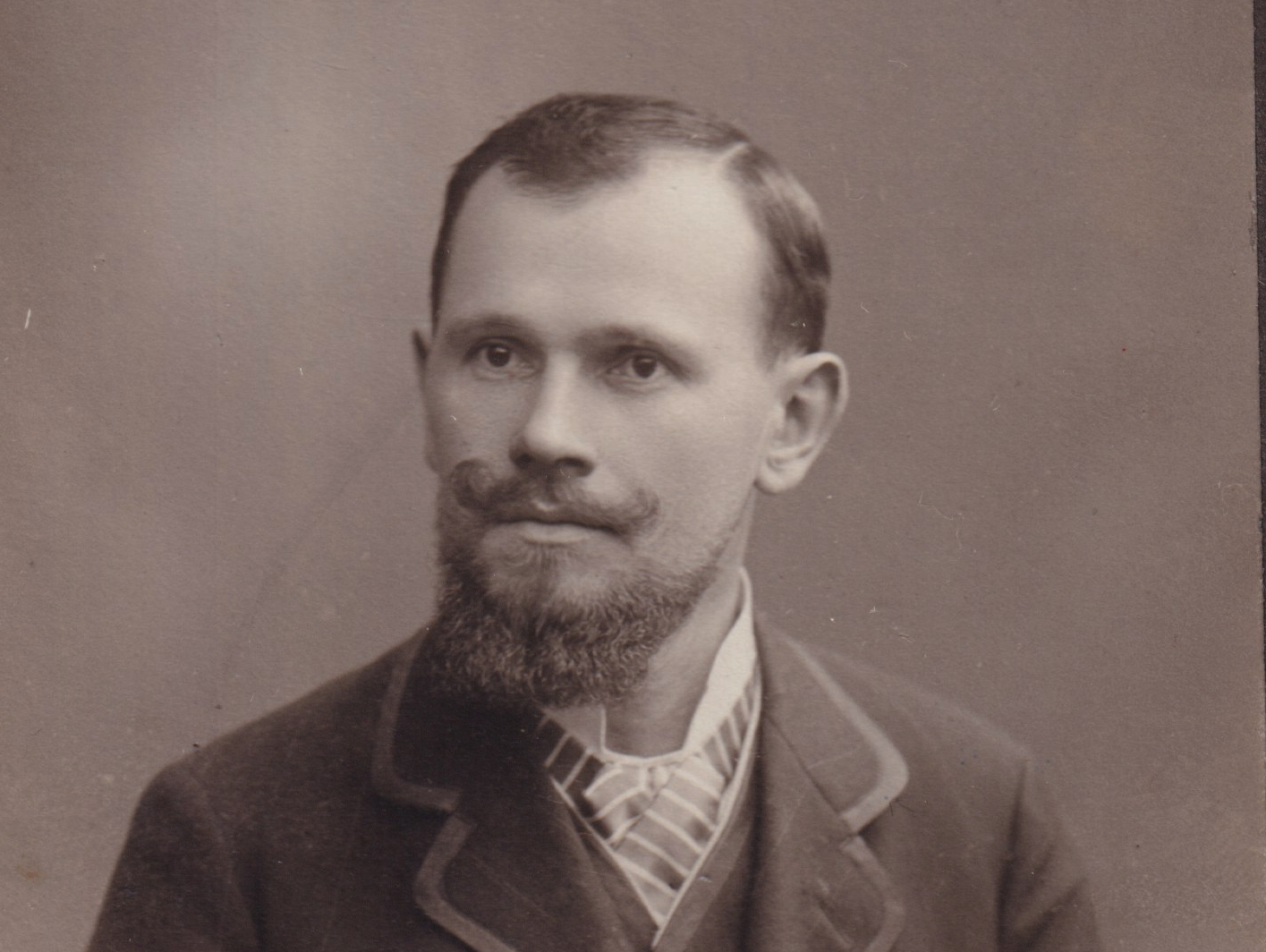
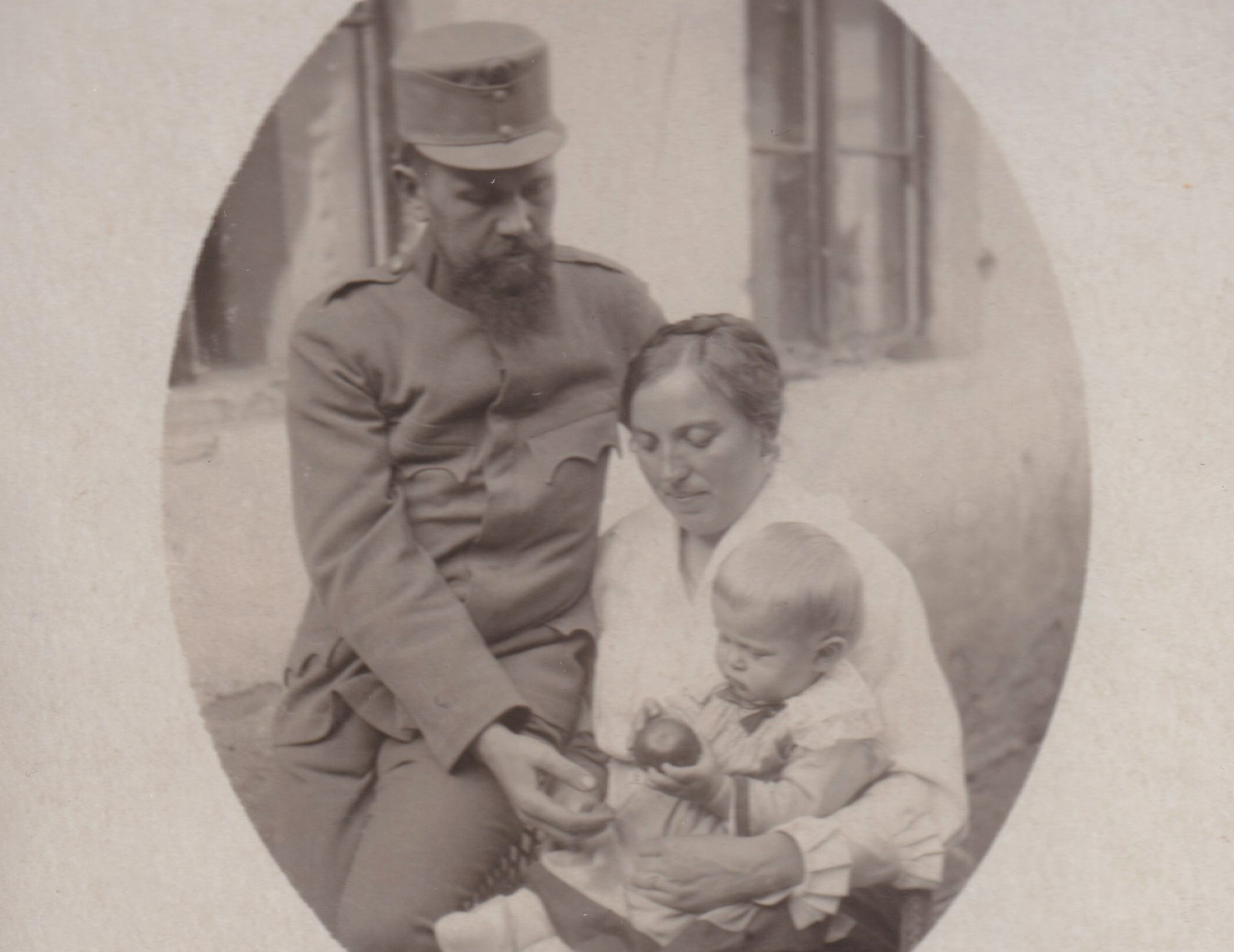
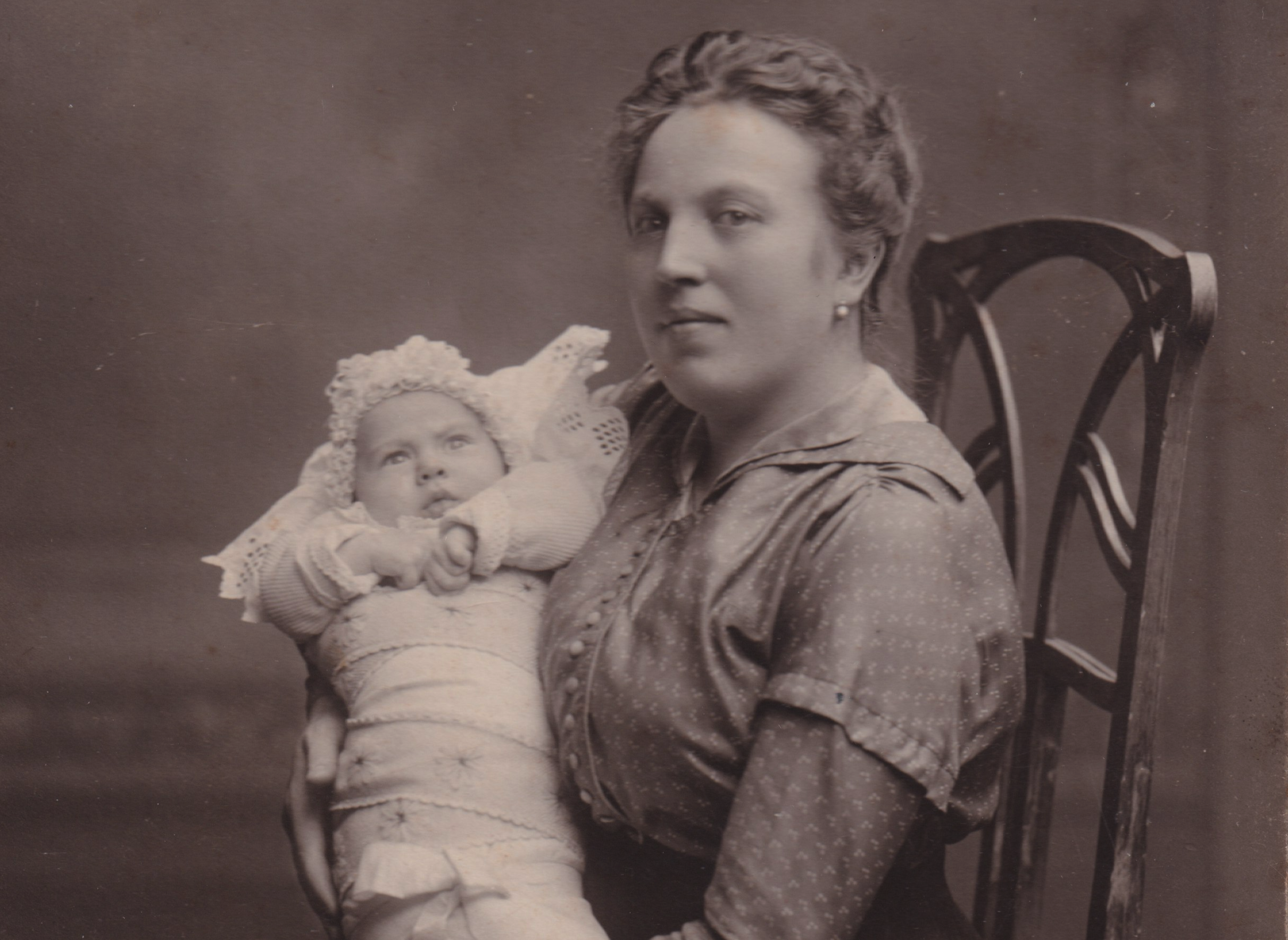
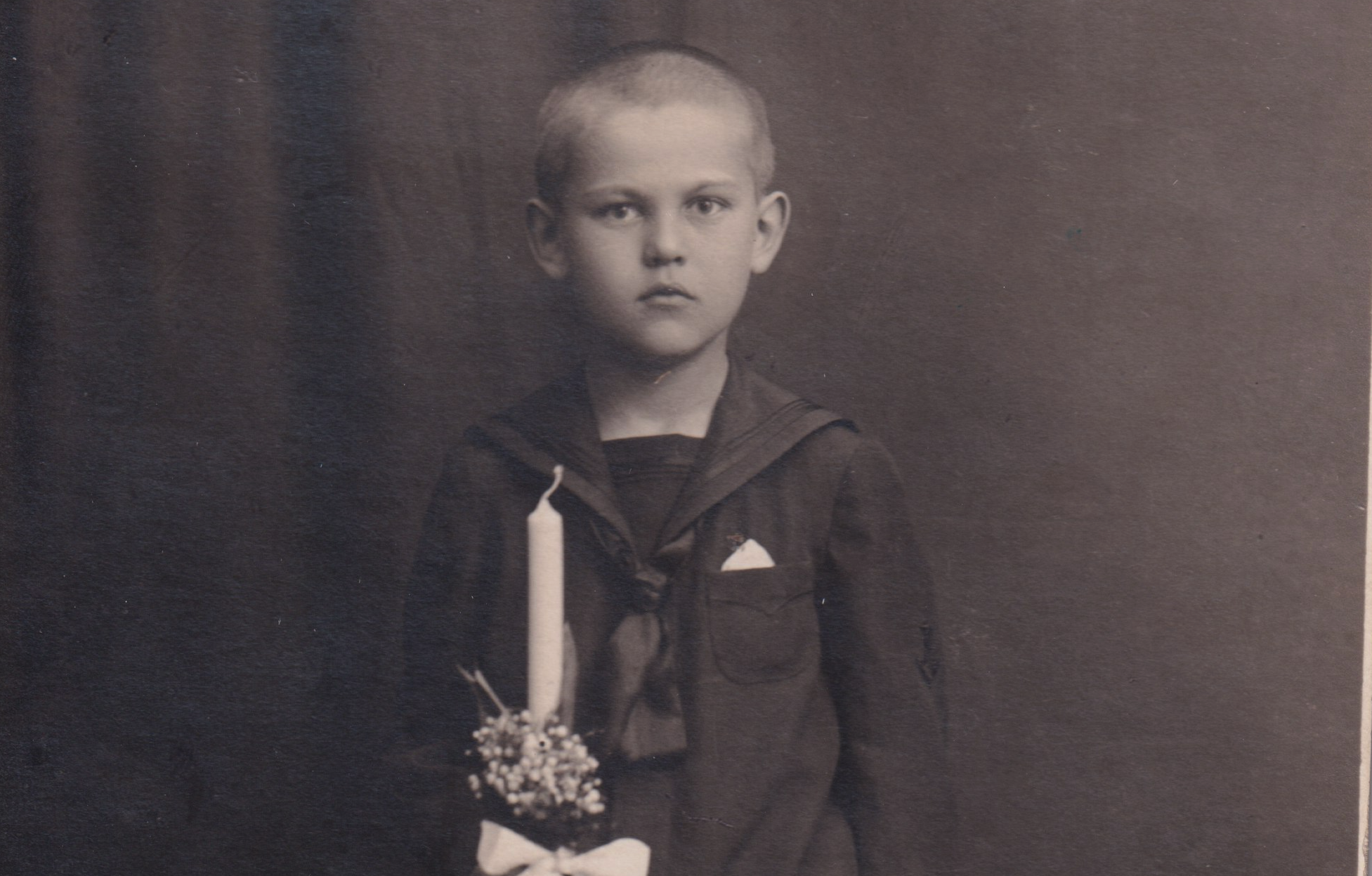
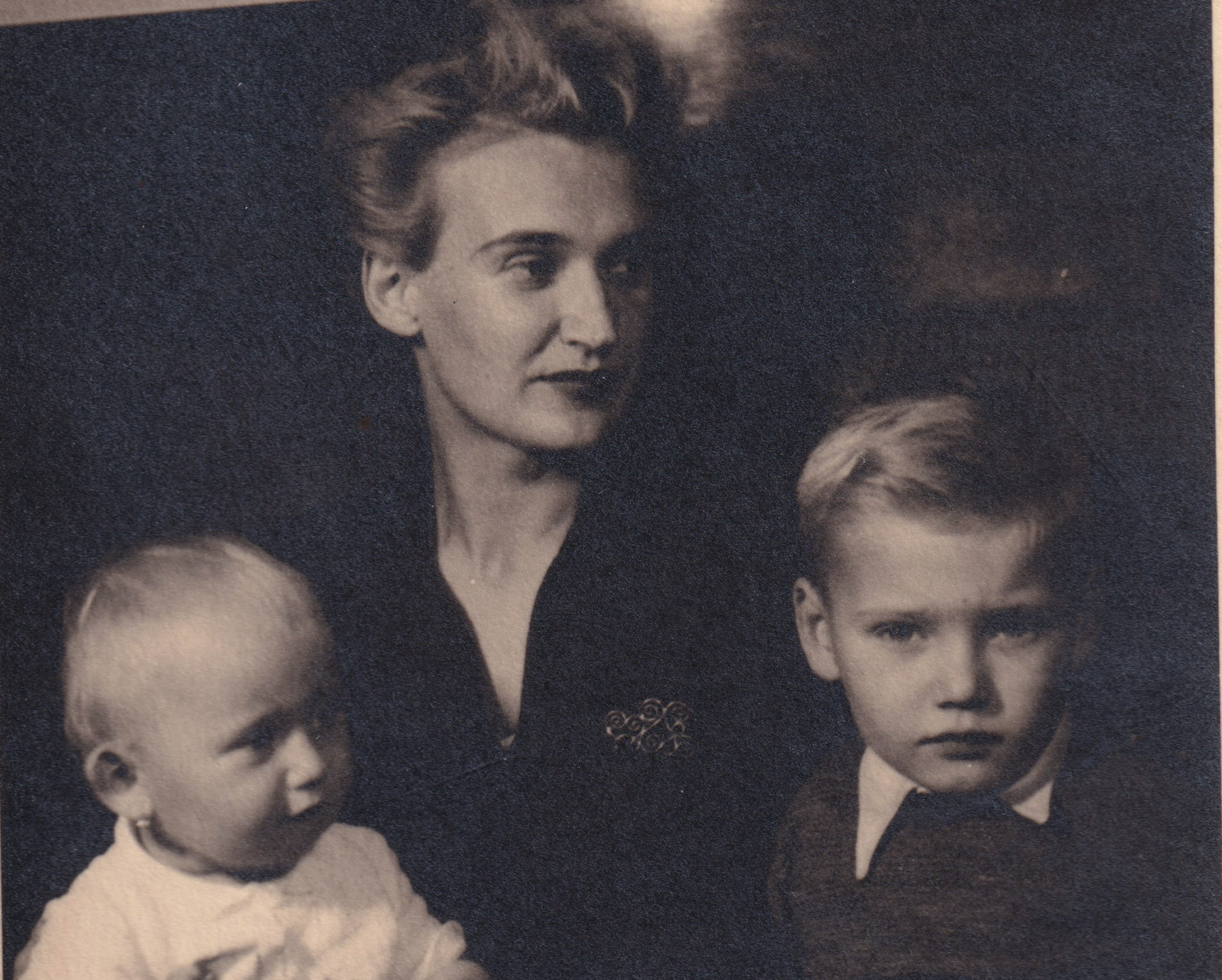
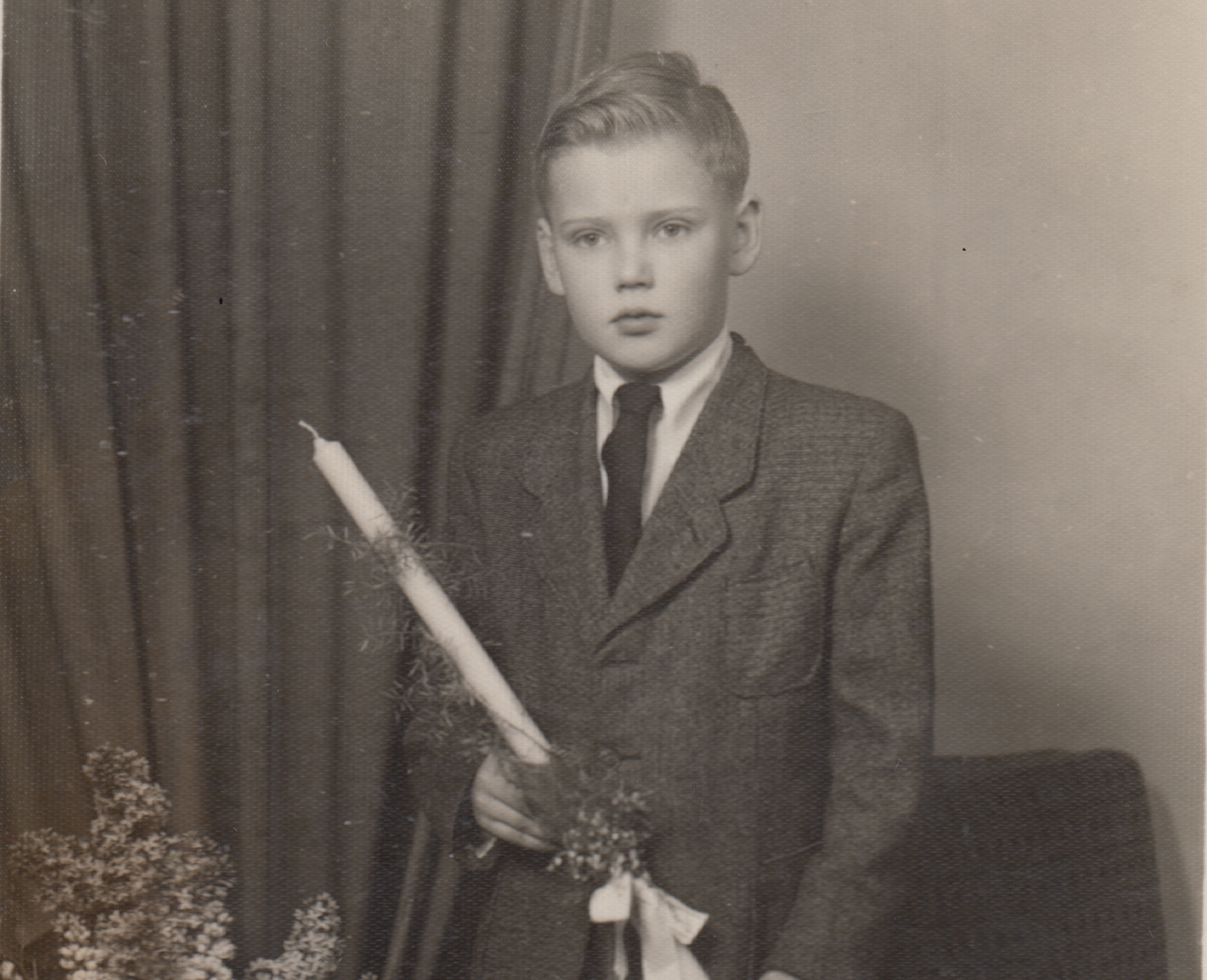
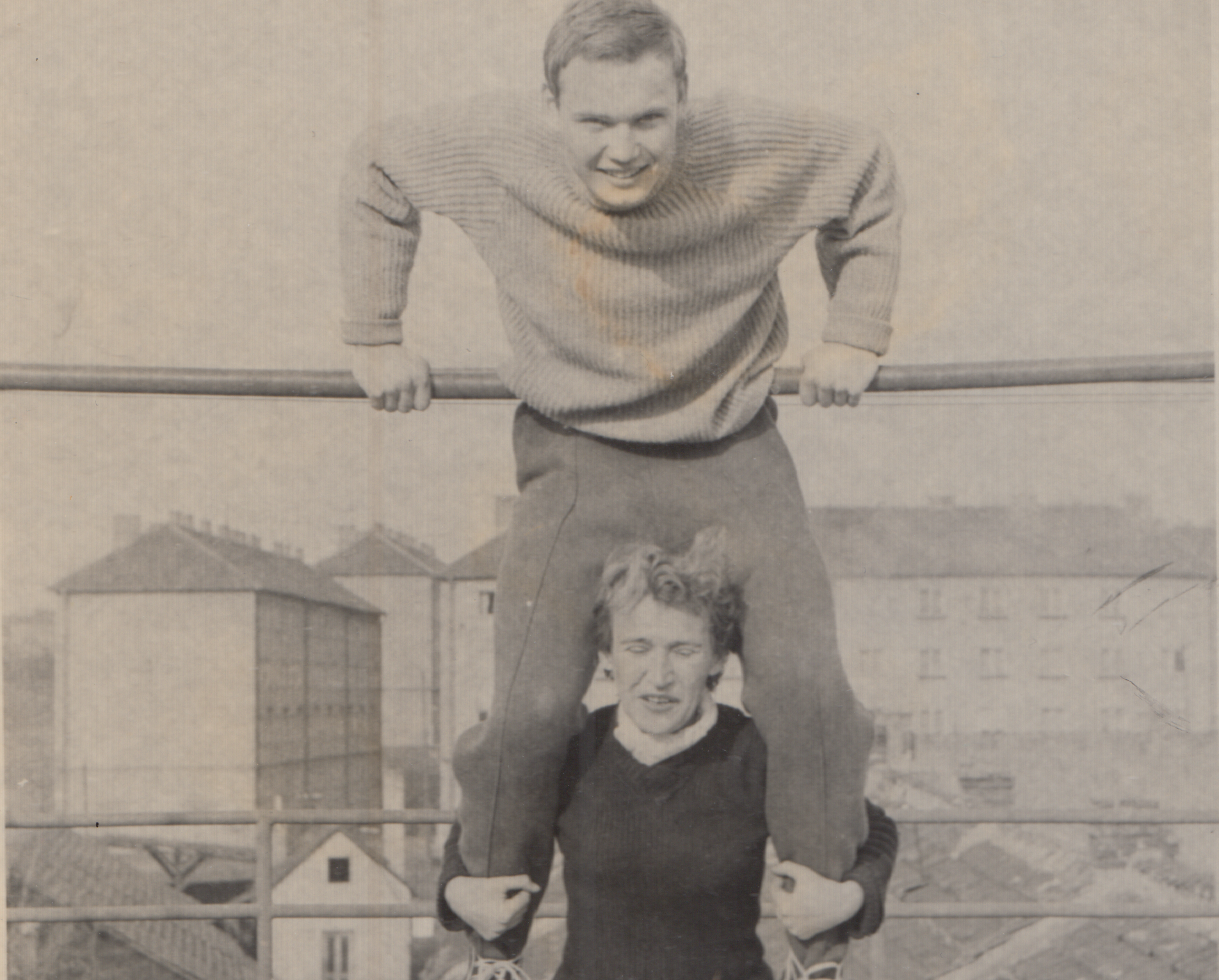
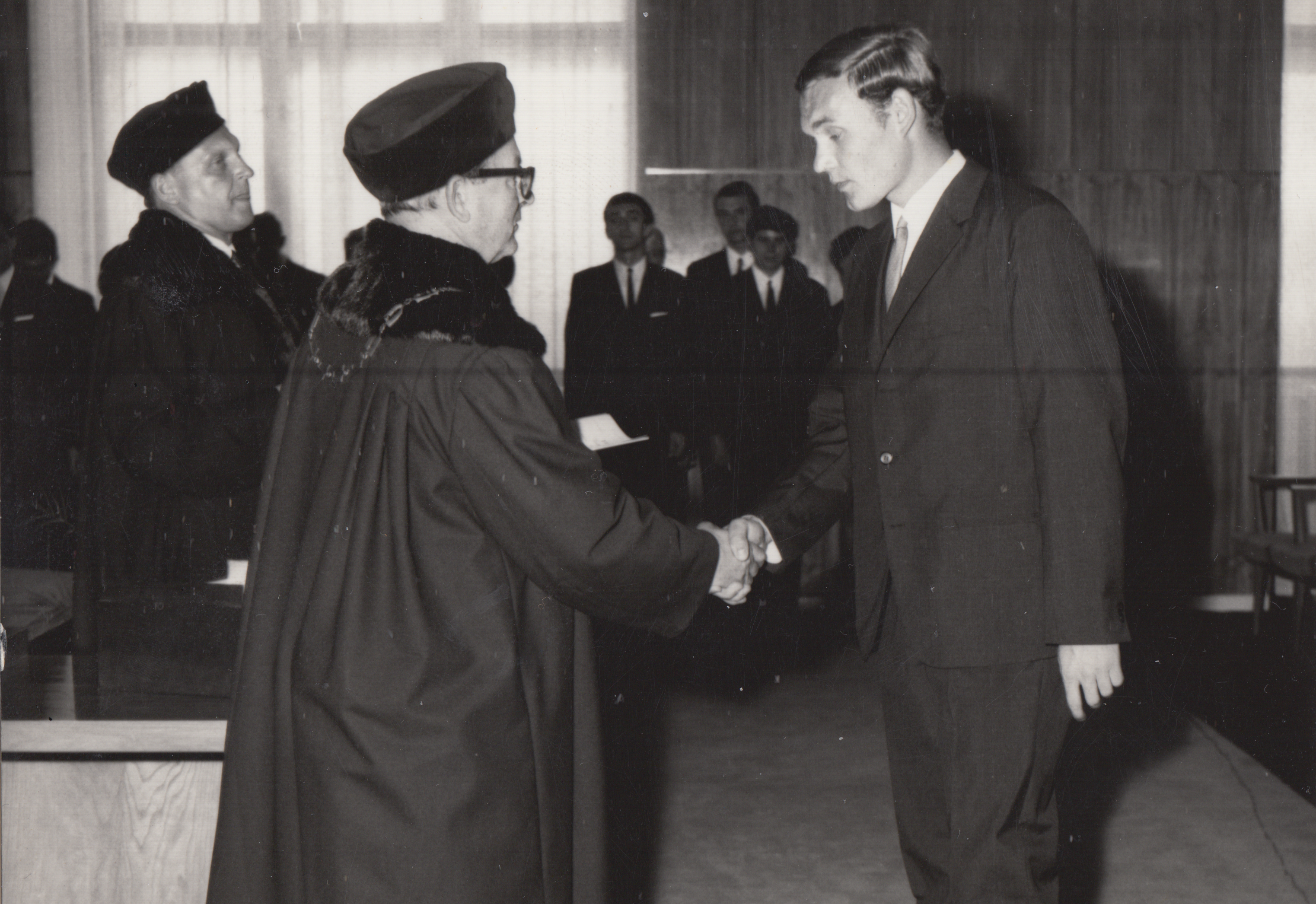
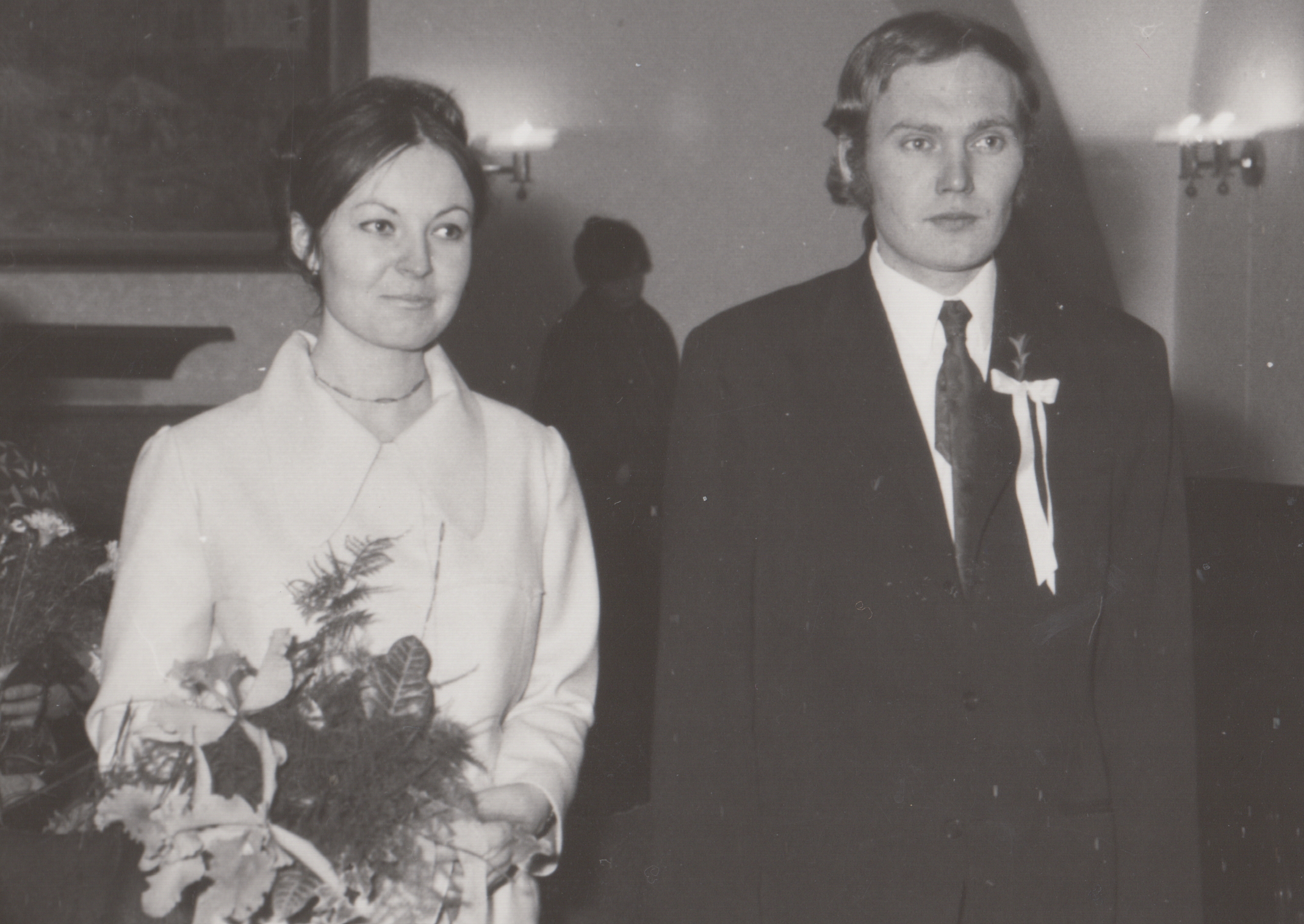
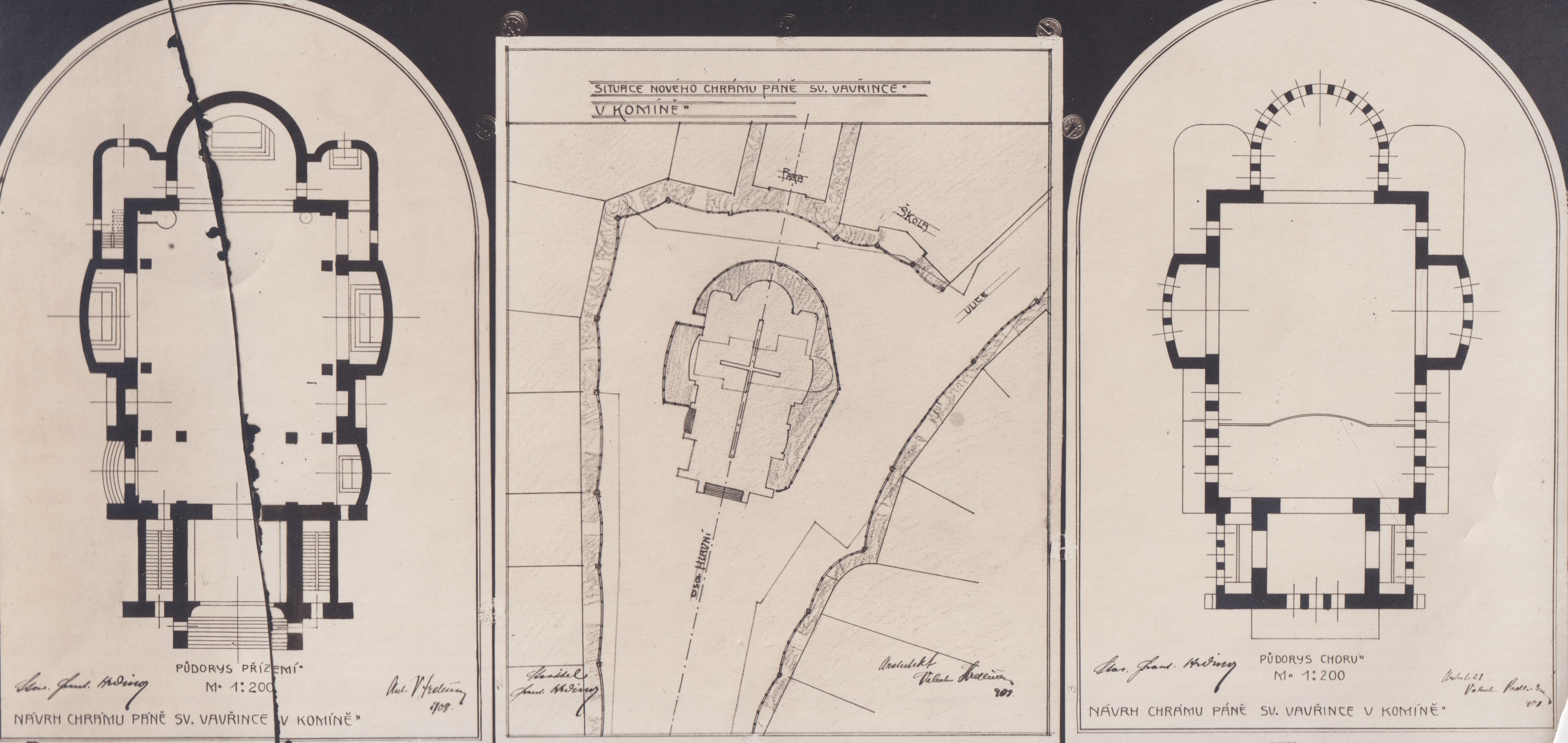
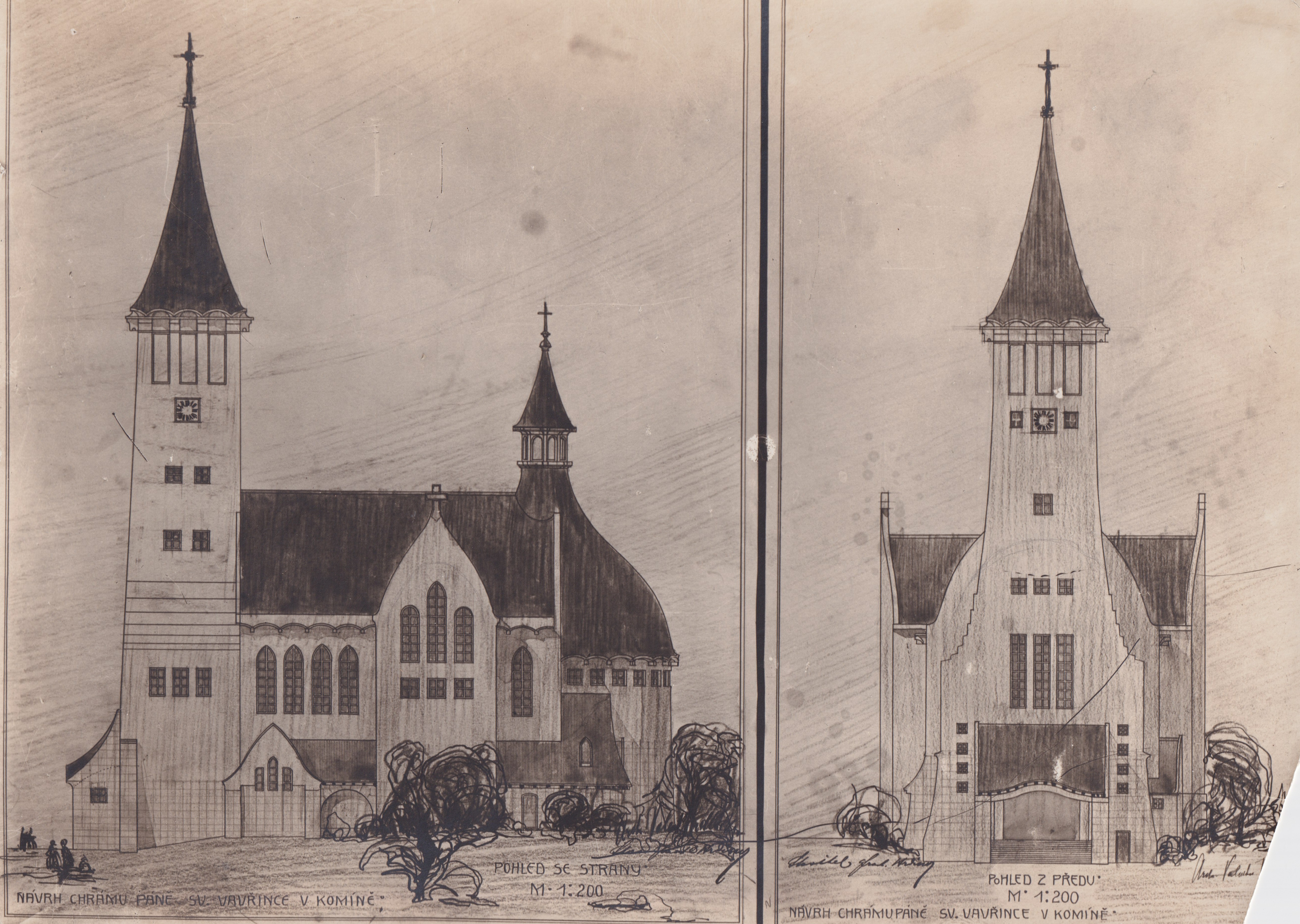
Vladimír Hrdina was born on 12 May 1943 in Brno into a wealthy family. His grandfather founded a company that bought land and built houses in Brno, the most famous of which was the functionalist Alfa Palace. After 1948, however, the family property was nationalised, his grandfather and grandmother were evicted from Brno and his father, an architect, had to work as a labourer. After graduating from primary school, Vladimír Hrdina was prevented from studying in Brno for cadre reasons, so he graduated from the Secondary Medical School in Frenštát pod Radhoštěm. After graduation, he worked from 1960 to 1962 as a labourer at Construction Insulation (Stavební izolace) in Brno because he did not receive a reference for university. He eventually managed to graduate from the University of Agriculture with a degree in fishing and after a short period working as an assistant he worked at the Dairy Research Institute. He lived through the occupation of 1968 in the GDR, where he toured fish farms with the fishing university department. After returning to Czechoslovakia, he initially wanted to actively protest against the occupation, but at his father’s insistence he did not join the protests. His opposition to the occupation, however, deprived him of the possibility of obtaining the degree of Candidate of Science. He married in 1971 and he and his wife had three daughters. His wife’s parents were sympathetic to the communist regime, and so the children were spared the kind of bullying that Vladimír Hrdina himself had experienced. The marriage eventually broke up, and Vladimír Hrdina remarried in 1984 and lived in Znojmo until 1990. The year 1989 brought a fundamental change. The Hrdina family had a substantial part of their grandfather’s property restituted, which brought him many sleepless nights - it was necessary to borrow money, reconstruct and invest. The biggest problem and challenge was the heritage-protected Alfa Palace. In 2023 Vladimír Hrdina was living in his native Brno.