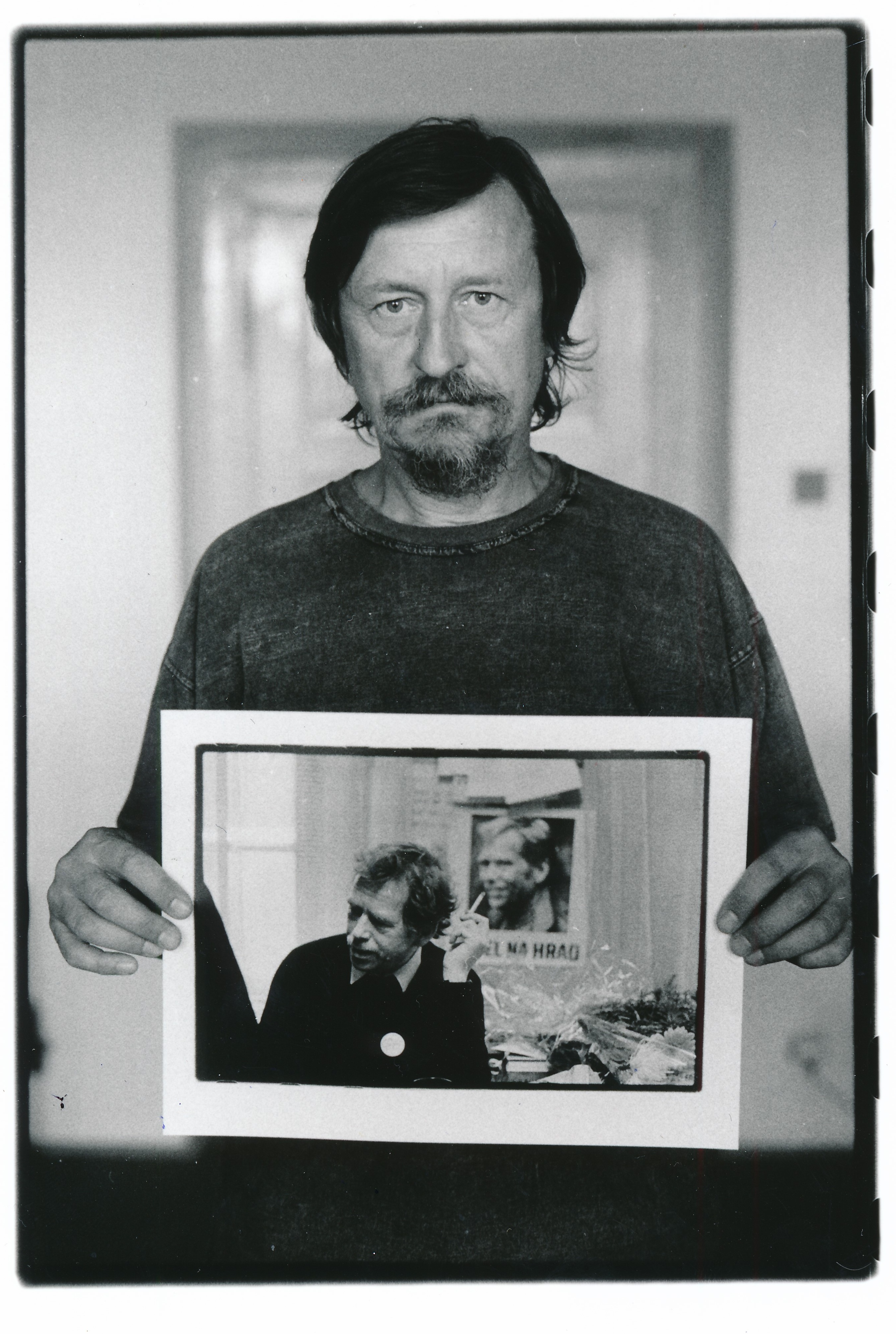
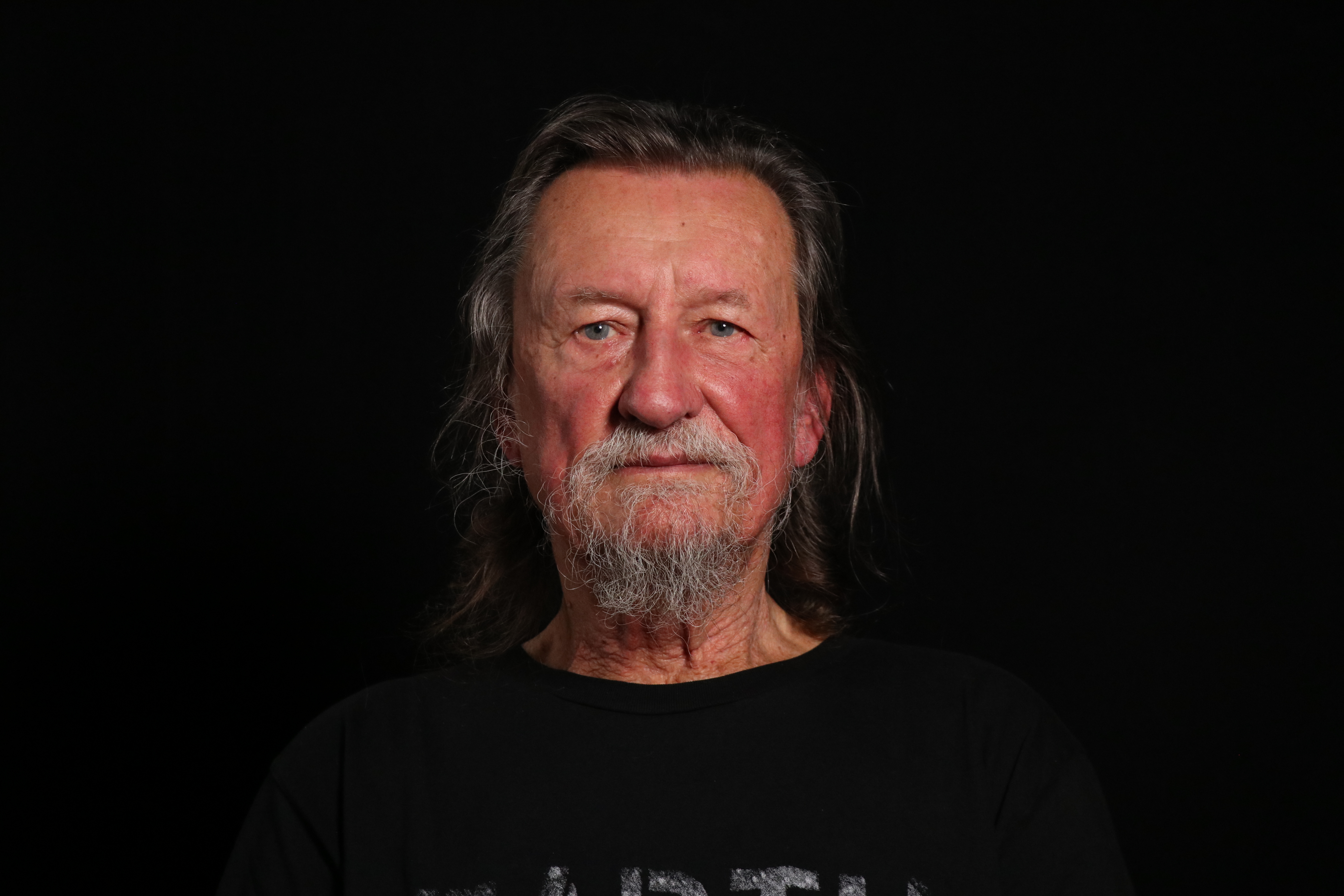
Jiří Hanke

* 1944

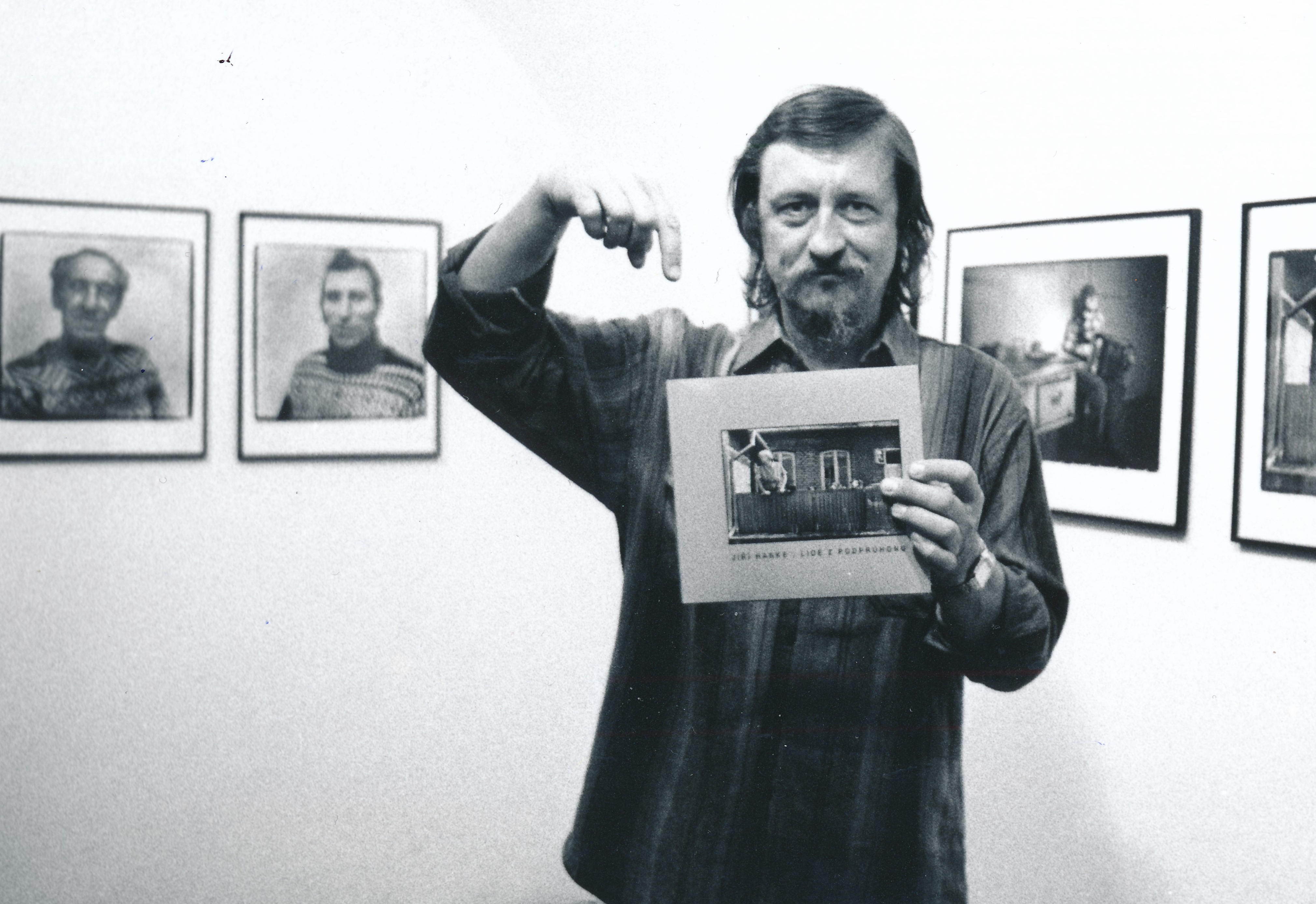
  • "Podprůhon, where I started, I photographed that for maybe ten years, that set, I went there almost every day. I liked it there. That's a big hillside where those houses are built, there are gardens in those hillsides, maybe they climb up a ladder to the garden... There, people lived a completely different life than the life in the block of flats that was above those houses. I went there to photograph mainly the architecture, I liked photographing old Kladno, those poetic streets and all that. And as I went there, the people started to notice me and talk to me and why I was going there and so on, and I started going to their houses and suddenly I discovered the people there. So I actually photographed those people there, and then the book that came out is called Lidé z Podprůhonu (People from Podprůhon)."

  • "The savings bank gallery, that was because I could exhibit art by whoever I wanted. People could exhibit there who couldn't exhibit anywhere else - Prague was banned for them, etc. I didn't ask for approval anywhere, so such exhibitions went through there. The signatories of the Charter exhibited there at that time, for example Olbram Zoubek, people like that; Jitka and Květa Válová - artists from Kladno, and others and others, Čestmír Kafka, and people like that exhibited there. And once there was a decree, and I was also affected by this supervision, there was a decree, issued by the director of the Central Bohemian Gallery in Prague, that in the Central Bohemian region every exhibition had to be approved by him. He wrote this to the district committees, the national committees, and I was invited to the Department of Culture: 'You will have to ask the director, that is, comrade director, approval for every exhibition.' So I sent one there for approval. Of course, about two months later, when the exhibition was over, I got a rejection. And I said, 'Well, we're not going to do it that way.' I went to the Department of Culture and I said: 'Look, I don't have a gallery, I'm decorating a savings bank. And as a savings bank, we can hang whatever we want and I won't ask for approval of anything.' And I did have peace – it passed."

  • "Well, the director of the theatre came to me and said, 'Hey, there are some complaints here, and it is about this, and I'm going to come here and look at the program you're doing here and tell you what to do and how to do it.' He came there, he looked at our one evening, he came and he said: 'This is excellent, this is wonderful, the young people are having fun, it's fine, it's great, I'll come tomorrow (it was Saturday then), I'm going to Stochov (it was the district conference of the Communist Party of Czechoslovakia), so I'll go there and I'll fight it out there, you'll just do the shows, I like it, it's an excellent show. Call me on Monday'. So I called him on Monday, he said, 'Don't come here anymore'. So you can see that they got him thinking about what the culture should be like for young people at that time. So that was the end of these - well, it didn't end there, we didn't give up. So as the hi-fi club of Svazarm we subscribed to the Communist Party of the Czechoslovak Communist Party and at that time Red Law came out and there was an article that there was a Folk and Country festival in Lucerna. So we took the Red Right and we went to the Communist Party of Czechoslovakia - the representatives of Svazarm, not me. And there we presented it to them and said: 'Look - you have banned these evenings and your party paper writes about it here, that there is a Folk and Country festival in Lucerna!' And they said: 'You know what? It doesn't matter what's in Prague. Here is Kladno and it was - is - and will be red. That's it."

  • "Here we ordered the OV KSČ, we got it, Rudý právo was published, which was the diary of the party's central committee, their diary indeed. And there was an article in it... yeah, they used to like, what is Folk and Country, what it was supposed to mean. It was just absolutely incomprehensible. Well, that's where we came up with that Red Law newspaper, so we showed them, 'Well, look, there is a Lantern in Prague and there's a Folk and Country festival.' Well, they told us, Prague, we are not interested. This is Kladno and it was, still is and always will be red! ‘Well, it was settled, and the music was banned."

  • "And then I even got to the concert that Miloš Forman did for him in the cathedral, and it was just an incredible experience. I didn't even know what I was going for. We met the young Formans and they invited us there: 'Come and see St. Patrick's Cathedral, there will be a concert for Václav Havel. So we went there, but we didn't know what it was about. Well, and then suddenly I see that there are such important people that meant a lot for me, Frank Zappa, for example, Henry Kissinger, and alike. Well, I hid in backstage, because I was there enough, you could say, I got in the front row, ahead, because I took pictures of them all there. And then I crawled backstage and there it was amazing; suddenly I saw Paul Newman and he had a Civic Forum badge here, such personalities, all with Civic Forum badges. Then everyone went to the stage. Well, of course Havel and his wife were sitting in the front and the whole suite, and Čalfa was there with him at the time, it was just the whole Czech expedition."

  • "I came to Cheb and there the director of the gallery tells me: 'What do you say about Prague?' And I replied: 'And what was it like in Prague or what?' So I found out (about it) in Cheb. Well, and then of course I became interested in it, so I went to Prague with a camera, but I found out that it is useless to take photos in Prague, when there are too many other photographers, but Kladno needs to have a documentary about what happened there, right. So, since the first time, I have been documenting all the events that took place here in Kladno after November 17th."

  • Full recordings
  • 1

    Kladno, 28.11.2019

    (audio)
    duration: 01:12:36
    media recorded in project The Stories of Our Neigbours
  • 2

    Praha, 02.12.2025

    (audio)
    duration: 01:16:00
    media recorded in project Stories of the 20th Century TV
Full recordings are available only for logged users.

They told us that here is Kladno, and it was, is and will be red
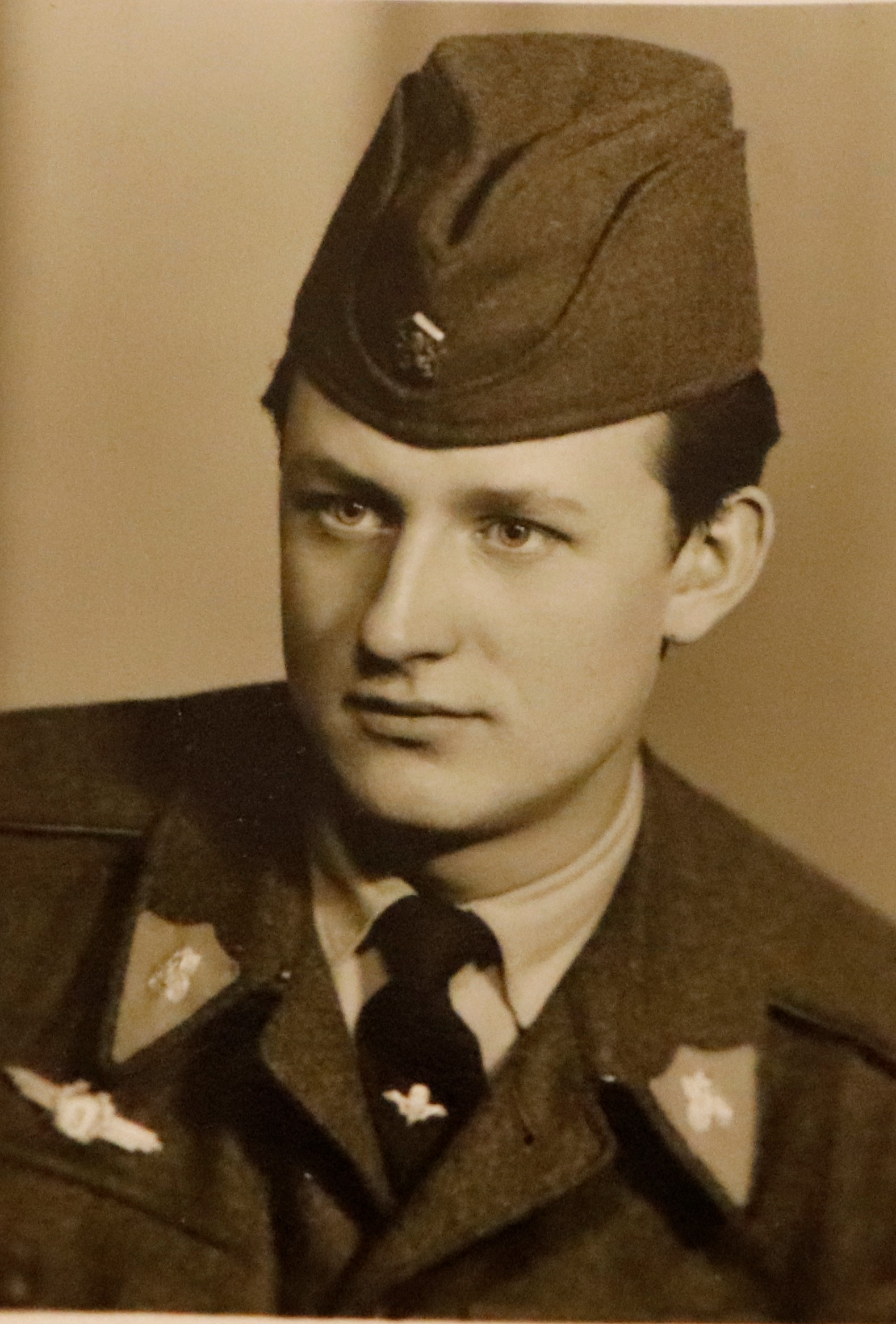
Jiří Hanke at the military service
photo: witness´s archive

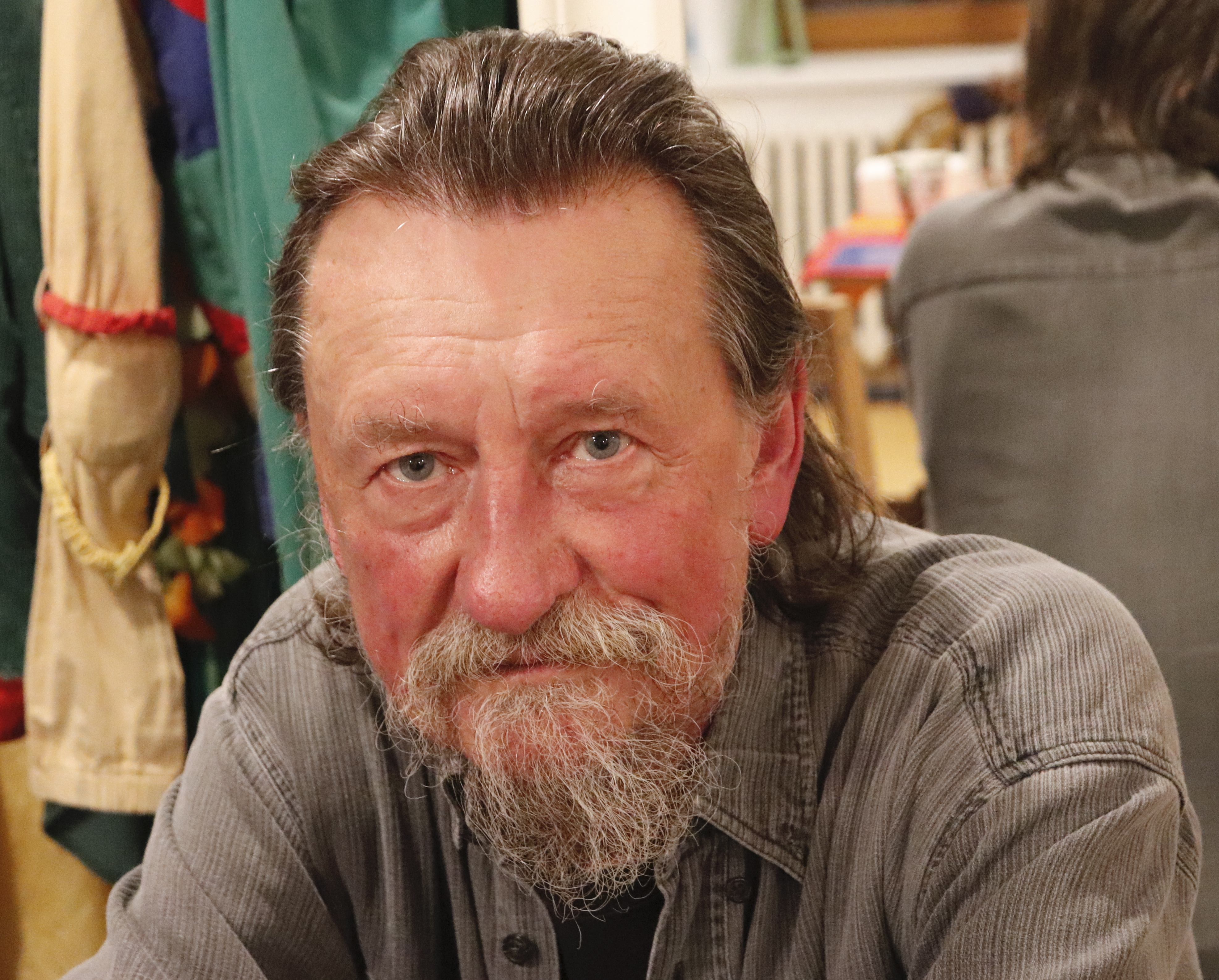
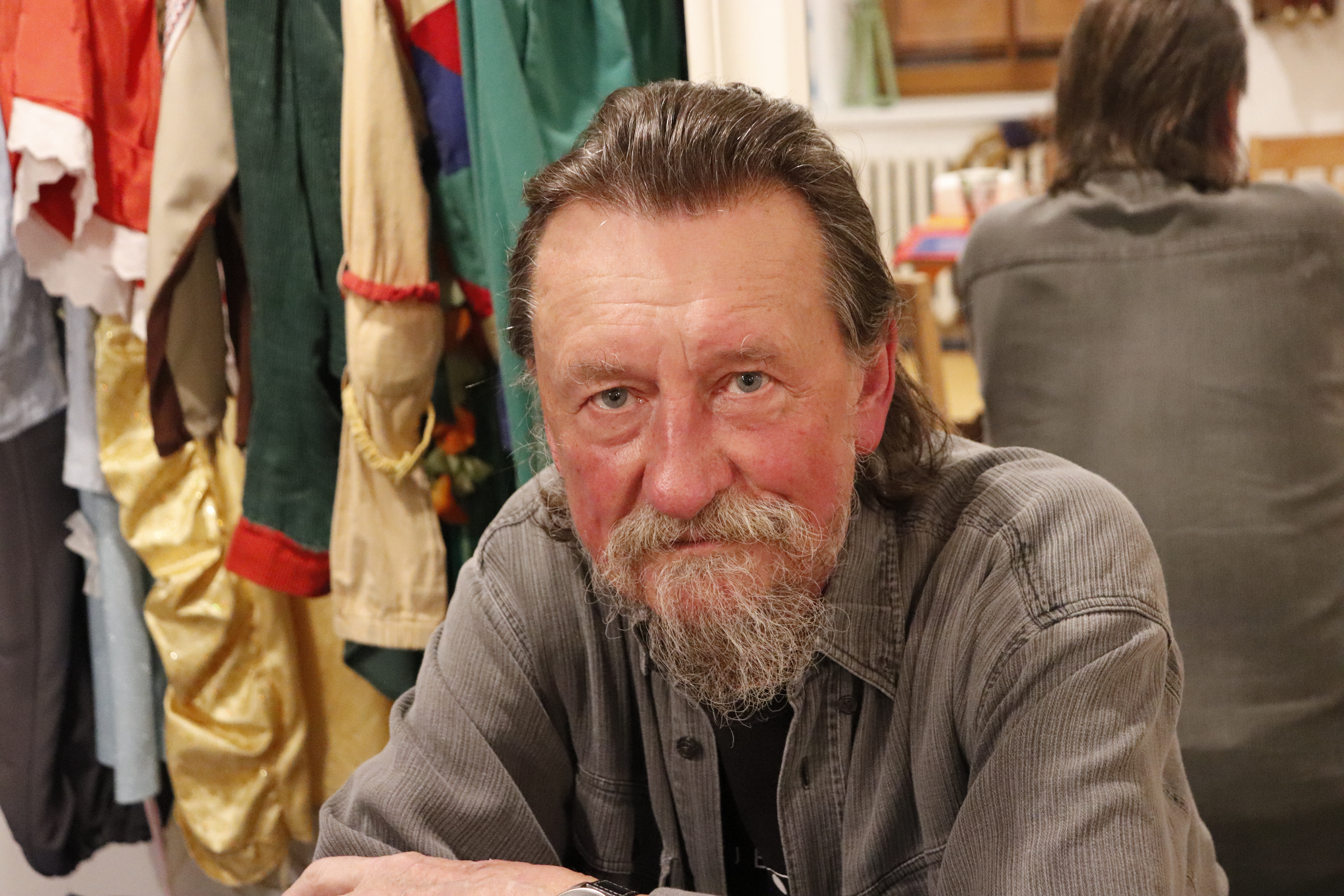
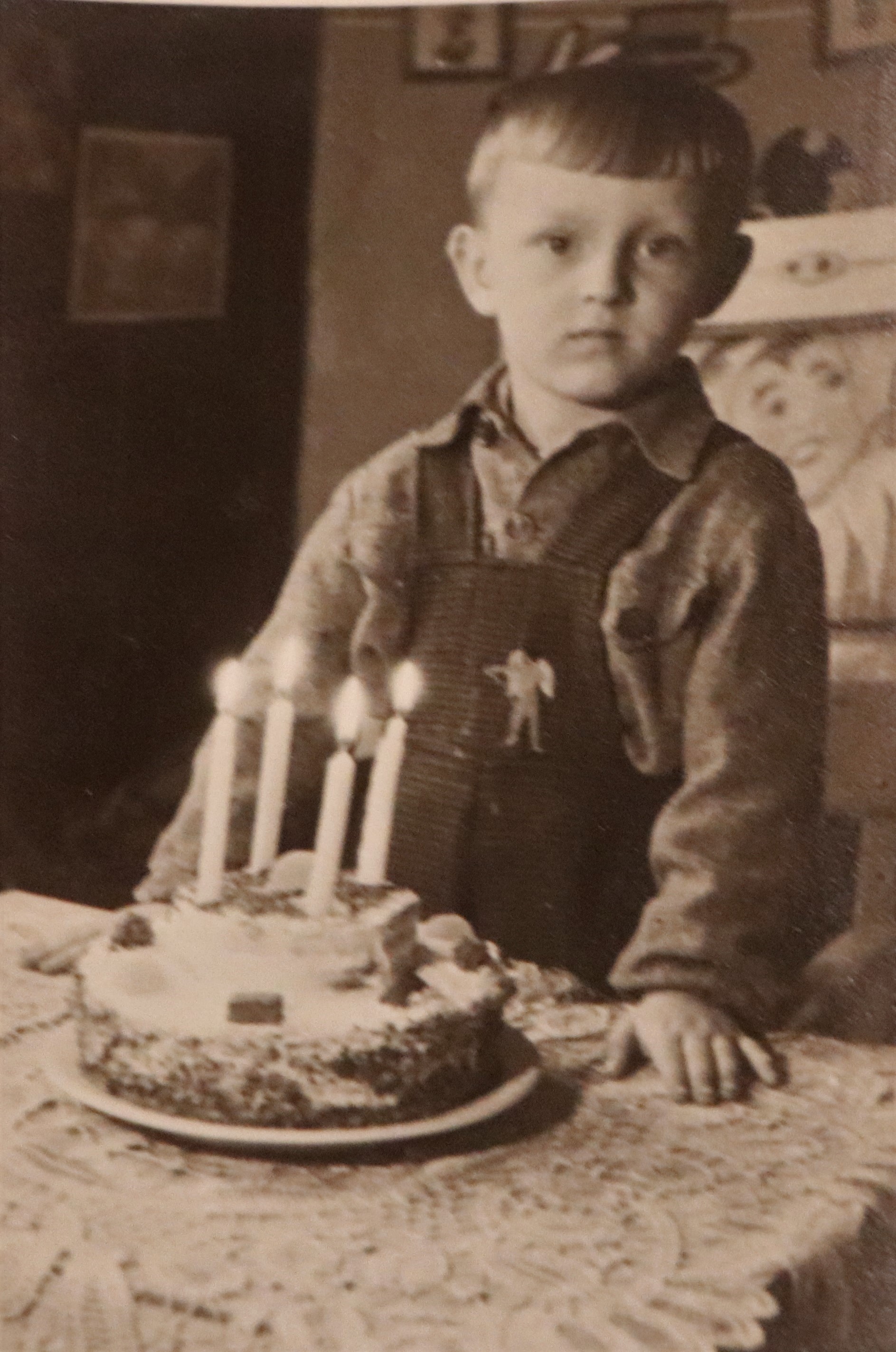
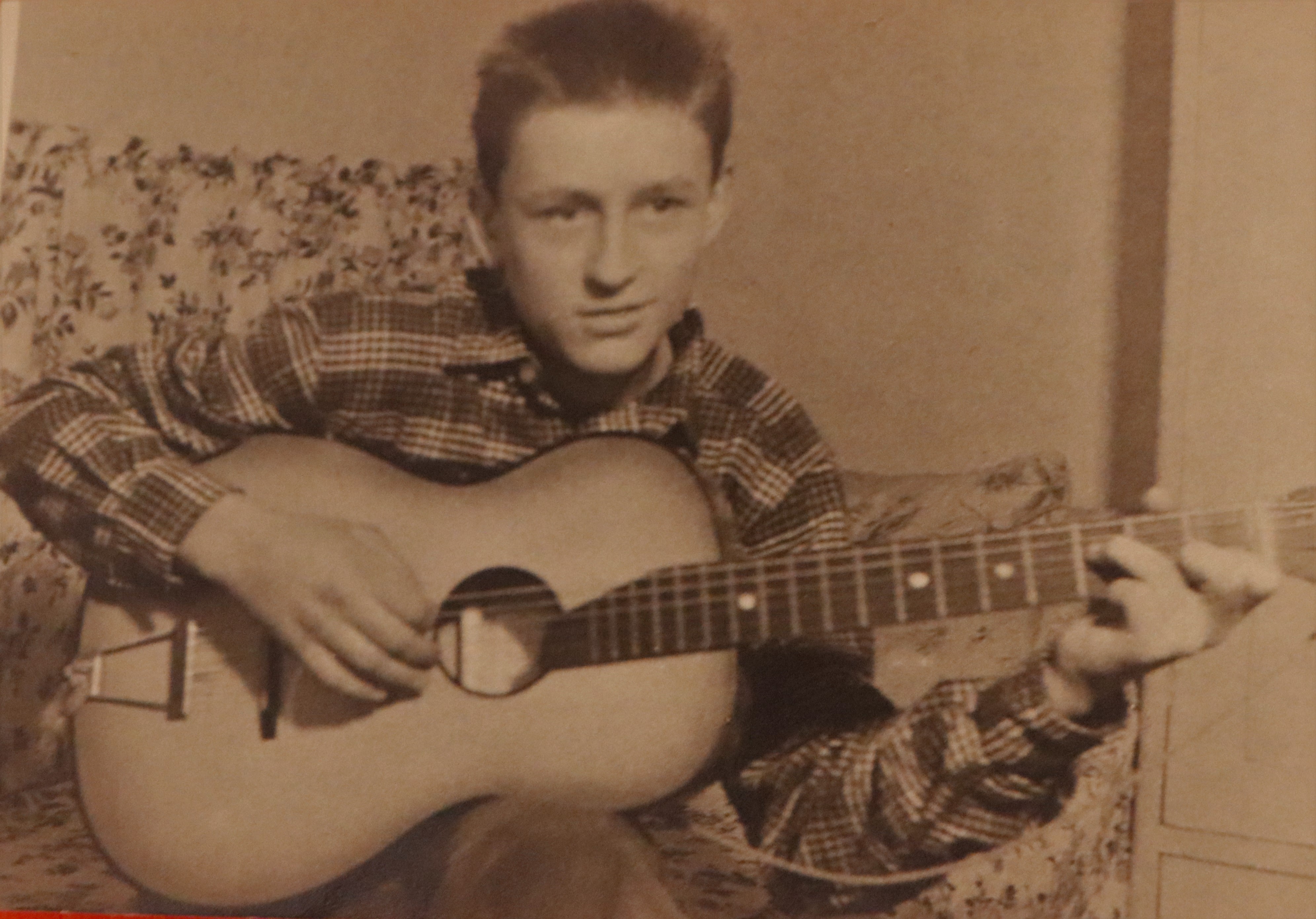
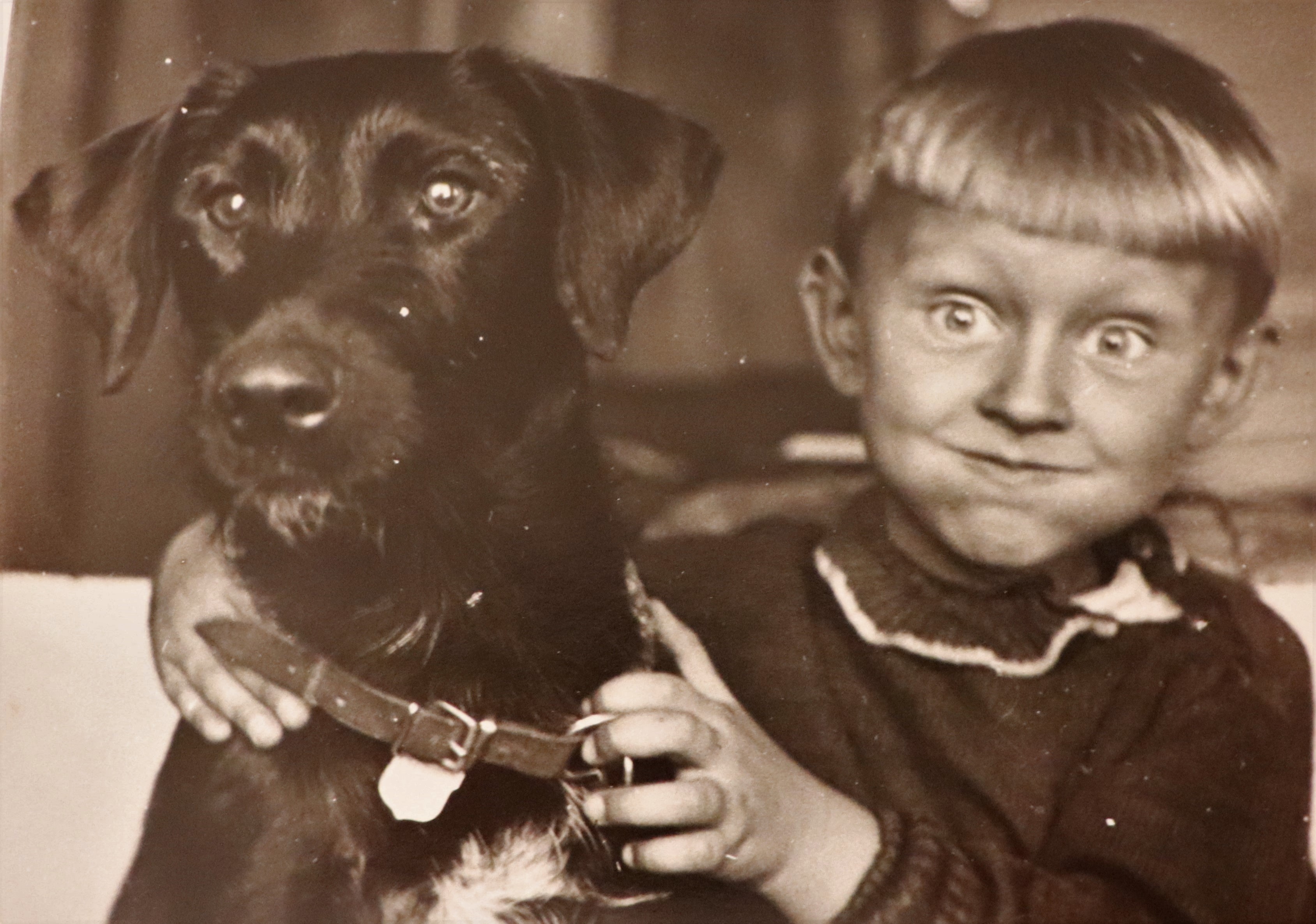
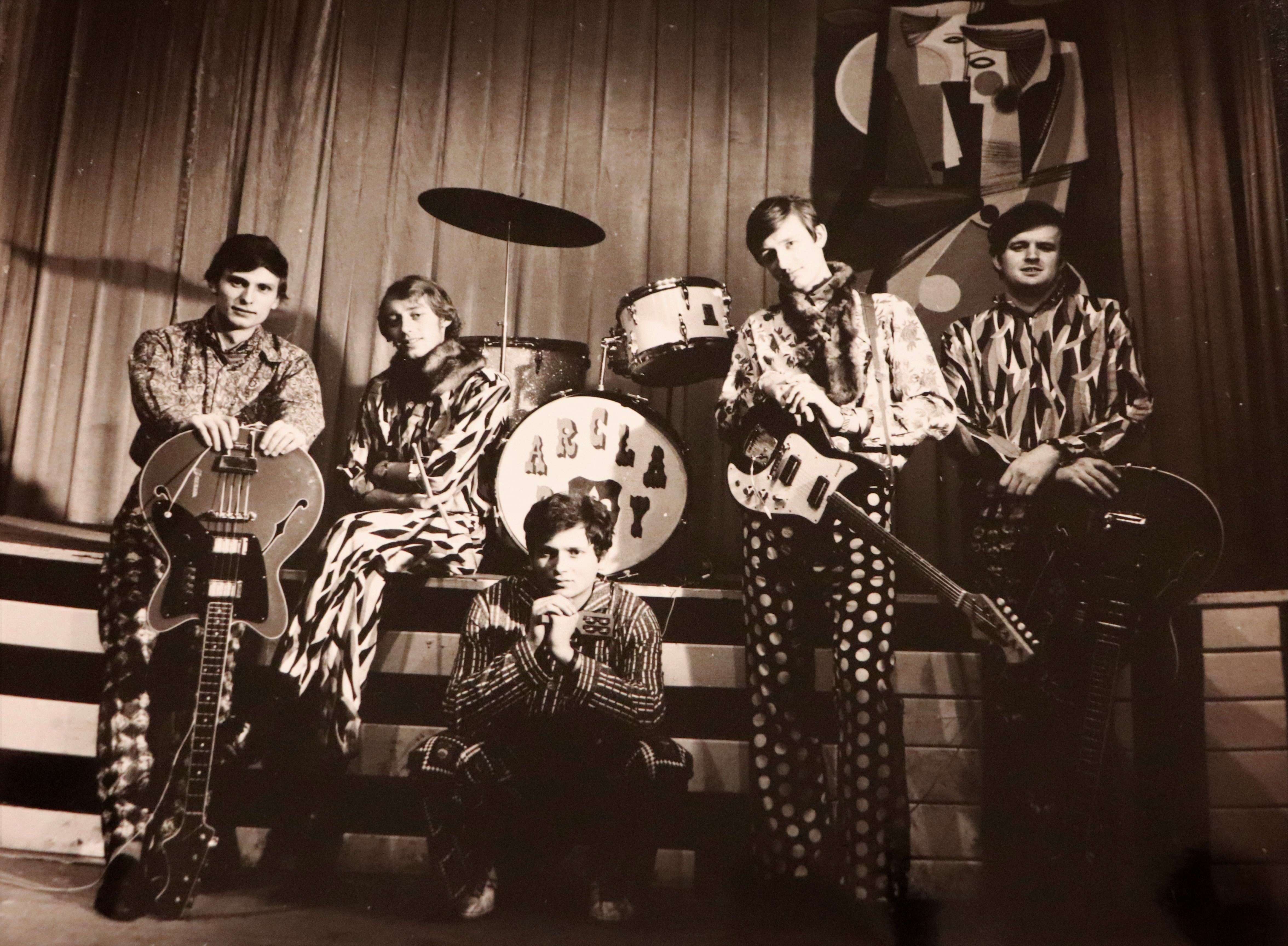
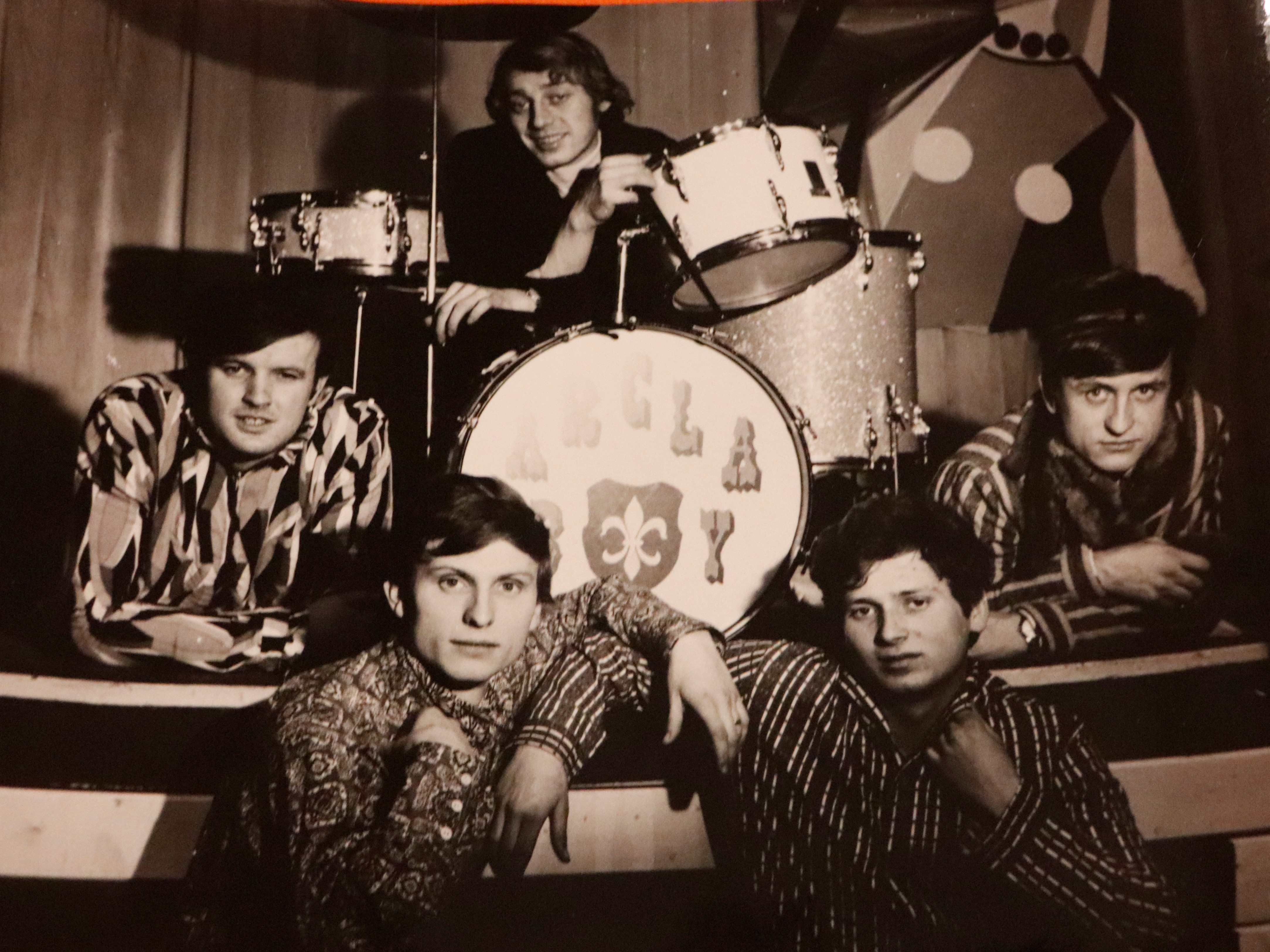
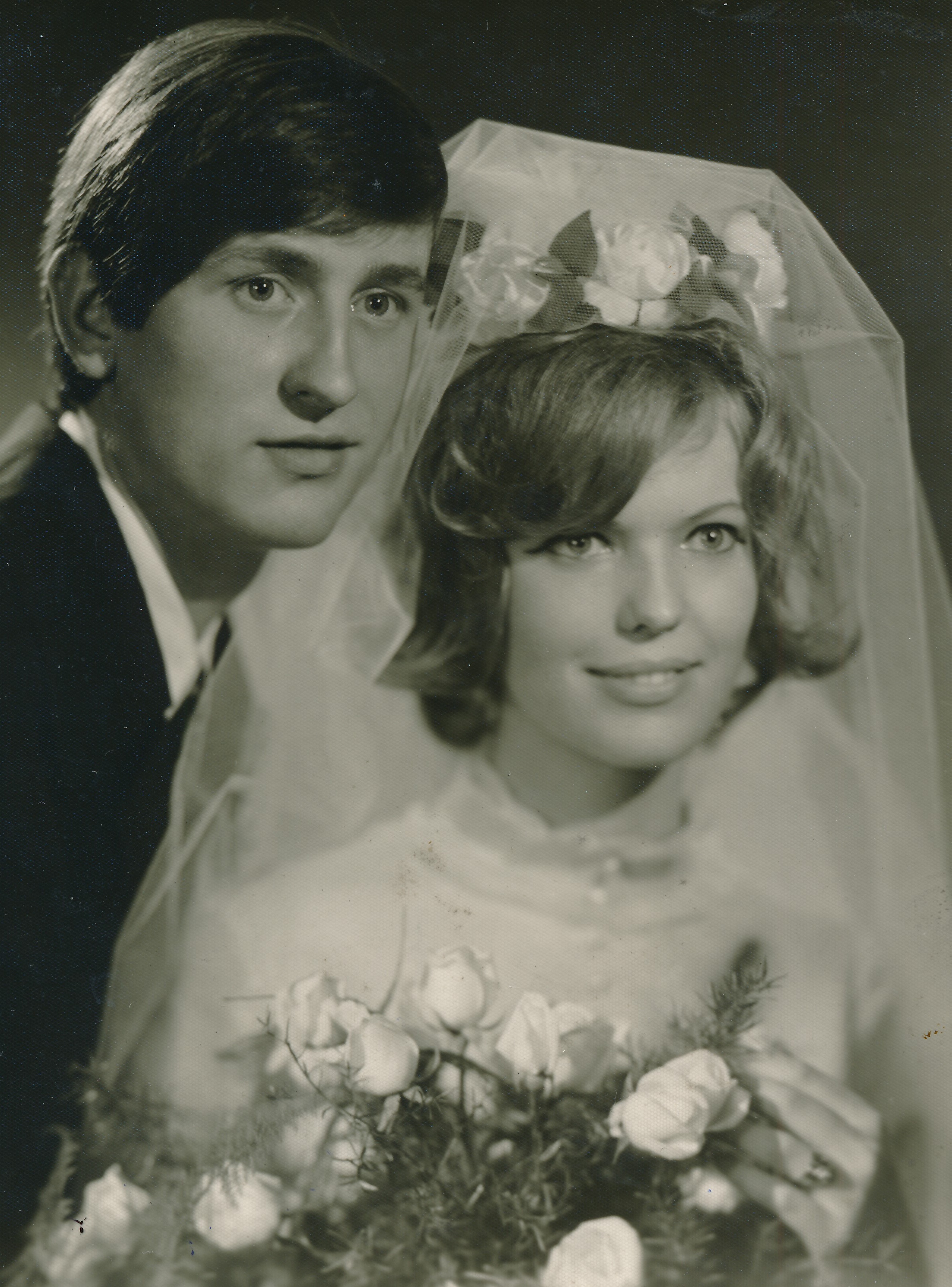
Jiří Hanke was born on 15 April 1944 in Kladno, where he lived his whole life. His father Jiří left his position as a clerk at the labour office after the February coup to work at Poldovka, or Poldi Kladno steelworks. His mother worked first as a cashier in a large factory, then as a handler in the cable radio. Because young Jiří Hanke liked nature, after his grammar school studies he enrolled at the Faculty of Science of Charles University. He passed the exams, but due to the high number of applicants he was offered a place at the Faculty of Agriculture. After half a year he preferred to play the guitar and left the school. He found a job in the Czech Savings Bank in Kladno, playing in several bands. In 1968 he married Jiřina, an artist, who gave his life a new direction. He became interested in art, turned from a guitarist to a committed songwriter, organized concerts, created collages, took photographs and, last but not least, founded and curated the Small Gallery of Česká spořitelna (Savings Bank) in Kladno. As it was not officially a gallery, but the decoration of the savings bank, which he took care of as its employee, Jiří Hanke avoided censorship. The gallery gradually became a recognized venue for artists who could not exhibit elsewhere. At the same time, Jiří Hanke devoted himself to his own photographic work - documentary and portrait photography. His work was often censored for its rawness and casualness - his photographic collections began to be published in books only after the November Revolution in 1989. After the end of his cooperation with Česká spořitelna in 2019, he was offered a space in the Kladno Castle Gallery, where he still curates the Cabinet of Photography. In 2025 he lived with his wife in Kladno.