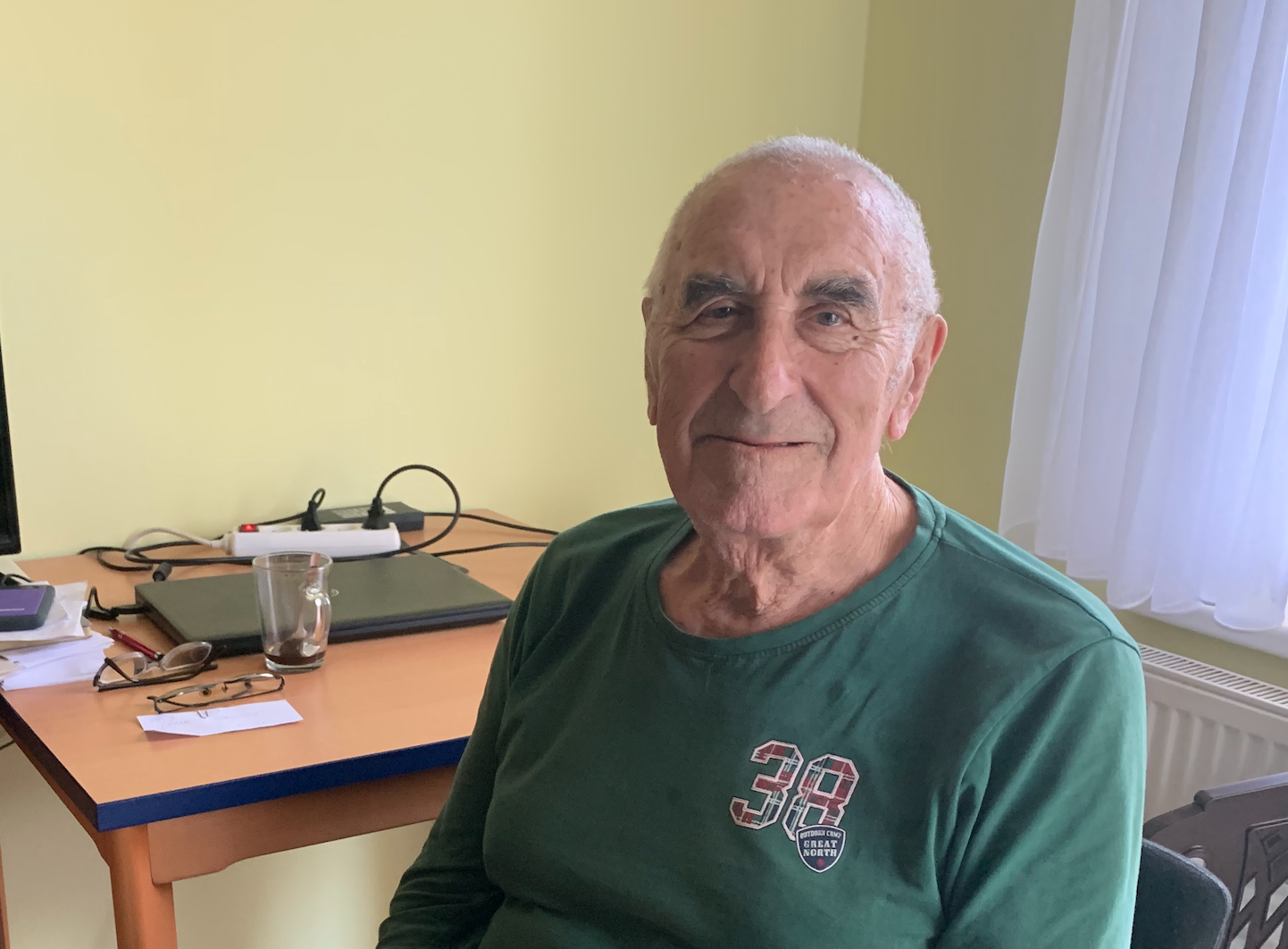
František Hamr

* 1937

  • "I went to work from half past five, I'm an early bird, and we worked from six. I'd open the windows, air it out, and prepare the coffee like I always do. And suddenly the director comes in: 'Franta, the Russians are here.' I say: 'They've been here for a long time.' 'Oh, don't be silly, ' he just heard it on the radio, so then we had a meeting, there was a traffic cop, cars were driving along the road, conducting. Eventually, in the end, we wrote some resolution that we condemn... in the afternoon, there were already tanks going to Tučapy, through Soběslav. We sat around, talked about what a load of crap this was, and it ended up that a paper was written saying that we condemn it, and everybody signed it except one person, Láďa Pýchů didn't sign it, and Pepík Jandů, the party chairman, took it to Prague. Then it calmed down, what could we do? We couldn't do anything..."

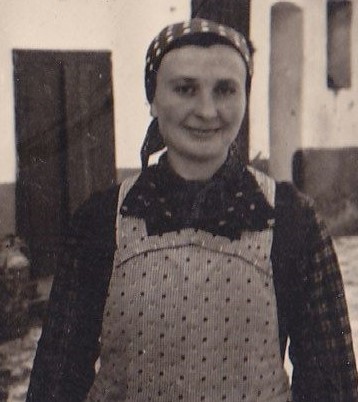
  • "On the fifth of May, my father told me, the Czechoslovak flags were hoisted. My father and the others were sitting in the office listening to the radio, listening to what was going on, and suddenly the door opened and an officer and two machine-gunners came in.' 'Mr. Mayor, what kind of flags are those?' He tells them, 'Czechoslovakian.' He said, 'We'll tolerate those, but if there's one red flag, we'll go up - they had cannons - up to Hlíněnky and shoot up the village.' And my father later said how much struggle it was keeping those savages from fooling around. But by morning, the soldiers were gone."

  • Full recordings
  • 1

    Soběslav, 15.04.2025

    (audio)
    duration: 02:07:44
    media recorded in project Stories of 20th Century
Full recordings are available only for logged users.

So that people trust each other

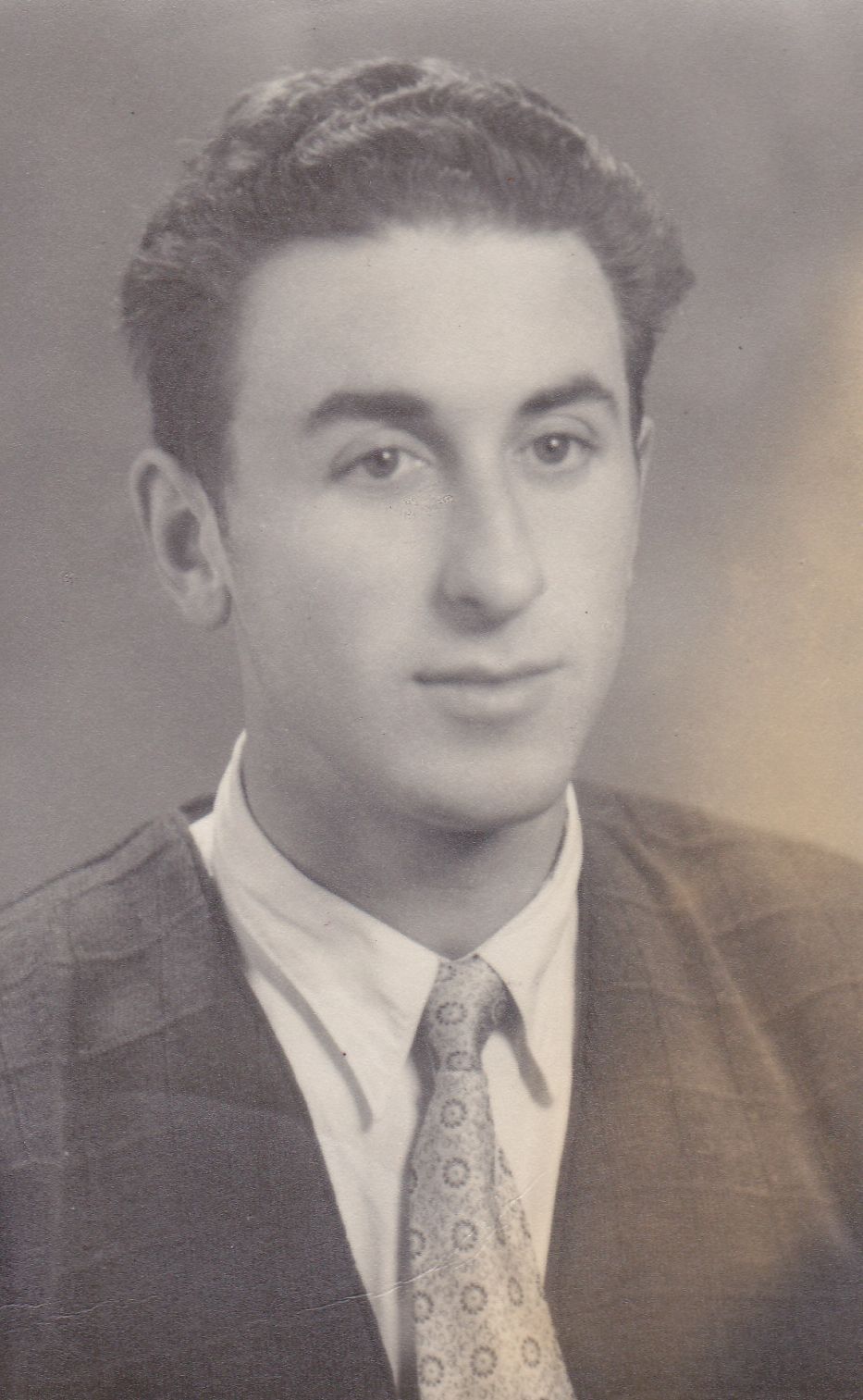
František Hamr during his studies, 1950s
photo: Witness archive

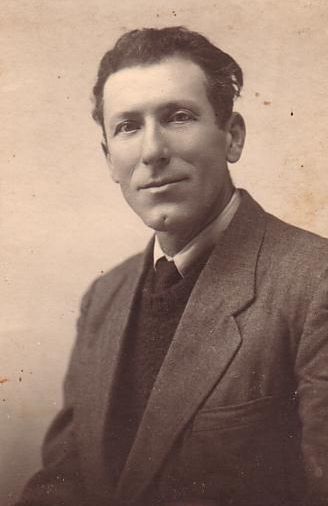
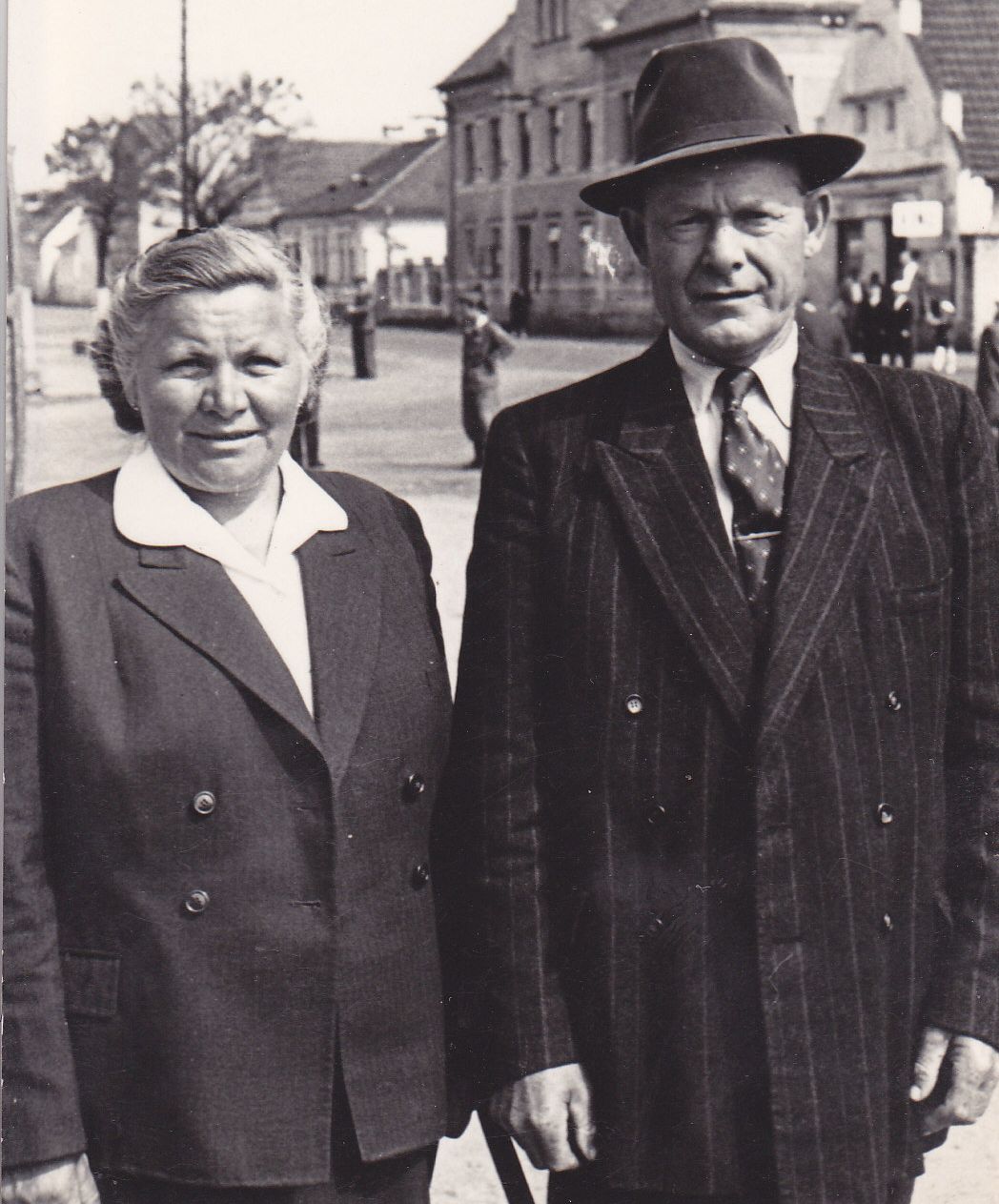
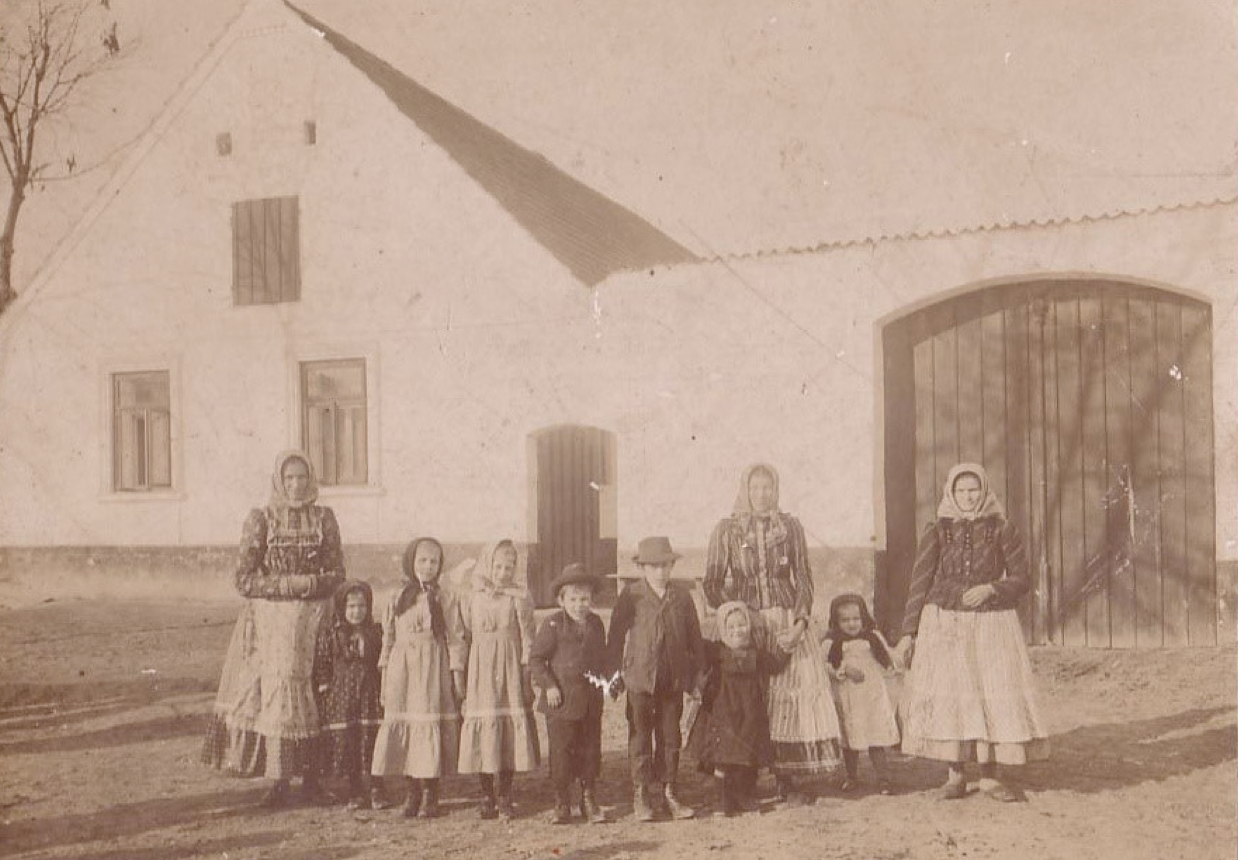
František Hamr was born on 21 July 1937 in Řípec, South Bohemia. His parents managed the family farm, had cows, horses and 20 hectares of fields. As a respected farmer, his father, František Hamr Sr., was the mayor of Řípec, and during the war, they managed to prevent the destruction of the First Republic’s linden trees. After the war, the family turned their full attention to farming, using loans to buy machinery and even buying a tractor together with other farmers. After 1948, however, the pressure to join a unified agricultural cooperative (JZD) began. Compulsory levies were increasing, and practically everything the family produced gradually got taken away. In 1952, the witness apprenticed as a concreter and spent part of his classes working at Prefa in Litice nad Orlicí, where he earned good money. He was thus able to help the family stretch the demands of levies. However, the pressure from the JZD escalated, and the farmers were threatened with imprisonment in Jáchymov. So the Řípec farmers capitulated and joined the JZD. The Hamr family lost their farming land and mechanisation, but they had to continue paying the loan repayments. František Hamr, as the son of a kulak, did not get admitted to the master’s course, but later graduated from an industrial school. He worked at the South Bohemian Building Materials and later at Rašelina Soběslav until his retirement. His great passion was philately; he is a widower and has two daughters. In 2025, he lived in Soběslav.