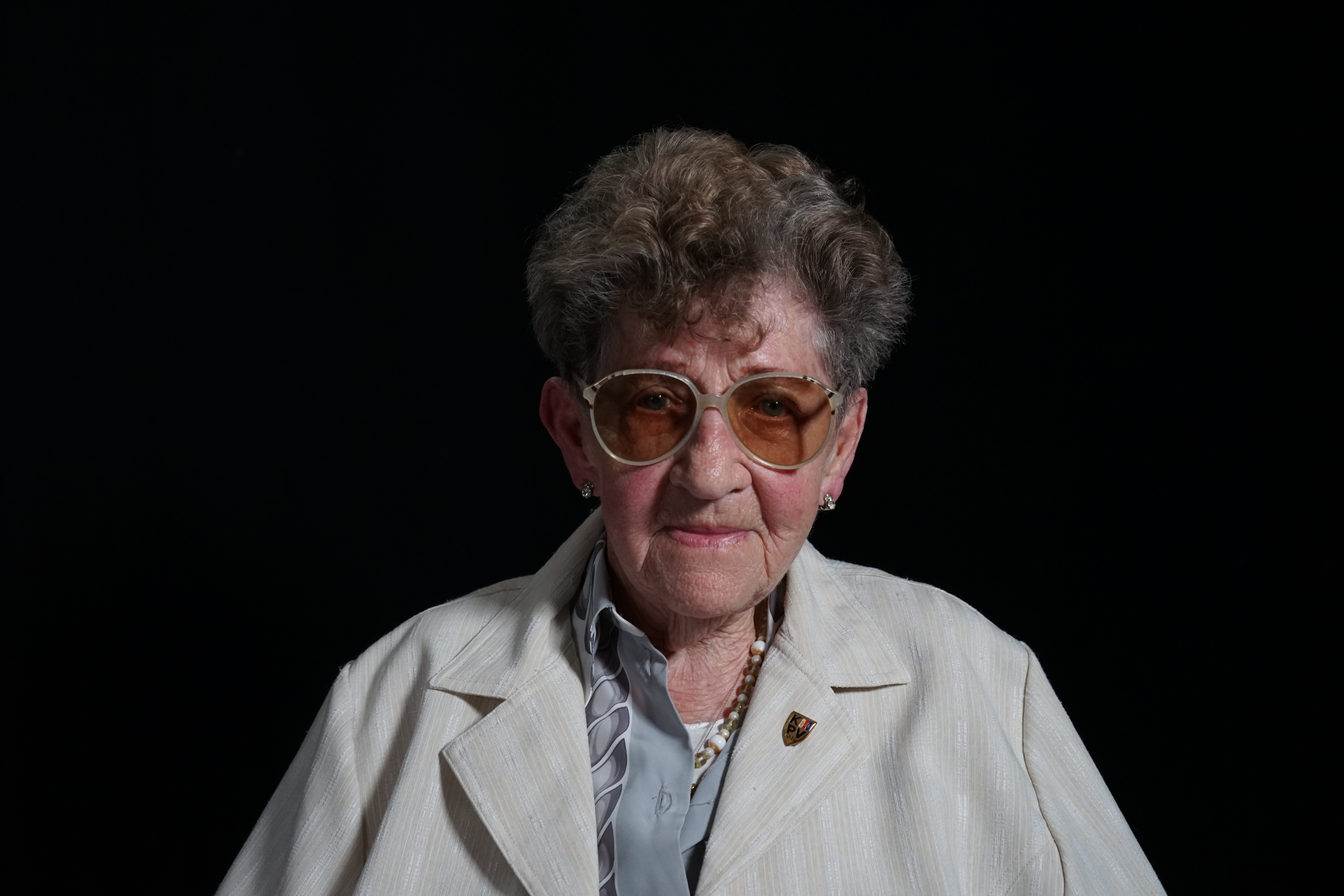
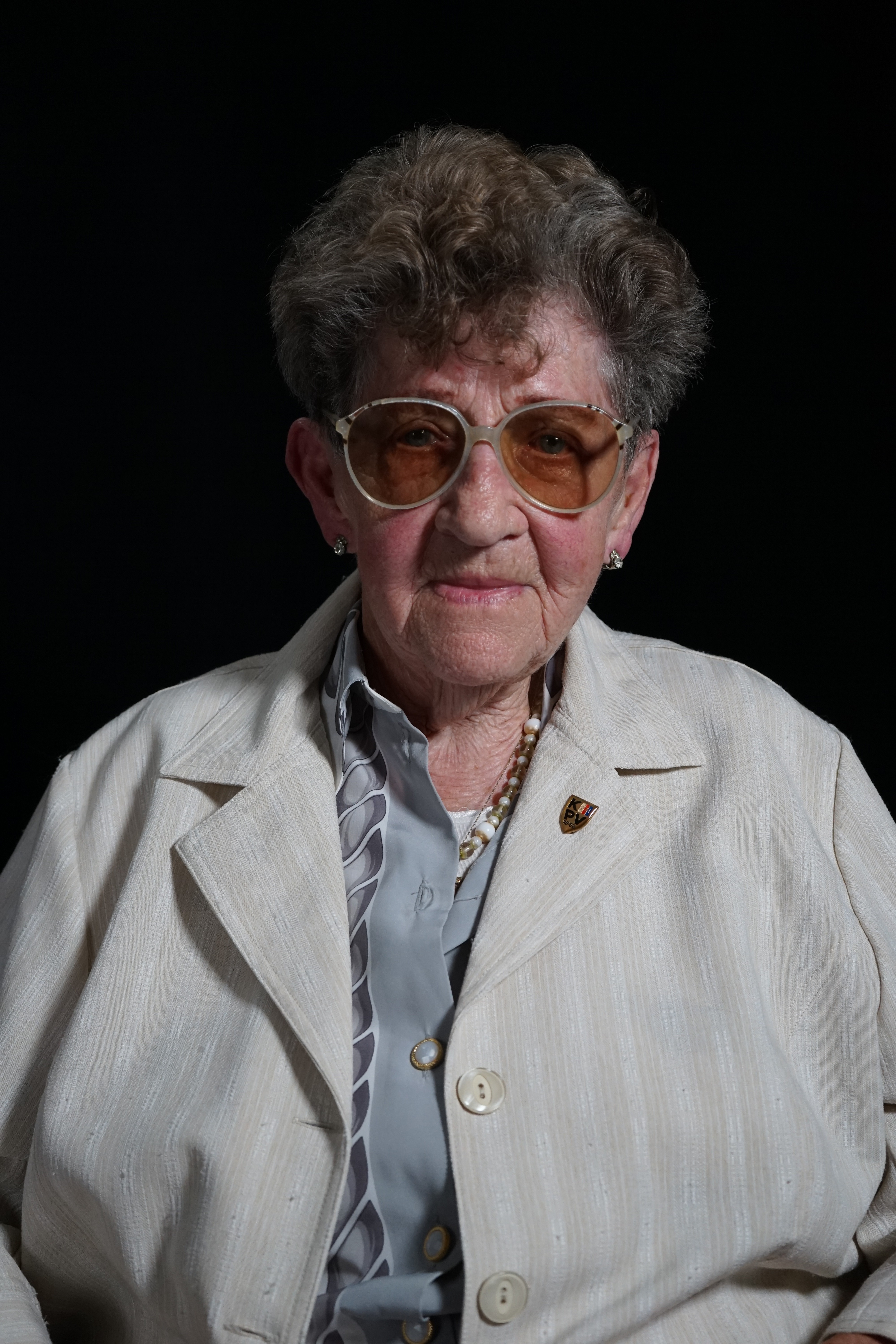
Blanka Čílová

* 1928

  • "My parents helped partisans, especially my mother, she was brave. She took them to doctors at night. Martial law was in force, so you weren't allowed to go anywhere after eight o'clock. We had to go from the house nearby to the tuberculosis hospital. My mother would take them there and then bring them back to our house."

  • "His back was so badly cut that he didn't want our children to go into the bathroom while he was there. His back was visibly cut with a wire baton. He had it for the rest of his life. From then on he never went to the pond or swimming pool to bathe. He never took his shirt off in front of anyone again."

  • "My husband was on Letná Plain for a whole week. He came back with a huge flags. Everything we had saved for the roof, which we wanted to repair because it was leaking, he took it all and distributed it to the students at the faculties. He was staying in Prague with his cousin, Dr. Oldřich Fejfar, an associate professor who was interested in dinosaurs. He came back to me four days later in such a state that for two days he was not able to get back to reality at all. He was in complete euphoria. He enjoyed November 1989 the most beautifully of all."

  • “He was always very active in getting involved in everything. I think that he was even taking shifts for some of the other boys there. The hardest work in the front, the drilling. It was very tough work he had to do in Jáchymov. He was physically very fit.”

  • “He spoke to her. They weren’t allowed to hold hands. So he would speak to her and after a while she told me: ‘mummy, who’s this man? That’s not my daddy’. But I told her: ‘Blanička, this is your daddy. He’s changed a bit. He had to work very hard now so please don’t look at him this way’. She said: ‘daddy, please come back. I wish you were just the same as you used to be. Just come back home’.”

  • “An old, first-republic police man stayed in the kitchen. He told me to go and make myself some coffee or whatever I needed, to hang the diapers. As he fell asleep on that kitchen table I took the gun and carried it away together with the diapers. I somehow thought to myself that I just couldn’t leave it laying there on the table for them to find it. Because they hadn’t searched it there, yet. They were waiting mainly for him.”

  • Full recordings
  • 1

    Nová Paka, 08.06.2013

    (audio)
    duration: 01:26:10
    media recorded in project Stories of 20th Century
  • 2

    Smetanova 739, Nová Paka, 05.05.2015

    (audio)
    duration: 46:17
    media recorded in project The Stories of Our Neigbours
  • 3

    Nová Paka, 10.06.2024

    (audio)
    duration: 01:23:16
    media recorded in project Příběhy regionu - HRK REG ED
Full recordings are available only for logged users.

In a garage, they fought against the communists. State Security came for her husband and friends
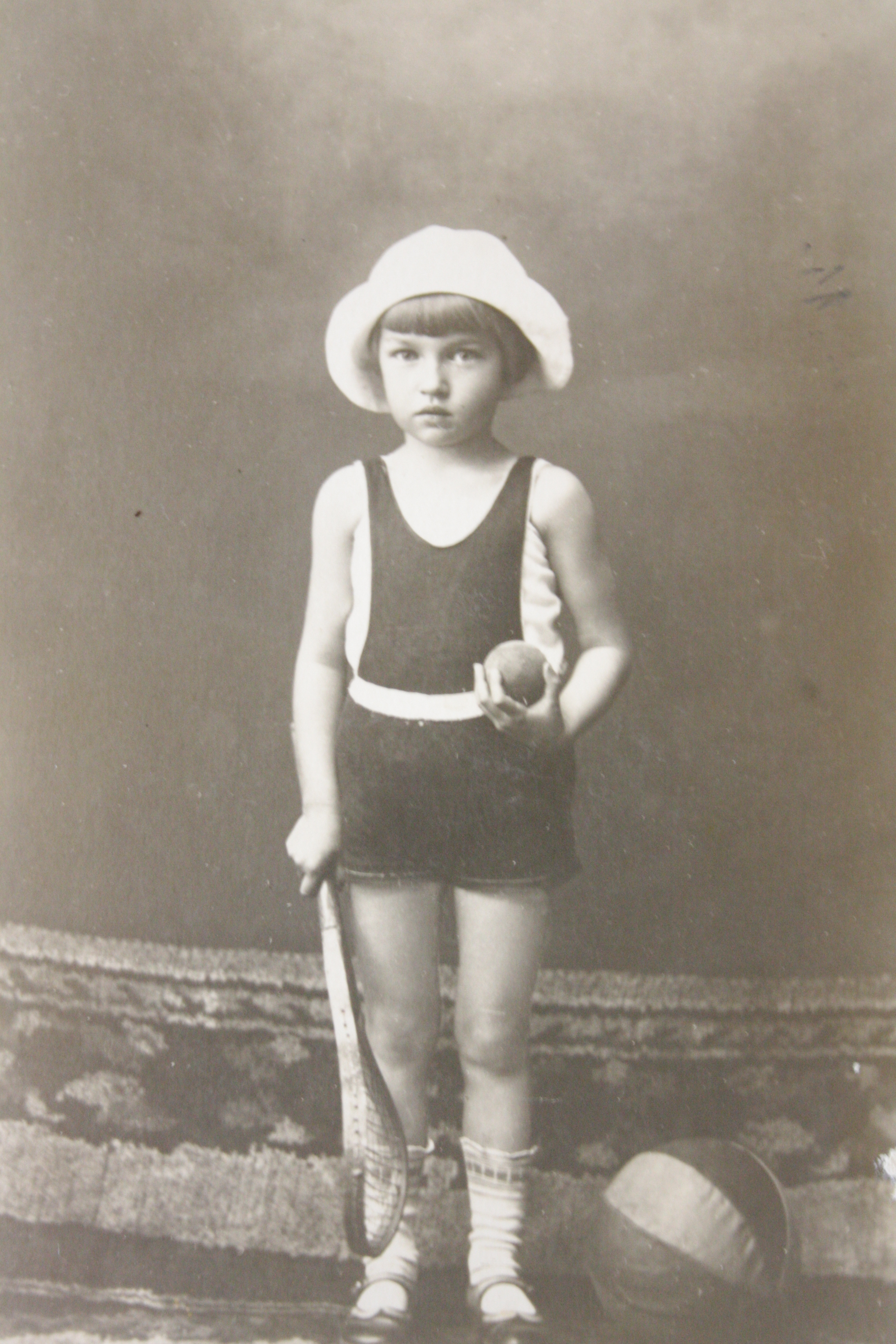
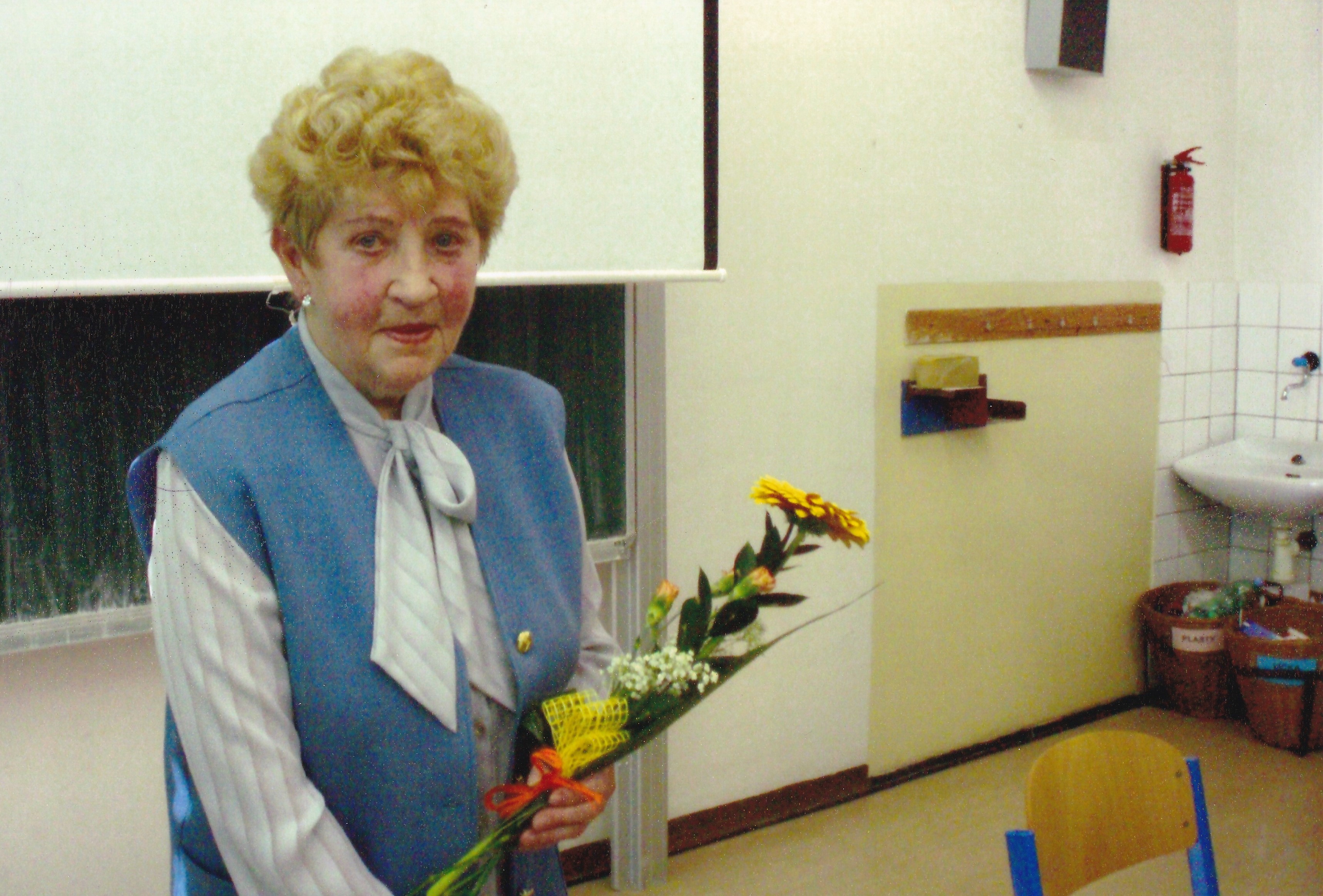
Blanka Čílová as young member of Sokol

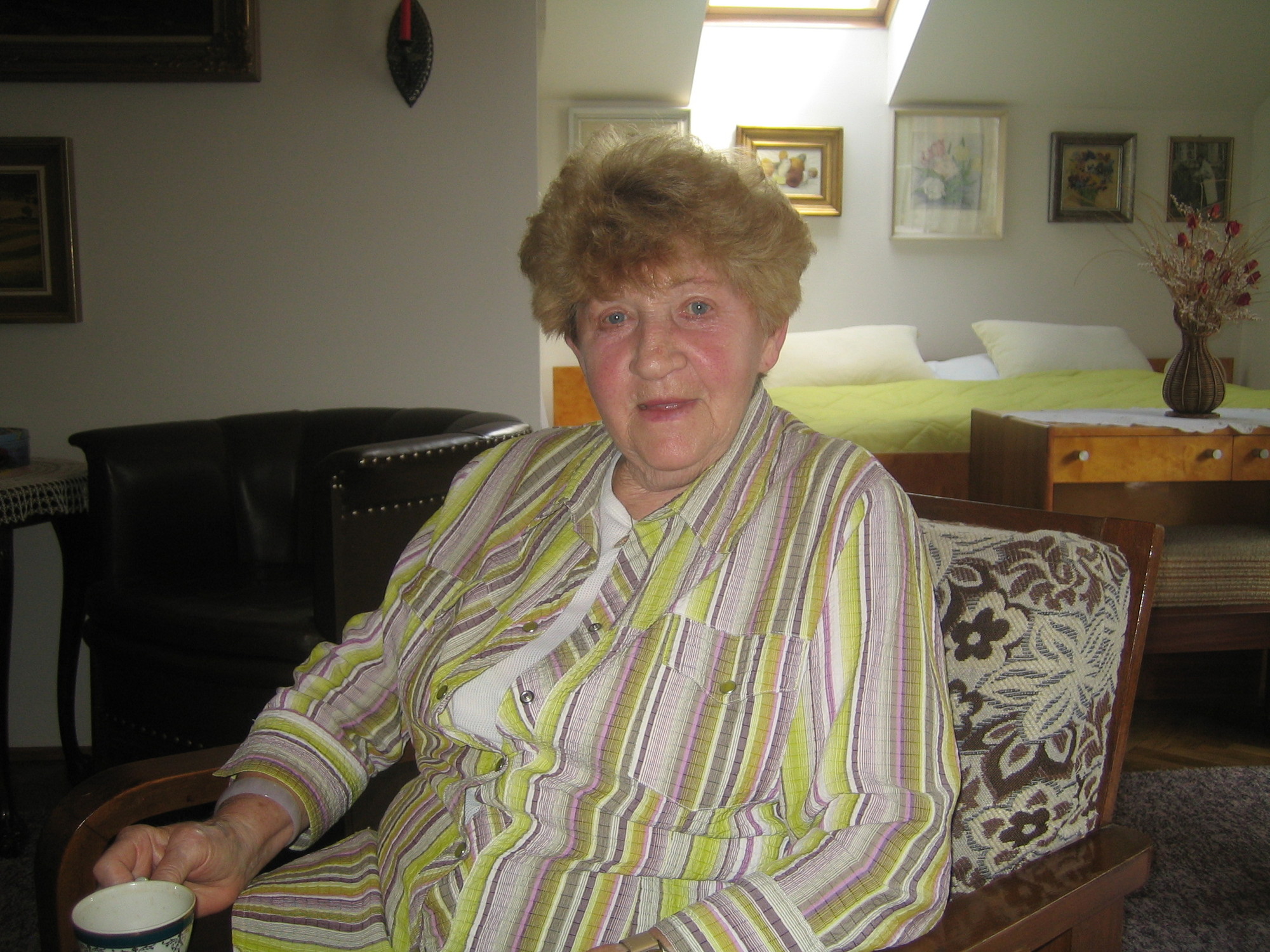
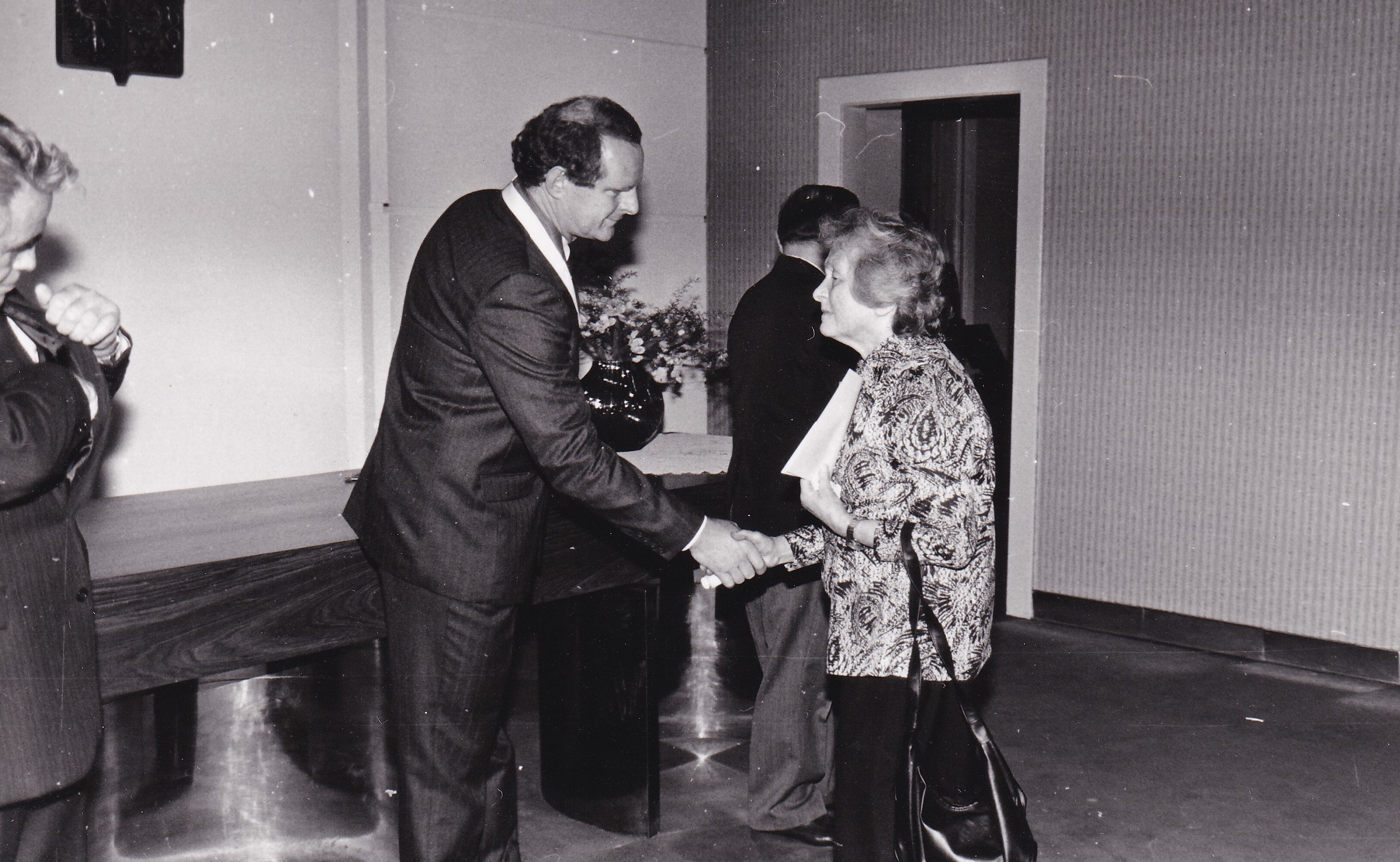
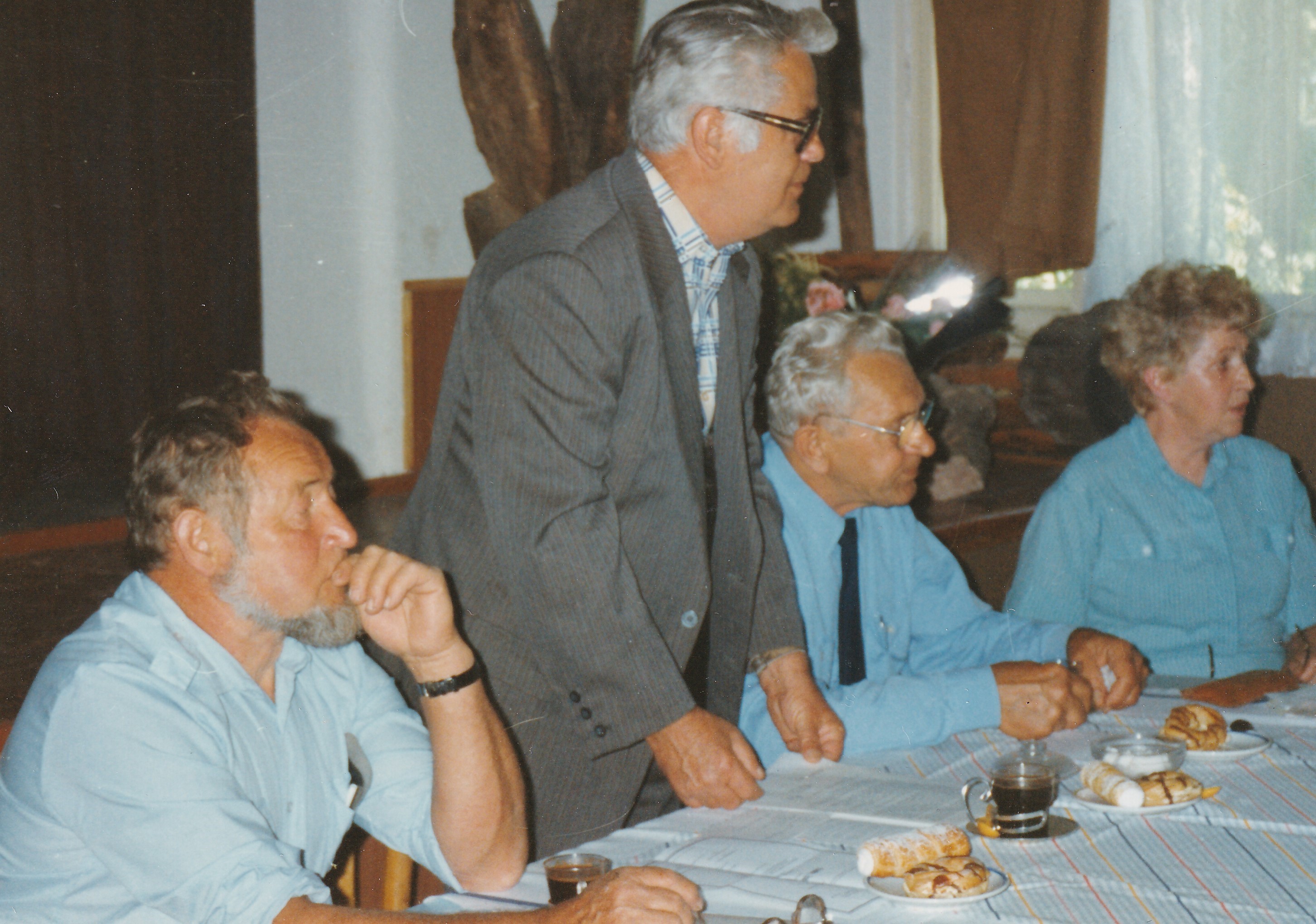
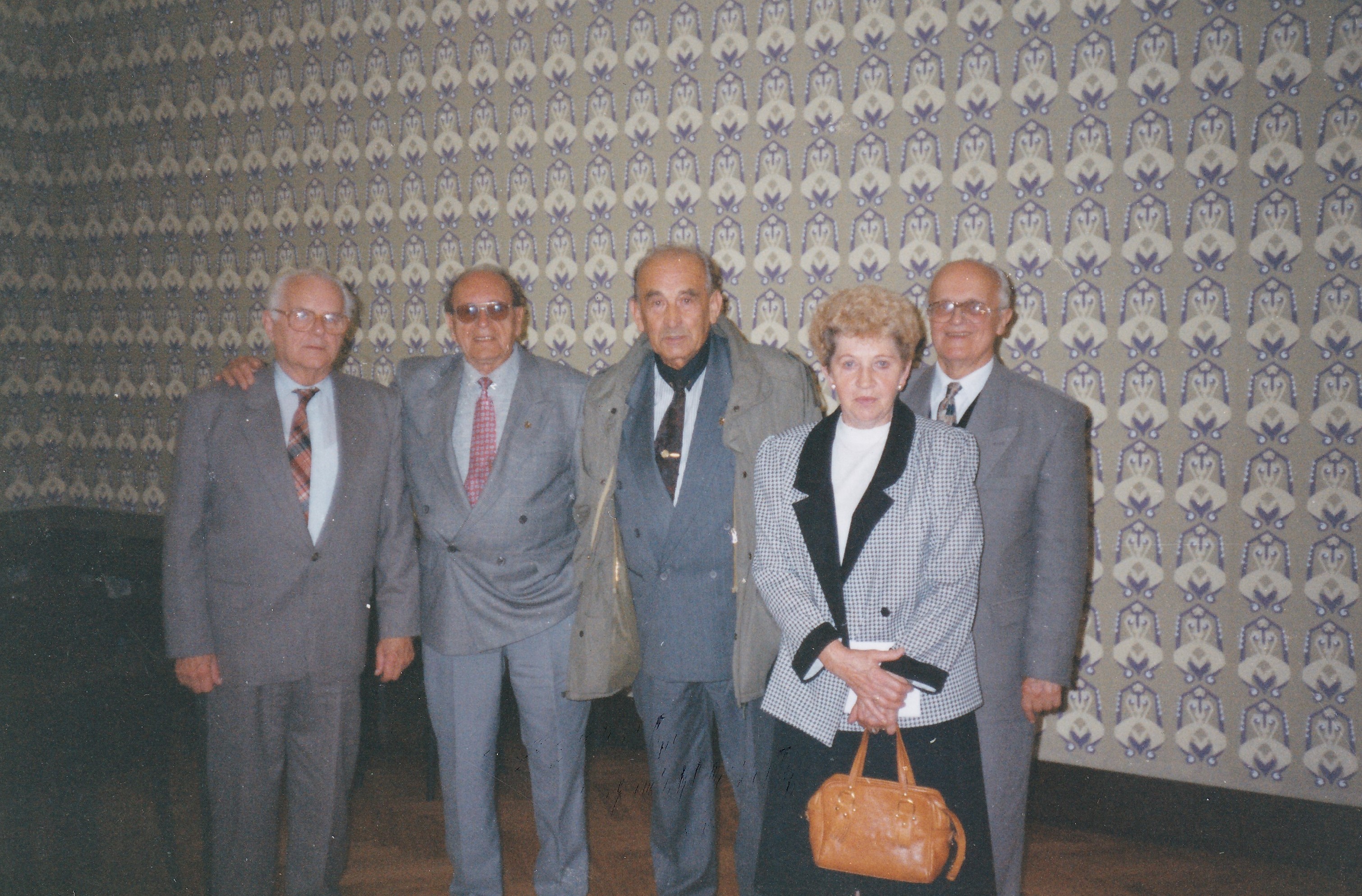
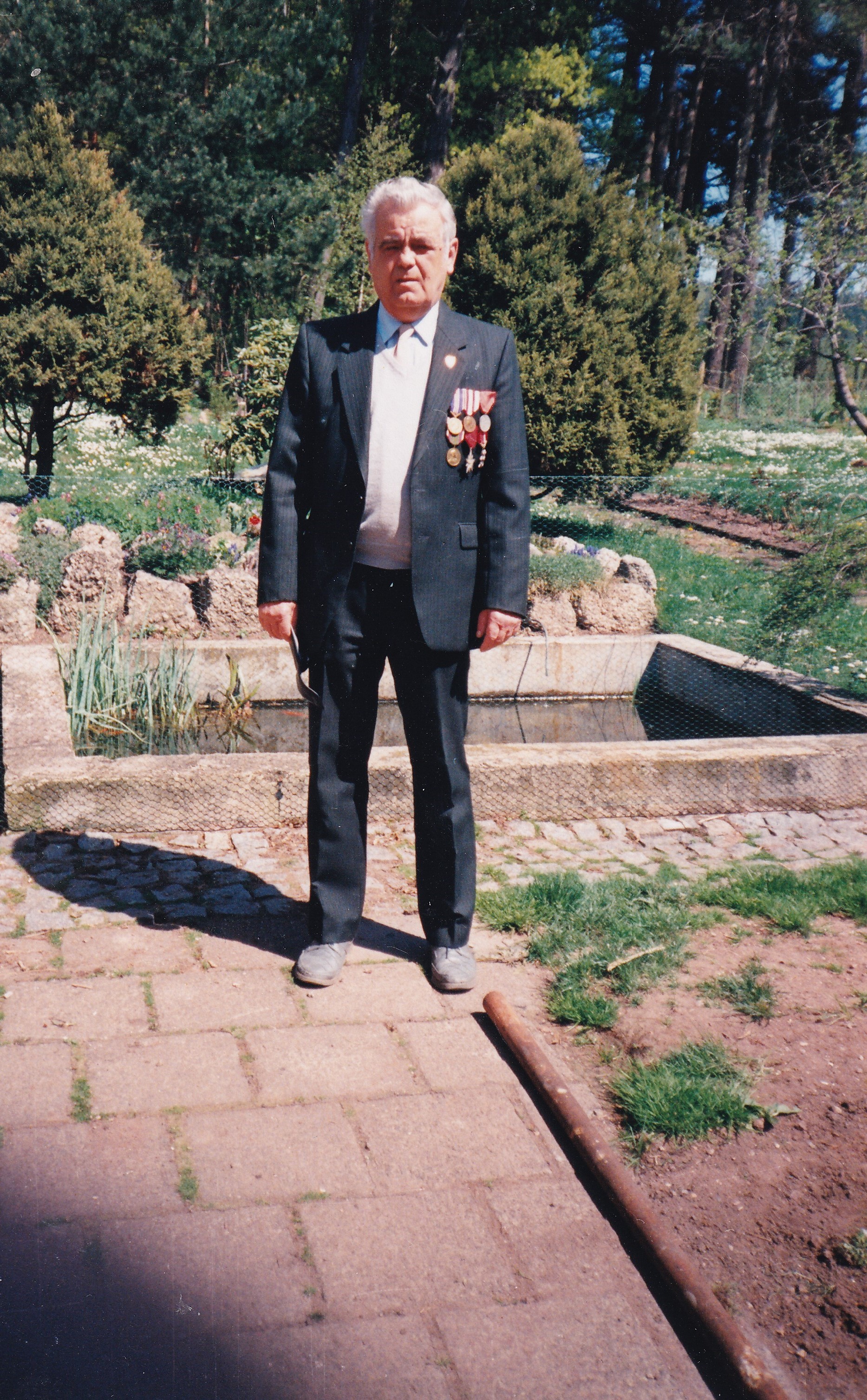
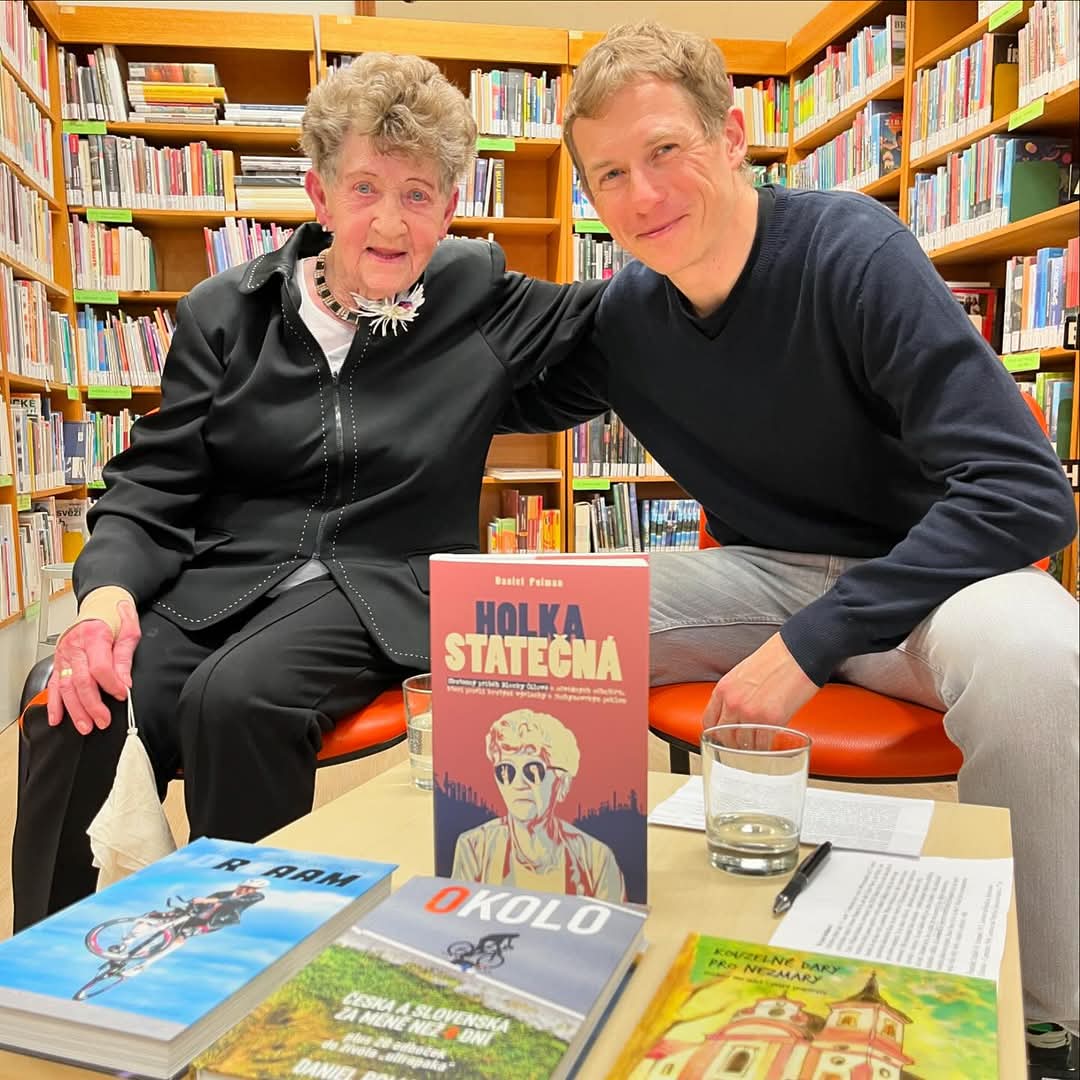
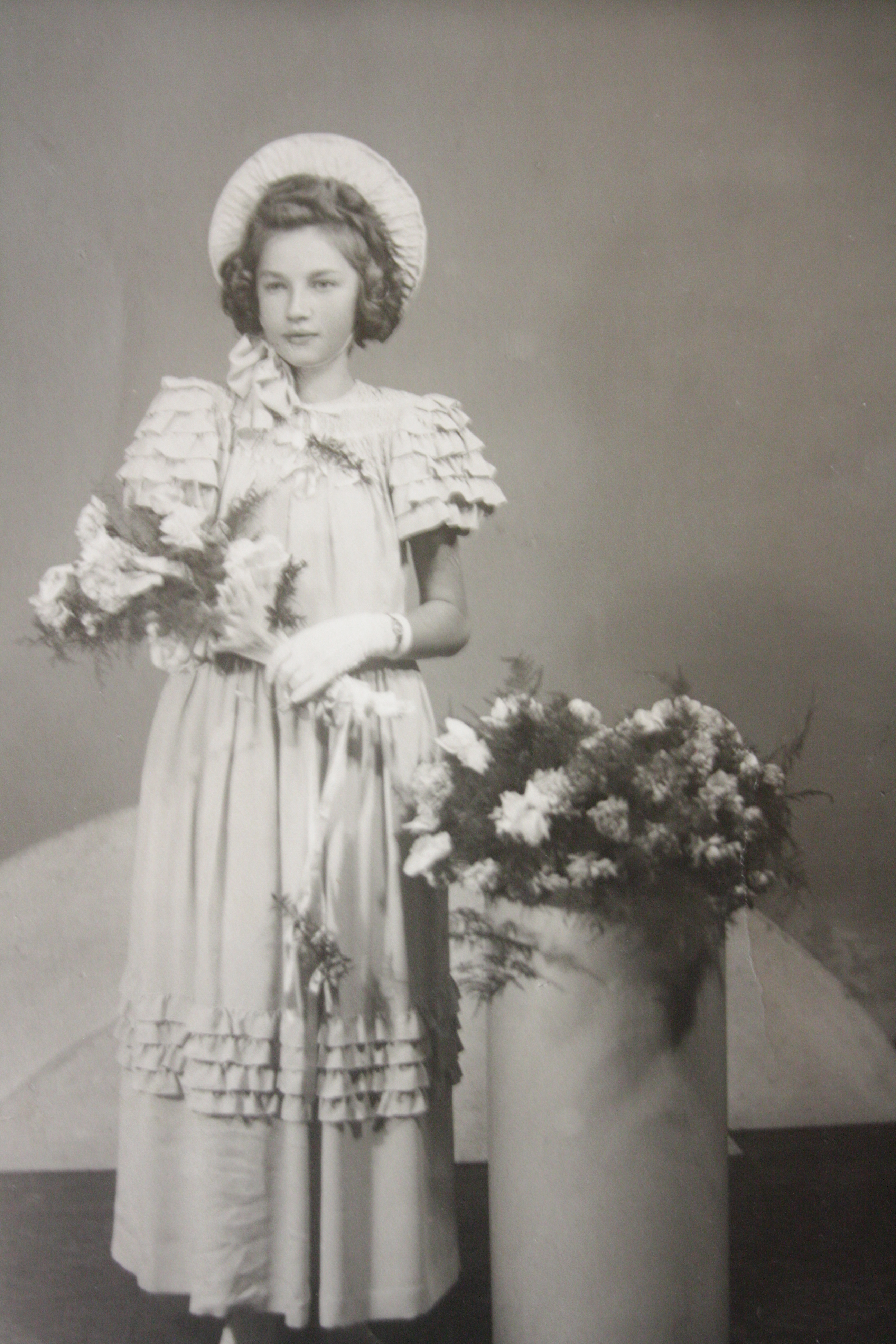
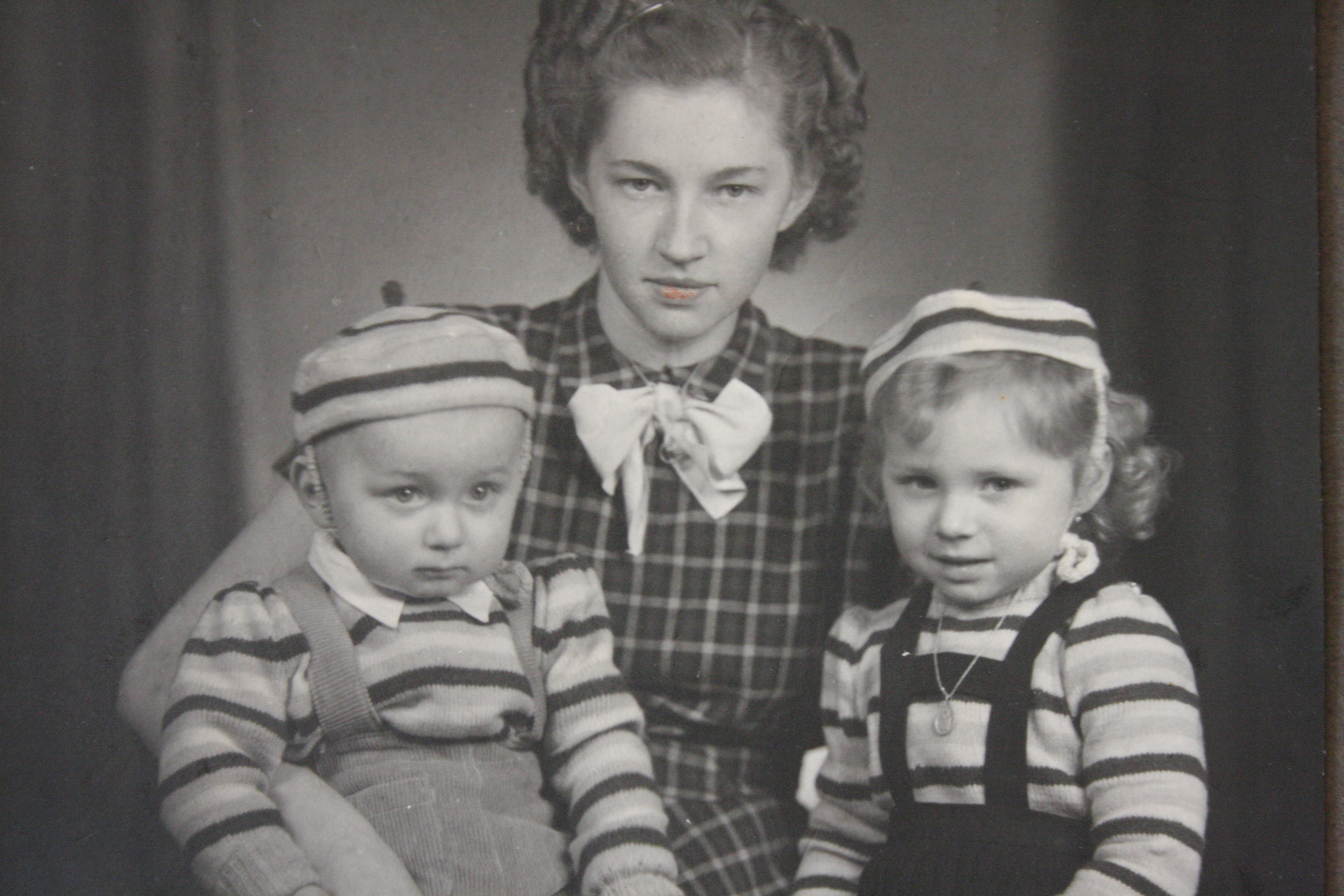
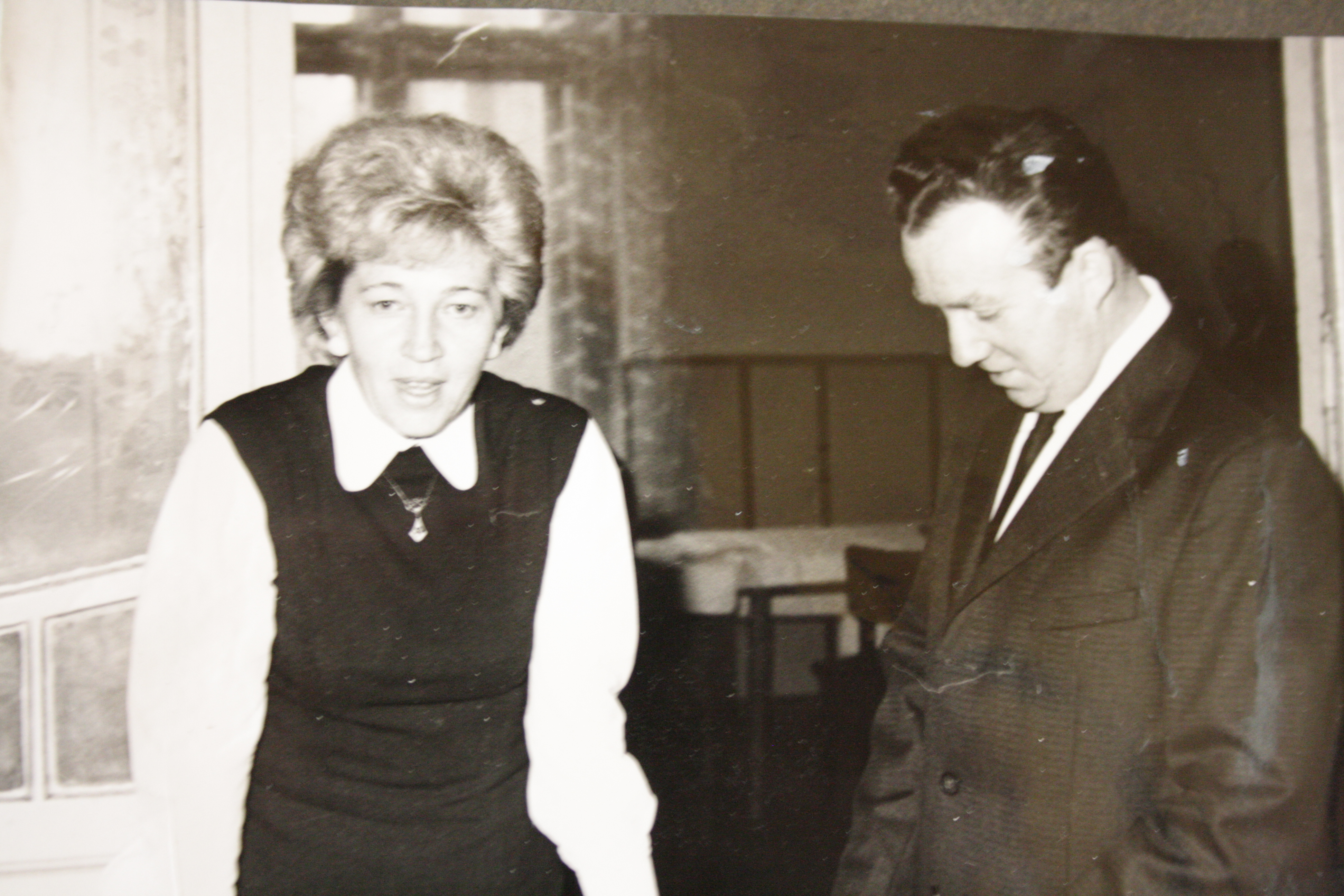
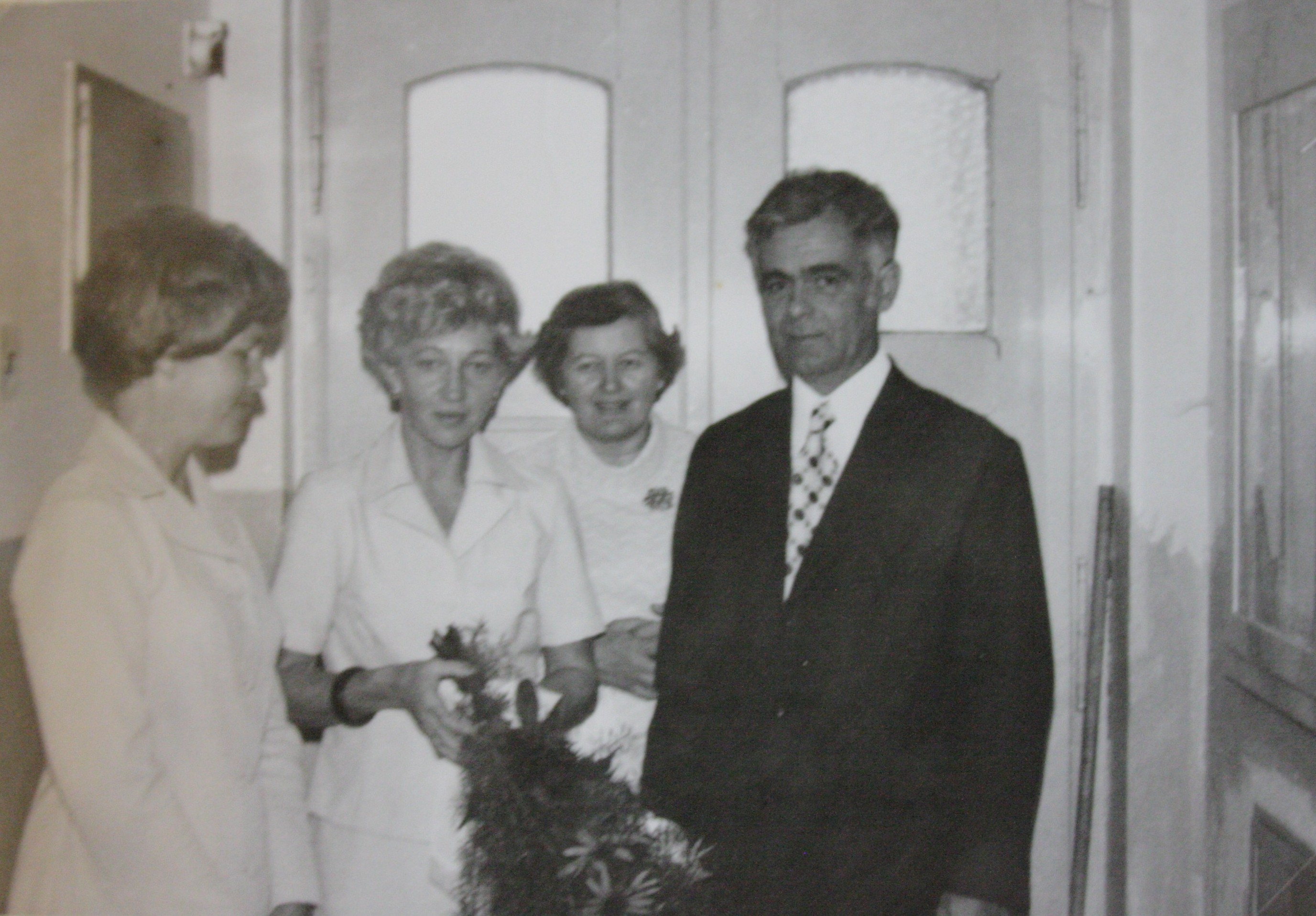
Blanka Čílová was born on 27 September 1928 in Valdov. Her parents, Vlasta and Jan Mrázek, were connected to the second resistance and were members of the Czech National Socialist Party. The witness graduated from a business academy. In 1946 she married Zdeněk Šolc, soon after which they had a daughter Blanka and two years later a son Josef. Zdeněk Šolc was connected to a resistance group that formed soon after the February communist coup. Resistance fighters from Nová Paka met in a car workshop that was part of the house where the Šolcs lived. In August 1949, members of this anti-communist group were arrested as part of the Painter (Malíř) Action. Zdeněk Šolc left the court with a sentence of 16 years imprisonment (Maděra and associates trial). He passed through Valdice and Jáchymov, returning home in poor health in May 1953. In 1968, the witness took an active part in founding the Club of Former Political Prisoners (K 231). A year later, Zdeněk Šolc died. Later in 1977, the witness married her lifelong friend, one of the central members of the Nová Paka anti-communist group, Vratislav Číla. They lived through the November days of 1989 with enthusiasm. Blanka Čílová then sat down at a typewriter and helped former political prisoners and their families with applications for rehabilitation, compensation and restitution. She was active in the Confederation of Political Prisoners, serving as its president since 2001. In 2023, she wrote the book Brave Girl (Holka statečná) which is her autobiography, in collaboration with Daniel Polman. In 2024 she was living in Nová Paka.