The German carter had never seen such fast runners. We were running across the border
Download image
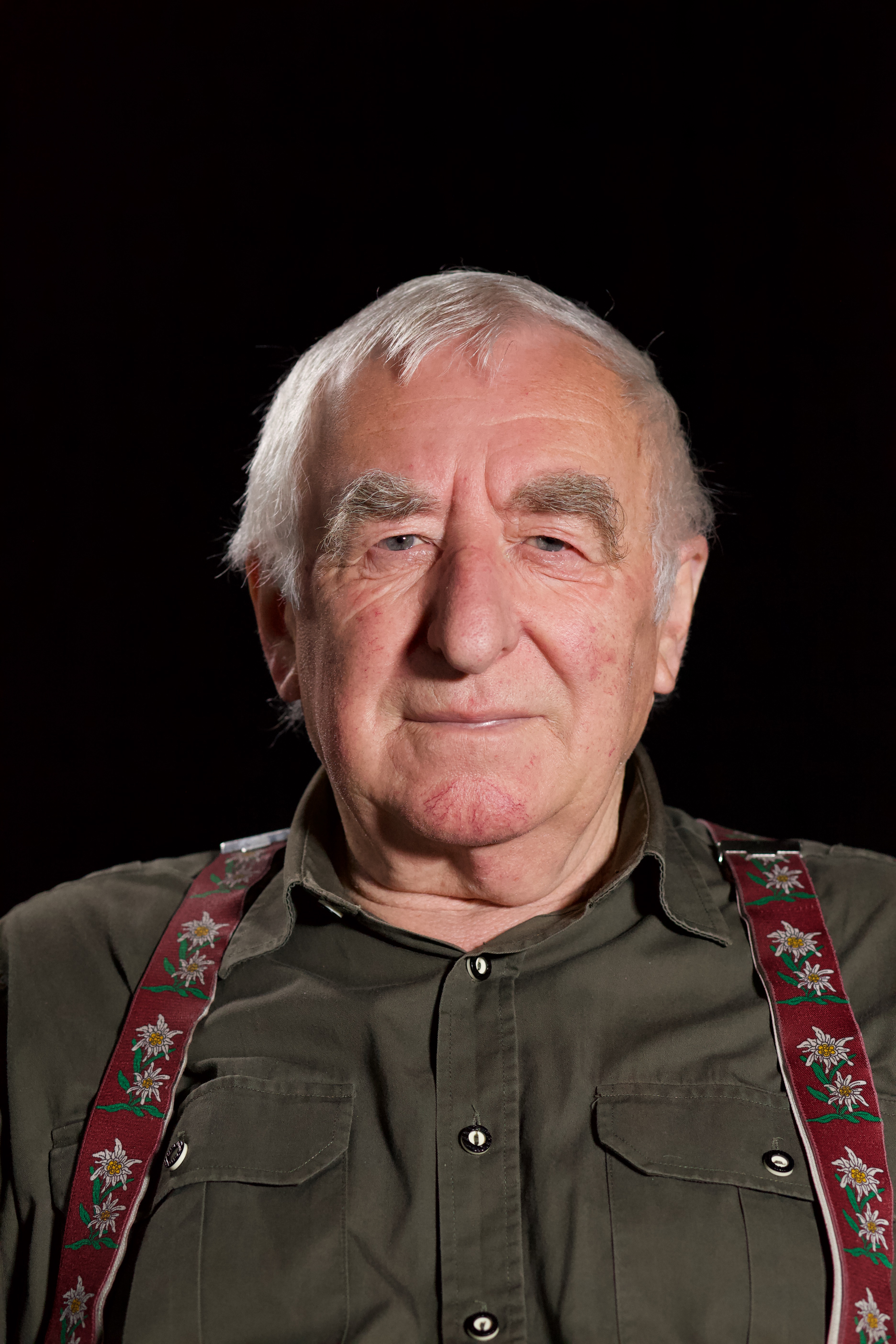
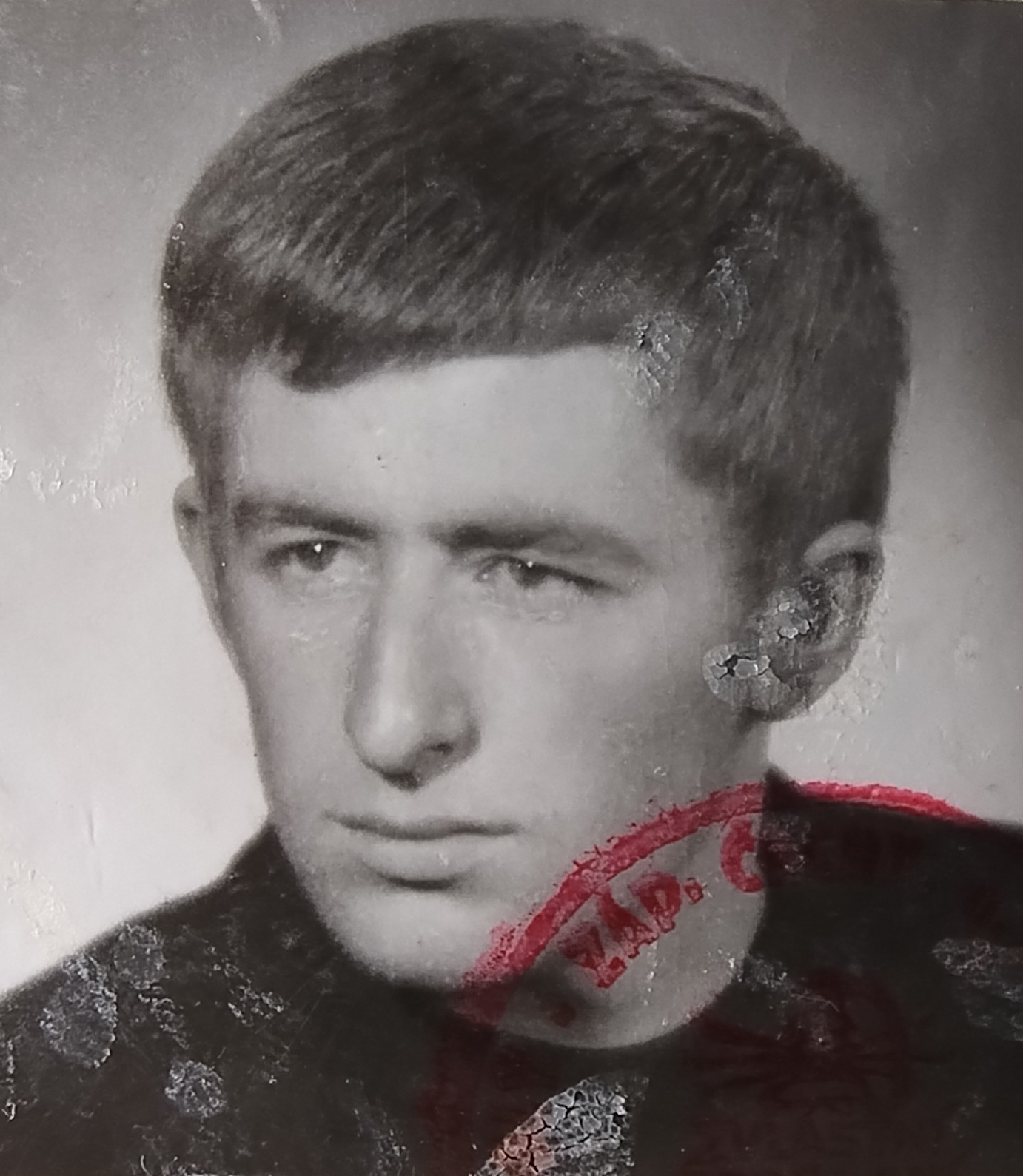
Václav Bureš was born in Mariánské Lázně on 28 September 1947. His father Rudolf Bureš and mother Eva, née Flégrová, came from protestant Czech communities that had settled in Prussian Silesia in the 18th century. His father served in the German Navy during World War II, was a British POW, and joined his repatriated wife in Tři Sekery in the West Bohemian border region after 1946 to work as a gamekeeper. The witness’s paternal relatives moved to Germany (Westphalia) after the war. Václav Bureš completed primary school in Tři Sekery and Mariánské Lázně and then forestry apprenticeship in Lesná near Tachov. Completing his military service (Jeseník 1966-1968), he did not get a job in the field and worked as a driver in Mariánské Lázně and at the sawmill in Lázně Kynžvart. In 1969-1970 he visited relatives in Germany, but his next application to go to Germany was rejected in 1971. Unhappy with the regime and pressed by the normalisation, he chose to leave the country. In 1971 he took a job at the Dyleň uranium mine in the border zone. On 18 September 1971, under the pretext of a business trip, he and friend Antonín Belanec drove through a border guard checkpoint. They left the tractor near the Dyleň shaft, then crossed the border on foot at Kajetánská cesta. The escape was smooth thanks to their knowledge of the area and the carelessness of the patrols. In Germany, they registered as refugees in the Zirndorf camp near Nuremberg. Václav Bureš was interrogated by American authorities, likely the CIA. Pressed by his family, his friend Belanec returned to Czechoslovakia and was sentenced to a six-month sentence suspended for two years. Václav Bureš stayed in Germany and started a new life. In absentia, he was sentenced to a one-year unconditional sentence for illegally leaving the Republic. In Germany, he worked as a truck driver. In 1973, Olga Hrůzová emigrated to join him. They subsequently married, built a house and raised a son and a daughter. After 1989 he visited Czechoslovakia again and renewed family contacts, including with Antonín Belanec. In 2025 he was living in Germany and was already a widower.