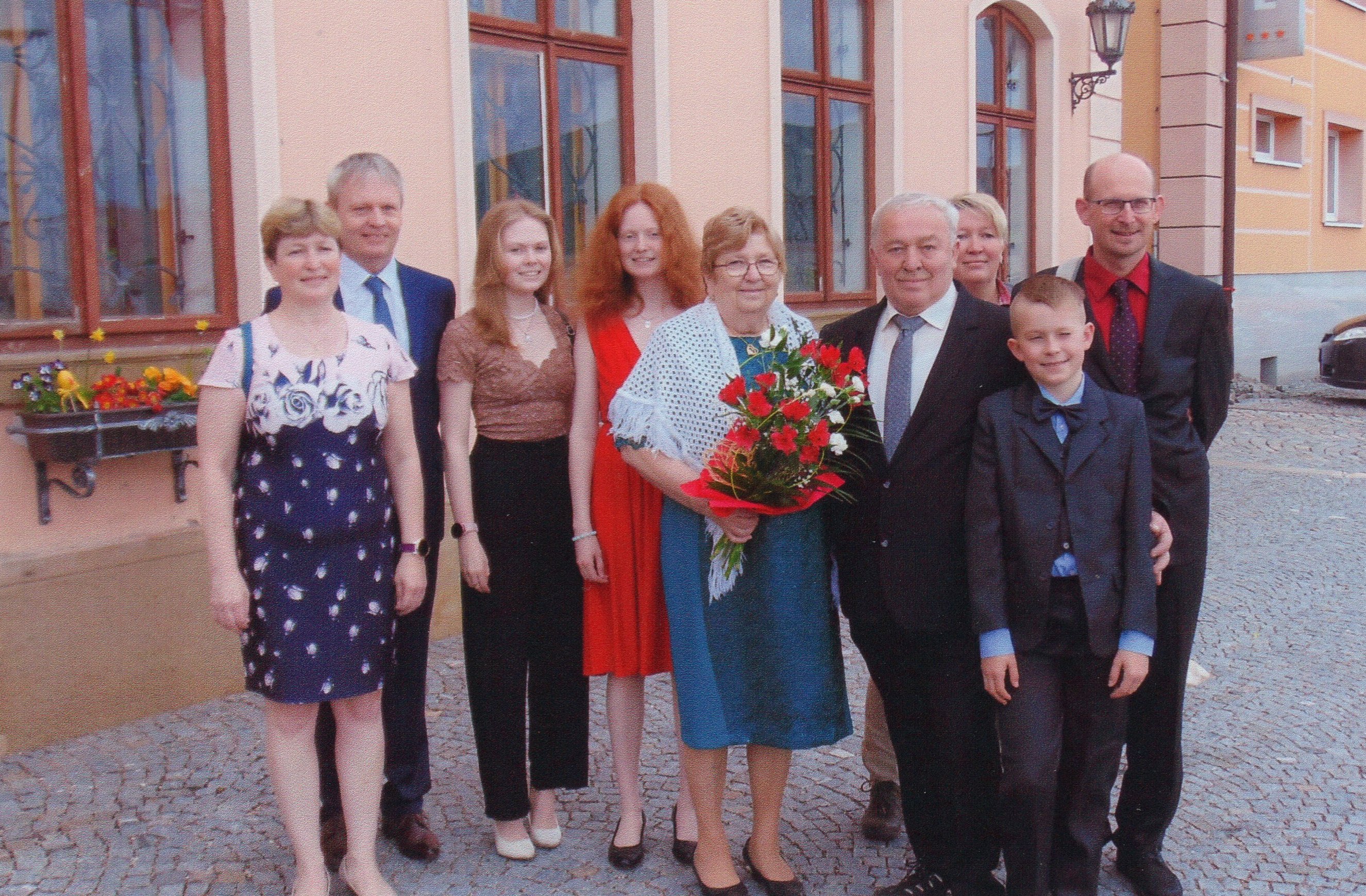
Marta Braunová

* 1950

  • "I'm just going to go back to that teacher who scolded me like that: 'No church! But you must learn, like all children, without excuse. Everybody to Jiskřičky and to Pioneer. That's it. Nothing else.'"

  • "I had to go to religion to tell the truth. So I went, it might have been sometime in the third grade. And one year, that's such an interesting thing, I'll tell you, one year I didn't turn in that application, and my mother was wondering, 'October, haven't you had religion yet?' I said, 'No.' Well, my mother found out that I hadn't handed it in, and my grandmother, her mother, was kind enough to tell her, 'Well, leave it alone when the kids are making fun of her. So leave her alone. Go to church and leave her. Don't make her.' My grandmother was more tolerant about that."

  • "Everything was scarce... I know that my grandmother told me that there were still food stamps in the early 1950s. That it was all so... not ruined, but empty. German families were evicted from their farms."

  • Full recordings
  • 1

    Žacléř, 29.04.2025

    (audio)
    duration: 59:26
    media recorded in project Příběhy regionu - HRK REG ED
Full recordings are available only for logged users.

She was born into a German family, but lived as a Czech
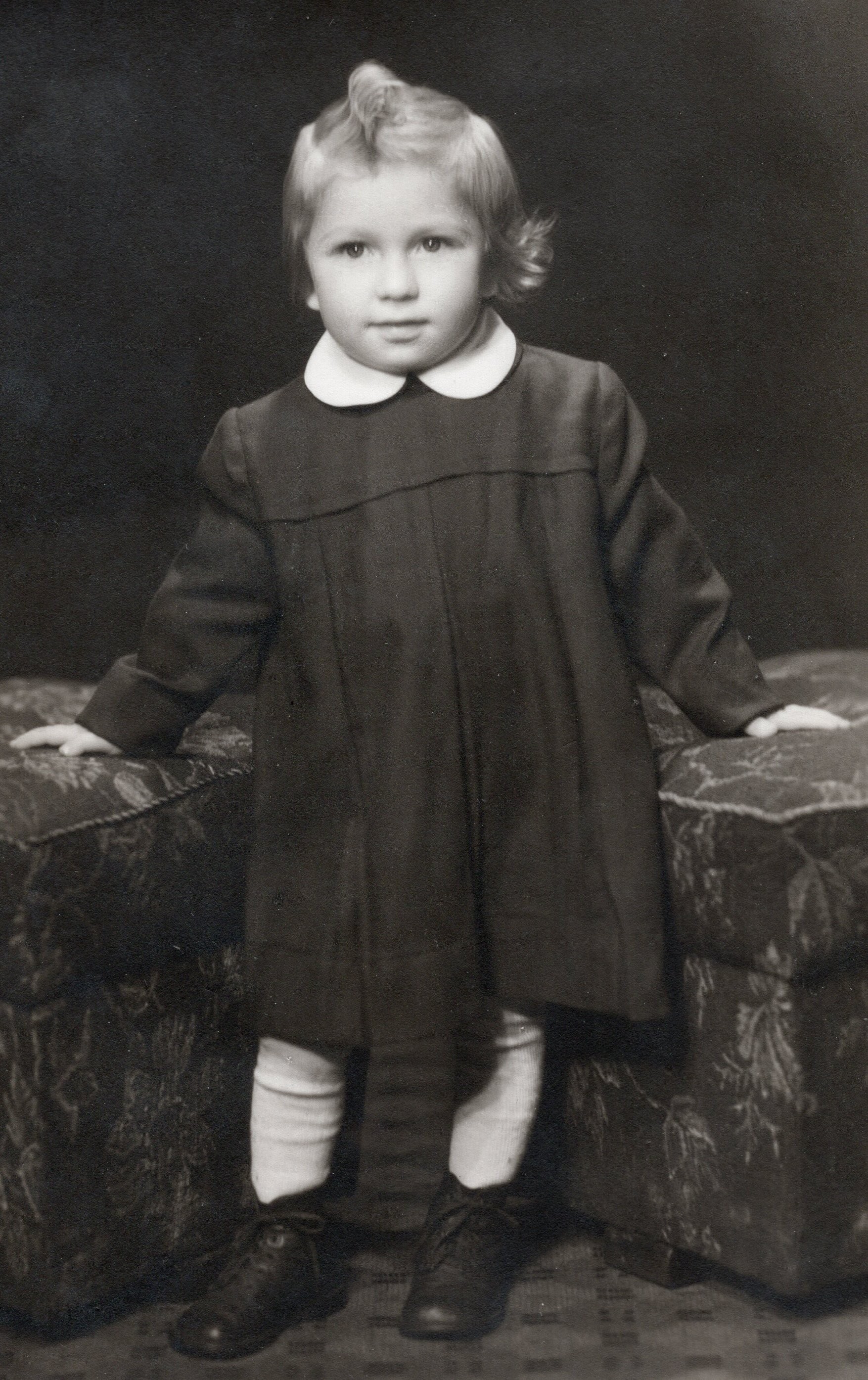
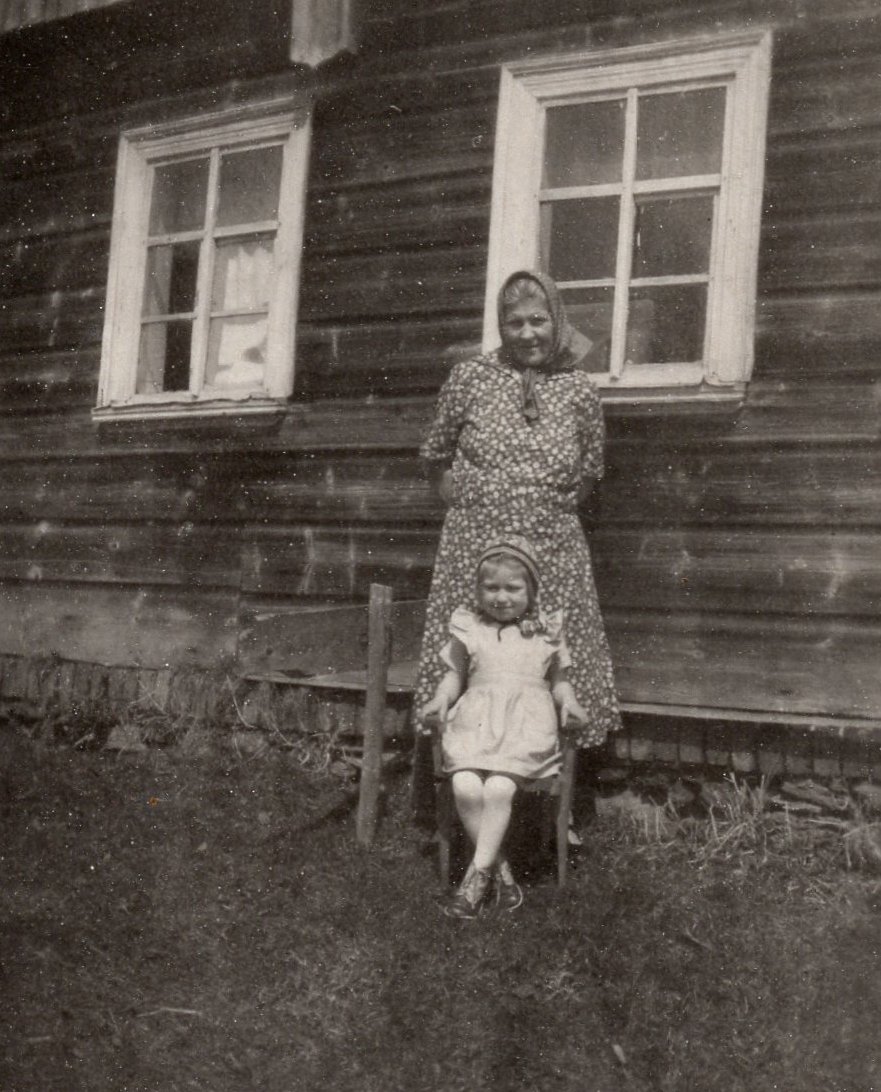
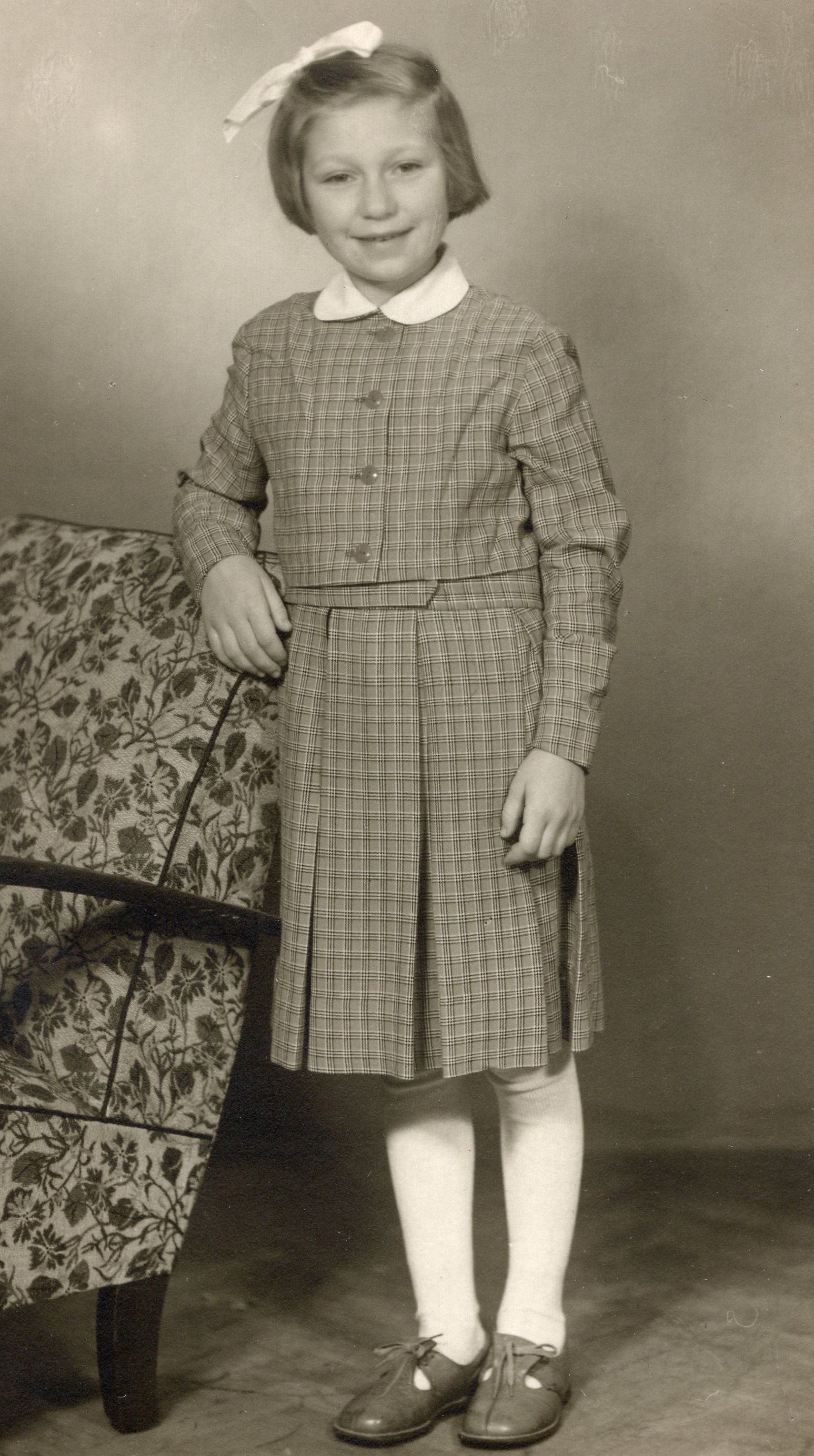
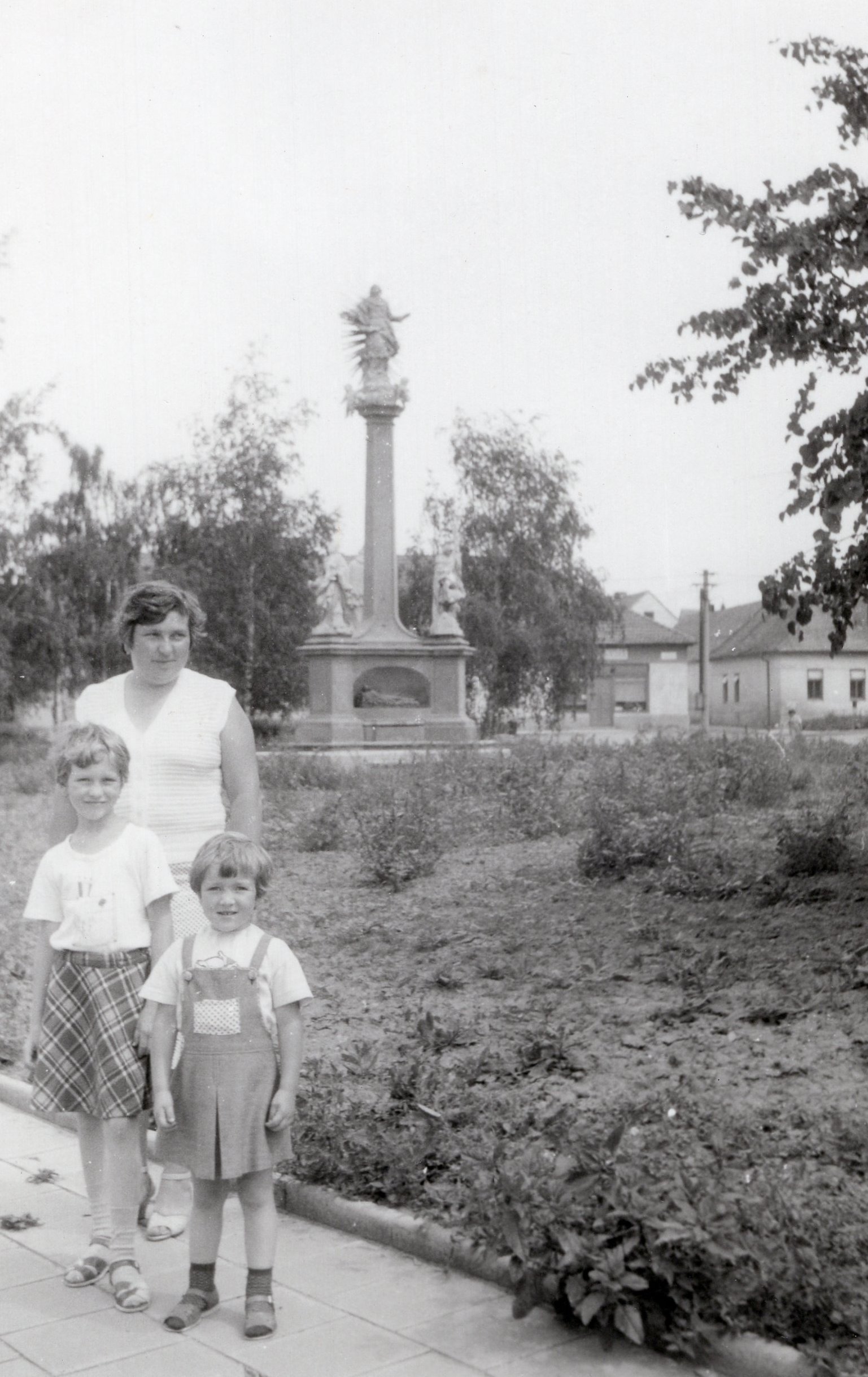
Marta Braunová, 1953
photo: witness´s archive

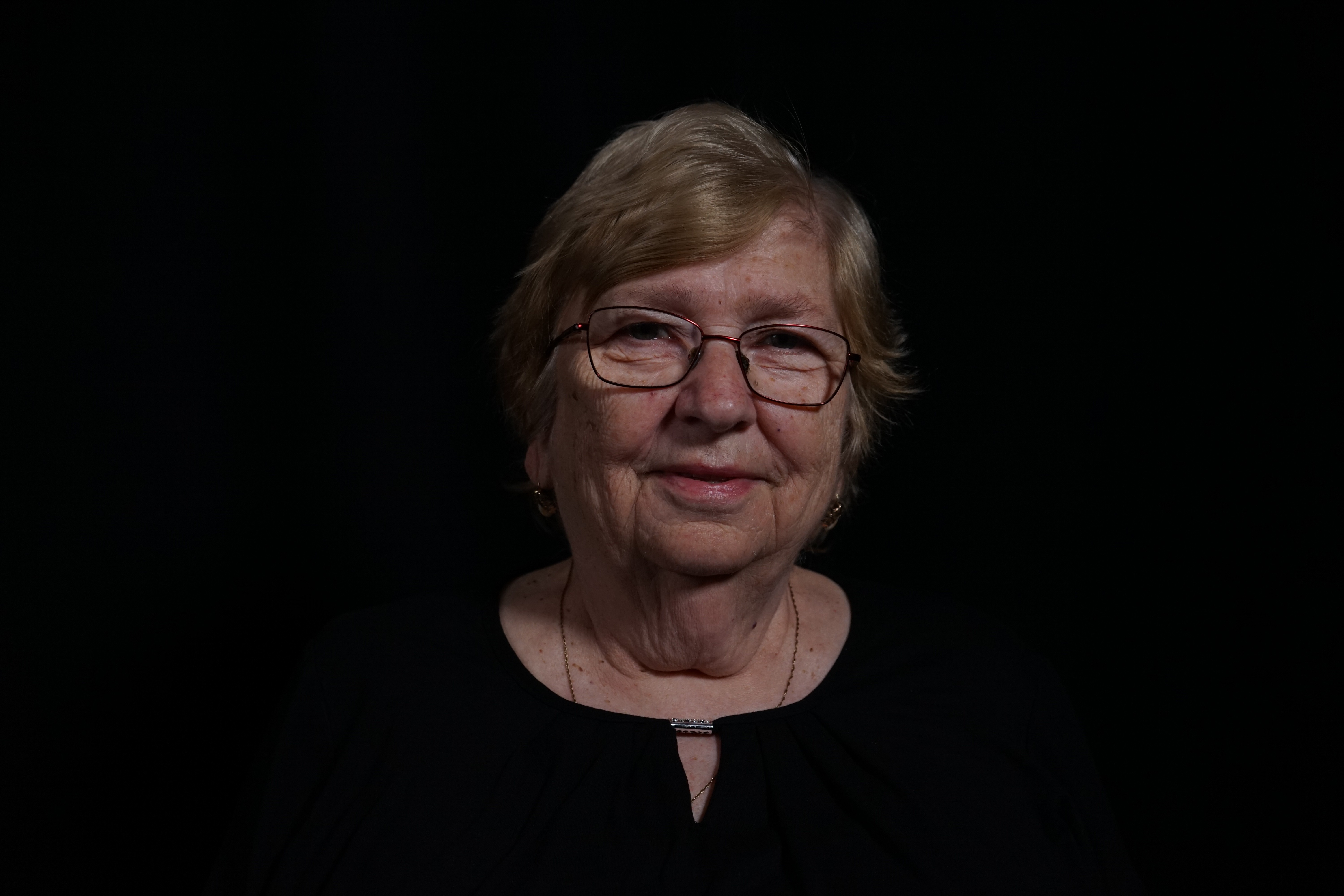
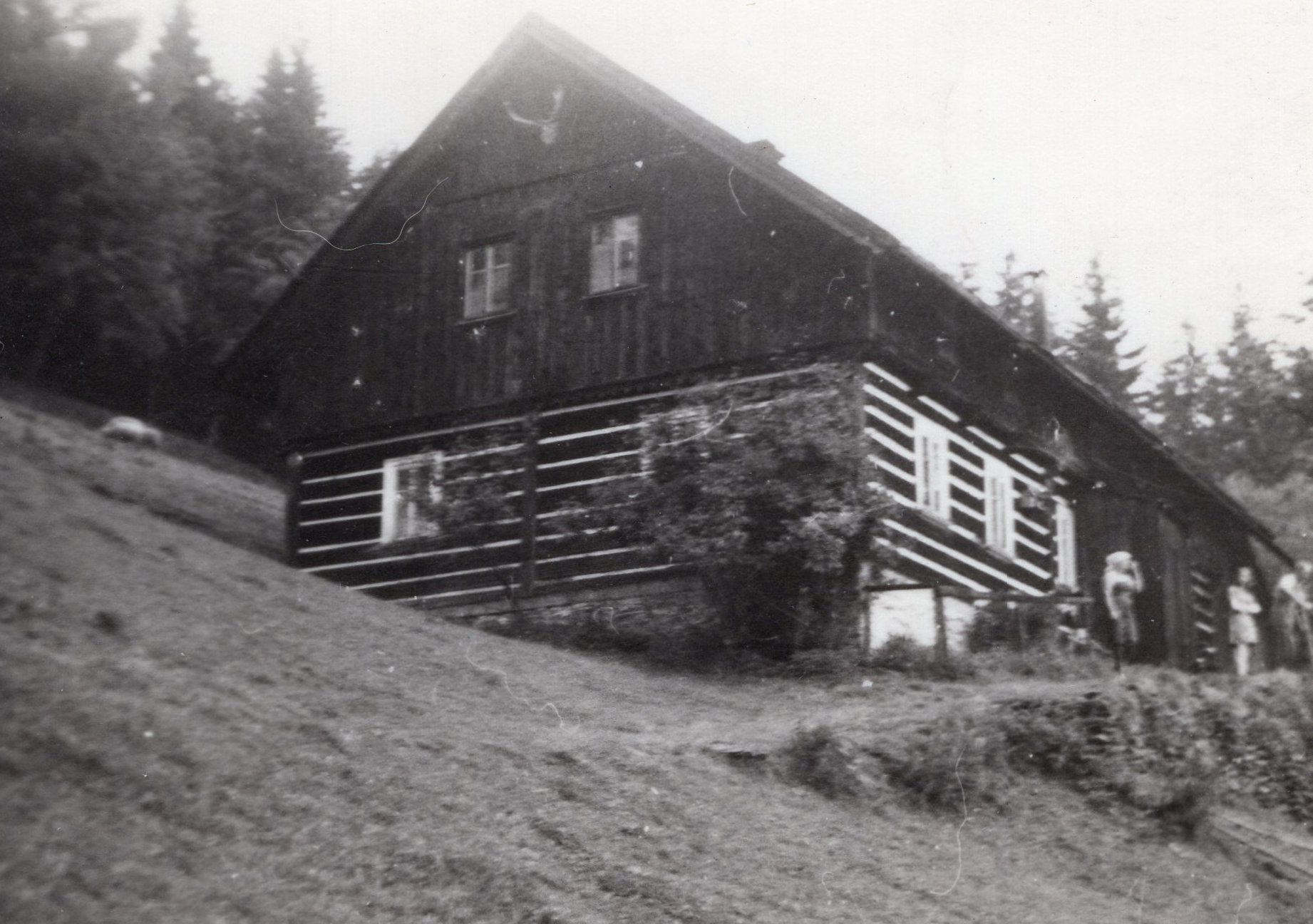
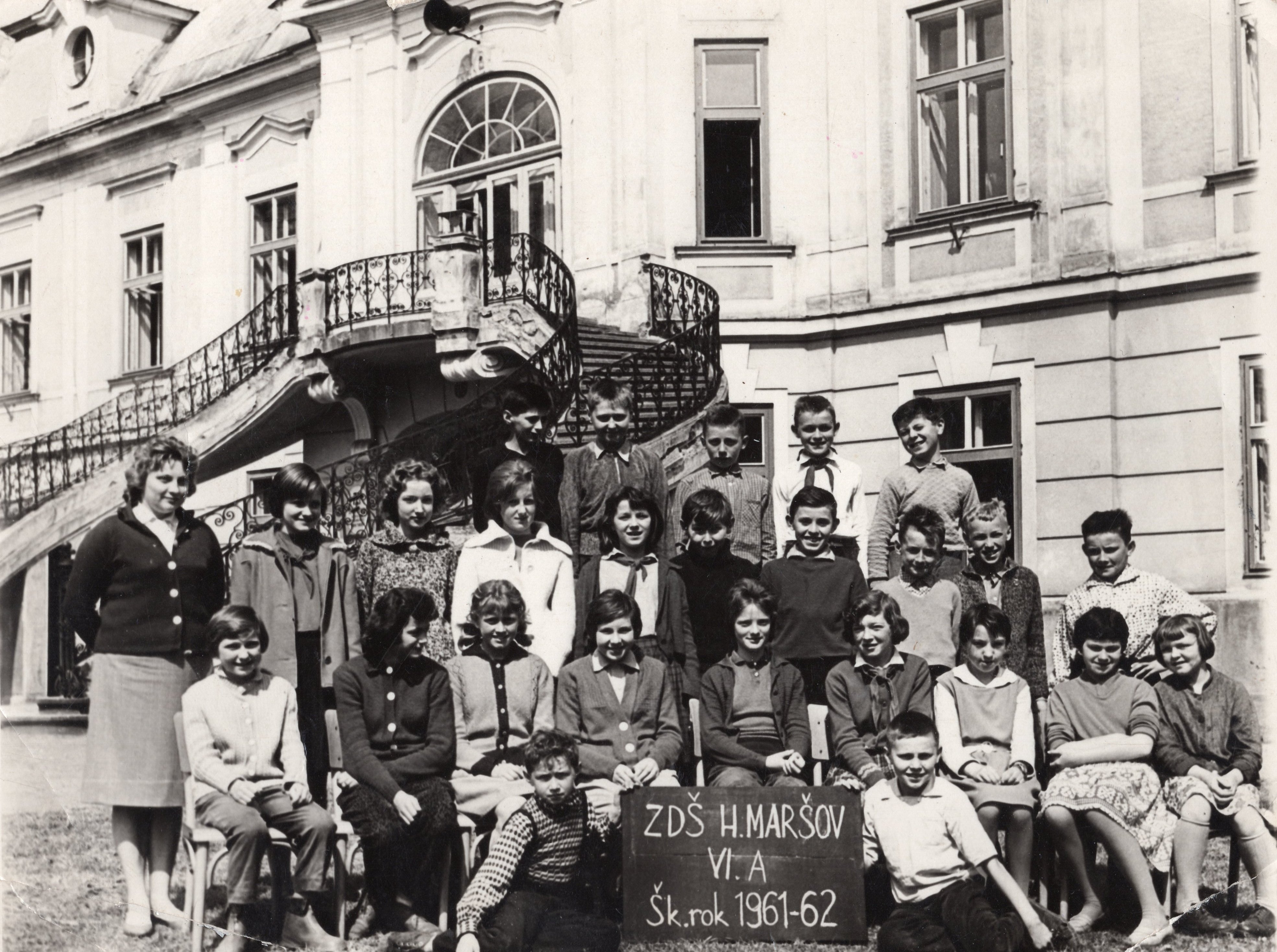
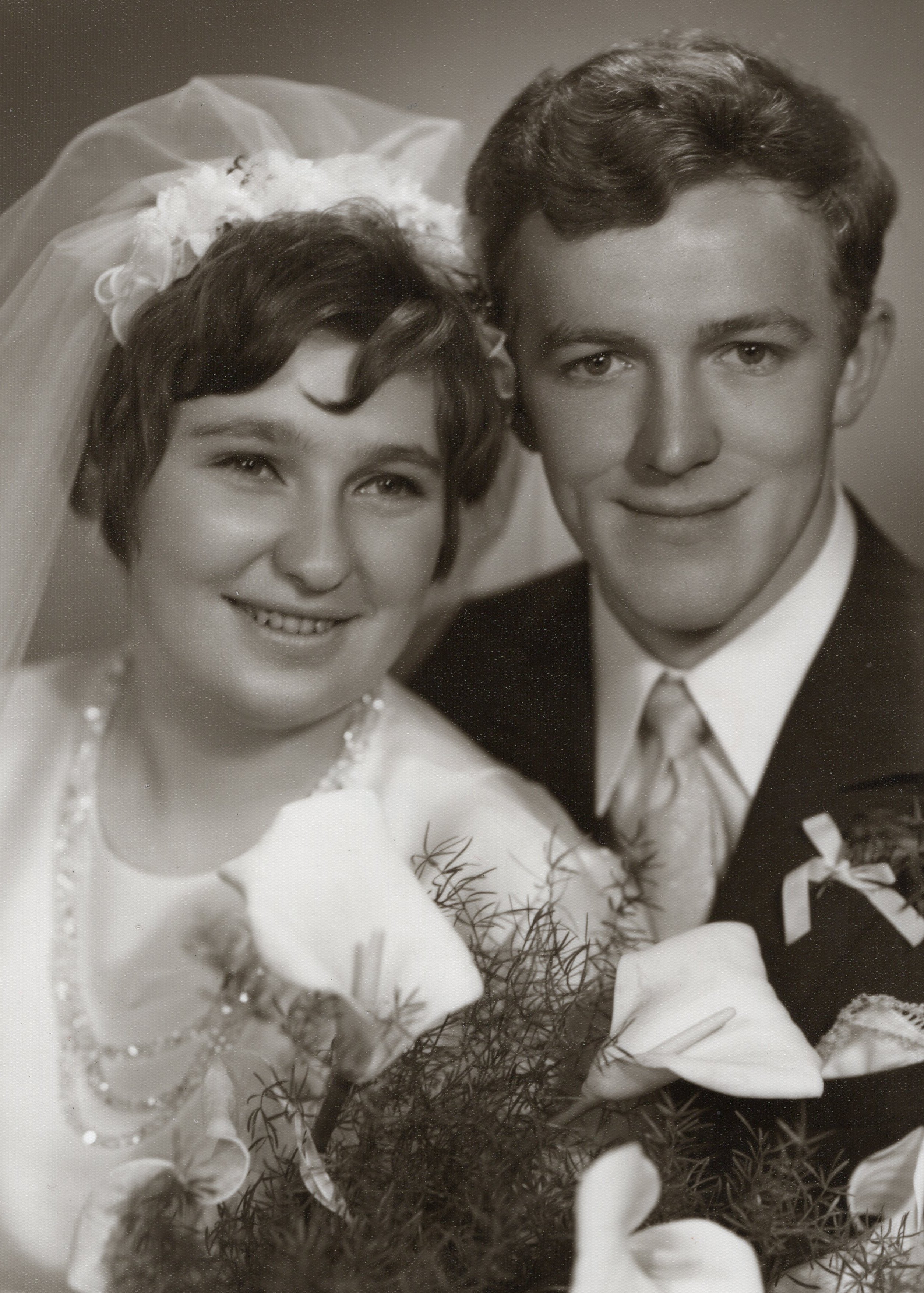
Marta Braunová, née Heringová, was born on 25 January 1950 in Vsetín, but spent her childhood in Velká Úpa in the Krkonoše Mountains. She grew up in a German-speaking family and entered school with minimal knowledge of Czech. After completing primary school she graduated from the school of economics and later completed her secondary school leaving exam. In 1972 she married Hubert Braun and moved to Žacléř, where they raised two daughters. Her life was influenced by Czech-German relations and the political pressures of the time. Nevertheless, she managed to build a solid background for her family. At the time of recording in 2025, she was living in Žacléř.