In 1968 I protested against the invasion of Czechoslovakia. It helped me become who I wanted to be
Download image
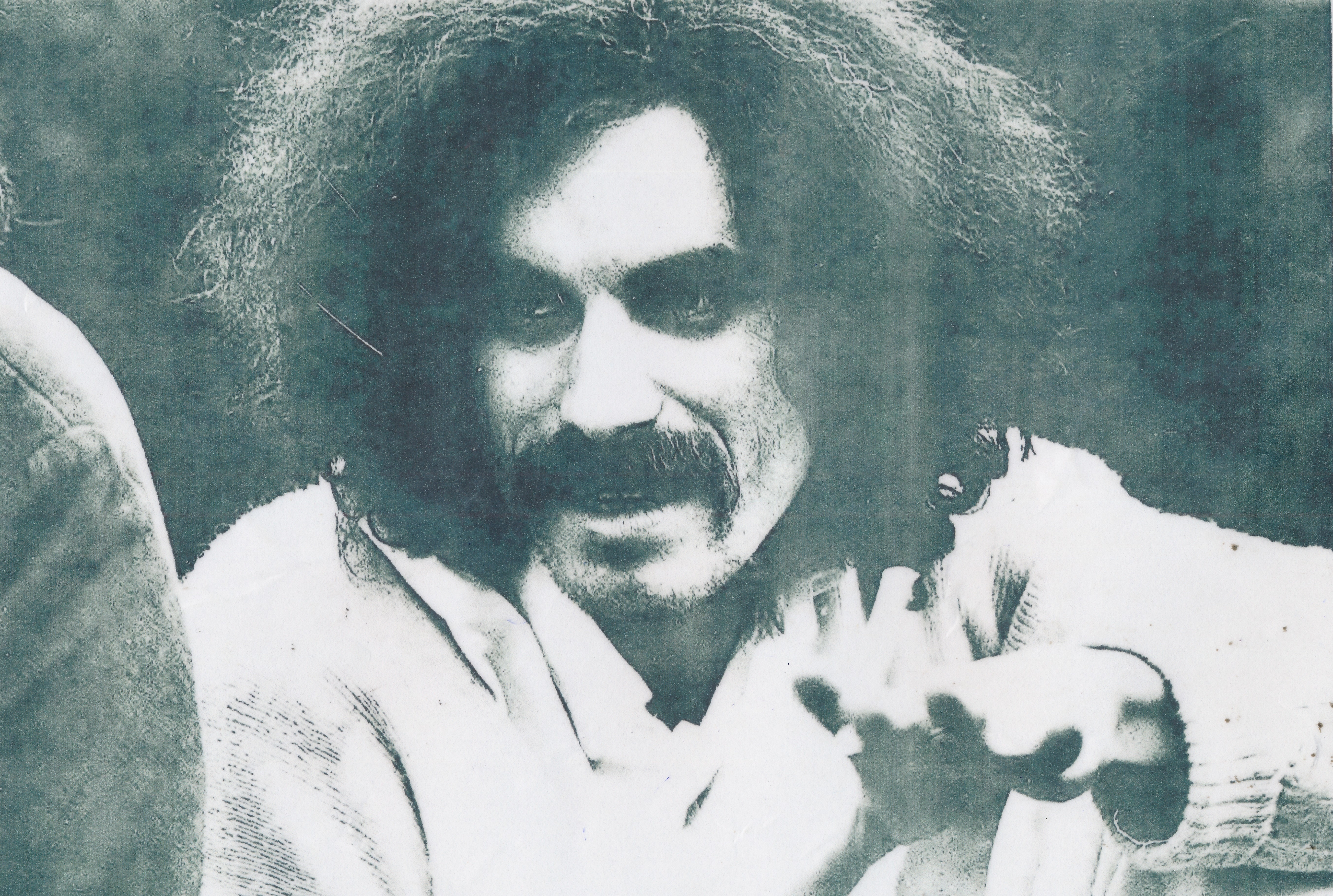
Michael Brack was born in March 1949 and grew up in post-war Berlin. The building of the Berlin Wall divided his family. While growing up, he discovered the deceitful nature of the communist regime, listened to the Beatles and the Rolling Stones, grew his hair long, and went to rock music concerts. In the summer of 1968, he also made several trips to Prague, where he became enchanted by the relaxed atmosphere. When he heard on the radio on 21 August 1968 about the entry of Warsaw Pact troops into Czechoslovakia, he immediately decided to act. He and his friend Wolfgang Püschel took paint and brushes and painted the walls of the station at night: “Es lebe Dubček!”, “Freiheit für die ČSSR!” (Long live Dubček! Freedom for Czechoslovakia!) When arrests were then made of people protesting against the situation in Czechoslovakia, Michael Brack hid for three weeks at a relative’s farm. The Stasi secret police unexpectedly arrested him in the autumn of 1969. He spent several weeks in various prisons. After his release from detention, he was taken in by dissident Gerd Poppe and his wife Ulrika. In their Berlin apartment he also met the singer-songwriter Wolf Biermann, the painter Bärbel Bohley and other dissidents. His friends helped him to get a place as a student, but he had to leave his studies in acting and theatre studies because of the draft. He served in the so-called Bausoldaten, a construction unit similar to the Czech PTP. After his marriage, he and his wife moved to a farm in the village of Hartmannsdorf near Berlin. He kept sheep, hosted meetings of East German dissidents on the farm, and also materially supported the Solidarity movement in Poland. After the fall of the Berlin Wall, Michael Brack founded the local chapter of the New Forum and was elected mayor of Hartmannsdorf in the municipal elections in the autumn of 1990. After his retirement he has been working as a witness and guide in the former Stasi prison in Hohenschönhausen, Berlin. In 2025 he was awarded the Federal Order of Merit.

