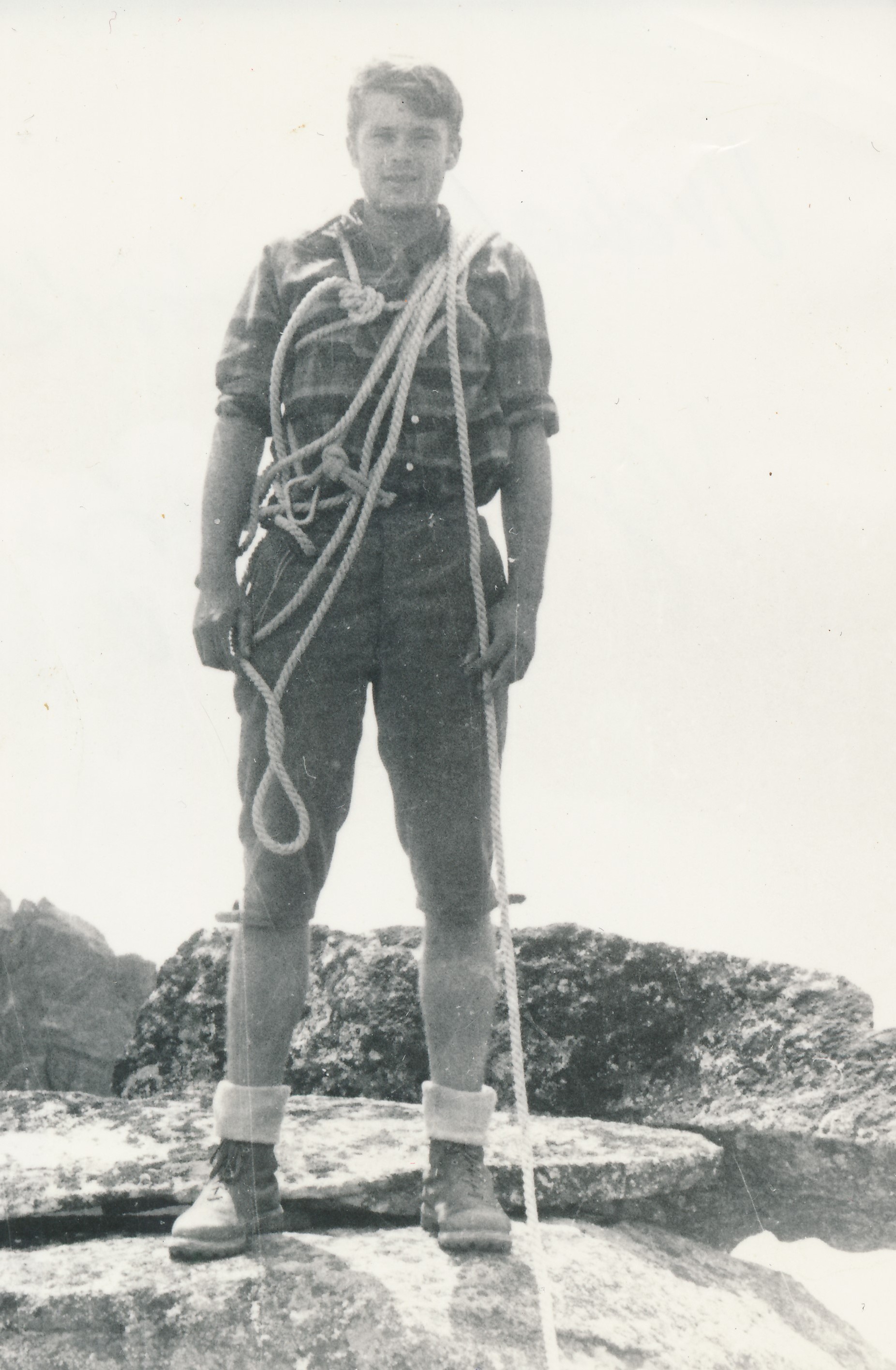
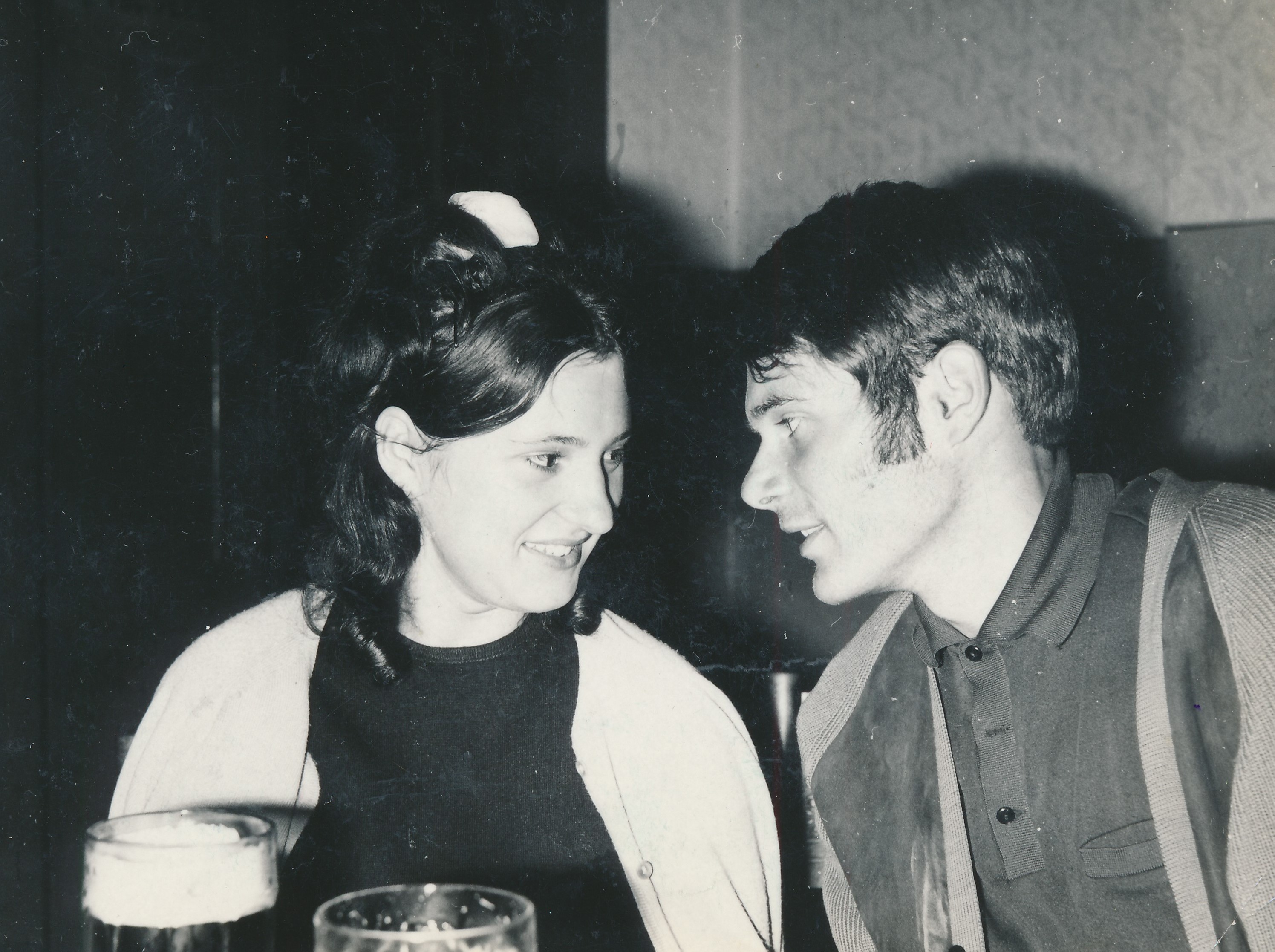
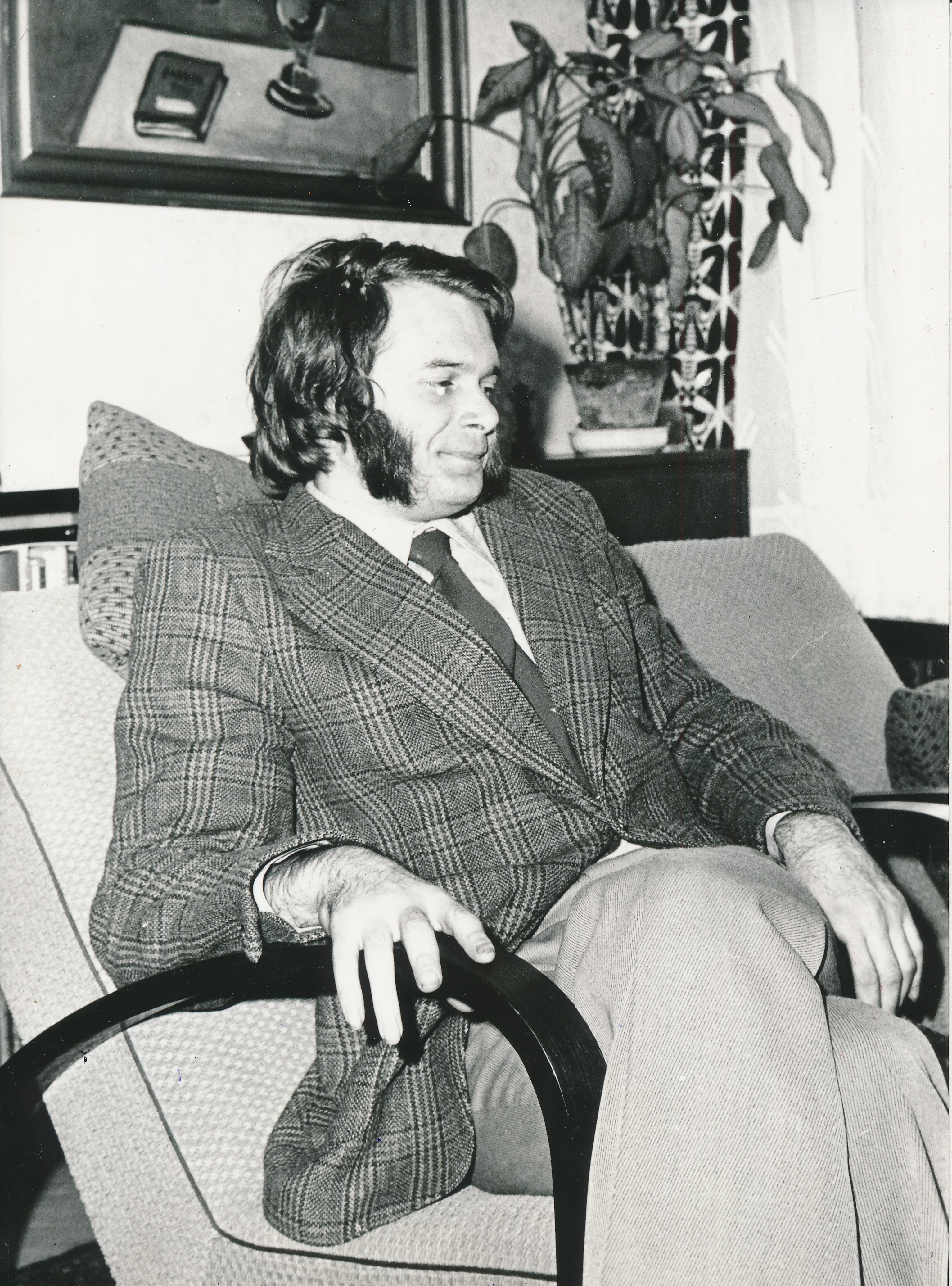
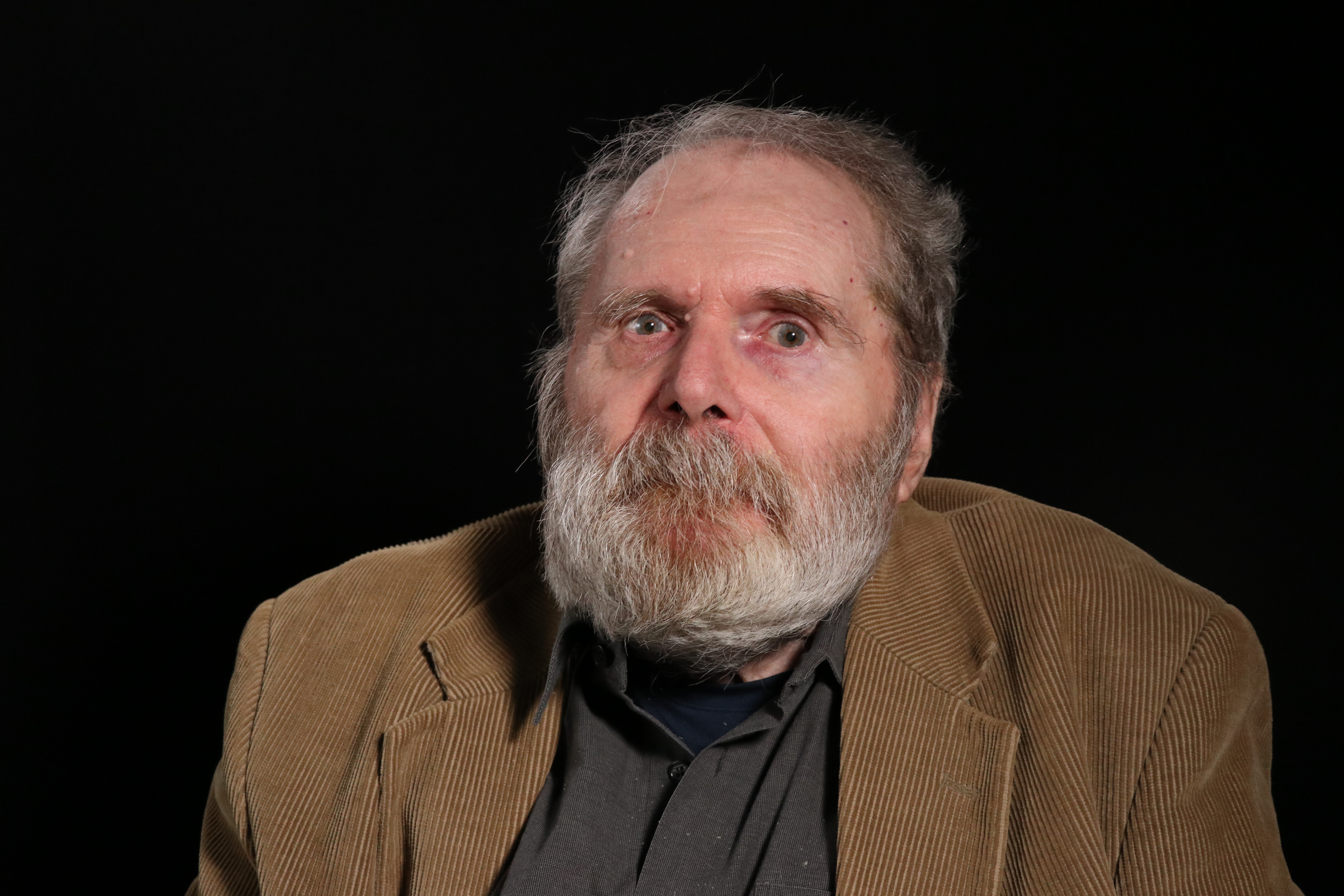
Petr Arnet

* 1947

  • "He was a hard worker, so I gave him the worst job and he really did it well. And he said to me, the manager, 'Just give him some rewards, a lot of money.' He was a hard worker, so I always had a reason to give him some rewards, so he was happy, I was happy too, except I pointed it out to the other people to watch their mouths."

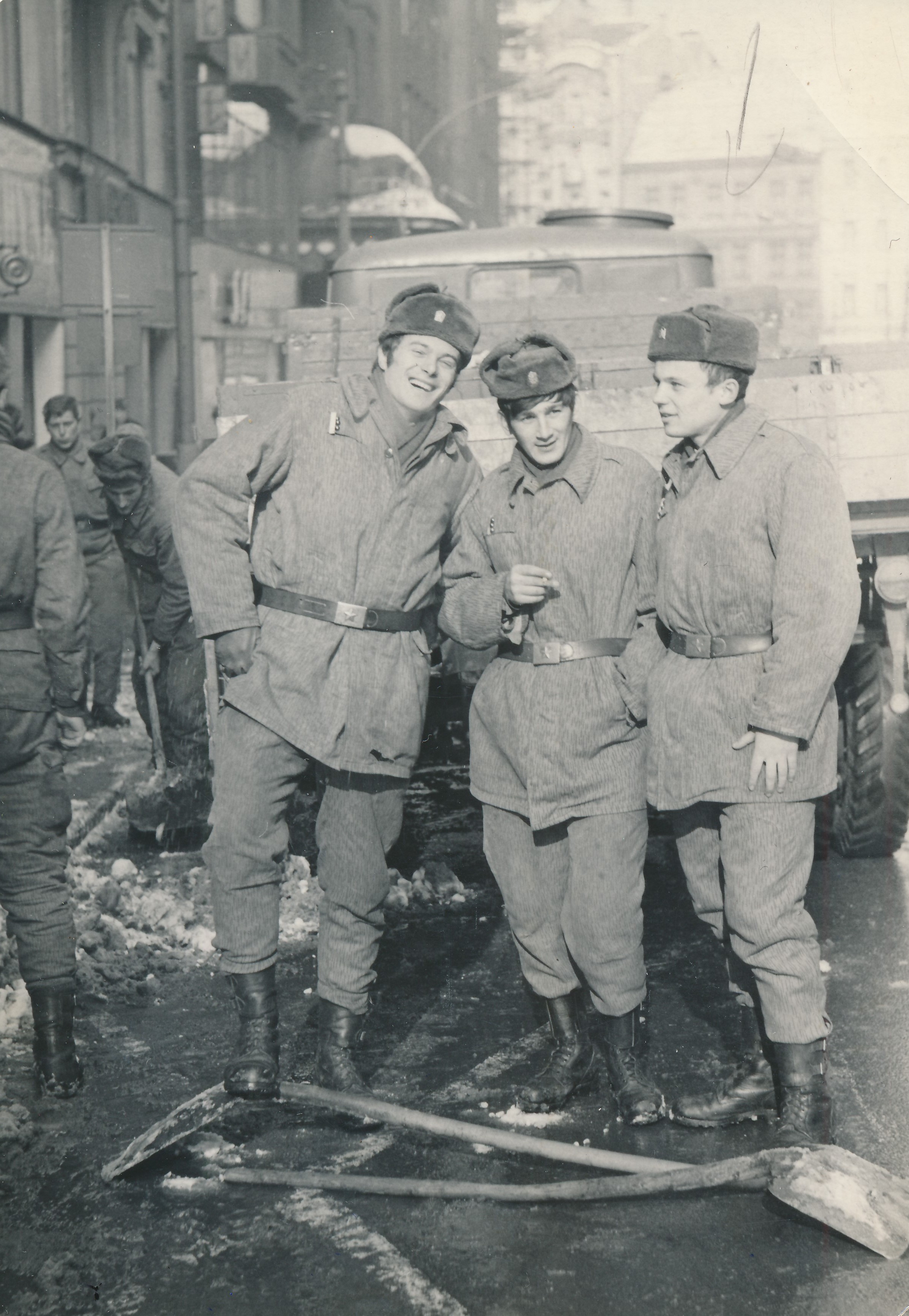
  • "So everybody had guns, but it was such a theatre to make people afraid. So all these soldiers had machine guns and a bag with empty magazines. But we didn't know that, we didn't find out until it was time to do it, that there were boxes already in those cars with live ammunition, we were carrying them. There must have been a special order for that because the live cartridges were in some ammunition depot and nobody just got in there, it was under several signatures and seals."

  • "I was most impressed in 1969, when we were dropped off in the middle of some of the worst fights. Public Security officers with white helmets were beating people with batons. And they were using water cannons to block the entrance of other demonstrators from the side streets to Wenceslas Square. And the soldiers were so stupid from the propaganda that it bothered me that otherwise quite decent guys were making fun of people falling down, of people getting their legs knocked off by the water cannon. So we were more afraid of them joining the cops and wanting to beat them up too."

  • Full recordings
  • 1

    Praha, 04.11.2025

    (audio)
    duration: 01:35:17
    media recorded in project Stories of the 20th Century TV
  • 2

    Praha, 24.11.2025

    (audio)
    duration: 59:43
    media recorded in project Stories of the 20th Century TV
Full recordings are available only for logged users.

In 1969, the order came to use live ammunition
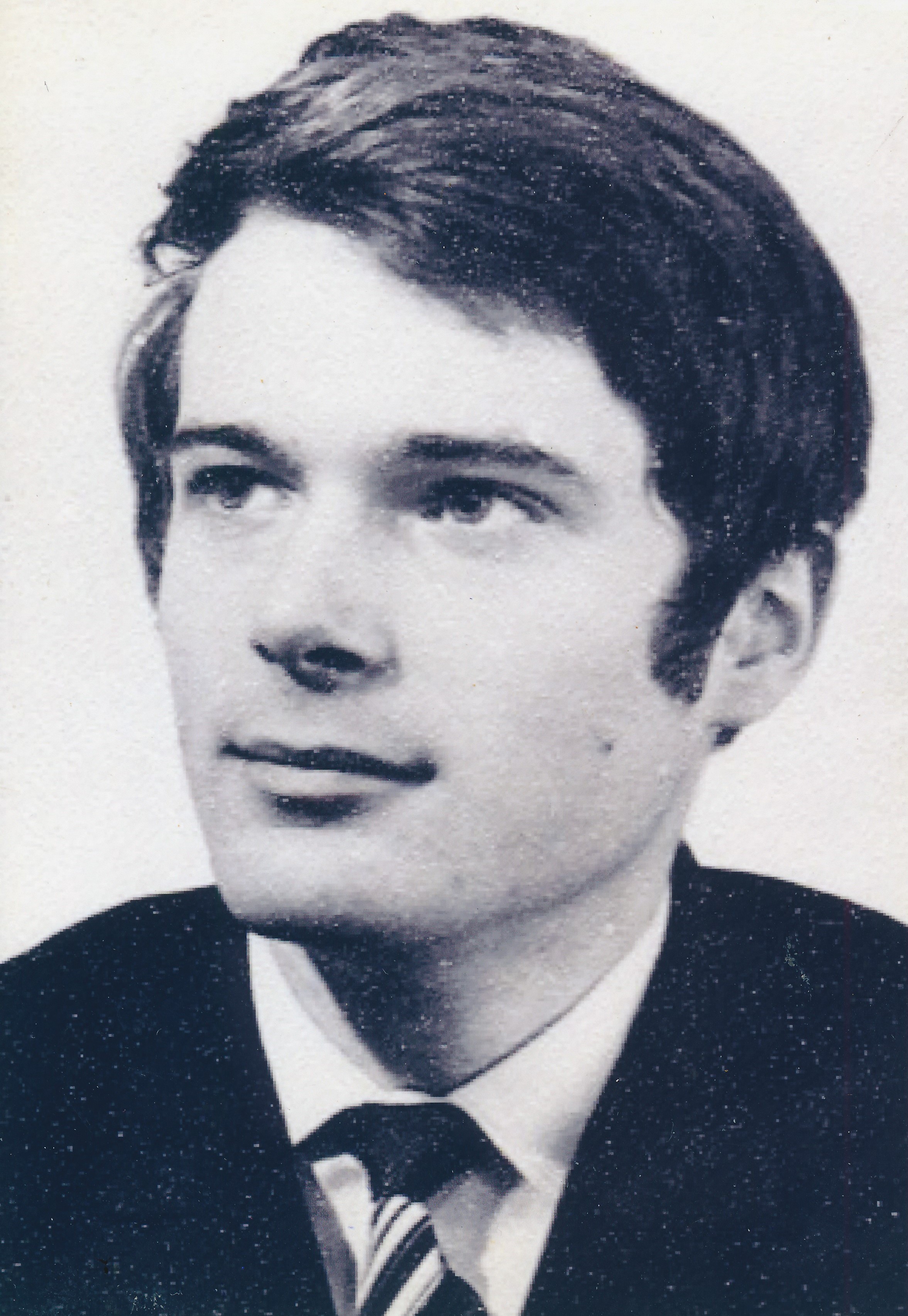
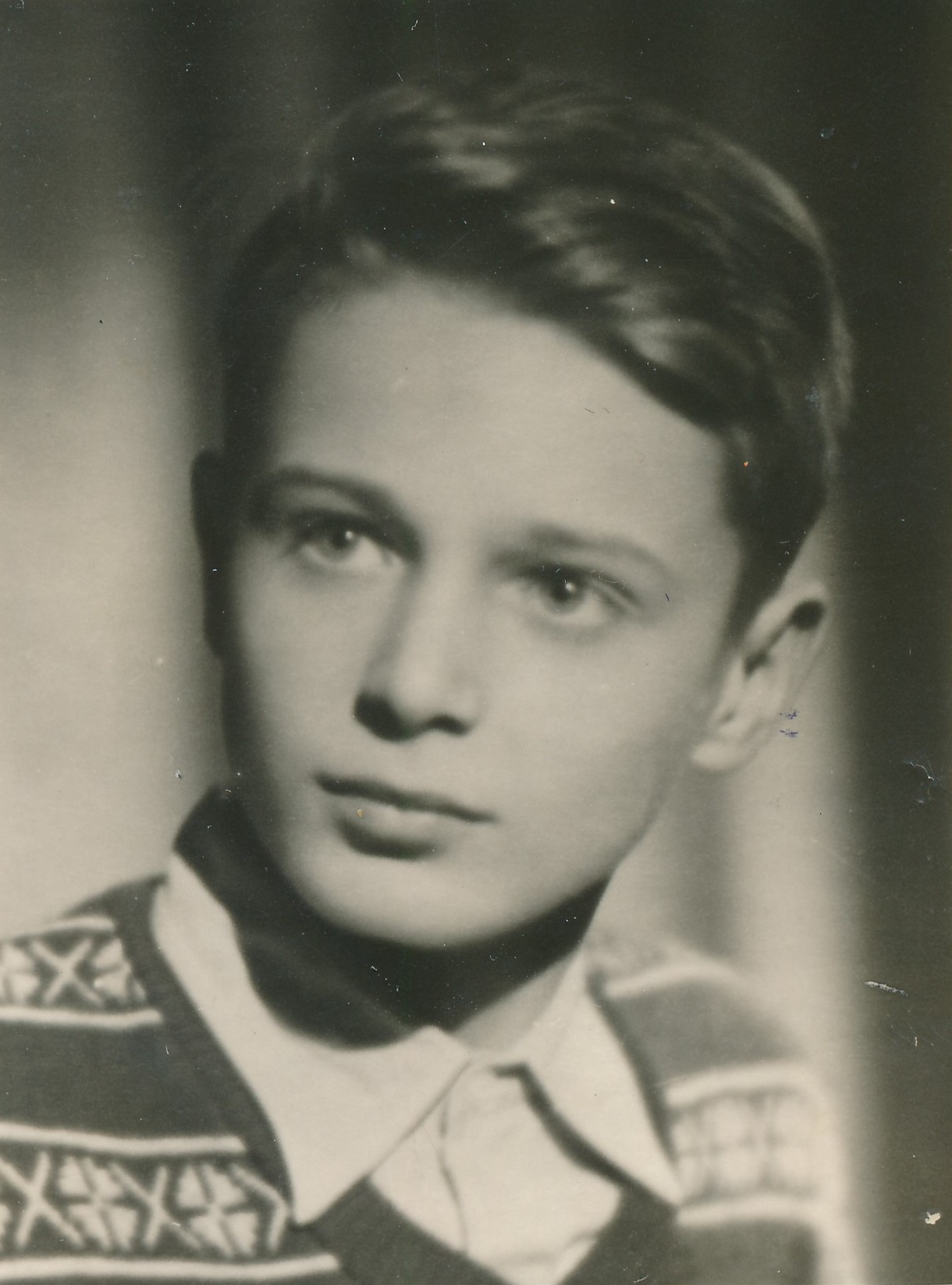
Graduation photograph, ca. 1963
photo: Archive of the witness

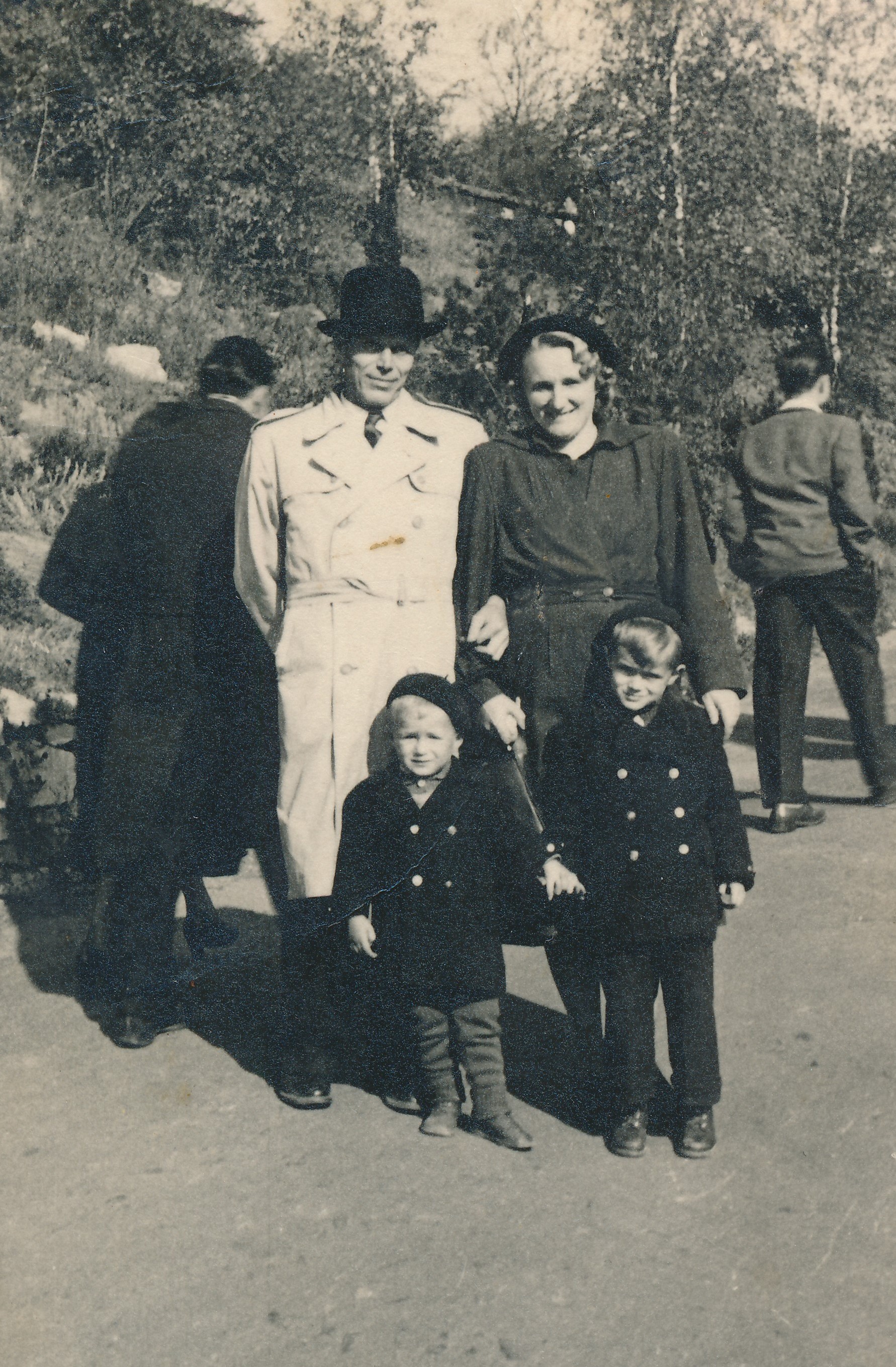
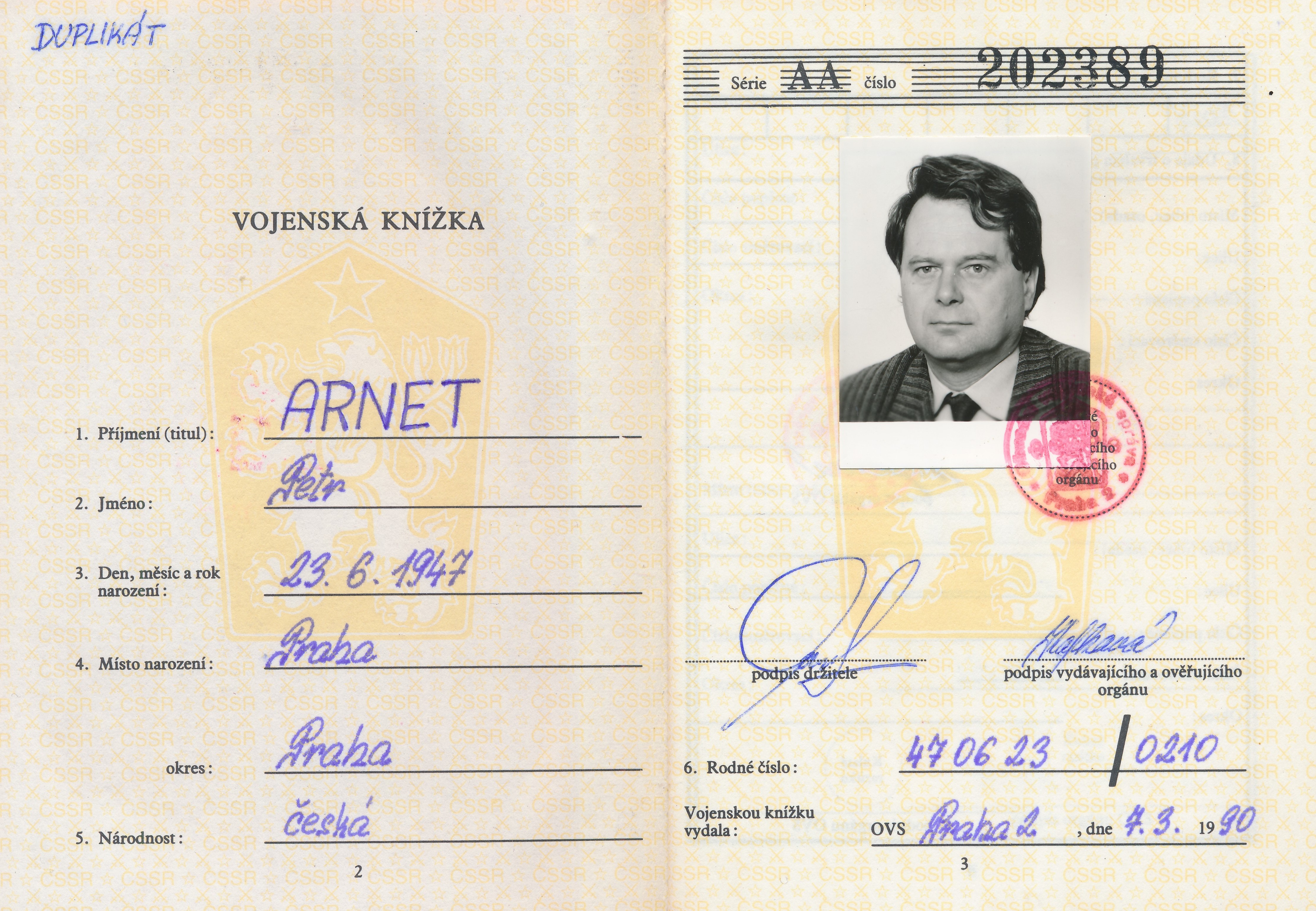
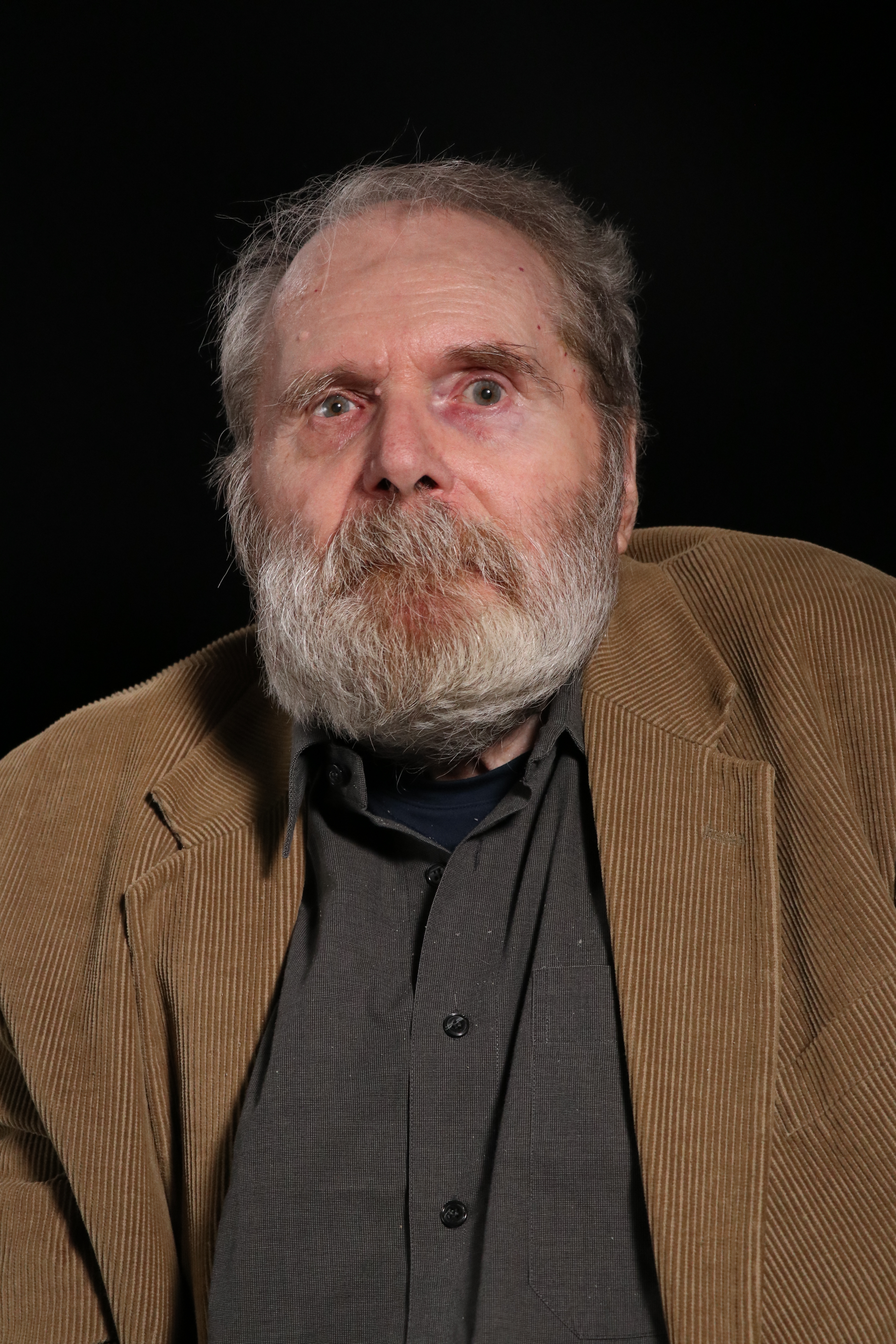
Petr Arnet was born on June 23, 1947 in Prague. His father Emil Arnet was an employee of the Czechoslovak Sugar Industry Council, after February 1948 the communists nationalized the company and his father worked in the working professions for the rest of his life. His grandfather, Augustýn Bouška, lost his dairy and the house he owned. Petr Arnet grew up in the Lesser Town, graduated from the Smíchov Secondary Industrial School and in 1967 joined the army. There he lived through the occupation by the Warsaw Pact troops. As a soldier he was on standby and in the weeks after the occupation he helped the Public Security forces to maintain order in the country. A year later, in August 1969, he was deployed in the forces cracking down on demonstrators. According to his testimony, an order came to distribute live ammunition to the soldiers, which, as a platoon commander, he refused to do despite the threat of the prosecutor. He was investigated over the incident. After the war he worked at the OPBH and later at Tuzex. He studied law during the socialist era and took up the field after the Velvet Revolution. In 2009, he suffered a stroke that left him paralysed in part of his body and he stopped working. In 2025 he was living in Prague.