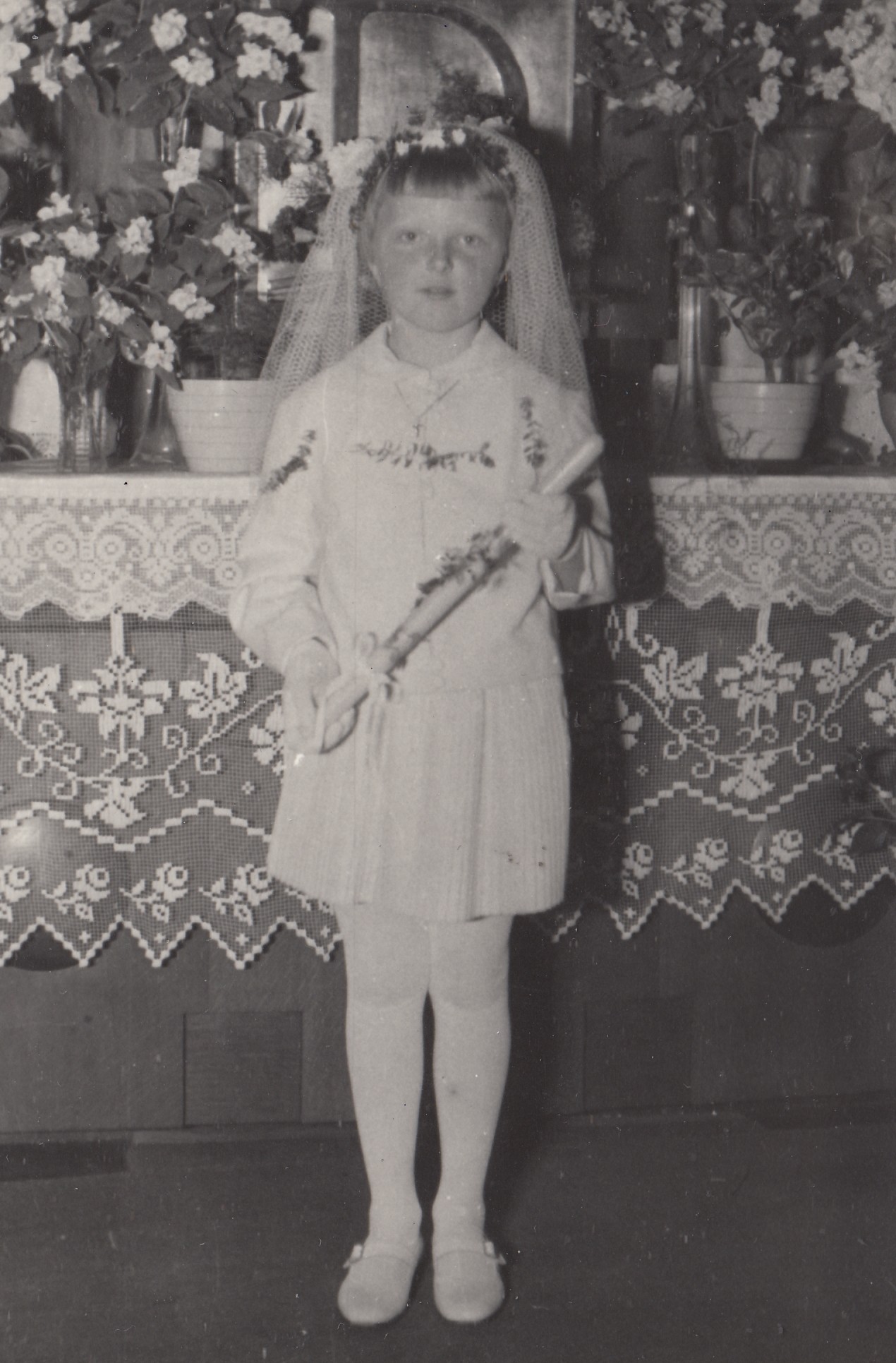
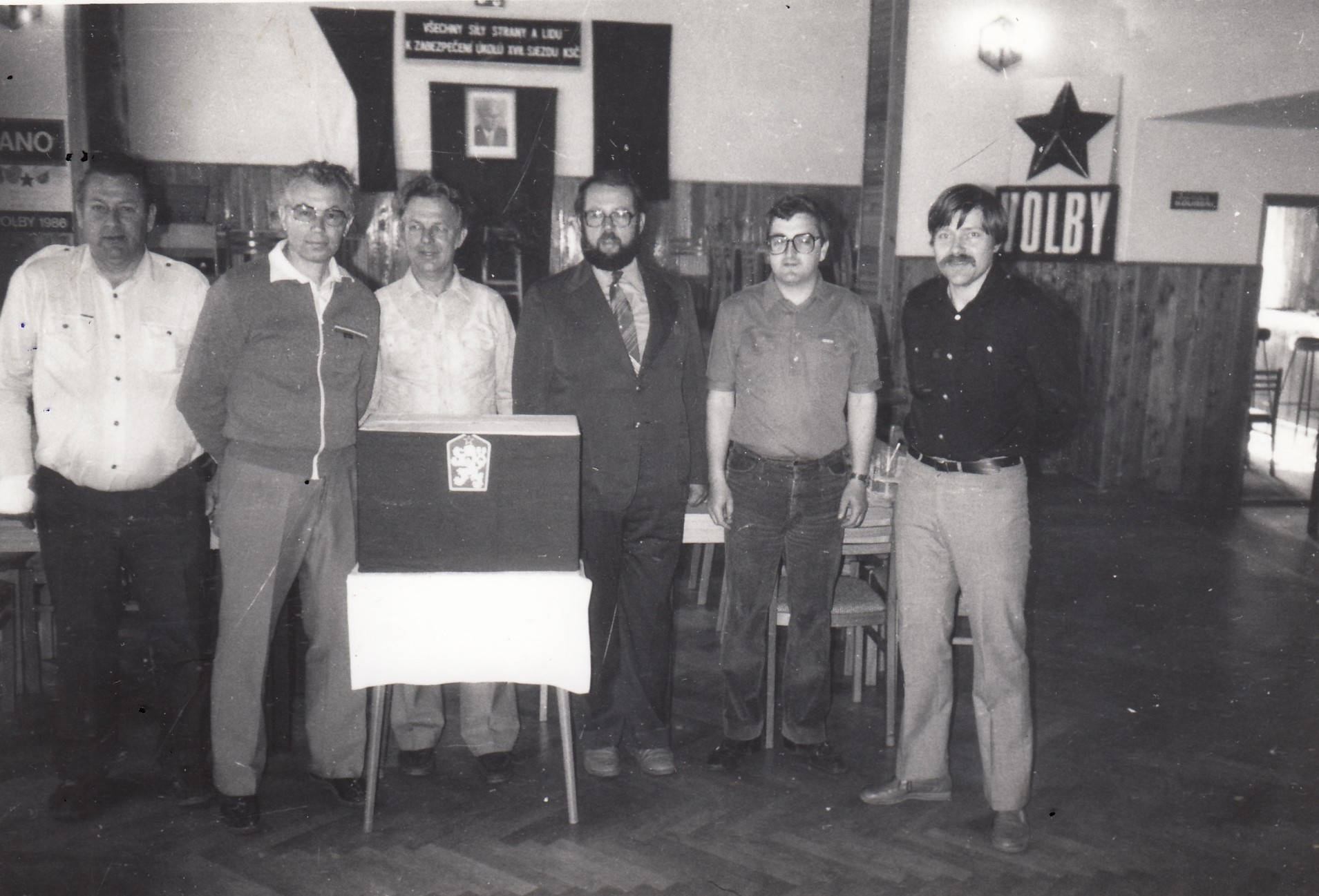
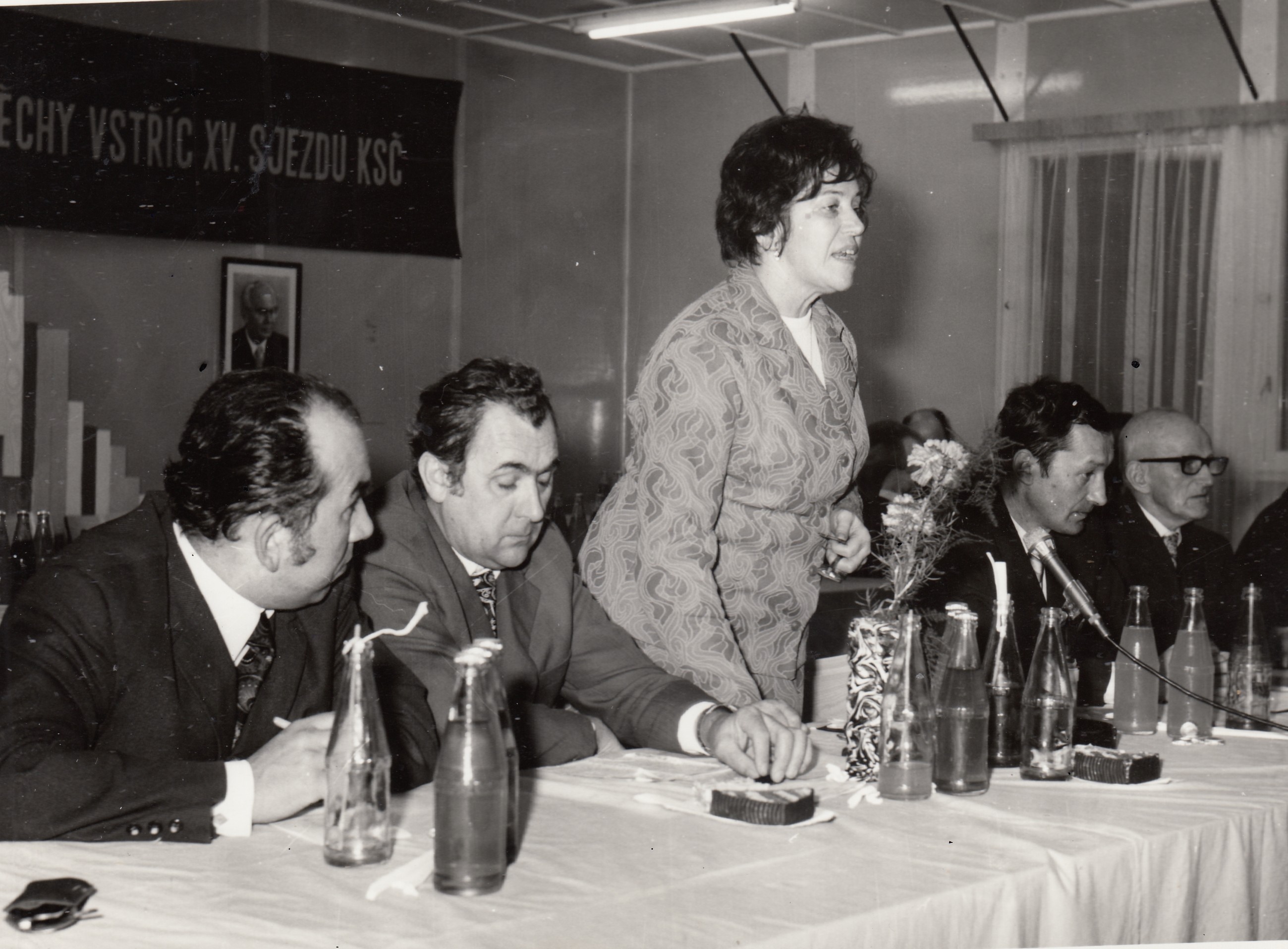
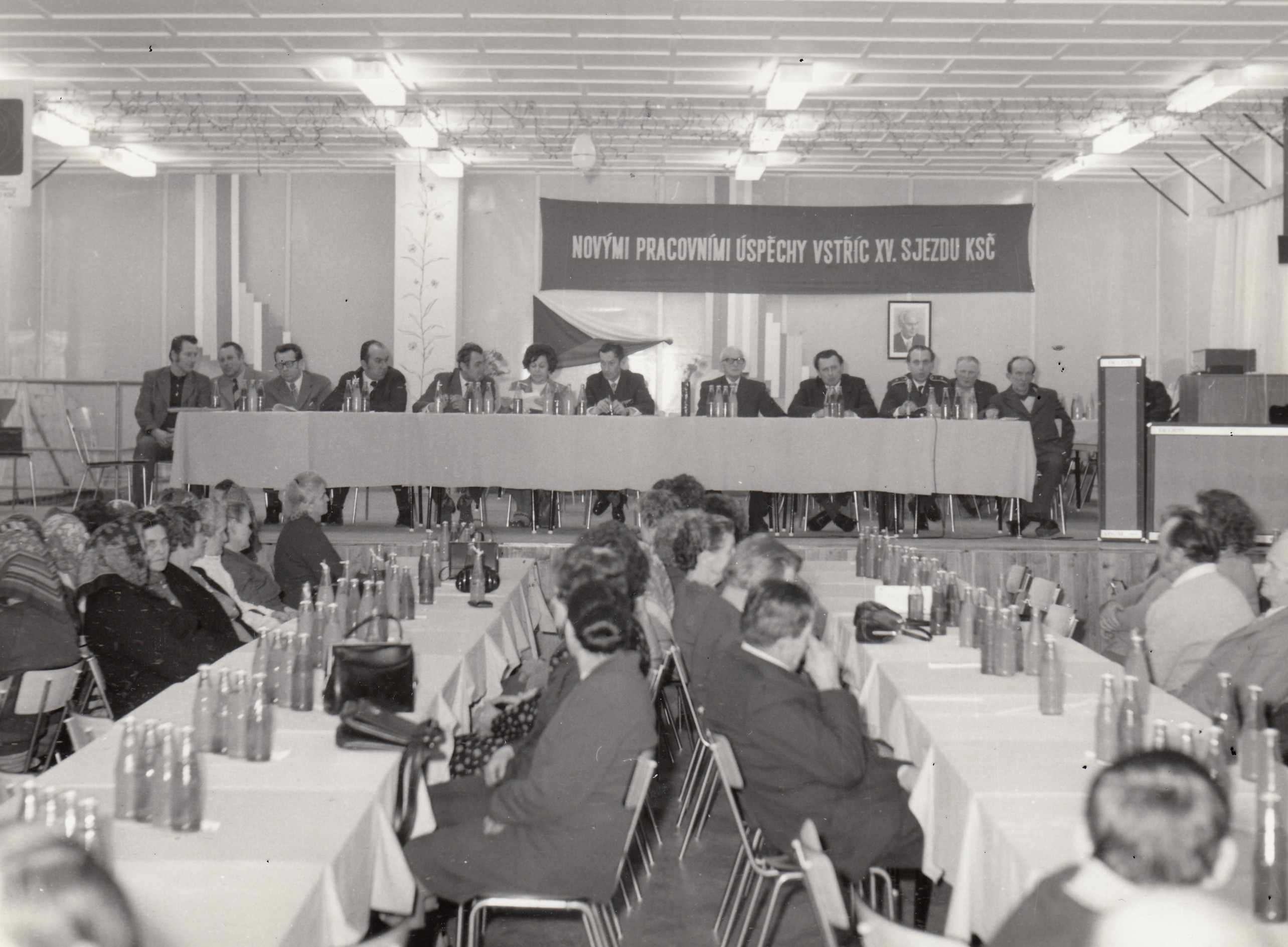
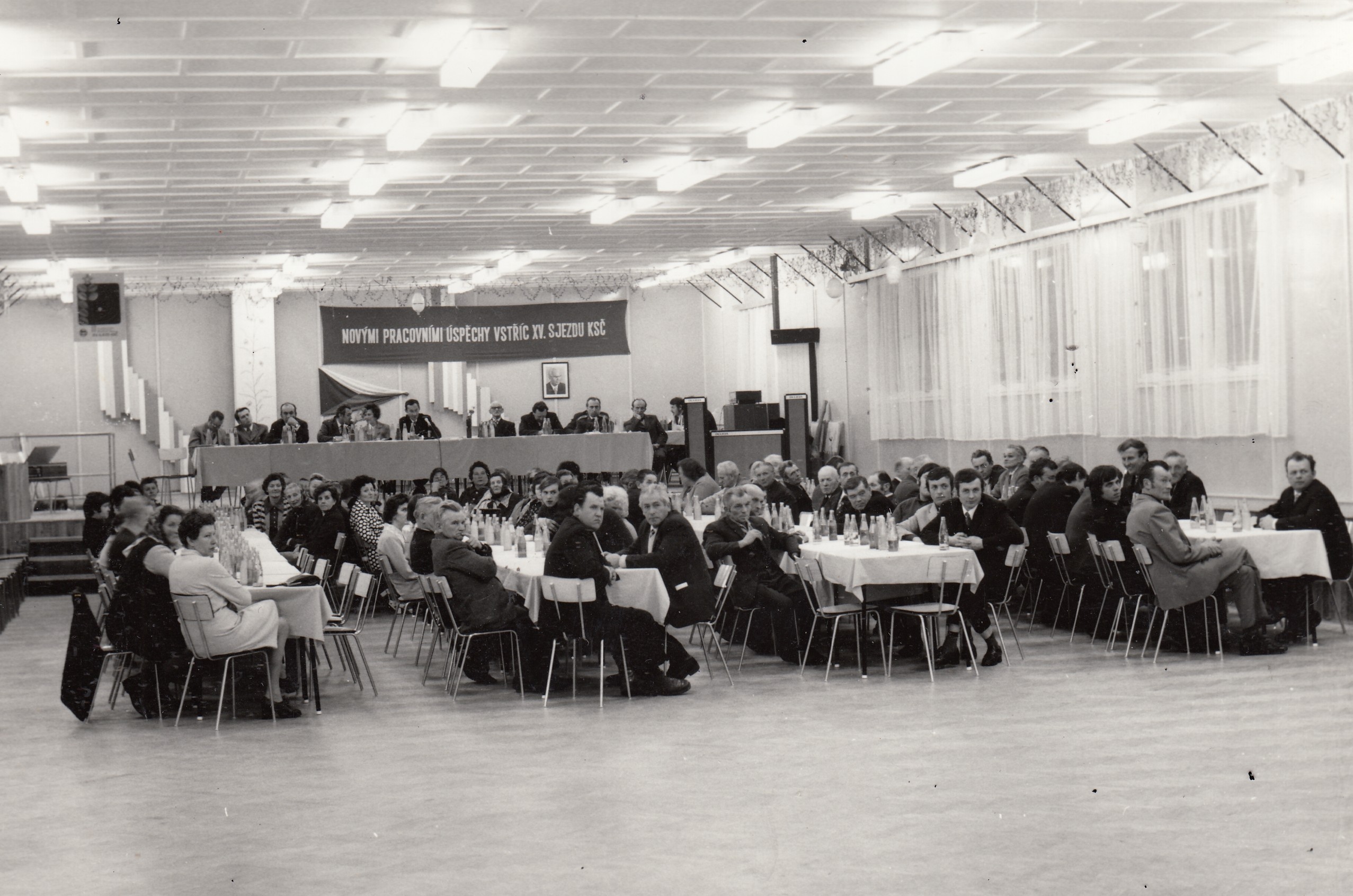
"I was baptized, I received Holy Communion, I went to religion classes, and I never heard my father forbid anything at home or argue about how things should be done - you know, whether we should go to church or not. I recall it was probably not quite easy for him either. See, once they called him to their office, he said 'to the district', which was the district party committee, and told him. 'Šrámek, get your house in order. How come your wife goes to church?' Dad came home from that meeting and said, 'I told them to stay out of it. My wife and I get along and it's none of their business.' Every Sunday, he put mum in the car. See, we got our first car, a Škoda 110 L, in 1971, so every Sunday he would put mum in it and take her to church. He didn't go to church himself, but he would come back and bring her back home. When he retired, he didn't just do it for mum. Whoever needed a ride, wherever, he would take them, even to church."
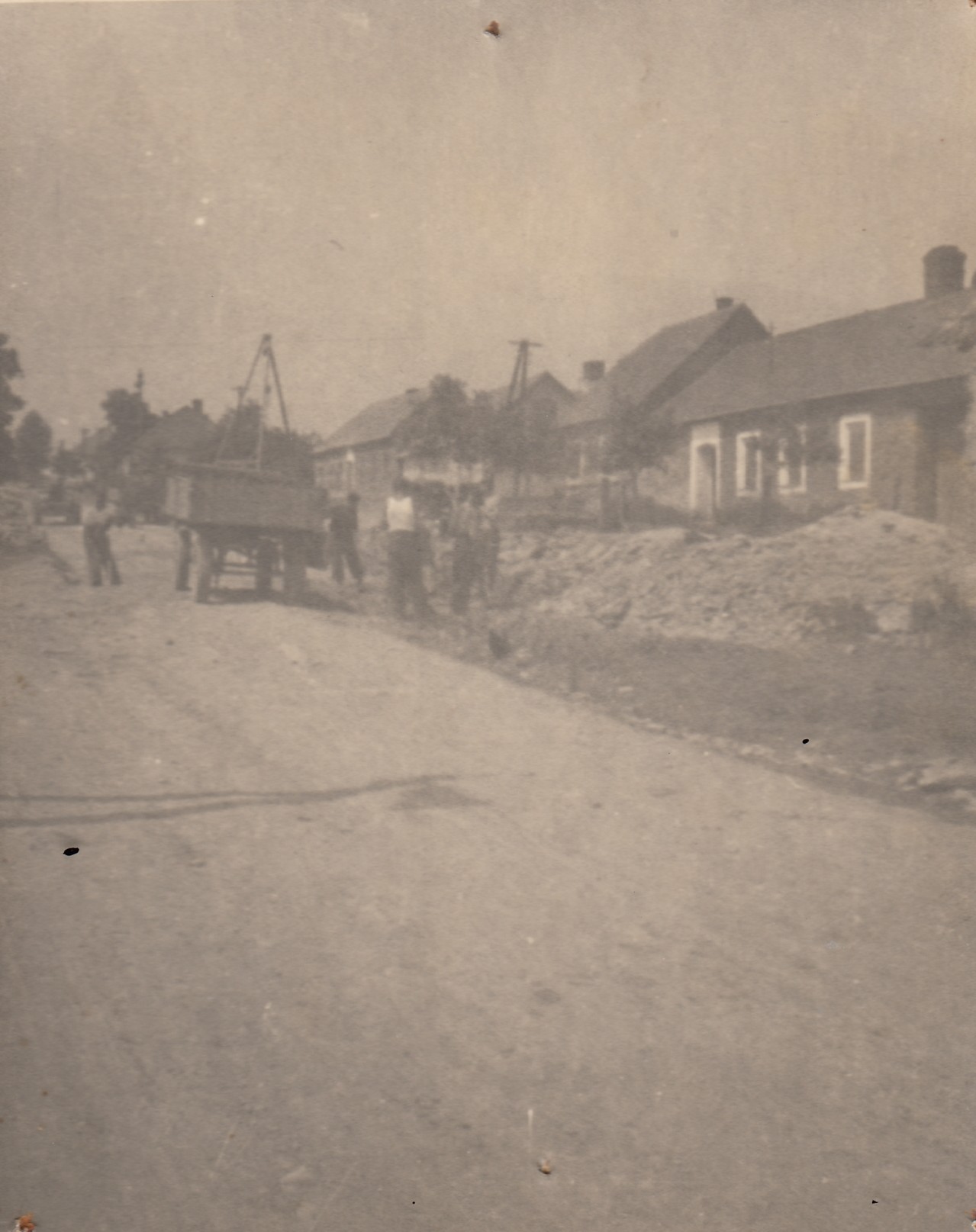
"We were always close to the military zone. The military zone was made for the Czech army in 1935, then it was for the German army and only the signs changed. Now it says 'NATO troops allowed'. When the Russians approached in 1968, it was under was the Olomouc garrison, and they used to drive those military trucks a lot at night. You'd wake up and there'd be this rumble as they were driving through. They would also go to the coop farm to get supplies. We have a story; it came to my mind now that you ask. It was an incident where a Russian car was driving by Plumlov, going from us towards Prostějov. A family was going home from Vrbátky driving a Trabant and they collided with the military truck. The grandfather died soon and a girl, a peer of mine nine or ten years old, died two or three days later. I don't know who was at fault, but it was terribly sad and difficult for all the village. It was 1973, I think, something like that."
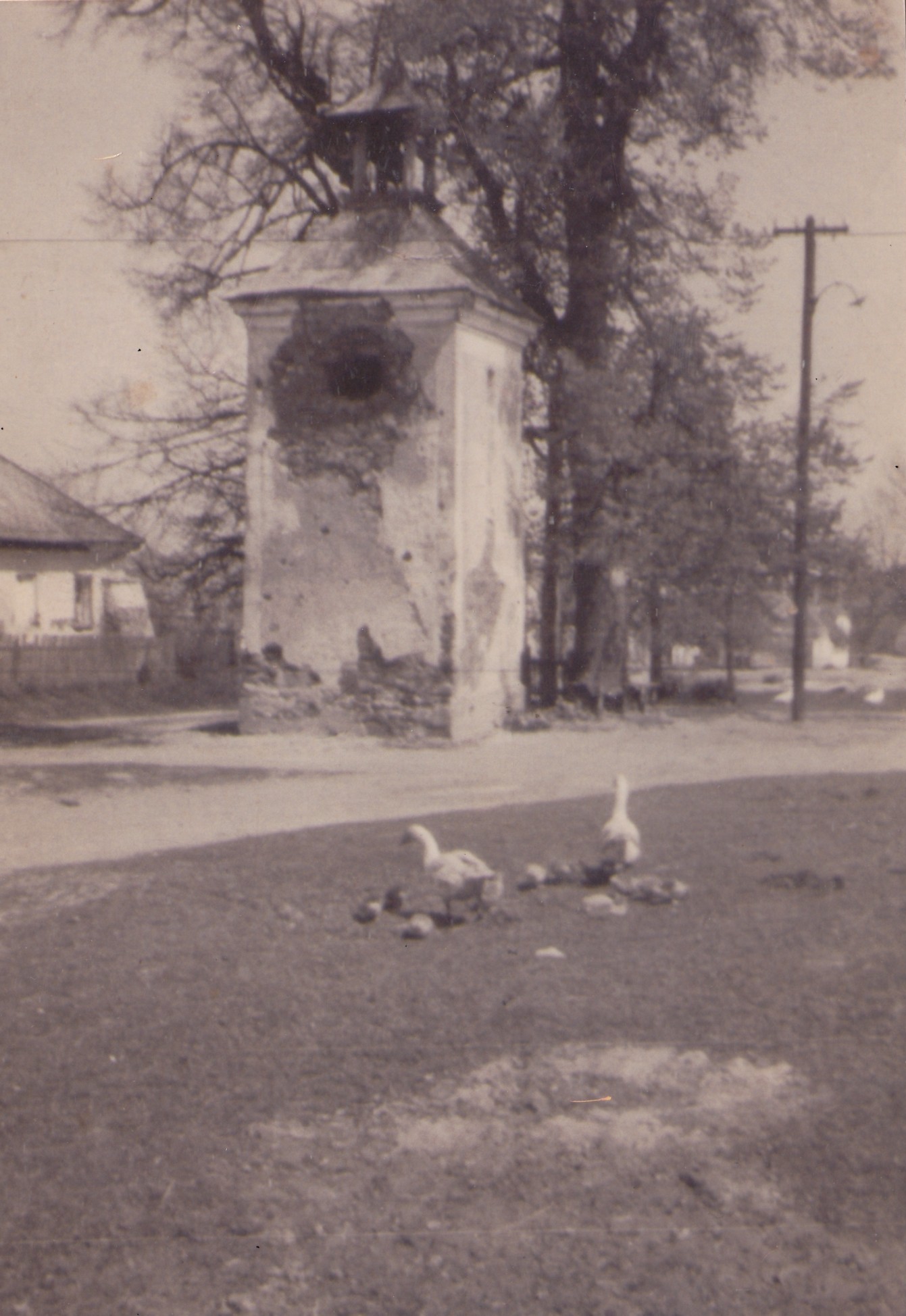
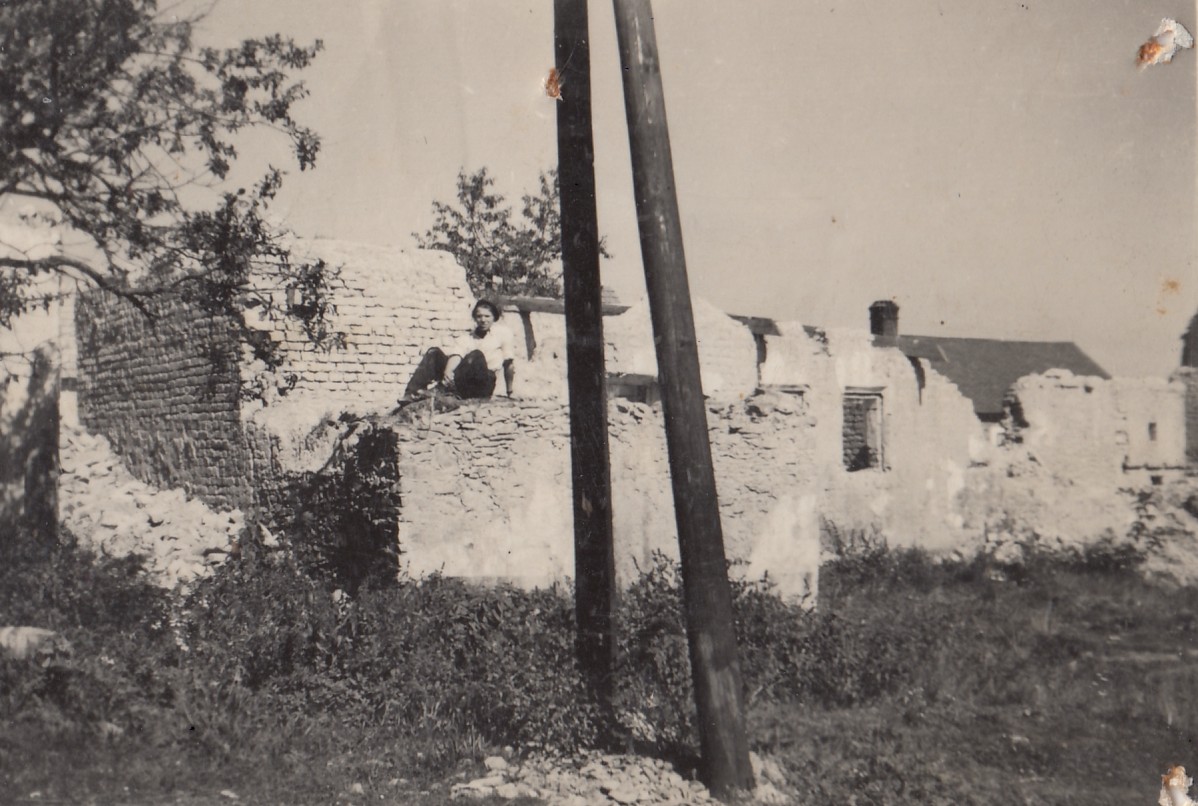
"I'm still trying to understand the mindset of these people. Our grandpa František Šrámek had been through the front with the legions, rebuilt a burnt-out house, and a year after he pays off the loan, someone tells him he has to move out. That happened in 1943; they moved out. Fortunately... well, that's a question. He was a forester and was allowed to stay close by. He was offered quarters in Hamry near by, six kilometers via forest. It was at the Hamry 55, the Kvapil family. So he and the family went to see it. When they came to the Kvapils', Mr. Kvapil said, 'Mr. Šrámek, you know, we have not found alternative housing yet.' What followed... I appreciate it immensely. That's my roots, my connection to that family, the stories. My grandpa says, 'Mr. Kvapil, don't move anywhere. This can't take long. We'll get by here somehow.' And they did. They were there for two years. There were two families in a little house for two years, and on top of that they were hiding my father's brother, born in 1921, who had escaped from total deployment. That was dangerous, but again, fortunately Mrs. Kvapilová's brother was the local mayor, and he would warn them whenever the Germans coming for inspections. So, they survived well and in good health."
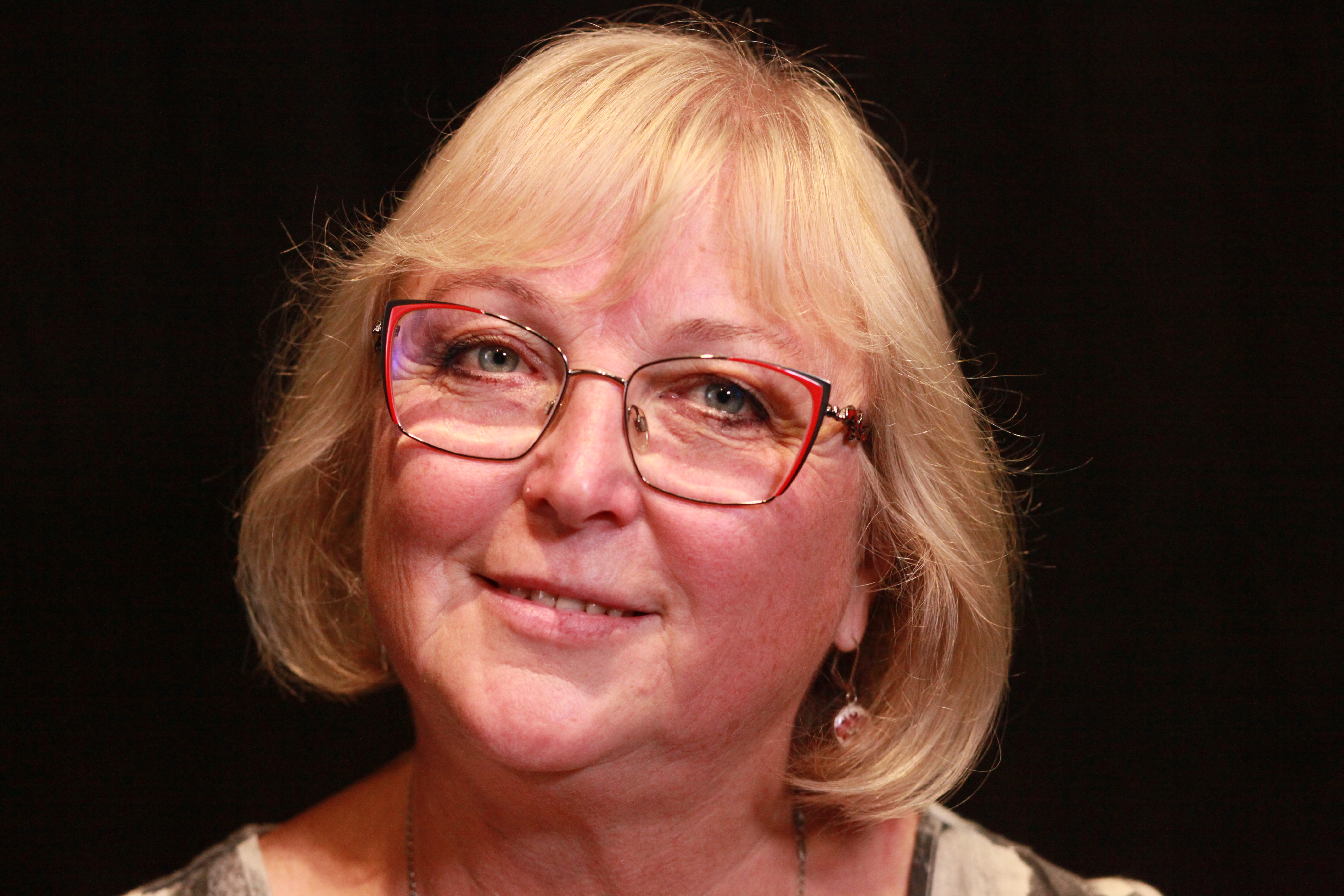
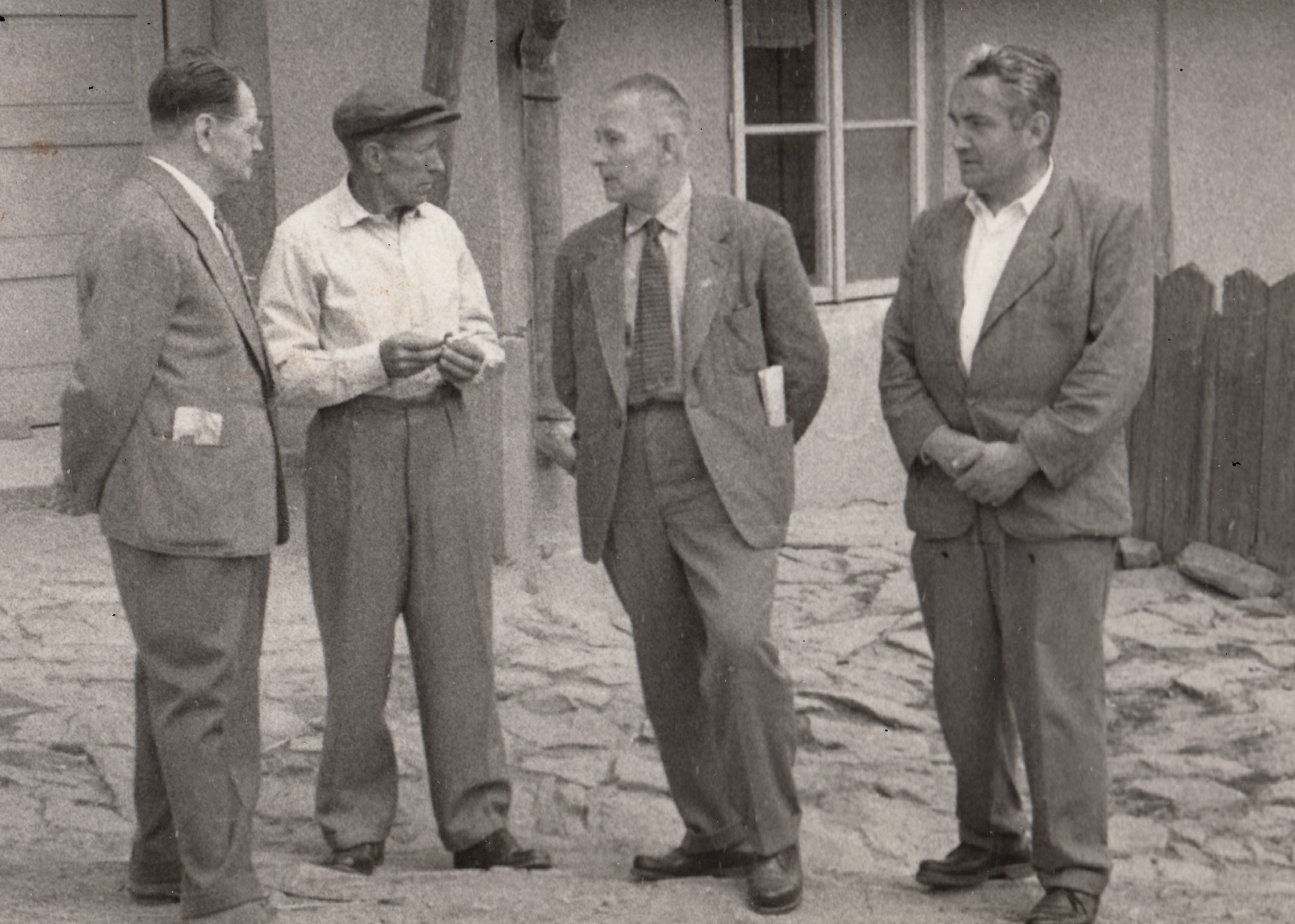
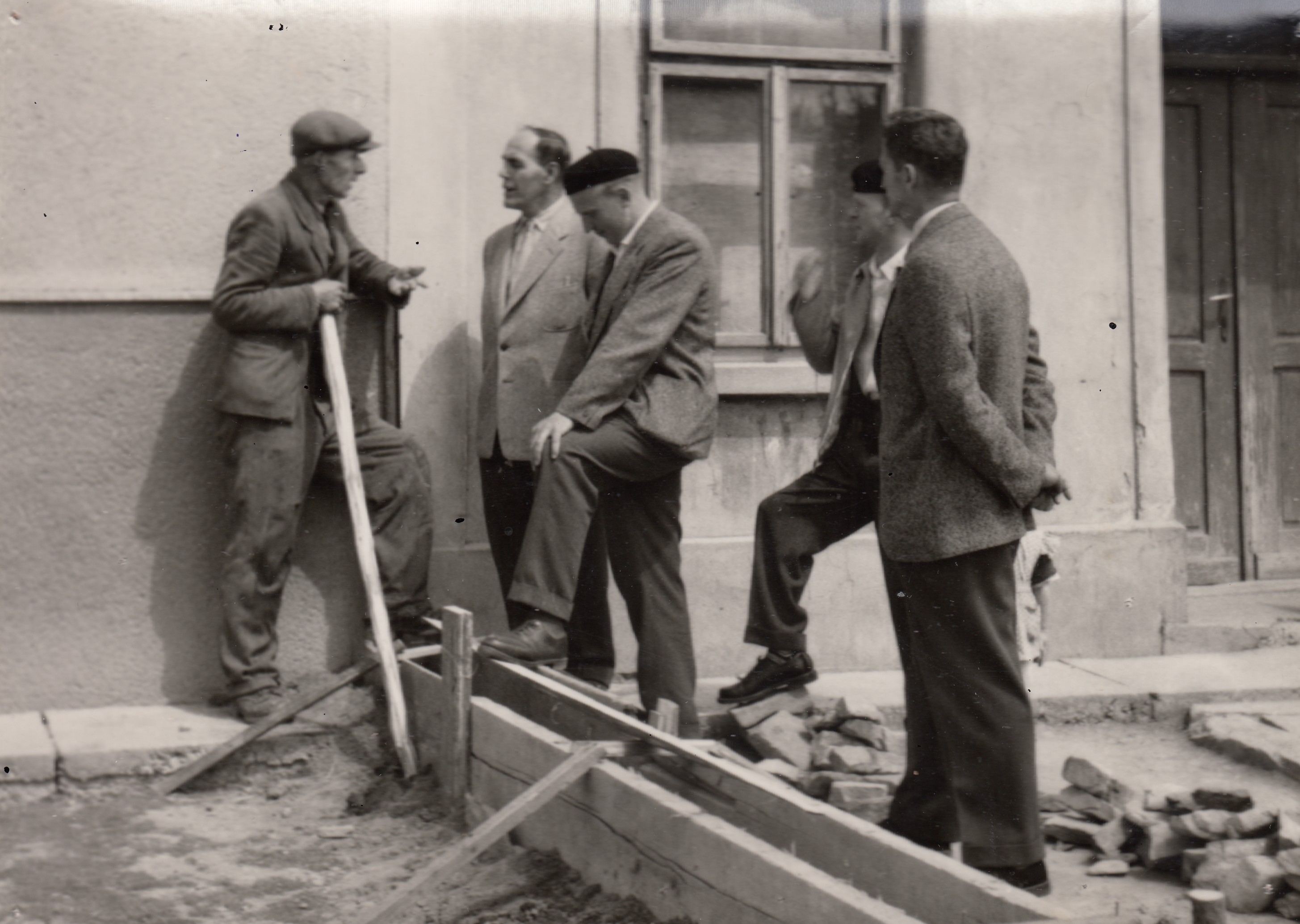
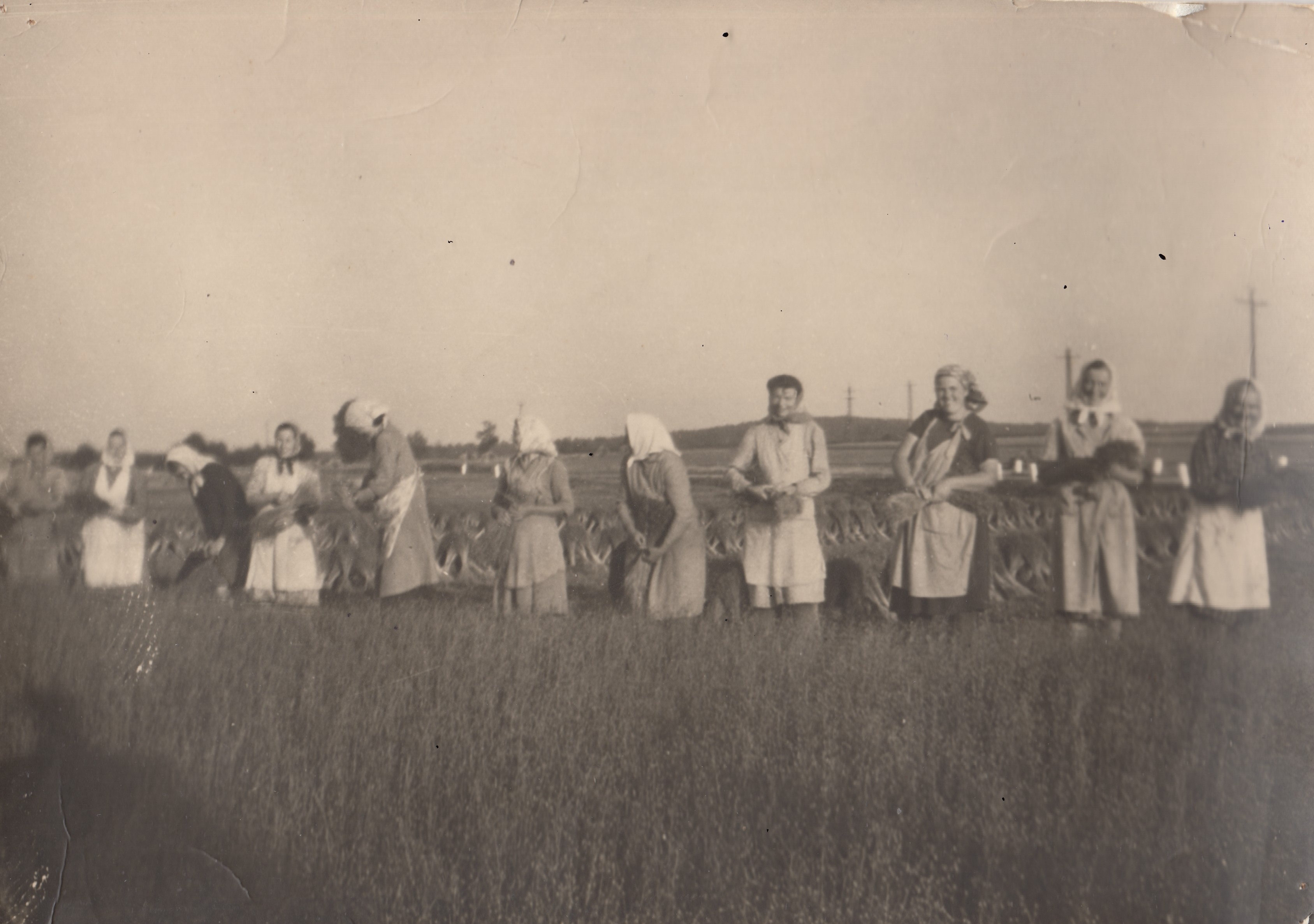
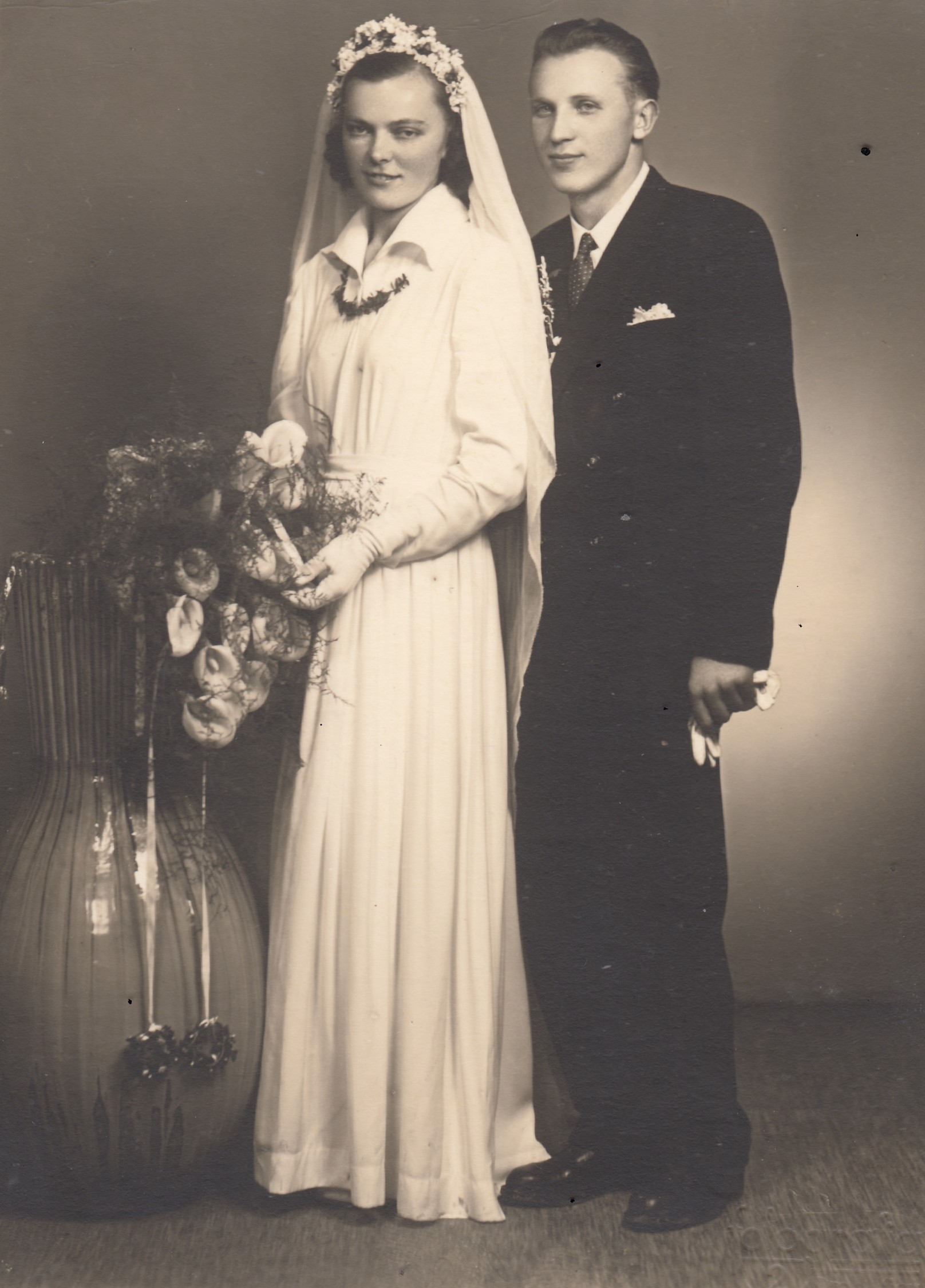
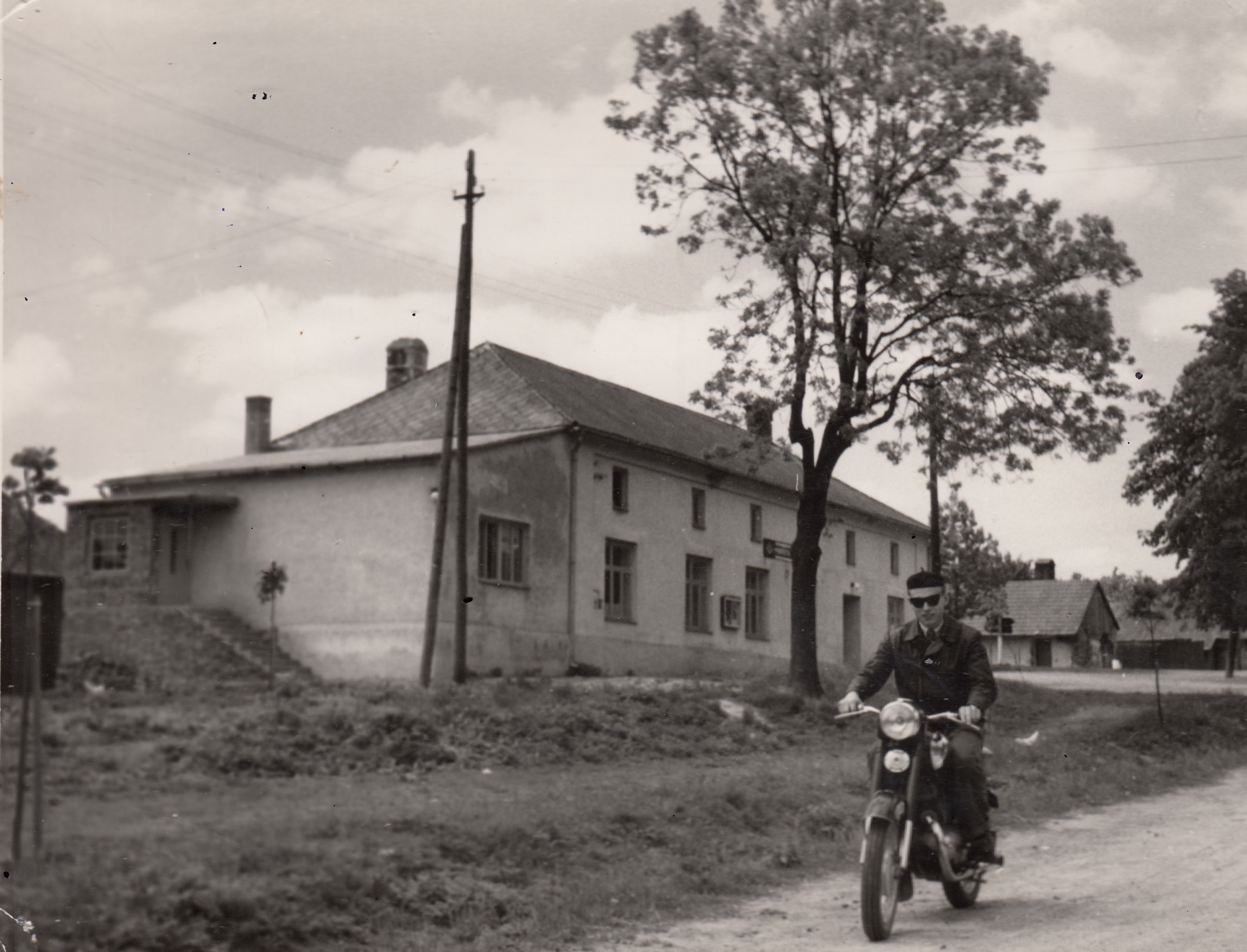
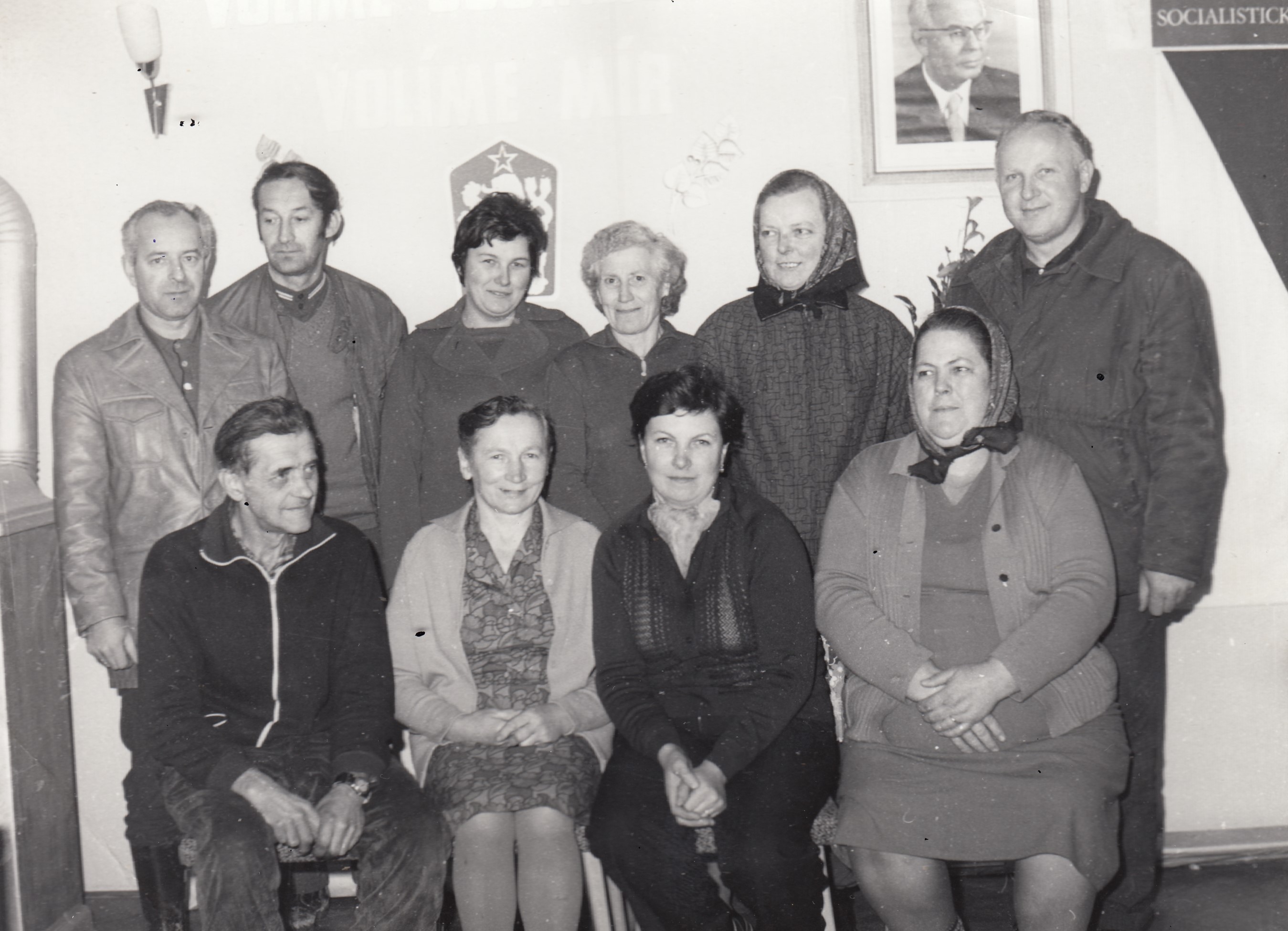
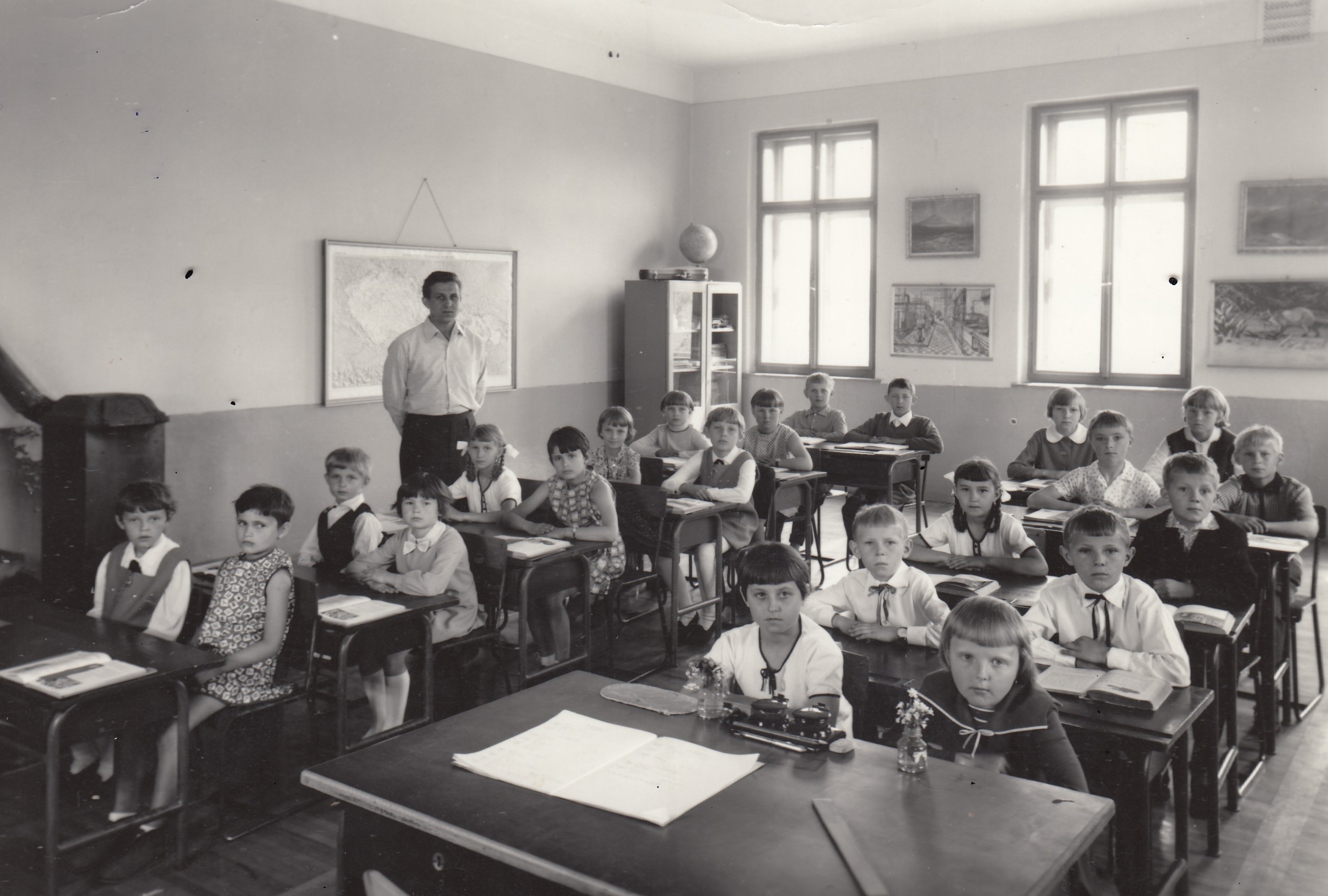
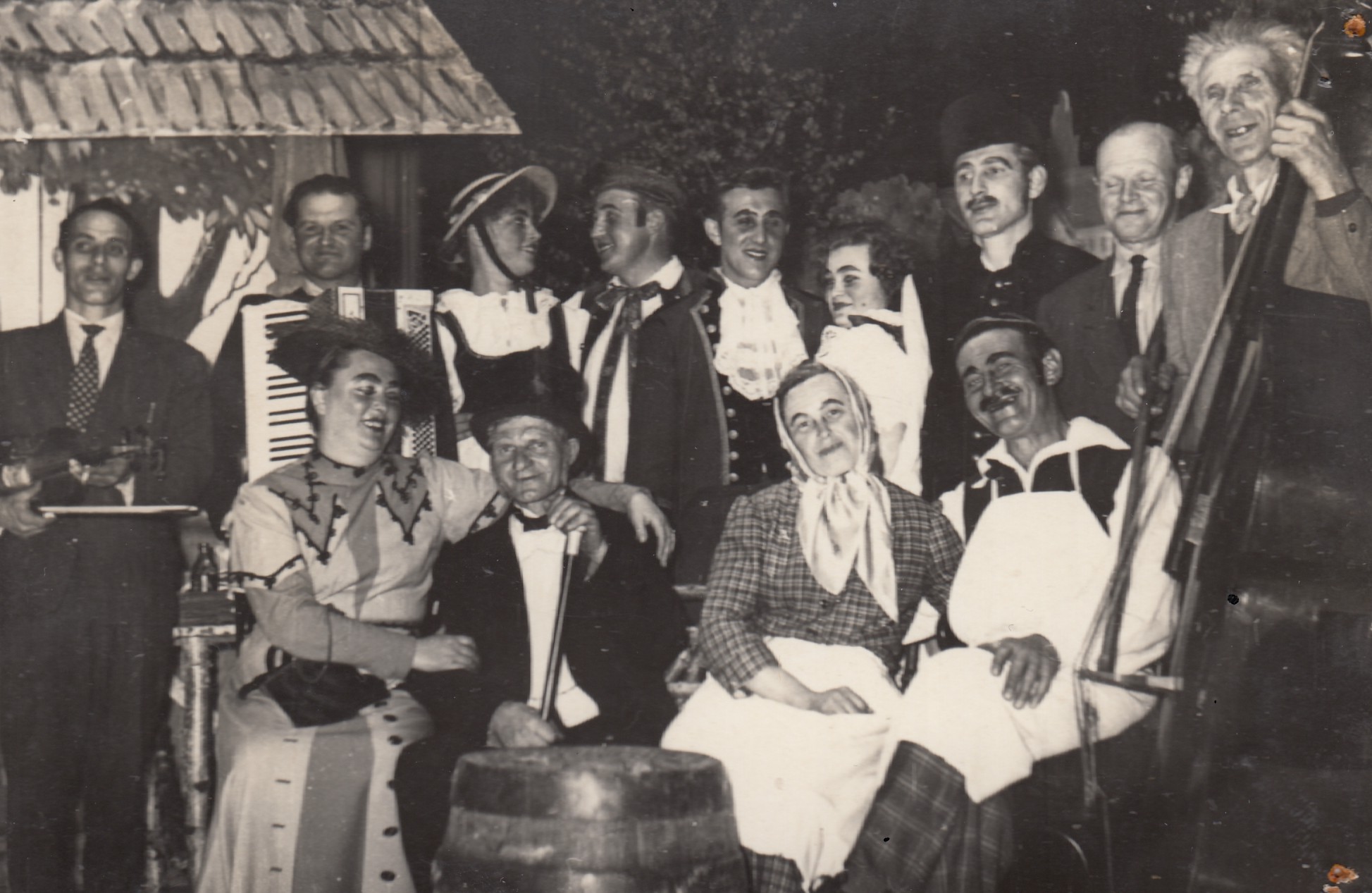
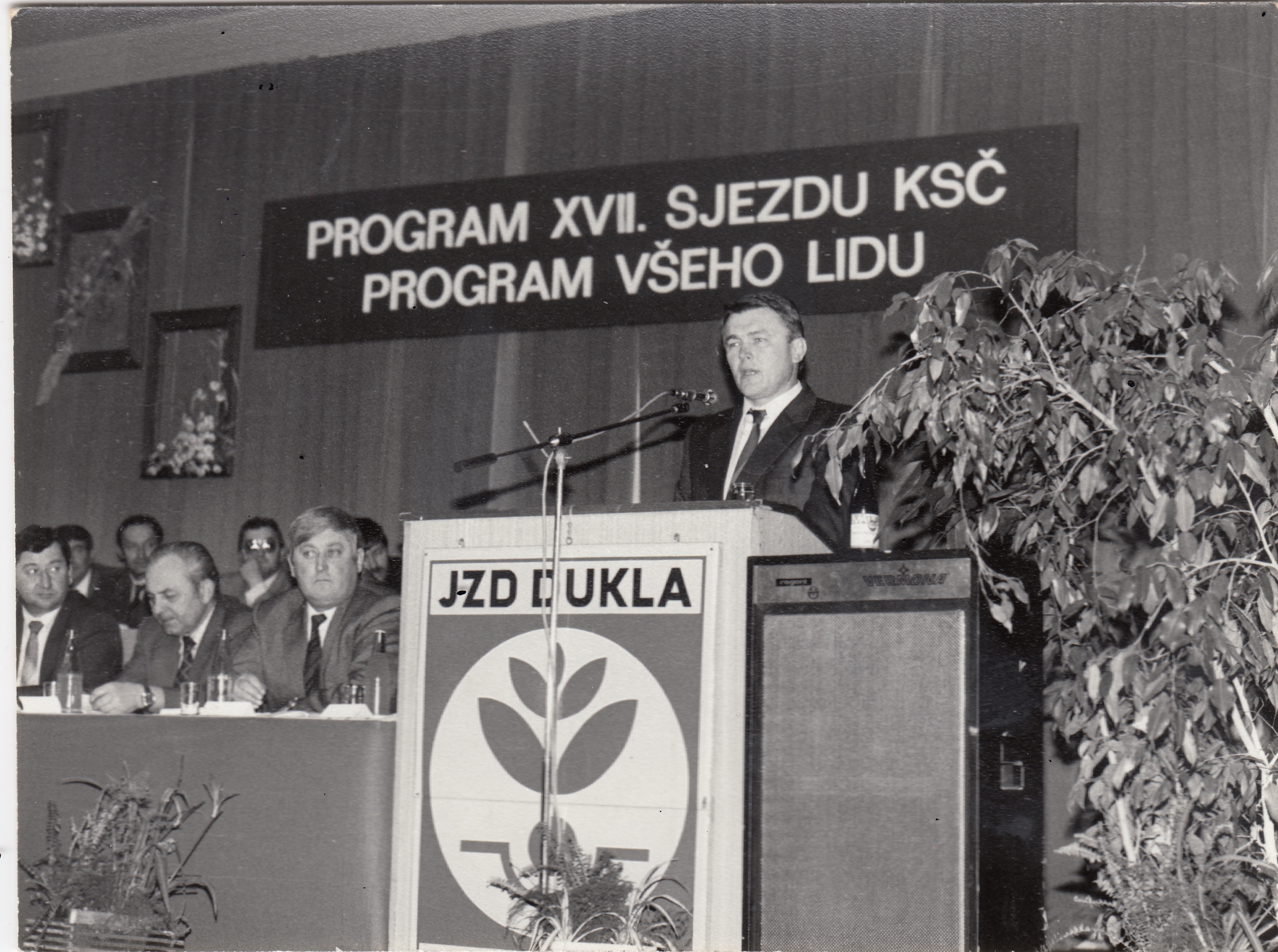
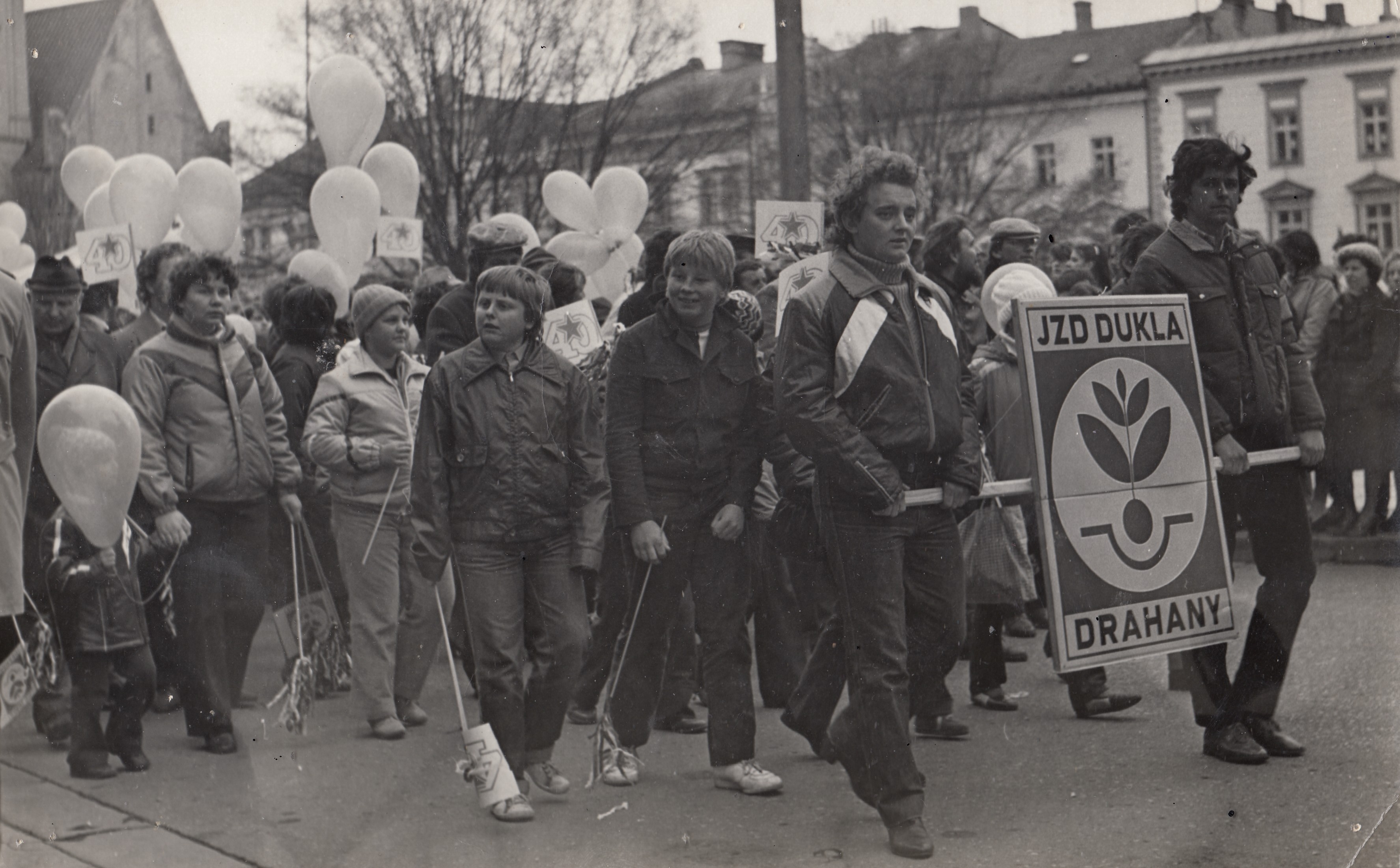
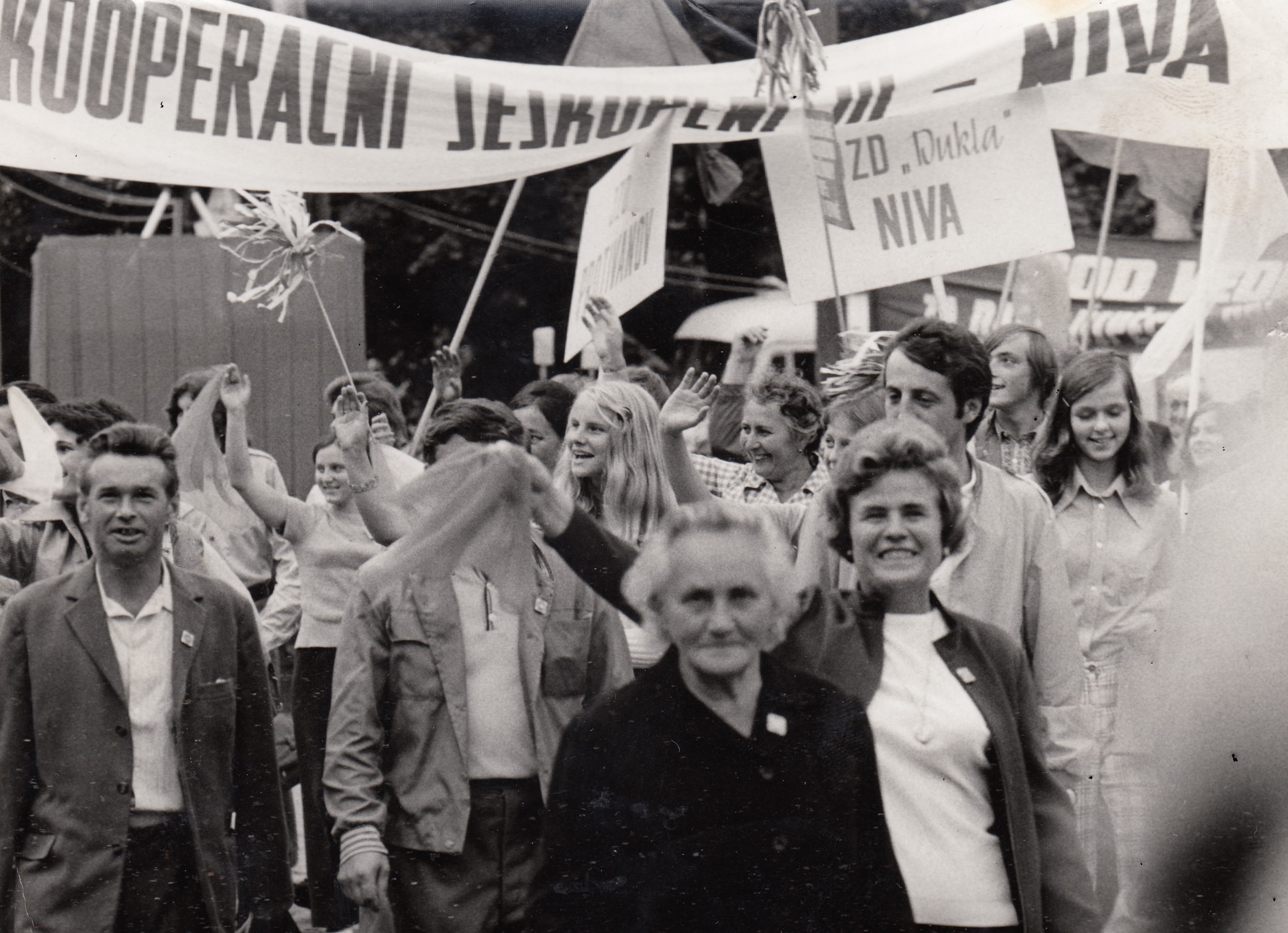
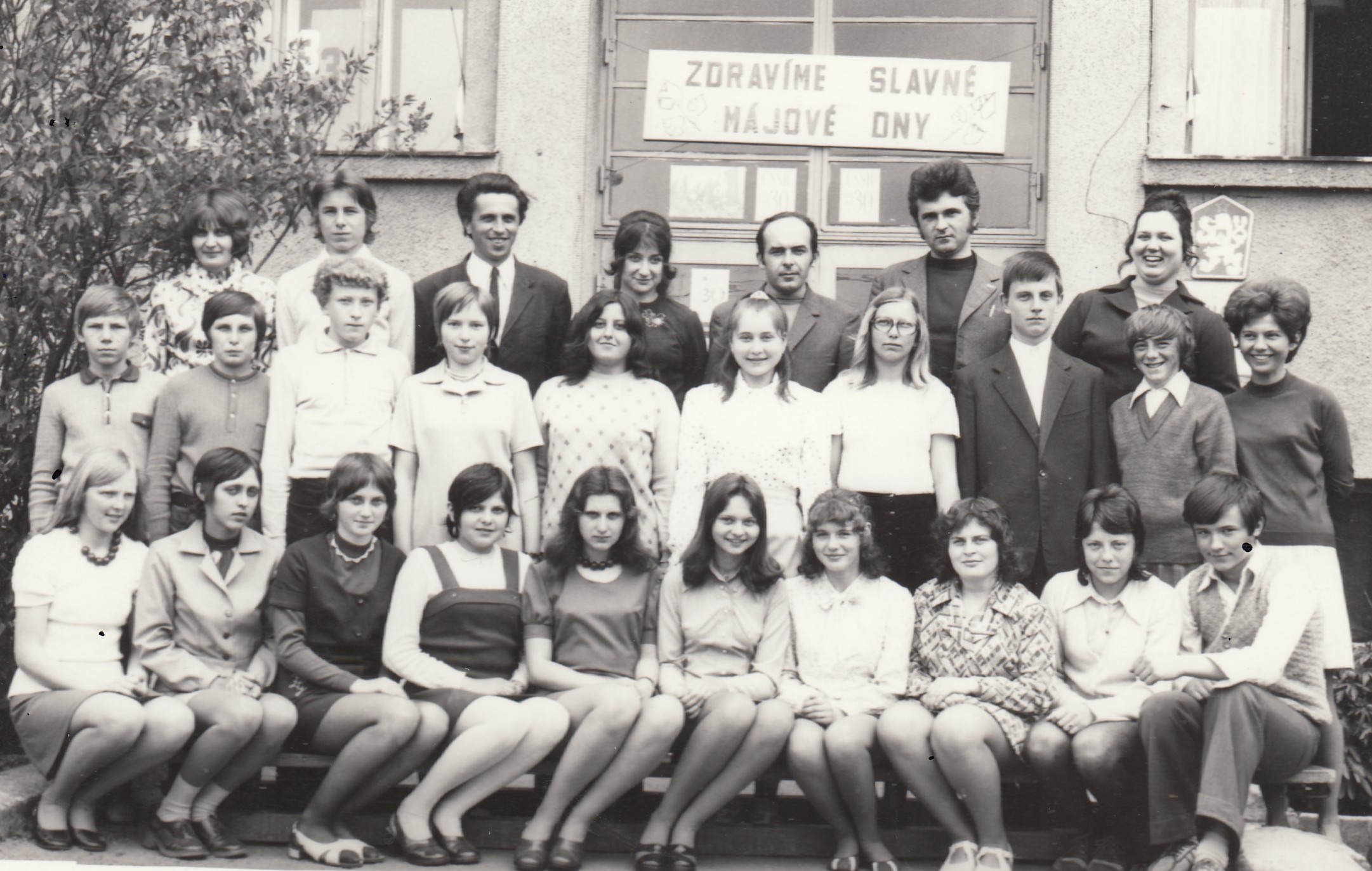
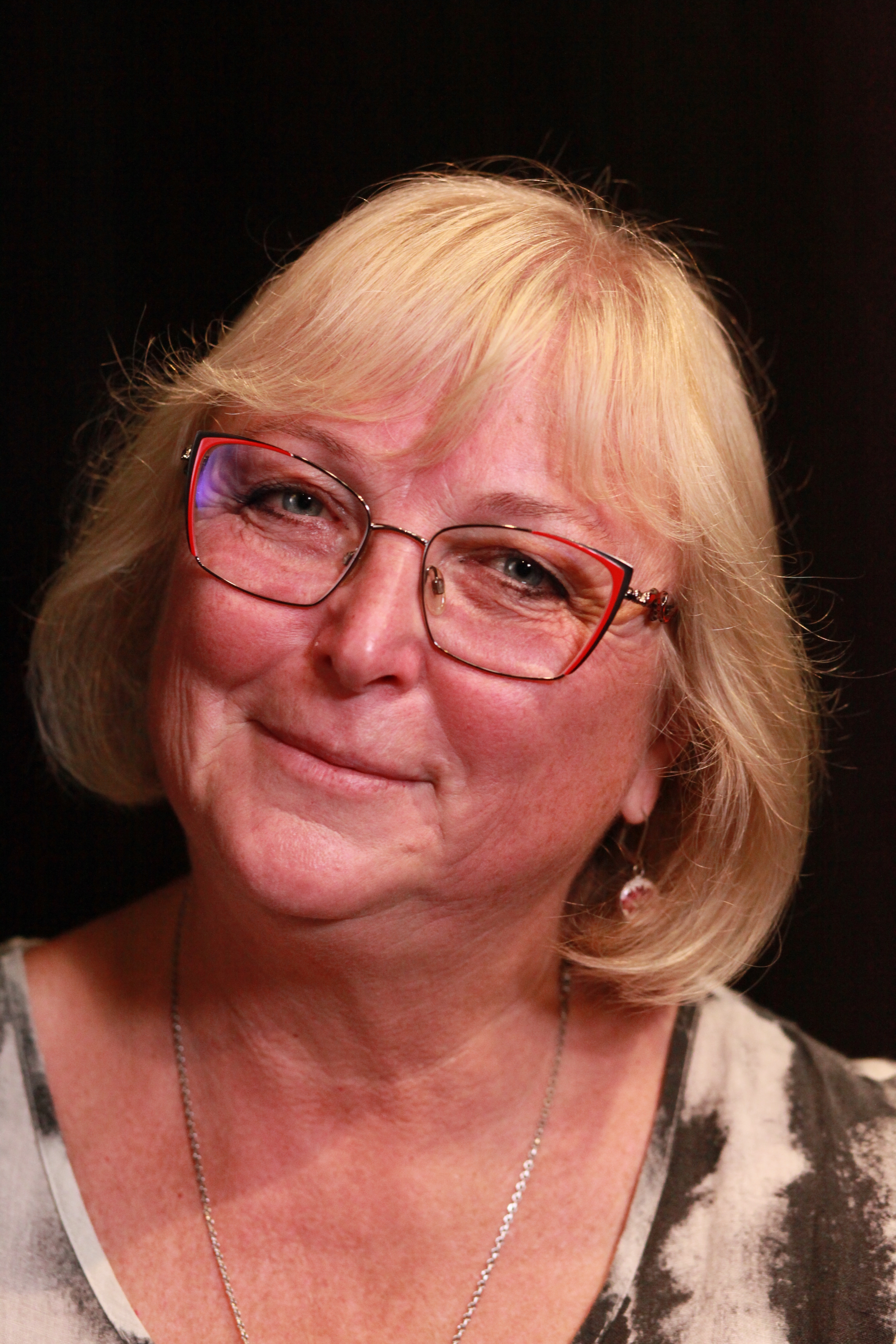
Dáša Zouharová, née Šrámková, was born in Prostějov on 15 April 1960. She hails from the Drahanská vrchovina region with roots in the village of Bousín where her parents Marie Šrámková and Jaroslav Šrámek were born and lived their lives. Her grandfather František Šrámek fought in World War I, was a legionnaire in Russia and returned via Vladivostok in 1920. The family’s life was affected by the forced eviction of a part of the region in 1943 due to the extension of the Nazi shooting range in the Březina military zone (then Dědina). Grandfather’s family returned to the house damaged by firing in 1945. Witness’s father Jaroslav Šrámek married Marie Pořízková in November 1952, got involved part in village administration and became the secretary and in 1957 the chairman of the local national committee (MNV). During the collectivisation, he urged citizens to join the coop farm (JZD) which he chaired from 1964 to 1970. In 1968, Dáša Zouharová saw the invasion of the Warsaw Pact troops. Finishing primary school, she was admitted to the Jiří Wolker Grammar School in Prostějov. She studied mathematics and biology at the Faculty of Science of Masaryk University in Brno from 1979 to 1984. She started working as a teacher in Podomí where she stayed all her life. The Velvet Revolution in November 1989 caught her shortly after returning from her maternity leave. In 1997, she founded the Barvínek civic association and opposed commercial development in the village’s vicinity. She served on the municipal assembly. Dáša Zouharová has two children and was living in Podomí in 2025.