Lenka Žižková

* 1947

  • "He only approved of the spoken part, that is, how the commentary went, what the commentary said, but he didn't approve of the picture. And Pavel and I sat down and we said, 'Okay, let's shoot it that way,' and we went to shoot the housing estates and we watched the housing estates, what was going on in the housing estates. And now there were these kids walking around with the keys and there was the commentary. Socialist housing would be housing on the estate and now there were kids going around, keys, right, kicking, breaking gates, breaking windows. The playground didn´t work, something was broken. And Mr. Klusák did the music, he's a composer again, and he did the music for that, like if you heard that, that music, you would cry because it was a terrible wailing and that's how dramatic the music was. So on the one hand there was this awfully celebratory lyric, on the other hand we were actually shooting reality."

  • "So we remade the whole thing and it turned into a little book and it looked nice, but when the book imprint was being made. You know what a book imprint is, right? Who made it. So this Dr. Sum said, "Kids, it's not gonna pass if you guys from the research department are written in there, it's not gonna pass. I have such a bad reputation. So you know what, we'll write our communist director in there, that he was involved in it.' And we said, 'Well, put him in there, what can we do about it.' And he said, the deputy, the deputy was Mrs. Lérová, who was the wife of the Minister of Finance. And he said, 'Look, if Minister Lér's wife is there, I'm sure it will pass!' So gradually there started to be more and more people that we never even knew. So we knew the director, we knew the deputy director, but then some people from the board and the ministry started to appear in the imprint. So they were moving us down and down in the imprint, the ones that actually made it, and then it was published. When we looked at the imprint, we couldn't help but wonder. Then it looked that the board came up with it. It wasn't there anymore that it was this socialist commitment actually to justify what we were doing. So there were all these managers and we were down there like some weed."

  • "The Scandinavian culture is still very close to me. It completely overturned my thinking, it completely overturned my thinking, because actually that culture is always somehow connected with Christianity, with religion, and actually in the North it is not Anglicanism that prevails, but Lutheranism. That means, and I'm not somehow religious, I'm really like a real atheist, but nevertheless it means that I don't present my wealth ostentatiously in any way, not in the way I live, not in the way I dress, not in the way I walk, not in the way I have a car, not in the way I have jewellery, but not in the way I express myself, not in the way I relate to people. All of this is indeed given to a certain level, but the superiority is not there. That there's a really terribly strong relationship with nature, being, not that I've learned it, I just already feel it, what I should do or what I shouldn't do."

  • Full recordings
  • 1

    Praha, 02.04.2019

    (audio)
    duration: 40:29
    media recorded in project The Stories of Our Neigbours
  • 2

    Praha, 01.08.2024

    (audio)
    duration: 02:22:28
    media recorded in project Stories of the 20th Century TV
Full recordings are available only for logged users.

What it´s like to live in Formica flats
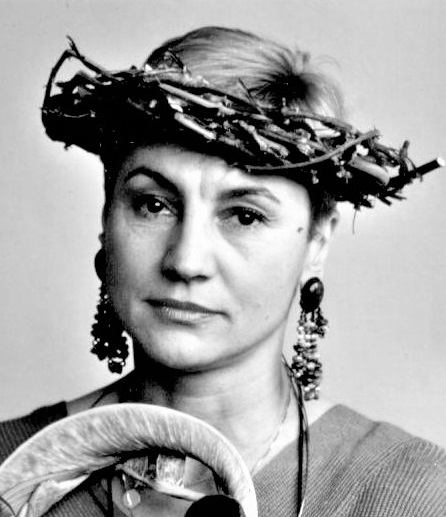
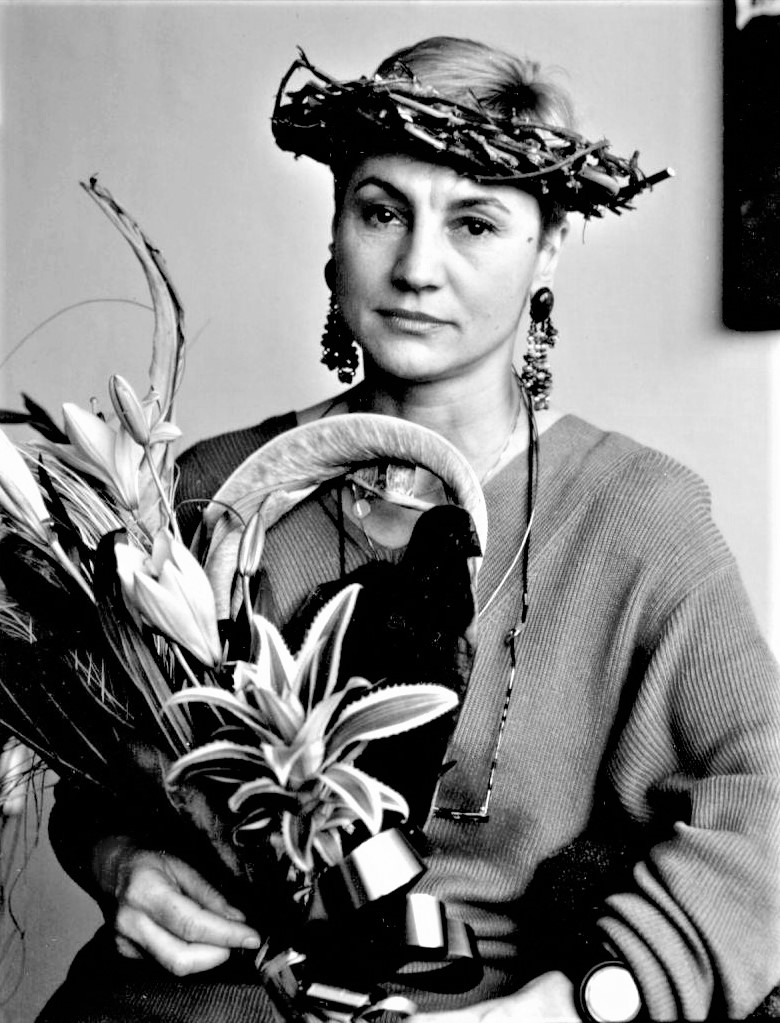
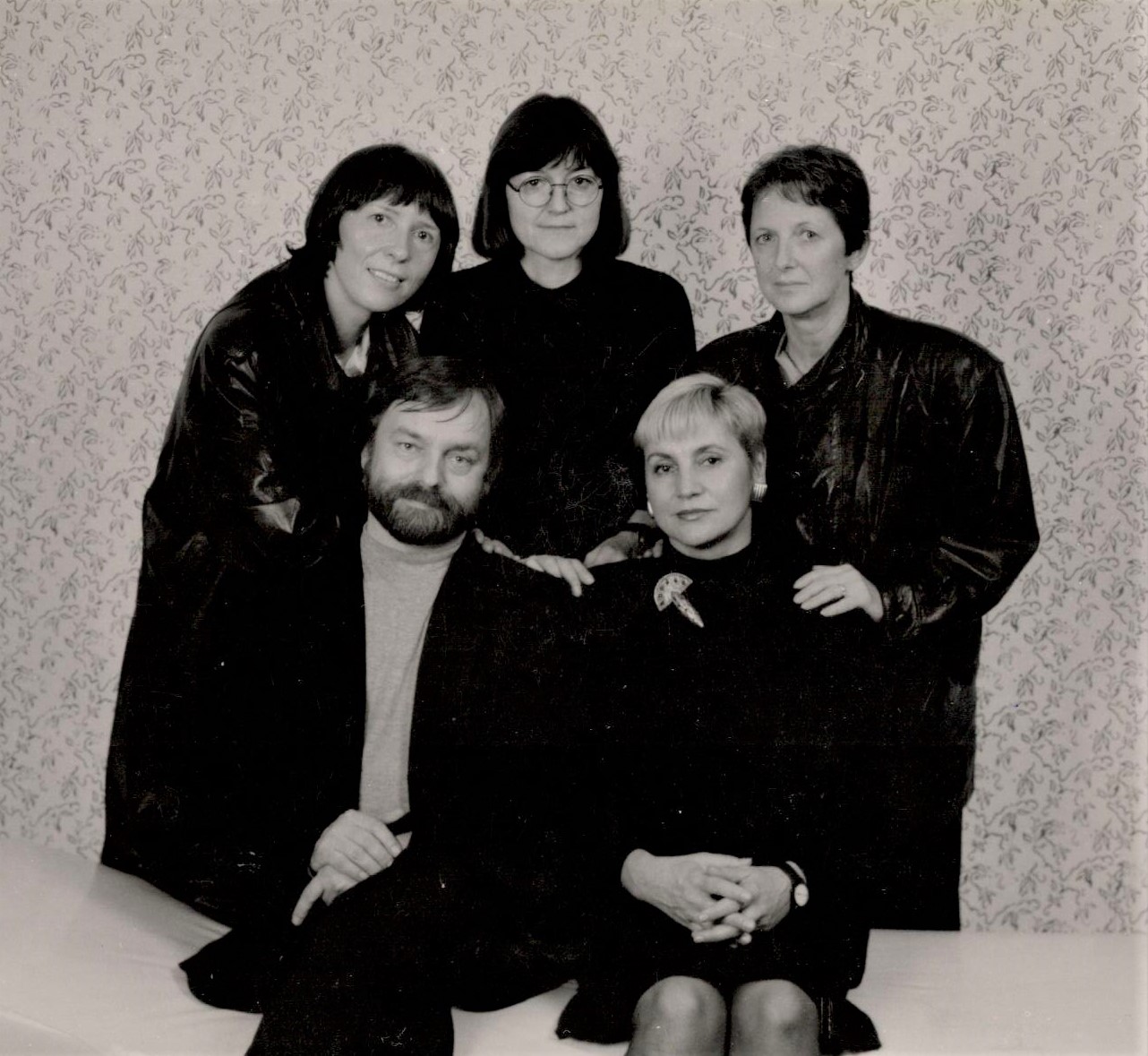
Lenka Žižková in 1995
photo: witness´s archive

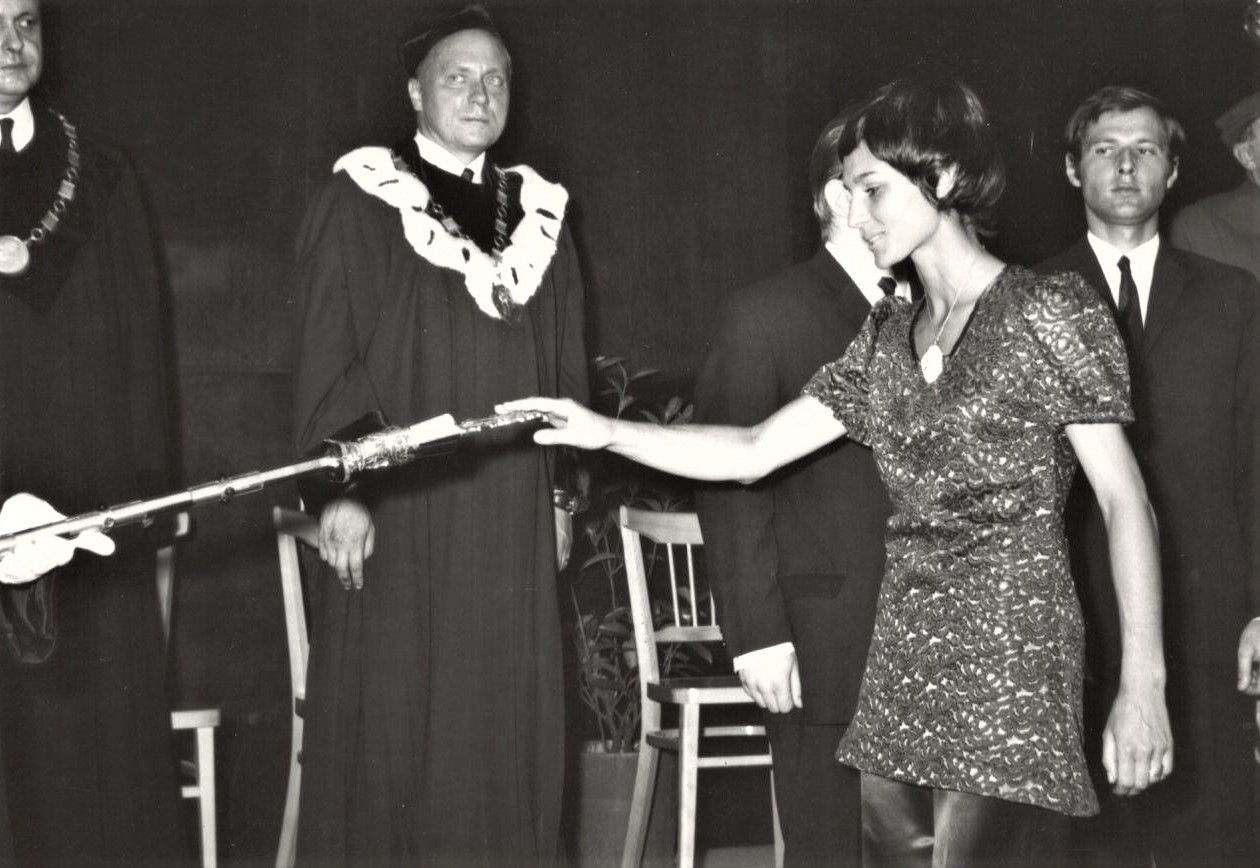
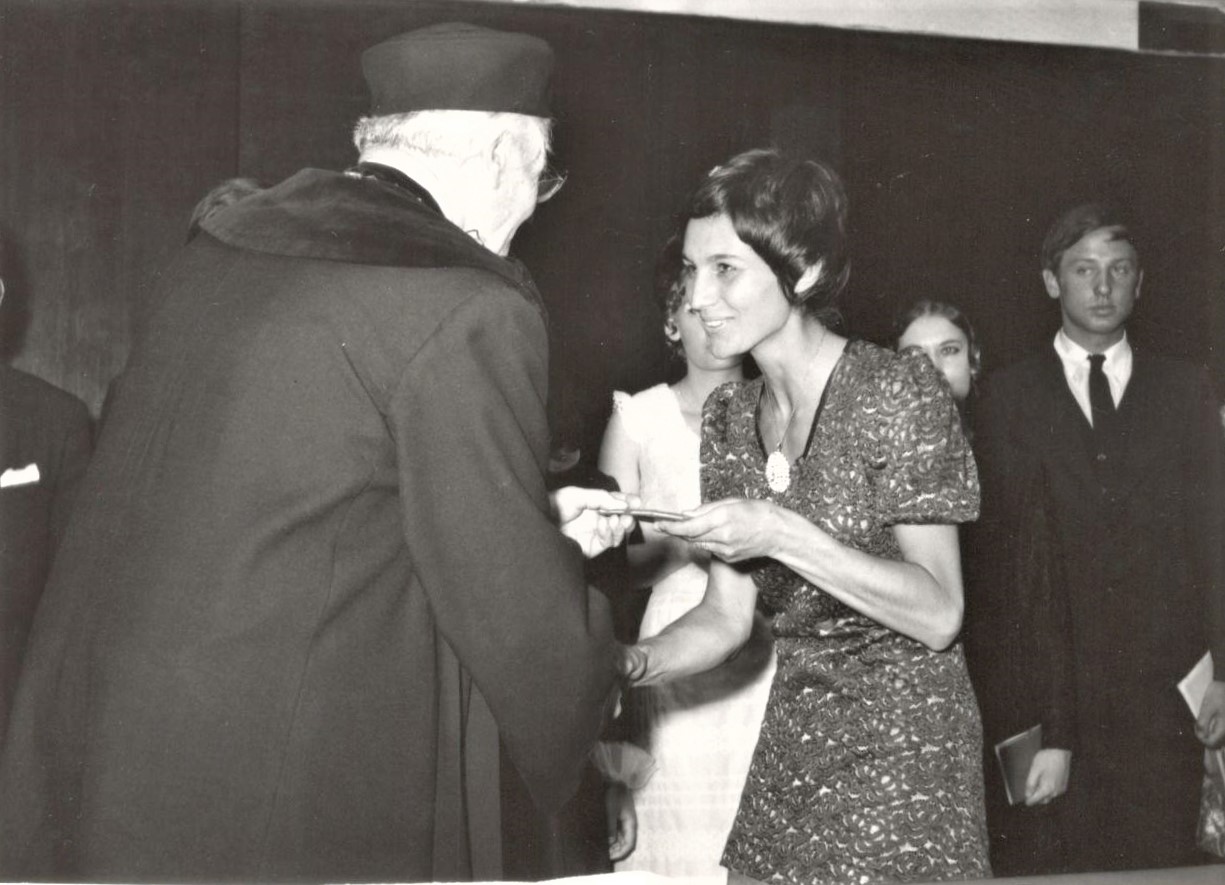
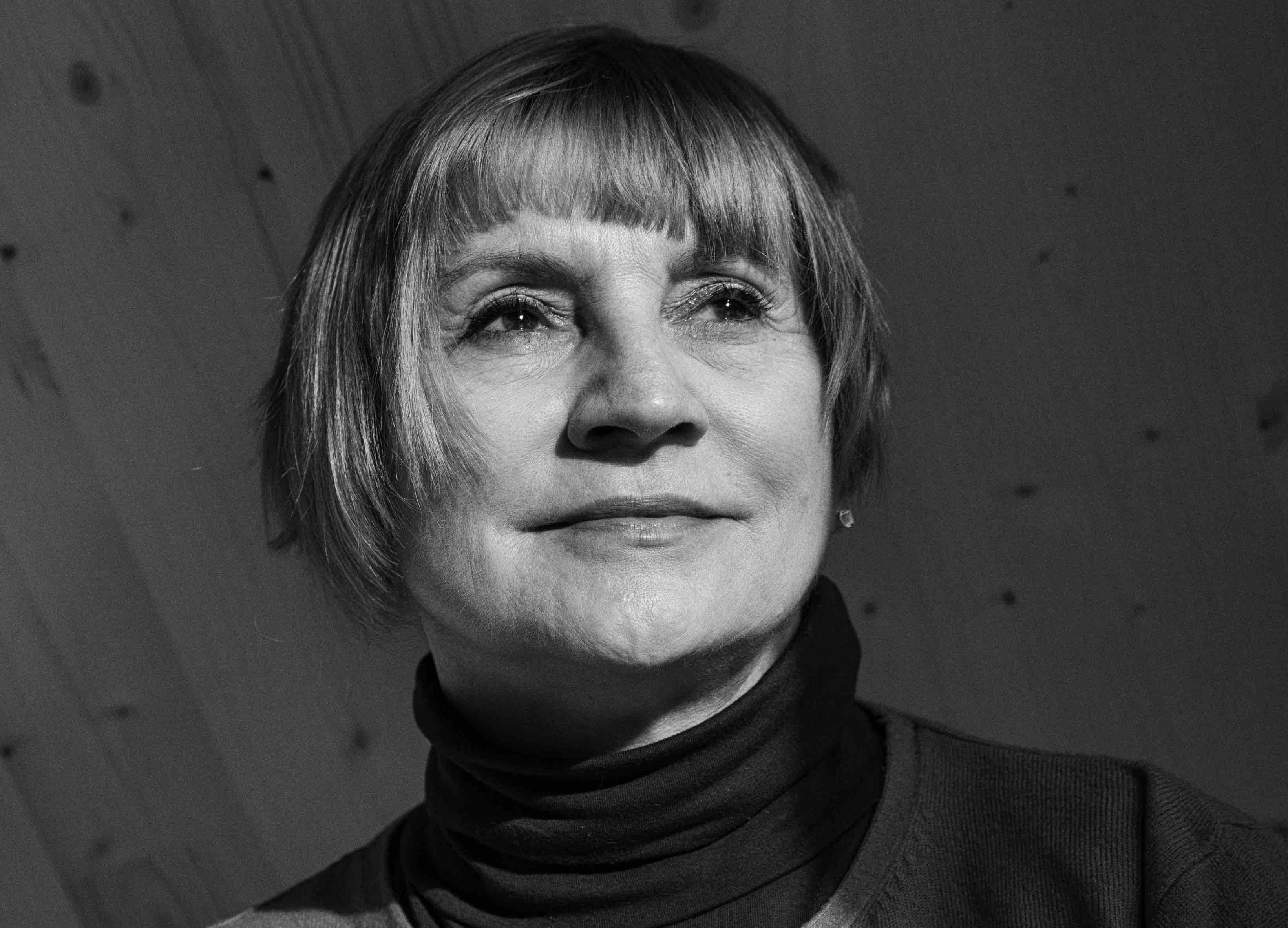
Lenka Žižková was born on 26 February 1947 in Krnov. Her parents František and Anna were both teachers and came from Ostrava. In the 1960s she graduated and began studying sociology in Brno. While still studying, she joined the Office of the Chief Architect of the City of Brno and began to work on the sociology of housing. In the 1970s, she moved to the Research Institute of Construction and Architecture, where she was tasked with interpreting various demographic data. In 1978 she married her classmate Jiří and moved to Prague. During her working career, she got to make films about socialist society (Green Perspectives and City 2000). Before the Velvet Revolution, she left the institute and joined the magazine Home as deputy editor-in-chief. After 1989 she worked as a freelance designer and taught at several universities. In 2024 she lived in Prague.