Anežka Závodská

* 1933

  • "They didn't have much time left and they had to flee from the Russians. And another terrible thing happened. They still wanted mothers... The soldiers demanded young girls from sixteen to twenty years old for entertainment. Mothers hid them with grandmothers and grandfathers, in chambers and barns. There was nothing to be done. The poor girls had to endure it. No one could be found. So the Germans hurried away so that the Russians would not catch up."

  • "Every day when the alarm went off or whatever. We had to meet at the school. And there they told us where to go. They said: if you hear the roar of those planes, or just some shooting, get into a ditch immediately. And we had to go into a ditch. We had to cover our heads and wait to see what would happen next. And that's what we had to do. We were always in that shelter. So a gentleman always explained to us what to do so we wouldn't get hurt somehow when these planes were flying and dropping bombs."

  • "But in 1939 I was 6 years old and I started school. So we came to school and the teacher was sad, very sad, and she said, 'Children, it's very bad, the war has started.' And we listened to the teacher as her tears were dripping and she said, 'Well, I'll teach you a nice poem about our President Masaryk.' And she did. We said it twice and knew it by heart. I still know it by heart. That's memory. She taught us: Our Daddy Masaryk, here in the picture. We children promise you honesty and love. We'll play nicely so you'll always love us."

  • Full recordings
  • 1

    Humpolec, 28.03.2025

    (audio)
    duration: 01:03:39
    media recorded in project The Stories of Our Neigbours
Full recordings are available only for logged users.

We watched as planes were bombing the arms factory
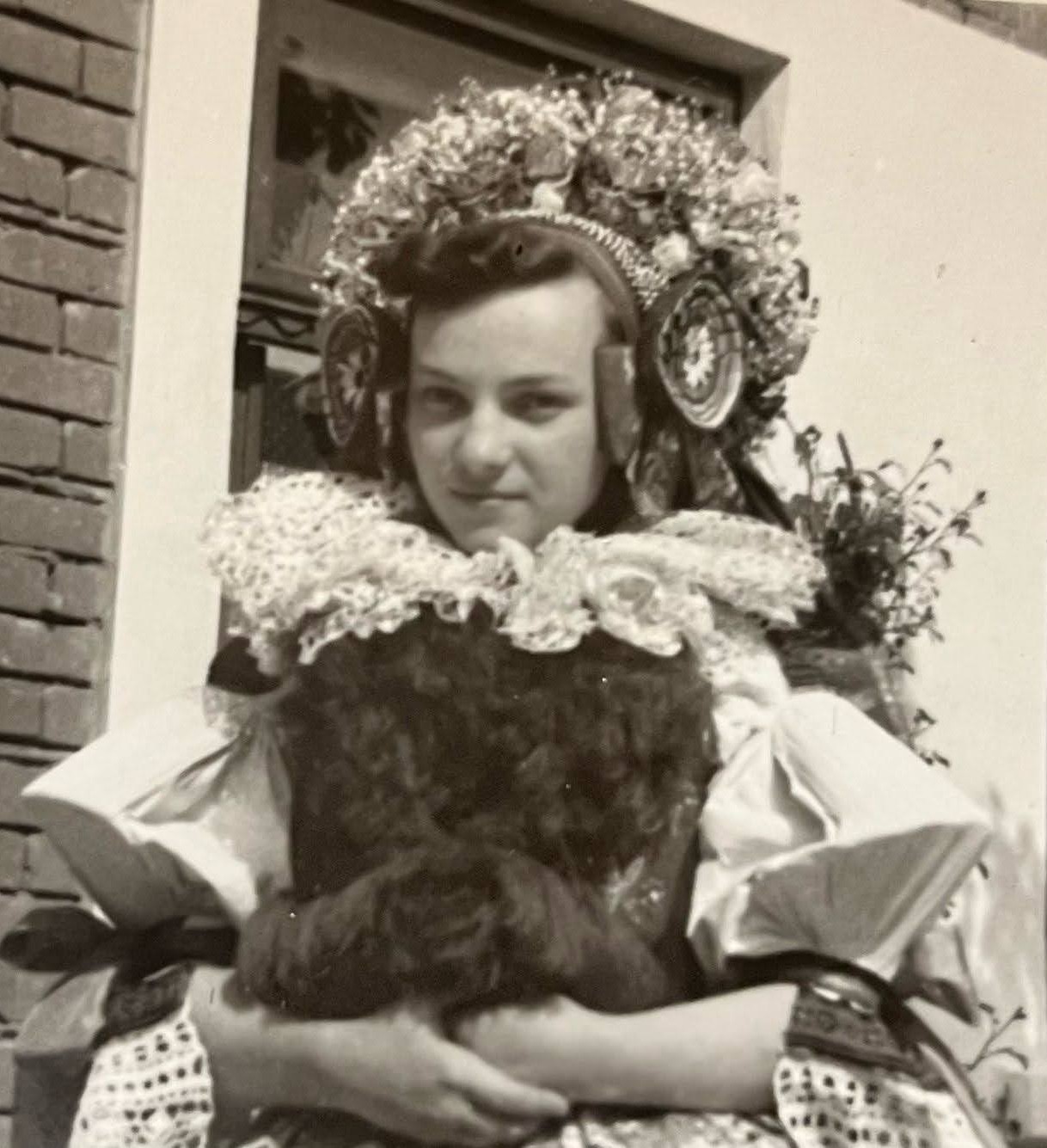
Anežka Závodská at the age of 15 during the Ride of the Kings, in costume, 1948
photo: Witness´s archive

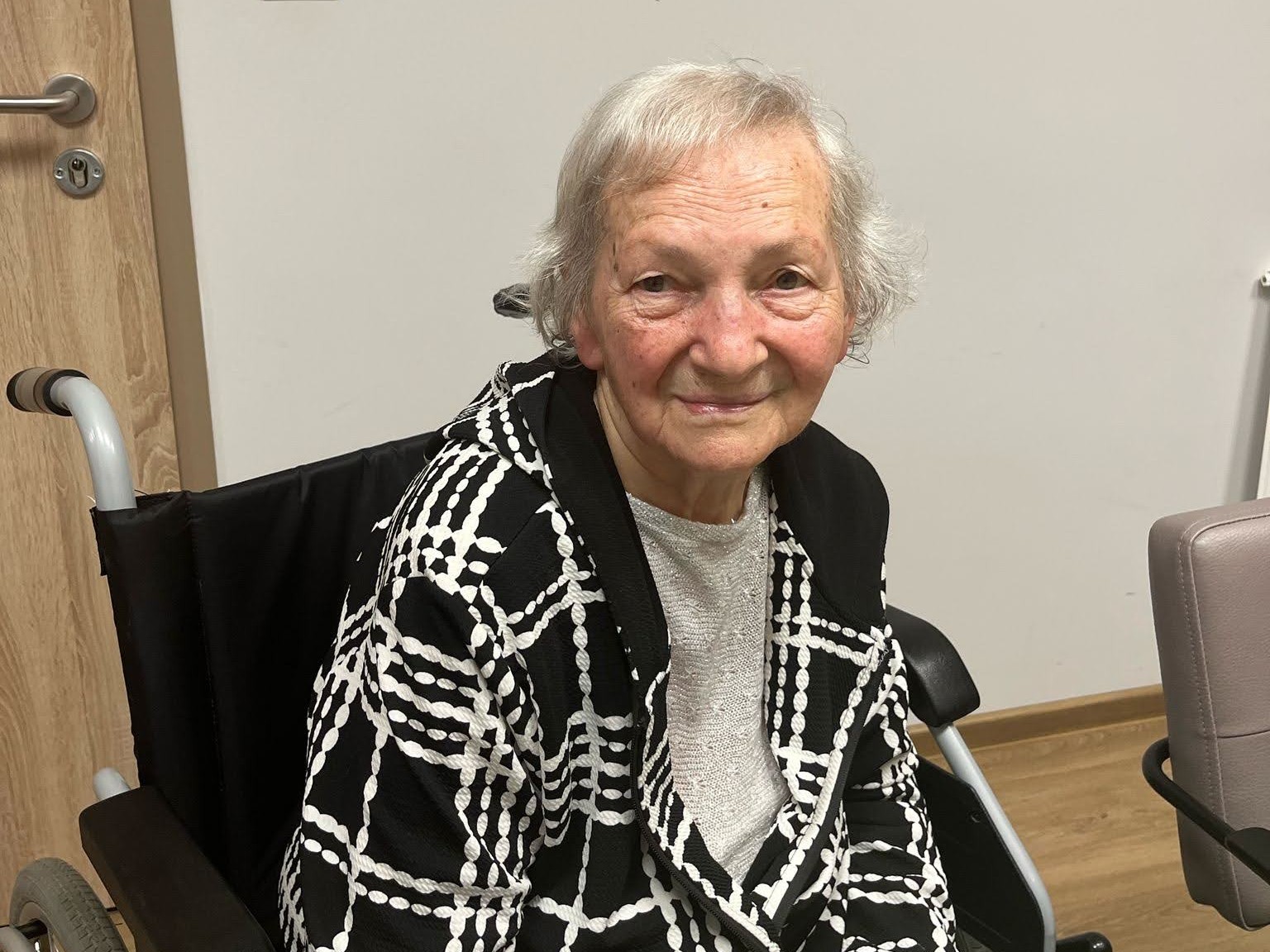
Anežka Závodská, née Šimčíková, was born on 7 January 1933 in Vlčnov. She grew up in Slovácko. She has a number of memories from the Second World War, she witnessed the bombing of the arms factory in Uherský Brod. After the war she trained as a nurse’s assistant and worked in a hospital in Kroměříž. After her marriage, she moved to Humpolec and worked in a kindergarten for many years. Shortly before her retirement she got the opportunity to become a director, she completed her pedagogical education by distance study. In 2025 she lived in Humpolec.