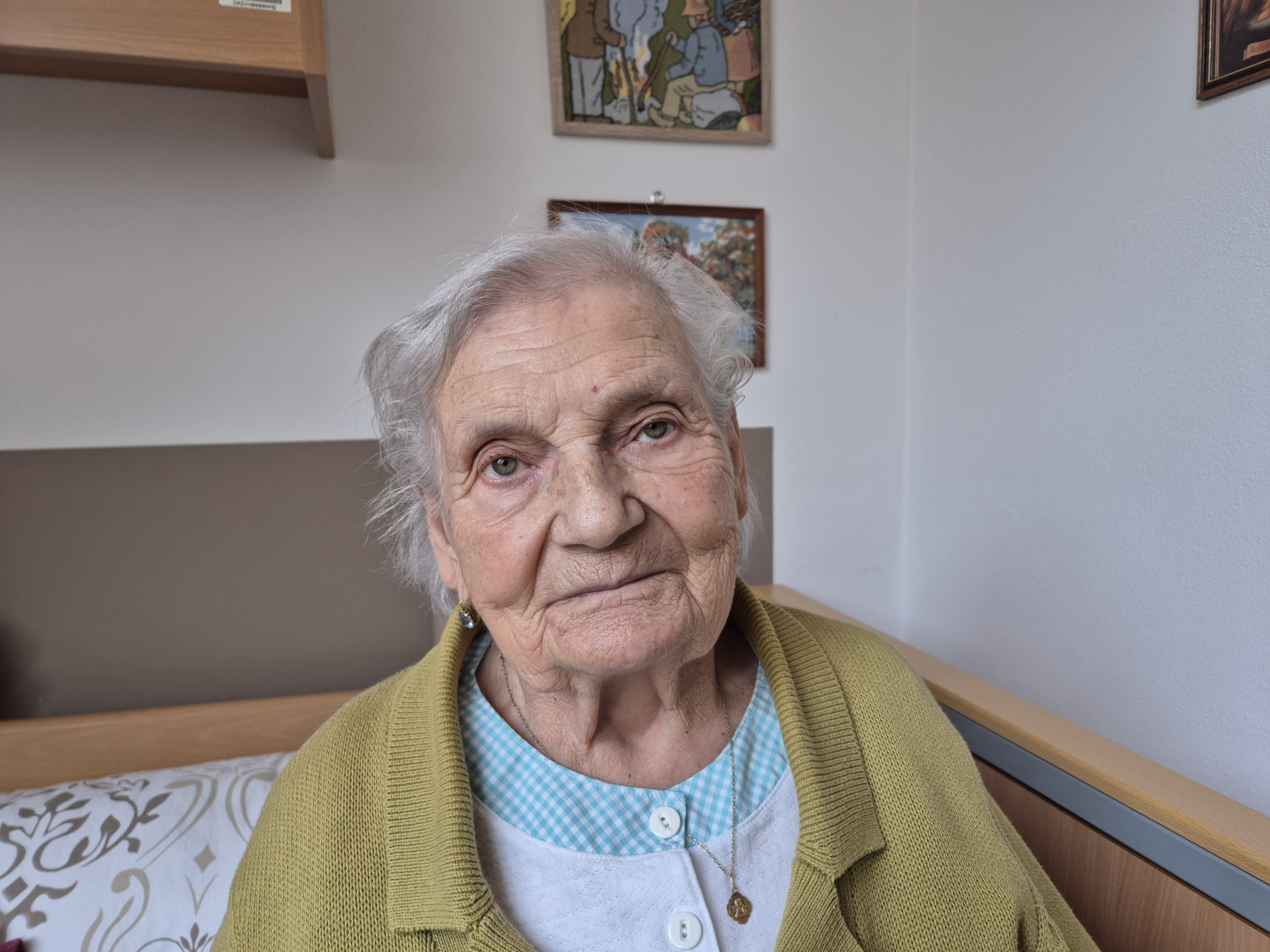
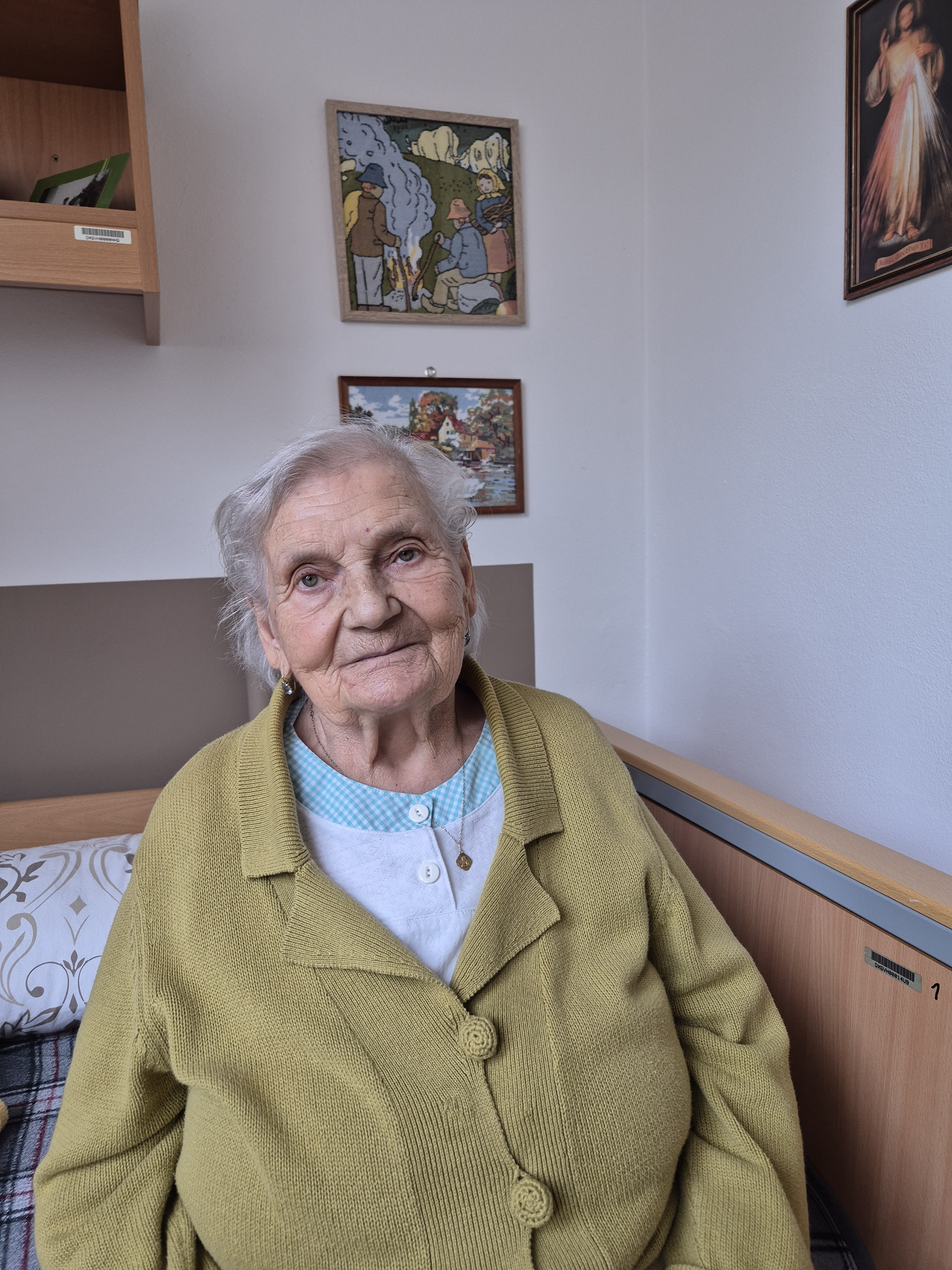
Božena Wortnerová

* 1935

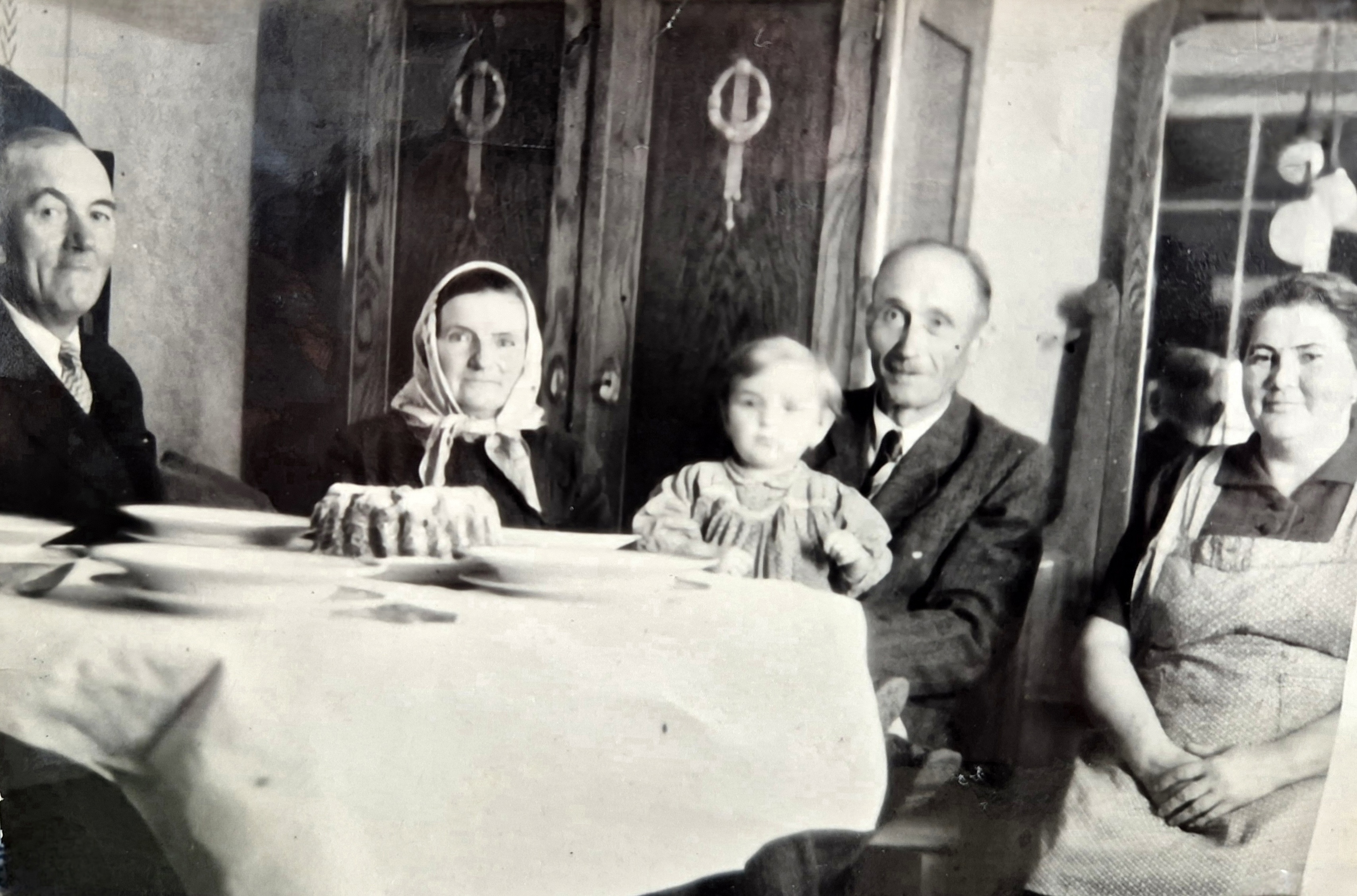
  • "The parcel was sixteen kilos, Bozenka was sitting on it and her aunt wouldn't let her open it. There were all sorts of things in there. In those days we were, you could say, in need, not in poverty. I re-made a lot of clothes, for me or for children. As my father-in-law said America was dressing us, so it was really dressing us. Until they stopped sending them, because our government sent a message to America that we didn't need worn out things, that we were independent here. And they banned to sent them. They had to open the packages because they sent dollars, it said they were sending them, so they left them there, but there was a note with it that we were obligated to exchange them for Tuzex vouchers within a fortnight. We didn't exchange a single dollar and nobody came after us to see if we did or didn't exchange it! But they did open it. They sent a nice dressing gown and there was only a belt from it. But they were big packages, really! I dressed up, nobody had that here. It helped us a lot."

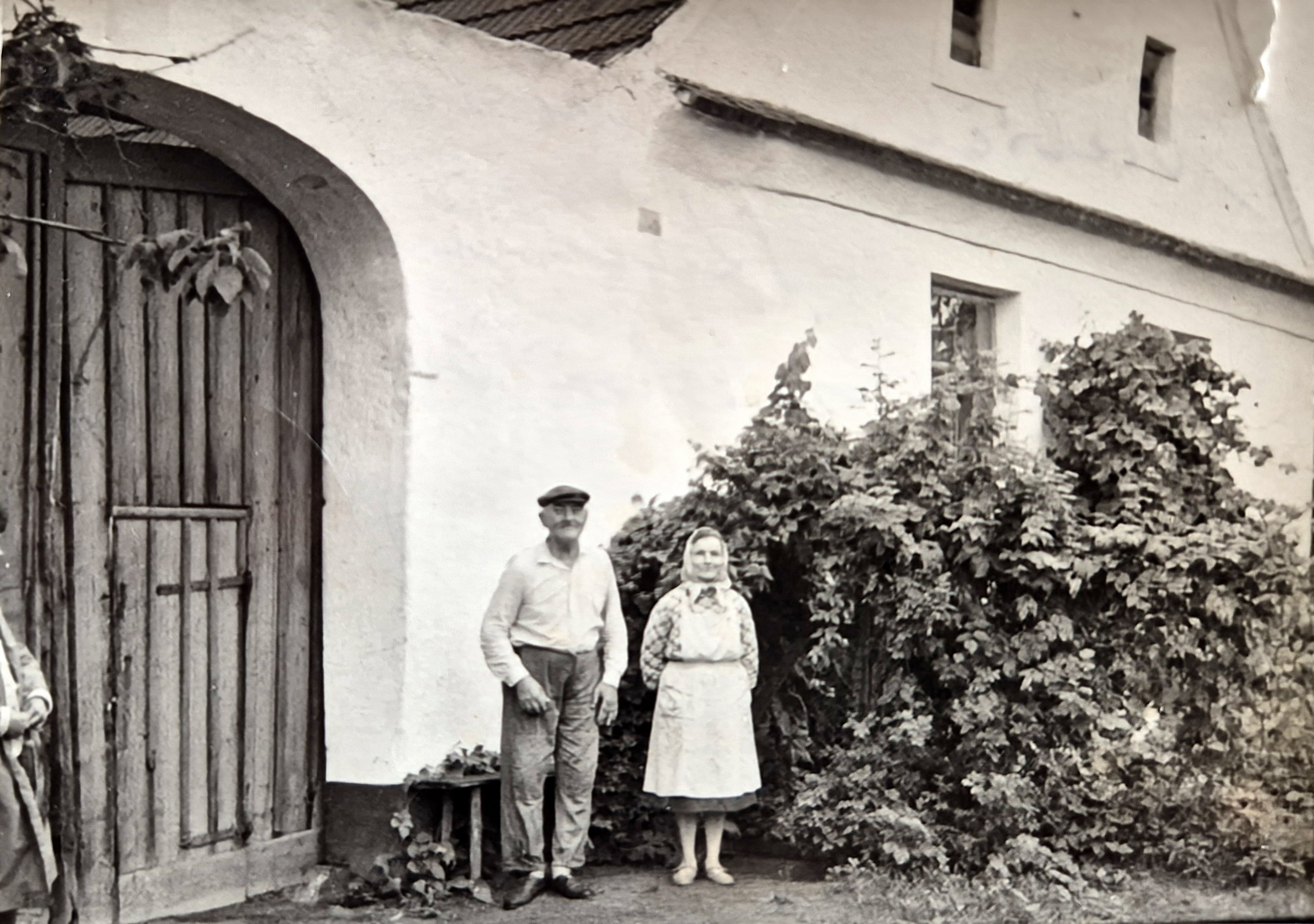
  • "My father-in-law went to America in the 1920s, but he was not alone. His grandmother had fourteen children and most of them went to America. Then in the twenties he went there too. He apprenticed himself as a goldsmith-clockmaker, and when he got his apprenticeship, he didn't want to be there anymore. He hated cities, he liked the countryside. So he came back and did watchmaking and goldsmithing in his own. In '48, they took his goldsmith shop away from him. Then they came with a paper saying they were closing his watch repair shop. We used to get parcels of clothes from America, so he told them, 'I don't mind, farming will feed me and America will clothe me.' And he was arrested. My mother-in-law didn't go to court because she had a heart problem. My husband said, 'I'm not going there either.' I said, 'We have to know what they arrested him for, why they took him.' So they told him that they found a pot of cream on him, that he should have handed it over, and all that nonsense. And when asked if the children were in the Youth Union, he replied, 'The Youth Union under the communists is like the Hitler Youth during the war!'"

  • "My father-in-law was arrested in summer clothes, sandals on his feet. He was sentenced to a year and a quarter, in Banská Bystrica. When he was released, they let him go home in the same clothes and sandals, in the winter on December 8. The suit that his grandmother, my mother-in-law sent him didn't arrive until three months after his return, they didn't give it to him. When he was traveling through Slovakia and the train had a break somewhere, he went for a hot meal, which the Slovaks paid for. At that time the Slovaks didn't like us very much, but they paid everything for him when they heard he was coming out of prison. He never told us at home how they were treated there, because he said, 'I don't want to go there a second time, so I won't say anything!'"

  • Full recordings
  • 1

    Horní Stropnice, 05.09.2025

    (audio)
    duration: 31:34
    media recorded in project Field reports
  • 2

    Horní Stropnice, 03.10.2025

    (audio)
    duration: 01:37:15
    media recorded in project Stories of 20th Century
Full recordings are available only for logged users.

She married a son of a tradesman and became ineligible
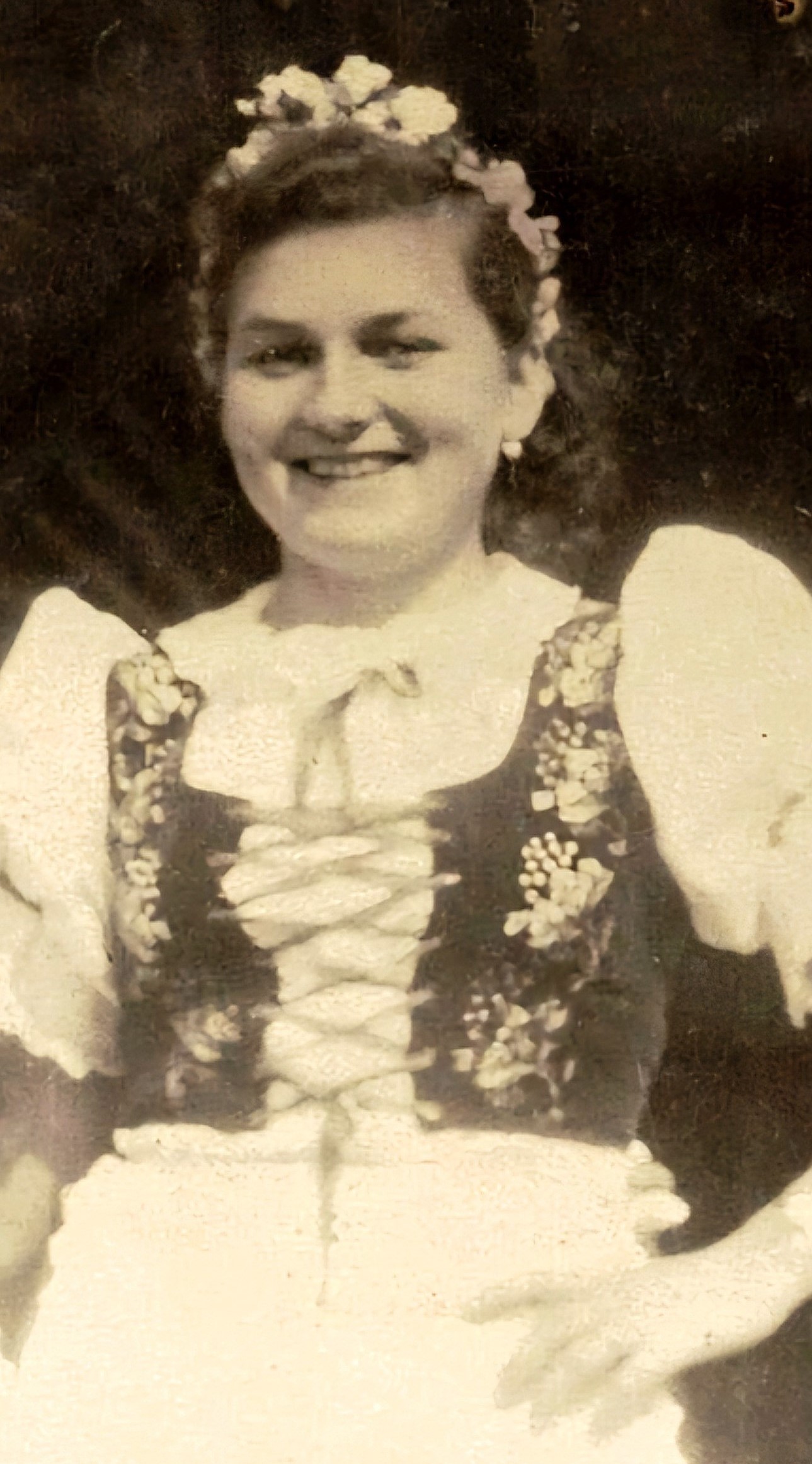
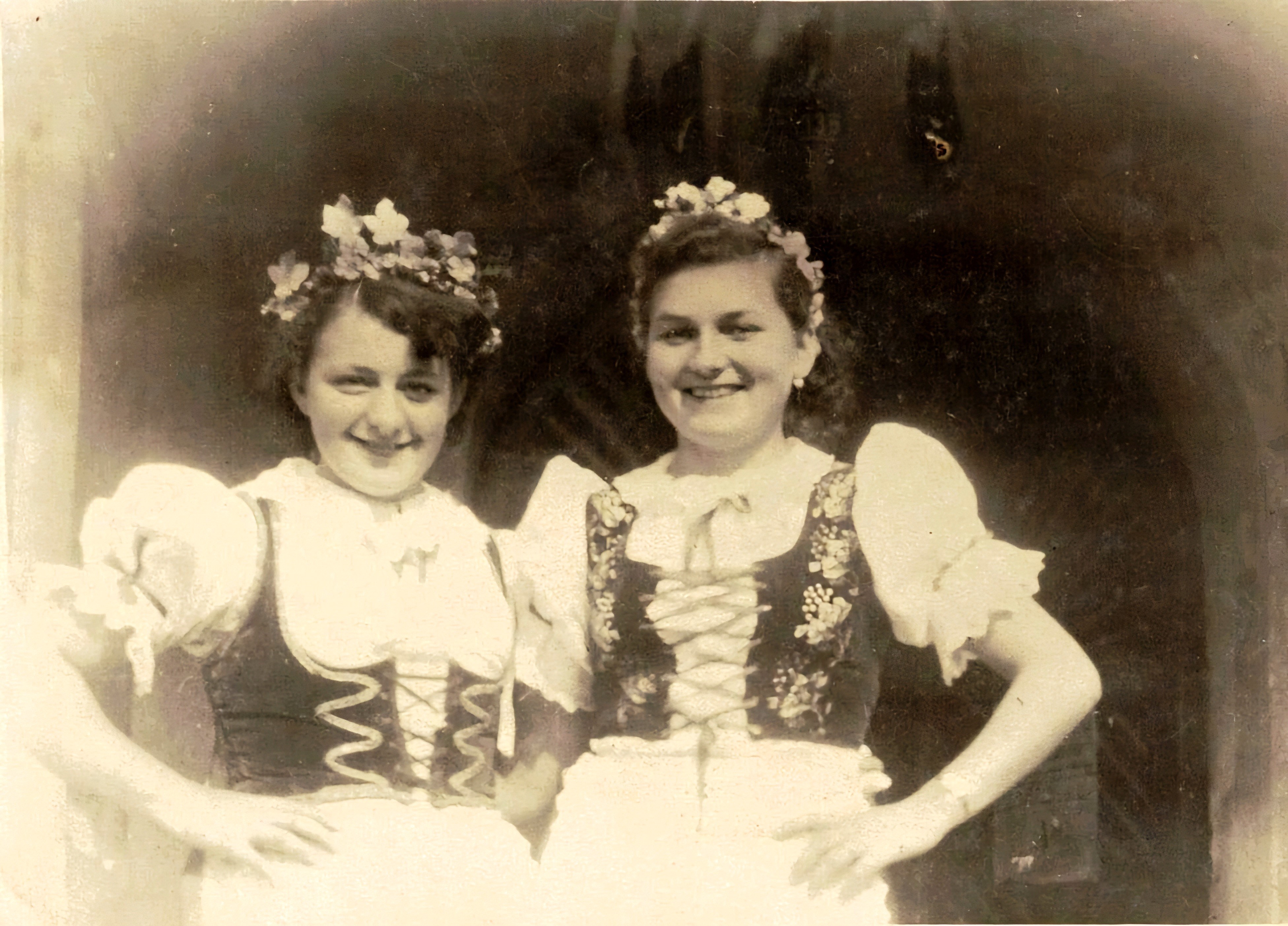
Božena Wortnerová in costume, turn of the 1940s and 1950s
photo: Witness´s archive

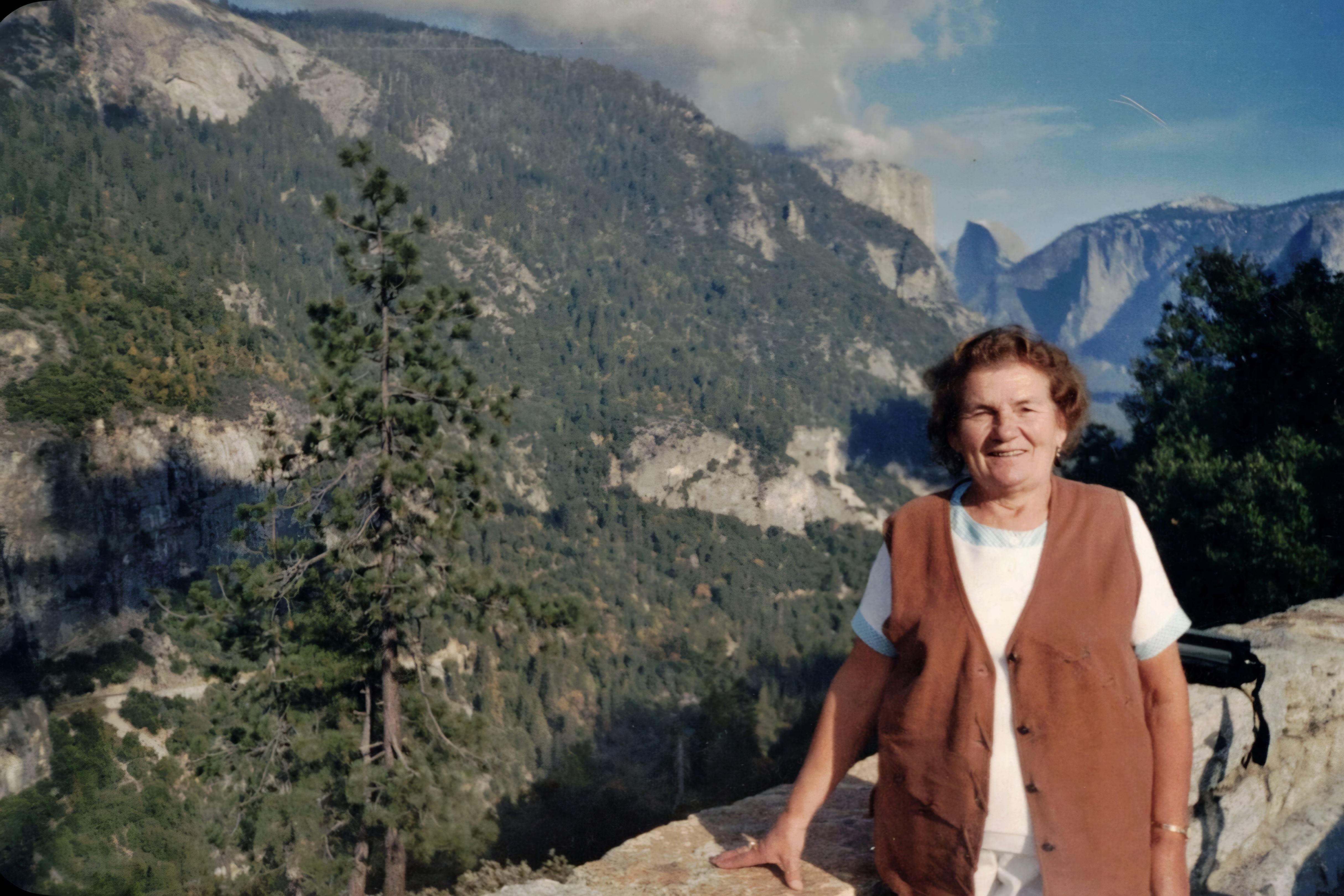
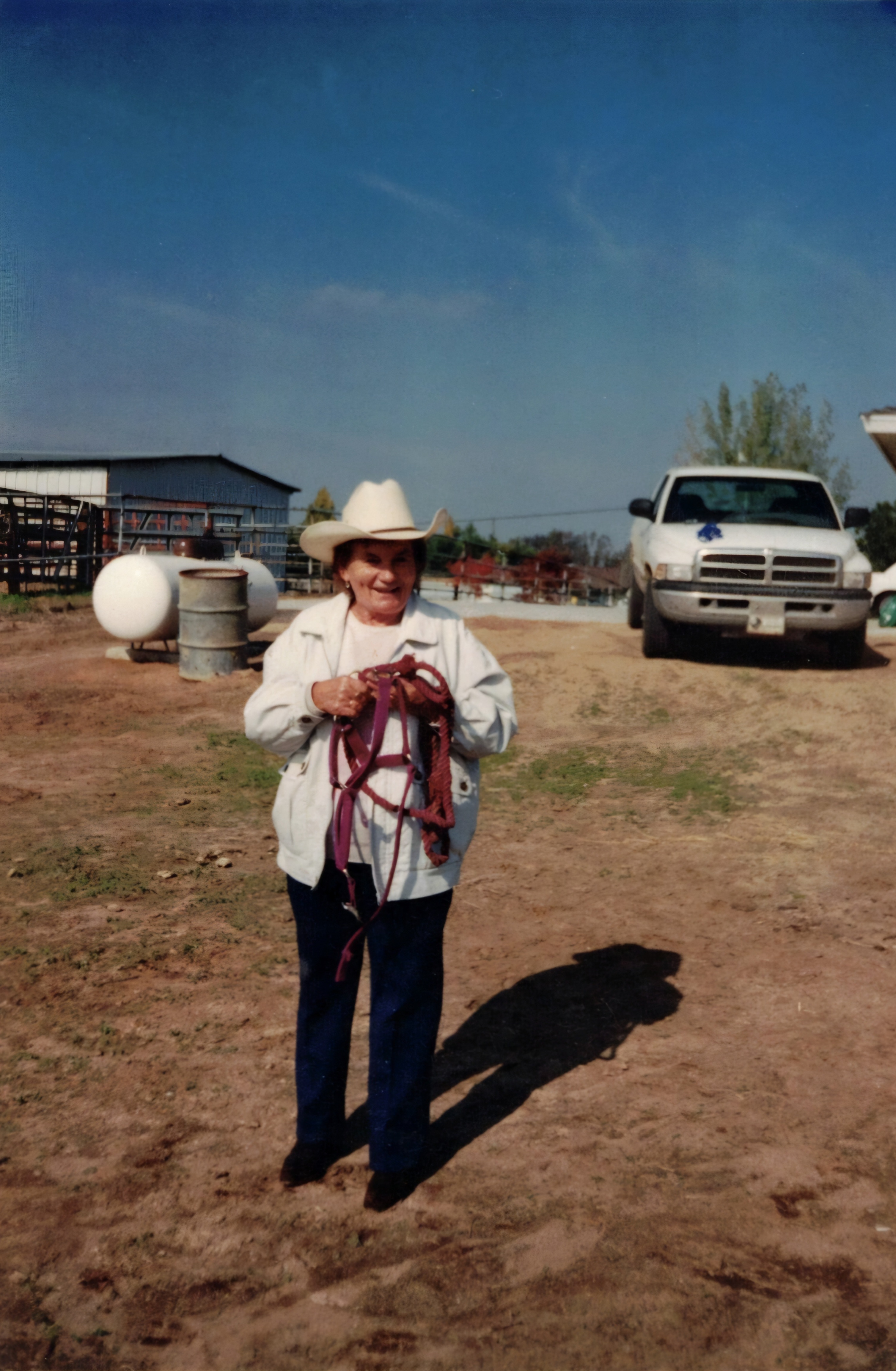
Božena Wortnerová, née Kříhová, was born on 3 December 1935 in Olešnice near Trhové Sviny into a family of small farmers. She spent her childhood during the war, but the family did not suffer from the economic hardships. She started school in Olešnice at the age of five. She graduated from the municipal school in Trhové Sviny, six kilometres away, where she walked every day, whatever the weather. She finished her studies at the agricultural school in České Budějovice, where she spent a year at boarding school. Then she worked in an accounting office. Her life was greatly influenced by her marriage to František Wortner, the son of a goldsmith from Trhové Sviny, whose family was persecuted by the communist regime after 1948. She and her husband brought up three daughters - Božena and twins Jana and Zdena. Due to the conviction of her father-in-law, Karl Wortner, she lost her office job and worked as a shop assistant and later in a cafeteria until her retirement. After 1989, she helped the family regain their confiscated land. In retirement she visited the United States twice. From 2017, Božena Wortner lived in the Home for the Elderly in Horní Stropnice.