Vilém Wodák

* 1951

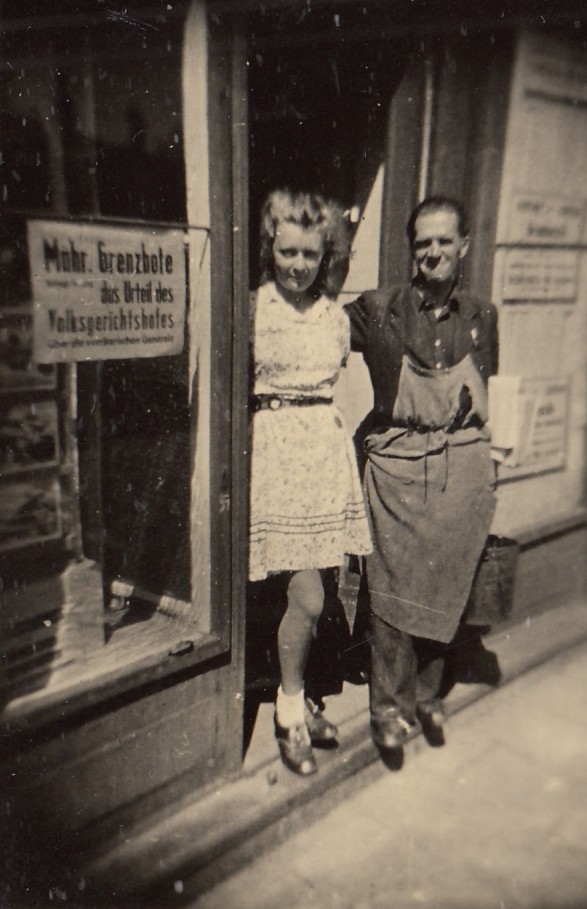
  • "My dad lived through the Protectorate - I would say - in complete peace. Because he spoke perfect German and he had this strange profession. He was a window cleaner, Fensterputz, it was called in German. He specialized, for example, in big shop windows, and he was in this business even during the war and I think after the war. So he was also in contact with the local Germans, and because he was a non-conflicted person, he didn't have any problems. And even, I quite believe, there is one document that has survived, his home certificate, the so-called Heimatschein. Of course, this is not an invention of the Germans, because home certificates existed already during Austria, during the First Republic, during the Protectorate and partly after the war. And it is interesting that my father's home certificate, which was issued sometime in June 1942, during the Heydrichiad, is purely German. Which is quite interesting, because Jihlava, although it had the status of a model German city, was a Protectorate city, so other cities, for example Brno, as the capital of Moravia, has a bilingual home certificate, first German, then Czech. But Jihlava at that time was purely German."

  • "I have one more memory, which is not very nice, but it may be truly historical. Because my Prague grandfather, that is, my mother's father, took me as a little boy up to Žižkov, where the memorial is. And back then, the mass murderer Klement Gottwald was still lying there in a glass coffin. And I have such vague memories of it, very unpleasant, when I just didn't feel comfortable there. Whether it was the strange smell or the light. I just saw the blue face of a dead man under the glass. It was very depressing to me. So that's my little memory of Prague and my grandfather."

  • "And then I, that's also a pretty strong experience... I was really drawn to Prague. To see everything there. But my mother was so worried about me, she wouldn't let me go. And then I went there immediately, whether it was still at the end of August or at the beginning of September, I don't know exactly. So then I saw the horror there, particularly, for example, on Vinohradská třída, when it really gave the impression that a front had passed there. Really there... the uprooted trees, the charred remains of the equipment, or the marks on the facades of the houses from those projectiles from those heavy, large-calibre machine guns. It really gave the impression that a front had actually passed through there. And then, of course, the National Museum that had been shot at, and there were still traces of it long afterwards. So that, too, of course, left me... left me very... very strong impression, well."

  • "As a small boy I lived in Jihlava opposite to the church of the Mother of God. I remember the old Jihlava, the little streets and romantic corners, which disappeared due to 1960s assanations. The buildings of Jihlava were gradually destroyed. In 1974 a liquidation of a legendary Krecl began. Instead of that there is the thing in the square today. I remember finding treasures, when we as children were searching the attics of original inhabitants, that is photos, books, magazines, postcards, etc. Also scrap material centres, where we used to bring library books from schools. There were piled wonderful books, such as Ottův dictionary, German paperback gems from libraries and more. Treasure that cost a lot of money in auctions today. We were of course attracted to books and magazines from occupation times. And I grew up being formed by the interest."

  • " I worked in the rasper factory Tona in Polenská street, there I went to get trained. On 21 August, 1968 there was no work, everyone was listening to the radio and women were crying. We came to the square in the afternoon. The masses were already gathering there. We were waiting for the occupants. Then one (or two) Russian tanks passed through. At a square, right at the saving´s company, a tank caught a man, who died due to injuries. On the second day, 22 August 1968, when I went to work in the morning, I was taking a trolley in the lower part of the square. I saw Russian transporter at the parking place near current school of arts. We were threatening with our firsts in their direction. And when I came back from work the same day, Russians were out of the town and standing at the road to Pístov aiming at Jihlava. The whole road was occupied. But they were gone from the town. Occupation authorities were searching, where the illegal Jiskra was printed. In a few days someone told them it was in the printing house Grafia in Strážná street. It was later raided and crushed down. Russians established their headquarters in the town opposite to today´s Commercial Bank (in Palackého street). There is a travel agents there. With my older friend we were approaching the Russians to discuss with them. We were interested why they were here. We were trying to explain, there is freedom and democracy. And a young lieutenant was pointing at his belt with a gun replying: ‚That is our democracy.´"

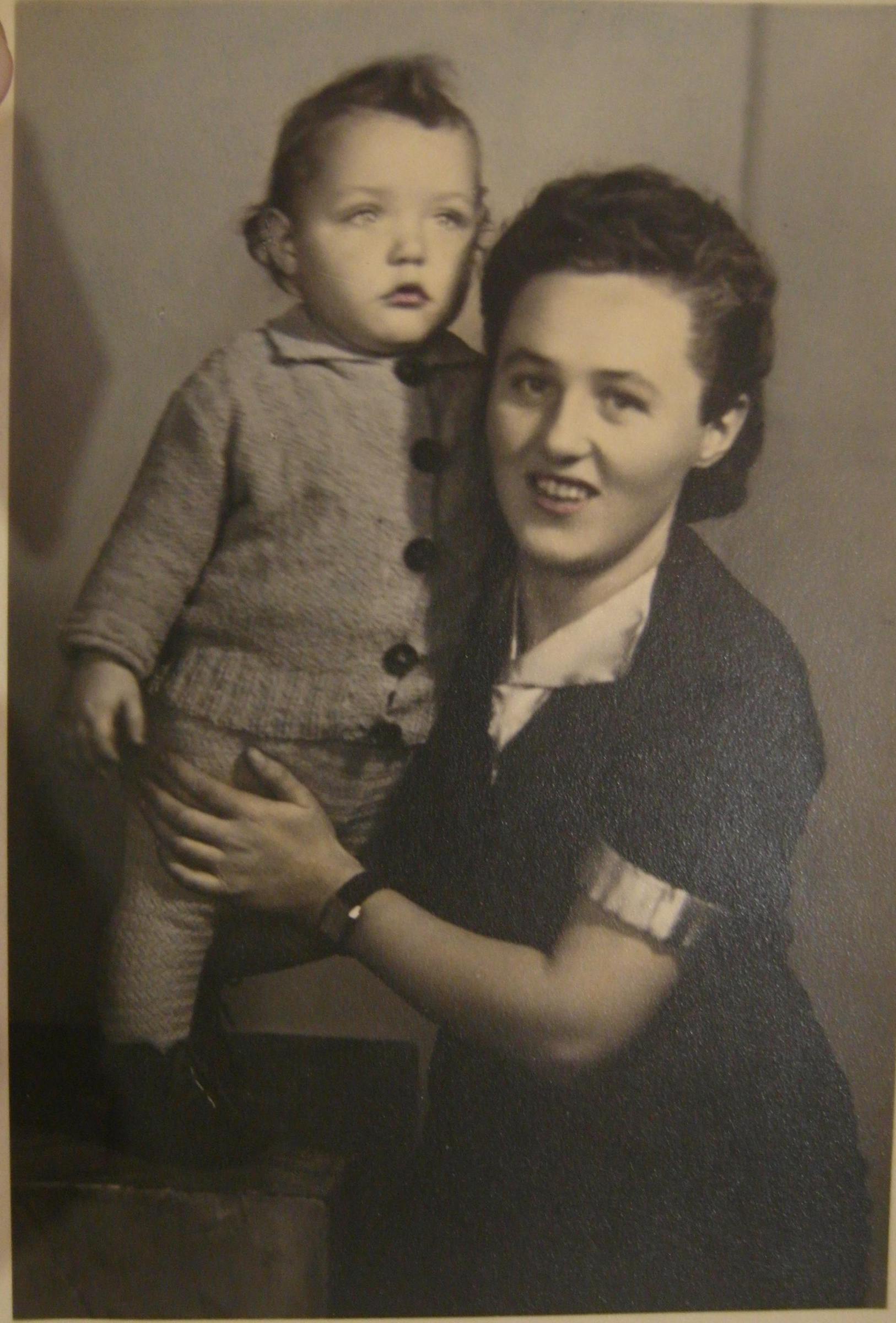
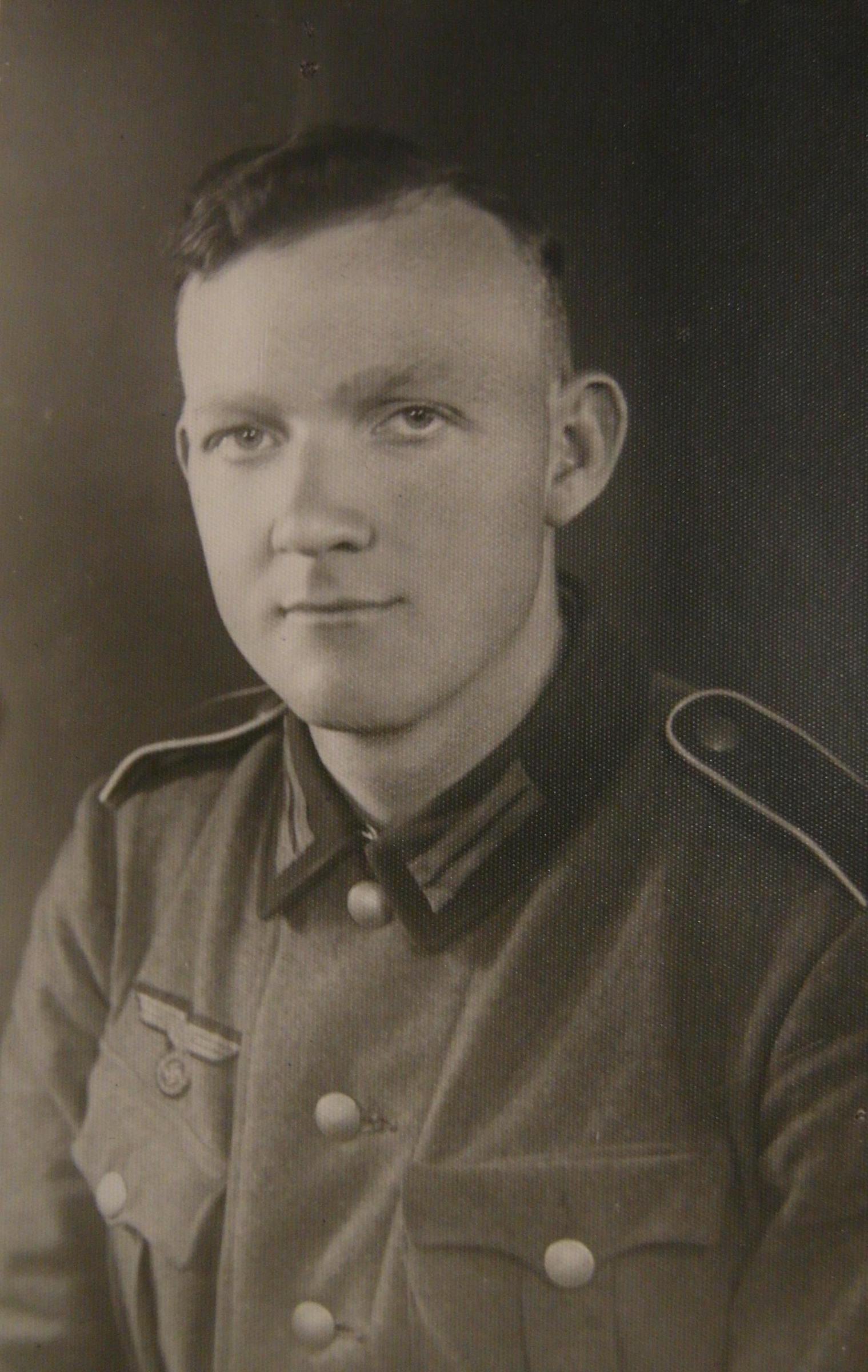
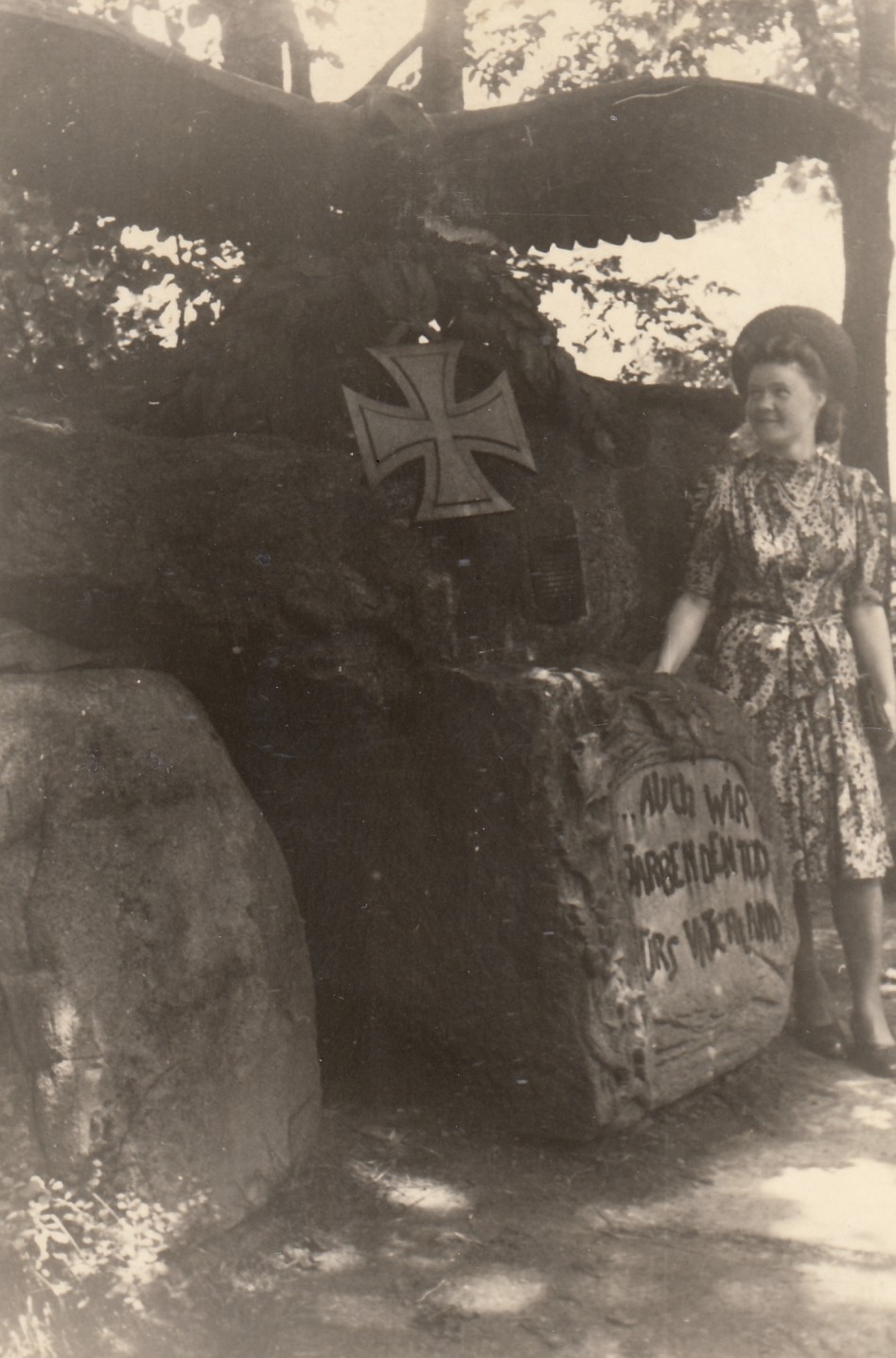
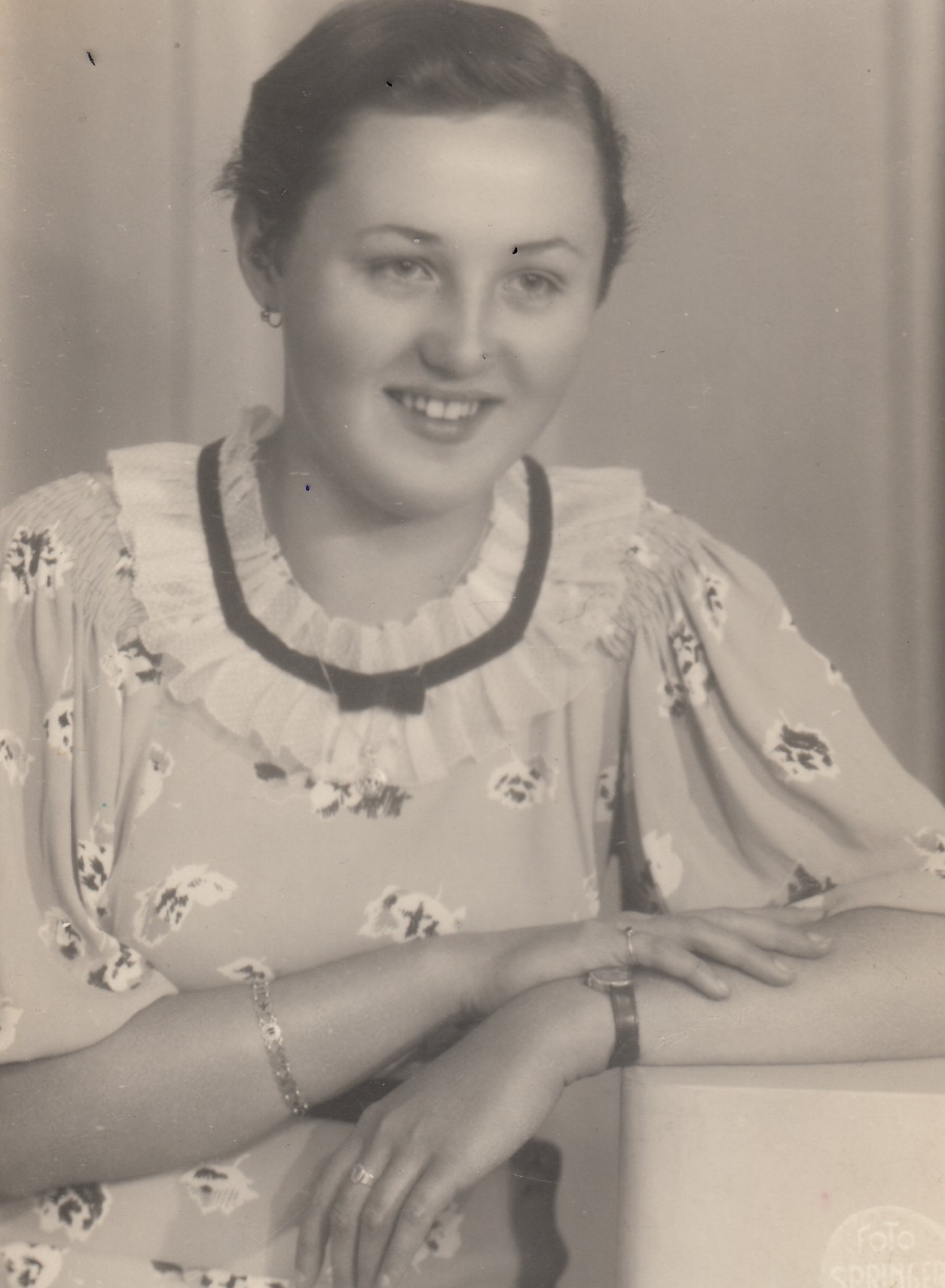
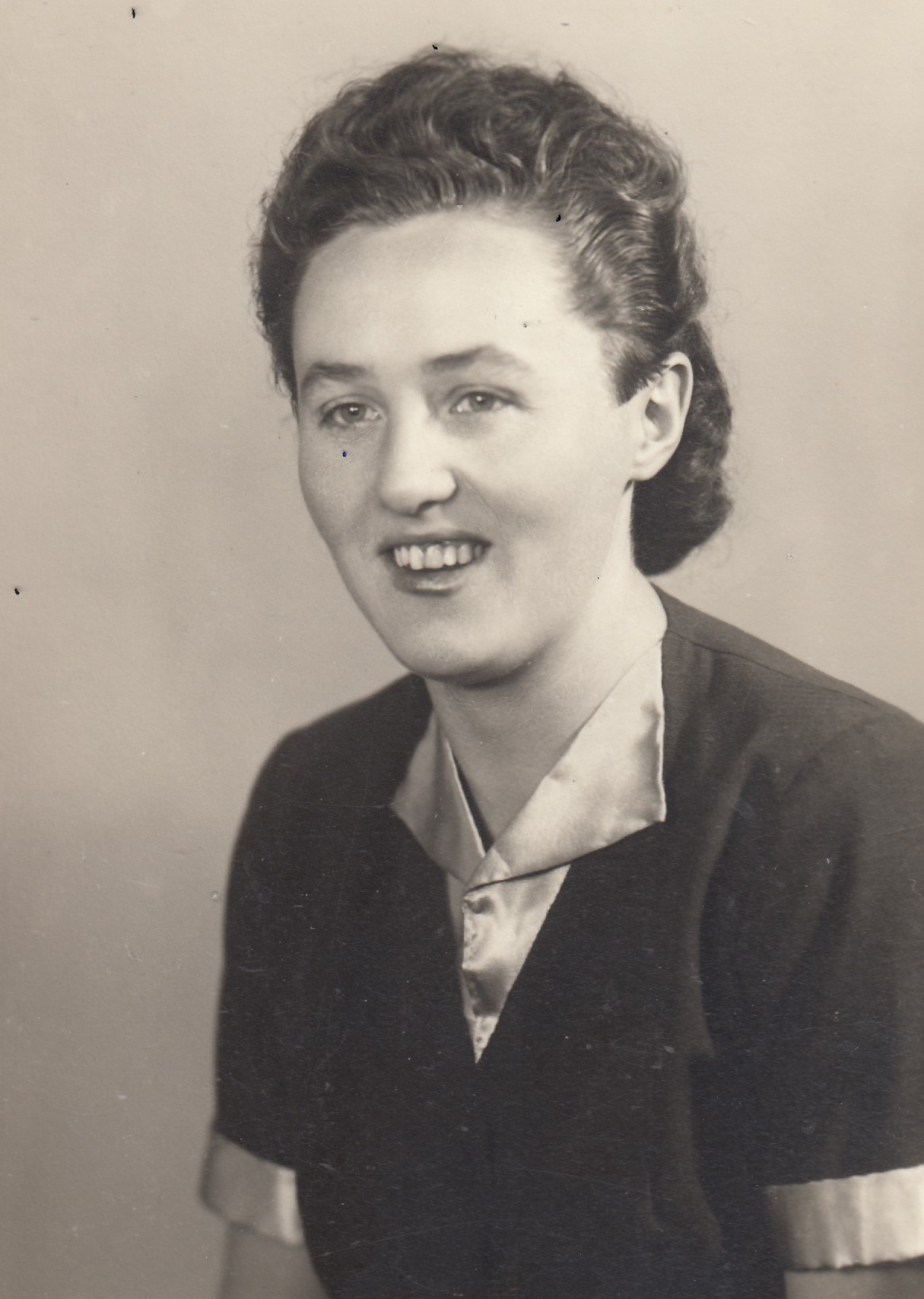
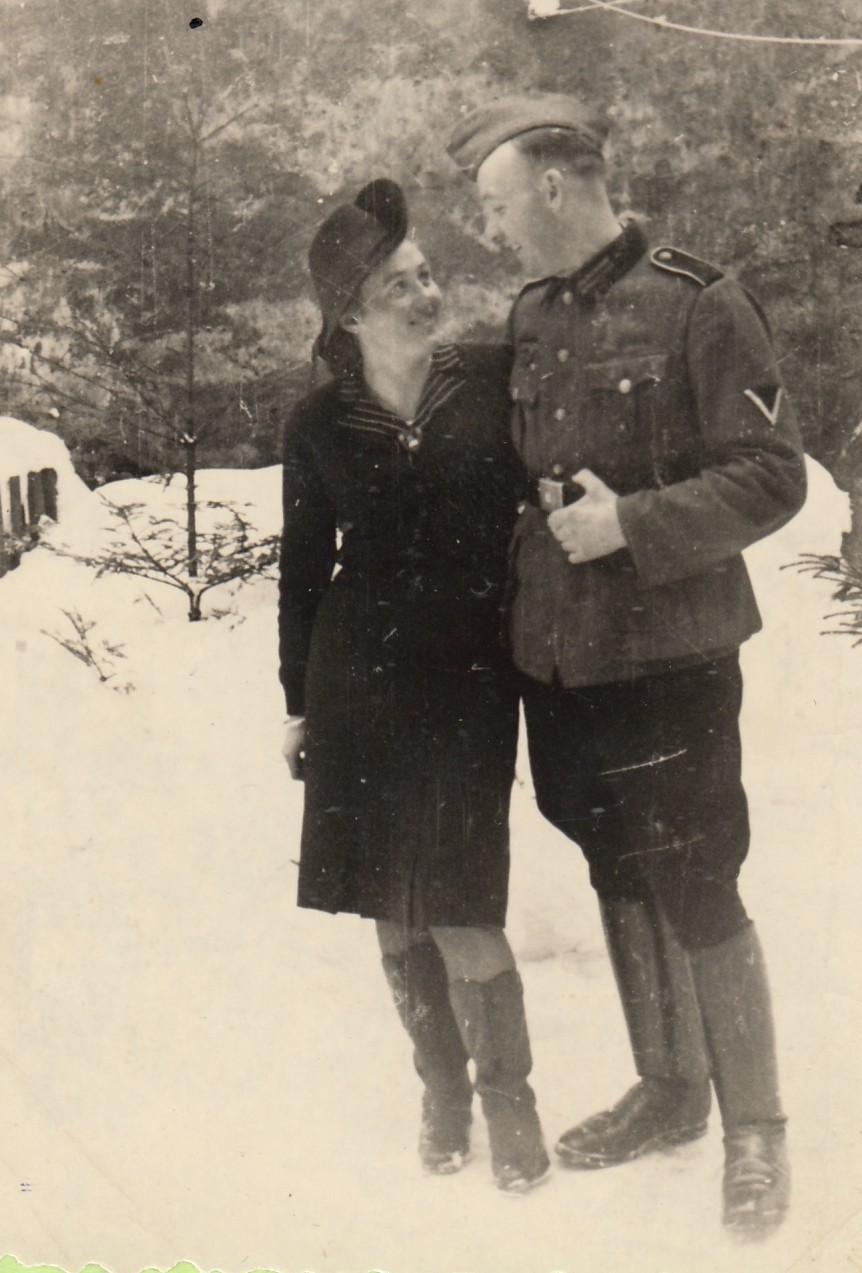
  • "In Jihlava cases of mixed marriages were solved after war. The girls, who married Germans. There were many. They were asked to come to the town hall. (You mean the Rovolutionary national committee? – Author´s note: The name used until 15 May, 1945, since then a local national committee was used). So it was called. That happened right after war, in May or June 1945. I know that when the war was over, my mother had a German status. As she had a German husband; no protectorate nationality. These people were given so called Czechoslovak nationality after war. They were forcing women to renounce their husbands. All they had to do was to sign a written statement saying the marriage was forced. I don´t know any details. If my mother had signed such document, she´d be given her Czechoslovak nationality back. She´d not have lost her property, would not have to go to lager and there´d be no other consequences. (...) There were certain women, who did it, who signed. She didn´t do it as she cared for him and did not know if he comes back maybe from capture. She had to leave her flat and was interned to a collection centre."

  • Full recordings
  • 1

    Jihlava, 14.03.2016

    (audio)
    duration: 01:24:44
    media recorded in project Stories of 20th Century
  • 2

    Jihlava, 03.07.2025

    (audio)
    duration: 02:01:05
    media recorded in project Příběhy regionu - Vysočina
Full recordings are available only for logged users.

if the mother had signed, my brother could have live
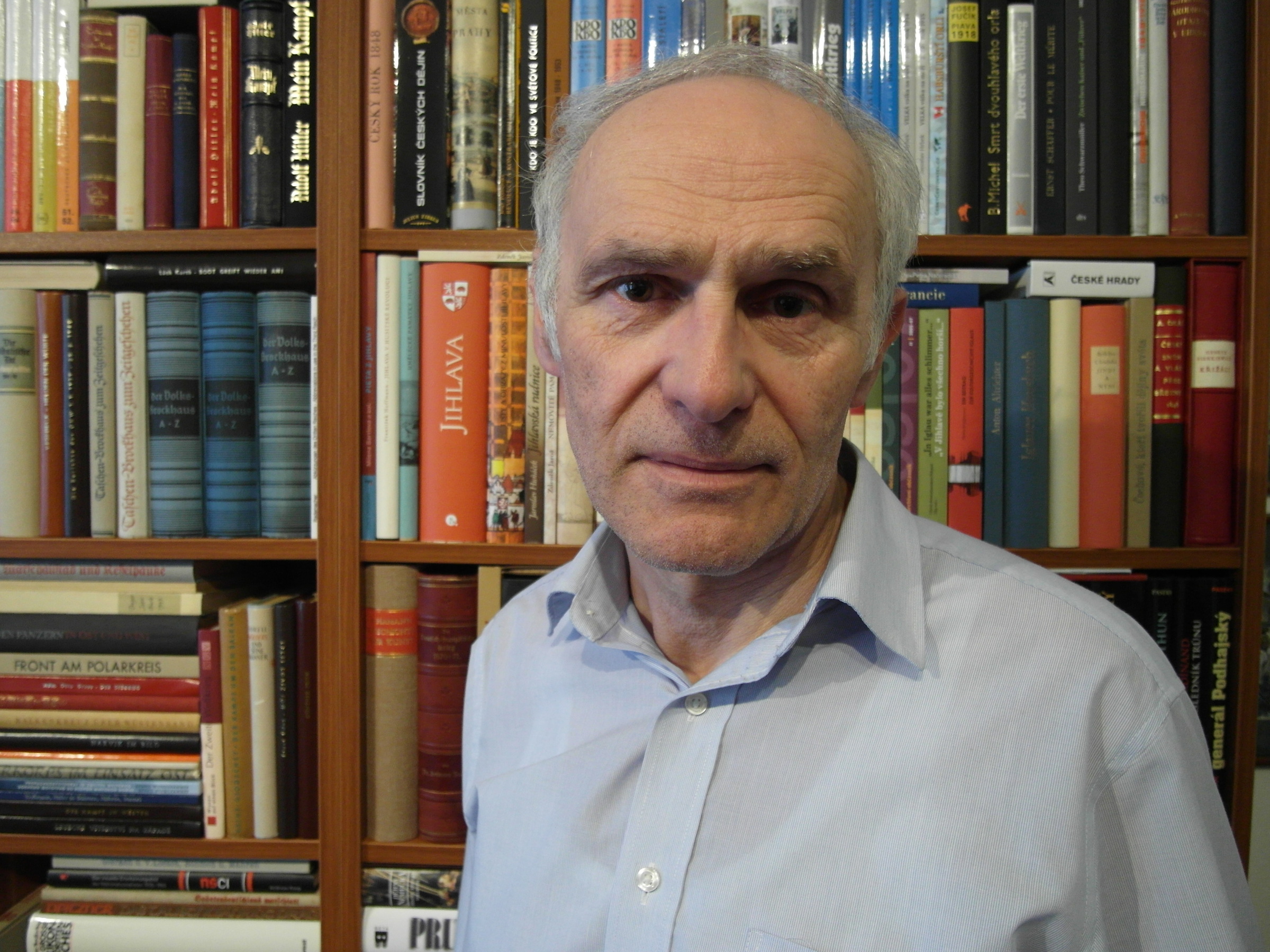
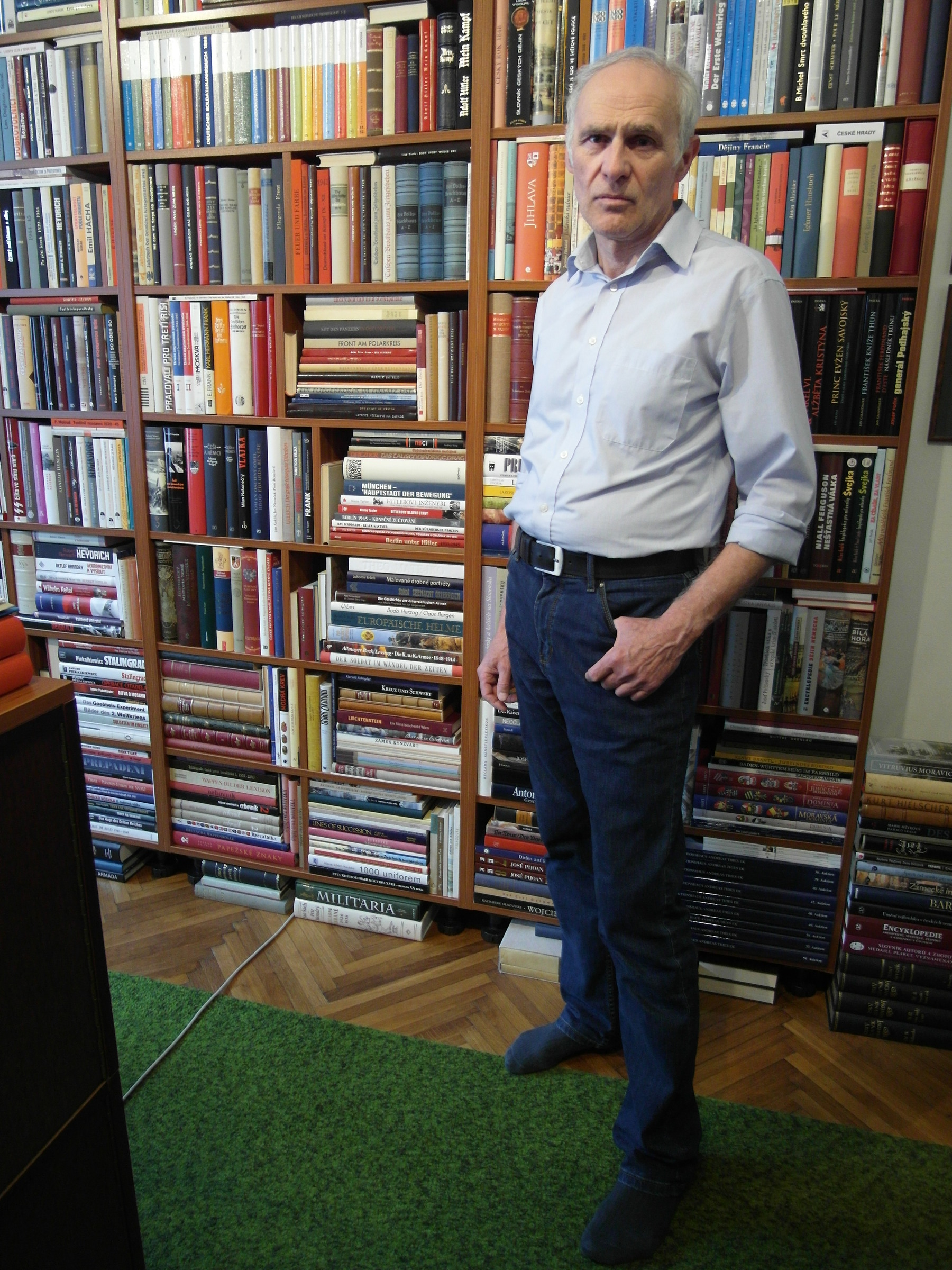
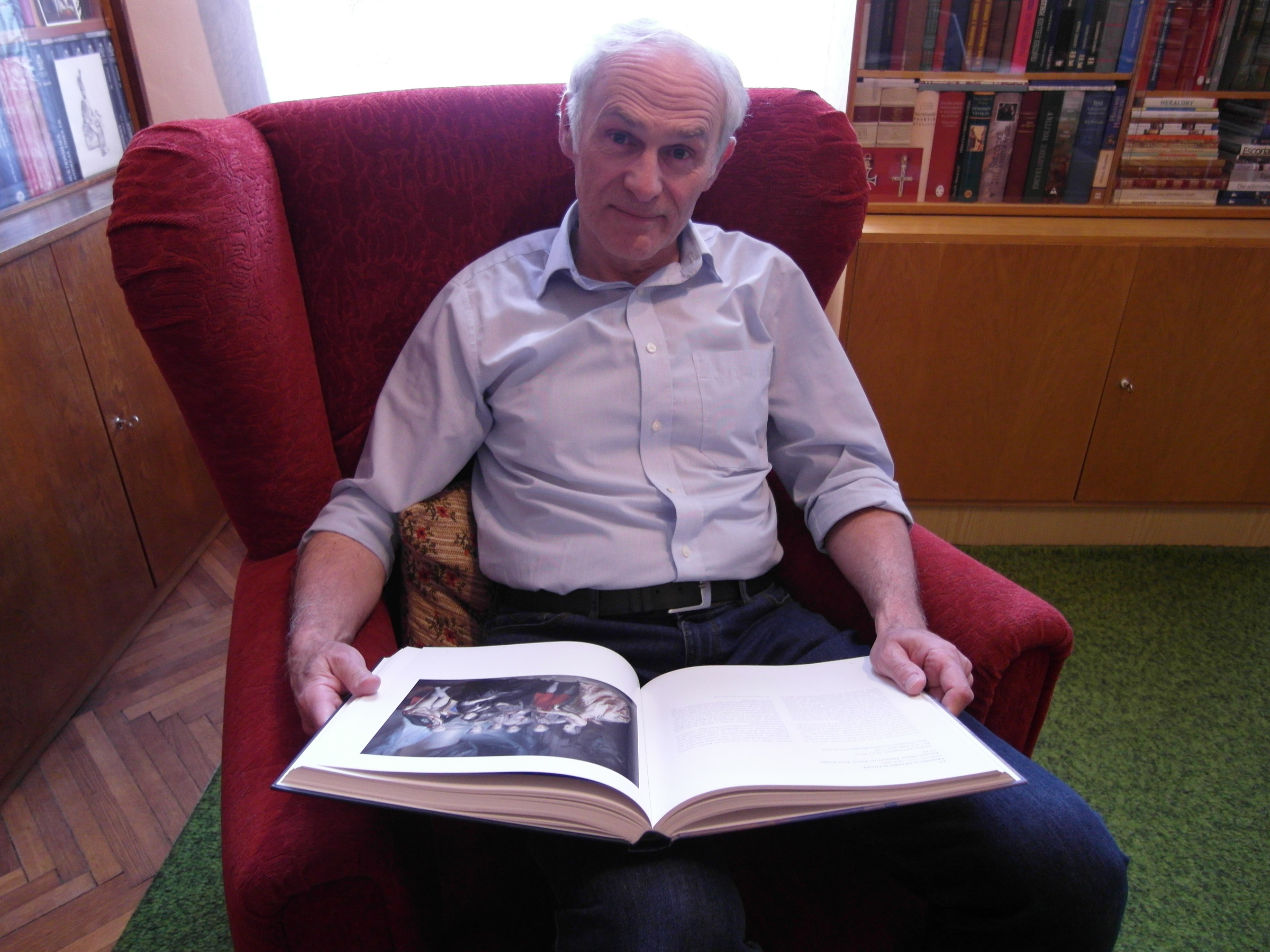
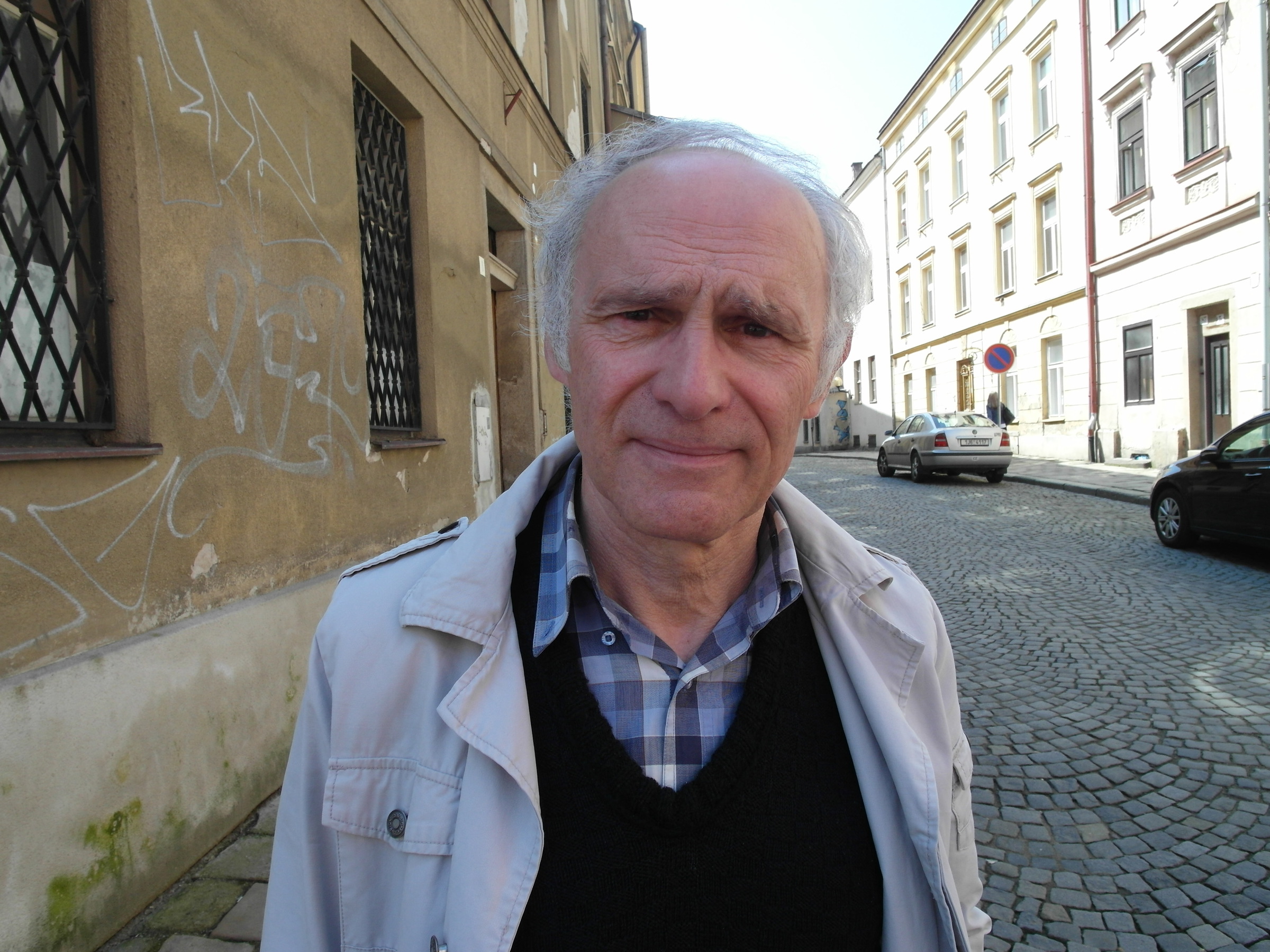
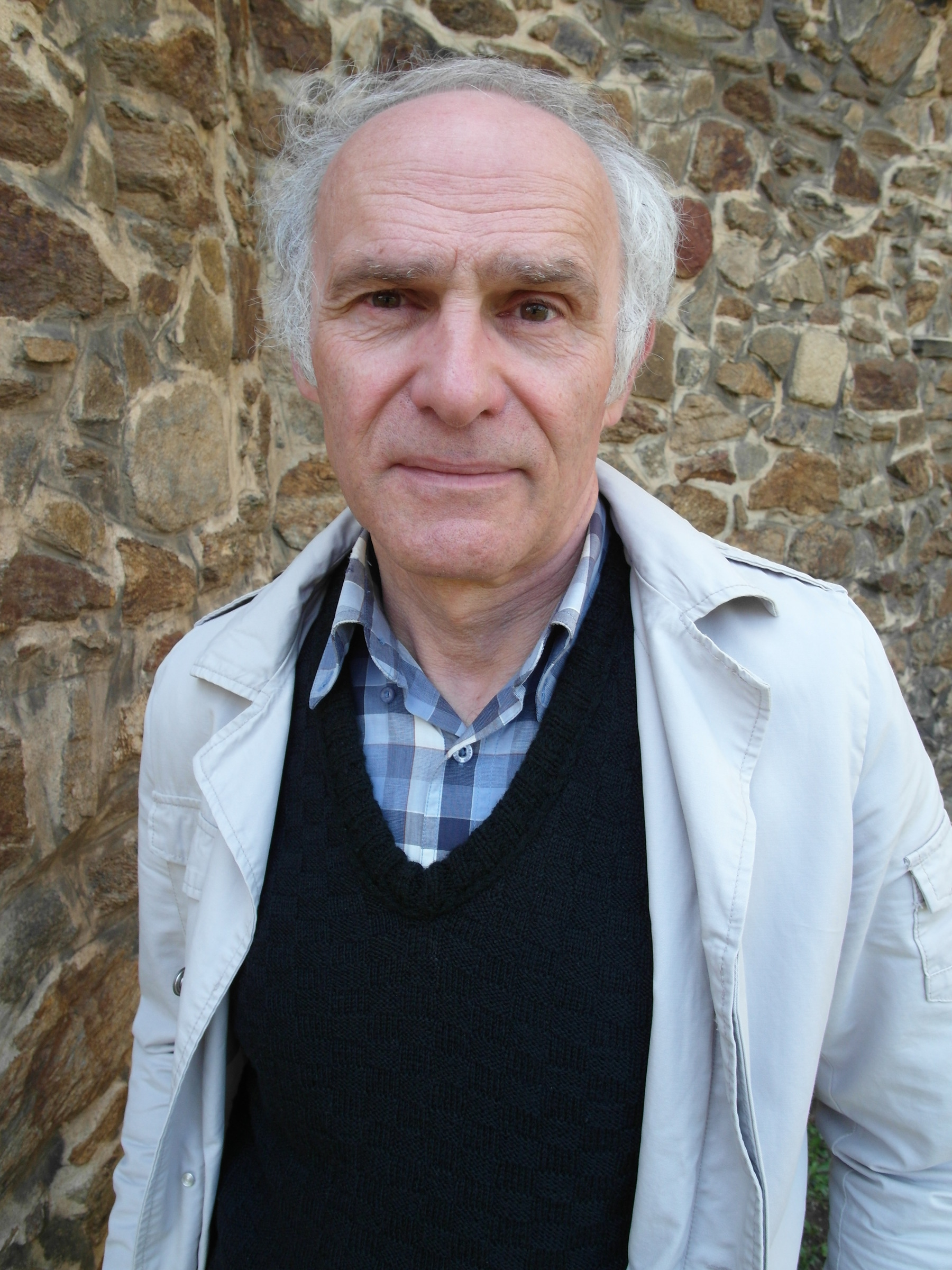
Vilém Wodák
Vilém Wodák
photo: archive of T. Urbářová

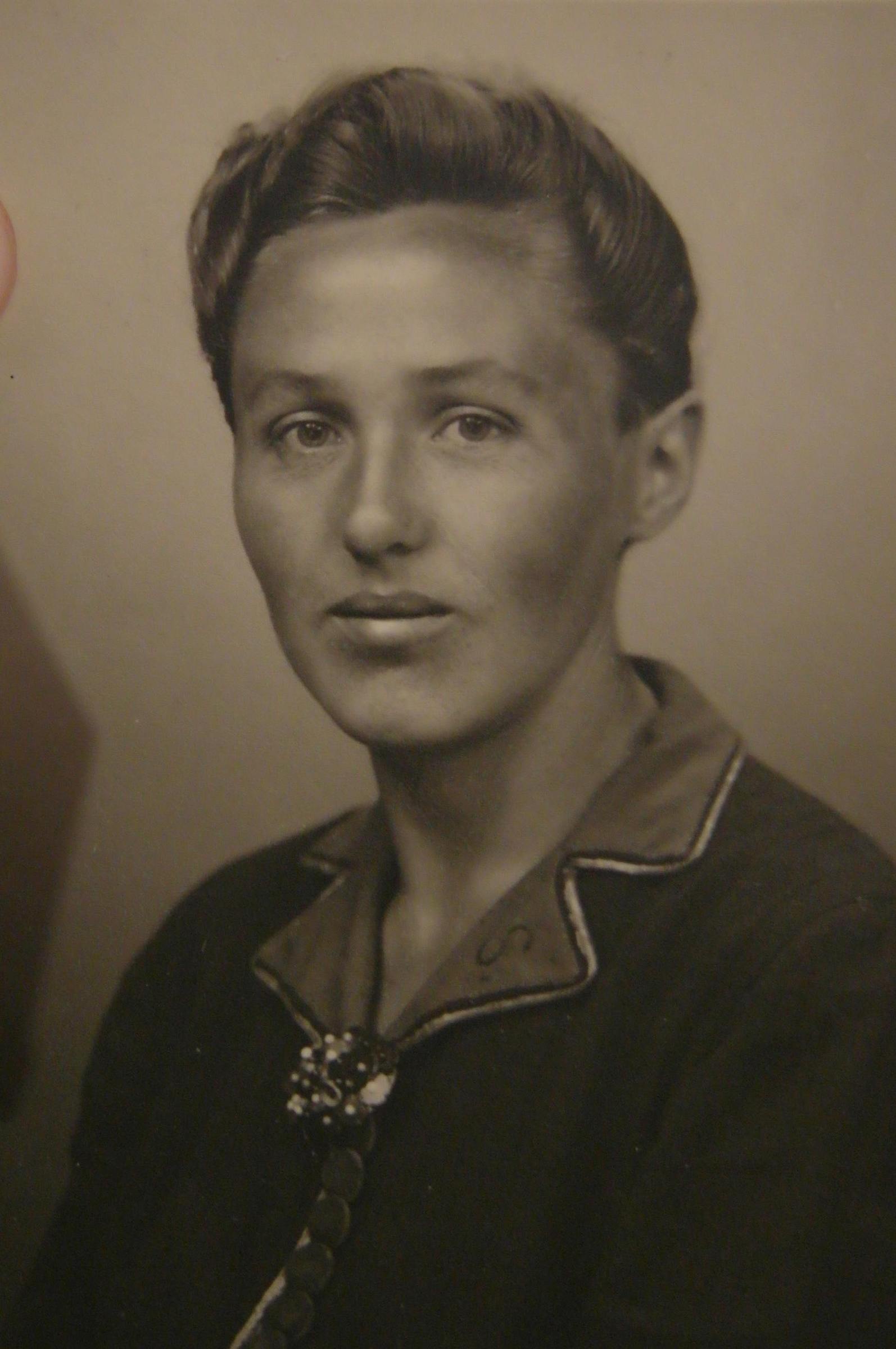
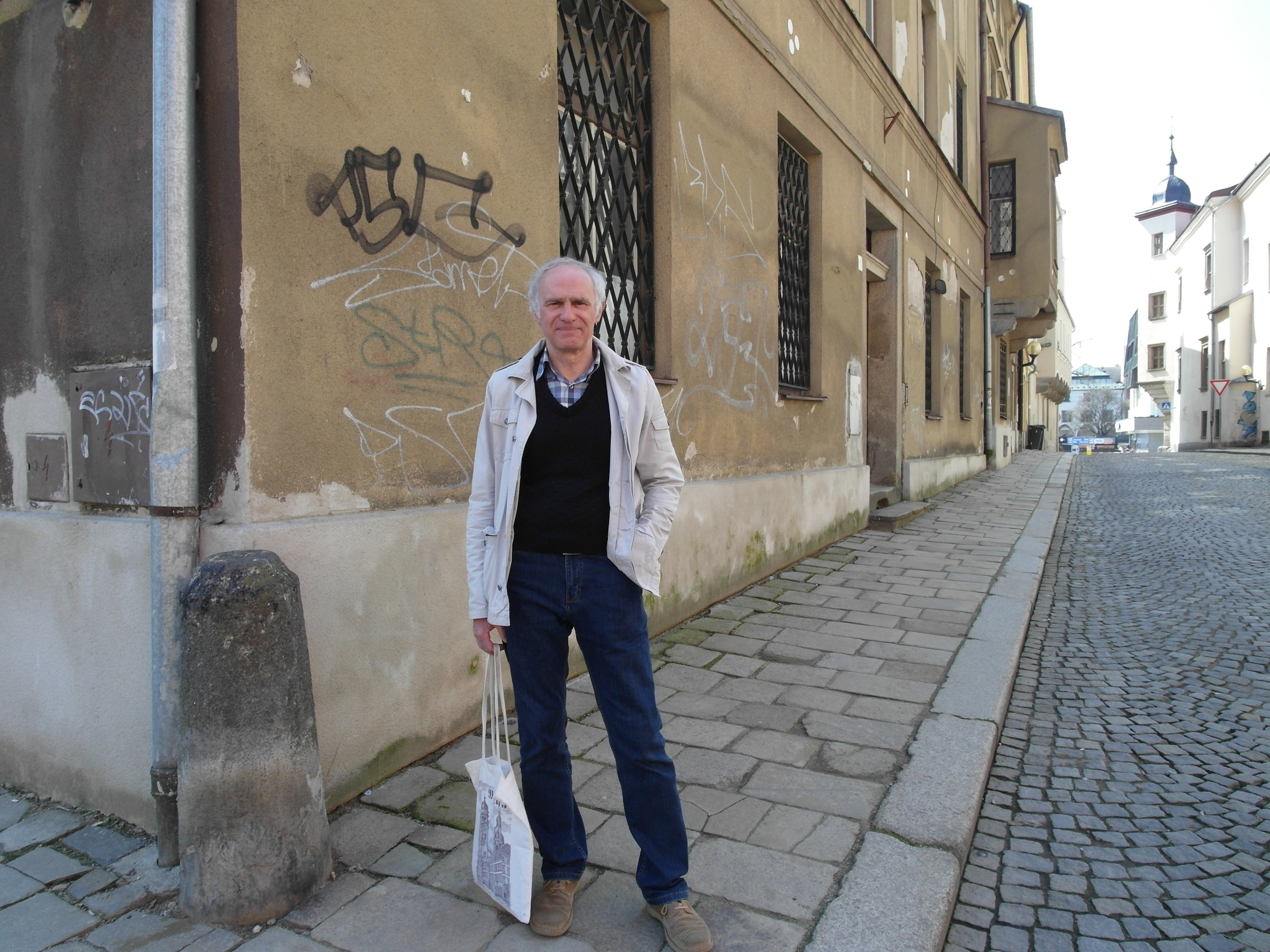
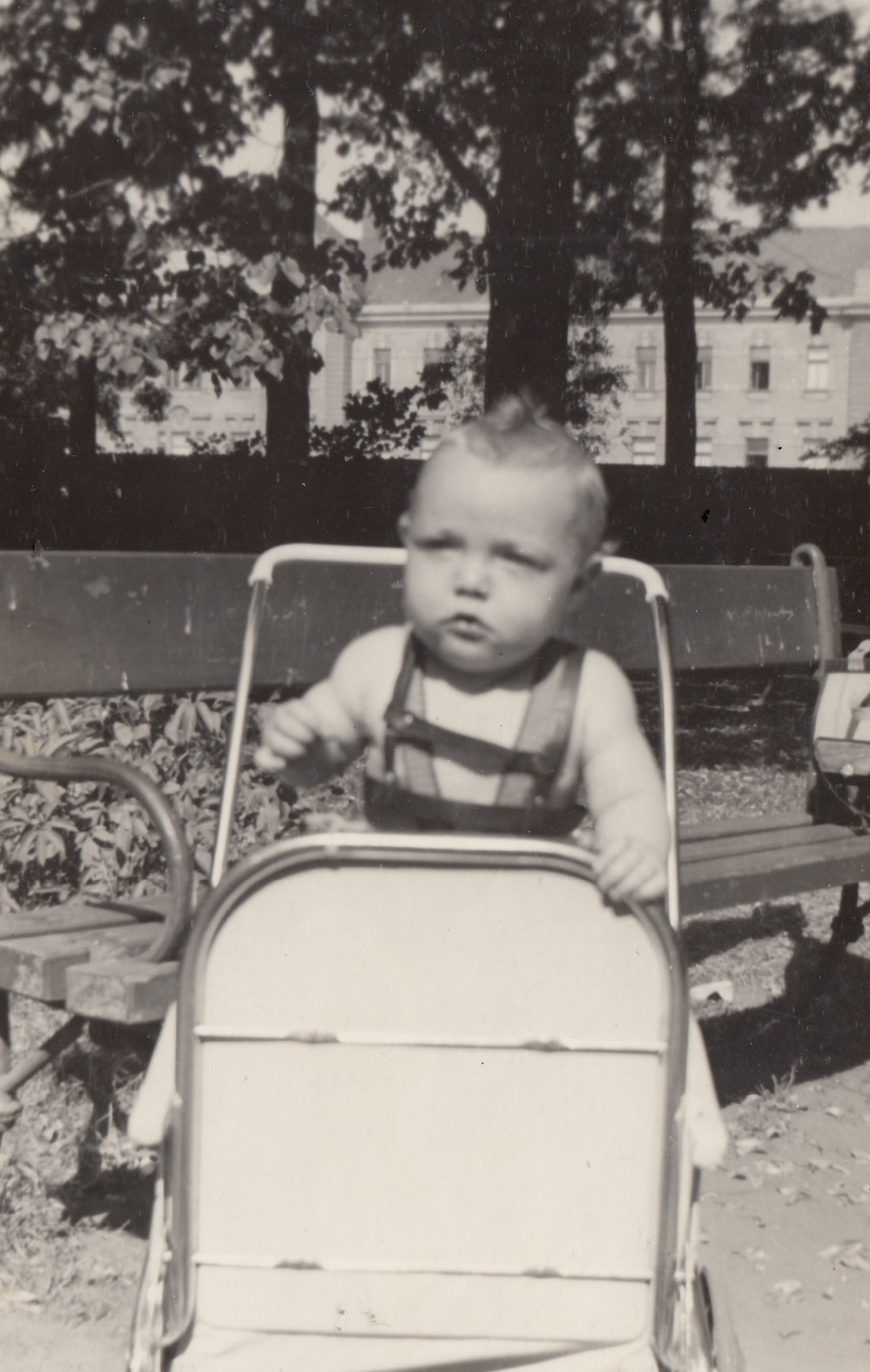
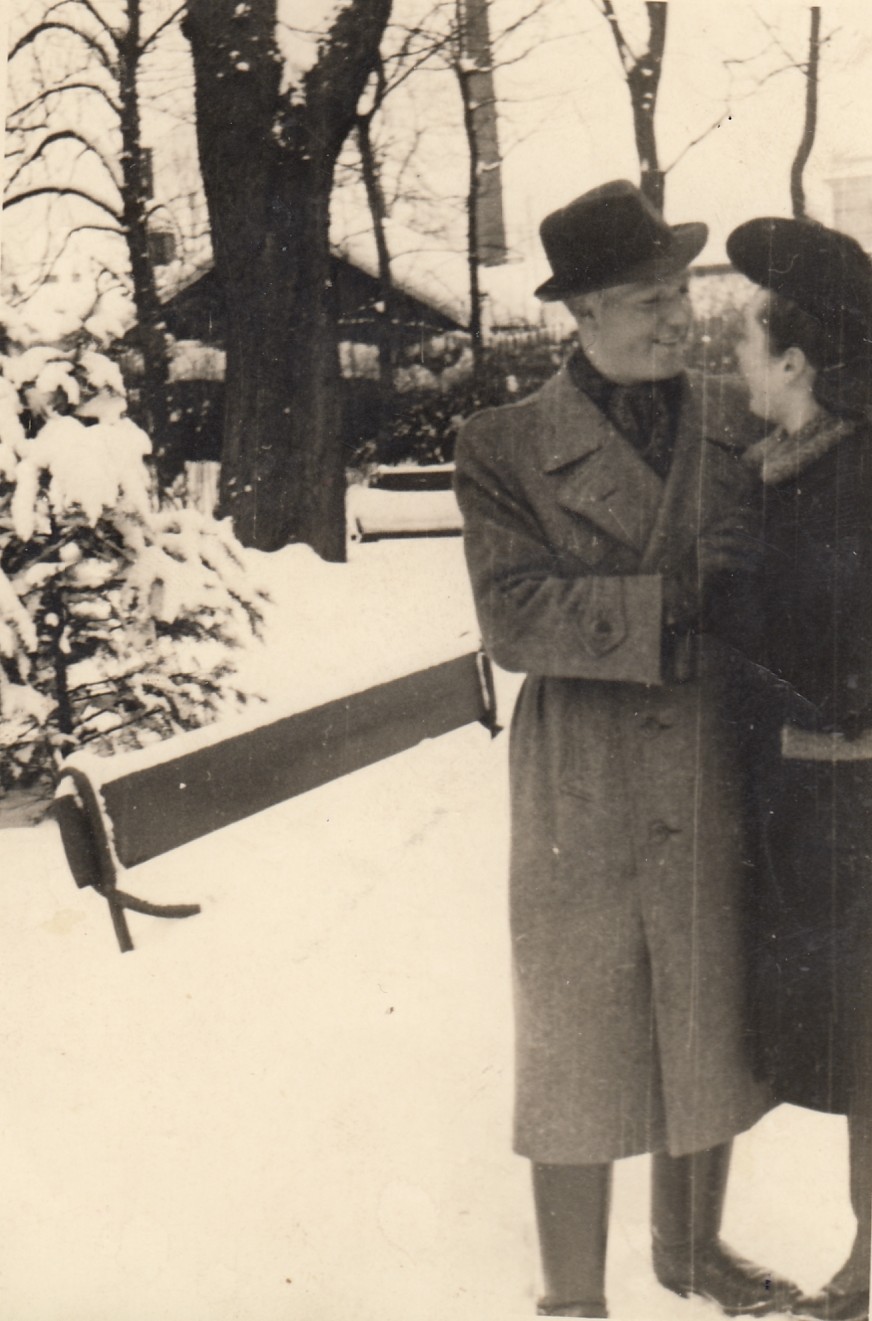
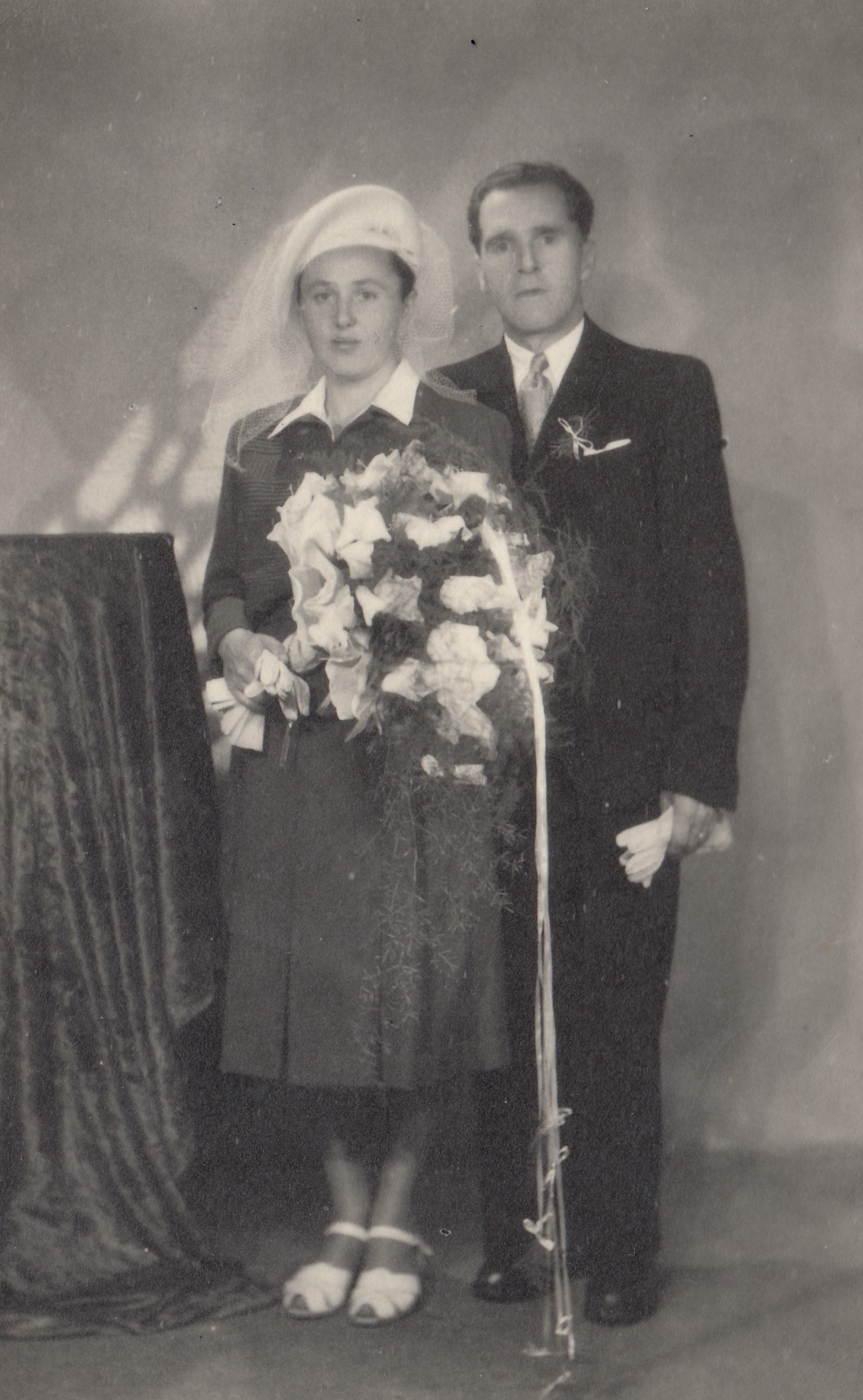
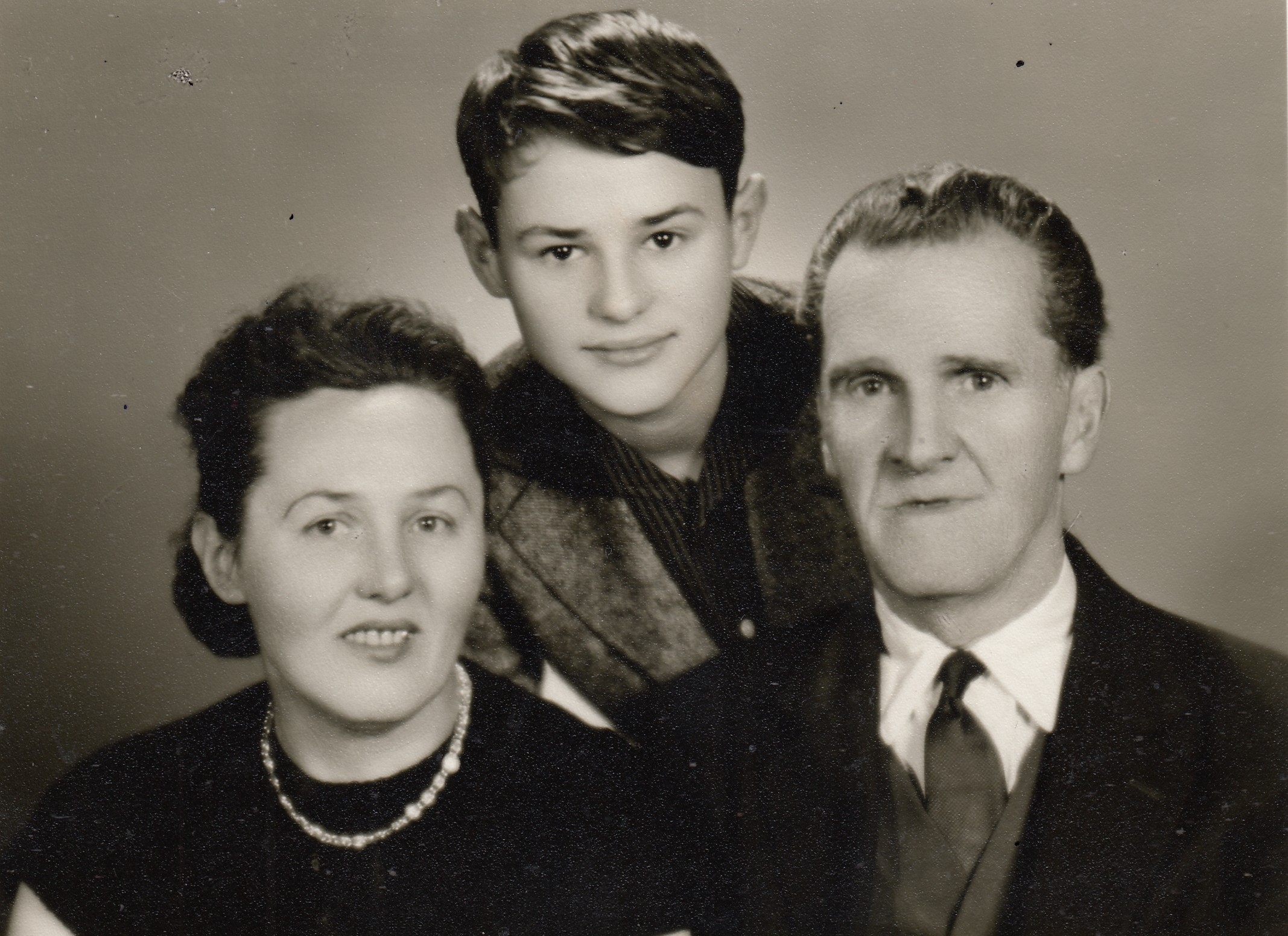
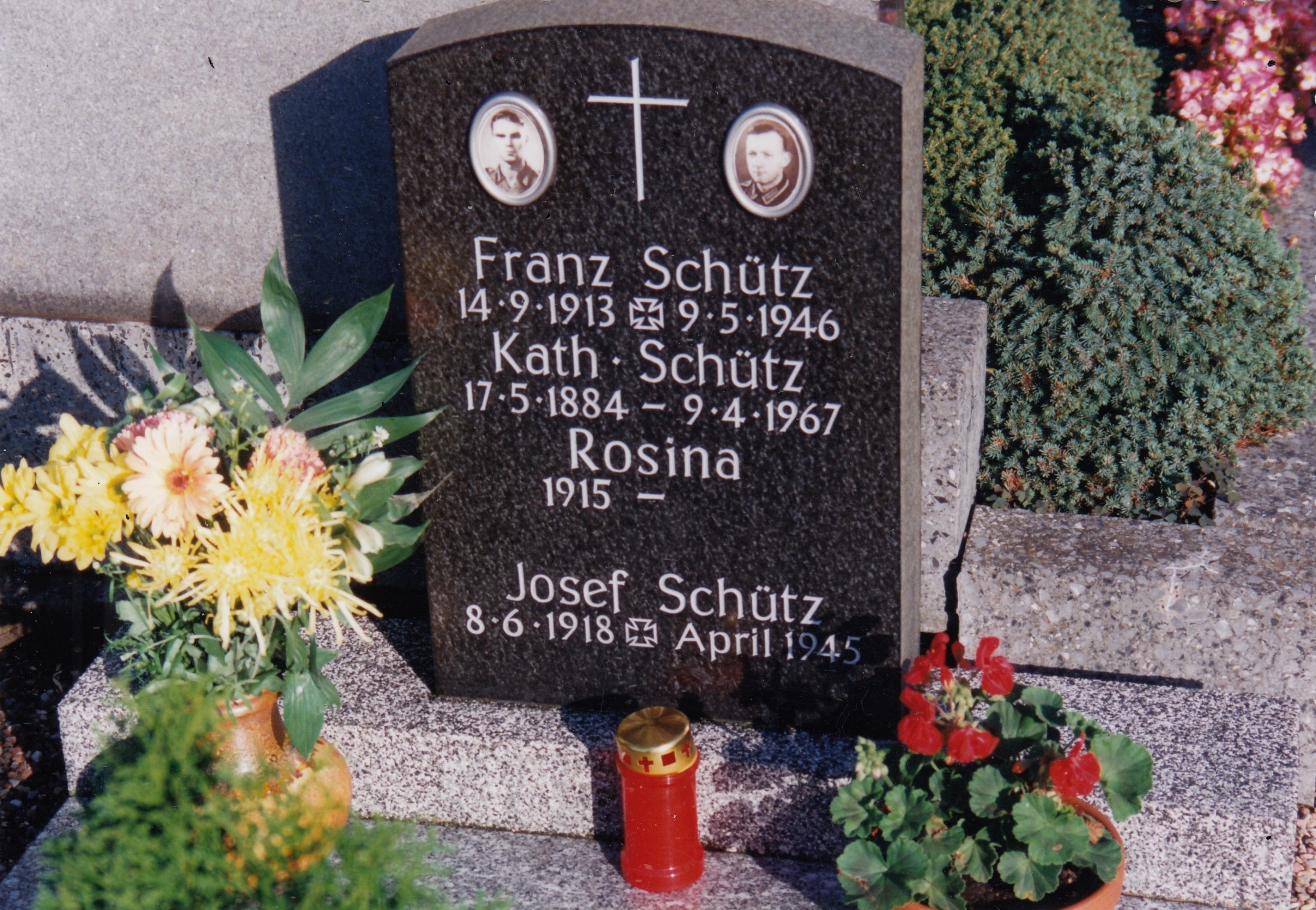
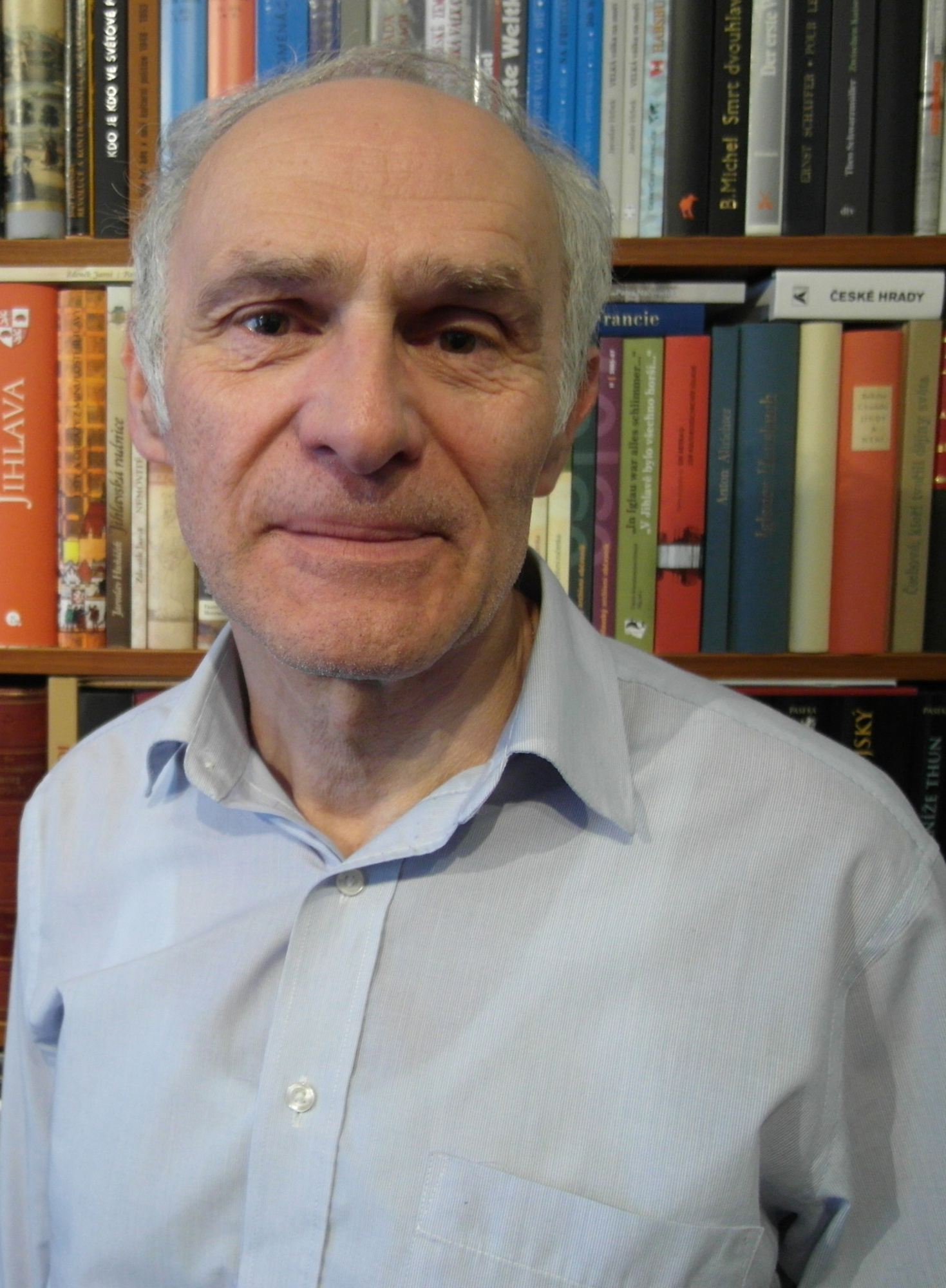
Vilém Wodák was born on 27 August, 1951 in Jihlava, that is after the WW2 was over. Despite that he mainly talks about the Czech and German relations regarding his mother´s fate. Marie Viktorie Medová, first married as Schützová, later Wodáková, was Czech. Her first husband belonged to Germans in Jihlava. He never came back from war. Marie Schützová as a person from mixed marriage was displaced together with other Germans in June 1945 and had to walk with her eighteen month old son Ewald to the Austrian border. Then she searched for her relatives in Vienna. Yet her son Ewald died due to poor post-war conditions. Thanks to her family Marie Viktorie returned to Jihlava. She married again to Vilém Wodák. Their first son, also Vilém, graduated from elementary school in 1966. Then he apprenticed and worked in rasper factory Tona. There he met Pavel Novák and due to him also the Chart 77 materials. Nowadays Vilém Wodák is active in the Association for the old Jihlava. He is dedicated to research activities.