Tadeusz Wilk

* 1946

  • "I say, if some regime, some dictatorship comes, pack up and run away. It's not life without freedom. Everything, the way I used to go unfree across the border, I had things hidden, whether it was money or other things, it wasn't about freedom, you were afraid. My father, who really fought for Poland, he was in all this and he fought for freedom. So one thing, the money, sometimes it's better to have less of it but to be free. We want to be free in our relationships, in our work, that's the most important thing. Above all hold on to freedom, of course work is necessary."

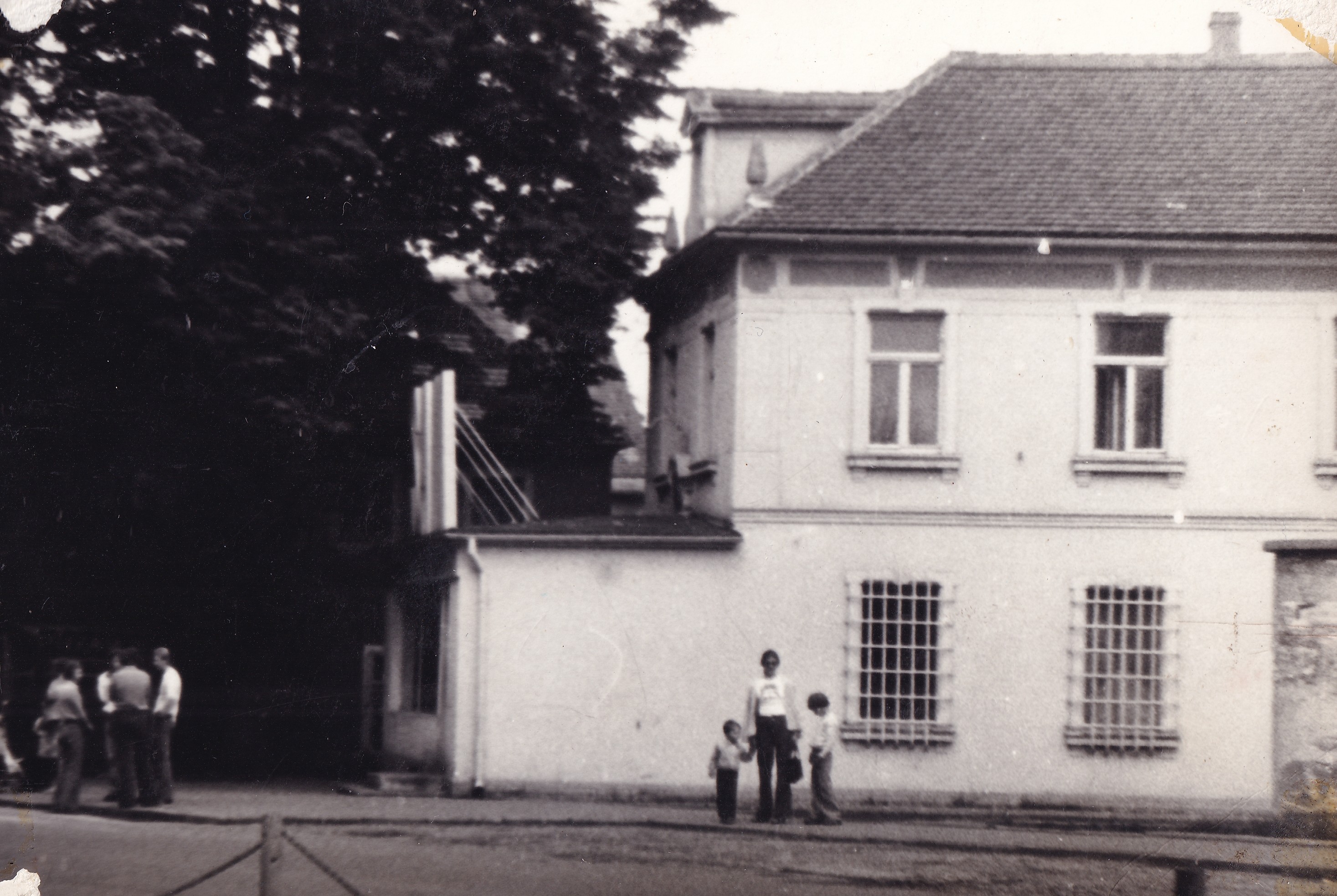
  • "I arrived at the border and they sent me aside, and because at that time there were modern tapes of different recordings, I probably had three or four tapes. And they said, 'That's impossible, you are still carrying some of these tapes.' Then I found out that I was being followed here in Boskovice, and I was detained on that basis. First I was detained in a cellar in Náchod, and then I went to Hradec, and I was there until the amnesty that Husák gave, I think in June, so from January for about half a year. Nobody asked me any questions, it was just a trial for doing it just more times. It was even written that I was always smuggling something, but that was just one time those few tapes. There's always been something in transit, but never a quantity that would suggest... Everybody wanted to help their family, there was a lot of scarce goods in Poland that were brought from here, it wasn't to the extent that somebody would drop me off there, etc. After all that, they made a big demonstration for me here in front of my house in Boskovice, they threw all my stuff in front of the apartment building and said that it was all imported illegally. And then when my wife brought the receipts from Tuzex for the TV and other things, they packed it up and returned it. But they made such a show in front of the house, that was when they arrested me."

  • "I was very young, I was three, we were in bed and I know my mother told me that they came for him at night. This was in Bogatynia [Bohatyn], it's near the border, they transferred him to work there after the war and they wanted us to be transferred, I think, to Germany because the police and the communists were very much after those from the Armia Krajowa. I just know that he found out that the police had come down there, so he jumped out the window through the garage, but they caught him anyway. He hasn't been seen since. Then, when he was tortured to death in the prison in Wroclaw [Wrocław], they gave us a coffin, it was a steel coffin that you couldn't look into, saying that my father was there, and we buried him in the cemetery in Blachownia, that's part of Częstochowa, and our family is still there."

  • Full recordings
  • 1

    Boskovice, 23.09.2025

    (audio)
    duration: 01:37:08
    media recorded in project Příběhy regionu - JMK REG ED
Full recordings are available only for logged users.

It’s not life without freedom
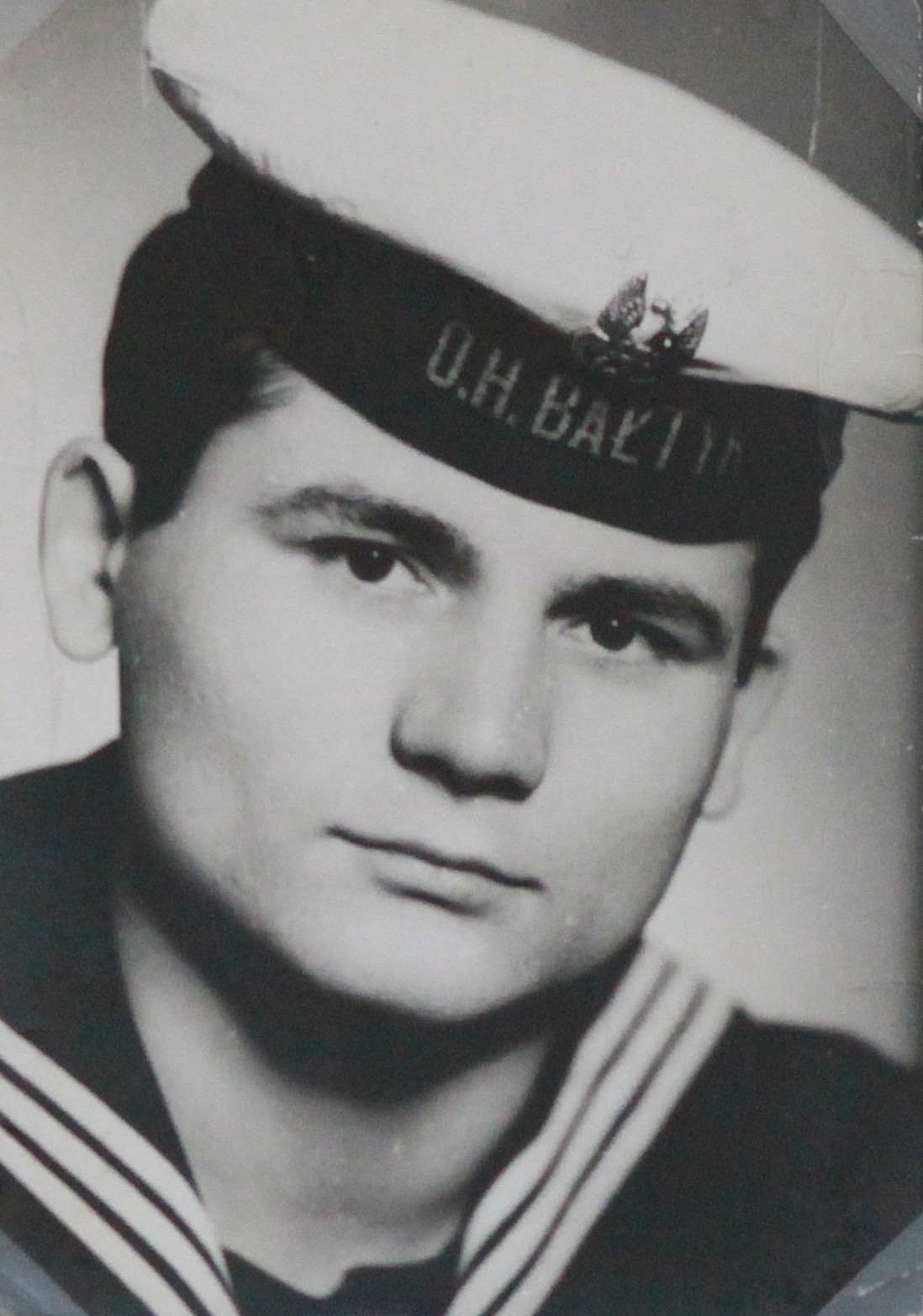
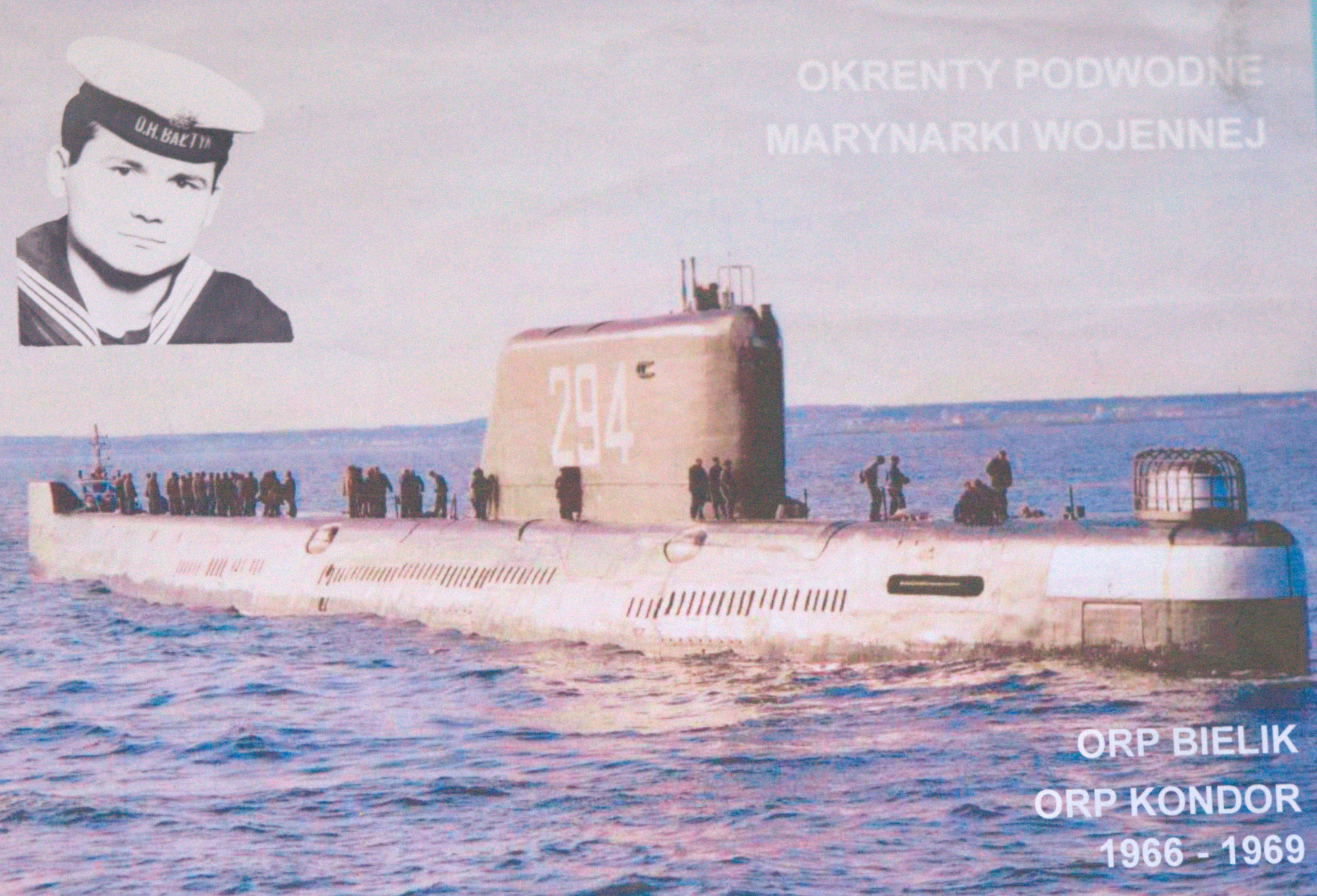
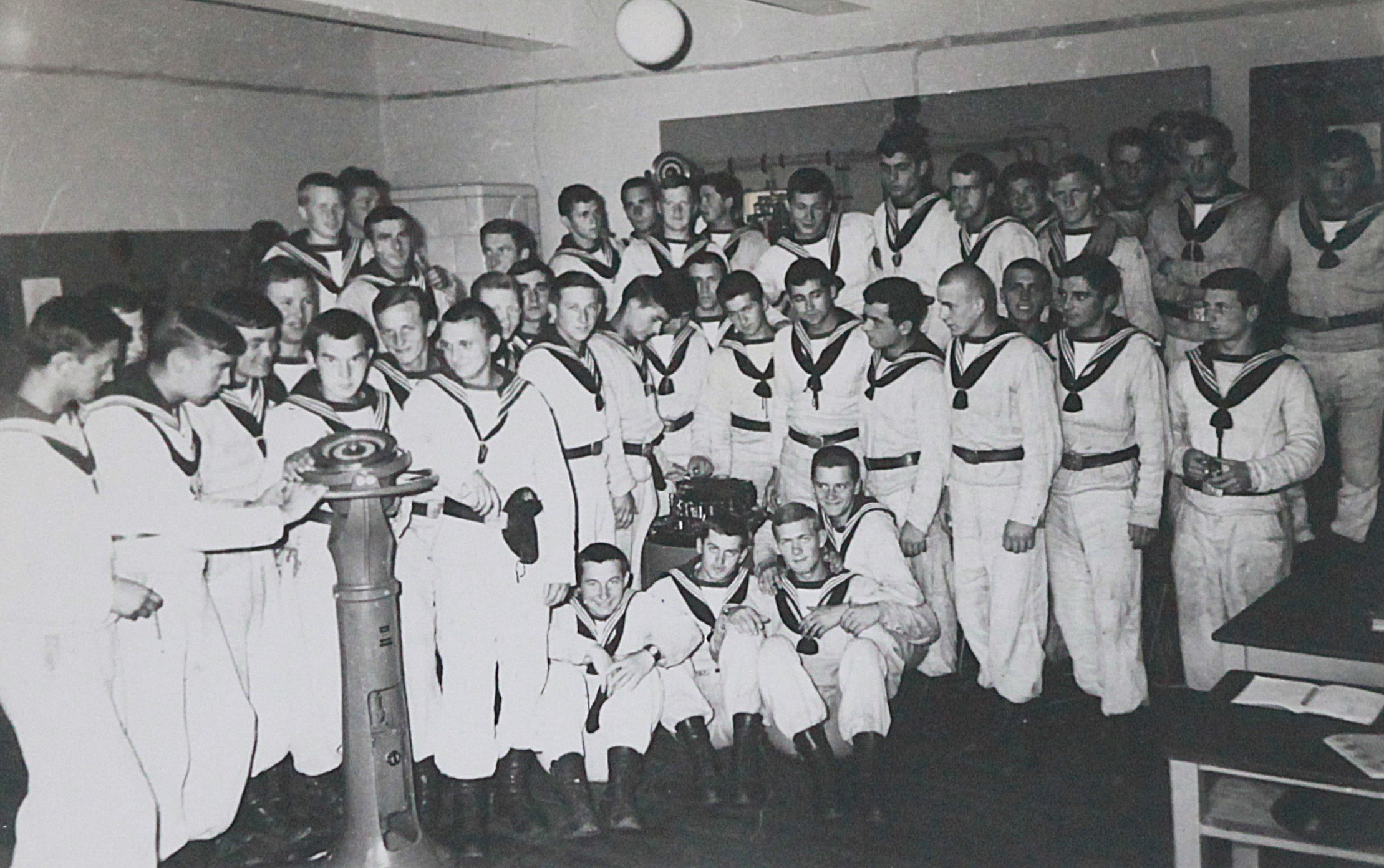
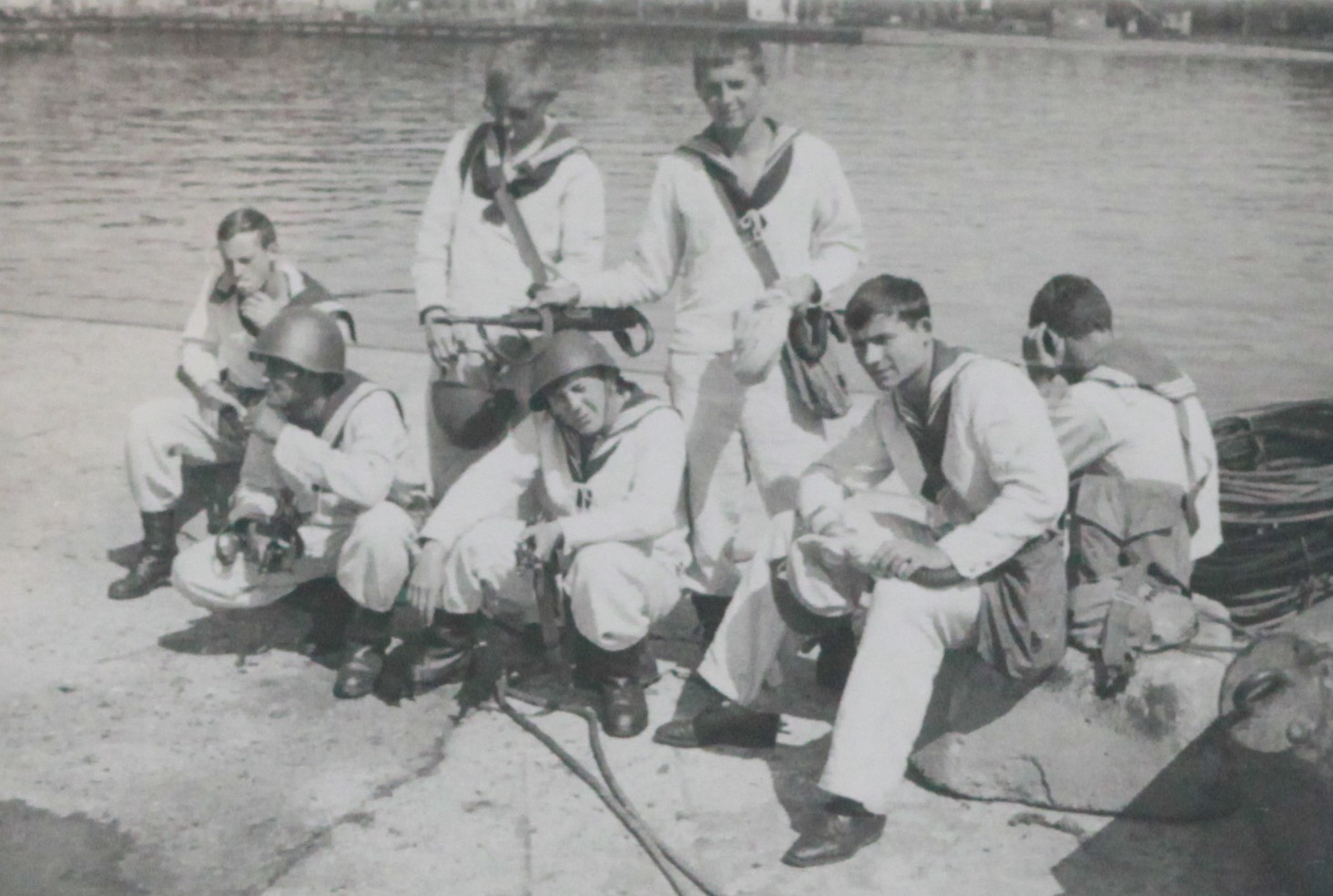
Tadeusz Wilk, military service in the navy, 1966 - 1969
photo: witness´s archive

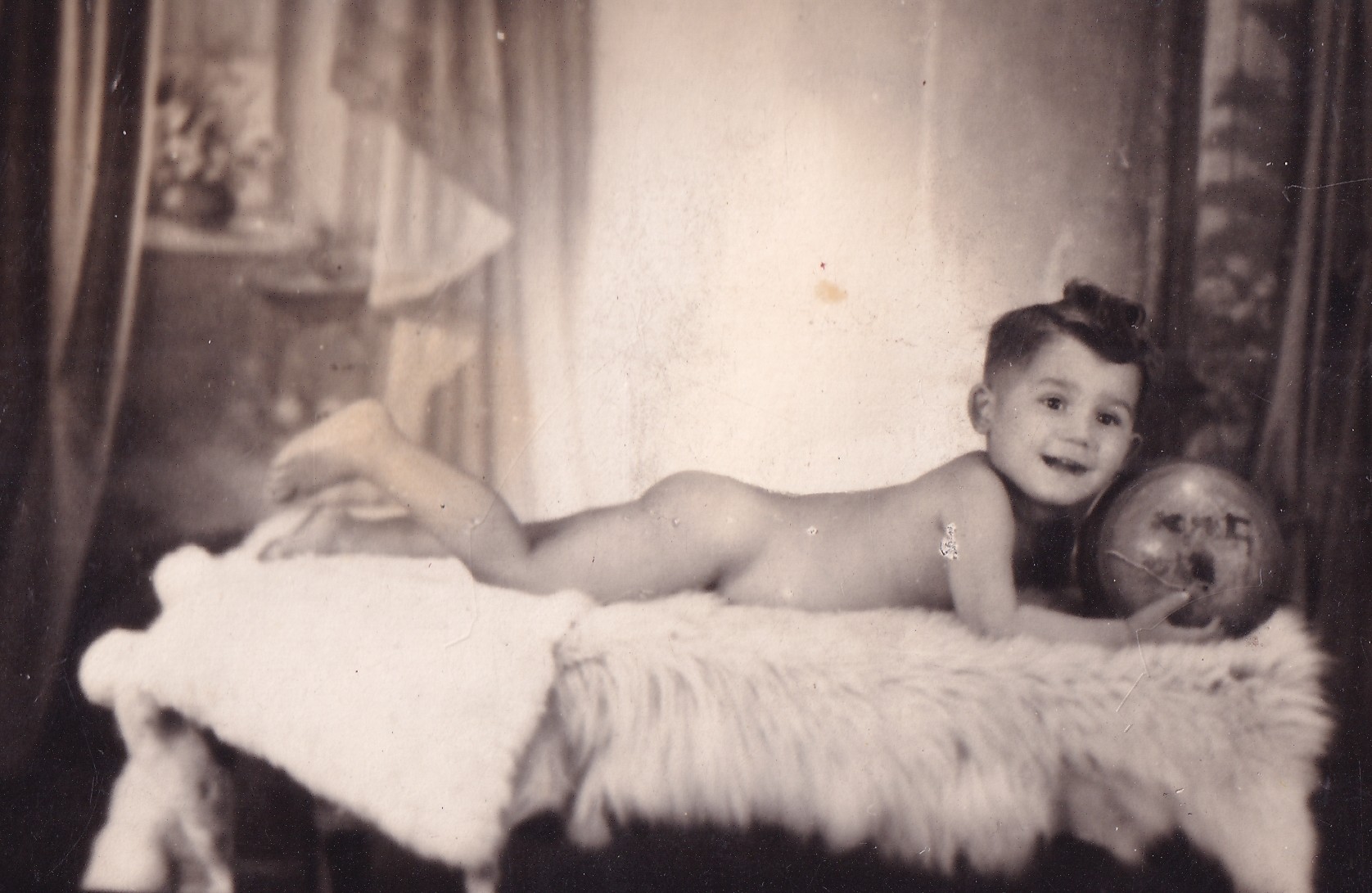
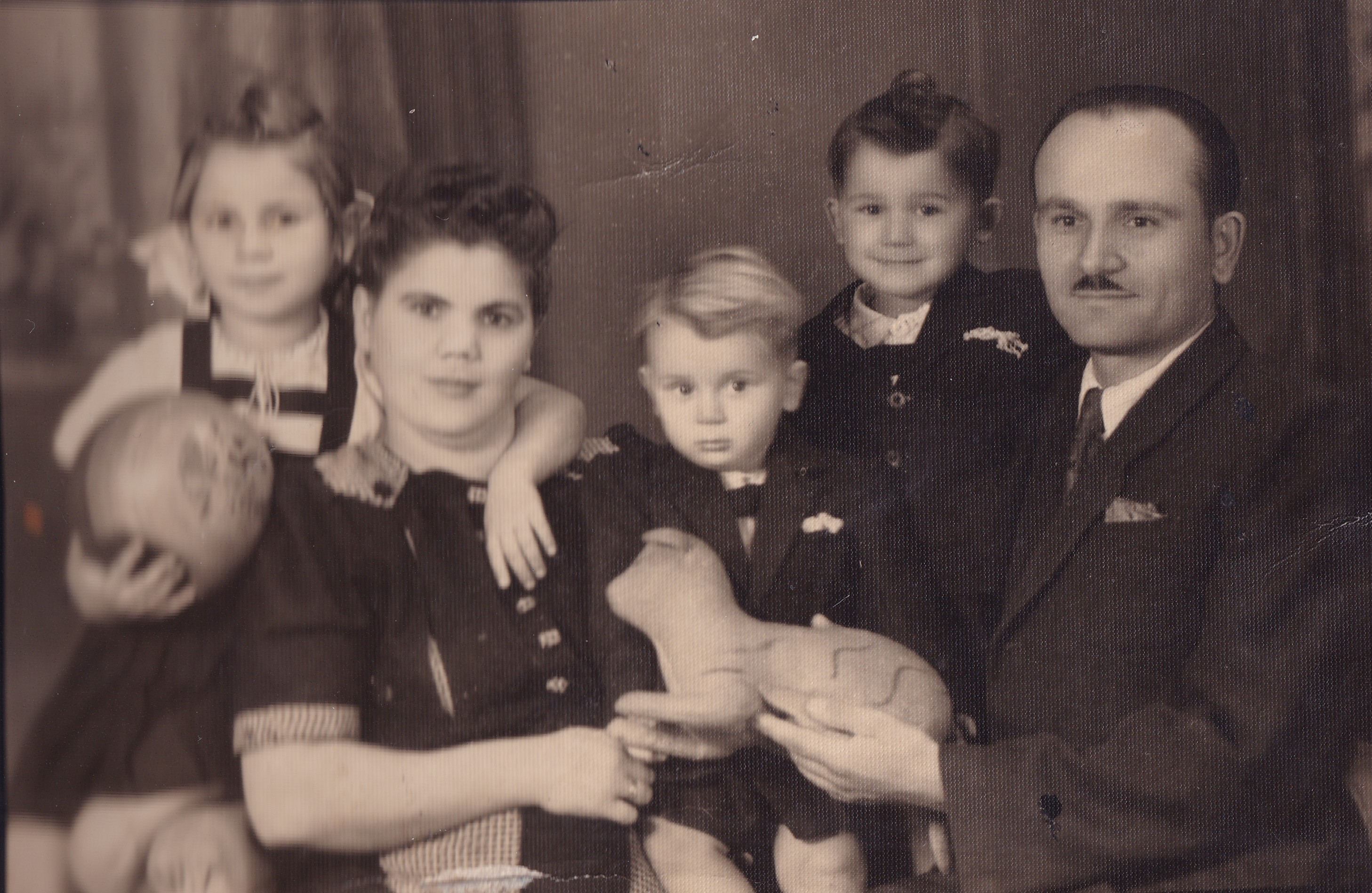
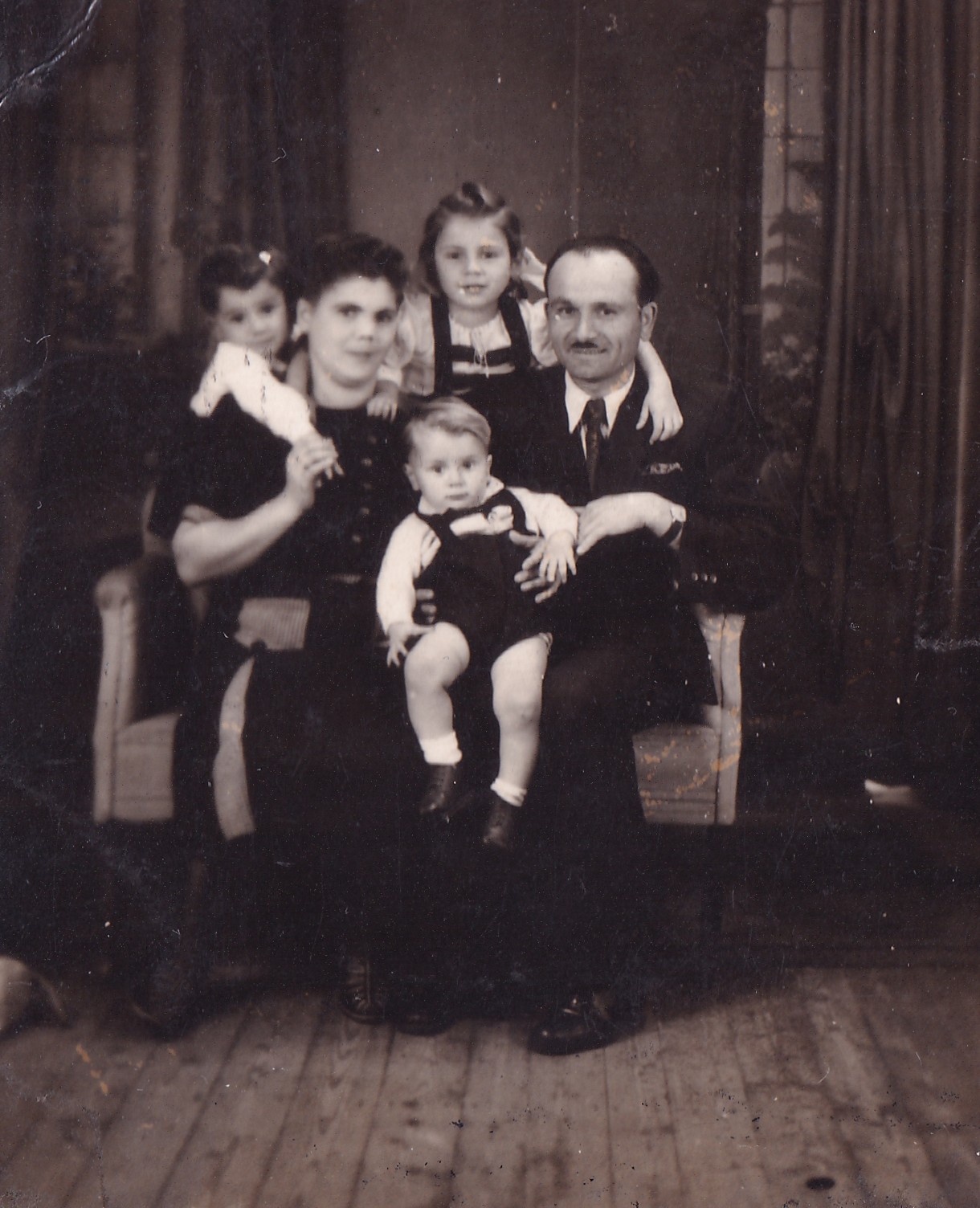
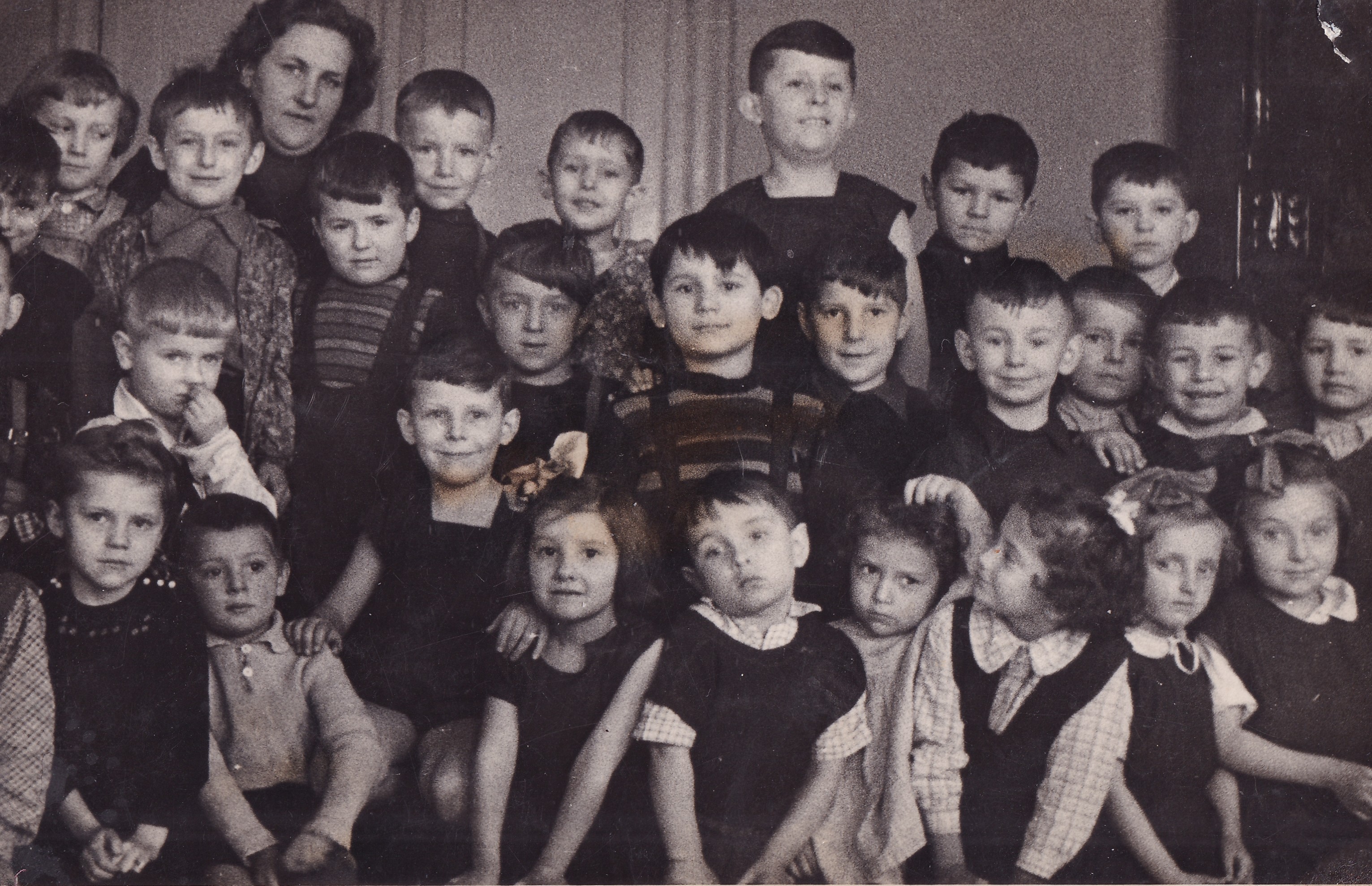
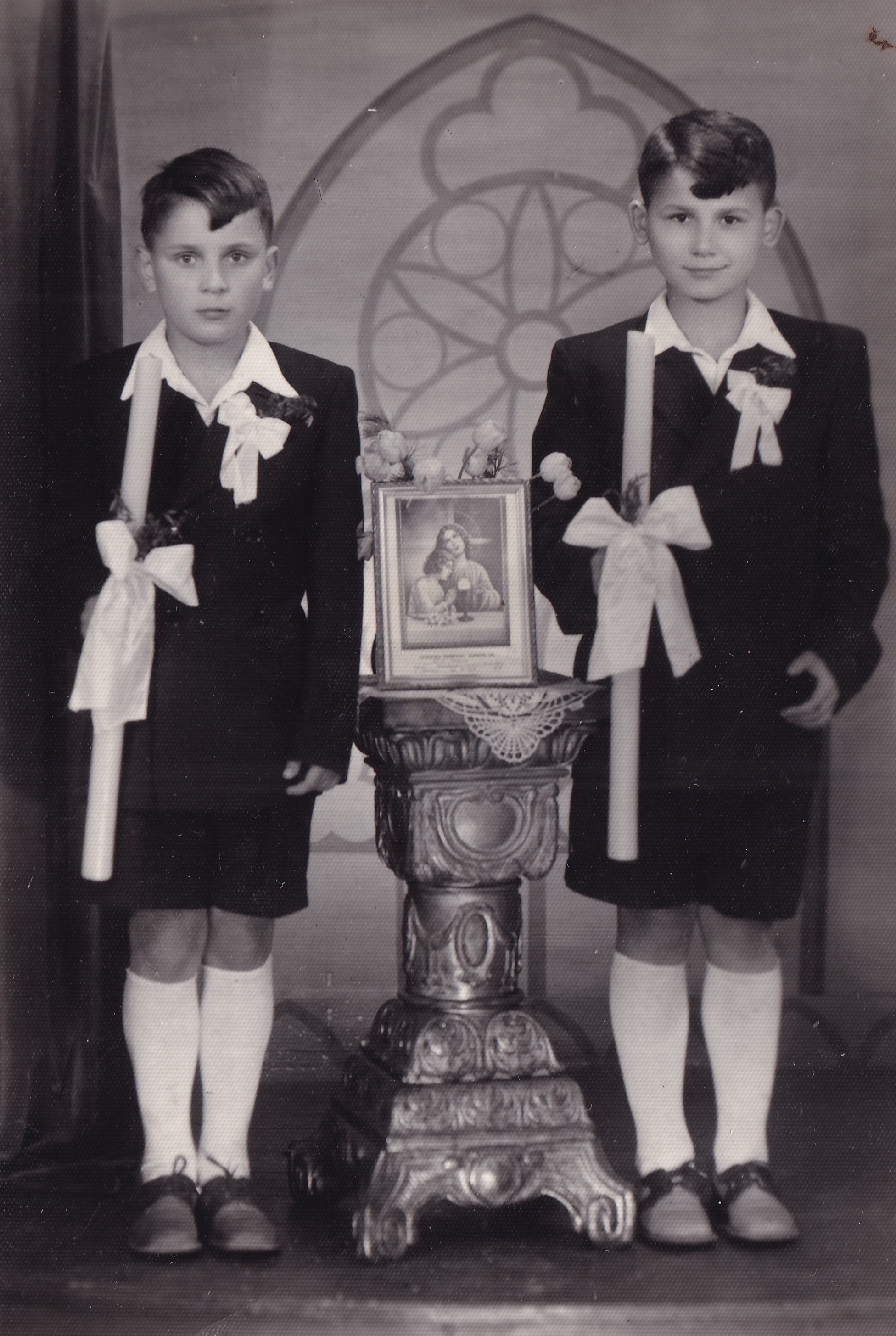
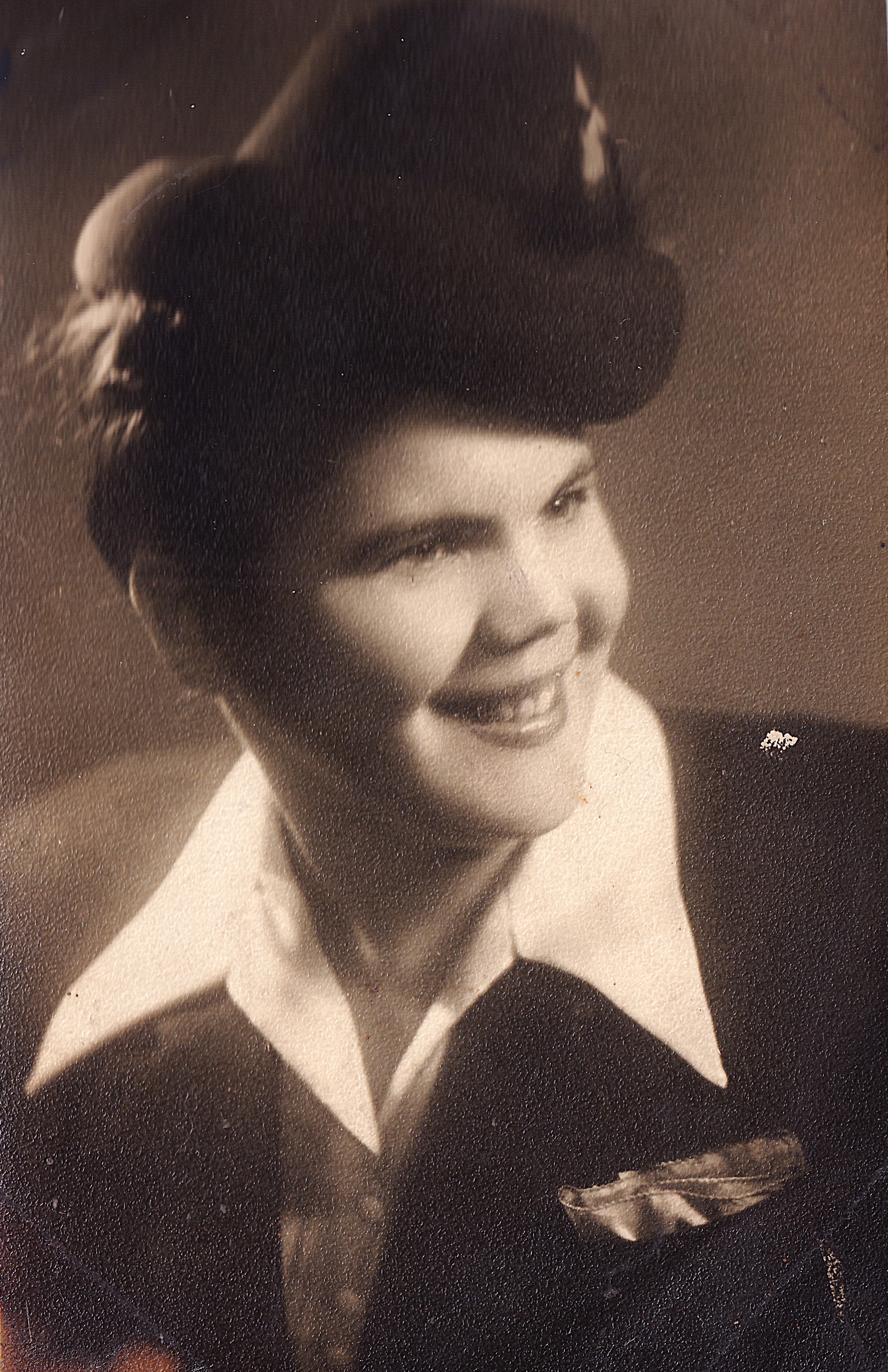
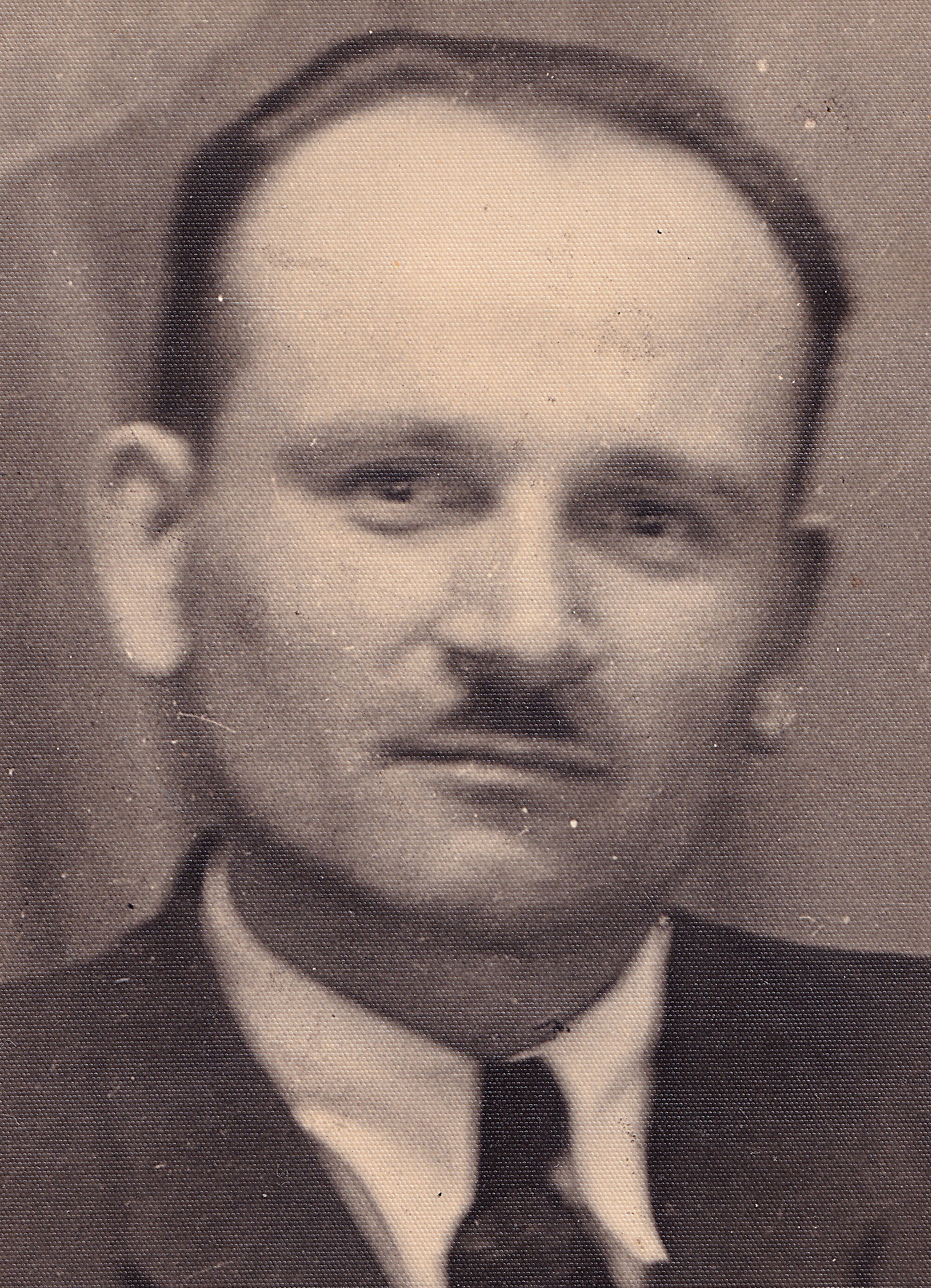
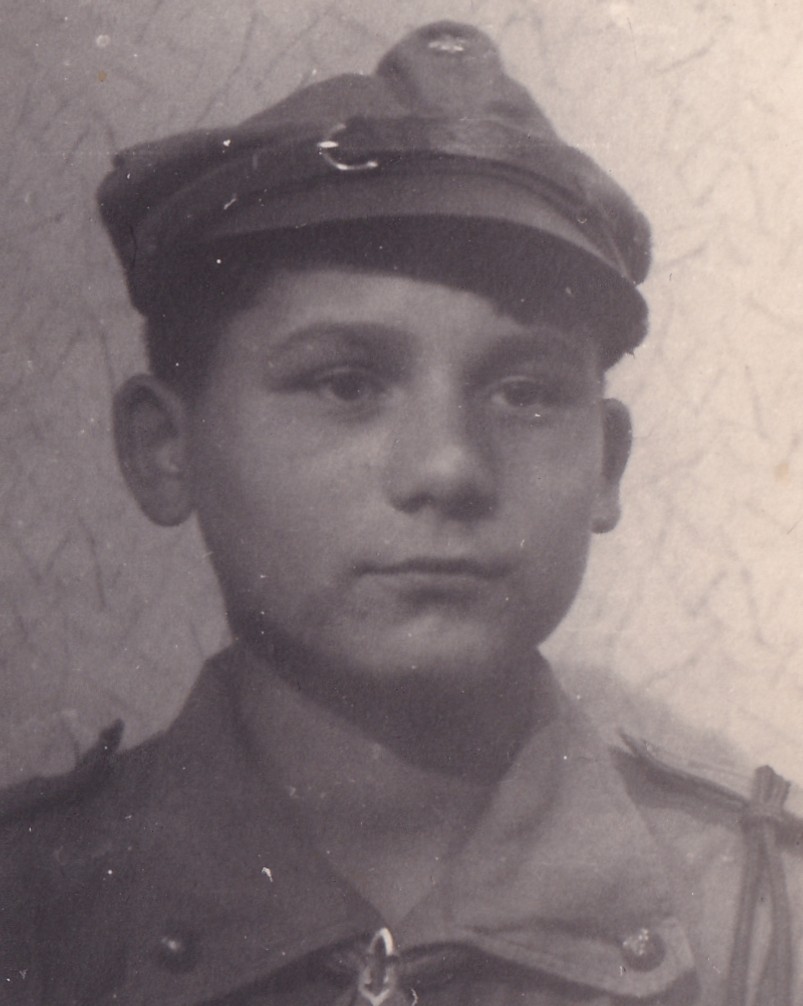
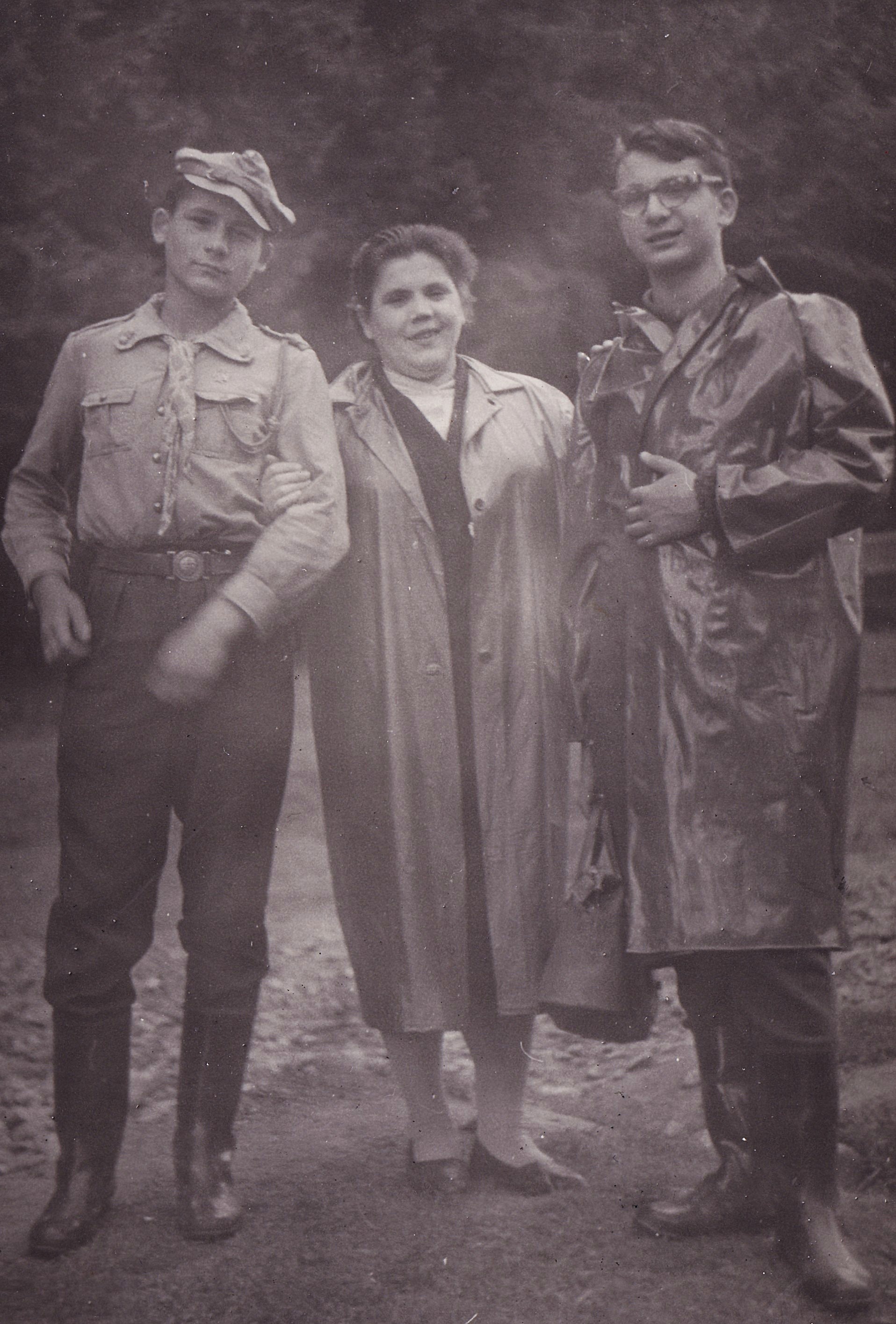
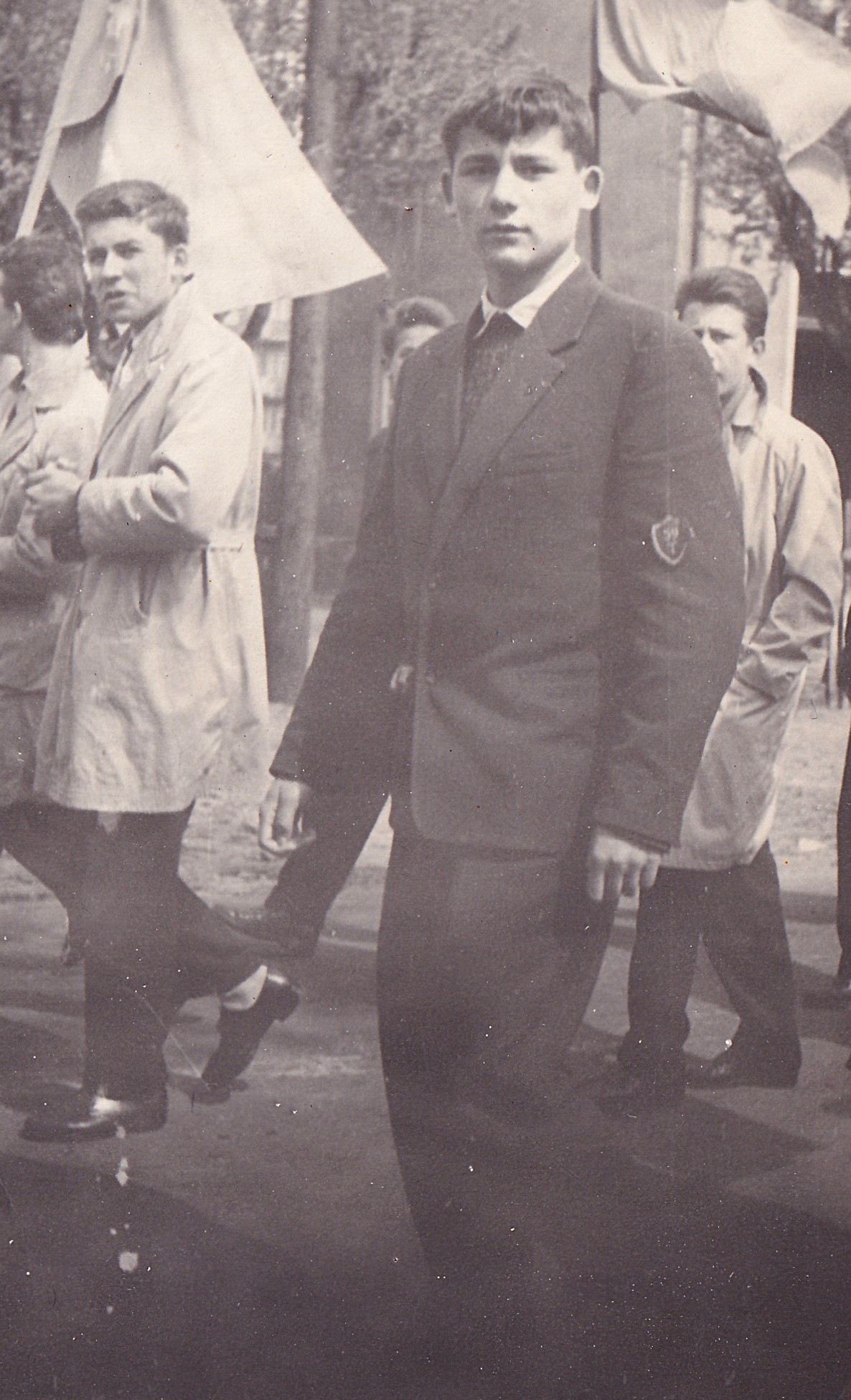
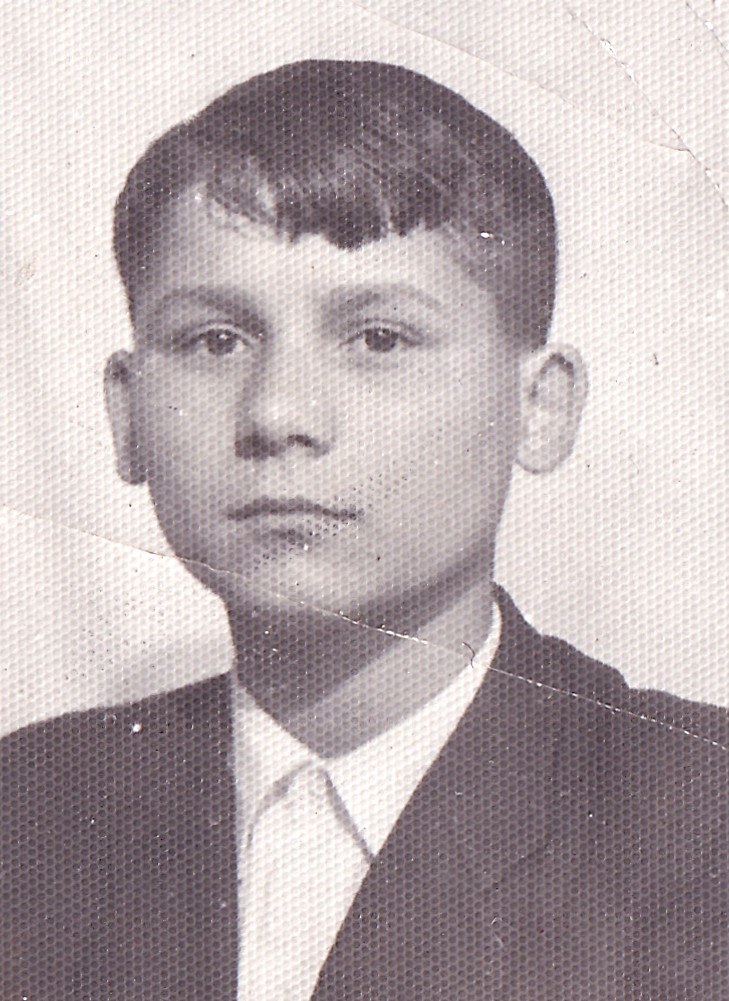
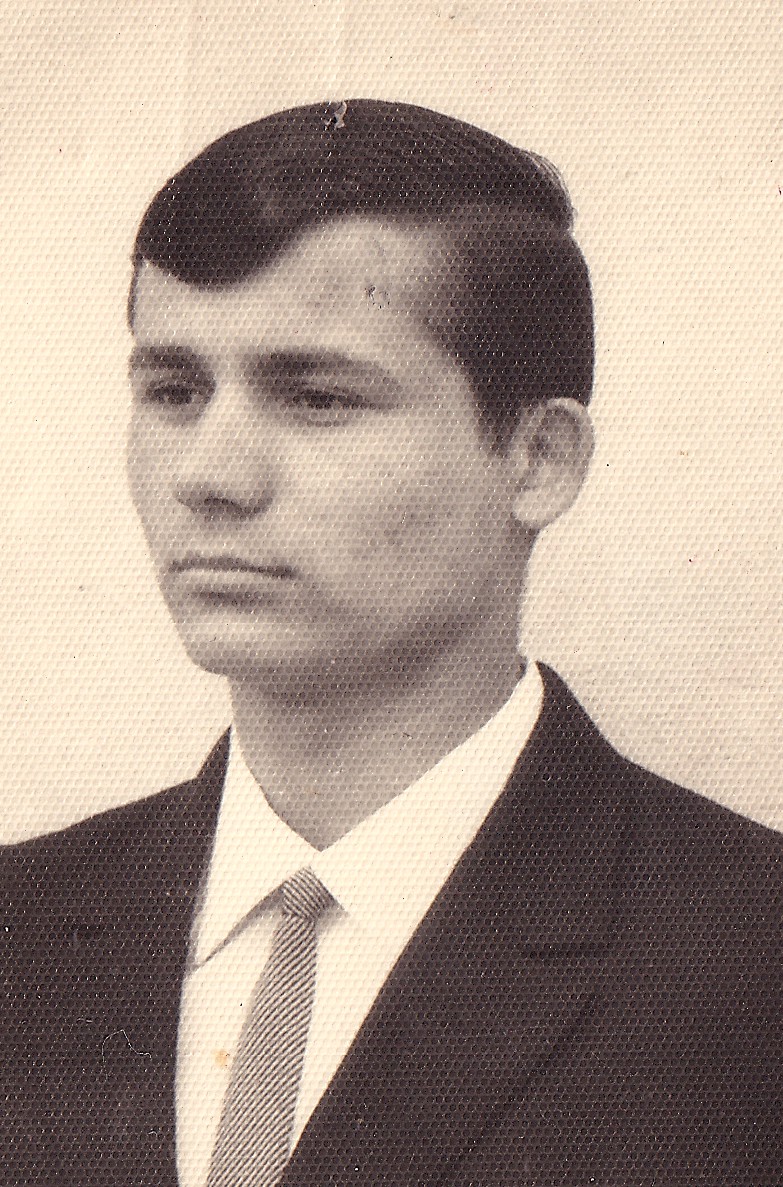
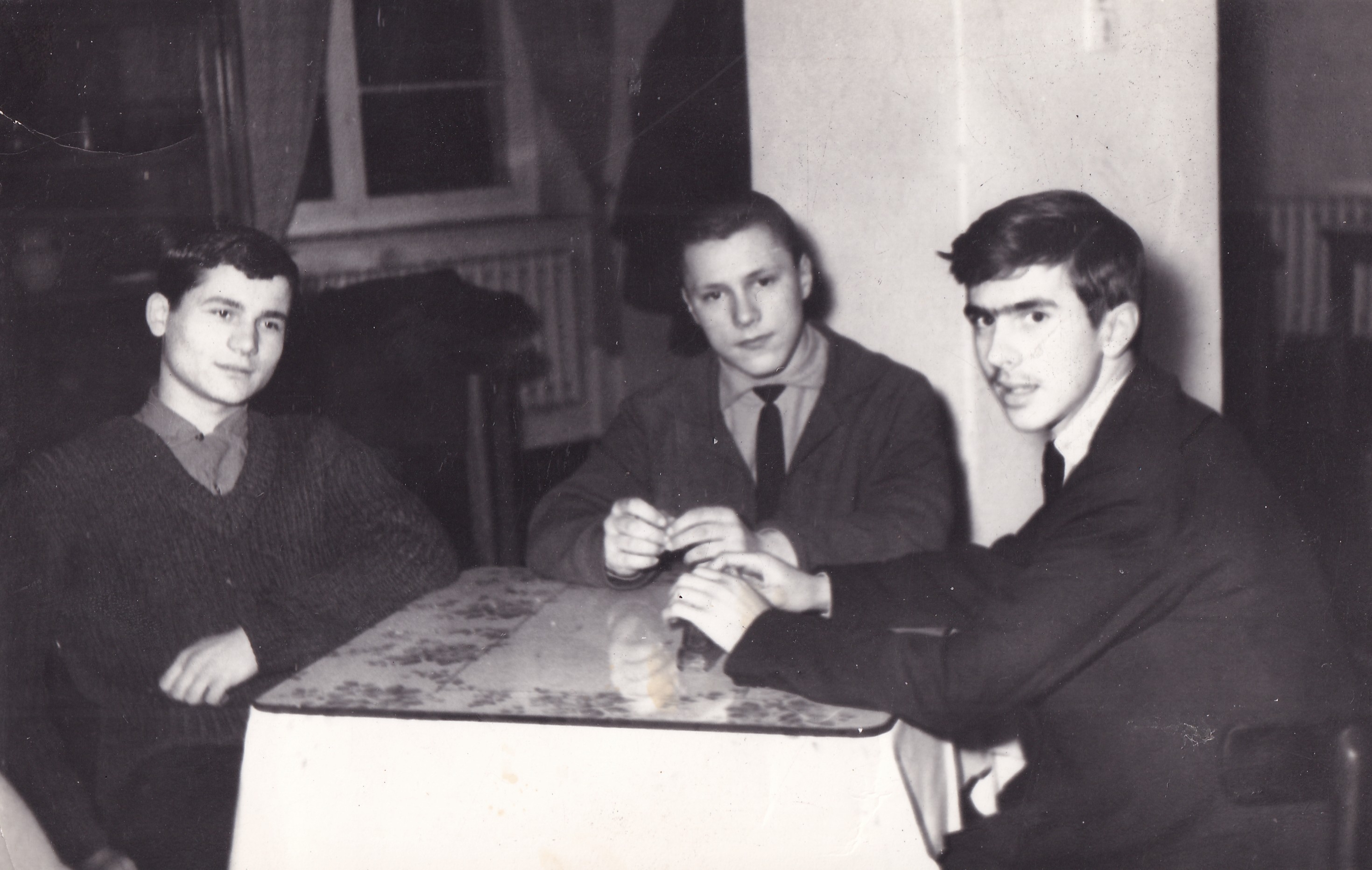
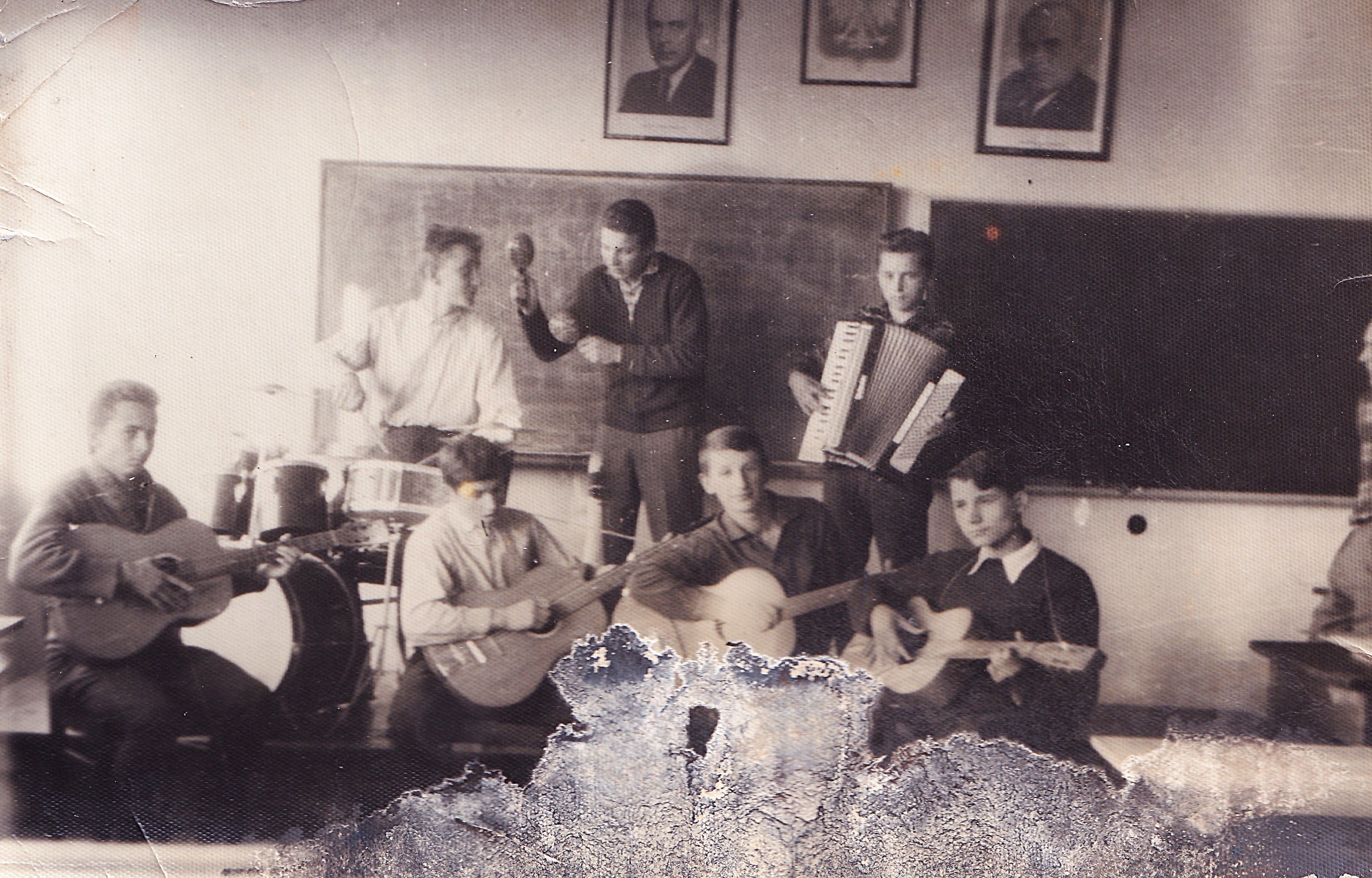
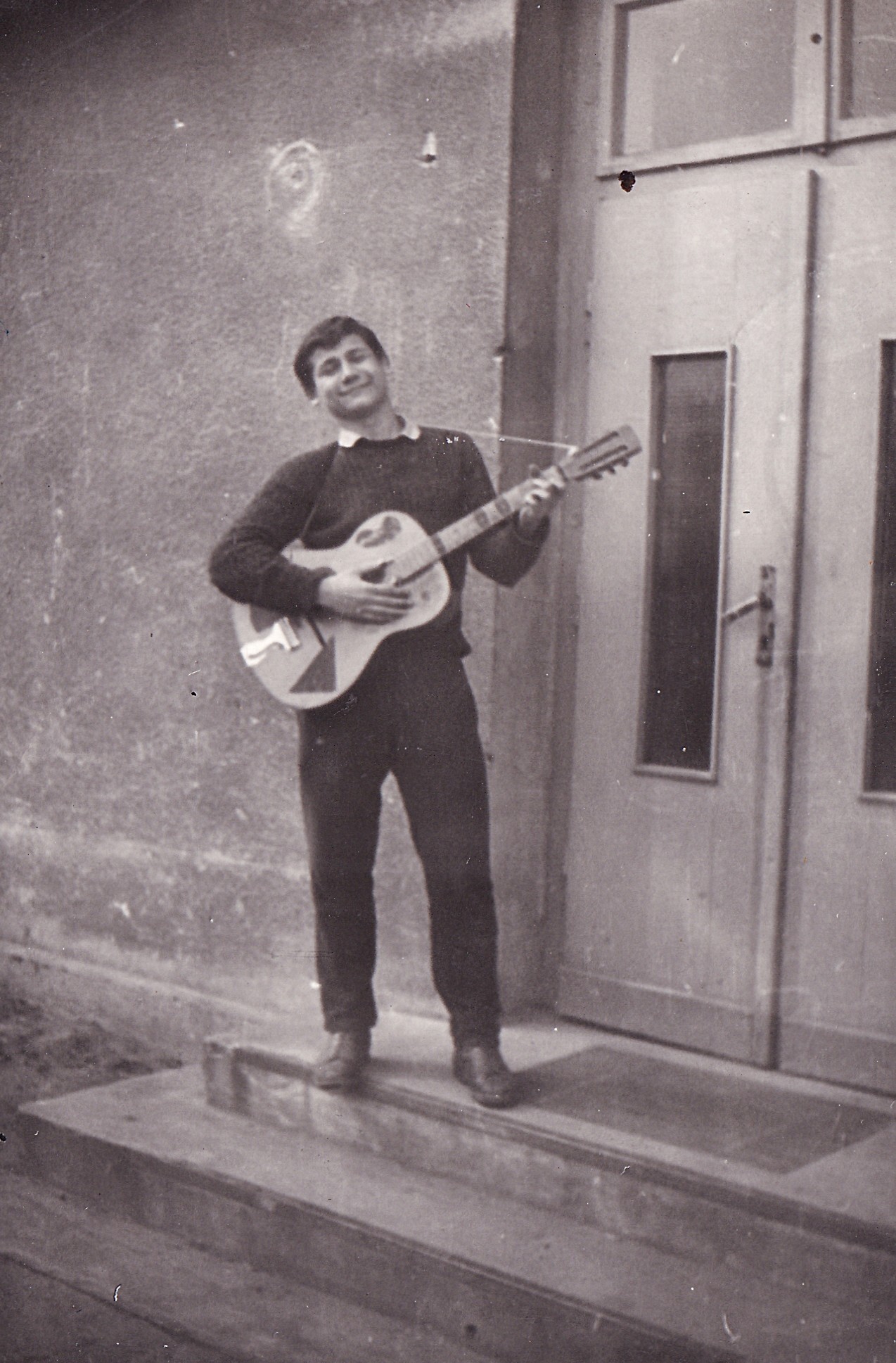
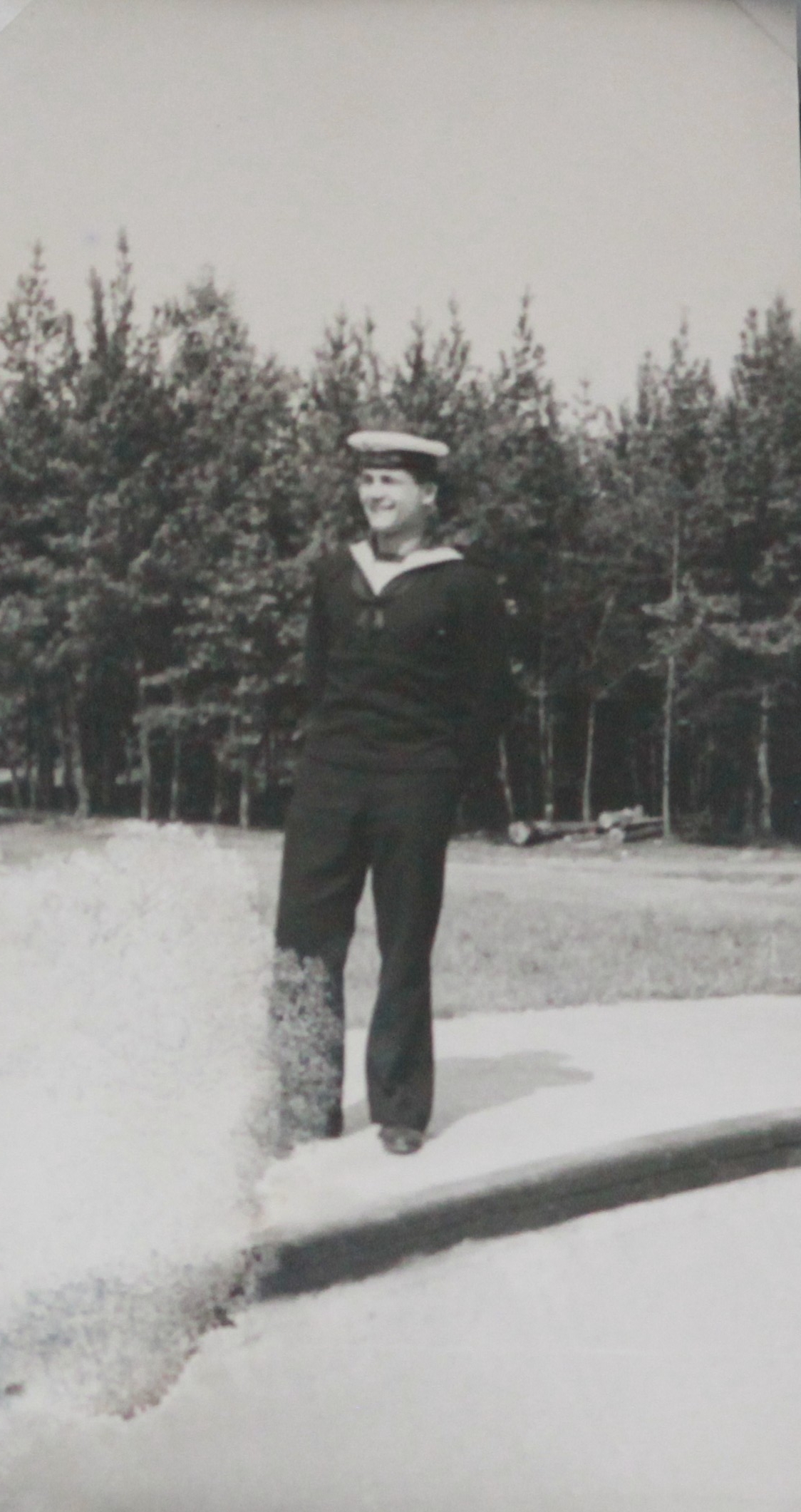
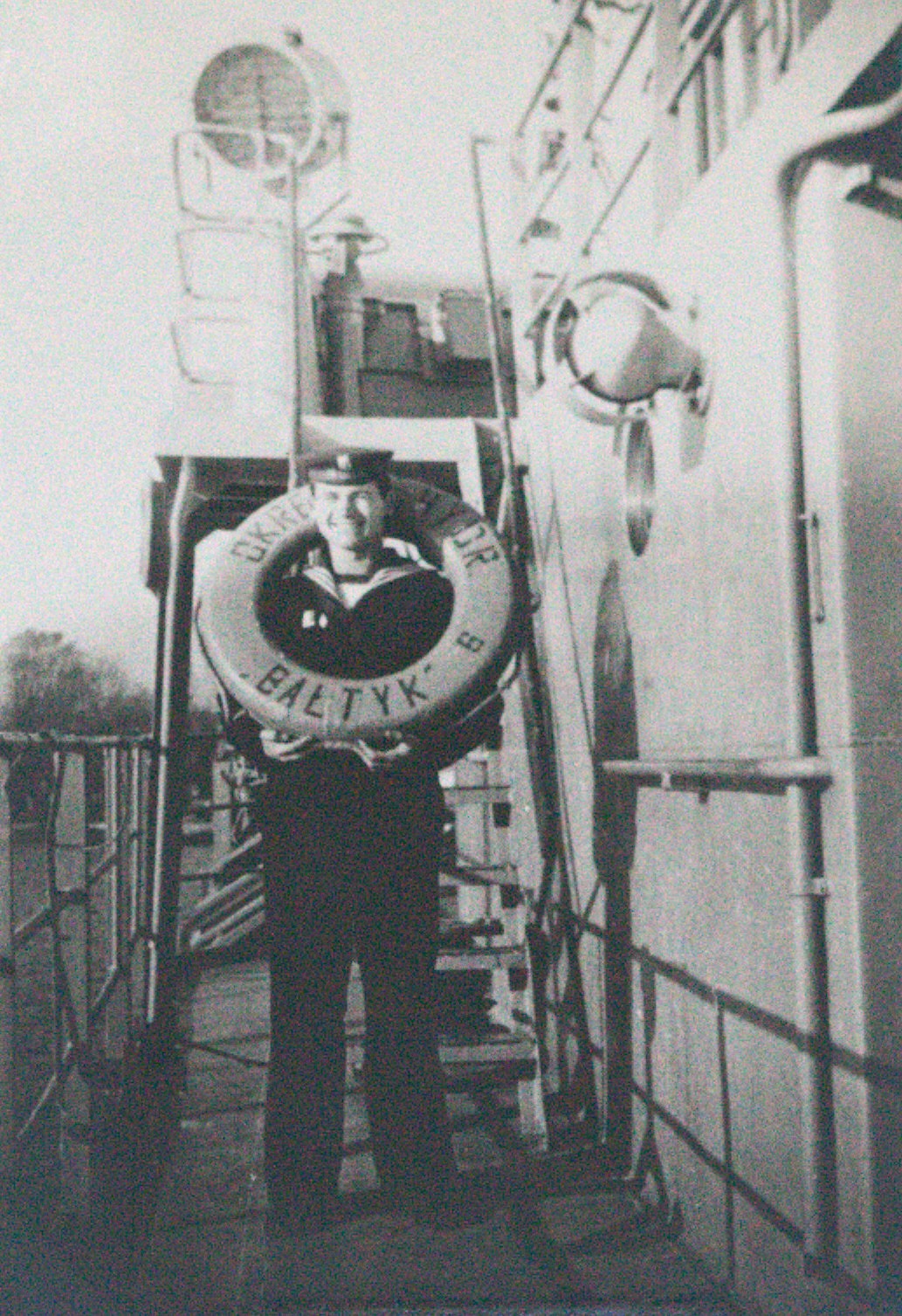
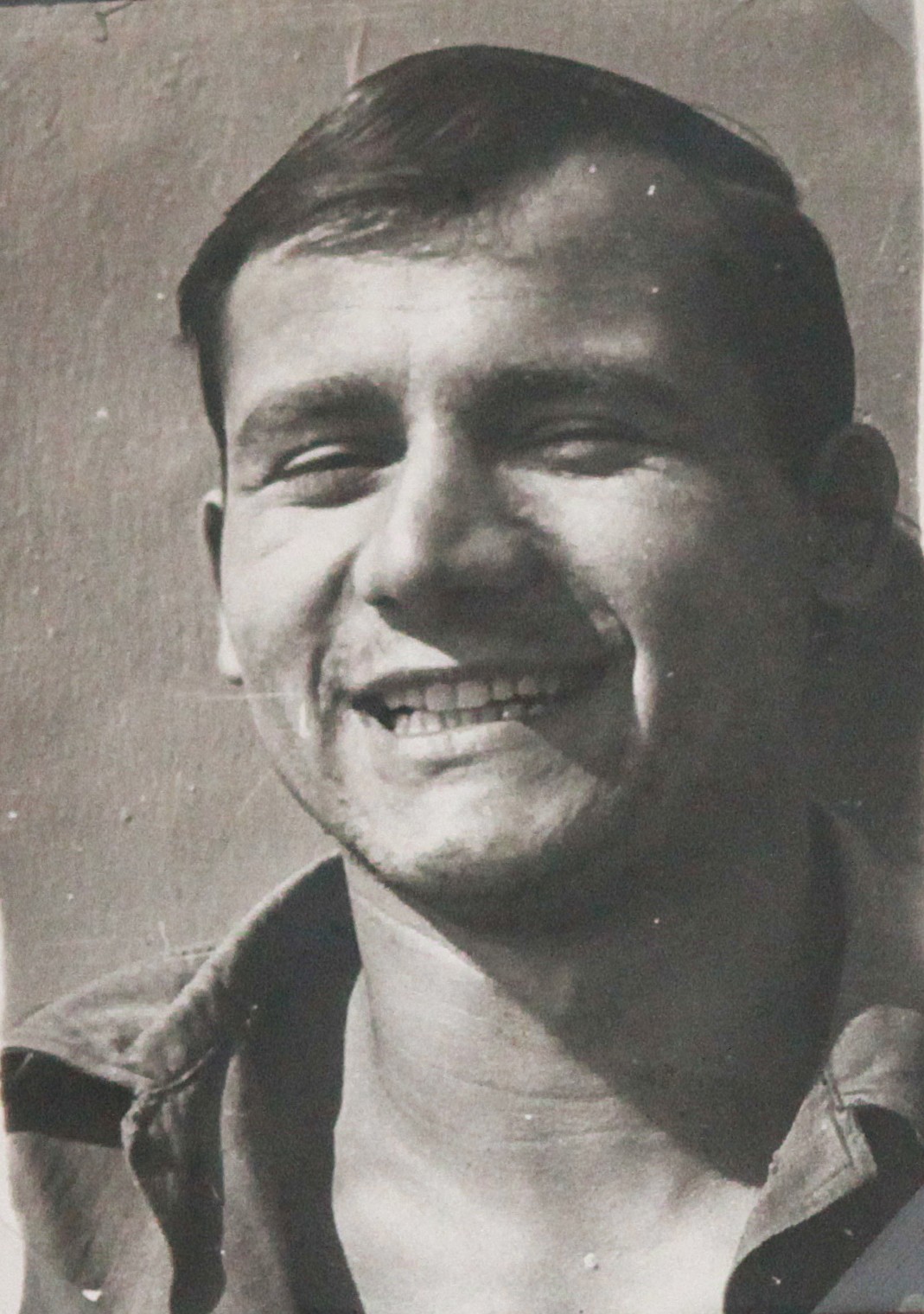
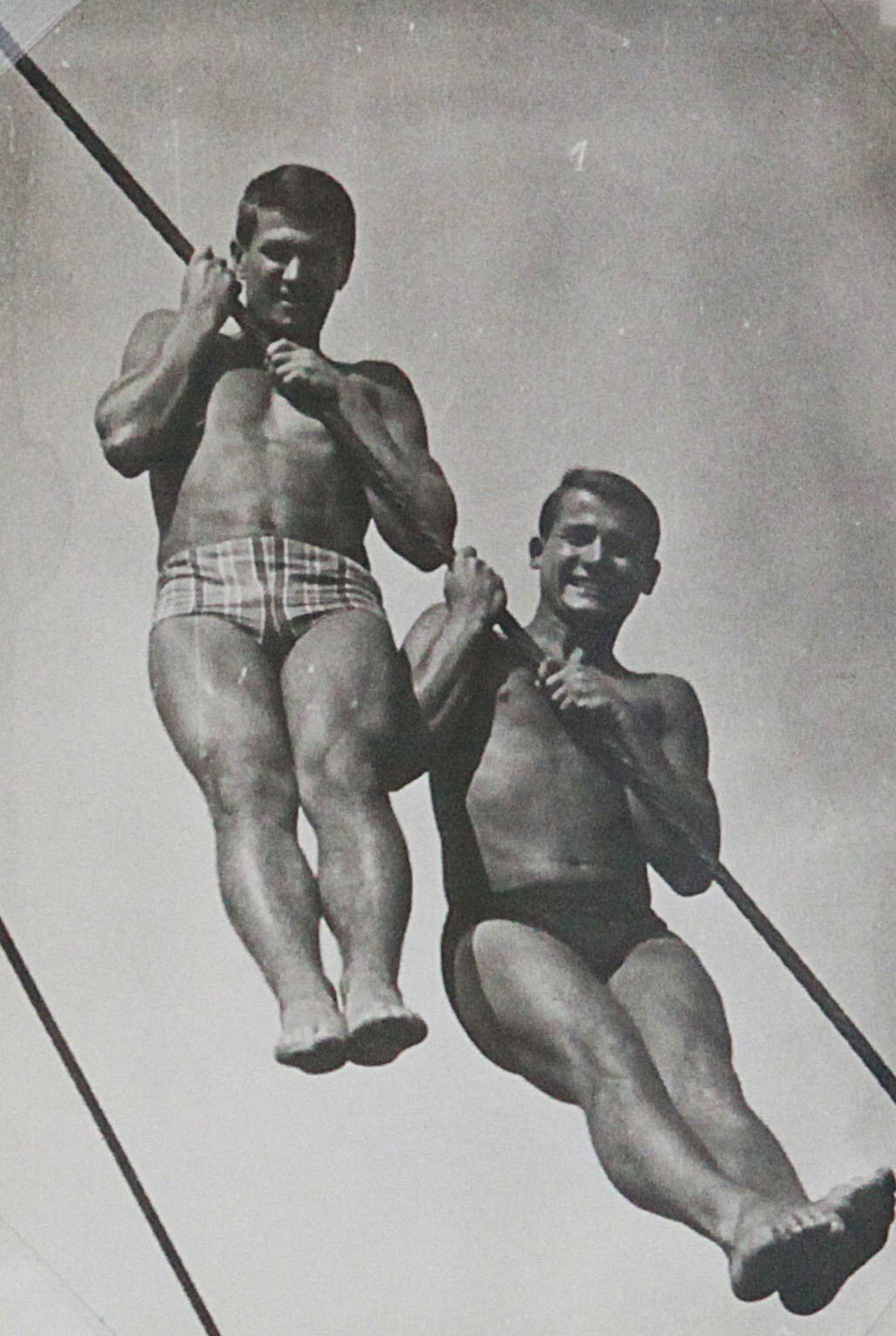
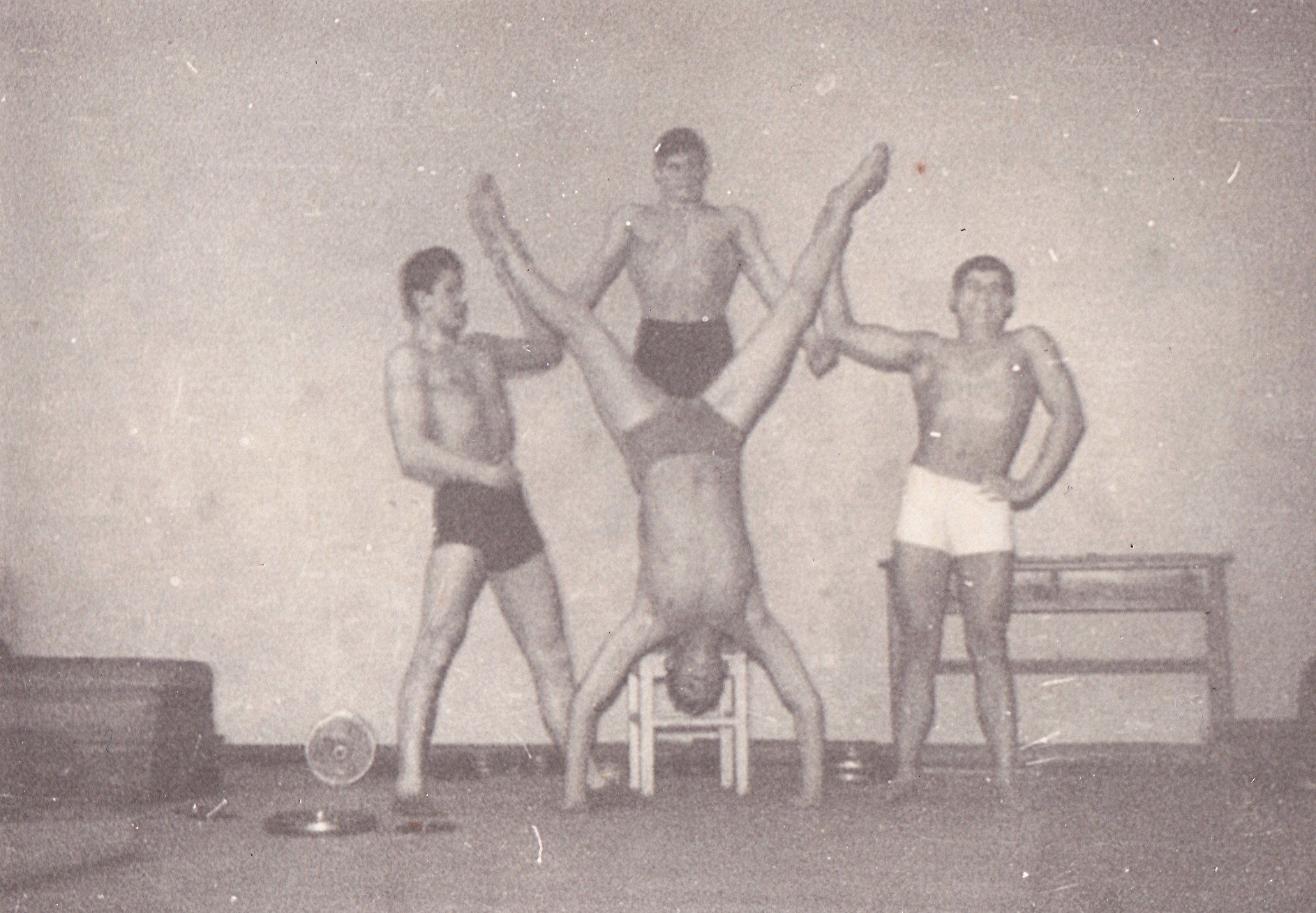
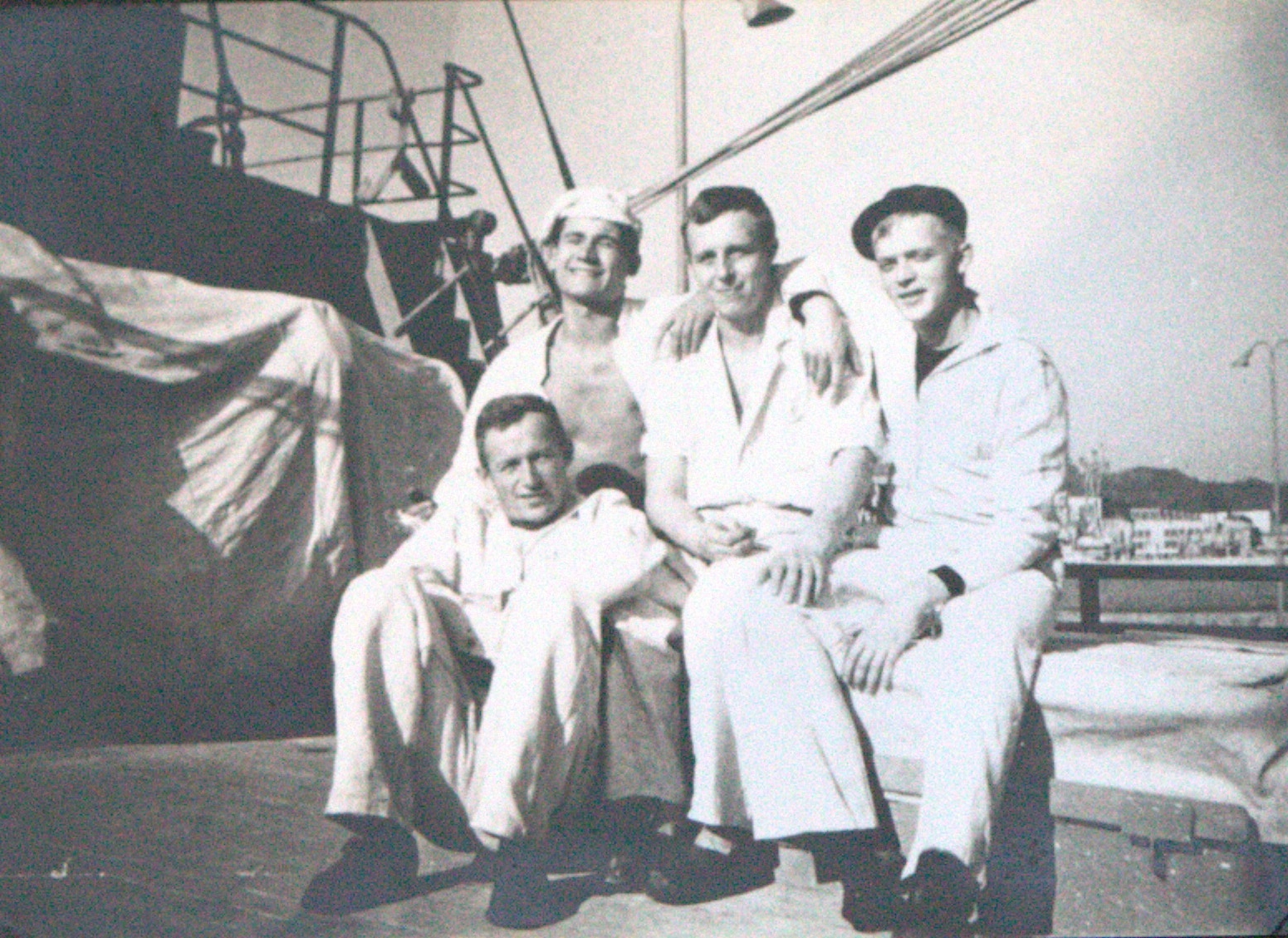
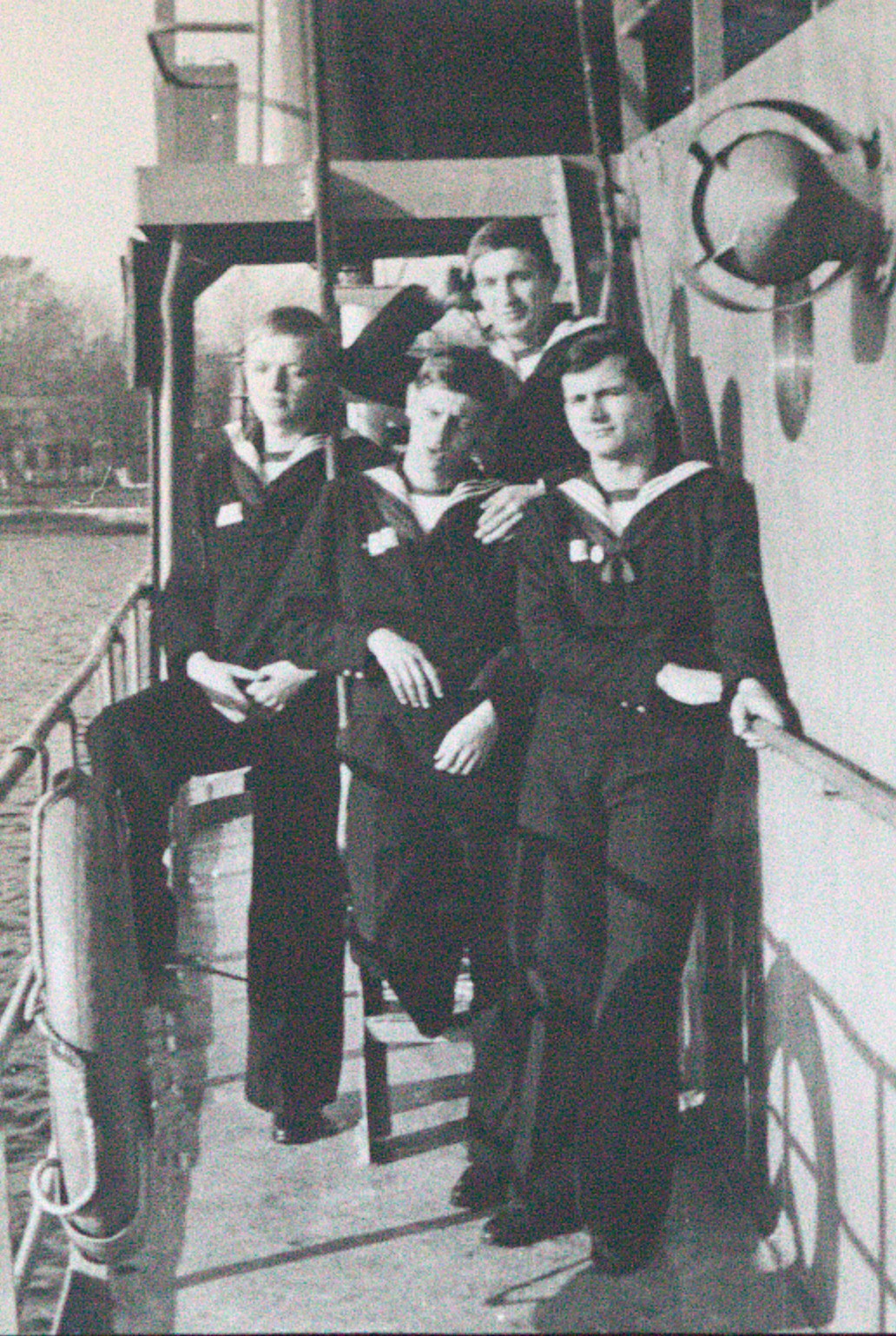
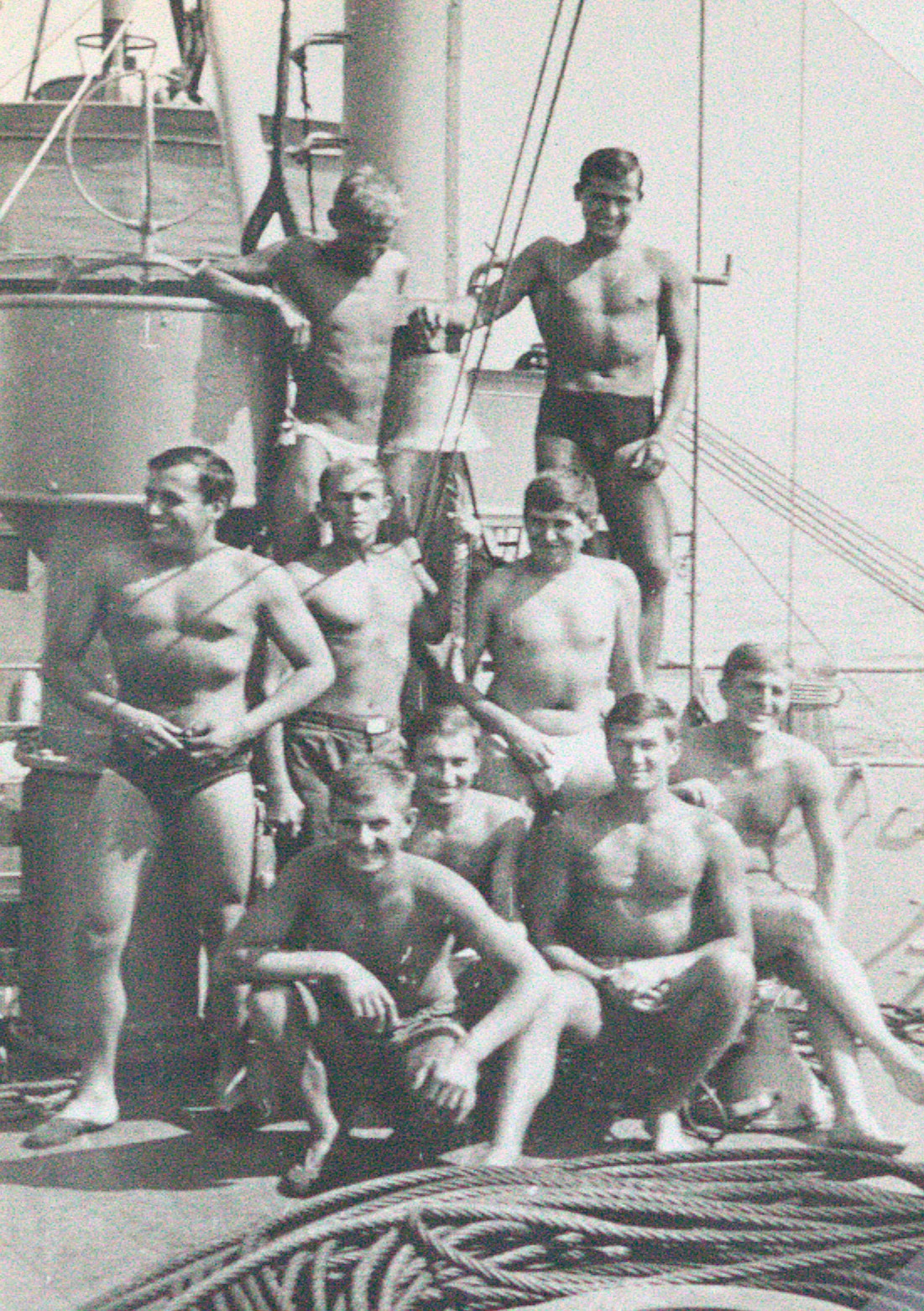
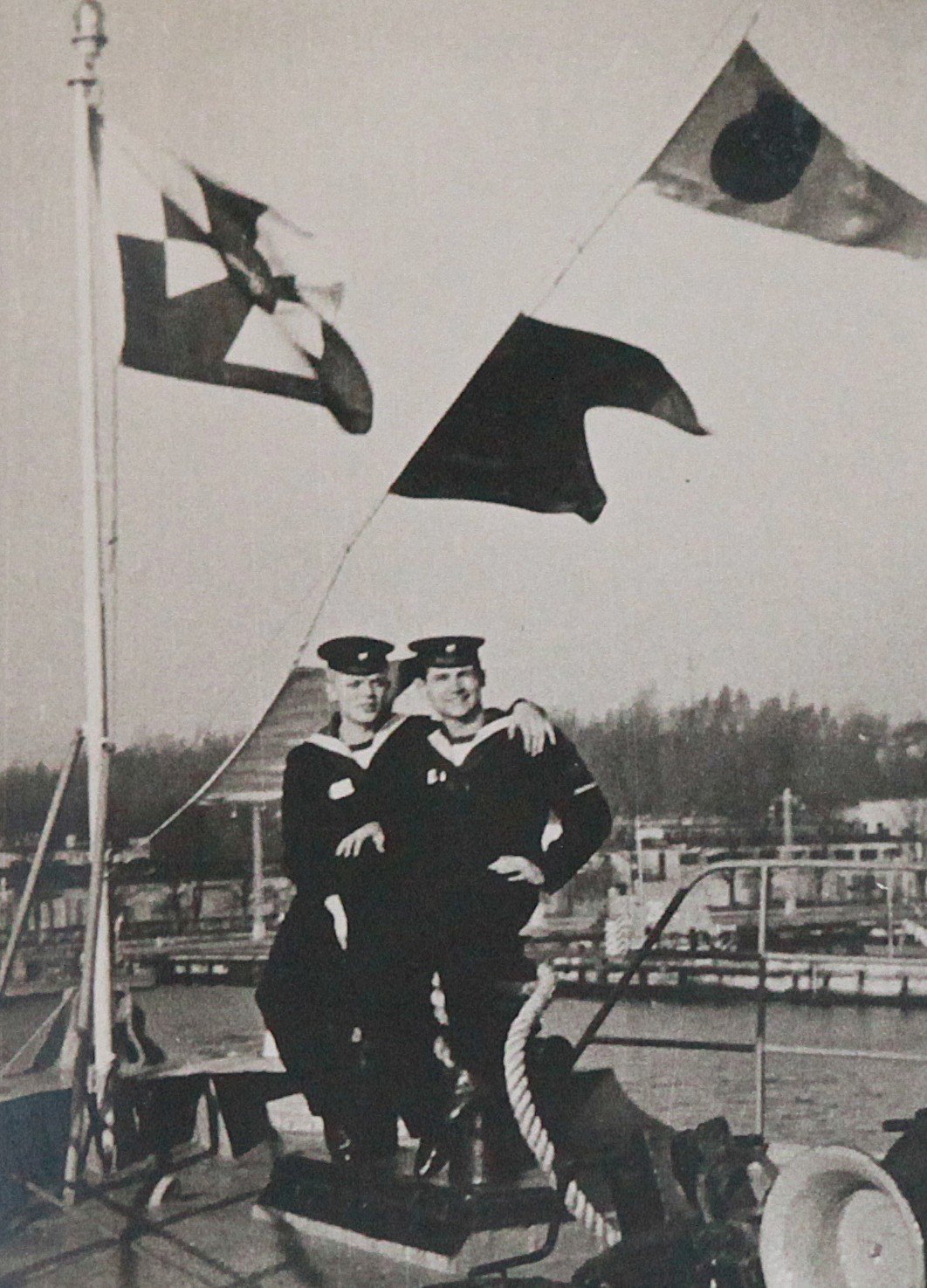
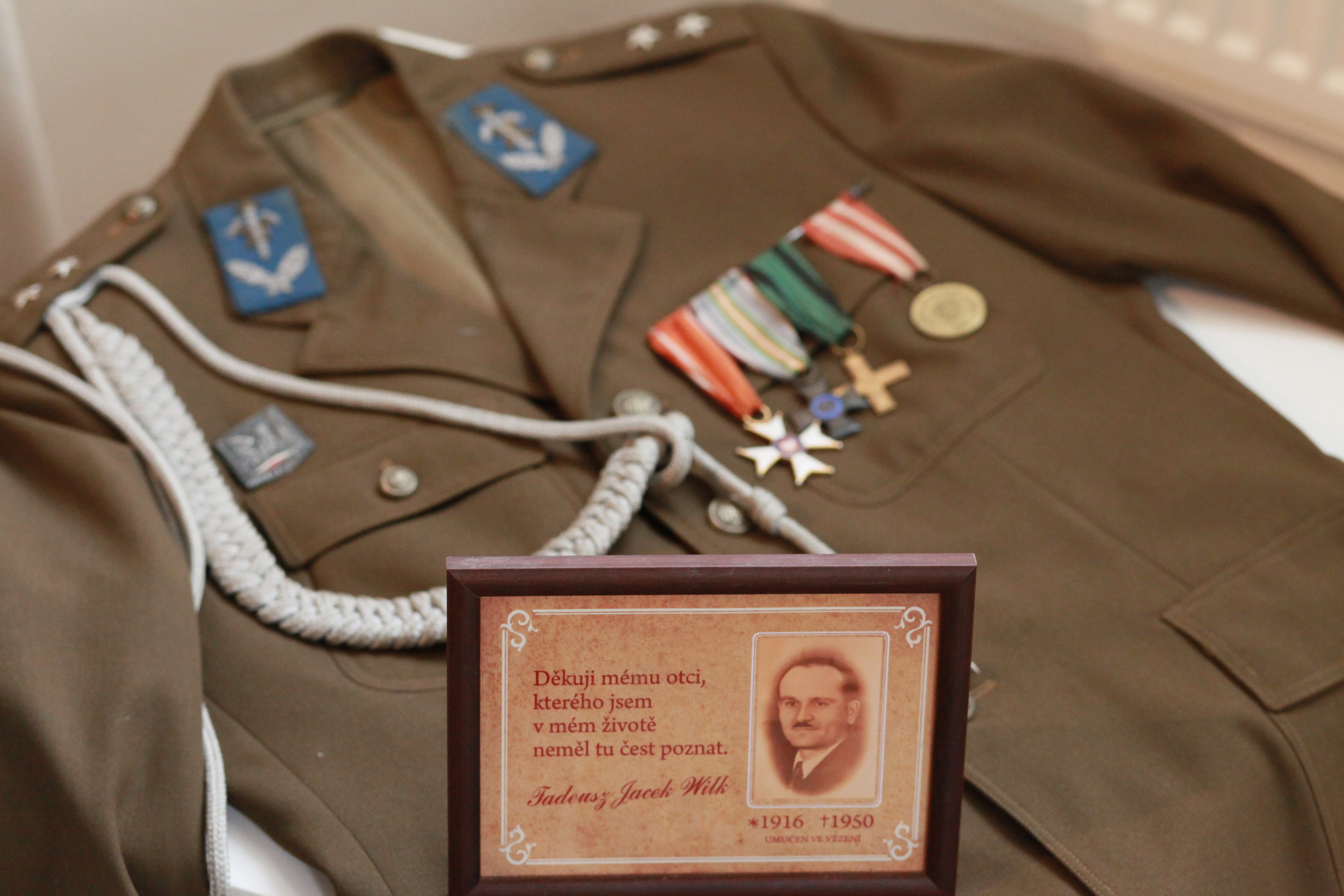
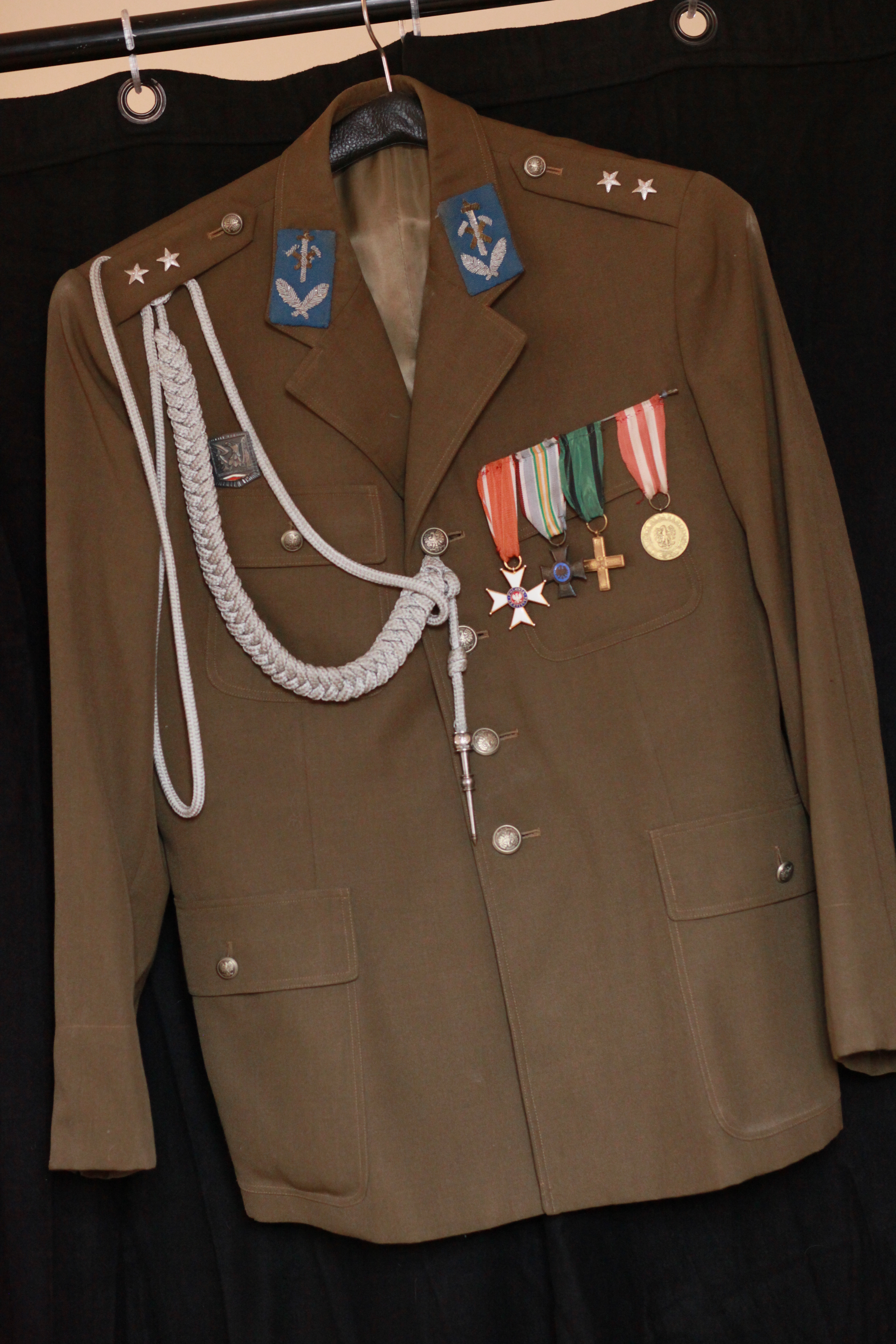
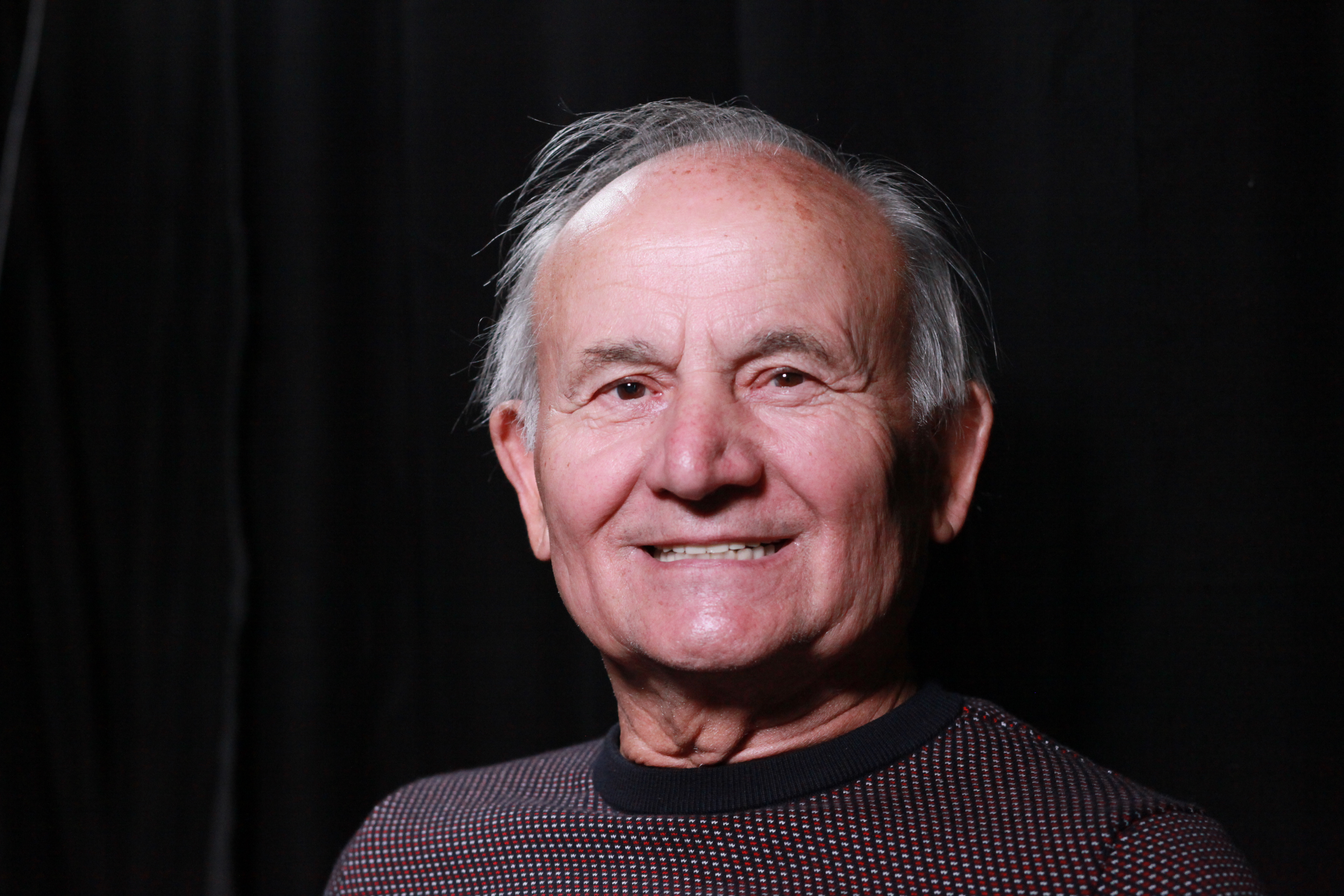
Tadeusz Wilk was born on 3 March 1946 in the small village of Herby Stare near Częstochowa, Poland, to parents Felicia and Edward Wilk. His father was a member of the Home Army (Armia Krajowa), the largest resistance organisation in Poland during the Second World War. He was persecuted after the Communists took power and died in custody in Wrocław in 1950. Tadeusz grew up with his mother and three siblings, Ewa (1941), Witold (1947) and Stanislaw (1949). He graduated from primary school and in 1965 he graduated from the secondary technical school in Ozimek near Opole. He enlisted in the Polish Navy, where he served for three years on ships and submarines as an electro-navigator. After returning from compulsory military service, he started working for a Polish company on various water construction sites in Czechoslovakia. In 1972, he married Irena Lamařová in Boskovice, and they had two sons - Adam (1975) and Tadeusz (1978). After 1980, his brother Witold joined the Polish Solidarity movement, was investigated and had to emigrate to France in 1982. The witness often transported necessities and money across the border for family and friends. In 1985, he was sentenced to eight months’ unconditional imprisonment for the crime of violating the circulation of goods with foreign countries. After nearly six months’ imprisonment, he was released from prison on 8 May 1985 under a presidential amnesty. In the Security Services Archive (ABS) there is a volume arch. no. KR-451582 BN (reg. no. 37994 Blansko) under the code name “Ted”. The file was created in 1986 and the witness is listed in it as a person under investigation. He was confronted several times with State Security (StB) and interrogated in the infamous Bartolomějská Street interrogation room in Prague. In the 1990s, he bought a house from a former municipal enterprise in privatisation and built the first private bakery in Boskovice, which operated under his management until 2015. In the 1990s he divorced, divided the property, including the bakery, between his two sons and built a new company Wilk s.r.o., dealing with car transport. Nowadays (2026) Tadeusz Wilk has been living for thirty-one years with his partner Simona and their three children - Karolina, Sebastián and Natálie - in a family house in Boskovice.