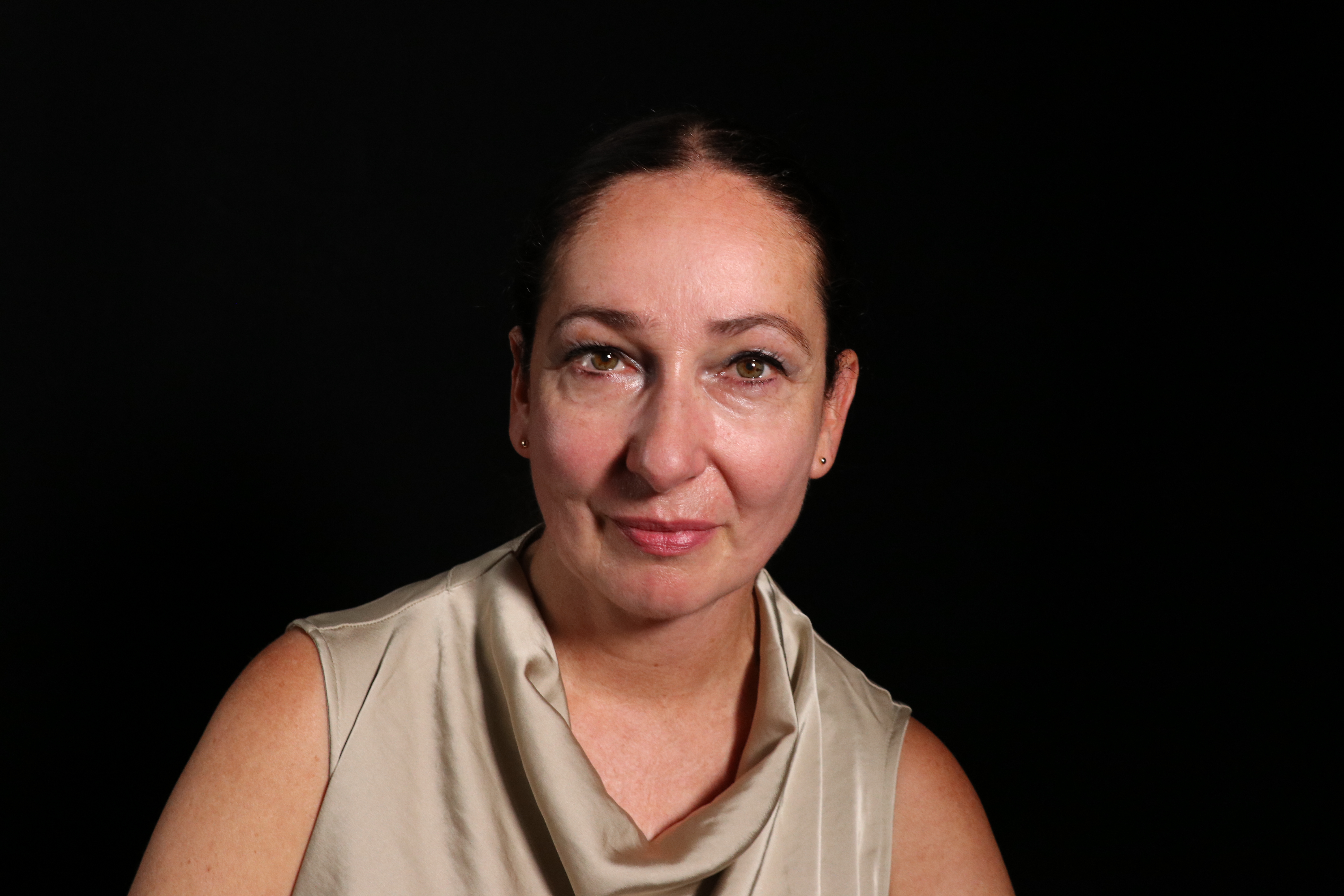
Manuela Weiß

* 1969

  • "In the GDR at that time there were not many private telephone connections. Back at the embassy, we managed to hand a West German journalist a postcard through the fence for his parents to drop in the postbox. There were always journalists from the West German press standing by the fence... The postcard said, 'We arrived safely.' And everything looked like we were on a weekend trip to Prague. But my parents knew that 'We arrived safely' meant we were at the embassy... We also tried to reach my parents by phone, but that was rather a disaster. They only had a phone at work or with some friends. Then I wrote a long letter to my parents. It was better to make contact by mail than by phone, it was too complicated."

  • "Of course the media knew about it, people in East Germany saw the balcony scene, so of course many others wanted to get on the train to the West. The first trains went through the main station in Dresden, but there was chaos: a police contingent and people trying to get on the train heading to the West. When we were passing through Dresden, we noticed that the train was going around the main station by a special route. A lot of people didn't even know that the fifth train was still passing through Dresden."

  • "The ambassador received us in groups in his office, where he told us, 'We did not invite you, but we will not send you away. ‘We’ll see how the talks with the GDR government go; we need to find a solution.’ The situation was unbearable because of the appalling sanitary conditions, as more and more people were climbing over the fence day and night. But the solution was open. At one point we were then offered to go back to the GDR and from there to the West. But nobody wanted to do that; people's trust in the East German state was broken. But then I noticed that some people accepted the offer - families with small children crying in tents at night, or the sick - but most of us thought, 'No, I'm not going back to the GDR. I'll wait and see how things develop here, and for now I'll stay here.'"

  • "There was chaos in the embassy compound. The beautiful park with the avenue was trampled, there were crowds of people everywhere. When we arrived, the tents of the German Army or the Red Cross were just beginning to be set up. Thanks to the German Red Cross, hot soup was being distributed. I got an army tracksuit because we didn't have enough clothes with us. My husband was trying to get us a place in one of the tents. Inside the embassy building people were sleeping even on the stairs, everything was crowded so it was impossible to lay your head inside the building. Therefore, we sought one bed on a bunk bed in the tent, which was even heated by oil stoves. We managed to get at least that one bed and that's where you spent your days. The sanitary conditions were also disastrous, one stood forever in line for the toilet or for washing. The situation was getting worse all the time, more and more people were arriving, but we didn't see it as bad because we were aware that we were safe in West German territory. The embassy area was a piece of West Germany in Prague."

  • Full recordings
  • 1

    Praha, 29.09.2024

    (audio)
    duration: 56:53
Full recordings are available only for logged users.

The embassy was a piece of West Germany in Prague
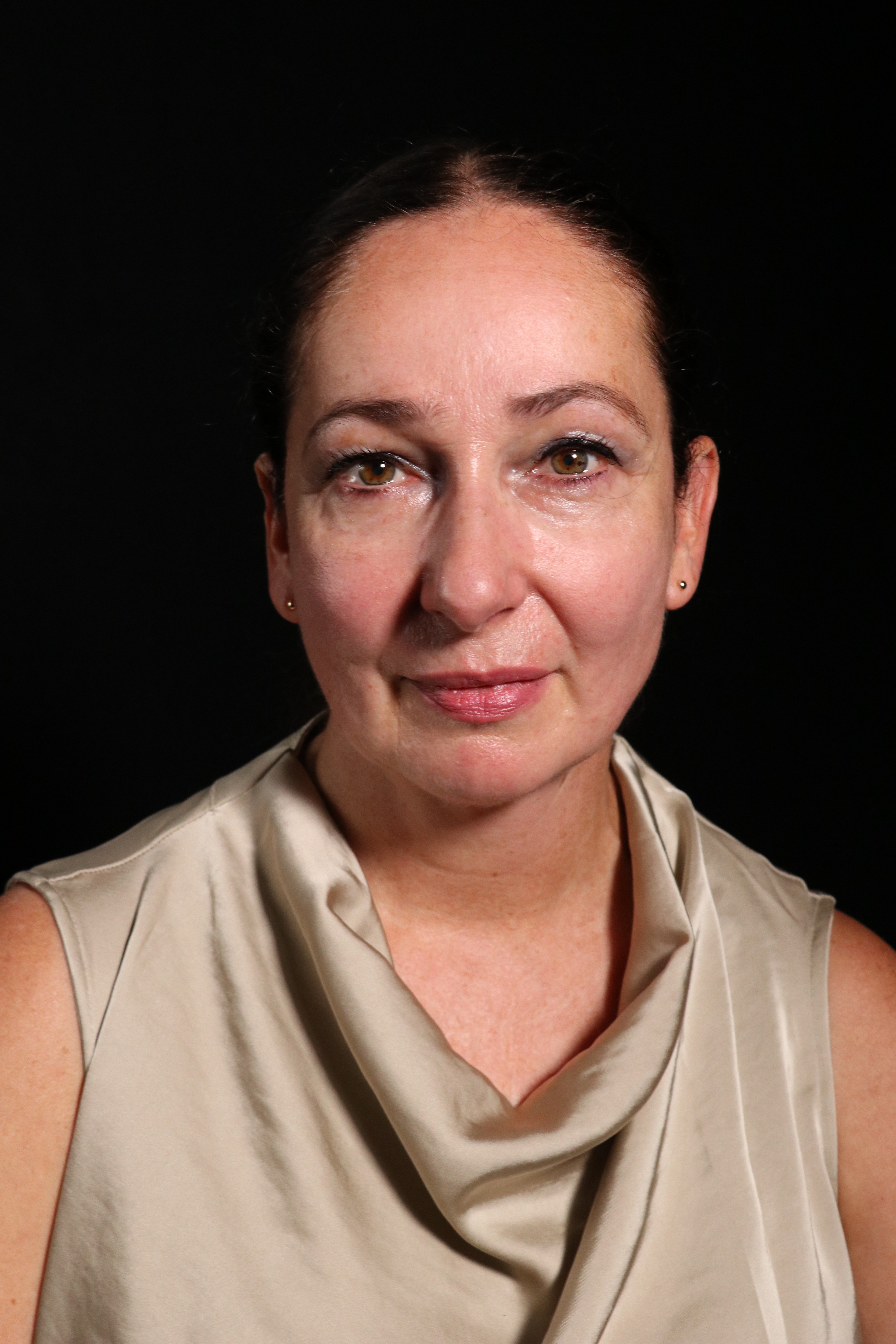
Manuela Weiss, 2024, Prague
photo: Post Bellum

Manuela Weiß was born on 18 July 1969 in Meissen, both parents were university educated. She grew up in Dresden. Although she had a happy childhood, she gradually became aware of the various limitations of everyday life in the GDR. The strongest impact on her was at the age of eighteen, when she wanted to become independent, but it was not possible to have her own home, it was not possible to choose a job freely, it was not even possible to travel. So she and her boyfriend applied for permanent emigration and, partly because of her, they got married in June 1989. They had already considered the possibility of emigrating across the Hungarian-Austrian border when they went to the Balaton Lake in May 1989, but decided to wait for the application to be processed. However, when on 22 September 1989 their application for emigration was rejected without giving any reason, they decided to flee via the German Embassy in Prague. There they had to climb over a fence, but experienced a family atmosphere in the ever-increasing number of refugees. They even managed to cross the fence to give a West German journalist a postcard for their parents. Many years later, Manuela still recalled with emotion the early evening of 30 September 1989, when the West German Foreign Minister Hans-Dietrich Genscher appeared on the embassy balcony and told everyone the incredible news that they could travel to the West. This happened that very night, and the Weiß family took the last train that was ready, because families with children had priority. Their train already avoided passing through Dresden’s main station, where there had been heartbreaking scenes earlier when other people had tried to get on the train but were prevented by the police. Happily, they then arrived in Schwandorf, Bavaria, where they were first given accommodation in the border guards’ barracks, but soon found better housing and employment in the industry. After four and a half years in the West, the Weiß family decided to return to Dresden because the reasons for leaving there had passed and they wanted to participate in the reconstruction of the former GDR.