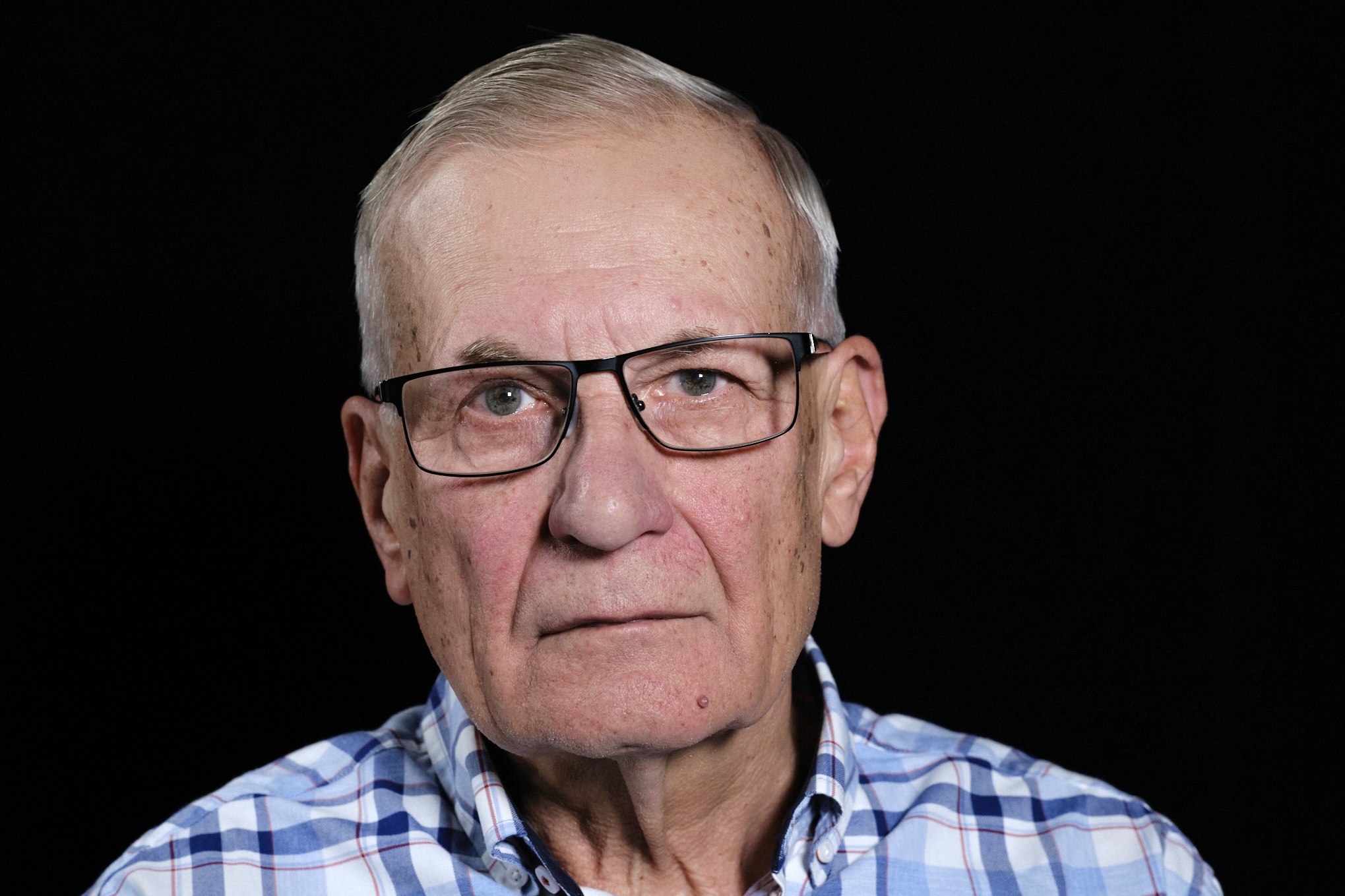
Ing. Milan Weber

* 1943

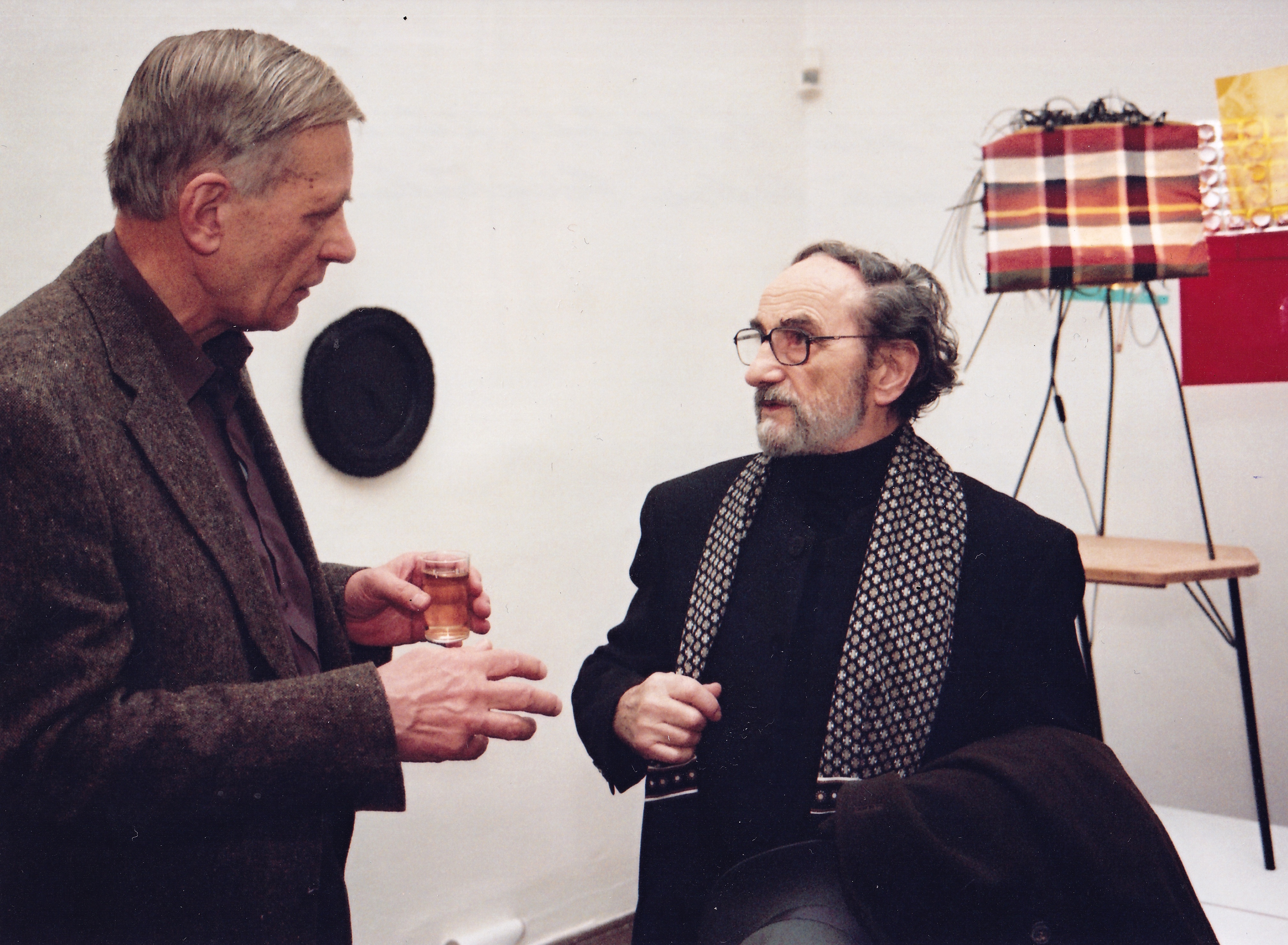
  • "Those interested in art used to come to the exhibition openings in Český Těšín, for example, even from the other side of the country. These were events because it was not possible elsewhere. Even though they were only intimate exhibitions, the artists were happy to be able to present themselves somewhere. But this was not always the case. I remember that I wanted to do an exhibition for Stanislav Kolíbal, who is an author who comes from Orlová and lived through World War II in Ostrava as a grammar school student. But he refused. He said it was what the regime wanted. To put authors in the periphery. To put them in a corner. And that they had no intention of participating. Even though he was from Orlová. You see?"

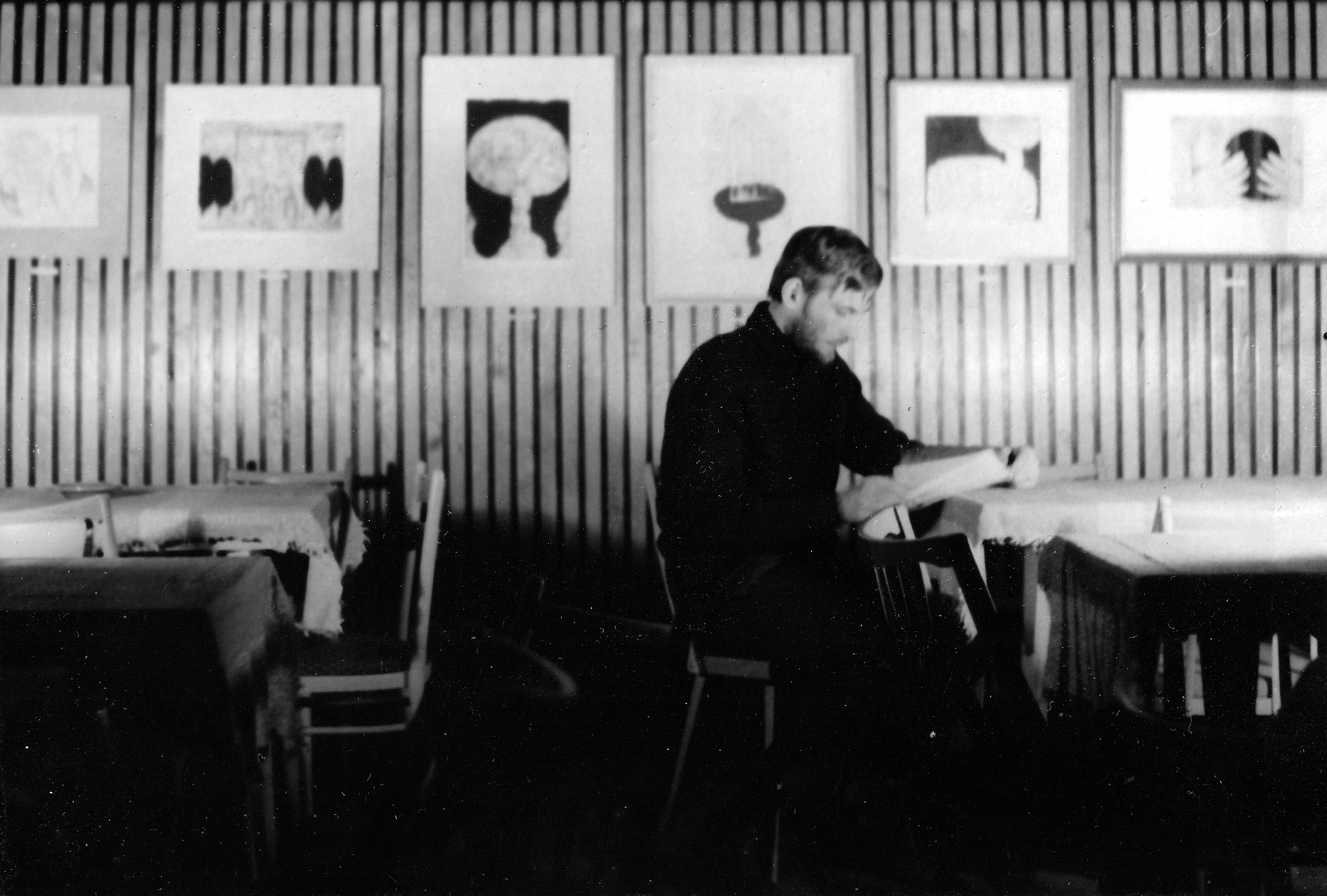
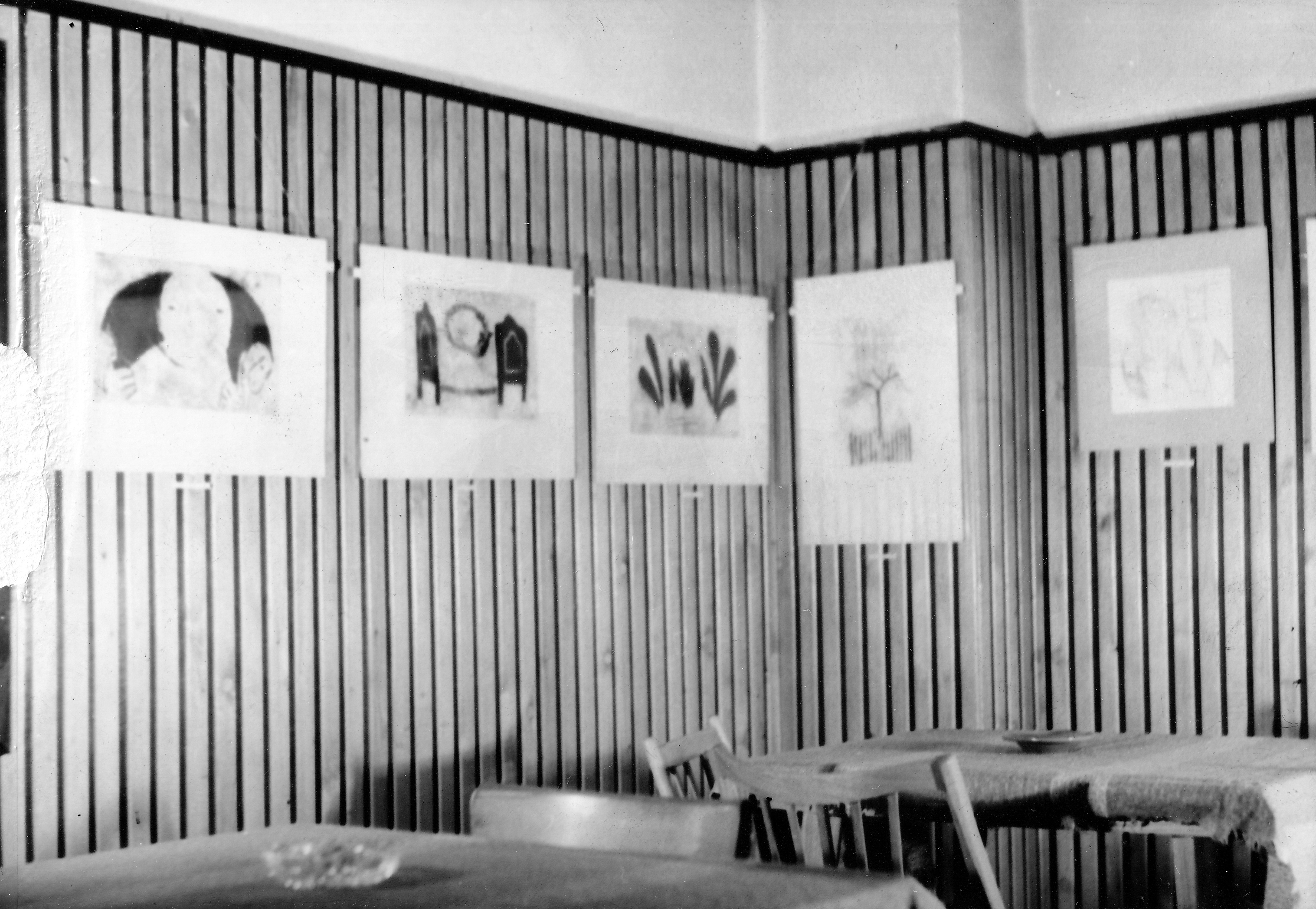
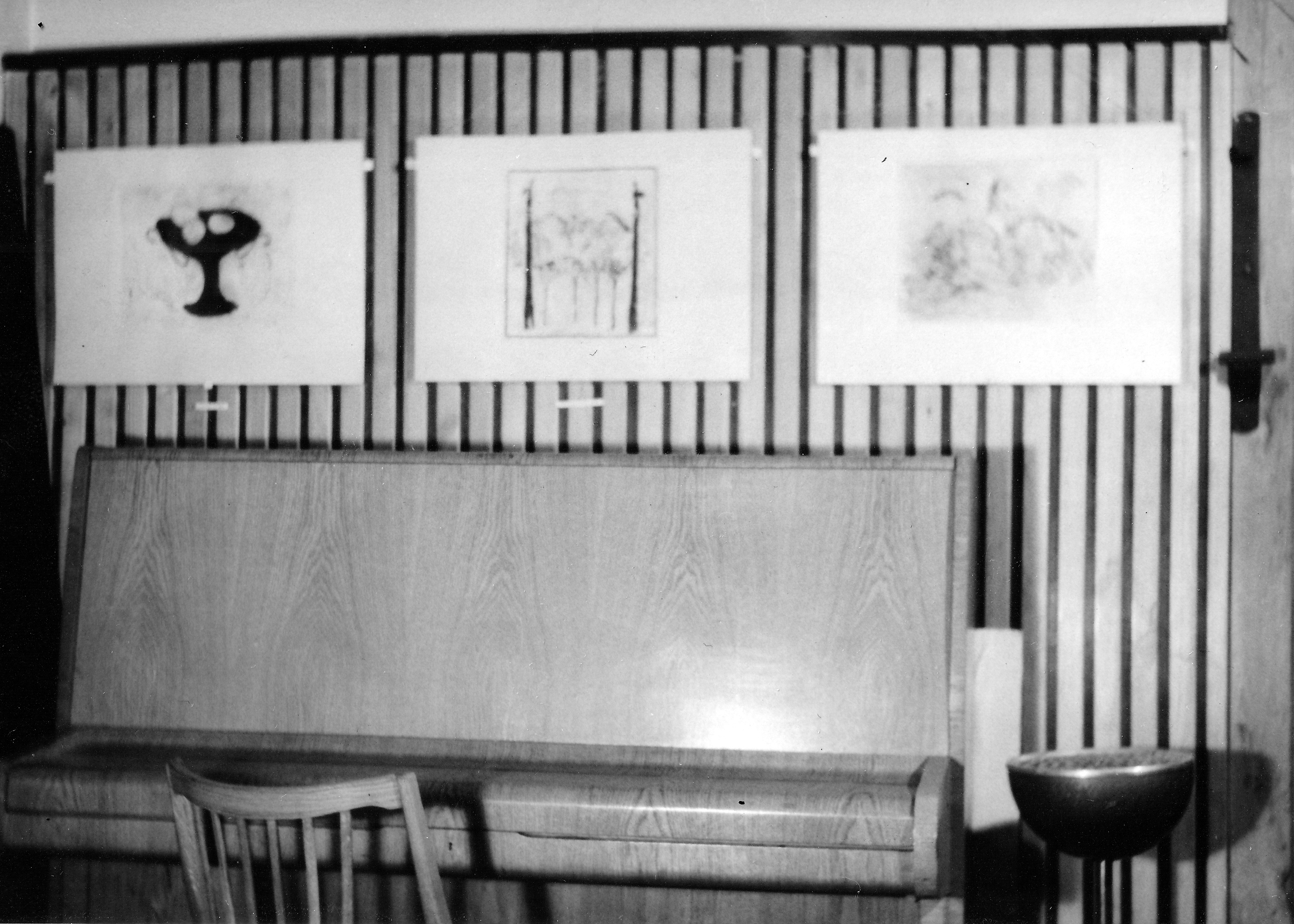
  • "From the beginning of the 1970s, artists who had been exhibiting and were in full creative flow were no longer able to exhibit. Normalization also took place in the artistic sphere. The Union of Czechoslovak Visual Artists had its own commissions, and they tried to promote only their members who were reliable comrades. They hated any contemporary engaged art. And this was not only in Ostrava."

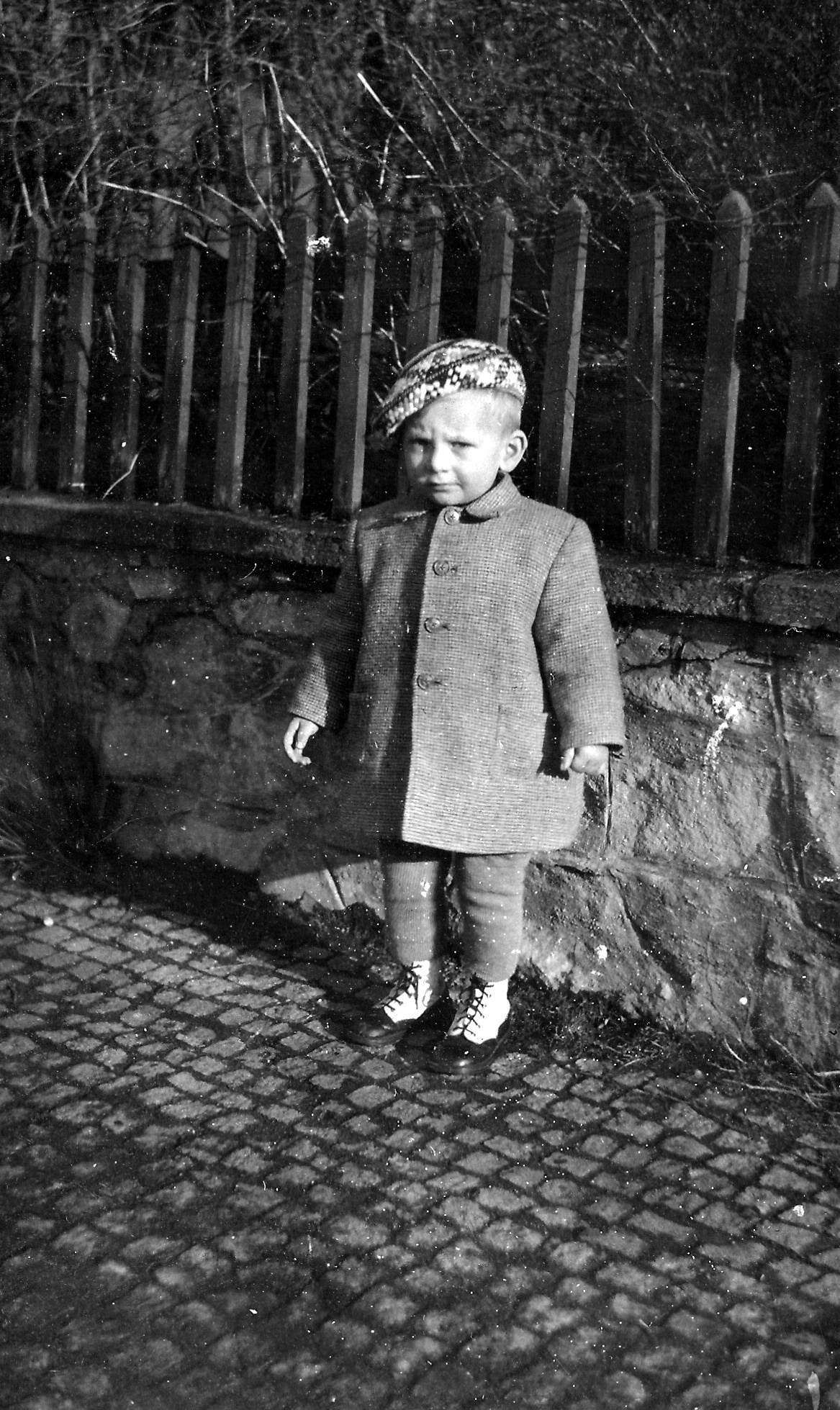
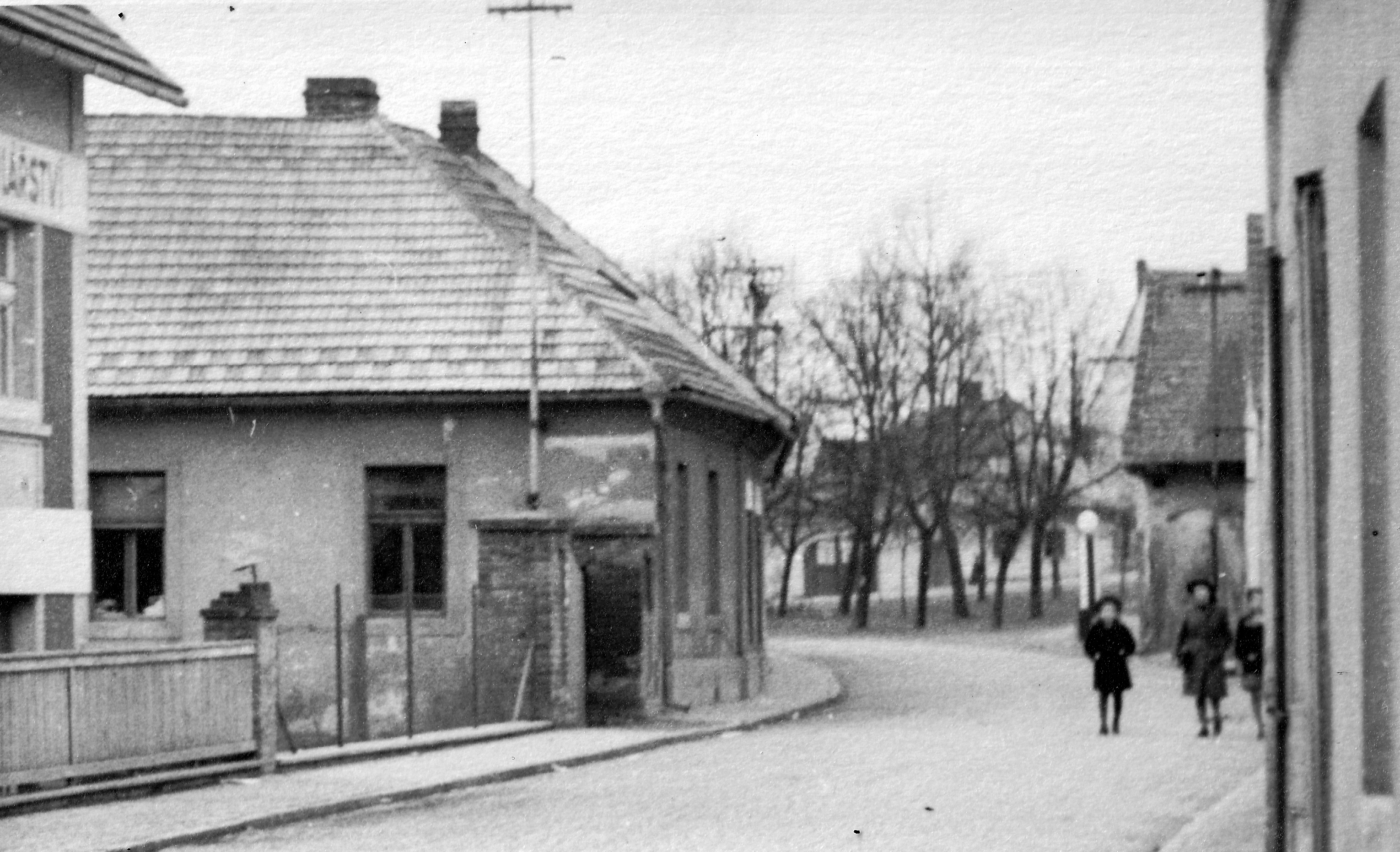
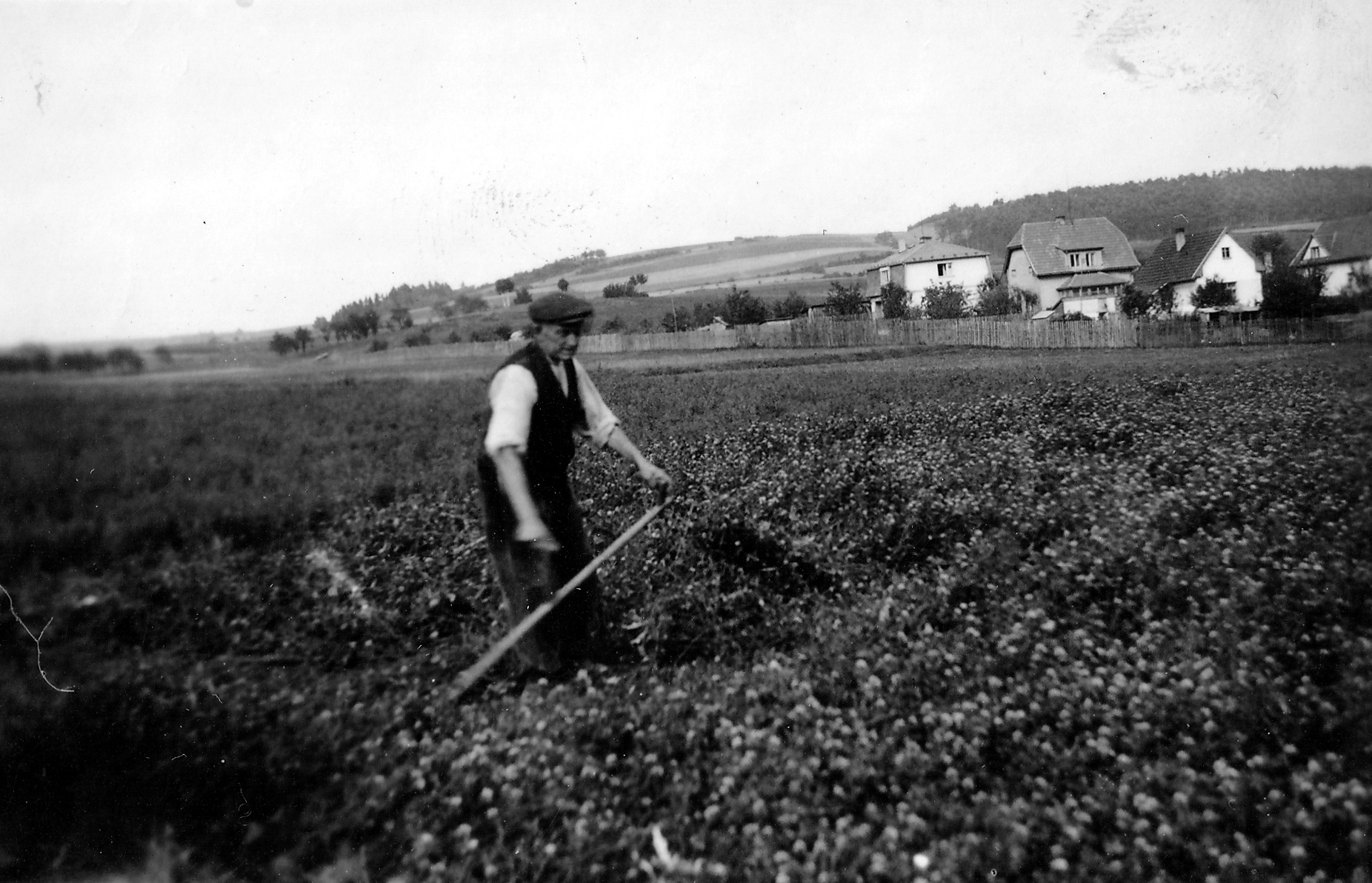
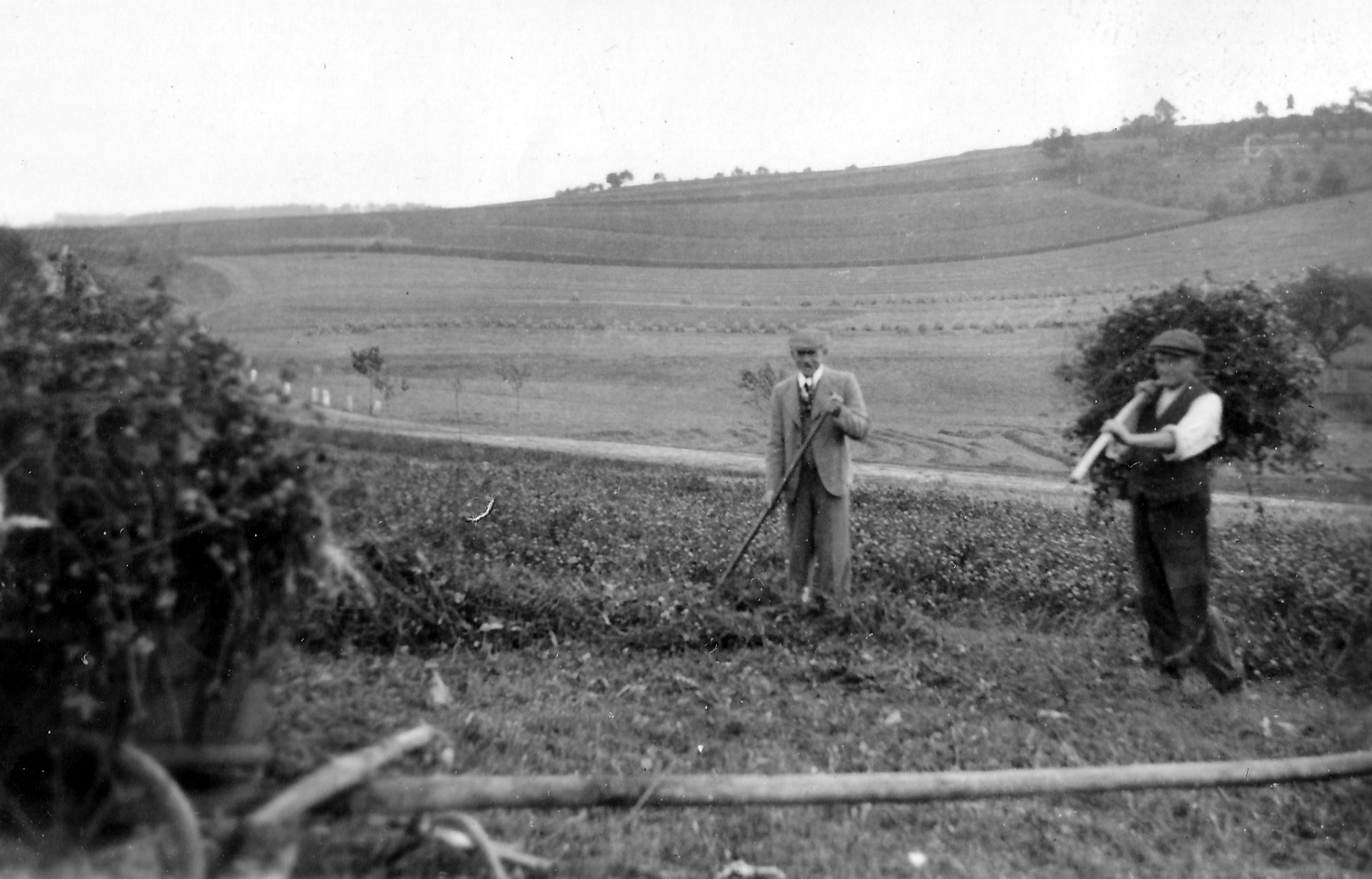
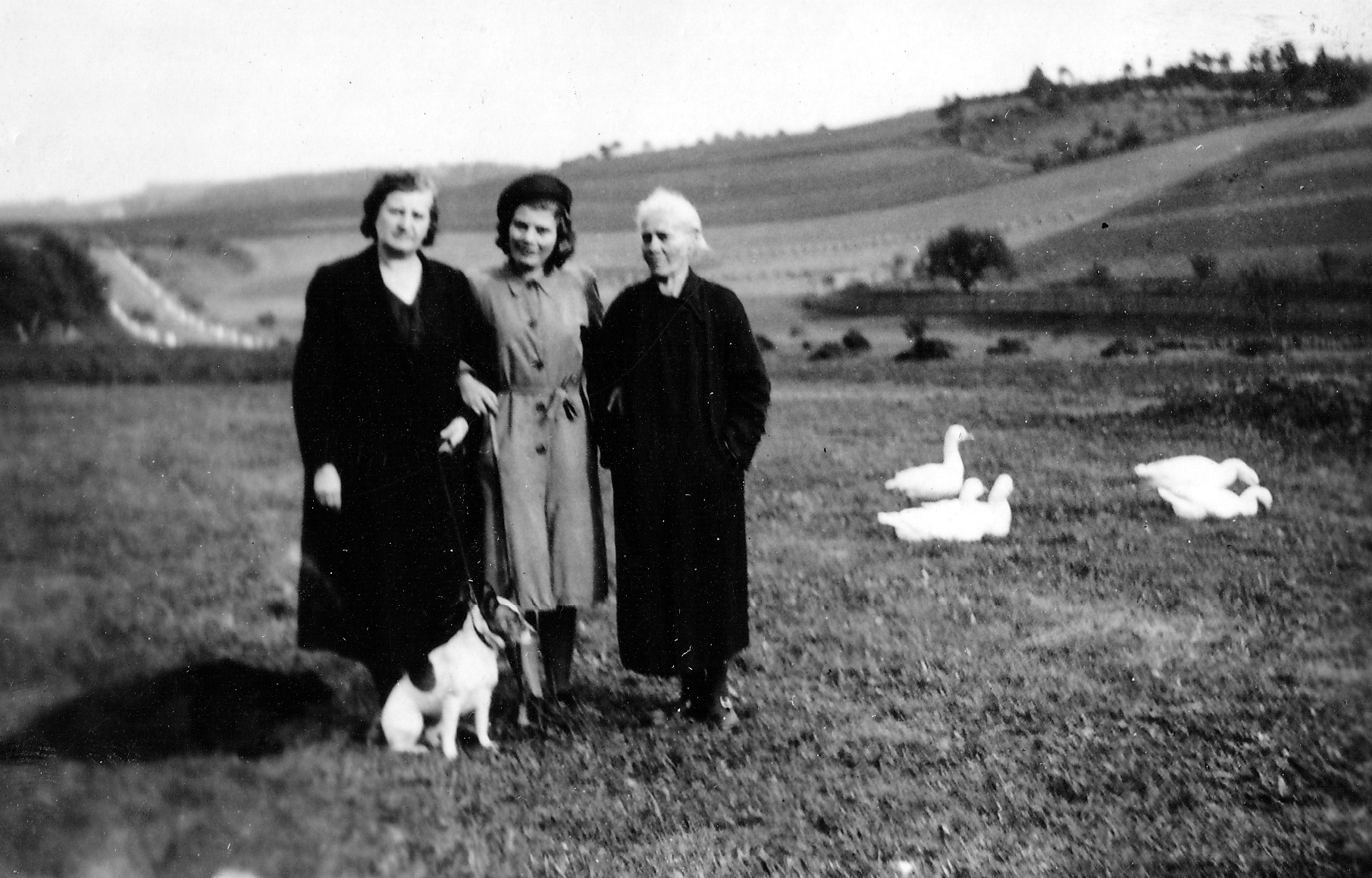
  • "My grandparents had a house in Mnichovice near Prague on the main road just off the square. It was Ondřejovská Street, which led to Ondřejov, where the famous observatory of the Academy of Sciences is. I remember the Russians arriving there, and there may have been Ukrainians among them. I remember that it was all carts. Horse-drawn carts. There were no cars or tanks. My grandfather, Antonin Doležal, put me in the window to see how it was going, those Russian carts. He was holding me and I was waving at the Soviet soldiers. My grandfather had been in Russian captivity for several months during World War I, so he knew a little Russian. So he taught me what to shout at the soldiers coming in: 'Zdravstvuyte, tovarischi !' So that's what I tried to pronounce and wave at them as a little kid."

  • Full recordings
  • 1

    Ostrava, 04.10.2022

    (audio)
    duration: 01:59:21
    media recorded in project Příběhy regionu - Moravskoslezský kraj
  • 2

    Ostrava, 13.10.2022

    (audio)
    duration: 02:05:02
    media recorded in project Příběhy regionu - Moravskoslezský kraj
  • 3

    Ostrava, 18.10.2022

    (audio)
    duration: 01:11:56
    media recorded in project Příběhy regionu - Moravskoslezský kraj
Full recordings are available only for logged users.

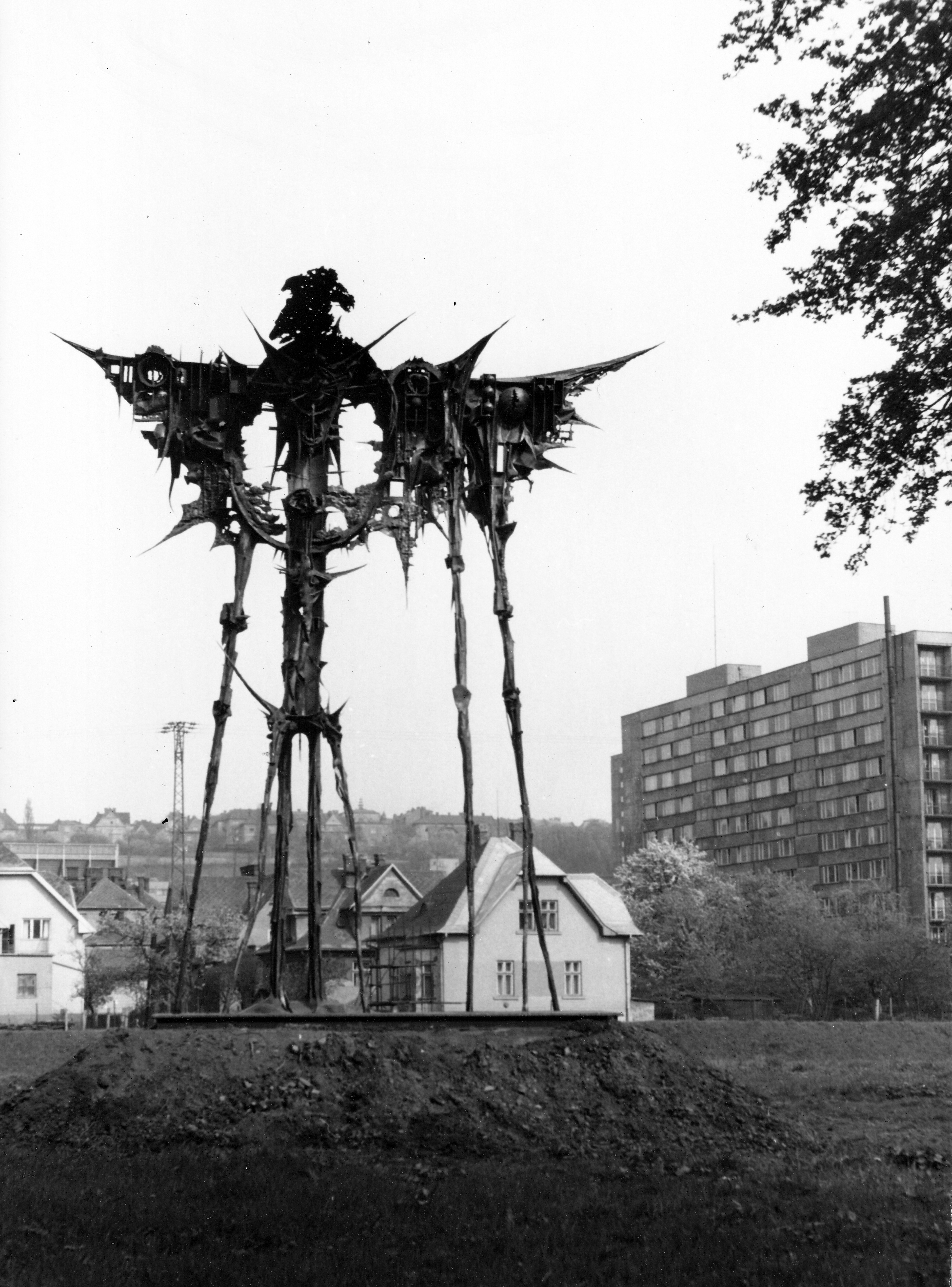
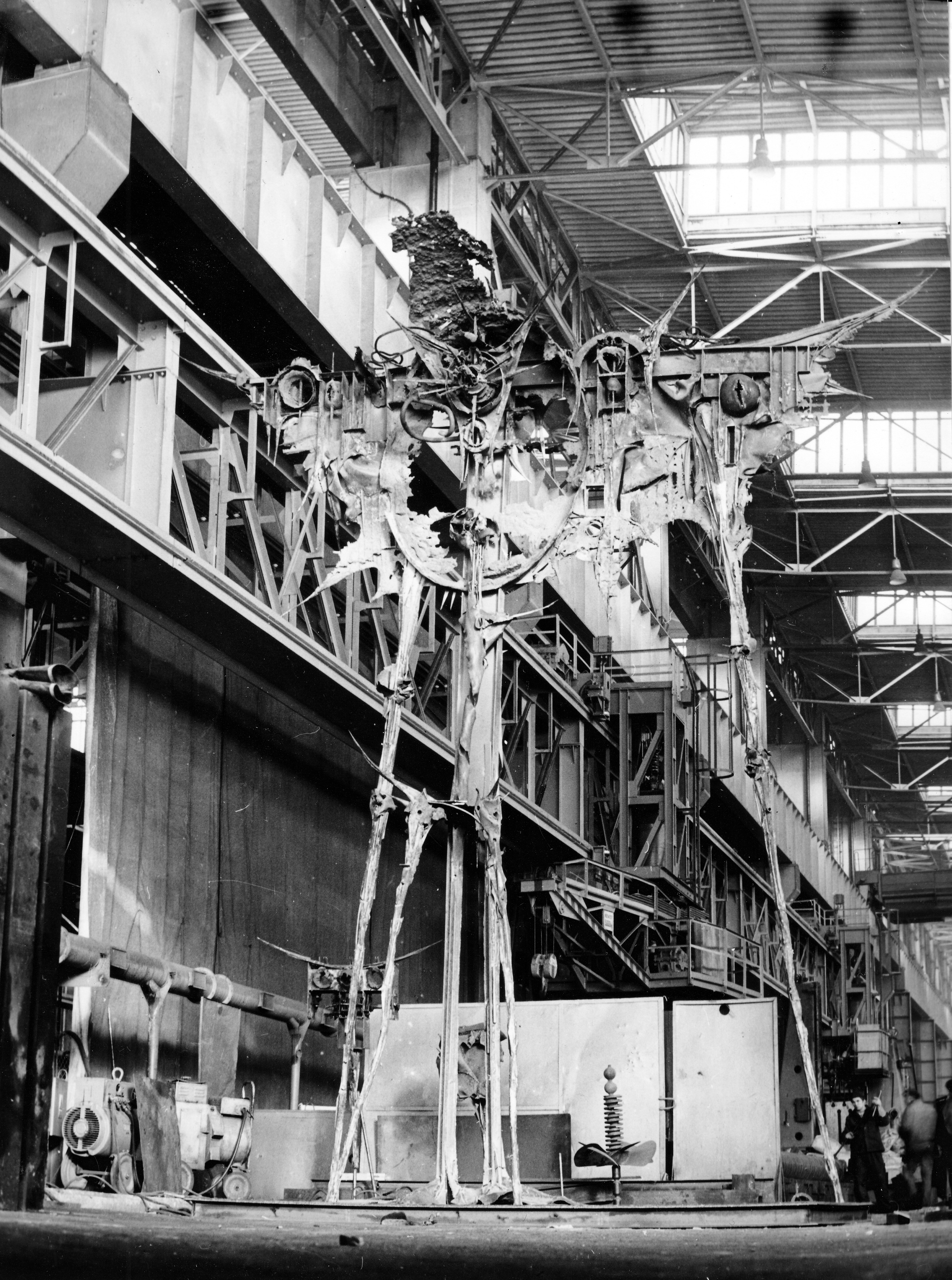
First tanks, then oxyacetylene torches used against sculptures. Testimony to the normalization of art
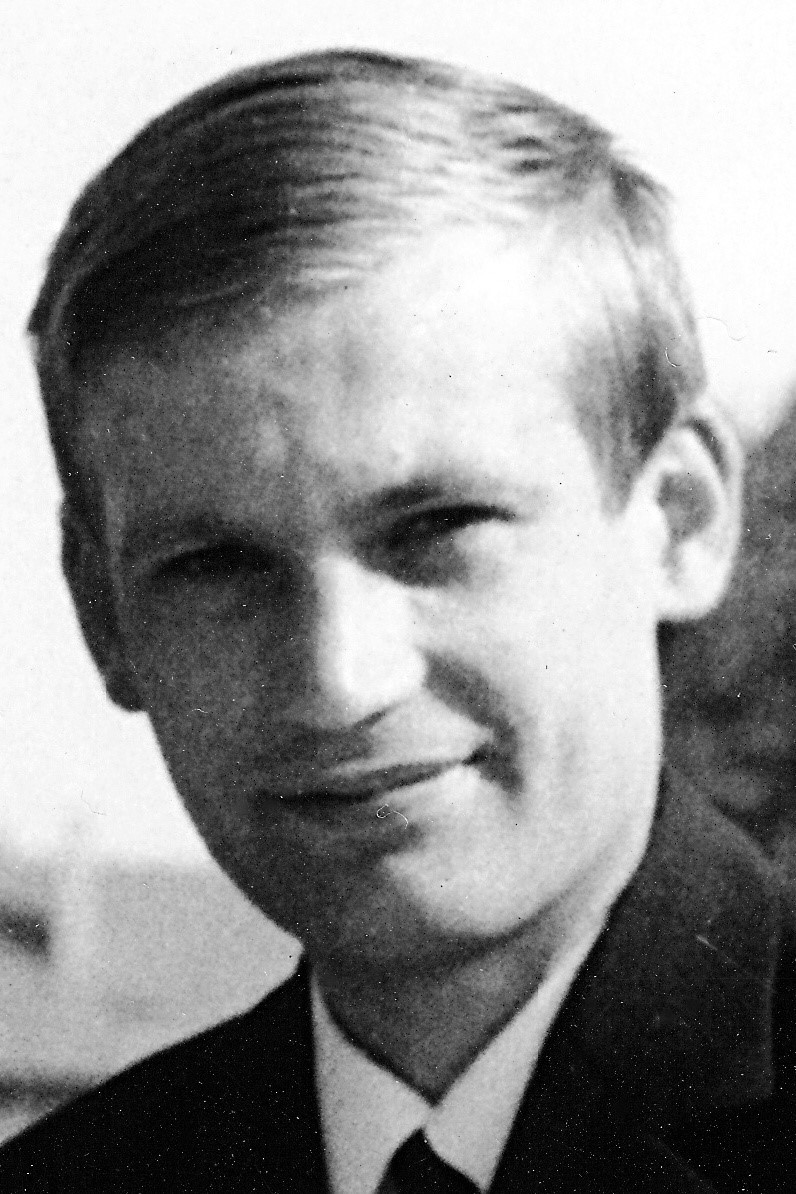
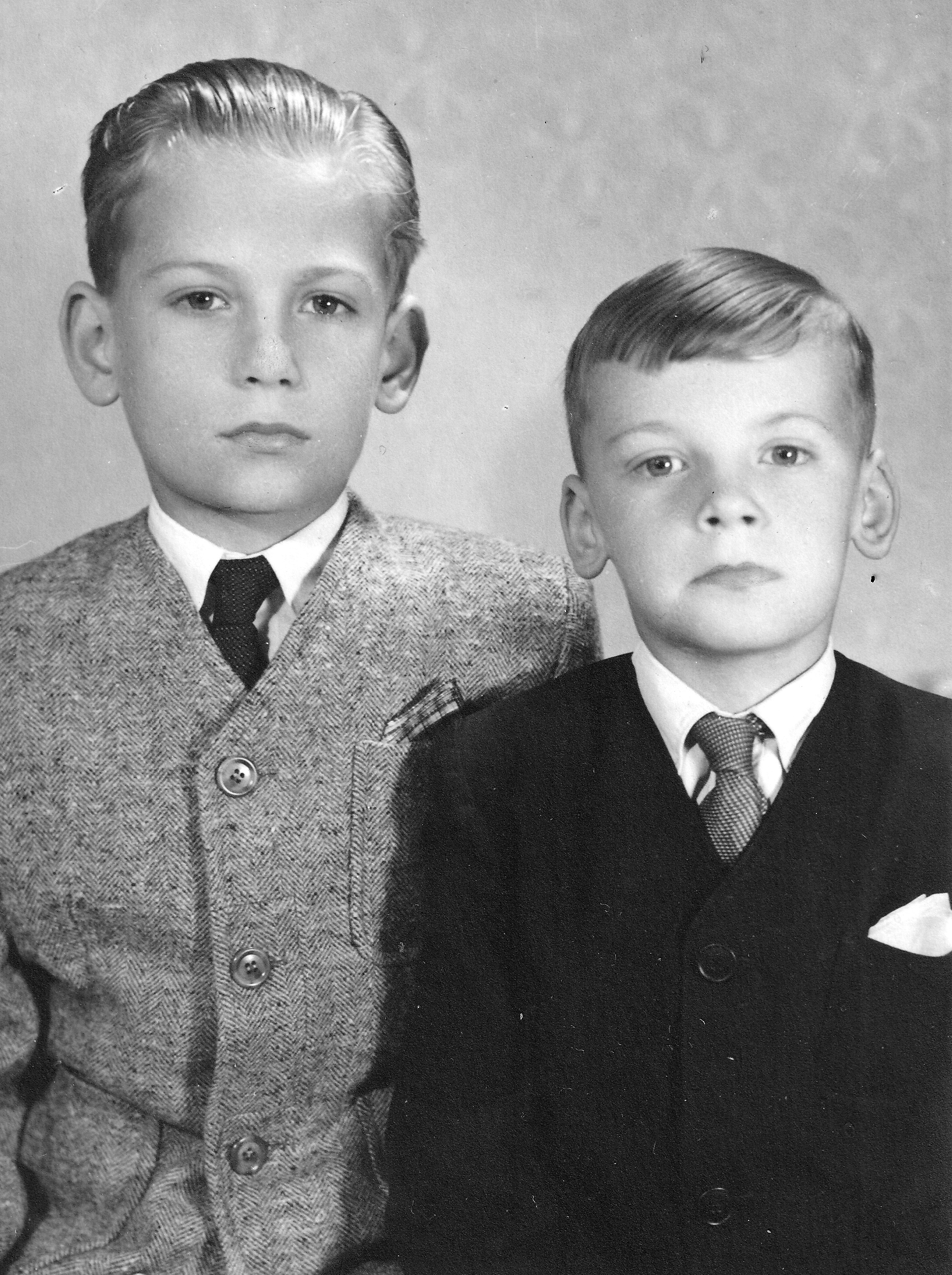
Milan Weber, 1968
Milan Weber, 1968
photo: Milan Weber´s archive

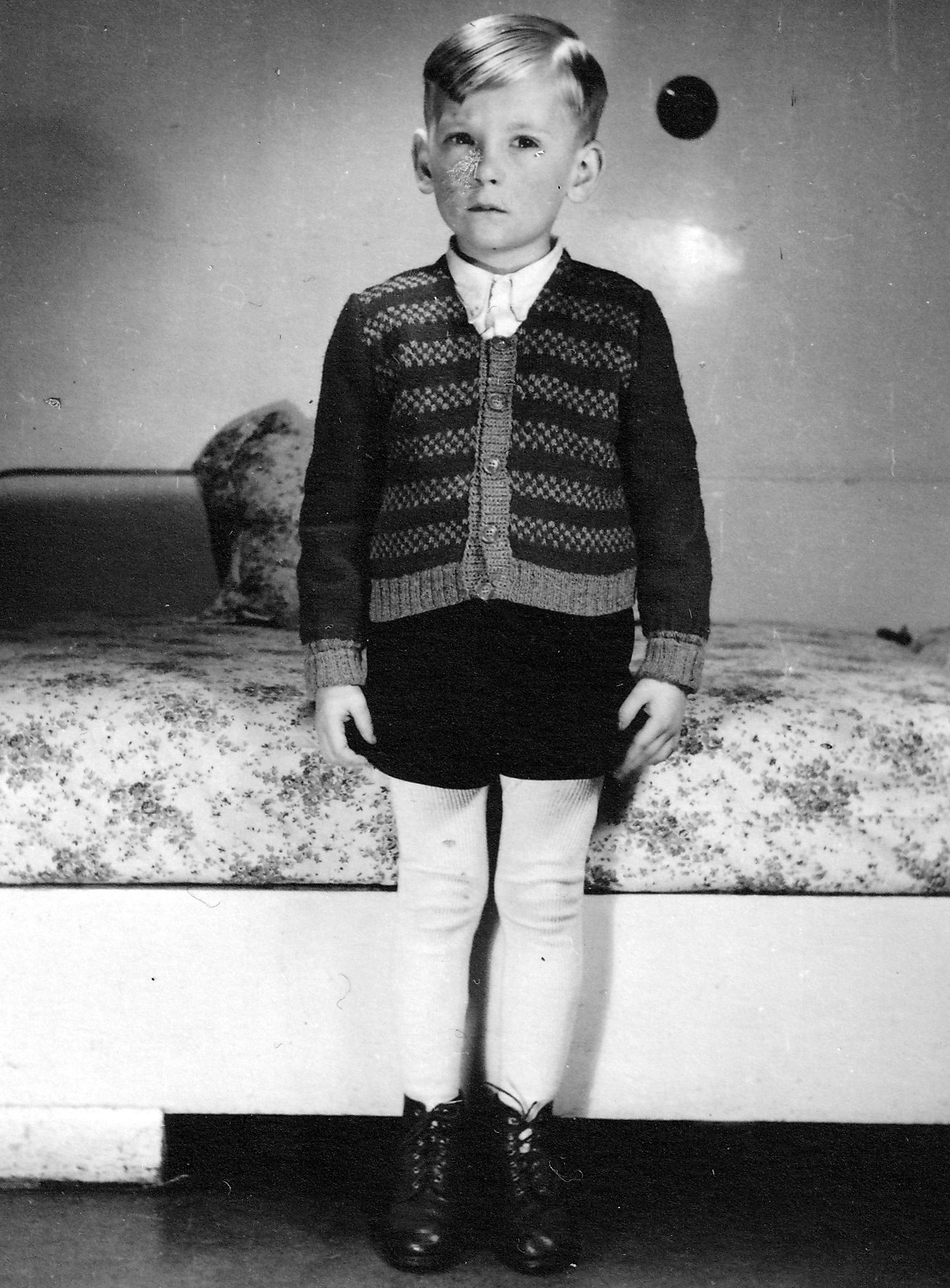
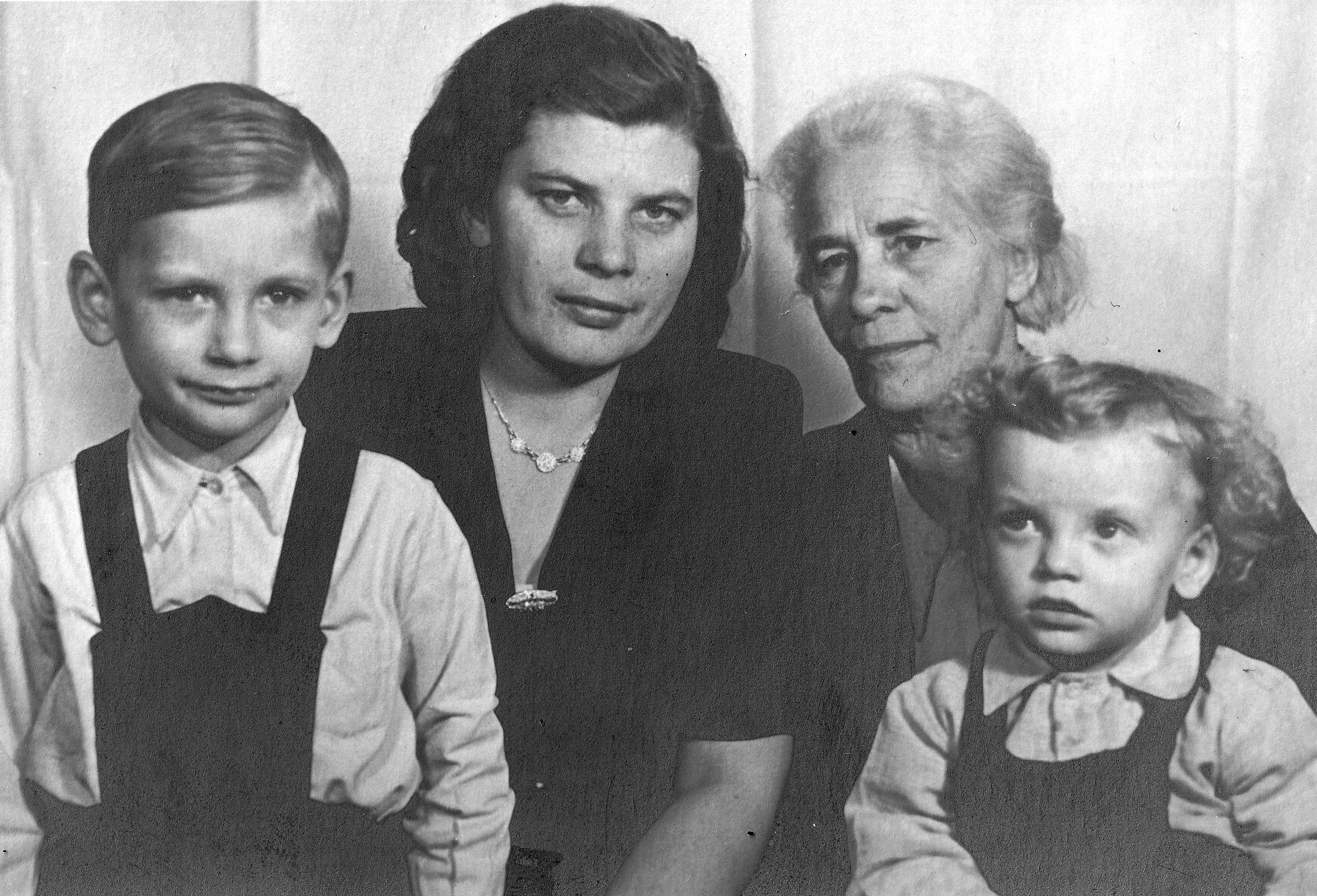
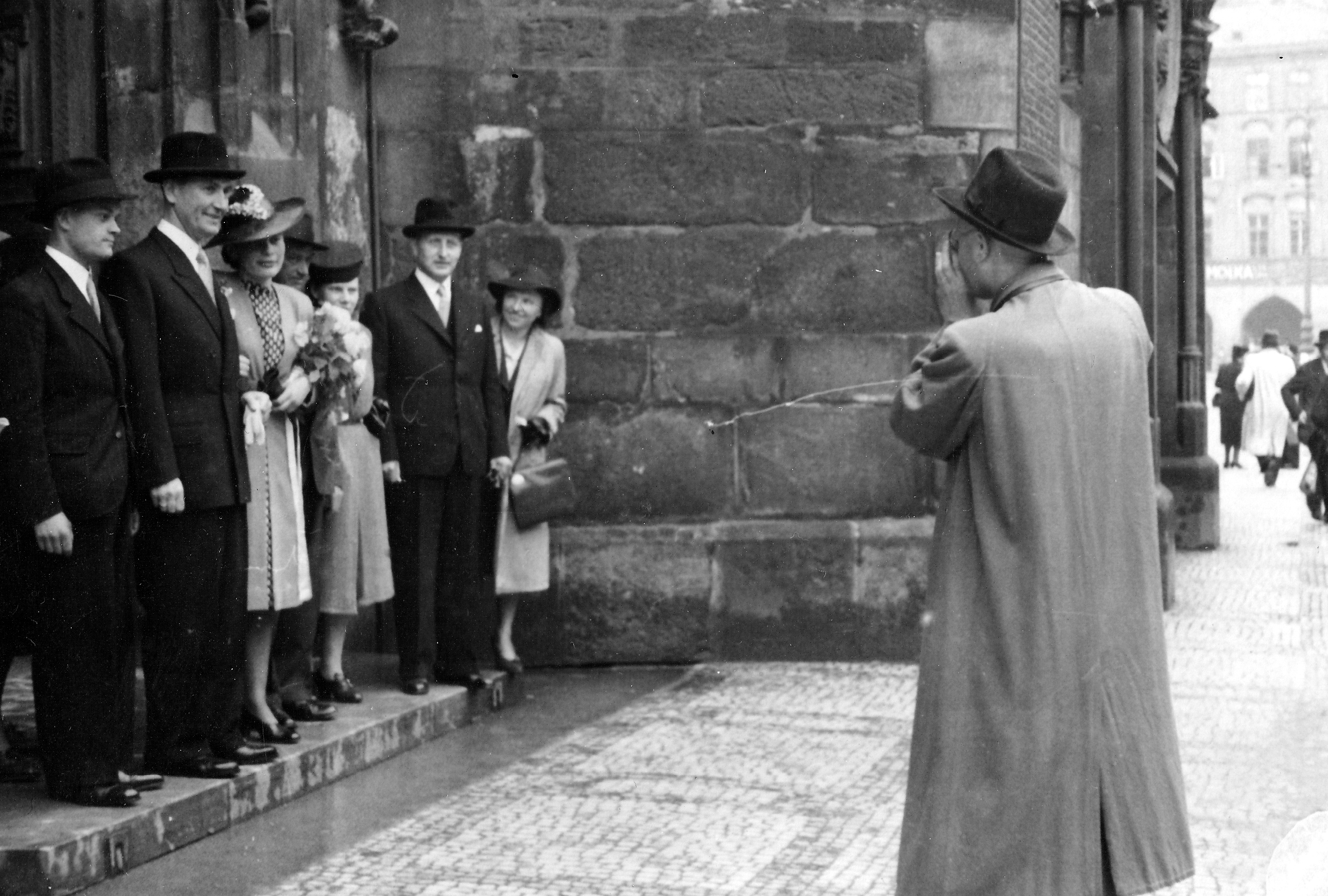
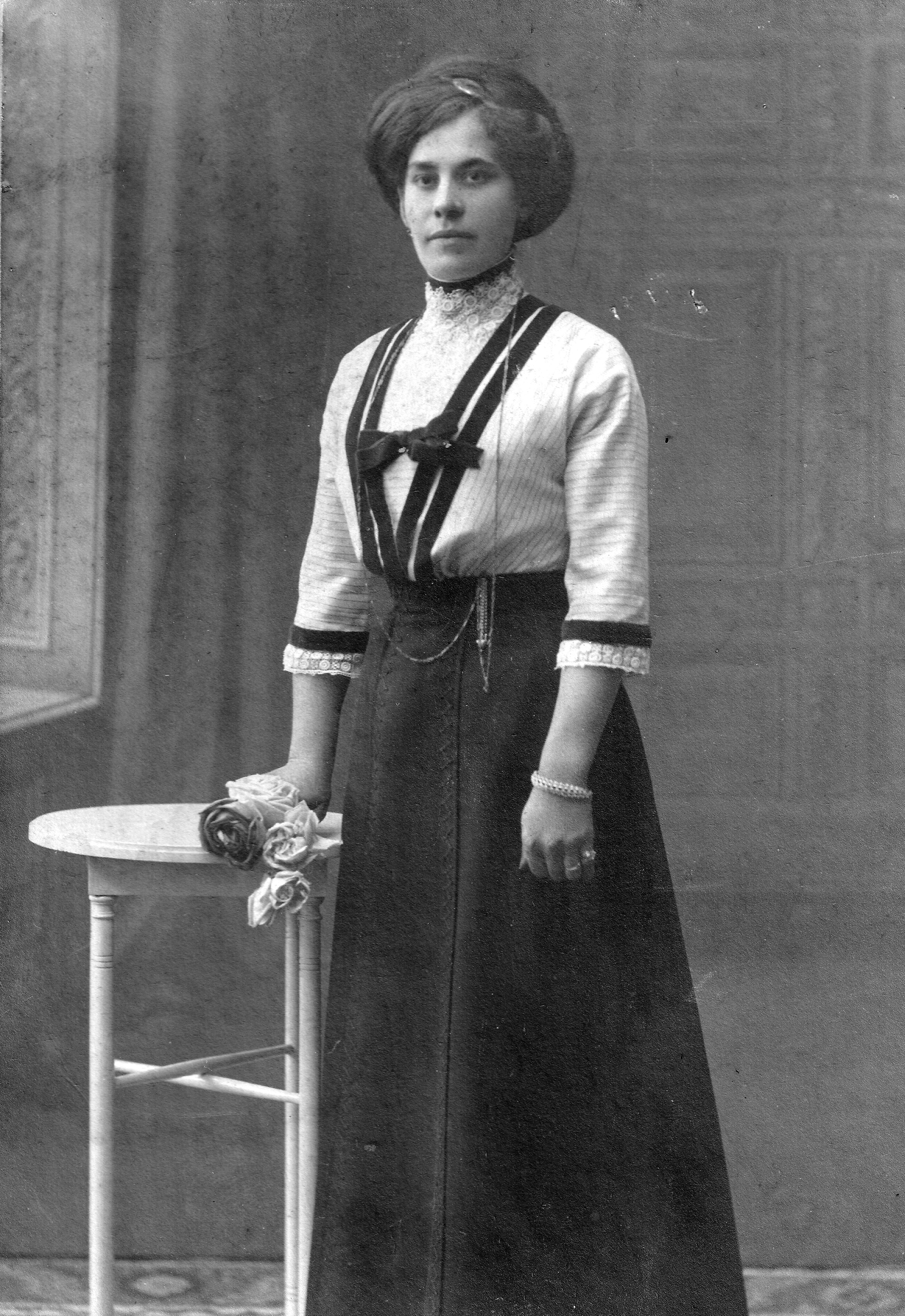
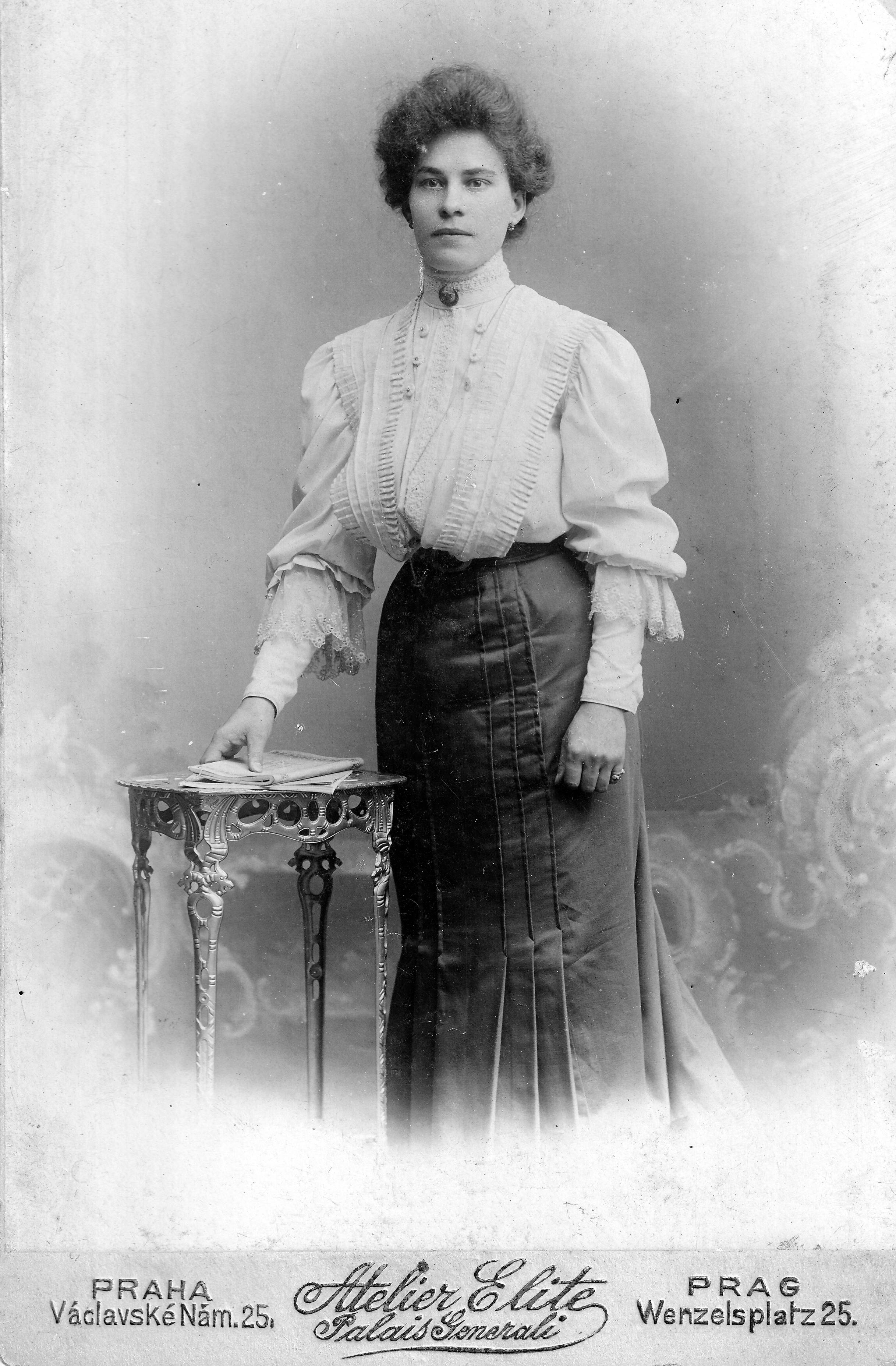
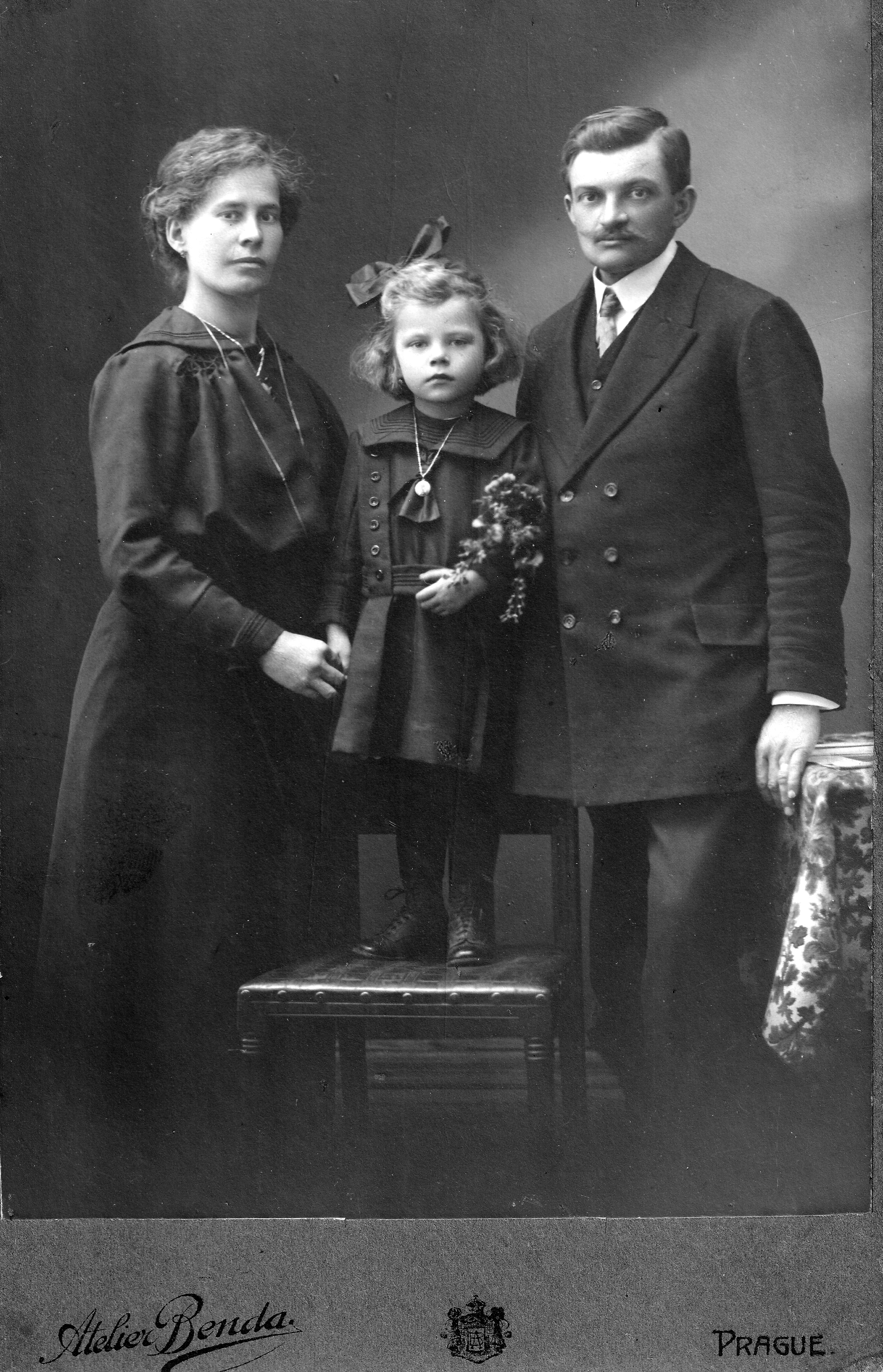
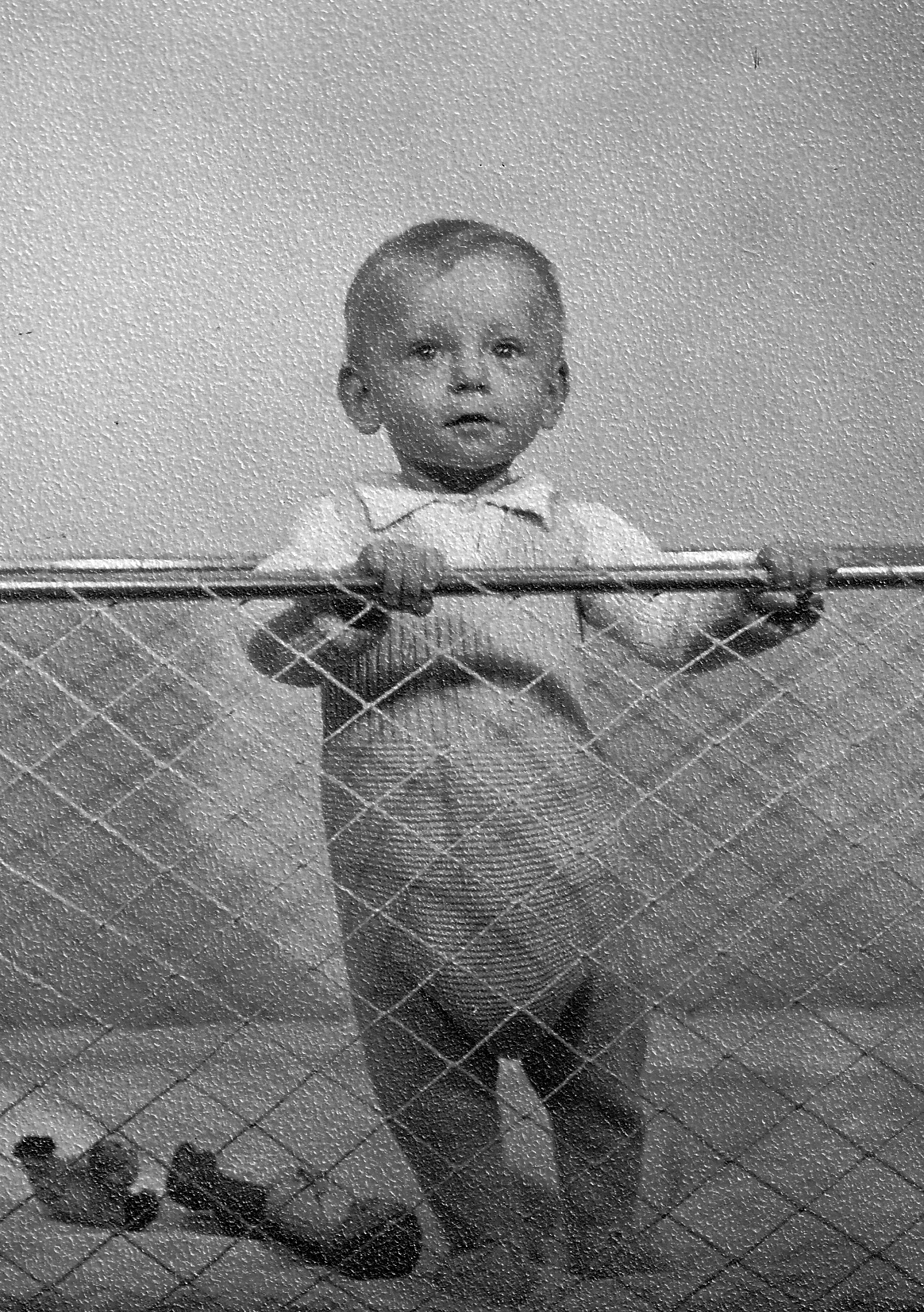
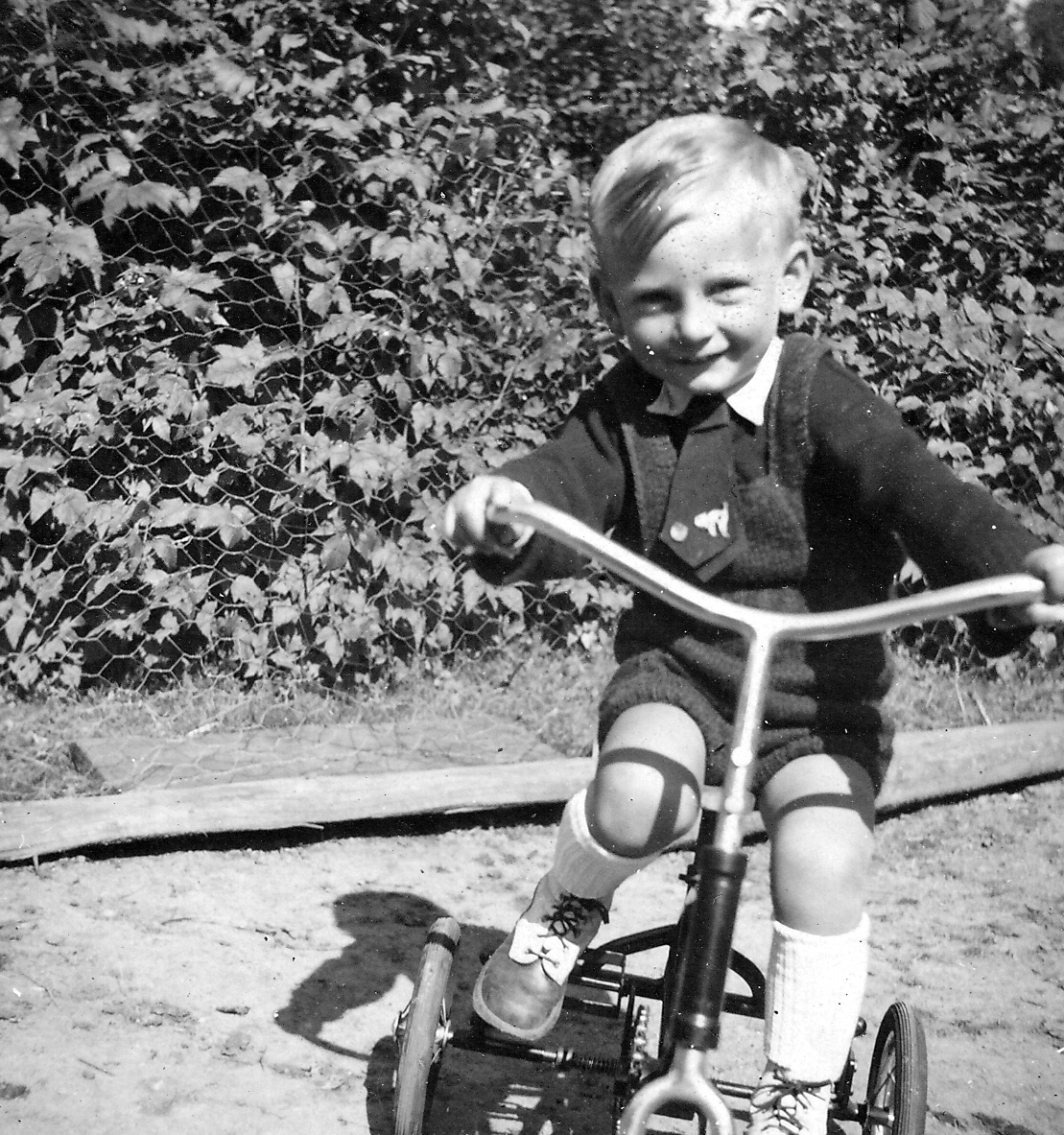
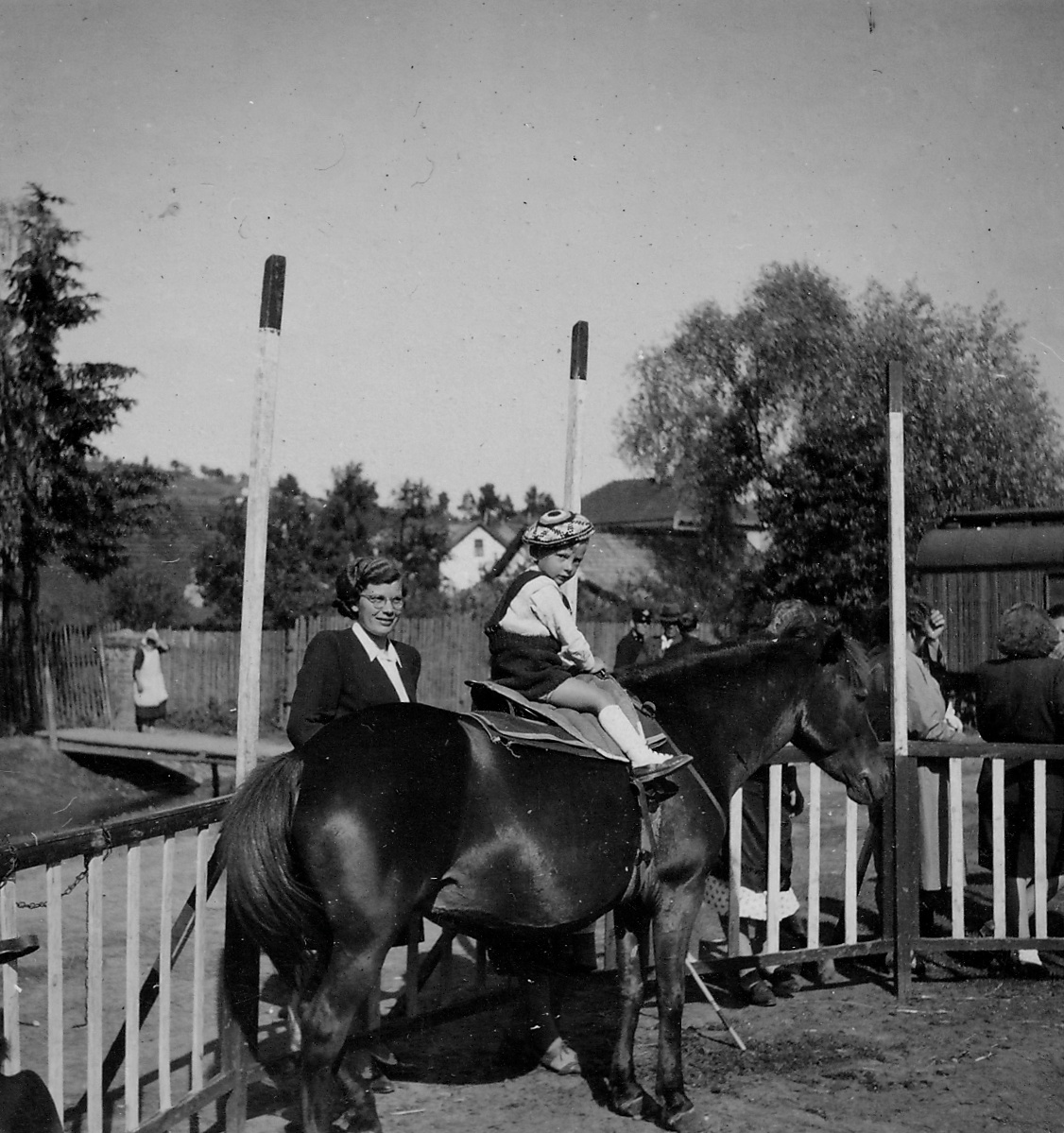
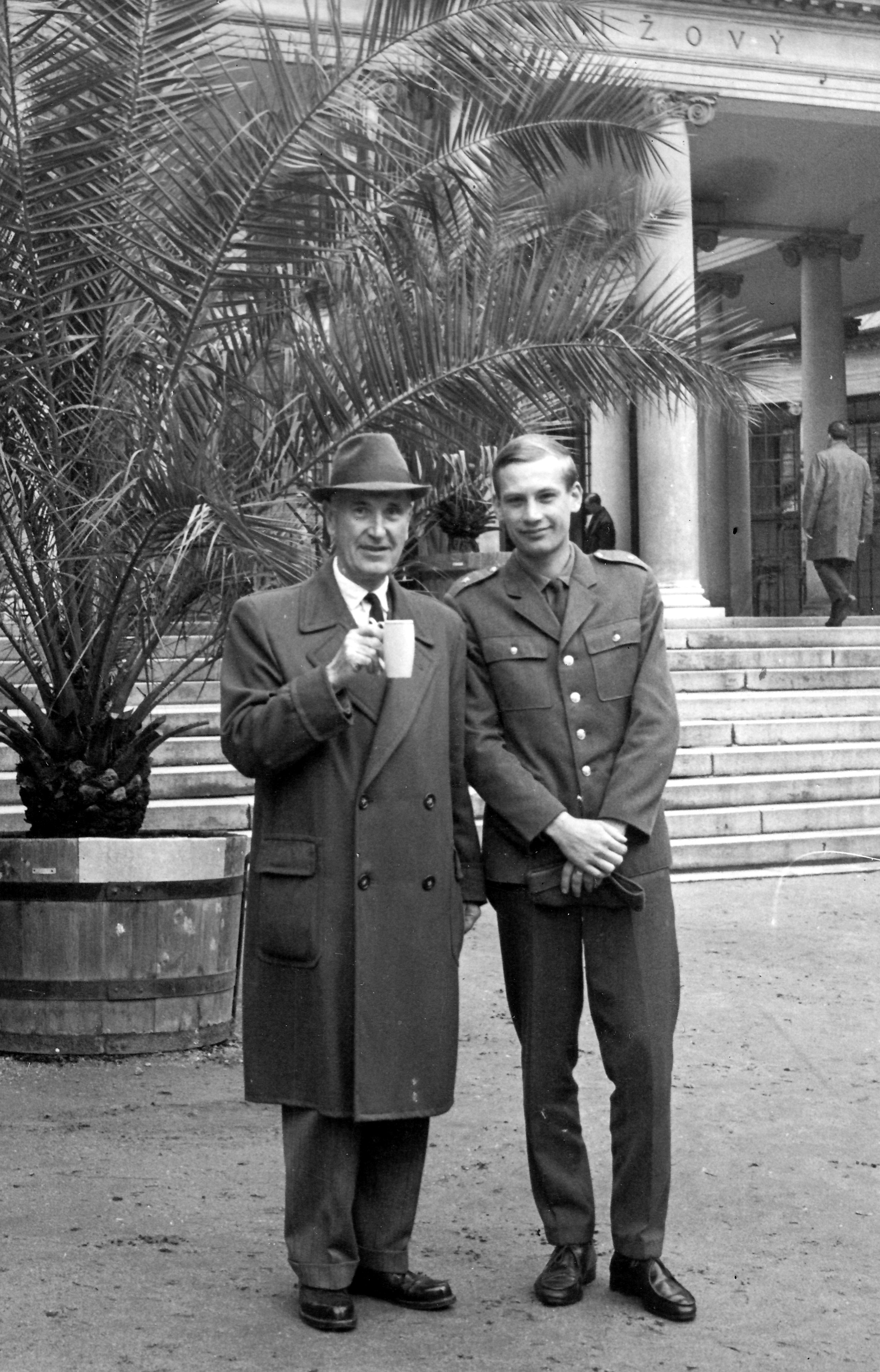
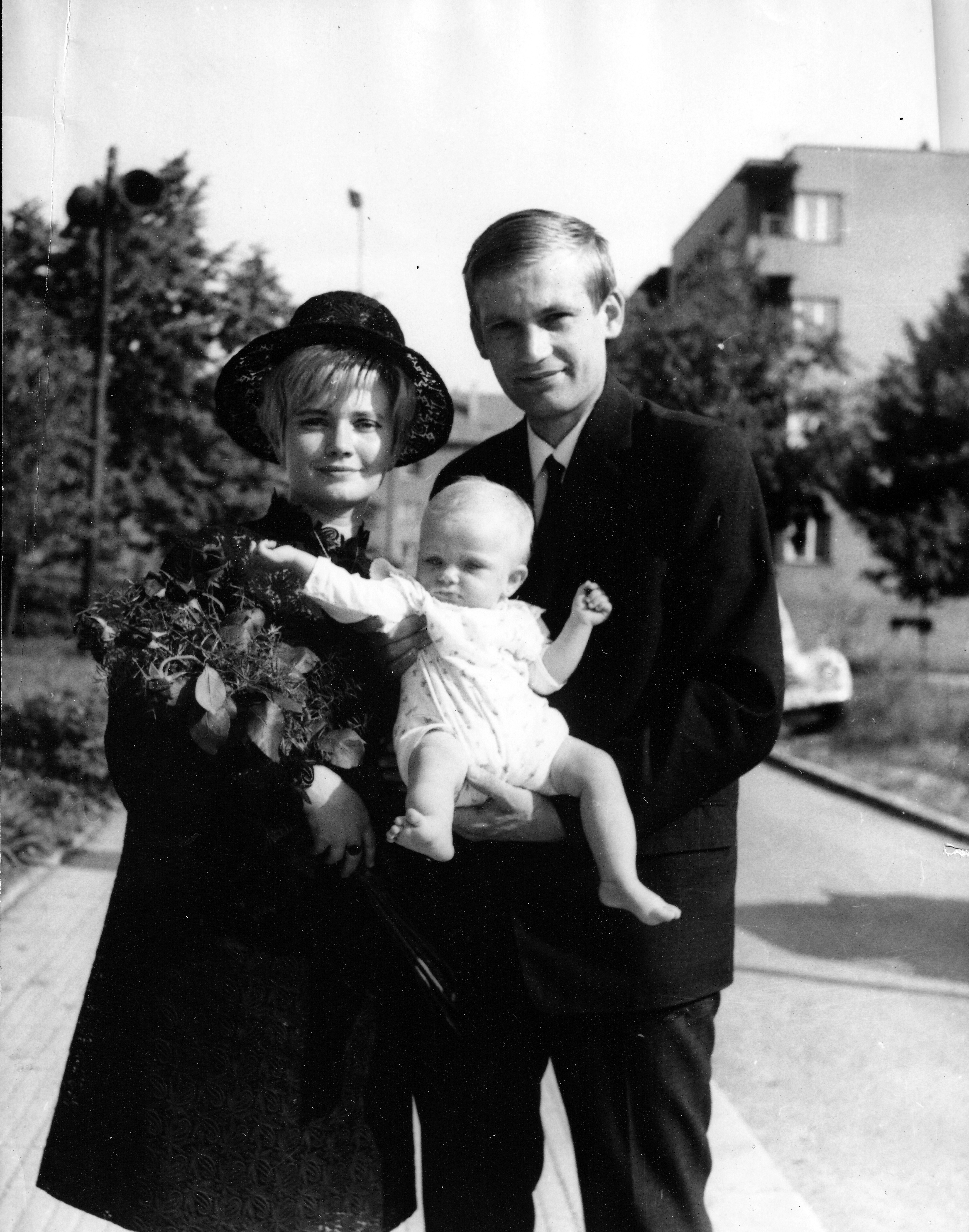
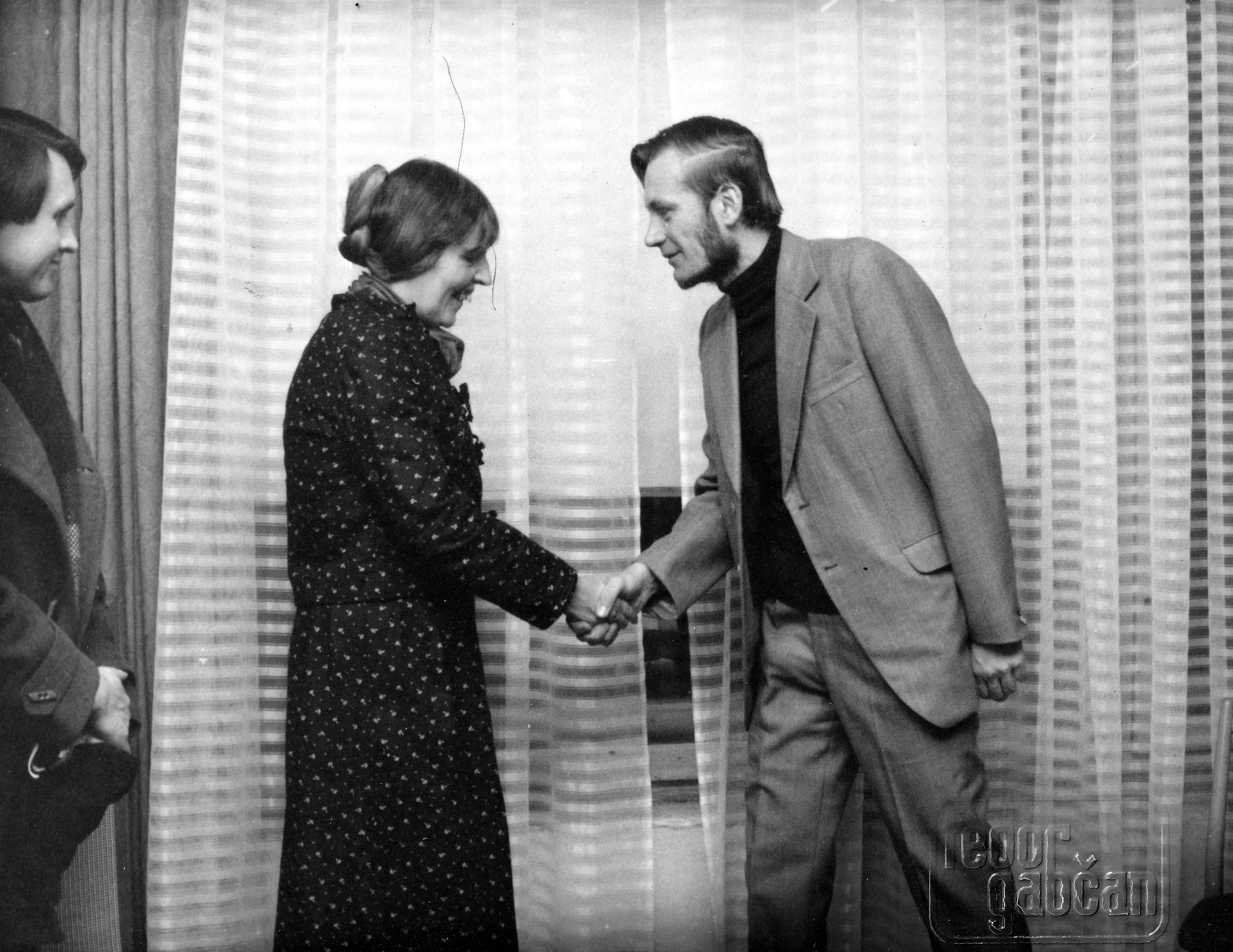
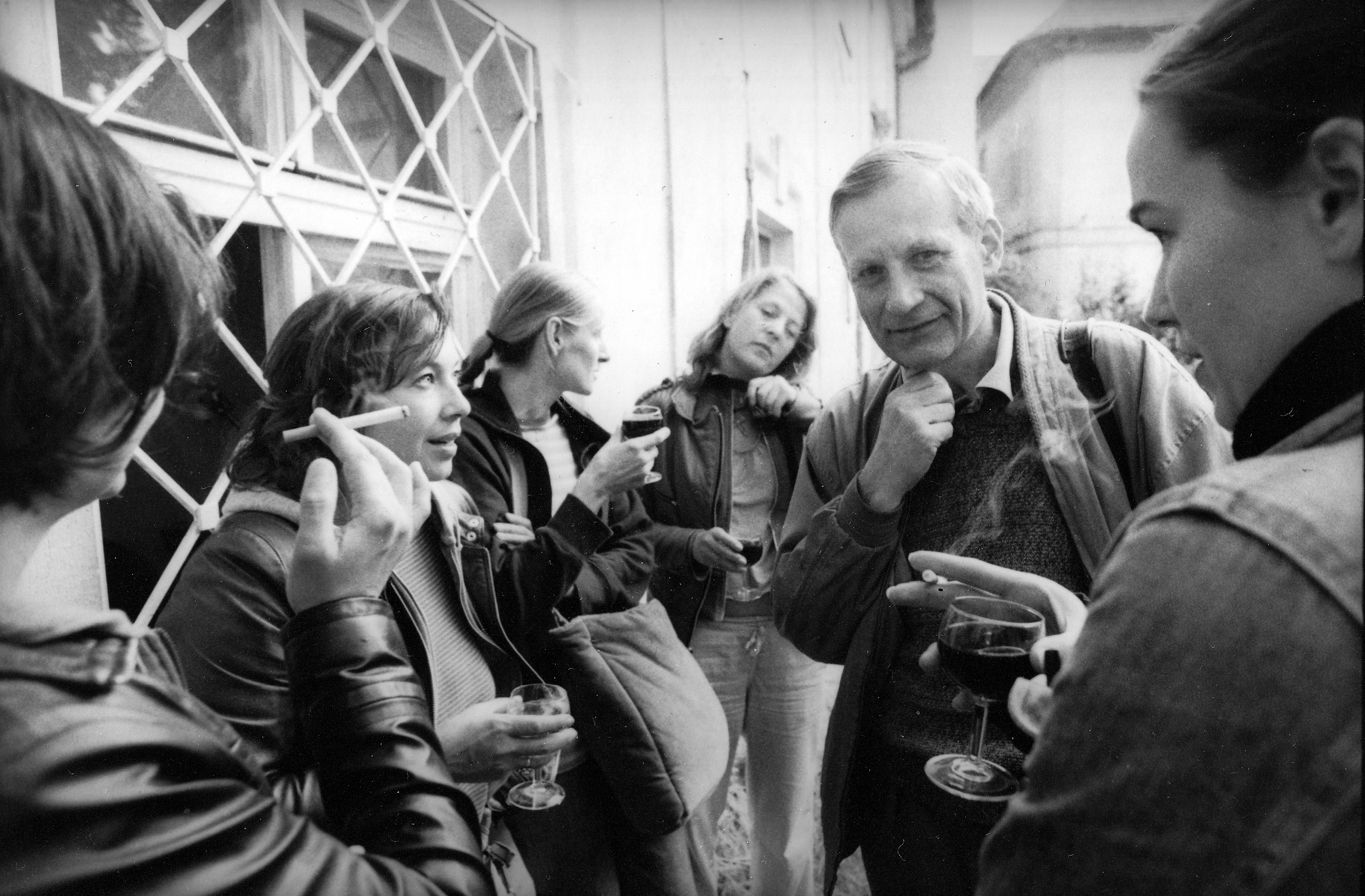
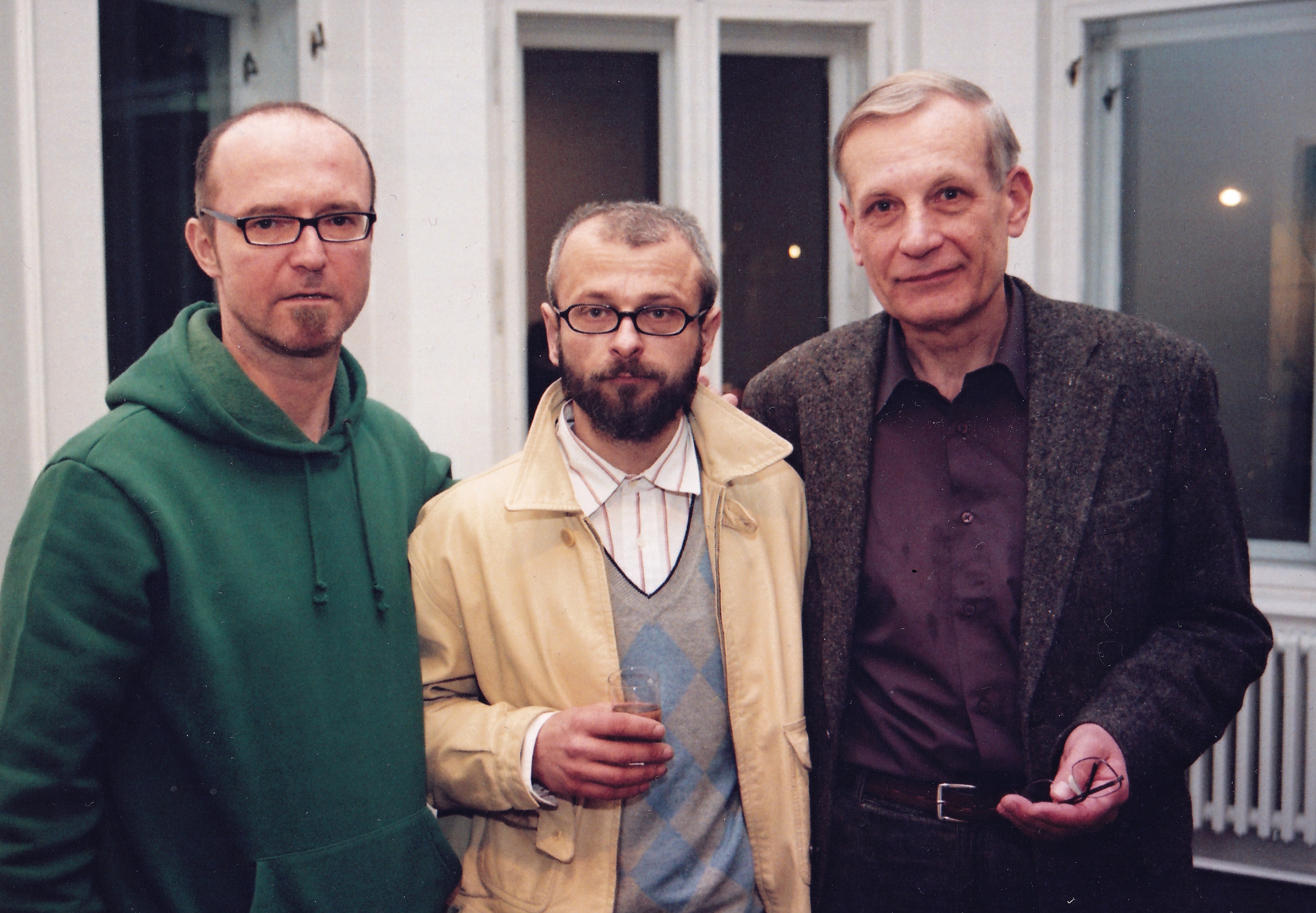
Milan Weber was born into the family of Jan Weber, a clerk, on 21 January 1943 in Ostrava. He lived through the end of the war in his mother’s birthplace, Mnichovice in Central Bohemia, where his parents took their son in fear of the bombing of Ostrava. He regularly went to Mnichovice for summer holidays. He graduated from grammar school and studied at the metallurgical faculty of the Mining University. In the mid-1960s he founded a film club in the Ostrava House of Culture and became interested in fine arts. In 1968 he was active in the Club of Committed Non-Partisans and at the beginning of the so-called normalisation he refused to answer questions during political checks at work. In the 1970s and 1980s he organised exhibitions in Ostrava of artists discriminated against by the regime. In 1993 he founded the later respected and sought-after Sokolská 26 Gallery. He became a member of the Czech Social Democratic Party and was active in municipal politics. At the time of recording, in 2023, Milan Weber lived in Ostrava.