"To be honest, I didn't believe it until the end. When we could hear, 'The war has started, they are attacking us,' the first feeling was physical: your heart will burst and for a second you will be without this organ. Then an incredible rush of blood to the head. And the first question was: 'How could you bastards have done this?' Then my husband quickly made the connection and the information came at a frantic pace: video of air defence systems working over the Palace of Rome, disinformation from Russia. And we have a lot of friends there - we are the organizers of an international art festival, a lot of partners, colleagues, my husband has relatives in St. Petersburg - important people. And the fuss and the arguments started, and the result was: they really think that Ukrainians should be killed."
"Well, 2014, Maidan and then 'Crimea is ours' - that was certainly a big turn. There were 'upset' tourists in front of me. It was very difficult to work, conflicts arose very often on level ground. One tries to concentrate, to abstract - you are at work, you are a professional. But when one person says something to another, you can't hold back. You come off the Charles Bridge and on the facade of the Church of St Salvator there is a sign saying: 'Putin, hands off Crimea, hands off Ukraine'. People immediately start asking: 'What does it say?' They say they can't believe their eyes. I answer: 'It says: Putin, hands off Crimea.' And immediately there was a verbal exchange. They threw in my face the sentences that Ukrainians are not a nation, that Ukrainian language is a fabrication of Russian and Polish, that Ukrainians as a nation do not exist. I replied, 'Are you saying I don't exist?' There were big arguments and conflicts almost every day."
"Even before the Maidan, I criticed the so-called Orange Revolution. I was terribly annoyed by the situation in Ukraine because I compared how the standard of living and political intelligence of people in the Czech Republic had risen after the Velvet Revolution. And what was happening in Ukraine? It seemed to me that Ukrainian politicians were not doing enough to develop the country. I was terribly annoyed by the duplicity, nepotism, corruption and disorder. I knew that it was a rich country and that Ukrainians were incredibly hard-working people and that life could be much better in this country, but at the same time it wasn't happening."
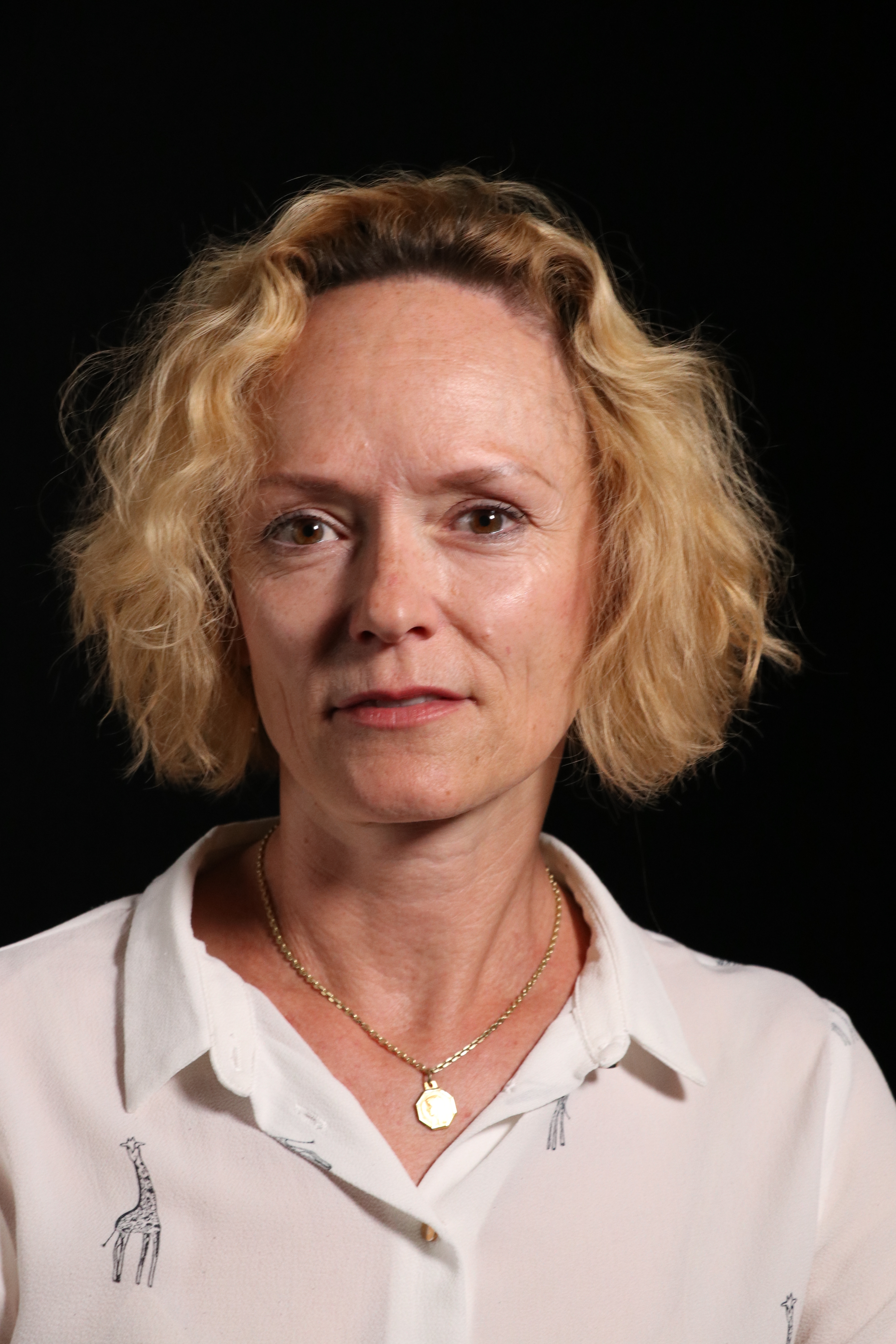
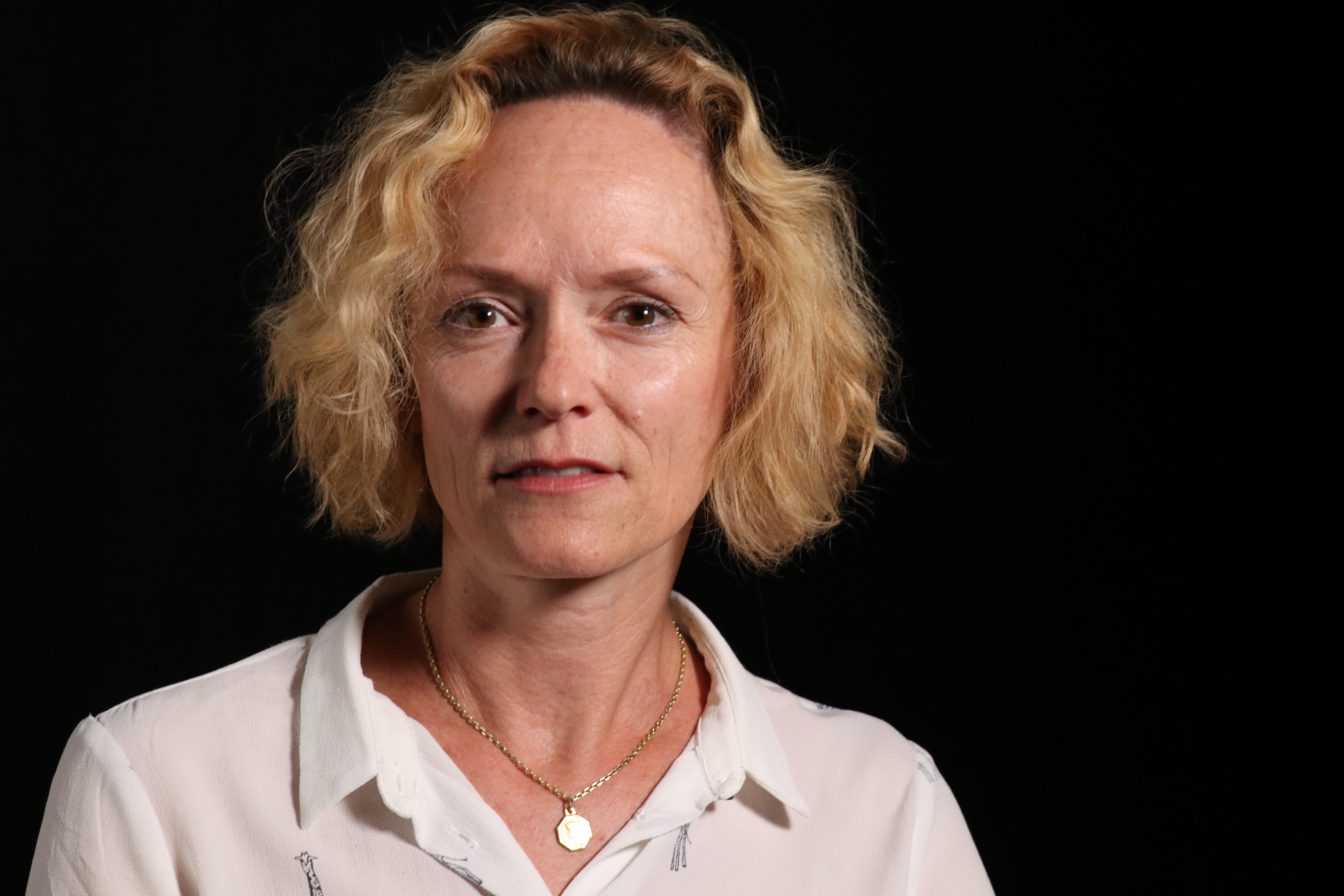
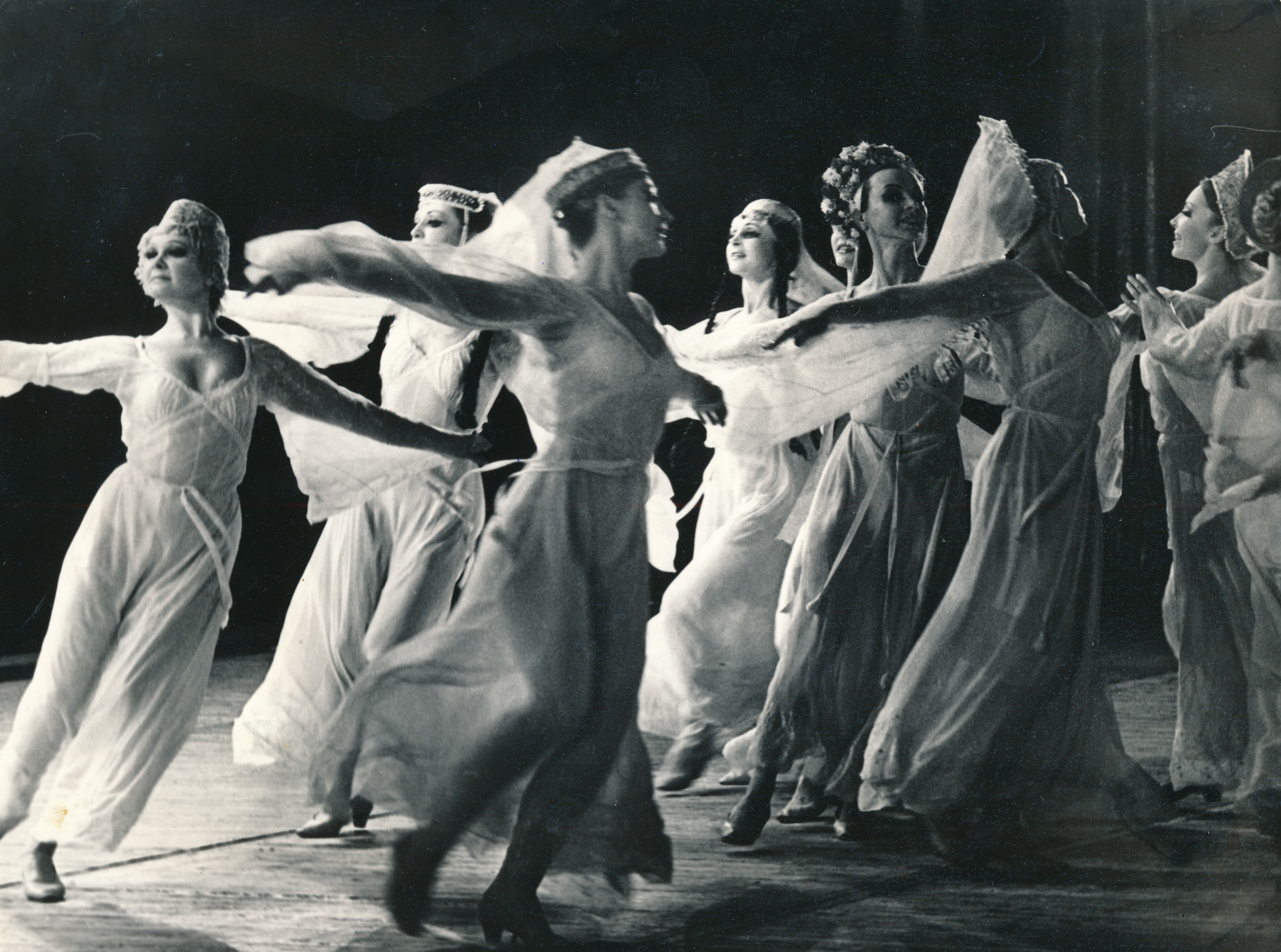
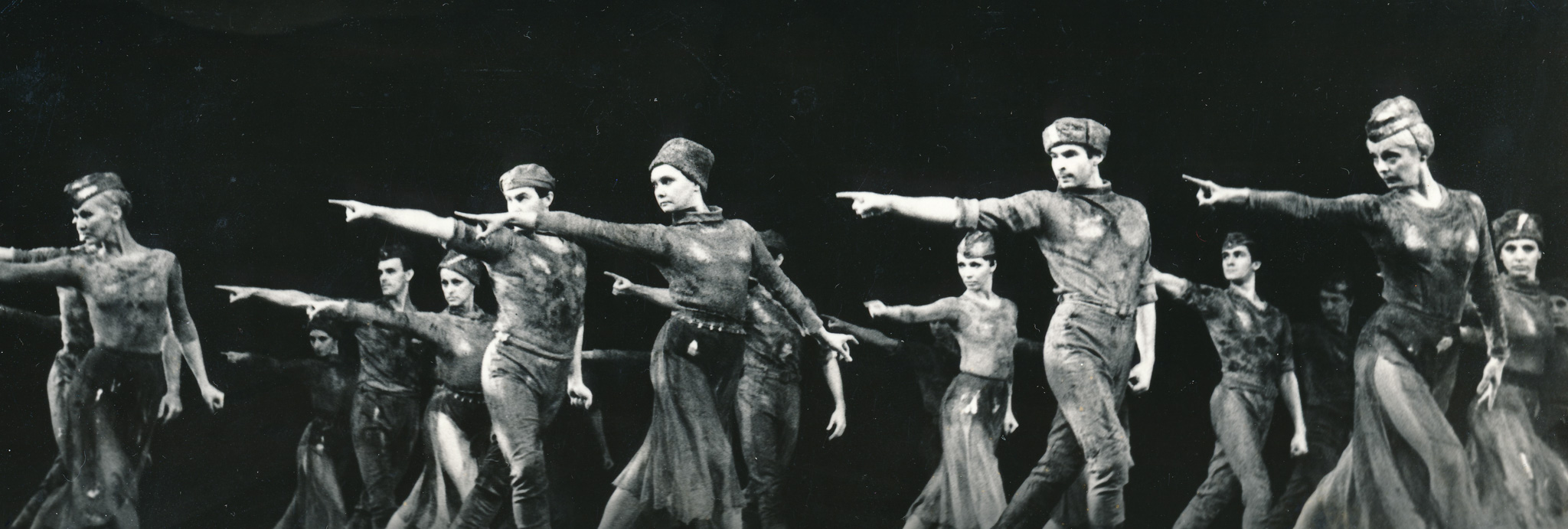
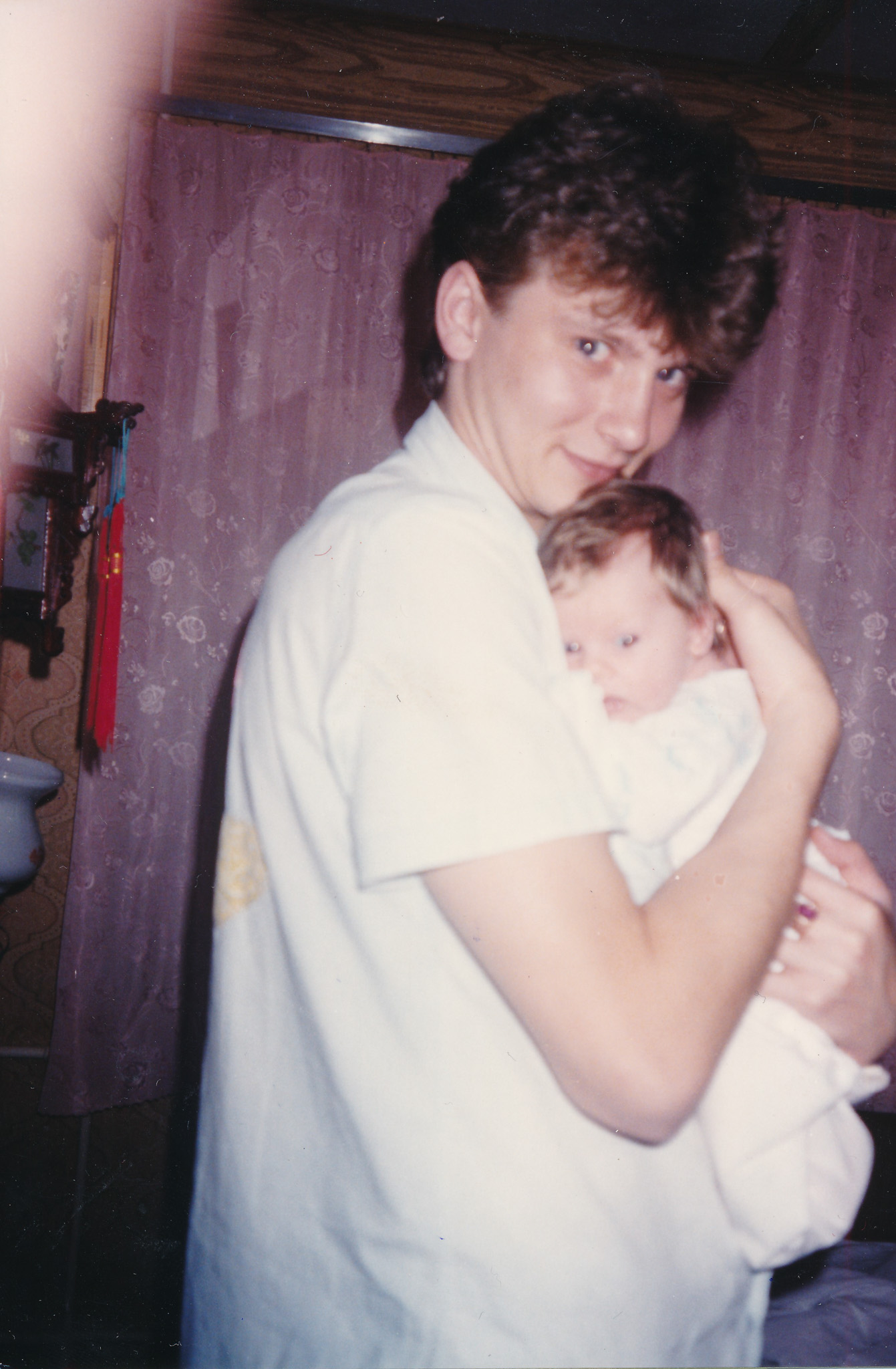
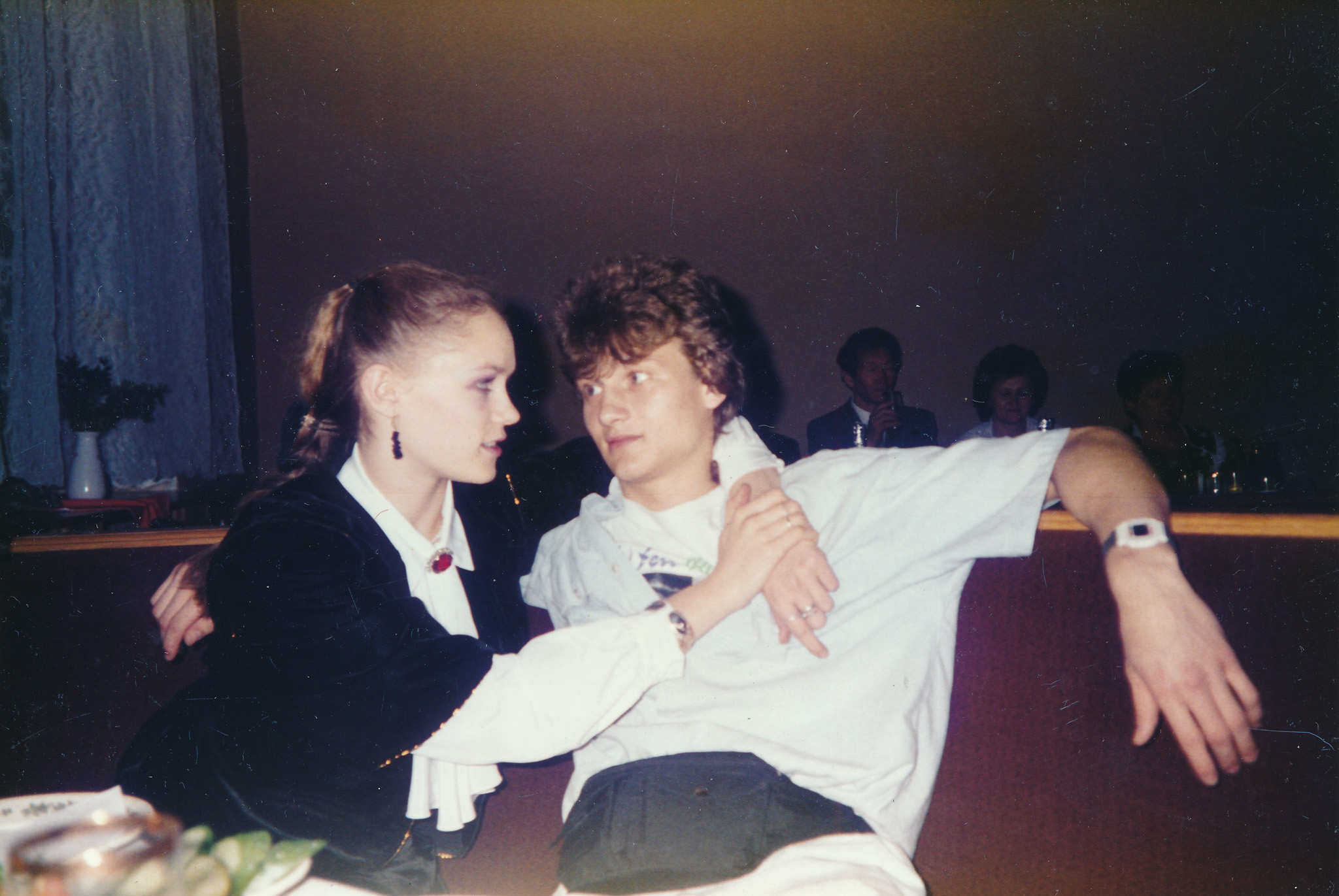
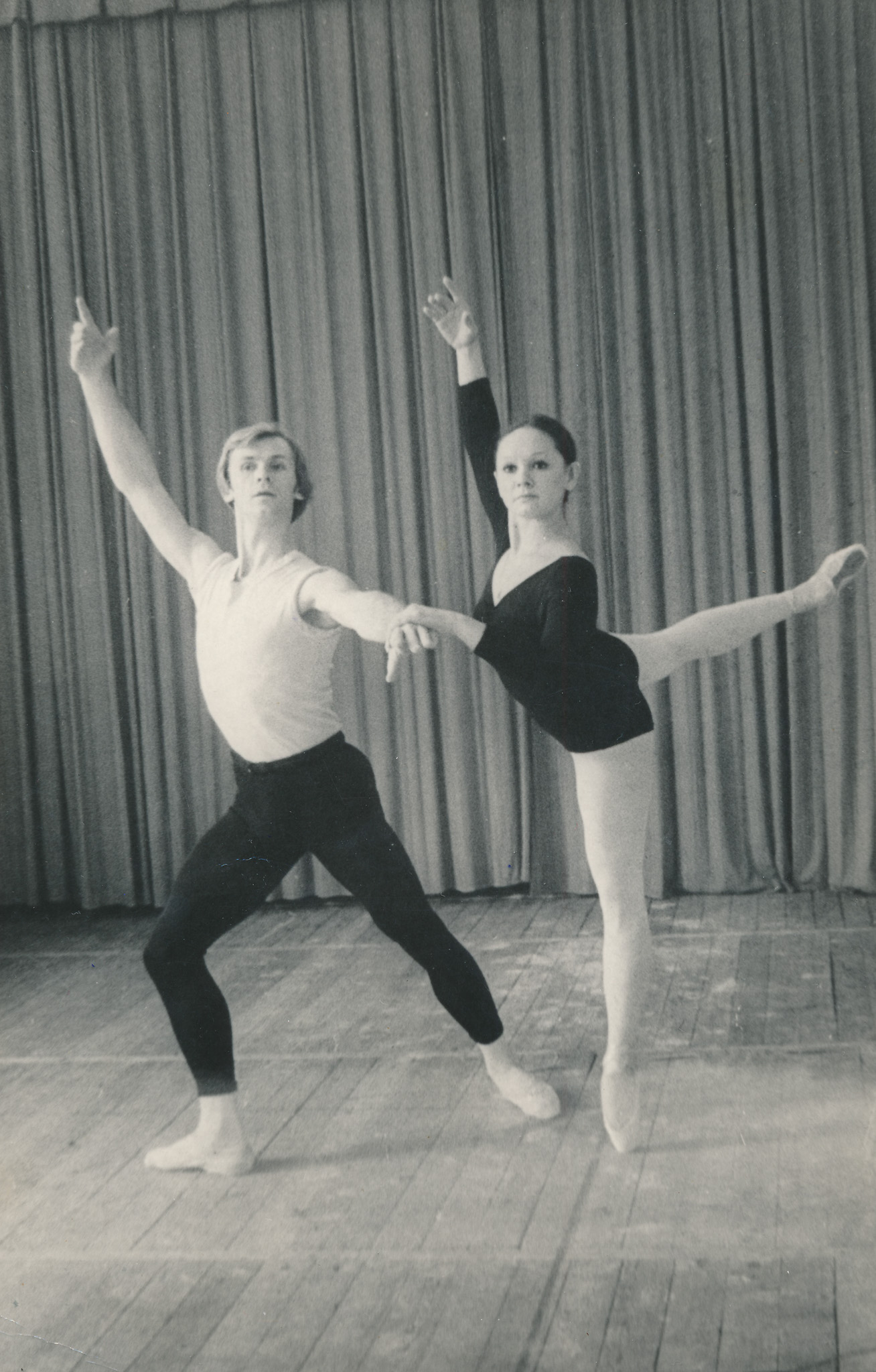
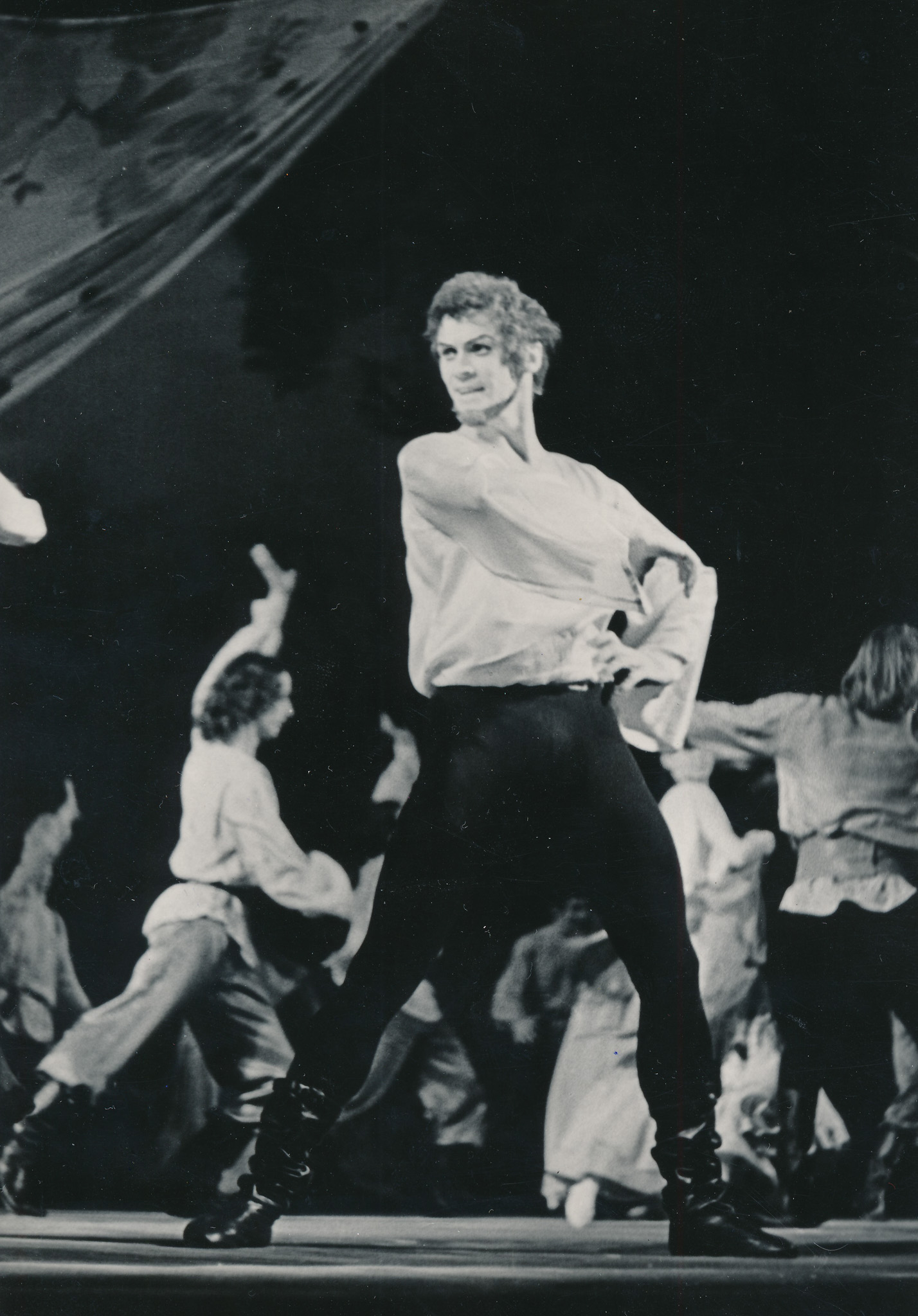
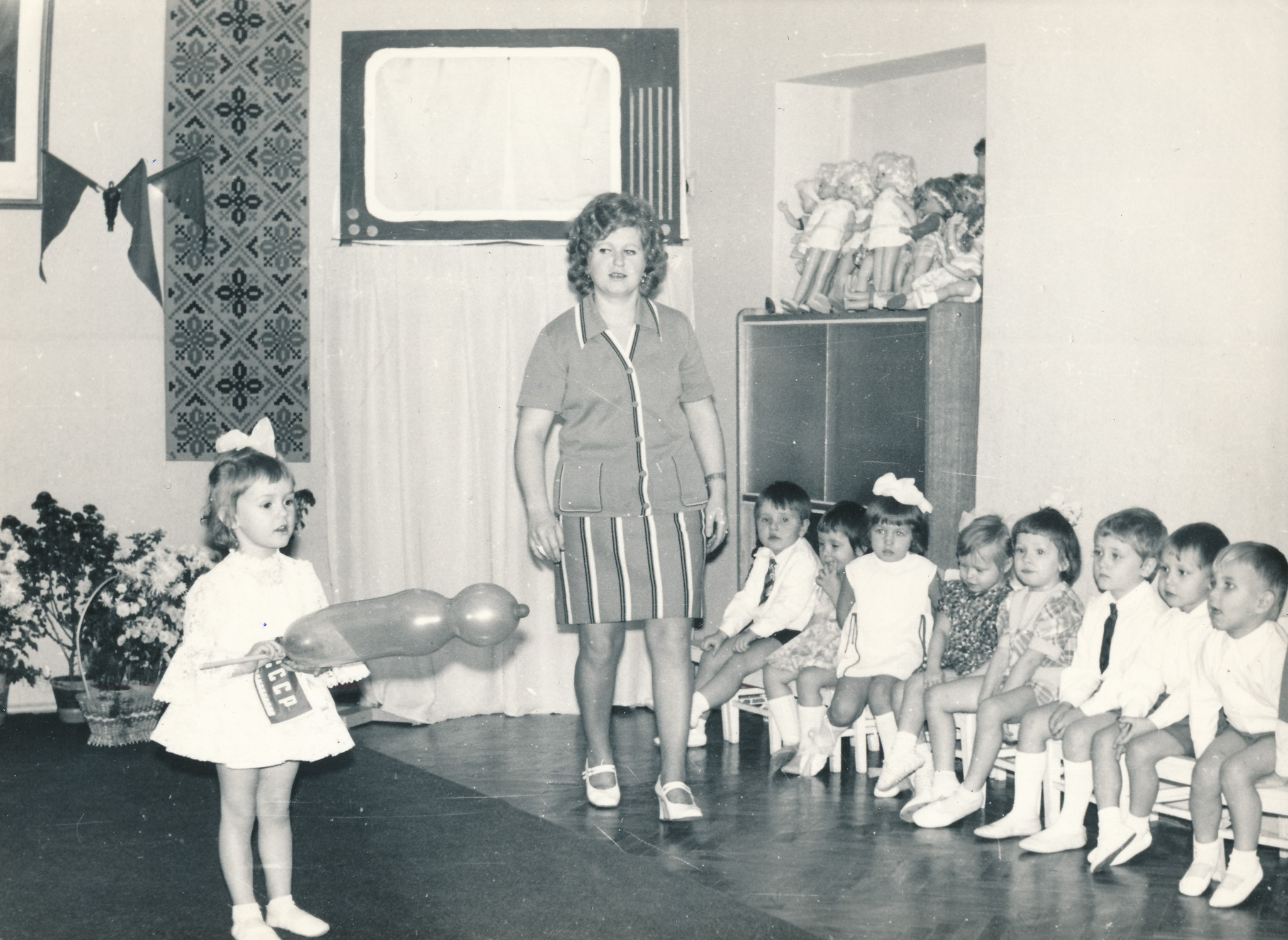
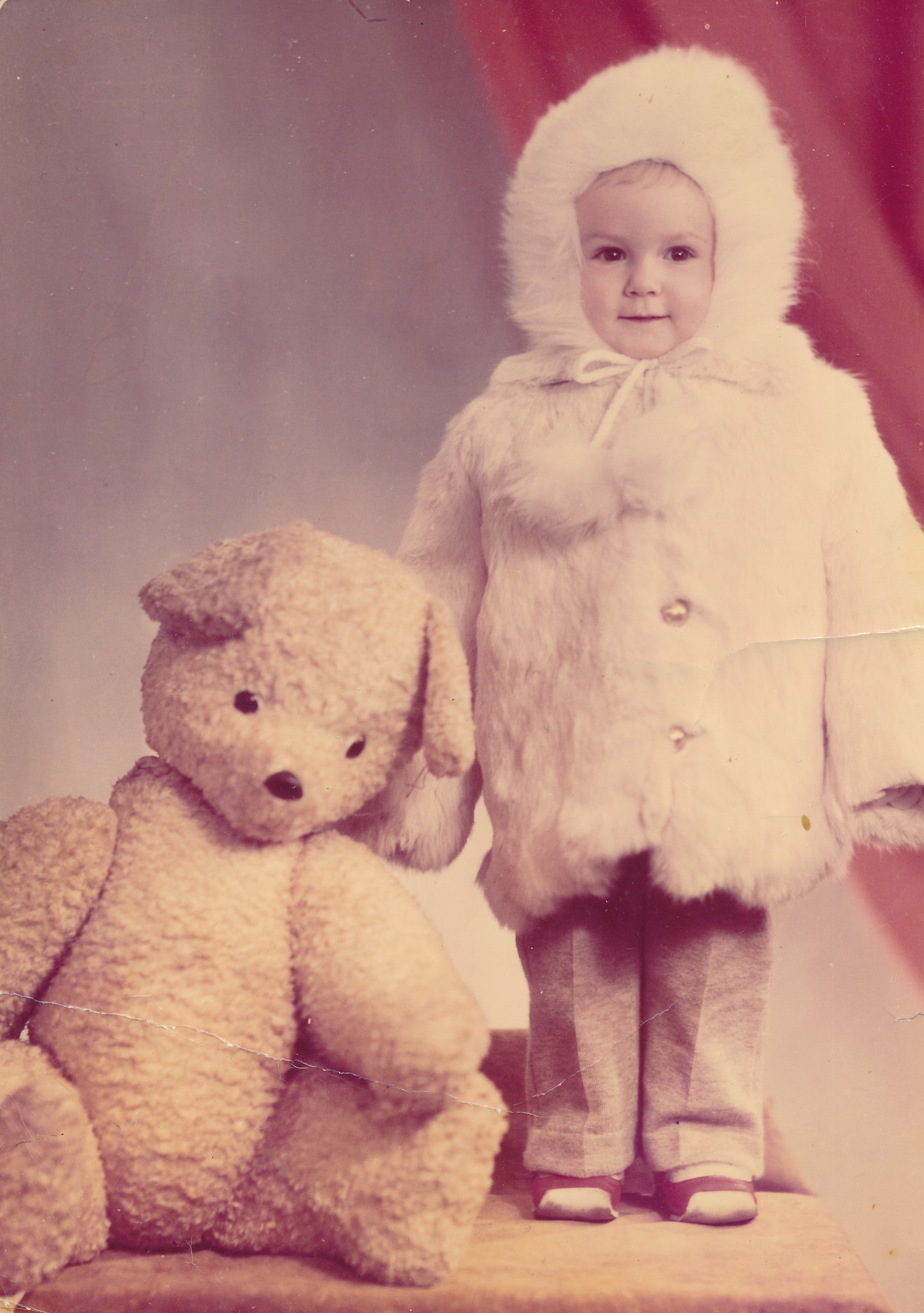
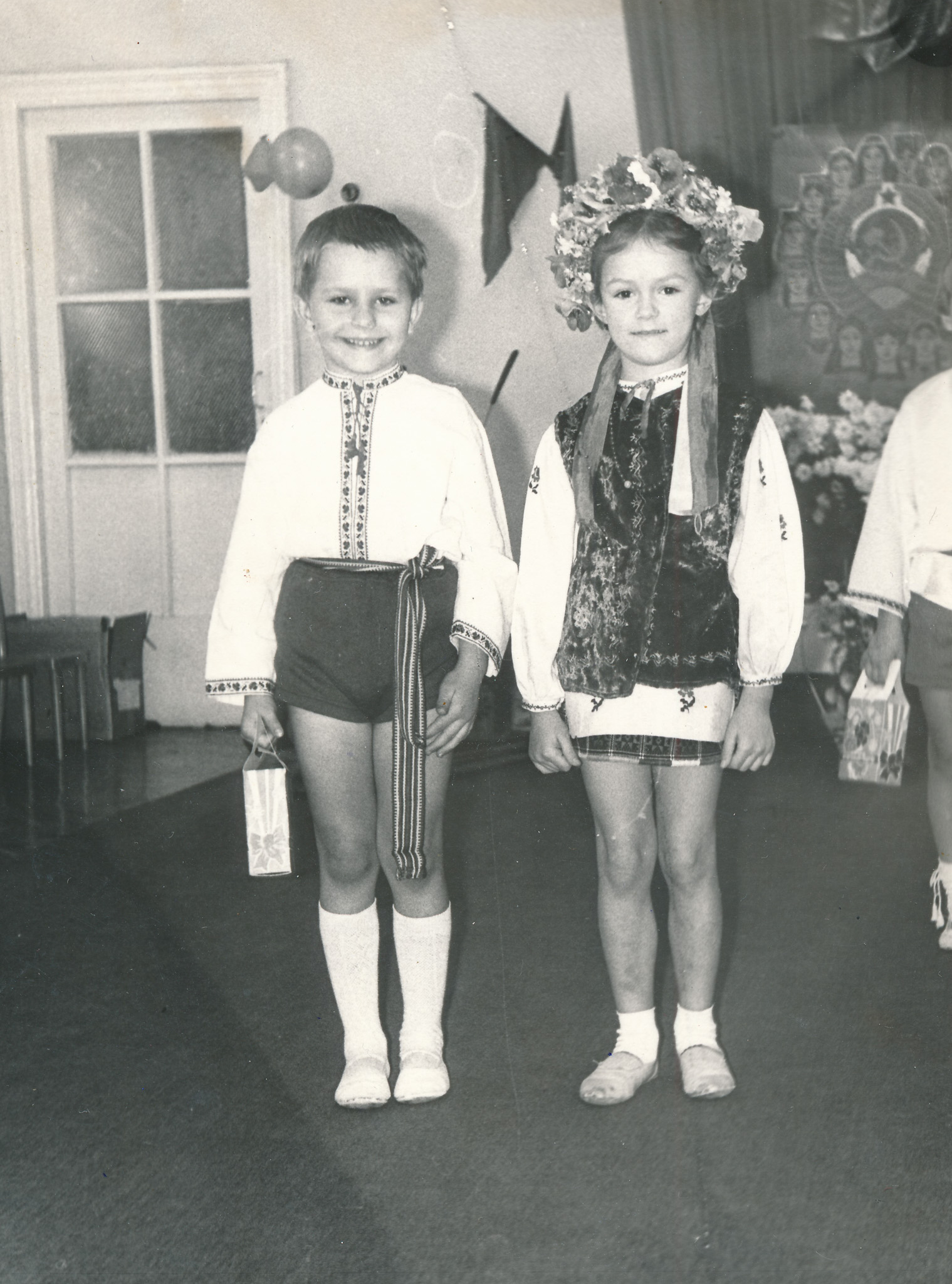
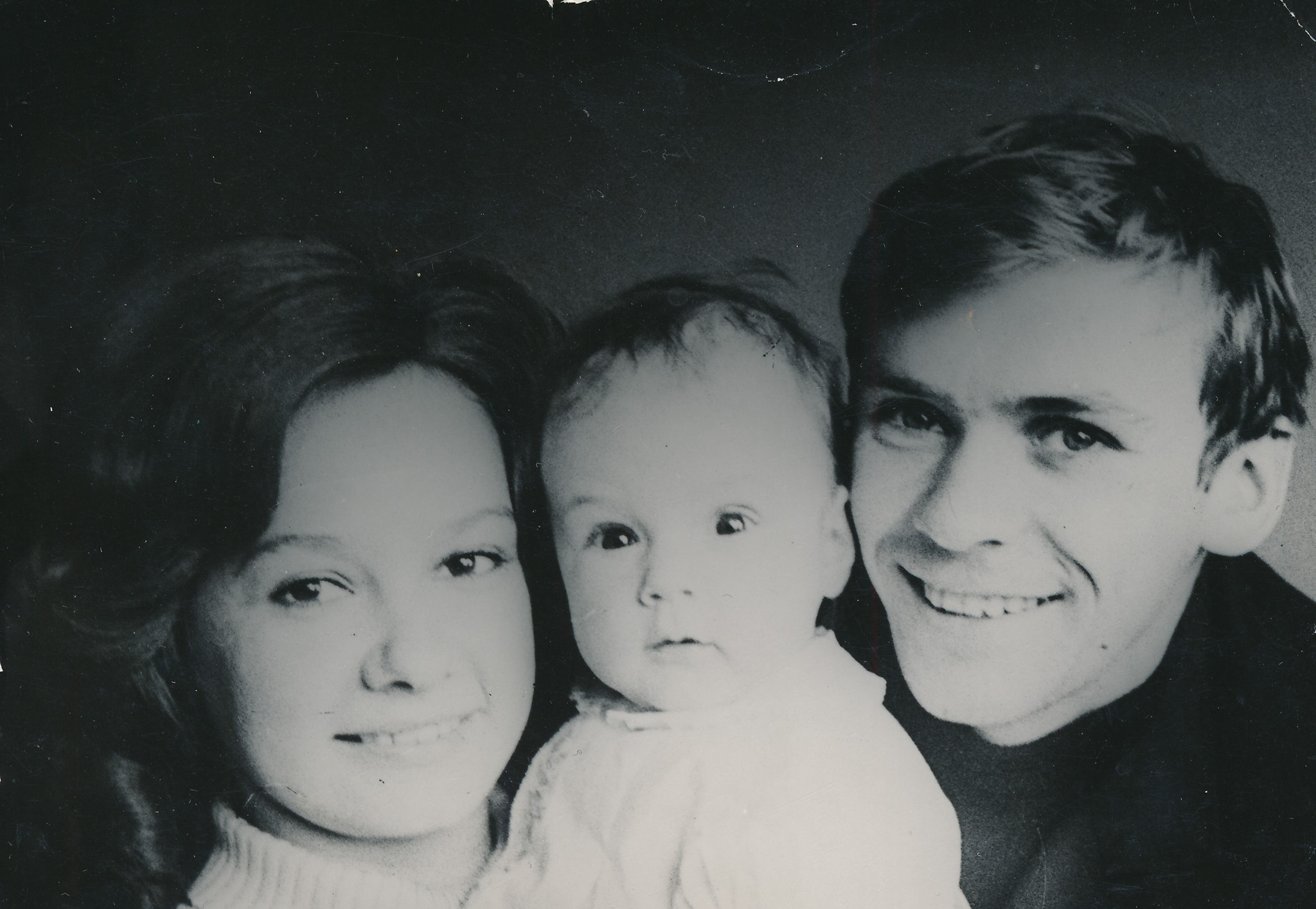
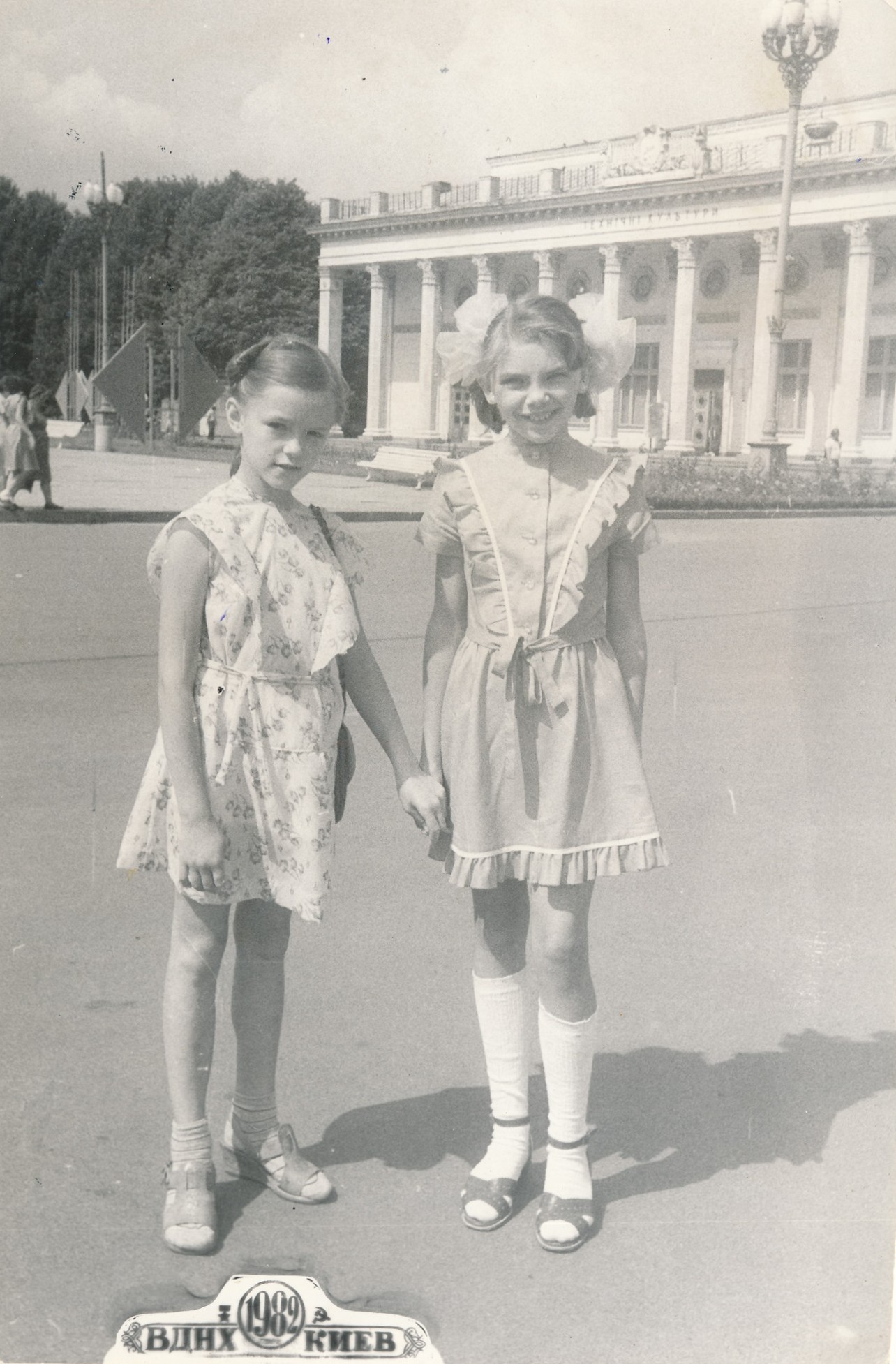
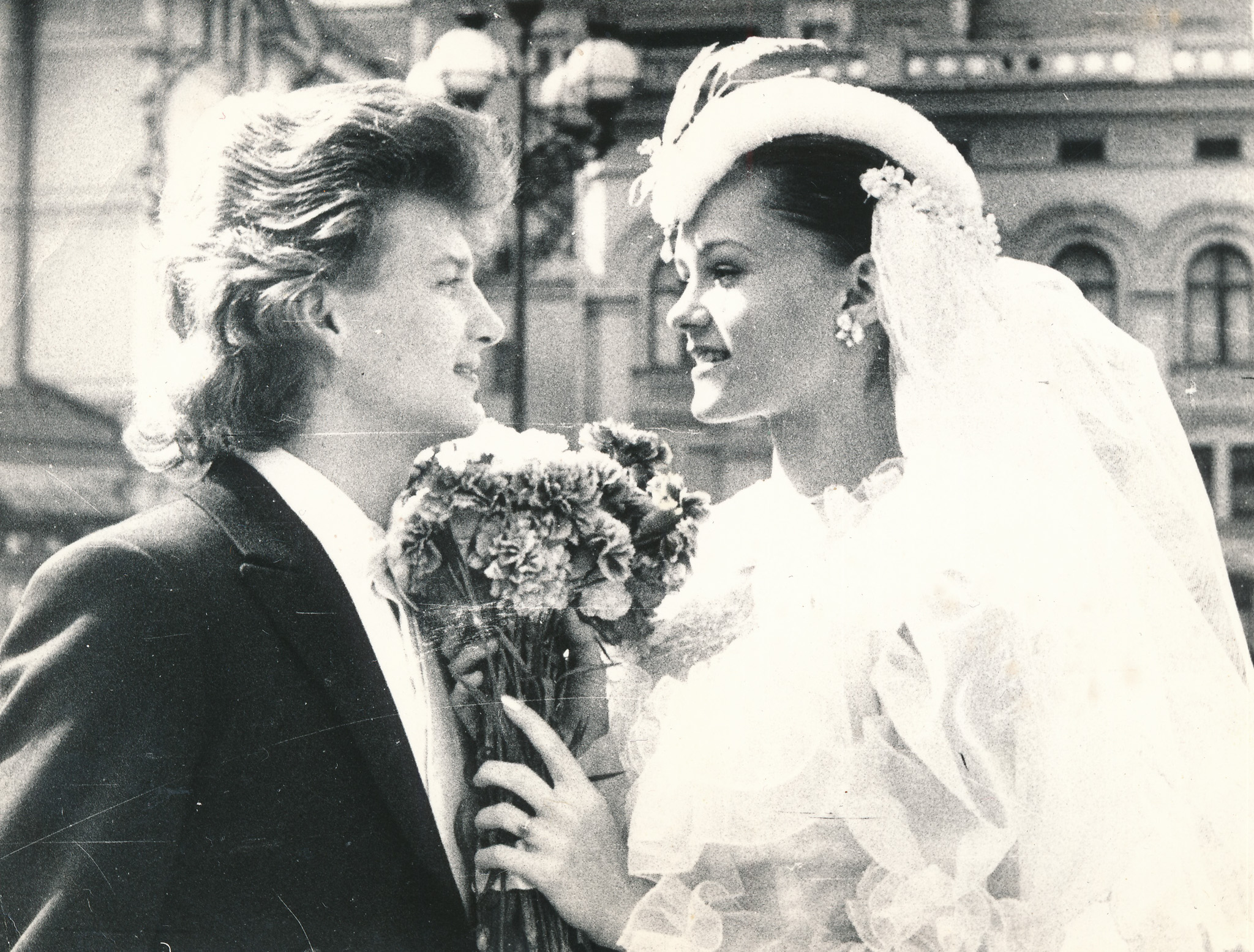
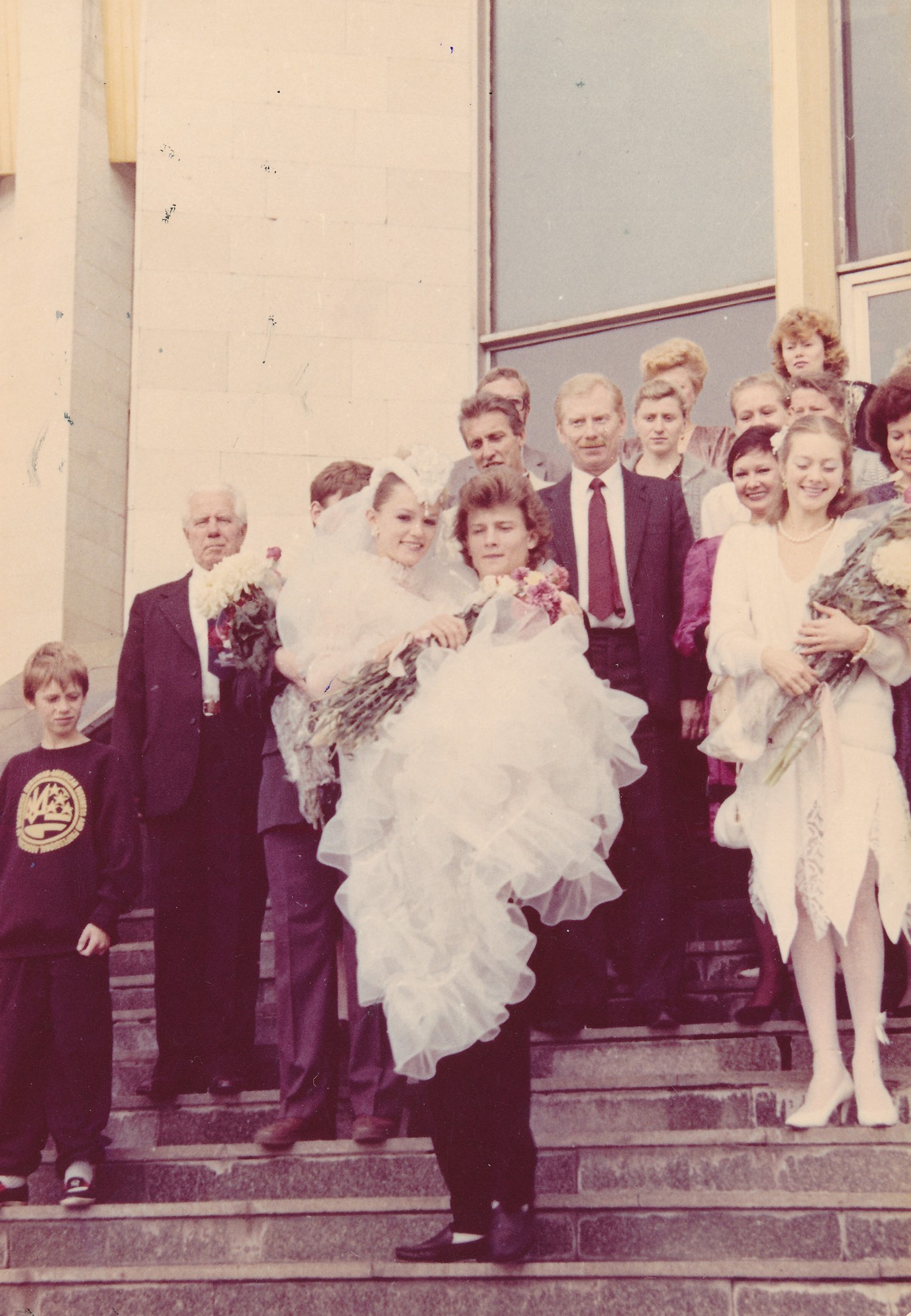
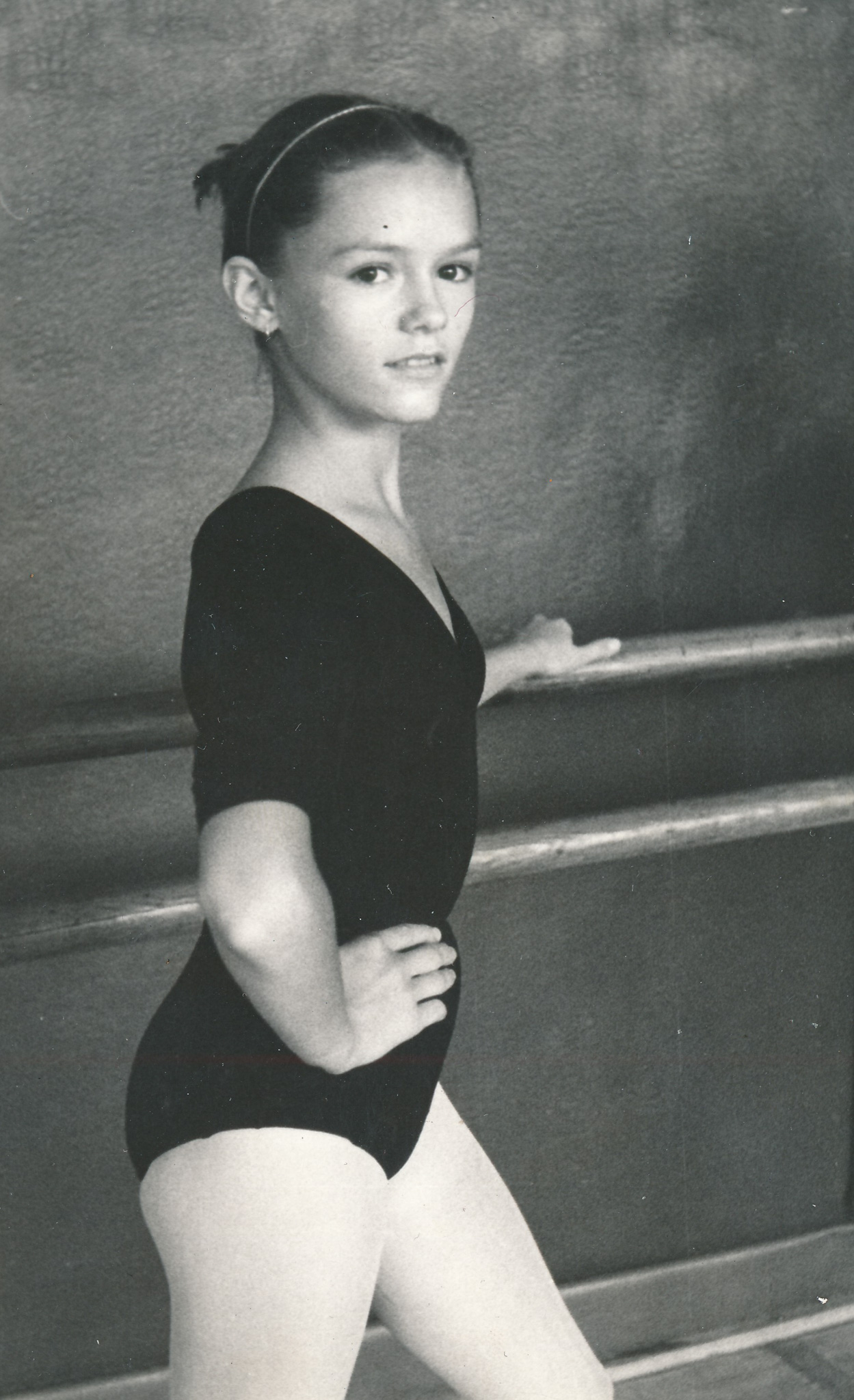
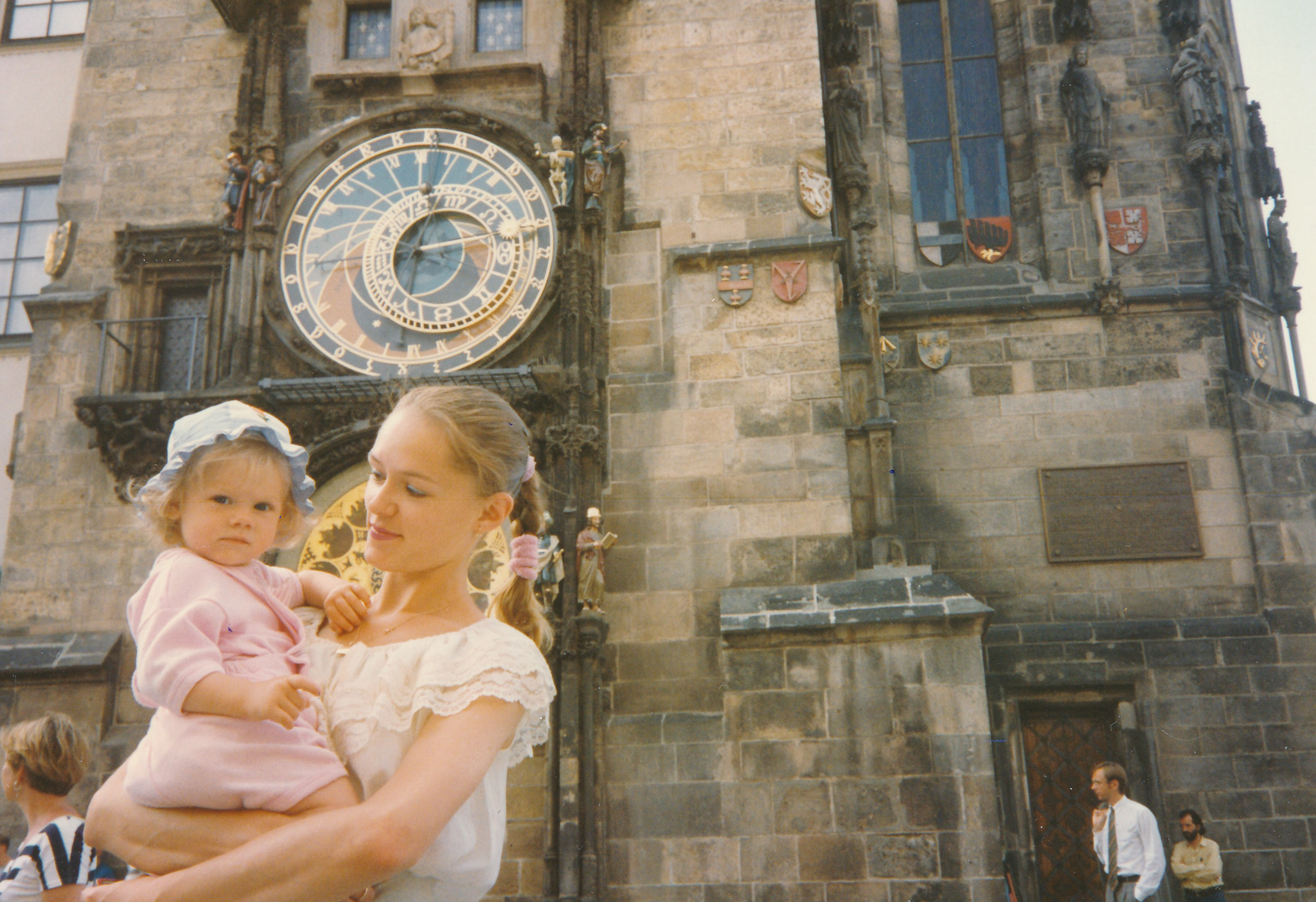
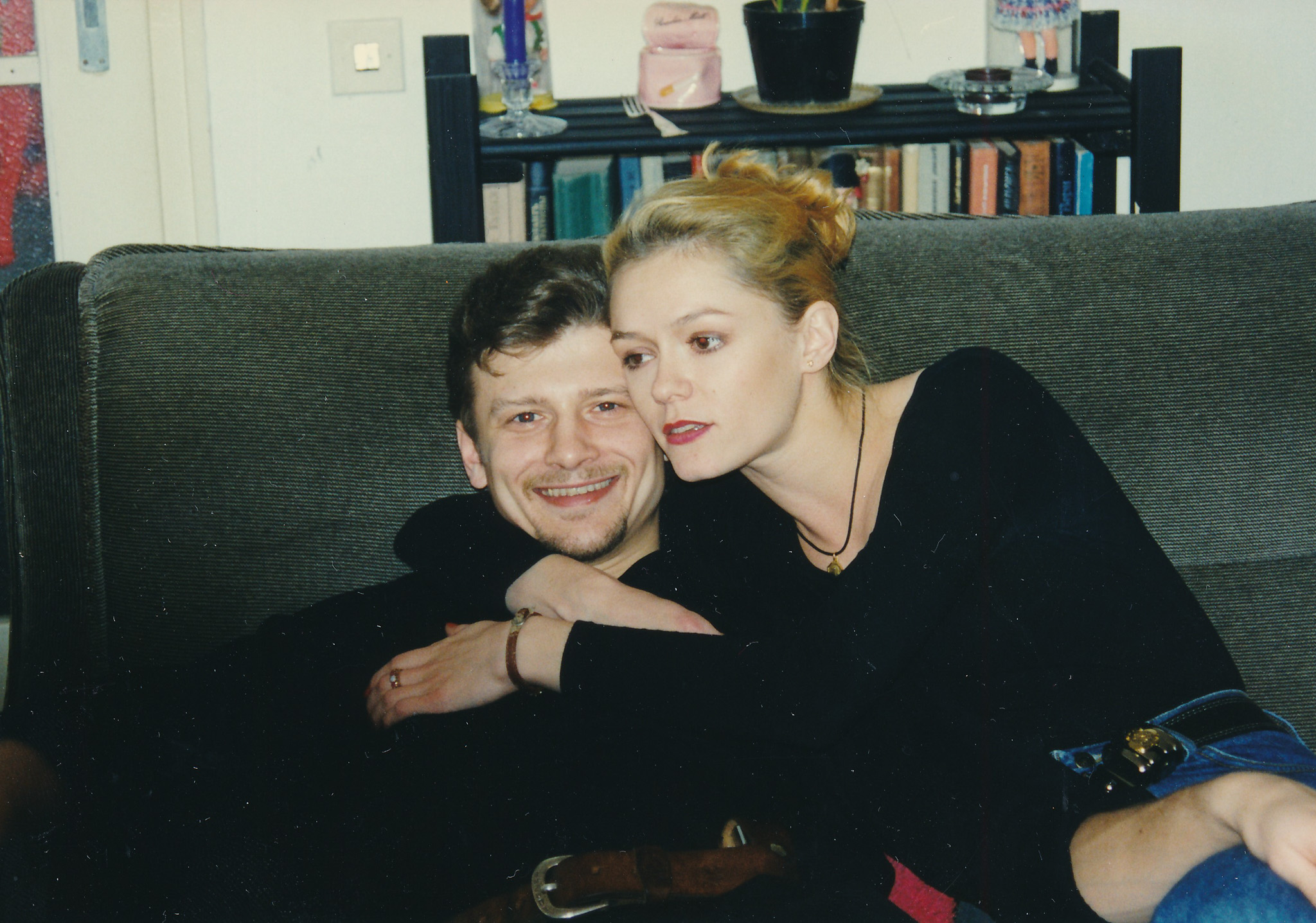
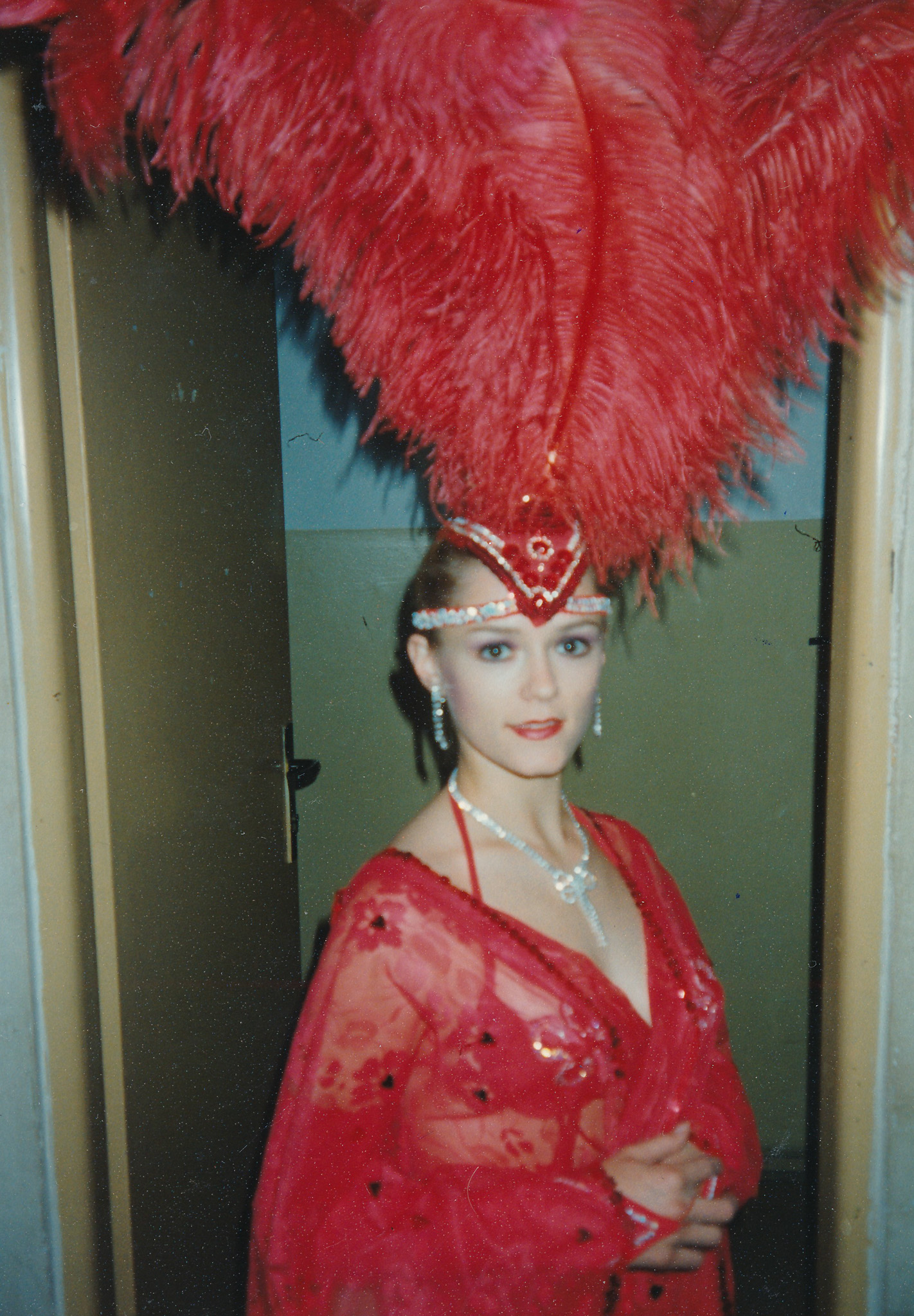
Viktoria Vrublevska (Ukrainian: Viktoriya Vrublevska), born on May 17, 1972 in Kiev, in the former Ukrainian SSR in the Soviet Union, is a Ukrainian and Czech ballet dancer, teacher, and organizer of cultural projects. She is also a soloist with Czech ballet companies and co-founder of the Ave Bohemia International Ballet Festival. She was born to parents Larisa and Viktor Gachenko - ballet dancers of the Honorary Academic Dance Company of Ukraine, named after Pavel Virsky, later an outstanding ballet master. She spent her childhood backstage in theatres, accompanying her parents on tours of the Soviet Union. In 1990 she graduated from the Kiev Choreography School. She married her classmate Yevgeny Vrublevsky. From 1990 to 1993 she worked as a dancer in the ballet company of the Taras Shevchenko National Opera and Ballet Theatre in Kiev. In 1993, she moved to Prague to join her husband, who had won a contract at the National Theatre. She worked with the Prague Chamber Ballet under the direction of Pavel Šmok. From 1995 to 1997 she was a soloist with the ballet company of the Theatre of the City of Ústí nad Labem under the artistic direction of Slovak choreographer Ondrej Šoth, where she mastered the José Limon technique and performed leading roles in contemporary and classical productions. In 1998, together with her husband, she was invited to join the ensemble of Prague’s Laterna magika theatre, where she worked under the direction of French choreographer Jean-Pierre Aviotte. She stayed with the theatre until the end of her dance career in 2015. At the same time, she led tours of Prague as a certified tour guide. In 2009 she founded the Ave Bohemia international ballet festival with her husband Evgeny Vrublevsky and became its director. Since 2014, she has publicly spoken out about Russian aggression against Ukraine. After the start of the full-scale Russian invasion of Ukraine in 2022, she devoted herself to volunteer work to help Ukrainian refugees in the Czech Republic. At the time of the 2024 recording, she was teaching modern and classical ballet and directing a festival.
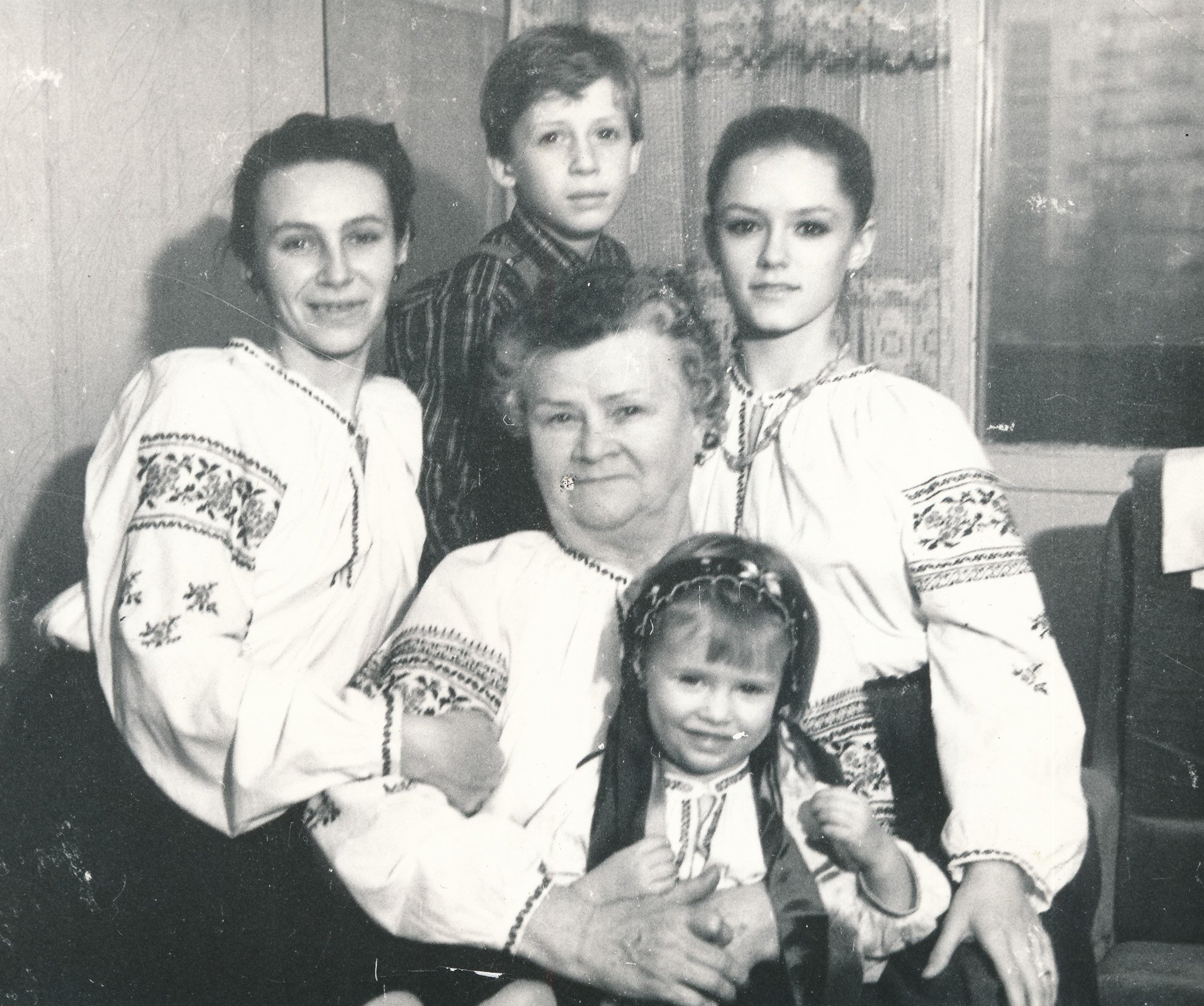
Grandmother Ekaterina Samoilovna Gachenko with her grandchildren, Viktoria is on the right. All of them in embroidered shirts (embroidered shirts) that grandmother embroidered herself, Kiev, 1990
Grandmother Ekaterina Samoilovna Gachenko with her grandchildren, Viktoria is on the right. All of them in embroidered shirts (embroidered shirts) that grandmother embroidered herself, Kiev, 1990