“Wake up, they’re bombing,” her mother woke her up.
Download image
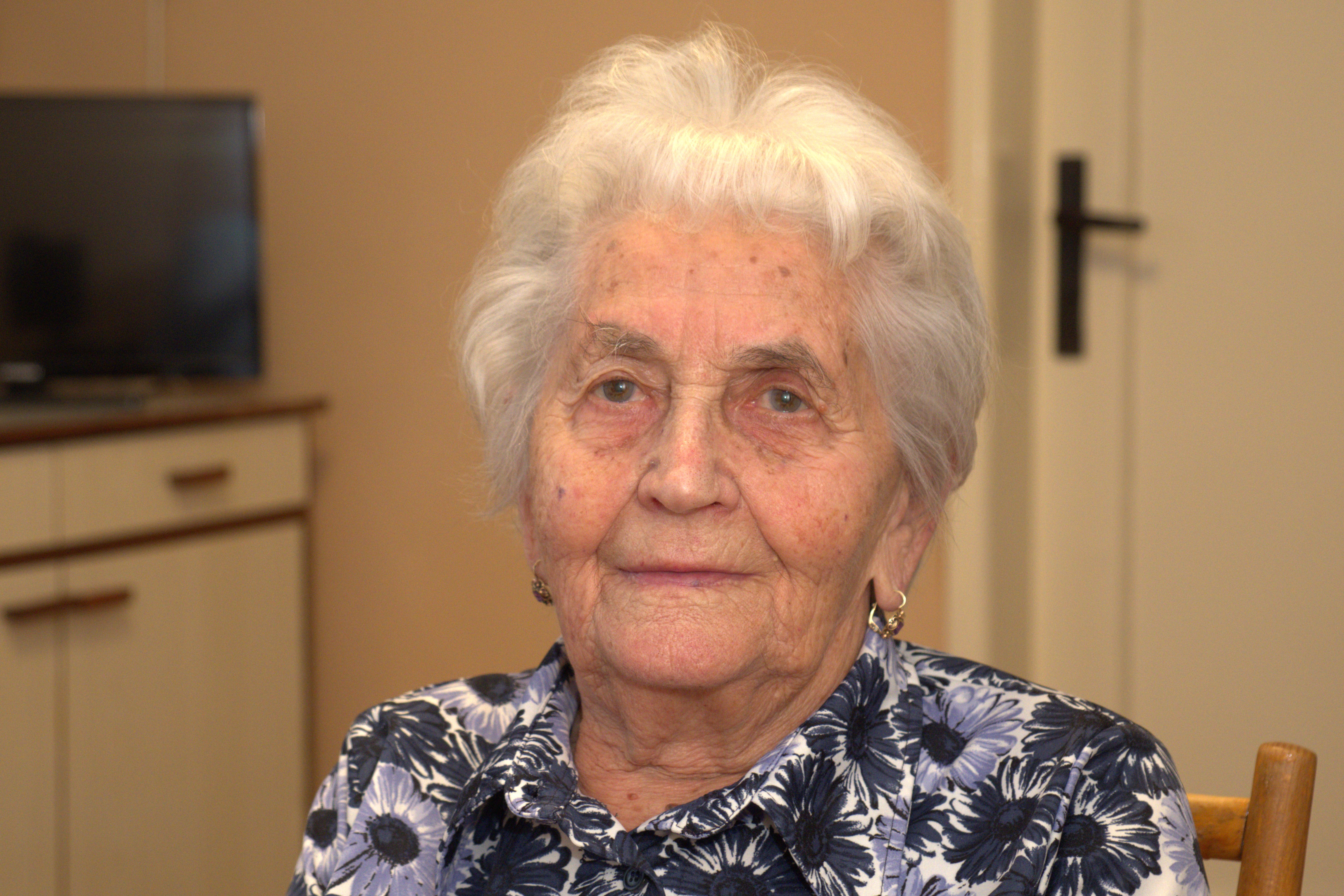
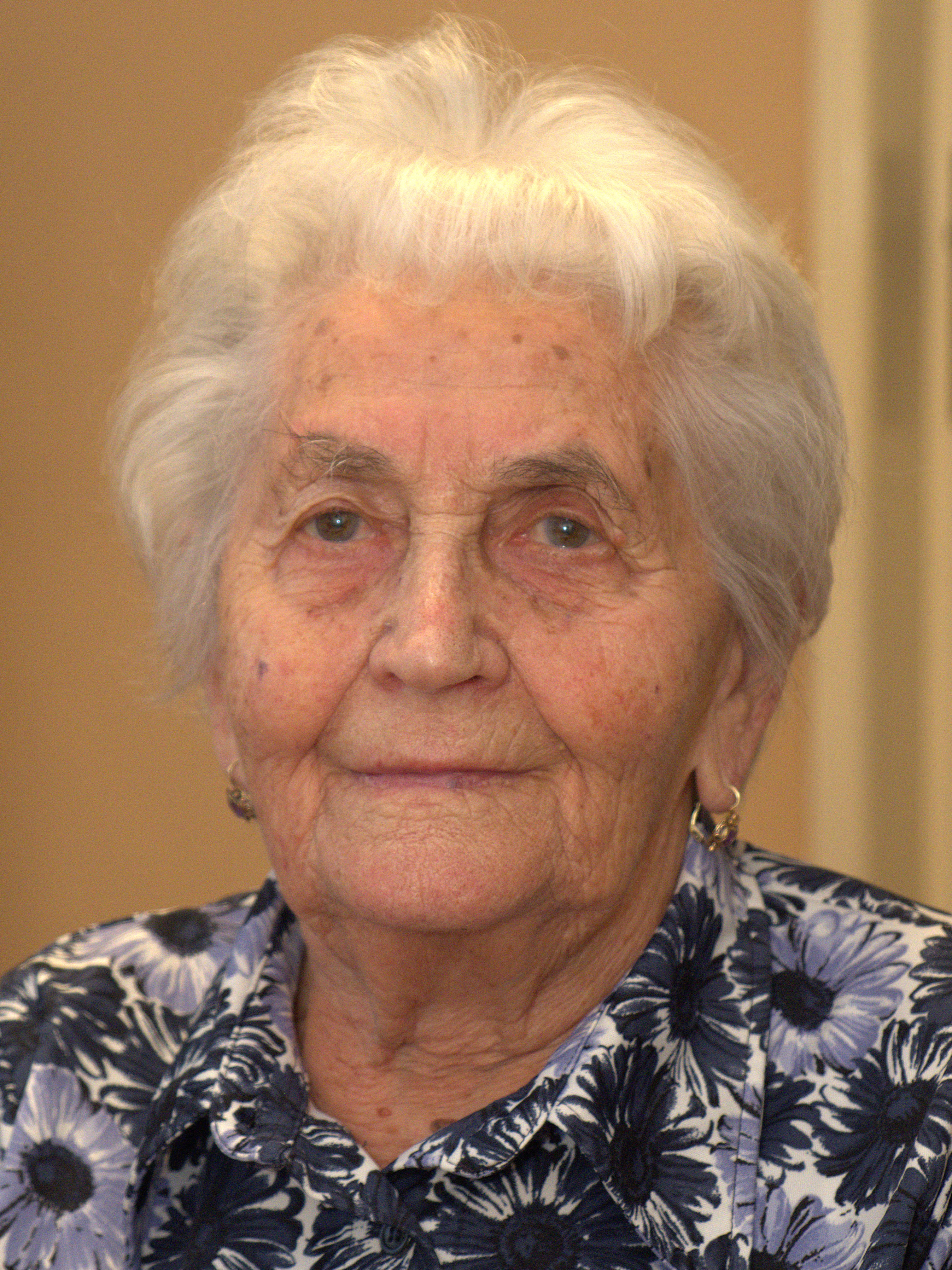
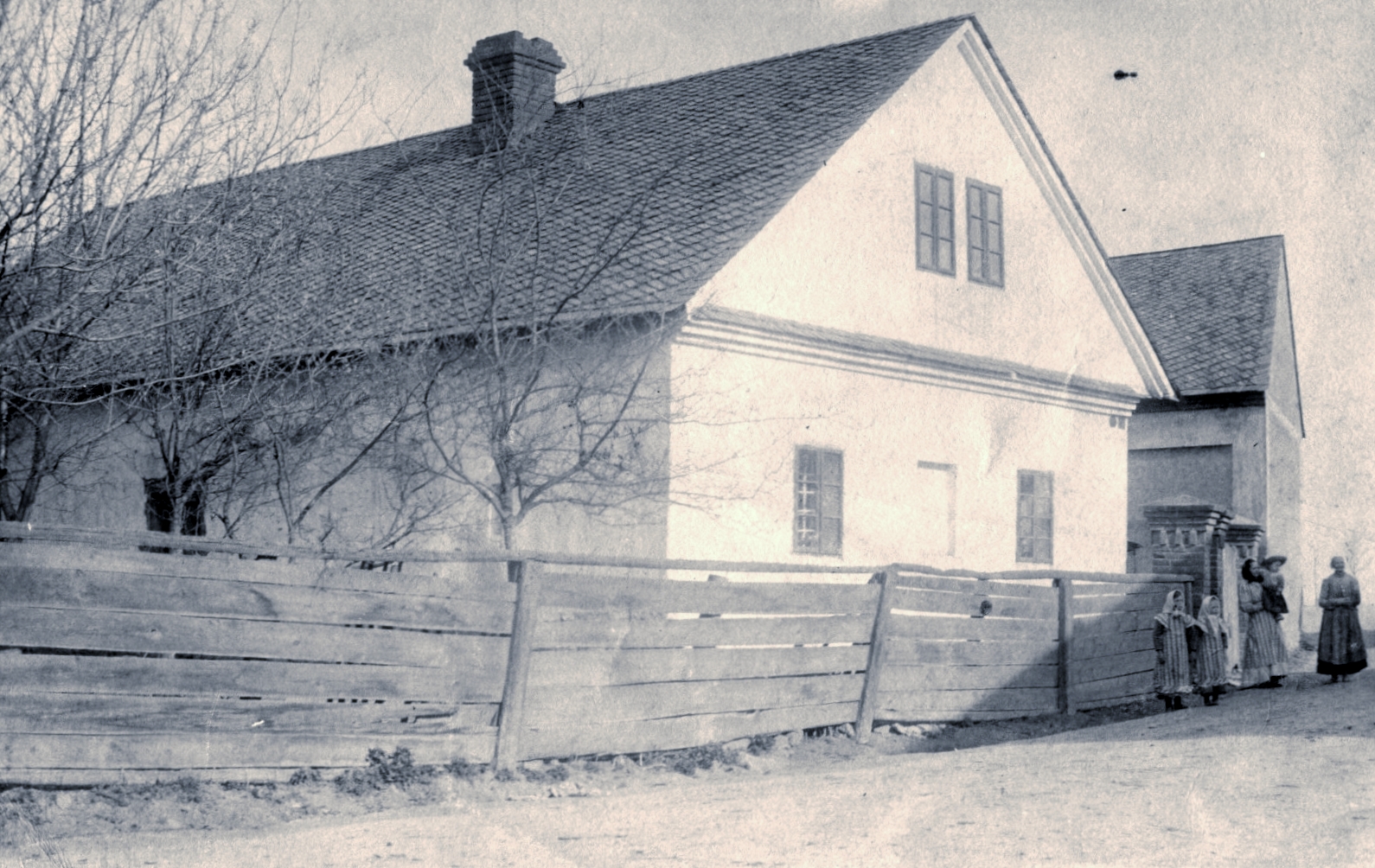
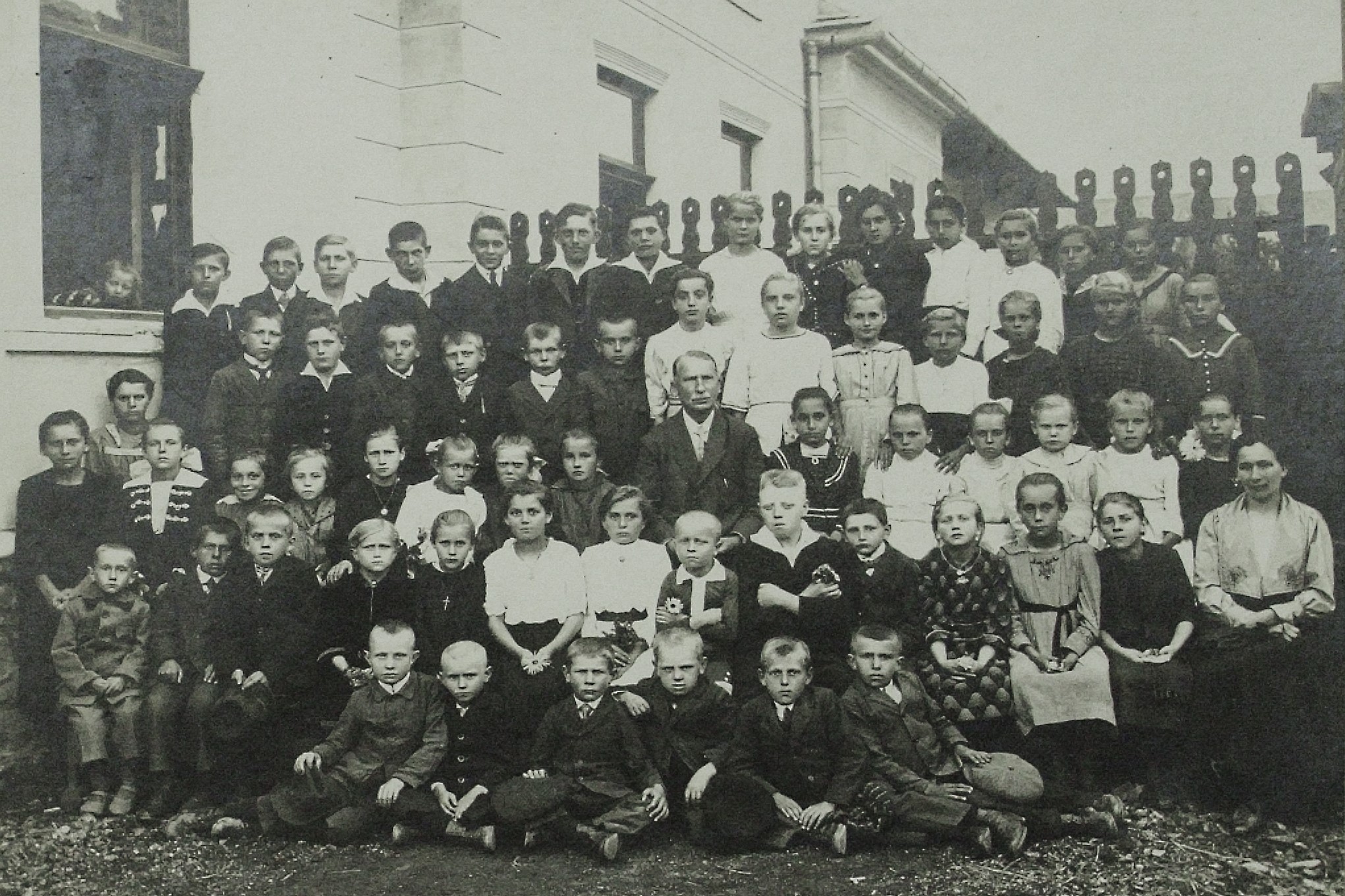
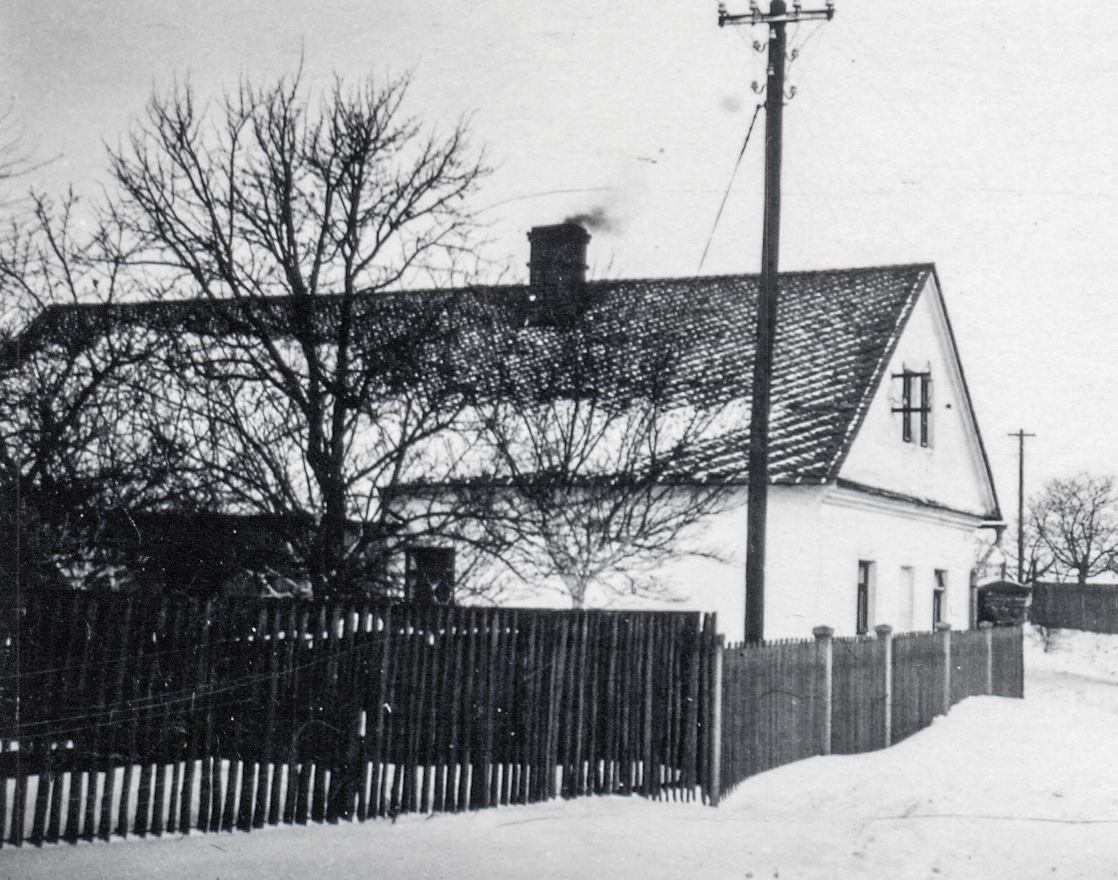
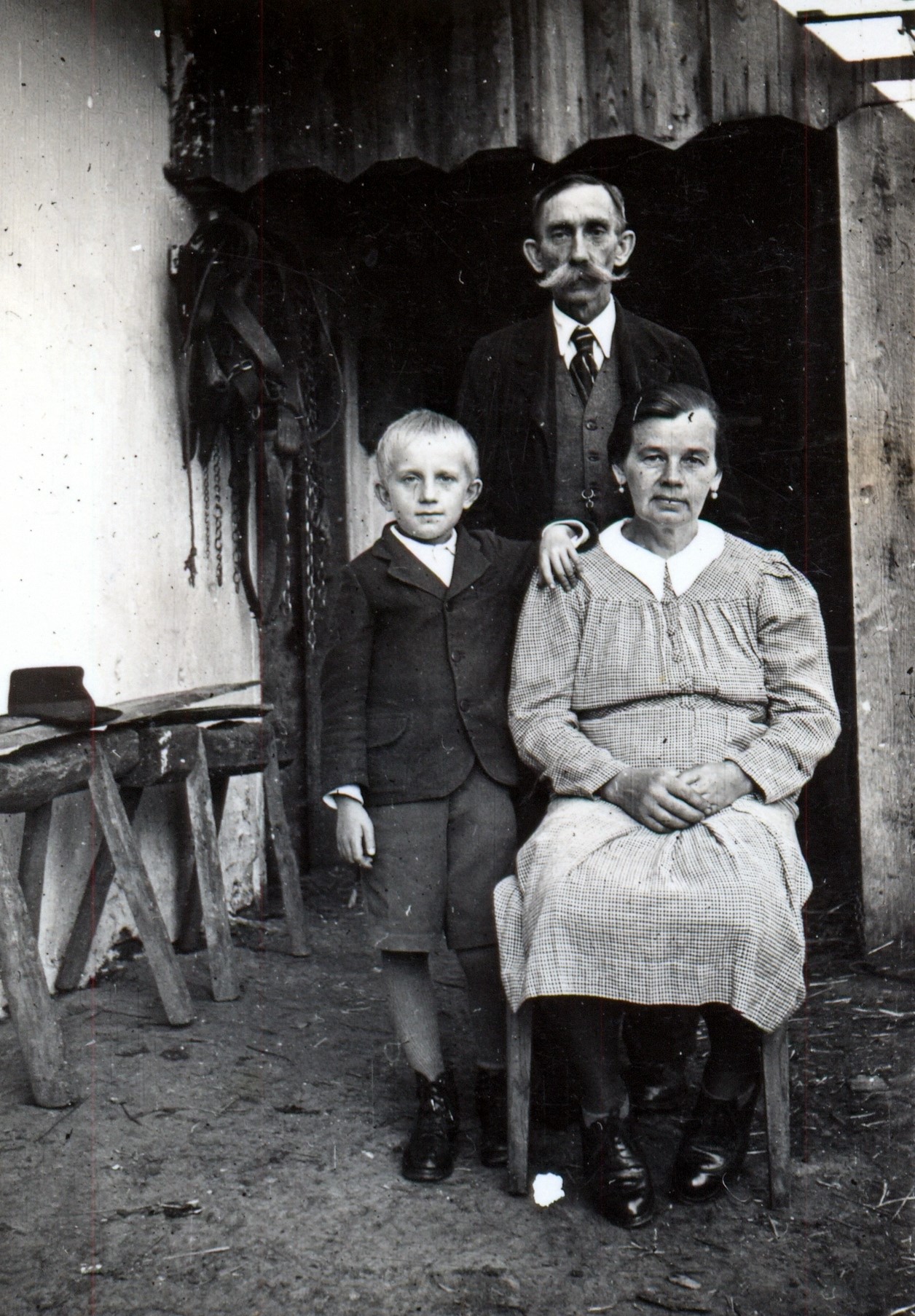
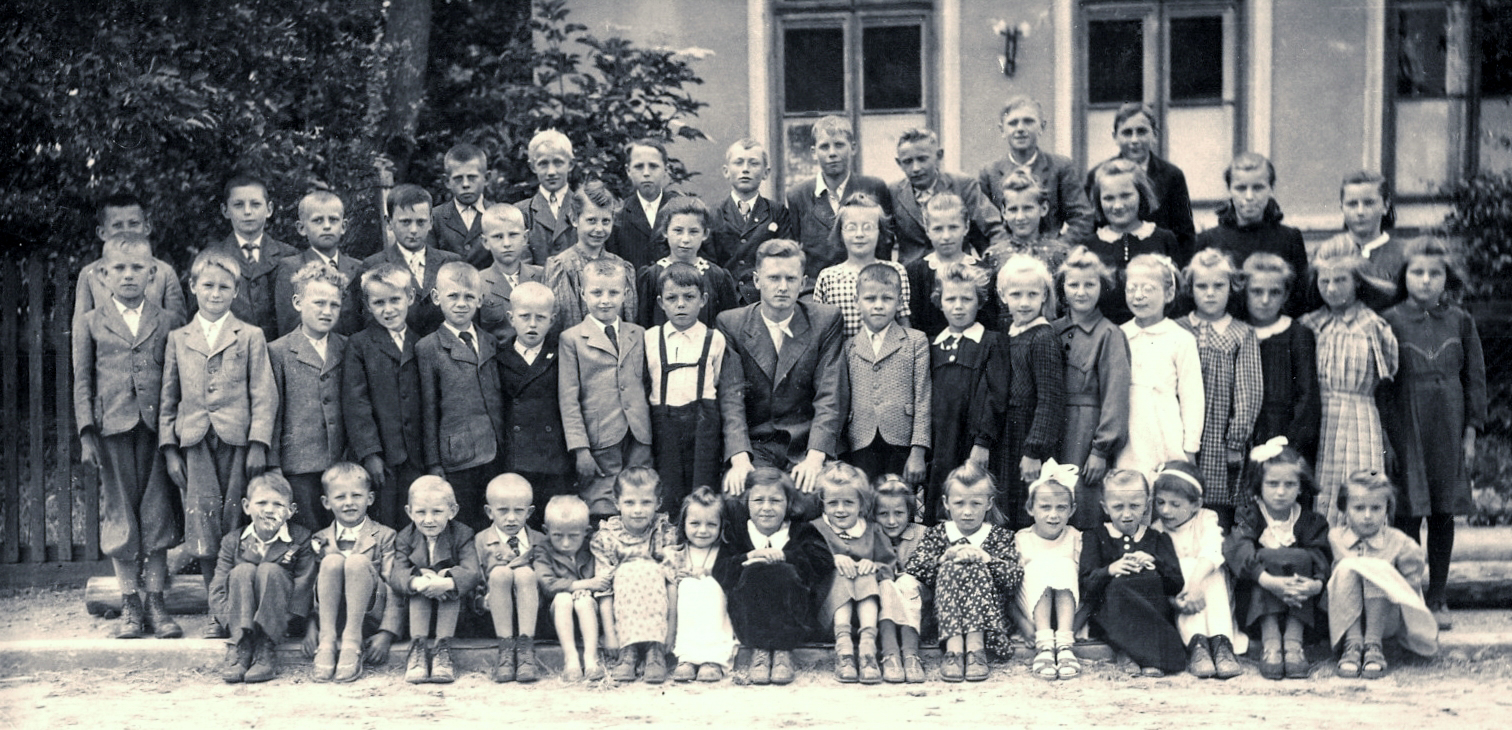
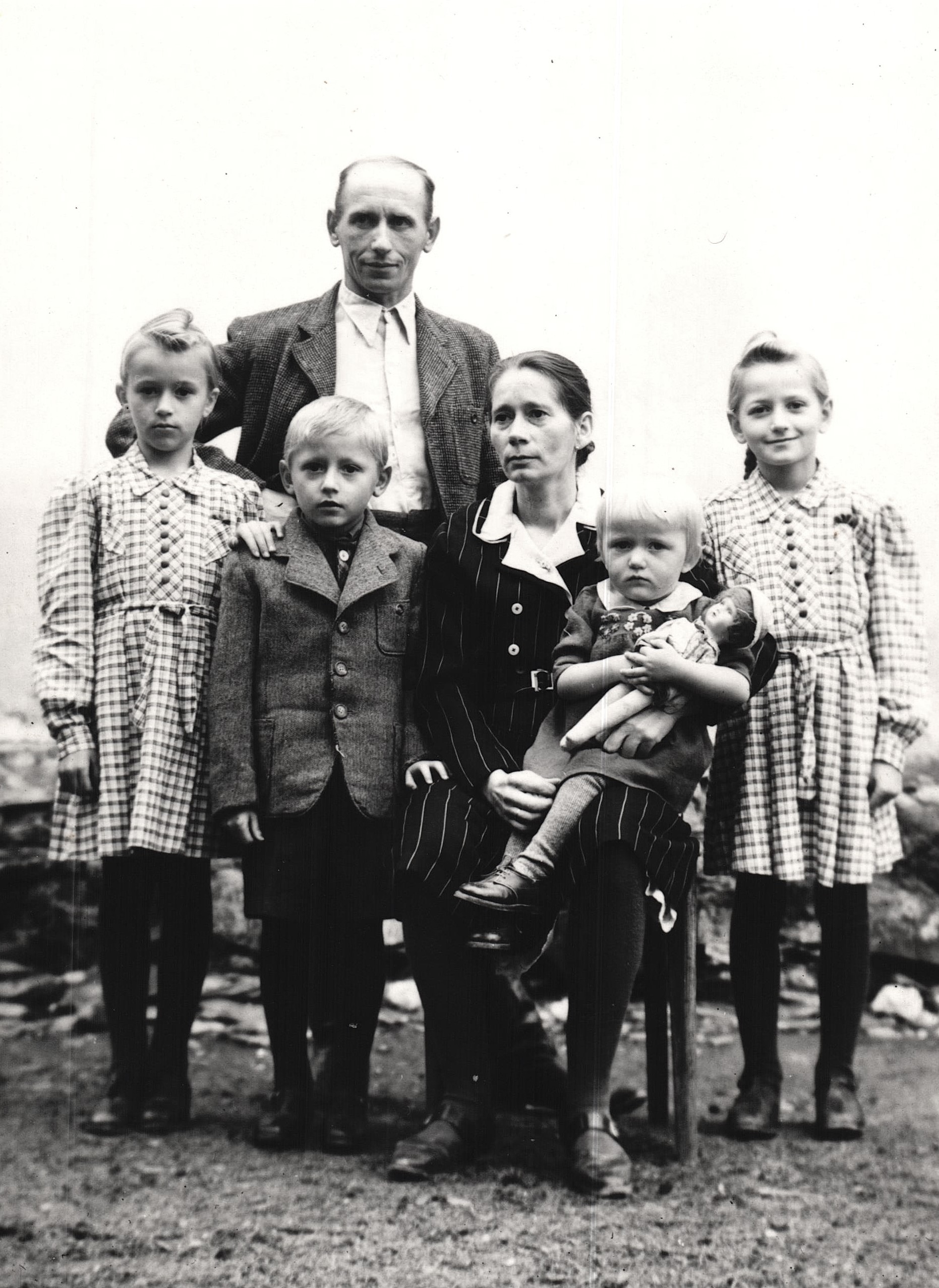
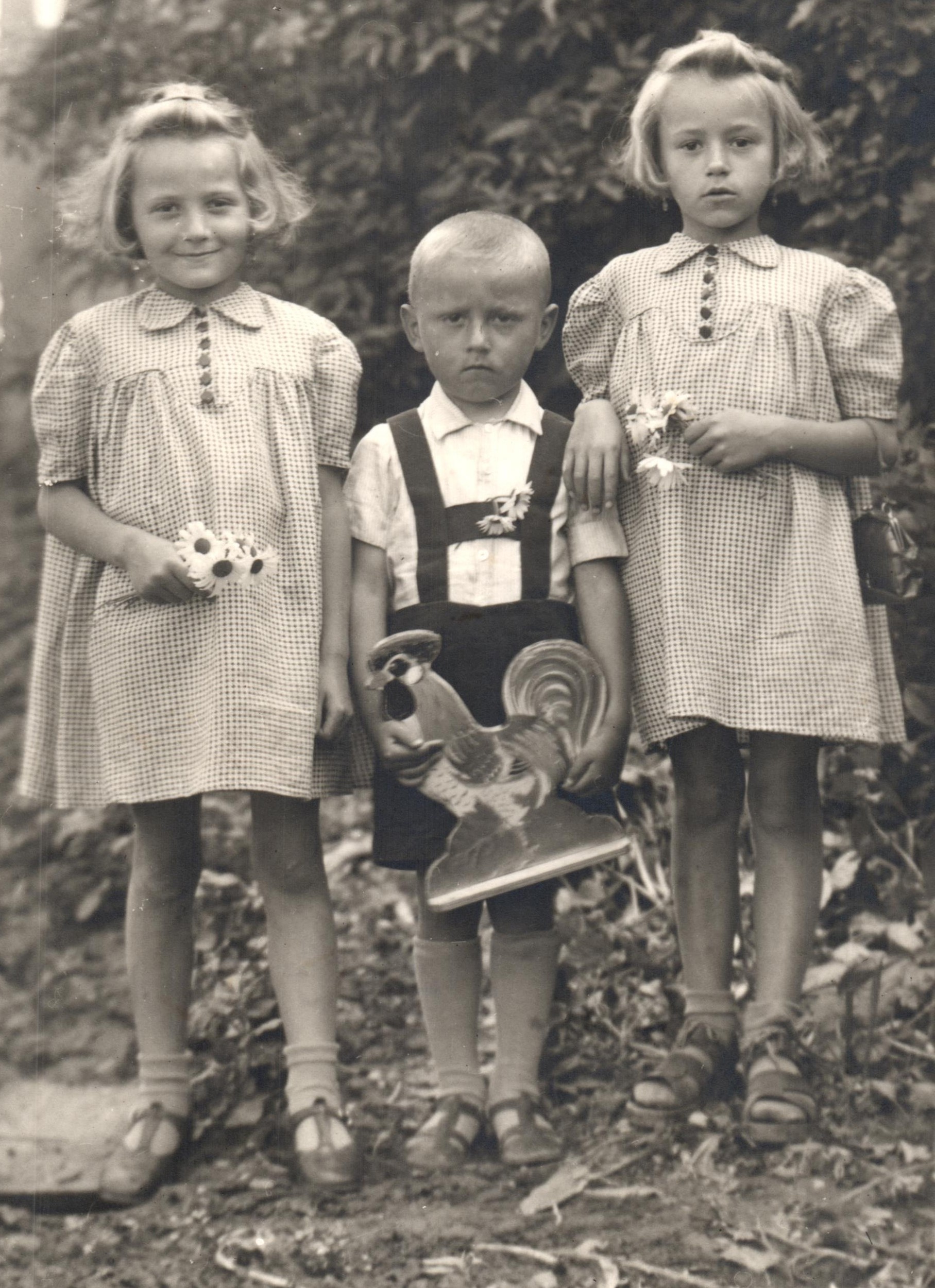
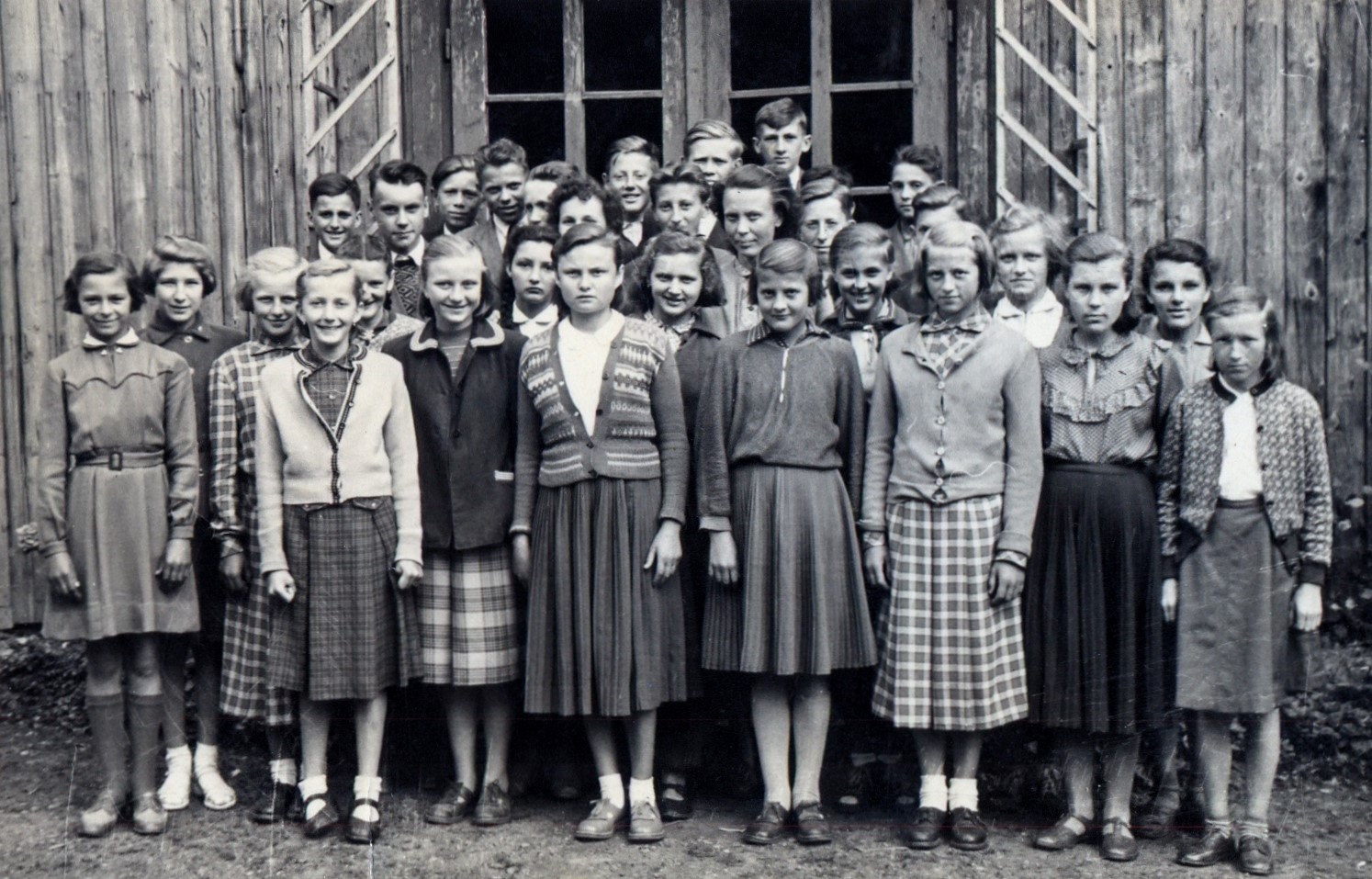
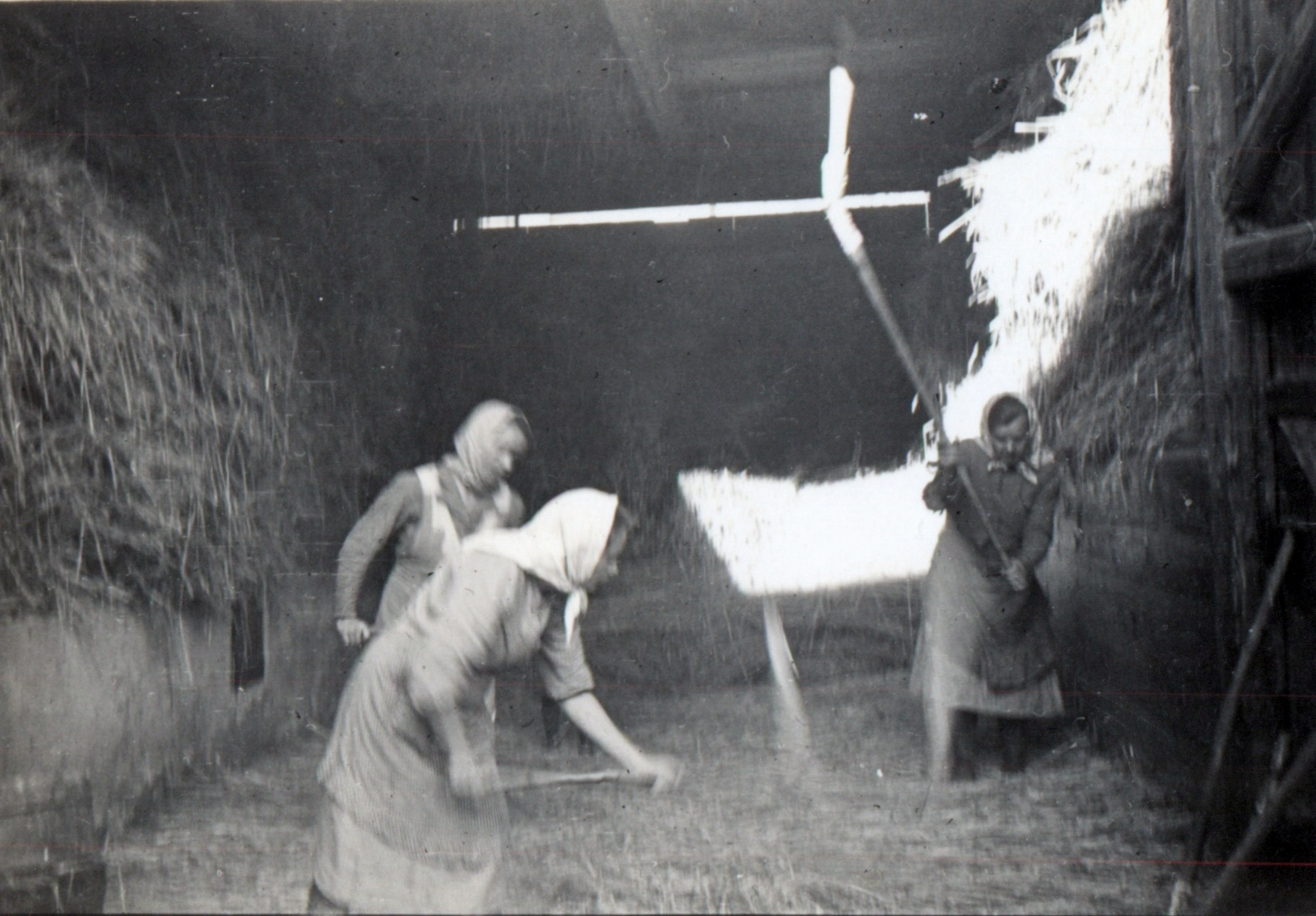
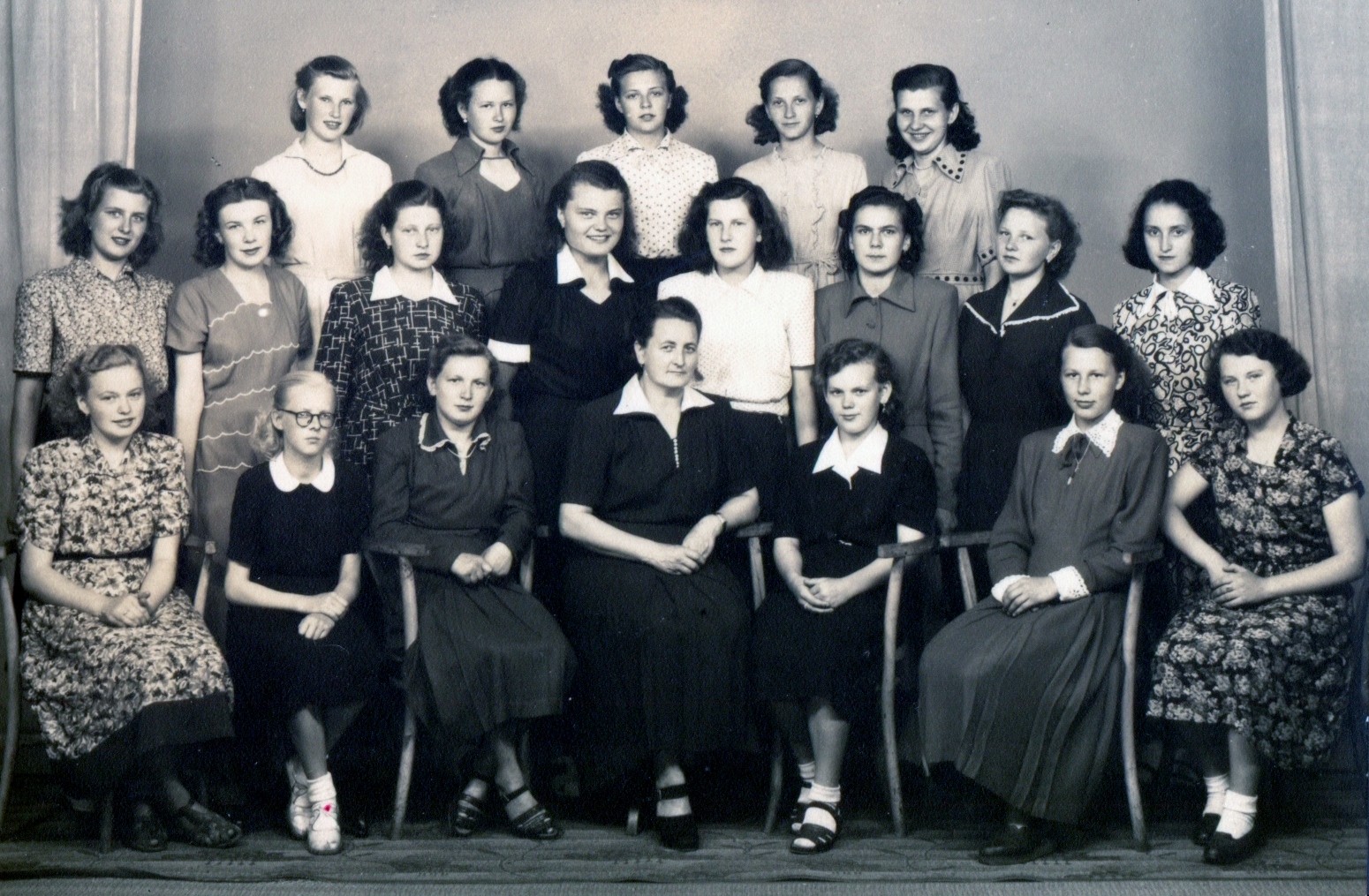
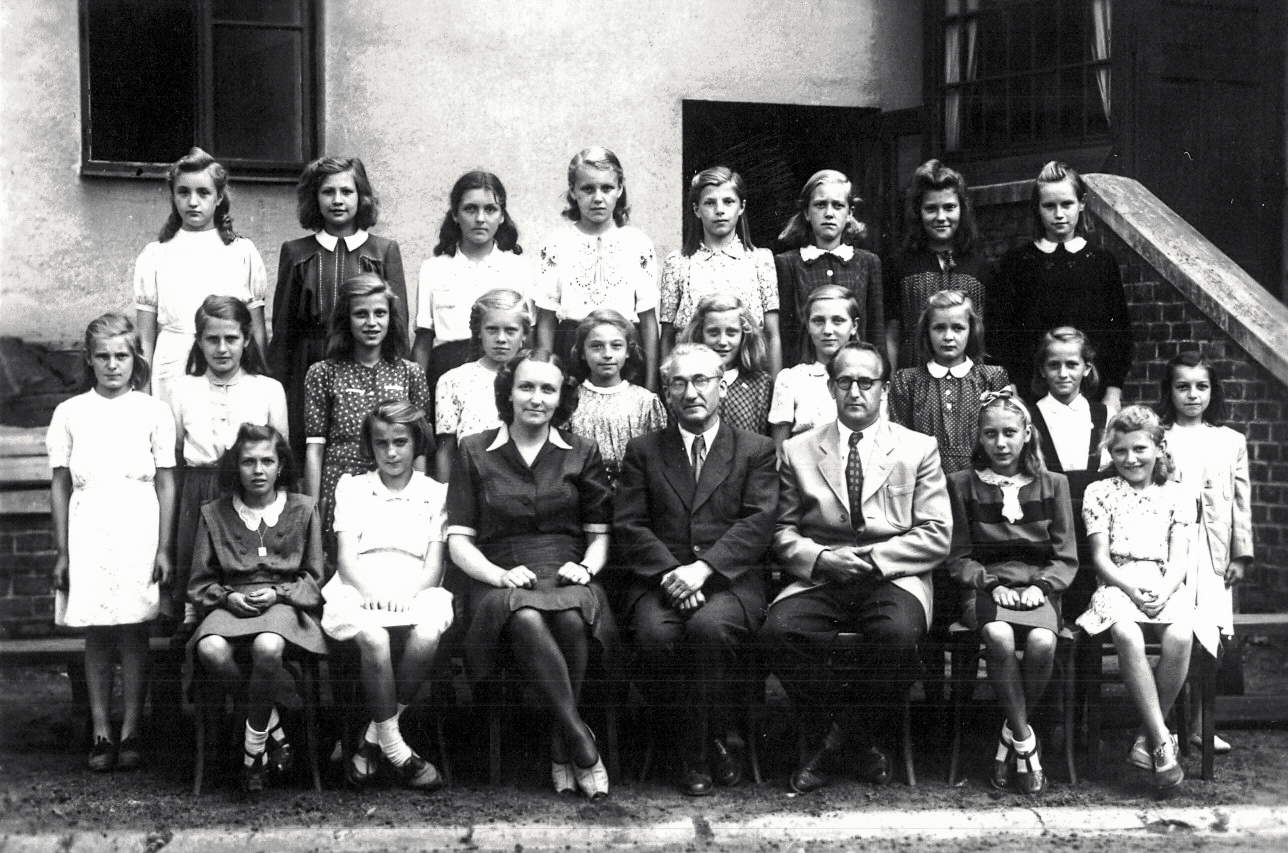
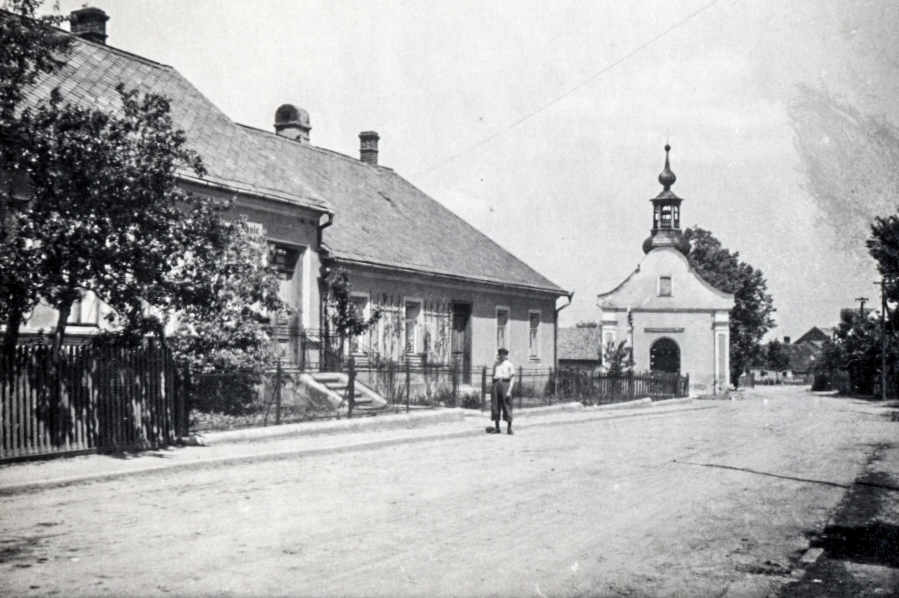
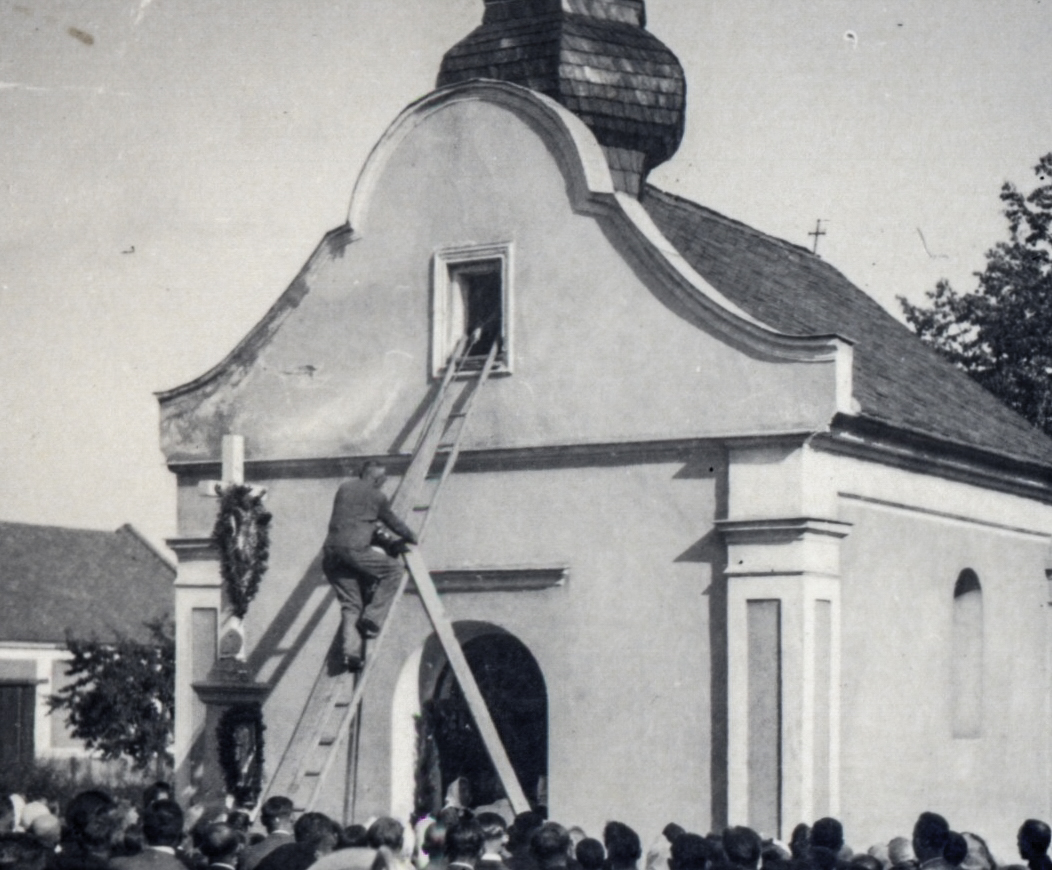
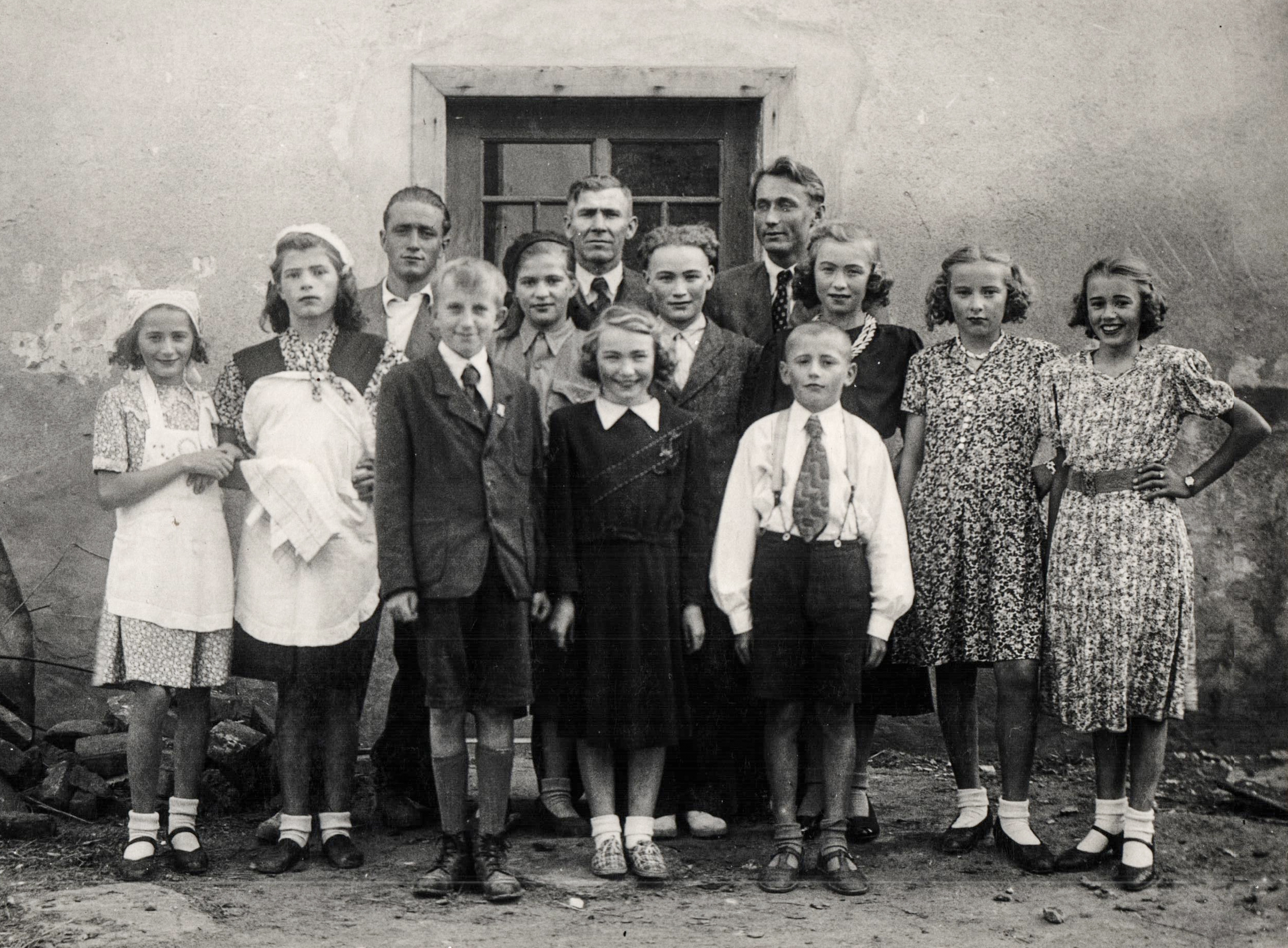
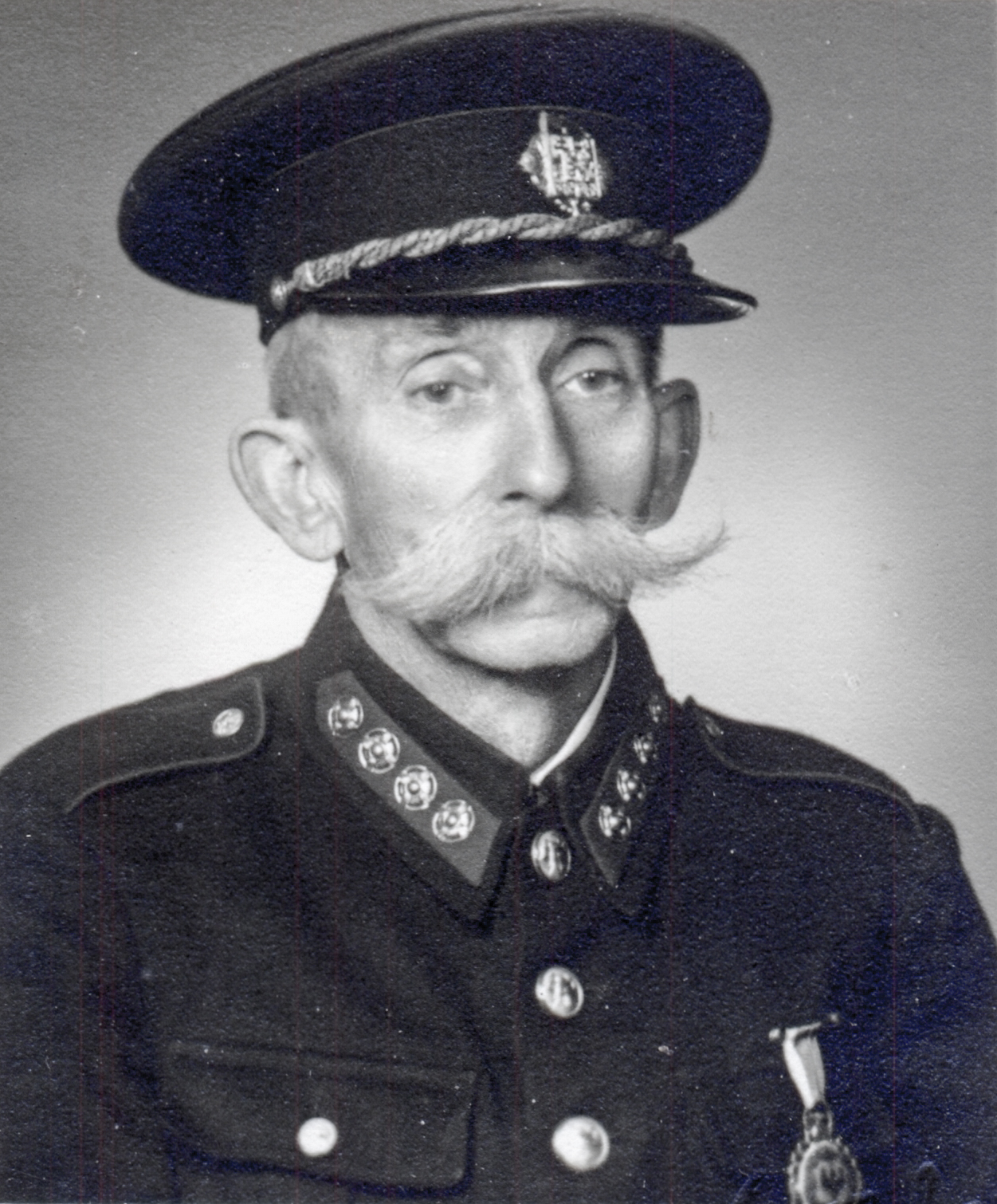
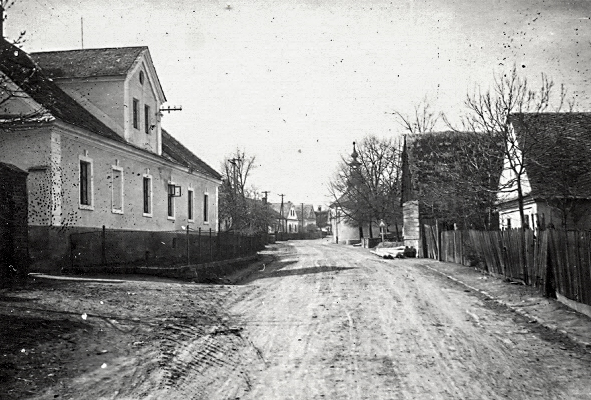
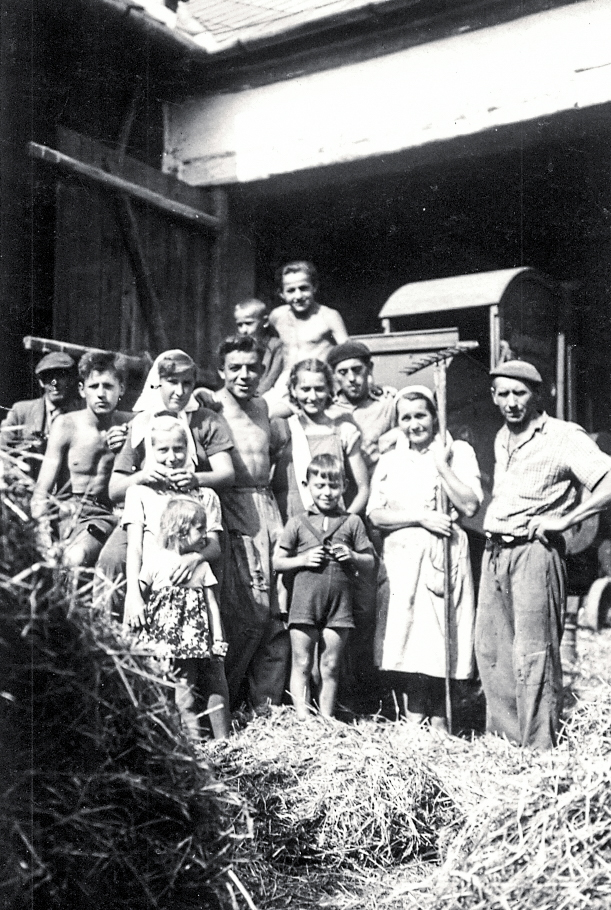
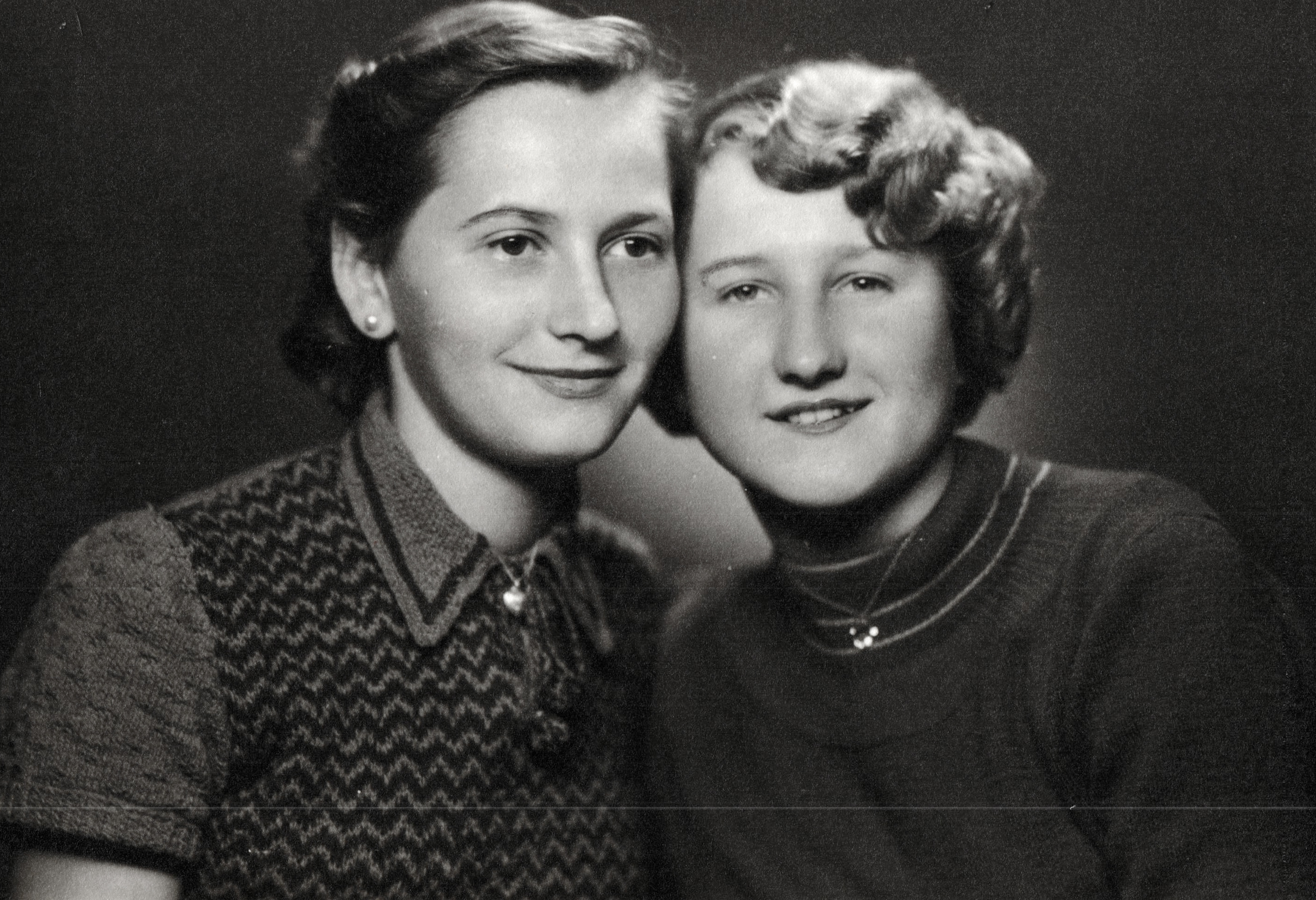
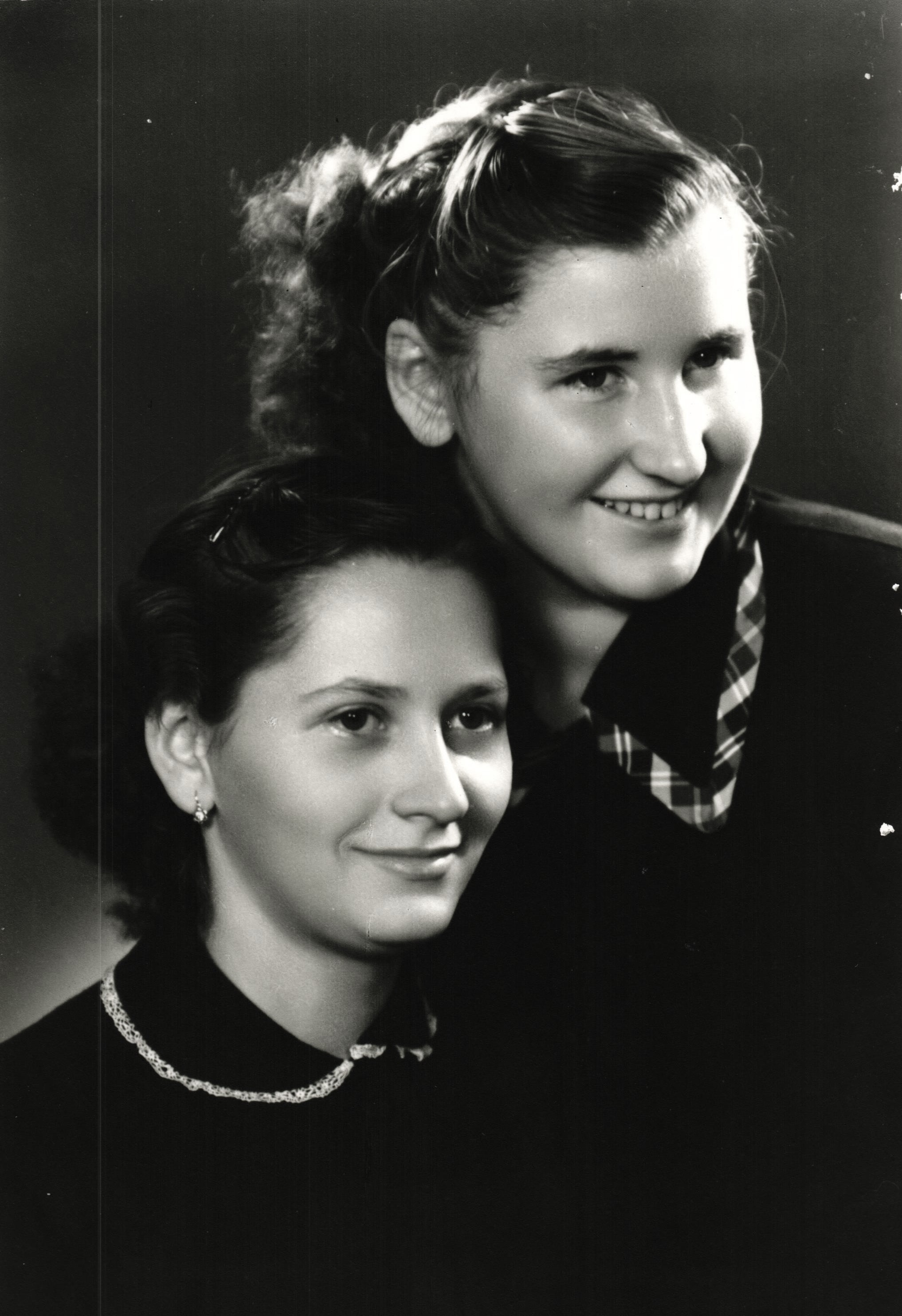
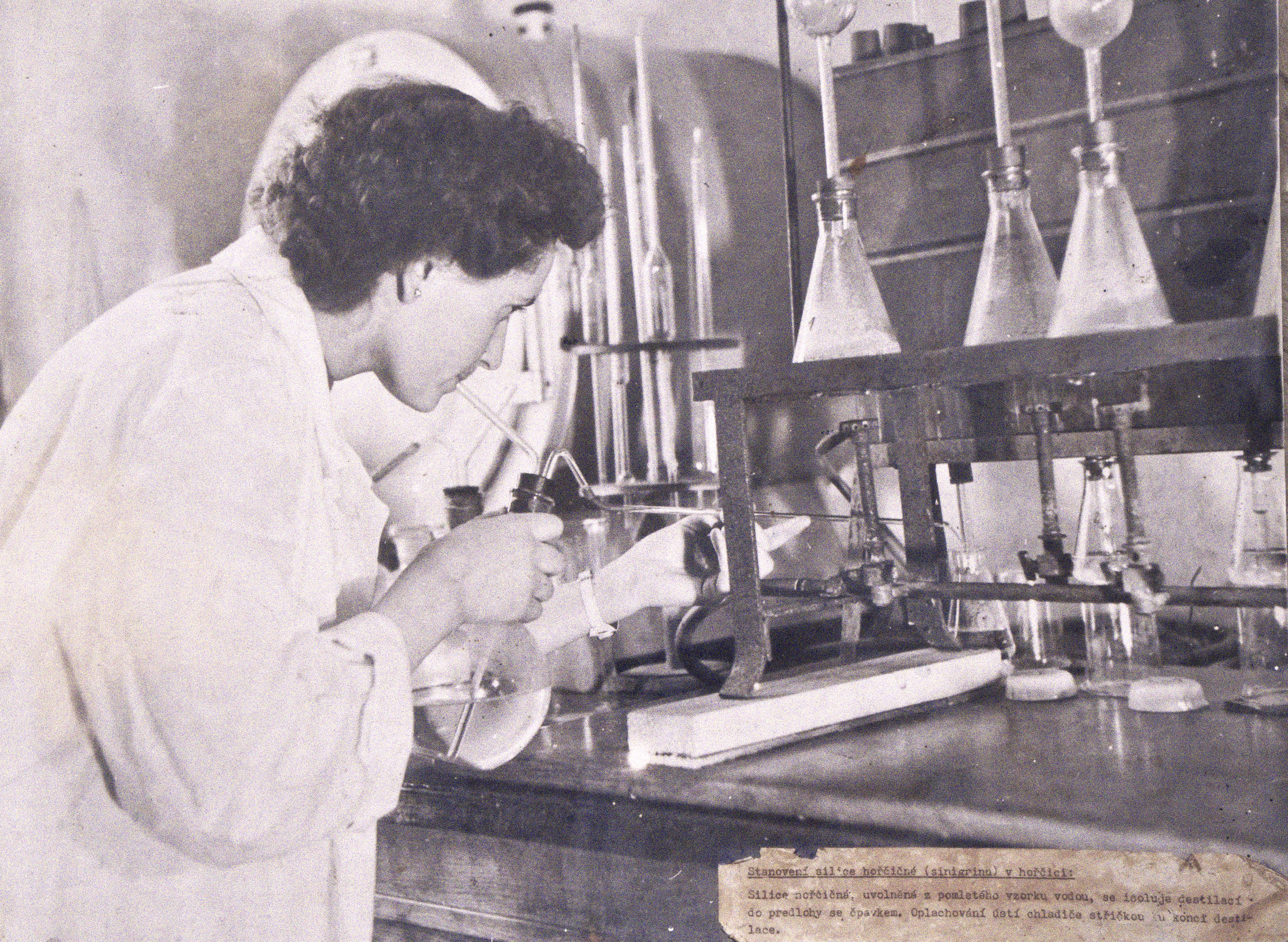
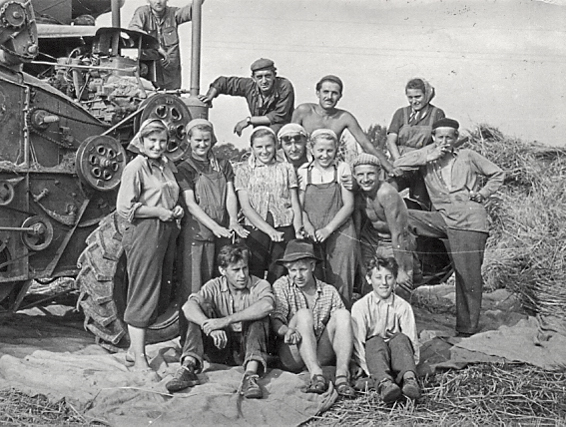
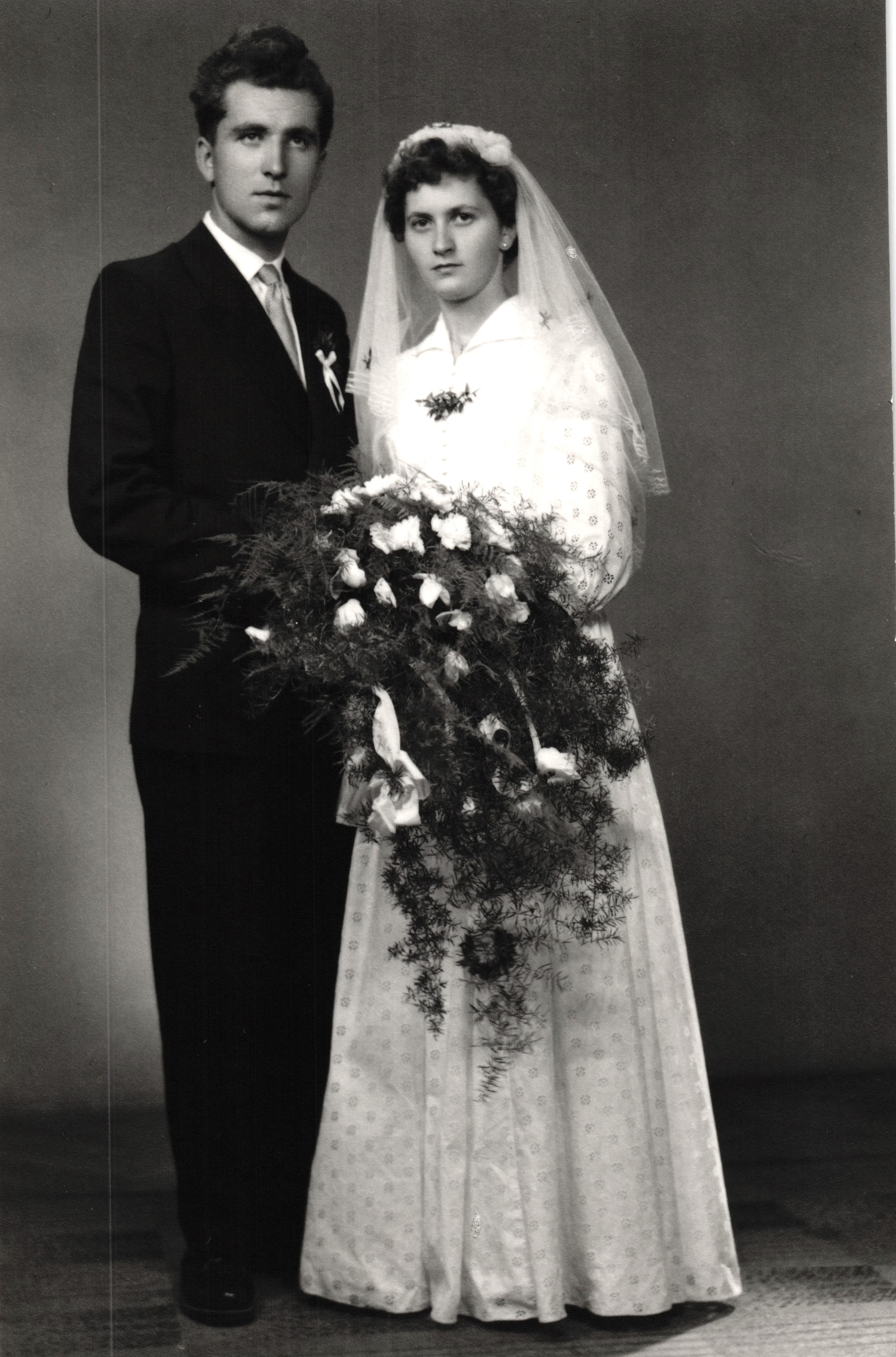
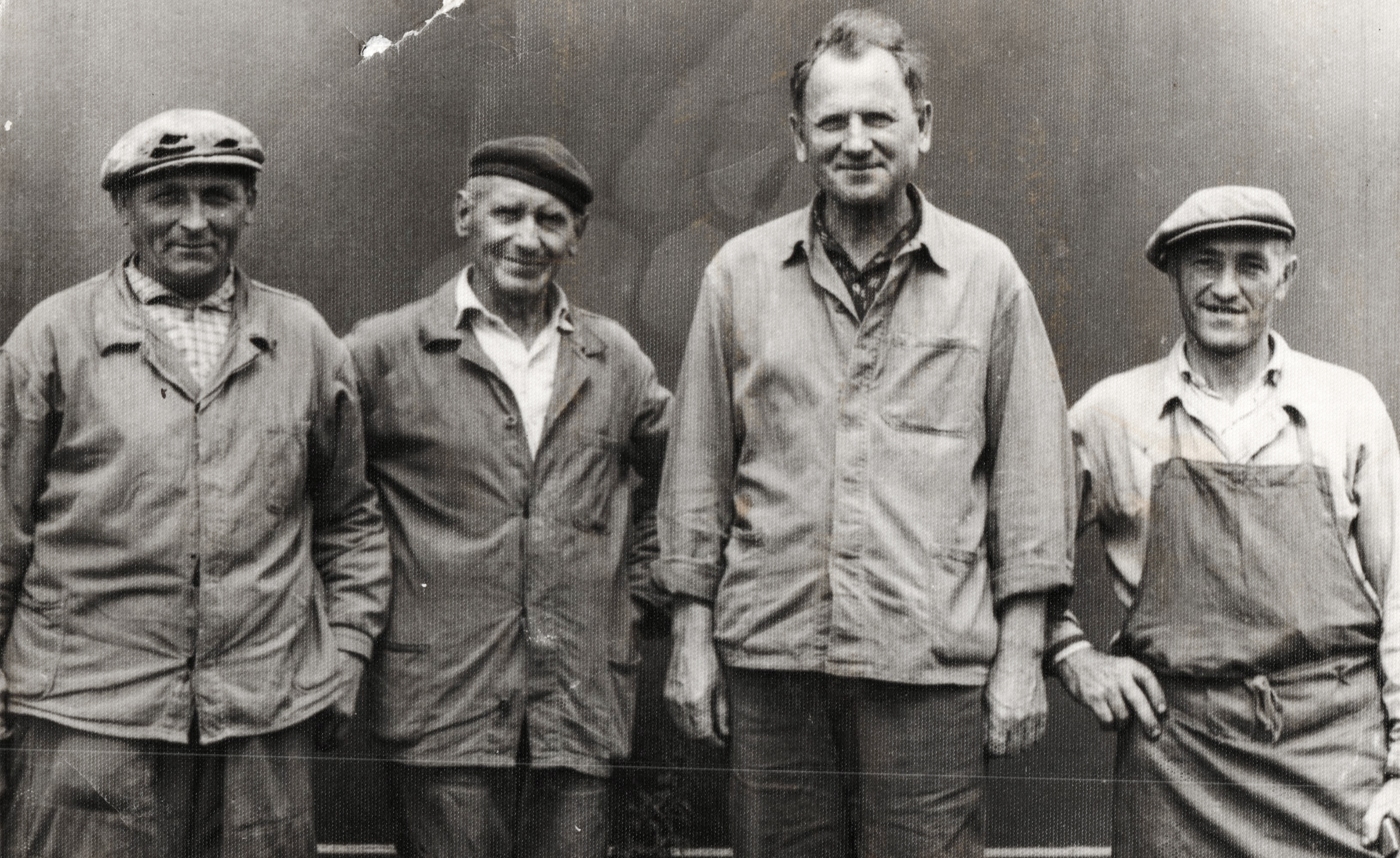
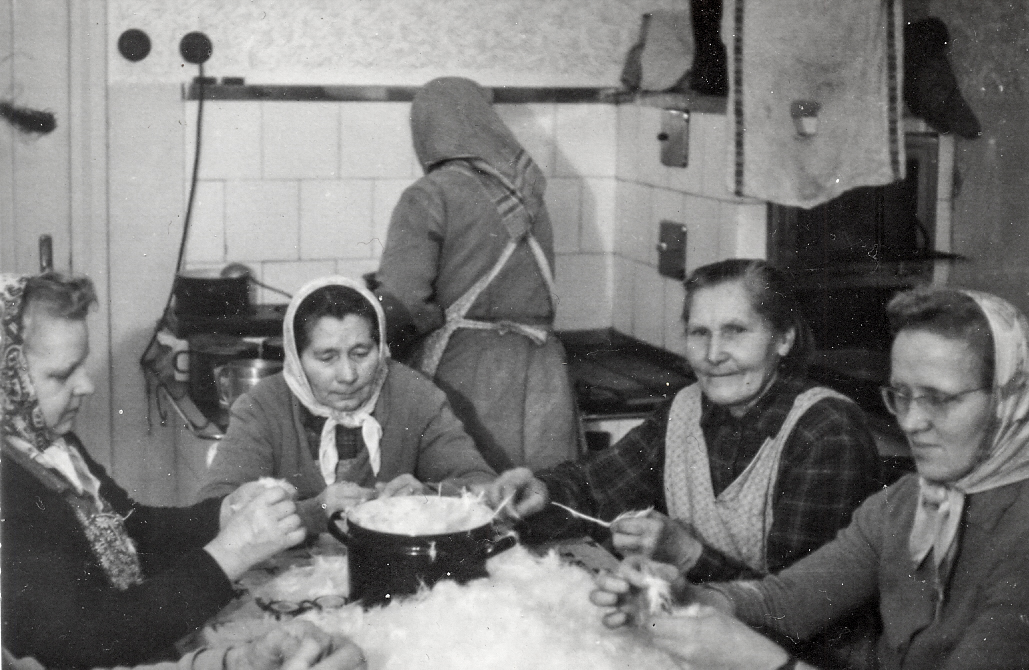
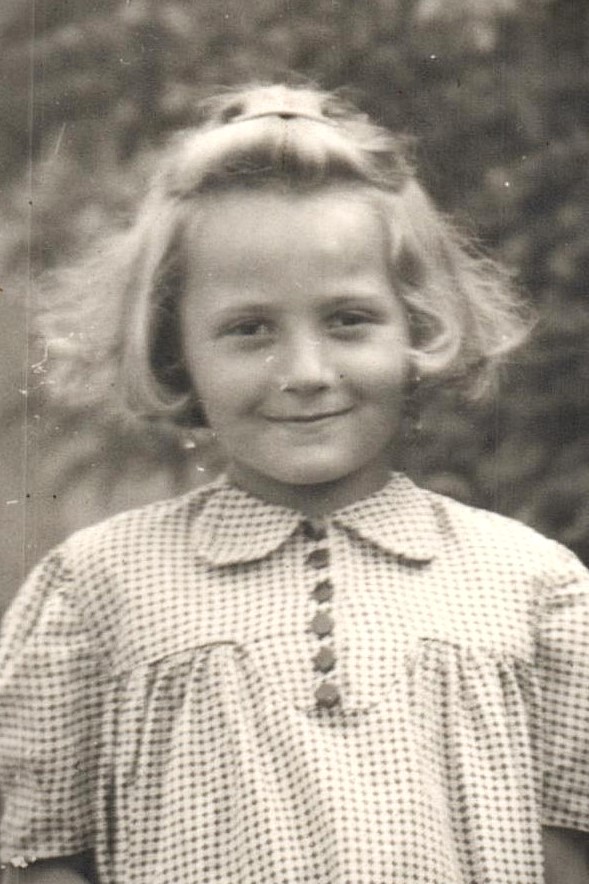
Marie Volovská was born in Jamnice on 3 September 1935 to parents Aloisie, née Vémolová, and František Kleibl. Her father worked as a worker in the sugar factory in Vávrovice, while her mother tended to the cattle and fields. She spent her childhood during the German occupation, which also affected her school life - she had to greet her teachers with a raised right hand and a Nazi salute. She remembers the German mayor, Peterek, as a decent man who did not turn anyone in, but after the Soviets arrived he disappeared and his daughter Edita later told her that the family received only a bundle of bloody “rags”. According to the chronicles and the memoirs of the memoirist, Jamnice was bombed several times without any injuries to local civilians. The family took shelter in the cellar of the pub or with neighbours during the bombings at the end of the war, even for a whole week. The Kleibl family had a hay wagon ready with the essentials. Just before the liberation, German soldiers who left at night were accommodated in the village. On the morning of May 6, 1945, Jamnice was occupied by the Red Army without a fight, the citizens were just in the chapel for a mass celebrated by an escaped Polish priest. The Kleibl family was then occupied by Soviet soldiers who slept on straw in the kitchen. The soldiers eventually set up the intended infirmary in the hall of the inn instead of at the Kleibls’. From one soldier, she learned that the village was to be razed to the ground. From 1952 she worked at the cereal research station in Opava. The family farm was hit by a foot-and-mouth epidemic, then collectivisation set in. For a long time, my mother refused to join a cooperative farm and faced psychological pressure. Maria Volovská was threatened with dismissal at work and with a bad personnel report. In 1958, she married Jan Volovský in Otice and raised two children. The events of 1968 caused her to feel fear again. There were rumours of the possible removal of the children. Faith and church attendance remained a matter of course for her, yet the family faced pressure from school and employers. She refused to join the Communist Party. At the time of recording in 2026, she lived in Otice.