Arnošt Vlašimský

* 1948

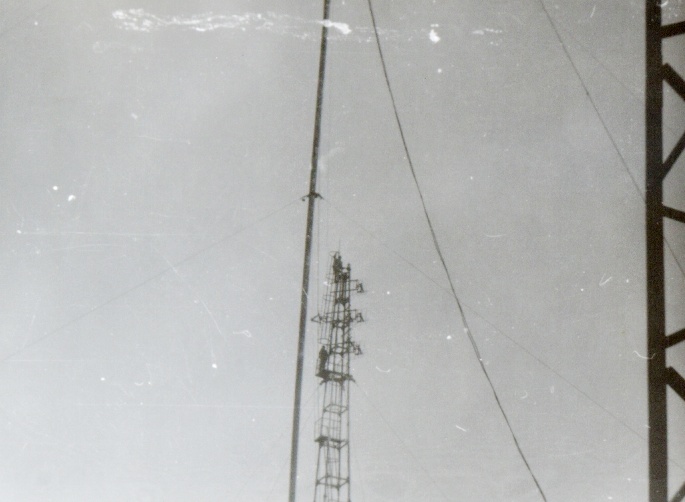
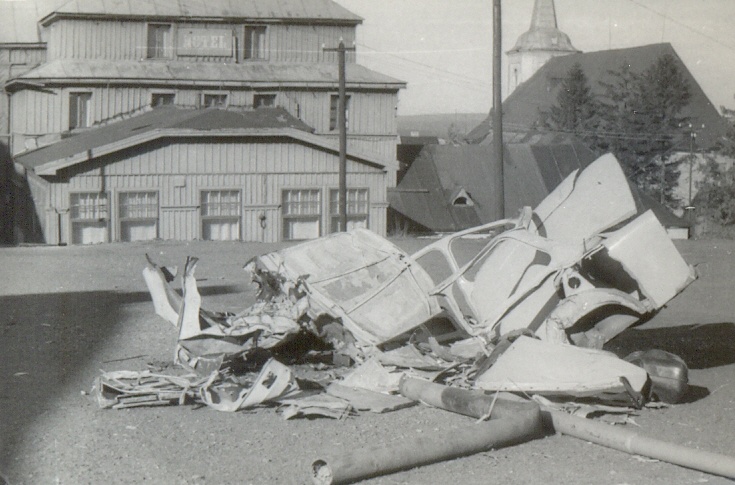
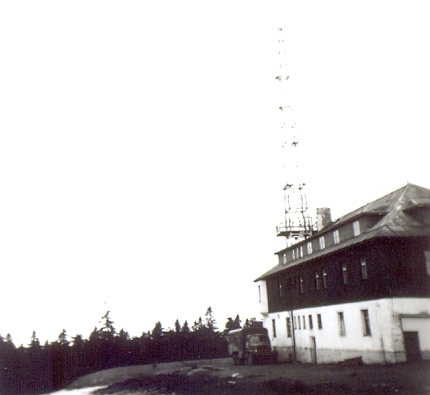
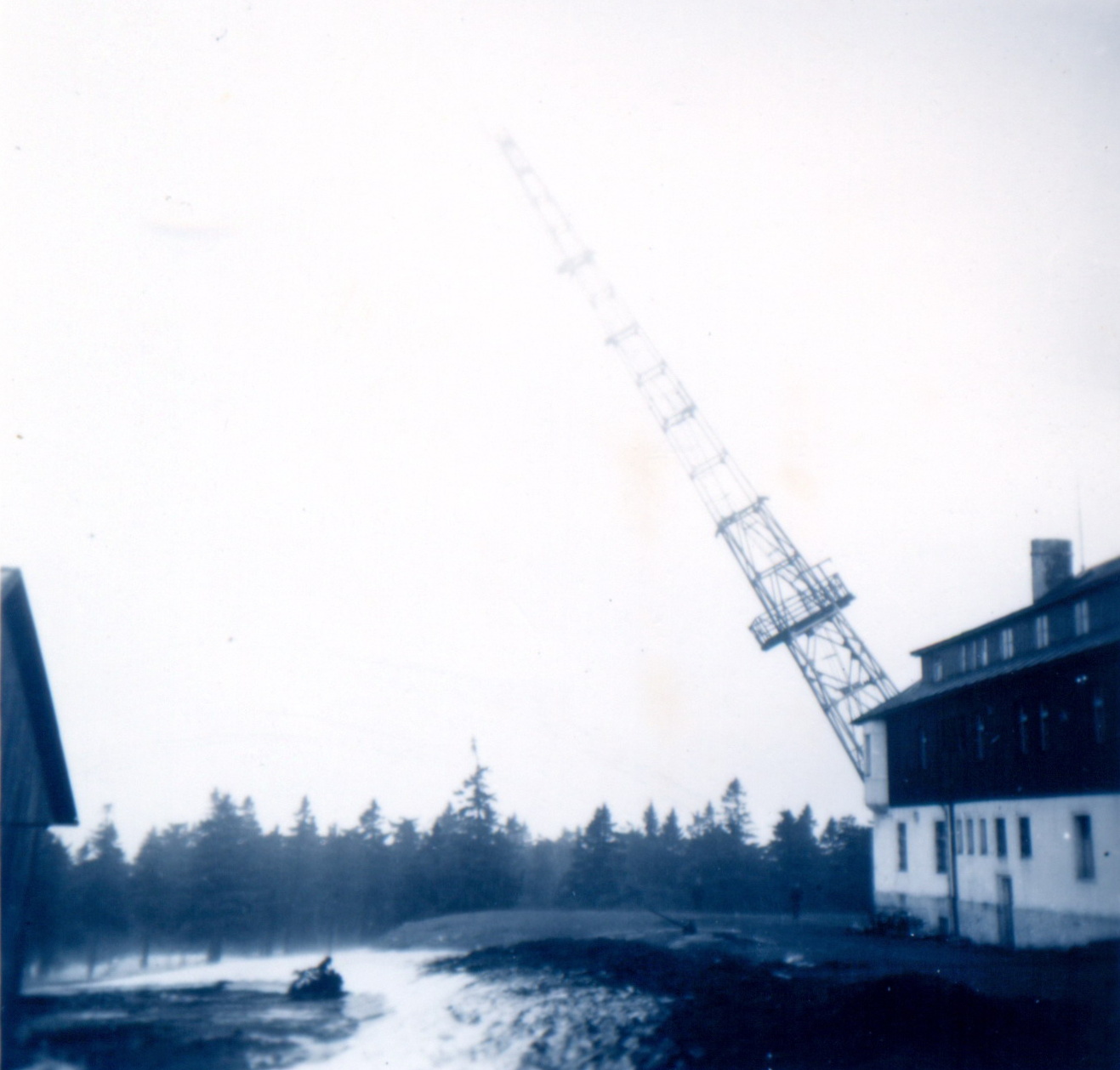
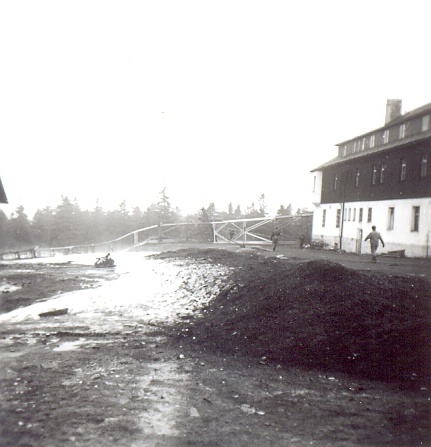
  • "I wasn't there, of course, but the friends who were working there, that's how I found out, that they, when they got there on the 21st, and they shut down the radio stations, because it's a high hill, so they wanted the transmitter to be turned off in order to have a connection. So they found the hotel staff that was already sleeping in the room and they made them go and turn off the TV transmitter, the concrete one that was there. Even though there was no transmitter there yet. So Petr Kovář was on duty, so he went under the machine guns to the tower, to the concrete one, opened it and now he had to turn it off. But they hadn't served there yet, so they didn't know exactly how everything worked! But they went there to watch the assembly. So he was in the substation, and there he was supposed to decide at this big switch that there was a main switch. It was in the automatic up position and the bottom was 0. On the left there was nothing and on the right there was Manual. And now he didn't know what to do because he was afraid that if he started the diesel generator that was there, it was a huge marine engine, very noisy, that [the soldier with the machine gun who was accompanying him] would get scared and still shoot him. He took the risk, closed his eyes and spun it over where nothing was written and when he put it on 0, really the whole house went off, Eurovision, Interviews, everything went off and well, the [soldier with machine gun] was happy, so he went back to sleep. And in the morning they woke up and went next door to the room in the hotel where the transmitter was and turned it on normally. They were transmitting like that for four days before those Russian soldiers managed to find out where the transmission was coming from. They came in, they were all the more pissed off, so they shot the place up until the light was on, until something was flashing, the meters were moving, everything until it went off. All the screens without glass. My colleagues who were there, Petr Kovář and Miloš Vyhnal, then fled through the cellar to the leda and down to Jáchymov, where they hid for a day before they got home."

  • "The radio, we had shortwave, we used to listen to that sometimes. I then, when I was out of the military service at that school, I built a converter, when the Germans started broadcasting, I can't remember exactly what year it was now, probably 1972, the second programme, they couldn't do that on those TV sets because it was all first to third band, that's how they were made. We didn't have that yet, in Germany they were broadcasting it before us, so we always made something like that, as they say, an aerial, when I was still in the heating plant, so I could make it according to the instructions, so I had the second programme and then the third programme. Those were the only programs, actually."

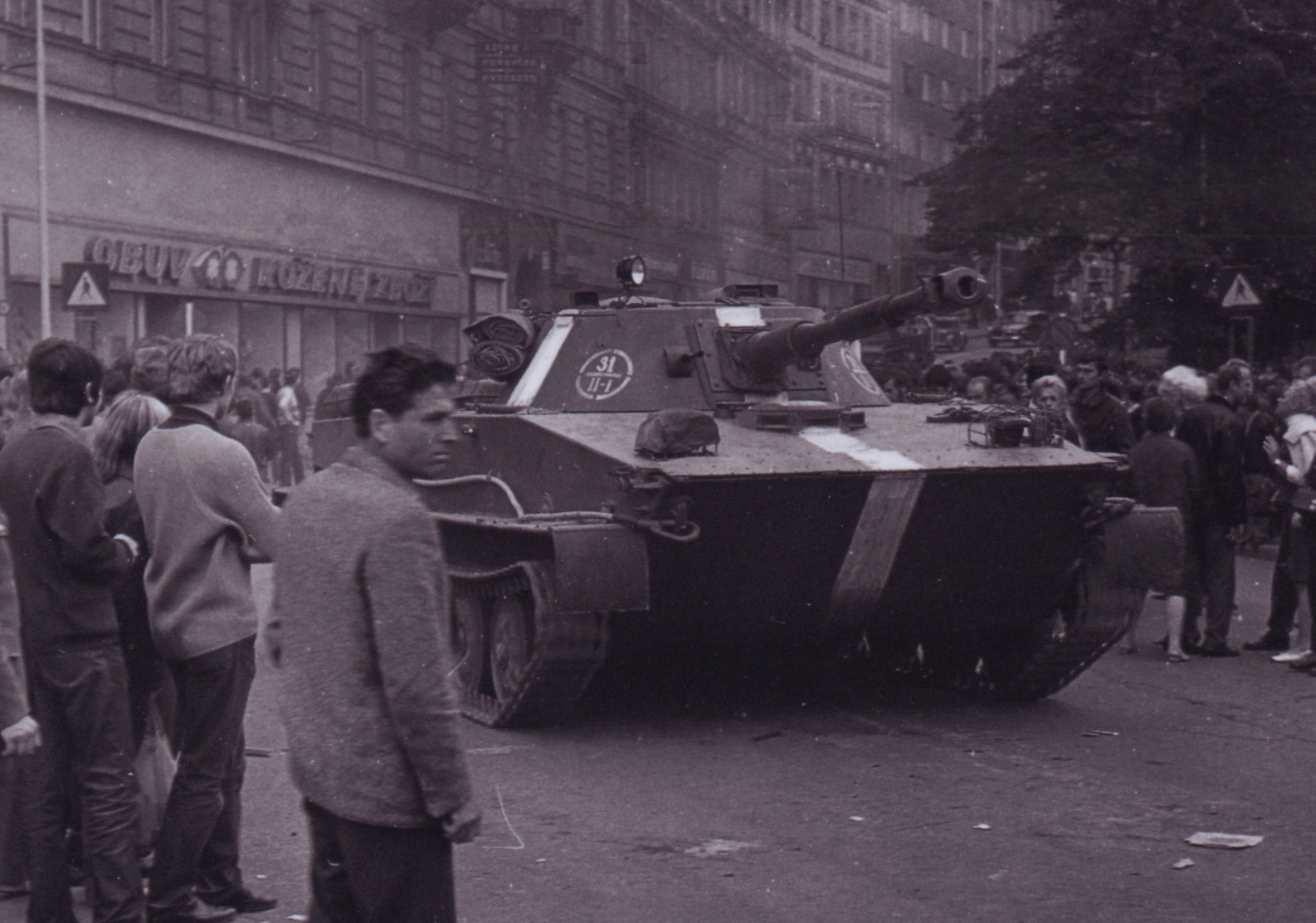
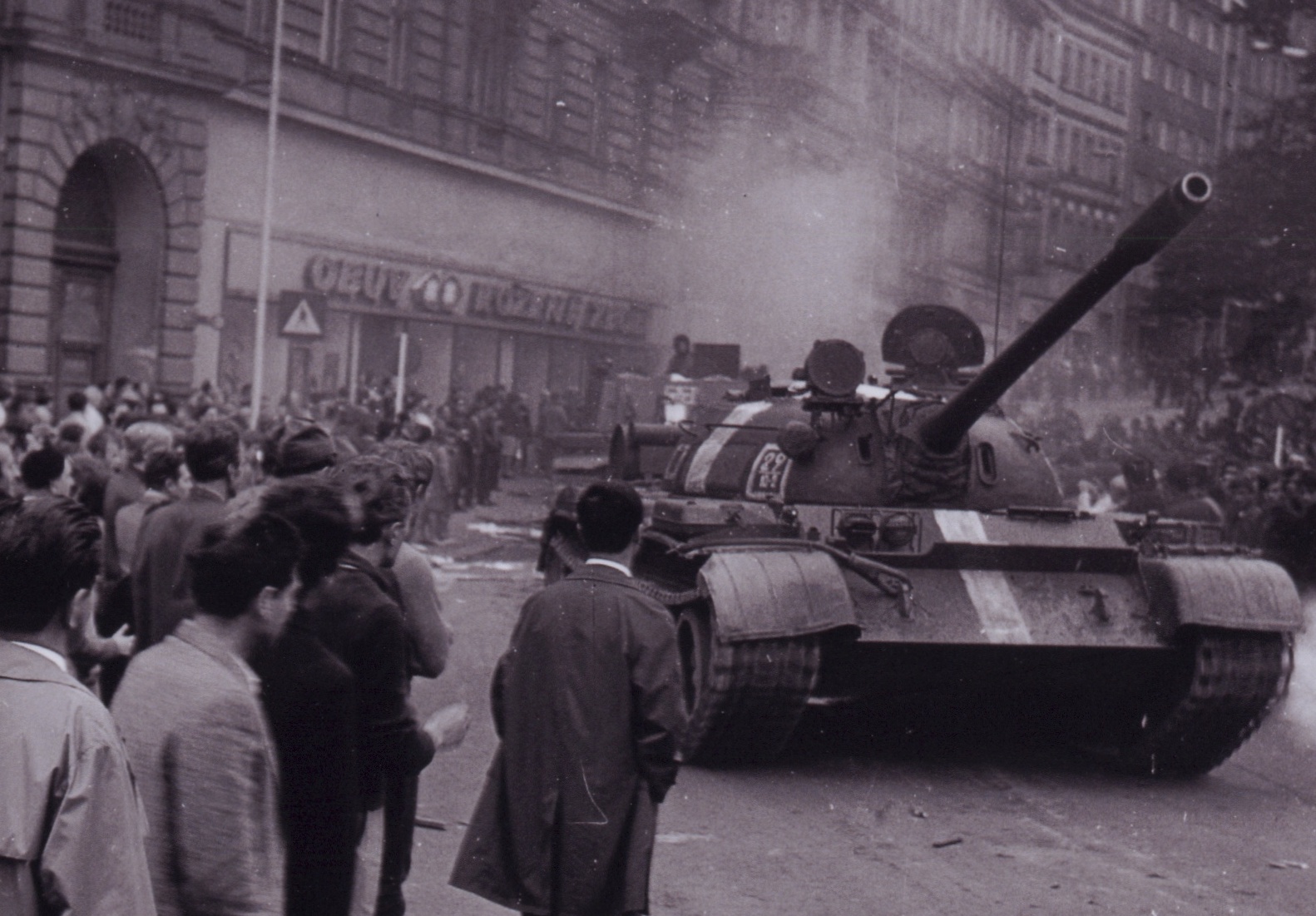
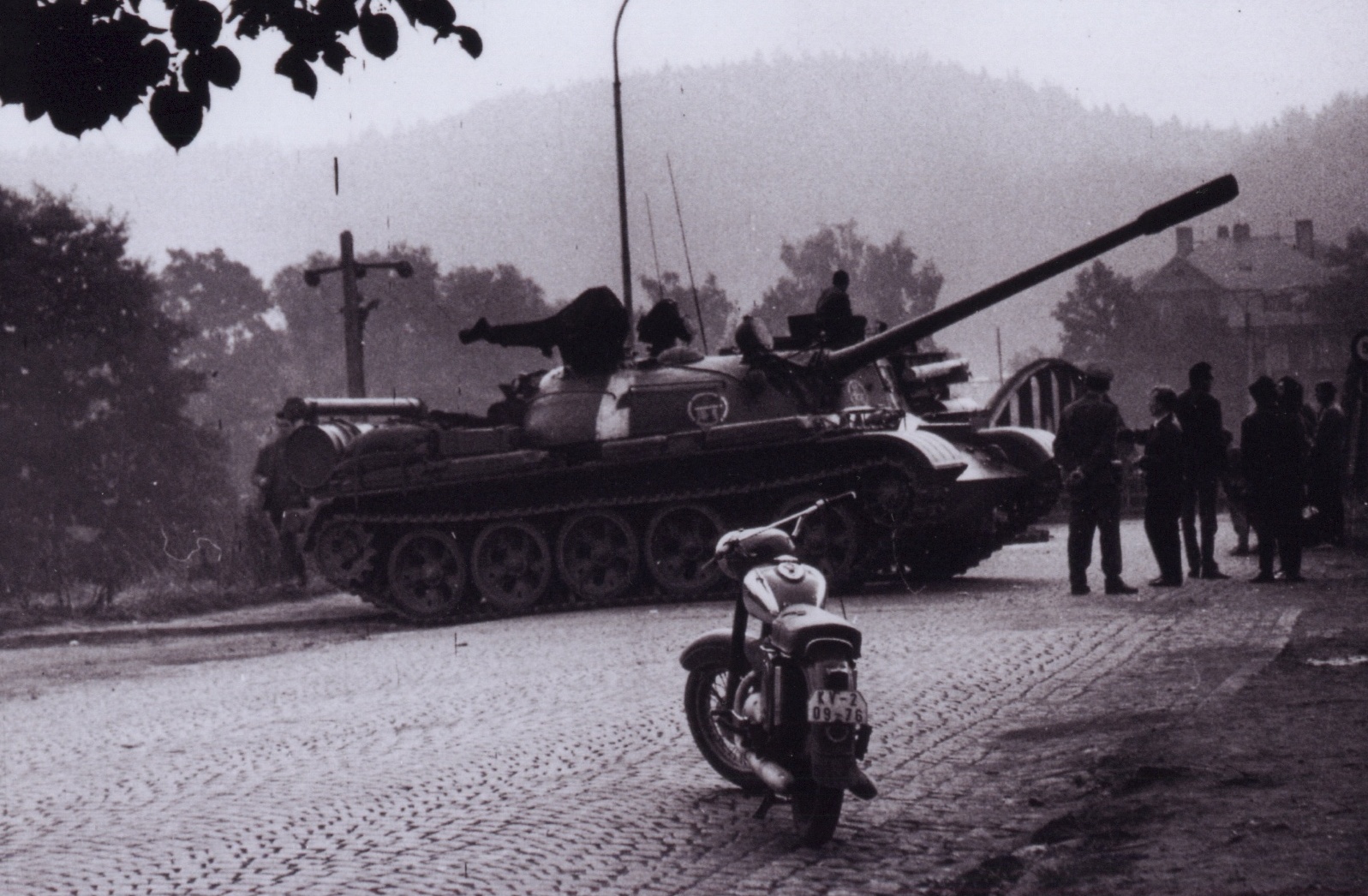
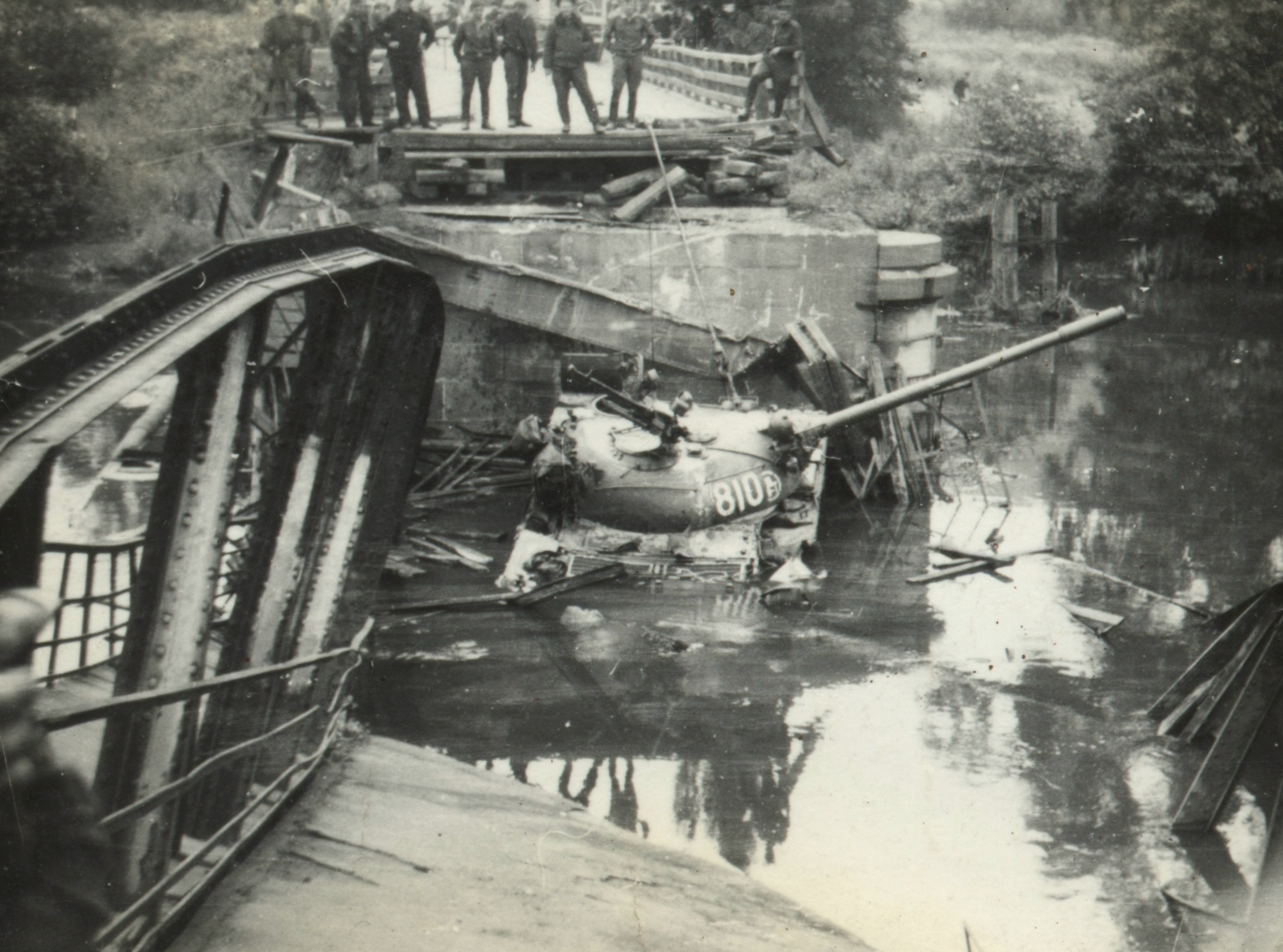
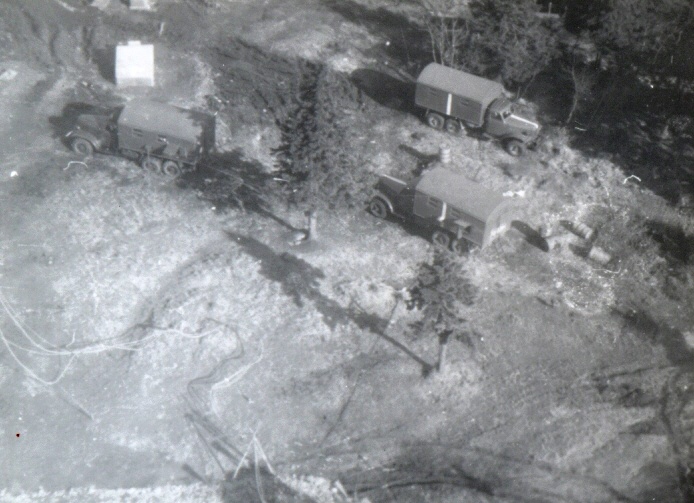
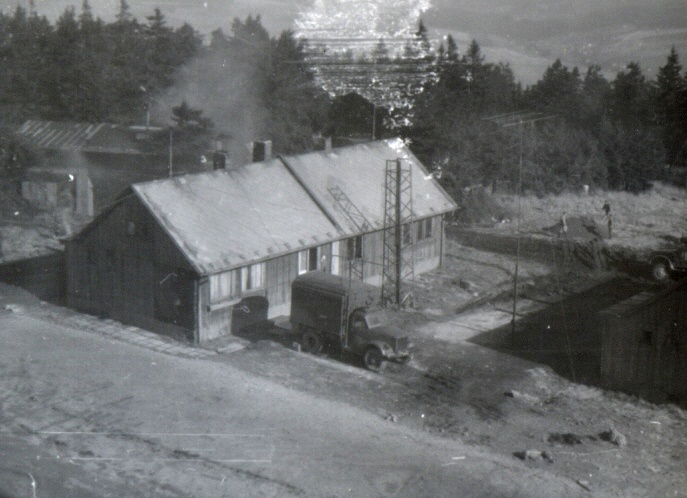
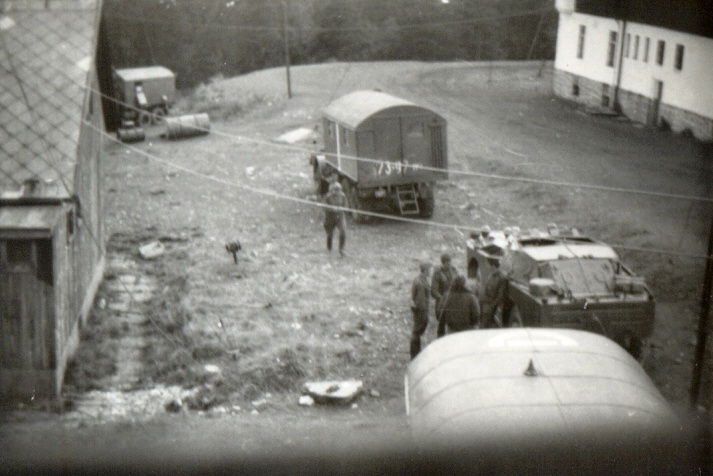
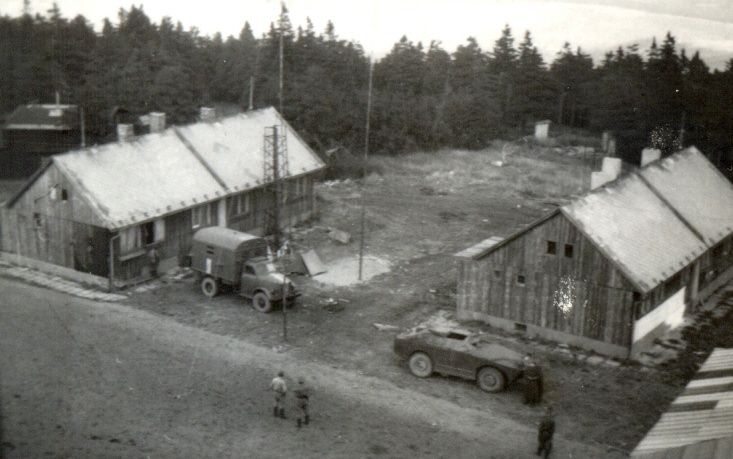
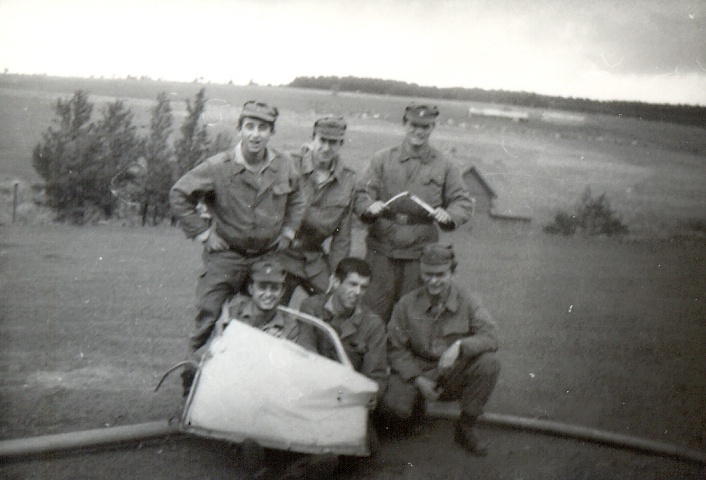
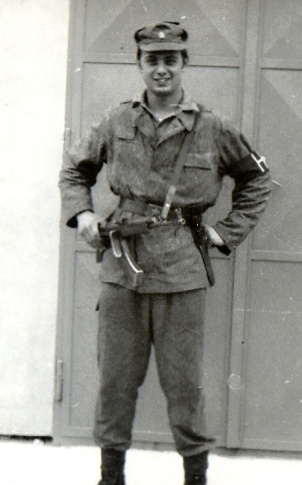
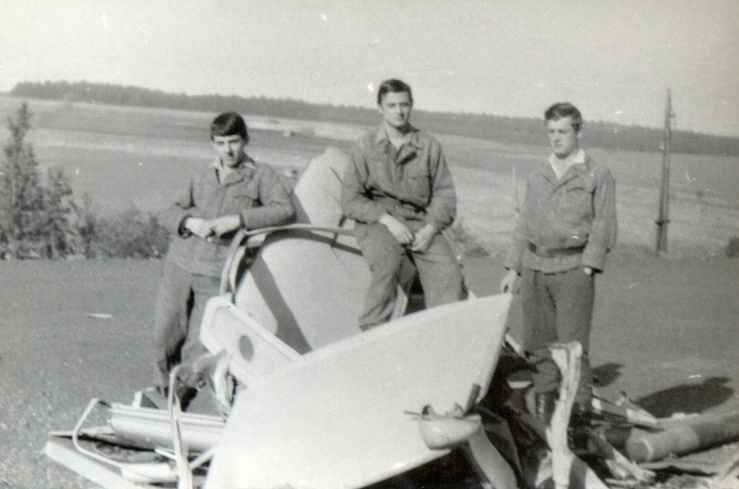
  • "On August 21, 1968, I was in the military prison. I was given ten days off for unauthorized abandonment of my garrison, some three days before. So I was just sleeping there. When they came, we were awake because they went past the barracks there to that bridge, it fell through, there were three tanks there, so then the whole of Karlovy Vary went there to watch it. And then, about a week or so later, ten days later, a certain bunch of us, like two groups, were separated and we were transferred to the police, to the Public Security Border Guard on Boží dar. We took turns, one group was always at Klínovec and the other group stayed at Boží dar in the tourist hostel next to the Hotel Praha. There was always one day off and then we were at Klinovec. The one went around the transmitter, there was still a perfect fence, so it was under lockdown, and the other one was around the hotel. We were there until November, when the troops that were there left sometime in the first quarter of that November, and shortly after that, when they left, we went to the barracks as well, the patrolling stopped. A few days after that I went up there with three young soldiers, an electrician, a plumber, a painter, and we were putting up the Finnish houses that the guardhouse was in, it was actually rented from the hotel, so we were putting that together, because then they started to have this radio station, the Western Military District connection, where I was then as commander for the whole second year."

  • Full recordings
  • 1

    Karlovy Vary, 05.03.2025

    (audio)
    duration: 01:10:31
Full recordings are available only for logged users.

When I got to Klinovec, the transmitter was already shot up
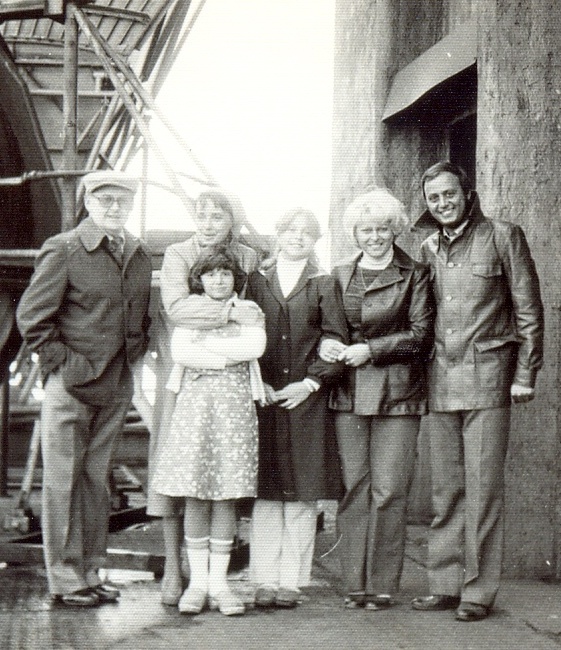
Arnošt Vlašimský (first from right), Klínovec transmitter, 1970s
photo: archive of a witness

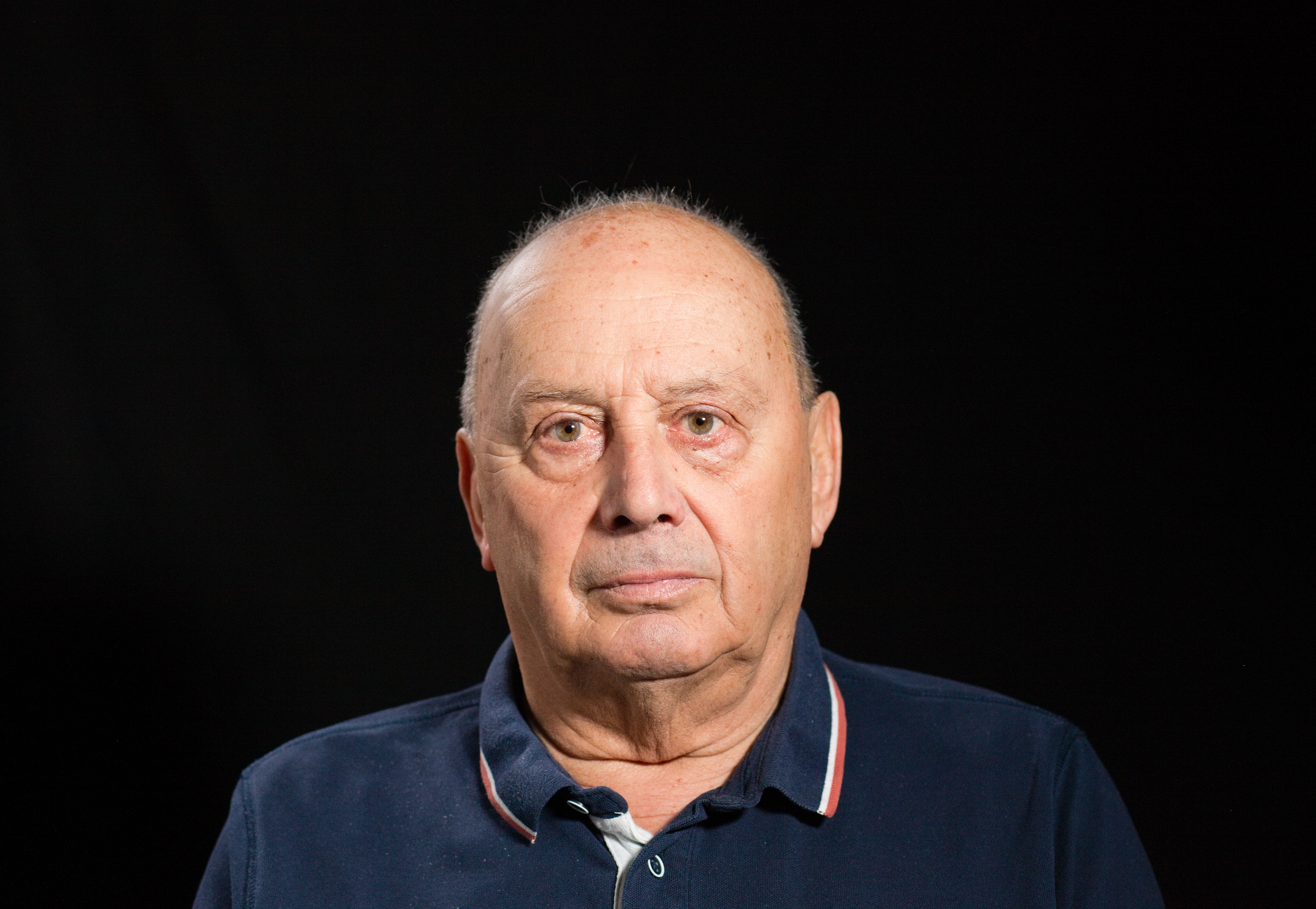
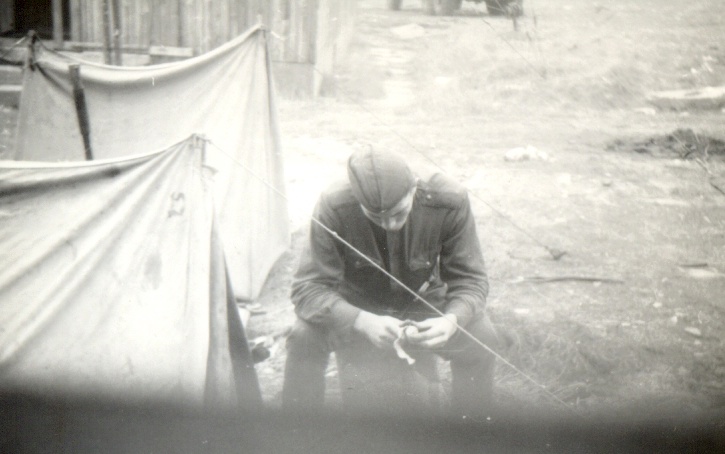
Arnošt Vlašimský was born on April 28, 1948 in Prague. His father Hugo Vlašimký came from Prague. He was a geophysicist and worked at the Jáchymov mines in Příbram. The mother of the witness, Dorit Vocílková, was born in Karlovy Vary into a Czech-German family. She attended local German schools, then worked in a shop. Her parents met in Prague. In 1949, they moved to Karlovy Vary, where the witness grew up. In 1963, he graduated from elementary school and spent three years at the Vocational School of Communications. In 1968 he enlisted in the army. He served as a signalman in Karlovy Vary. In August 1968, he found himself at the occupied and shot-up Klínovec transmitter. From his garrison in Karlovy Vary, a platoon of privates was sent to assist the local POVB (Border Department of Public Security) with guarding the transmitter and adjacent buildings. They arrived at Klínovec a week after the transmitter and transformer station had been shot up by the army of “friendly” troops. Arnošt Vlašimský liked working at the transmitter. After the army he completed his education and started to work at Klínovec as a transmitter operator. In 1990 he went abroad to work. Arnošt Vlašimský was a member of the Mountain Service on Klínovec since 1981. He served as a volunteer rescuer until he was 66 years old. He still participates in regular meetings with his colleagues from the Mountain Service and enjoys skiing with them. Arnošt Vlašimský lived in Karlovy Vary in 2025.