Dagmar Viestová

* 1948

  • "She was already married by then and they lived on what is now Lazaretska Street, I think, and that was actually close by. So, and she was in the city, so completely shocked, she didn't know where to go. It wasn't even a special alarm, just suddenly low-flying planes and that terrible bang, the sound of the bombs landing and the explosions and she mentioned that she had read that the flames could even be seen in Vienna. That it was so massive, that she was glad that she had saved her life."

  • "So she was actually the head or rather the neck, but also symbolically it is interesting that when they were talking about what the group should be called, it was this Elo Šándor, whose works were the model for the series, and now it came to me, interesting, Sváko Ragan, and he says: 'Why would they be spiritualizing here, the founder is her, her name is Kvetoslava, in Latin Flóra.' So in the end they ended up like that, with Flóra. Their activities were diverse. First of all, they helped the families of people who ended up at the ÚŠB or later in the Gestapo, financially, they gave them food, clothing, simply, they took care of those families. And they helped, even if someone was released from prison beaten and so on, they helped those people get away."

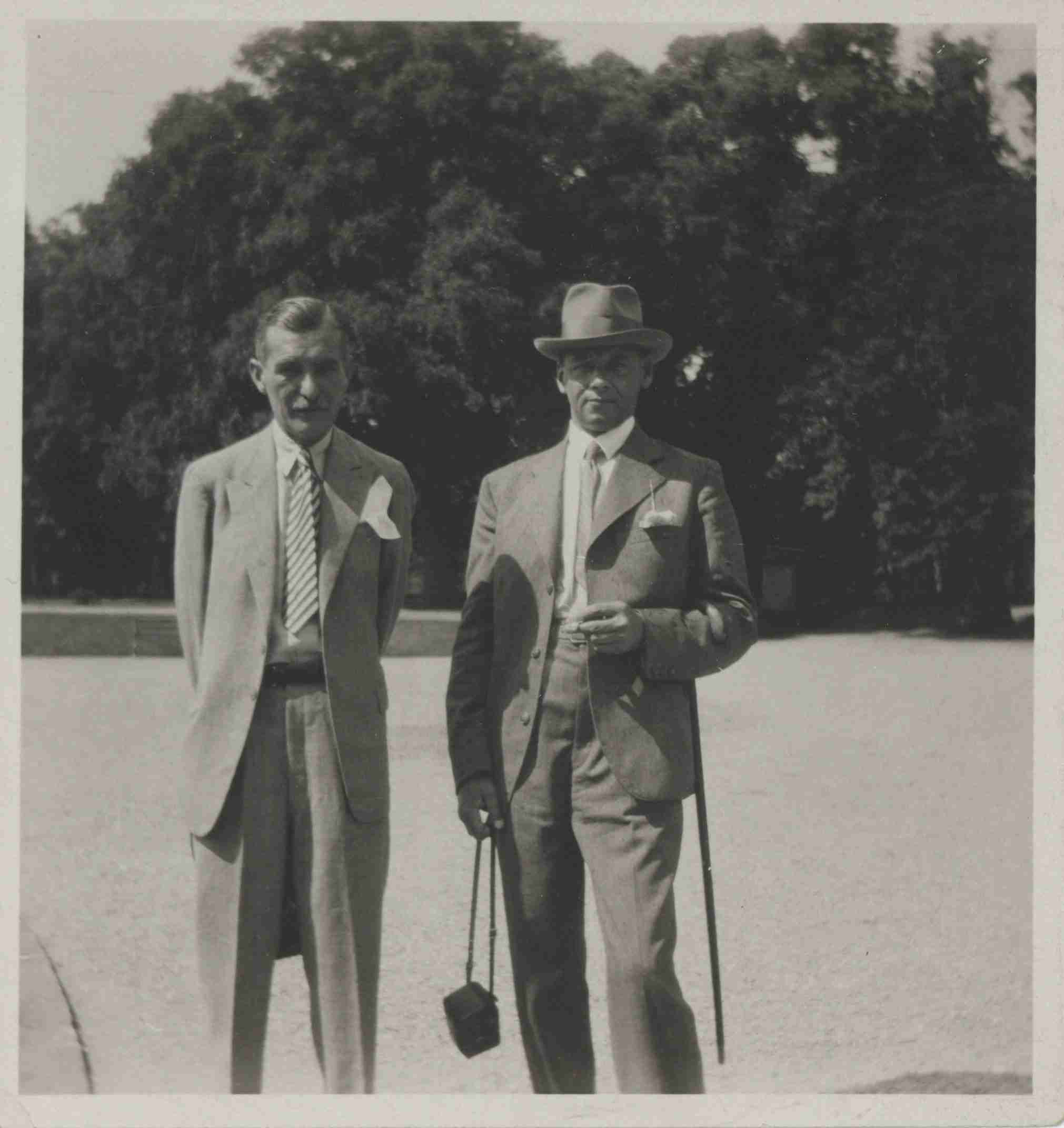
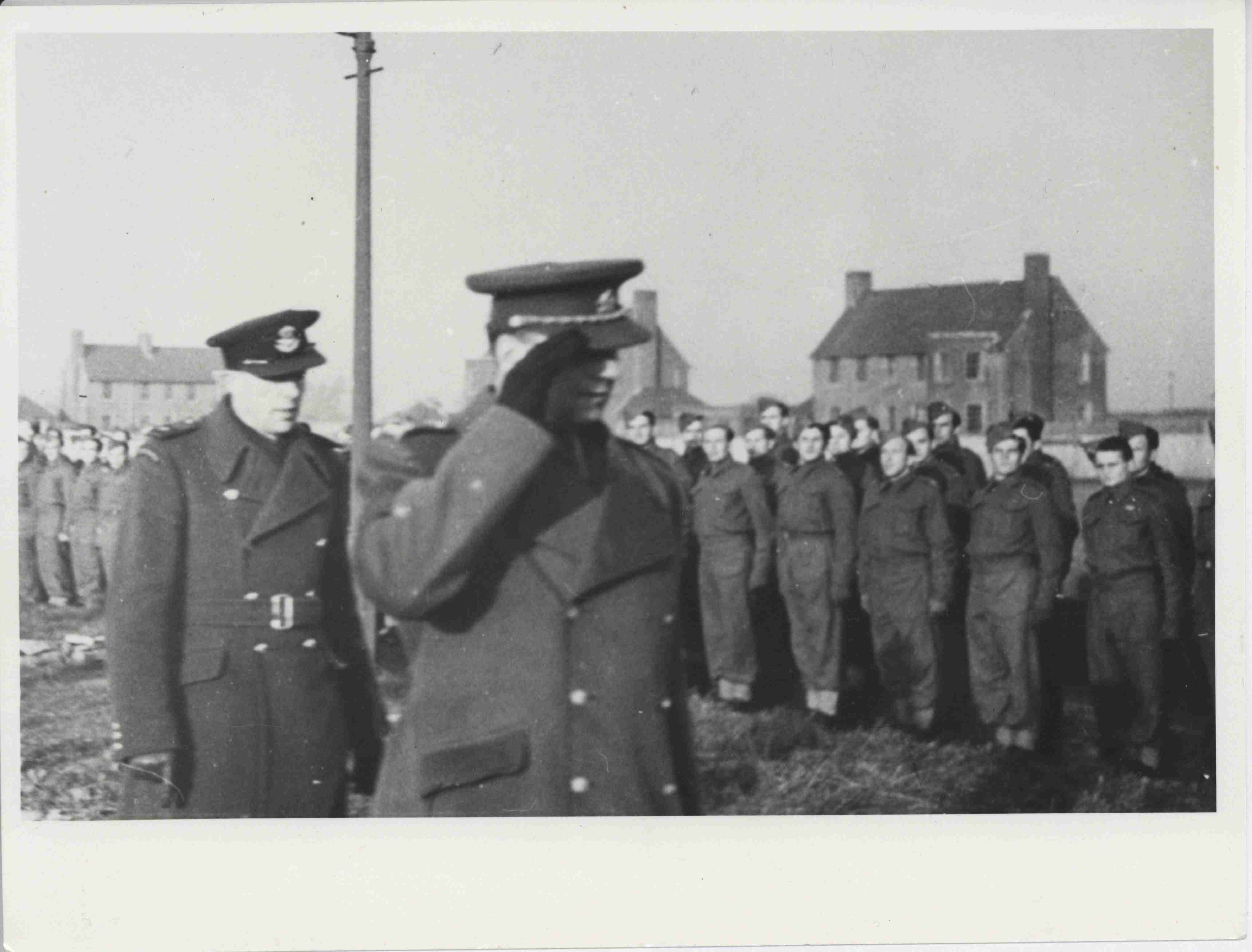
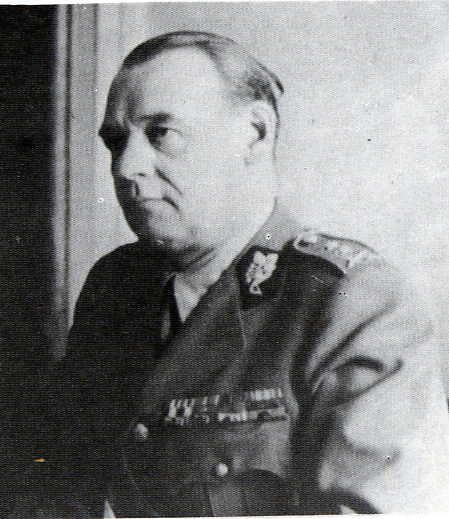
  • "As they lined up when the plane landed, they wanted my father to greet him as a relative, and he said: 'No, I have to be at the back.' That simply goes against General Viest's vision that it wouldn't be good. And indeed, as he was greeting, and he came to the end of the line and my father was there, he looked at him, my father announced his rank, they shook hands and everyone went into some building and the others looked, wondering what was going on, they were expecting a stormy welcome, but when they got to that building and were alone in the office, General Viest hugged and kissed his nephew, who he told him that he often thought of and so on, and it was something simple, my father remembered it, practically until his death."

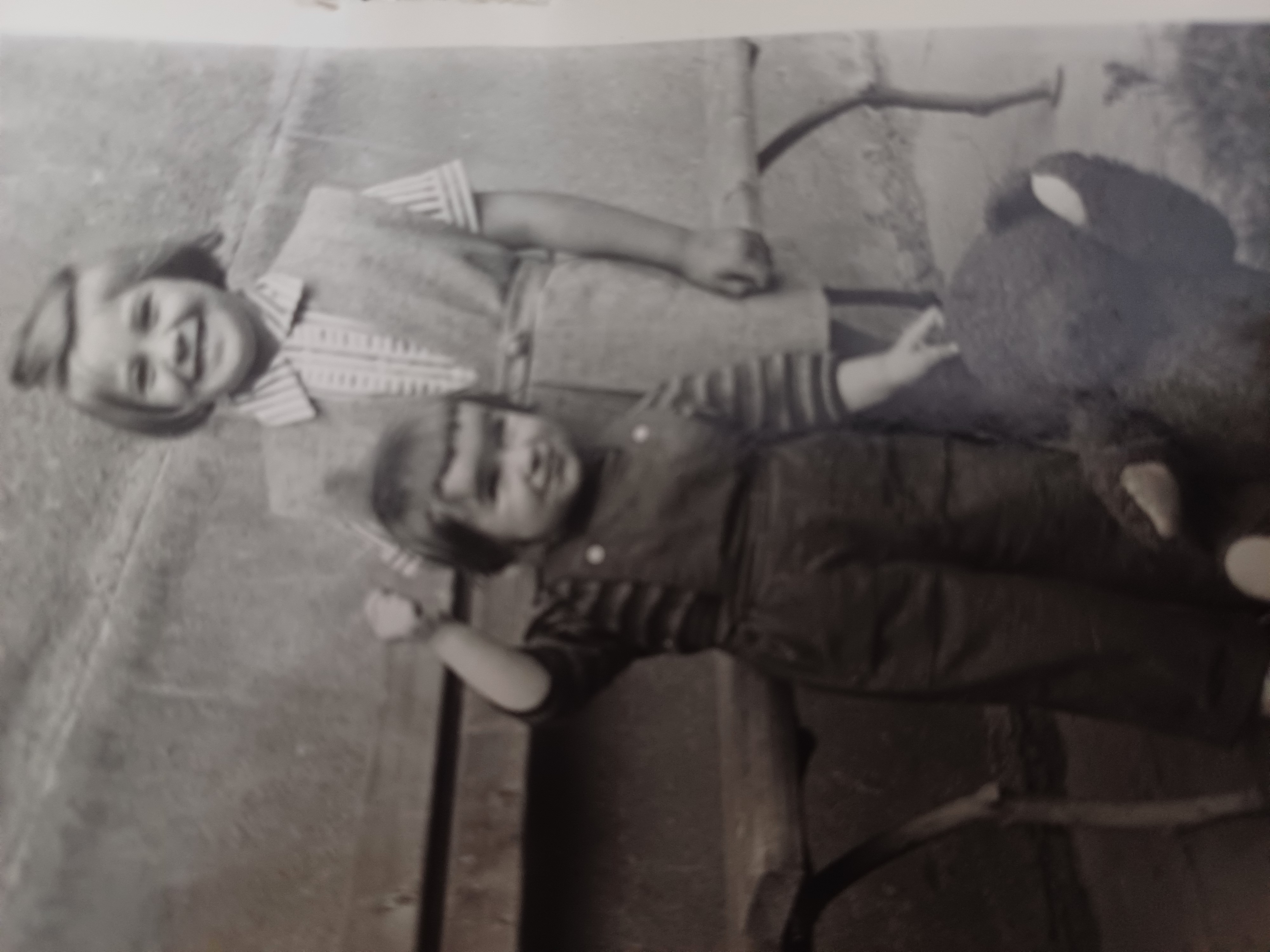
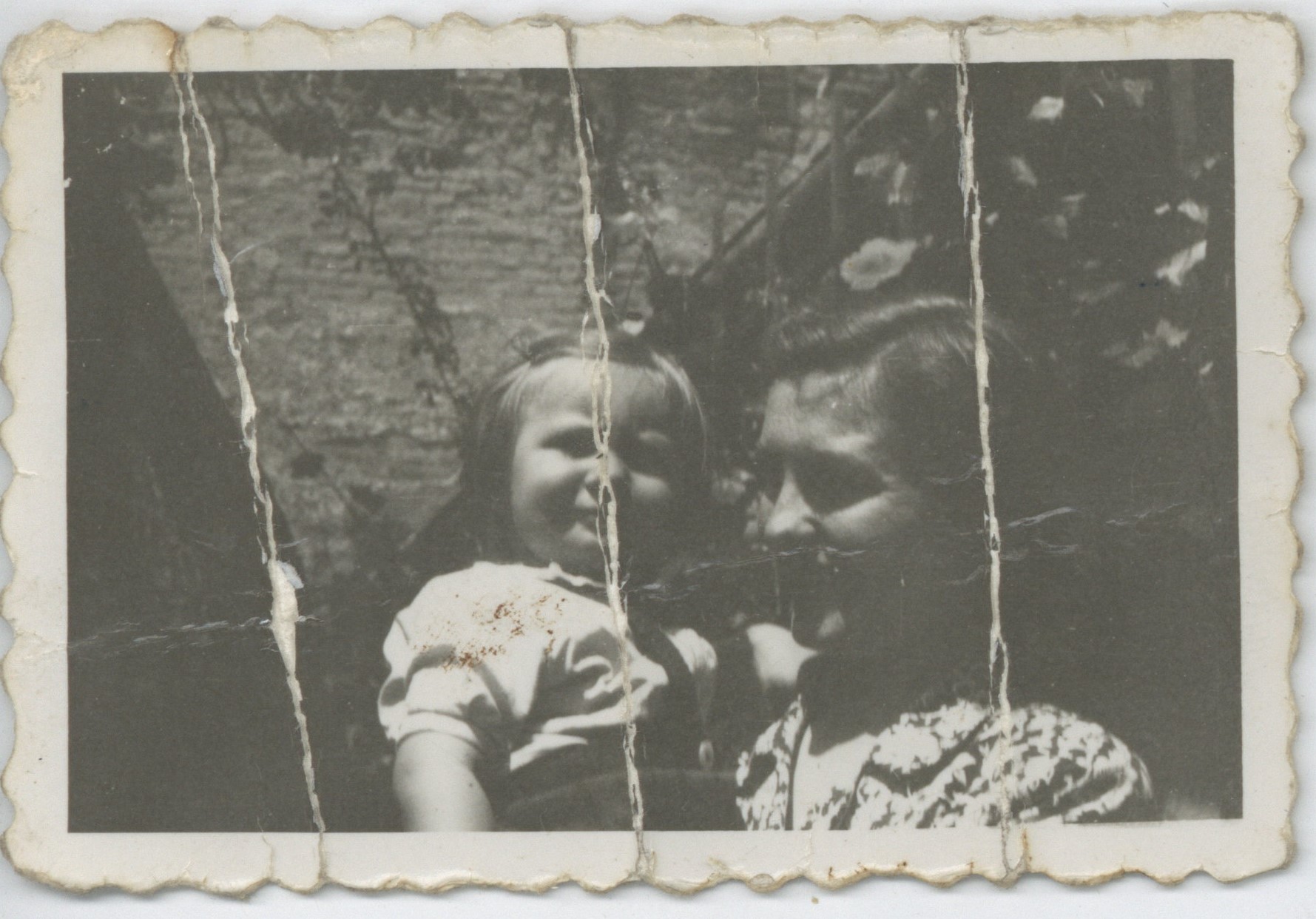
  • "In retrospect, she came there, I thought she was a witch, because, well, she looked horrible, and when she came, I remember that she went next door to the kitchen, because I was pushing her away and crying there. And she told me that I was your mother and I shouted no, that I have a mother and that is a different mother."

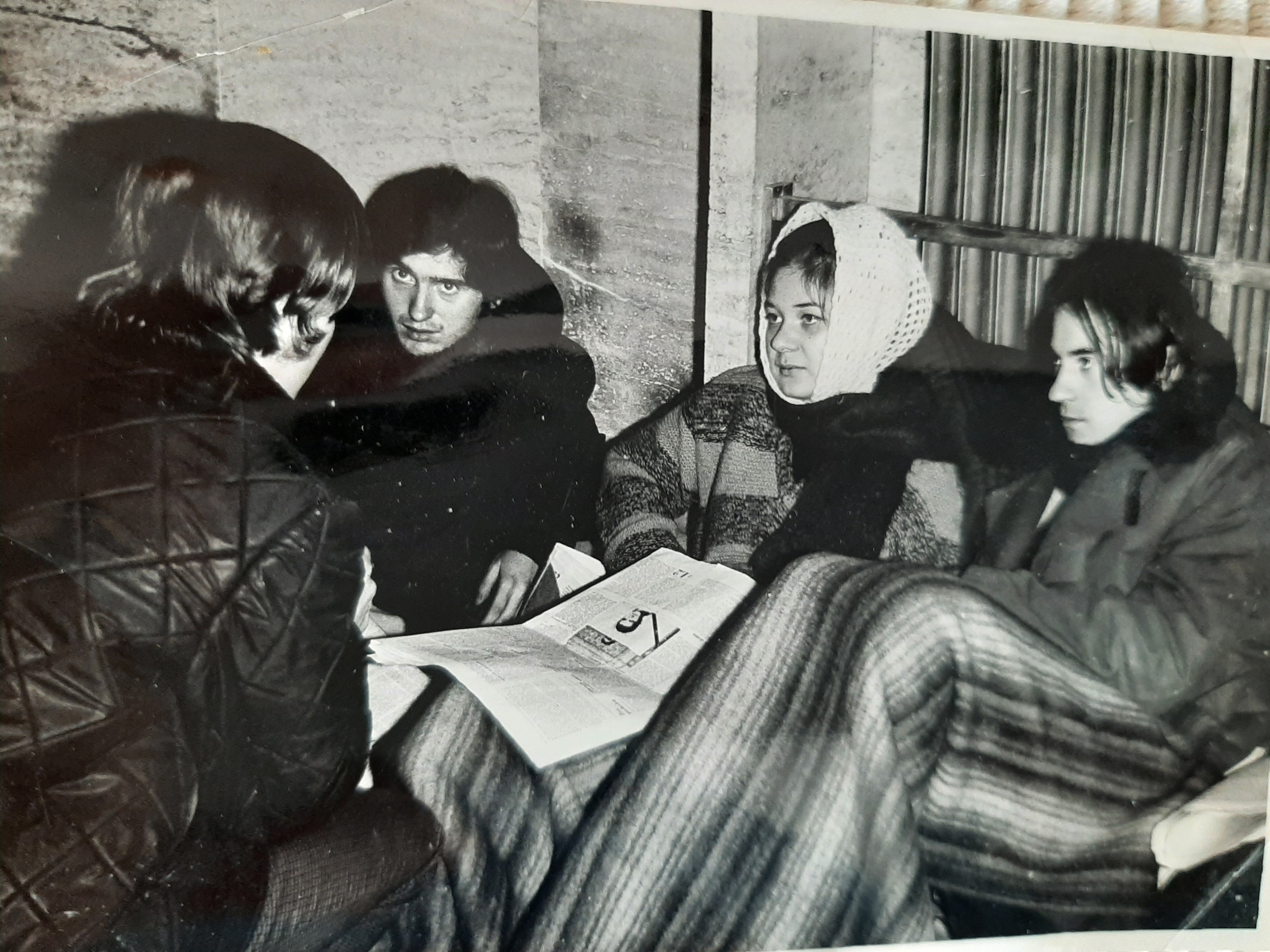
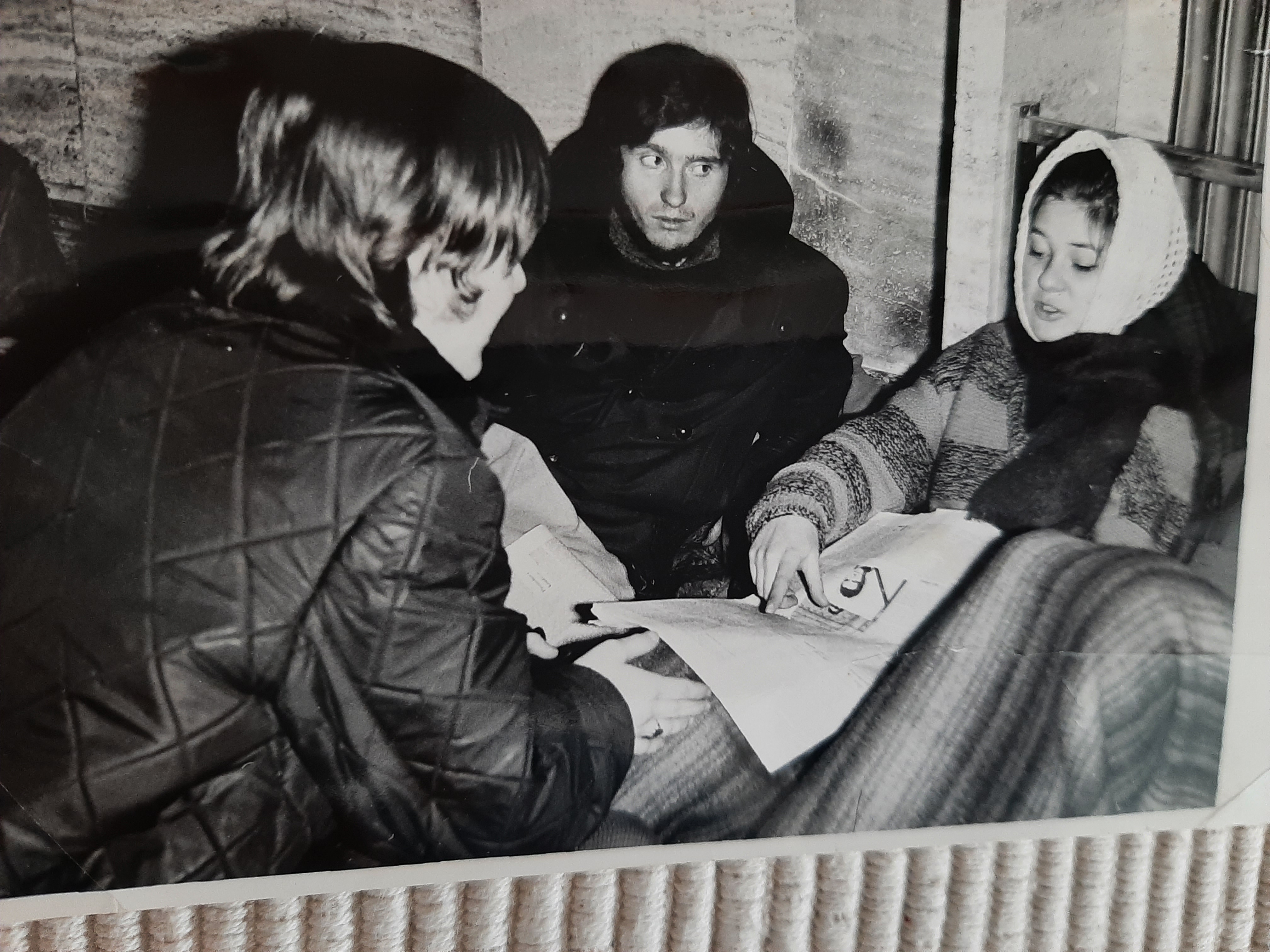
  • "Crowds went there, we were even on Austrian television, they came, but there were also those who came to eat before us, but many brought us hot tea with honey to make us endure it. I also wrote a poem about Palach and that program was very popular, Modrá vlna, and I even recited it there and the poem then hung on, the text hung on many of these universities here in Bratislava."

  • Full recordings
  • 1

    Bratislava, 06.02.2025

    (audio)
    duration: 03:37:27
    media recorded in project Stories of the 20th century
Full recordings are available only for logged users.

The communist regime ruined my chance for a happy family life
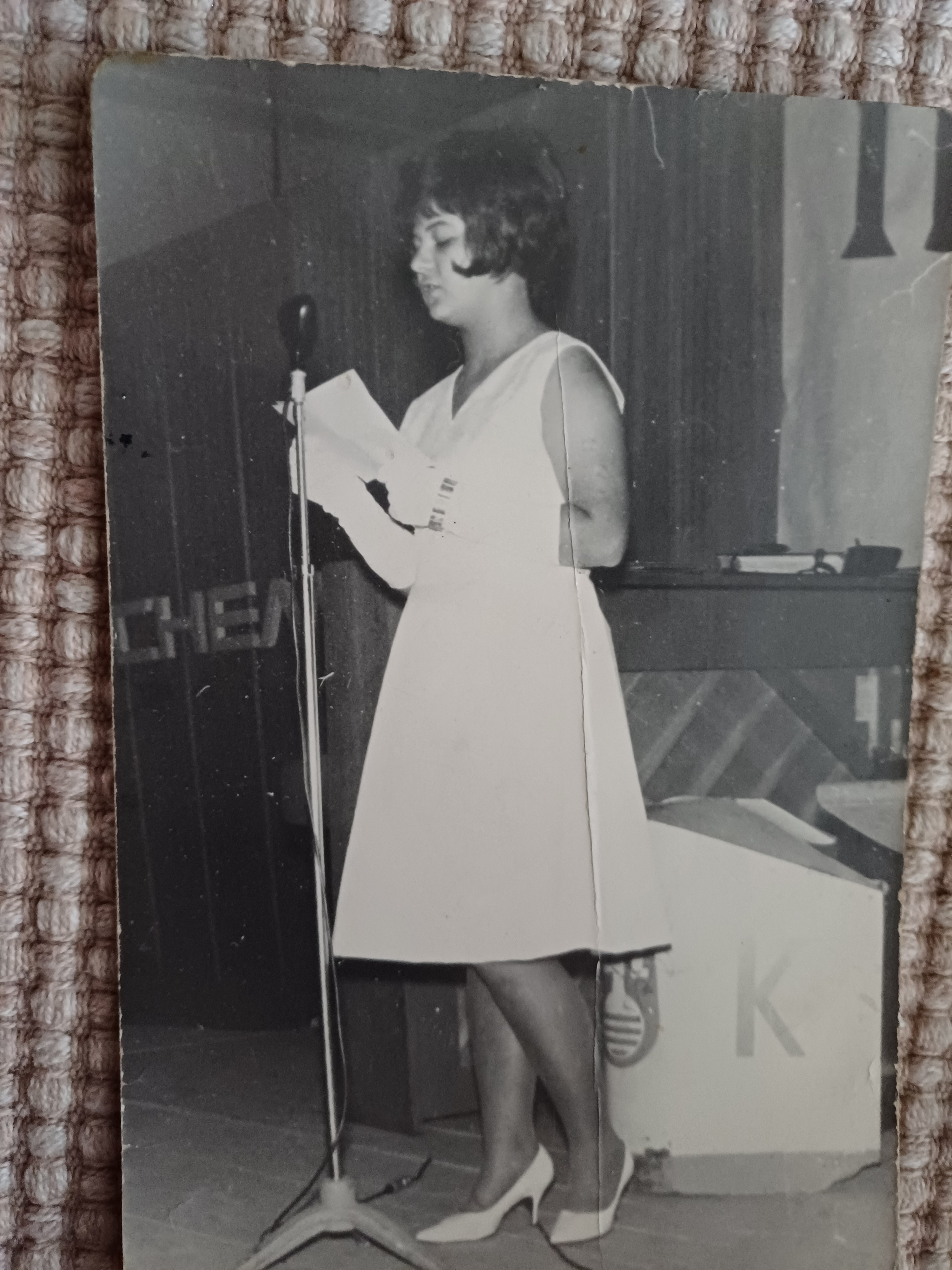
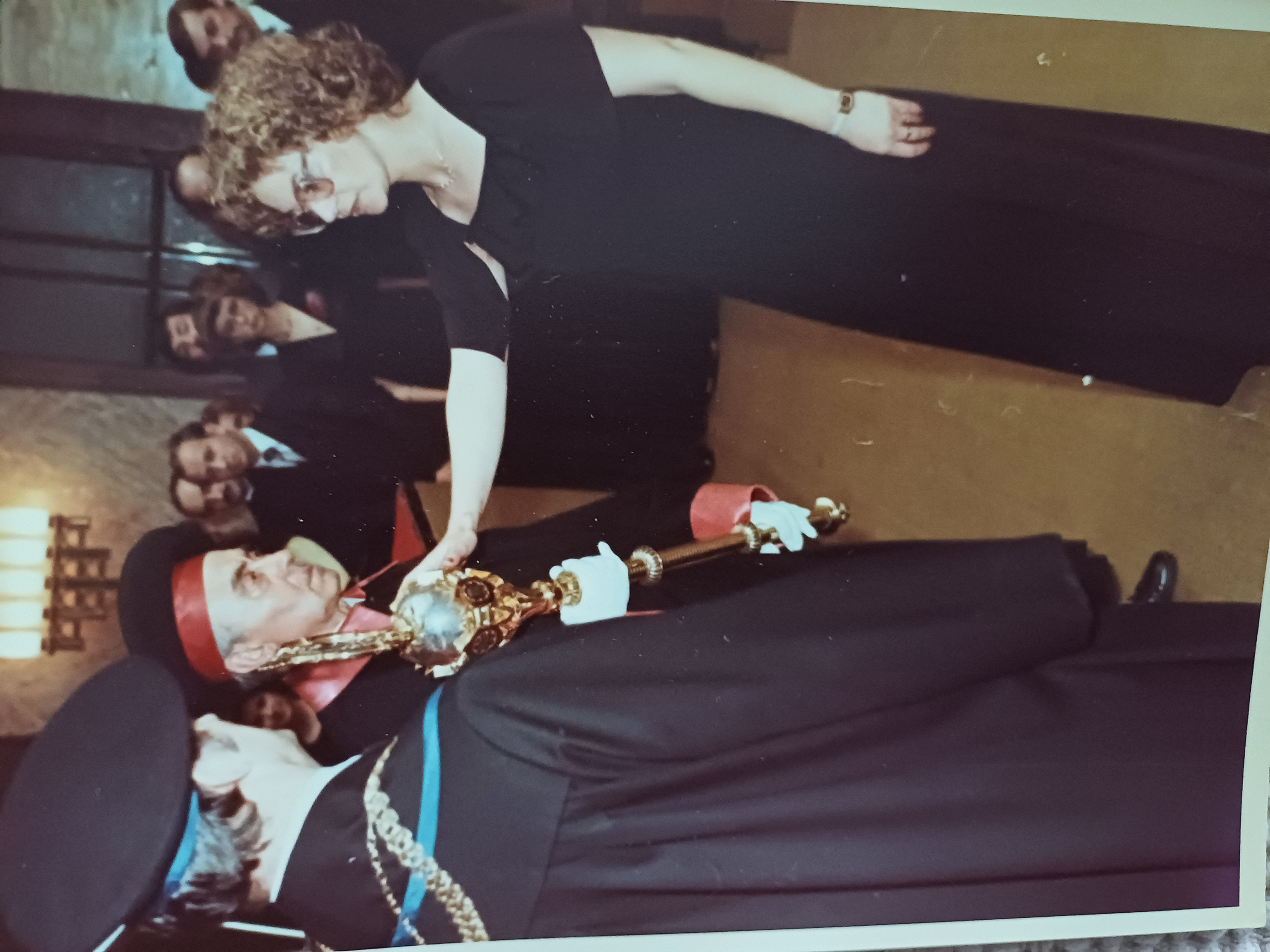
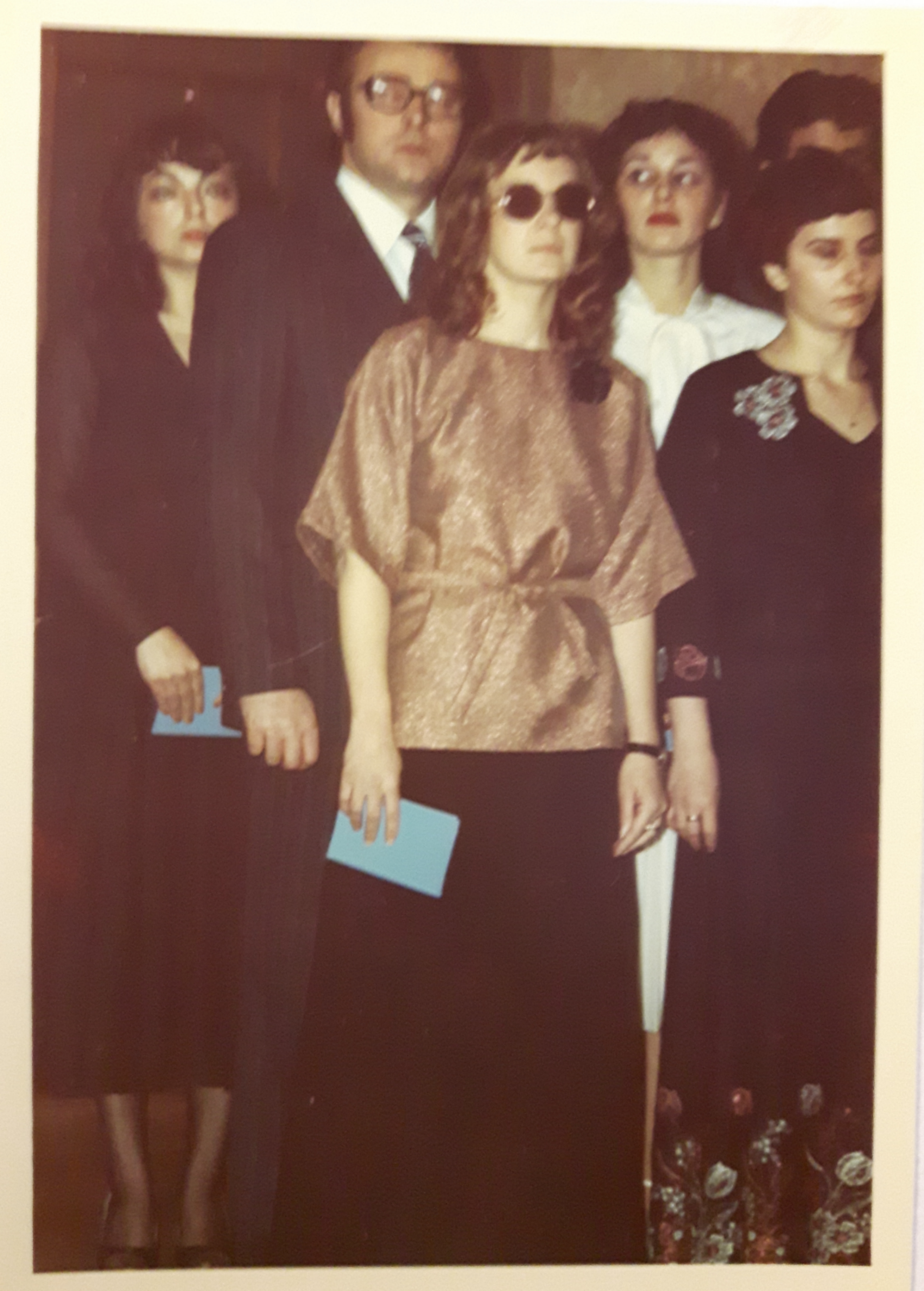
Prom celebration
Prom celebration
photo: Witness archive

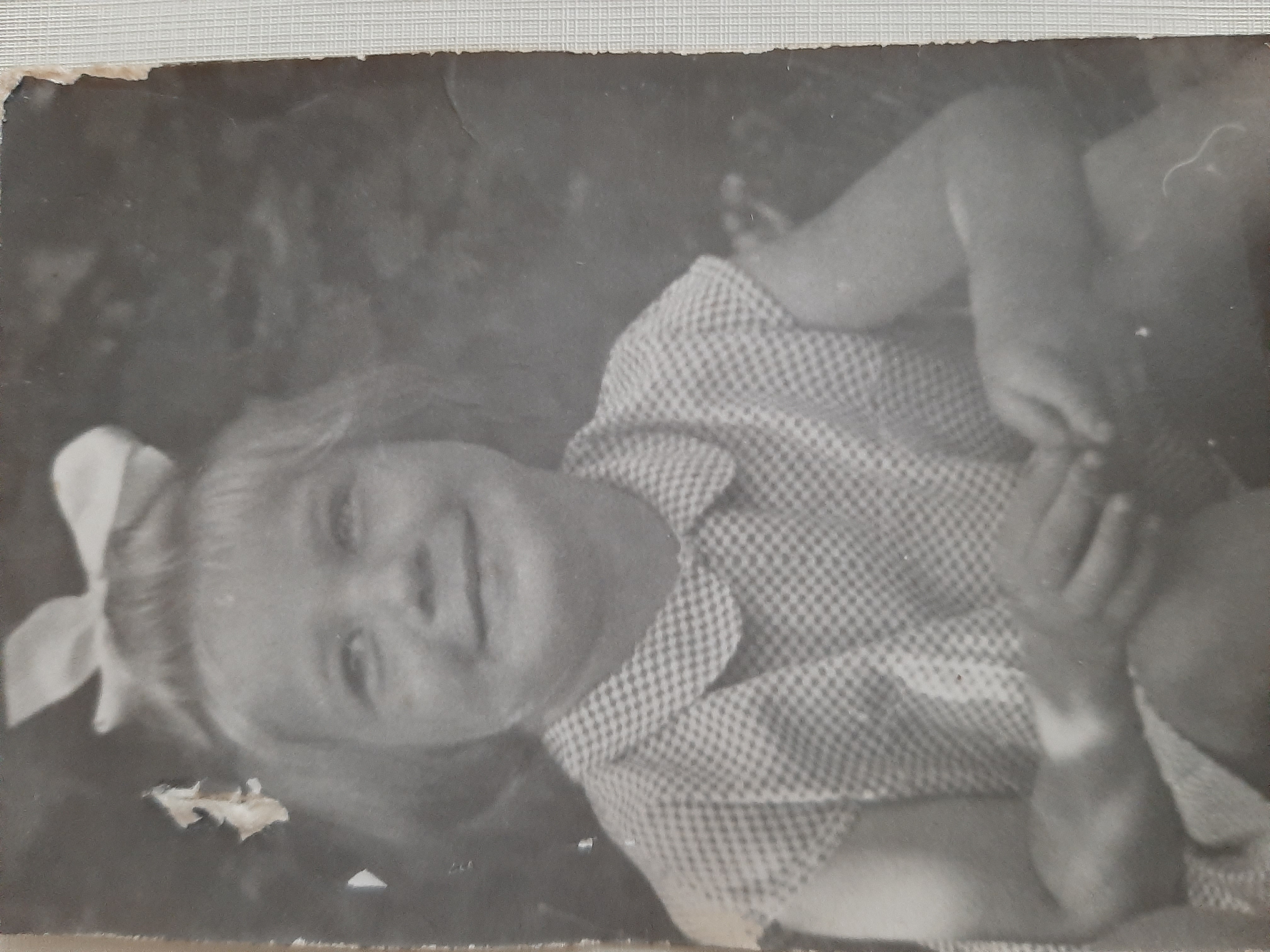
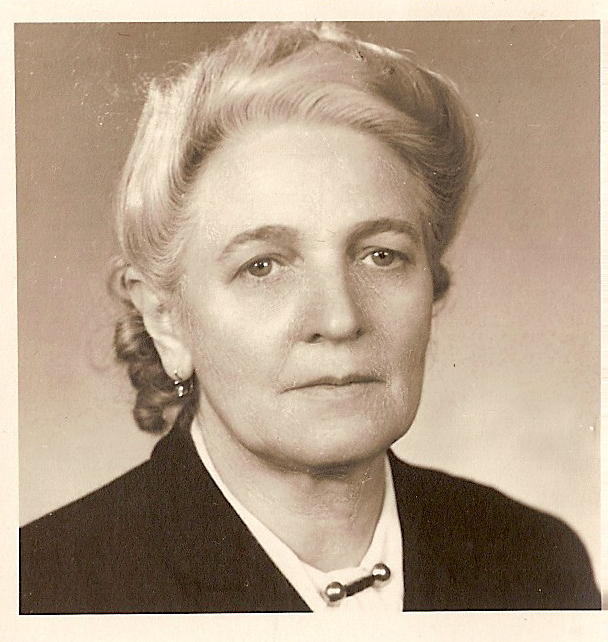
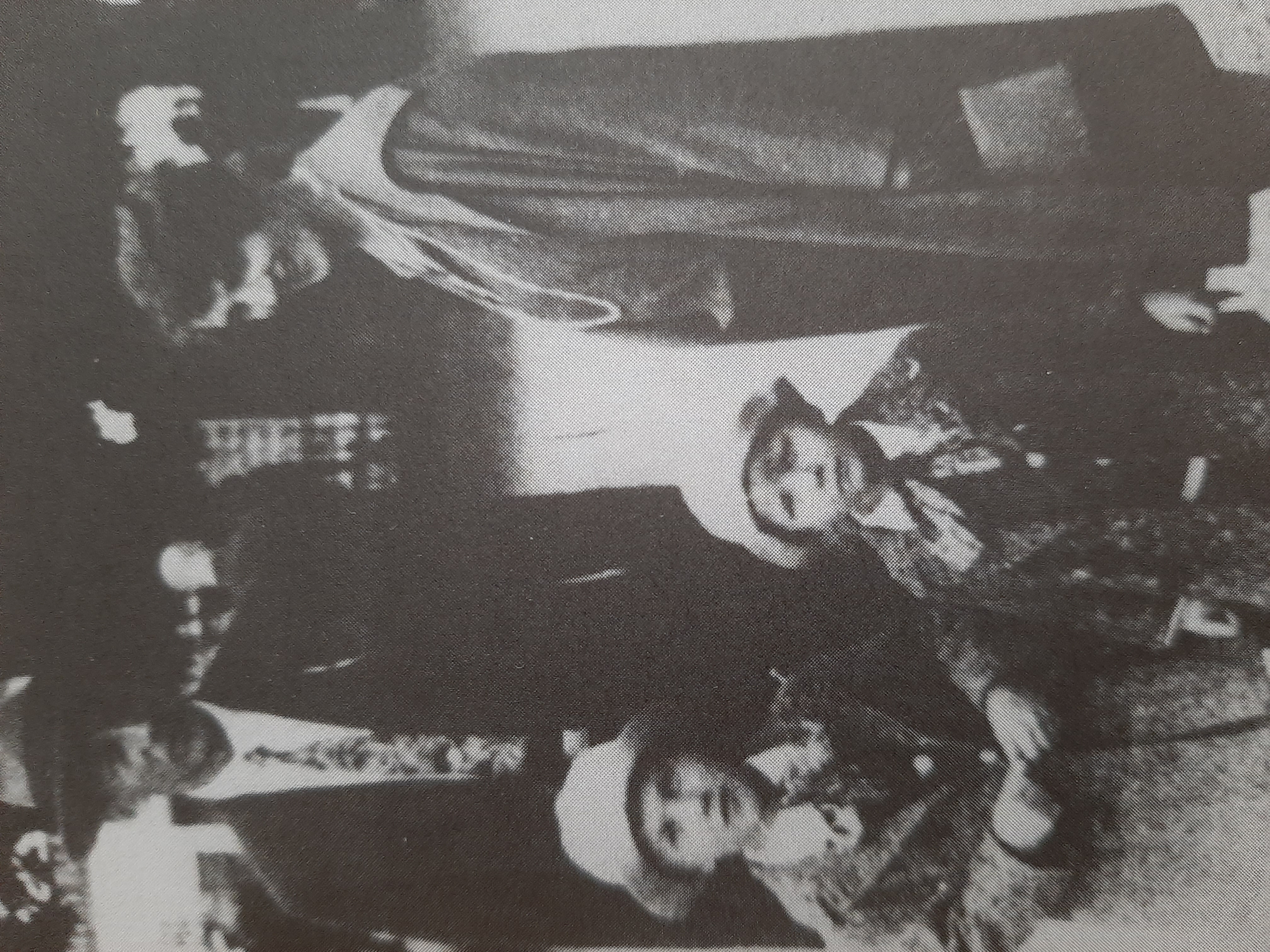
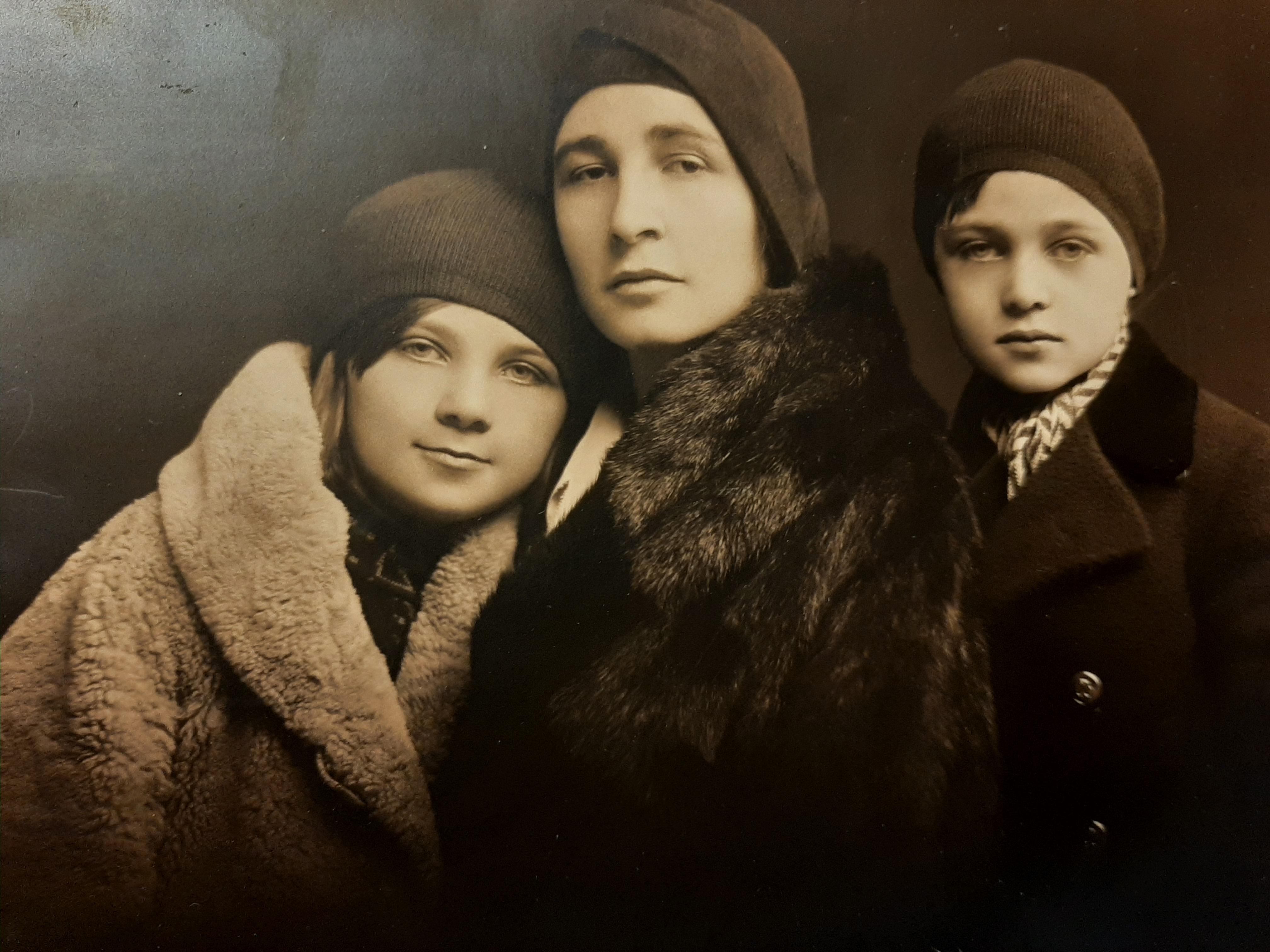
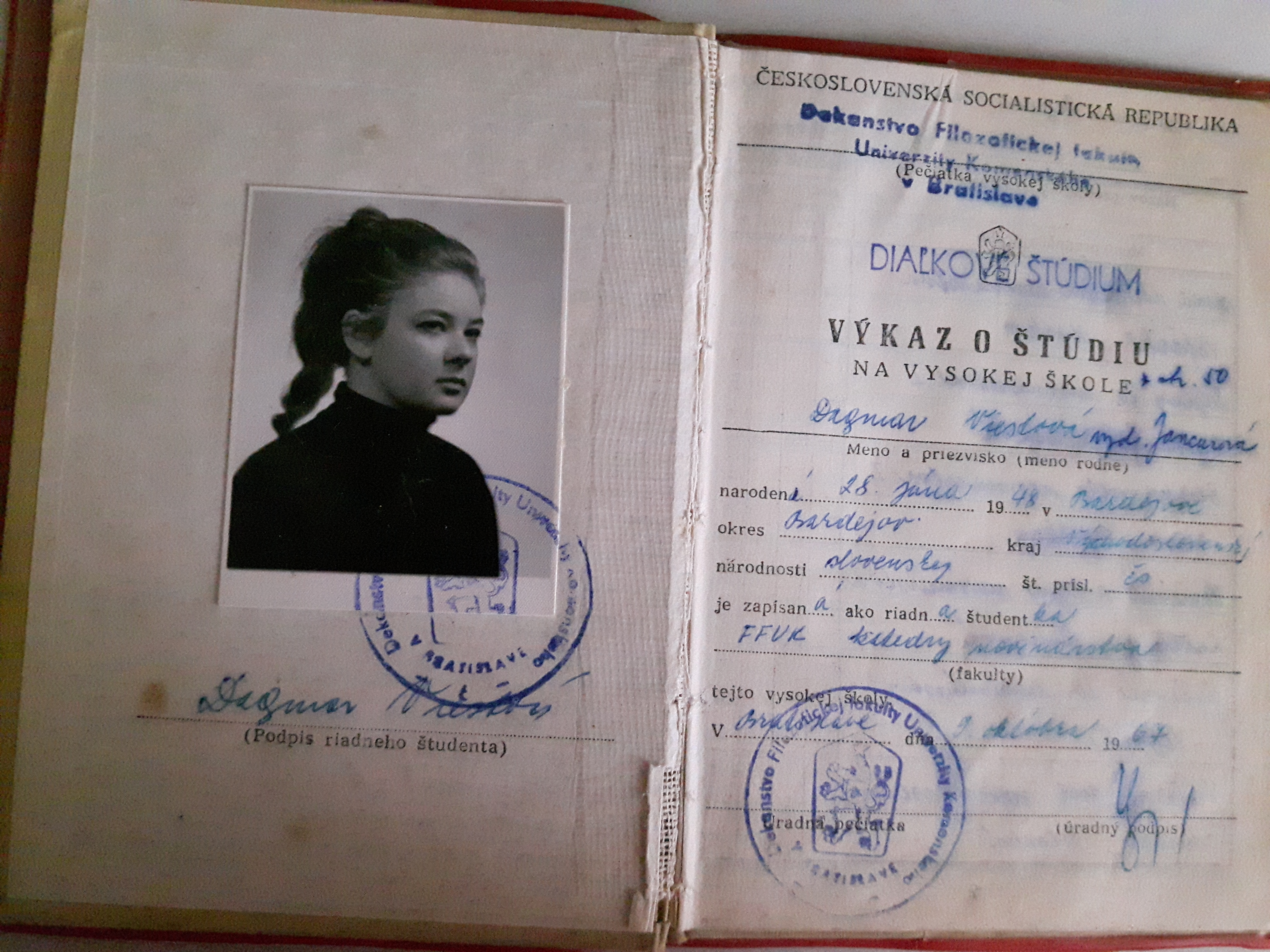
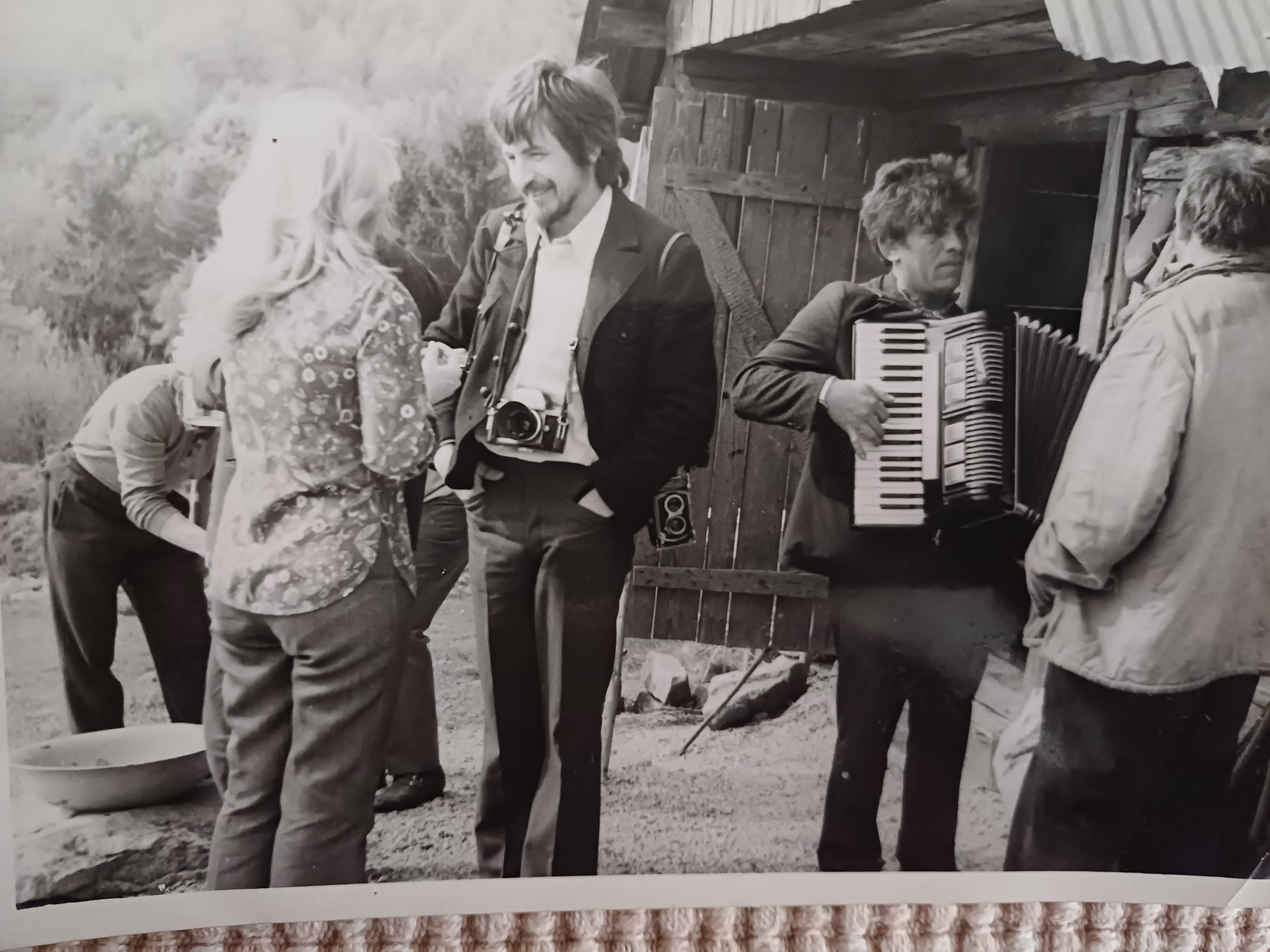
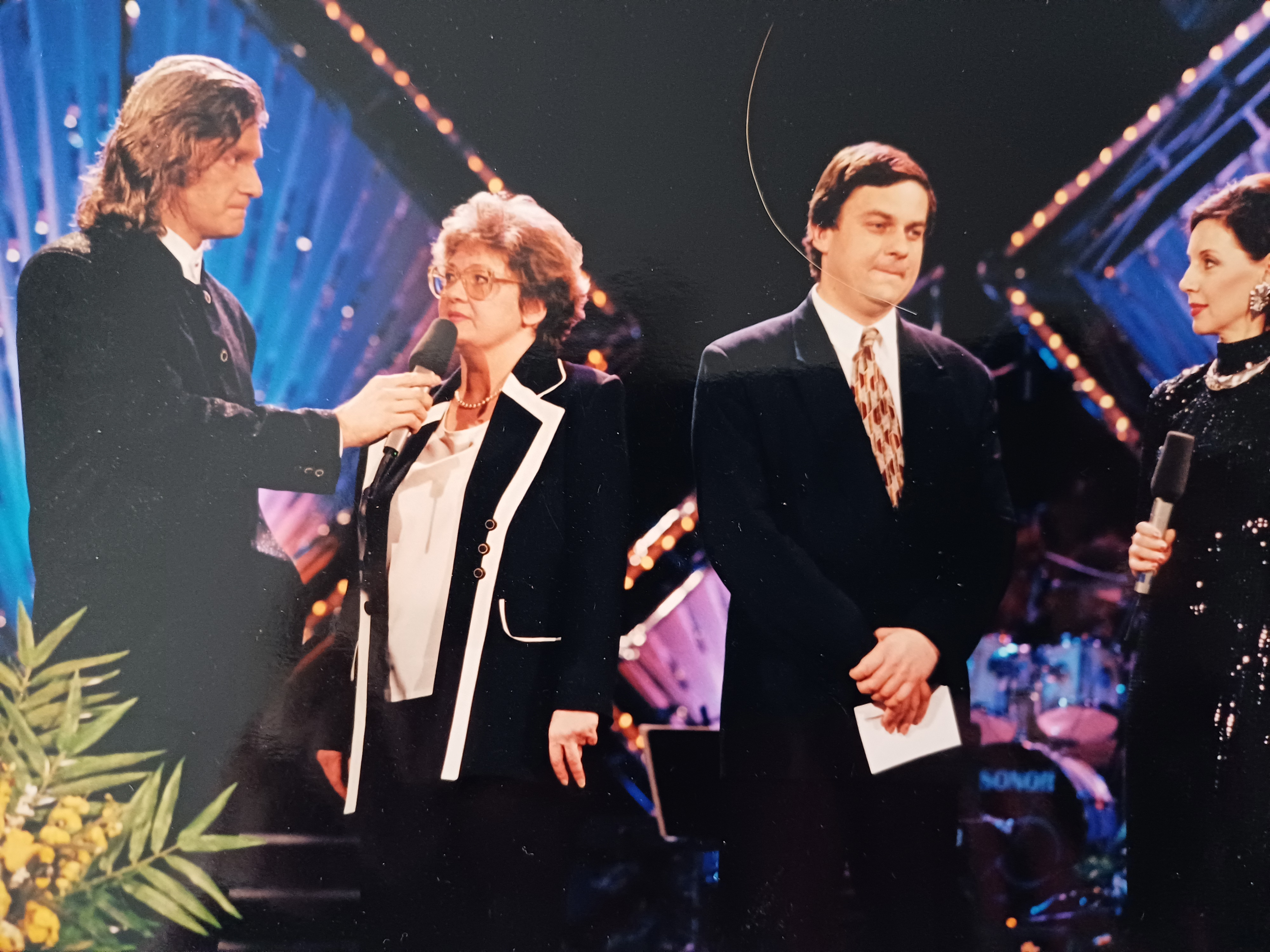
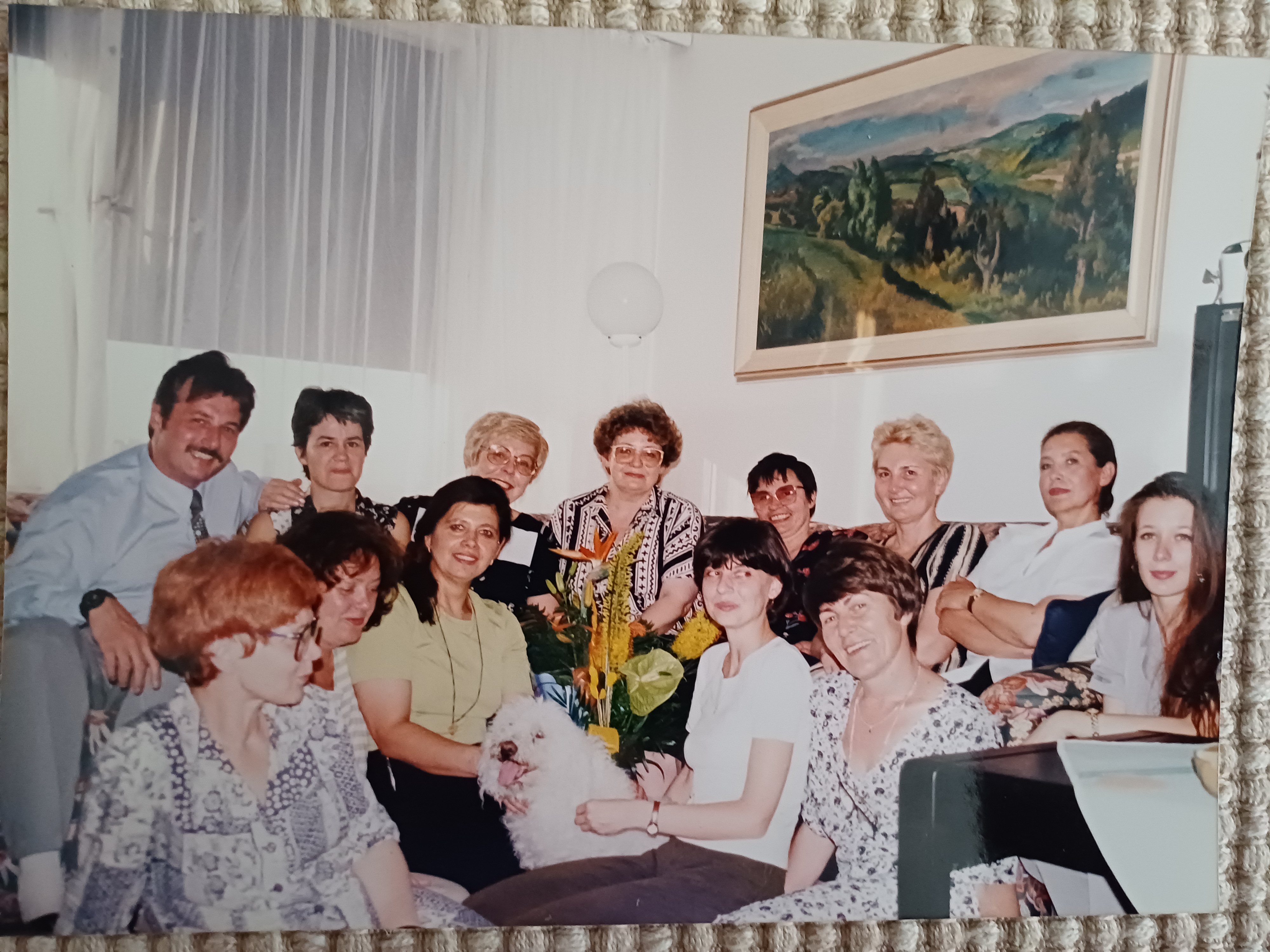
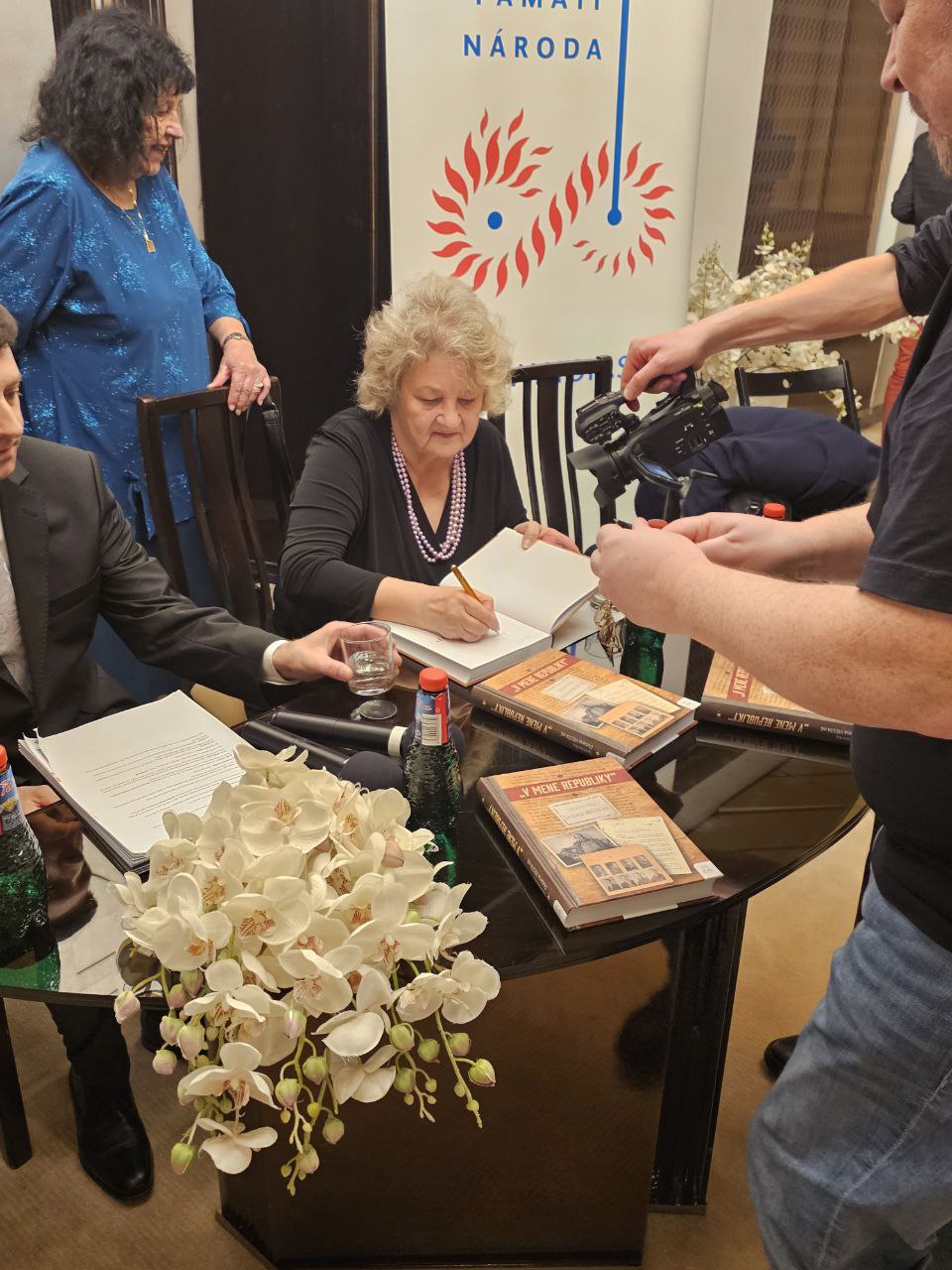
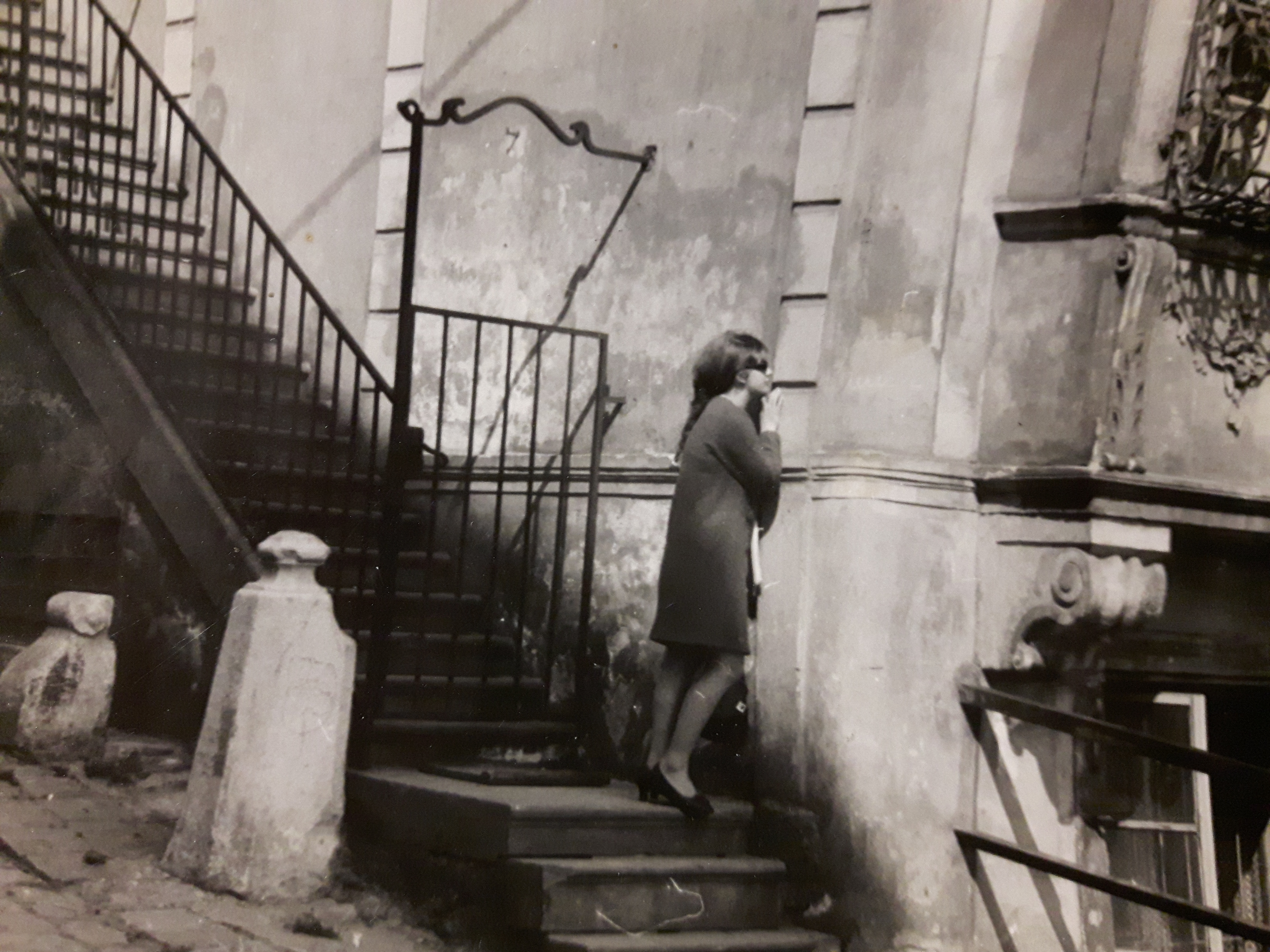
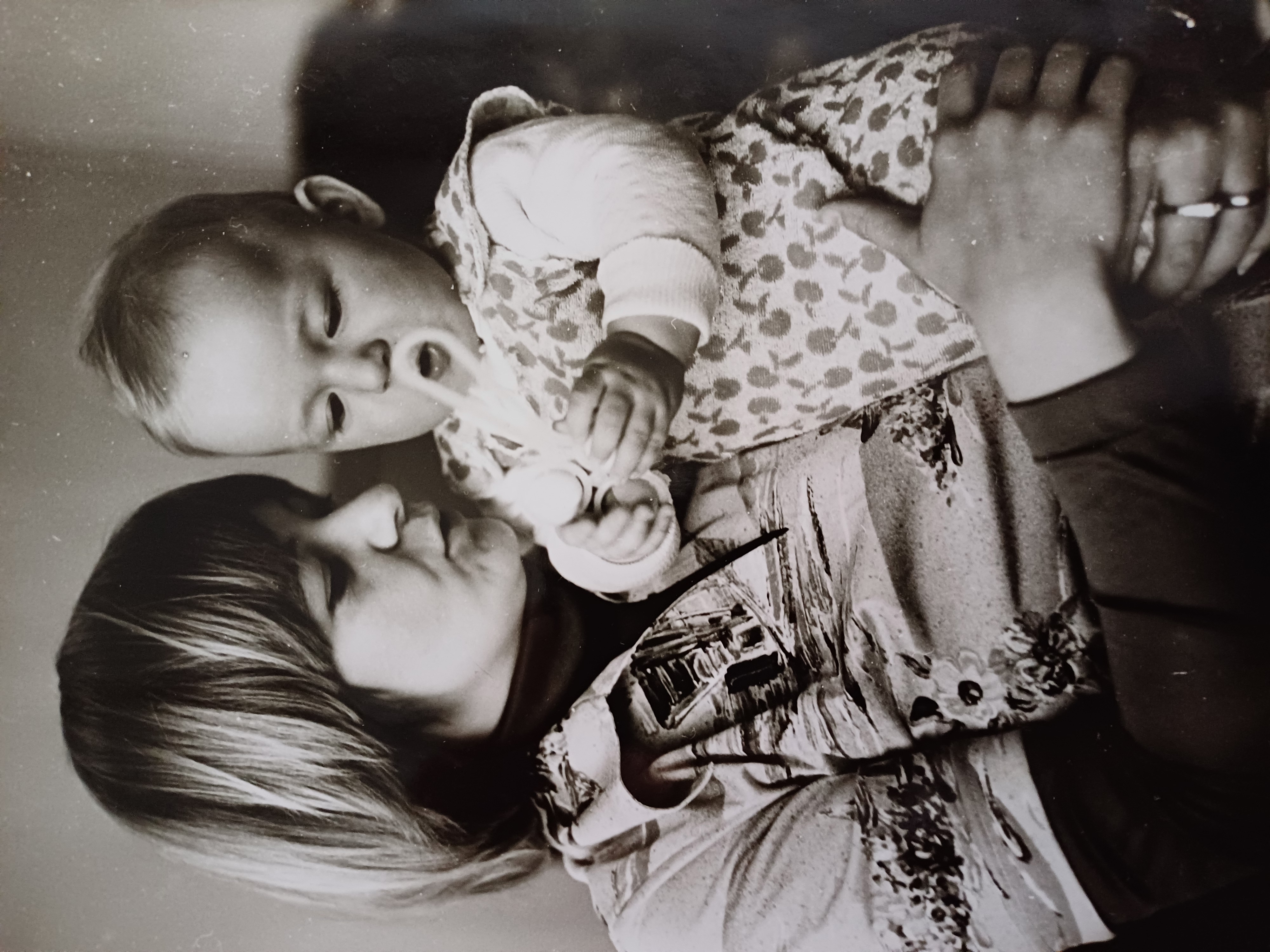
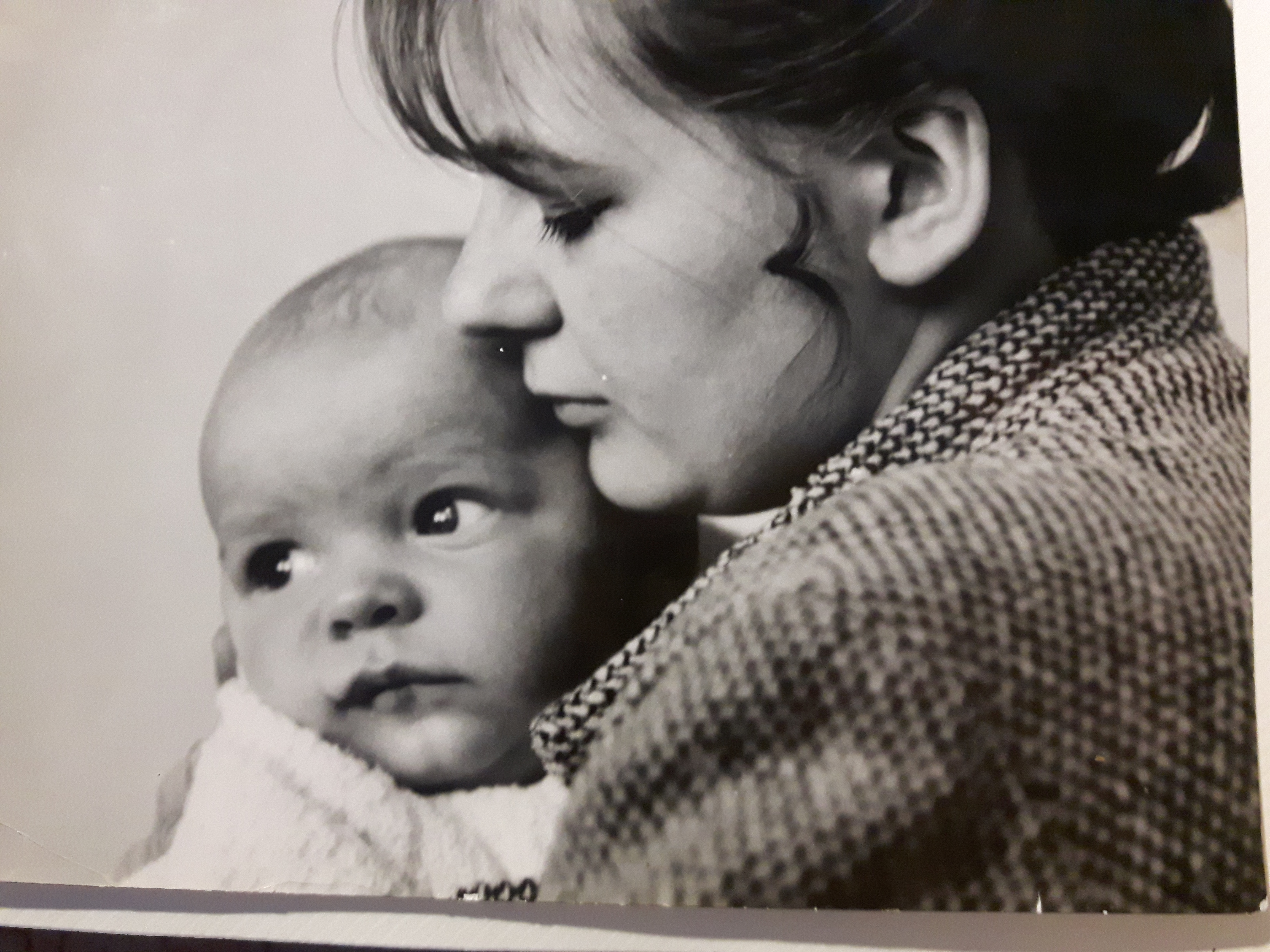
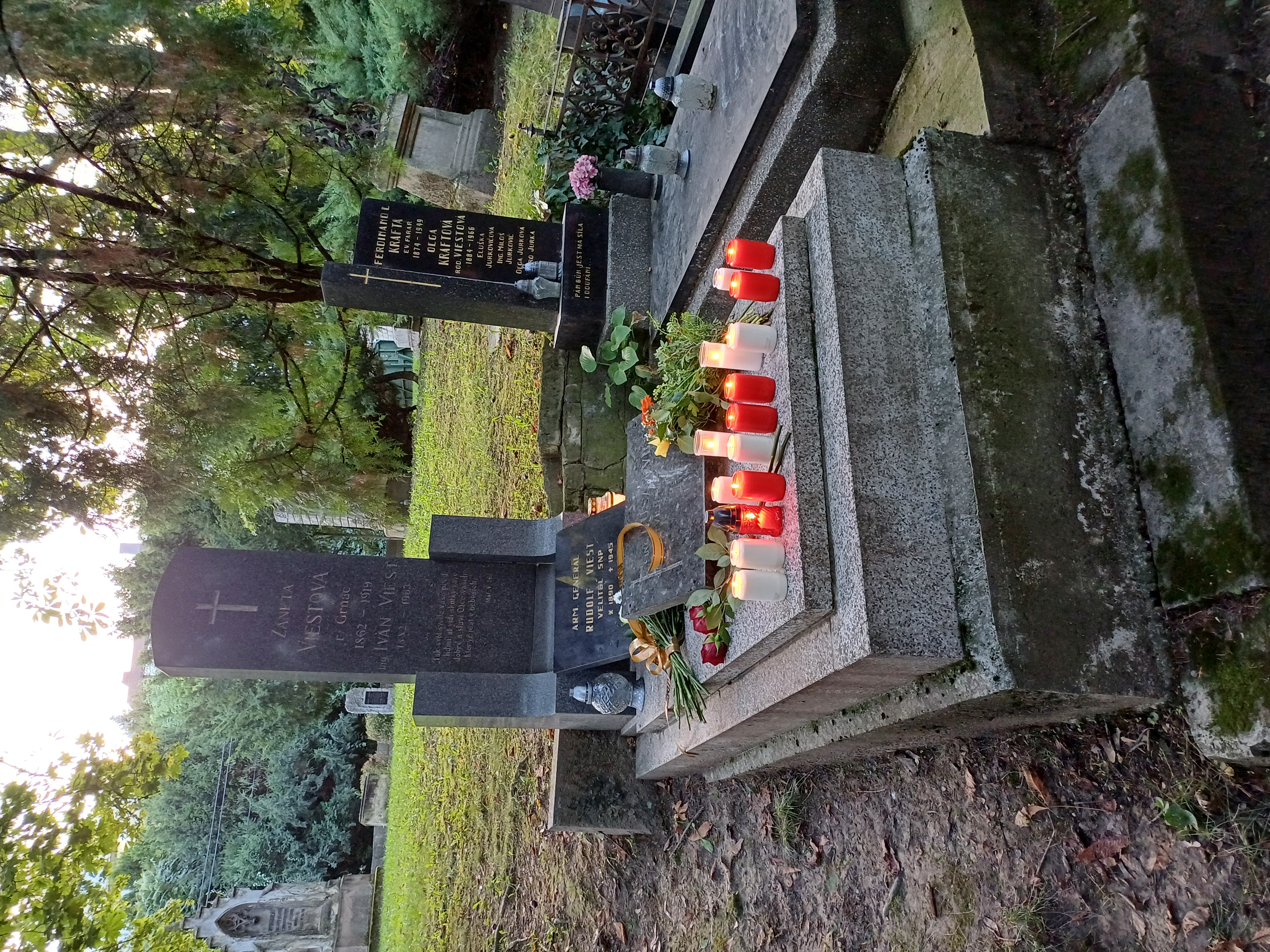
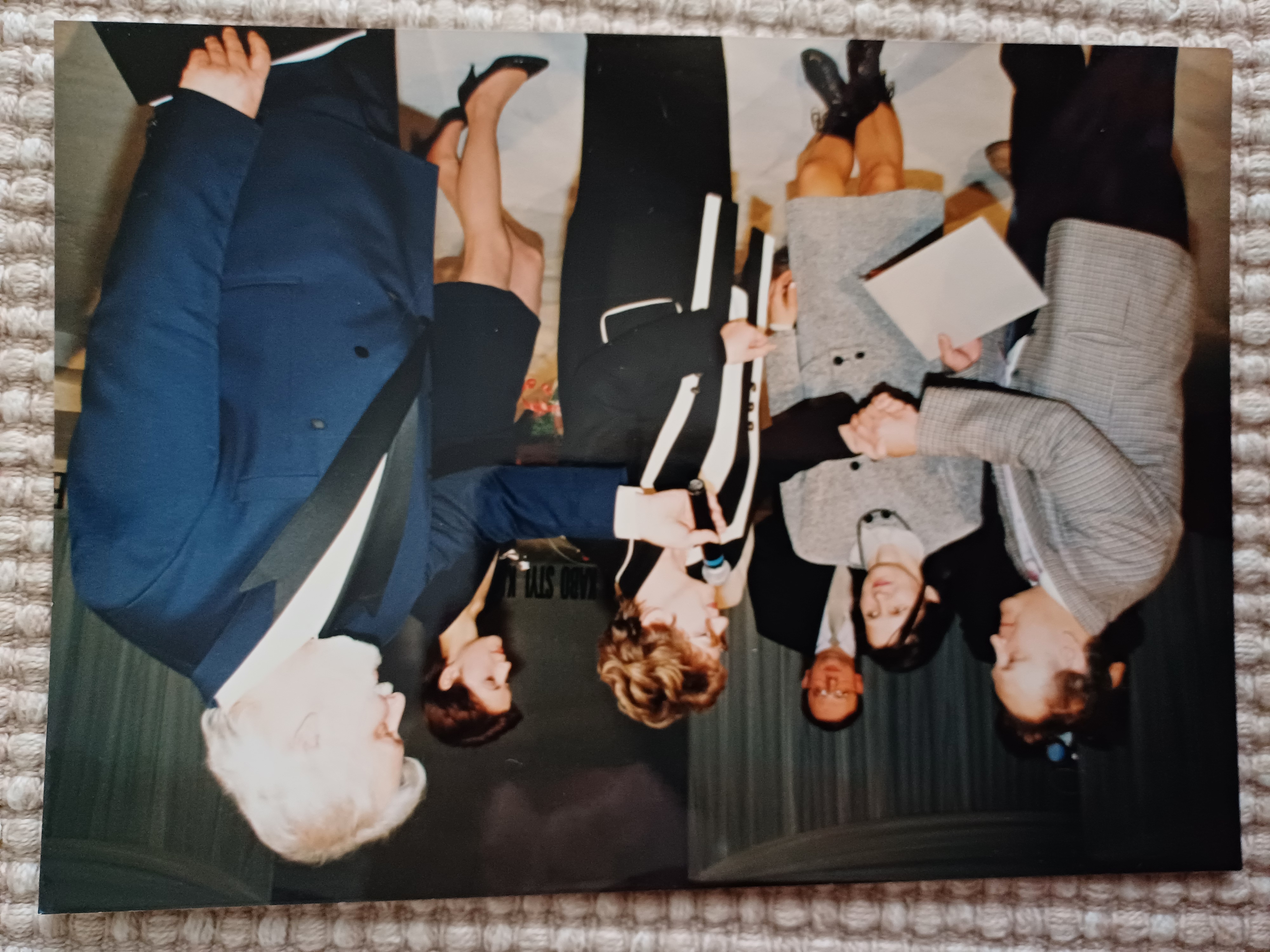
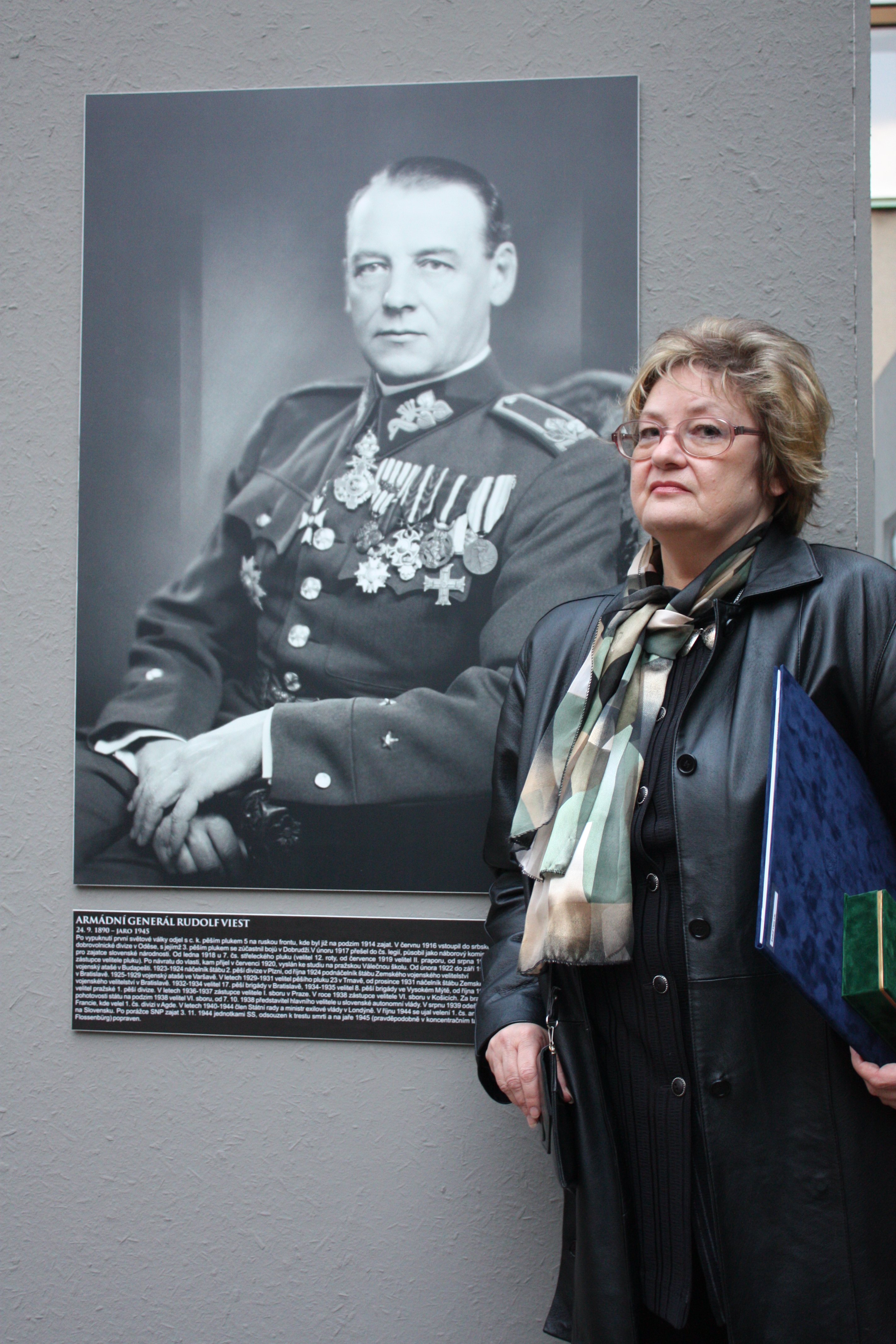
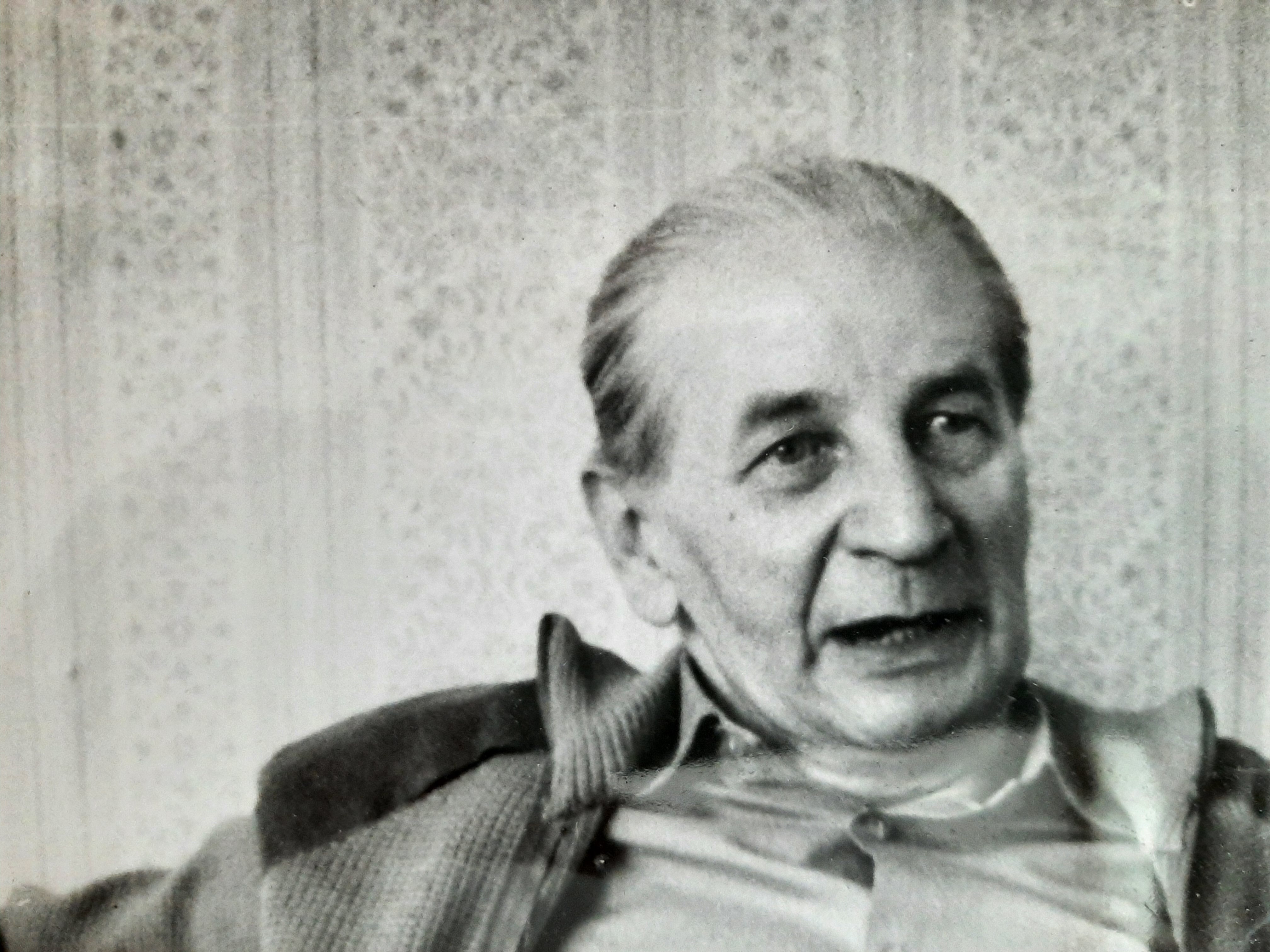
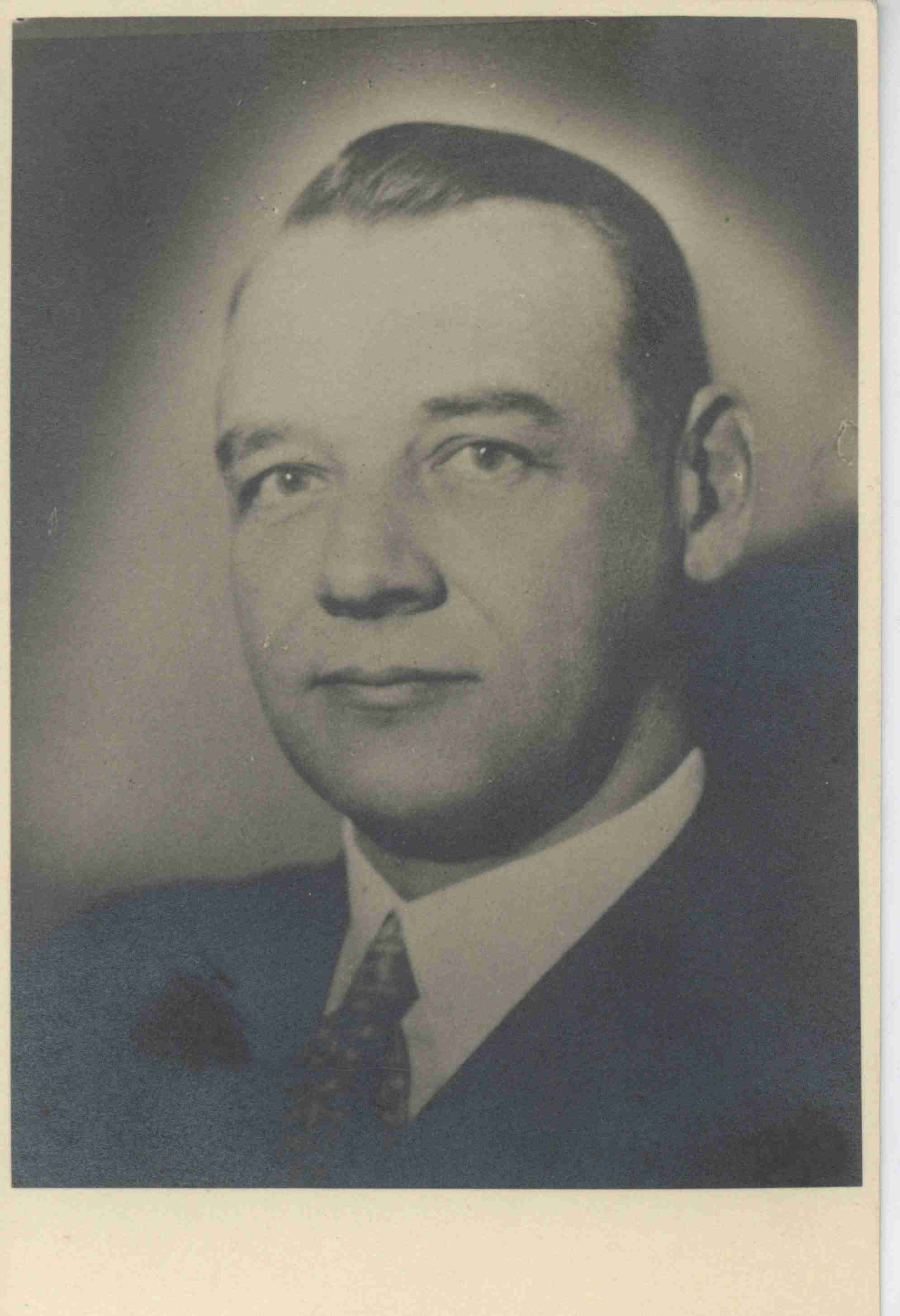
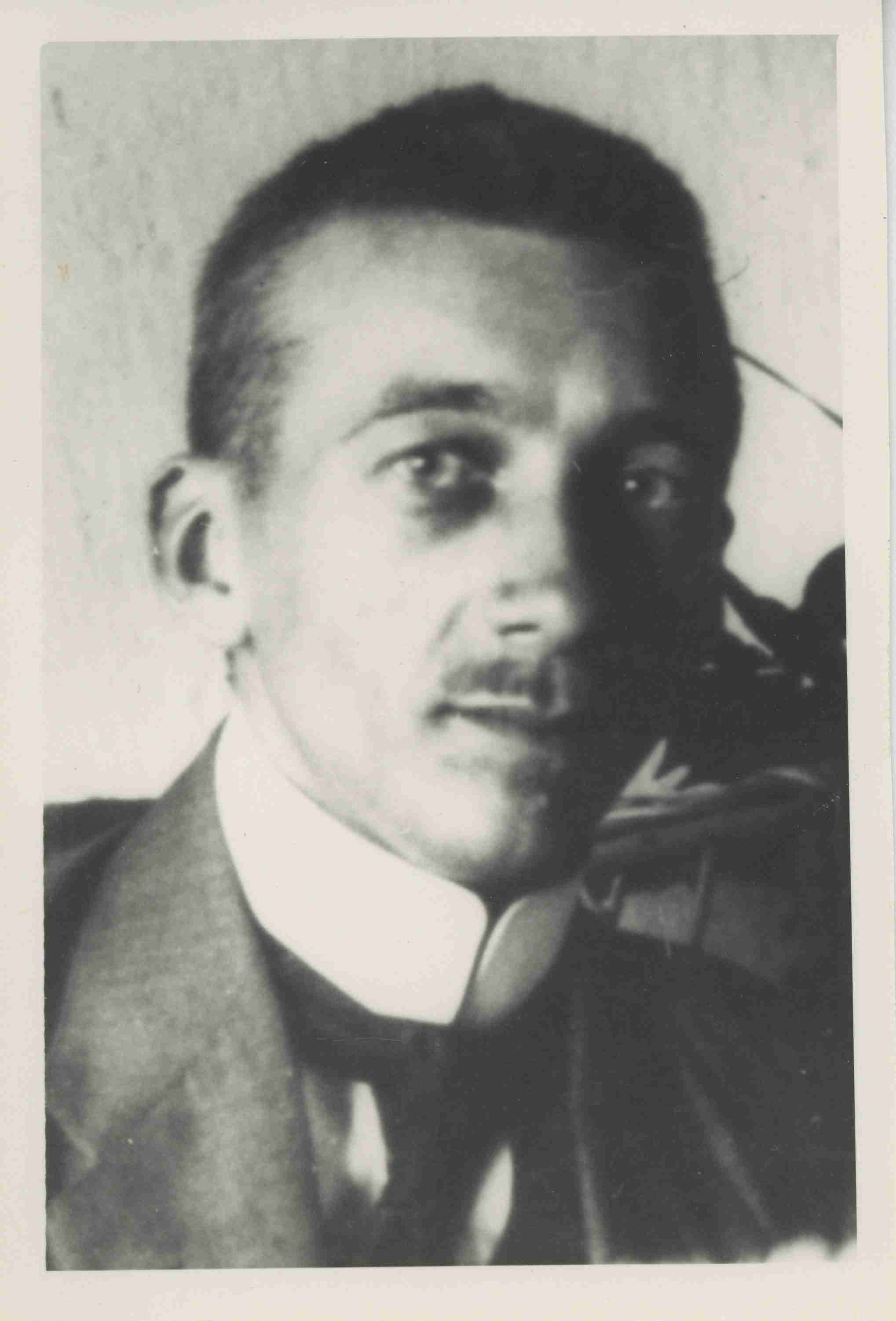
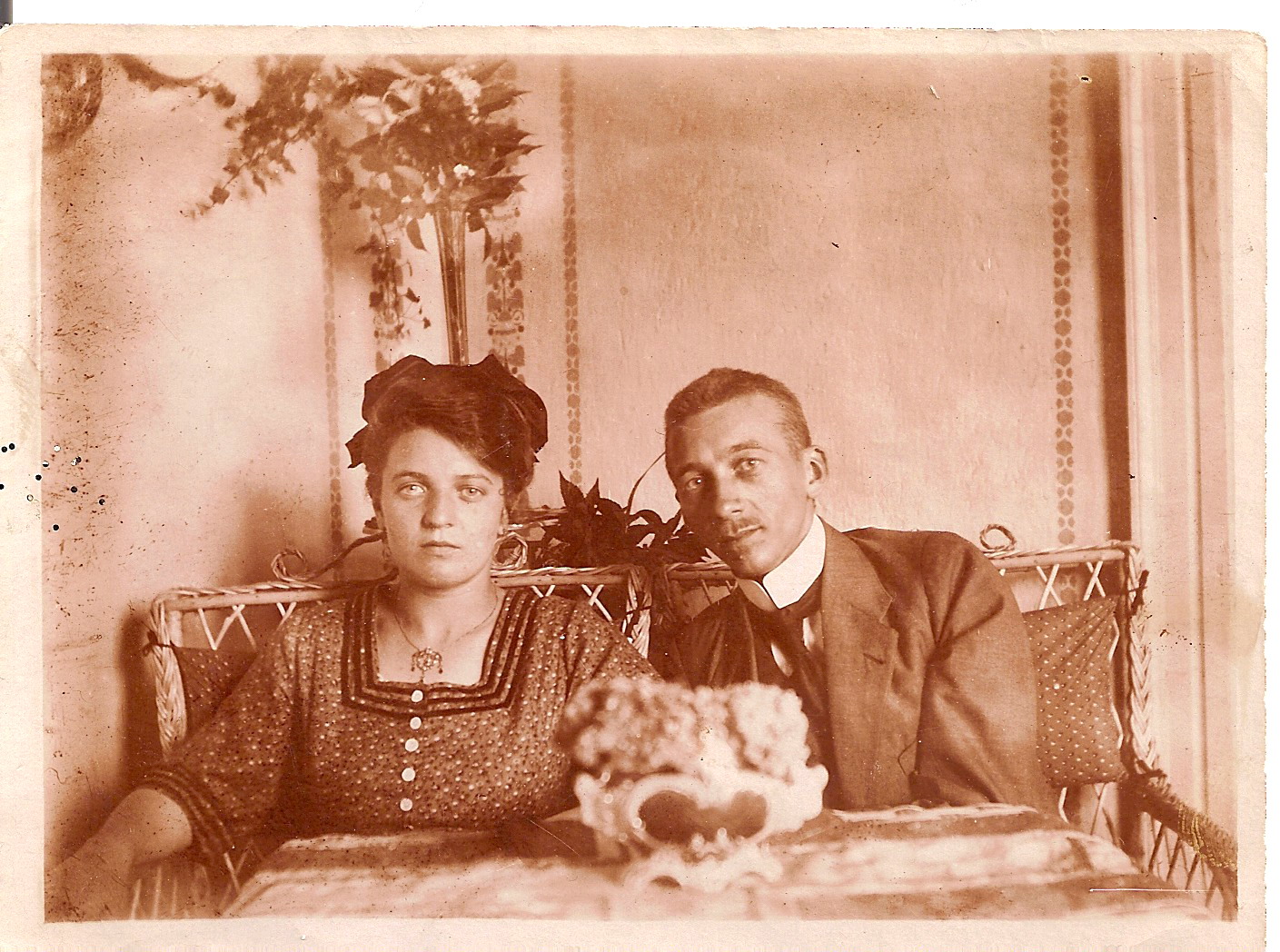
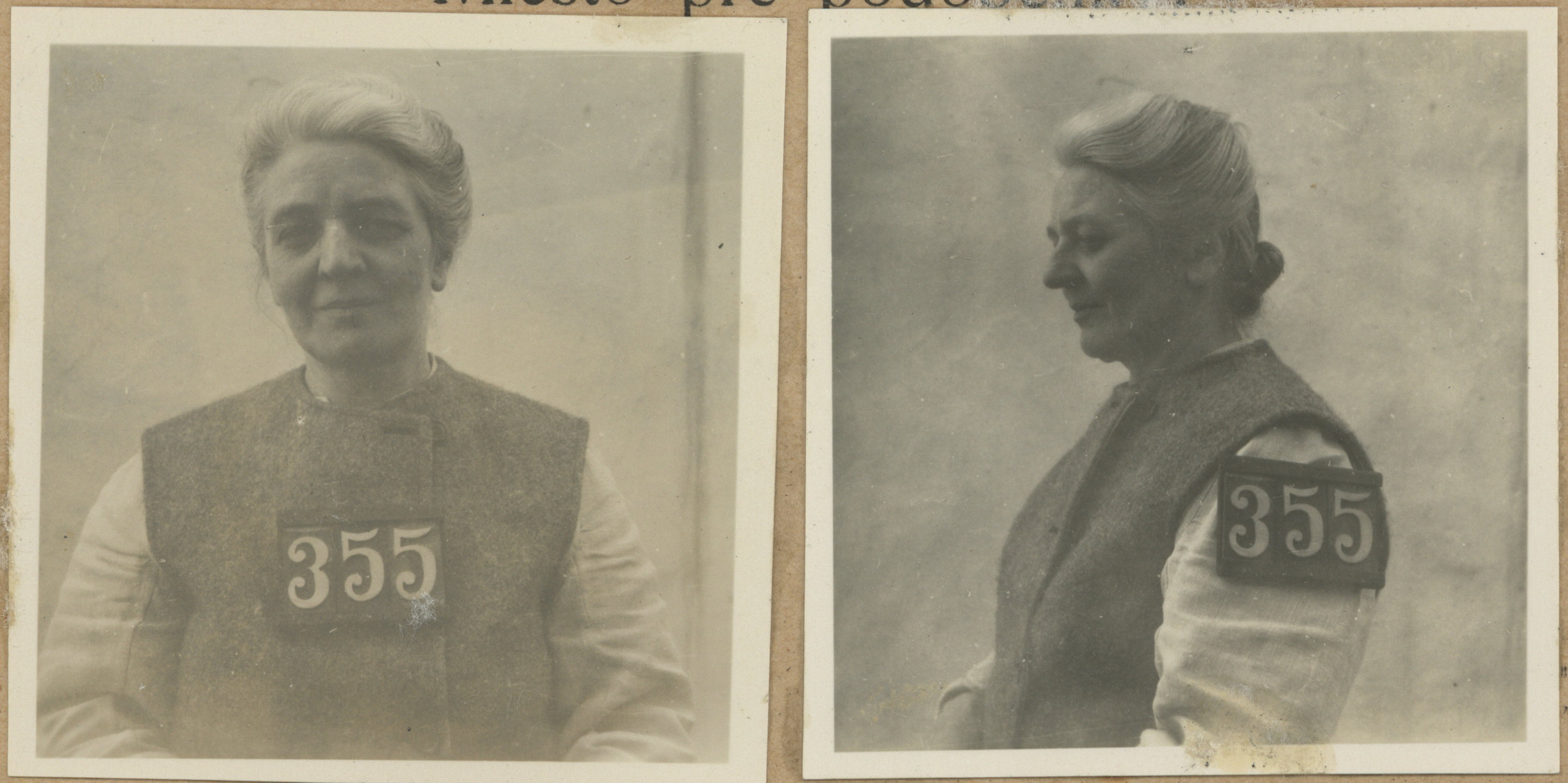
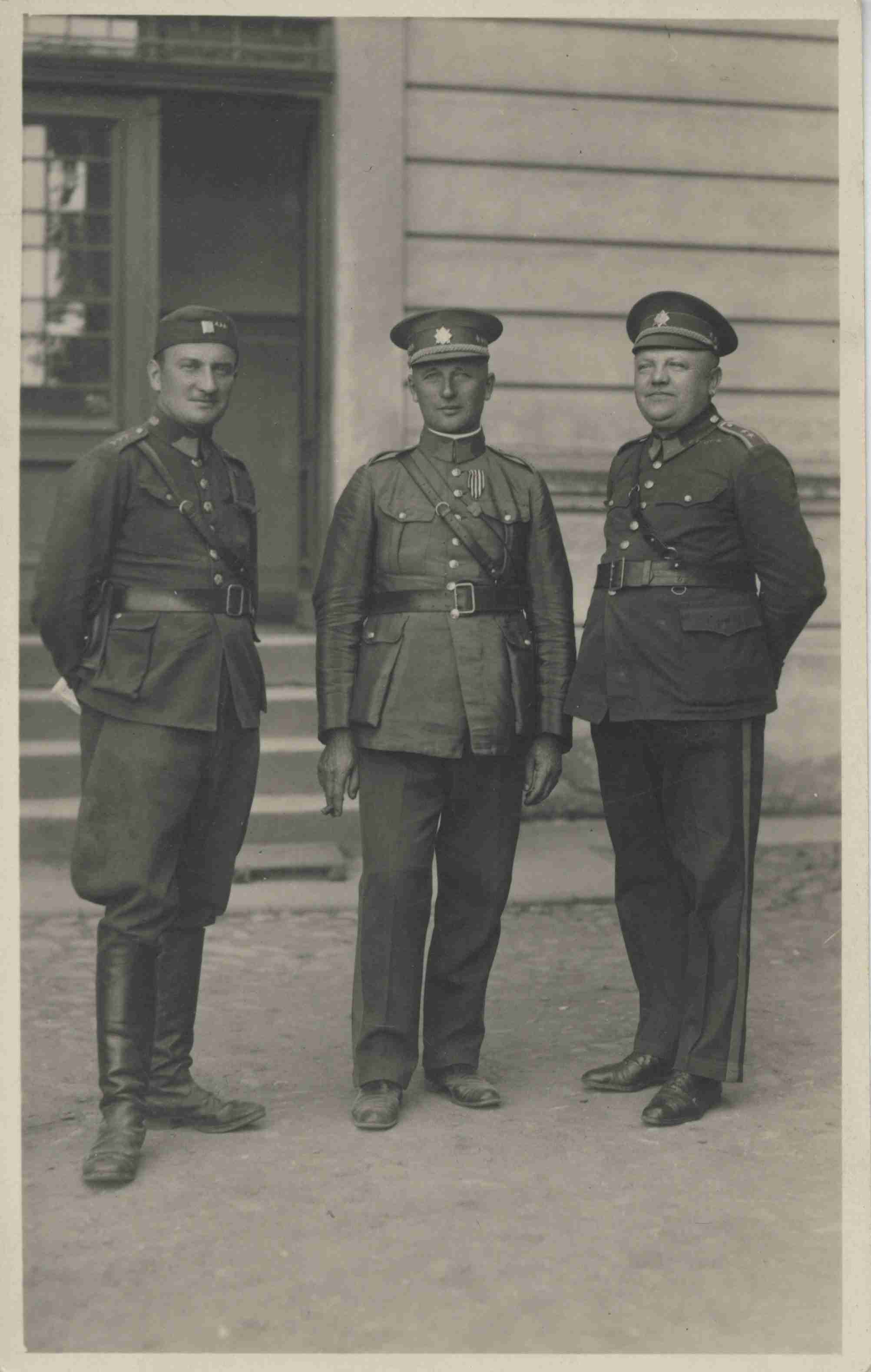
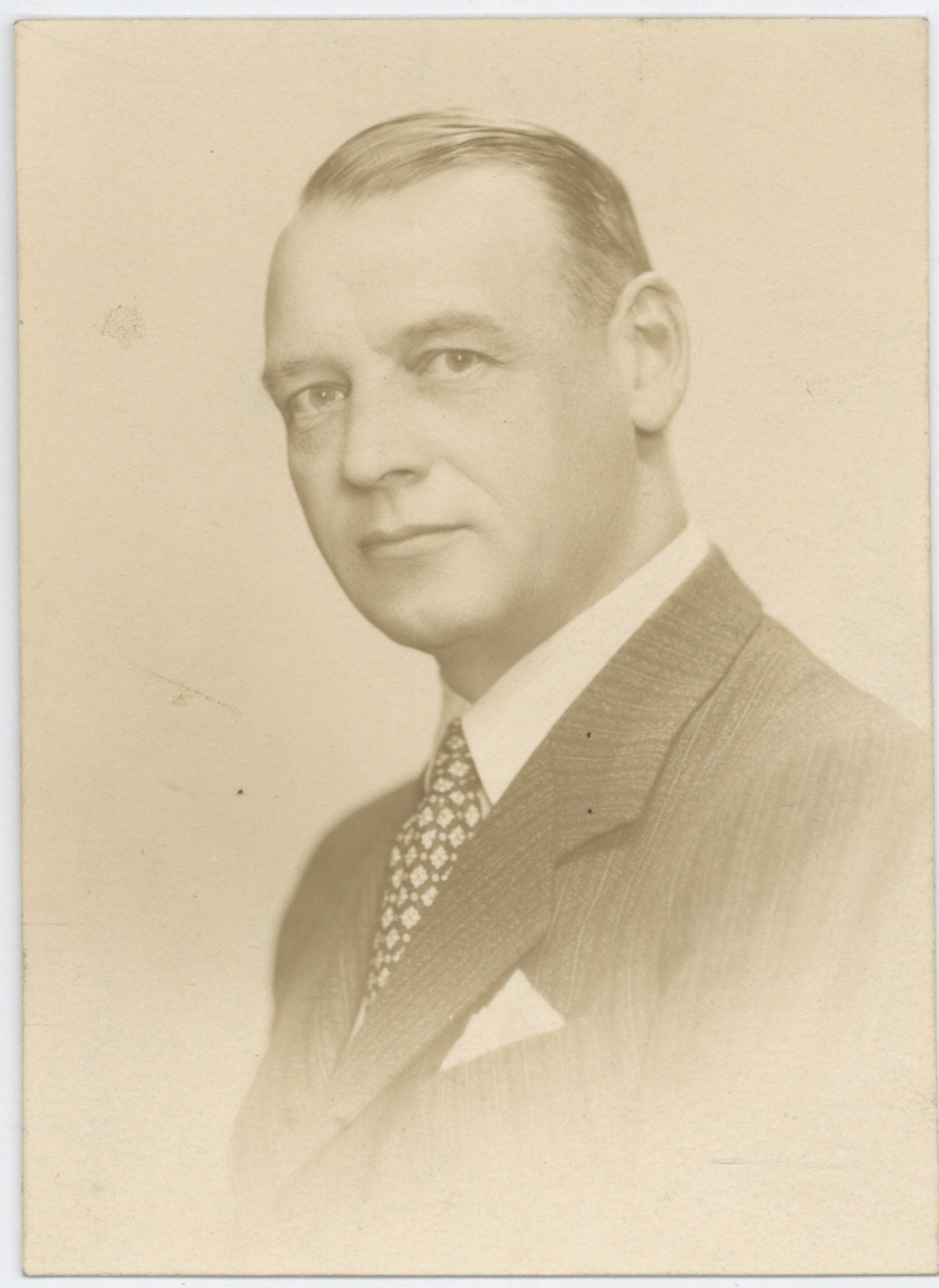
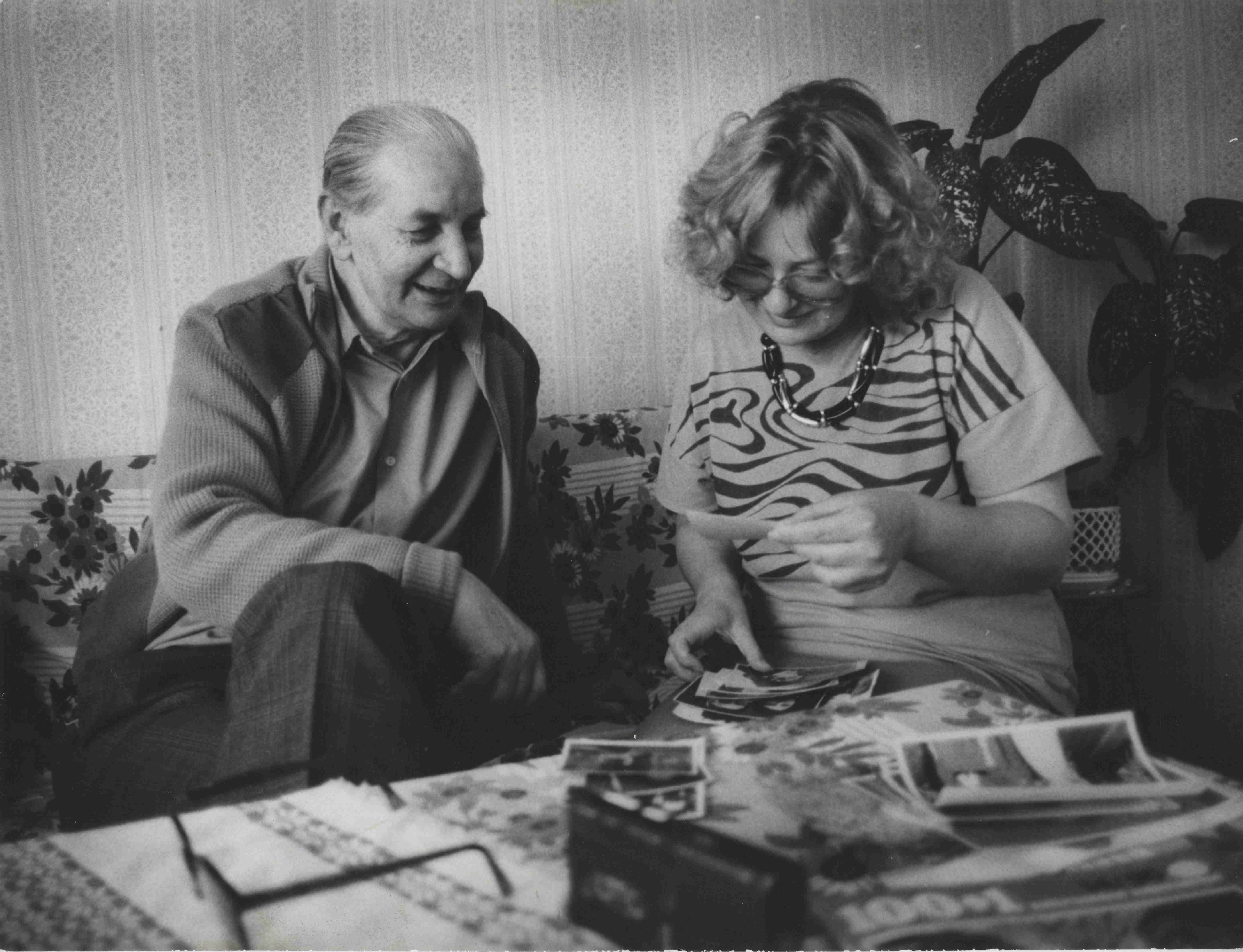
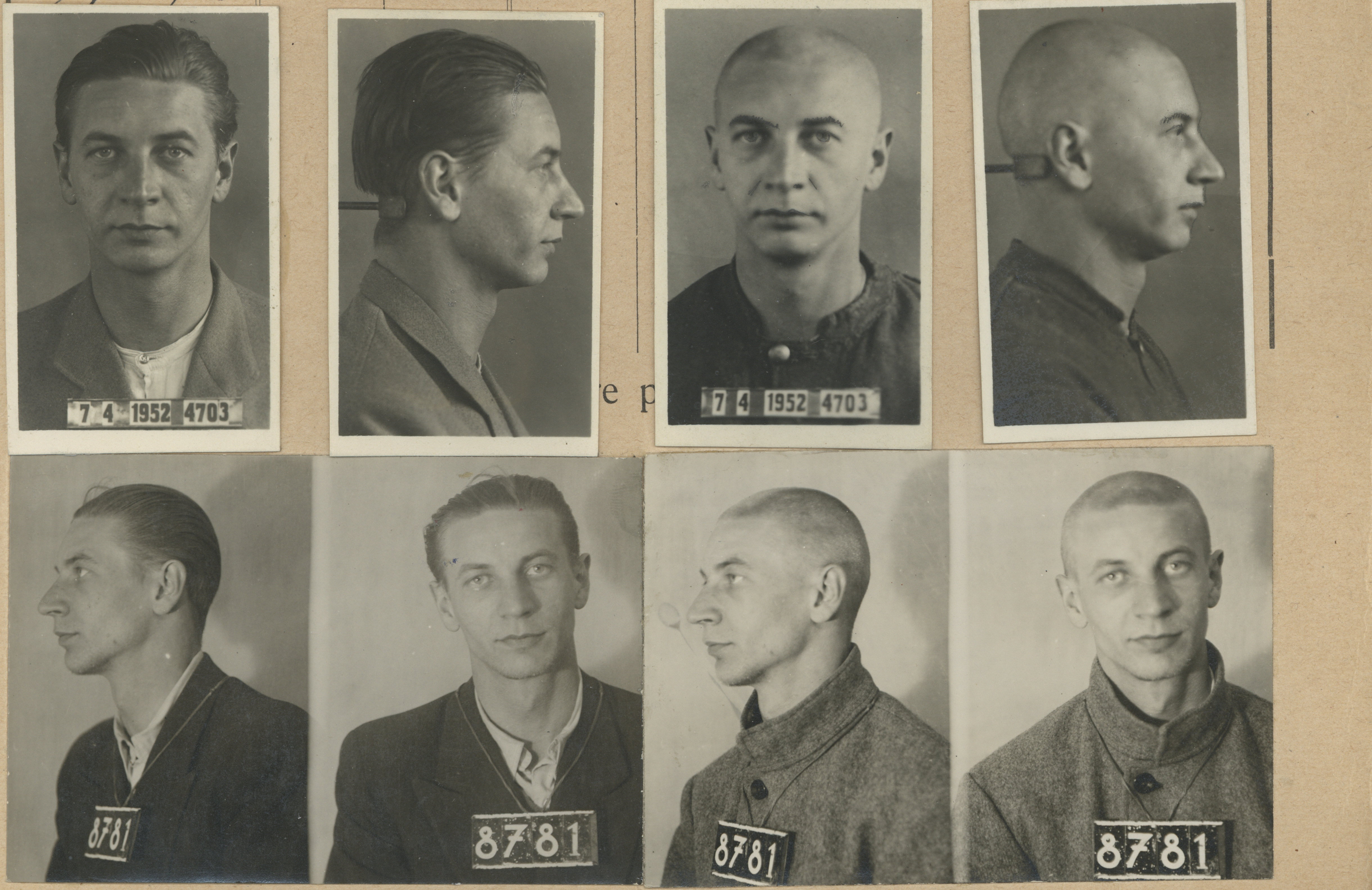
Dagmar Viestová was born in Bardejov on June 28, 1948. Her father, Dušan Viest, was the nephew of the famous Slovak general Rudolf Viest, commander of the rebel army. After the communist coup, Dana’s parents were imprisoned, where the unborn Dana also spent some time. In 1950, Dana’s mother was imprisoned again and her grandmother had to take care of her daughter, because Dušan was also in prison again. Dana’s mother returned when she was 3 years old and it took some time for Dana to accept her, as she considered her grandmother to be her mother. Since her mother could not find a proper job, they moved often. She started attending elementary school in 1954 in Strážské. At that time, her father returned from prison and her parents divorced. In 1963, she started attending the Secondary General Education School in Humenné. After school, she worked for a year at the magazine Ľud and in 1967 she entered the Faculty of Philosophy of Comenius University, where she studied journalism. On November 17, 1968, she participated in a student strike against the state of the country. In 1969, she participated in a hunger strike in protest for Jan Palach. Later, she had problems with State Security because of this and was advised not to continue her studies. In 1970, her son Boris was born, and in 1976, her son Igor. In 1971, she started working at Slovenka, where she focused on the topic of agriculture. In 1997, she also became editor-in-chief for a year and two months. She left her post due to the political and social conditions in the 1990s. Later, she worked for Ikar, also at Národná obrod and the daily Práca. In 2001, she became the editor-in-chief of the magazine Prekvapenie, later working for the weekly magazine Súvislosti. She retired in 2004, but still worked for a Czech publishing house, where she translated 5 monthly magazines into Slovak and did proofreading and interviews. In 2024, she received the M. R. Štefánik Medal, 3rd degree, on the occasion of the 80th anniversary of the Slovak National Uprising.