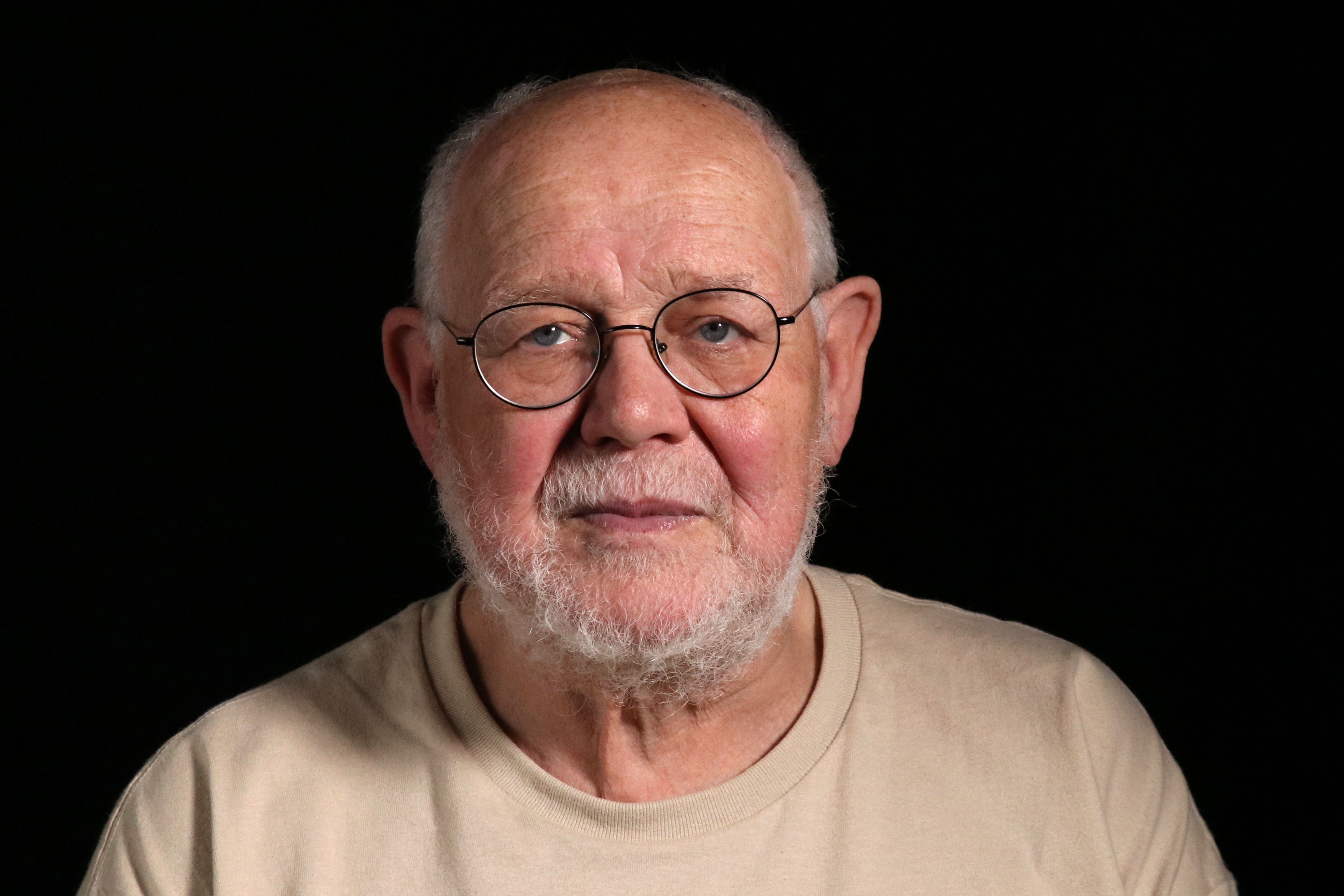
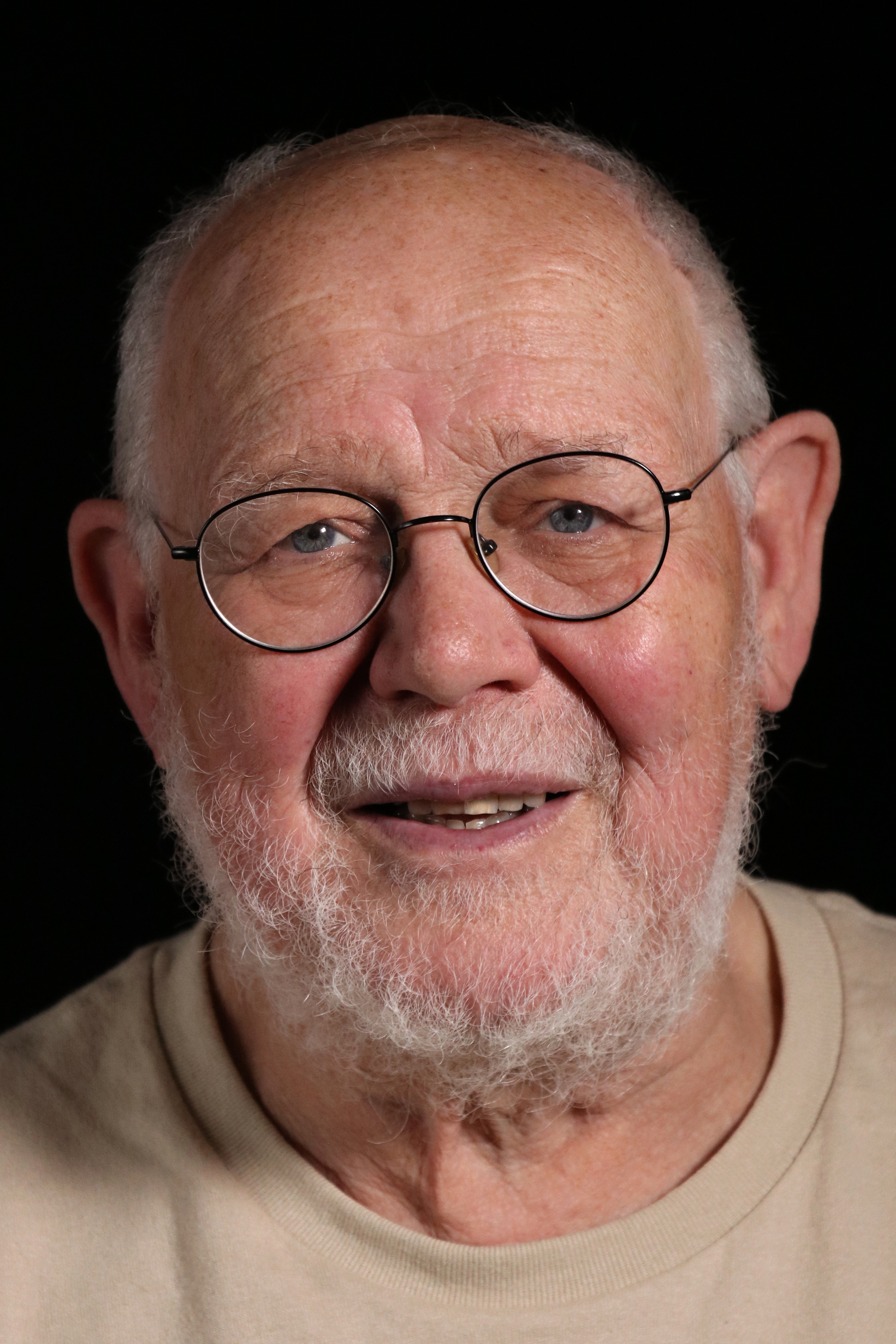
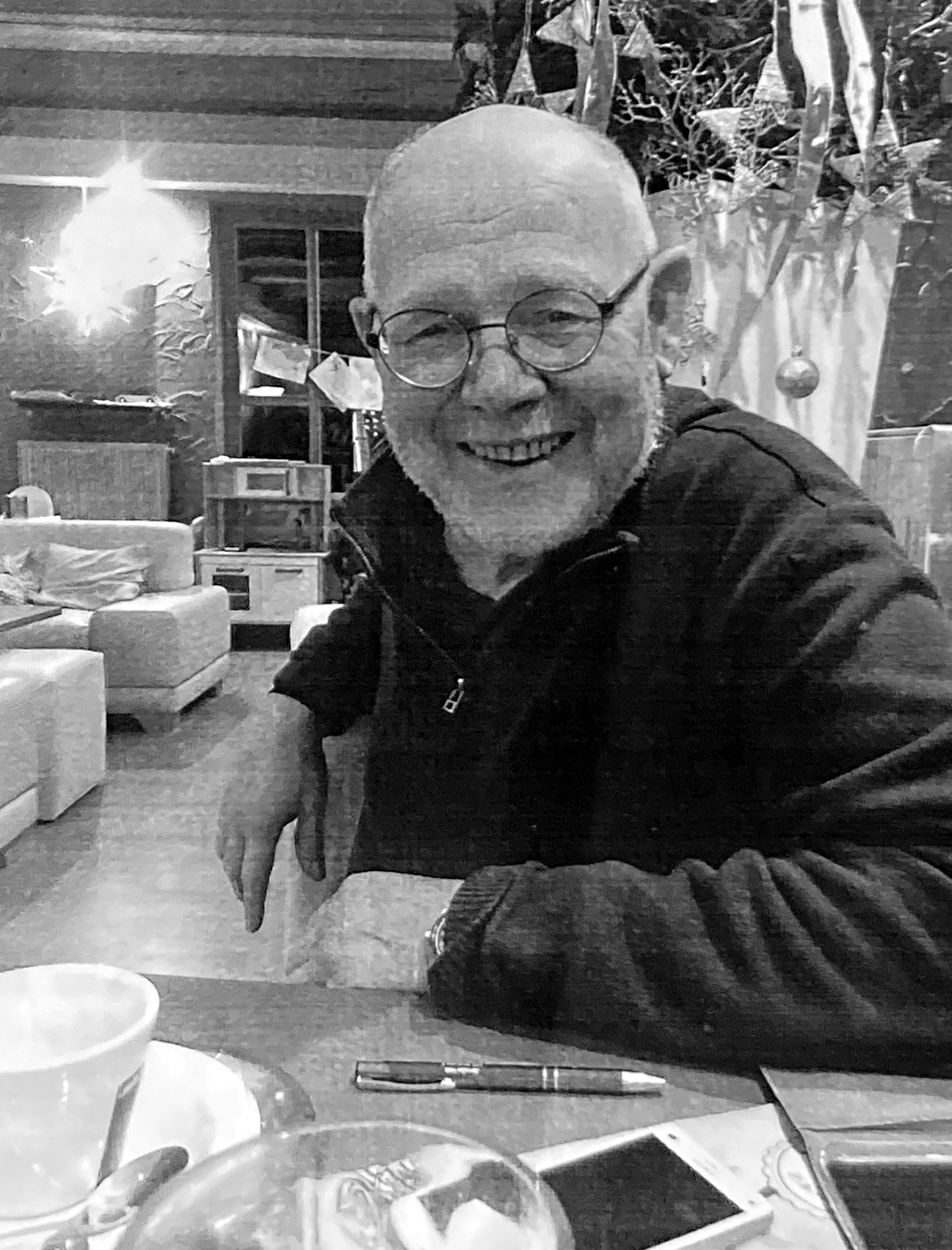
Jaroslav Veis

* 1946

  • "We went to Valence, France, where we got a job. We had nothing arranged there. We went from orchard to orchard. Farmer by farmer until one took us in. Then on the twenty-first, the farmer came to us and said, 'Get going. There are Russians in Prague. You have an invasion there.''We explained that the Russians were terrible, but they were certainly not such idiots. And that the Americans were making a war film there. They were filming The Bridge at Remagen, and the Russian propaganda at that time really said that the Americans had come to Czechoslovakia. So we said to the farmer that this must be some kind of confusion. So the farmer was not lazy, he took us in his car, drove us home, sat us down in front of the TV and we saw that he was right, that there really were Russians."

  • "I think Lidovky (Lidové noviny newspaper) was important in that it was the first to be a bit bolder in asking questions of politicians. They were not servile from the very beginning. This was due to their dissident past and the fact that the government was close to Lidovky. It was a time that seemed completely crazy to me. Maybe there were no mobile phones and I would phone the Prime Minister at home. Mrs Čalfová answered and said her husband was taking a bath. So I apologised, but she pulled him out of the bath. I thought it was stupid. That's not the way it's supposed to be. "That the Prime Minister should get out of the bath because an editor from a newspaper was calling him."

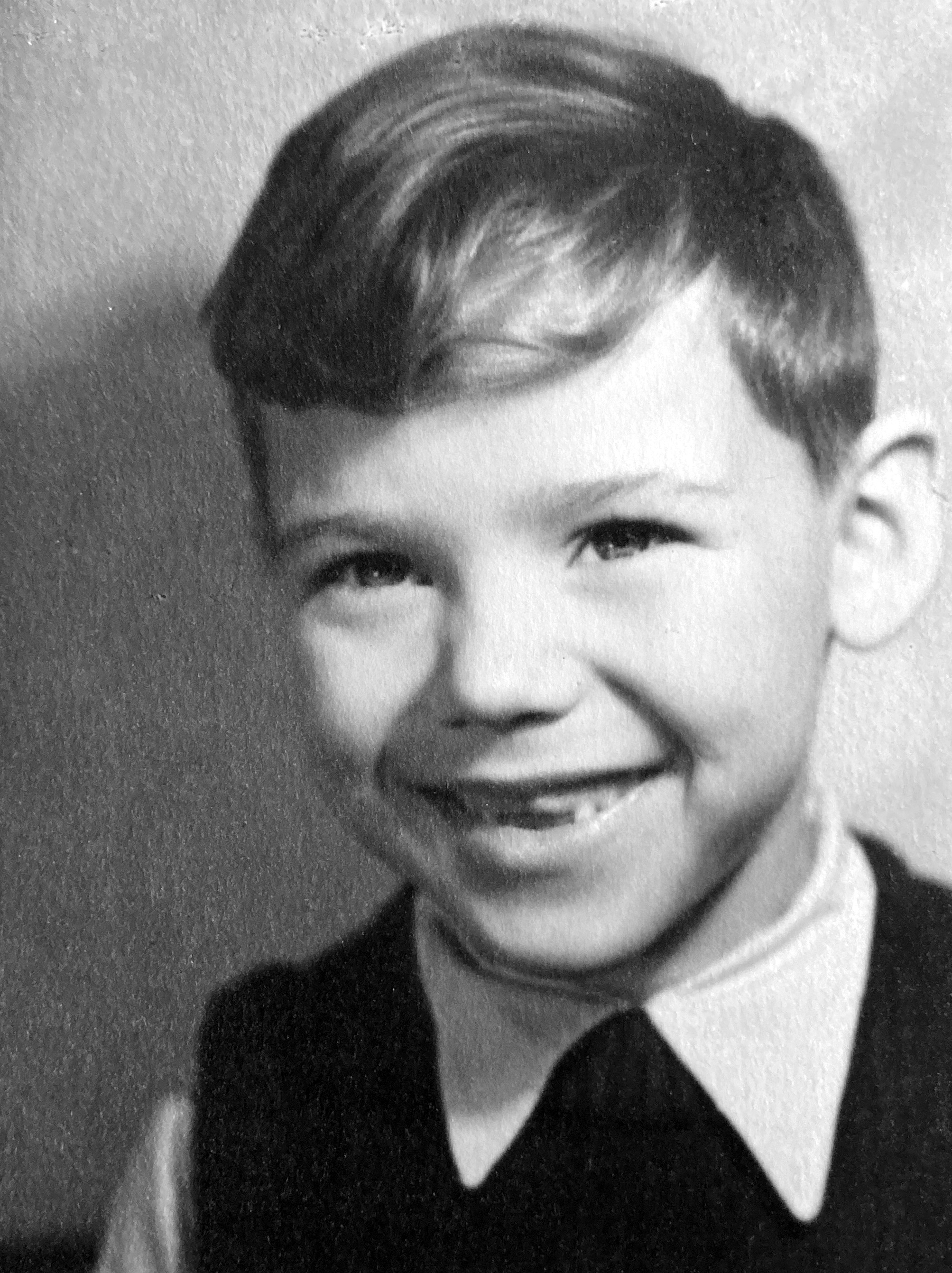
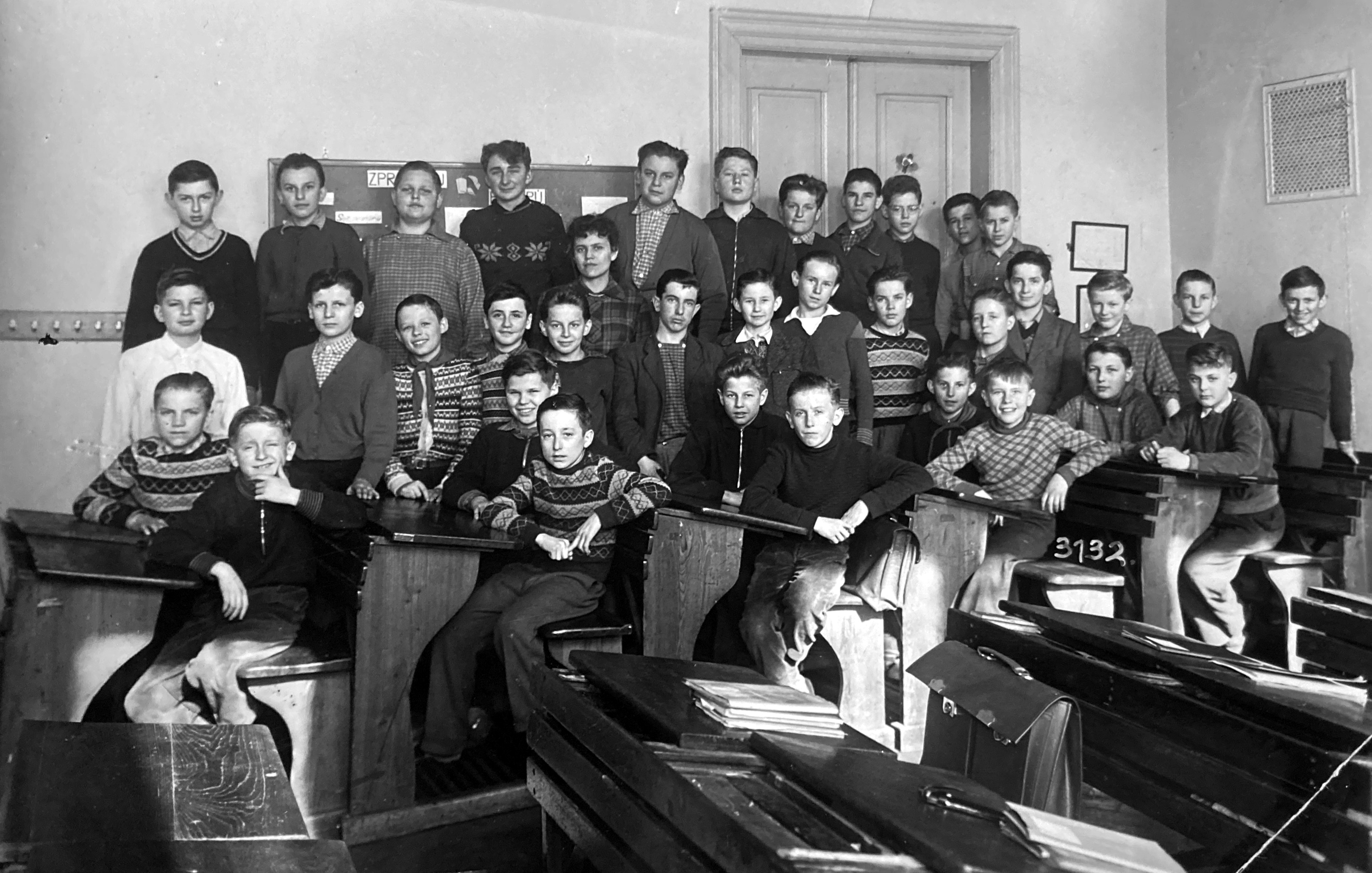
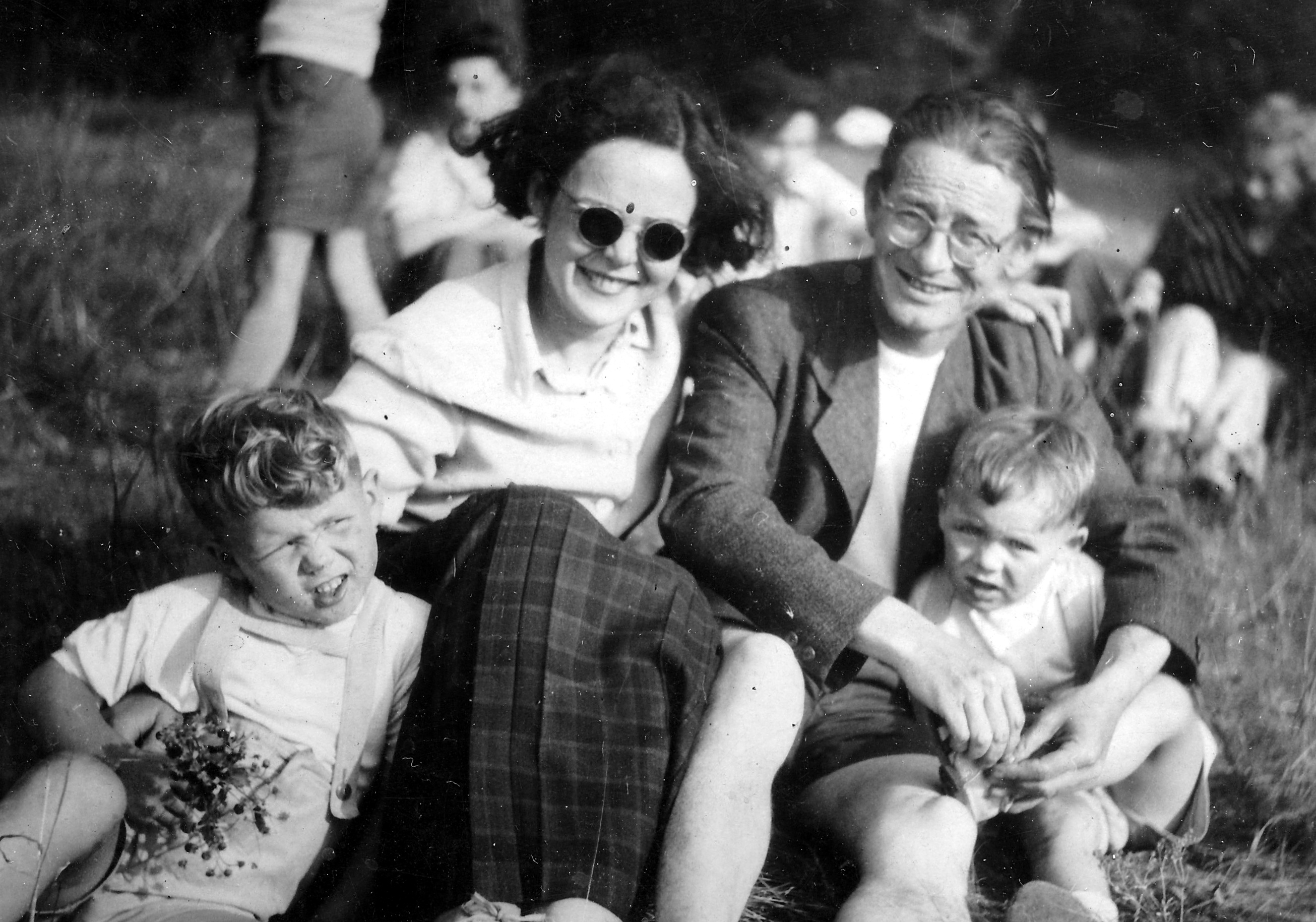
  • "When I was in first grade, the school organized an event where first and second graders could buy oranges at school. I had a paper bag, and I would come home with it and tell my mum I was carrying oranges. And if we could send two or three to poor American kids so they could have something for Christmas too. But my mother began to explain to me that American children had plenty of oranges, and when she was little, oranges were normally bought in the store. It made me unhappy. I didn't understand why my mother was lying to me. I mean, they told me about the first republic in school... So why is my mum telling me these things? It was so confusing. When Stalin died, and then Gottwald, I explained to my younger brother that Comrade Gottwald had gone to Moscow to attend the funeral of Comrade Stalin, and there his heart broke with grief. But he was so brave that he returned to Prague with his broken heart to die in Prague. My brother told me later that he believed it until he was about ten years old. He said what a fool I was to tell him such things."

  • Full recordings
  • 1

    Praha, 22.05.2025

    (audio)
    duration: 02:23:44
    media recorded in project Stories of the 20th Century TV
  • 2

    Praha, 23.05.2025

    (audio)
    duration: 03:51:59
    media recorded in project Stories of the 20th Century TV
Full recordings are available only for logged users.

Everything you say is interesting. So say it and we’ll figure something out together
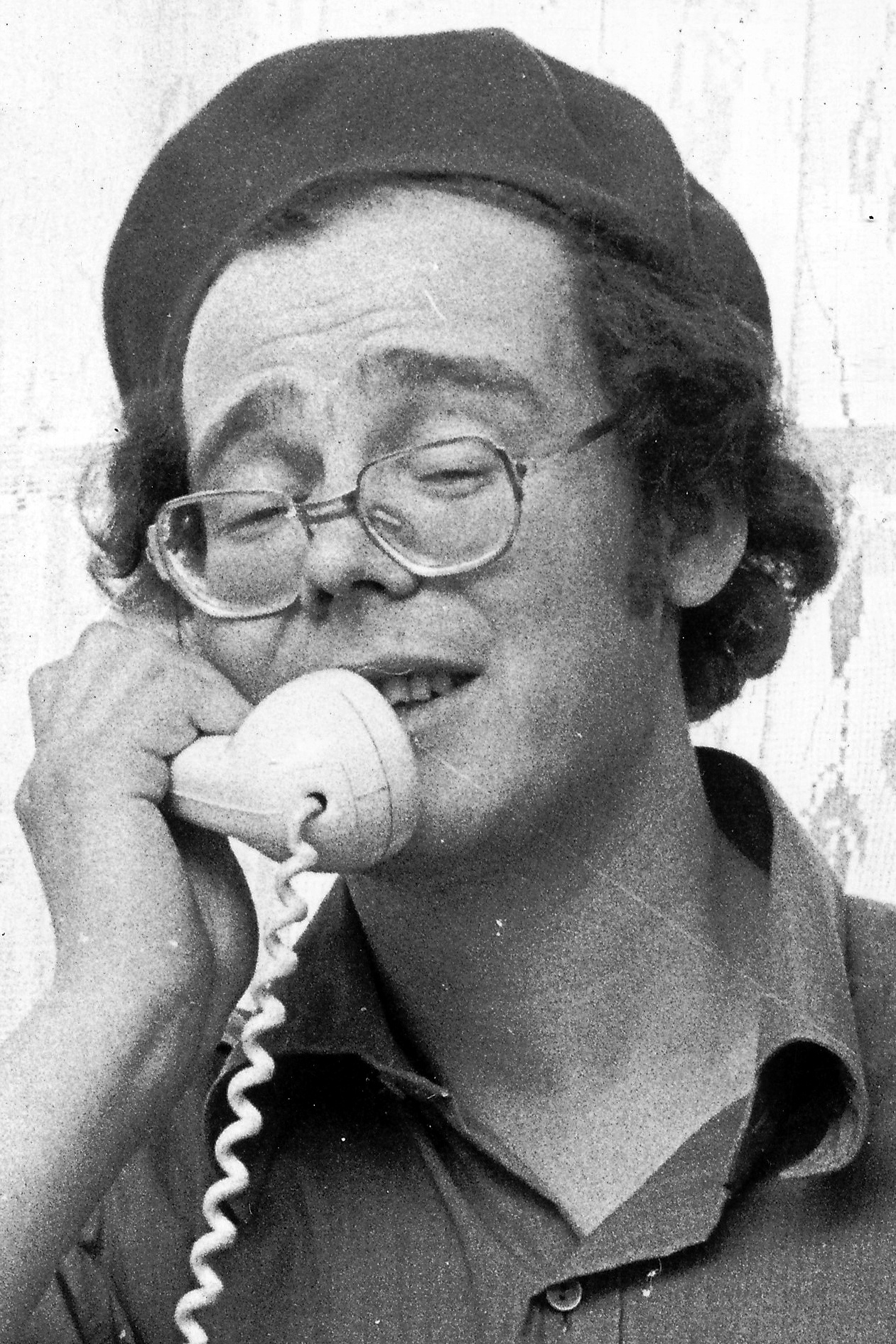
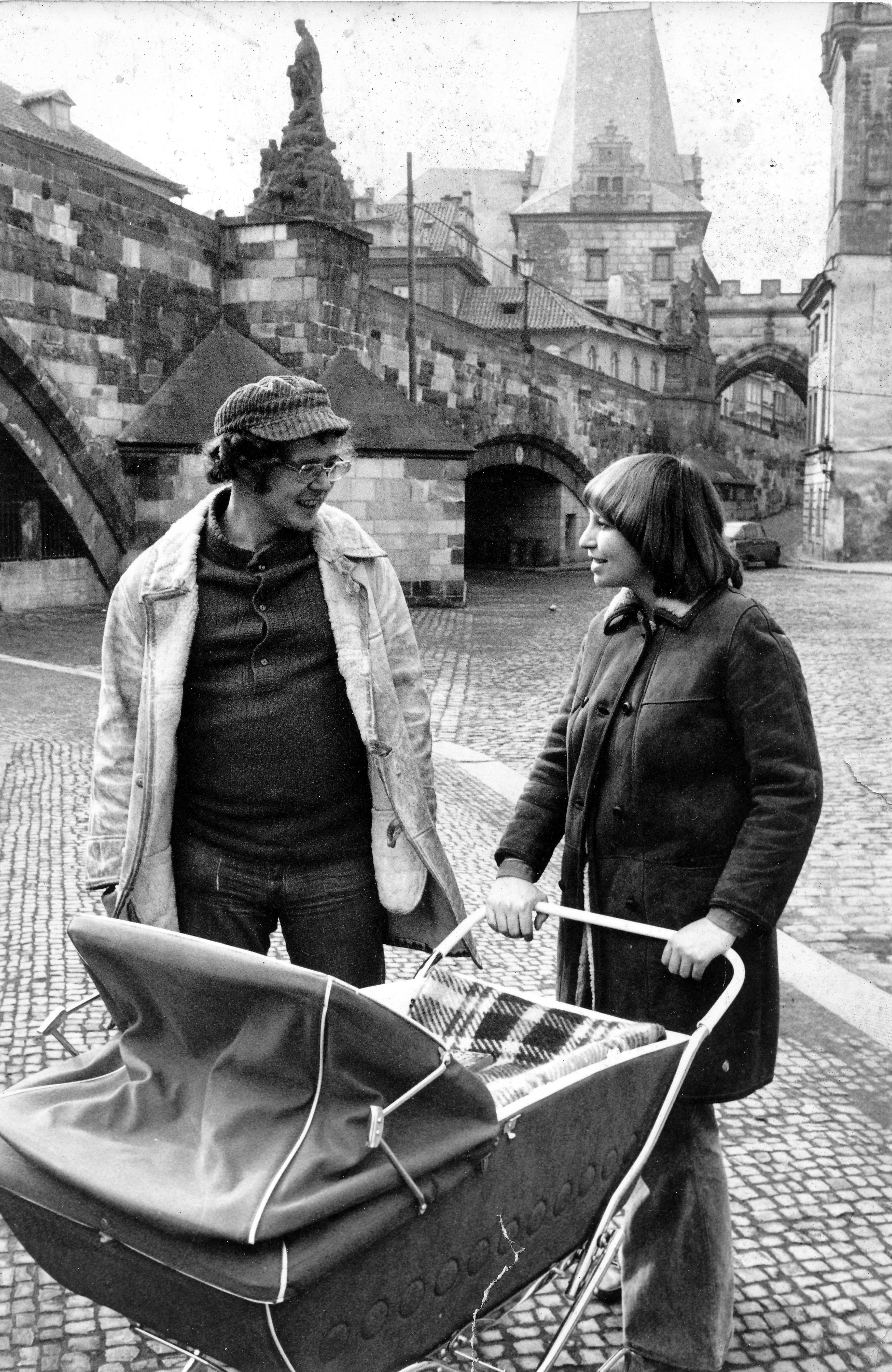
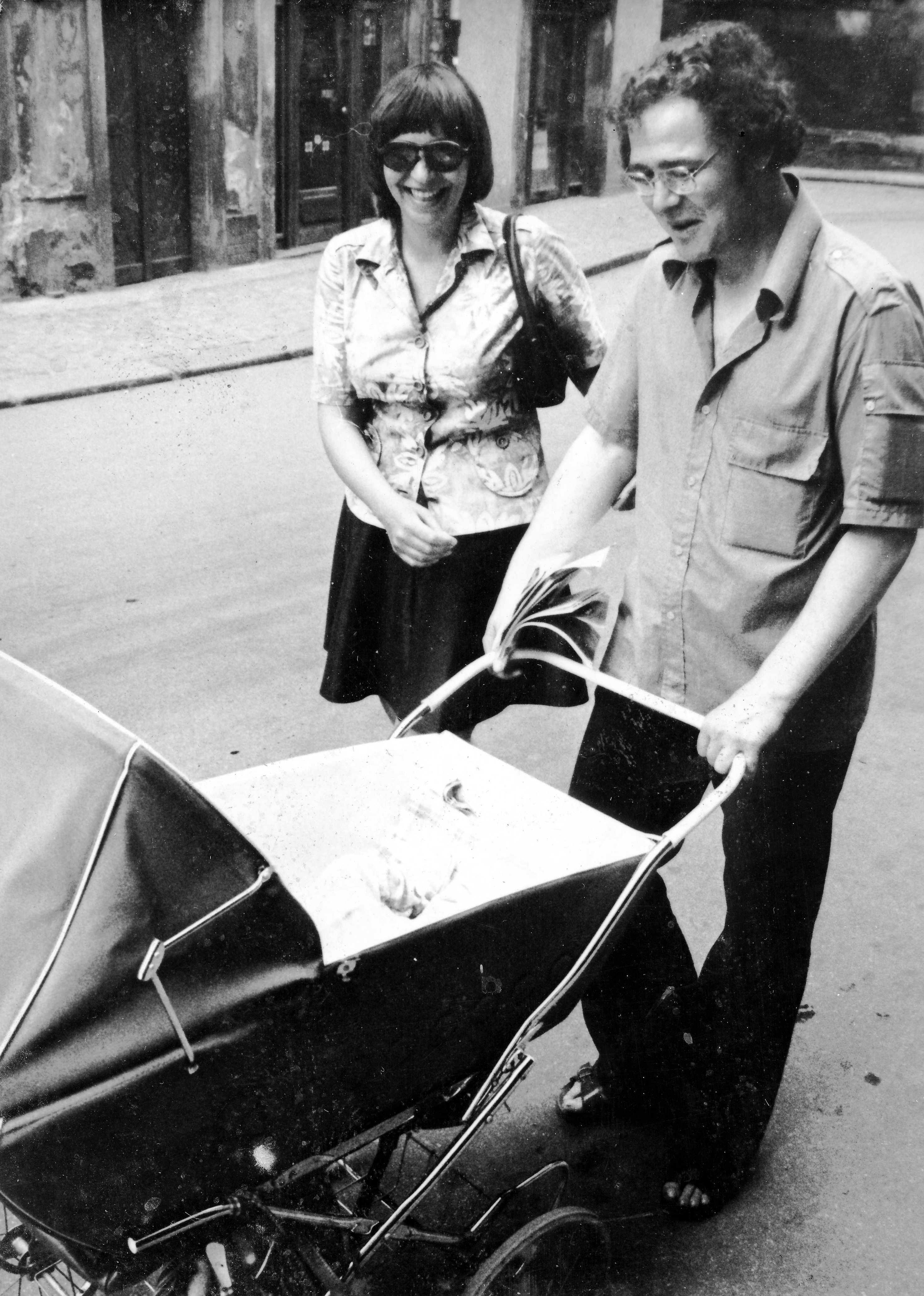
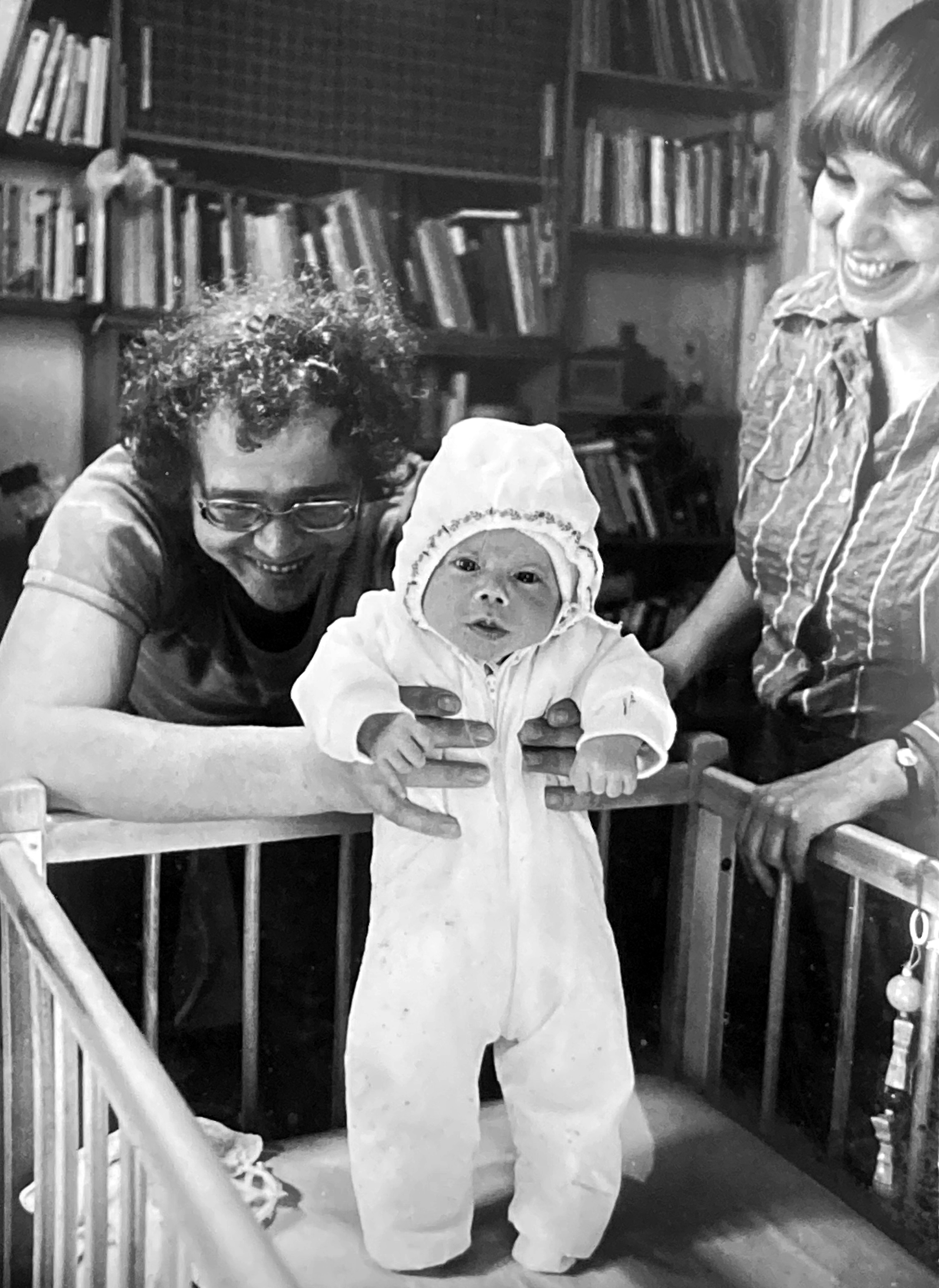
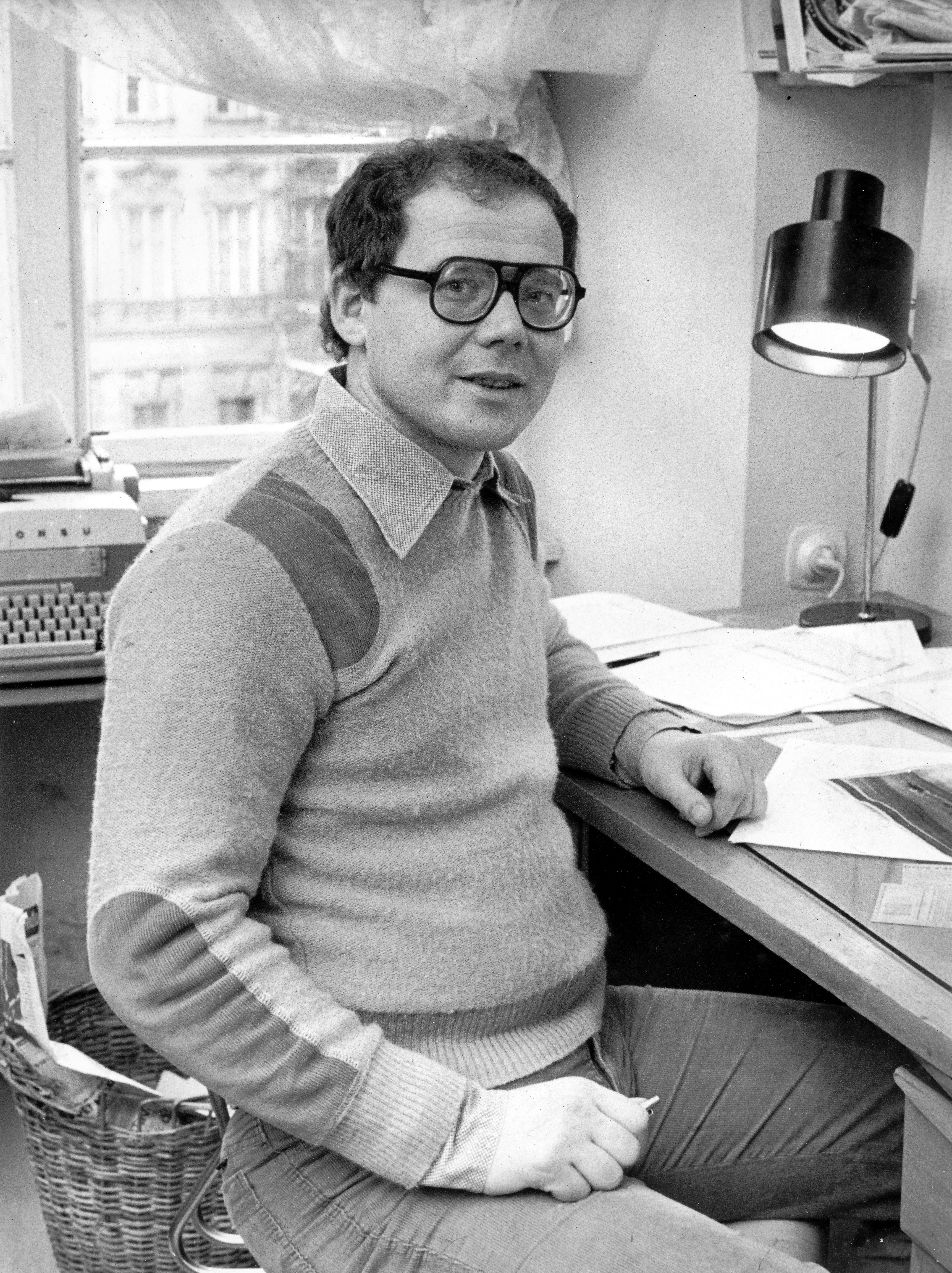
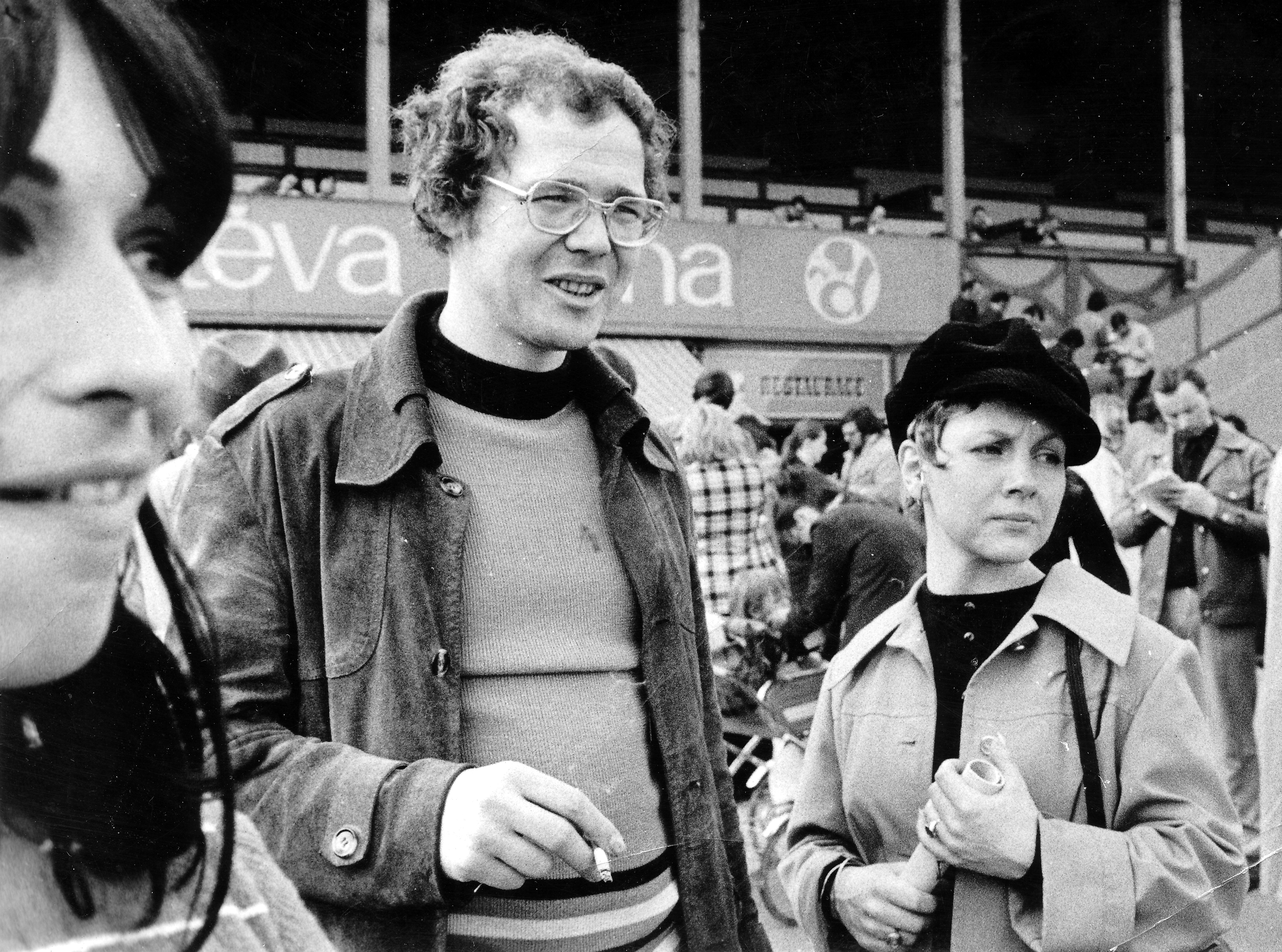
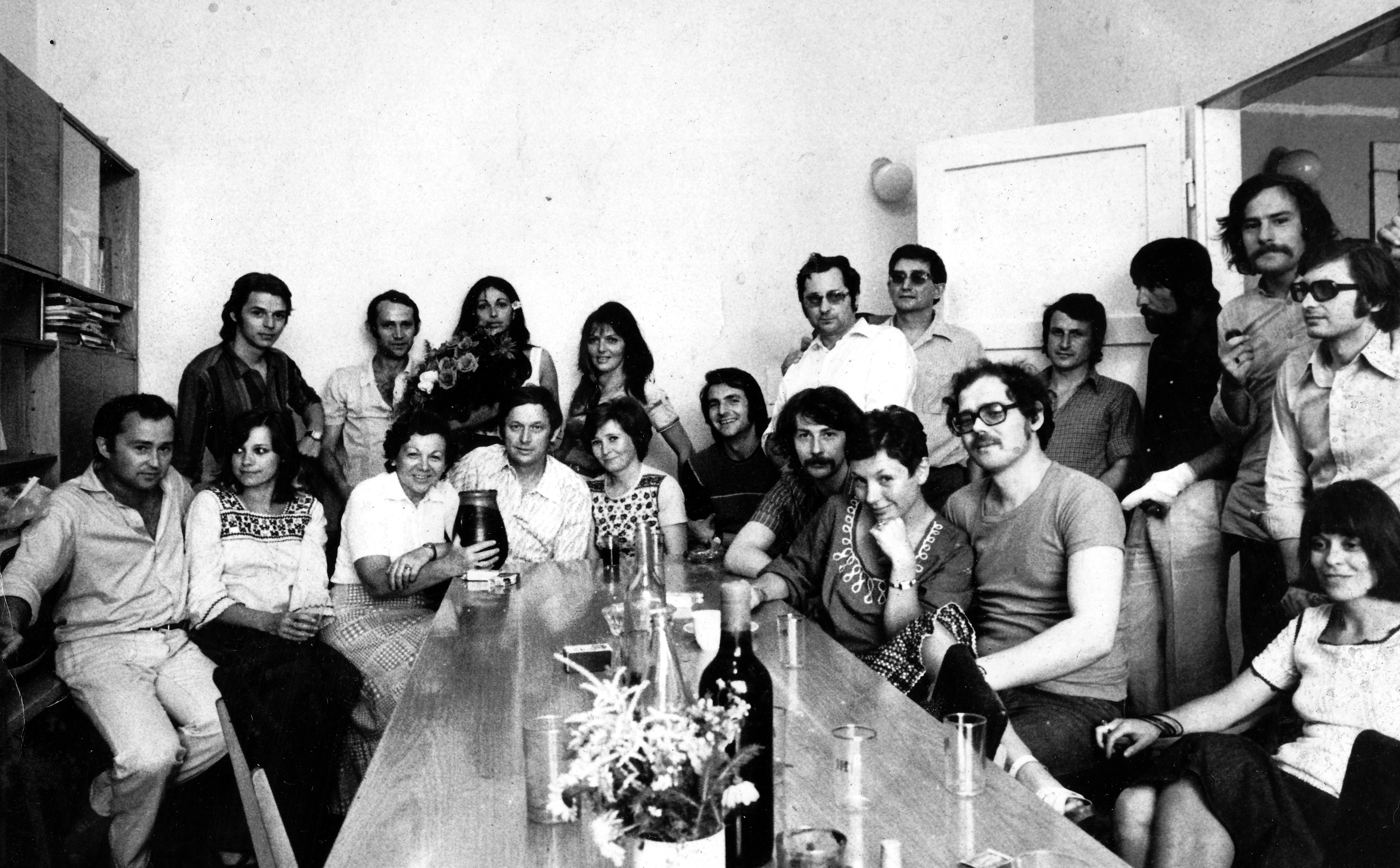
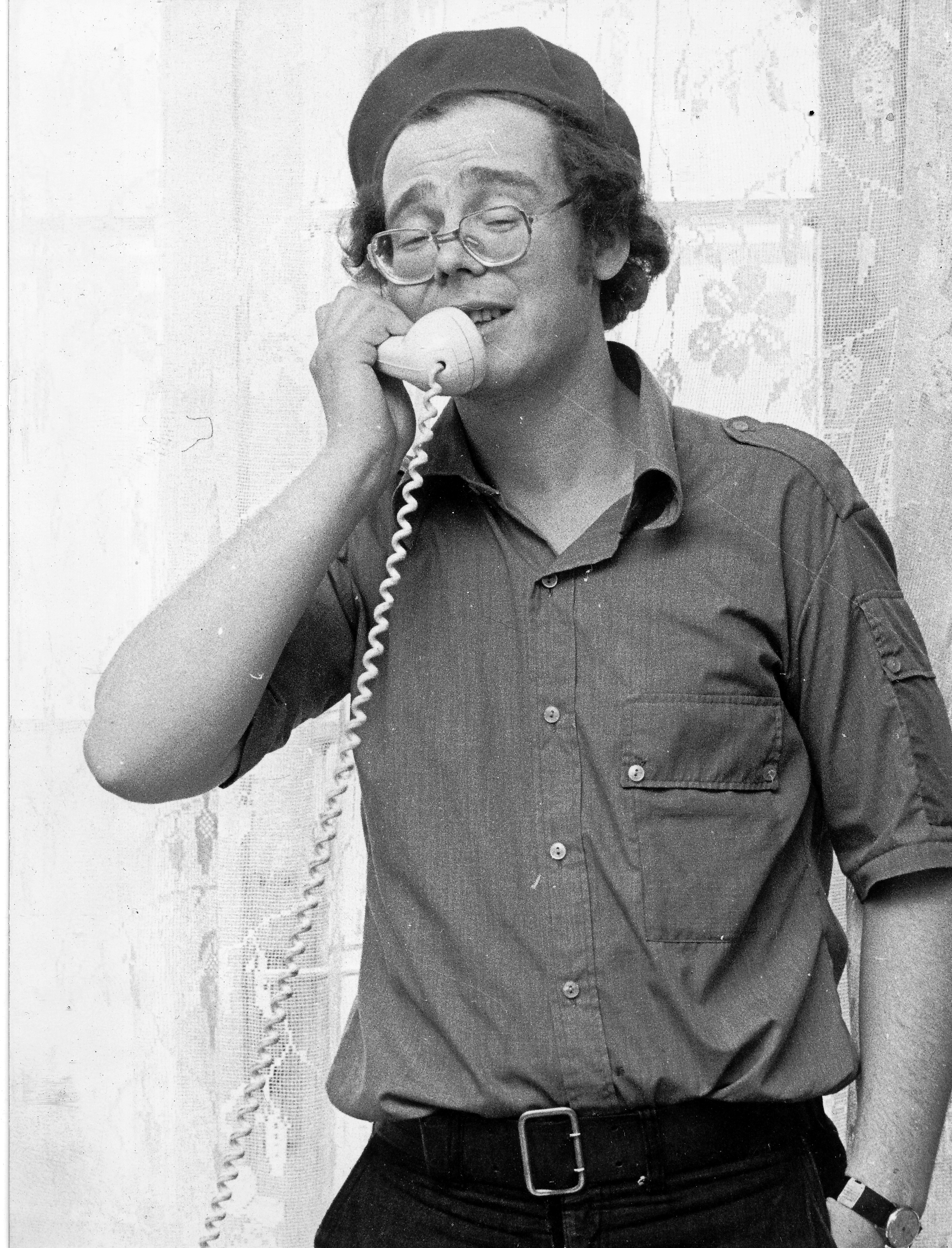
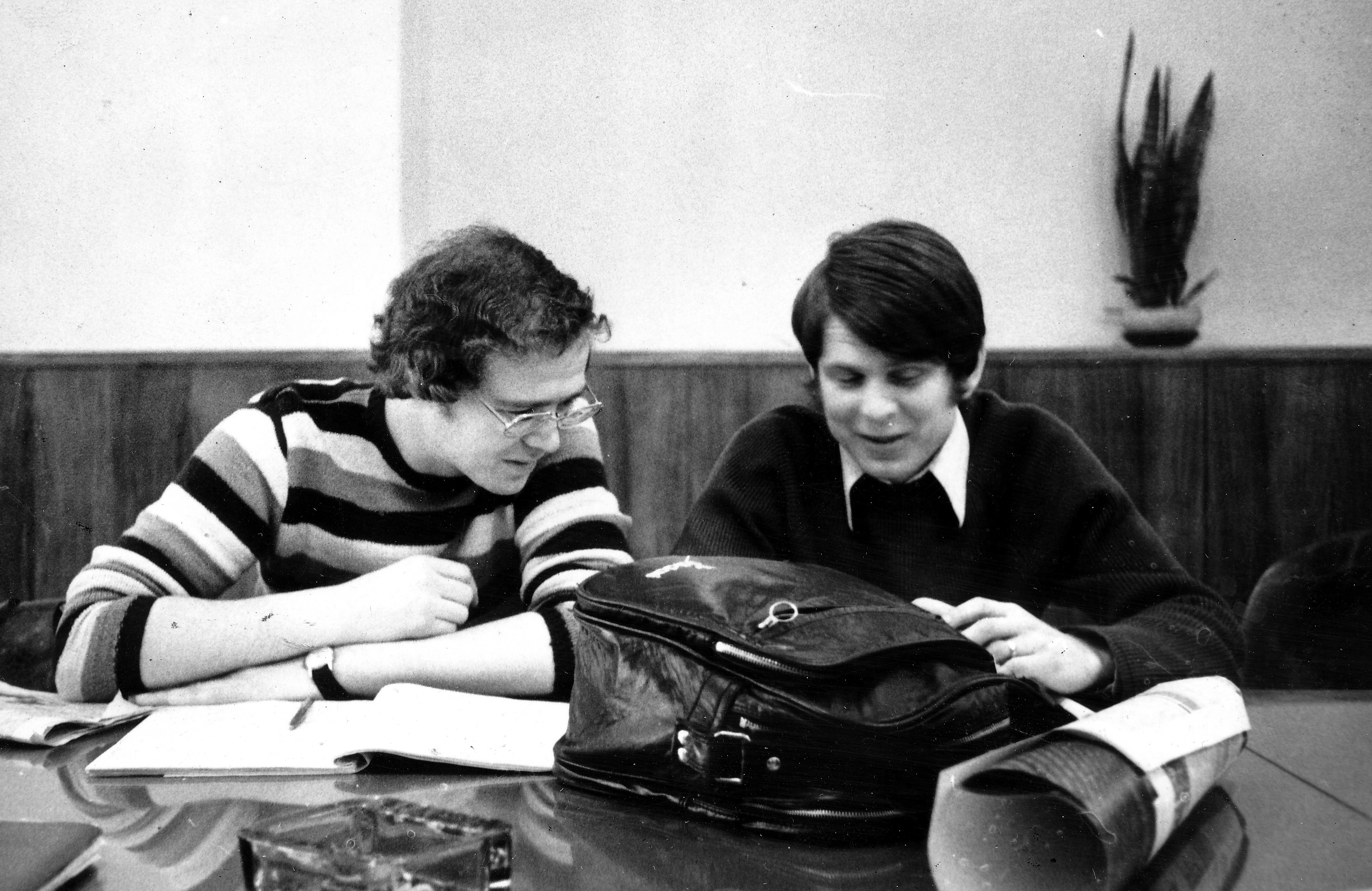
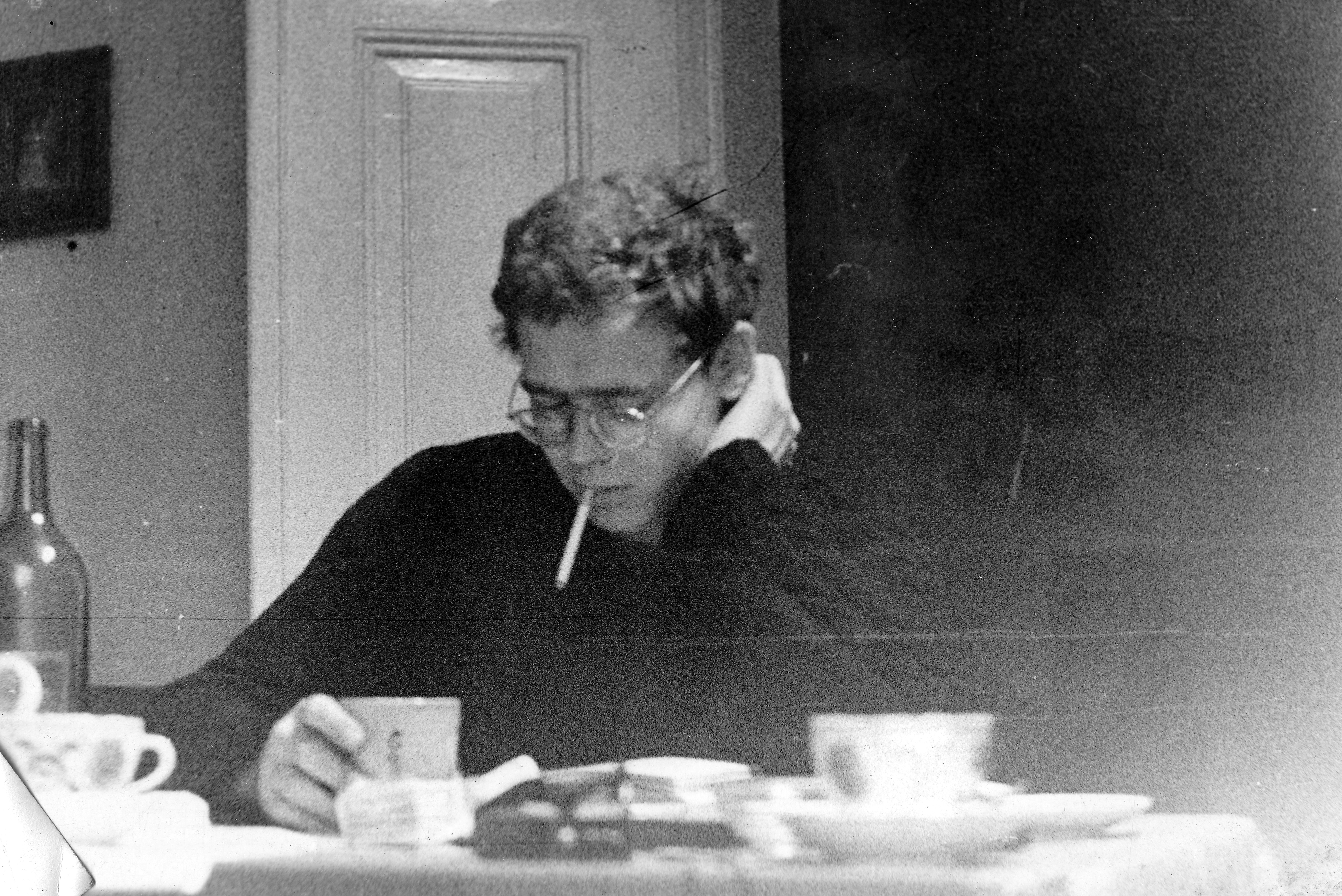
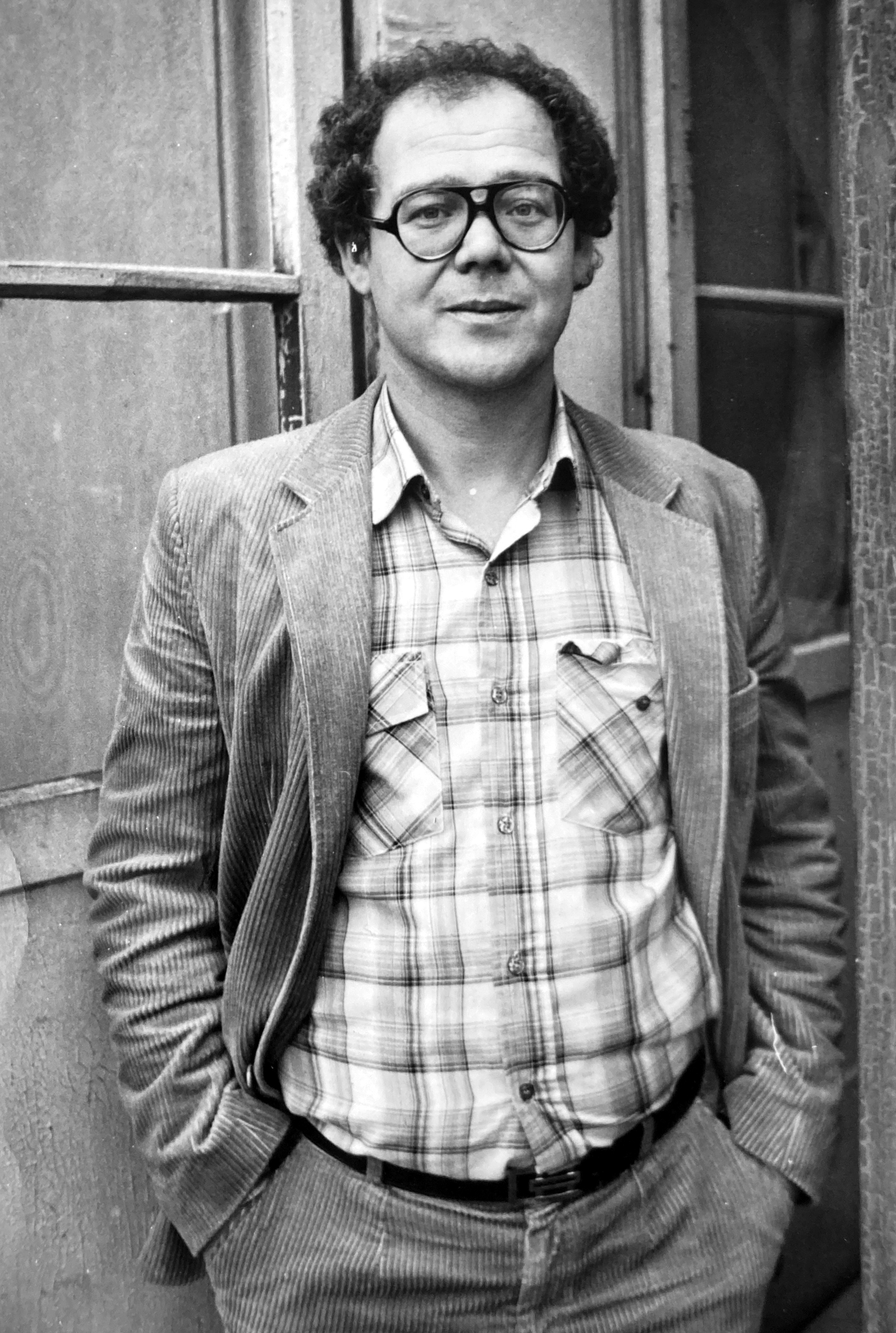
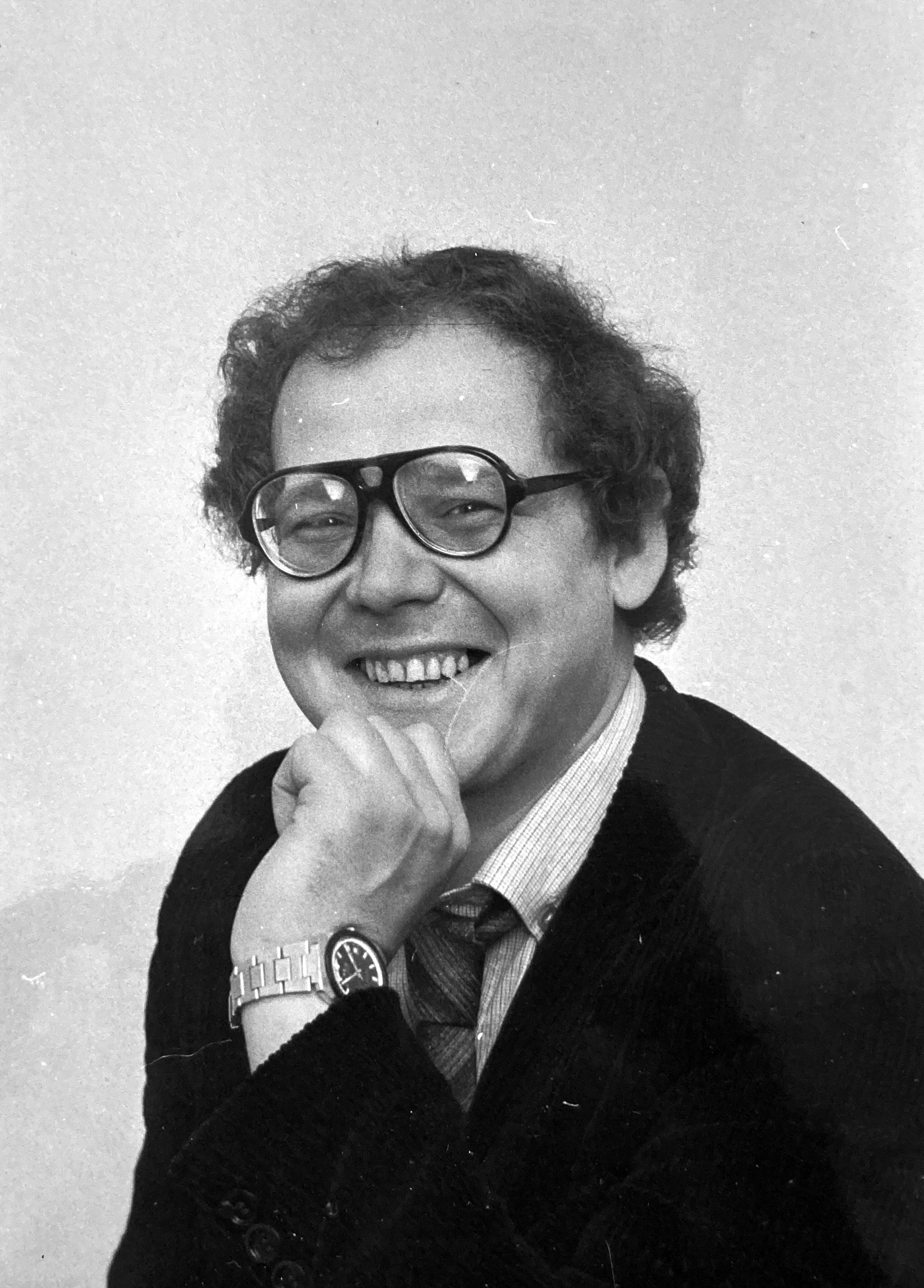
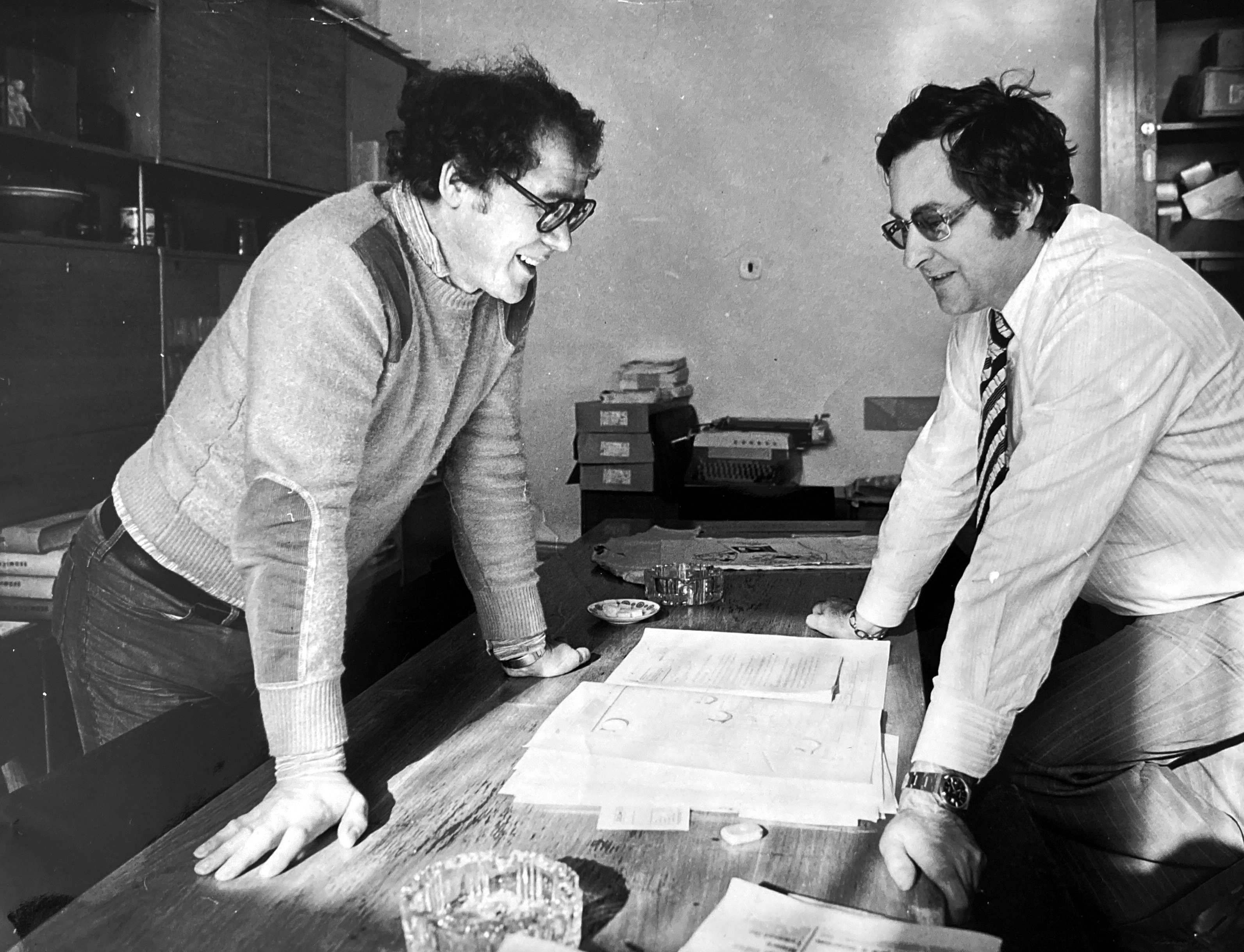
Jaroslav Veis, 1970s
photo: archive of Jaroslav Veis

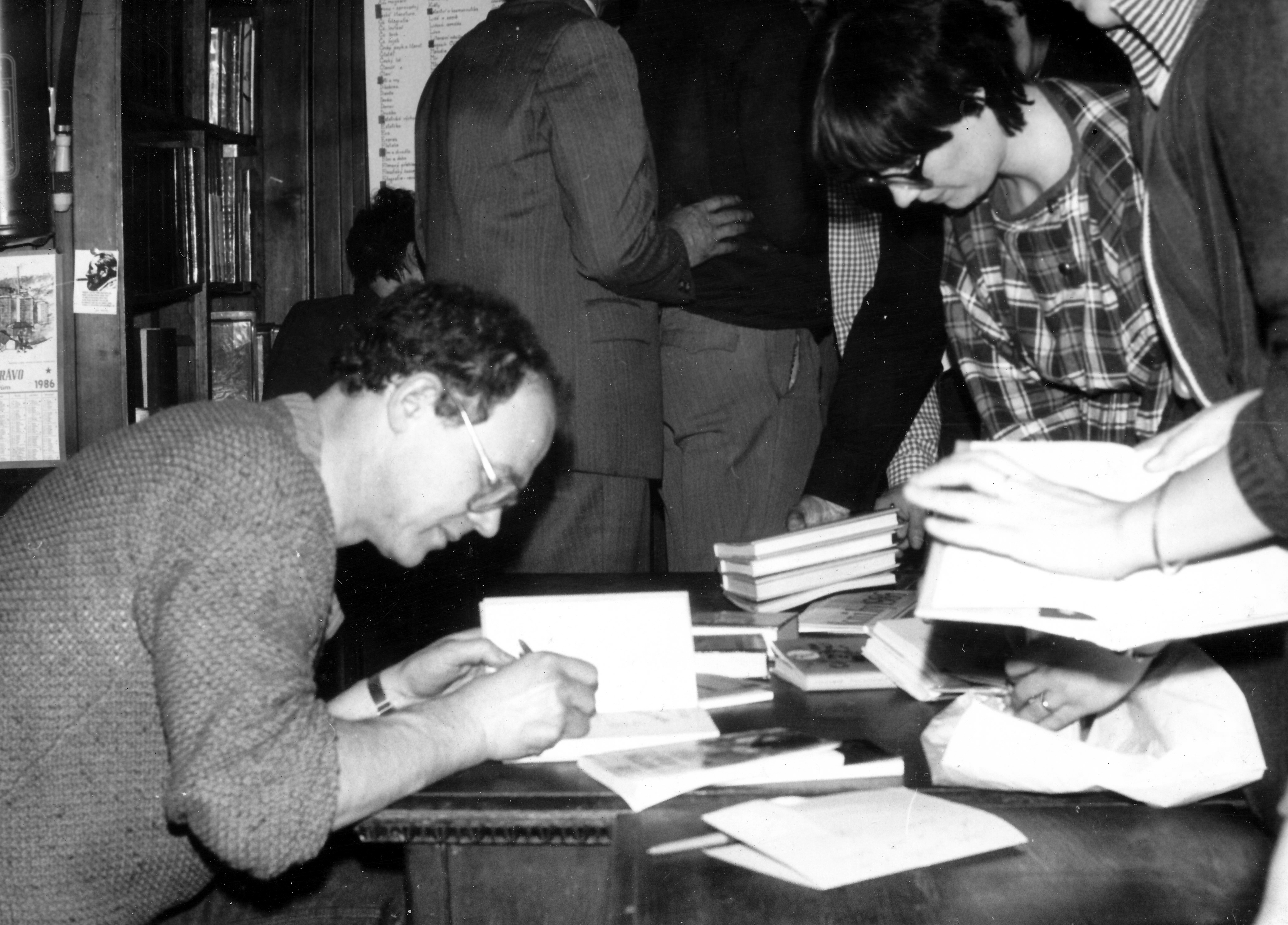
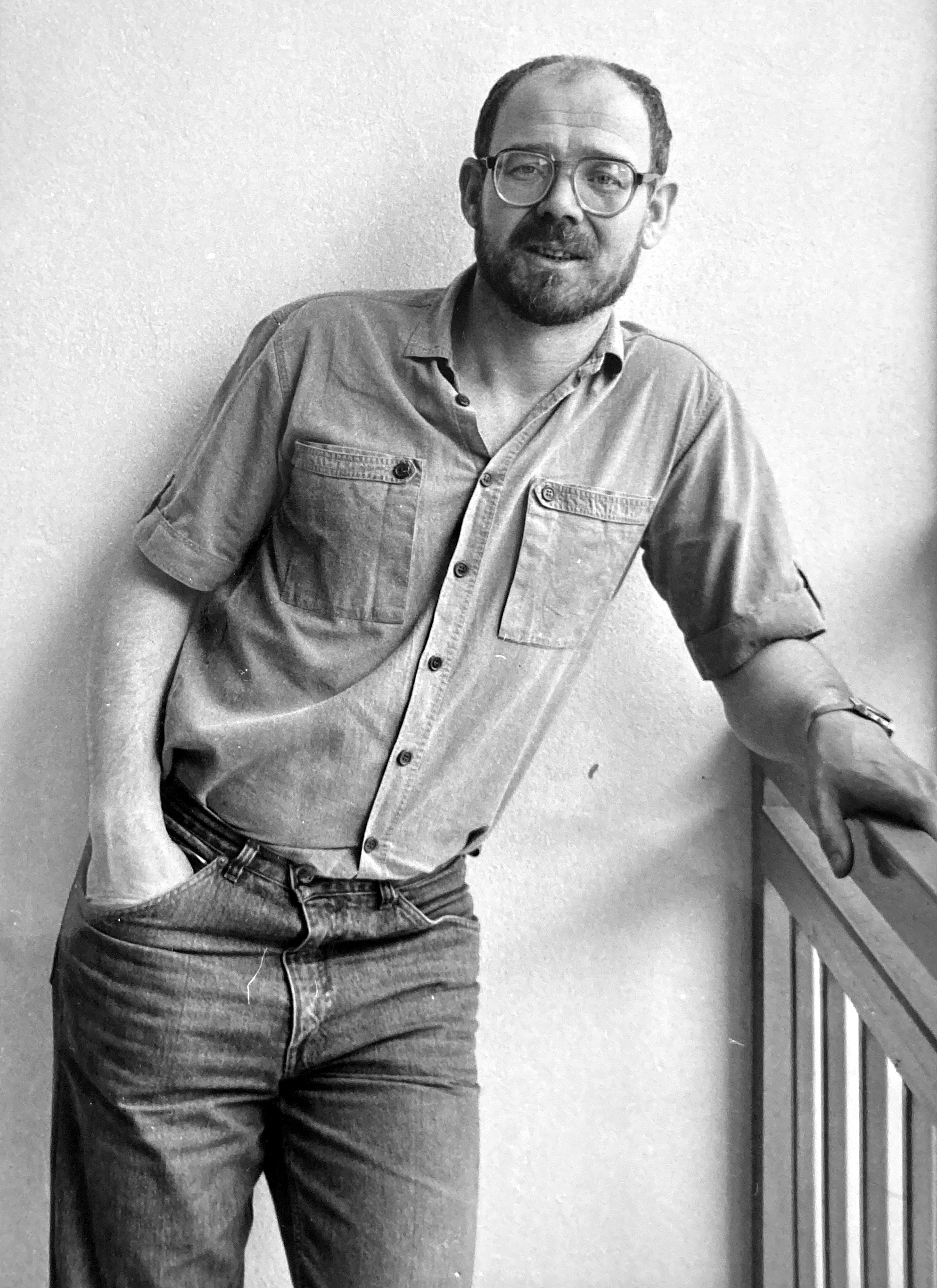
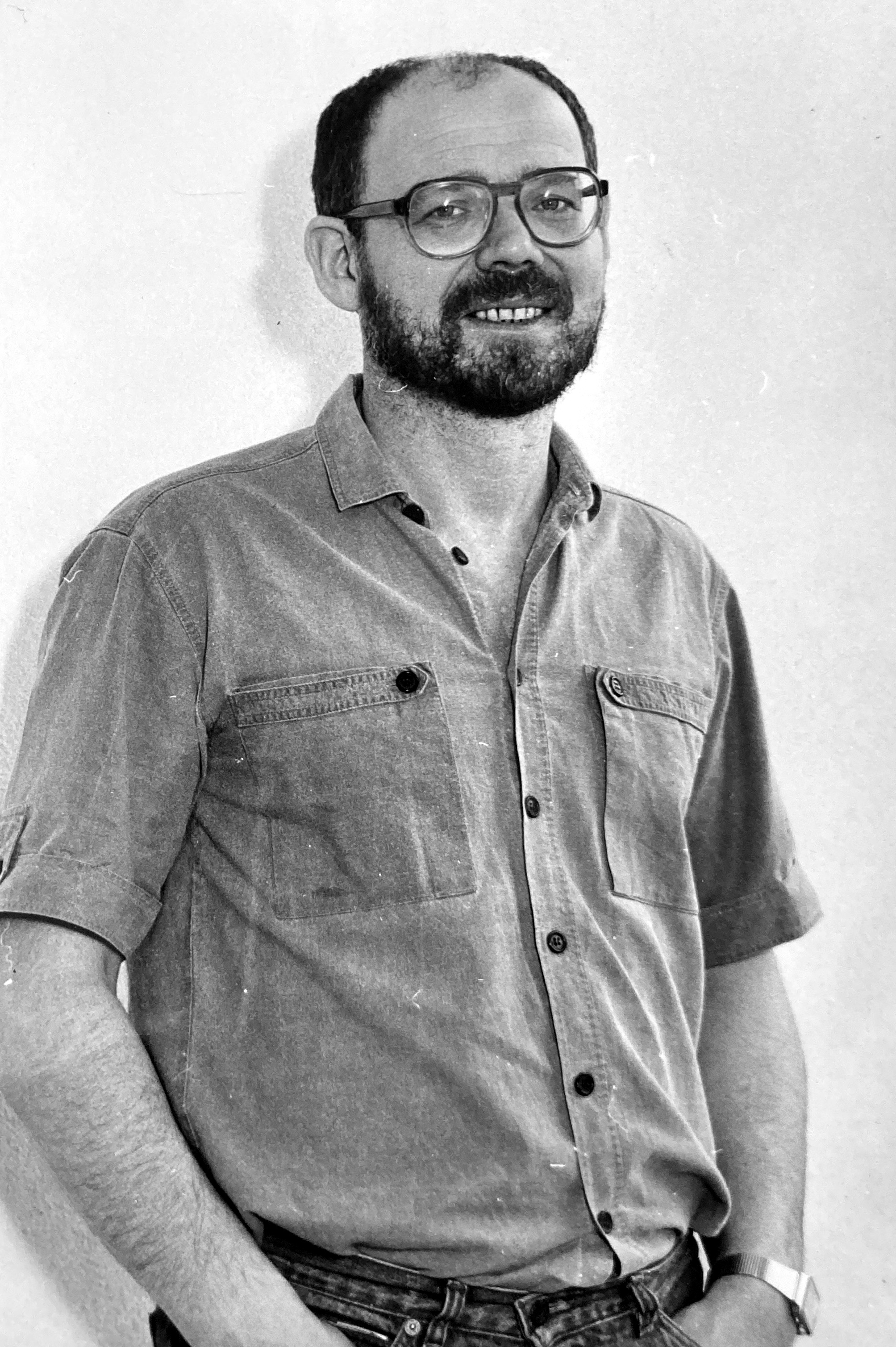
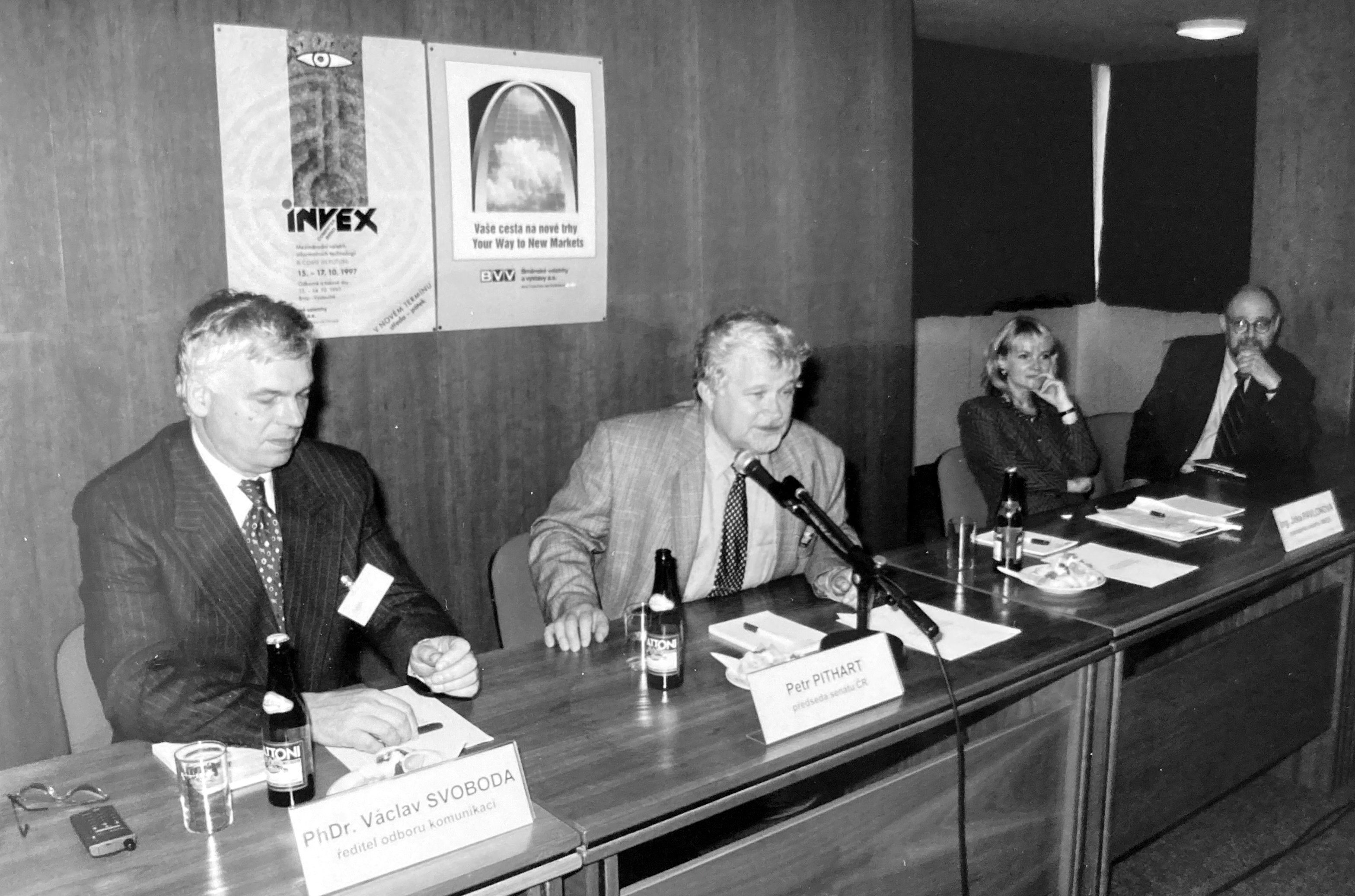
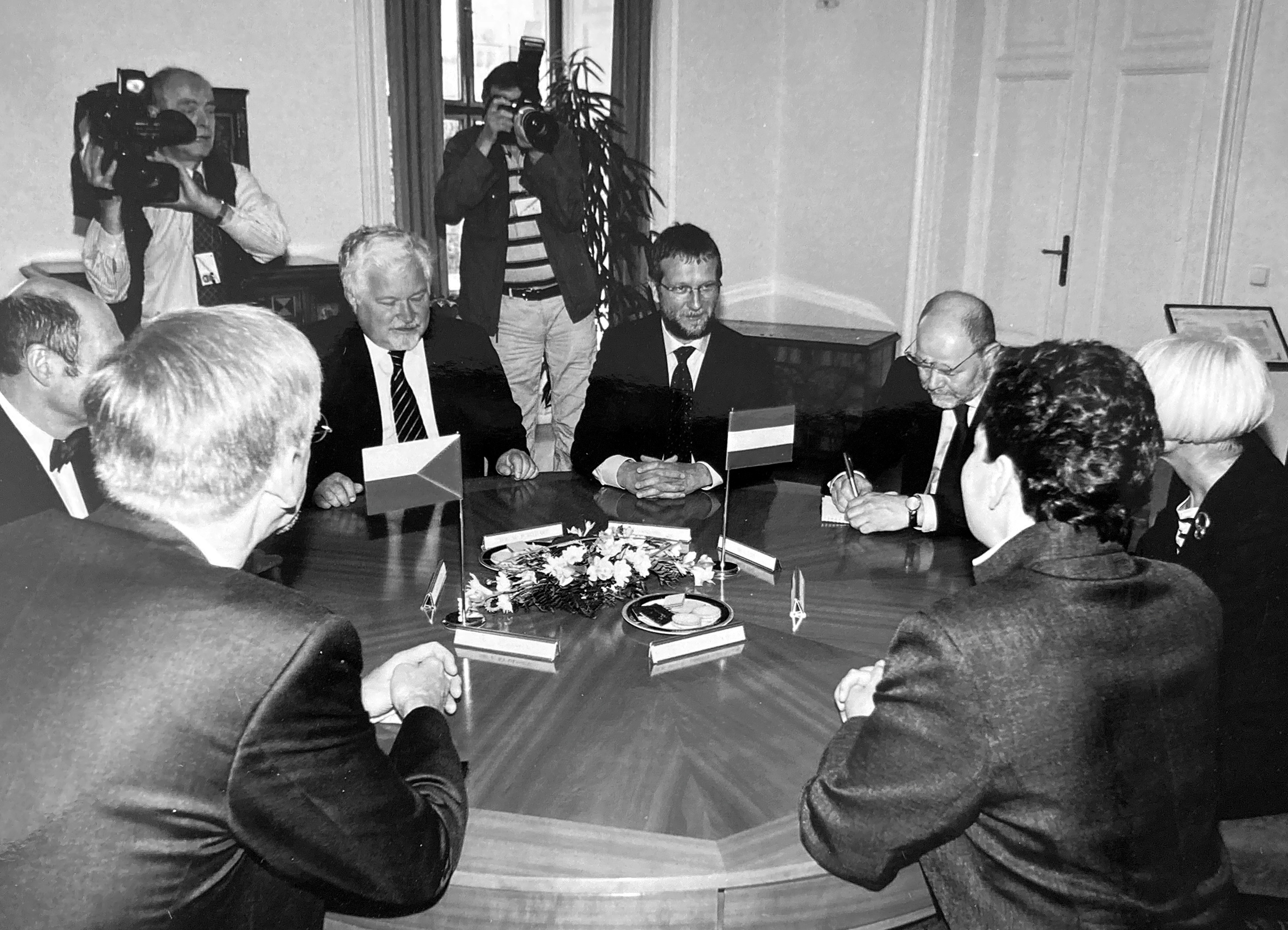
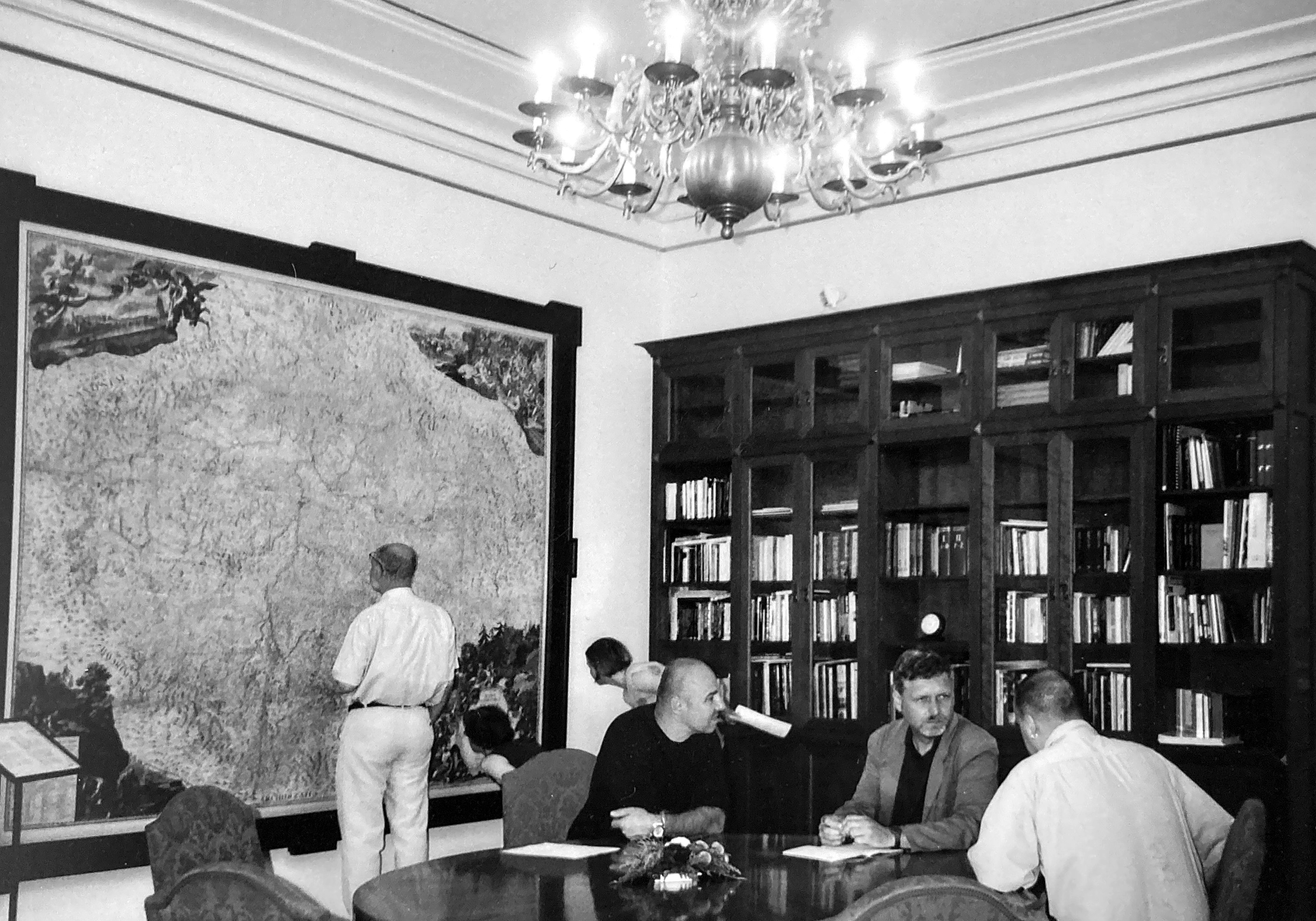
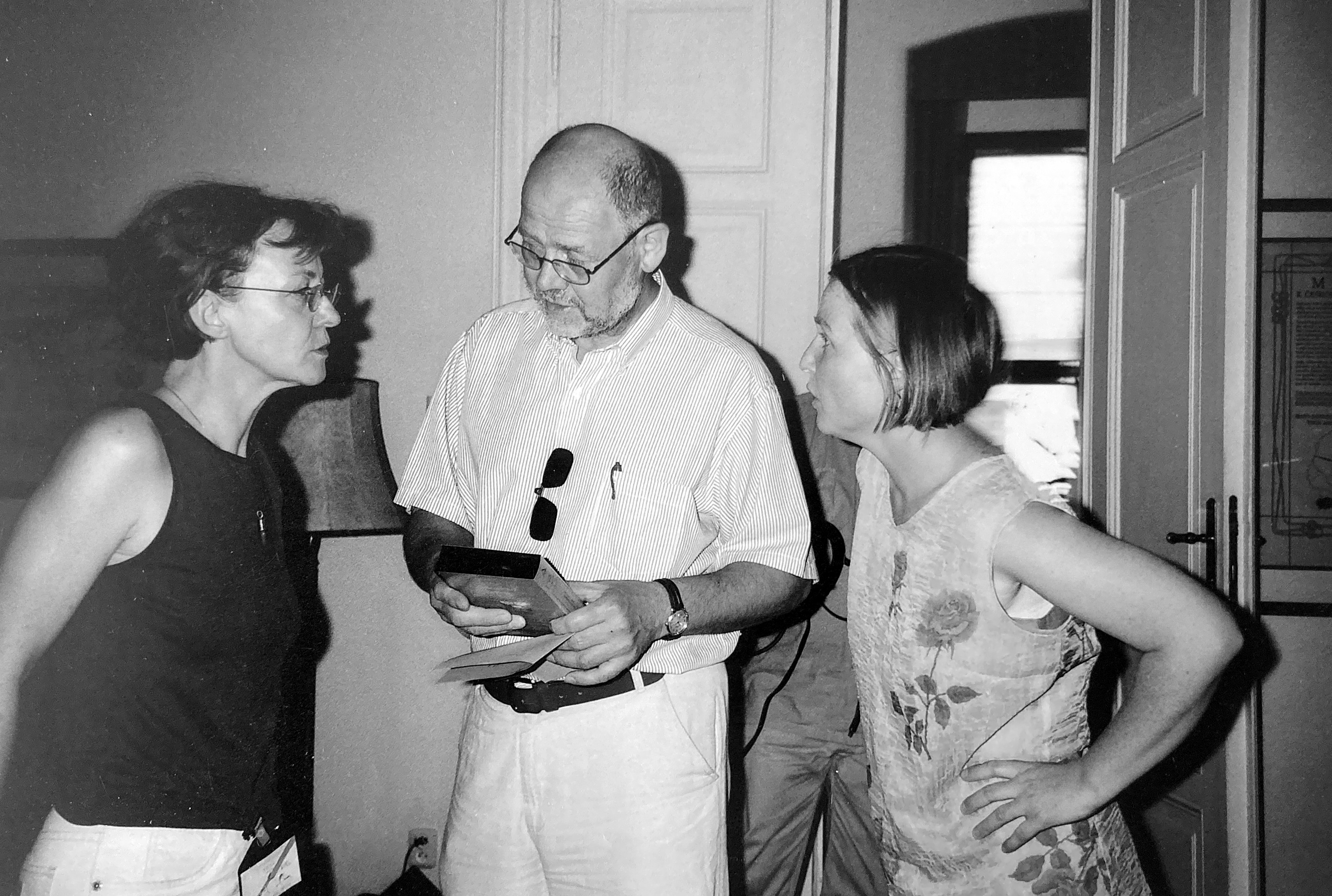
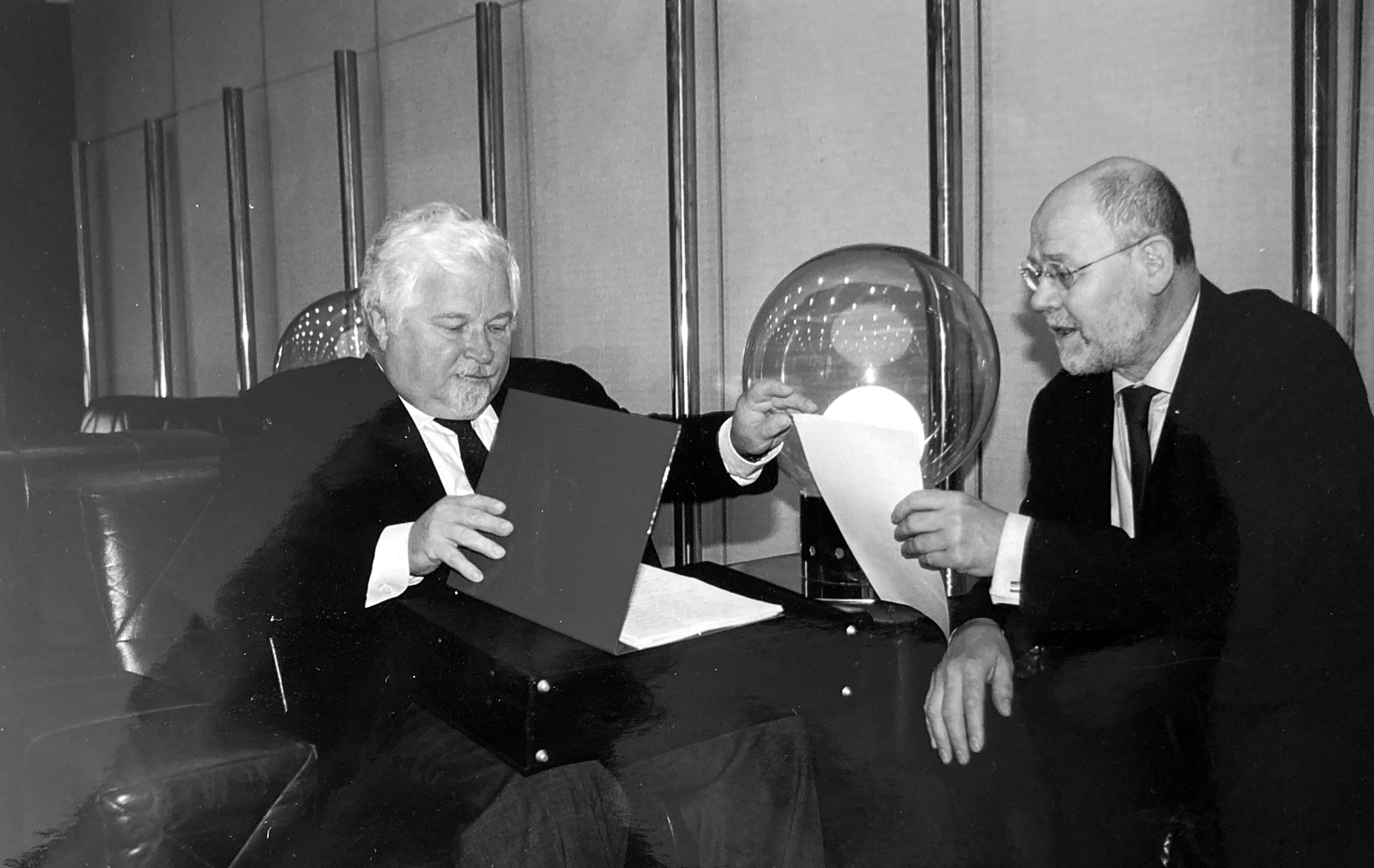
Jaroslav Veis was born on 19 January 1946 in Prague as the elder of two sons of Milada and Jaroslav Veis. He grew up in Vršovice. He graduated from grammar school and studied journalism at the Faculty of Arts of Charles University. Before November 1989, he refused to work in any newsroom. He prepared a column popularising science in the children’s magazine Sedmička pionýrů, wrote popular science articles for other periodicals and helped authors who were not comfortable with the regime to publish articles under their own or other names. Together with the dissident and later Charter signatory Alexander Kramer, he began writing science fiction stories and became an award-winning author. He translated English literature and expert articles. He socialised with dissidents. He was repeatedly interrogated by the State Security, which kept a file on him. From 1990 to 1993 he worked at Lidové noviny newspaper and was its editor-in-chief. Later, he worked as an advisor to Senate President Petr Pithart.