Břetislav Trakal

* 1935

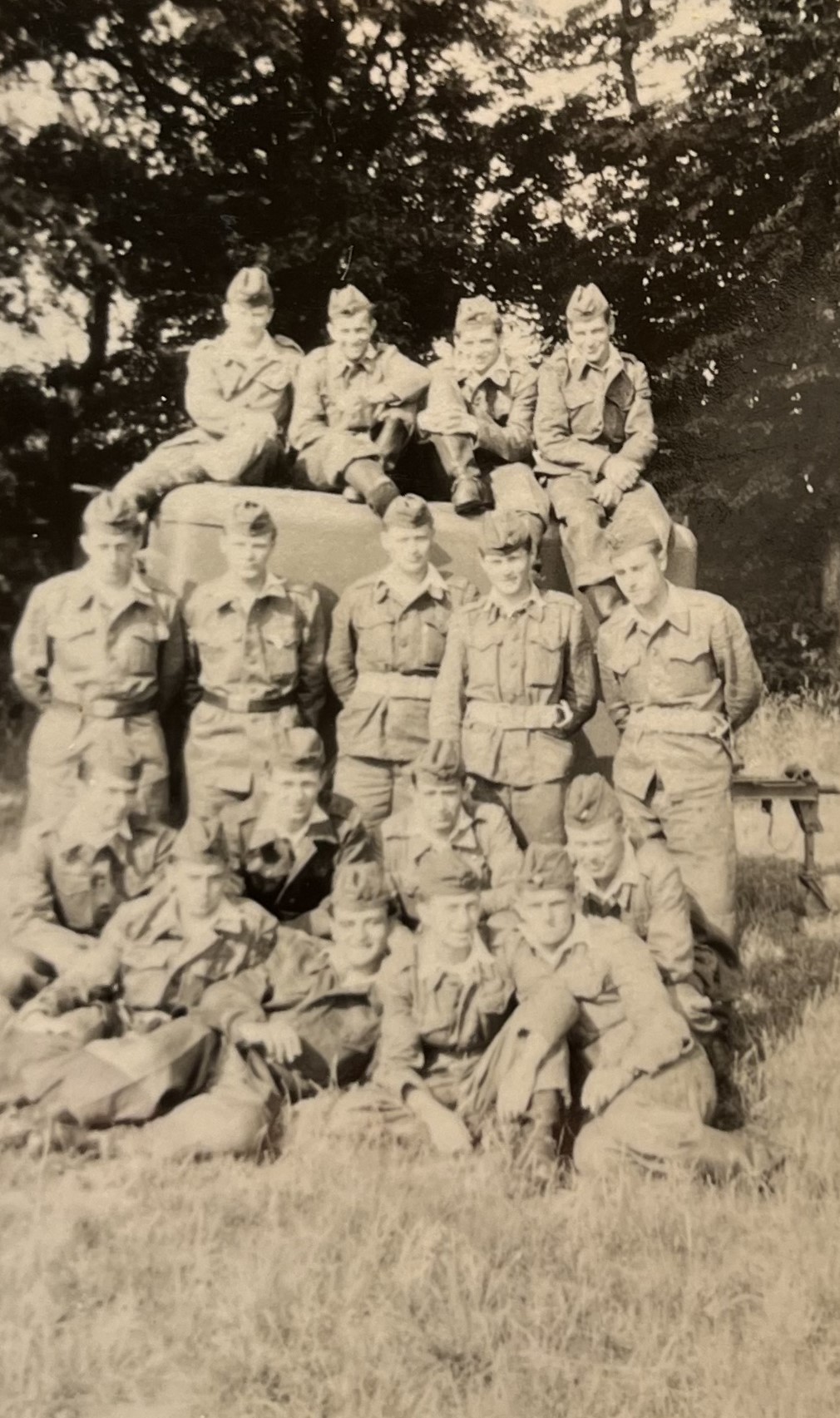
  • "There was an alarm, so we loaded everything and the tanks onto the train and went there. Everything was under tarps. Then there was a break in Žilina. We got off the train to check if the tarps were safe. Our commander told us to do it to make sure the wind wouldn't tear them away. All of a sudden, the dispatcher walked out and yelled at us. There were overhead electric lines that could kill anyone up there. We all crawled in and waited to see what happens."

  • "They suddenly came to the weaving mill and announced a new currency. There were many people there. Those who had a lot of money were taken aback. When the bus service from Rovensko was already in place, we went home from work. The innkeeper from Sejkořice also went. He got on the bus, and when asked to pay, took out the money, threw it to the driver's rack and said: 'Here, eat and let me go home.' That's what I remember."

  • "Then suddenly the news came that she and the children had to leave. It was 1948. They packed their bags and left. I was friends with Wolfgang and one more boy. Then they wrote to me from Germany saying they were in a camp in Leipzig and that they were better off in the barrack in Jablonec."

  • Full recordings
  • 1

    Lomnice nad Popelkou - Černá, 08.11.2025

    (audio)
    duration: 01:24:29
    media recorded in project Field reports
Full recordings are available only for logged users.

When the uprising started in Hungary, we loaded everything on wagons and went there
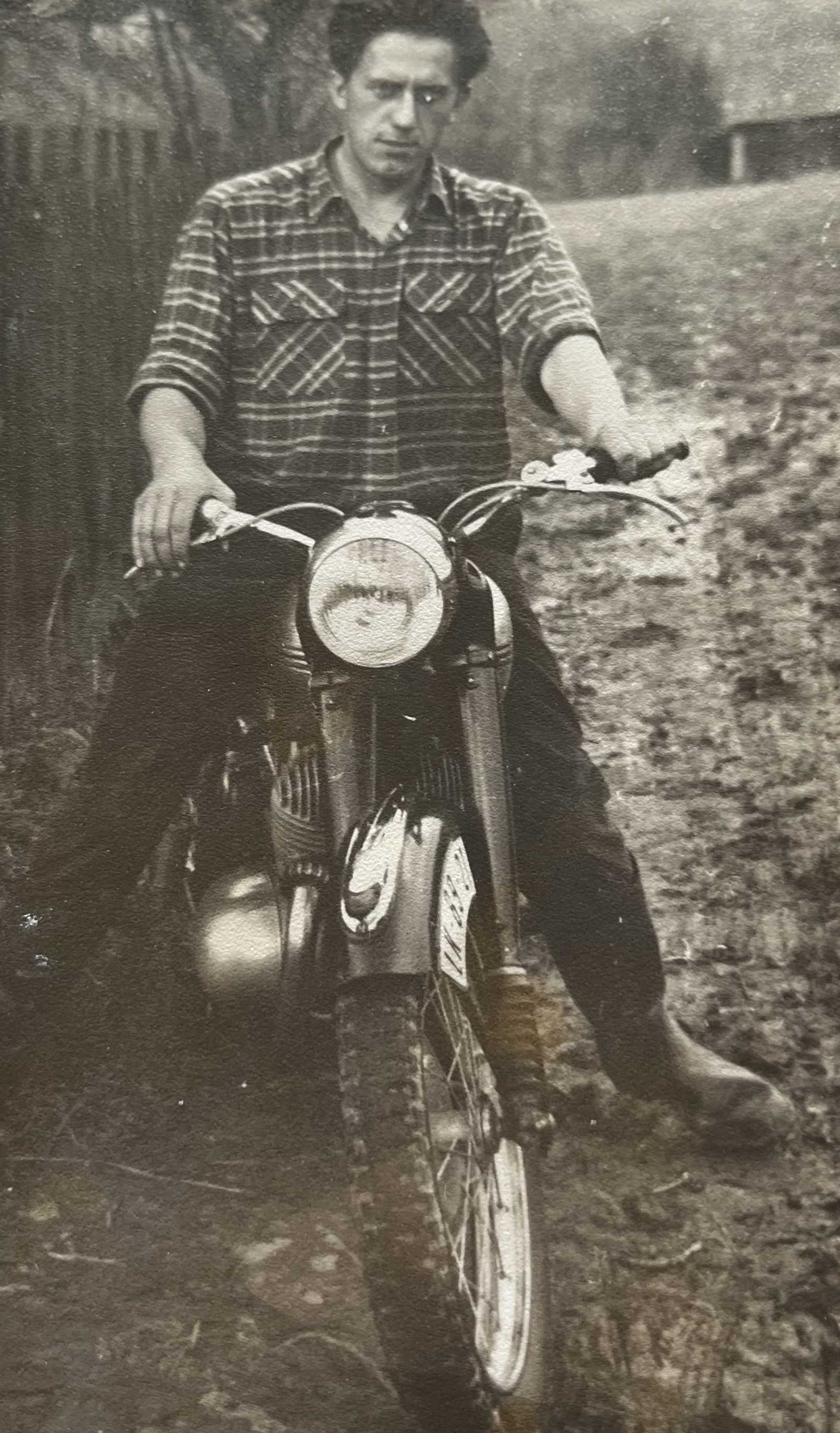
On a motorbike
On a motorbike
photo: Witness's archive

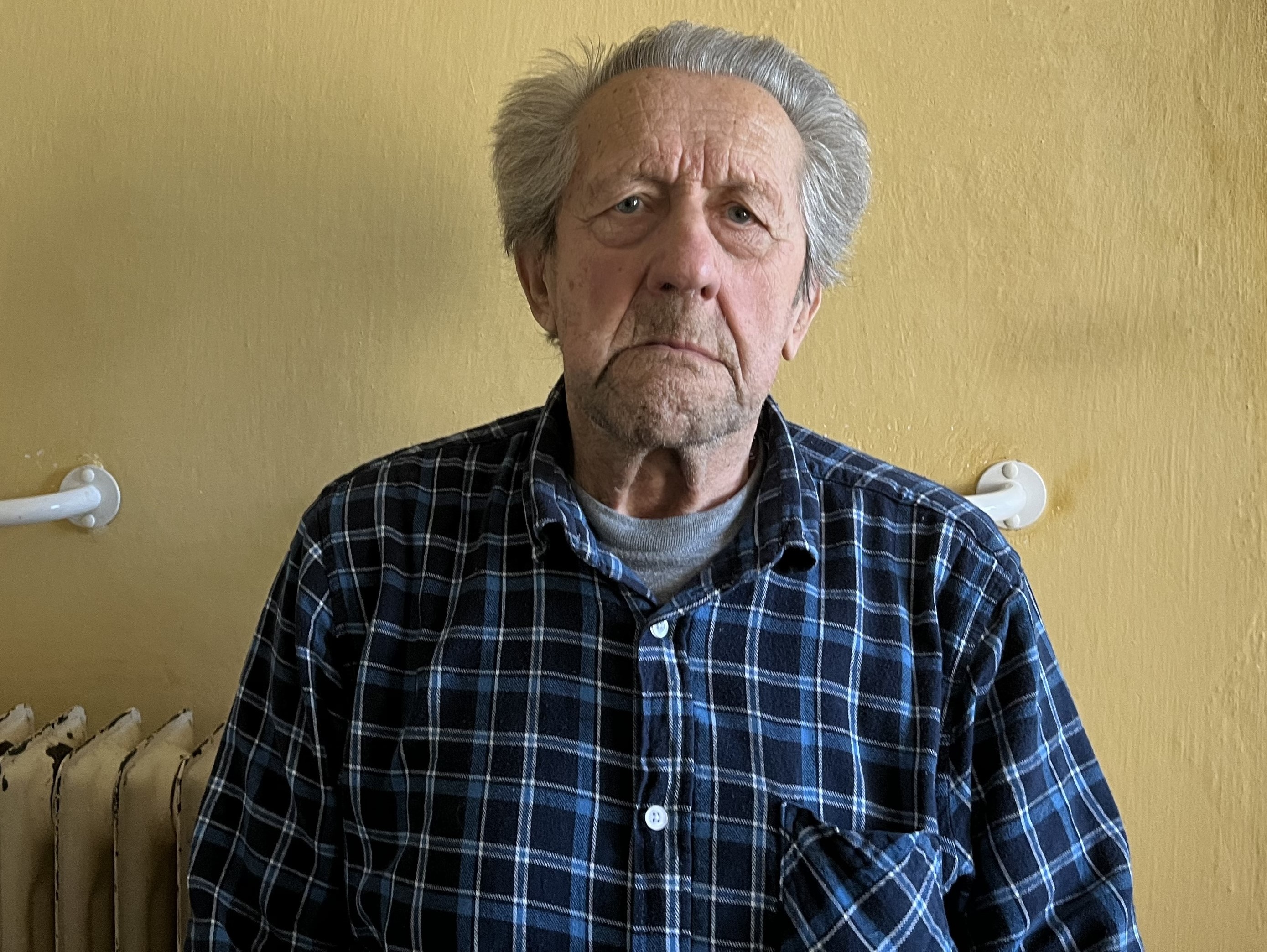
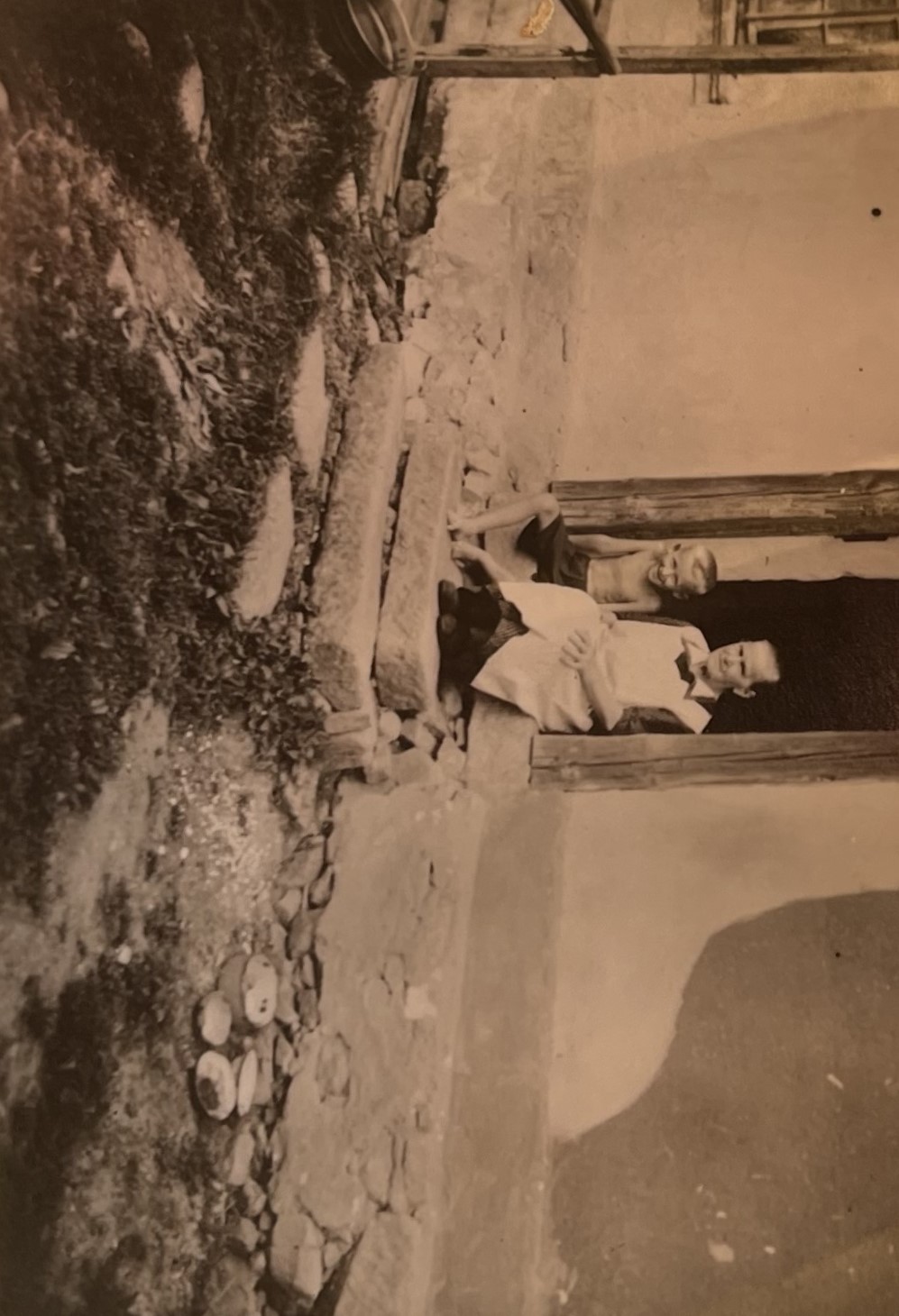
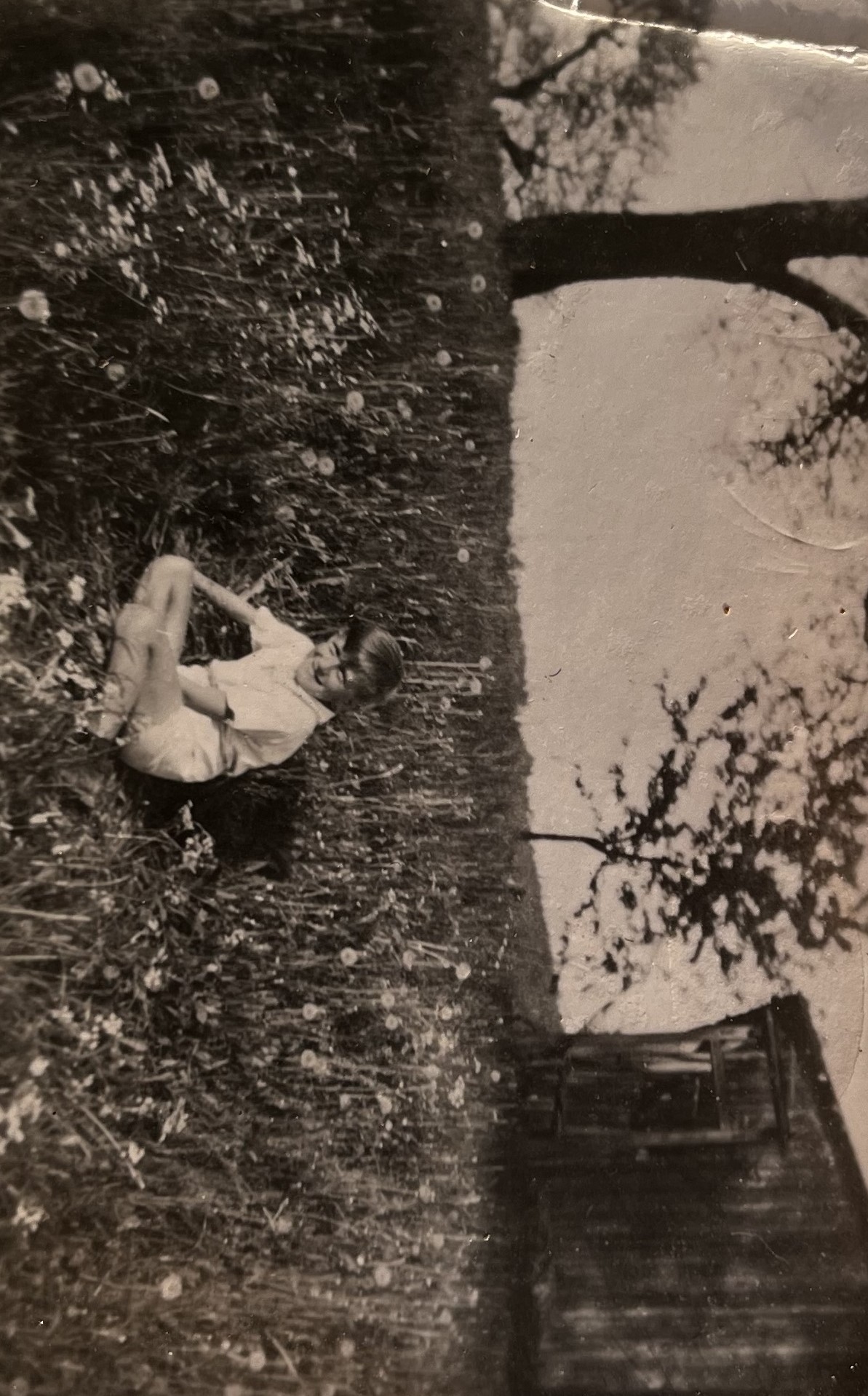
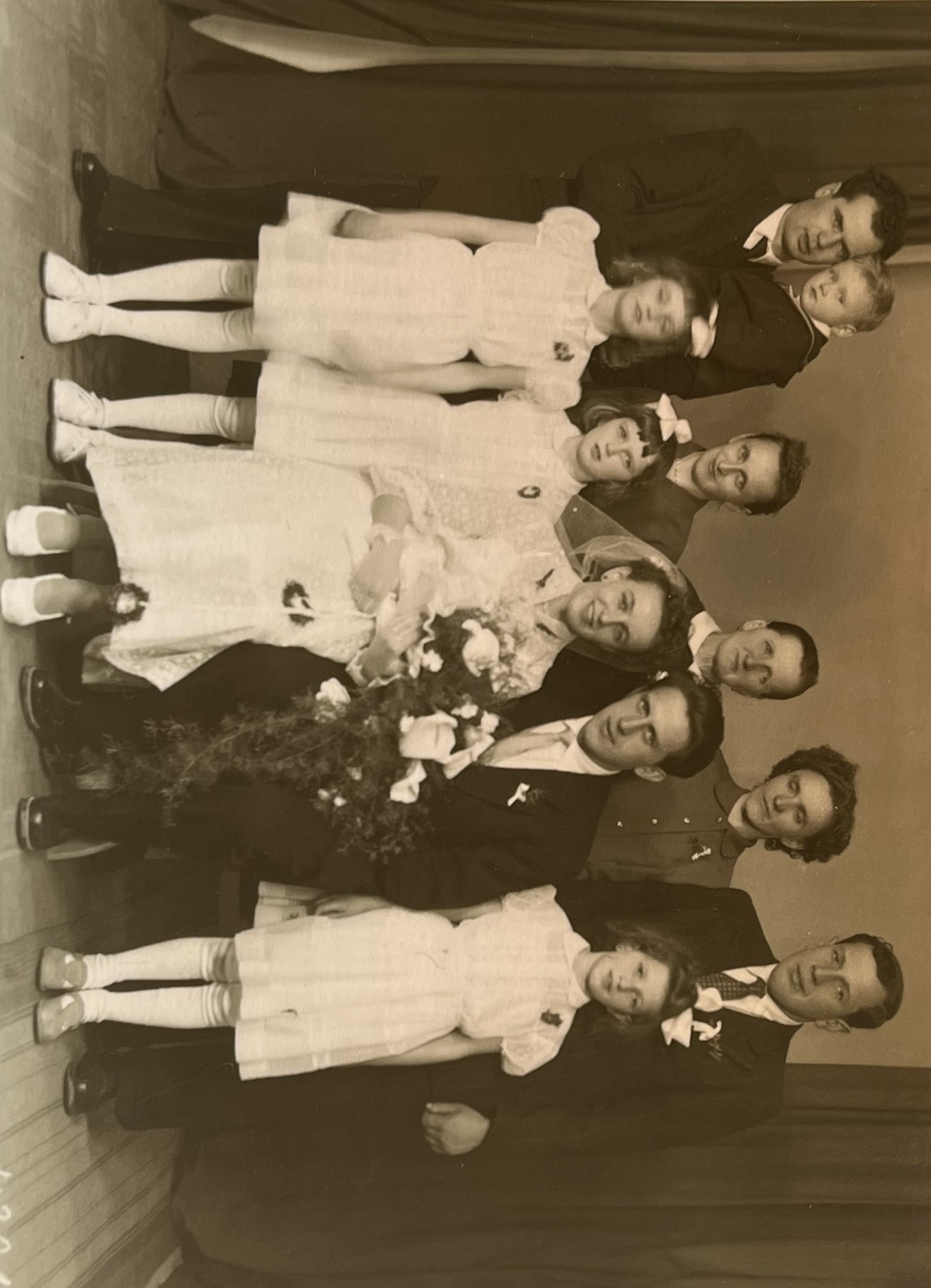
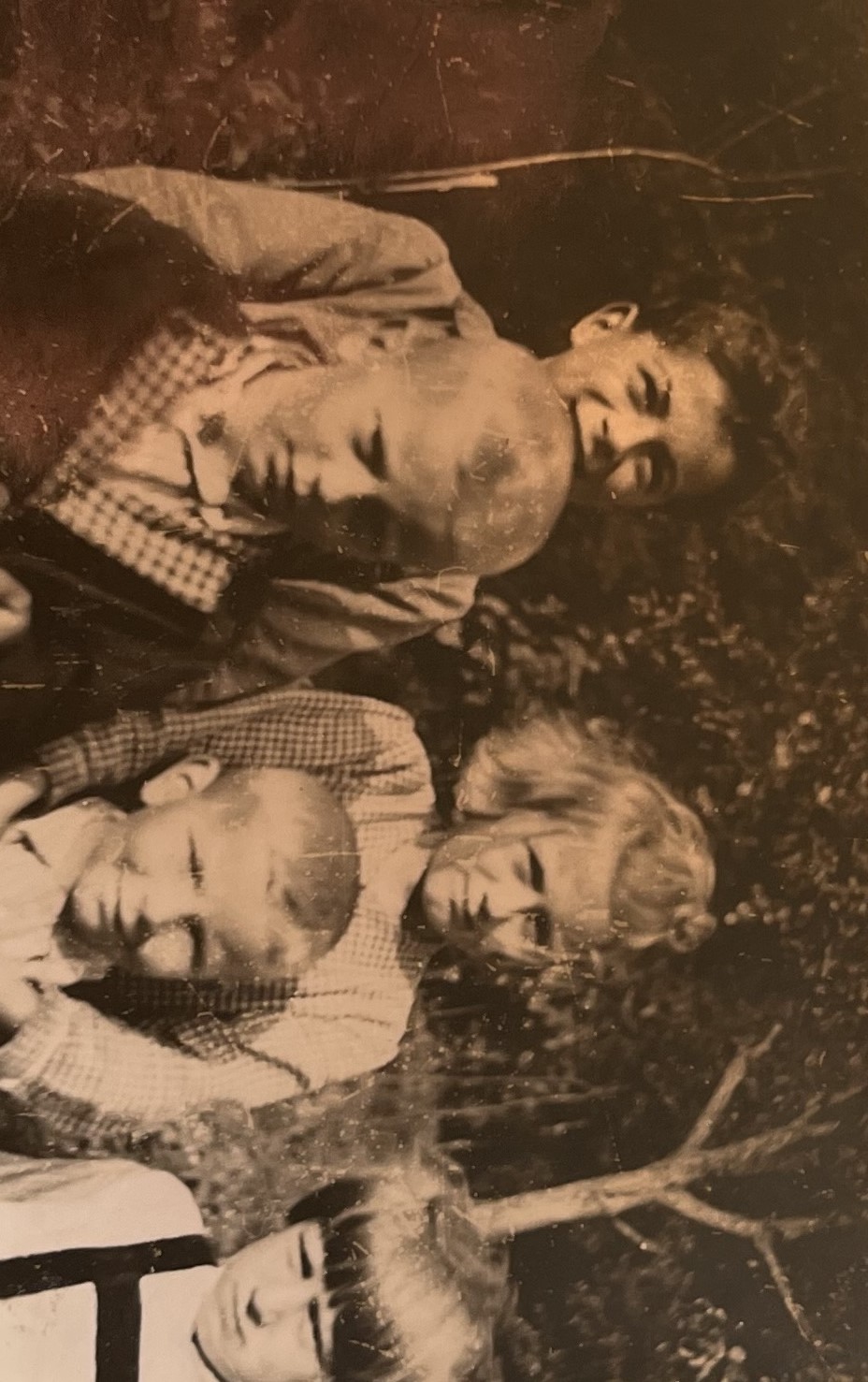
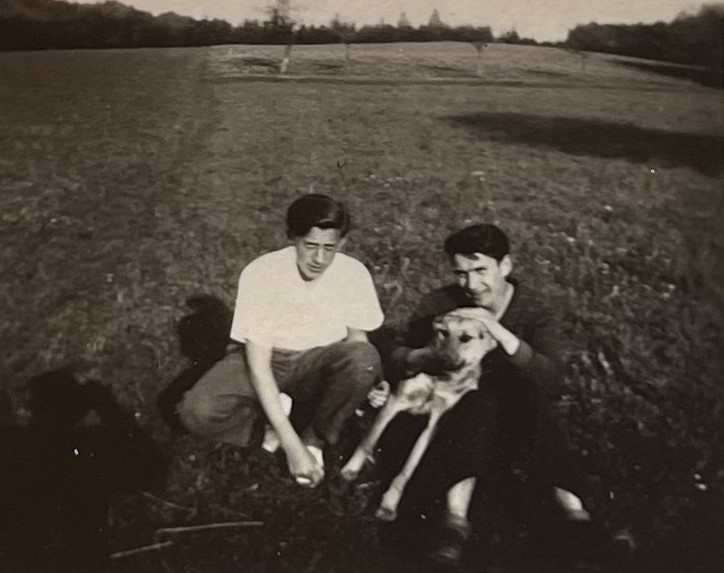
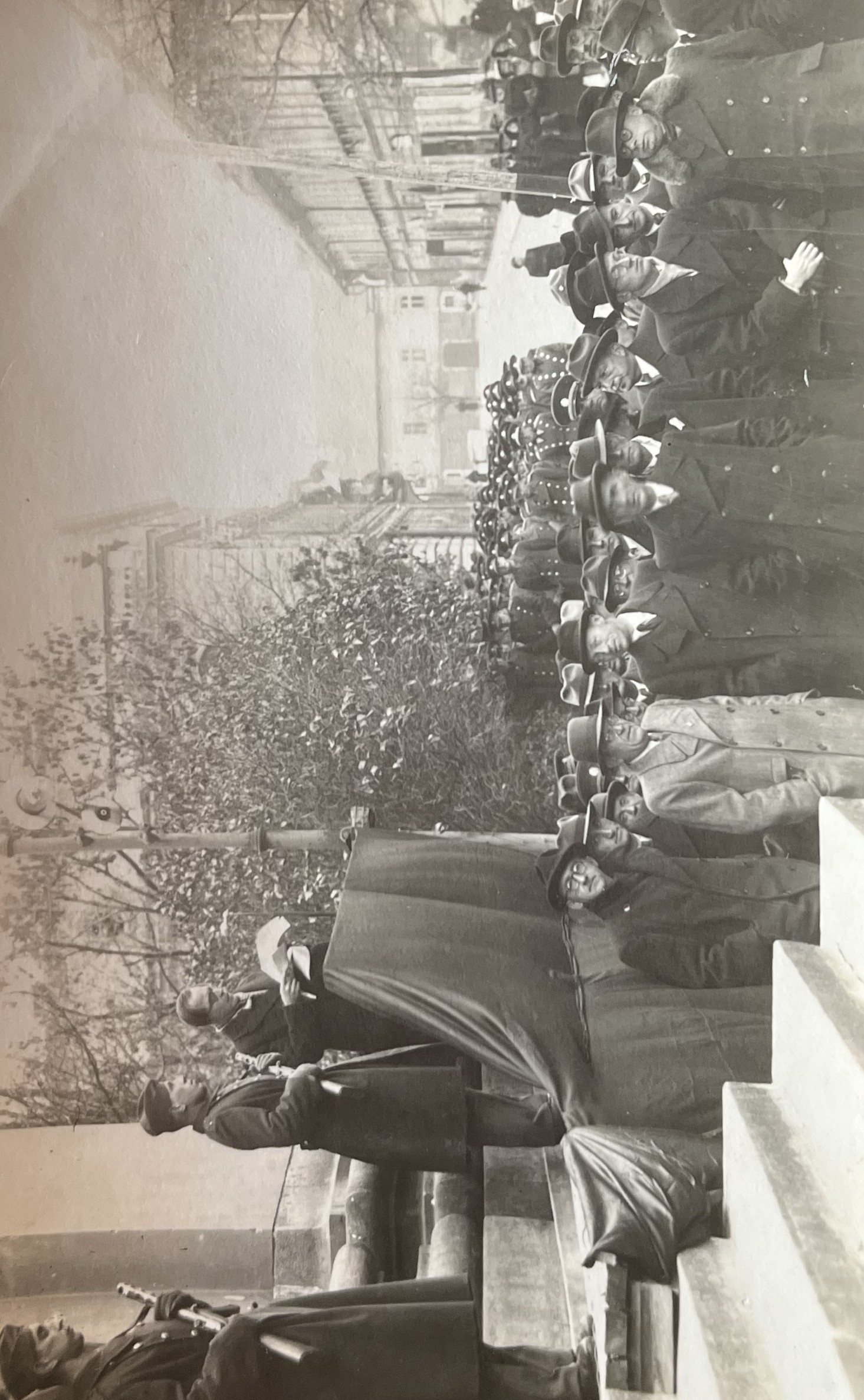
Břetislav Trakal was born in Tikov near Semily on 18 December 1935. He went to school in Veselá during World War II. The Gestapo arrested a local teacher Karel Hlaváček in 1943. He saw a German plane crash, and his brother was deployed on forced labour in the Reich. At the end of the war, he and his mother gave food to prisoners who had escaped from death marches. He and his mother witnessed from afar the massacre of Germans in Rovensko pod Troskami. After the war, he finished primary school in Jablonec and joined Technolen as a weaver. He refused to join the Communist Party of Czechoslovakia (KSČ) and the Czechoslovak Youth Union (ČSM). He and his entire family lived in a small apartment in Tikov, which they shared with two other women, and had to sleep in the attic with a hot brick. There was no electricity still in 1952. He enlisted in 1955 and served as a tank crew member. In 1956 he was supposed to suppress the Hungarian uprising. By the time his unit arrived on the scene, the situation had calmed down and he did not take part in the intervention. After serving in the army, he continued to work at Technolen. In 2025, Břetislav Trakal lived in Černá near Lomnice nad Popelkou.