Karel Tomek

* 1954

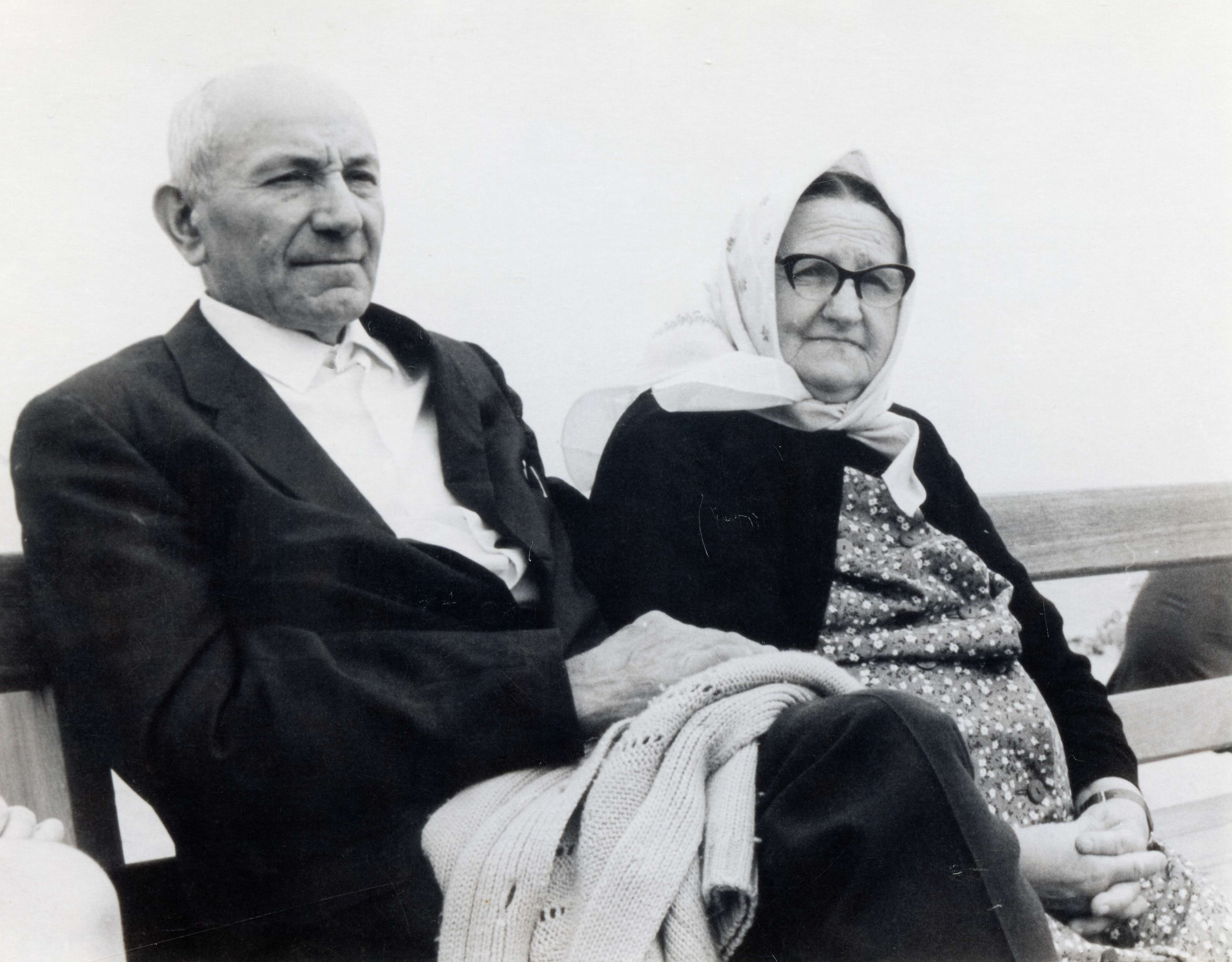
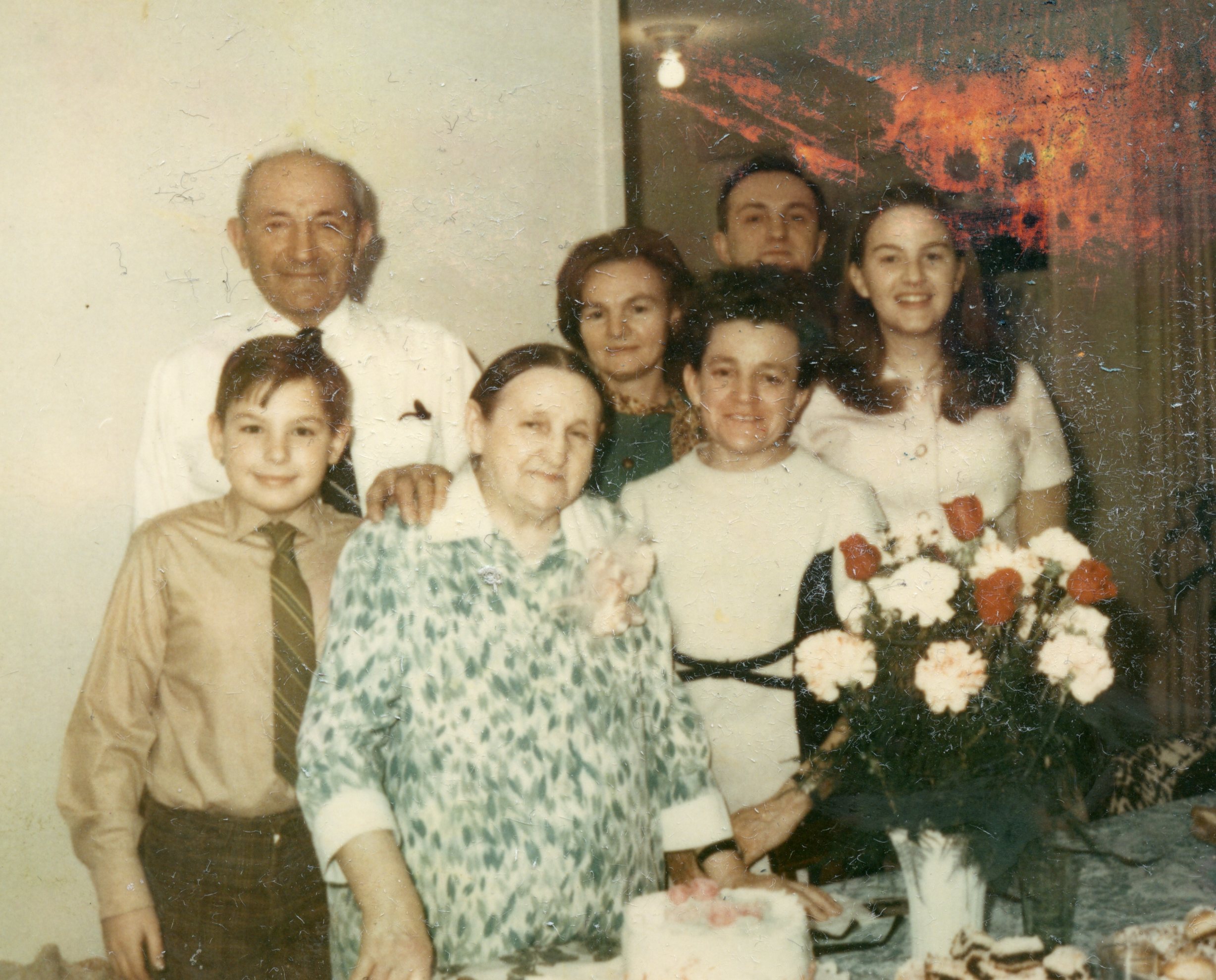
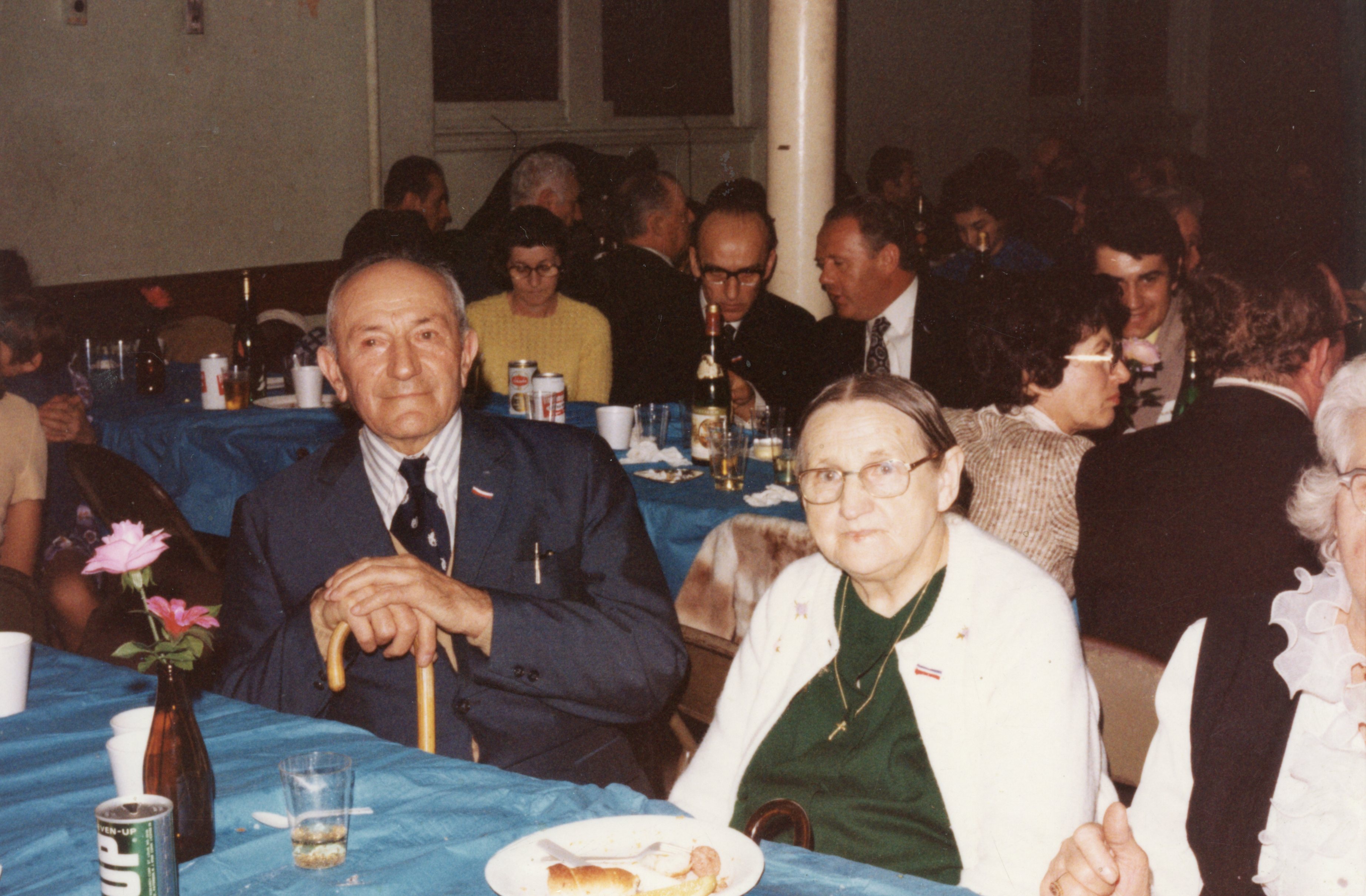
  • "When [grandfather Leopold Slíva] was here for the first time, it was in the seventy-fourth year... My grandmother was there from the sixty-eighth to the seventy-fourth year. After that, her health was somehow no longer good, so she went back to the republic. She basically died within a year. Grandpa was one of the ones who didn't take American citizenship at all. He just said that at that time it was - whoever got American citizenship had to give up all the others. So at that time, American citizenship was the only citizenship, he couldn't have Czech citizenship and then this. So he said that would get rid of any possibility of going back to the Czech Republic. So he came here - actually they let him come here - for grandmother's funeral, got, I think, a visa for a month. In the meantime - before Christmas - my dad died. So he got the visa extended, and in January he was sent back anyway. That was the first time he was here, but then he was here several more times - for his eightieth birthday, and the last time I saw him was in '79."

  • "After the war [grandfather Leopold Slíva] said he no longer wanted to be politically active. Well, he was tempted by the People's Party and finally he took a cue from the National Socialists and was actually elected to the Parliament for the National Socialists in the 1940s. He was there basically until February [1948]. By September, 40 people had already received notice that there was a warrant ready for their arrest. So he actually thought that he didn't have the strength to end up in the prisons again somewhere, so he left with the leadership of those National Socialists. And the only one who stayed was Horáková."

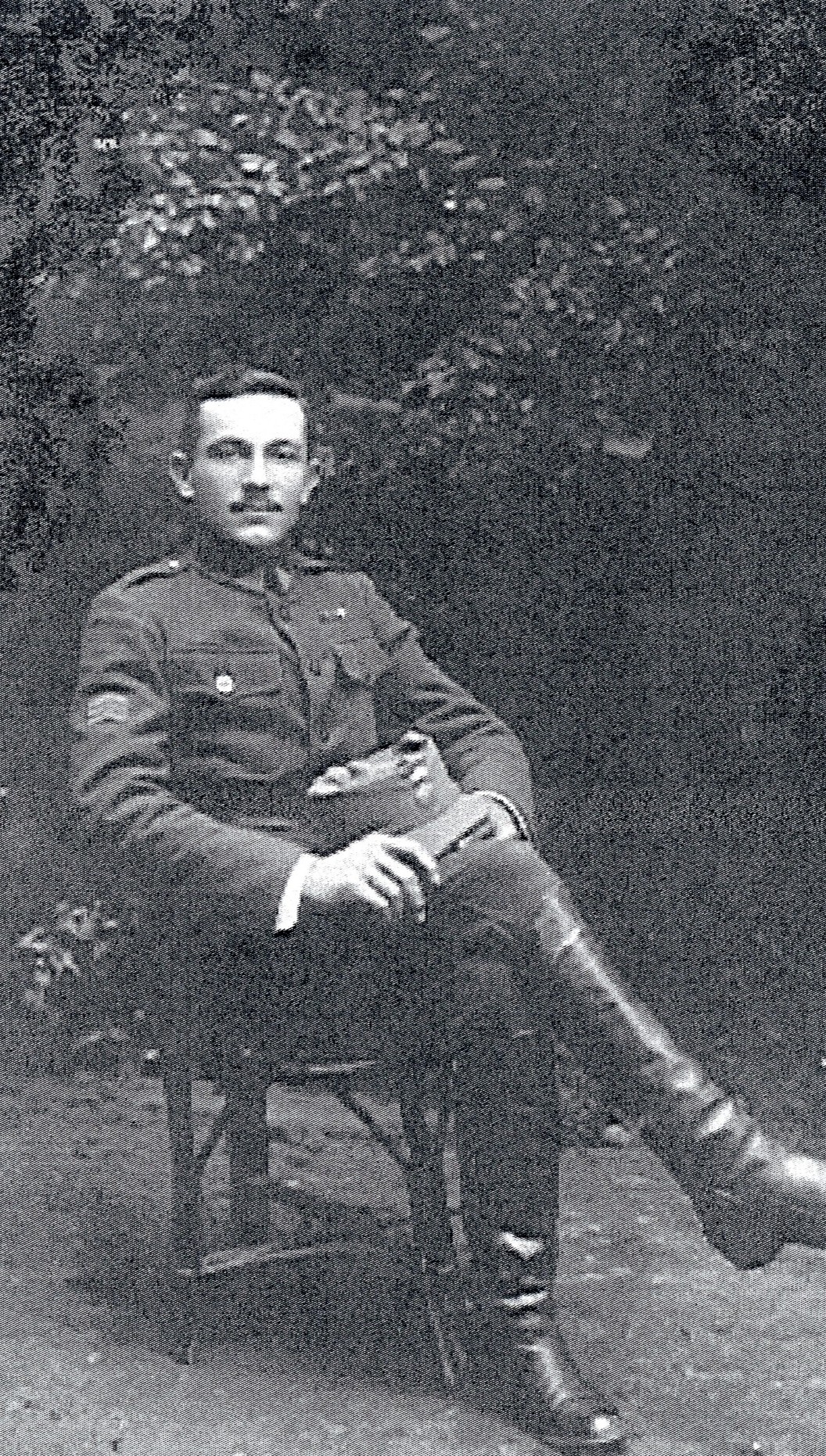
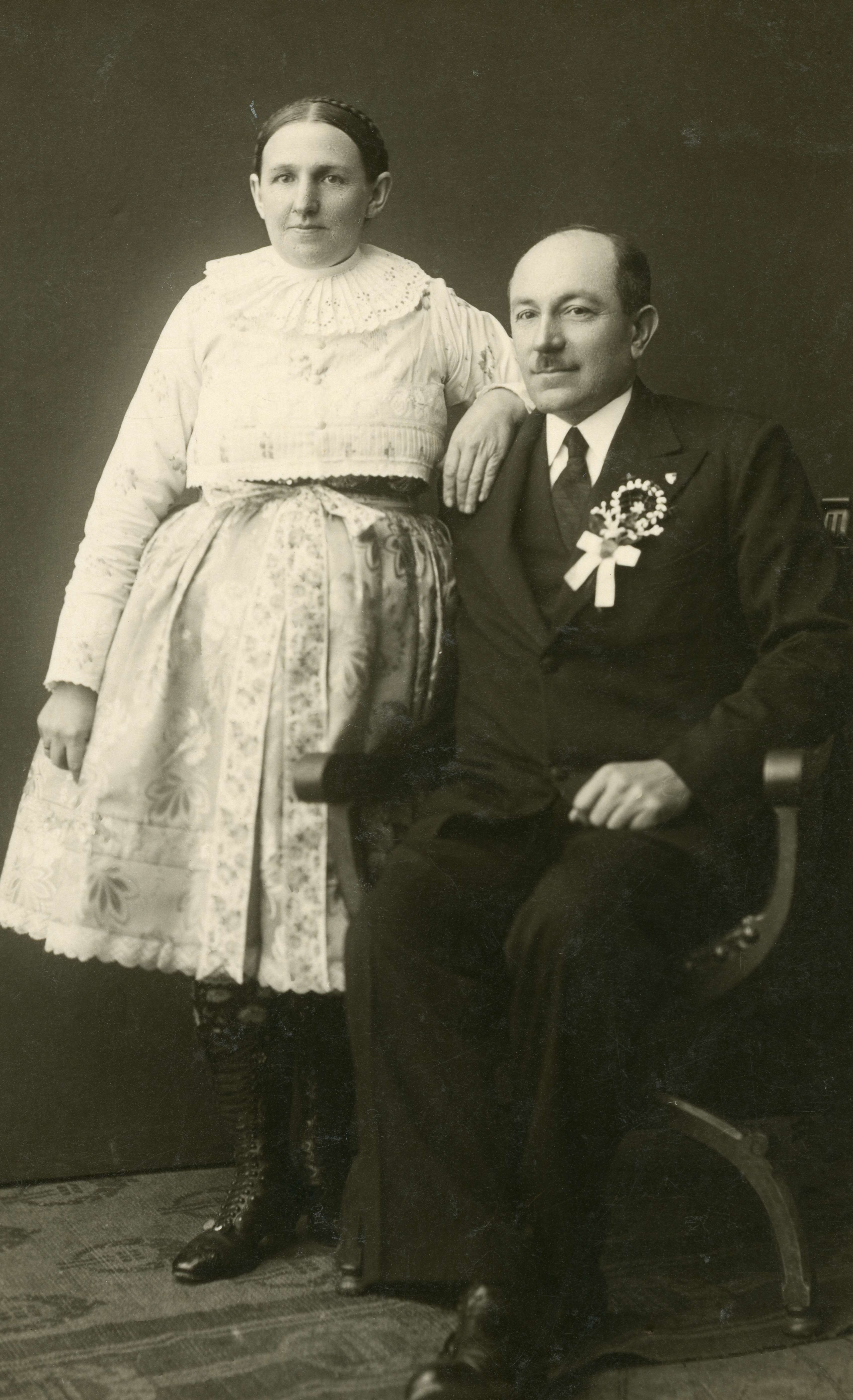
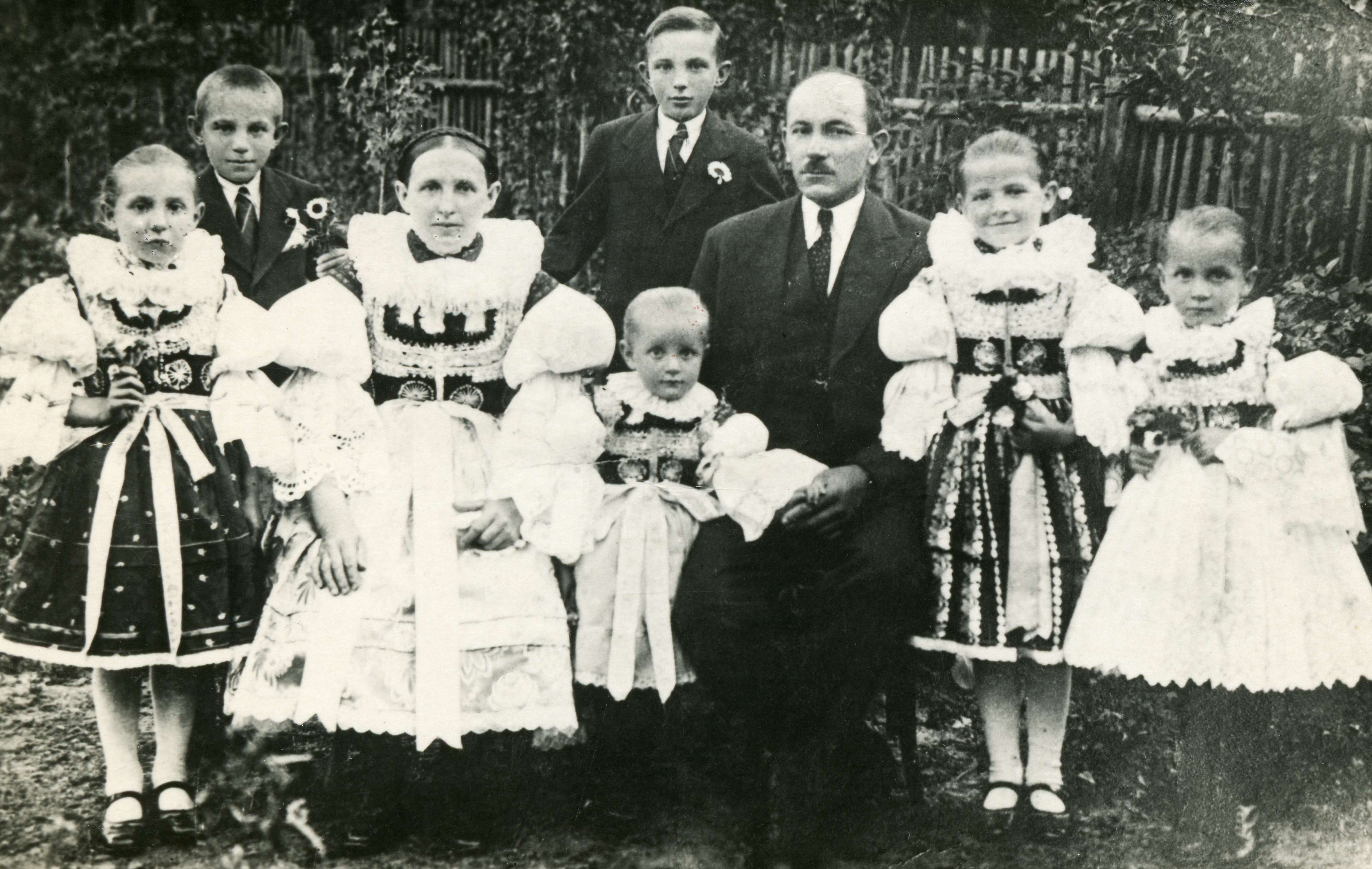
  • "In his fourteenth year [grandfather Leopold Slíva] enlisted in the war and in his sixteenth year he was captured. He was somewhere in Siberia, mining iron ore for a while. Then he joined the Czechoslovak Legion, was in the 6th Rifle Regiment, and went through the whole anabasis, the Russian anabasis, all the way to Vladivostok, and came back in 1920. He took the longest route - around India, through the Suez Canal to Genoa and then home by train. After the war, he took over the farm immediately. In addition, in the nineteenth year, our village of Šumice was hit by a huge flood, so that part of the village was basically razed to the ground, because it was still built of what we call pig bricks. So when the water came, it got wet and the houses fell down, so he actually got involved in the reconstruction of the village. And then in the twenty-eighth or even twenty-sixth he was elected mayor and also district councillor."

  • Full recordings
  • 1

    Praha, 15.07.2025

    (audio)
    duration: 01:31:10
    media recorded in project Stories of the 20th Century TV
Full recordings are available only for logged users.

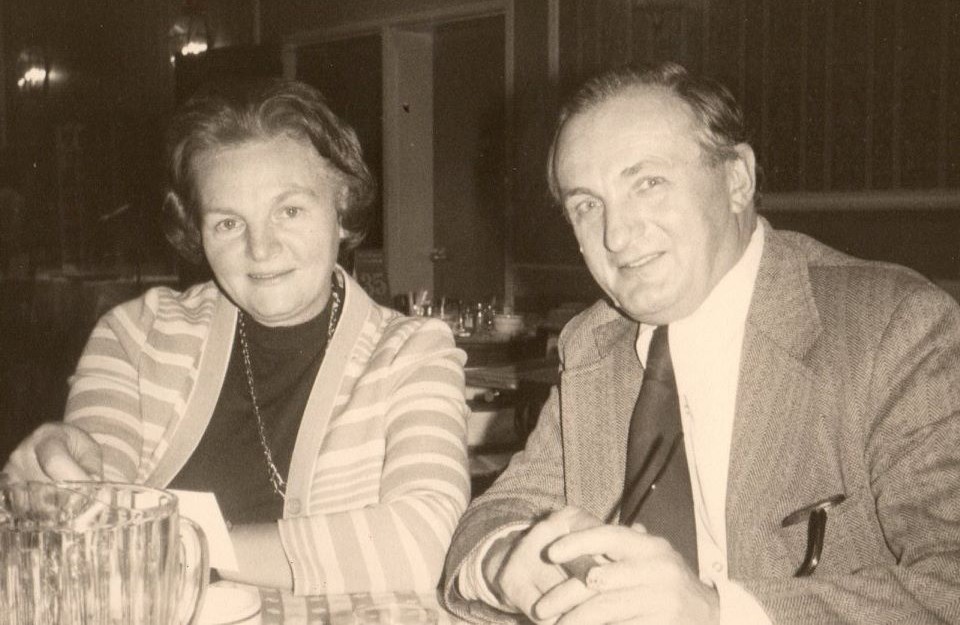
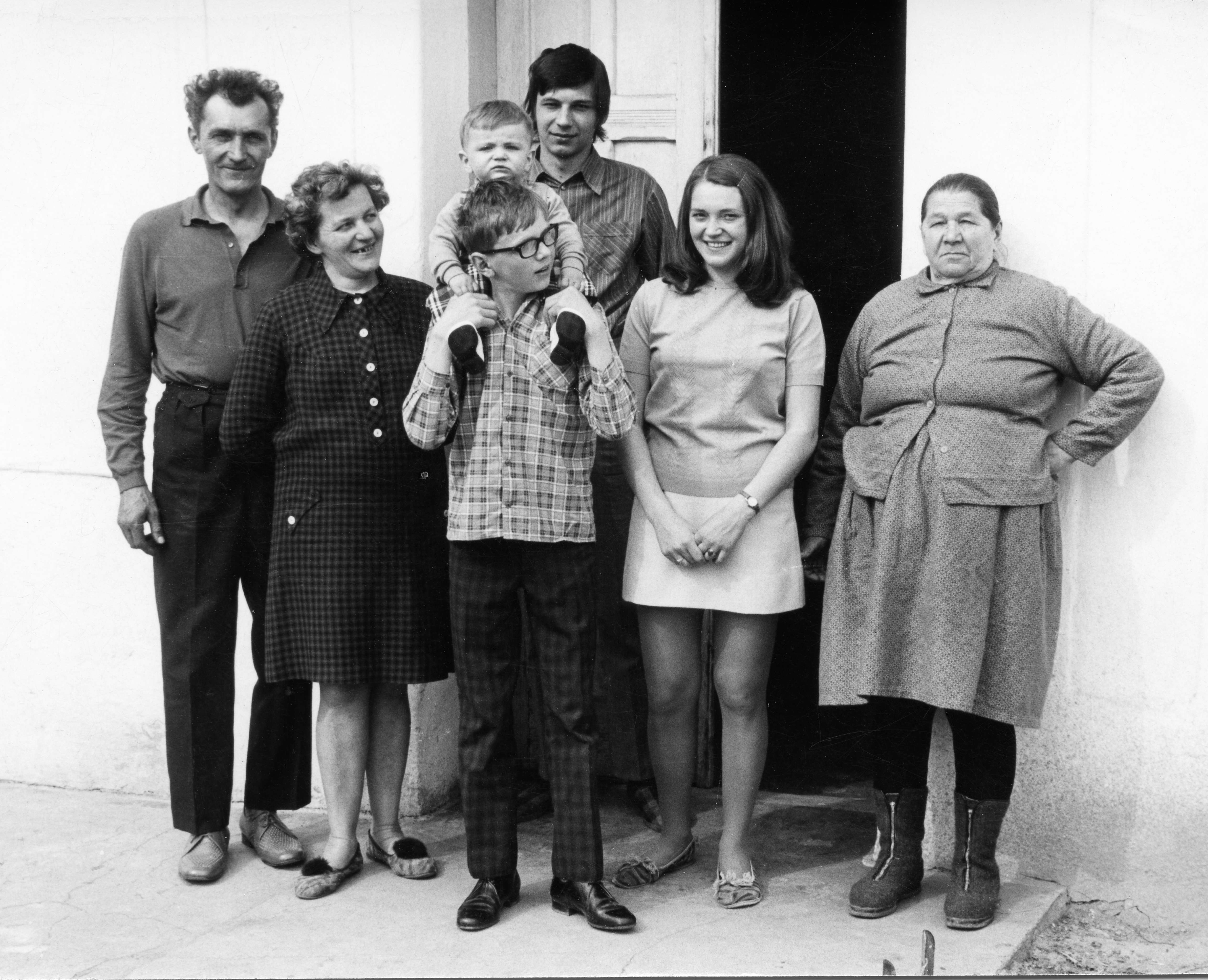
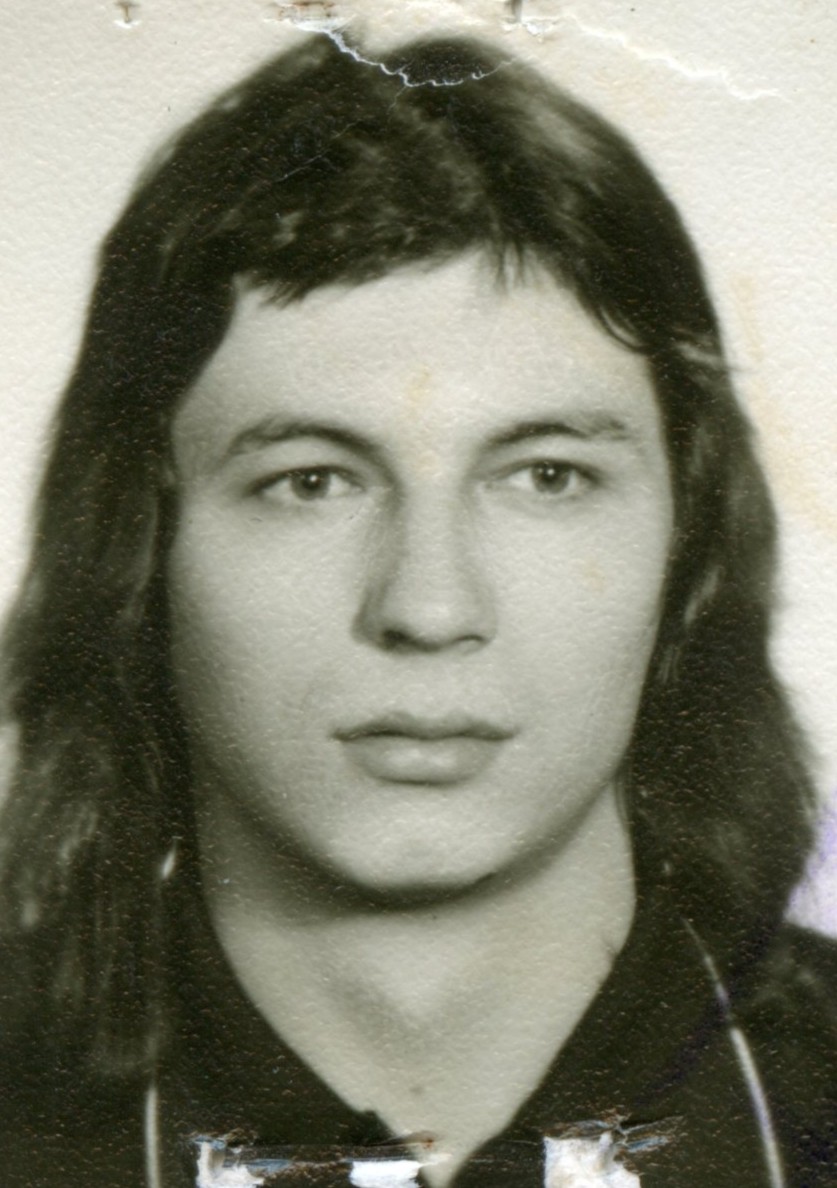
I first saw my grandfather when I was 20 years old
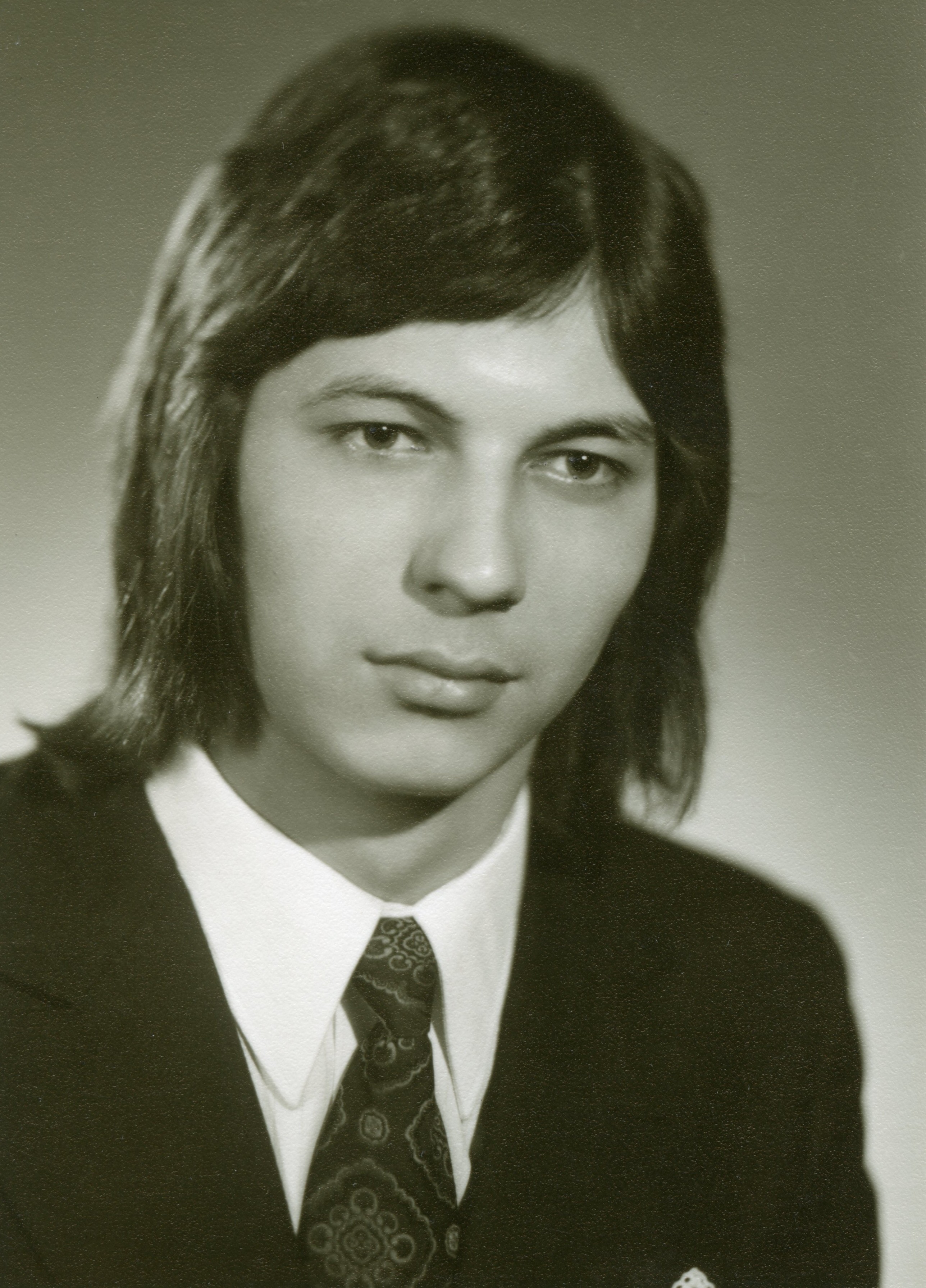
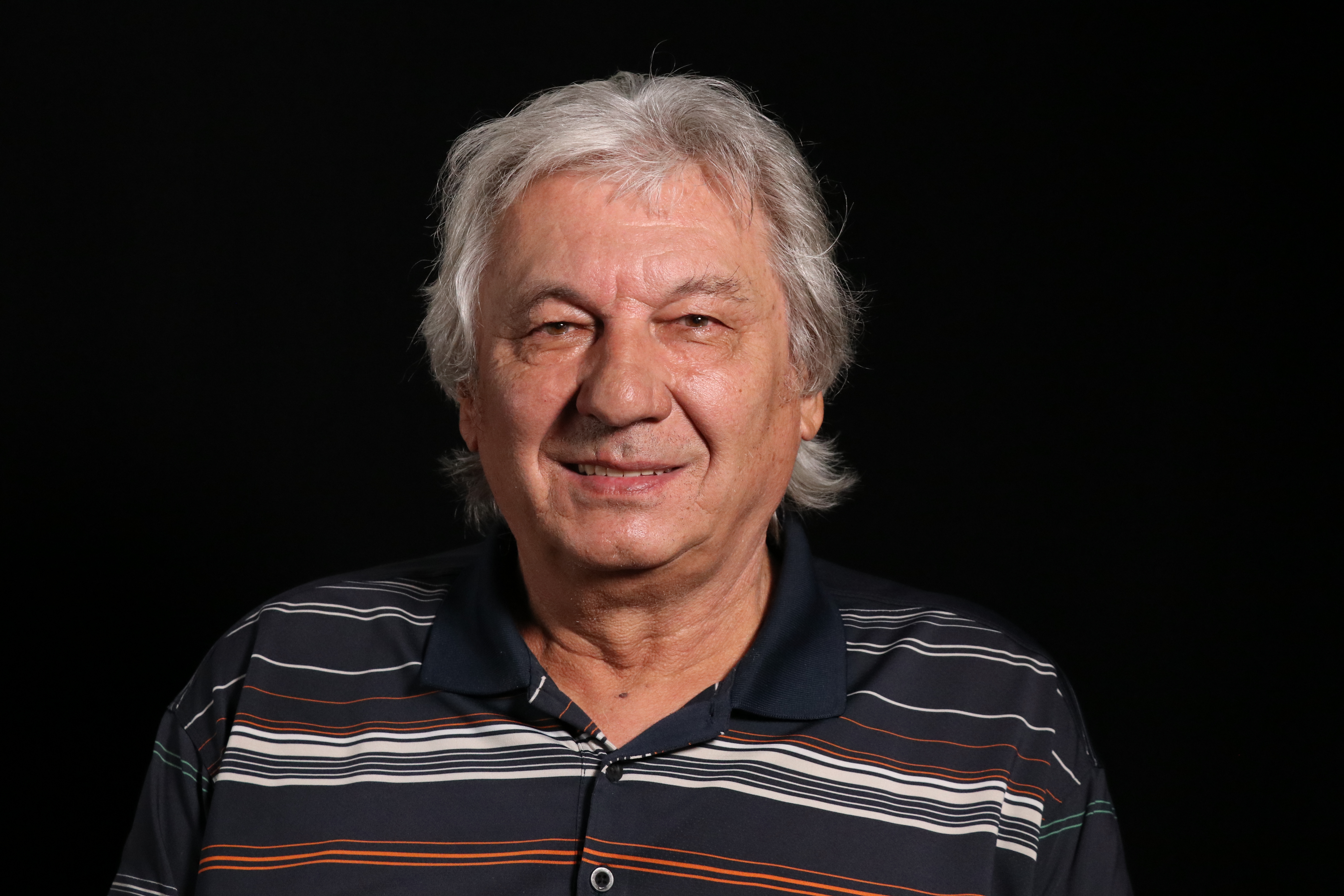
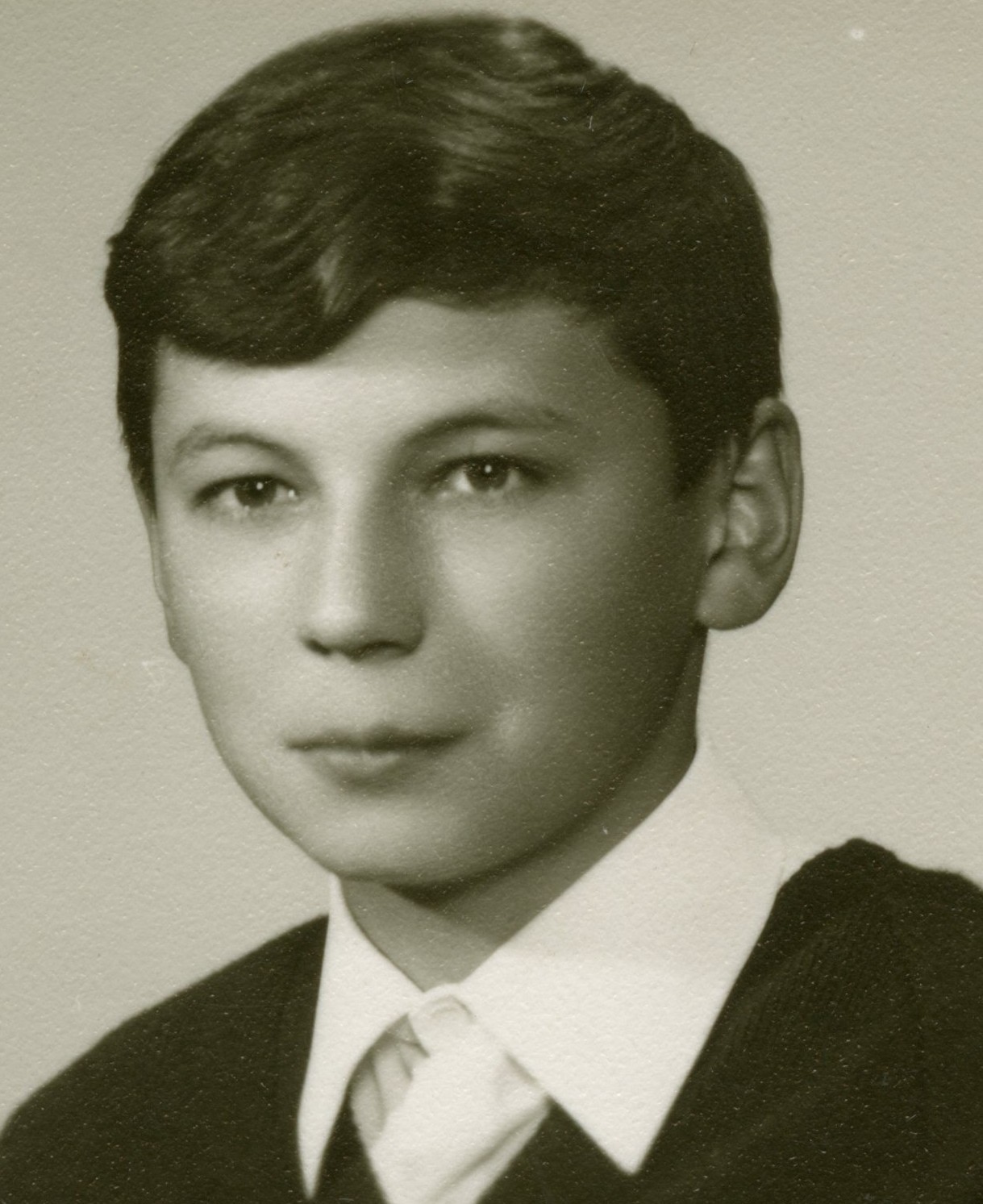
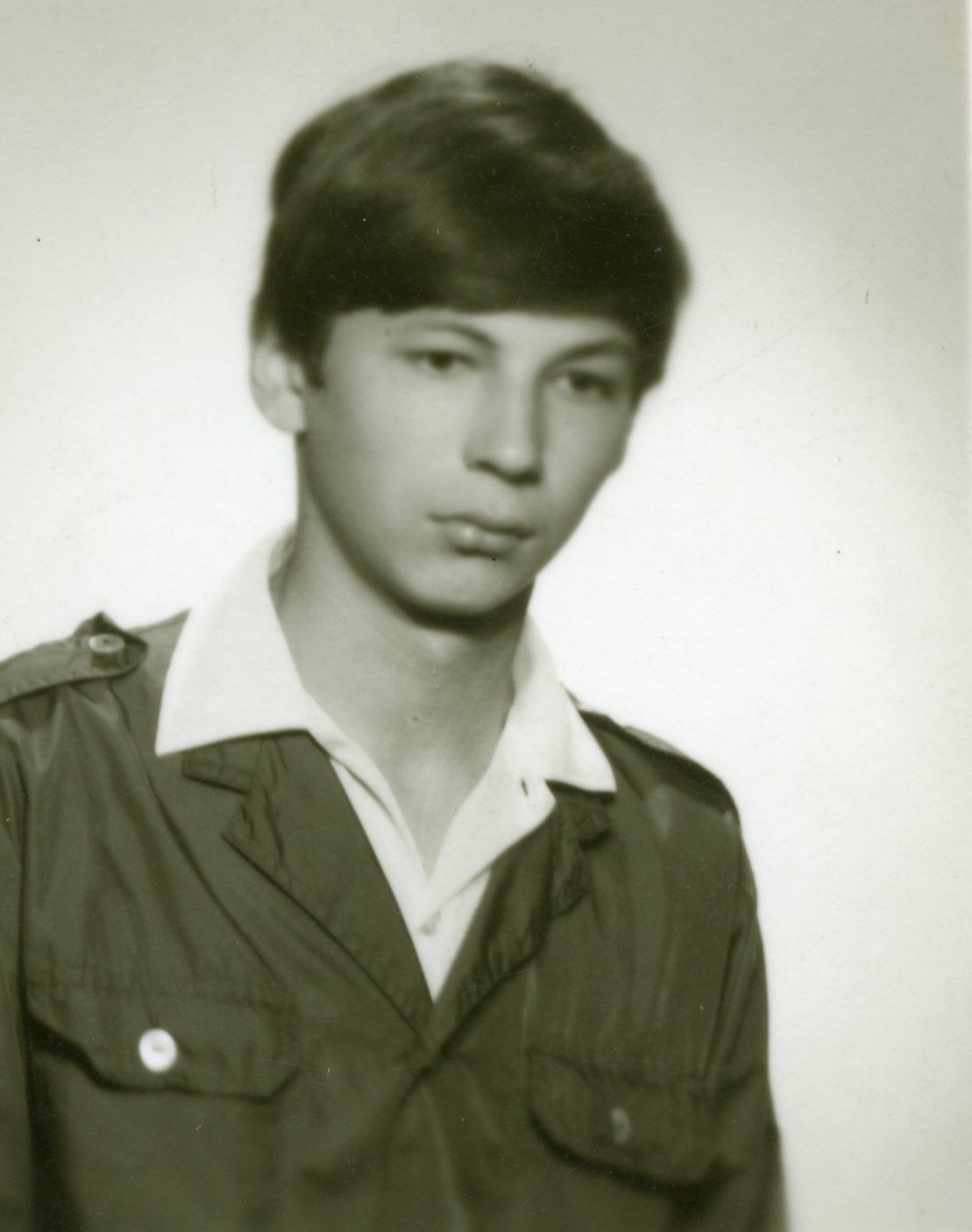
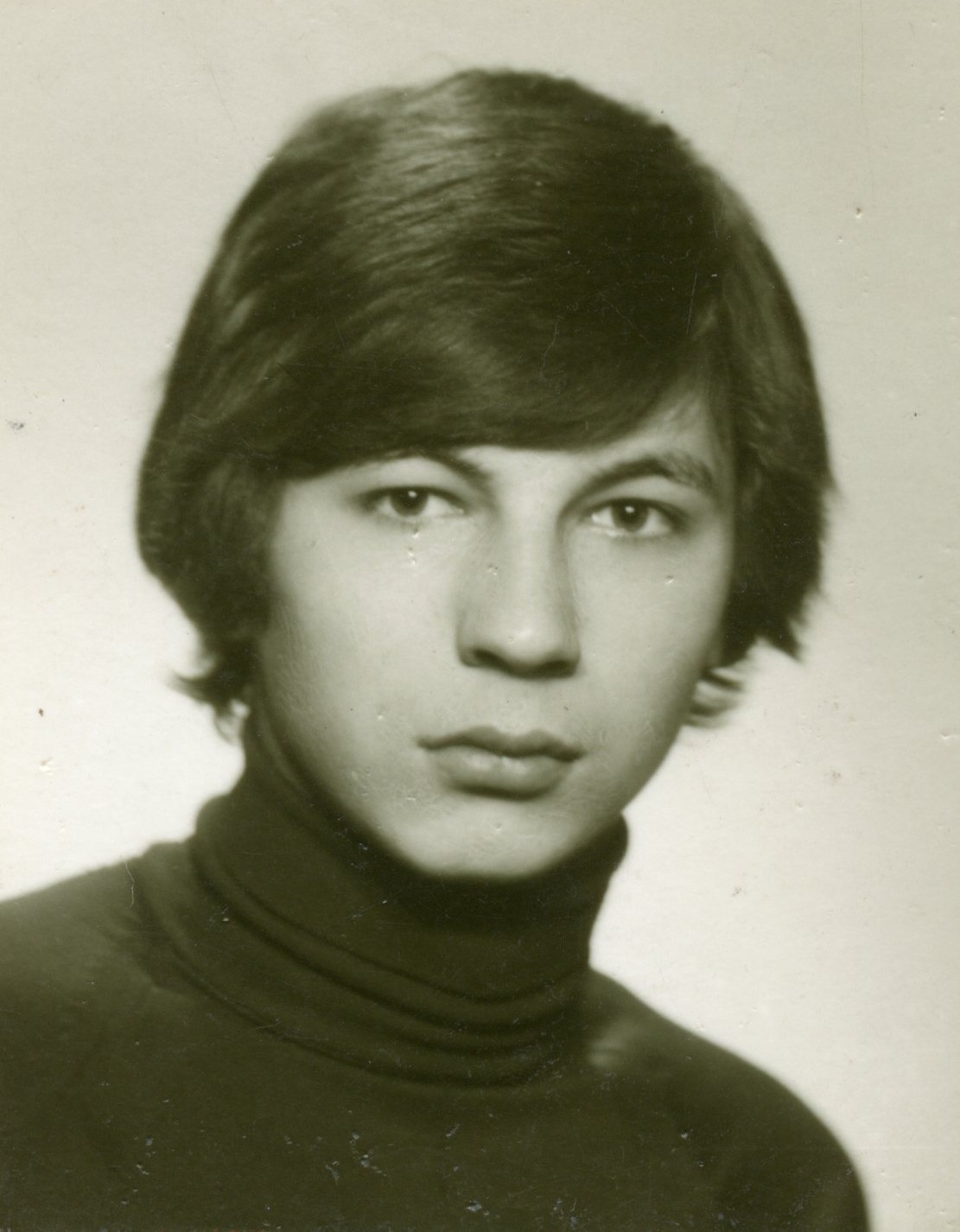
Karel Tomek, 1974
Karel Tomek, 1974
photo: Witness´s archive

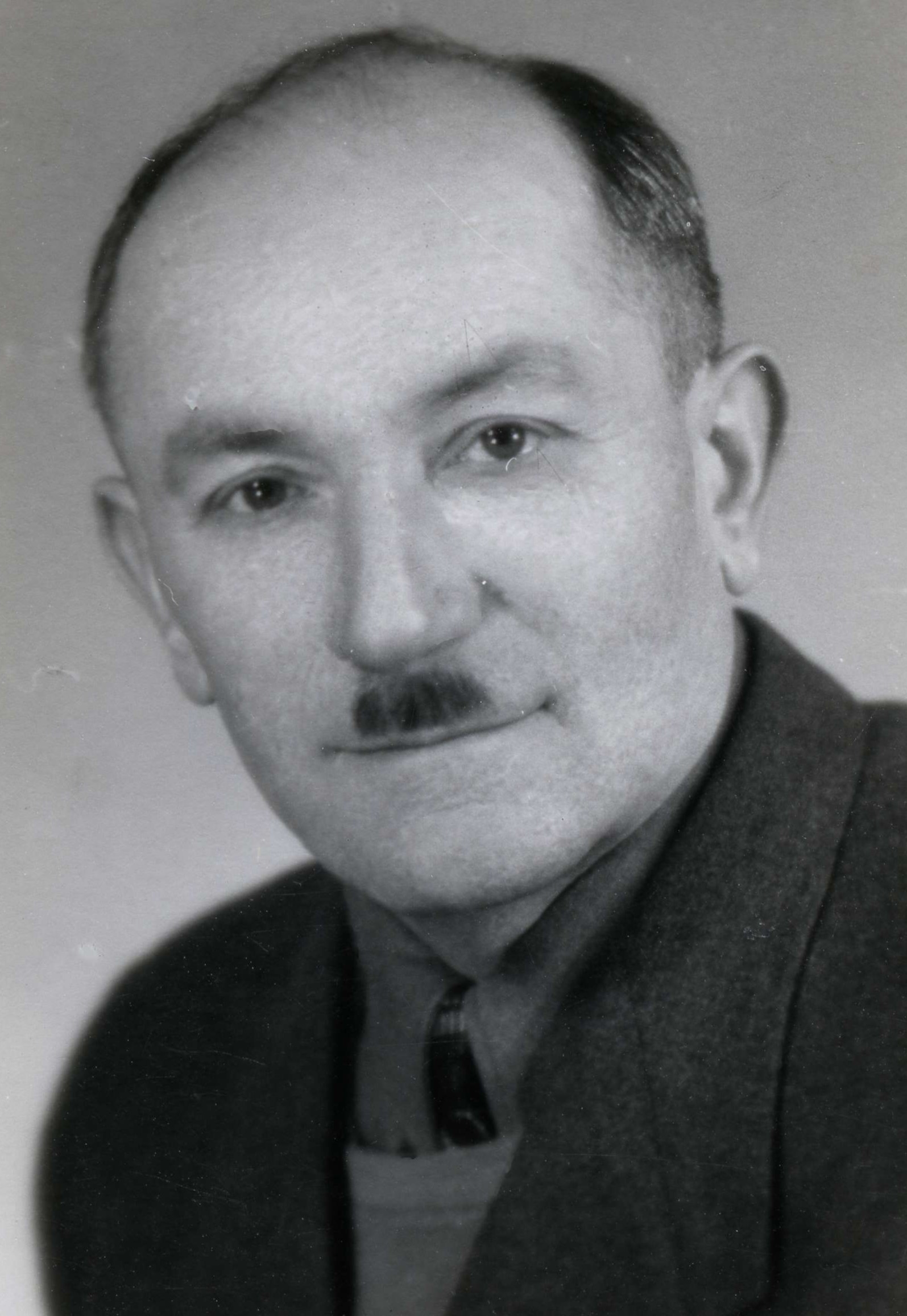
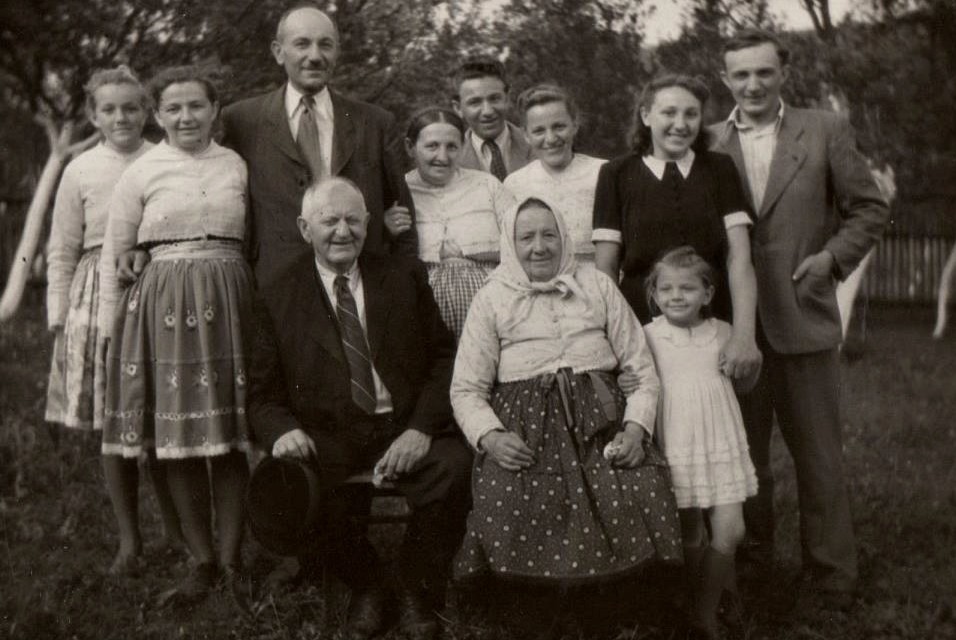
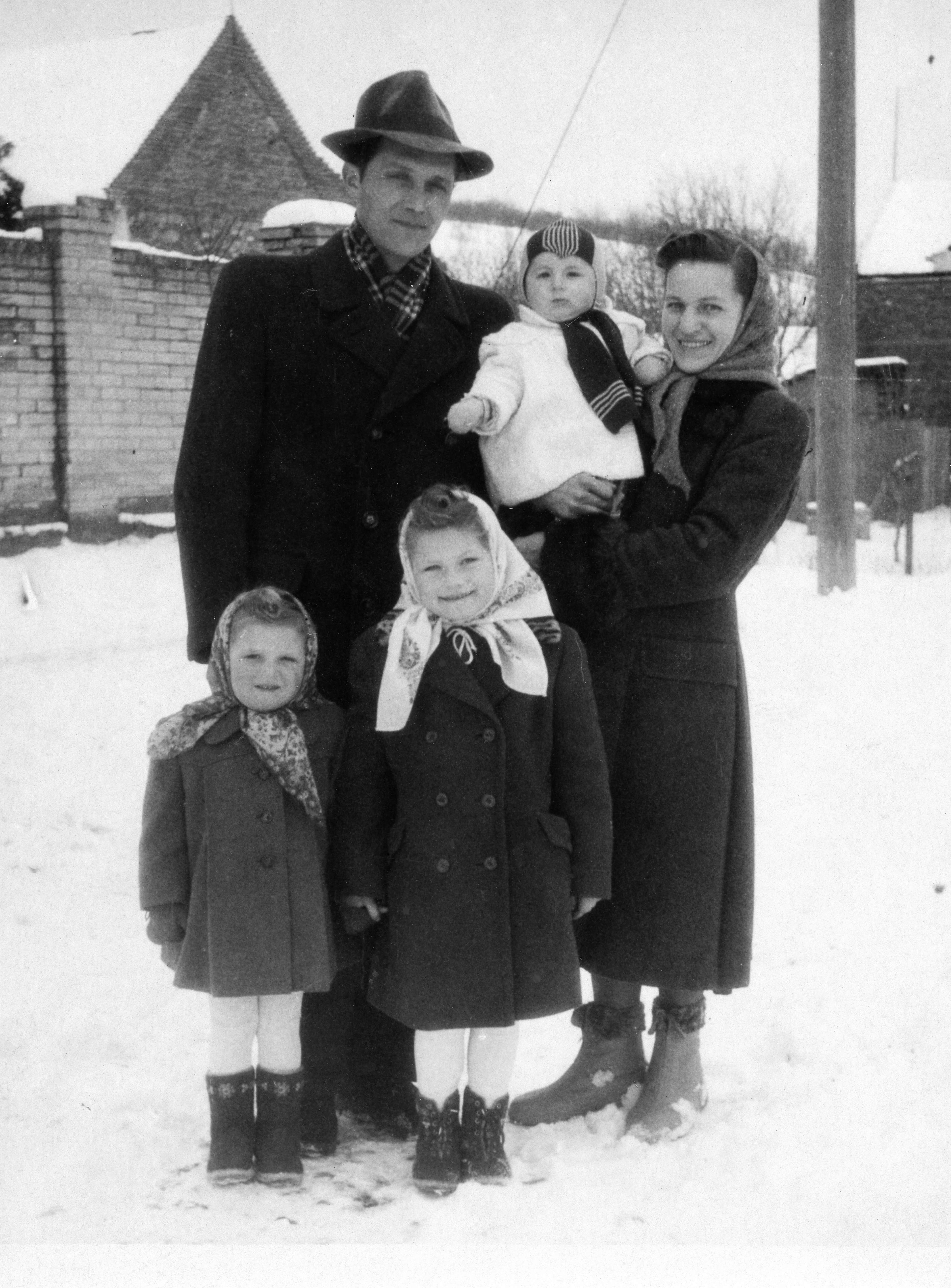
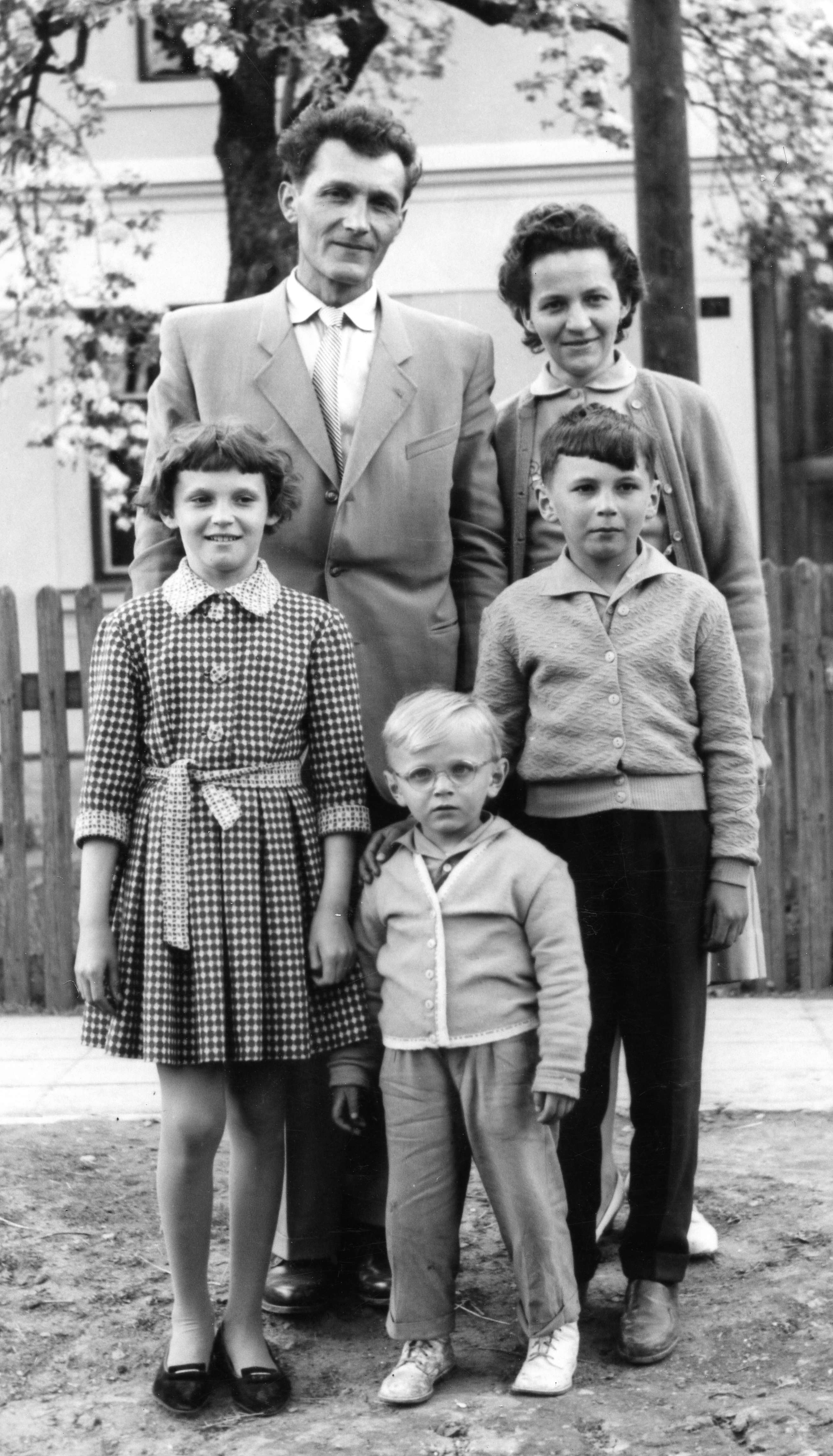
Karel Tomek was born on 12 June 1954 in Uherské Hradiště to Marie and Karel Tomek. He had three siblings and grew up in the village of Šumice. Karel Tomek did not know his maternal grandfather during his childhood - he lived overseas. His name was Leopold Slíva and he was born on 12 November 1896. During the First World War he joined legions and went through the Siberian anabasis. During the First Republic he was involved in municipal politics. From 1927/1928 he served as mayor of Šumice. In the 1935 parliamentary elections he won a seat in the National Assembly for the Agicultural Party. In December 1938, he joined the parliamentary club of the newly established National Unity Party. After the Nazi occupation in 1939, he helped some people to escape into exile. He was arrested by the Gestapo in January 1941 and spent the rest of the war in German prisons. In the 1946 parliamentary elections, he was elected a member of the Constituent National Assembly on behalf of the National Socialists. In September 1948 he emigrated to the USA to escape arrest. Karel Tomek saw his grandfather for the first time in 1974. He graduated from the Faculty of Mechanical Engineering of the Czech Technical University and worked at the Project Institute of Construction of the City of Prague. In 2025 he was living in Prague.