Ing. Josef Staněk

* 1939

  • "In Ostrava, I lived about eight kilometers from the factory where I worked, in a kind of recreational area. I walked there; there was a tram line. Even though it was outside Ostrava, there was a kind of recreational center for the people of Ostrava. And now someone was running and saying, 'The Russians have attacked us. People took it as a joke; they had no idea what was going on. When I arrived at the factory by tram, I found out the details. And indeed, Russian and Polish tanks apparently appeared there. And only then did we find out for sure that it had happened, that we had been attacked by practically everyone except perhaps the Romanians, who refused to do so. So that was the situation. And there were practically no problems in Ostrava. Except in Bělský les, where our garrison was stationed, when Soviet tanks, or Polish ones too, wanted to enter the military compound, our boys lined up their tanks against them. Then it was somehow resolved, and apparently, by some order from the higher command of our army, our soldiers were ordered to withdraw and let them in. That's the only incident I know of that could have caused something. Otherwise, I think it was somewhat calm throughout Ostrava."

  • "So, one experience that stuck in my mind was how Hitler was apparently sending even near-children to war. I witnessed fifteen- and sixteen-year-old boys being housed at the school. They had a few veteran soldiers with them and stayed there for a few weeks, maybe three or four weeks, before moving on. So their training took place there, which was probably something like this: there was a quarry a few hundred meters from where I lived, and we were interested in it because they were practicing shooting there. We went there, and they didn't chase us away, so we went there, collected cartridges, and then when they stopped shooting, we sometimes managed to find some that hadn't been fired yet, which we then played with and threw into the fire. We had fun with it as children, but of course the older boys- And we watched, so we considered it an adventure for us. Otherwise, neither the boys nor the officers or their escorts chased us away or paid any attention to us. Of course, we couldn't go among them where they were shooting, but we watched them from a distance, and when they left, we collected the bullets, which were great souvenirs for us. That's what it looked like. But you can't say that they treated us, the children, badly at all."

  • "So my story about the war is through the eyes of a five-year-old boy. That area of Wallachia was very resistant. There were practically a lot of partisans in our area. And when I began to perceive this as a four- or five-year-old boy, when I specifically encountered the fact that sometimes, perhaps due to denunciation, or if the Germans found out where some of the partisans were moving, we saw the intervention, that they arrived in police vans and carried out raids. Specifically, what I saw was that, apparently either because of a tip-off or because they found out that one partisan was a few hundred meters away from us, he was supposed to be with his girlfriend. We were outside, playing with the older kids, and we saw the police vans arriving and the Germans running out. The partisan had apparently been warned just before and fled into the hills. Of course, I know they fired at him, and he then returned fire at them. Then, of course, the Germans didn't dare to pursue him into the mountains because his friends were approaching and would protect him. So that was my particular experience where I saw the real, I would say, resistance."

  • Full recordings
  • 1

    Praha, 04.12.2024

    (audio)
    duration: 01:58:20
    media recorded in project Stories of the 20th Century TV
Full recordings are available only for logged users.

The Soviet invasion was a huge setback for the economy
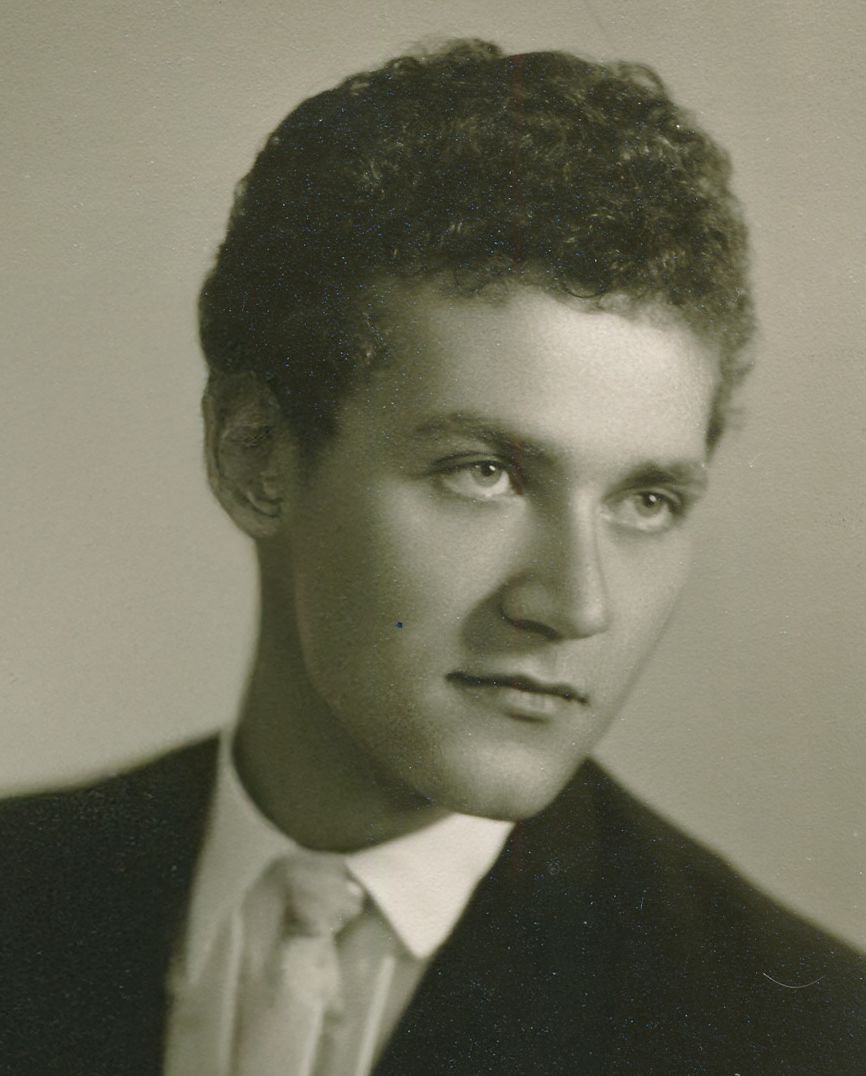
Josef Staněk, 1962
Josef Staněk, 1962
photo: Witness archive

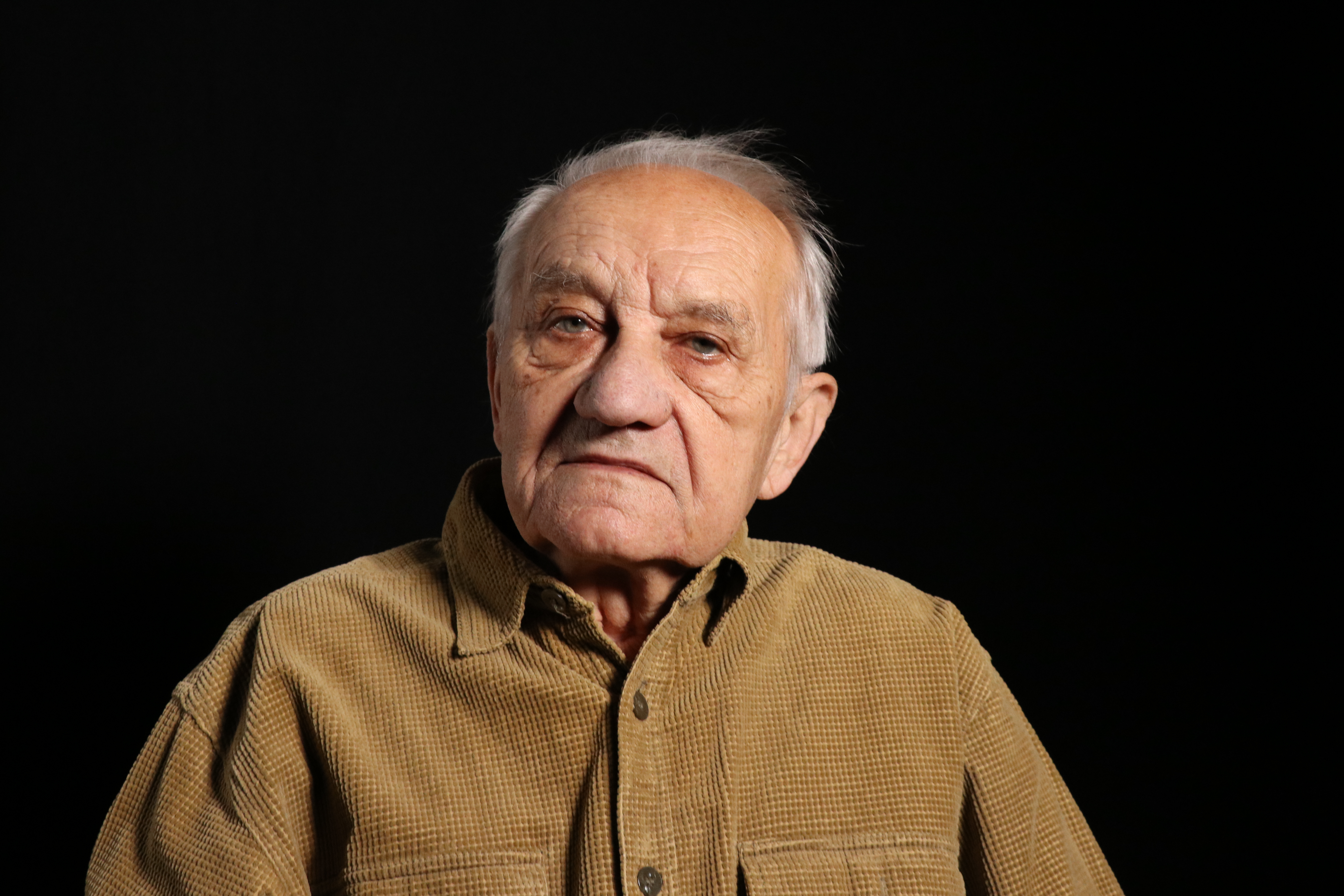
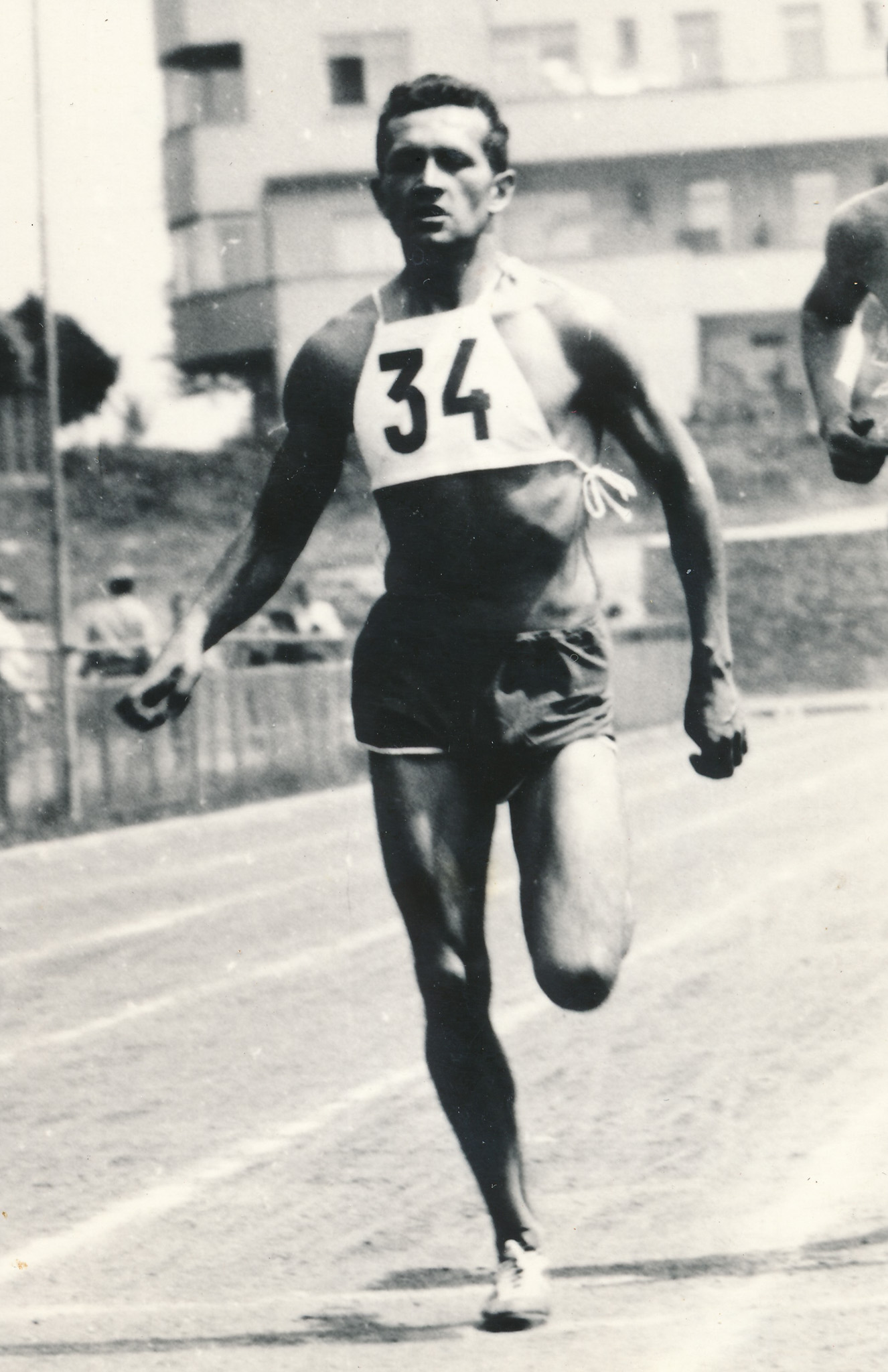
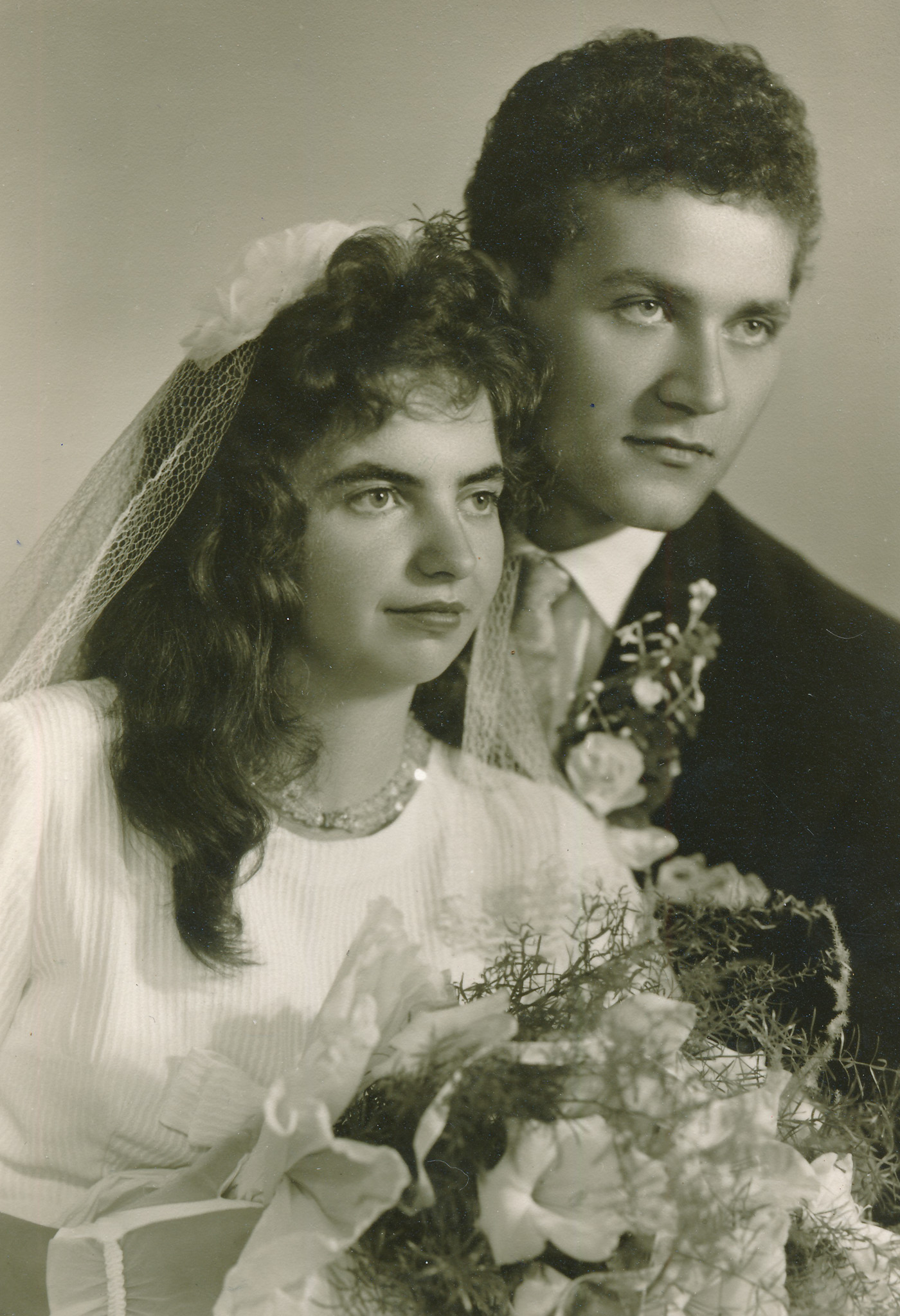
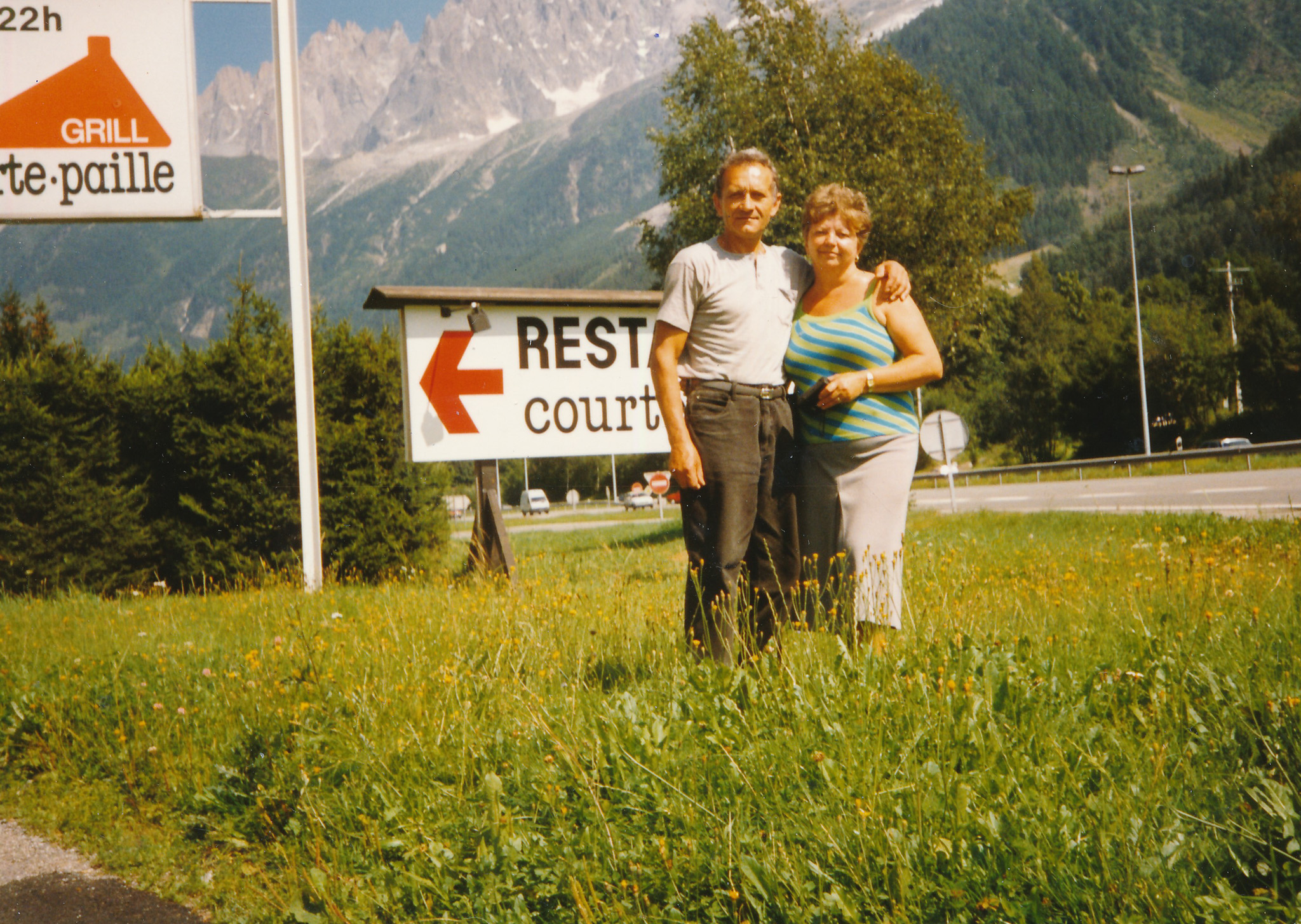
Josef Staněk was born on 19 March 1939 in Kateřinice near Vsetín. His mother, Štěpánka Staňková, was unmarried, and Josef was taken care of by his grandparents on a small farm from his early childhood. During the Second World War, partisans were very active in Wallachia; as a young boy, he witnessed a shooting during the arrest of one of them. He and the other boys also went to observe the training of young German soldiers in the nearby quarry. After the war, he and his grandparents went to settle in the border area in Staré Město pod Králickým Sněžníkem, where his grandfather was a horse driver, hauling wood to the sawmill. They did not stay there long, however, and soon returned to Kateřinice, where he joined a scout troop and was active in it even after the Junák was banned in 1950. At the age of thirteen, he moved to Hanušovice to live with his mother, who had married and finally taken her son in. In Hranice, he graduated from an industrial school specialising in woodworking and in 1958 went to the University of Forestry and Woodworking in Zvolen. He joined the Communist Party of Czechoslovakia during the war in 1964, and was later enlisted in the cadre reserves. He started his professional career at the North Moravian Timber Plants, quickly worked his way up and at the age of 28, became the director of the plant in Ostrava-Poruba. In the second half of the 1960s, he became a supporter of Ota Šik’s economic reforms, but his hopes were ended by the Soviet invasion of Ostrava on 21 August 1968. Although he disagreed with the entry of Warsaw Pact troops, he was vetted and sent to Prague in 1969 to join the Central Bohemian Timber Plants. Four years later, he joined the Czech Planning Commission, where he worked under Stanislav Rázle and remained in his position until November 1989. In retrospect, he assessed socialism as a good, but incorrectly implemented ideology. At the time of filming, he lived with his wife alternately in Prague and in Pekařov in the Šumperk region, where he carved wooden sculptures.