Ever since I was a kid, I’ve been drawn to archaeology
Download image
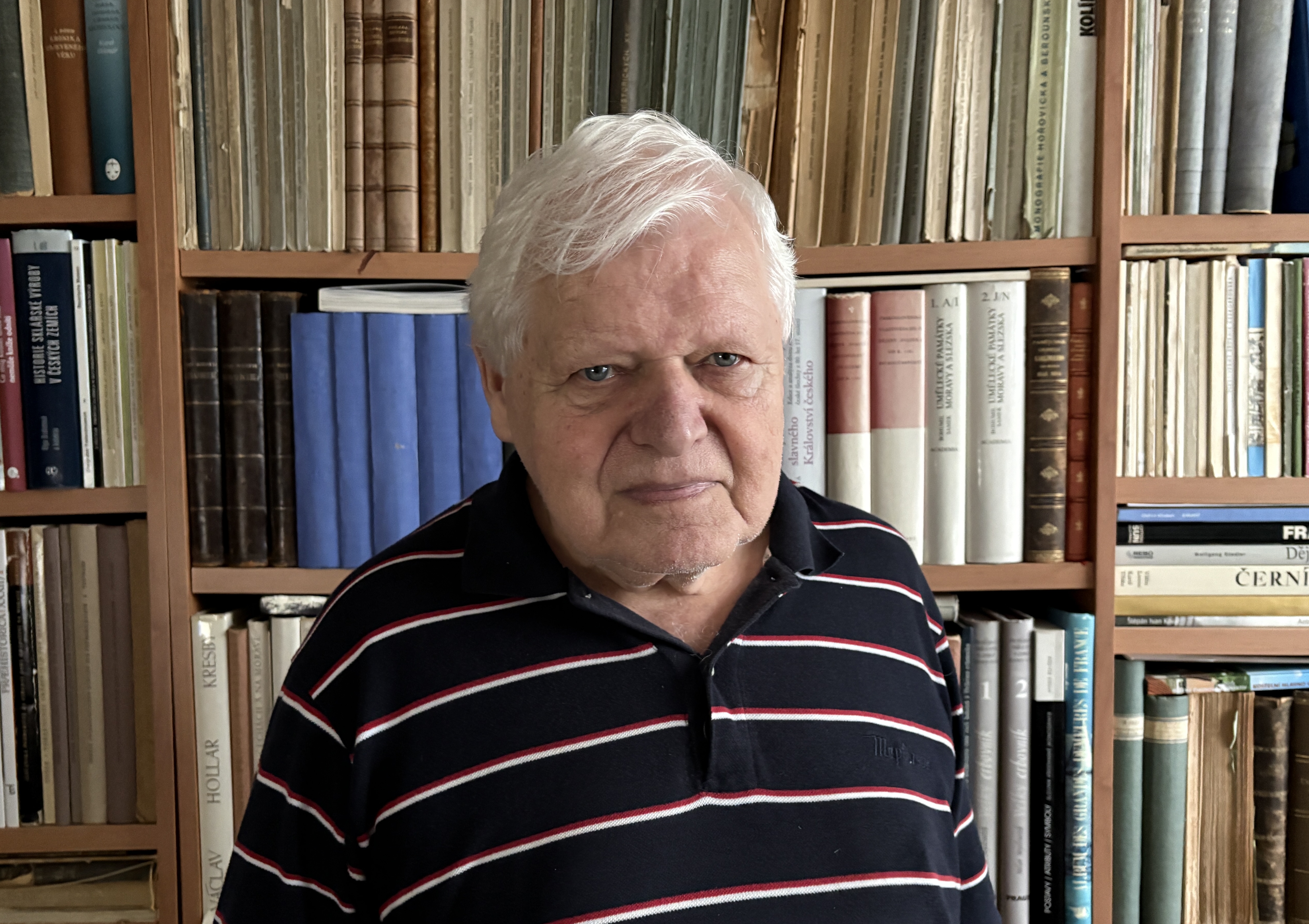
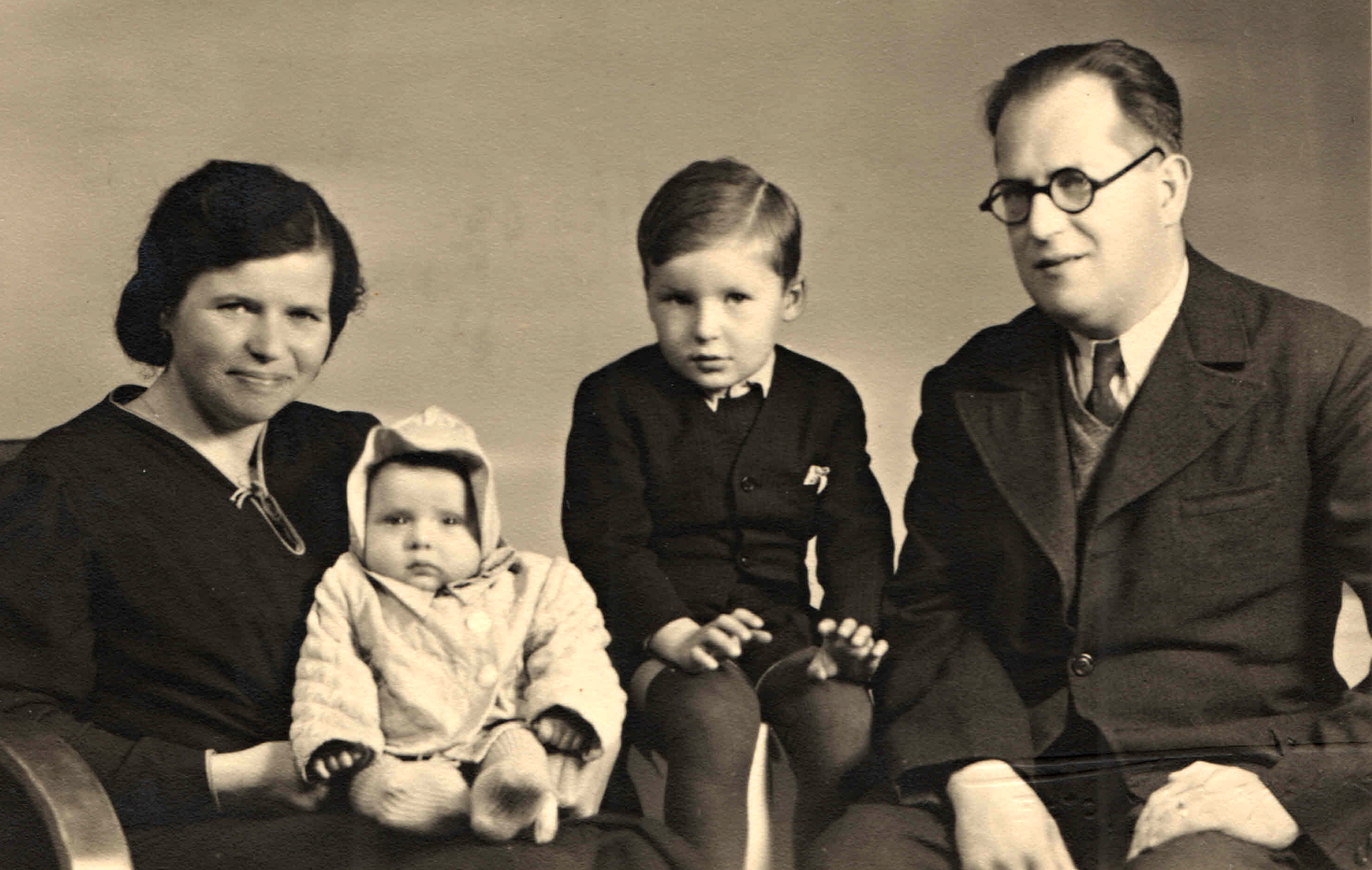
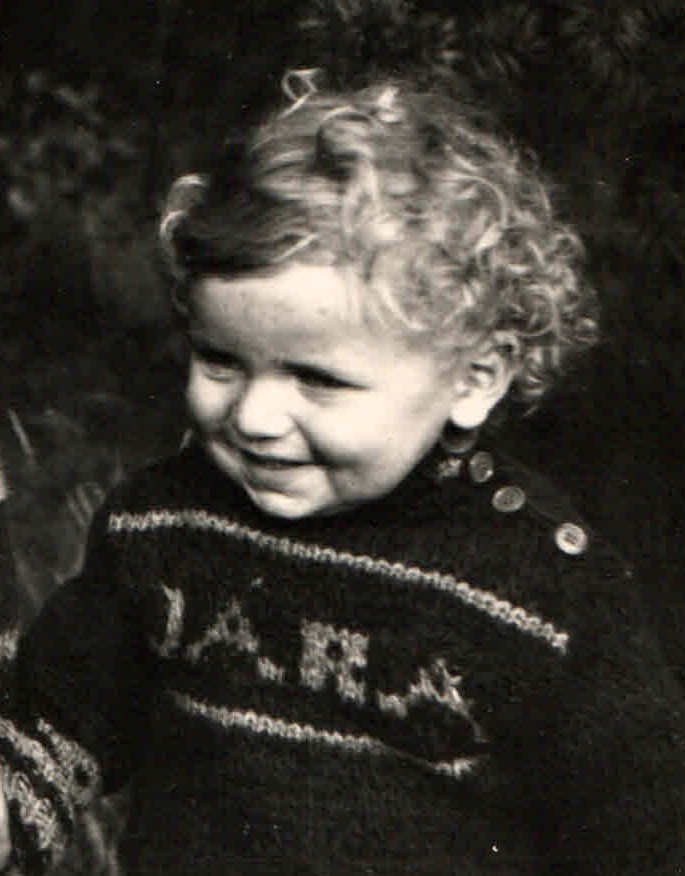
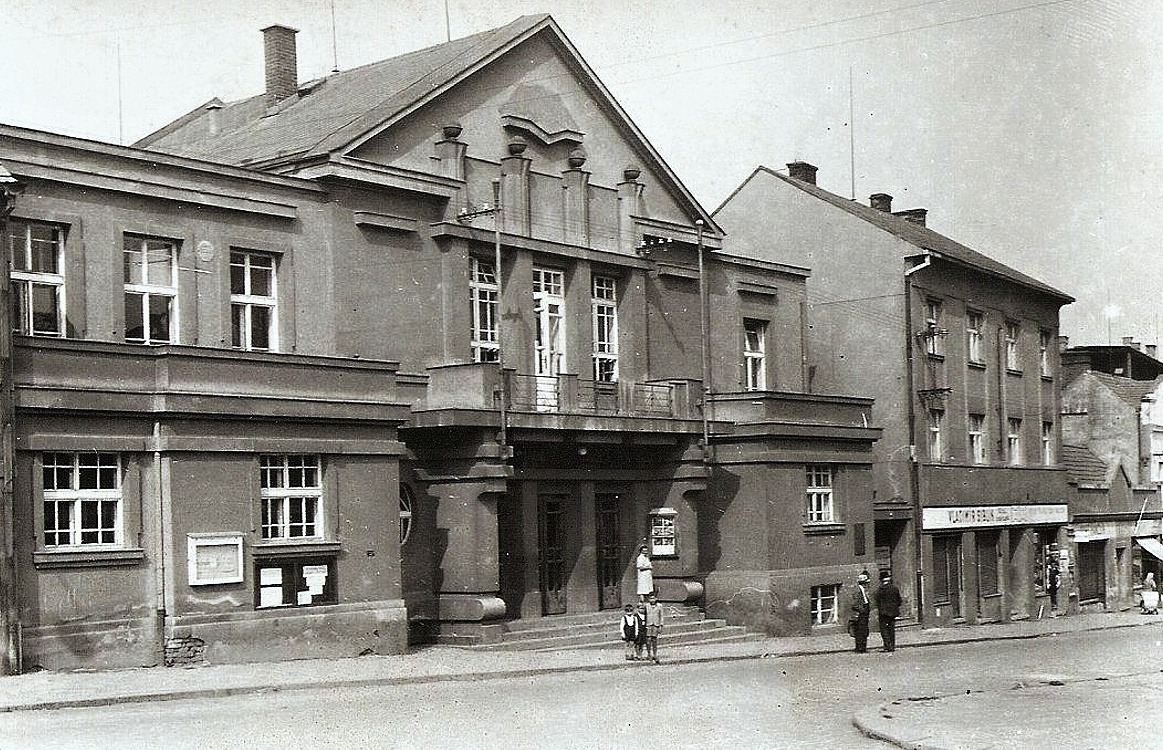
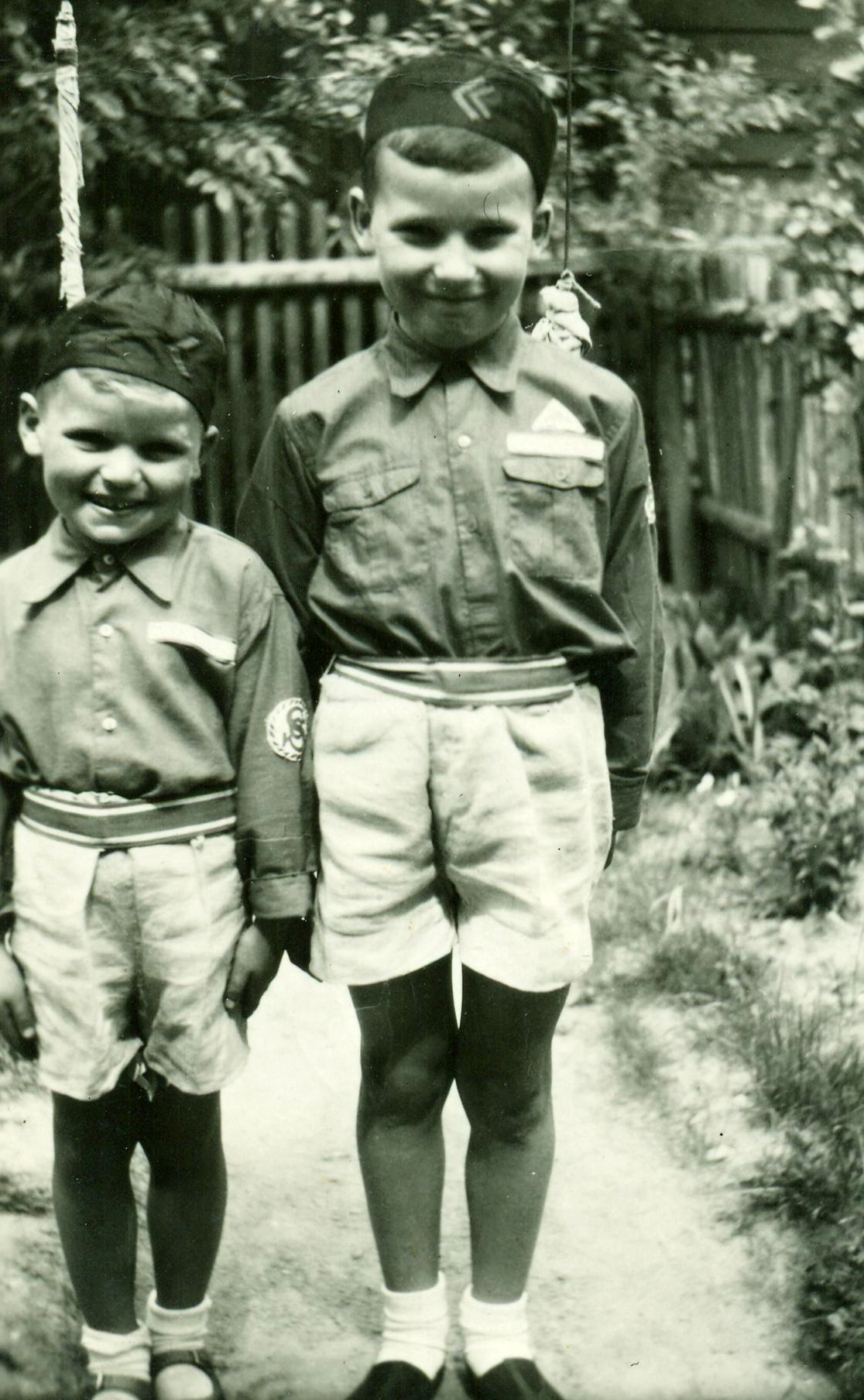
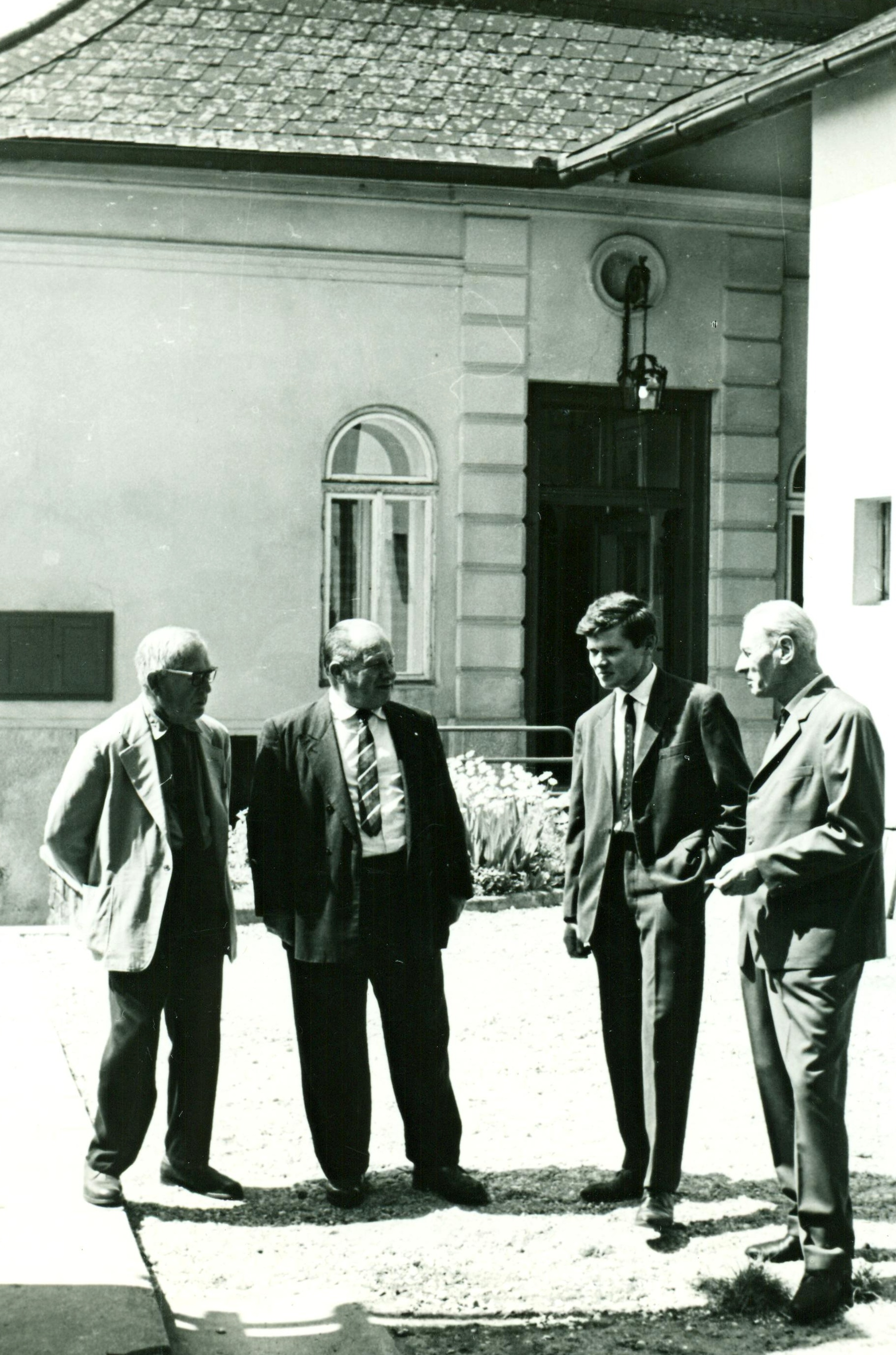
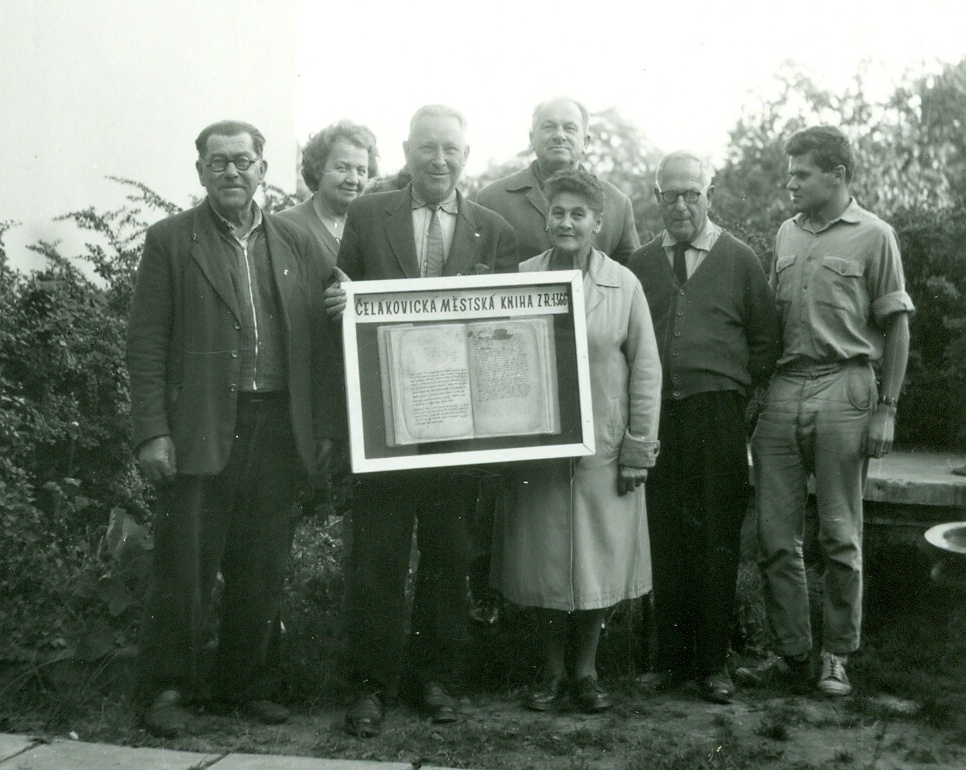
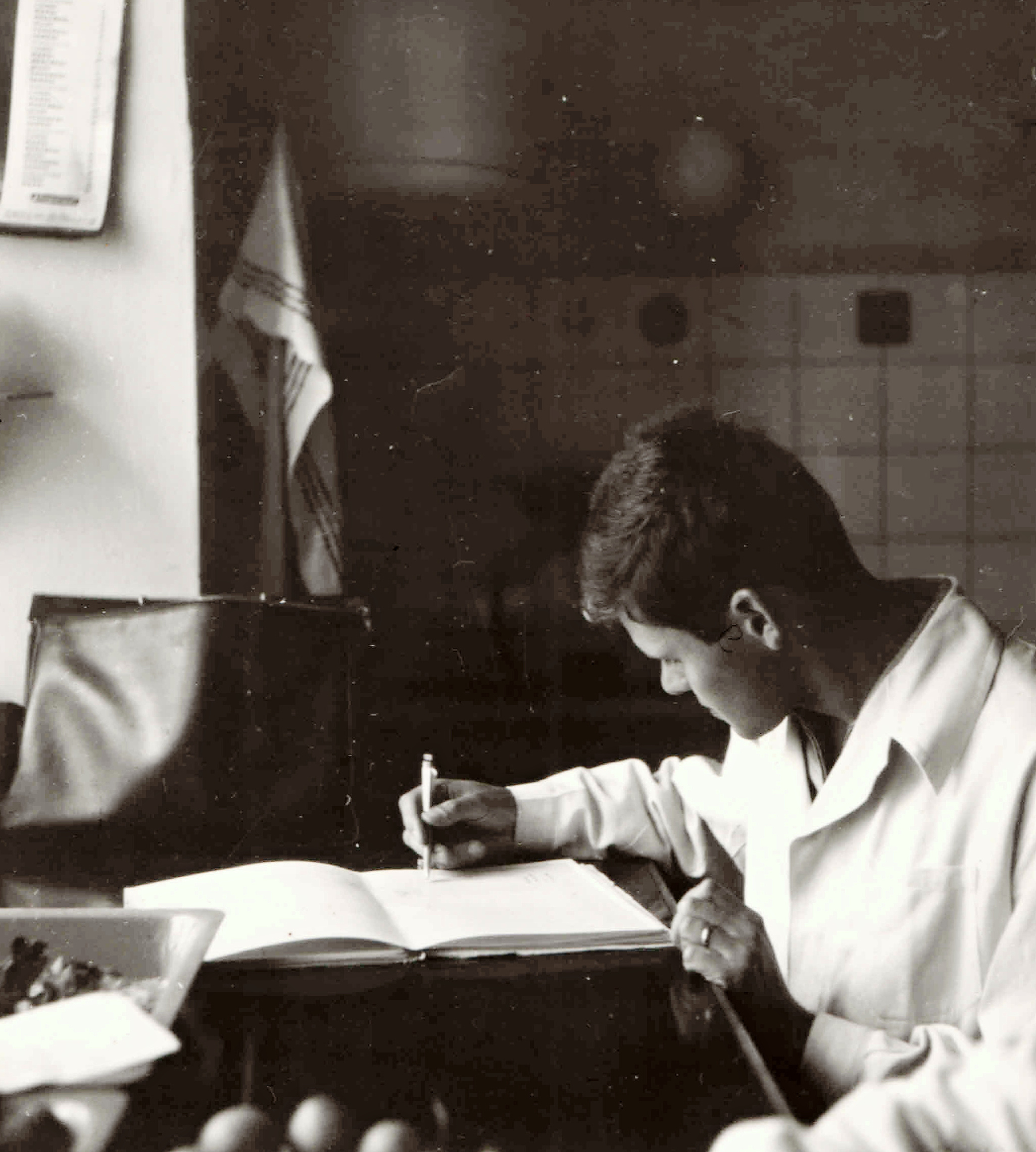
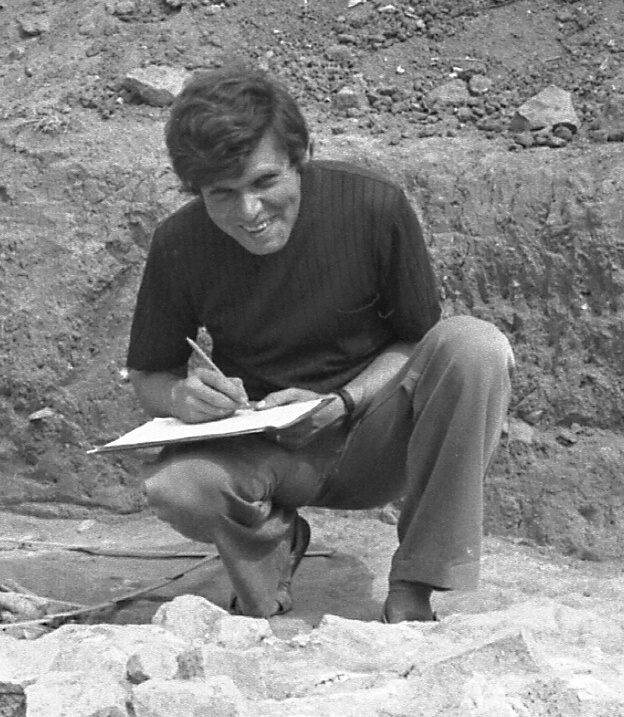
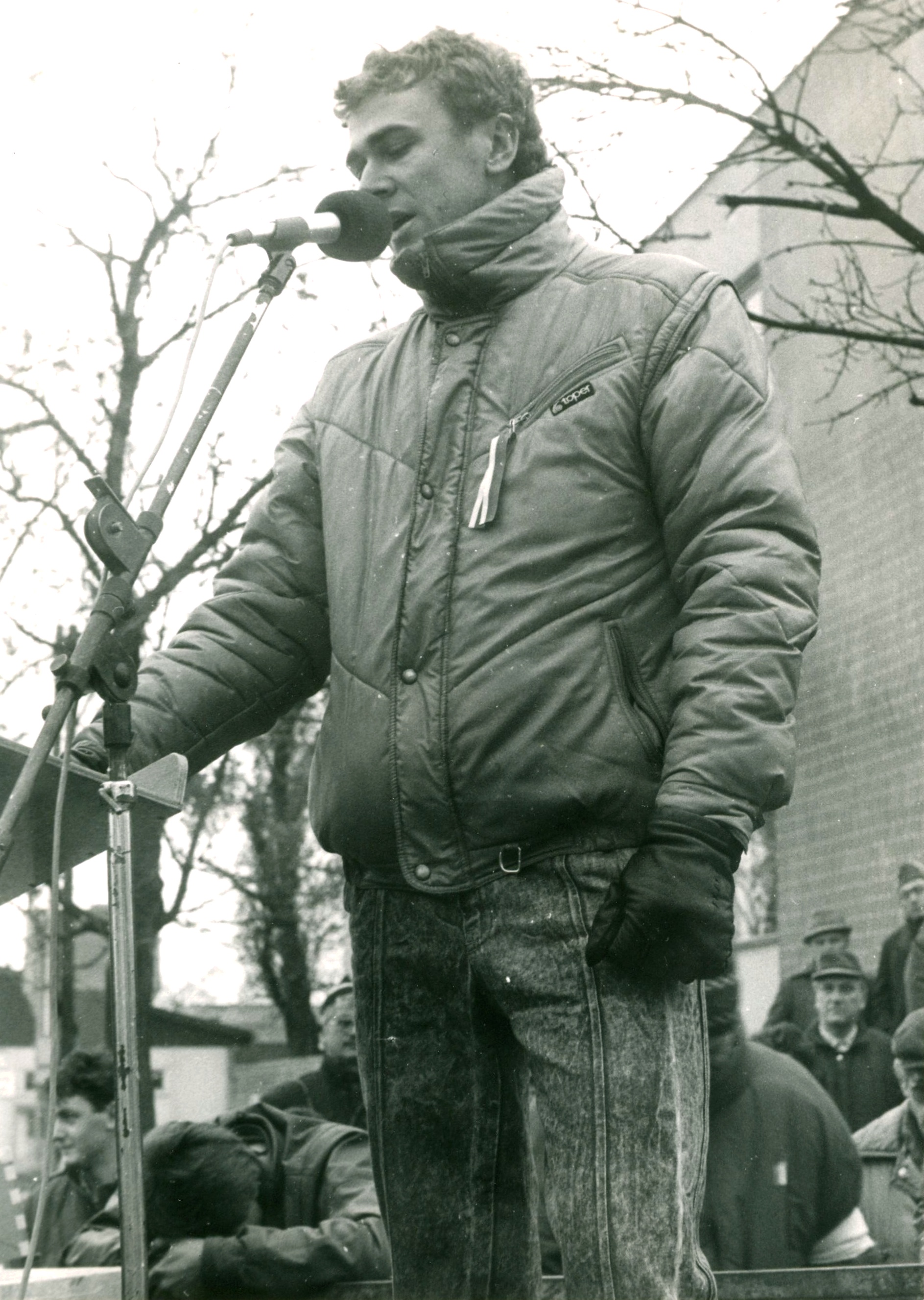
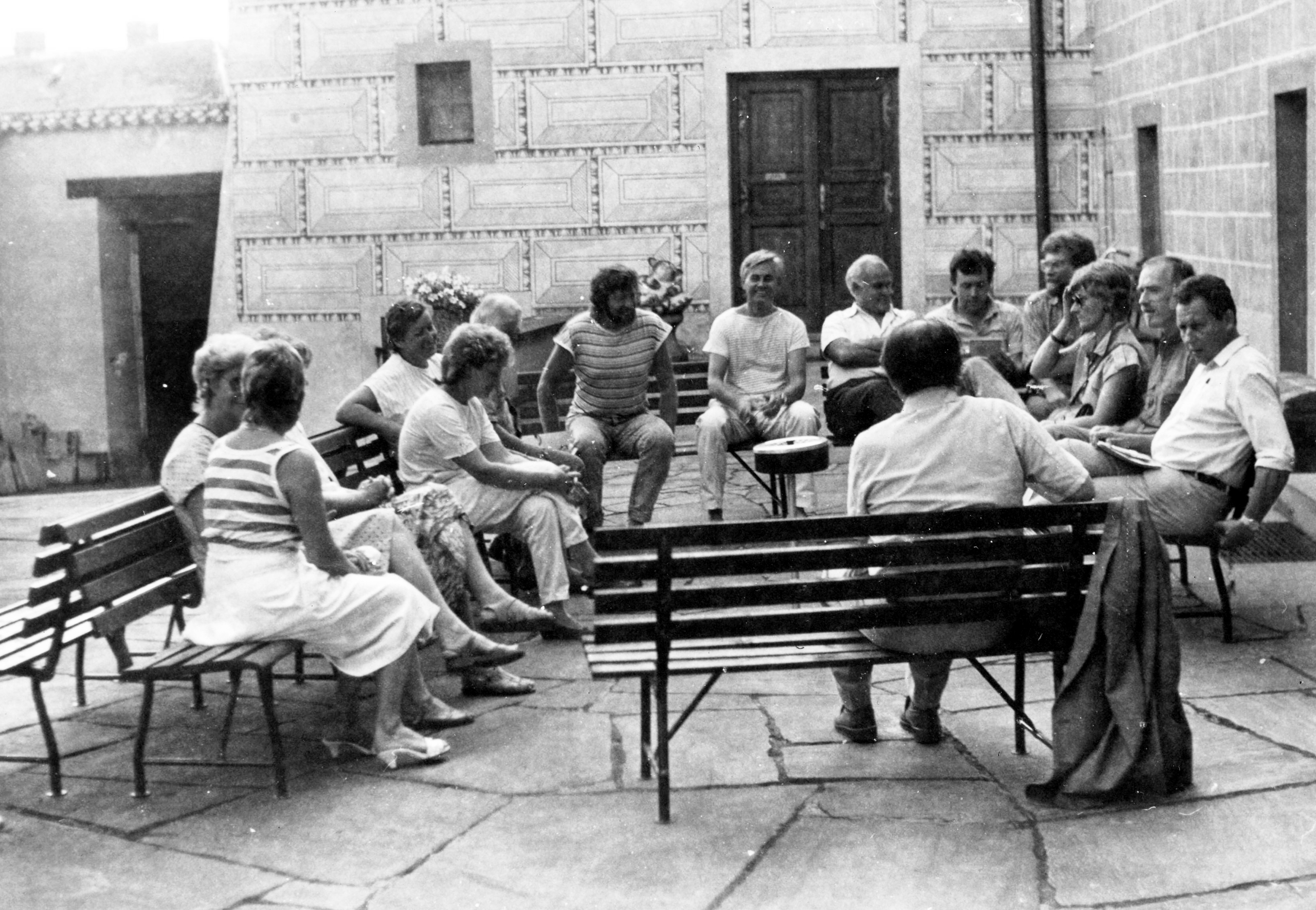
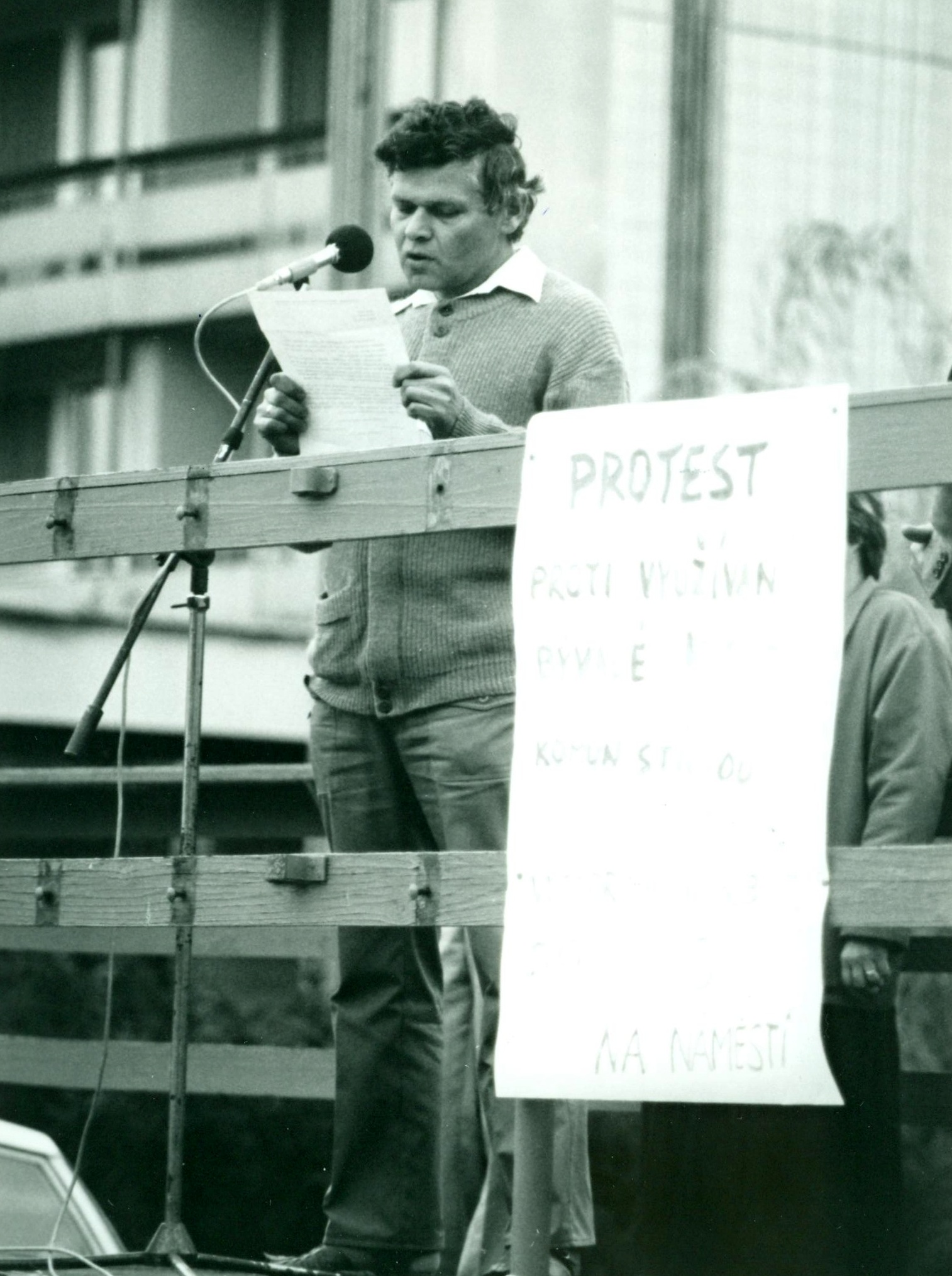
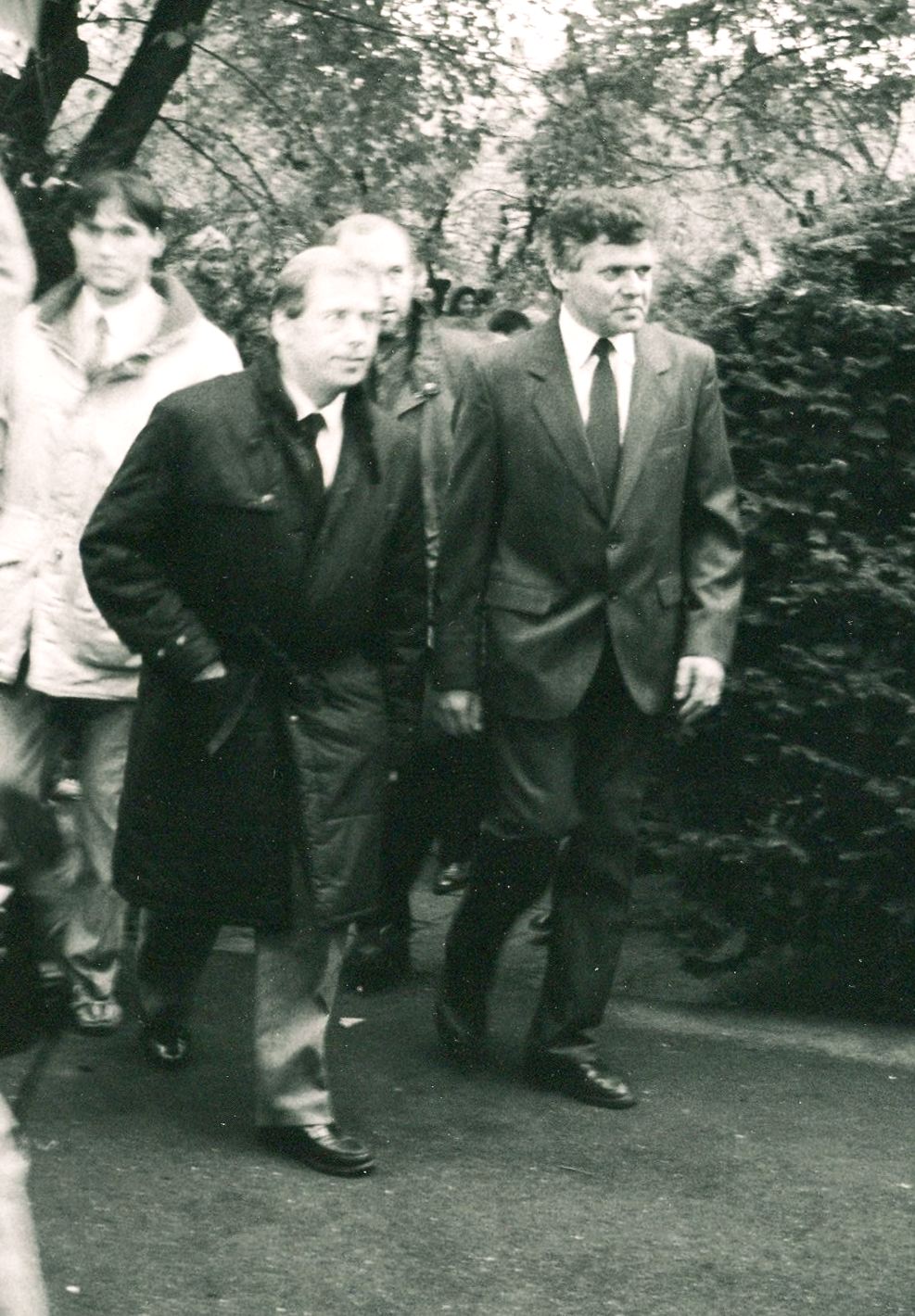
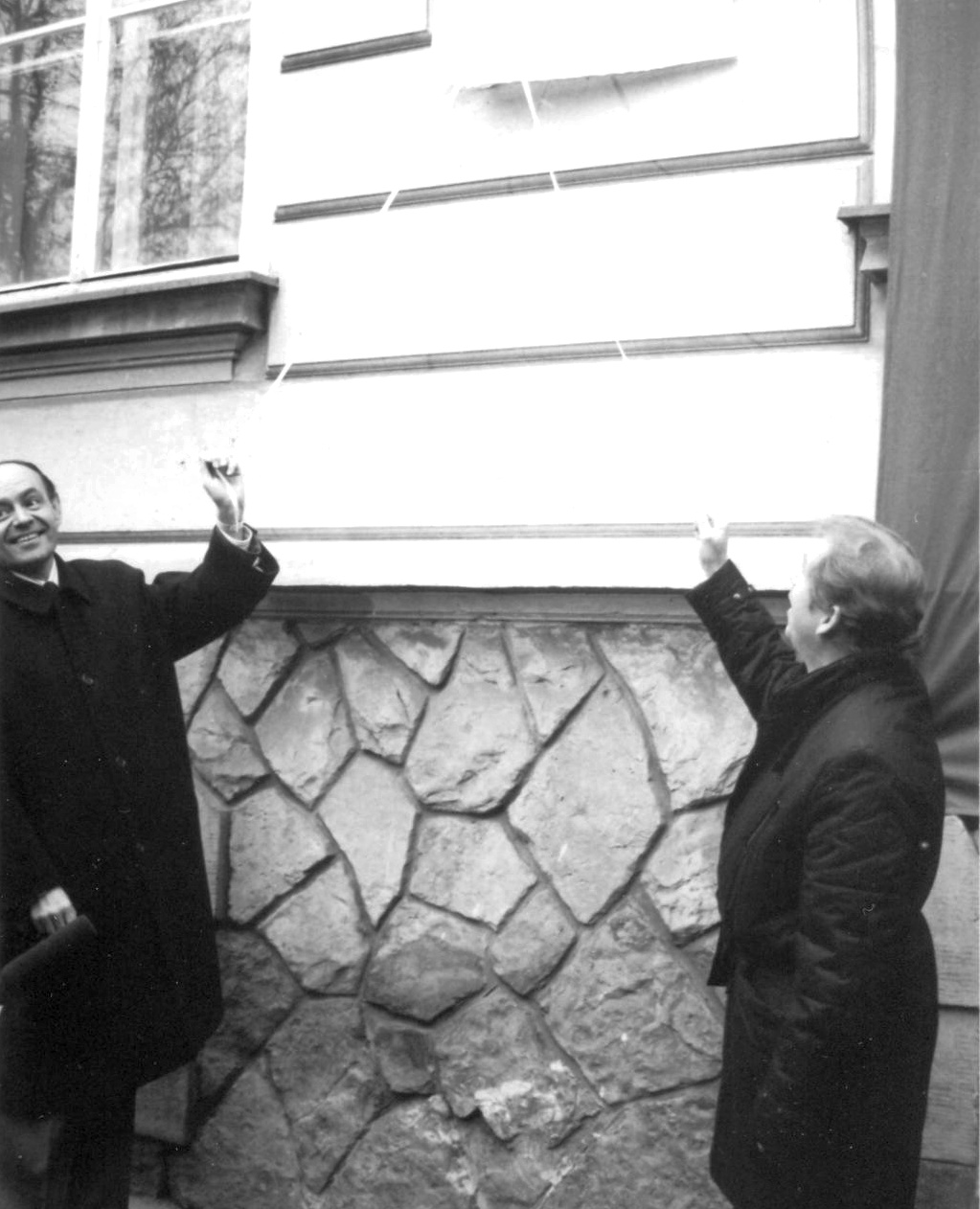
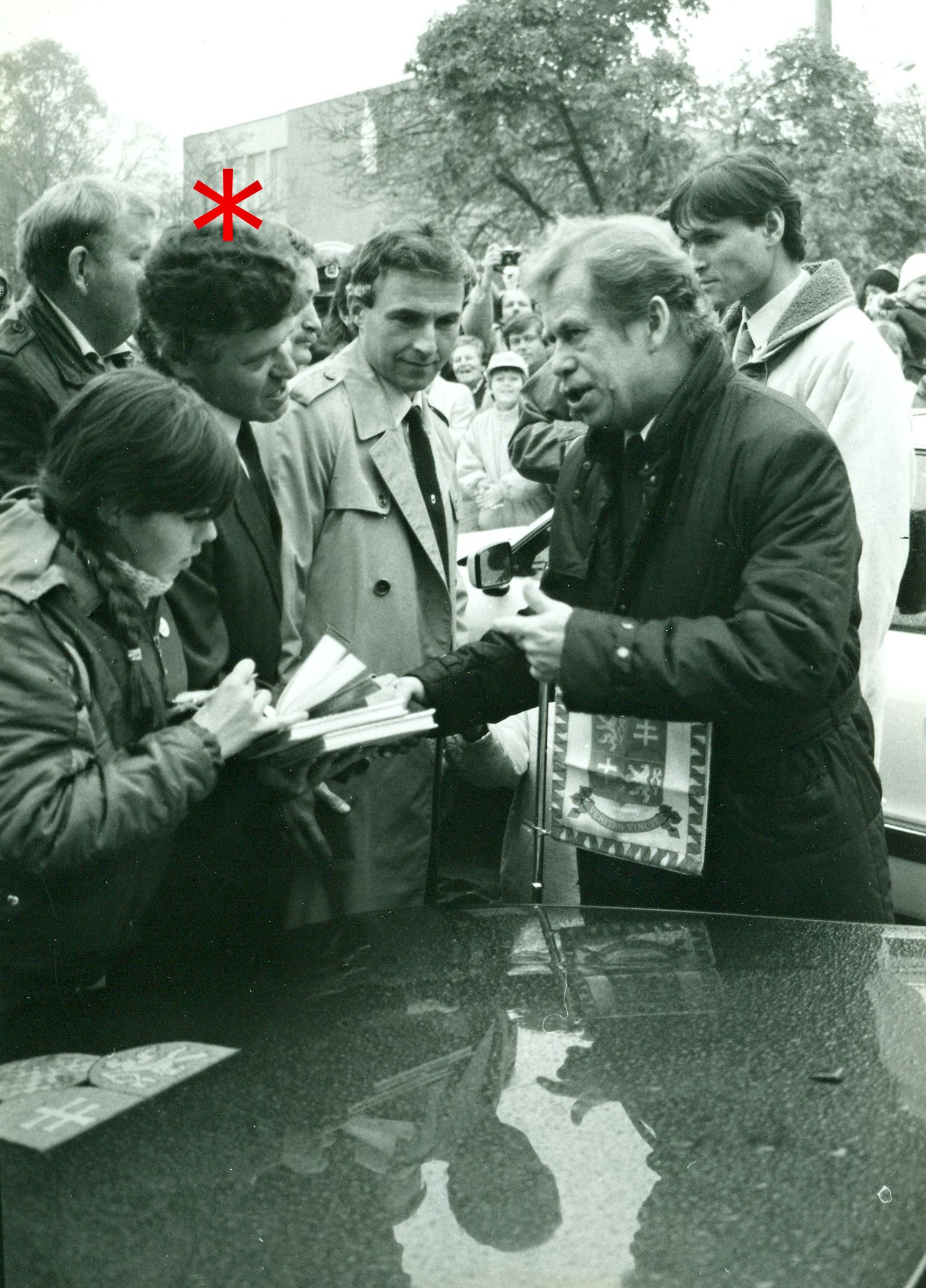
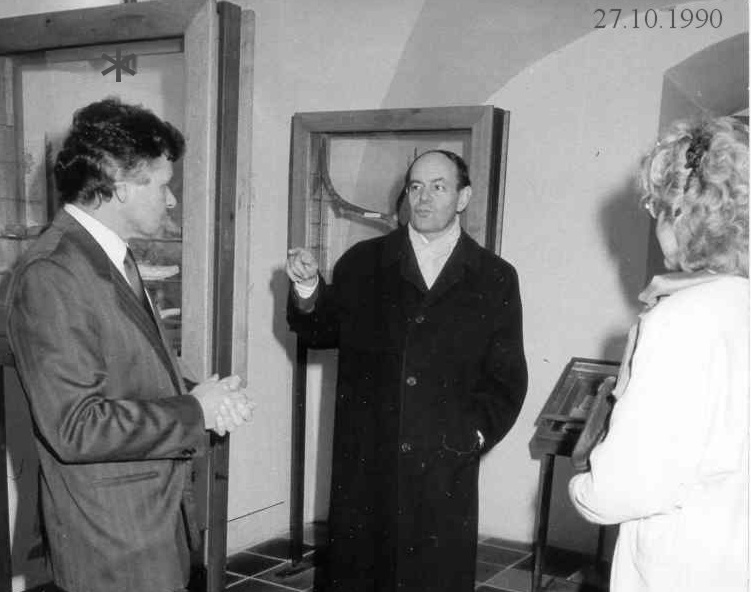
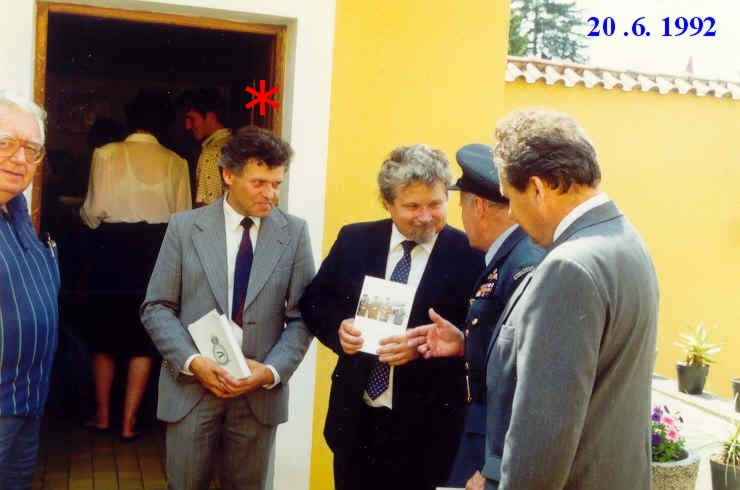
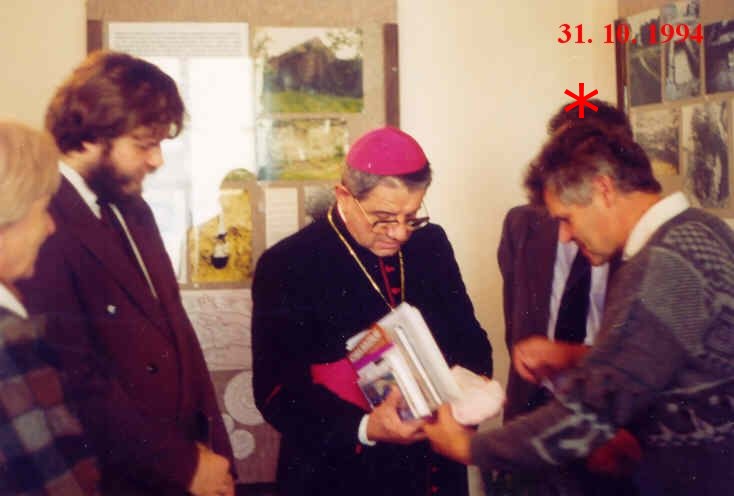
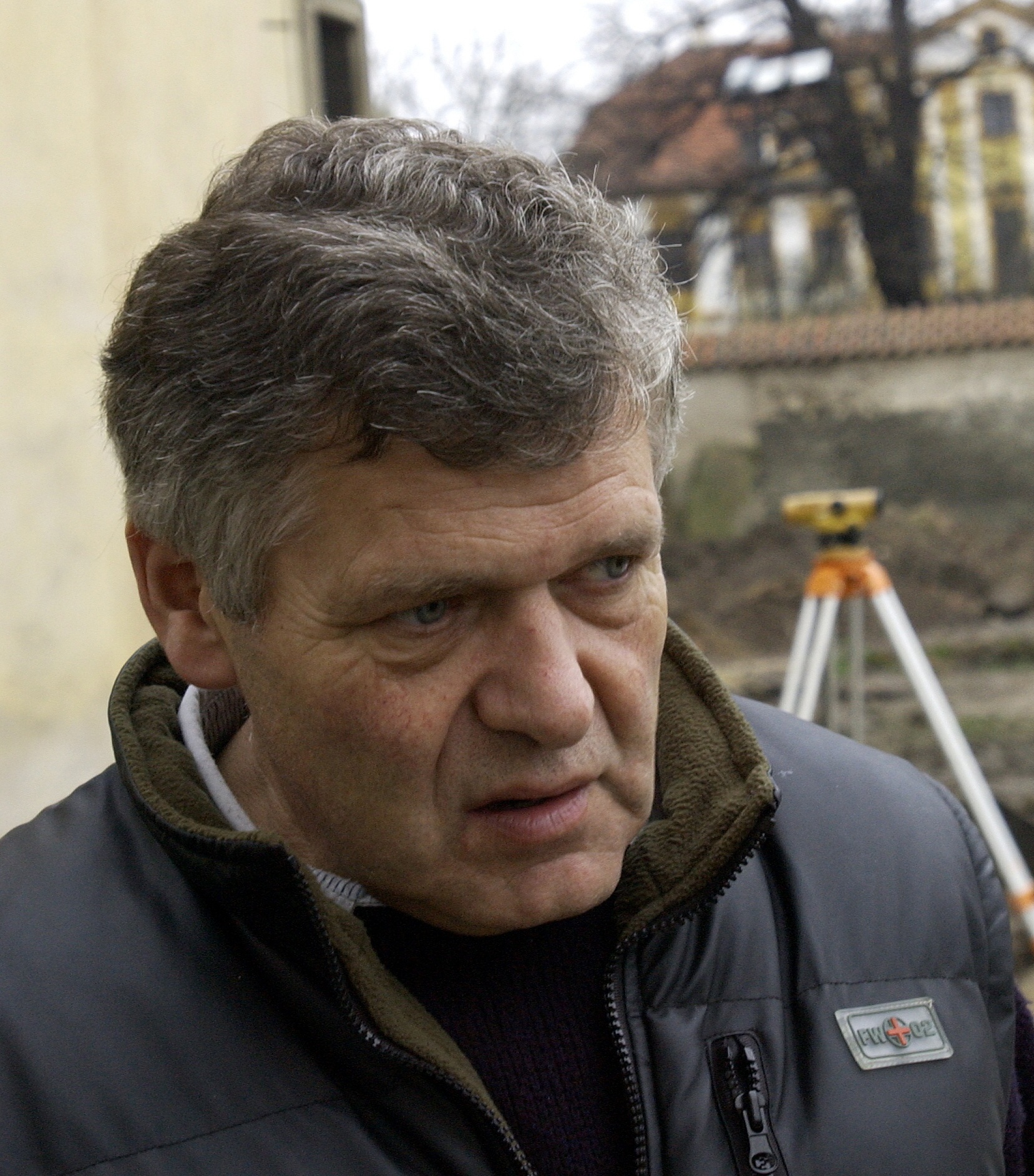
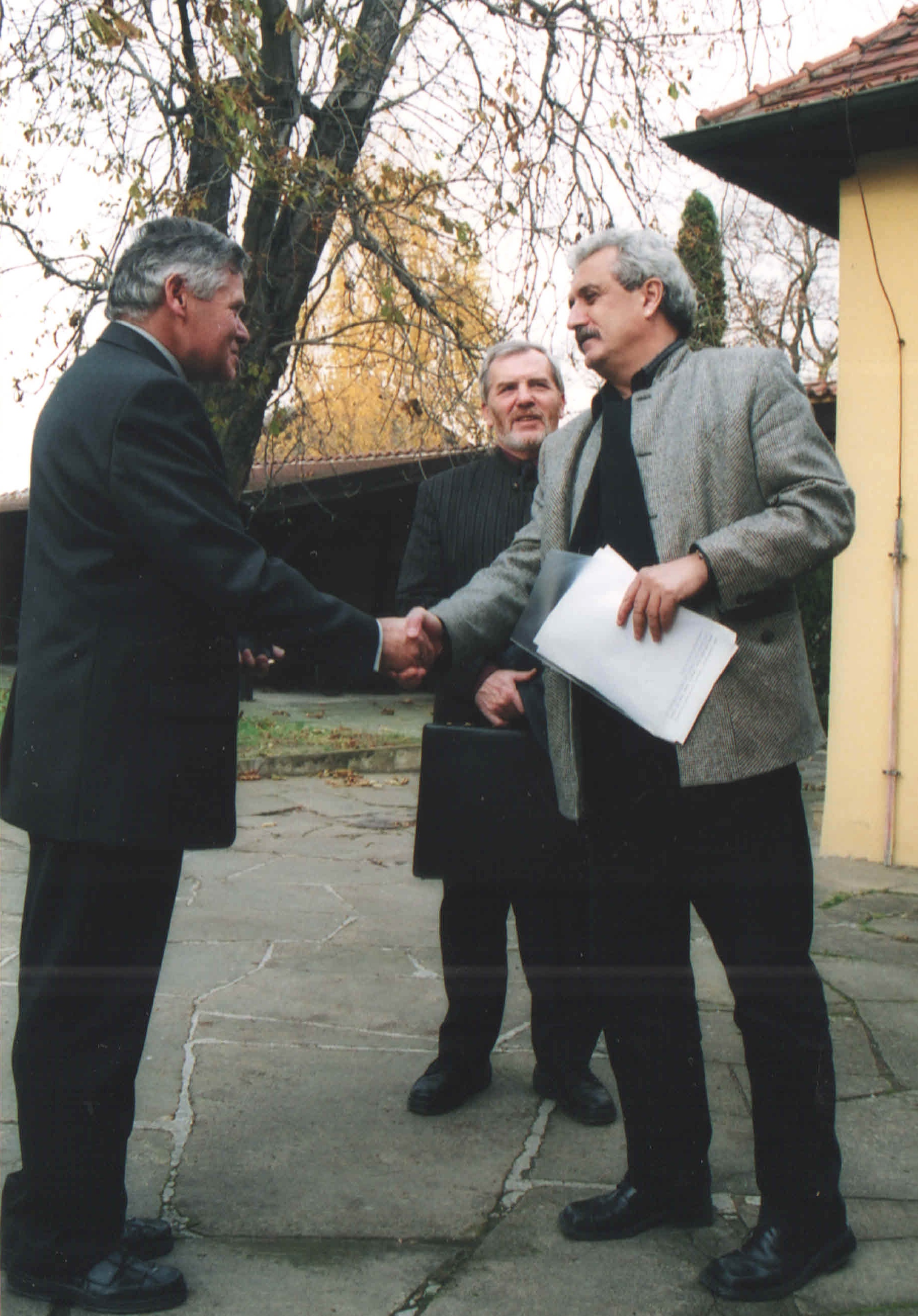
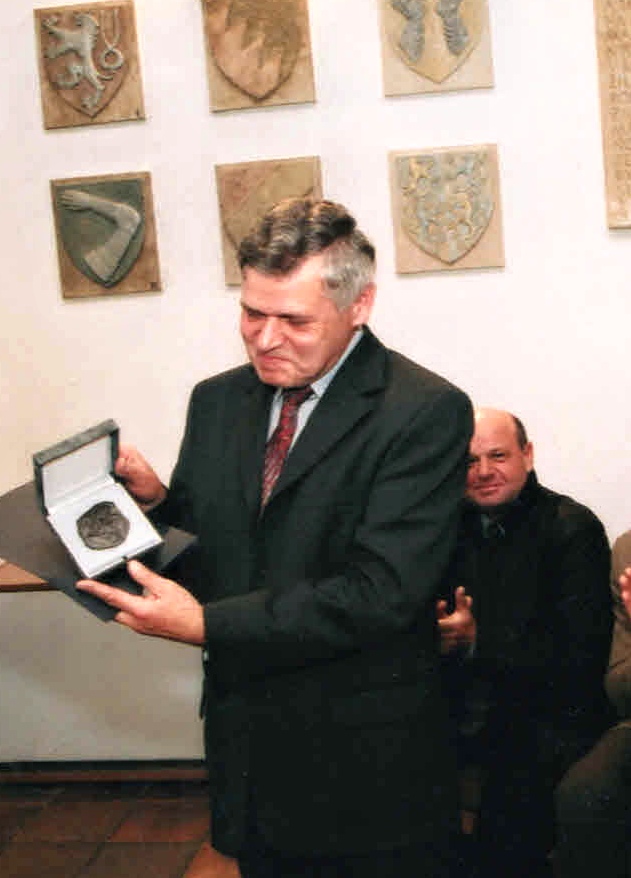
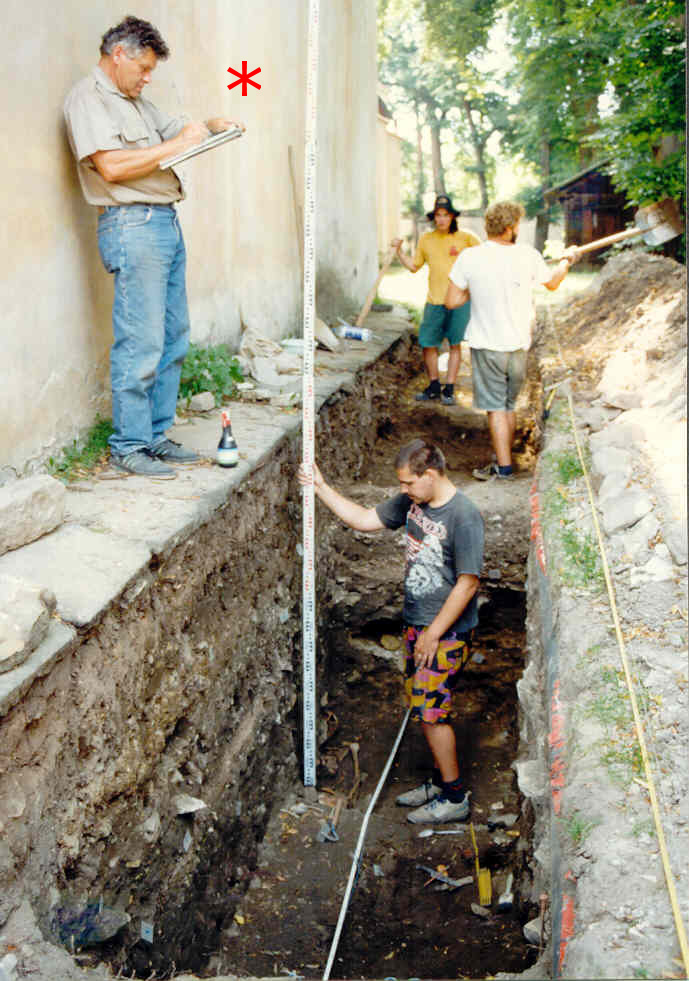
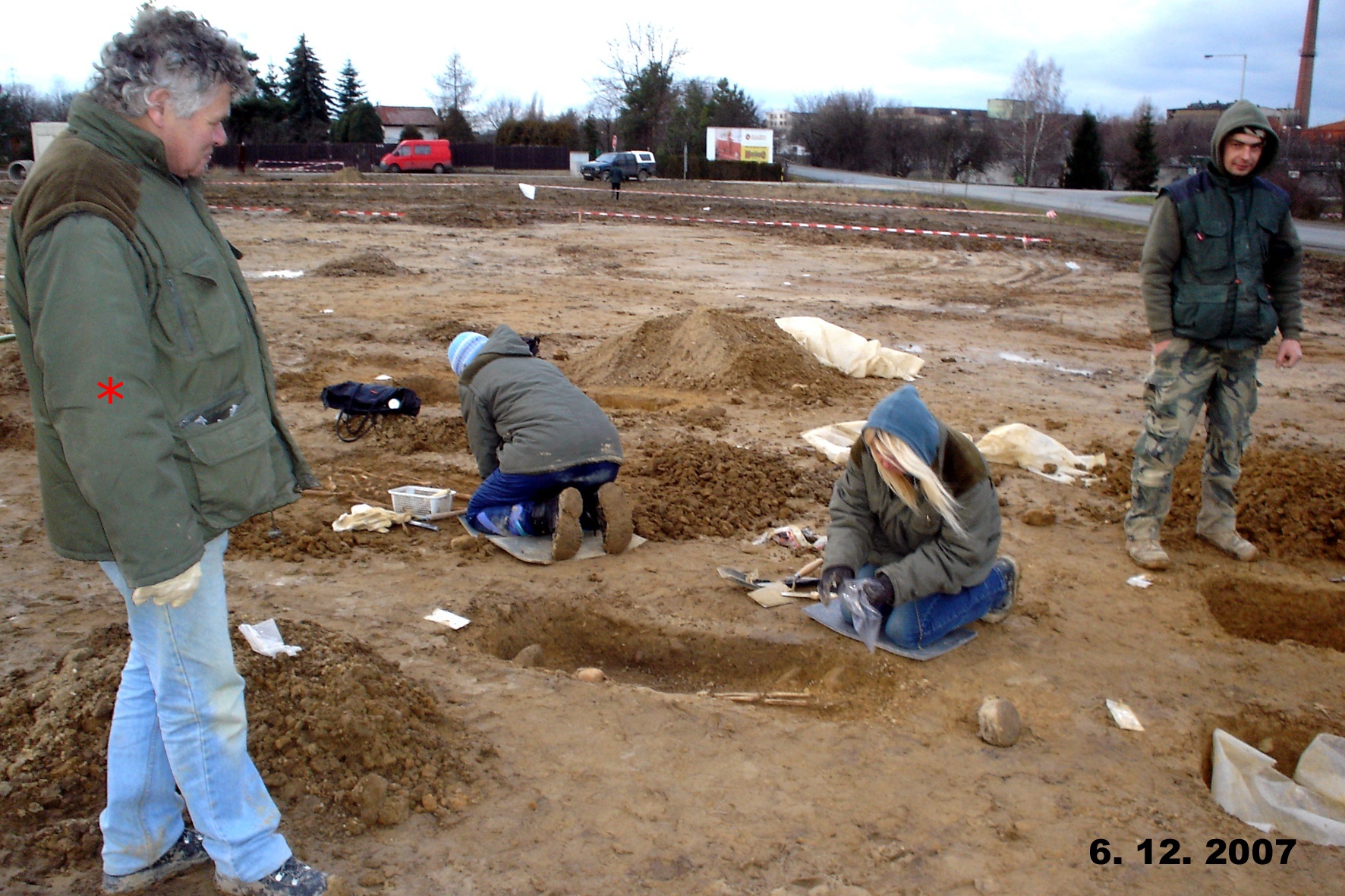
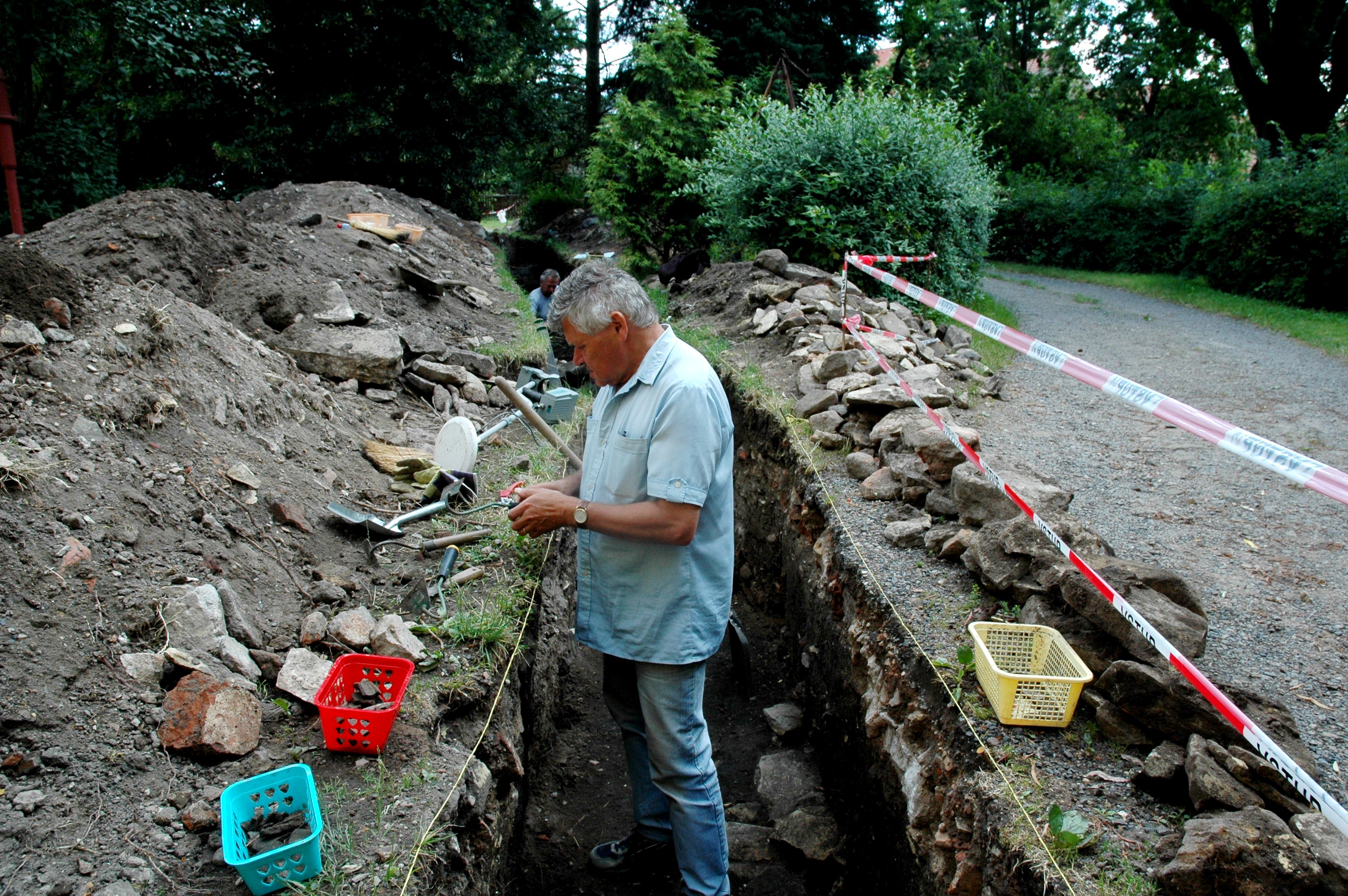
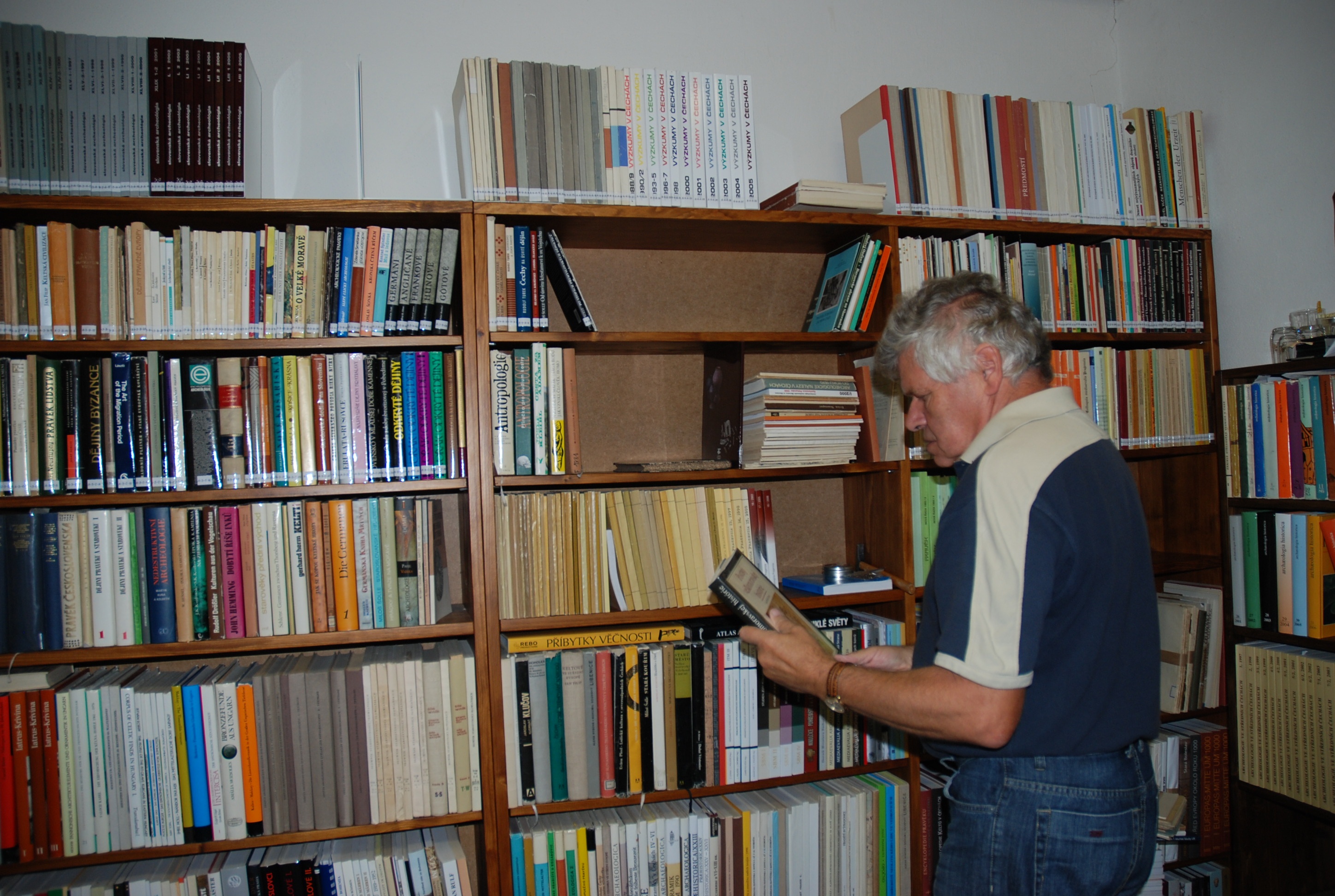
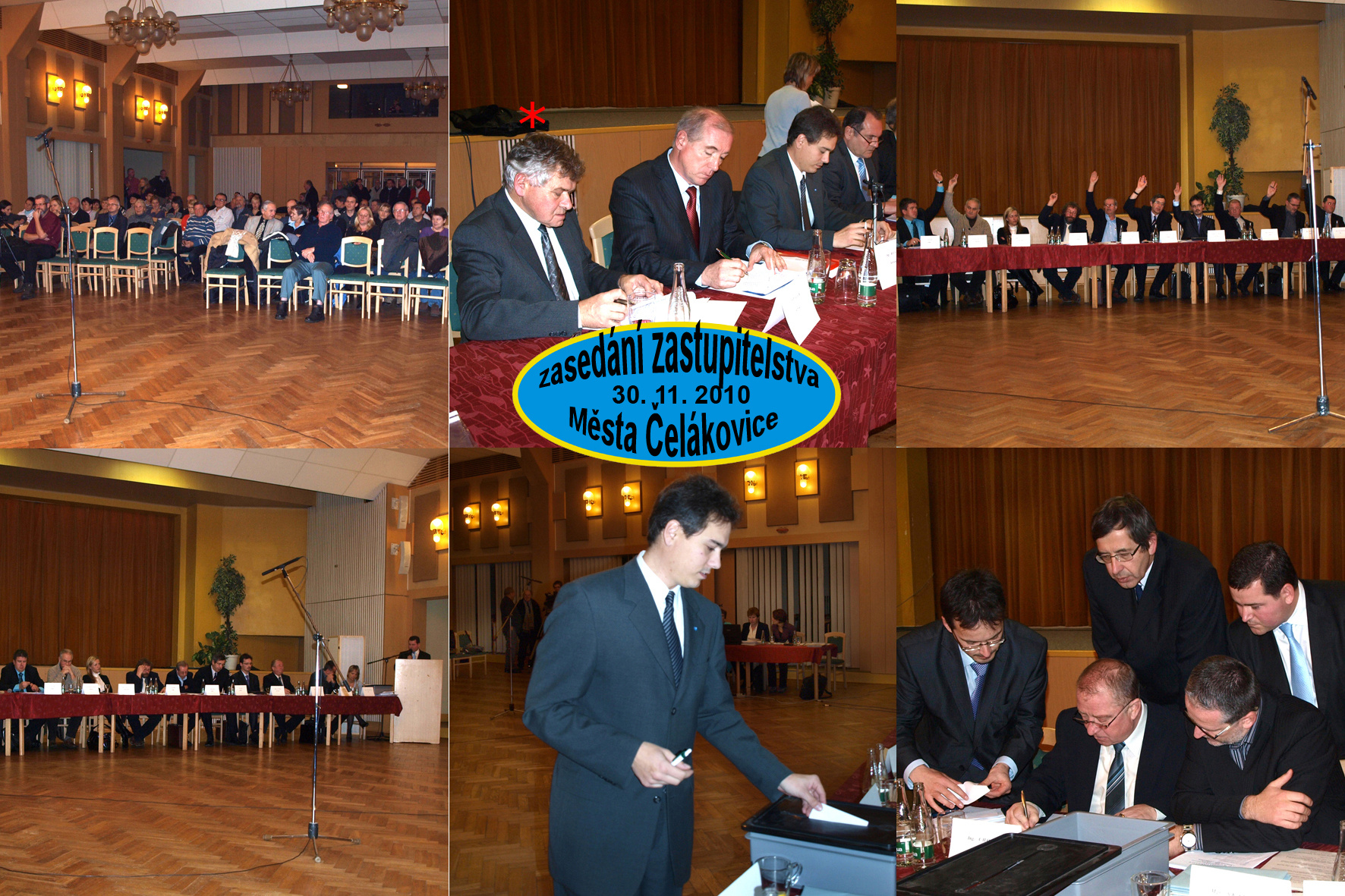
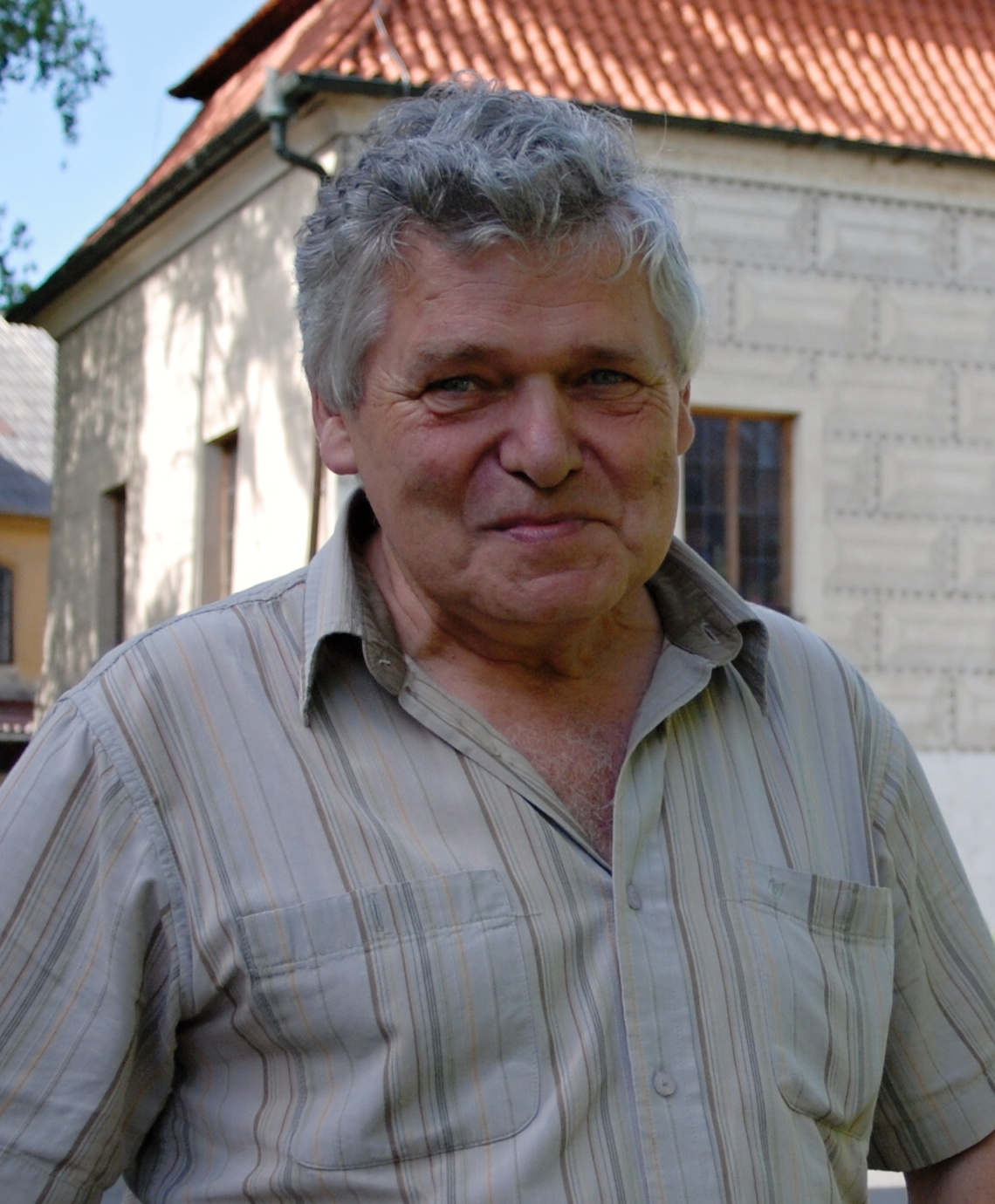
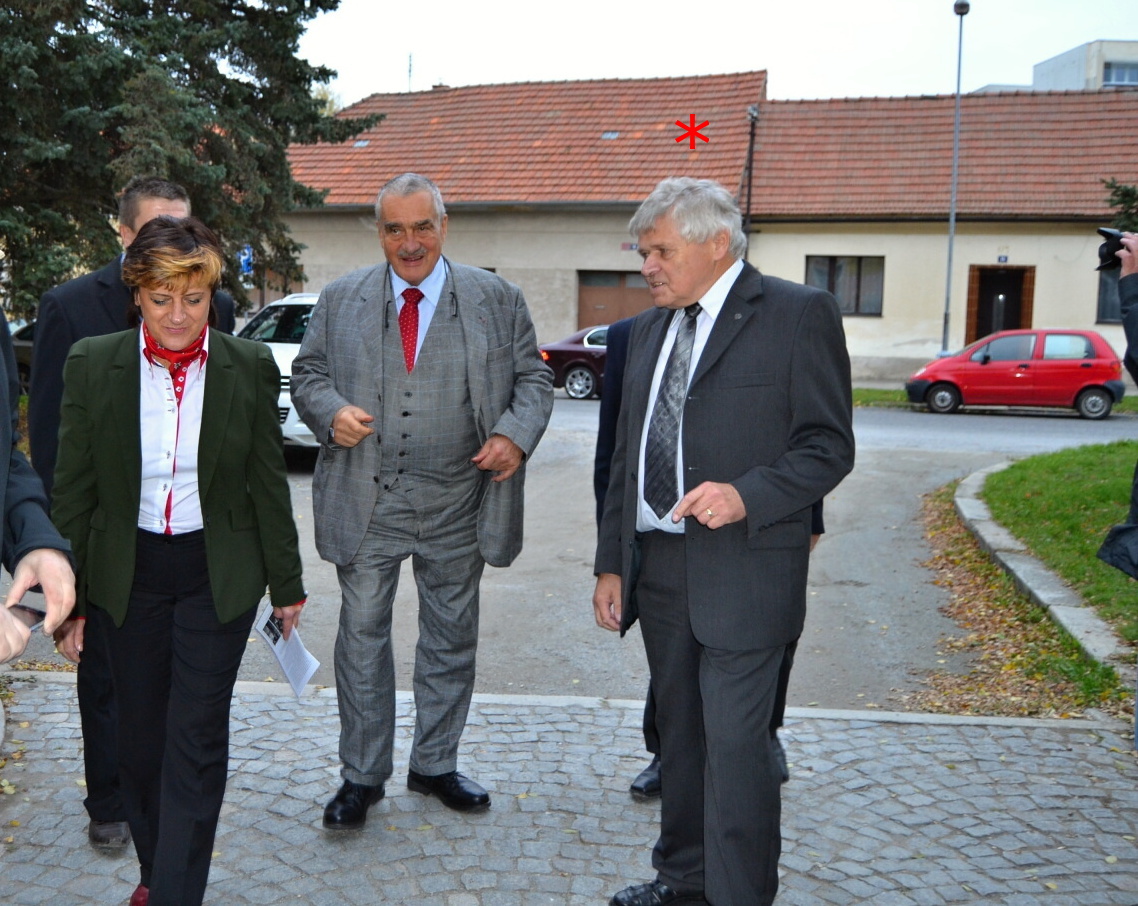
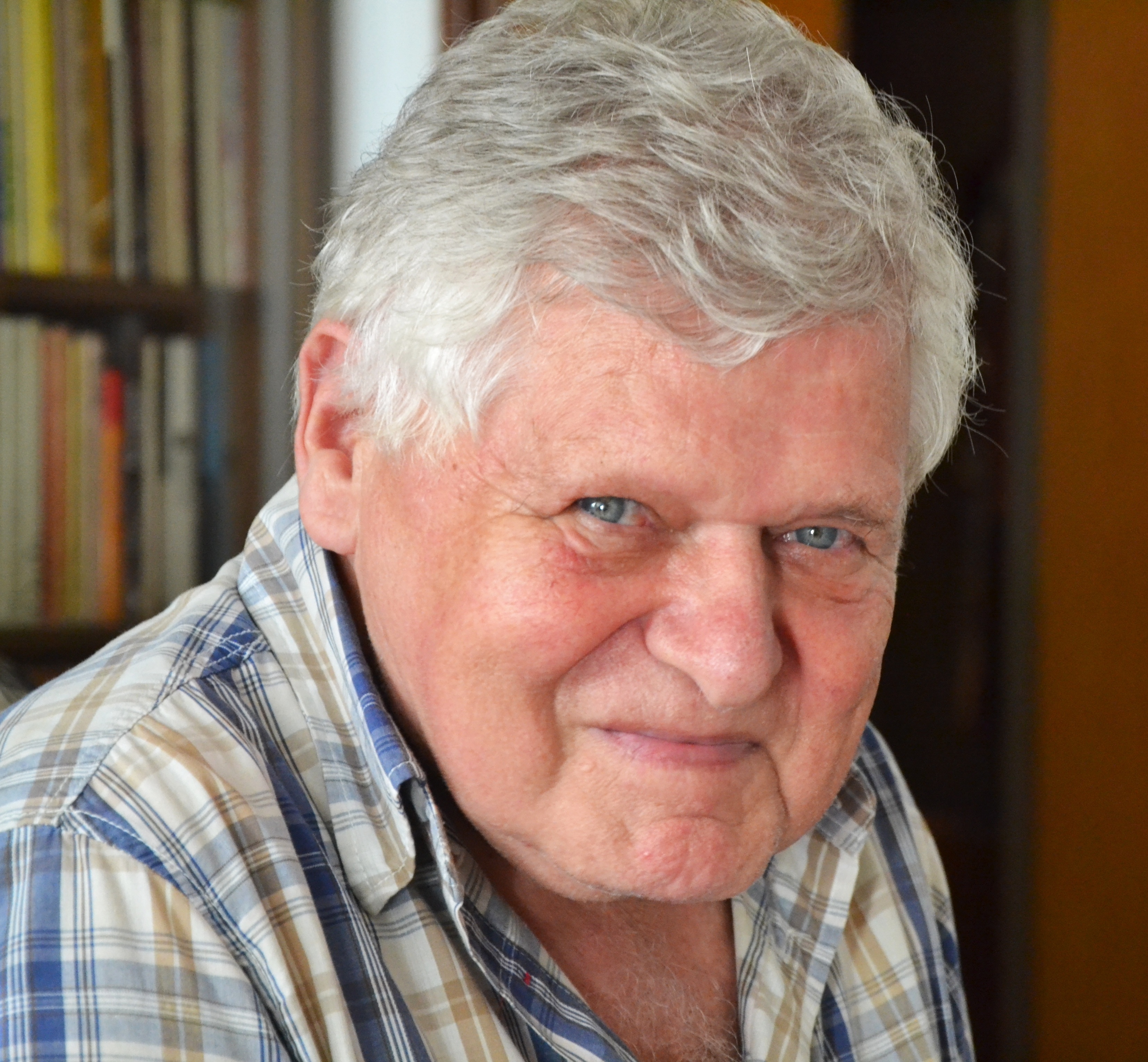
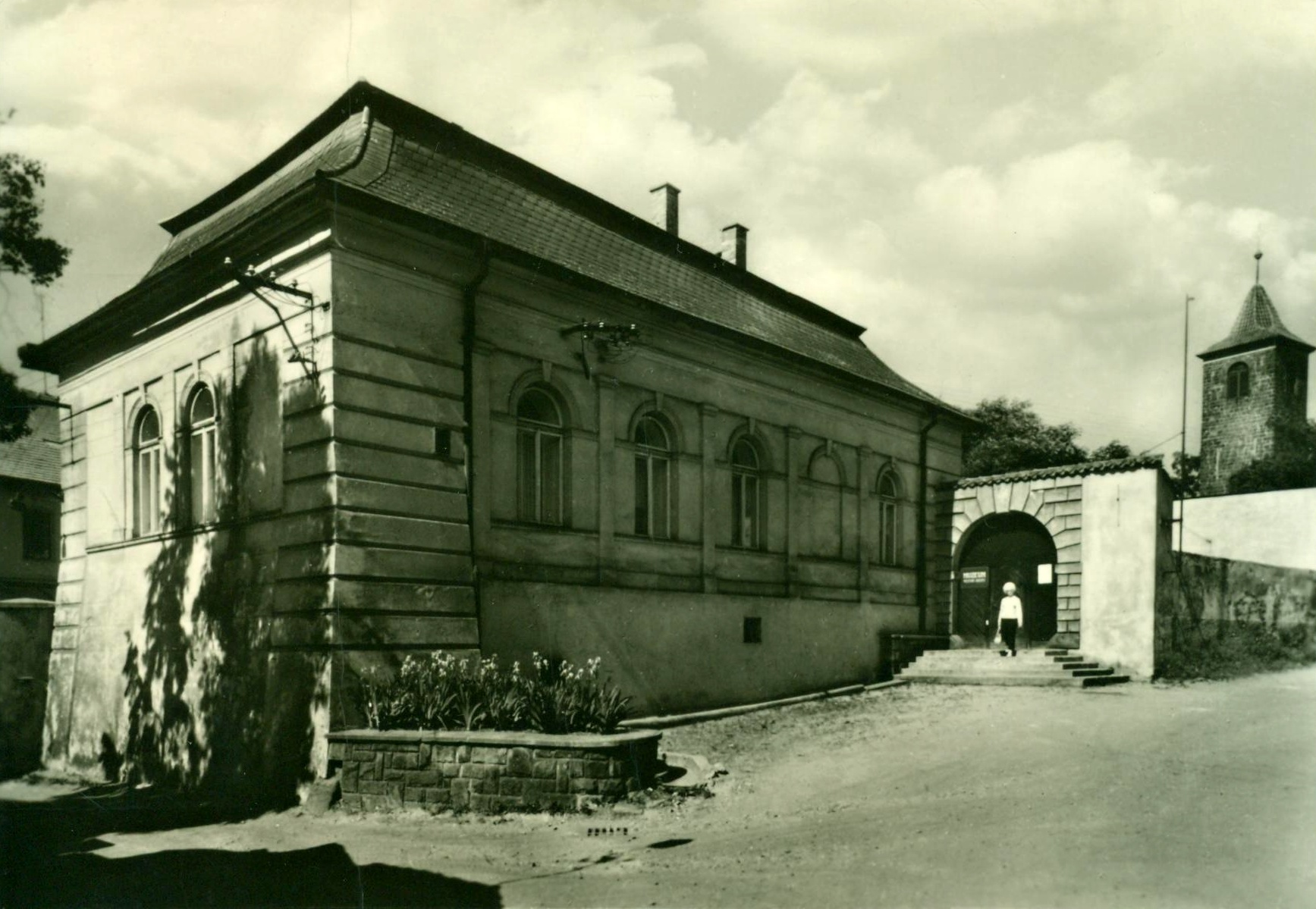
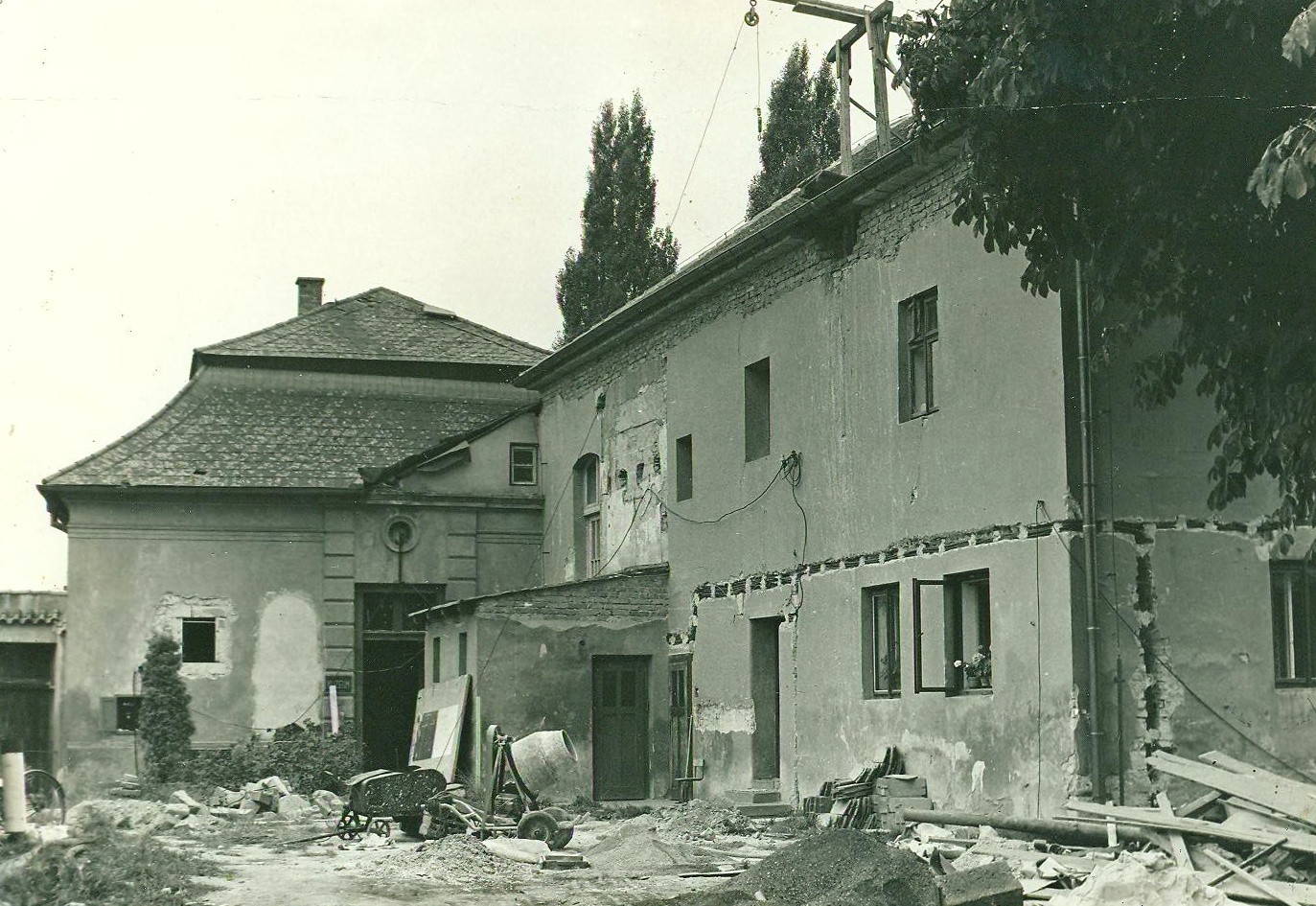
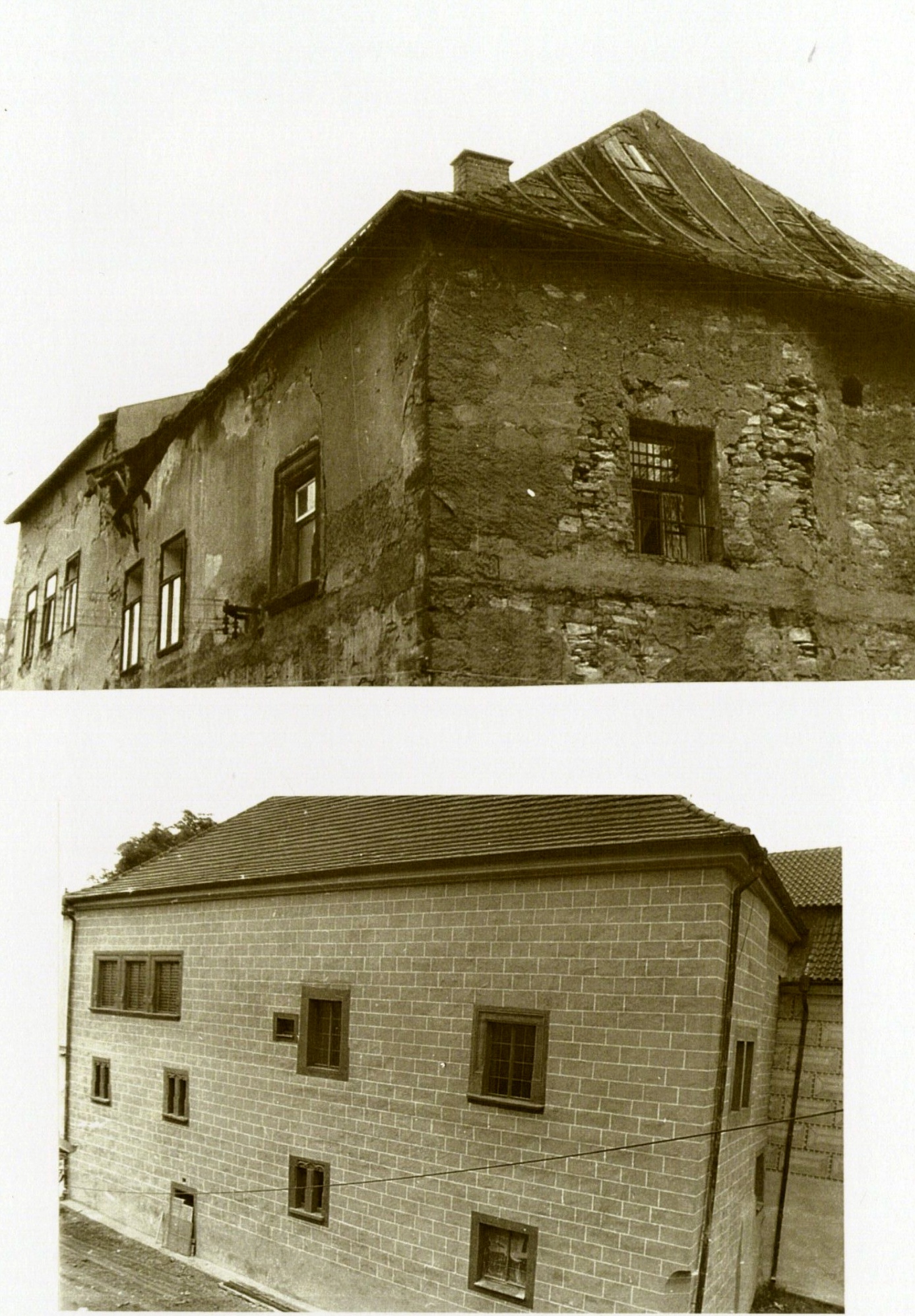
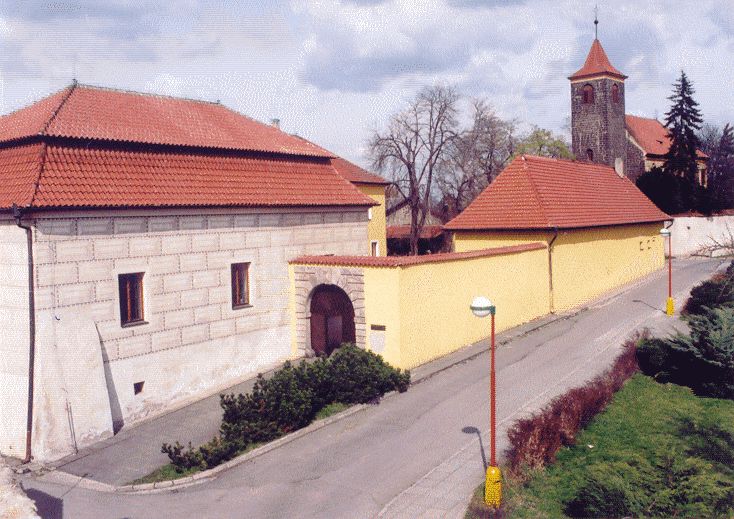
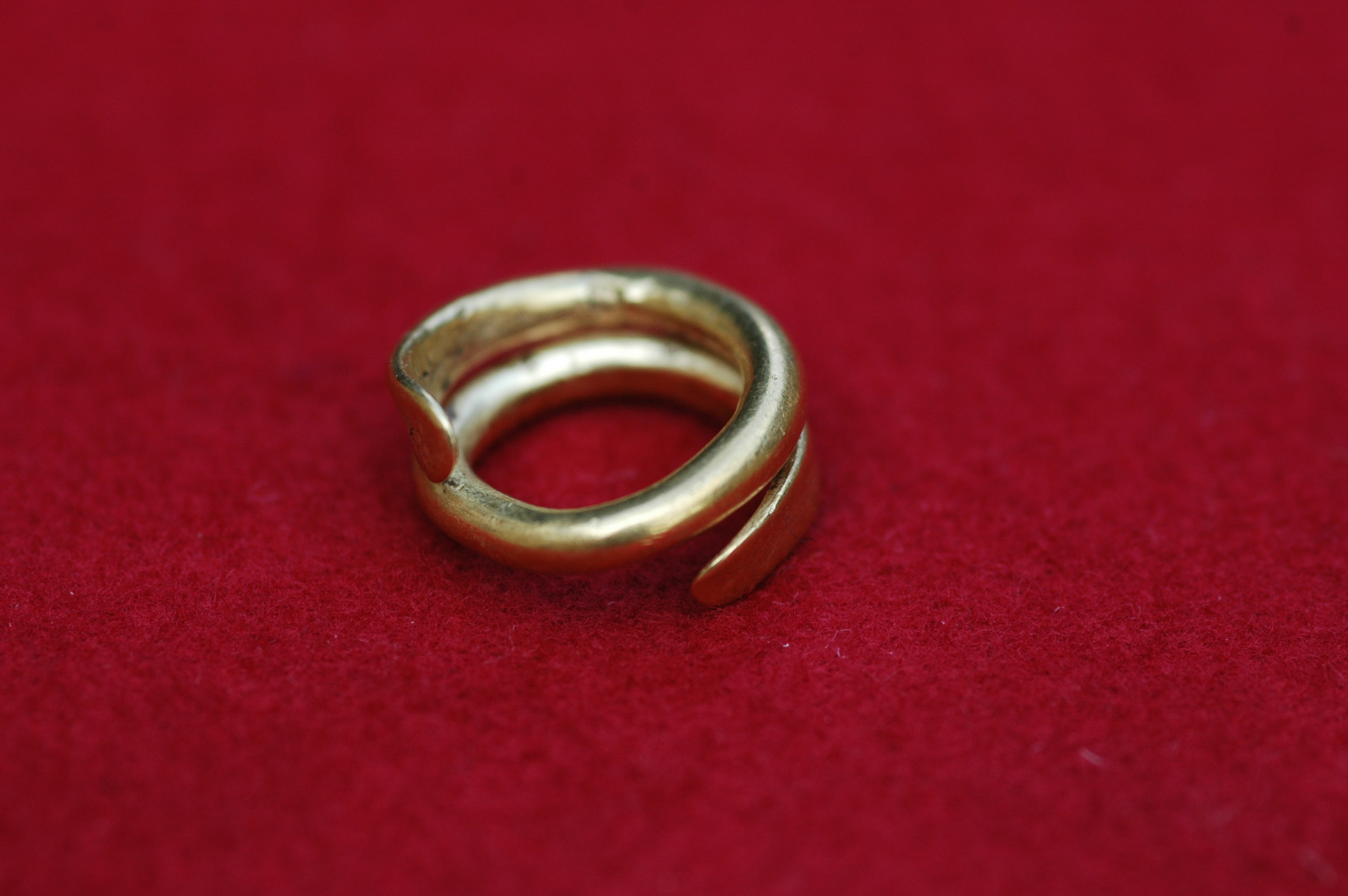
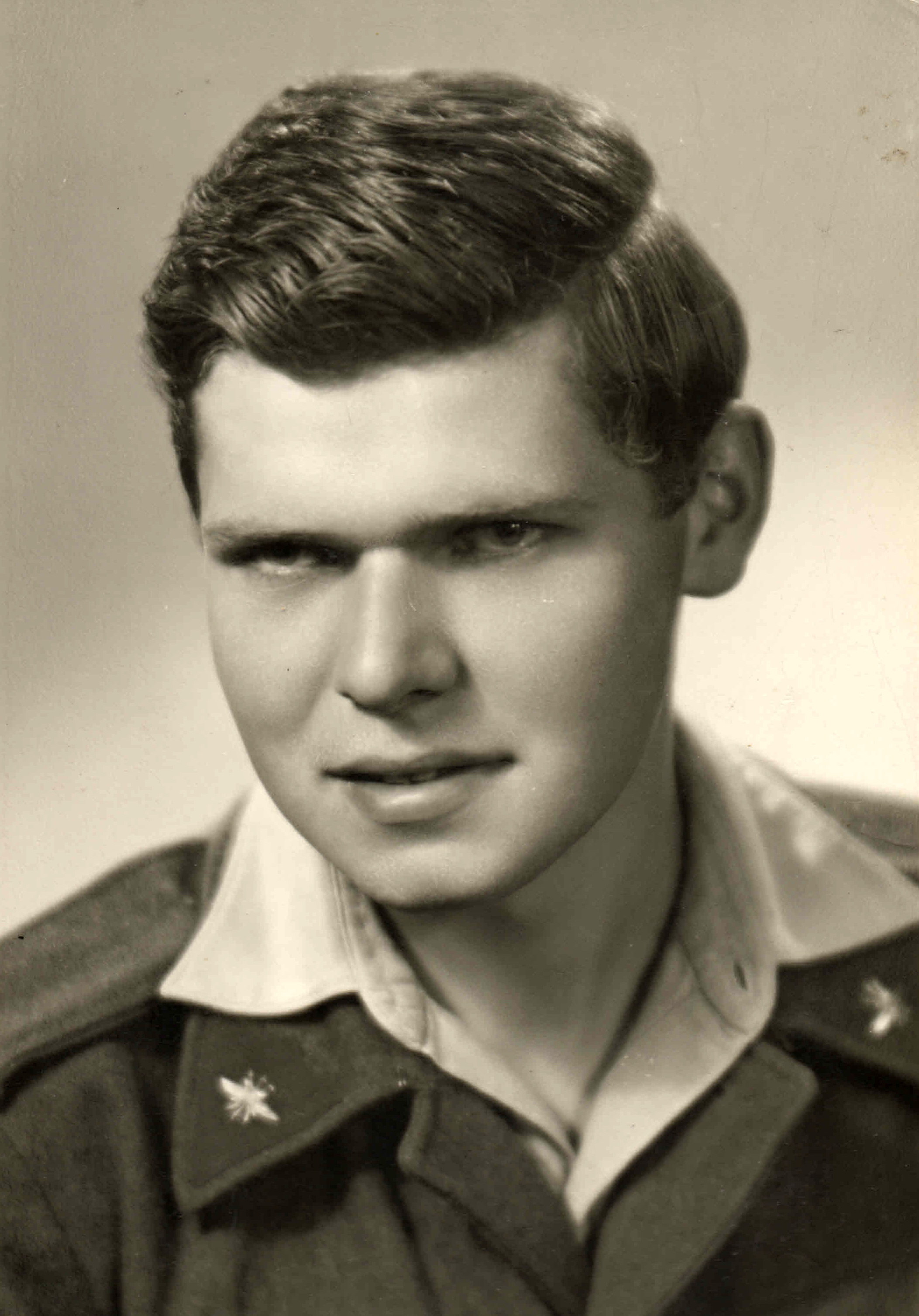
Jaroslav Špaček saw the light of day on 1 June 1943 in a Prague maternity hospital, but his life story unfolded in Čelákovice. His parents, Marie and Václav Špaček, ran a small stationery shop from 1933, which was nationalised in 1949. From once free tradesmen they became employees of their own shop. After three years they sent his father to hard work in the metalworks Kovohutě, where he became ill and soon became unable to work. The witness longed to study archaeology, but the regime offered him only mines, metallurgy or agriculture. Thanks to his father’s connections, he trained as a turner, but from his youth he was a member of a museum club and was interested in archaeology and numismatics. In 1963, he started to woork at the Institute of Archaeology, later the National Museum, where he began to carry out rescue archaeological excavations in the historical and archaeological department. It was there that he experienced August 1968, which will always be etched in his memory - bullets in the walls of the museum or missiles collected as a memento of the occupation. In 1970, the witness organized an exhibition on cosmonautics, which was labelled “pro-American” and banned. Yet he did not give up. In 1972, he became the director of the Čelákovice Museum and embarked on a nearly eleven-year reconstruction of the Čelákovice Fortress, which opened up in 1983. He led a number of archaeological excavations, among other things he discovered probably the oldest gold artefact in our territory. After November 1989, he became one of the voices of the Civic Forum (OF) and he participated in the unveiling of the memorial plaque of the legionary Václav Záruba and the statue of T. G. Masaryk. He is a recipient of the Artis Bohemiae Amicis medal of the Ministry of Culture of the Czech Republic. In 2025 he lived in Čelákovice and wrote publications about the history of his neighbourhood.