"We copied the charter, of course, and handed it out. I was collecting signatures, that was quite fun, because I, for example,... It was brought to Ruda Kučera, they lived on Valdštejnské Square on the corner. And for example one painter, Petr Kouba, signed it, and I responsibly took it with other Kučeras. Then he came to me and told me that his mother was a teacher, that she had had a fit, and if I could return it. So I went back to Ruda to see if I could return it, and luckily he hadn't given it anywhere yet, so I gave it back to him. Then he [Petr Kouba] got upset, signed Charter with someone else anyway, and then emigrated. Then he moved to Austria. So the stories were sometimes amusing. I must say that I was always terribly afraid that I was not brave at all. I did those things, but I was afraid, which I had from the 1950s. I was just always scared we were going to get arrested."
"My personal experience was that my mother-in-law woke us up in the morning saying that the Russians were here. So I didn't know what to make of it, but by then we could hear planes, tanks, and in the morning it was already in full operation. We were still living in Neratovice at that time, so Ota immediately got up and said that he had to rush to Prague with his camera. I didn't go to school either, we both went to Prague. And we were walking through the streets and I just remember that I was somewhere in Hradčany and there was this little soldier with a machine gun and I just completely stupidly banged on his machine gun and I said to him in Russian, 'What are you doing, what are you doing here?' There was just a mixture of sort of shock and naivety and we still had the idea that we had to explain it to them. I still spoke good Russian at that time, but there was nothing to explain. They basically, some of them didn't even know where they were. And a lot of them - actually it surprised me - a lot of them were young and kind of slant-eyed because they were from different Soviet republics and they had no idea where they were, what they were, nothing."
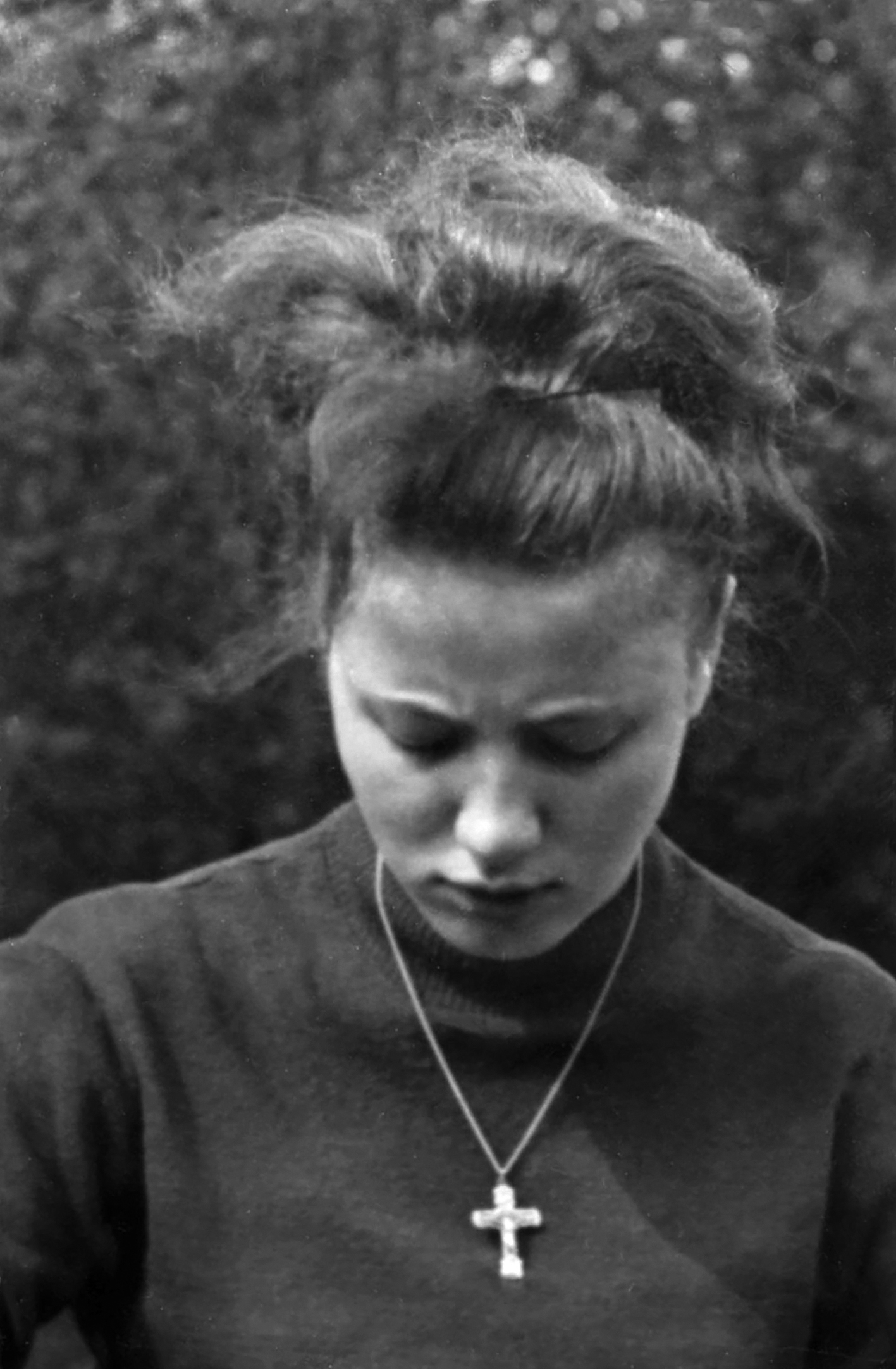
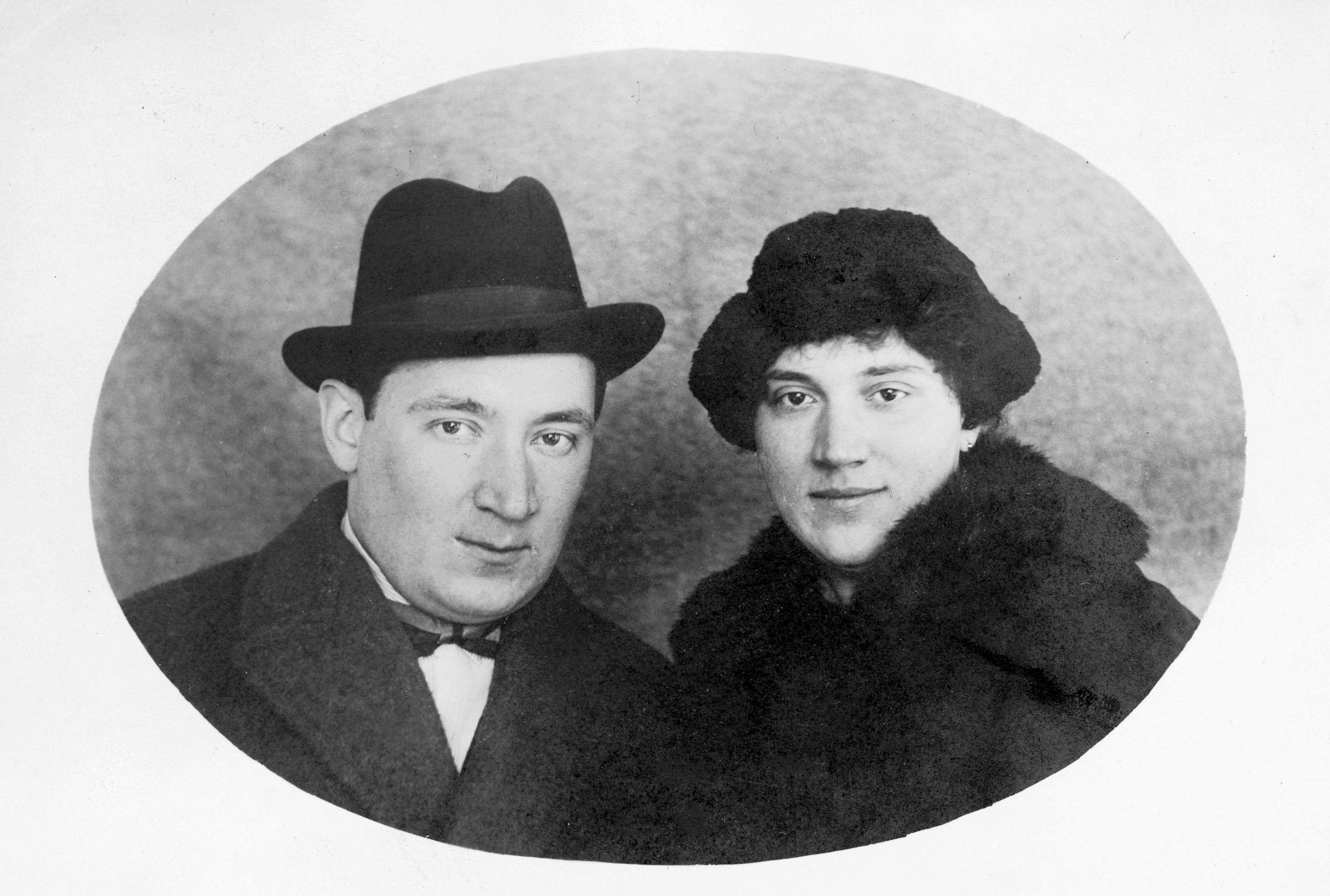
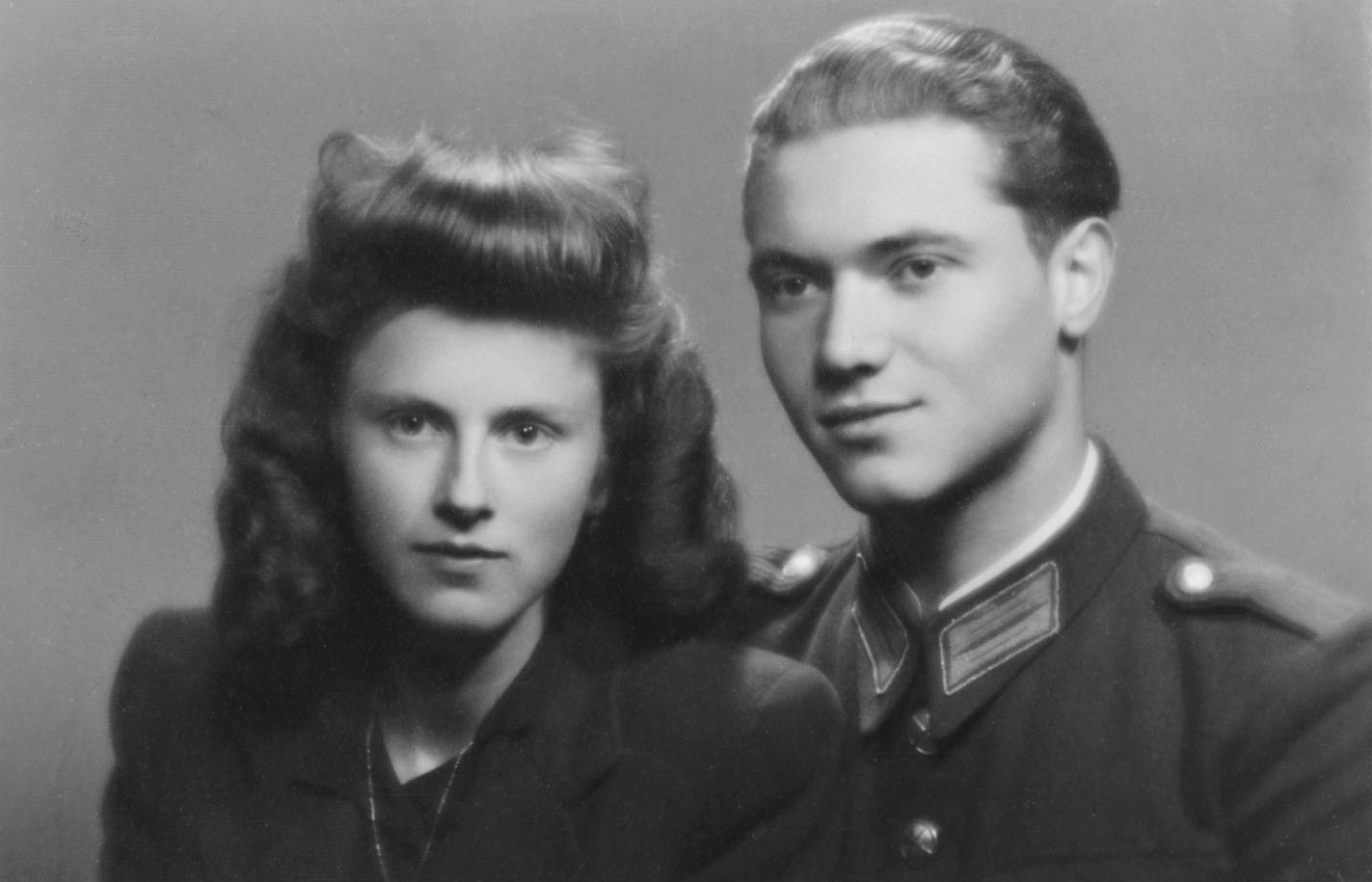
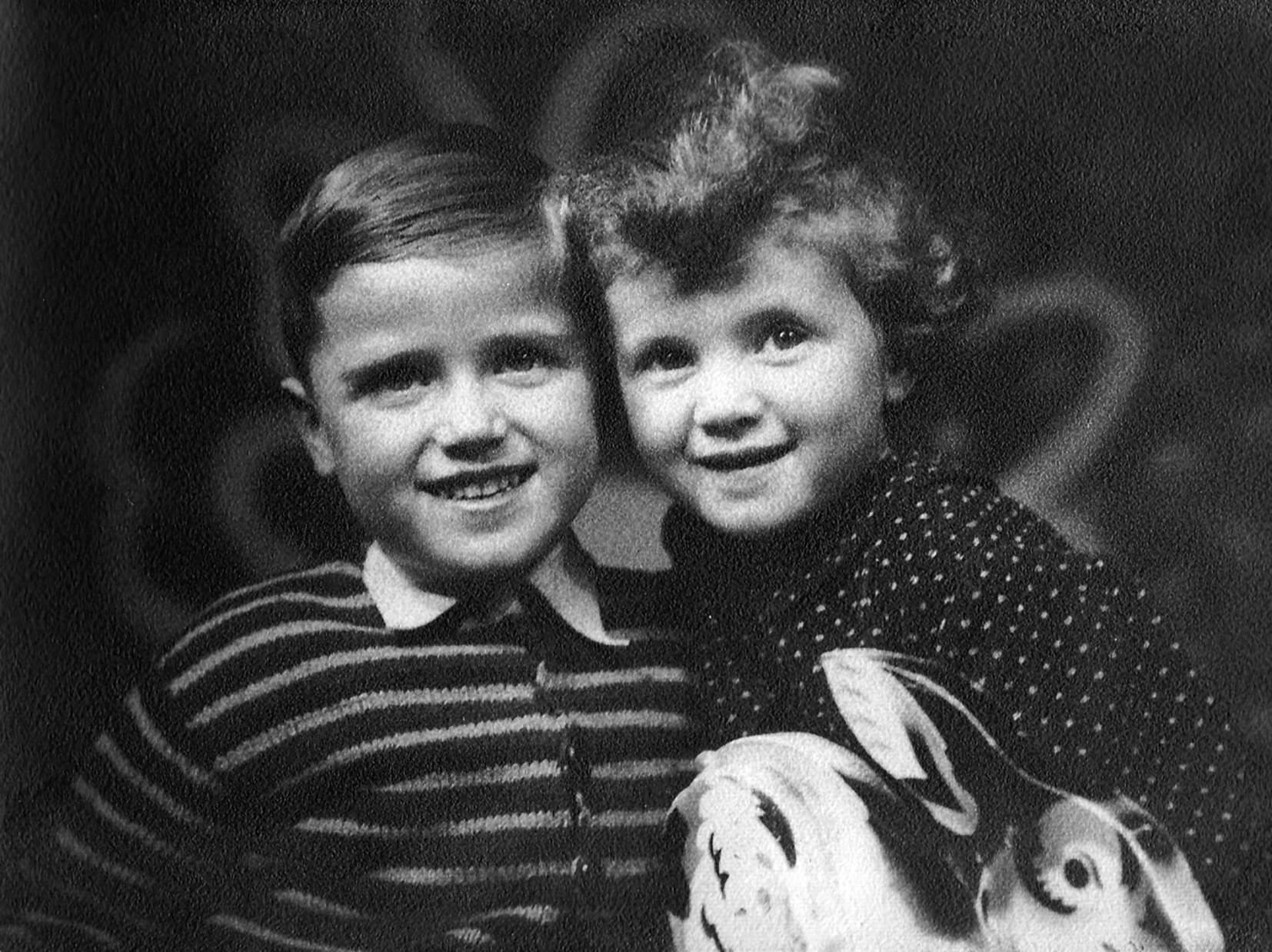
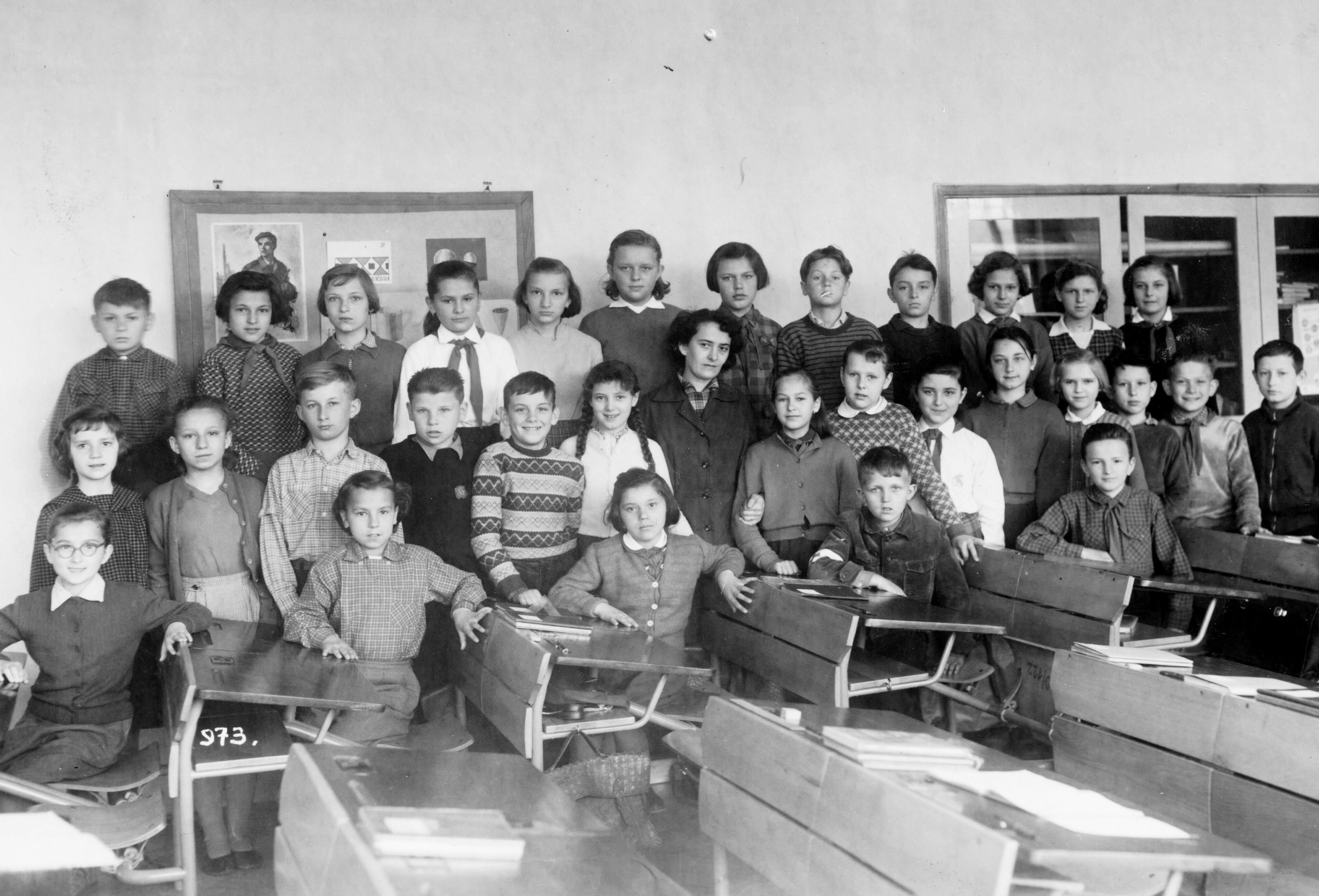
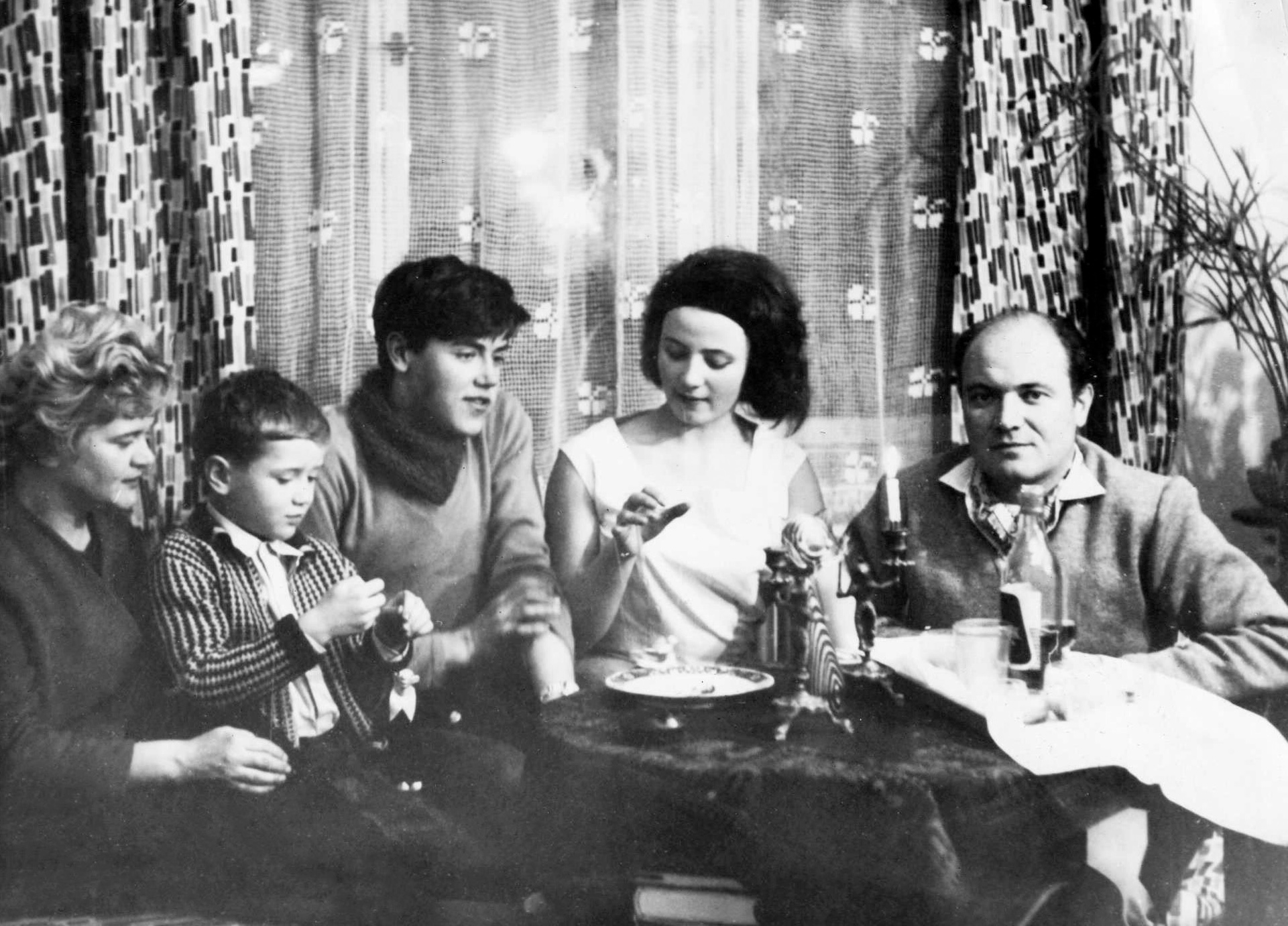
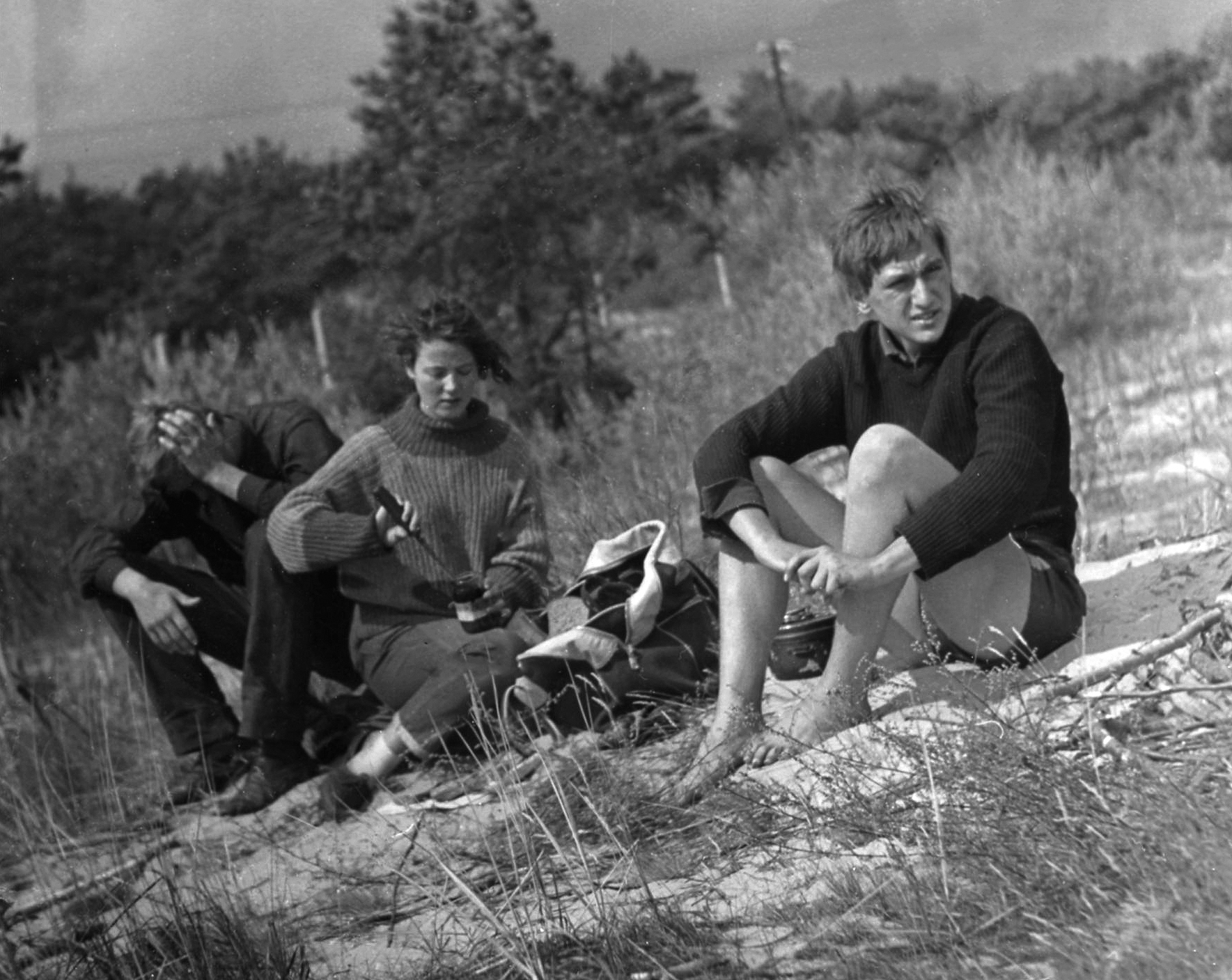
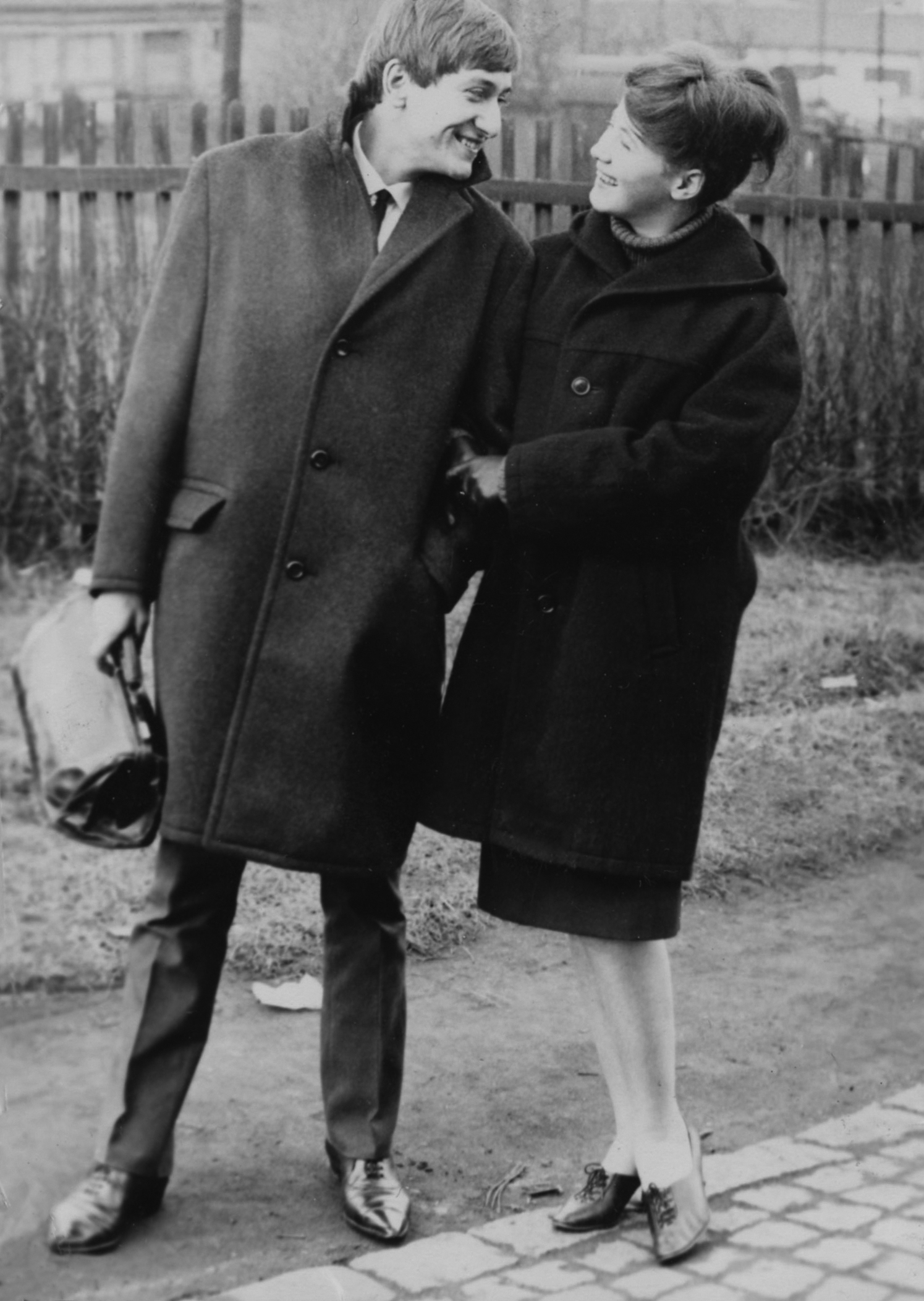
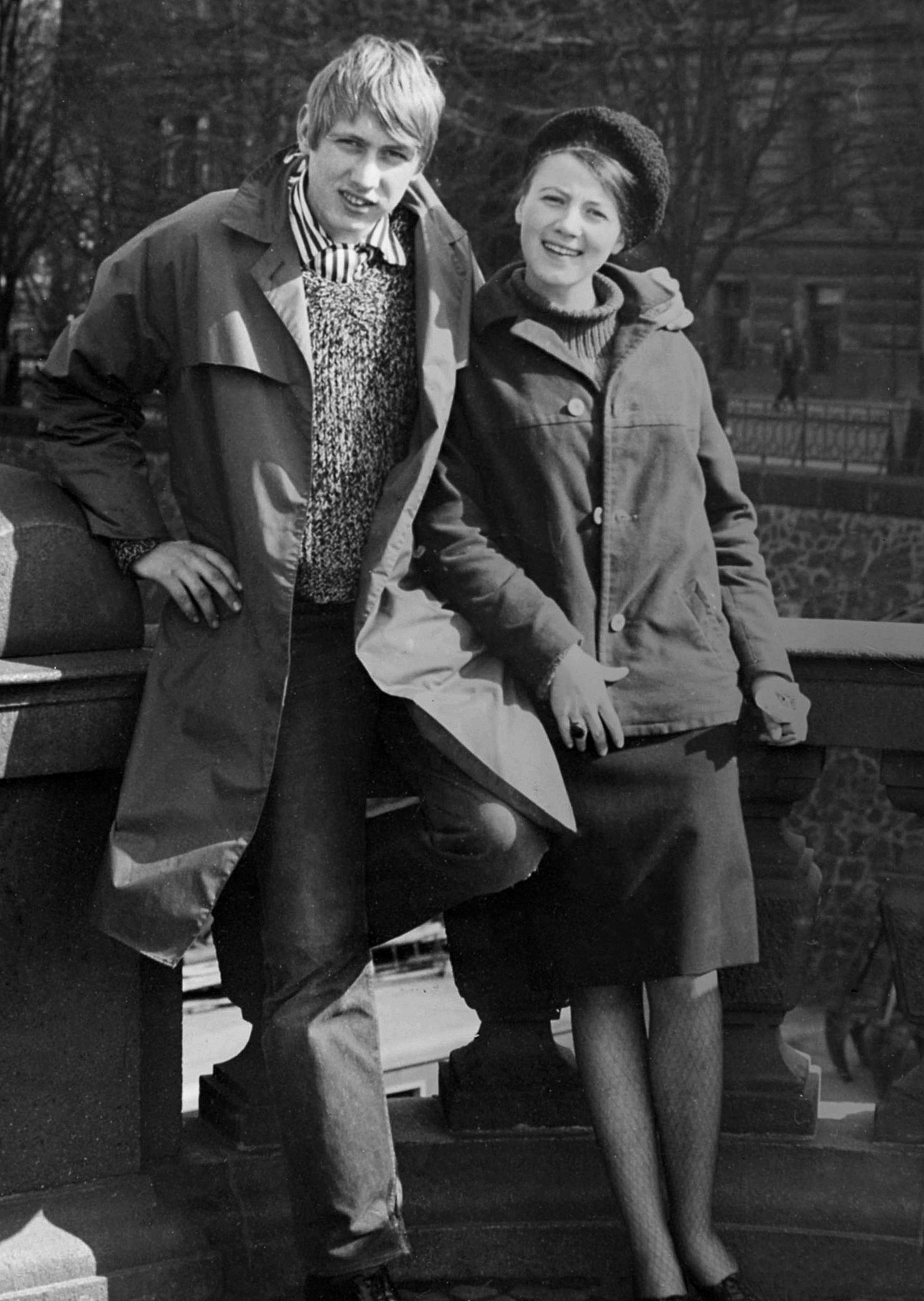
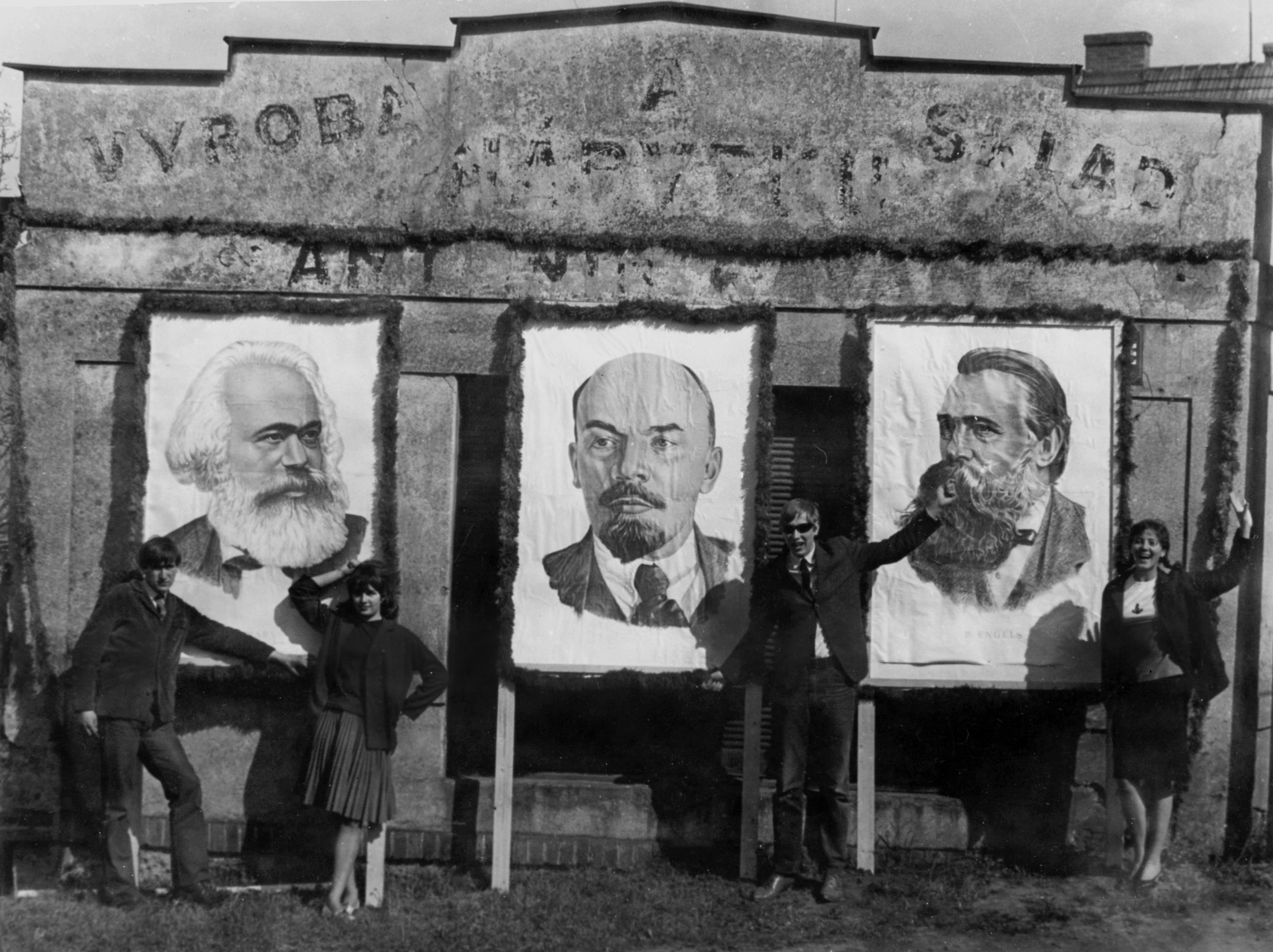
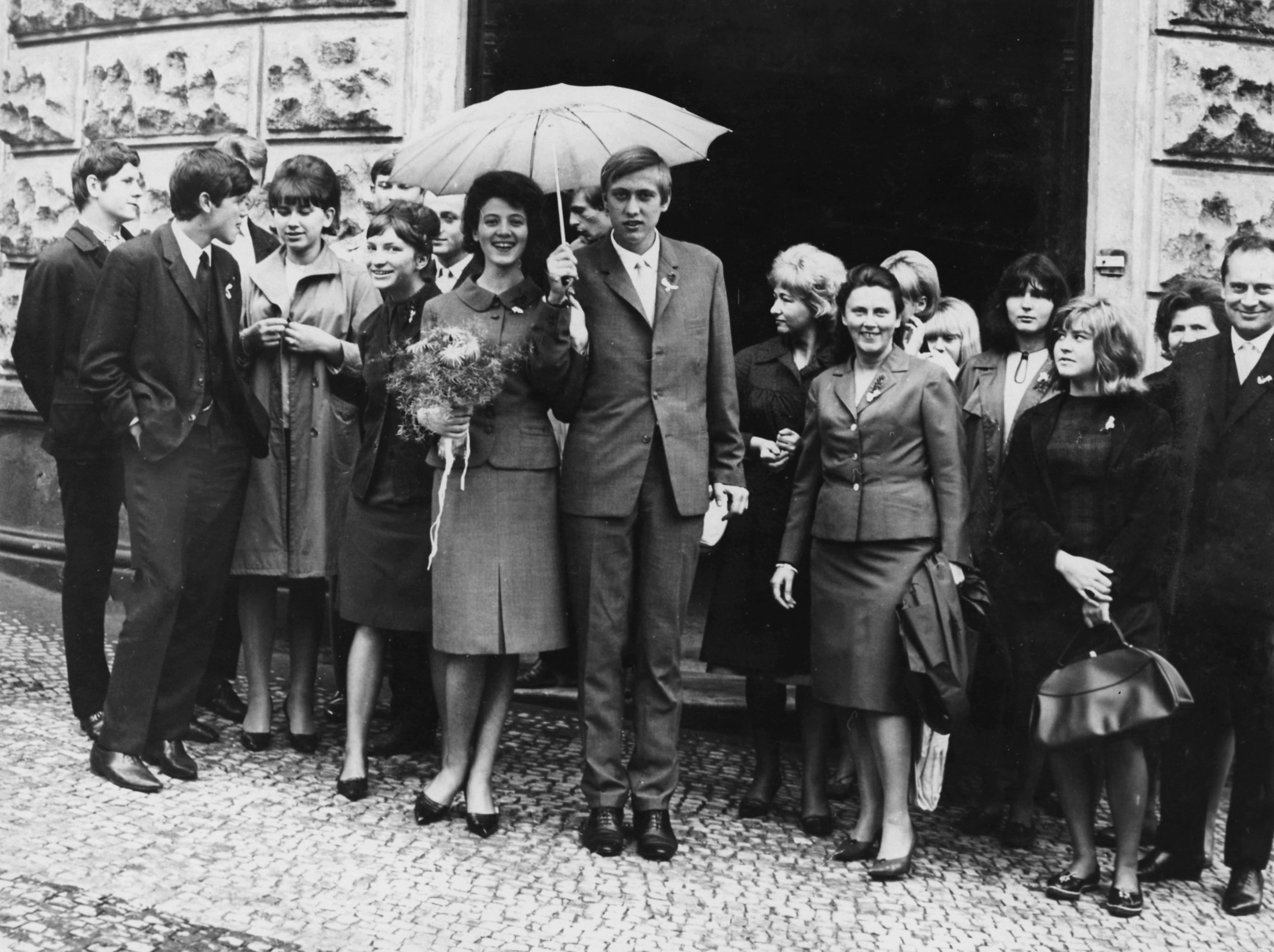
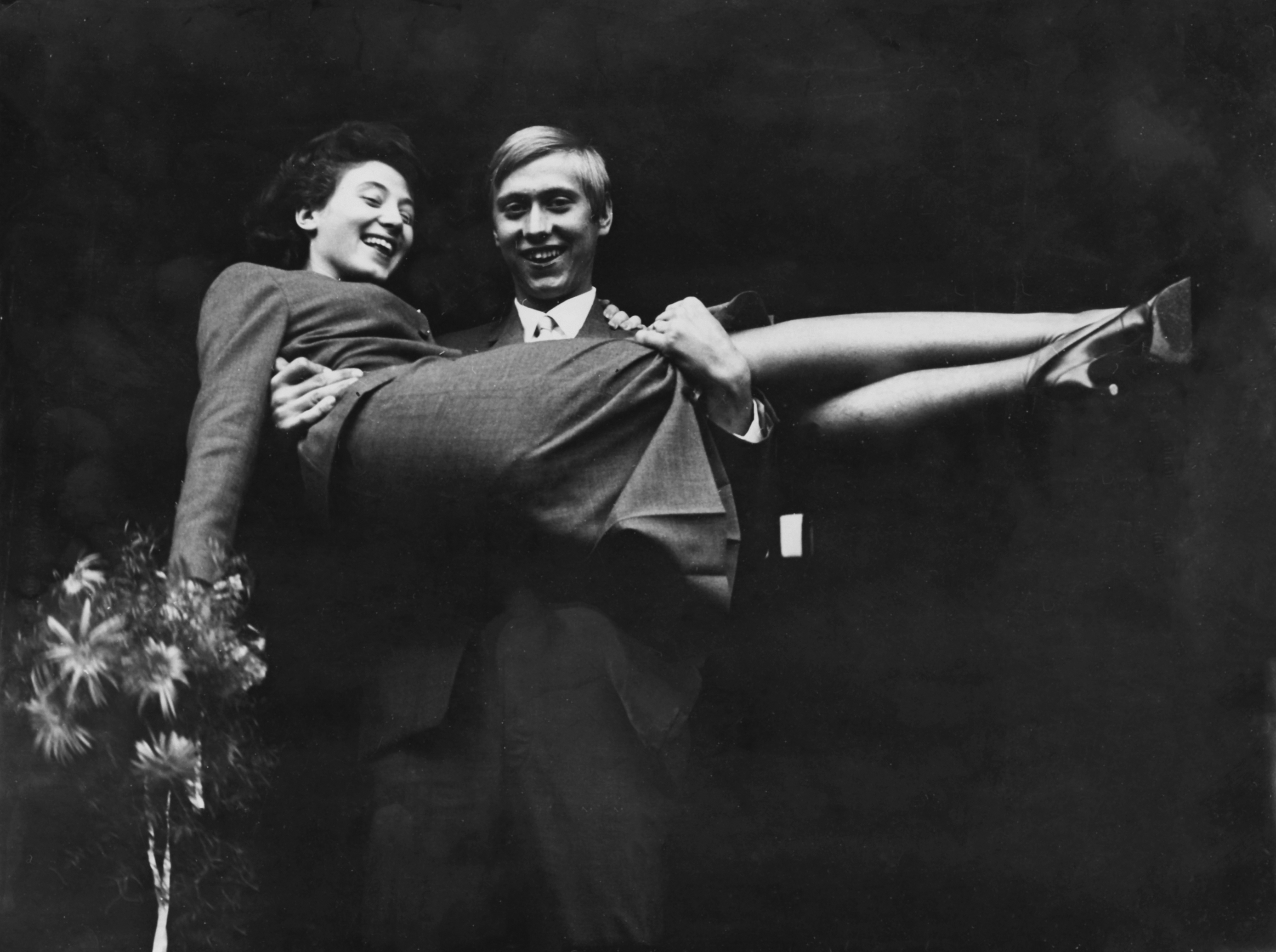
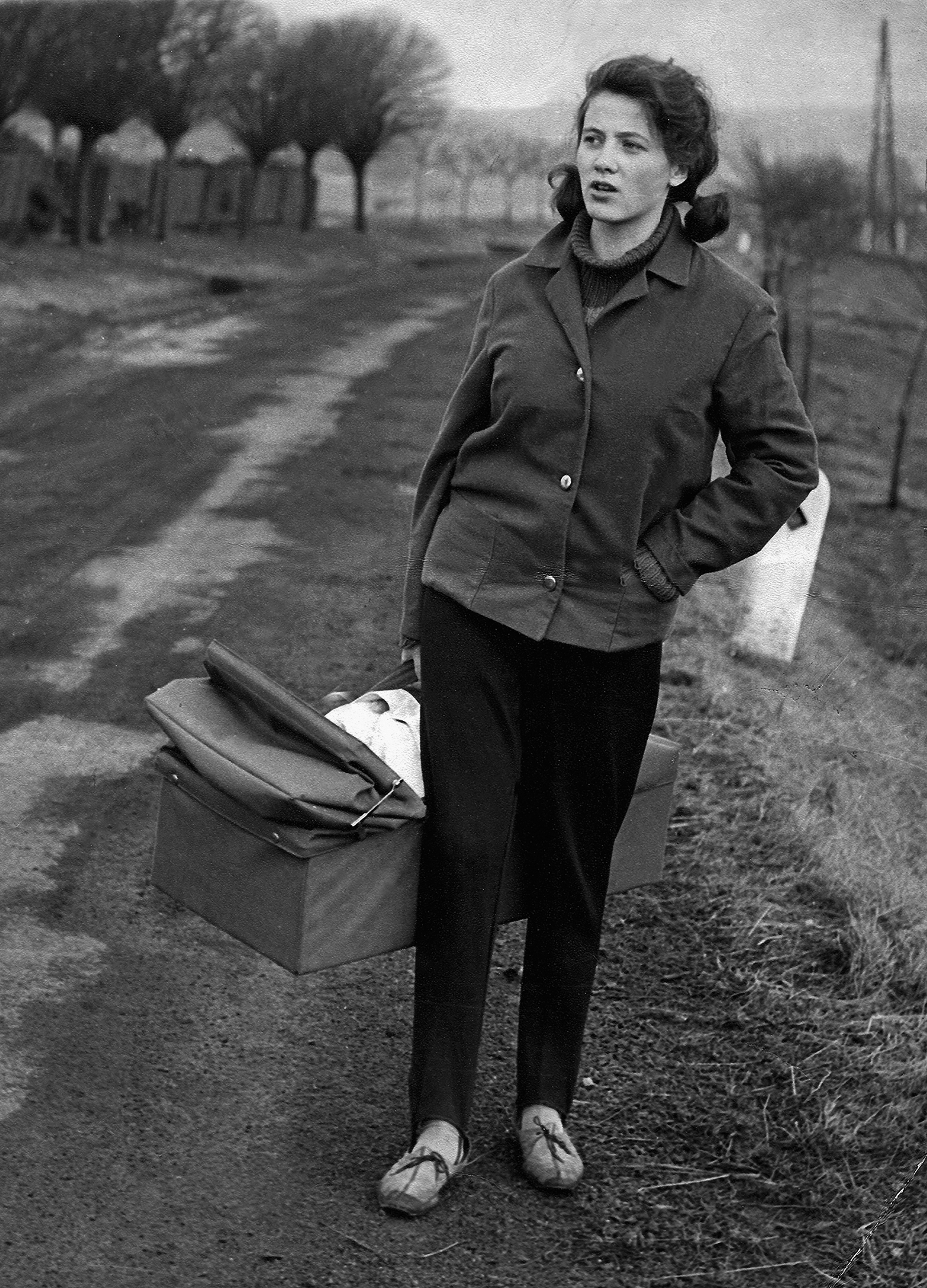
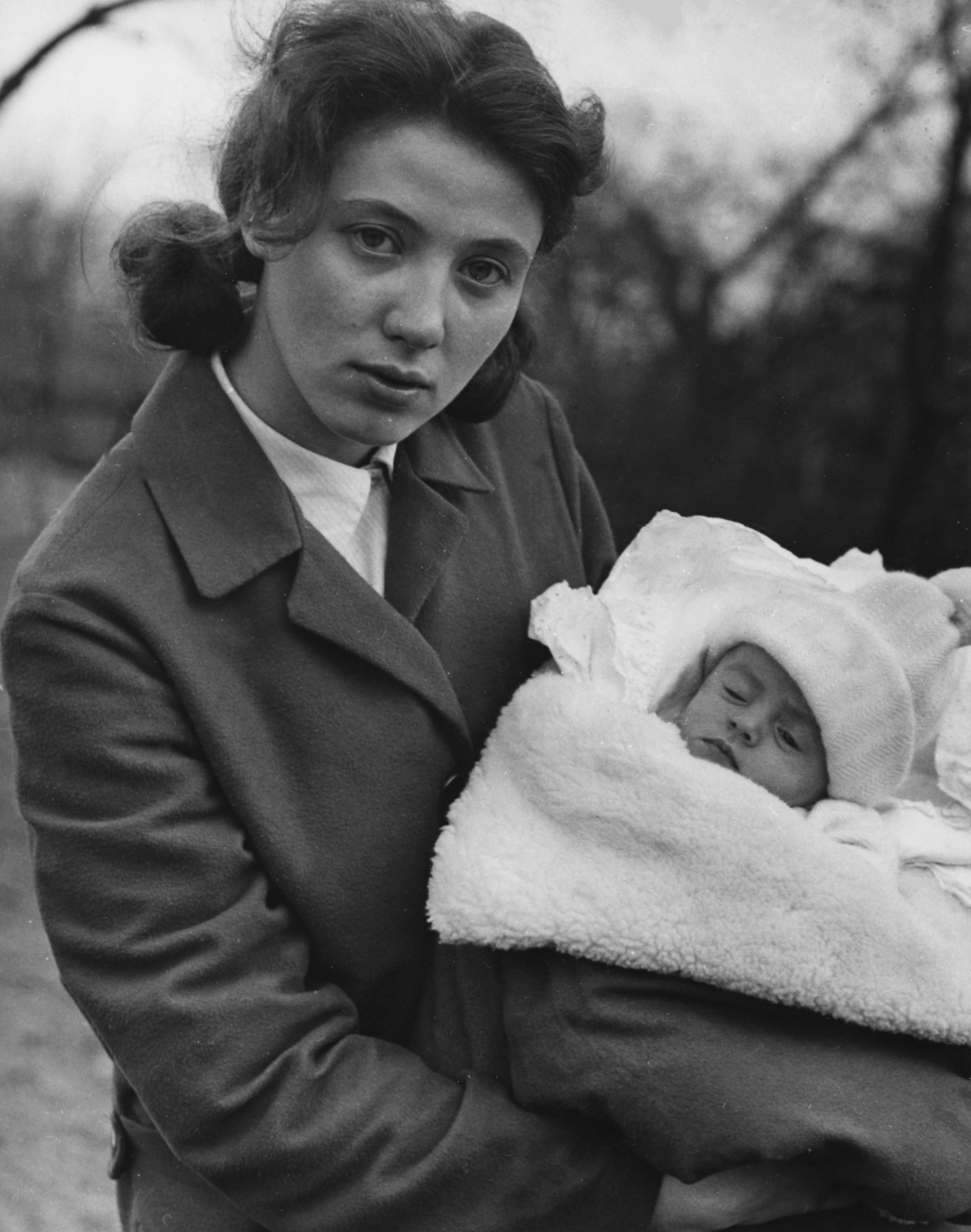
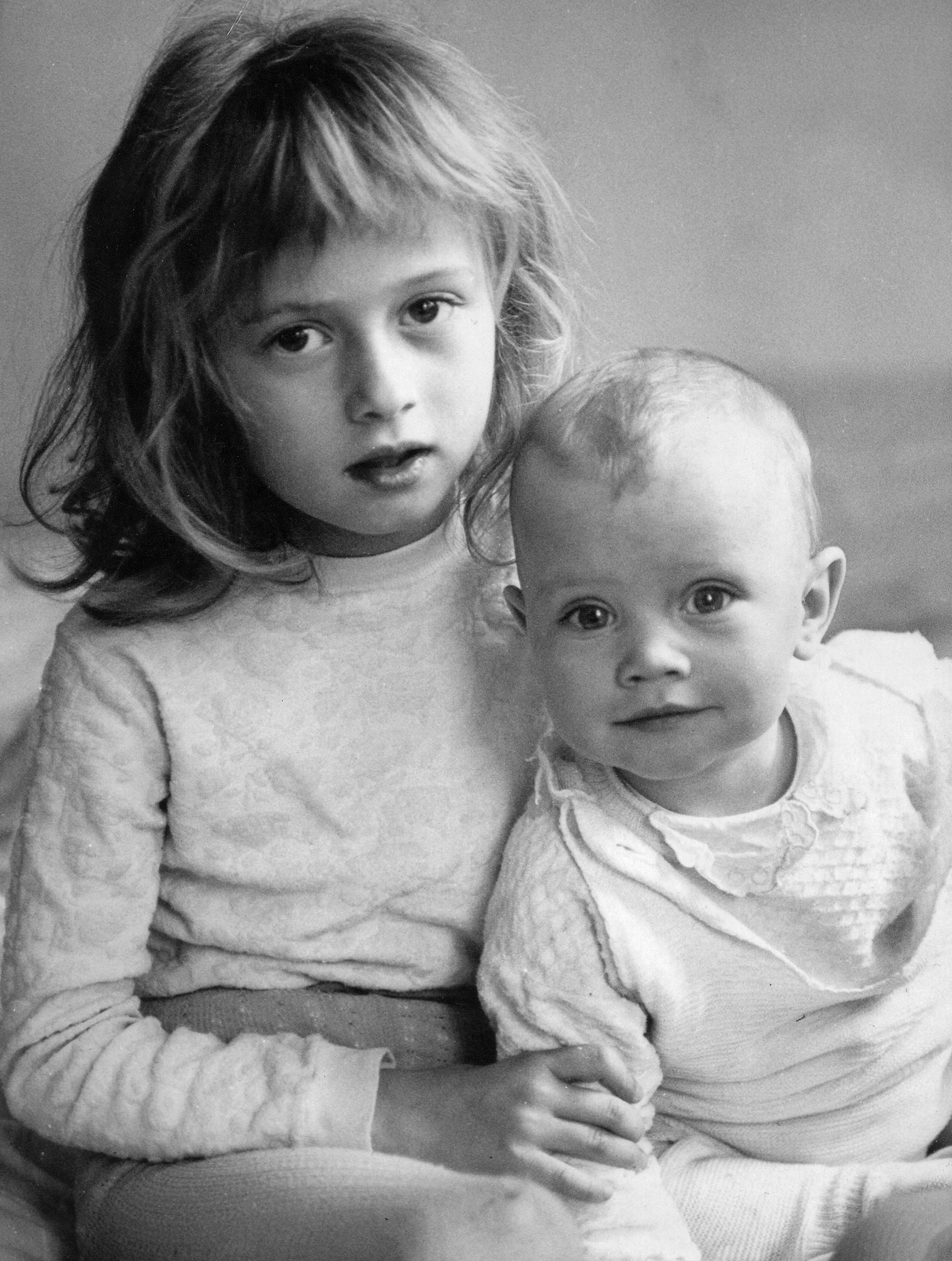
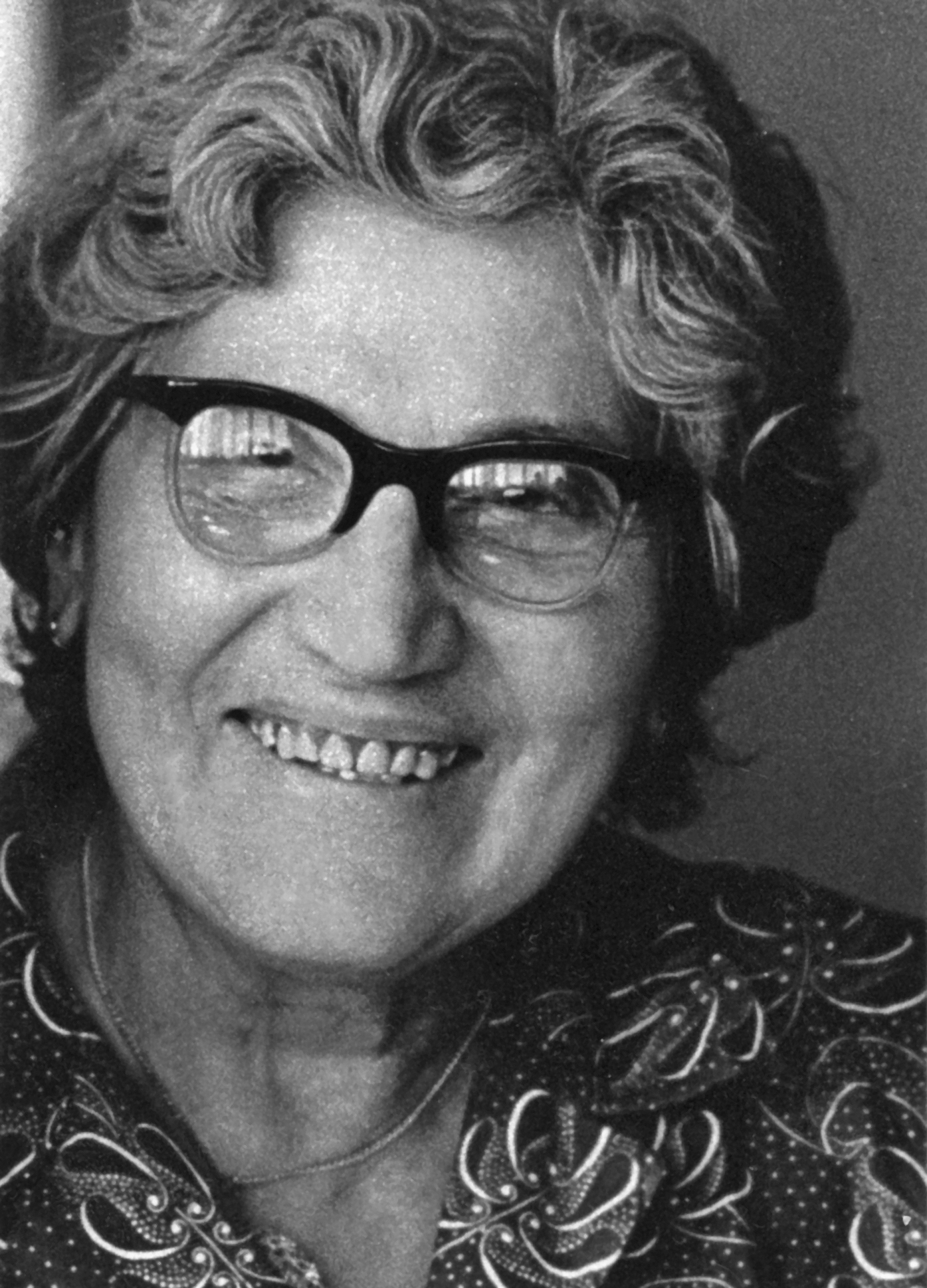
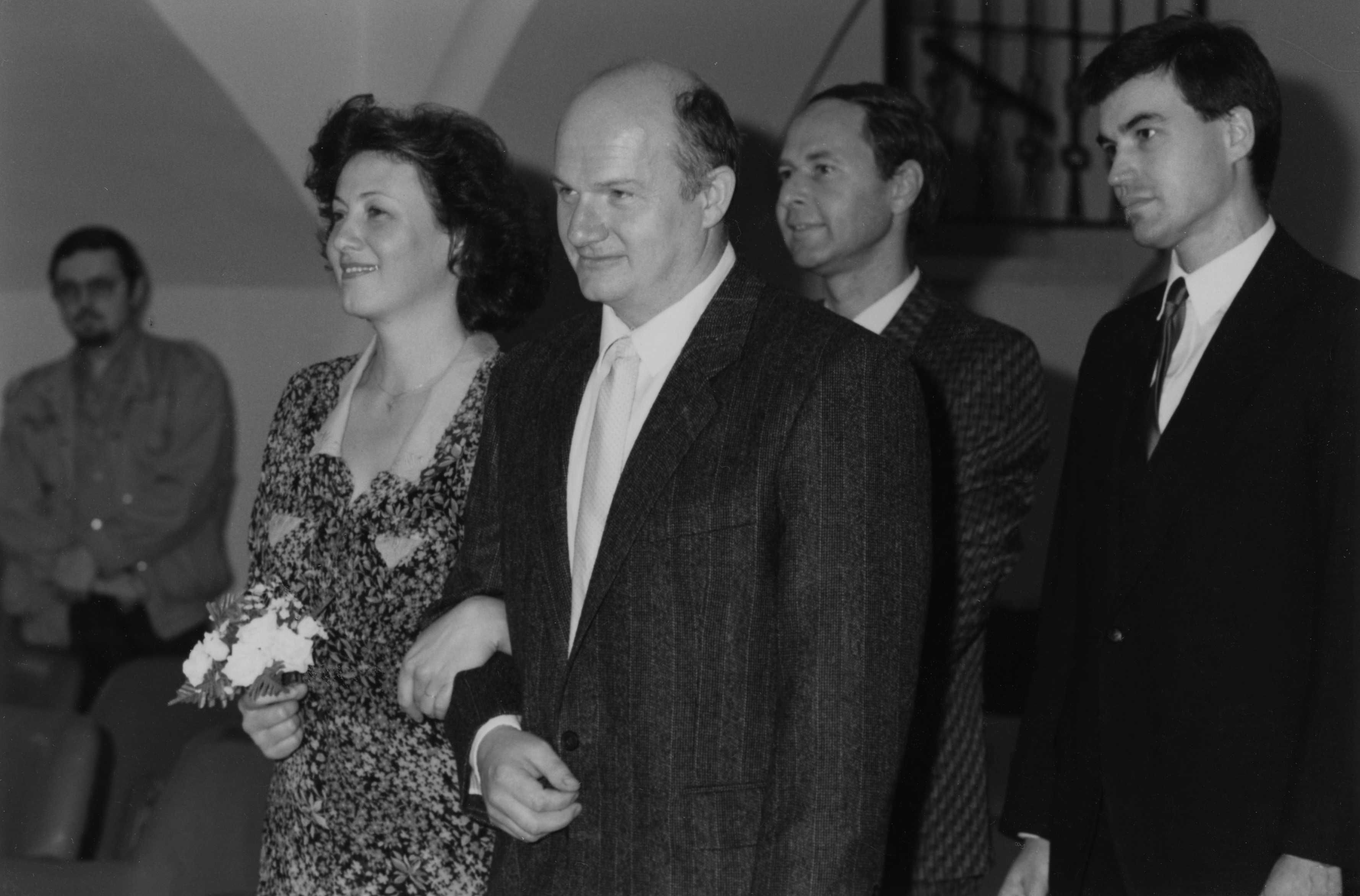
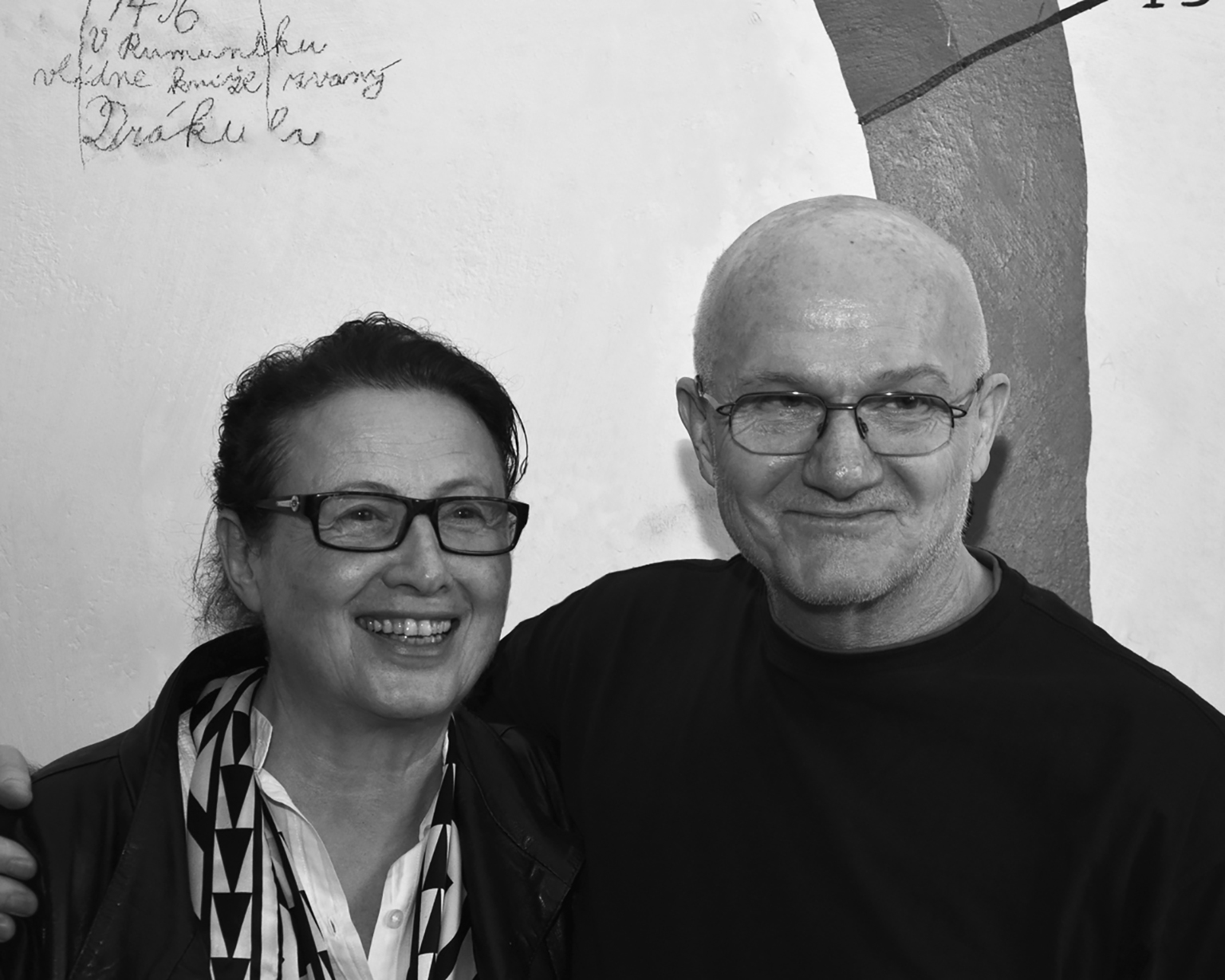
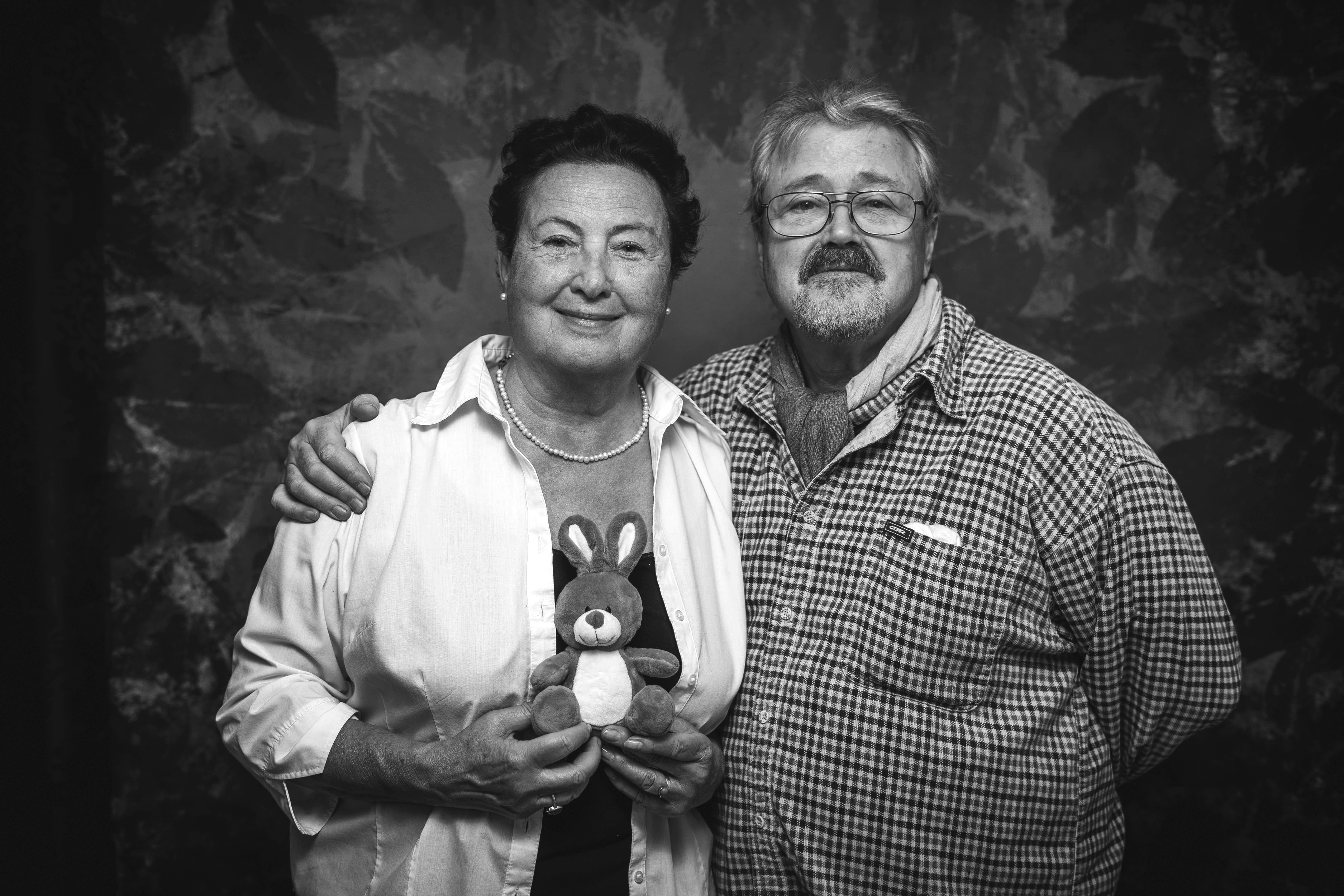
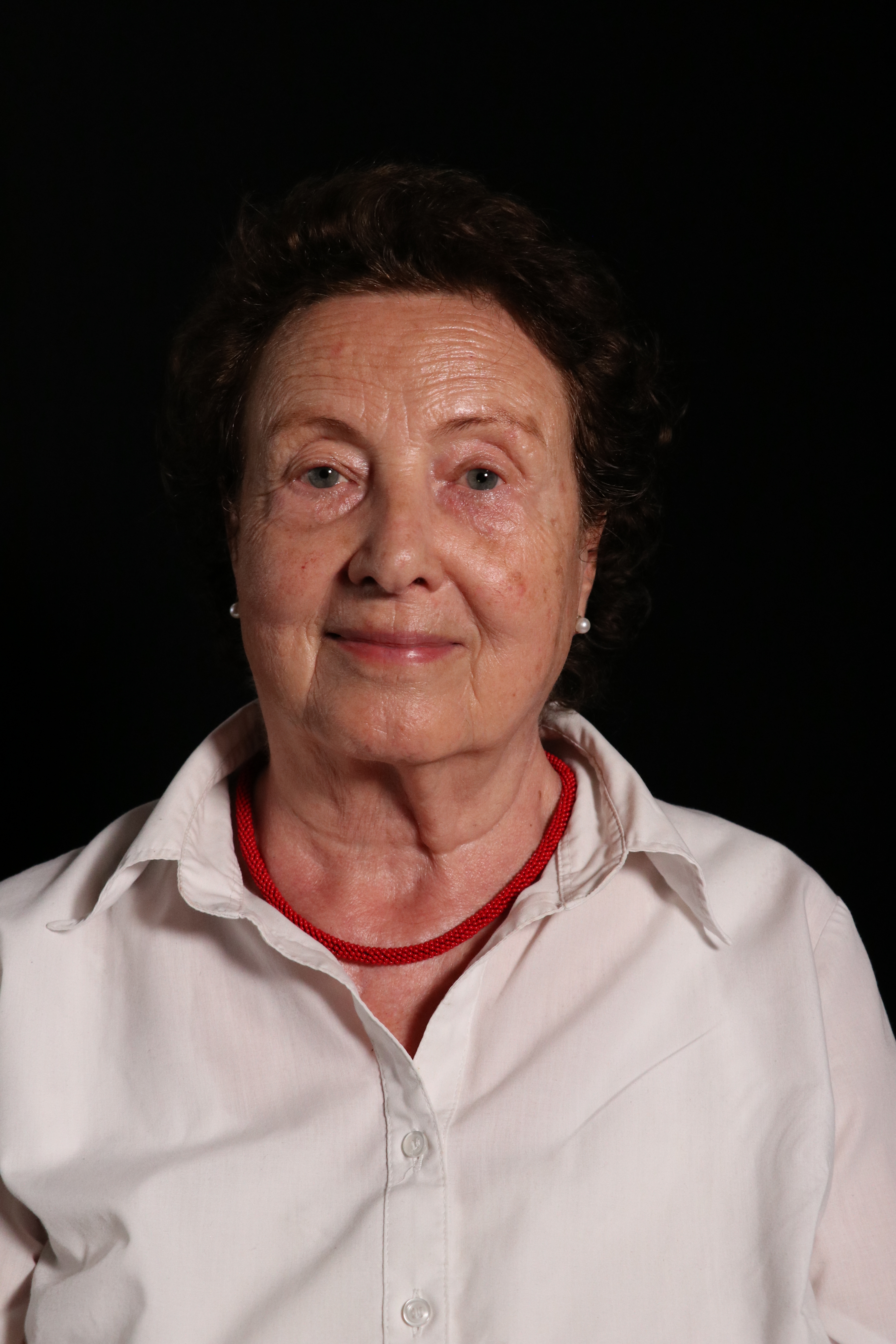
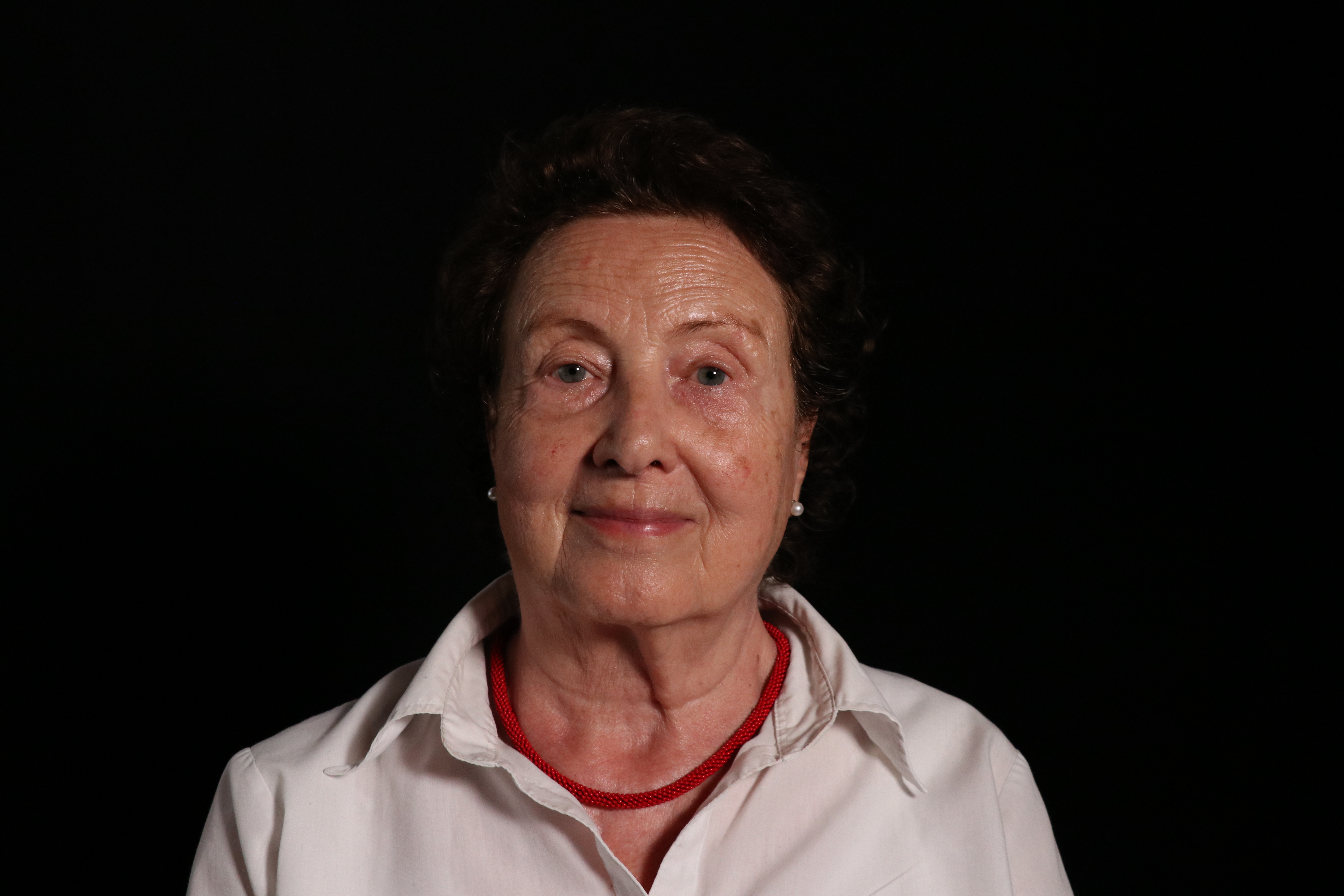
Olga Sozanská is a psychologist who has worked as a university lecturer, professional researcher, lecturer and supervisor in the field of psychology, social work, social curatorship, volunteering and management of the non-profit sector. The background to this focus of hers was a complicated childhood with a desire to bring more justice and humanity into life. She was born on May 28, 1947 in Prague to Olga and Vladimir Janovský. The year 1948 made them an undesirable family - her mother came from a large farm and her father, a poluice officer, refused to join the Communist Party, which meant their eviction from Prague. In addition, the family background was not very solid, the parents soon divorced and the mother, to whom Olga was entrusted with custody, had harsh educational methods. Olga thus wandered from place to place throughout her childhood and very soon married the photographer Ota Pajer, with whom she had daughters Monika, now MacDonagh-Pajerová, and Kateřina, now Bursíková Jacques. During the period of totalitarianism, Olga Sozanská helped collect signatures for Charter 77 and transcribed this text along with other materials against the totalitarian authorities. For these activities, she received a certificate as a participant in the resistance and resistance against communism. After the Velvet Revolution, she founded the National Volunteer Centre Hestia, which she led for many years as its director. Together with her second husband, artist Jiří Sozanský, and art historian Jiří T. Kotalík, she founded the Symposion civic association, which continued the unofficial activities of those involved before 1989. Olga Sozanská has published a book of memories of her childhood and youth in the 1950s and 1960s, “The Last First Work”, which shows the absurdity and monstrosity of the communist regime through humorous insight. At the time of recording in 2025, she was living with her husband in Prague.