"As I was saying, I have two siblings and my grandmother had one sister who sailed on a ship in 1917 and ended up in America, the other married into Transcarpathian Ukraine, which was still part of Czechoslovakia at that time. They never met after that, because the regime didn't allow them to, when one got a visa, the other didn't. And actually, there was some family there, and as soldiers we were not allowed to go abroad. We could go to the GDR or to Poland, but there were no such destinations for a person to go there on holiday. And actually the uncle or the great uncle who was in America, he invited all my cousins and my sister and they went there and we couldn't, or I couldn't as a soldier. On the contrary, you're always like, 'If your sister stays there, you're out of the army' and stuff like that. Those were such unpleasant... that time was a bit different. I remember exactly that there was a revolution and we kind of escaped from school one day as students and we went to Vienna on the sly because we could already go as soldiers and it was such an experience just to see what it was like in that forbidden territory where we just couldn't go before."
"The way people saw the army changed tremendously. When I started in the army, my first outing - when we went, we were so excited because we weren't allowed to go anywhere for a month after we were sworn in, and then in uniform, and in uniform in Prague... As excited as we were, we came back from that outing pretty quickly because we weren't prepared for the reaction of the public, and Prague wasn't prepared for women in uniform. I'll be honest - because that kind of unpleasant attention ruined our enthusiasm to be outside the gates of those barracks for a while."
"Maybe it's strange, but it's quite ordinary, I just wanted to go to the military school after primary school, I wanted to become a soldier. My class teacher didn't know what to do with it, so I walked up to the headmaster and asked him if I could go to that military school. And he said, 'Well, I'm surprised, I don't know anything about that.' He started making phone calls and within a couple of days or so he told me that they don't take girls to military high school. So I said, 'Well, how am I going to get in?' So I was told to get my high school diploma and then I could apply for the army. So I said, 'Okay.' There was a grammar school near to our house in the town, so I said, 'I'm going to grammar school.' But my practical mother said, 'Well, you'll forget it, you won't want to be a soldier in four years.' Back then, grammar schools weren't just humanities, languages, IT and so. And everybody, in order to have any kind of employment, they had to go through college. Which was all so terribly far away, and I was like, 'I don't care, I want to go to the army anyway,' so my mom was like, 'Well, you're going to go to the economics school,' because at that time, which is a long, long time ago, those girls mostly went through the economics school or through... They became saleswomen or nurses or... The choice of those professions wasn't that wide and the opportunities weren't that many."
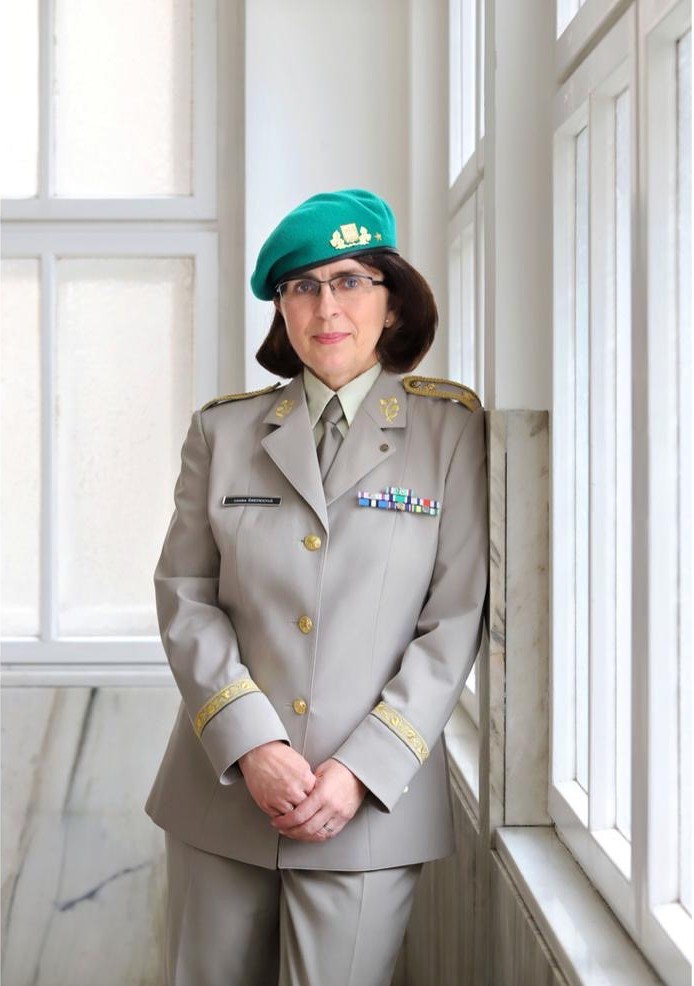
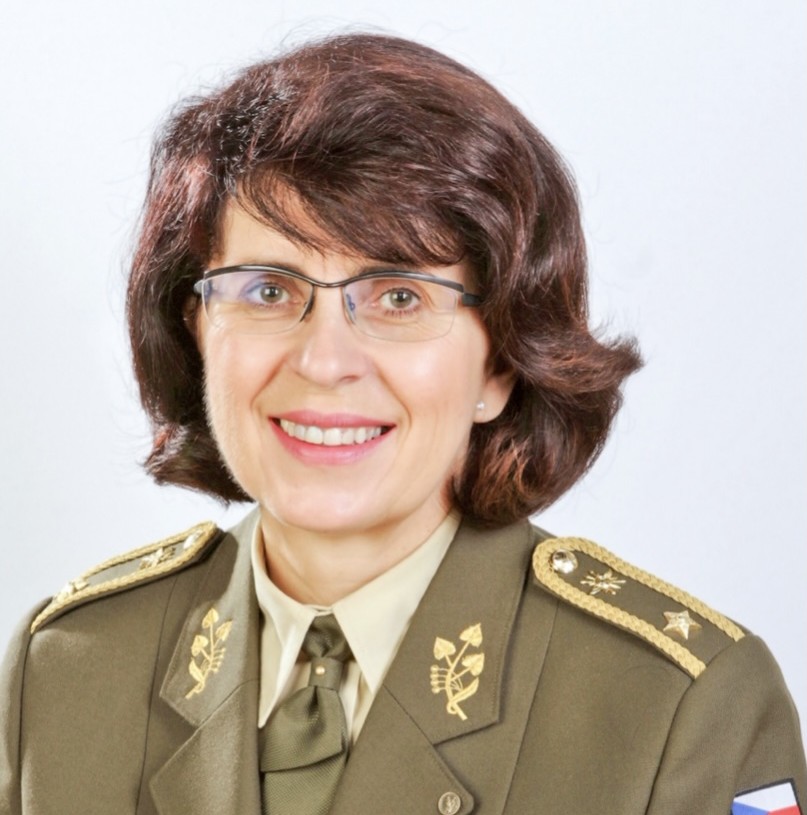
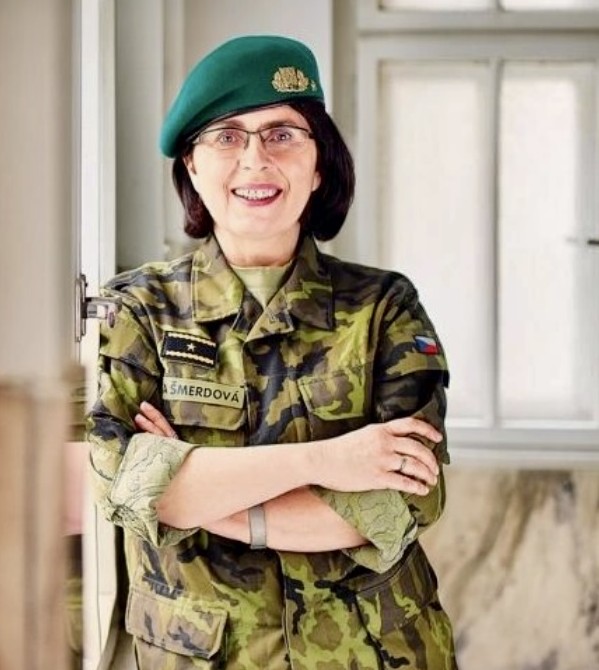
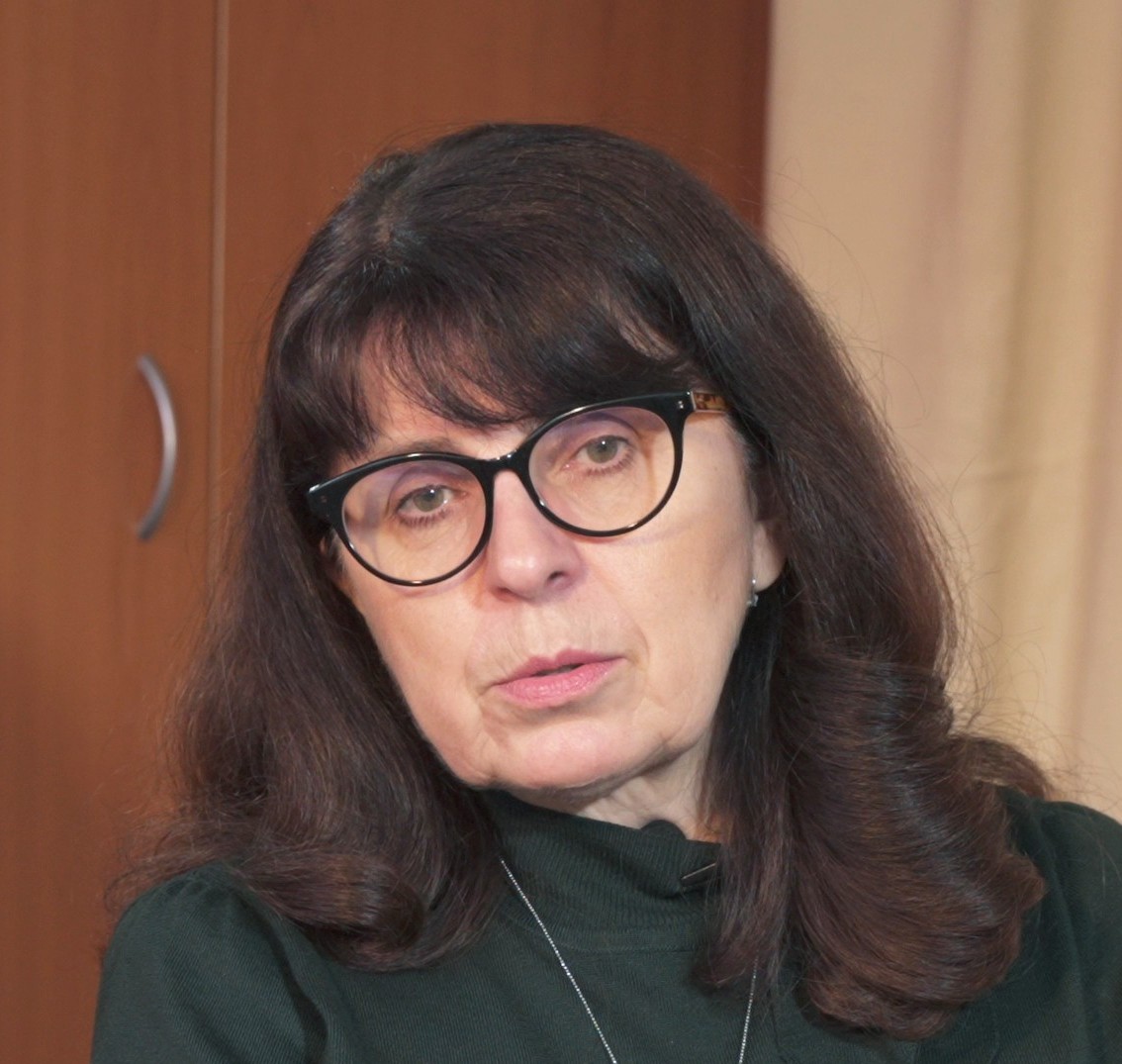
Lenka Šmerdová, née Pavlačková, was born on 20 May 1964 in Slavičín. After primary school she wished to join the military, but the army did not allow women to do so. So she graduated from the secondary school of economics in Zlín. In 1984, she joined the army and did a one-year vocational course for women at the state air defence liaison regiment in Bohnice. From 1985 to 1990 she studied at the Klement Gottwald Military Political Academy in Bratislava, where she witnessed the Velvet Revolution as a student. She and her classmates secretly went to Vienna in the winter to experience a free country. When the army began to professionalize, she took a course in human resources and management at the Military College of Land Forces in Vyškov and worked for many years as head of the recruitment centre, director of the recruitment department or head of the personnel replenishment department at the Ministry of Defence of the Czech Republic. In 2008, she was the first woman in the Czech Army to achieve the rank of colonel, and in 2017 she was appointed brigadier general. She has received many awards for her work in the army and has contributed significantly to the empowerment of women in the army. In the last five years of her military career, she headed the Military Solidarity Fund, retiring in 2023. Today (2025), she works as a manager for strategic partnerships and philanthropy at the Czech Red Cross and is involved in civic life in Prague district of Řepy, where she lives.